
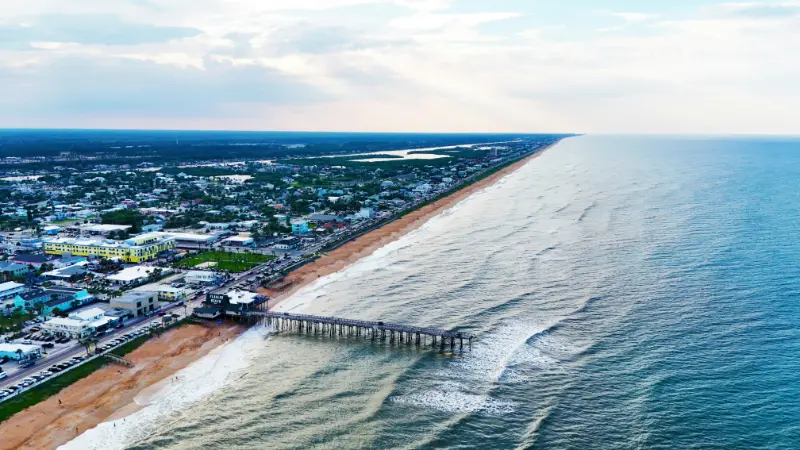
A Florida beach is more than a place to swim. For least terns, black skimmers, snowy plovers and several other coastal birds, sand and shell fragments can be a nursery where eggs and chicks are nearly invisible to human eyes. Tourists often walk toward a bird colony intending to admire it, not realizing that an adult flying away repeatedly may be trying to protect its nest. Responsible shorebird watching is therefore not about finding the closest photograph. It is about recognizing resting and nesting behavior, staying outside marked areas and enjoying the coastline without forcing birds to waste energy. This guide focuses on beach-nesting birds rather than sea turtle rules, general wildlife encounters or birdwatching gear. It is useful to families, photographers, dog owners and anyone visiting coastal Florida in spring or summer.
Quick planning checklist
| Planning step | What to verify |
|---|---|
| Official rules | Consult the relevant agency or operator directly before departure |
| Accessibility | Confirm entrances, facilities, mobility needs and comfortable pacing |
| Costs and timing | Check opening hours, booking terms, transport and final prices |
| Backup option | Keep a flexible alternative for weather, capacity or restrictions |
Understand the nesting environment
Many coastal birds place eggs directly in a shallow scrape in exposed sand rather than building a conspicuous nest in a tree. Speckled eggs resemble nearby shell fragments, and very young chicks can blend into the beach almost completely. Nesting sites may be near dunes, above the usual high-water line or on protected offshore islands. Rooftops with gravel can also host nesting colonies. Because the birds have not chosen a location around human beach traffic, public walkways and leisure activities sometimes approach sensitive areas. Florida’s Fish and Wildlife Conservation Commission explains that disturbance can cause parents to leave eggs exposed to heat, weather or predators. That is why seemingly small actions, such as letting a child chase a bird or taking repeated close-up photos, can have disproportionate effects during nesting season.
When shorebirds nest and when they need rest
In Florida, many beach-nesting species begin breeding in spring and may continue raising chicks through summer. Precise timing differs by species, location and weather; do not treat one calendar date as a statewide season when every nest appears. Autumn and winter matter too. Migratory birds arrive along Florida’s coasts to rest and feed, sometimes after exhausting journeys. Walking directly through a large flock can repeatedly flush the birds into flight, costing energy they need for survival. The practical rule works all year: give groups room, use established paths and observe behavior rather than assuming the absence of ropes means disturbance is harmless. If a beach becomes crowded during a holiday weekend, use a wider route around the birds or choose a different section of shoreline.
Read ropes, signs and Critical Wildlife Areas correctly
Florida beaches may have posts, strings, banners or official signs marking nesting habitat. A rope is a boundary, not an invitation to lean over and photograph a chick. Stay outside posted zones even when the nearest birds look far away; chicks and nests may be hidden in the vegetation or sand. Some protected coastal islands are Critical Wildlife Areas with access restrictions. Boaters should check official charts, local notices and posted boundaries before landing or anchoring. A closure may cover a specific stretch of sand while adjacent public access remains available. If you are uncertain, ask a park ranger or local beach official rather than stepping over a marker. Never reposition stakes or remove signage, even when a path to the water appears inconvenient.

Know when a bird is telling you to move back
Loud repeated calling, circling, dive-bombing, exaggerated injury displays and adults leaving a scrape are possible signs that you are too close. The safest response is to retreat calmly along the route you came, without chasing or trying to locate the hidden nest. If you were trying to photograph a bird, use a telephoto lens or binoculars and let the scene settle. Do not linger until a chick emerges. Wildlife viewing should not require an animal to change its behavior for the camera. FWC advises that agitated birds mean the viewer is too close. Birdwatchers can enjoy natural feeding, resting and courtship activities from a respectful distance. A photograph of an undisturbed group is more meaningful than a dramatic close encounter created by stress.
Children can become excellent beach wildlife guardians
Before reaching the sand, explain that birds are not toys to chase and that eggs can look exactly like pebbles. Give younger children a simple task: spot warning signs, count birds from the public path or help collect litter without approaching nesting areas. A child-sized pair of binoculars can turn distance into an exciting feature of the outing. Keep games with flying discs, balls and kites away from nesting colonies; a kite can resemble an aerial predator. Make the protected zone an example of sharing public spaces with wildlife rather than a rule that spoils the beach day. If a child spots a chick outside a marked zone, do not pick it up. Move away, observe from a distance and contact local wildlife authorities if the animal appears genuinely distressed.
Dogs, food scraps and predators
Even a friendly dog on a short leash can be perceived as a predator by nesting birds. Many Florida beaches do not allow pets, while some have designated dog sections with their own restrictions. If traveling with a dog, choose the appropriate legal beach and keep far from nests and resting flocks. Never assume that leash permission means every section of shoreline is appropriate for pets. Put food waste in secure bins because leftovers attract gulls, crows, raccoons and other animals that may prey on eggs and chicks. Do not feed birds to obtain a photograph. Keep cats indoors at coastal accommodations. These practical steps help protect nesting success while improving the cleanliness and comfort of the beach for everyone else.
Photography without harassment
Early morning and late afternoon light can produce beautiful images without close approach. Use established overlooks, boardwalks or a sandy route well outside marked areas. A long lens lets you observe posture and behavior without entering the birds’ space. Photograph the landscape and the habitat, not only the nest. Avoid using recorded bird calls, drones or artificial bait to attract attention. Drone flights may also be limited or prohibited under separate airspace, park and wildlife rules. If birds show alarm behavior, end the session and move back. Never post exact active nest locations on social media if doing so might draw crowds. Responsible photographers share the experience of protecting wildlife as enthusiastically as the images themselves.
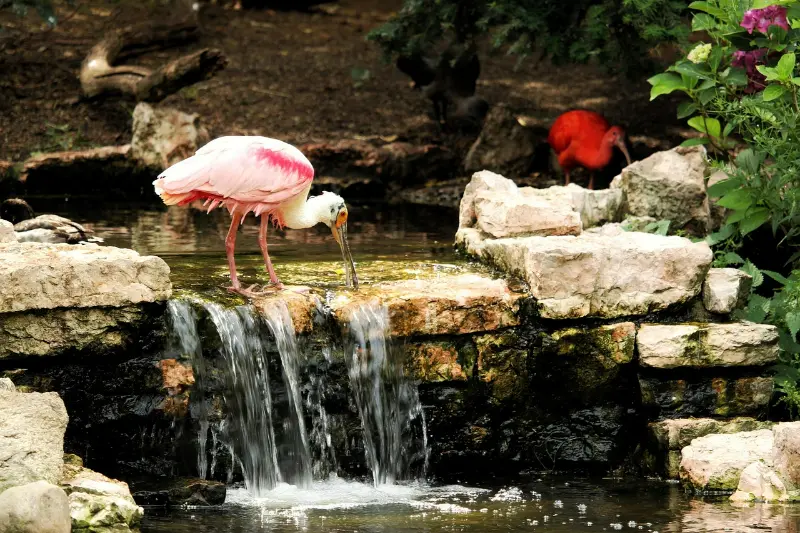
Beach driving, cleaning and events
Vehicles operated on a beach can injure hidden chicks, even where driving is otherwise permitted. Follow designated routes, local speed rules and wildlife notices. Do not drive near the upper beach or around protection barriers. Mechanical beach cleaning, loud events and organized activities can also disturb colonies; these are matters for authorized staff and operators to assess under applicable law, not for tourists to improvise. If you see signs knocked down by wind, report the issue to a ranger rather than attempting your own repair. Large events may move or change routes during nesting periods, and these adjustments help protect both visitors and the species that depend on the shore. Before planning a group outing, ask whether a permit is required and whether sensitive bird habitat is nearby.
Where to enjoy birds responsibly
Coastal Florida offers numerous places for birdwatching without needing to approach a nest. Established wildlife observation platforms, approved public beaches and park boardwalks let visitors see feeding birds, seasonal migrants and large flocks. Habitat varies from Gulf barrier islands and Panhandle dunes to Atlantic beaches and estuary margins. Choose a site based on current access, mobility needs and the species likely to be present rather than a list promising a sighting. For people who cannot walk far on soft sand, an accessible pier or paved observation point may be much more comfortable. Bring drinking water, sun protection and a simple field guide. Stop at the first suitable legal viewpoint instead of searching for a hidden nesting colony.
A low-impact family morning on the coast
Plan an early beach walk before peak heat, but avoid an area if signs indicate nesting activity near the access path. From a public boardwalk, scan for birds feeding at the water’s edge. Ask children to note the difference between fast-moving sandpipers and larger standing waders, without worrying about perfect identification. Walk around resting flocks and leave the upper beach undisturbed. If protected zones make the preferred route impractical, choose another public beach or a nature center rather than trying to pass through. Finish with a snack away from wildlife and dispose of litter securely. Everyone gets time by the sea, and the birds retain the quiet they need. The outing works for grandparents and young children because distance and patience, not physical exertion, are the main requirements.
Reporting concerns and checking current guidance
If you notice someone damaging a posted area, do not confront them aggressively. Record the location from a safe distance and contact the appropriate park authority or FWC. Wildlife Alert reporting information and nesting guidance are provided at https://myfwc.com/conservation/you-conserve/wildlife/shorebirds/. Birds that appear injured should not be captured casually; trained responders can advise. Posted zones may expand or move as colonies shift during a season, so old photographs and travel blogs cannot replace signs on the beach that day. The best principle is consistent: enjoy Florida’s coast, keep pets and recreational gear away from sensitive habitat, avoid feeding wildlife and let birds decide how close is comfortable.
Frequently asked questions
When is Florida shorebird nesting season? Many species nest in spring and summer, but dates vary; migratory and wintering birds also require space outside nesting season.
Can I photograph chicks behind a rope? Photograph only from outside the boundary, at enough distance that adults remain calm; do not reach or step across it.
Are dogs harmless if they stay on a leash? No. A leashed dog may still disturb birds; obey local rules and avoid colonies and resting flocks.
What if I find an egg on the sand? Leave it where it is, keep others away and contact local wildlife officials if guidance is needed.
Can I land a kayak on a protected bird island? Not if access is restricted. Read Critical Wildlife Area notices and stay outside closure boundaries.