
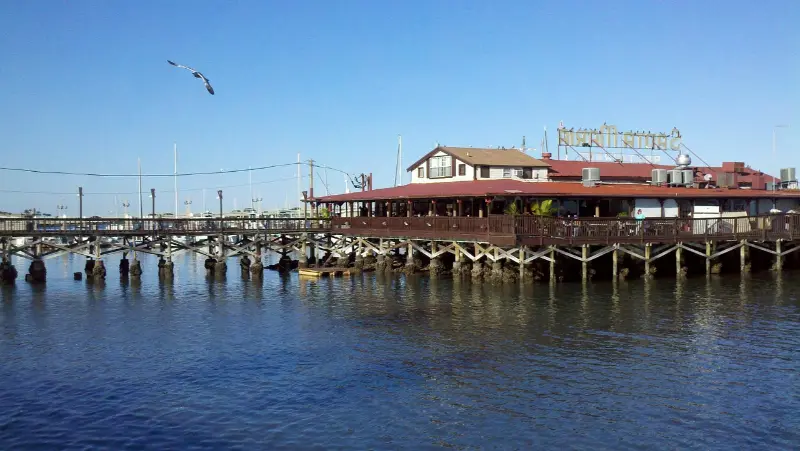
Northeast Florida is best understood as a region rather than a checklist of famous stops. Its strongest mix is historic cities, Atlantic beaches, barrier islands, big-city dining, golf and coastal nature. A first-time visitor can build a satisfying trip by choosing one or two bases, then using day trips to add contrast instead of changing hotels every night.
I would start by deciding whether the trip is mainly about coast, nature, cities, attractions or a combination. Good bases include Jacksonville, Amelia Island/Fernandina Beach, St. Augustine or Ponte Vedra Beach. The distances are manageable when the itinerary follows one direction, but they become tiring when the same highways are repeated every day. The options suit couples, families, teenagers, senior travelers and multigenerational groups, with practical attention to accessibility and pacing.
Quick planning summary
- Best for: historic cities, Atlantic beaches, barrier islands, big-city dining, golf and coastal nature.
- Best bases: Jacksonville, Amelia Island/Fernandina Beach, St. Augustine or Ponte Vedra Beach.
- Recommended stay: 4–7 nights for one part of the region; 7–10 nights for a broader road trip.
- Transport: a car is usually the easiest option outside compact downtowns and selected rail corridors.
- Best planning rule: choose fewer bases and spend more time actually experiencing each place.
In this guide
- Jacksonville: neighborhoods, river and beaches
- Amelia Island and Fernandina Beach
- St. Augustine: the region’s essential history stop
- Ponte Vedra and the coastal corridor
- Guana, estuaries and wildlife
- Beaches from Atlantic Beach to Vilano
- How to combine Northeast Florida in one trip
- Families, seniors and accessibility
- Best time to visit
- Getting around and airports
- Where to stay
- A realistic 5-day regional itinerary
- Budget and booking strategy
- Common mistakes to avoid
- Related Wonderful Florida guides
- Official resources to check
- Final advice
Jacksonville: neighborhoods, river and beaches
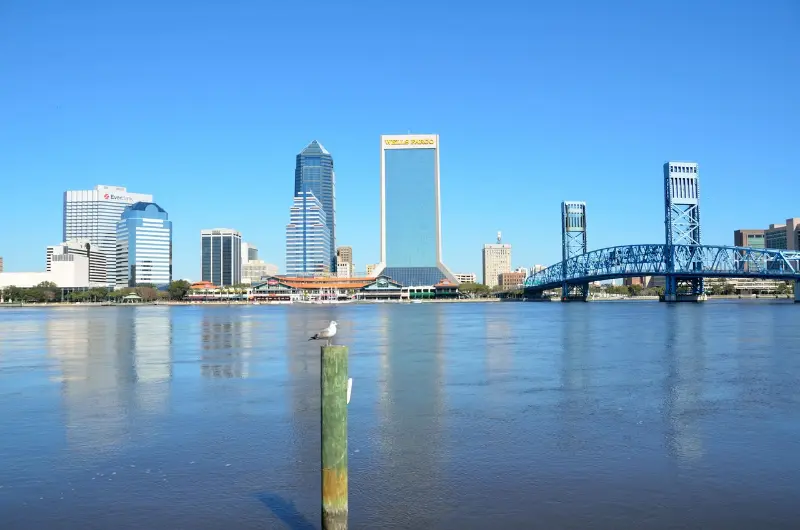
Jacksonville is large enough to function as several destinations in one. Downtown and the St. Johns River offer museums and event venues, Riverside and Avondale add neighborhood dining and architecture, while Jacksonville Beach and Atlantic Beach create a separate coastal experience. The size of the city means location matters more than many first-time visitors expect.
Choose a hotel for the activities you will do most often. Crossing the metro area repeatedly can turn a flexible city break into a driving-heavy trip, especially around commuter periods or major events. For a regional trip, the practical question is not how many stops can fit on a map but how much time the group wants to spend outside the car. Cluster attractions by base, preserve one lighter half-day, and avoid moving hotels simply to save a short drive. This matters for families with small children, senior travelers and anyone who values relaxed evenings.
Amelia Island and Fernandina Beach
Amelia Island combines broad Atlantic beaches with a historic downtown in Fernandina Beach. It suits couples, families and multigenerational groups because a day can be divided between beach time, a gentle downtown walk, fort history and waterfront dining. The northern-island setting feels distinct from Jacksonville even though the two can be combined in one trip.
A central Fernandina stay reduces evening driving, while beachfront accommodation favors early beach time. Verify parking and beach-access arrangements rather than assuming every property has direct sand access. Road-trip distances in Florida can be deceptive because bridges, beach traffic, weather and urban congestion change the real journey. I would plan around realistic door-to-door time, include a food or restroom stop, and keep a second nearby option for days when thunderstorms or capacity limits alter the original plan.
St. Augustine: the region’s essential history stop
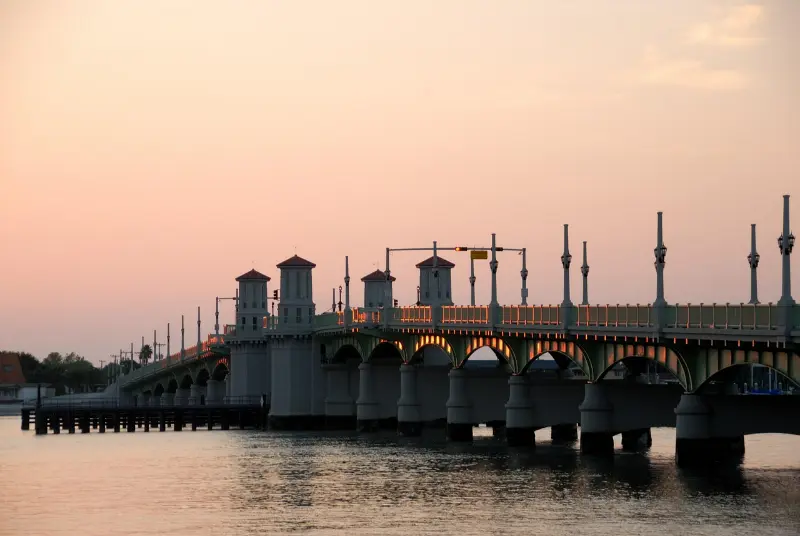
St. Augustine is the strongest history anchor in Northeast Florida, with Castillo de San Marcos, a compact historic core, museums, old streets and nearby beaches. It can be visited as a Jacksonville day trip, but at least one overnight lets you experience the center after day-trippers leave. Summer shade and rest breaks matter because the oldest streets invite more walking than a map suggests.
Use a trolley or central parking strategy if mobility or heat is a concern. Reserve the busiest evening experiences in advance during holiday periods, but leave time for unscheduled wandering. Accommodation location has a larger effect on the experience than a small difference in room price. Compare parking, resort fees, breakfast, laundry, kitchen facilities and the first drive of the morning. A well-located base often reduces both cost and fatigue over several days.
Ponte Vedra and the coastal corridor
Ponte Vedra is known for golf, resort stays and a quieter beach environment between Jacksonville and St. Augustine. The surrounding A1A corridor also includes nature preserves, estuary landscapes and access points where the coast feels less urban. This is a good base for travelers who want a polished resort experience without staying inside a major city.
Golf travelers should verify course access and tee-time policies before choosing a hotel. Beach erosion, tides and local access conditions can alter the usable shoreline at individual points. Outdoor days are easiest when they start earlier, especially in warm months. Use midday for museums, lunch, pools or rest, then return outside later when conditions improve. Florida weather can change quickly, so a flexible sequence is usually better than a rigid hour-by-hour plan.
Guana, estuaries and wildlife
Northeast Florida’s coast is not only sand. Estuaries, marshes, maritime forests and conservation lands support paddling, birding and quiet trails. Guana Tolomato Matanzas conservation areas are particularly useful for understanding how the barrier islands and inland waterways fit together. These landscapes are strongest early in the day when temperatures are lower and wildlife is more active.
Bring insect protection, water and binoculars rather than expecting a manicured attraction. Check trail, launch and hunting-season notices where applicable, and keep respectful distance from wildlife. When an activity depends on wildlife, water, launches, ferries or park capacity, treat the schedule as conditional. Verify the responsible agency or operator shortly before travel and plan a nearby alternative that would still make the day worthwhile.
Beaches from Atlantic Beach to Vilano
The region offers very different beach moods: lively Jacksonville Beach, community-oriented Atlantic and Neptune Beaches, resort-oriented Ponte Vedra, and the sand near St. Augustine and Vilano. Atlantic surf can be stronger than many Gulf beaches, so swimming conditions deserve attention even on beautiful days.
Use local flag and lifeguard information where available and know how rip currents work. Families with very young children may prefer a beach with nearby restrooms, shade options and a shorter walk from parking. For a regional trip, the practical question is not how many stops can fit on a map but how much time the group wants to spend outside the car. Cluster attractions by base, preserve one lighter half-day, and avoid moving hotels simply to save a short drive. This matters for families with small children, senior travelers and anyone who values relaxed evenings.
How to combine Northeast Florida in one trip
A five- to seven-night trip can work well with two bases: Amelia/Jacksonville in the north and St. Augustine in the south. A shorter three-night trip should pick one base and make only one major day trip. The drive times are manageable, but changing hotels every night wastes the region’s best morning and evening hours.
For a road trip continuing south, St. Augustine is the natural final base before Daytona and the Space Coast. If flying, compare Jacksonville International Airport with the total ground journey to your chosen beach. Road-trip distances in Florida can be deceptive because bridges, beach traffic, weather and urban congestion change the real journey. I would plan around realistic door-to-door time, include a food or restroom stop, and keep a second nearby option for days when thunderstorms or capacity limits alter the original plan.
Families, seniors and accessibility
Northeast Florida can work extremely well for mixed-age trips if the day has one shared highlight rather than a long sequence of mandatory stops. Families with babies and toddlers benefit from short transfers, reliable restrooms, shade and accommodation where naps do not end the day. Teenagers often enjoy having one active or self-selected element such as surfing, kayaking, a sports event, shopping or a theme-park attraction. Senior travelers may prefer scenic drives, boat tours, museums and shorter walking loops.
Accessibility should be checked at the level of the specific beach access, park, museum, boat, trail and hotel. A destination can be broadly accessible while one dune crossing, historic building or temporary route is not. Verify step-free access, beach mats or wheelchairs, elevators, accessible restrooms and parking directly when these features are essential. Build extra transition time into multigenerational days so the group does not have to move at the pace of its fastest member.
Best time to visit
The best season for Northeast Florida depends on the trip. Winter and early spring often bring comfortable outdoor weather but can also bring higher demand in popular coastal areas. Late spring can offer warm beach conditions before the most humid period. Summer is useful for school-holiday travel but requires earlier outdoor starts, frequent hydration and realistic thunderstorm backups. Fall can be quieter, but tropical-weather risk remains part of planning through hurricane season.
Do not reduce the decision to a single statewide temperature chart. North Florida can feel much cooler than Miami in winter, Gulf and Atlantic water conditions differ, and inland afternoons can feel hotter than breezy beaches. For trips built around swimming, wildlife, fishing or festivals, check the seasonal pattern for that specific activity as well as the general weather.
Getting around and airports
A rental car is the most flexible way to explore Northeast Florida because many beaches, springs, preserves and small towns are not connected by frequent regional transit. In cities, however, parking can be expensive or inconvenient, so rideshare, trolleys, local buses or walking may be better for individual days. Build tolls, parking and one-way rental fees into the transport budget rather than treating the advertised car rate as the total cost.
For flights, compare the airport closest to the first and last hotel rather than choosing solely by airfare. A cheaper flight that lands several hours from the actual destination may require an extra rental day, fuel and a tiring final drive. If the itinerary is linear, an open-jaw flight or one-way rental can sometimes save more time than it costs.
Where to stay
The strongest bases for Northeast Florida include Jacksonville, Amelia Island/Fernandina Beach, St. Augustine or Ponte Vedra Beach. Beachfront lodging is valuable when sunrise, sand access and midday breaks are central to the trip. A downtown hotel is usually better when restaurants, museums and evening walks matter more. Vacation rentals can be useful for families and longer stays, but compare cleaning fees, parking, cancellation terms and legal occupancy rules before deciding they are cheaper.
For a regional road trip, two well-chosen bases usually beat five one-night stops. Unpacking less often protects morning time and gives the group a place to recover after a long outdoor day. I would change hotels only when it removes a substantial drive or creates a genuinely different experience, not simply because another town appears on the route.
A realistic 5-day regional itinerary
Day 1: arrive and explore Jacksonville: neighborhoods, river and beaches at an easy pace. Day 2: give the main beach, park or signature attraction a full day. Day 3: use Amelia Island and Fernandina Beach for a contrasting experience. Day 4: choose St. Augustine: the region’s essential history stop or another nature-focused excursion. Day 5: finish with Ponte Vedra and the coastal corridor, a relaxed meal and departure without adding a distant final stop.
If the trip lasts a week, add one unstructured weather day and one smaller town or wildlife area. If it lasts only three nights, remove a destination rather than compressing all five days. A successful regional itinerary should have enough space for a beach morning to run long, a child to need a nap, or a storm to push an outdoor plan to the following day.
Budget and booking strategy
The biggest cost variables are usually accommodation location, school-holiday timing, theme-park or attraction tickets, rental cars and restaurant frequency. Save by choosing the right base first, then compare a room with breakfast or kitchen facilities against a lower headline rate. Free beaches, state parks, downtown walks, scenic drives and wildlife areas can balance expensive attractions without making the trip feel cheap.
Reserve genuinely capacity-limited experiences early, but avoid prepaying every hour of the trip. Check cancellation terms for hurricane season and for trips built around boat excursions. Prices, parking systems and reservation rules can change, so confirm the official source shortly before payment when a detail materially affects the budget.
Common mistakes to avoid
- Trying to cover the entire region from one hotel when the daily drive becomes repetitive.
- Judging beach safety only by how calm the water looks.
- Scheduling every outdoor activity for the hottest part of the afternoon.
- Assuming every spring, refuge, ferry or boat tour operates the same way year-round.
- Choosing accommodation by price without adding parking, resort fees and transport.
- Planning wildlife encounters as guaranteed sightings.
- Ignoring a weather backup and then losing a full day to thunderstorms.
Related Wonderful Florida guides
Jacksonville travel guide, St. Augustine travel guide, Florida Atlantic Coast road trip, Florida historic sites guide, Best Florida beaches.
Official resources to check
Opening hours, prices, event calendars, park capacity, water access, ferry or tour operations and storm-related conditions can change. Verify any detail that is essential to the trip with the responsible agency, attraction, accommodation or operator shortly before travel.
Final advice
Northeast Florida is most rewarding when the itinerary reflects what the region does best instead of trying to imitate another part of Florida. Choose a base that matches the group, protect the mornings for the experiences that matter most, and leave enough unscheduled time for weather and discovery. A slower regional trip usually creates better memories than a statewide checklist completed from the car.