Category: Florida Travel Planning

  • Skyway, Venice and Juno Beach Piers: What Visitors Should Know Before Fishing

    Skyway, Venice and Juno Beach Piers: What Visitors Should Know Before Fishing

    You do not need a boat to experience Florida’s fishing culture. Coastal piers offer a chance to watch experienced anglers, learn about local species and, where permitted, try fishing with a rental rod or simple tackle. They can also be rewarding places to enjoy a waterfront view if you never cast a line. The difficulty for a first-timer is knowing which pier is actually open, whether you need a license, and how to handle fish safely. Rules differ by location, and pier access has changed at several prominent sites.

    This guide suggests three separate pier experiences rather than implying they are all close enough for a single weekend. You can choose one base near Tampa Bay, another near Venice or an Atlantic example around Juno Beach. Each is a possible one-day model. Combining all three would involve significant driving, so most visitors should select the region that matches the rest of their vacation.

    First decision: fish or simply watch?

    A spectator visit needs only comfortable shoes, shade and any pier admission fee. You can observe how local anglers bait hooks, use landing nets and talk about tides without handling equipment. This can be a perfect introduction for a young child or older visitor who does not want a full charter excursion. If you plan to cast a line, however, you must investigate licenses and regulations before arrival. In Florida a license can be required even for catch-and-release fishing, unless a valid exemption applies. Being a tourist does not create an automatic exemption.

    The Florida Fish and Wildlife Conservation Commission says non-resident anglers age sixteen and older generally need an appropriate license, but fishing from a pier with a valid saltwater pier license can be an exemption. Verify that the particular pier holds such a license. Never generalize from one pier to all others. Florida’s free resident shoreline license is not an option for non-residents. Some species require additional permits or have strict seasonal, size and possession rules. If in doubt, observe or take an introductory lesson rather than fishing illegally.

    Pier option one: the Skyway experience near St. Petersburg

    Skyway Fishing Pier State Park uses portions of the former Sunshine Skyway bridge approach over Tampa Bay. It has long been associated with fishing from a structure that allows visitors to be close to deep water without a separate boat. But current access is important: the official park site reports that, following structural inspections, vehicle and pedestrian access beyond the bait shop has been restricted since late 2025. As of 2026, the park also posted a notice about limited power and lighting on the south pier. Check these notices again before planning a night visit.
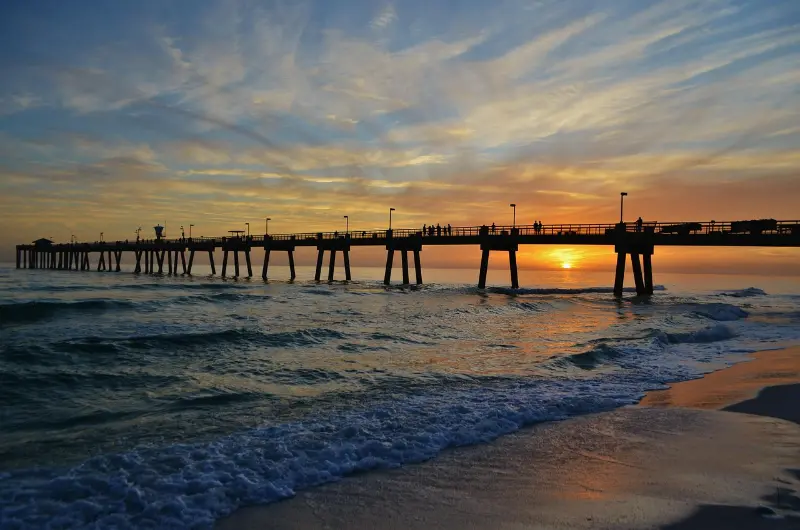
    Florida Ocean Fishing Pier at Sunset

    Another detail makes this a poor place to improvise: the park states that anglers must complete its annual online education course to fish from Skyway Pier. Review the requirement, access rules, fees and current open portions before taking children there. This is not a place to let youngsters wander near railings or hooks while an adult is distracted. Even if you only come to see Tampa Bay, wind exposure can be greater than expected. Keep small items secured and supervise children near edges and moving vehicles.

    Pier option two: a slower Gulf Coast afternoon around Venice

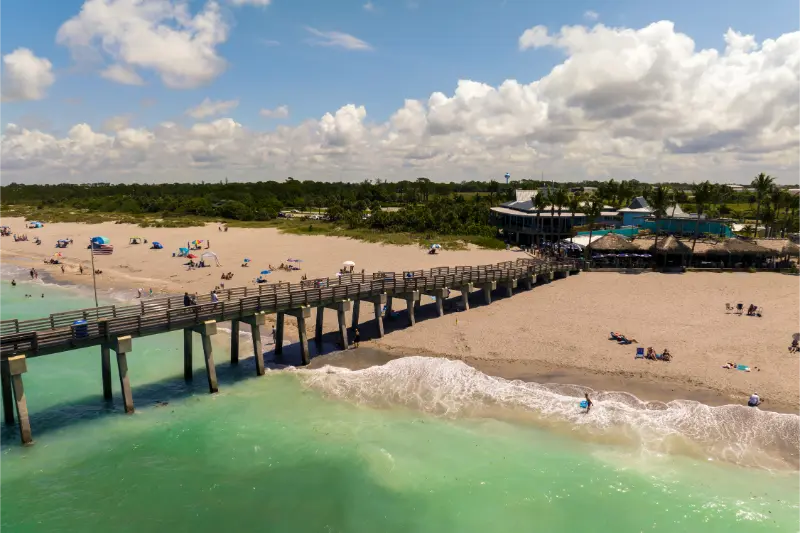
    Venice has a recognizable fishing-pier tradition and a pleasant wider coastal setting. A visitor interested in an easy fishing-themed afternoon can combine a waterfront walk with a local lunch and time looking at anglers. However, do not assume that a photograph of a pier from several years ago proves every section is open. The city has carried out coastal work and beach nourishment activity, and storms can affect structures or access. Confirm current pier condition with the City of Venice before driving there specifically for fishing.

    For beginners, a smaller, supervised first attempt is more useful than spending an entire day waiting for a big catch. Ask local staff or a reputable tackle shop where fishing is authorized and what equipment is appropriate. Children might prefer watching seabirds, comparing boats and learning to identify fish from signage. Parents should explain why discarded fishing line is dangerous to pelicans and other wildlife. Put used line in a designated monofilament recycling container or take it home for proper disposal; never leave tangled line or hooks on a public pier.

    Pier option three: Juno Beach Pier on the Atlantic

    Juno Beach Pier is associated with Loggerhead Marinelife Center and provides an Atlantic Coast experience with fishing, views and conservation education nearby. The operator’s pier information states that it holds a pier fishing license covering anglers fishing directly from the licensed pier, subject to all other rules. It has offered rod rentals, bait and instruction, making it appealing for first-time visitors. However, the center also reports a major refurbishment project beginning June 2026, with construction updates continuing into the fall. Availability of fishing areas and services must be confirmed before planning your trip.

    For families, the chance to connect fishing with marine conservation is a strong reason to consider this area. Combine the pier visit, if open, with a separate educational stop at Loggerhead Marinelife Center rather than treating sea turtles as an attraction to chase on the beach. Pier spectators should keep a safe distance from anglers casting lines, particularly with young children or strollers. If work temporarily reduces access, switch to a coastal conservation visit and return to the pier on another trip.

    A three-day introduction without exhausting yourself

    If you want three days devoted to learning rather than three geographically distant piers, stay in one coastal area and follow this pattern. On day one, visit a pier as a spectator, learn its operating hours and talk to staff about beginner programs. On day two, try a scheduled lesson or a carefully prepared short fishing session where legally authorized, preferably in the morning. On day three, visit an aquarium or conservation center to learn more about the fish, seabirds and habitats you encountered. This sequence gives children and first-timers context instead of turning the vacation into a competition to catch something.

    A short session may be particularly suitable for seniors, people with limited stamina or families whose children have never used a fishing rod. Check benches, accessible parking, railing height, restrooms and protection from sun. Some piers have long exposed stretches with little shade. The best experience may be just an hour near the entrance followed by lunch in town. You are not obligated to stay because you paid admission.

    Basic equipment: what to rent, buy or leave at home

    A simple rod and reel, tackle suited to the local pier, a landing net if required and a safe method to handle fish are the starting point. Ask staff what tackle is recommended that day, taking into account local conditions and legal restrictions. Do not buy a large tackle box before knowing the intended species. Gloves do not make it safe to handle every fish, and some marine animals have sharp spines or stingers. If you cannot identify a catch, avoid bare-hand contact and ask trained staff for guidance.

    Bring water, a wide-brimmed hat, polarized sunglasses, closed-toe shoes and a towel for hands. Keep hooks inside a secure container and out of children’s reach. If you rent a rod, inspect it, ask what replacement costs apply and learn where to return equipment. For visitors traveling by plane, carrying tackle with sharp items can introduce airline-security complications; local rental is often simpler. Never bring glass containers or alcohol without confirming local pier rules.

    Fishing responsibly around protected wildlife

    Pelicans, sea turtles, dolphins and other marine animals can be harmed by fishing gear. Do not feed birds or let them steal bait, and do not cast toward birds or other animals. If wildlife becomes entangled or hooked, seek trained assistance rather than putting yourself or the animal at risk. A struggling pelican can injure someone, and attempting an improvised rescue may worsen the situation. The FWC provides guidance on responsible fishing and wildlife incidents; save relevant contact information before the outing.

    Understand the difference between keeping a fish and releasing it. Limits and seasons are species-specific and can change; identification matters. A fish that looks similar to another may have different regulations. If you cannot meet the regulations or handle a catch humanely, watching a pier activity or joining a professionally supervised lesson is the better choice. Children can help keep the area clean, identify birds and record weather conditions even without participating in the actual fishing.

    Safety for kids, non-swimmers and older visitors

    The combination of hooks, railings, strong sun and water deserves a plan. Young children must remain within direct adult supervision near pier edges, and no one should climb railings or stand on equipment. Check whether flotation devices are recommended or required for particular ages and locations; do not assume every pier provides or rents them. People who cannot swim should stay well away from unstable edges, even if the surface appears broad and flat. A stroller’s brake should be engaged when stationary, but it is not a substitute for keeping the stroller away from the railing.

    For people with limited mobility, ask whether parking leads to a level entrance and how far it is to the fishing or observation area. Wind can make walking uncomfortable, and there may be limited seating. Avoid fishing during thunderstorms or heavy surf. Stop promptly when lightning threatens and follow site personnel’s instructions. Keep the emergency number available and learn how to describe your pier location if assistance is needed.

    Budget comparison for a beginner

    Cost to check Why it matters Budget-friendly approach
    Pier admission Visitor and angler charges may differ Decide whether you only want to observe
    Fishing license Pier license exemptions are location-specific Verify before buying an individual license
    Rod and tackle Rental may cost less than buying Request a basic beginner setup
    Parking Separate fees may apply Check official lot and payment method
    Lessons Helpful for rules and safe technique Book one short introduction rather than a full day
    Food and water Exposed piers can be tiring Bring permitted water and simple snacks

    Do not rely on an undated travel blog’s price list. Operators can change hours, construction access, ticket rates and fishing rules. Build your budget with current published rates and make the first outing short enough that you can quit happily if nobody gets a bite.

    Frequently asked questions

    Do I need a Florida fishing license on a pier?

    Often yes, unless a valid exemption applies. Fishing from a pier that has a qualifying saltwater pier license may exempt anglers from purchasing a separate license, but species-specific regulations and other permits can still apply. Confirm with FWC and the particular pier.
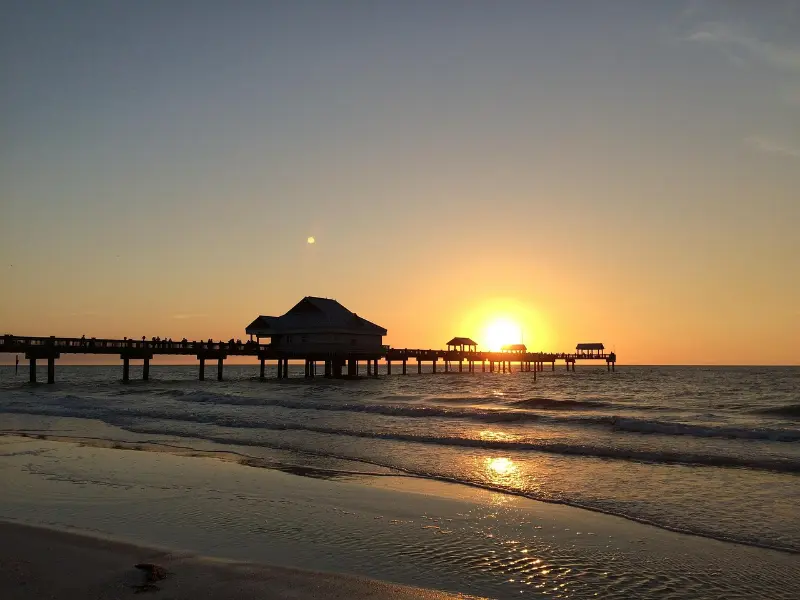
    Florida Fishing Pier Silhouette at Sunset

    Are the Skyway and Juno Beach piers fully open in 2026?

    Both have posted construction or access notices. The Skyway site restricts access beyond the bait shop, while Juno Beach reports refurbishment work. Check the latest official updates rather than assuming full availability.

    Can a child enjoy a fishing pier without fishing?

    Absolutely. Watching boats, birds and local anglers, learning fish identification and visiting a conservation center can make a rich outing. Keep children safely away from hooks, casting areas and edges.

    Reliable official sources

    Check the FWC visitor licensing guide, FWC saltwater regulations, Skyway Fishing Pier State Park and Juno Beach Pier’s operator updates. For Venice, verify active projects on the City of Venice website.

  • Florida Car Seat Laws for Visitors: Babies, Boosters, Rental Cars and Safe Transfers

    Florida Car Seat Laws for Visitors: Babies, Boosters, Rental Cars and Safe Transfers

    A family can plan a beautiful Florida road trip and still be caught off guard at the rental-car counter by a practical question: how will every child travel safely and legally? Florida has age-based child-restraint rules, but the legal minimum is not the same as the safest seat for a particular child’s height and weight. Visiting families also face flight logistics, ride-hailing transfers, hotel shuttles and uncertainty about the condition of rental seats. This guide separates the actual statewide legal basics from best-practice advice, and explains how to plan for a baby, preschooler, school-age child or older teenager.

    At-a-glance comparison

    TravelerFlorida legal baselineSafety planning
    Ages 0–3Appropriate separate or integrated child restraintUse the correct seat and fit
    Ages 4–5Approved restraint or booster under general ruleChoose by height and weight too
    Ages 6–17Seat belt requiredBooster may still be safer for smaller children

    Florida’s basic legal age requirements

    Florida’s highway safety agency explains that children through age three must be secured in an appropriate child restraint using a separate carrier or a vehicle manufacturer’s integrated child seat. Children ages four and five must use an appropriate separate carrier, integrated child seat or booster seat under the general rule. Older minors are subject to seat-belt requirements; the law does not imply that every six-year-old is tall enough to fit an adult belt safely. Exceptions can apply in specific circumstances, so verify the current wording from the Florida Department of Highway Safety and Motor Vehicles rather than depending on a short rental company summary.

    Safety authorities recommend choosing equipment based on a child’s size, the manufacturer’s limits and correct installation. A booster may be appropriate well beyond the fifth birthday. A child should not move to an adult seat belt simply because a particular law mentions an age. In a properly fitted belt, the lap portion lies low across the hips, the shoulder portion crosses the chest and shoulder rather than the neck, and the child can maintain a suitable seating posture for the entire ride.

    From newborn to toddler: choose the correct restraint

    A newborn generally travels in a rear-facing child seat installed according to the seat and vehicle manuals. Keep the child rear-facing as long as the seat’s permitted height and weight limits allow; do not turn the seat forward simply because the child has a birthday. Check harness height, harness snugness, chest-clip position according to the seat’s instructions and the angle required for infants. Thick clothing or loose aftermarket inserts can interfere with a proper fit. A seat approved in one country may not automatically meet applicable US requirements.

    Miami Retro Diner and Classic Cars

    Before a flight, check the airline’s rules and the particular seat’s approval labels if you hope to use it onboard. The airline’s policy is separate from Florida road law. If you rent a car seat instead of carrying your own, ask about the actual seat model, its condition, manufacturer instructions and availability in the correct size. Never assume ‘baby seat included’ means the right type for an infant or that a hotel transfer vehicle supplies one.

    Preschoolers and boosters: avoiding the common age trap

    Four- and five-year-olds are covered by Florida’s specific restraint requirement, but an appropriate forward-facing harness may remain safer than a booster for some children depending on seat limits and maturity. Boosters are designed to position a vehicle’s adult seat belt correctly. They are not a substitute for an appropriate harness seat when the child is too small or cannot remain seated correctly. An adult should check belt fit before each journey, particularly in unfamiliar rental vehicles where seat geometry differs from home.

    School-age children often still need a booster even when local law might permit an adult belt. Ask whether the shoulder belt stays on the shoulder and whether knees bend comfortably at the edge of the seat without sliding. If the child tucks the shoulder belt under an arm or behind the back, the fit is not correct. Keep children in the rear seating positions when appropriate under national safety recommendations and follow the seat manufacturer’s limits.

    Renting a car seat in Florida

    Car rental companies may offer infant, child and booster seats at an extra daily fee, often subject to stock and local terms. Request the correct category during booking, confirm it directly with the pickup branch and retain written proof. At the counter, inspect the seat for obvious damage, missing pieces or instructions; ask for an alternative if something seems wrong. Check that the vehicle has suitable seat belts or LATCH anchors, and make sure the equipment can be installed correctly. Rental staff may be unable or unwilling to install seats for liability reasons, so do not depend on them to complete that step.

    Compare the total rental cost over a long trip with carrying or legally obtaining an appropriate seat. Transporting your own can simplify fit and familiarity, but airlines may have size, packaging and baggage policies. Buying a seat after arrival is not a good plan if the child must ride in a vehicle to reach the store. Arrange safe first-mile transport before the flight, not when you are standing outside an airport with luggage and a tired baby.

    Airport transfers and ride-hailing

    A ride booked through an app is still a road journey with child-restraint implications. Do not assume your chosen driver has an approved seat, or that a ‘family-friendly‘ service has a correctly sized restraint for every child. Some services allow booking specific car-seat options in limited areas, but availability and policies can change. Contact the provider, ask about the exact equipment, and plan an alternative if the service cannot guarantee what you need. A parent holding a child on their lap is not an adequate replacement for an appropriate restraint in a road vehicle.

    For larger groups, capacity matters. A vehicle with sufficient passenger seats may not have enough space to install three child restraints side by side. If you are traveling with grandparents and several children, ask about vehicle model and seating layout before prepaying. Airport hotel shuttles, taxis, car services and theme park transport can operate under different rules and vehicle classifications; verify rules specific to the trip and never treat an assumed exemption as a safety recommendation.

    International visitors: bringing a seat from abroad

    Car seats are regulated products. A seat compliant with European or another national standard is not necessarily certified under US motor vehicle safety requirements, even if it looks similar. Before you travel, check the seat’s labeling and the applicable regulatory guidance, as well as your airline’s terms if carrying it onboard. Do not remove labels, modify straps or add unapproved padding to make a seat seem more compatible. If you decide not to use your own, book a suitably certified rental or local seat solution before departure.

    Another issue is installation: US rental vehicles may have different anchor hardware and seat belt locking mechanisms from those familiar at home. Read the specific car and seat manuals, and allow enough pickup time to do the installation correctly. A rushed pickup after an overnight flight is exactly when families are most likely to overlook an awkward belt routing or a loose base.

    Tolls, parking and route planning with children

    The safest seat is of little use if adults become overtired and drive distracted for hours. Florida destinations can be far apart: Orlando, Miami, Key West, Naples and the Panhandle should not be treated as short local hops. Plan a sensible first driving day after arrival, particularly following an international flight. Schedule feeding stops and restroom breaks at suitable places; a child should not be fed while the vehicle is moving if that would interfere with restraint use or supervision.

    Orlando Retro Drive In at Night with Classic Cars

    Check toll-payment arrangements, rental car fuel policy and parking access so stressful surprises do not accumulate at the end of the day. Carry a small emergency bag with water, diapers, wipes, snacks, medication and sun protection. Never leave a child alone in a parked car, even briefly. Interior temperatures can rise dangerously fast in Florida, and a child sleeping peacefully in the back seat is still at risk.

    When the family includes children with additional needs

    Some children require specialized seating because of medical, developmental or physical conditions. A standard rental booster may be inappropriate; consult the child’s healthcare professional and an experienced child-passenger safety specialist before the trip. Check whether a transfer service can accommodate a specialized seat or mobility device and whether the family vehicle has enough space. If the child is sensitive to unfamiliar equipment, test the seat before a long journey. The goal is a setup that is both safe and workable, not merely one that appears to meet an age checkbox.

    For a child with motion sickness, plan shorter segments and review any medical advice relevant to that child. For older teenagers, reinforce that Florida’s seat-belt laws still apply and that every passenger must use the restraint correctly. Family rules should be consistent across a rental car, a relative’s car and a short taxi ride.

    A pre-departure checklist for parents

    Record each child’s age, standing height, current weight, usual restraint type and the manufacturer’s seat limits. Confirm whether the airline accepts the equipment and whether the rental vehicle has enough seating positions. Arrange a safe ride from the airport even if your rental pickup is elsewhere. Bring manuals or digital copies, and check the expected seat installation before leaving the lot. Share the plan with every adult who may drive or supervise a child during the holiday.

    If a promised rental seat is unavailable, do not improvise with an unsuitable device. Contact the company and arrange a compliant alternative before departing. For an extended road trip, inspect harness fit periodically as clothing and temperature change. Follow the seat manufacturer’s guidance after any crash, even if the seat looks undamaged.

    FAQ: does a six-year-old always fit an adult seat belt?

    No. Legality and belt fit are different questions. Children may need boosters beyond Florida’s specific age-five restraint requirement. Use a correctly fitted restraint based on body size and the seat’s instructions, not just age.

    FAQ: can an international car seat be used in Florida?

    Do not assume it can. Certification rules differ between countries. Verify the specific product’s labels and US requirements before relying on it in a Florida rental vehicle.

    FAQ: should we rent a child seat or take our own?

    Both approaches have tradeoffs. Your own seat may offer a known fit, while renting avoids transporting bulky equipment. The deciding factors are certification, correct sizing, guaranteed availability, cost and confidence in safe installation.

    Sources and safety note

    Review the Florida Department of Highway Safety and Motor Vehicles guidance at https://www.flhsmv.gov/safety-center/child-safety/safety-belts-child-restraints/ . Also consult the National Highway Traffic Safety Administration’s current child seat guidance. This is travel planning information, not individual legal or medical advice; seat requirements and product instructions should be rechecked before driving.

    For additional official details, consult Florida visitor driving FAQs.

  • Florida With Diabetes: Travel Supplies, Heat, Meals and Theme-Park Days

    Florida With Diabetes: Travel Supplies, Heat, Meals and Theme-Park Days

    Florida’s sunshine, beaches and long amusement-park days can be enjoyable for people with diabetes, but travel often changes meal times, activity levels, sleep and access to supplies. Hot cars, airport delays and long queues can add complications that are easy to underestimate during vacation planning. The practical approach is to prepare with a clinician, store equipment according to manufacturer instructions and build a trip that allows regular checks and flexible breaks. This article is for adults, children and care partners; it does not offer medication doses or individual blood-glucose targets. Type 1 and type 2 diabetes, insulin use and other treatment plans vary, so personal medical guidance always takes precedence.

    At a glance

    Planning issuePractical action
    Medical planAsk clinician about travel and time zones
    PackingKeep essential supplies in carry-on
    Florida heatProtect equipment, treatment and hydration
    HotelsVerify medication storage conditions

    Meet your diabetes care team before departure

    A pretravel consultation is useful for discussing time-zone changes, physical activity, hydration, supplies and what to do if the trip is delayed. Ask for a personalized plan that covers altered meals, illness and emergency medication access rather than improvising while overseas. Review whether travel insurance covers your circumstances and how you would access urgent care in Florida. The Centers for Disease Control and Prevention notes that different schedules, foods and activity can affect blood sugar, and recommends packing accessible supplies and healthy snacks. Make the plan age-appropriate: a child’s care arrangement at school and during travel may differ considerably from that of an adult who manages treatment independently.

    Pack supplies where you can reach them

    Carry essential medication, monitoring supplies, test strips, sensors, infusion items and fast-acting carbohydrate sources in hand luggage when airline and security rules permit. Consider a buffer for delays, broken devices or unexpectedly long stays; the CDC recommends taking more supplies than you expect to need. Do not place temperature-sensitive insulin in checked baggage where conditions may be unsuitable. Keep backup equipment and a current medication list in case a bag is lost. If several people in the group are responsible for supplies, decide who carries what before airport screening. A clearly organized pouch is easier to inspect and locate during a crowded boarding process than items scattered among different suitcases.

    Airport security, pumps and glucose monitors

    Airport screening procedures are not identical for every device. Some insulin pumps and continuous glucose monitors have manufacturer warnings about certain scanning technologies. Review the device’s written instructions and notify security staff if you need an alternative inspection method. U.S. Transportation Security Administration procedures allow medically necessary items under applicable screening rules, but an unusual amount of medical liquid may still need additional examination. TSA Cares can answer questions before travel. Never disconnect or expose a medical device to screening technology solely because another traveler on a forum says it is harmless. When uncertain, use instructions from the device manufacturer, your clinician and the relevant security authority.

    Heat can affect both people and equipment

    Florida’s humid summer weather deserves special attention. The CDC explains that people with diabetes may be more vulnerable to dehydration and heat-related problems; some medications and complications can affect heat tolerance. Heat may also damage insulin, monitoring equipment and test strips. Keep supplies shaded and within the temperature limits specified on their packaging. A parked car can become extremely hot even during a quick shopping stop; it is not a suitable storage location for temperature-sensitive supplies. Avoid placing insulin directly against frozen ice packs unless the manufacturer explicitly allows that arrangement. Schedule indoor rest periods, use weather-appropriate clothing and follow the hydration plan agreed with your clinician.

    Hotel refrigerators are not all equivalent

    A minibar is not necessarily a reliable refrigerator for medicine. Before paying for a hotel, ask whether a suitable refrigerator can be provided or whether the property has a safe and practical storage arrangement for your particular treatment. Measure or check temperatures as advised for the product, and avoid assuming that turning a dial guarantees the right range. Travelers staying in vacation rentals should verify appliance availability and emergency power plans, especially during hurricane season. Bring a transport case designed for your supplies if recommended by the manufacturer. Keep your medication accessible to you rather than handing it to untrained staff without a clear arrangement. If storage cannot be guaranteed, consider a more suitable hotel.

    Theme parks: walk, eat and rest realistically

    A full day at Walt Disney World or Universal Orlando can involve long walks, standing, sun exposure and unpredictable waits for food. Keep monitoring tools and prescribed supplies accessible rather than locking them in a car far from the entrance. Review ride bag policies and ask Guest Services about appropriate accommodations without assuming automatic eligibility for a particular queue program. Plan regular opportunities to sit in shade or air conditioning and choose meal times that work with your treatment routine. Carry suitable snacks because queues, shows and transportation delays are not always predictable. For a child, make sure each supervising adult understands the care plan and who responds if symptoms occur.

    Florida Theme Park and Attractions Aerial View

    Beaches, swimming and active adventures

    Swimming, kayaking, hiking and snorkeling may change glucose needs, while heat and dehydration can complicate an otherwise enjoyable outing. Discuss activity adjustments with a clinician before travel, especially when exercise levels will differ from home. Protect monitoring devices from water, sand and direct sunlight according to manufacturer instructions. A beach bag should include drinking water, supplies, contact information and a realistic plan for unexpected weather. Do not leave essential medicines unattended at the shoreline or in a vehicle. On remote trails or boat trips, make sure companions know where emergency supplies are kept and how to seek help. Avoid activities whose risks cannot be managed with your individual plan.

    Eat well without making vacation food a problem

    Florida offers seafood, Cuban-influenced dishes, fresh fruit, international cuisine and countless casual restaurants. You do not need to avoid travel food entirely, but unfamiliar portions, sauces and meal timing may require planning. Check menus before arriving and choose restaurants where information about ingredients and preparation is available. A supermarket stop early in the trip can provide familiar snacks and breakfast options, reducing dependence on expensive convenience foods. A meal plan need not be rigid: identify reliable alternatives for days when a reservation is delayed or a theme-park line is longer than expected. If alcohol is part of the trip, discuss its interaction with treatment with a healthcare professional rather than following general advice online.

    Family roles and children’s needs

    Traveling with a child who has diabetes benefits from clear responsibilities, not from treating the child as unable to enjoy Florida. Adults should agree who holds medications, monitors snacks and communicates the care plan to responsible supervisors. Build in play, swimming and ordinary holiday choices while keeping supplies accessible. Teenagers may prefer more independence; agree in advance on communication and backup plans that suit their maturity and treatment needs. Other family members should understand the difference between an inconvenience and a situation requiring urgent help. If the child uses a pump or sensor, verify equipment rules at water parks and attractions before entering. The aim is a supported family vacation, not constant anxiety.

    Ferris Wheel and Theme Park Lights at Night

    Long drives, rental cars and cruise itineraries

    Driving from Orlando to the Keys, waiting in traffic or embarking on a cruise can disrupt meals and medication schedules. Keep water, food and supplies in the passenger compartment within appropriate temperature limits. Identify possible rest stops and avoid a plan that requires many hours without comfortable breaks. On cruises, contact the operator before travel about refrigerators, medical facilities and device power needs; ship facilities are not the same as a specialist hospital. For international visitors, understand how to seek a U.S. refill if a prescribed medicine is lost, but do not assume the same brand or formulation is available without evaluation. A realistic buffer in the schedule is often more valuable than reaching one extra attraction.

    Illness, storms and urgent medical help

    Heavy rain, road closures and a canceled flight can extend a Florida stay unexpectedly. Keep an accessible emergency supply according to your personal care plan and preserve key medical documents. Ask your clinician what symptoms should trigger urgent evaluation and how to manage illness; do not substitute generic online instructions for individual treatment. For immediate emergencies call 911. For less urgent concerns, an appropriate clinic or local provider may be able to advise. Research travel insurance and pharmacy options before departure, especially if you are coming from outside the United States. Hurricane warnings may require early itinerary changes, so protect medication storage and arrange safe travel sooner rather than later.

    A low-stress day in Orlando or on the coast

    Start with a familiar breakfast and check supplies before leaving the room. Choose one major morning activity when energy is highest, then schedule a rest or indoor attraction during the hottest part of the day. Allow time for lunch without forcing it between inflexible reservations. If you are visiting a beach, identify shade and nearby facilities first. In the evening, enjoy a manageable dinner and make sure equipment is charged and medicines stored correctly. This outline is intentionally flexible: it is not a prescribed medical schedule, and your clinician’s plan should determine testing, treatment and meals. The holiday should leave space for spontaneity without making essential routines difficult.

    Frequently asked questions

    Can I carry insulin and supplies through airport security?

    Medically necessary items can generally be screened under TSA procedures, subject to inspection. Review current guidance, device instructions and airline policies, and keep essential supplies accessible.

    Is Florida heat a particular issue for diabetes?

    Yes, heat can affect hydration and some medicines or monitoring equipment. The CDC advises special precautions; ask your healthcare team for instructions suited to your treatment.

    Can a hotel minibar safely store insulin?

    Not necessarily. Verify the required storage conditions with the manufacturer and confirm the hotel can provide an appropriate arrangement before arrival.

    Should I change insulin doses for a theme-park day?

    Medication changes require individualized clinical guidance. Discuss anticipated activity, meal timing and time-zone changes with your diabetes care team before traveling.

    What if my supplies are lost during the trip?

    Use your backup plan and contact a qualified medical provider or pharmacy for help. International prescriptions and product availability may not transfer directly to the United States.

    Official information and further checking

    The CDC travel tips for diabetes, CDC guidance on diabetes and heat and TSA travel screening information offer starting points. Only a qualified clinician can adapt treatment to an individual’s needs.

  • Florida in November: Weather, Beaches, Crowds, Wildlife and Best Places to Visit

    Florida in November: Weather, Beaches, Crowds, Wildlife and Best Places to Visit

    November can be one of the most rewarding months to travel around Florida, but the best plan depends on region, trip style and exact dates. November is one of Florida’s most balanced travel months: humidity usually eases, storm frequency drops, northern and central areas feel more comfortable, and South Florida often enters a very pleasant outdoor season.

    Florida is long enough from north to south that a single weather forecast never tells the whole story. A traveler spending the week between Miami and the Keys can experience very different temperatures from someone exploring Tallahassee, Amelia Island or the Panhandle. The practical approach is to plan around regional weather, daylight, school calendars, wildlife seasons and the activities that matter most to you.

    The suggestions can be adapted for first-time and repeat visitors, including families with babies, school-age children and teenagers, couples, solo travelers, seniors and multigenerational groups. It focuses on decisions that remain useful even when exact forecasts or event schedules change.

    Florida in November: quick planning summary

    • Overall: November is one of Florida’s most balanced travel months: humidity usually eases, storm frequency drops, northern and central areas feel more comfortable, and South Florida often enters a very pleasant outdoor season.
    • Weather: North Florida can bring crisp mornings and occasional cool fronts, Central Florida is often warm by day with cooler evenings, and South Florida usually remains beach-friendly. Water temperatures and swimming comfort vary strongly by coast and latitude, so do not use one statewide temperature as your planning rule.
    • Crowds: The first half of the month can feel relatively calm in many places, while Thanksgiving week can create a sharp jump in hotel demand, theme-park attendance, airport traffic and rental-car prices.
    • Seasonal nature: Manatee viewing begins to become more reliable as colder weather pushes animals toward warm-water refuges, migratory bird activity becomes more noticeable, and outdoor wildlife trips are generally easier than during the hottest months.
    • Best strategy: reserve the fixed, high-demand parts of the trip first, then leave some daylight hours flexible for weather and energy levels.

    In this guide

    Is November a good time to visit Florida?

    For many travelers, yes. November is one of Florida’s most balanced travel months: humidity usually eases, storm frequency drops, northern and central areas feel more comfortable, and South Florida often enters a very pleasant outdoor season. The biggest advantage is that you can combine outdoor sightseeing with city, beach and attraction days without planning every hour around peak summer heat. The trade-off is that crowd levels can change quickly around school holidays and special events.

    If your main goal is theme parks, compare this month with the broader best time to visit Florida guide. If you prefer beaches, use the Florida beach vacation guide to choose a coast before you choose a hotel. Travelers building a statewide itinerary should also review the Florida road trip planning guide because Florida driving distances are easy to underestimate.

    Weather by region

    North Florida can bring crisp mornings and occasional cool fronts, Central Florida is often warm by day with cooler evenings, and South Florida usually remains beach-friendly. Water temperatures and swimming comfort vary strongly by coast and latitude, so do not use one statewide temperature as your planning rule.

    North Florida and the Panhandle

    Expect the largest day-to-day temperature swings. A warm afternoon can be followed by a much cooler morning after a front. This is excellent weather for historic districts, trails, forts, museums and long walks, but beach swimming is more weather-dependent than in South Florida.

    Central Florida

    Orlando, the Space Coast, Tampa Bay and nearby inland areas often offer comfortable sightseeing conditions. Early starts are still useful, but they are more about avoiding queues and traffic than escaping dangerous heat. Keep one light layer in your day bag for late evenings.

    South Florida and the Keys

    Miami, Fort Lauderdale, the Palm Beaches and the Keys are usually the warmest part of the state. Beach days remain realistic, but wind, surf, cold fronts and local water conditions can change the experience. Always check local beach flags rather than assuming a sunny forecast means ideal swimming.

    Beaches and swimming

    November can work very well for a beach vacation, especially farther south, but the water experience depends on coast and weather pattern. Gulf beaches can feel calmer on some days, while Atlantic beaches may offer more wave action. A cold front can change both air and water comfort quickly. Families should prioritize beaches with restrooms, shade options, easy parking and shorter walks from the car.

    For practical comparisons, see best Florida beaches for families and the statewide beach-vacation planning guide. Travelers with mobility needs should verify boardwalk gradients, beach-mat availability and beach-wheelchair procedures before arrival rather than relying on a generic accessibility label.

    Theme parks and major attractions

    November is often comfortable for long theme-park days because lower humidity can make walking easier. Crowd patterns, however, matter more than average weather. Holiday periods can bring long waits and higher hotel prices, while quieter midweek dates may feel completely different. Use the Florida theme park planning guide to decide how many park days your group can realistically handle.

    For young children, a midday break can still be valuable even in mild weather. Teenagers may prefer one or two late nights rather than an early start every day. Senior travelers often benefit from alternating high-mileage attraction days with scenic drives, gardens, museums or waterfront time.

    Wildlife and nature

    Manatee viewing begins to become more reliable as colder weather pushes animals toward warm-water refuges, migratory bird activity becomes more noticeable, and outdoor wildlife trips are generally easier than during the hottest months.

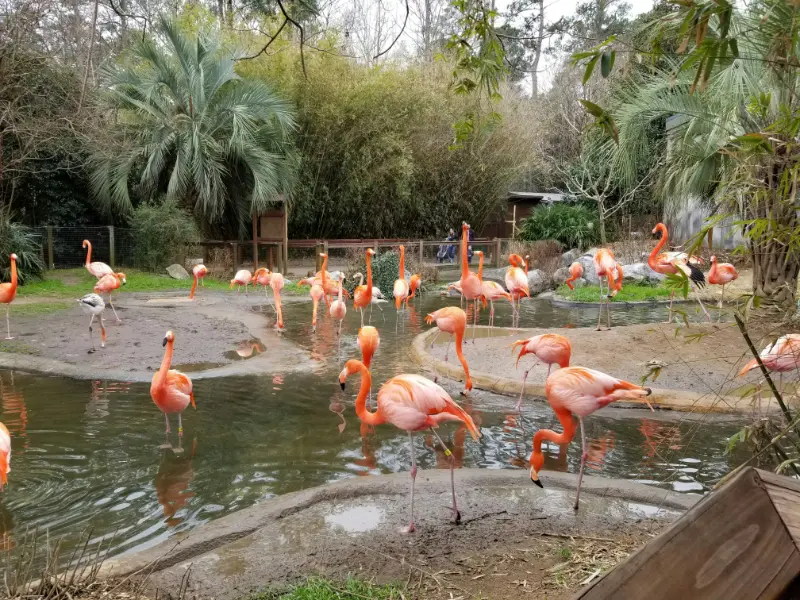
    Pink Flamingos at Florida Wildlife Pond

    The Florida wildlife guide is a useful companion for ethical viewing. Keep distance from animals, never feed wildlife, and follow local closures around nesting or sensitive habitat. Wildlife sightings are never guaranteed; treat them as a reason to choose the right habitat and season rather than as a scheduled attraction.

    Crowds, hotel prices and reservations

    The first half of the month can feel relatively calm in many places, while Thanksgiving week can create a sharp jump in hotel demand, theme-park attendance, airport traffic and rental-car prices.

    The most reliable way to control cost is to decide which nights must be in high-demand areas and which can be spent in a nearby secondary base. Flexible travelers can often save more by changing location or weekday than by chasing small coupon discounts. Compare cancellation terms as carefully as nightly rates, especially if your trip includes weather-sensitive activities.

    Events and seasonal atmosphere

    Food festivals, art events, holiday-light openings and Thanksgiving programming begin to appear around the state. Event dates change every year, so build the trip around destinations first and treat events as bonuses.

    For major holiday or festival evenings, confirm parking, road closures and ticket requirements on the organizer’s official site. Avoid building an entire trip around an event that has not yet published its final schedule. A good Florida itinerary should still work if one concert, parade or outdoor festival is moved or cancelled.

    Families, seniors and accessibility

    Families with babies and toddlers should protect nap time and avoid changing hotels every night. School-age children usually respond well to a mix of one headline attraction, one wildlife or beach experience and one low-pressure pool or playground block. Teenagers often enjoy giving them a choice between two activities rather than filling every hour.

    Senior and mobility-conscious travelers can use the Accessible Florida travel guide for broader planning. Ask hotels about room location, elevators, parking distance and bathroom configuration; ask attractions about rest areas, mobility-device rentals and companion policies. Accessibility varies by site, and a short phone call before travel can save substantial frustration.

    What to pack

    Pack light clothing for warm afternoons plus a light jacket or layer for mornings and evenings. Add sunscreen, refillable water bottle, compact rain protection, comfortable walking shoes and one warmer layer if you are visiting North Florida.

    A small day bag should hold water, medications you normally carry, sun protection, a phone battery pack and a layer that can be added or removed. For beach and boat days, add a dry bag or waterproof pouch. For wildlife mornings or evening events, insect repellent may still be useful even in cooler months.

    Pink Flamingos Standing in Florida Wildlife Park

    A balanced 7-day Florida plan

    1. Day 1: arrive, settle in and keep the evening easy rather than starting with a long drive.
    2. Day 2: choose one major attraction or city highlight and finish early enough for a relaxed dinner.
    3. Day 3: plan a beach, spring, refuge or state-park day with a weather backup.
    4. Day 4: use a lower-intensity day for museums, neighborhoods, gardens or a scenic drive.
    5. Day 5: schedule the second major attraction, boat trip or wildlife experience.
    6. Day 6: take a day trip only if the driving time leaves enough daylight at the destination.
    7. Day 7: keep the final morning flexible and avoid a distant attraction before an afternoon flight.

    If you want to cover several regions in one trip, it is usually better to reduce the number of hotel changes than to add another destination. Florida rewards slower regional travel because driving, parking and check-in time can consume more of the day than expected.

    Seasonal weather note

    The Atlantic hurricane season officially runs through November 30. The climatological peak is earlier, but late-season systems remain possible, so flexible bookings and weather monitoring still matter.

    For current tropical climatology and official storm information, use the National Hurricane Center climatology page. Forecasts and warnings should always come from official sources close to your travel dates.

    Common mistakes to avoid

    • Planning the entire state from one weather forecast instead of checking each region.
    • Assuming every warm day is automatically a good swimming day without checking flags, wind and currents.
    • Ignoring school-holiday crowd spikes when comparing hotel prices.
    • Scheduling long driving days immediately after late attraction nights.
    • Packing only summer clothing and having no layer for a cold front or strong air-conditioning.

    Florida in November: FAQ

    Is November warm enough for the beach?

    Often yes in parts of the state, especially South Florida and the Keys, but comfort varies by front, wind, coast and personal tolerance. Check local conditions.

    Is November good for theme parks?

    Usually yes from a weather perspective. Crowd levels depend heavily on holidays, weekends and special events, so date choice still matters.

    Do I need a rental car?

    That depends on the itinerary. A single-city trip may work with trains, local transit and rideshare, while a multi-region itinerary is usually much easier with a car.

    How far in advance should I book?

    Book earlier for holiday weeks, beachfront rooms, popular campgrounds and special-ticket events. On quieter dates, flexible cancellation can be more valuable than booking the lowest non-refundable price.

  • Florida State Park Pass vs National Park Pass in 2026: What International Visitors Should Buy

    Florida State Park Pass vs National Park Pass in 2026: What International Visitors Should Buy

    Florida has both state-managed parks and federally managed national park sites, but one entrance pass does not unlock them all. This distinction has become particularly important in 2026, when federal America the Beautiful passes have different resident and nonresident prices and Everglades National Park is among the national parks charging an additional nonresident fee to eligible visitors without qualifying coverage. A family arriving from another country should not buy an expensive pass merely because it looks official. First list which places you will actually enter, identify which agency manages each place, check the current entrance rules and work out the cost for your group. The right decision may be a Florida State Parks pass, a federal pass, individual tickets or no pass at all.

    Two park systems, two separate rules

    Florida State Parks are managed by the state and include destinations such as Honeymoon Island, Bahia Honda, Blue Spring and many historic and natural areas. Their day-use entrance fees and state annual passes are administered through Florida’s park system. Everglades National Park, Biscayne National Park and Dry Tortugas National Park belong to the National Park Service, a federal agency. Big Cypress National Preserve is another federally managed destination. The federal America the Beautiful pass applies at participating federal recreation sites; it does not cover entrance to Florida State Parks or local county beaches. Conversely, a Florida State Parks pass does not waive the federal Everglades entrance fee or its nonresident charge. Write the park operator next to each proposed stop before calculating pass savings.

    Florida State Parks individual annual pass

    The Florida State Parks individual annual entrance pass is listed at $60 in the current official program. It covers the named passholder’s day-use entrance in lieu of the standard fee at participating state parks. Additional people accompanying the passholder usually pay $2 each, with important exceptions. The passholder must be present, and the pass is not transferable. The state notes special rules for Ellie Schiller Homosassa Springs Wildlife State Park and Weeki Wachee Springs State Park; these attractions should not be budgeted as ordinary free admission for everyone. An individual pass may work well for a solo traveler who intends to visit many state parks over several months. A couple should compare actual admissions rather than automatically purchasing two individual passes.

    Florida State Parks family annual pass

    The Florida State Parks family annual pass is officially listed at $120. At many participating parks it provides day-use entrance for a group of up to eight people, with conditions for vehicles and people entering on foot or by bicycle. The named passholder must be present. Importantly, special limits apply at Homosassa Springs and Weeki Wachee Springs, where the family pass admits up to two people including the holder. Additional local charges and activity fees may still apply. A family of four visiting six separate participating parks might find the pass useful, but a group making just two inexpensive state-park stops may be better off buying daily admissions. Verify each park’s current day-use charge and remember that camping and many guided activities are not included.

    The federal 2026 resident and nonresident prices

    Starting January 1, 2026, the federal annual pass has separate pricing tiers. The resident America the Beautiful annual pass costs $80 and requires qualifying U.S. citizenship or residency, supported by appropriate identification. The nonresident annual pass costs $250 and is intended for visitors who do not qualify for the resident version. It is not enough to be over 62, to own a vacation home or to have visited the United States frequently. The federal agency establishes eligibility, and international travelers should assume they need the nonresident product unless they genuinely have qualifying status. The pass covers applicable entrance or standard amenity fees at participating federal sites according to the posted terms. It does not pay for every tour, campground or concession.

    Why Everglades matters for international visitors

    Everglades National Park is one of eleven national parks listed by the National Park Service for an additional $100 nonresident fee per visitor aged sixteen or older, on top of normal entrance charges, where the visitor lacks applicable pass coverage. This is highly relevant to a European family planning a day near Miami or Homestead. A valid 2026 nonresident annual pass covers the entrance fee and the additional nonresident charge for its applicable group according to park rules. For a private vehicle site, the federal program generally covers the passholder and vehicle occupants under the pass terms. Children under sixteen do not pay the additional nonresident fee. Check the National Park Service’s current policy immediately before purchase, especially if group composition or transport arrangements differ.

    Florida International University Miami Aerial View

    What about Biscayne and Dry Tortugas?

    Biscayne National Park’s experiences are heavily water-based, and many of its paid activities involve third-party boat operators or guided excursions rather than a simple gate payment. A federal annual pass does not automatically cover the price of a boat tour, snorkel outing or special program. Dry Tortugas National Park requires a boat or seaplane journey from Key West, and transportation costs can dominate the entire day’s budget. Whether a federal pass reduces a specific park admission is not the same question as whether it covers travel to the island. Ask the authorized operator about fare components, park fees and any pass discount before paying. A $250 pass is poor value if the supposed savings relate to transport that the pass does not cover.

    A worked example for one adult

    Imagine a non-U.S. resident traveling alone and considering one day at Everglades, two state-park visits and one county beach. The state parks charge their own daily entrance fees. The county beach may involve parking rather than a state-park entrance fee. Everglades may involve a standard entrance charge plus the additional 2026 nonresident fee. Buying the $250 federal pass purely for one Everglades day may not make financial sense, depending on actual entrance charges and future park plans. A $60 state individual pass may also be unnecessary for just two state-park stops. Use the official fee pages to build the calculation with the dates and mode of entry. The example shows why mixing different types of parks into one ‘park budget’ is misleading.

    At a glance: practical comparison

    DecisionOption or featureWhat to check
    State individual annualFlorida State Parks / $60Named passholder, subject to exceptions
    State family annualFlorida State Parks / $120Usually up to eight, exceptions apply
    Federal resident annualParticipating federal lands / $80Qualifying U.S. residents only
    Federal nonresident annualParticipating federal lands / $250Non-U.S. residents; 2026 rules

    A worked example for a family of four

    For a family of two adults and two children younger than sixteen traveling from abroad, the Everglades nonresident surcharge is not the same as for four adults, since the extra charge applies to those aged sixteen and older. A federal nonresident pass at $250 may still be worth considering if the itinerary includes additional eligible federal sites or more park visits; compare with the pay-as-you-go total. On state park days, calculate the daily fee for the family vehicle at each destination and compare that total with the $120 family pass. If the family intends to visit Homosassa Springs or Weeki Wachee, apply those parks’ special admission rules instead of assuming all four people are covered. A careful spreadsheet or handwritten list is more reliable than multiplying one advertised daily ticket by every person.

    State parks that require separate reservations

    An annual pass does not guarantee that a visitor can arrive at any state park whenever they wish. Some Florida State Parks introduced reservation-based day-use entry during 2026. Blue Spring, for example, uses a reservation system for designated entry arrangements, and other high-demand parks may have similar requirements. Always visit the individual park’s official page before setting out; rules can differ by season, activity and whether the visitor has a separate admission or pass. The state annual pass replaces eligible entrance charges, not capacity restrictions, time slots, campsite reservations or special-use fees. This matters most for families who would otherwise drive a long distance and discover that they cannot enter. Book any required day-use reservation separately and keep a copy accessible when mobile signal is weak.

    Camping, equipment and tours are separate costs

    Neither the state annual entrance pass nor the federal annual entrance pass should be treated as an all-inclusive outdoor vacation membership. Camping fees, RV connections, cave tours, boat excursions, kayak rental, special events and concession services often remain payable. Federal senior passes can confer selected benefits, but eligibility is restricted and should not be confused with a universal age-based discount for international tourists. Florida State Parks offers certain reduced-fee programs with their own residency requirements. Before booking a multi-park trip, separate costs into entrance, reservations, lodging, guided activities and transport. A pass may save money on one category while leaving the larger expenses unchanged. Comparing the full total prevents disappointment at the ticket desk.

    Where to purchase and how to use the pass

    Florida State Parks annual passes can be purchased through official channels or at participating park stations, subject to availability. The park system has instructions on temporary passes and physical validation; a screenshot of a sales confirmation is not automatically accepted as entry. For federal passes, the USGS store and Recreation.gov provide official options, including digital passes under the program’s rules. A mailed physical pass needs enough shipping time, and a receipt alone may not substitute for the pass. Carry identification because a named holder must be able to demonstrate eligibility and presence. Avoid third-party sites promising an unofficial ‘Florida all-parks pass.’ Always compare the official domain, pass name, terms and current price before entering payment information.

    How to combine state and federal parks in one itinerary

    A South Florida itinerary might pair Everglades National Park with a day at a coastal state park and a separate county beach. Another week could include state parks near Orlando and one trip to a federal site. Write down the actual places and classify them: federal, state, county, city or private attraction. Check entrances, parking, reservations and whether any fee is per vehicle or per person. If the federal visit is a commercial guided tour, ask how the operator handles pass eligibility and nonresident charges. Keep enough margin for weather; a boat-dependent excursion might be canceled while a state-park historical stop remains accessible. A pass only saves money when you really visit the locations it covers.

    Accessibility, children and senior travelers

    The best park-pass plan for a family is not necessarily the one that creates the most visits. A group with a wheelchair user may prefer two parks with confirmed accessible routes over six quick stops. Ask about accessible parking, restrooms, beach mats and tour options before calculating savings. For young children, consider drive time, shade and the distance between entrances and attractions. Adults over 62 should not assume U.S. federal Senior Pass eligibility when they are visiting from another country. Likewise, a family pass does not guarantee reduced tour fees for every child. Prioritize meaningful, comfortable visits rather than buying a pass and feeling pressure to rush between sites to justify the purchase.

    The decision checklist for 2026

    Start by listing destinations and management agencies. Next, write down the standard admission for your specific group and vehicle, any nonresident surcharge and every required reservation. Mark which visits are likely to happen and which are optional. Add the cost of the applicable pass, including shipping or processing charges when relevant. Count savings only where official terms confirm coverage. Make a different decision for federal and state passes; buying both can be useful for a long trip, but it is rarely automatic for a short vacation. Finally, recheck the official details shortly before travel because prices and systems can change. A pass is a tool for a planned itinerary, not a substitute for choosing what you actually want to see.

    Frequently asked questions

    Does a Florida State Parks pass cover Everglades National Park?

    No. Everglades is federally managed. Florida State Parks annual passes and America the Beautiful federal passes are separate products.

    Can a tourist from Europe buy the $80 federal resident pass?

    Not without qualifying U.S. citizenship or residency documentation. The federal nonresident annual product is priced separately at $250 in 2026.

    Will the pass cover my boat trip to Dry Tortugas?

    Do not assume so. Ask the authorized boat or seaplane provider which components of the fare, if any, qualify for a pass benefit.

  • Florida Airport Lounges and Long Layovers: When Extra Comfort Is Worth It

    Florida Airport Lounges and Long Layovers: When Extra Comfort Is Worth It

    A long airport layover does not have to become an exhausting wait, but airport lounges are not always the comfortable shortcut advertisements suggest. Orlando, Miami, Fort Lauderdale and Tampa each have different terminal layouts, security checkpoints and lounge arrangements. An invitation from a credit card or airline is useful only if it applies to the exact location, terminal and time you need. This guide explains how to evaluate lounge access, compare quieter public alternatives and plan for families, older travelers and people with accessibility needs. Hours, admission restrictions and individual lounge brands can change, so verify current arrangements before paying.

    Start with the terminals, not the lounge logo

    A Florida airport may spread gates across separate terminals or security zones, and an attractive lounge may be impractical if reaching it requires leaving security and re-entering. Check the arriving flight, departing flight, airline terminal and any connection procedure before making a lounge plan. International arrivals usually require immigration, baggage and customs procedures that can change where passengers emerge. Even at one airport, gate changes can affect the available time. Use the airport’s current official map and the lounge’s own access instructions, not a generic photograph. A free lounge visit is not free if it risks a missed connection or a long, tiring transfer.

    Understand how entry actually works

    Some lounges accept eligible premium-cabin passengers, some partner with membership programs, some admit certain credit-card holders and some offer paid entry only when space is available. A card advertised as offering worldwide lounges may exclude a specific venue or restrict guest numbers and visit frequency. Check whether entry is permitted only within a certain window before departure. Confirm whether minors count as guests, whether additional children have a charge and whether a digital card or physical card is required. A lounge operator may temporarily stop accepting new visitors when crowded. Never plan meals and childcare around access that has not been confirmed.

    What amenities are truly valuable

    A shower can be helpful after an overnight flight, but not every lounge has one and available slots may be limited. Wi-Fi, charging, drinks, light meals and restrooms are more common, though quality and restrictions vary. Some passengers mainly need quieter seating rather than a buffet. Ask whether a nursing area, family room, accessible toilet or dedicated workspace exists; the answer can determine whether the lounge is worth the fee. If you need a private medical or sensory space, a lounge’s ordinary open seating may not solve the problem. Compare it with the airport’s official nursing suites, sensory rooms and accessible facilities.

    Airplane Wing Above Airport Runways

    Miami, Orlando and other Florida hubs

    Miami International Airport maintains official information about VIP clubs and lounges as part of its passenger services, along with nursing suites and other amenities. Orlando International Airport’s arrangements depend on the terminal and airline, so a traveler should inspect the airport’s own current map. Fort Lauderdale and Tampa also have their own facilities and partner networks. Do not assume a lounge exists in the terminal used by every airline, and do not rely on lists copied from older blogs. Ask whether a lounge is before or after security, whether it is open for the hours of a late flight and whether transfers between concourses are possible without another screening.

    Cost comparison for families and groups

    The best calculation is not the lounge’s advertised daily value but what your specific group would otherwise spend. Consider the entry fee for each adult and child, the guest allowances, food restrictions and actual time available. If a family has only forty minutes before boarding, four paid entries are unlikely to offer useful value. If an older traveler has a comfortable two-hour wait and the lounge is steps from the gate, seating may matter more than snacks. Do not assume a child is free or an adult companion included. Compare the price with a simple restaurant meal and access to free airport seating before making the purchase.

    Airports have other ways to take a break

    Public terminals may offer accessible seats, water refill stations, charging outlets, quiet corners, play areas or spaces suited to nursing parents. Availability differs by airport and renovations can move facilities. The official airport accessibility page is the best starting point for questions about wheelchair service, sensory rooms and designated support areas. Walk around the terminal before paying for a lounge: you may find a suitable seating area closer to your gate. Traveling with a child who needs movement rather than silence? A safe walking loop or airport play area may be more useful than asking the child to sit motionless in a crowded lounge.

    Airport Sculpture in Florida Terminal

    Avoid the common timing traps

    Lounge access should never consume the boarding buffer. Airports can change gates, security queues and departure times at short notice. Keep notifications active and check the flight display personally even if lounge staff announce departures. If your connection includes a terminal transfer or international re-screening, treat that as the priority. Do not leave valuables unattended while showering or visiting a buffet. For a traveler with diabetes or another medical routine, keep essential supplies in hand luggage even when complimentary food is available, because menu choices may be limited. Comfortable waiting is useful only when the travel process stays on track.

    A realistic layover plan by duration

    With an hour between flights, focus on reaching the next gate and using nearby facilities. With two to three hours after completing necessary formalities, a lounge may be practical if it is within the correct secure zone. With a much longer layover, a day-use hotel or prearranged airport activity might offer more comfort, but leaving the airport introduces transport and security uncertainties. Families arriving after a red-eye flight should aim for rest and predictable meals rather than a long city excursion. Check what can actually be reached in the time available, then keep a contingency if the first flight is delayed.

    A closer look at the booking decision

    A useful cost example is a family with two children who faces a three-hour connection. Their credit card offers lounge access, but only one adult may be included. Rather than assuming entry is free for all four, check the children’s ages, guest charges, time-window limits and whether the lounge accepts that specific membership at the planned hour. Then compare the total fee with a seated meal near the departure gate. If the lounge is in another terminal, factor in the walking distance and any required security screening. A calm lunch beside the correct gate often beats an elaborate detour to claim a benefit that exists mainly on paper.

    What to double-check before the day begins

    Miami International Airport’s official services directory lists lounges alongside baggage storage, nursing suites, animal relief areas and other facilities. That variety is a reminder that a lounge may not solve every passenger need. A traveler who requires a sensory space, wheelchair assistance or nursing facilities should investigate the appropriate airport services directly. At Orlando or another hub, confirm which side of security a facility occupies and whether the airline uses the same airside area. Construction and airline gate changes can invalidate a saved online lounge map, so review the airport information on the day of travel.

    A sample plan for different travelers

    For a long layover, create two schedules: the normal plan and the delayed-flight plan. The normal one includes a meal, rest, any lounge visit and a walk to the gate with a generous buffer. The delayed one focuses on a comfortable public space with charging, water and accurate flight updates. Keep essential medicines, nappies and chargers accessible in hand luggage. Some travelers will genuinely benefit from a shower or quieter room; others are better served by free seating and an early gate arrival. The right choice depends on the itinerary and group, not a promotional list of premium travel perks.

    At-a-glance comparison

    ChoiceKey check
    Short connectionPrioritize gate and security procedures
    Two-hour layoverLounge may help if in same secure zone
    Red-eye arrivalCompare shower, quiet space and day-use hotel
    Family groupCount guest fees, age rules and practical time

    Frequently asked questions

    Does a lounge membership work at every Florida airport? No. Participating lounges, terminals, operating hours, guest limits and eligibility differ by card and provider.

    Can families bring children into airport lounges? Policies and charges vary by lounge, and some have age or time restrictions. Check before arriving.

    Can I use a lounge in another terminal? Possibly, but security boundaries and transfer times may make it impractical. Verify exact access before planning.

    Are lounge showers guaranteed? No. Some lounges lack showers, and those that have them may have queues or reservation limits.

    What if the lounge is full? Some venues temporarily restrict admission. Always have a public-terminal waiting plan that keeps you near the correct gate.

    Official sources and practical references

    Confirm current requirements and availability using the official source below.

    Miami International Airport amenities. Check the source before booking because policies can change.

    Confirm current requirements and availability using the official source below.

    MIA airport contact information. Check the source before booking because policies can change.

  • Florida Stargazing and Dark Sky Guide: Best Places, Camping, Meteor Showers and Night-Sky Planning

    Florida Stargazing and Dark Sky Guide: Best Places, Camping, Meteor Showers and Night-Sky Planning

    Florida’s night sky can be surprisingly impressive once you move away from the major metro areas, and the best stargazing trips combine low light pollution with legal after-dark access and simple weather planning.

    Florida Stargazing and Dark Sky Guide is best approached as a trip-planning framework rather than a checklist. Florida is large, conditions vary by region, and many of the most memorable experiences depend on timing, weather, reservations, mobility needs and the pace of the people traveling with you.

    This guide is written for travelers of many ages and abilities. It includes practical choices for families with young children, teenagers, couples, solo travelers, senior visitors and multigenerational groups, while avoiding the assumption that every traveler wants the same level of activity.

    Quick planning summary

    • Best approach: Choose the legal access first, then the darkest sky. Camping is often the simplest option because many parks close at sunset. Check moon phase, cloud cover, wind and dew, and arrive before dark so you can learn the site layout safely.
    • Who it suits: Families can make stargazing work by choosing an early evening session rather than waiting until midnight. Senior travelers may prefer a campsite or paved viewing area close to restrooms. Bring a chair, warm layer, red-light flashlight and insect protection.
    • Important rule: Do not enter closed parks after hours, park on unsafe road shoulders or use bright white lights around other stargazers. Keep noise low, protect wildlife and use red-spectrum light where requested by the site.
    • Planning principle: verify hours, access rules, reservations and temporary closures on official websites shortly before travel.
    • Pacing: choose fewer high-quality stops and allow time for parking, heat, weather and rest.

    In this guide

    Why this belongs in a Florida itinerary

    Florida’s night sky can be surprisingly impressive once you move away from the major metro areas, and the best stargazing trips combine low light pollution with legal after-dark access and simple weather planning. The value of this type of trip is that it reveals a layer of Florida beyond the standard theme-park-and-beach combination. It can also be mixed into a conventional vacation: one historic stop on a road trip, one accessible beach day between attraction days, or one evening under dark skies can add variety without forcing the entire vacation into a niche theme.

    The key is to choose experiences that fit the group. A site that is perfect for a history enthusiast may involve steep stairs, uneven surfaces or long outdoor exposure. A location that is excellent for children may feel busy or sensory-intense. Reading the access notes and deciding what your group actually wants to do is more important than collecting famous names.

    Best places and experiences to consider

    Kissimmee Prairie Preserve State Park

    This is Florida’s signature dark-sky destination and was recognized as the state’s first Dark Sky Park. Overnight campers and eligible after-hours visitors can experience a prairie horizon with far less light pollution than most of peninsular Florida.

    St. George Island and the Forgotten Coast

    Remote stretches of the Forgotten Coast can offer darker skies than major resort beaches. St. George Island State Park is especially appealing when you combine camping, beach time and night-sky photography, but after-hours access depends on park rules and camping status.

    Big Cypress and South Florida wilderness

    Remote South Florida can provide broad horizons and darker skies, especially away from coastal cities. Plan carefully around mosquitoes, seasonal water, road conditions and protected-area access.

    Dry Tortugas and the Keys

    The isolation of Dry Tortugas creates outstanding darkness, but reaching the park requires ferry or seaplane logistics and overnight access is limited. In the Keys, choose legal public viewpoints or lodging rather than stopping on narrow roadside shoulders.

    Panhandle parks and beaches

    Away from the brightest resort centers, Panhandle state parks and beaches can work well for casual stargazing. Camping is often the easiest way to gain legitimate after-dark access.

    Meteor showers and moon phase

    A dark location is only part of the plan. A bright moon can wash out faint stars, while a new-moon period can transform the same site. Meteor-shower peaks attract more visitors, so camping or parking may require earlier reservations.

    Rocket launches as a night-sky bonus

    From parts of Central Florida, night launches may be visible far beyond the immediate Space Coast. Treat a launch as a bonus rather than the sole reason for a dark-sky trip because schedules can change.

    Florida Palm Trees against Blue Sky

    How to build a realistic route

    Choose the legal access first, then the darkest sky. Camping is often the simplest option because many parks close at sunset. Check moon phase, cloud cover, wind and dew, and arrive before dark so you can learn the site layout safely. Avoid linking distant stops simply because they appear on the same statewide list. Florida driving times can be substantial, and bridges, beach traffic, weather, event congestion and urban rush hours can add time. Build clusters: Northeast Florida, Central Florida, the Gulf Coast, South Florida or the Panhandle, then choose the strongest stops inside one cluster.

    For a road trip, alternate one demanding day with one lighter day. A demanding day might include a long museum visit, a climb, several miles of walking or a remote nature excursion. A lighter day can be a waterfront district, short boardwalk, scenic drive or hotel-pool afternoon. This rhythm works especially well for families and multigenerational groups.

    Families, seniors and accessibility

    Families can make stargazing work by choosing an early evening session rather than waiting until midnight. Senior travelers may prefer a campsite or paved viewing area close to restrooms. Bring a chair, warm layer, red-light flashlight and insect protection. Before arrival, check the exact route from parking to the main experience, restroom locations, shade, seating and whether wheelchairs or other adaptive equipment must be reserved. Historic structures and natural landscapes can have unavoidable barriers even when the visitor center itself is accessible.

    Families with younger children should use shorter interpretive stops and allow time for snacks and movement. Teenagers often engage more when they can photograph, navigate, choose the next stop or connect the visit to a larger story. Senior travelers may prefer morning visits, shorter distances and a nearby lunch stop rather than stacking multiple demanding sites in one day.

    Rules, etiquette and safety

    Do not enter closed parks after hours, park on unsafe road shoulders or use bright white lights around other stargazers. Keep noise low, protect wildlife and use red-spectrum light where requested by the site. Rules may differ on federal, state, county, tribal and private land. Never assume that collecting, climbing, entering after dark, using a drone, touching artifacts, leaving a boardwalk or bringing a pet is allowed just because it was permitted somewhere else.

    For current statewide or official guidance, consult Florida State Parks stargazing information for Kissimmee Prairie Preserve before travel. If a site has its own official page, that page should take priority for hours, closures, reservations and accessibility details.

    Budget, reservations and timing

    Many experiences in this guide can be inexpensive, but costs add up through parking, tolls, tours, museum admission, boat trips and lodging. Decide which experience benefits from a paid tour and which is better self-guided. A guided visit can be worthwhile when access is restricted, interpretation is important or logistics are complicated; otherwise, a free trail, museum day or scenic stop may offer better value.

    Reserve early when the experience has limited capacity, timed entry, small-group tours or scarce campsites. For everything else, flexibility can be more valuable. A refundable room or movable day plan gives you room to react to heat, storms, wind, closures and the energy level of the group.

    A sample multi-day approach

    1. Day 1: Arrive before sunset and orient yourself while there is daylight.
    2. Day 2: Use twilight for dinner, a short walk and equipment setup.
    3. Day 3: Spend the darkest two or three hours on sky viewing rather than trying to stay out all night.
    4. Day 4: Sleep nearby and use the next morning for a trail, wildlife drive or scenic stop.

    Treat this as a planning pattern rather than a fixed schedule. If one stop becomes the highlight of the trip, stay longer. The purpose of a good itinerary is not to complete a list; it is to create enough structure that the group can enjoy the day without constantly negotiating what comes next.

    Common mistakes to avoid

    • Trying to cover too many regions in one short trip.
    • Relying on third-party opening hours without checking the official site.
    • Ignoring accessibility details until arrival.
    • Treating wildlife, historic resources or archaeological material as props rather than protected resources.
    • Building a schedule with no weather backup or rest time.

    Frequently asked questions

    How many days do I need?

    A focused regional trip can work in two or three days, while a statewide route needs substantially more time. Choose depth over mileage.

    Is this suitable for children?

    Usually, if you select age-appropriate stops and keep individual visits shorter. Interactive museums, boardwalks, short trails and scenic stops often work better than long lecture-style visits.

    Can senior travelers enjoy this type of trip?

    Yes. Prioritize parking proximity, shade, seating, restrooms, step-free routes and a slower daily schedule. Call ahead when the experience depends on adaptive equipment or staff assistance.

    Should I book tours in advance?

    Book early for limited-capacity tours, special access, holiday periods and small-group experiences. For open-access parks and districts, keep more flexibility.

  • Florida Cruise Disembarkation Day: Flights, Luggage and Getting Home Smoothly

    Florida Cruise Disembarkation Day: Flights, Luggage and Getting Home Smoothly

    Getting off a cruise ship in Florida is not the same as stepping out of a hotel. Thousands of passengers may leave a terminal within a few hours, while luggage collection, border checks, transfers and airport queues can take more time than expected. A badly timed flight can transform the final morning of a wonderful vacation into a stressful race. This guide explains how to plan the practical end of a cruise from PortMiami, Port Everglades, Port Canaveral or Tampa. It also offers options for families, older travelers and visitors with mobility needs who want to enjoy a few more hours in Florida without carrying all their bags.

    At a glance

    Planning issuePractical action
    FlightAllow time for clearance and airport checks
    BagsConfirm self-assist versus baggage collection
    TransferBook a vehicle fitting luggage and mobility aids
    PortCheck the exact terminal and airport route

    Understand the difference between arrival and leaving the ship

    The scheduled time when a vessel reaches port is not a guaranteed time when every passenger can walk off the gangway. Clearance, port operations and the cruise line’s disembarkation sequence affect when passengers may leave. Check the instructions delivered aboard your exact ship rather than relying on a departure routine described by a friend. Some passengers may be offered different departure groups, while other arrangements depend on carrying their own luggage. A ship arriving early does not automatically make a tight onward flight sensible. Ask your cruise line for realistic transfer guidance at that port, and allow a substantial margin for events you cannot control.

    Select a flight time with a real buffer

    Consider the port-to-airport road journey, vessel clearance, passport or customs processing when applicable, luggage collection, airline bag-drop deadlines and the airport’s security queues. These steps can each add uncertainty. Cruise operators often provide recommended earliest flight departure times for their own itineraries; follow that advice unless you have stronger information from the operator. A flight shortly after the ship’s published arrival is risky, even when the airport looks close on a map. International flights may involve different check-in requirements from domestic departures. If the connection is critical or your party moves slowly, staying in Florida another night can be a worthwhile form of travel insurance.

    PortMiami: transfer considerations

    PortMiami is close to central Miami, but road conditions, terminal assignments and event traffic still matter. Miami International Airport and Fort Lauderdale-Hollywood International Airport serve different transfer routes and should not be treated as interchangeable. Confirm which terminal your ship uses and where authorized drivers may collect passengers. Large groups need enough seats for everyone, all suitcases and any child seats or mobility equipment. Public transit might be affordable for light packers but less comfortable after a long cruise with several bags. If staying in South Beach or downtown Miami for a night, choose luggage arrangements before adding sightseeing. Driving times must be checked on the travel day.

    Pink Classic Cadillac Parked Outside Miami Home

    Port Everglades: the airport is close, but time still matters

    Port Everglades lies near Fort Lauderdale-Hollywood International Airport, so the road transfer itself can be brief under favorable conditions. That geographic advantage does not remove the need for terminal clearance, luggage collection and airline check-in. Rideshare pickup areas and port traffic procedures may differ by cruise terminal, and large ship arrivals can create demand spikes. Ask the cruise line about walking restrictions, accessible transfers and recommended collection points. For a family with a stroller or an older traveler who needs assistance, prearranged transport may be easier than searching for a vehicle among crowds. A close airport is helpful, but it is not a reason to book an implausibly early flight.

    Port Canaveral: do not underestimate the drive

    Port Canaveral is on Florida’s Space Coast and requires an onward transfer to airports that may be some distance away, especially Orlando International Airport. The journey can be affected by highway incidents, busy cruise departure days or traffic related to events on the coast. Reserve transport appropriate to your luggage and group size, and verify the precise cruise terminal and airport destination. A rental car may provide flexibility if your family is spending another day exploring, but collection logistics and one-way fees deserve attention. For a same-day flight, allow far more time than the basic drive estimate displayed on a navigation app. Cruise disembarkation should not depend on an ideal highway journey.

    Tampa: check the terminal and local transport choices

    Cruise departures from Tampa use Port Tampa Bay facilities, and your transfer choice depends on whether you are heading to Tampa International Airport, a local hotel or another Florida destination. Downtown traffic, event schedules and cruise-day demand can affect pickup. Confirm the terminal address with your cruise operator before giving it to a driver. Travelers with children should verify car-seat arrangements, while wheelchair users should request an appropriate vehicle with enough advance notice. If flying from a different Florida airport, calculate the intercity journey honestly. A transfer that looks economical per person may become less attractive when several connections, luggage and waiting periods are involved.

    Choose between self-assist and checked luggage collection

    Cruise lines may let some guests carry their own luggage off the ship during designated arrangements, while others leave bags out for collection under the operator’s procedures. Carrying your own suitcases can sometimes reduce waiting, but it is unsuitable for travelers who cannot safely move heavy bags down corridors, ramps or terminal routes. Ask the operator about limits, elevators and accessibility support. Keep passports, medication, valuables and a change of necessary items in your personal carry-on regardless of which baggage method you select. Attach clear luggage identification without exposing excessive personal information. Before leaving the cabin, check drawers, the bathroom safe and charging outlets for forgotten belongings.

    Border formalities and identification

    The documentation required at disembarkation depends on itinerary, citizenship and applicable immigration and customs procedures. Have passports and any necessary supporting documents readily available rather than placing them in a suitcase that has already been collected. Follow staff and government officers’ instructions; do not assume a previous cruise’s entry process will be identical. If arriving from an international itinerary, keep declarations and travel information accurate. Families may need to manage the paperwork of each traveler, including infants. A missing or expired travel document can cause serious delays, so check requirements well before the cruise begins. Cruise line guidance does not replace official immigration requirements.

    Taxis, shuttles, rideshares and rental cars

    Each transfer option has trade-offs. A cruise-line shuttle may simplify the process but run according to departure groups. A private transfer can offer predictable space for bags and child seats when booked correctly. A taxi or rideshare can be flexible, yet port access rules and surge demand may affect collection. A rental car is useful if continuing a Florida holiday, but waiting for pickup or reaching an offsite rental office may add time. Verify the complete price including tolls, luggage fees, waiting charges and cancellation terms. For travelers with disabilities, confirm the actual vehicle dimensions and securement equipment, not merely an “accessible” label in a search result.

    Traveling with babies, grandparents or medical needs

    A disembarkation morning may involve long corridors, queues and periods without easy seating. Make a plan for medication schedules, infant feeding and restrooms before leaving the cabin. Ask the cruise line in advance how guests requiring mobility assistance should disembark and whether assistance continues inside the terminal. Never assume ship staff can accompany you to a private taxi or through the airport. Keep a lightweight supply bag with water, necessary food and appropriate medical items, following port and security restrictions. When booking flights, consider that someone who needs extra boarding support may also require additional time at airport check-in. Comfort and dignity matter more than being the first off the ship.

    Spending extra hours in Florida after the cruise

    An afternoon flight or an extra hotel night creates opportunities for a relaxed meal, a museum or a waterfront walk, but only if luggage and transport are organized. Check whether a hotel offers legitimate luggage storage for its guests or whether a vetted service is available, and never leave bags unattended. Choose a short activity near your transfer route rather than driving far away and risking a missed flight. In Miami, a leisurely meal may be better than a full beach day with no shower; near Port Canaveral, a short Space Coast stop could be enjoyable if the flight schedule permits. After a long voyage, a calm ending is often more satisfying than squeezing in one final big attraction.

    Protect against disruption and missed connections

    Weather, mechanical delays, port closures, road incidents and flights changing schedule can affect the final day. Review the cruise line and airline conditions for missed onward travel, and read any relevant travel insurance coverage before deciding whether to accept a tight connection. Save emergency contact information and booking references offline. If the ship’s arrival is delayed, contact your transport provider and airline through official channels as soon as there is reliable information. Keep receipts for unavoidable extra costs, but do not assume every expense will be reimbursed. An overnight contingency can be particularly helpful during Florida’s storm season and for travelers who cannot easily rearrange medical or accessibility services.

    A practical disembarkation checklist

    The evening before arrival, settle required onboard accounts, confirm your assigned disembarkation procedure and keep the next day’s documents in your personal bag. Check the exact airport and airline terminal, transfer booking, child seats and luggage arrangements. In the morning, eat and take necessary medication according to your routine, then follow ship staff instructions. After collecting luggage, check every label before leaving the terminal and meet the driver at the authorized pickup area. At the airport, allow time for check-in and screening without relying on the shortest possible queue. When you reach home or the next hotel, verify that all essential bags and documents arrived with your group.

    Frequently asked questions

    Can I book a flight immediately after the ship’s arrival time?

    It is risky. Arrival is not the same as clearance and disembarkation. Follow the cruise line’s recommended earliest flight time and add a realistic airport buffer.

    Is Port Everglades close enough to FLL for a very early flight?

    The airport is close, but luggage, clearance, terminal pickup and airport screening still take time. Do not book solely from a map’s driving estimate.

    Will the cruise line carry my luggage to my taxi?

    Assistance varies. Ask the operator about baggage collection and mobility services before the voyage, especially if you cannot move suitcases independently.

    Should I rent a car after a Port Canaveral cruise?

    It can make sense if continuing a Florida holiday. For a same-day flight, compare shuttle and private transfers against the extra time and fees of rental pickup.

    What should I do if the ship is delayed?

    Follow the operator’s official updates and contact airlines, transfer providers and insurers promptly. Keep records and avoid assuming that a missed flight will be reimbursed.

    Current official sources

    Verify terminal arrangements with PortMiami, Port Everglades and Port Canaveral, as relevant. Your cruise line, airline and any applicable government border authority should confirm the exact departure sequence, documents and transfer times for your journey.

  • Florida Rental Car Pickup With Children: Seats, Tolls, Luggage and First Drive

    Florida Rental Car Pickup With Children: Seats, Tolls, Luggage and First Drive

    Picking up a rental car in Florida is usually straightforward for experienced drivers, but the process becomes more demanding when you’re collecting child seats, managing luggage and finding your way onto unfamiliar American roads. Parents may be exhausted after an international flight while young children are hungry and impatient. The most useful preparation happens before you land: reserving the correct equipment, understanding the contract and identifying the first safe place to stop after leaving the airport. This guide focuses on the pickup and first drive, rather than trying to explain every possible Florida driving rule.

    The priority is simple: no one starts driving until the vehicle is suitable, each passenger is correctly restrained and the driver understands how to reach the hotel. A low rental price is poor value if the car cannot accommodate the family safely. Because vehicle classes and airport procedures vary, treat this as a method for making good decisions, not a promise that a particular rental counter will have a particular model waiting.

    Before flying: book a car that fits the people and bags

    A car advertised as seating five may still have inadequate trunk space for five travelers’ luggage. Count passengers, child seats, strollers and large suitcases before selecting a category. If the vehicle class is ‘or similar,’ the exact make and model may not be known until collection. Ask what substitutions are permitted and whether the rental desk can supply a different vehicle if the installed seats or bags do not fit safely.

    A larger car isn’t automatically easier to use. Consider parking-garage height, turning radius, fuel cost and driving comfort. A family staying in historic St. Augustine might find an oversized vehicle frustrating in tighter streets. A compact model can be adequate for one parent and one child, while several children and a large stroller may justify a bigger class. Compare the total rental cost, not just the booking page’s headline price.

    Understand child seat requirements before reserving

    Florida law requires specific child restraints for young children, but legal minimums alone should not decide when a child stops using a suitable seat or booster. Appropriate restraint depends on the child’s height, weight and the seat manufacturer’s instructions. Read the current state rules and reliable child-passenger safety guidance, and do not assume that a car’s ordinary belt is appropriate for every school-age passenger.

    The Florida Senate’s child restraint statute sets out the basic legal requirements. For a rental booking, ask the provider whether the requested seat type is guaranteed, how collection works and who is responsible for installation. Some families choose to bring an approved seat they know well, subject to airline and travel regulations. Inspect rented equipment and follow its instructions; never improvise with a visibly damaged or unsuitable seat.

    Arrival: divide tasks in the terminal

    Before leaving baggage claim, make sure every suitcase, stroller and essential bag is accounted for. If luggage is missing, report it to the airline according to its procedure before going to collect the car. A single adult supervising children should keep them together while working through the process; if another responsible adult is present, divide tasks explicitly rather than assuming someone is watching the children.

    Have booking details, driving license, passport where required and payment card accessible. Rental companies may impose age rules, credit-card holds and verification requirements that differ from the travel website’s brief summary. An international driver should check whether an international driving permit is necessary or advisable for their license and the provider. Avoid sorting through paperwork while standing in a roadway or crowded pickup bay.

    At the counter: ask these questions before accepting keys

    Confirm the final rental rate, deposit, fuel or charging return condition, mileage terms and any additional-driver rules. Ask specifically about toll billing, since optional packages or post-rental charges can change your total. Do not accept a product you don’t understand simply because the line behind you is long. If offered insurance or a collision waiver, read exclusions and compare it with coverage already held; coverage is a contractual and financial question, not something to guess about.

    Ask where the car is located and whether an attendant can help if the child seat or luggage does not fit. Note the roadside-assistance number and the procedure if the vehicle has a mechanical problem. For an electric vehicle, also ask about connector compatibility, charging and the required state of charge at return. Keep the rental contract accessible for the entire trip.

    At the vehicle: inspect before loading everything

    Walk around the vehicle in the designated pickup area and record existing scratches, dents, glass damage and tire condition. Take timestamped photos where permitted and notify staff of discrepancies before leaving. Check that lights, air-conditioning, locks and seat belts function. If any safety-critical feature seems faulty, request assistance or another vehicle rather than accepting it as normal.

    Test the trunk with your actual luggage. Don’t obstruct the driver’s view with stacked bags or place loose heavy luggage where it could strike a passenger during sudden braking. Make sure rear seats can accommodate the child restraints without unsafe crowding. If the correct seat is unavailable, do not start a journey with a child unrestrained while hoping to buy a seat later.

    Installing child seats is not a race

    Park safely in the allocated space before attempting installation. Read the specific seat manual and the vehicle’s restraint instructions. A seat that looks secured may still be installed incorrectly. The rental clerk may not be trained or responsible for fitting it, and the family should not assume otherwise. Seek qualified help when needed before driving. Children should remain supervised throughout, especially in busy garage lanes with moving vehicles.

    Florida Theater Auditorium with Red Seats

    Check the fit of harnesses and belts to the child, not merely that the seat’s base has clicked. The best restraint may differ for a toddler and an older child who still requires a booster. Do not use a combination of attachment methods unless the manufacturer permits it. Avoid placing bulky clothing underneath a snug harness. A few extra minutes spent here can remove considerable anxiety from the remainder of the journey.

    Tolls and navigation: know the cost before joining traffic

    Florida has numerous toll roads and express lanes, and a visitor may encounter them soon after leaving an airport. Some rental providers bill tolls through their own programs, with possible administrative fees. Others allow different options. Read the actual rental agreement, ask how charges appear and understand whether declining an optional product affects your ability to use toll facilities. Don’t assume a personal toll device can be transferred between vehicles without checking compatibility and registration.

    Set the route to the hotel before moving. Navigation apps sometimes offer toll avoidance, but that may create longer or more confusing routes. Choose a route the driver can manage safely, and let a passenger operate the phone where possible. Never stop abruptly on a highway to avoid an unfamiliar toll gantry. If you miss an exit, continue to a safe place to reroute.

    The first drive: keep it short and predictable

    After landing, plan the first night near your arrival region rather than immediately starting a long road trip. For instance, a family arriving in Orlando in the evening might stay in the Orlando area and begin the drive to the Gulf the next morning. Fatigue affects driving, and Florida traffic can be dense around airports and theme-park corridors. Time zones and meal schedules can make an apparently short drive harder than expected.

    Choose an easy first stop for food or groceries that has a safe parking lot and enough time for restrooms. Never leave children or pets unattended in a parked car, even when the air-conditioning was recently running. If a child is distressed, pull over legally and safely before addressing the problem. The driver should not reach into the back seat while moving.

    Orlando Retro Diner Drive In Neon Sign at Night

    Weather and road rules newcomers sometimes overlook

    Heavy rain can reduce visibility dramatically, especially in summer. Slow appropriately, increase following distance and avoid driving through standing water whose depth is unknown. Never stop on the travel lanes because the rain seems frightening; reach a safe location when possible. Lightning and thunderstorms are common reasons to delay an optional journey. Follow road closure signs and official alerts instead of relying solely on a navigation app’s arrival estimate.

    American intersections, turning rules and lane markings may differ from what an international visitor expects. Learn the essentials before travel and observe signs locally. Speed limits, school zones and seat-belt requirements matter on short trips as much as on highways. If your route includes an unfamiliar complex interchange, review it while parked and choose a calmer alternative if necessary.

    Returning the car without surprise charges

    On the day before return, check the required fuel level or EV charge and confirm the exact return facility. Airports often have separate signs for car rental returns that differ from passenger departures. Allow time to unload children and their belongings, recover car seats and take a final photograph of the vehicle. Record the displayed fuel or battery status and any mileage requested by the provider.

    Remove toll devices or personal accessories according to the rental agreement. Search the footwells and seat pockets for toys, charging cables and documents. Keep final receipts and monitor the card for deposits or later toll charges. If a charge appears that you don’t recognize, contact the provider with the contract and evidence rather than relying on a guess about its origin.

    An airport pickup checklist

    Stage Essential check Common mistake to avoid
    Before booking Passengers, luggage, seat type Choosing by passenger count alone
    At the counter Deposit, coverage, toll rules Approving extras without reading
    At the car Damage, seat belts, air conditioning Loading before inspection
    Before moving Child restraints and route Fitting seats in a rush
    First hour Short drive, fuel and restrooms Starting a tiring transfer immediately
    Return Fuel, photos, belongings Missing the return deadline

    Families with different needs

    A parent traveling alone with two children needs a loading plan that keeps both in sight. Two adults can share tasks, but should agree who supervises each child in a busy garage. Families with older relatives should allow extra time to board comfortably and check whether the vehicle has a suitable seat height. Travelers with mobility equipment must confirm its dimensions and the way it will be secured during the drive.

    The cheapest rental isn’t necessarily the most practical. Paying a little more for a car that fits your actual needs, a hotel closer to the airport or a suitable booster can prevent days of discomfort. Reserve time for the first safe drive, not merely the first attraction. Starting Florida calmly is itself a travel advantage.

    Frequently asked questions

    Does the rental company install child seats for us?

    Policies differ. Ask in advance and be prepared to verify the installation against the seat and vehicle instructions before driving.

    Can we avoid all Florida toll roads?

    Some routes allow alternatives, but toll avoidance can lengthen journeys. Check your rental’s toll policy and plan the specific route.

    Should we drive across Florida immediately after an international flight?

    For many families, an overnight stay near the arrival airport is the safer, more comfortable choice than a long drive while tired.

  • Florida by Intercity Bus: A Practical Ten-Day Trip Without Driving

    Florida by Intercity Bus: A Practical Ten-Day Trip Without Driving

    Florida can be explored by bus, but only if you resist the temptation to treat the whole state like a city with an interconnected subway. Intercity coaches link major destinations; local transit covers specific neighborhoods; and the crucial gap between a coach stop and your hotel is often the hardest part of the journey. This ten-day plan combines Jacksonville, Orlando and Tampa, with an optional South Florida extension, while explaining how to reduce missed connections, luggage difficulties and avoidable taxi costs. It is aimed at visitors who cannot drive, prefer not to rent a vehicle or simply want to spend less of their holiday concentrating on highways.

    At a glance

    Stop or themeWhat to doCheck before traveling
    JacksonvilleTwo nightsConfirm local links
    Coach to OrlandoDay 3Check exact stop
    OrlandoThree nightsAvoid distant hotel
    Coach to TampaDay 6Leave transfer buffer
    TampaFour nightsPlan airport transfer

    Greyhound and FlixBus sell services on important Florida corridors, and schedules can vary by date, operator and boarding location. A ticket for Orlando to Tampa, for example, does not mean the bus will collect you at your theme-park hotel; Orlando has multiple possible stops and the address printed on your ticket governs. The route below deliberately allows two or three nights in each destination. That may seem slower than a road trip, but it changes a stressful series of transfers into a genuine vacation.

    Decide what bus travel can and cannot do

    Coaches can be a good fit for reaching the centers of major cities and moving between them. They are less suitable for a dawn nature walk, a remote spring or a historic settlement miles from a bus corridor. It is important to compare a coach journey with rail or air travel on the exact date rather than assuming the bus is always cheapest. A promotional fare may still require a costly rideshare to the departure stop; a train that appears more expensive might arrive closer to the hotel. Consider one convenient city rather than one extra city when the tradeoff is poor.

    Traveling with a stroller, wheelchair or substantial medical equipment requires more advance communication. Contact the operator to confirm boarding assistance, luggage handling and vehicle accommodation, not just the general claim that services are accessible. If a relative walks slowly, choose daytime departures and allow extra time for transfers. Children should have their own age-appropriate boarding documentation as specified by the operator, and a parent should keep necessary medicines and snacks in a carry-on bag. Never place essential equipment or passport documents in luggage you cannot reach until arrival.

    Days 1 and 2: Jacksonville’s compact cultural stops

    Arrive in Jacksonville and book near a transport-accessible part of downtown rather than a distant waterfront resort. Jacksonville is geographically enormous, so a hotel with ‘Jacksonville’ in its address can still be far from the coach terminal. Confirm the JTA local connection or short transfer cost before buying a room. Spend the first day on an easy downtown or riverfront introduction with a flexible indoor stop. Do not plan a long beach excursion immediately after a bus ride; fatigue and afternoon weather are more real than a perfect sightseeing list.

    On the second day, choose a museum, a neighborhood history experience or a scheduled cultural venue within practical reach of your base. You can visit places associated with the St. Johns River without necessarily taking a lengthy boat trip. Check local schedules carefully on weekends; service may differ sharply from weekdays. Travelers with extra stamina can make a larger outing, but verify the return bus before leaving. A family group may save time by paying for one taxi at the end of the day, especially when the children are tired. Jacksonville is a good demonstration of the most important rule of bus holidays: plan by travel corridor, not simply by attraction ranking.

    Day 3: The Jacksonville-to-Orlando coach journey

    Intercity services connect Jacksonville and Orlando, but your booking confirmation matters more than an old online timetable. FlixBus publishes an Orlando-Jacksonville route and identifies a downtown Jacksonville boarding stop at the JTA intercity terminal; some services use additional locations. Orlando itself may have a station on John Young Parkway or another advertised stop. Check the actual stop selected on the ticket. Arrive early enough to find the correct platform and confirm how baggage is tagged or placed under the bus.

    Treat this as a transfer day. After arrival, use the most predictable onward transport to your hotel, leave luggage and take a brief neighborhood walk. A hotel close to attractions but disconnected from the coach station is not automatically a bad choice, provided you have budgeted the transfer. In Orlando, many visitors underestimate how spread out theme parks, Downtown Orlando, International Drive and residential neighborhoods are. Choose which version of Orlando you want before selecting lodging. For a ten-day non-driving trip, centrality to your chosen activities beats a long list of distant amenities.

    Driving Along Palm Lined Florida Road

    Days 4 and 5: Orlando without trying to see everything

    Choose a compact Orlando plan. One day can be dedicated to a single major attraction, or to Downtown Orlando and accessible indoor stops if theme parks are not your priority. An entire theme-park day requires careful advance consideration of mobility, weather and exit options. Read the official accessibility guide for the exact venue and remember that a queue assistance program does not necessarily eliminate waiting. If traveling with an infant, identify feeding, diaper-changing and rest areas before arrival. For older visitors, one ticketed morning followed by a quiet afternoon can be a much better investment than an all-day marathon.

    For the other day, explore one neighborhood or choose a half-day museum and park combination. LYNX operates local bus services in the Orlando region, but routes and frequencies are not universally convenient for tourists. Test the trip in both directions for your intended day. Do not assume a hotel shuttle carries guests to every theme park or major transport station; free transport is usually limited by operator and route. Restaurants, grocery access and evening transport should affect the booking decision. A car-free family can spend a memorable two days in Orlando without needing five transfers a day.

    Day 6: Orlando to Tampa without a rental vehicle

    Greyhound and FlixBus offer Orlando-Tampa journeys, making this one of the stronger coach links in a Florida no-car itinerary. The fare and departure points can change, so book your exact trip after confirming where you will board and where you will arrive. Reserve a reasonable transfer buffer if moving from a hotel or local bus. Never construct a journey that depends on a precisely timed rideshare arrival during rush-hour traffic. Keep a second option in mind for a missed connection or a schedule change.

    Once in Tampa, focus on a hotel near your planned central activities or a useful transit route. Tampa International Airport, downtown, Ybor City and the Gulf beaches are not the same location. A coach stop near downtown may suit a Riverwalk visit and Ybor City more than a Clearwater beach hotel. In the afternoon, take an easy walk or arrange an early meal. The goal is to arrive ready to enjoy Tampa tomorrow, not to schedule five attractions because the driving portion looked short on paper.

    Days 7 and 8: Tampa’s Riverwalk and Ybor City

    Make the Riverwalk area your first exploration. Its riverfront setting offers a good way to enjoy downtown without a car, with public spaces and cultural stops that can be combined according to interest. Check event calendars: festivals and major games can change crowds and transport patterns. A family might favor a hands-on museum or an outdoor park; an adult group might enjoy art or a historical venue. A traveler who uses a wheelchair should verify the precise entrance and accessible route for each selected building rather than rely on the walkability of the wider district.

    For the next day, explore Ybor City’s cigar and immigration history. The neighborhood is much more than an evening nightlife district; its architecture, museums and businesses explain a significant chapter of Tampa history. Visit during daylight if you want a quieter experience and better visibility for historic details. Confirm whether any museum is open on your date. Use local transit where it is practical and a short ride when it is not. Avoid promising that a streetcar or free connector serves every hotel or destination. Plan dinner within a safe, comfortable journey of the hotel and keep the following morning unhurried.

    Days 9 and 10: An adaptable finish

    For the ninth day, choose a Tampa activity that matches your energy and budget. You might return to the Riverwalk, visit a museum missed earlier or arrange a private transfer for a particular Gulf-side attraction. Do not advertise Clearwater Beach as a simple downtown walk; it is a separate coastal destination that requires travel planning. If your return flight leaves from Tampa, staying near your preferred departure route reduces pressure on the last day. Travelers who wish to continue to Miami should treat that as a separate leg and check coach and rail alternatives before booking.

    On day ten, plan around departure rather than trying to squeeze in one more distant sight. Make sure luggage storage and checkout arrangements are confirmed. Keep travel documents, medicine, a charged phone and the booking confirmation accessible. Add enough time for a missed local bus or road delay. If you have a long-distance coach after the hotel checkout, consider a paid late checkout or an indoor activity close to your boarding location. For many guests, a relaxed last day is worth more than a low-value attraction at the far edge of the city.

    Tickets, stations and the real price of bus travel

    Compare the complete itinerary cost: intercity fares, luggage add-ons, transfers, local passes, hotel prices and the occasional taxi. Budget operators may display the lowest fare first, while desirable departure times cost more. Read cancellation rules and check whether the journey is operated by the brand selling the ticket or a partner. Do not rely on screenshots of a timetable downloaded months earlier. Confirm the address on every boarding pass and look up the stop from street level, particularly if the location is outside a conventional terminal.

    For travelers without reliable smartphone access, print the tickets or store offline copies and write down the operator’s support contact. Many operators accept mobile ticket codes, but poor reception and a drained battery are preventable problems. Keep identification requirements in mind for international travelers. Consider seat reservations for those who need to sit together, and plan for accessible toilet breaks because an onboard restroom may not meet every person’s needs. The convenience of a direct coach can be excellent; its limits should be understood before the day of travel.

    Weather, accessibility and small-group strategy

    Florida’s summer heat and thunderstorms create challenges at outdoor boarding stops. Carry water, light rain protection and a shade option; seek safe indoor shelter if lightning approaches. Ask about assistance before traveling if you need help with boarding or a service animal. Parents should avoid handling a large stroller, several bags and a toddler alone without planning the terminal transition. A two-adult group can divide responsibilities, but a solo parent should carry fewer bags, choose direct journeys and book accommodations with lifts and nearby food.

    Someone in their eighties or nineties may travel very successfully by coach with the right pacing. The issue is not an age label but the difficulty of boarding, time on the road, restroom access and transfers. Build recovery periods into the schedule. A coach trip that reaches three cities well is better than a rushed itinerary with six hotels. Use taxis strategically for the difficult final mile rather than treating that choice as a failure to travel car-free; you are still avoiding the burden of renting, fueling and parking a vehicle for ten days.

    Frequently asked questions

    Is Florida easy to explore entirely by bus?

    Major cities have intercity links, but remote nature attractions and some beaches are much harder. The itinerary works best when it stays in connected urban areas.

    Do coaches always leave from airports?

    No. Operators use designated terminals and curbside stops that vary by city and departure. The ticket address is essential.

    Is a bus cheaper than a rental car?

    It can be for one or two travelers, but compare local transfers, accommodation location and baggage charges before deciding.

    Can wheelchair users travel by coach?

    Operators publish accessibility options, but individual assistance and seating should be arranged in advance. Confirm the details for each booked service.

    Can I add Miami to this trip?

    Yes, by extending the holiday and checking current bus or rail options. Do not compress the three-city itinerary just to add a distant stop.

    Official planning resources

    • Greyhound: current Florida routes, boarding locations, baggage and accessibility procedures.
    • FlixBus: intercity coach schedules and stop-specific maps.
    • LYNX Orlando and HART Tampa: local connections in the two central Florida destinations.