Category: Florida Travel Planning

  • Three Weeks in Florida: A 21-Day Road Trip With Room to Breathe

    Three Weeks in Florida: A 21-Day Road Trip With Room to Breathe

    A three-week Florida vacation can feel surprisingly rushed if every famous place becomes an overnight stop. The state is long, traffic patterns are unpredictable around Orlando and South Florida, and a beach that looks close on a map may be across a bridge, inside a protected area, or several hours beyond the next worthwhile stop. This 21-day route favors six main bases, rather than 20 hotel check-ins. It combines St. Augustine, Orlando and the Space Coast, Tampa Bay, the southwest Gulf Coast, the Everglades and Miami, with a final Florida Keys stay. It is designed as a road trip, not a promise that every attraction can be seen in a single holiday. Travelers with less stamina can lengthen the rest periods and skip individual side trips without losing the overall route.

    Who this itinerary suits—and who should adapt it

    The plan works particularly well for international first-time visitors, couples who prefer a mixture of scenery and culture, and families whose interests extend beyond theme parks. Children can experience space exploration, wildlife and beaches without riding roller coasters every day. Older adults may appreciate the repeated nights in one hotel and the optional half-day alternatives. The route assumes a rental vehicle for most of the trip, although Miami and the Keys offer limited opportunities to park it and walk. If you depend entirely on public transportation, a different itinerary built around Brightline and major cities is more realistic. If two long flights bracket the holiday, leave the arrival evening and departure day uncommitted.

    The route at a glance: six comfortable bases

    Begin with three nights in St. Augustine, then five nights in the greater Orlando area, including a Space Coast day trip or overnight if launches are a priority. Spend three nights around St. Petersburg or Tampa, three near Sarasota or Naples, three in Miami and three in the Upper or Lower Keys. That allocation can be adjusted around flight schedules and is best understood as a planning framework: 20 nights make 21 calendar days. If you fly into Miami and depart from Orlando, reverse the route and check one-way rental fees. Compared with an itinerary that drives from Key West to Jacksonville in a day, the shorter segments create time to stop for meals and recover from unexpectedly slow traffic.

    Days 1–3: historic St. Augustine and the Atlantic coast

    After arrival, settle in rather than trying to tour a centuries-old downtown with luggage in tow. On the first full day, walk the historic core, visit Castillo de San Marcos National Monument and learn how Spanish, British, Indigenous and later American history intersected here. The fort’s opening and demonstration times are set by the National Park Service; do not plan around a cannon demonstration until you have checked the official schedule. St. George Street is lively but can be uneven underfoot, so anyone using mobility aids should map accessible approaches before setting out. On the third day, choose between the St. Augustine Lighthouse and Maritime Museum, the beaches of Anastasia Island, or a calmer museum-centered morning. Families often enjoy giving children one historical question to answer at each stop rather than rushing through six attractions.

    Days 4–8: Orlando, Winter Park and the Space Coast

    The Orlando segment is intentionally spacious. Select one or two theme-park days only if the group genuinely wants them, and insert a rest day between demanding outings. Orlando can also mean Winter Park’s museums, lakefront neighborhoods, botanical gardens and time around Lake Eola, not only large attractions. One entire day can go to Kennedy Space Center Visitor Complex on the Atlantic coast; it is a substantial visit with exhibits, bus transportation and potential security or launch-related disruptions. Do not confuse the visitor complex with an unrestricted entrance to NASA facilities. Another day could explore a spring or the quieter communities west of Orlando, but reserve decisions about swimming for the current park rules and weather. Keep the fifth Orlando day flexible so a tired teenager, a toddler or a grandparent is not trapped in a rigid sequence.

    Days 9–11: Tampa Bay without racing between beaches

    The westward drive takes you toward a very different set of experiences: Tampa’s Riverwalk and Ybor City, St. Petersburg’s arts scene and the Gulf beaches of Pinellas County. Sleep in one location rather than transfer hotels between Tampa and St. Pete. A downtown St. Petersburg base is convenient for galleries and waterfront walking; a beachfront base better suits people who want sand before breakfast. Choose one major museum or neighborhood excursion per day. Beaches and parks can change after storms, so check county park alerts before promising access to a pier, boat ramp or boardwalk. For dinner, think in terms of a local neighborhood rather than driving across a congested causeway at peak evening traffic. If children are involved, a pool and laundry facilities may matter more than an impressive lobby.

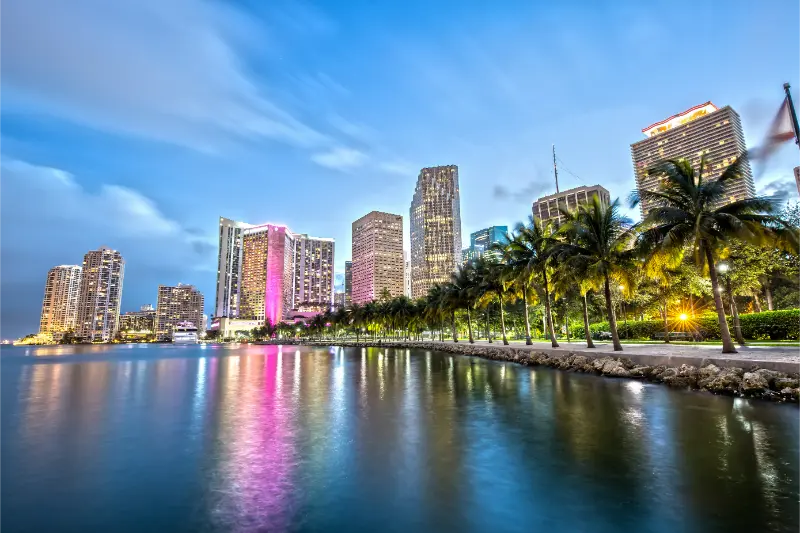
    Illuminated Bridge over Florida Bay at Dusk

    Days 12–14: Sarasota, Naples and the southwest Gulf Coast

    Driving south, you could base yourself around Sarasota for museums and Siesta Key, or continue toward Naples for easy access to the Everglades’ western side. Both are worthwhile, but three days do not require unpacking in both cities. Sarasota favors a mix of the Ringling, tropical gardens and barrier-island beaches. Naples lends itself to quiet mornings, conservation-oriented nature outings and a boat trip around the Ten Thousand Islands if weather permits. The choice should follow your preferred pace. If taking a boat tour, ask about shade, boarding steps, motion sensitivity and restroom access before paying. Dolphins and other wildlife are possible, never guaranteed. Protect shorebirds by respecting signs and do not collect live shells or disturb nesting areas.

    Days 15–17: the Everglades and Miami

    Use the move toward southeastern Florida for a deliberate Everglades visit. Everglades National Park has distinct entrances: Shark Valley, Ernest F. Coe near Homestead and Gulf Coast access do not connect by road inside the park. Choose the entrance that matches your overnight base and the current visitor facilities, rather than attempting all three in one afternoon. From Miami, explore neighborhoods such as Little Havana and the Art Deco district, a museum or garden, and the bayfront. Decide whether to sleep in Miami Beach or on the mainland according to beach priorities, parking and transport. South Florida can be expensive, so compare the total room cost with parking and resort charges. A short boat excursion is optional; a careful walking day can be just as rewarding.

    Days 18–20: a slow journey through the Florida Keys

    The Overseas Highway is beautiful precisely because it is the only principal road linking the Keys; that also means traffic backups can be consequential. Drive first toward Key Largo or Islamorada, using a second day for a snorkeling trip if your group is comfortable in open water and conditions allow. A non-swimming alternative is a land-based state park visit or a marine education center. Marathon and the Seven Mile Bridge deserve unhurried pauses rather than unsafe roadside stops. Continue toward Key West for historic streets, sunset views and a final day spent mostly on foot. Visitors with walking limitations can arrange short taxi rides rather than assume every historic sidewalk is level. Never guarantee a particular snorkeling visibility, fishing catch or sunset cruise departure: wind and sea conditions control the schedule.

    Day 21: the departure decision that changes the entire route

    Key West is a fine ending if you fly out from there or have built a separate return travel day. It is not a sensible location to wake up for a same-day international departure from Orlando. If the outbound flight leaves Miami, spend the final night on the mainland or allow a generous driving buffer, particularly during holiday weekends. If flying from Orlando, reverse the route, finish in Central Florida, or replace the last Keys night with an airport-area overnight. It is better to sacrifice one scenic dinner than miss a long-haul flight after a bridge incident or storm. Check the car return location, fuel policy, toll charges and airport terminal well before leaving the hotel.

    How to divide the budget without inventing a price

    A three-week budget is shaped by lodging, transportation and the number of high-priced attraction days. Theme parks can cost much more than beaches or walking historic districts, but beaches may involve parking, rental equipment or entrance fees. Hotels in the Keys and on Gulf barrier islands may add resort charges and higher weekend rates. Estimate each base separately using actual dates, then budget taxes, toll programs, fuel, tips, insurance and meals. International visitors should also assess medical coverage and rental-car liability arrangements. Shopping for the cheapest nightly room in six cities can produce a more expensive itinerary once long drives and parking fees are added. Accommodation with a kitchen or breakfast option may be a better family value than a poorly located hotel.

    Traveling with infants, school-age children and older relatives

    Avoid a one-size-fits-all daily schedule. Babies need safe sleep arrangements and appropriate car seats, not an ambitious list of attractions. Six- to twelve-year-olds may appreciate a simple choice between a museum, an animal encounter observed responsibly or a pool afternoon. Teenagers can help plan a surf lesson, a space exhibit or photography walk, with independent downtime that is age-appropriate and supervised. Travelers in their seventies, eighties and beyond vary enormously; ask about desired walking distance, stair-free lodging, accessible restrooms and heat tolerance rather than making assumptions based on age. Every third or fourth day can be lighter. Families should designate a flexible meeting point, especially at large parks, and never leave anyone waiting in a hot parked vehicle.

    Weather, hurricane season and the limits of a fixed plan

    Florida changes substantially between cool winter days in North Florida, humid summer afternoons and storm-prone hurricane-season dates. The Atlantic hurricane season officially runs from June 1 through November 30. That does not mean a storm strikes on every day, and it does not make advance forecasts reliable months out. Instead, book cancelable lodging where practical and follow the National Hurricane Center, local emergency management and each venue’s alerts. Lightning is a bigger day-to-day concern than many visitors expect; leave beaches and open water for substantial shelter whenever thunder is audible. A useful itinerary has indoor substitutes and no prepaid chain of impossible same-day transfers. Water conditions, park closures and major launch schedules may change abruptly.

    The booking sequence that prevents common problems

    Book international flights and first- and last-night accommodations first, then verify whether a one-way rental can be returned to the chosen airport. Reserve major theme-park experiences and limited-capacity tours only after dates are stable. Compare the price of moving a hotel reservation against the pleasure of not repacking; a well-positioned base may save an hour each morning. If traveling with a wheelchair, verify the exact bed, bathroom and transfer configuration directly with the property rather than rely on a generic “accessible” listing. Download maps and confirmation numbers before entering rural or protected areas. Set up a shared trip folder containing emergency contacts, medication information, reservations and cancellation rules, without displaying sensitive documents publicly.

    Three-week itinerary table

    DaysSuggested baseCentral experiencesEasier alternative
    1–3St. AugustineFort, old town and Atlantic beachMuseum and short harbor walk
    4–8Greater OrlandoTheme-park choice, Winter Park, Space CoastPool day and lakeside gardens
    9–11Tampa BayTampa, St. Pete art and Gulf beachSingle waterfront neighborhood
    12–14Sarasota or NaplesGardens, shoreline and natureOne beach or guided indoor venue
    15–17Miami areaEverglades entrance, city neighborhoodsMuseums and short transit trips
    18–20Florida KeysKey Largo to Key WestShort Keys base with no boat trip
    21Departure locationReturn vehicle and flyAirport hotel the previous night

    Frequently asked questions

    Is 21 days enough to see all of Florida?

    No trip covers an entire state with this much coastline and regional variety. Three weeks allow a substantial first introduction while leaving the Panhandle, many springs and inland towns for another journey.

    Should we book six different hotels?

    Six bases can work, but fewer are fine. Families who dislike packing may remove one segment, stay longer in Orlando or Southwest Florida and replace it with local outings.

    Can we complete the route by train?

    Not as written. Rail connects some metropolitan areas, but the Everglades, Gulf beaches and much of the Keys do not have the direct public transportation needed for this complete route.

    Which area should we skip if we have only two weeks?

    Choose by interests rather than geography alone. Some travelers can remove Tampa Bay; others will skip Orlando’s theme parks and spend those days on quiet beaches or around the springs.

    Is this safe to plan during hurricane season?

    It can be planned with realistic flexibility, insurance scrutiny and a willingness to change or cancel. Check official forecasts and evacuation notices, never rely solely on a travel article for storm decisions.

    Official planning resources

    The value of a three-week Florida itinerary is its breathing space. Treat these stops as priorities to adapt, not as a checklist that forces a missed meal, an unsafe drive or an exhausted traveler.


  • Florida for Women Traveling Solo: An Eight-Day City-and-Coast Itinerary Without Rushed Drives

    Florida for Women Traveling Solo: An Eight-Day City-and-Coast Itinerary Without Rushed Drives

    Traveling alone in Florida can be liberating. You can spend longer in a museum, change your plans after a rainstorm and eat whenever you please. But a thoughtful solo itinerary is not merely a list of places where someone claims you will feel safe. It should make practical decisions about transport, lodging, arrival times, social activities and the difference between a relaxed day and a complicated one. This eight-day journey connects Miami, Fort Lauderdale and Palm Beach County with a focus on daytime activities, straightforward transfers and enough flexibility to accommodate different budgets and energy levels.

    The guide is written especially for women traveling independently for the first time, but its planning principles are useful to anyone going solo. Florida is a large state, and distances within South Florida can be deceptive. You can use trains for significant portions of the corridor, but local transport to every beach or museum still needs research. Do not treat an online neighborhood stereotype as a security guarantee or a personal experience from someone else as proof that a location is safe at every hour. Make decisions using current local information and the actual location of your accommodation.

    Start with the right arrival city and a simple first day

    Arriving after a long flight is not the moment to improvise multiple transit changes with luggage. Miami International Airport and Fort Lauderdale-Hollywood International Airport serve different neighborhoods and may have very different onward transport options depending on your chosen hotel. Decide where the first two nights will be spent before booking flights. Check the public transport connection from that specific airport terminal, and compare it with the cost of an authorized taxi or rideshare. A hotel advertised as ‘near Miami’ can still be an inconvenient journey from the places you want to visit.

    Plan your arrival for daylight if you can. If the flight is late, prearrange your airport transfer or use official ground-transport pickup instructions. Share your confirmed hotel name and travel plan with a trusted contact, but avoid broadcasting a room number or precise solo location publicly. Have enough battery power and a working data plan or offline map. A quiet dinner near the hotel is often the ideal first evening. There is no need to prove independence by navigating an unfamiliar entertainment district when exhausted.

    Days 1–2: Miami by neighborhood, not by checklist

    Use the first full day for one or two connected Miami experiences, such as a museum district and a waterfront walk. Choose activities that feel rewarding alone: gallery visits, guided architecture walks or a neighborhood food tour with a reputable provider. A formal small-group tour can offer conversation without the logistical dependence of traveling with strangers. Read recent reviews for the exact tour and check its actual meeting point. Avoid pretending that Miami Beach, Little Havana and Wynwood are all next-door neighborhoods that fit comfortably into one afternoon.

    Miami Beach Causeway and Downtown Skyline

    On the second day, explore Miami Beach in a deliberate way. An early walk in the Art Deco district, a museum or a beach visit at a guarded location may suit someone who wants daylight and flexibility. Follow beach warning flags and lifeguard instructions, and never leave valuables unattended while swimming. If you plan to go into the water alone, keep the outing conservative and consider whether someone nearby can keep an eye on your belongings; do not ask an unknown person to hold your passport. An afternoon café, public park or indoor cultural venue can replace the beach if heat or thunderstorms become uncomfortable.

    Day 3: A smooth transfer to Fort Lauderdale

    Choose a transfer that fits your accommodation rather than automatically renting a car. Rail services in the Miami–Fort Lauderdale corridor can be useful, but they do not stop at every beachfront hotel. Compare station locations, luggage arrangements, onward transport and the full door-to-door journey. A train that takes less time than a road journey may still need a short taxi ride at both ends. Book or validate tickets through the actual operator and check current schedules, especially around holidays and special events.

    Arrive in Fort Lauderdale with enough daylight to settle into the hotel and walk a manageable section of Riverwalk or the surrounding area. Do not assume that staying near a station also places you near the oceanfront; look at the geography before booking. A solo traveler can make an enjoyable evening from a restaurant with indoor seating and an early waterfront stroll. If you want nightlife, plan your return transport before entering a venue. Drinks should remain in your possession, and your phone should have enough battery for the trip home.

    Day 4: Fort Lauderdale’s waterways and art

    Fort Lauderdale is especially rewarding when you split the day between its canals and cultural spaces. Choose a reputable daytime sightseeing vessel, an art museum or a public riverside walk according to your interests. Sightseeing boat tours have different boarding arrangements, shade and weather policies, so check the operator’s details. A visitor with motion sensitivity may prefer the Riverwalk and galleries to spending hours afloat. Walking along a public waterway can be pleasant, but avoid turning onto private docks or through residential compounds in pursuit of a photograph.

    The city also offers local buses, trolleys and other services with different routes and operating hours. Do not assume that every free shuttle runs on the same schedule or reaches the beach from your hotel. Plan one or two corridors rather than exhausting yourself with transfers. If you feel uneasy after dark, leaving an event early is a sensible choice; independence means controlling your plans, not pushing through an uncomfortable situation. A meal and a gallery visit can make a full day without any high-intensity activity.

    Miami Beach Ocean Drive Art Deco Buildings

    Days 5–6: Palm Beaches and a gentler rhythm

    Continue north toward West Palm Beach or a suitable Palm Beach County base. The area’s museums, public gardens, waterfront spaces and small downtown districts can work well for a solo traveler who enjoys slower cultural exploration. Choose one area per day and verify museum hours and ticket policies directly. Keep coastal activities close to safe access points and return transportation. A quiet ocean view or a short walk through a well-maintained garden can be the highlight of the day; not every successful solo vacation requires socializing continuously.

    Consider a bookshop, a daytime guided tour or a museum event if you would like structured opportunities to meet people. If you prefer solitude, use that freedom without embarrassment. For dinner, select a place near your hotel or a location with straightforward transport rather than making multiple late-night connections. Travelers over sixty may appreciate predictable seating, elevator access and earlier meals, but age does not define interests or independence. A visitor with a mobility aid should confirm the exact route from the station or pickup point to the hotel entrance.

    Day 7: Choose a personal-interest day

    Keep the penultimate day open for something you genuinely care about. Nature lovers can select a protected birdwatching site with easy access and current visitor information. Art enthusiasts can return to a museum they enjoyed; beach lovers might choose a supervised stretch of shoreline early in the morning. The plan is better for being selective. A solo traveler has no obligation to follow a fixed group itinerary, but it helps to set a return time and let someone know if you plan to visit a remote natural area.

    If you join a group activity, use a recognized operator with a published meeting location, customer service contact and clearly described safety procedures. Be wary of requests for private transfers to unknown addresses or pressure to pay outside the booking system. For a self-guided outing, carry enough water, sun protection and a backup power source. Weather changes quickly in Florida. If lightning begins, seek a substantial building or appropriate enclosed vehicle rather than remaining at an exposed shoreline viewpoint.

    Day 8: Departure with realistic transfer time

    Book the last night in a location that makes the departure airport practical. If your return flight is from Miami while you are staying in Palm Beach County, allow substantial time for the regional journey, station transfers and unexpected delays. Do not assume a short distance on the map means a short travel time through several urban areas. Consider returning south the evening before a very early international flight. An extra hotel night near the correct airport can be worth the cost if it reduces the risk of missing a long-haul journey.

    Check out with all documents accounted for, save tickets offline and confirm the pickup point for your airport transport. If you booked attractions through third parties, retain receipts and cancellation confirmations. A brief travel journal is a helpful final ritual: which neighborhood made you feel comfortable, which transport worked and what would you change on another visit? This information supports a more confident second solo holiday without making your experience into a universal promise about safety.

    Choosing solo-friendly lodging thoughtfully

    A suitable hotel is not necessarily the most expensive one. Look for recent reviews mentioning noise, entry access, lighting, front-desk availability, cleanliness and the reliability of advertised facilities. Map the walk from transit and check whether you need to cross a highway or an isolated area. Hotels with an occupied reception desk can be reassuring, but no building is a substitute for sensible awareness. If staying in a vacation rental, verify licensing where applicable, access procedures and the host’s legitimate contact details before arriving.

    For women traveling alone, privacy is important. Do not post room or live location details on social media, and avoid telling strangers how long you will be alone in the city. Use the room’s available locks, report concerns to management and trust your judgment about changing accommodation if a situation does not feel secure. Request a room near the elevator or main area if that is your preference, but remember that different people value different levels of privacy and quiet. The best room is one that supports your rest.

    Budget, wellbeing and transportation alternatives

    Break the budget into lodging, intercity travel, local transfers, food and attractions. A car-free itinerary avoids rental and parking costs but may add taxis and rideshares, particularly for beaches away from stations. Do not advertise a single daily price without the dates, hotel standard and travel style. A museum-heavy trip can be cheaper than a resort-and-tour trip, while guided small-group excursions add convenience at a cost. Booking refundable lodging can be sensible during uncertain weather or when your schedule may change.

    Keep water, medication, identity documents and emergency contacts organized. If you are traveling internationally, check insurance coverage and how to access medical help. Florida’s heat can affect anyone, and a long day outdoors may be draining even when your plan looks easy on paper. Give yourself permission to rest. Solo travel is most enjoyable when the itinerary protects your time and comfort instead of creating another set of obligations.

    Eight-day route overview

    Day Focus Overnight area
    1–2 Miami neighborhoods and Miami Beach Miami or Miami Beach
    3–4 Fort Lauderdale Riverwalk, art and waterways Fort Lauderdale
    5–6 Museums and waterfront in Palm Beach County West Palm Beach region
    7 Personal-interest day West Palm Beach region
    8 Airport departure As dictated by flight

    Frequently asked questions

    Is Florida safe for a woman traveling alone?

    No place has uniform safety conditions. Choose verified accommodations, plan transport, follow current local guidance and adapt activities to your comfort and abilities.

    Can I follow this route without a car?

    Yes, with advance planning. Regional trains help between cities, while local transfers still need to be arranged for specific hotels and attractions.

    Is it possible to have a social trip without nightlife?

    Absolutely. Daytime guided tours, museums, group walks and classes can be engaging ways to connect with others.

    Is this itinerary suitable for a traveler over eighty?

    Potentially, with suitable accommodation, shorter walks and realistic transport. Evaluate personal mobility and stamina rather than relying on age alone.

    Where should I sleep before an early flight from Miami?

    Choose a location with a verified timely connection to the correct airport. Returning south the evening before may be wiser than a long same-day transfer.

    Official planning resources

  • Florida With Your Dog: A Responsible Seven-Day Gulf Coast Road Trip

    Florida With Your Dog: A Responsible Seven-Day Gulf Coast Road Trip

    Florida can be a satisfying road-trip destination with a dog, but the word “pet-friendly” needs careful examination. A hotel may allow dogs while banning them from its breakfast room; a city park may accept leashed animals while the neighboring state-park beach does not. Heat, hot pavement, alligators, salt water and crowded events complicate even a short outing. This seven-day plan focuses on the Tampa Bay area and Sarasota, where a family can combine waterfront walks with short driving days. It is not a promise that a dog can enter every attraction mentioned. The aim is to build days around places where the human travelers and the animal can both remain comfortable, while explaining when separate care arrangements may be necessary.

    Start with the rules: pets are not service animals

    Florida State Parks generally welcome leashed pets in specified hiking, picnic and camping areas, but prohibit them in many beaches, boardwalks, playgrounds, swimming areas, buildings and other sensitive settings. Exceptions differ by individual park. The official Florida State Parks pet policy is more reliable than a map listing that simply says “dogs allowed.” Never interpret permission to enter a parking area as permission to walk a dog onto nesting beaches or through visitor exhibits. Service animals have different legal protections; this itinerary describes an ordinary companion dog, not a disability-related service animal.

    Local beach rules vary just as much. A city may designate a dog beach, require leashes at certain times or close an access route for habitat protection. Confirm the municipality’s current regulations and the exact access point, not merely the name of the beach. Pack waste bags even if a park advertises dispensers. Choose a short leash rather than retractable equipment in crowded areas, keep dogs away from wildlife and yield to people who are uncomfortable around animals. A friendly dog can still startle nesting birds or small children. The simplest responsible rule is that a closed or unsigned wildlife area is not a place to test whether enforcement is likely.

    Day 1: choose a base near Tampa rather than driving too far

    After arriving in the Tampa Bay region, check into accommodation that clearly accepts your dog’s size and number. Ask about nightly charges, cleaning policies, prohibited areas and whether the animal can ever be left unattended in the room. A pet-friendly hotel may still prohibit an unaccompanied dog, and loud barking can cause complaints. A ground-floor room near a designated relief area may be more useful than a bay view. If you have flown, make the first evening calm: a short shaded walk, water, a familiar meal and adequate sleep. Do not schedule a bustling attraction immediately after hours in an airline carrier.

    Before booking a vacation rental, confirm more than a pet icon. Ask whether the yard is fully fenced, whether pools or canals are accessible, whether there are breed or weight restrictions and what happens to your deposit if muddy paws damage upholstery. Florida canals and ponds may contain alligators, so a grassy waterfront should never be assumed to be a safe dog-play area. Check for escape gaps around gates and do not leave your dog alone outside. Bring the usual food if possible to avoid abrupt diet changes during a period of travel stress.

    Day 2: a gentle Tampa waterfront day

    Use a morning on a legal leashed walking route near your chosen neighborhood. Tampa’s waterfront offers urban scenery, but busy concrete paths become uncomfortable for paws in strong sun. Start early, carry a collapsible bowl and test pavement temperature with the back of your hand; if it is too hot to hold against the surface, choose grass, shade or another time. A midday restaurant outing requires a confirmed pet-permitted outdoor area. Many restaurants offer patios but not every patio allows animals. Call the restaurant rather than assuming a photo of a dog on social media establishes the policy.

    Florida City Waterfront Bridge after Dark

    Build a dog-free alternative into the afternoon if you want to visit a museum. That means another adult who stays with the dog or a properly researched daycare arrangement; it never means leaving the animal in a vehicle. A short evening neighborhood walk and dinner near the hotel may make a better second day than a long cross-bay drive. Keep your dog on leash when other dogs approach, ask before allowing greetings and avoid public fountains used by children. Consider the comfort of other visitors as part of a successful dog-friendly vacation.

    Day 3: Dunedin and Honeymoon Island, with clear boundaries

    Move toward Dunedin for its compact downtown and access to Gulf Coast scenery. The city’s shops, trails and waterfront sections may have differing rules; check signs and follow local leash requirements. Honeymoon Island State Park is worth researching because it has a designated dog-friendly beach area, an exception to the usual Florida State Parks beach restriction. The state park FAQ specifically notes this exception, but parking, storm damage, capacity limits and exact access routes require same-day verification. Do not walk your pet onto a different section of shore simply because sand connects the two areas.

    Treat this as a morning excursion rather than an all-day sunbathing challenge. Bring fresh drinking water and a shade plan, and rinse salt and sand from paws afterward. Do not let a dog drink seawater. Watch for sharp shells, fishing hooks and wildlife, and never let the dog chase shorebirds. If parking access or the authorized dog area is closed, return to shaded city walking paths rather than searching for an unmarked beach. This is a good example of why researching one real pet-friendly activity is more valuable than collecting a dozen broad online recommendations.

    Day 4: St. Petersburg's urban side

    St. Petersburg can offer outdoor strolling, neighborhood coffee stops and public spaces, but pet permission varies within waterfront venues. Select a small area and confirm the rules at your actual stops. The downtown district is not a universal off-leash zone. If you want to explore a museum, arrange pet care in advance or separate the group into two supervised activities. Public outdoor events can be too loud or crowded for some dogs, so plan an easy exit. If your dog becomes stressed by other animals, avoid busy promenades at peak evening hours and enjoy quieter residential walks instead.

    For lunch, ask a café whether its patio admits dogs, whether tables are shaded and whether staff can place you away from the heaviest foot traffic. Carry a portable mat so the animal has a familiar resting place rather than lying on baking pavement. A good dog day is not measured by kilometers walked. Older dogs and small breeds often benefit from several short outings separated by air-conditioned rest. If traveling with children, assign adults—not young children—the responsibility for handling the leash near traffic and other dogs.

    Days 5 and 6: Sarasota, quieter outings and one human-only attraction

    Drive south to Sarasota, stopping for water and a relief break rather than leaving a dog crated for several continuous hours. Two nights in the Sarasota region allow you to enjoy low-key neighborhood walks and a dog-permitted park selected from current municipal listings. Not every beach, garden or preserve accepts pets. Marie Selby Botanical Gardens is a compelling human attraction, but you should check visitor rules before assuming your dog can enter. Plan one adult-only museum or garden period with confirmed pet supervision, then reunite for an evening outdoor meal at an appropriate venue.

    On the next day, choose one modest excursion that suits your dog’s physical condition. A fit dog might enjoy a shaded walking trail where pets are expressly allowed; a senior animal may prefer a morning neighborhood loop and a long rest at the hotel. Keep animals out of freshwater swimming areas and away from canal edges. Alligator warning signs are not decorative. Avoid tying a dog outside a store, and do not assume any pool deck admits companion animals. If you want to rent a boat, contact the operator first about dog acceptance, life jackets, limits and its cancellation policy. A sightseeing boat is not automatically pet-friendly.

    Day 7: a safe departure routine

    Keep departure day simple. Allow a familiar walk and feeding window that suits your dog’s normal routine, then travel to the airport or your onward destination with breaks appropriate to the animal. Pack veterinary records and any travel documents in your carry-on bag, together with medication, waste bags and a spare leash. If flying, confirm the airline’s carrier dimensions, age rules and temperature restrictions. Not all flight itineraries can transport every breed or size, and airline conditions are distinct from US entry regulations. Do not book an itinerary with a tight flight connection and assume an animal can manage the transfer without additional planning.

    If arriving in the United States with a dog from abroad, review the CDC dog import requirements well before departure. Requirements depend on vaccination history and the countries where the dog has been during the preceding six months. A CDC Dog Import Form receipt is generally required, and additional conditions apply to some situations. International travelers must also consider their home country’s return requirements and carrier policies. The necessary preparation cannot safely be reduced to buying a ticket and producing a vaccination booklet at check-in.

    Heat, wildlife and veterinary emergencies

    Florida humidity can limit a dog’s ability to cool itself. Avoid hot pavement and lengthy midday walks, carry more water than you think necessary and monitor for unusual panting, weakness or distress. Seek prompt veterinary help when an animal shows signs of overheating; moving into shade is not always sufficient. Keep dogs well away from retention ponds, lakes and marsh edges where alligators may be present. Mosquitoes, fleas, ticks and heartworm risk also warrant discussion with your veterinarian before travel. Check that your dog’s identification and microchip contact details are current.

    Do not let dogs investigate washed-up fish, unknown substances or dead wildlife on beaches. Some coastal water conditions and algal blooms are hazardous, and a beach that looks inviting is not proof the water is safe for animals. Respect posted notices and wildlife closures. If traveling during hurricane season, know your hotel’s evacuation policy and identify an alternative pet-accepting accommodation before a storm arrives. Evacuation shelters and hotels differ in animal rules, so a backup plan should include the dog rather than assume it can be brought everywhere.

    The real costs of pet-friendly travel

    The pet fee shown on a booking page can be per night, per stay or per animal. Some properties charge refundable deposits separately from nonrefundable cleaning fees. Budget also for supplies, a carrier, emergency veterinary care, pet supervision when humans visit attractions, parking and possibly a room type that costs more than a similar non-pet option. Compare the total for the entire stay, not the advertised nightly rate. For an extended stay, a rental with a practical ground-floor entrance may be worth more than a hotel offering premium amenities you cannot use with a dog.

    Keep documentation of property condition at check-in and check-out, and read the cancellation terms. If a planned outing is no longer possible because of rain or a closed dog area, do not try to recover the money by pushing the animal through unsafe conditions. One flexible free day often makes a dog-inclusive vacation substantially easier. When a resort lists “pets welcome,” request the actual policy in writing, including restrictions for lobbies, dining areas and swimming facilities.

    Pet-friendly trip decision table

    SettingWhat to check firstSafer fallback
    State parkExact pet zones and leash limitShaded city trail
    BeachDesignated dog area and conditionWaterfront walk away from sand
    HotelFees, size rules and unattended-pet policyDifferent pet-approved lodging
    RestaurantOutdoor seating permission and shadeTakeout picnic in permitted area
    BoatOperator permission and pet life jacketLand-based sightseeing
    FlightCarrier rules plus CDC entry requirementsDifferent itinerary

    Frequently asked questions

    Are dogs allowed on Florida beaches?

    Some municipal or designated dog areas allow them, but many beaches and state-park shorelines do not. Always verify the specific public access, current rule and leash requirement.

    Can a dog accompany me into every Florida State Park?

    No. Many parks welcome dogs in particular areas, but some parks exclude pets and most restrict access to beaches, swimming areas and buildings. The official policy and individual park page take precedence.

    Is it safe to leave a dog in the car for ten minutes?

    No. Cars can heat rapidly in Florida, even when parked in shade or with windows partly open. Arrange proper supervision or change your activity instead.

    Do small dogs travel on Brightline trains?

    Brightline allows qualifying pet dogs and cats in carriers under its published rules, with advance reservation details and possible fees. Review the current Brightline animal policy before buying a ticket.

    Do overseas visitors need paperwork for their dog?

    Yes, US import rules can apply even to a short vacation, with additional airline and return-country requirements. Use the CDC’s official dog importation tools and check them before booking.

    Official planning resources

    See the Florida State Parks pet policy, CDC guidance for bringing dogs into the United States and Brightline's animal transport rules. Rules, closures and fees should be reconfirmed for the exact travel dates.

  • Florida Vacation Departure Day: Checkout, Luggage and Airport Timing

    Florida Vacation Departure Day: Checkout, Luggage and Airport Timing

    The last day of a Florida trip can unravel when checkout is at 11 a.m. and the flight is not until evening. Beaches, theme parks and shopping may still seem tempting, but luggage storage, traffic, rental-car returns and airport queues quickly consume the extra hours. Plan departure day backward from the flight, not forward from the hotel. An easy breakfast and one nearby stop are often more satisfying than racing across a city for a final attraction.

    Planning pointWhat to check
    Before you leaveConfirm arrival arrangements, opening hours and necessary equipment
    During the dayAllow for breaks, weather changes and unplanned delays
    TransportChoose reliable, comfortable connections and a manageable journey
    BackupKeep an indoor or lower-effort option ready

    Start with the flight, then work backward

    Confirm the operating airport and terminal, airline check-in rules, baggage cutoff and the recommended arrival time for your flight. Allow for international departures to require more preparation than a short domestic journey. Add a realistic buffer for traffic, fuel stops, rental returns, shuttle transfers and finding the correct terminal. Orlando International and Miami International are large airports; reaching the airport property is not the same as reaching the check-in desk. Review airline notifications again before leaving.

    Manage the checkout gap

    Ask whether the hotel can hold baggage, whether there is a late-checkout fee and when you must return to collect items. Not every accommodation offers storage, and some vacation rentals have no supervised facility. If storage is essential, verify the arrangements before your last morning. Avoid leaving passports, medication or valuables in a vehicle, especially in visible bags. A relaxed hotel lobby lunch may be a better choice than an attraction that requires a complicated second transfer.

    The rental-car return often takes longer than expected

    Know the return address and the agency’s airport directions. Some companies use off-airport facilities with a shuttle, while others have consolidated rental-car centers. Decide whether to refuel or recharge before joining airport traffic, and read your contract for the proper return condition. Photograph the vehicle and fuel level according to the rental agreement. Remove all belongings, including charging cables, child seats and documents, before handing over the keys.

    Choose the right last activity

    Good departure-day options are nearby cafés, a short accessible waterfront walk, a museum close to the airport corridor or simply enjoying the accommodation until checkout. Avoid activities with unreliable finish times, mandatory reservations or a long return drive. Near Orlando, a park visit on flight day can be risky because transport and security queues are unpredictable. In Miami, even a final beach walk may involve traffic and parking problems. Match the activity to the time you actually have, not the hours shown between checkout and takeoff.

    Families and accessibility

    Keep travel documents, snacks, prescription essentials and a change of clothes reachable. Children may be less patient on departure day, particularly if sleep has been disrupted. Confirm airport assistance requirements with the airline well in advance if needed, and do not assume that check-in assistance will extend automatically to every transfer. Plan restroom and feeding breaks before the drive. When traveling with grandparents or people who tire easily, reducing transfers is usually more useful than adding one last stop.

    Food, souvenirs and airport security

    Finish open snacks that cannot travel, check food-import rules for the destination and make sure liquids comply with security requirements. Packing souvenirs at the hotel is easier than reorganizing bags at the airport. Avoid putting medication, identification, power banks or other cabin-required items in checked luggage contrary to airline rules. If buying food for the journey, consider whether it will remain safe during long waits. Leave space for the possibility of a flight delay.

    If your flight is late in the evening

    A daytime room may sometimes be worth paying for, particularly with young children, elderly companions or a long-haul return flight. Compare the cost of late checkout with luggage storage, transport and several hours of meals or entertainment elsewhere. Another strategy is to stay the last night closer to the airport, sacrificing some beach time for predictable departure logistics. Choose deliberately instead of discovering the trade-off after checkout.

    A calm final checklist

    Confirm the exact departure airport, terminal, rental-car location, baggage rules, document validity and transfer method. Look for flight updates from the airline, not merely a generic travel app. Take one last photograph of the room to help check for forgotten items and test that everyone has their phone and passport before leaving. A pleasant vacation deserves an uncomplicated ending.

    Departure times are not airport arrival targets

    An airline departure time tells you when the plane is scheduled to leave, not the time by which you must reach the check-in counter. Baggage drops and boarding gates close earlier; requirements differ by airline, destination and assistance needs. Consult the actual airline instructions for your flight. Back-calculate the road journey and add a cushion for unpredictable queues. Travelers who require special assistance should arrange it through the airline according to its procedures rather than assuming they can request every service only at the airport.

    Miami Airport Departure Hall with Shops

    Know whether you are leaving from the same airport

    Florida itineraries sometimes begin in Miami and end near Fort Lauderdale, or use multiple Orlando-area airports. Verify the exact airport code on the return ticket and your rental-car reservation. Travelers can confuse airports with similar destination names, producing an expensive mistake. If your flight is international, check passport validity and entry requirements for the onward destination. When booking a separate connecting flight, account for the additional risk of delays and separate baggage handling. A straightforward route home is worth planning at the same time as the outward flight.

    Handling wet clothes and beach gear

    The final night is a poor time to discover that swimsuits, towels and shoes are still damp. Start laundry earlier, allow enough drying time and separate wet items from documents and electronics. If you rented outdoor equipment, confirm the return point and opening hours. Check for sand in bags and shoes before packing, and follow airline rules for any sports or beach equipment. Try to complete most packing before bedtime. That leaves the departure morning free for breakfast, a final room check and the airport journey.

    If traveling by rideshare or private transfer

    Prebook only where it genuinely improves reliability, and check what happens if the driver cannot reach your accommodation. Allow for traffic and the time needed to load luggage, child seats or mobility equipment. Confirm the terminal and airport code with the driver. A slightly more expensive direct transfer may be valuable for a family with several bags, while public transport can work well when the route and timetable suit your flight. Choose based on the real amount of luggage, the group’s comfort and the number of transfers involved.

    A better last meal

    Consider breakfast near the hotel or a simple lunch on the route rather than a distant must-visit restaurant. Allow enough time for service, restroom breaks and traffic afterward. If you have dietary restrictions, check suitable airport options in advance instead of relying on the last open outlet. Keep snacks for children or unexpected waits where permitted. A relaxed final meal can become a good ending to a trip, but not if everybody spends it watching the clock and worrying about baggage cutoff.

    Make a contingency plan for delays

    Save airline contact details and booking references in a form you can access without mobile service. Know whether the rental-car company can extend the return time and what late fees could apply. Check hotel luggage storage conditions if departure is significantly delayed. Follow official airline instructions on baggage and rebooking. Do not assume that a delayed departure means you can postpone check-in by the same amount; airline processes can change. Preparedness lets you respond calmly to an altered flight without sacrificing basic safety or comfort.

    Build an airport-ready bag the previous evening

    Separate the items that cannot be checked from items you want to reach only after landing. Keep passports, any required travel authorizations, phone chargers, medication and essential documents in an accessible place. Confirm baggage weights before the final morning instead of repacking at the check-in desk. Assign responsibility for child comfort items, car keys and hotel safe contents. A two-minute room sweep of closets, drawers, bathroom shelves and charging outlets prevents many avoidable problems. Make sure everyone has footwear and a travel layer appropriate for the flight, even if the Florida weather is hot.

    Consider a one-night airport buffer

    If you are several hours from the airport and the return flight departs early, moving closer the previous night may be worth the extra hotel change. Compare that with the fatigue and uncertainty of a predawn highway journey. For travelers returning a rental car, confirm whether the hotel offers a shuttle and how that interacts with the return timing. Airport hotels can also help when the final day includes a long international flight, especially for people who need more rest. Evaluate the additional cost against the simplicity, rather than assuming either strategy is always right.

    Airport Runways with Green Taxiway Lights at Night

    Avoid unnecessary last-minute purchases

    Gift shops and airports are convenient, but buying an extra suitcase or unexpectedly large souvenirs can complicate airline baggage limits. Before spending the final morning shopping, check which items are allowed in hand luggage and what import rules apply at home. Fragile keepsakes need adequate protection; liquids may have security restrictions. Keep receipts if customs documentation could matter. Travelers with several family members should agree how souvenirs will be distributed among bags. A final shopping stop is only worthwhile when it fits the flight schedule without making other parts of departure less reliable. It is usually better to buy gifts on a quieter day, pack them properly and enjoy your final morning without unexpected costs, queues or the risk of arriving late at the airport. Before leaving, confirm that every traveler has collected their own belongings and that no checked bags remain in storage.

    Frequently asked questions

    How far in advance should I plan?

    For florida airport departure day, book essential transport or accommodation as soon as your travel dates and priorities are firm, then keep flexible activities open. Popular vacation periods, major events and holiday weekends may require earlier reservations. Always read the actual change and cancellation conditions before paying.

    Can this plan work for several generations?

    Yes. Begin with the least flexible needs in the group, including suitable rooms, transportation, rest breaks and meal times. Make one shared outing the priority rather than requiring every person to join every activity. A practical florida airport departure day plan should give companions room to choose different interests.

    What if bad weather changes my plans?

    Check official local alerts and the venue’s own updates. Florida weather varies by region and season; do not assume a statewide forecast describes your neighborhood. Keep a comfortable indoor alternative, a flexible meal option and an understanding of whether prepaid services can be changed.

    What should I confirm on the day?

    Check the precise address, parking or pickup location, facility hours, accessibility arrangements and the weather. Tell companions the plan and leave room for breaks. On a florida airport departure day trip, the simplest practical details often make more difference than one extra attraction.

    Official resources for checking details

    Opening hours, rates, transport arrangements and local restrictions can change. Check official providers for your exact dates rather than relying on an old price or a general statewide rule.

    More practical Florida travel guides

    • Working Remotely From Florida: A Practical Vacation and Work Plan
    • Florida One-Week Vacation Without Long Drives: Pick One Region
    • Florida With a Full Kitchen: Planning a Family Vacation Around Real Meals
  • Florida Grocery Shopping for Travelers: Supermarkets, Picnic Supplies and Budget Meals

    Florida Grocery Shopping for Travelers: Supermarkets, Picnic Supplies and Budget Meals

    Florida Grocery Shopping for Travelers deserves a little advance planning, but a successful Florida vacation does not have to be complicated. The key is to make decisions based on your actual route, budget and travel companions instead of accepting a generic checklist. This guide explains the choices that most often affect comfort and cost, with practical alternatives for couples, solo travelers, families with babies, teenagers and older visitors. Rules, fees and access conditions can change, so confirm time-sensitive details with the responsible operator before you travel.

    Explore this guide

    Why a grocery stop pays off

    Breakfast, snacks and simple dinners from a store can cut the cost of a long holiday, especially for families. But factor in kitchen access, time and food waste before buying a full week of supplies. For this part of the trip, write down what is essential and what is optional. If you are traveling with several people, discuss priorities before committing to a purchase or a long drive. Look for the exact address, current opening or service conditions, and any extra charges rather than assuming an advertisement includes everything. A useful test is to imagine the same situation on a hot afternoon, with a tired child, a traveler who walks slowly, or an unexpected rain shower. Choose the option that still works comfortably in that situation. Keep a small margin in both your timetable and budget. When the plan depends on a specific supplier, confirm details directly and save the answer with your travel documents. This is particularly relevant to Florida grocery shopping, because seemingly small differences between locations, service providers or travel dates can change the best decision.

    Where to shop

    Publix, Walmart, Target, Aldi and regional chains are common options in many Florida communities; the nearest useful store depends on your destination. Search the actual location and hours before setting out. For this part of the trip, write down what is essential and what is optional. If you are traveling with several people, discuss priorities before committing to a purchase or a long drive. Look for the exact address, current opening or service conditions, and any extra charges rather than assuming an advertisement includes everything. A useful test is to imagine the same situation on a hot afternoon, with a tired child, a traveler who walks slowly, or an unexpected rain shower. Choose the option that still works comfortably in that situation. Keep a small margin in both your timetable and budget. When the plan depends on a specific supplier, confirm details directly and save the answer with your travel documents. This is particularly relevant to Florida grocery shopping, because seemingly small differences between locations, service providers or travel dates can change the best decision.

    Illuminated Shopping Complex at Night

    Understand US shelf labels

    Package sizes, weights and product names may differ from those at home. Compare unit prices and read allergens or ingredients carefully when purchasing unfamiliar brands. For this part of the trip, write down what is essential and what is optional. If you are traveling with several people, discuss priorities before committing to a purchase or a long drive. Look for the exact address, current opening or service conditions, and any extra charges rather than assuming an advertisement includes everything. A useful test is to imagine the same situation on a hot afternoon, with a tired child, a traveler who walks slowly, or an unexpected rain shower. Choose the option that still works comfortably in that situation. Keep a small margin in both your timetable and budget. When the plan depends on a specific supplier, confirm details directly and save the answer with your travel documents. This is particularly relevant to Florida grocery shopping, because seemingly small differences between locations, service providers or travel dates can change the best decision.

    Shop for the first 48 hours

    Start with drinking water, breakfast foods, fruit, easy lunch ingredients and a few familiar snacks. After seeing what your hotel or rental really provides, return for anything missing rather than overbuying. For this part of the trip, write down what is essential and what is optional. If you are traveling with several people, discuss priorities before committing to a purchase or a long drive. Look for the exact address, current opening or service conditions, and any extra charges rather than assuming an advertisement includes everything. A useful test is to imagine the same situation on a hot afternoon, with a tired child, a traveler who walks slowly, or an unexpected rain shower. Choose the option that still works comfortably in that situation. Keep a small margin in both your timetable and budget. When the plan depends on a specific supplier, confirm details directly and save the answer with your travel documents. This is particularly relevant to Florida grocery shopping, because seemingly small differences between locations, service providers or travel dates can change the best decision.

    Beach picnic essentials

    Bring an insulated cooler or bag, reusable ice packs and containers that will not blow away. Protect perishable food from Florida heat and keep food sealed against birds and insects. For this part of the trip, write down what is essential and what is optional. If you are traveling with several people, discuss priorities before committing to a purchase or a long drive. Look for the exact address, current opening or service conditions, and any extra charges rather than assuming an advertisement includes everything. A useful test is to imagine the same situation on a hot afternoon, with a tired child, a traveler who walks slowly, or an unexpected rain shower. Choose the option that still works comfortably in that situation. Keep a small margin in both your timetable and budget. When the plan depends on a specific supplier, confirm details directly and save the answer with your travel documents. This is particularly relevant to Florida grocery shopping, because seemingly small differences between locations, service providers or travel dates can change the best decision.

    Meals for limited kitchens

    A kitchenette with a microwave and fridge supports yogurt, sandwiches, salads and ready-to-heat meals but not necessarily full cooking. Check whether cookware, utensils and dish soap are included. For this part of the trip, write down what is essential and what is optional. If you are traveling with several people, discuss priorities before committing to a purchase or a long drive. Look for the exact address, current opening or service conditions, and any extra charges rather than assuming an advertisement includes everything. A useful test is to imagine the same situation on a hot afternoon, with a tired child, a traveler who walks slowly, or an unexpected rain shower. Choose the option that still works comfortably in that situation. Keep a small margin in both your timetable and budget. When the plan depends on a specific supplier, confirm details directly and save the answer with your travel documents. This is particularly relevant to Florida grocery shopping, because seemingly small differences between locations, service providers or travel dates can change the best decision.

    Orlando Florida Themed Shopping Street

    Traveling with babies or medical diets

    Buy essential formula, safe snacks and dietary staples early in the trip. Do not depend on a late-night convenience store having a specialist product in stock. For this part of the trip, write down what is essential and what is optional. If you are traveling with several people, discuss priorities before committing to a purchase or a long drive. Look for the exact address, current opening or service conditions, and any extra charges rather than assuming an advertisement includes everything. A useful test is to imagine the same situation on a hot afternoon, with a tired child, a traveler who walks slowly, or an unexpected rain shower. Choose the option that still works comfortably in that situation. Keep a small margin in both your timetable and budget. When the plan depends on a specific supplier, confirm details directly and save the answer with your travel documents. This is particularly relevant to Florida grocery shopping, because seemingly small differences between locations, service providers or travel dates can change the best decision.

    Theme park day strategies

    Some attractions allow certain outside food but restrict glass, alcohol, large coolers or other items. Read each operator’s current policy. A filling breakfast and an appropriate snack can reduce expensive unplanned purchases. For this part of the trip, write down what is essential and what is optional. If you are traveling with several people, discuss priorities before committing to a purchase or a long drive. Look for the exact address, current opening or service conditions, and any extra charges rather than assuming an advertisement includes everything. A useful test is to imagine the same situation on a hot afternoon, with a tired child, a traveler who walks slowly, or an unexpected rain shower. Choose the option that still works comfortably in that situation. Keep a small margin in both your timetable and budget. When the plan depends on a specific supplier, confirm details directly and save the answer with your travel documents. This is particularly relevant to Florida grocery shopping, because seemingly small differences between locations, service providers or travel dates can change the best decision.

    Budget realistically

    Create separate allowances for groceries, dining out and treats. A vacation does not need to become a strict meal-prep project; combine one special restaurant with straightforward meals elsewhere. For this part of the trip, write down what is essential and what is optional. If you are traveling with several people, discuss priorities before committing to a purchase or a long drive. Look for the exact address, current opening or service conditions, and any extra charges rather than assuming an advertisement includes everything. A useful test is to imagine the same situation on a hot afternoon, with a tired child, a traveler who walks slowly, or an unexpected rain shower. Choose the option that still works comfortably in that situation. Keep a small margin in both your timetable and budget. When the plan depends on a specific supplier, confirm details directly and save the answer with your travel documents. This is particularly relevant to Florida grocery shopping, because seemingly small differences between locations, service providers or travel dates can change the best decision.

    Keep safety and waste in mind

    Store chilled products promptly, follow food-safety guidance, and be realistic about leftovers on checkout day. Dispose of trash securely so wildlife and birds do not gain access. For this part of the trip, write down what is essential and what is optional. If you are traveling with several people, discuss priorities before committing to a purchase or a long drive. Look for the exact address, current opening or service conditions, and any extra charges rather than assuming an advertisement includes everything. A useful test is to imagine the same situation on a hot afternoon, with a tired child, a traveler who walks slowly, or an unexpected rain shower. Choose the option that still works comfortably in that situation. Keep a small margin in both your timetable and budget. When the plan depends on a specific supplier, confirm details directly and save the answer with your travel documents. This is particularly relevant to Florida grocery shopping, because seemingly small differences between locations, service providers or travel dates can change the best decision.

    Choosing the right season

    Florida changes noticeably through the year: winter can be comfortable in South Florida while the Panhandle has cool evenings, and summer brings heat, humidity and frequent afternoon storms. Hurricane season runs from June through November. Consider the exact region, travel dates and the needs of your group rather than relying on a statewide weather average. For a flexible itinerary, reserve at least one indoor alternative, keep essential documents accessible and pay attention to official forecasts. Apply this checklist specifically to Florida grocery shopping, not automatically to every Florida itinerary: priorities in Miami, Orlando, the Gulf Coast, the Keys and rural North Florida can differ markedly.

    Florida Shopping Boulevard with Palm Trees

    A practical plan for different ages

    For a baby or toddler, prioritize predictable breaks, shade, familiar food and a simple morning outing. School-age children often enjoy a mix of movement and discovery, while teenagers may appreciate some choice in daily activities. Adults may want a balance of driving and downtime, and older travelers may value elevator access, seating, short walking distances and less hurried transfers. Ask about each traveler’s actual needs rather than making assumptions based on age alone. Apply this checklist specifically to Florida grocery shopping, not automatically to every Florida itinerary: priorities in Miami, Orlando, the Gulf Coast, the Keys and rural North Florida can differ markedly.

    Three ways to plan the day

    On a relaxed beach holiday, handle the essential errand or booked activity early and leave the afternoon open. On a theme-park vacation, check operating policies ahead and make time for hydration, sitting down and return travel. On a road trip, choose one major stop and one optional small stop: traffic, rain or unexpected discoveries may use the rest of the day. A manageable schedule makes the trip more enjoyable and less expensive. Apply this checklist specifically to Florida grocery shopping, not automatically to every Florida itinerary: priorities in Miami, Orlando, the Gulf Coast, the Keys and rural North Florida can differ markedly.

    Accessibility and comfort checklist

    Accessibility is more than a wheelchair symbol. Check step-free entry, accessible parking, bathroom availability, surface conditions, distance between stops, reliable lifts and whether equipment needs to be booked in advance. Travelers with sensory sensitivities may benefit from quieter start times, clear maps and break locations. If a service is essential, obtain confirmation from the actual operator and keep a backup plan for temporary closures. Apply this checklist specifically to Florida grocery shopping, not automatically to every Florida itinerary: priorities in Miami, Orlando, the Gulf Coast, the Keys and rural North Florida can differ markedly.

    Money, documentation and digital backups

    Build a budget that includes accommodation, transport, parking, taxes, food, activity fees and an emergency allowance. Save booking confirmations offline and retain a copy of key travel information in a separate secure place. For overseas visitors, verify entry permission, airline requirements, payment-card acceptance and mobile roaming before flying. Confirm time-sensitive details with official sources close to departure rather than relying on screenshots from older trips. Apply this checklist specifically to Florida grocery shopping, not automatically to every Florida itinerary: priorities in Miami, Orlando, the Gulf Coast, the Keys and rural North Florida can differ markedly.

    Questions to ask before booking

    Is the quoted total final for my dates, party and equipment? What are the cancellation and change rules? Can the operator accommodate the specific needs of children, seniors or disabled guests? What happens if weather disrupts the plan? Are parking and transport included, and where exactly do we need to go? Clear written answers to these questions are often worth more than a small promotional discount. Apply this checklist specifically to Florida grocery shopping, not automatically to every Florida itinerary: priorities in Miami, Orlando, the Gulf Coast, the Keys and rural North Florida can differ markedly.

    A simple planning checklist for your trip

    Before paying: check the full price, location, eligibility, accessibility, and cancellation terms. A week before departure: recheck official conditions, transport details, and weather. On arrival: verify the booking, understand emergency contacts and make the first day easy. During the trip: keep receipts, stay flexible and follow local instructions. Before leaving: check that all charges are settled and preserve records in case you need to query them later.

    Final advice

    The best approach to Florida grocery shopping is informed flexibility. Choose reliable information, leave time for unexpected discoveries and remember that Florida can offer rewarding experiences well beyond the busiest attractions. A useful holiday is not the one that packs in the most stops; it is the one that feels manageable for every person traveling.

  • One Day in Tallahassee: Best First-Time Itinerary for the Capitol, History, Families and Evening

    One Day in Tallahassee: Best First-Time Itinerary for the Capitol, History, Families and Evening

    One day in Tallahassee is enough to understand why the city feels different from the Florida most travelers picture, but only if you resist the urge to cover everything. The strongest first-time day combines one downtown history block, one substantial afternoon experience and an easy evening. Trying to add Wakulla Springs, St. Marks and several museums usually creates more driving than sightseeing.

    Explore this guide

    The itinerary below is designed for a normal weekday because the modern Capitol is generally open to the public Monday through Friday. If your only day is a weekend, replace the modern Capitol with Mission San Luis, Tallahassee Museum, Maclay Gardens or another attraction whose schedule matches your date.

    Quick planning summary

    • Best for: first-time visitors with one full day
    • Ideal day: weekday if you want to enter the modern Capitol
    • Driving: moderate; downtown morning plus one afternoon zone
    • Recommended pace: 2 major attractions + 1 flexible evening stop
    • Best season: late October through April for walking
    • Do not combine: downtown + Wakulla Springs + St. Marks in one rushed day

    Important current-status note

    October 2026 information snapshot: this article is scheduled for 2028. Hours, prices, tour access, construction, parking rules, security procedures, trail conditions and event schedules can change before publication. The details below are a verified planning baseline, not a promise that every 2026 condition will still apply in 2028. Recheck the linked official source shortly before travel.

    8:30–10:00 a.m. — Florida State Capitol and observation deck

    Start at the modern Florida State Capitol before downtown heat and schedules become complicated. Go through security, take the elevator to the observation deck and use the panoramic view to understand the city’s geography. If a chamber or gallery is temporarily inaccessible, do not wait excessively; the observation deck is the priority.

    Florida State Capitol Tallahassee Aerial View

    10:00–11:30 a.m. — Historic Capitol Museum

    Walk to the Florida Historic Capitol Museum. The contrast between the restored historic building and the working tower makes both experiences more meaningful. Focus on the chambers and key exhibits instead of trying to read every label.

    11:45 a.m.–1:00 p.m. — lunch and short downtown walk

    Keep lunch near downtown so you do not lose an hour driving. This is the best time to sit, recharge phones and decide whether the afternoon should be history, family-focused or outdoors. In summer, use lunch as your heat break.

    1:30–4:00 p.m. — choose one afternoon anchor

    5:00 p.m. onward — Cascades Park or Railroad Square

    End with Cascades Park for an easy walk, or Railroad Square Art District when shops and food businesses are active. If your date is First Friday, Railroad Square becomes the obvious evening choice.

    What to cut if you are tired

    Cut the evening stop first. The morning Capitol block plus one strong afternoon attraction is enough for a worthwhile Tallahassee day. Families with young children may also shorten the Historic Capitol visit so the afternoon anchor gets everyone’s best energy.

    What not to do in one day

    Do not drive to Wakulla Springs or St. Marks unless nature is your main priority and you are willing to give up most of the city. Those places deserve a dedicated half-day and are better in a two- or three-night Tallahassee stay.

    Planning for different ages and travel styles

    Tallahassee works unusually well for multigenerational trips because many of its strongest attractions are compact, shaded or partly indoors. Babies and toddlers need predictable restroom stops and a place to reset. School-age children generally do best with one interactive or outdoor anchor rather than several history stops in a row. Teenagers often respond better to views, art districts, biking, cars and wildlife than to long guided tours. Older travelers benefit from benches, climate-controlled museums and itineraries that avoid repeatedly crossing the city. A successful mixed-age day usually combines one shared anchor with one optional stop rather than forcing everyone through the same checklist.

    Best season, heat and rain

    Late October through April is usually the easiest season for long walks and outdoor history sites. Spring can be beautiful, but pollen is noticeable. Summer brings high humidity, strong sun and frequent afternoon thunderstorms, so outdoor stops are better early in the day. July and August itineraries should include indoor backup options and generous water breaks. The Big Bend can also experience tropical-weather disruptions, prescribed burns, flooding and temporary trail closures. Check official alerts and radar before leaving Tallahassee for remote parks or the coast.

    Budget and value

    Tallahassee can be a good-value Florida city because several major attractions are free or inexpensive. The biggest budget differences usually come from lodging, restaurant choices, special tours and transportation rather than admission fees. Free attractions still have a cost in time, parking and driving. If your trip is budget-focused, group attractions by neighborhood, bring water and snacks, and use one paid experience as the day’s anchor instead of buying admission everywhere simply because you have time.

    Accessibility and low-effort alternatives

    Historic buildings, outdoor trails and older sites vary in accessibility. When mobility is important, verify the accessible entrance, elevator status, restroom access and walking surface before arrival. Tallahassee has many low-effort alternatives: the Capitol observation deck, The Grove tour, Tallahassee Automobile Museum, Cascades Park and selected museum visits can all deliver a meaningful experience without a long hike. For remote state parks, do not assume that a short trail is automatically wheelchair- or stroller-friendly.

    Florida State Capitol Tallahassee Government Building

    What to bring

    • Refillable water bottle
    • Sun protection and sunglasses
    • Light rain layer in warm months
    • Comfortable shoes for brick, museum floors, roots or paved trails
    • Insect repellent for wetlands and evening outdoor stops
    • Downloaded map for remote Big Bend sites
    • A light layer for air-conditioned museums
    • Portable charger if you are using your phone for parking, maps and tickets

    How to combine it with nearby places

    This one-day plan intentionally uses attractions already covered in the Tallahassee cluster. If you have a second day, dedicate it to Wakulla Springs, St. Marks National Wildlife Refuge or a slower combination of gardens and museums.

    What is worth booking in advance

    Most visits do not require complicated advance planning, but always reserve fixed-time tours, special programs and limited-capacity experiences when they matter to your day.

    Common planning mistakes

    • stacking several museums back-to-back without a food or outdoor break
    • underestimating summer heat because individual walks look short on a map
    • assuming state-government buildings have weekend access
    • driving to a rural historic site without checking current hours or alerts
    • planning around a wildlife sighting as if it were guaranteed
    • forgetting that university events and legislative session can change downtown traffic and hotel prices

    A better daily rhythm

    Start with the stop that is most sensitive to heat, capacity or fixed hours. Put flexible attractions in the middle of the day and leave at least one hour unassigned. That margin absorbs parking, restroom breaks, security screening, a longer lunch or a stop that turns out to be more interesting than expected. For families and senior travelers, the unassigned hour is often what keeps the day enjoyable.

    Final planning advice

    Use this guide to decide whether the experience fits your trip rather than treating it as another box to check. Tallahassee and the Big Bend reward slower travel: one strong history stop, one outdoor experience and a relaxed meal usually creates a better day than racing through four or five attractions.

    Parking, arrival time and local driving

    Tallahassee is easier by car than most large Florida cities, but that does not mean every attraction has effortless parking. Downtown garages, government security, event closures and campus traffic can add 15 to 30 minutes. For rural Big Bend sites, the challenge is different: parking may be simple, but the final drive is longer and services are sparse. Put the exact entrance in your map app, keep fuel above one-quarter tank and avoid scheduling a fixed tour immediately after a long rural drive.

    Food, restrooms and practical breaks

    Build food and restroom stops into the itinerary before people are hungry or tired. Historic sites and wildlife areas may have limited concessions, while downtown offers far more choices. Families should carry a basic snack even when they plan to eat at a restaurant. Senior travelers may prefer attractions with predictable seating and restrooms rather than relying on remote trailheads. In summer, an air-conditioned lunch is not wasted sightseeing time; it is part of a sustainable day.

    Photography and phones

    Phone photography is easy at most outdoor sites, but government buildings, private businesses and museums may restrict flash, tripods or commercial equipment. Respect posted rules and never block a doorway or narrow path for a photo. At wildlife sites, use distance rather than approaching an animal for a better image. A small power bank is useful because navigation, tickets, parking apps and photography can drain a phone quickly on a full travel day.

    If weather changes the plan

    A flexible Tallahassee itinerary should always have an indoor substitute. The Automobile Museum, Capitol and selected historic sites can rescue a stormy afternoon, while outdoor parks can be moved to the next morning. Do not wait inside a remote trailhead parking lot during severe weather just because the schedule says you should hike. Thunderstorms, flooding and heat advisories are good reasons to change the order of the day.

    Is it worth adding to your Tallahassee trip?

    Yes when this experience matches the interests of your group and fits naturally with the geography of your day. No attraction is essential simply because it appears on a list of things to do. If visiting it creates a long cross-town drive, conflicts with a fixed tour or pushes children and older travelers past their comfortable pace, save it for another trip. A complete Tallahassee vacation comes from variety and good timing, not from collecting every possible stop.

  • Florida Farm and Citrus Road Trip: Five Days from Plant City to Lake Wales

    Florida Farm and Citrus Road Trip: Five Days from Plant City to Lake Wales

    Florida’s farms are easy to overlook when planning a vacation around beaches or theme parks. Yet a few days between Plant City, Lakeland, and Lake Wales can reveal a very different side of Central Florida: strawberry fields, citrus history, old downtown streets, landscaped gardens, and small businesses that work to a seasonal rhythm. This five-day route is particularly rewarding for families who like food, open spaces, and hands-on learning, but it also suits couples and older visitors who would rather avoid crowds and long walks.

    The key to enjoying a farm-focused trip is accepting that agriculture does not run on a tourist timetable. Strawberry picking depends on weather, ripeness, and whether a farm is welcoming visitors that day. Citrus operations and markets change through the year. The itinerary combines seasonal stops with dependable alternatives so one unavailable field does not spoil the whole vacation.

    Five-day route at a glance

    Day Base or focus Main experience Backup
    One Plant City Downtown and local strawberry food Historic district and café
    Two Plant City farms Preconfirmed U-pick or farm shop Produce market and park
    Three Lakeland Lakes, art, and architecture Indoor museum
    Four Lake Wales Bok Tower Gardens Short garden visit with plenty of breaks
    Five Lake Wales region Citrus heritage and scenic countryside Return to a favorite town

    When to plan: strawberries are not available every month

    Plant City is strongly associated with Florida strawberries. Production and harvest opportunities are generally concentrated in the cooler part of the year, rather than summer. A field that offered picking last March might not offer it this March, and farm operators can close a U-pick session after a busy morning. Use regional agricultural information such as the Florida Strawberry Growers Association for background, then confirm individual farm dates and rules directly. Never walk into a working field without permission.

    Citrus is seasonal too, and different varieties have different harvest windows. Visiting a farm stand to taste or buy local produce can be enjoyable even when you cannot pick fruit yourself. Travelers arriving in humid summer months may prefer museum visits and gardens in the early morning, with the agricultural portion limited to shops and market stalls. If your vacation depends on harvesting a specific fruit, contact suppliers before purchasing flights or nonrefundable lodging.

    Choose one or two accommodation bases, not five

    A central Lakeland hotel can work well for people who dislike moving luggage. You could also spend two nights near Plant City and two in Lake Wales if you want shorter scenic days. Compare drive times during normal local traffic and remember that a rural farm road may not be the fastest route even when it looks shorter on a map. Parking should be easy if you are carrying a stroller, mobility aid, or boxes of produce.

    Vacation rentals can be useful for a family that wants a kitchen and refrigeration, but check cleaning charges and grocery access. A charming rural property is less convenient if every dinner requires a long drive on dark roads. For older travelers, ground-floor accommodation, good lighting, secure walkways, and nearby medical services can matter more than a scenic view. Before paying, confirm what the total price includes and whether cancellation terms work with changeable farm schedules.

    Day one: meet Plant City beyond its annual festival

    Plant City’s downtown and historic surroundings offer a manageable introduction without needing to chase an event. Stroll a couple of blocks, stop for lunch, and look for an independent local business that sells seasonal treats. Strawberry shortcake is an enjoyable regional specialty, but do not assume it uses fruit harvested that morning or that every business serves it year-round. Ask about availability instead of building your itinerary around a photograph from an old review.

    Orlando Downtown Lake Eola and City Skyline Aerial

    If your dates coincide with the Florida Strawberry Festival, book accommodation and consider traffic and crowd levels well ahead. The festival is an event with admission rules and particular operating dates, not a permanent attraction. Find the official calendar at Florida Strawberry Festival. Families who prefer quiet days may intentionally visit outside the event period and still enjoy the area’s food heritage.

    Day two: arrange a farm visit responsibly

    Research two possible farms and contact them close to departure. Ask whether picking is open, what is ripe, whether you must reserve a time, how fruit is priced, and whether children can participate. A U-pick field can be muddy and uneven; closed shoes and sun protection are better than sandals. Young children need supervision around tractors, irrigation equipment, ponds, and farm animals. Never allow a child to eat unwashed fruit straight from a field unless the operator specifically confirms its food-safety procedure.

    If there is no U-pick availability, choose a farm shop or market and speak with a vendor about the day’s produce. Ask where the fruit was grown rather than assuming every basket is local. This can turn a disappointing closure into a better lesson about Florida agriculture and the work behind seasonal food. A picnic later in a public park gives the family time to taste what they bought without crowding working farm entrances.

    Understand Florida citrus before shopping

    Orange groves are part of the state’s identity, but commercial growing conditions and disease pressures have changed the landscape. Not every roadside sign represents a functioning grove, and some shops offer fruit sourced from elsewhere. That is not inherently bad; it simply deserves honest labeling. When you want a farm-direct experience, ask about provenance, harvest season, and whether tours are genuinely available. Do not wander into groves or drive along private access tracks for pictures.

    Travelers flying home should examine agricultural and airline restrictions before packing fresh produce. Rules for moving fruit and plants can differ by destination, and agricultural pests are a serious concern. Shelf-stable marmalade, citrus candy, or locally produced gift items may be easier souvenirs. Keep perishable food cool in the car and avoid leaving dairy desserts or cut fruit on a hot seat while visiting another attraction.

    Day three: Lakeland’s lakes and a civilized afternoon indoors

    Lakeland is a welcome transition from farmland to a walkable town outing. Enjoy a short section of its downtown, a lakeside view, and time for lunch before an indoor cultural stop. Lake Mirror is an appealing focal point, but paths and event areas may be temporarily restricted. Pick a parking location close to your chosen activity instead of assuming the whole waterfront can be completed comfortably by a toddler or someone using a walker.

    Orlando Downtown Skyscrapers and Lake

    The Polk Museum of Art is another option for visitors interested in art; check its current exhibitions and admission policies on the museum website. For a family, choose two or three works that invite conversation instead of hurrying through the galleries. Ask the children to compare shapes or colors, then let them select a postcard from the gift shop. If it rains heavily, a museum and an early meal can be a full, rewarding day.

    Day four: give Bok Tower Gardens the time it deserves

    Bok Tower Gardens in Lake Wales combines landscaped spaces, conservation work, music, and a distinctive landmark. Check Bok Tower Gardens visitor information for current hours, tickets, events, accessibility, and whether a particular garden path is open. Do not promise that visitors can enter every part of the tower: the famous Singing Tower is best approached according to the site’s stated tour opportunities and restrictions. Choose the gardens first, then consider an event only if it suits your interests.

    This is an especially satisfying place to slow down. A shorter route that includes a few shaded viewpoints, a quiet bench, and time to hear music can be more memorable than covering every path. Families with preschoolers should bring water, hats, and realistic expectations for listening quietly during performances. Adults with limited stamina can ask about available transport assistance or accessible paths before purchasing tickets. The surrounding Lake Wales Ridge landscape also offers an introduction to the region’s distinctive natural history.

    Day five: Lake Wales, small-town streets, and citrus memories

    Reserve the final morning for a brief Lake Wales stop, an independent café, or a scenic drive through publicly accessible roads. Historic commercial streets provide context for the region’s agricultural and railroad history. Rather than looking for a single photo-perfect orange grove, pay attention to the relationship among farms, lakes, packing houses, and small towns. It is a more honest picture of Central Florida than assuming every view remains unchanged from an old postcard.

    If your group likes history, check whether local historical exhibits or community events are actually open on your travel date. Many smaller venues have limited days and volunteer-run schedules. Plan one possible stop rather than several fixed appointments. Travelers leaving through Orlando or Tampa should allow plenty of time for highway traffic and car return, especially if carrying farm purchases that need to be packed safely.

    Where to eat without making every stop a food challenge

    Farm-focused travel is partly about enjoying ordinary local food. You might try a strawberry dessert, seasonal vegetables, citrus flavors, or a simple breakfast in a downtown diner. Check restaurant opening days, particularly on Sunday and Monday. If you are traveling with someone who has a food allergy, ask the establishment about ingredients and cross-contact; a fruit-themed menu does not mean every dish is suitable. Bring an alternative snack for children who may not want to experiment at every meal.

    For a picnic, buy groceries in town rather than relying on a farm’s small retail counter to stock complete meals. Do not open packages or taste items before paying. Protect food from heat and wildlife, and use designated picnic areas rather than eating at the edge of a working field. A cooler and a few reusable containers make the journey easier and prevent a carton of delicate fruit from becoming an expensive mess in the car.

    How to keep the budget reasonable

    The biggest costs are likely to be lodging, transport, meals, paid garden admission, and optional festival tickets. Compare the full price of a hotel with breakfast against a rental with a kitchen, not just the headline rate. You can make the itinerary inexpensive by keeping downtown walks and public scenery in the plan while choosing one paid highlight. If a U-pick farm charges by weight, set a family limit before the children fill the basket.

    Reserve some budget for uncertainty. If the farm closes due to weather, you may need a different lunch or museum stop. Avoid nonrefundable activity bundles that depend on several outdoor conditions being perfect. Young children often remember choosing strawberries or watching birds near a lake more than a packed sequence of attractions. Spending less can improve the holiday when it buys time rather than another queue.

    Weather, insects, and realistic walking distances

    Central Florida can be sunny and warm in winter and hot, humid, and stormy at other times. A field offers less shade than a museum, and even a gentle walk can feel tiring in direct sun. Carry water, plan outdoor activity early, and return to an air-conditioned place when needed. Move indoors if thunder is heard; a farm stand roof or isolated tree is not reliable protection from lightning. Use appropriate insect repellent according to the product instructions, particularly near lakes and wet ground.

    Do not expect all farm paths to be accessible to wheelchairs or strollers. Ask about the exact route from parking to picking rows, restroom facilities, and the availability of seating. If someone in your group cannot navigate uneven soil, choose a shop visit instead of excluding them from the day. A successful multigenerational farm trip adapts the activity to the people, not the other way around.

    Make the learning part of the vacation

    Children can learn where food comes from by comparing fruit varieties, noticing how irrigation reaches a field, and asking farmers questions during appropriate tours. Adults may be interested in how growers respond to freezes, storms, and changing markets. Keep questions courteous and respect the operator’s time; a busy checkout is not the right place for a long interview. Take photographs only where permitted, and avoid posting a child’s image from another family without consent.

    Before leaving, write down the name of a fruit you tried, a town you want to return to, and one thing that surprised you. Small observations give this trip its personality. The region’s appeal is not a promise that every stop will be spectacular. It is the chance to experience a working landscape, support local businesses, and understand a piece of Florida that visitors driving straight to a resort may never notice.

    Frequently asked questions

    Can we pick strawberries around Plant City at any time of year?

    No. Availability is seasonal and weather-dependent. Confirm that a particular farm is accepting visitors and has ripe fruit on the exact day you want to go.

    Do we need to stay in three different towns?

    No. Lakeland can be a practical single base, while a split between Plant City and Lake Wales is an option for shorter local drives. Compare the actual accommodation and transport costs.

    Is this road trip suitable for grandparents and preschool children?

    Yes, with adjustments. Use short town walks and gardens with rest breaks, and check farm terrain and bathrooms before planning an activity involving uneven ground.

  • Florida Toll Roads and SunPass: A Visitor Guide to Driving and Rental Car Charges

    Florida Toll Roads and SunPass: A Visitor Guide to Driving and Rental Car Charges

    Florida Toll Roads and SunPass deserves a little advance planning, but a successful Florida vacation does not have to be complicated. The key is to make decisions based on your actual route, budget and travel companions instead of accepting a generic checklist. This guide explains the choices that most often affect comfort and cost, with practical alternatives for couples, solo travelers, families with babies, teenagers and older visitors. Rules, fees and access conditions can change, so confirm time-sensitive details with the responsible operator before you travel.

    Explore this guide

    Why toll roads matter

    Visitors encounter toll facilities around Orlando, along the Florida Turnpike, on Alligator Alley and on selected bridges and expressways. You can often plan a non-toll route, but it may be slower or impractical at peak times. For this part of the trip, write down what is essential and what is optional. If you are traveling with several people, discuss priorities before committing to a purchase or a long drive. Look for the exact address, current opening or service conditions, and any extra charges rather than assuming an advertisement includes everything. A useful test is to imagine the same situation on a hot afternoon, with a tired child, a traveler who walks slowly, or an unexpected rain shower. Choose the option that still works comfortably in that situation. Keep a small margin in both your timetable and budget. When the plan depends on a specific supplier, confirm details directly and save the answer with your travel documents. This is particularly relevant to Florida toll roads SunPass, because seemingly small differences between locations, service providers or travel dates can change the best decision.

    Recognize cashless tolling

    Do not assume there is a booth accepting cash. Some facilities use license-plate billing and others have transponder-based options. Drivers should follow posted signs and never stop or reverse because of a missed payment point. For this part of the trip, write down what is essential and what is optional. If you are traveling with several people, discuss priorities before committing to a purchase or a long drive. Look for the exact address, current opening or service conditions, and any extra charges rather than assuming an advertisement includes everything. A useful test is to imagine the same situation on a hot afternoon, with a tired child, a traveler who walks slowly, or an unexpected rain shower. Choose the option that still works comfortably in that situation. Keep a small margin in both your timetable and budget. When the plan depends on a specific supplier, confirm details directly and save the answer with your travel documents. This is particularly relevant to Florida toll roads SunPass, because seemingly small differences between locations, service providers or travel dates can change the best decision.

    What SunPass does

    SunPass is Florida’s prepaid electronic toll system. Transponder eligibility and account rules vary by vehicle and program; consult the official SunPass site for current prices, compatibility and account setup. For this part of the trip, write down what is essential and what is optional. If you are traveling with several people, discuss priorities before committing to a purchase or a long drive. Look for the exact address, current opening or service conditions, and any extra charges rather than assuming an advertisement includes everything. A useful test is to imagine the same situation on a hot afternoon, with a tired child, a traveler who walks slowly, or an unexpected rain shower. Choose the option that still works comfortably in that situation. Keep a small margin in both your timetable and budget. When the plan depends on a specific supplier, confirm details directly and save the answer with your travel documents. This is particularly relevant to Florida toll roads SunPass, because seemingly small differences between locations, service providers or travel dates can change the best decision.

    The rental-car trap

    Some rental contracts add a daily convenience fee when a toll is used; others sell a daily unlimited package or bill each toll and an administrative fee. For a short urban stay, the convenience fee may exceed actual tolls, so compare written terms. For this part of the trip, write down what is essential and what is optional. If you are traveling with several people, discuss priorities before committing to a purchase or a long drive. Look for the exact address, current opening or service conditions, and any extra charges rather than assuming an advertisement includes everything. A useful test is to imagine the same situation on a hot afternoon, with a tired child, a traveler who walks slowly, or an unexpected rain shower. Choose the option that still works comfortably in that situation. Keep a small margin in both your timetable and budget. When the plan depends on a specific supplier, confirm details directly and save the answer with your travel documents. This is particularly relevant to Florida toll roads SunPass, because seemingly small differences between locations, service providers or travel dates can change the best decision.

    Pink Vintage Car Outside Retro Florida Diner

    A route-first calculation

    List likely toll journeys before choosing the rental package: airport to hotel, Disney or Universal days, coastal transfers, and intercity legs. If there are only one or two toll trips, ask about pay-per-use terms instead of an expensive blanket package. For this part of the trip, write down what is essential and what is optional. If you are traveling with several people, discuss priorities before committing to a purchase or a long drive. Look for the exact address, current opening or service conditions, and any extra charges rather than assuming an advertisement includes everything. A useful test is to imagine the same situation on a hot afternoon, with a tired child, a traveler who walks slowly, or an unexpected rain shower. Choose the option that still works comfortably in that situation. Keep a small margin in both your timetable and budget. When the plan depends on a specific supplier, confirm details directly and save the answer with your travel documents. This is particularly relevant to Florida toll roads SunPass, because seemingly small differences between locations, service providers or travel dates can change the best decision.

    Orlando and Central Florida

    Expressways can make travel from Orlando International Airport to tourism districts quicker. Check whether your hotel route actually uses toll roads, and remember that the exact route can change with traffic or navigation settings. For this part of the trip, write down what is essential and what is optional. If you are traveling with several people, discuss priorities before committing to a purchase or a long drive. Look for the exact address, current opening or service conditions, and any extra charges rather than assuming an advertisement includes everything. A useful test is to imagine the same situation on a hot afternoon, with a tired child, a traveler who walks slowly, or an unexpected rain shower. Choose the option that still works comfortably in that situation. Keep a small margin in both your timetable and budget. When the plan depends on a specific supplier, confirm details directly and save the answer with your travel documents. This is particularly relevant to Florida toll roads SunPass, because seemingly small differences between locations, service providers or travel dates can change the best decision.

    Orlando Retro Diner and Classic Car

    South Florida and the Turnpike

    The Florida Turnpike is a major long-distance corridor and selected South Florida expressways can be electronic-only. Express lanes may have entry restrictions and dynamic prices, so follow the road signage rather than a general blog estimate. For this part of the trip, write down what is essential and what is optional. If you are traveling with several people, discuss priorities before committing to a purchase or a long drive. Look for the exact address, current opening or service conditions, and any extra charges rather than assuming an advertisement includes everything. A useful test is to imagine the same situation on a hot afternoon, with a tired child, a traveler who walks slowly, or an unexpected rain shower. Choose the option that still works comfortably in that situation. Keep a small margin in both your timetable and budget. When the plan depends on a specific supplier, confirm details directly and save the answer with your travel documents. This is particularly relevant to Florida toll roads SunPass, because seemingly small differences between locations, service providers or travel dates can change the best decision.

    Cross-state driving

    Do not assume a SunPass device will function on every toll facility outside Florida. Check the latest interoperability map before a road trip to Georgia or beyond, especially when using a rental vehicle. For this part of the trip, write down what is essential and what is optional. If you are traveling with several people, discuss priorities before committing to a purchase or a long drive. Look for the exact address, current opening or service conditions, and any extra charges rather than assuming an advertisement includes everything. A useful test is to imagine the same situation on a hot afternoon, with a tired child, a traveler who walks slowly, or an unexpected rain shower. Choose the option that still works comfortably in that situation. Keep a small margin in both your timetable and budget. When the plan depends on a specific supplier, confirm details directly and save the answer with your travel documents. This is particularly relevant to Florida toll roads SunPass, because seemingly small differences between locations, service providers or travel dates can change the best decision.

    Driving Along Palm Lined Florida Road

    Avoid surprise bills

    Verify plate registration, rental start and return timestamps and disputed transactions promptly. A toll notice from an unfamiliar sender should be checked through an official operator, not by clicking an unsolicited payment link. For this part of the trip, write down what is essential and what is optional. If you are traveling with several people, discuss priorities before committing to a purchase or a long drive. Look for the exact address, current opening or service conditions, and any extra charges rather than assuming an advertisement includes everything. A useful test is to imagine the same situation on a hot afternoon, with a tired child, a traveler who walks slowly, or an unexpected rain shower. Choose the option that still works comfortably in that situation. Keep a small margin in both your timetable and budget. When the plan depends on a specific supplier, confirm details directly and save the answer with your travel documents. This is particularly relevant to Florida toll roads SunPass, because seemingly small differences between locations, service providers or travel dates can change the best decision.

    When taking a toll-free alternative makes sense

    For scenic journeys or days without time pressure, non-toll roads may be pleasant. Compare travel time, fuel, traffic and fatigue; a long detour is not automatically a saving. For this part of the trip, write down what is essential and what is optional. If you are traveling with several people, discuss priorities before committing to a purchase or a long drive. Look for the exact address, current opening or service conditions, and any extra charges rather than assuming an advertisement includes everything. A useful test is to imagine the same situation on a hot afternoon, with a tired child, a traveler who walks slowly, or an unexpected rain shower. Choose the option that still works comfortably in that situation. Keep a small margin in both your timetable and budget. When the plan depends on a specific supplier, confirm details directly and save the answer with your travel documents. This is particularly relevant to Florida toll roads SunPass, because seemingly small differences between locations, service providers or travel dates can change the best decision.

    Choosing the right season

    Florida changes noticeably through the year: winter can be comfortable in South Florida while the Panhandle has cool evenings, and summer brings heat, humidity and frequent afternoon storms. Hurricane season runs from June through November. Consider the exact region, travel dates and the needs of your group rather than relying on a statewide weather average. For a flexible itinerary, reserve at least one indoor alternative, keep essential documents accessible and pay attention to official forecasts. Apply this checklist specifically to Florida toll roads SunPass, not automatically to every Florida itinerary: priorities in Miami, Orlando, the Gulf Coast, the Keys and rural North Florida can differ markedly.

    A practical plan for different ages

    For a baby or toddler, prioritize predictable breaks, shade, familiar food and a simple morning outing. School-age children often enjoy a mix of movement and discovery, while teenagers may appreciate some choice in daily activities. Adults may want a balance of driving and downtime, and older travelers may value elevator access, seating, short walking distances and less hurried transfers. Ask about each traveler’s actual needs rather than making assumptions based on age alone. Apply this checklist specifically to Florida toll roads SunPass, not automatically to every Florida itinerary: priorities in Miami, Orlando, the Gulf Coast, the Keys and rural North Florida can differ markedly.

    Three ways to plan the day

    On a relaxed beach holiday, handle the essential errand or booked activity early and leave the afternoon open. On a theme-park vacation, check operating policies ahead and make time for hydration, sitting down and return travel. On a road trip, choose one major stop and one optional small stop: traffic, rain or unexpected discoveries may use the rest of the day. A manageable schedule makes the trip more enjoyable and less expensive. Apply this checklist specifically to Florida toll roads SunPass, not automatically to every Florida itinerary: priorities in Miami, Orlando, the Gulf Coast, the Keys and rural North Florida can differ markedly.

    Accessibility and comfort checklist

    Accessibility is more than a wheelchair symbol. Check step-free entry, accessible parking, bathroom availability, surface conditions, distance between stops, reliable lifts and whether equipment needs to be booked in advance. Travelers with sensory sensitivities may benefit from quieter start times, clear maps and break locations. If a service is essential, obtain confirmation from the actual operator and keep a backup plan for temporary closures. Apply this checklist specifically to Florida toll roads SunPass, not automatically to every Florida itinerary: priorities in Miami, Orlando, the Gulf Coast, the Keys and rural North Florida can differ markedly.

    Money, documentation and digital backups

    Build a budget that includes accommodation, transport, parking, taxes, food, activity fees and an emergency allowance. Save booking confirmations offline and retain a copy of key travel information in a separate secure place. For overseas visitors, verify entry permission, airline requirements, payment-card acceptance and mobile roaming before flying. Confirm time-sensitive details with official sources close to departure rather than relying on screenshots from older trips. Apply this checklist specifically to Florida toll roads SunPass, not automatically to every Florida itinerary: priorities in Miami, Orlando, the Gulf Coast, the Keys and rural North Florida can differ markedly.

    Questions to ask before booking

    Is the quoted total final for my dates, party and equipment? What are the cancellation and change rules? Can the operator accommodate the specific needs of children, seniors or disabled guests? What happens if weather disrupts the plan? Are parking and transport included, and where exactly do we need to go? Clear written answers to these questions are often worth more than a small promotional discount. Apply this checklist specifically to Florida toll roads SunPass, not automatically to every Florida itinerary: priorities in Miami, Orlando, the Gulf Coast, the Keys and rural North Florida can differ markedly.

    A simple planning checklist for your trip

    Before paying: check the full price, location, eligibility, accessibility, and cancellation terms. A week before departure: recheck official conditions, transport details, and weather. On arrival: verify the booking, understand emergency contacts and make the first day easy. During the trip: keep receipts, stay flexible and follow local instructions. Before leaving: check that all charges are settled and preserve records in case you need to query them later.

    Final advice

    The best approach to Florida toll roads SunPass is informed flexibility. Choose reliable information, leave time for unexpected discoveries and remember that Florida can offer rewarding experiences well beyond the busiest attractions. A useful holiday is not the one that packs in the most stops; it is the one that feels manageable for every person traveling.

  • Florida Driving Rules for Tourists: Speed Limits, School Zones, Storms and Parking

    Florida Driving Rules for Tourists: Speed Limits, School Zones, Storms and Parking

    Florida Driving Rules for Tourists deserves a little advance planning, but a successful Florida vacation does not have to be complicated. The key is to make decisions based on your actual route, budget and travel companions instead of accepting a generic checklist. This guide explains the choices that most often affect comfort and cost, with practical alternatives for couples, solo travelers, families with babies, teenagers and older visitors. Rules, fees and access conditions can change, so confirm time-sensitive details with the responsible operator before you travel.

    Explore this guide

    Start with the basics

    Drive on the right, obey posted speed limits and road signs, wear required restraints and keep distractions away. Visitors should verify current license, identification and rental requirements before collecting a vehicle. For this part of the trip, write down what is essential and what is optional. If you are traveling with several people, discuss priorities before committing to a purchase or a long drive. Look for the exact address, current opening or service conditions, and any extra charges rather than assuming an advertisement includes everything. A useful test is to imagine the same situation on a hot afternoon, with a tired child, a traveler who walks slowly, or an unexpected rain shower. Choose the option that still works comfortably in that situation. Keep a small margin in both your timetable and budget. When the plan depends on a specific supplier, confirm details directly and save the answer with your travel documents. This is particularly relevant to Florida driving rules tourists, because seemingly small differences between locations, service providers or travel dates can change the best decision.

    Driving Along Palm Lined Florida Road

    Treat school zones seriously

    Speed restrictions and crossing instructions around schools are especially important during marked hours. Follow flashing signs and crossing guards even when your navigation app suggests a faster pace. For this part of the trip, write down what is essential and what is optional. If you are traveling with several people, discuss priorities before committing to a purchase or a long drive. Look for the exact address, current opening or service conditions, and any extra charges rather than assuming an advertisement includes everything. A useful test is to imagine the same situation on a hot afternoon, with a tired child, a traveler who walks slowly, or an unexpected rain shower. Choose the option that still works comfortably in that situation. Keep a small margin in both your timetable and budget. When the plan depends on a specific supplier, confirm details directly and save the answer with your travel documents. This is particularly relevant to Florida driving rules tourists, because seemingly small differences between locations, service providers or travel dates can change the best decision.

    Watch for school buses

    School bus stopping rules depend on roadway configuration and direction of travel. Never guess that an opposite lane is exempt: learn Florida’s current school-bus rules before driving near schools. For this part of the trip, write down what is essential and what is optional. If you are traveling with several people, discuss priorities before committing to a purchase or a long drive. Look for the exact address, current opening or service conditions, and any extra charges rather than assuming an advertisement includes everything. A useful test is to imagine the same situation on a hot afternoon, with a tired child, a traveler who walks slowly, or an unexpected rain shower. Choose the option that still works comfortably in that situation. Keep a small margin in both your timetable and budget. When the plan depends on a specific supplier, confirm details directly and save the answer with your travel documents. This is particularly relevant to Florida driving rules tourists, because seemingly small differences between locations, service providers or travel dates can change the best decision.

    Move over for stopped roadside vehicles

    Florida has move-over requirements for specified stopped vehicles. Reduce speed and change lanes when safe as required by signs and law. Check the latest official guidance because categories and details may change. For this part of the trip, write down what is essential and what is optional. If you are traveling with several people, discuss priorities before committing to a purchase or a long drive. Look for the exact address, current opening or service conditions, and any extra charges rather than assuming an advertisement includes everything. A useful test is to imagine the same situation on a hot afternoon, with a tired child, a traveler who walks slowly, or an unexpected rain shower. Choose the option that still works comfortably in that situation. Keep a small margin in both your timetable and budget. When the plan depends on a specific supplier, confirm details directly and save the answer with your travel documents. This is particularly relevant to Florida driving rules tourists, because seemingly small differences between locations, service providers or travel dates can change the best decision.

    Be cautious in heavy rain

    Afternoon thunderstorms can cut visibility abruptly. Leave more space, slow down, use lights as required and avoid flooded roads. If visibility becomes unsafe, seek a legal safe stopping place rather than stopping in a traffic lane. For this part of the trip, write down what is essential and what is optional. If you are traveling with several people, discuss priorities before committing to a purchase or a long drive. Look for the exact address, current opening or service conditions, and any extra charges rather than assuming an advertisement includes everything. A useful test is to imagine the same situation on a hot afternoon, with a tired child, a traveler who walks slowly, or an unexpected rain shower. Choose the option that still works comfortably in that situation. Keep a small margin in both your timetable and budget. When the plan depends on a specific supplier, confirm details directly and save the answer with your travel documents. This is particularly relevant to Florida driving rules tourists, because seemingly small differences between locations, service providers or travel dates can change the best decision.

    Parking and beach access

    Public beach parking can fill early and pricing varies by location. Read meters, time limits, overnight rules and permit signs closely. Keep valuables out of view and never park over dunes or access ramps. For this part of the trip, write down what is essential and what is optional. If you are traveling with several people, discuss priorities before committing to a purchase or a long drive. Look for the exact address, current opening or service conditions, and any extra charges rather than assuming an advertisement includes everything. A useful test is to imagine the same situation on a hot afternoon, with a tired child, a traveler who walks slowly, or an unexpected rain shower. Choose the option that still works comfortably in that situation. Keep a small margin in both your timetable and budget. When the plan depends on a specific supplier, confirm details directly and save the answer with your travel documents. This is particularly relevant to Florida driving rules tourists, because seemingly small differences between locations, service providers or travel dates can change the best decision.

    Understand express lanes

    Express lanes may require electronic payment, have changing rates and restrict entry or exit points. Do not cross solid markings to reach an exit at the last second. For this part of the trip, write down what is essential and what is optional. If you are traveling with several people, discuss priorities before committing to a purchase or a long drive. Look for the exact address, current opening or service conditions, and any extra charges rather than assuming an advertisement includes everything. A useful test is to imagine the same situation on a hot afternoon, with a tired child, a traveler who walks slowly, or an unexpected rain shower. Choose the option that still works comfortably in that situation. Keep a small margin in both your timetable and budget. When the plan depends on a specific supplier, confirm details directly and save the answer with your travel documents. This is particularly relevant to Florida driving rules tourists, because seemingly small differences between locations, service providers or travel dates can change the best decision.

    Plan with live traffic tools

    Florida 511 provides official traffic information, closures and alerts. Check it when roadworks, severe weather or a large event could affect a day trip or airport transfer. For this part of the trip, write down what is essential and what is optional. If you are traveling with several people, discuss priorities before committing to a purchase or a long drive. Look for the exact address, current opening or service conditions, and any extra charges rather than assuming an advertisement includes everything. A useful test is to imagine the same situation on a hot afternoon, with a tired child, a traveler who walks slowly, or an unexpected rain shower. Choose the option that still works comfortably in that situation. Keep a small margin in both your timetable and budget. When the plan depends on a specific supplier, confirm details directly and save the answer with your travel documents. This is particularly relevant to Florida driving rules tourists, because seemingly small differences between locations, service providers or travel dates can change the best decision.

    Florida Highway Road Signs and Traffic

    Watch for bicycles and pedestrians

    Coastal communities and downtown districts have dense crosswalk activity. Stop where required, give cyclists sufficient room and slow for parking-lot exits or resort driveways. For this part of the trip, write down what is essential and what is optional. If you are traveling with several people, discuss priorities before committing to a purchase or a long drive. Look for the exact address, current opening or service conditions, and any extra charges rather than assuming an advertisement includes everything. A useful test is to imagine the same situation on a hot afternoon, with a tired child, a traveler who walks slowly, or an unexpected rain shower. Choose the option that still works comfortably in that situation. Keep a small margin in both your timetable and budget. When the plan depends on a specific supplier, confirm details directly and save the answer with your travel documents. This is particularly relevant to Florida driving rules tourists, because seemingly small differences between locations, service providers or travel dates can change the best decision.

    If something goes wrong

    For an emergency, call 911. For a non-emergency roadside situation, move to a safe location if possible, contact your rental company and document details. Avoid following unsolicited directions from strangers who claim to arrange official assistance. For this part of the trip, write down what is essential and what is optional. If you are traveling with several people, discuss priorities before committing to a purchase or a long drive. Look for the exact address, current opening or service conditions, and any extra charges rather than assuming an advertisement includes everything. A useful test is to imagine the same situation on a hot afternoon, with a tired child, a traveler who walks slowly, or an unexpected rain shower. Choose the option that still works comfortably in that situation. Keep a small margin in both your timetable and budget. When the plan depends on a specific supplier, confirm details directly and save the answer with your travel documents. This is particularly relevant to Florida driving rules tourists, because seemingly small differences between locations, service providers or travel dates can change the best decision.

    Choosing the right season

    Florida changes noticeably through the year: winter can be comfortable in South Florida while the Panhandle has cool evenings, and summer brings heat, humidity and frequent afternoon storms. Hurricane season runs from June through November. Consider the exact region, travel dates and the needs of your group rather than relying on a statewide weather average. For a flexible itinerary, reserve at least one indoor alternative, keep essential documents accessible and pay attention to official forecasts. Apply this checklist specifically to Florida driving rules tourists, not automatically to every Florida itinerary: priorities in Miami, Orlando, the Gulf Coast, the Keys and rural North Florida can differ markedly.

    A practical plan for different ages

    For a baby or toddler, prioritize predictable breaks, shade, familiar food and a simple morning outing. School-age children often enjoy a mix of movement and discovery, while teenagers may appreciate some choice in daily activities. Adults may want a balance of driving and downtime, and older travelers may value elevator access, seating, short walking distances and less hurried transfers. Ask about each traveler’s actual needs rather than making assumptions based on age alone. Apply this checklist specifically to Florida driving rules tourists, not automatically to every Florida itinerary: priorities in Miami, Orlando, the Gulf Coast, the Keys and rural North Florida can differ markedly.

    Three ways to plan the day

    On a relaxed beach holiday, handle the essential errand or booked activity early and leave the afternoon open. On a theme-park vacation, check operating policies ahead and make time for hydration, sitting down and return travel. On a road trip, choose one major stop and one optional small stop: traffic, rain or unexpected discoveries may use the rest of the day. A manageable schedule makes the trip more enjoyable and less expensive. Apply this checklist specifically to Florida driving rules tourists, not automatically to every Florida itinerary: priorities in Miami, Orlando, the Gulf Coast, the Keys and rural North Florida can differ markedly.

    Florida Road Traffic and Palm Lined Boulevard

    Accessibility and comfort checklist

    Accessibility is more than a wheelchair symbol. Check step-free entry, accessible parking, bathroom availability, surface conditions, distance between stops, reliable lifts and whether equipment needs to be booked in advance. Travelers with sensory sensitivities may benefit from quieter start times, clear maps and break locations. If a service is essential, obtain confirmation from the actual operator and keep a backup plan for temporary closures. Apply this checklist specifically to Florida driving rules tourists, not automatically to every Florida itinerary: priorities in Miami, Orlando, the Gulf Coast, the Keys and rural North Florida can differ markedly.

    Money, documentation and digital backups

    Build a budget that includes accommodation, transport, parking, taxes, food, activity fees and an emergency allowance. Save booking confirmations offline and retain a copy of key travel information in a separate secure place. For overseas visitors, verify entry permission, airline requirements, payment-card acceptance and mobile roaming before flying. Confirm time-sensitive details with official sources close to departure rather than relying on screenshots from older trips. Apply this checklist specifically to Florida driving rules tourists, not automatically to every Florida itinerary: priorities in Miami, Orlando, the Gulf Coast, the Keys and rural North Florida can differ markedly.

    Questions to ask before booking

    Is the quoted total final for my dates, party and equipment? What are the cancellation and change rules? Can the operator accommodate the specific needs of children, seniors or disabled guests? What happens if weather disrupts the plan? Are parking and transport included, and where exactly do we need to go? Clear written answers to these questions are often worth more than a small promotional discount. Apply this checklist specifically to Florida driving rules tourists, not automatically to every Florida itinerary: priorities in Miami, Orlando, the Gulf Coast, the Keys and rural North Florida can differ markedly.

    A simple planning checklist for your trip

    Before paying: check the full price, location, eligibility, accessibility, and cancellation terms. A week before departure: recheck official conditions, transport details, and weather. On arrival: verify the booking, understand emergency contacts and make the first day easy. During the trip: keep receipts, stay flexible and follow local instructions. Before leaving: check that all charges are settled and preserve records in case you need to query them later.

    Final advice

    The best approach to Florida driving rules tourists is informed flexibility. Choose reliable information, leave time for unexpected discoveries and remember that Florida can offer rewarding experiences well beyond the busiest attractions. A useful holiday is not the one that packs in the most stops; it is the one that feels manageable for every person traveling.

    Check conditions before a journey with the official <a href=”https://www.fl511.com/” target=”_blank” rel=”noopener”>Florida 511 traffic service</a>.

  • Florida Public Transportation Guide: Buses, Local Rail, Trolleys and Transit Planning

    Florida Public Transportation Guide: Buses, Local Rail, Trolleys and Transit Planning

    Planning florida public transportation guide can be surprisingly different depending on the length of your trip, your budget, and the people traveling with you. This guide focuses on concrete decisions rather than a perfect-looking itinerary: how to choose an option, which details to verify, and when a simpler alternative may be more comfortable. Conditions, timetables and prices may change, so always check the relevant official operator before booking.

    Explore this guide

    Transit differs by region

    There is no single transit pass covering all Florida cities. Miami, Orlando, Tampa Bay, Broward County and other regions have different operators, routes, timetables and payment systems.

    Before committing to this part of the trip, compare at least two realistic options using the exact dates, starting point and destination you will use. Record both the quoted price and any practical restrictions. The right choice for a solo visitor traveling light may not be the right choice for a family with a stroller, a group of friends, or someone who needs a slower pace. Keep your plan flexible enough to absorb a delay without spoiling the next activity.

    A simple way to test the plan is to picture the busiest hour of your trip: where will you wait, where are the restrooms, and what will you do if the weather turns? This is particularly important in Florida, where sun, heavy rain and air-conditioned interiors may all feature on the same day. For a more reliable decision, check the latest information directly with the relevant airport, transit company, attraction, hotel or official authority. Pay particular attention to the last step of the journey, because a convenient main connection can still leave an expensive or uncomfortable transfer. If information is unclear, ask the provider a specific question and save the reply alongside your reservation. Avoid assuming that a service described in an older review is unchanged today.

    Miami transit basics

    Miami-Dade offers multiple types of transport, but routes serving Downtown do not automatically reach a beach hotel directly. Use current official trip planners and note where a connection or longer walk is involved.

    Miami Brickell Elevated Rail Tracks and Buildings

    Before committing to this part of the trip, compare at least two realistic options using the exact dates, starting point and destination you will use. Record both the quoted price and any practical restrictions. The right choice for a solo visitor traveling light may not be the right choice for a family with a stroller, a group of friends, or someone who needs a slower pace. Keep your plan flexible enough to absorb a delay without spoiling the next activity.

    Try writing down the walking distance, expected waiting time and number of changes needed. This reveals costs that a basic fare comparison misses, including a late dinner, a second taxi or an extra day of rental-car parking. For a more reliable decision, check the latest information directly with the relevant airport, transit company, attraction, hotel or official authority. Pay particular attention to the last step of the journey, because a convenient main connection can still leave an expensive or uncomfortable transfer. If information is unclear, ask the provider a specific question and save the reply alongside your reservation. Avoid assuming that a service described in an older review is unchanged today.

    Orlando buses

    Local buses can be useful for specific airport, university and city journeys, although many resort attractions are spread out. Check first and last departures and realistic traffic-time estimates before depending on a late return.

    Before committing to this part of the trip, compare at least two realistic options using the exact dates, starting point and destination you will use. Record both the quoted price and any practical restrictions. The right choice for a solo visitor traveling light may not be the right choice for a family with a stroller, a group of friends, or someone who needs a slower pace. Keep your plan flexible enough to absorb a delay without spoiling the next activity.

    If several people travel together, give everyone a chance to identify one non-negotiable need. Families may prioritize naps or car seats, older visitors may value shade and seating, and other travelers may want freedom to change plans at short notice. For a more reliable decision, check the latest information directly with the relevant airport, transit company, attraction, hotel or official authority. Pay particular attention to the last step of the journey, because a convenient main connection can still leave an expensive or uncomfortable transfer. If information is unclear, ask the provider a specific question and save the reply alongside your reservation. Avoid assuming that a service described in an older review is unchanged today.

    Tampa area connections

    Tampa and neighboring cities use separate arrangements for local travel. A route useful within downtown Tampa may not help with a hotel on St. Pete Beach; map individual connections.

    Before committing to this part of the trip, compare at least two realistic options using the exact dates, starting point and destination you will use. Record both the quoted price and any practical restrictions. The right choice for a solo visitor traveling light may not be the right choice for a family with a stroller, a group of friends, or someone who needs a slower pace. Keep your plan flexible enough to absorb a delay without spoiling the next activity.

    Build a fallback that does not rely on a single supplier. Know where to find official service updates, keep your accommodation address offline and retain access to essential documents if mobile data fails. For a more reliable decision, check the latest information directly with the relevant airport, transit company, attraction, hotel or official authority. Pay particular attention to the last step of the journey, because a convenient main connection can still leave an expensive or uncomfortable transfer. If information is unclear, ask the provider a specific question and save the reply alongside your reservation. Avoid assuming that a service described in an older review is unchanged today.

    Beach trolleys

    Some coastal areas operate local trolley services, often attractive for low-stress beach-hopping. Check service boundaries and frequency; the word “trolley” does not necessarily mean a free service.

    Before committing to this part of the trip, compare at least two realistic options using the exact dates, starting point and destination you will use. Record both the quoted price and any practical restrictions. The right choice for a solo visitor traveling light may not be the right choice for a family with a stroller, a group of friends, or someone who needs a slower pace. Keep your plan flexible enough to absorb a delay without spoiling the next activity.

    A simple way to test the plan is to picture the busiest hour of your trip: where will you wait, where are the restrooms, and what will you do if the weather turns? This is particularly important in Florida, where sun, heavy rain and air-conditioned interiors may all feature on the same day. For a more reliable decision, check the latest information directly with the relevant airport, transit company, attraction, hotel or official authority. Pay particular attention to the last step of the journey, because a convenient main connection can still leave an expensive or uncomfortable transfer. If information is unclear, ask the provider a specific question and save the reply alongside your reservation. Avoid assuming that a service described in an older review is unchanged today.

    Regional trains

    Brightline and other regional services can help on selected corridors, but stops are not always next to attractions. Budget for local transport from the station and check baggage restrictions.

    Before committing to this part of the trip, compare at least two realistic options using the exact dates, starting point and destination you will use. Record both the quoted price and any practical restrictions. The right choice for a solo visitor traveling light may not be the right choice for a family with a stroller, a group of friends, or someone who needs a slower pace. Keep your plan flexible enough to absorb a delay without spoiling the next activity.

    Try writing down the walking distance, expected waiting time and number of changes needed. This reveals costs that a basic fare comparison misses, including a late dinner, a second taxi or an extra day of rental-car parking. For a more reliable decision, check the latest information directly with the relevant airport, transit company, attraction, hotel or official authority. Pay particular attention to the last step of the journey, because a convenient main connection can still leave an expensive or uncomfortable transfer. If information is unclear, ask the provider a specific question and save the reply alongside your reservation. Avoid assuming that a service described in an older review is unchanged today.

    Airport connections

    Official airport pages are the starting point for ground transport details. Fares and pickup zones can change, and not every route operates late enough for a delayed international arrival.

    Before committing to this part of the trip, compare at least two realistic options using the exact dates, starting point and destination you will use. Record both the quoted price and any practical restrictions. The right choice for a solo visitor traveling light may not be the right choice for a family with a stroller, a group of friends, or someone who needs a slower pace. Keep your plan flexible enough to absorb a delay without spoiling the next activity.

    If several people travel together, give everyone a chance to identify one non-negotiable need. Families may prioritize naps or car seats, older visitors may value shade and seating, and other travelers may want freedom to change plans at short notice. For a more reliable decision, check the latest information directly with the relevant airport, transit company, attraction, hotel or official authority. Pay particular attention to the last step of the journey, because a convenient main connection can still leave an expensive or uncomfortable transfer. If information is unclear, ask the provider a specific question and save the reply alongside your reservation. Avoid assuming that a service described in an older review is unchanged today.

    Accessibility

    Check the current operator information for wheelchair spaces, ramps, lifts, stop accessibility and paratransit eligibility. Do not assume every route or vehicle offers identical assistance.

    Before committing to this part of the trip, compare at least two realistic options using the exact dates, starting point and destination you will use. Record both the quoted price and any practical restrictions. The right choice for a solo visitor traveling light may not be the right choice for a family with a stroller, a group of friends, or someone who needs a slower pace. Keep your plan flexible enough to absorb a delay without spoiling the next activity.

    Build a fallback that does not rely on a single supplier. Know where to find official service updates, keep your accommodation address offline and retain access to essential documents if mobile data fails. For a more reliable decision, check the latest information directly with the relevant airport, transit company, attraction, hotel or official authority. Pay particular attention to the last step of the journey, because a convenient main connection can still leave an expensive or uncomfortable transfer. If information is unclear, ask the provider a specific question and save the reply alongside your reservation. Avoid assuming that a service described in an older review is unchanged today.

    Traveling with strollers

    A stroller, shopping bags and multiple children can make a simple bus transfer feel complicated. Check stroller rules and arrange fallback transport for days with poor weather or tired travelers.

    Before committing to this part of the trip, compare at least two realistic options using the exact dates, starting point and destination you will use. Record both the quoted price and any practical restrictions. The right choice for a solo visitor traveling light may not be the right choice for a family with a stroller, a group of friends, or someone who needs a slower pace. Keep your plan flexible enough to absorb a delay without spoiling the next activity.

    A simple way to test the plan is to picture the busiest hour of your trip: where will you wait, where are the restrooms, and what will you do if the weather turns? This is particularly important in Florida, where sun, heavy rain and air-conditioned interiors may all feature on the same day. For a more reliable decision, check the latest information directly with the relevant airport, transit company, attraction, hotel or official authority. Pay particular attention to the last step of the journey, because a convenient main connection can still leave an expensive or uncomfortable transfer. If information is unclear, ask the provider a specific question and save the reply alongside your reservation. Avoid assuming that a service described in an older review is unchanged today.

    Heat and weather

    Walking ten minutes to a bus stop in a Florida afternoon may feel very different from the same walk at home. Bring drinking water, sun protection and a backup if lightning or intense rain arrives.

    Before committing to this part of the trip, compare at least two realistic options using the exact dates, starting point and destination you will use. Record both the quoted price and any practical restrictions. The right choice for a solo visitor traveling light may not be the right choice for a family with a stroller, a group of friends, or someone who needs a slower pace. Keep your plan flexible enough to absorb a delay without spoiling the next activity.

    Try writing down the walking distance, expected waiting time and number of changes needed. This reveals costs that a basic fare comparison misses, including a late dinner, a second taxi or an extra day of rental-car parking. For a more reliable decision, check the latest information directly with the relevant airport, transit company, attraction, hotel or official authority. Pay particular attention to the last step of the journey, because a convenient main connection can still leave an expensive or uncomfortable transfer. If information is unclear, ask the provider a specific question and save the reply alongside your reservation. Avoid assuming that a service described in an older review is unchanged today.

    Fares and payment

    Verify accepted payment methods and whether transfers or day passes are valid on the specific operator. Do not buy a pass based on a neighboring county network without checking coverage.

    Before committing to this part of the trip, compare at least two realistic options using the exact dates, starting point and destination you will use. Record both the quoted price and any practical restrictions. The right choice for a solo visitor traveling light may not be the right choice for a family with a stroller, a group of friends, or someone who needs a slower pace. Keep your plan flexible enough to absorb a delay without spoiling the next activity.

    If several people travel together, give everyone a chance to identify one non-negotiable need. Families may prioritize naps or car seats, older visitors may value shade and seating, and other travelers may want freedom to change plans at short notice. For a more reliable decision, check the latest information directly with the relevant airport, transit company, attraction, hotel or official authority. Pay particular attention to the last step of the journey, because a convenient main connection can still leave an expensive or uncomfortable transfer. If information is unclear, ask the provider a specific question and save the reply alongside your reservation. Avoid assuming that a service described in an older review is unchanged today.

    Build a realistic day

    Plan each outing from hotel door to attraction entrance and back, including waiting, transfers and last service. Choose accommodations that reduce total transport complexity rather than focusing solely on room price.

    Before committing to this part of the trip, compare at least two realistic options using the exact dates, starting point and destination you will use. Record both the quoted price and any practical restrictions. The right choice for a solo visitor traveling light may not be the right choice for a family with a stroller, a group of friends, or someone who needs a slower pace. Keep your plan flexible enough to absorb a delay without spoiling the next activity.

    Build a fallback that does not rely on a single supplier. Know where to find official service updates, keep your accommodation address offline and retain access to essential documents if mobile data fails. For a more reliable decision, check the latest information directly with the relevant airport, transit company, attraction, hotel or official authority. Pay particular attention to the last step of the journey, because a convenient main connection can still leave an expensive or uncomfortable transfer. If information is unclear, ask the provider a specific question and save the reply alongside your reservation. Avoid assuming that a service described in an older review is unchanged today.

    Frequently asked questions

    How far ahead should I plan?

    Book arrangements with limited capacity as soon as your dates and priorities are firm, but check policies for changes or cancellations. Leave some flexibility for weather and travel delays.

    Is this suitable for children and older visitors?

    It often can be with the right pace, shorter walking distances and reliable transportation. Check accessibility and age restrictions with each service rather than relying on general descriptions.

    What should I double-check just before departure?

    Confirm operating hours, the exact destination address, pickup instructions, prices, any current restrictions and the local weather forecast. Save copies of essential details offline.