Category: Florida Travel Planning

  • Florida in December: Weather, Beaches, Crowds, Wildlife and Best Places to Visit

    Florida in December: Weather, Beaches, Crowds, Wildlife and Best Places to Visit

    December can be one of the most rewarding months to travel around Florida, but the best plan depends on region, trip style and exact dates. December combines holiday atmosphere, mild outdoor weather and some of Florida’s most comfortable sightseeing conditions, but it is also a month of very different crowd patterns depending on the week.

    Florida is long enough from north to south that a single weather forecast never tells the whole story. A traveler spending the week between Miami and the Keys can experience very different temperatures from someone exploring Tallahassee, Amelia Island or the Panhandle. The practical approach is to plan around regional weather, daylight, school calendars, wildlife seasons and the activities that matter most to you.

    The suggestions can be adapted for first-time and repeat visitors, including families with babies, school-age children and teenagers, couples, solo travelers, seniors and multigenerational groups. It focuses on decisions that remain useful even when exact forecasts or event schedules change.

    Florida in December: quick planning summary

    • Overall: December combines holiday atmosphere, mild outdoor weather and some of Florida’s most comfortable sightseeing conditions, but it is also a month of very different crowd patterns depending on the week.
    • Weather: North Florida may have genuinely chilly mornings, Central Florida often alternates between warm afternoons and cool fronts, and South Florida is usually milder and more consistently warm. Cold snaps can occur anywhere, so a layered wardrobe is more useful than packing only beach clothes.
    • Crowds: Early December can be surprisingly manageable in many destinations. The period from roughly the week before Christmas through New Year’s is one of the busiest holiday windows of the year for theme parks, major resorts, airports and popular beach areas.
    • Seasonal nature: December is an excellent month to build a trip around manatee viewing, birding, paddling and long nature walks. Cooler weather can make trails and wildlife refuges much more comfortable for children and older travelers.
    • Best strategy: reserve the fixed, high-demand parts of the trip first, then leave some daylight hours flexible for weather and energy levels.

    In this guide

    Is December a good time to visit Florida?

    For many travelers, yes. December combines holiday atmosphere, mild outdoor weather and some of Florida’s most comfortable sightseeing conditions, but it is also a month of very different crowd patterns depending on the week. The biggest advantage is that you can combine outdoor sightseeing with city, beach and attraction days without planning every hour around peak summer heat. The trade-off is that crowd levels can change quickly around school holidays and special events.

    If your main goal is theme parks, compare this month with the broader best time to visit Florida guide. If you prefer beaches, use the Florida beach vacation guide to choose a coast before you choose a hotel. Travelers building a statewide itinerary should also review the Florida road trip planning guide because Florida driving distances are easy to underestimate.

    Weather by region

    North Florida may have genuinely chilly mornings, Central Florida often alternates between warm afternoons and cool fronts, and South Florida is usually milder and more consistently warm. Cold snaps can occur anywhere, so a layered wardrobe is more useful than packing only beach clothes.

    North Florida and the Panhandle

    Expect the largest day-to-day temperature swings. A warm afternoon can be followed by a much cooler morning after a front. This is excellent weather for historic districts, trails, forts, museums and long walks, but beach swimming is more weather-dependent than in South Florida.

    Central Florida

    Orlando, the Space Coast, Tampa Bay and nearby inland areas often offer comfortable sightseeing conditions. Early starts are still useful, but they are more about avoiding queues and traffic than escaping dangerous heat. Keep one light layer in your day bag for late evenings.

    South Florida and the Keys

    Miami, Fort Lauderdale, the Palm Beaches and the Keys are usually the warmest part of the state. Beach days remain realistic, but wind, surf, cold fronts and local water conditions can change the experience. Always check local beach flags rather than assuming a sunny forecast means ideal swimming.

    Beaches and swimming

    December can work very well for a beach vacation, especially farther south, but the water experience depends on coast and weather pattern. Gulf beaches can feel calmer on some days, while Atlantic beaches may offer more wave action. A cold front can change both air and water comfort quickly. Families should prioritize beaches with restrooms, shade options, easy parking and shorter walks from the car.

    For practical comparisons, see best Florida beaches for families and the statewide beach-vacation planning guide. Travelers with mobility needs should verify boardwalk gradients, beach-mat availability and beach-wheelchair procedures before arrival rather than relying on a generic accessibility label.

    Theme parks and major attractions

    December is often comfortable for long theme-park days because lower humidity can make walking easier. Crowd patterns, however, matter more than average weather. Holiday periods can bring long waits and higher hotel prices, while quieter midweek dates may feel completely different. Use the Florida theme park planning guide to decide how many park days your group can realistically handle.

    For young children, a midday break can still be valuable even in mild weather. Teenagers may prefer one or two late nights rather than an early start every day. Senior travelers often benefit from alternating high-mileage attraction days with scenic drives, gardens, museums or waterfront time.

    Wildlife and nature

    December is an excellent month to build a trip around manatee viewing, birding, paddling and long nature walks. Cooler weather can make trails and wildlife refuges much more comfortable for children and older travelers.

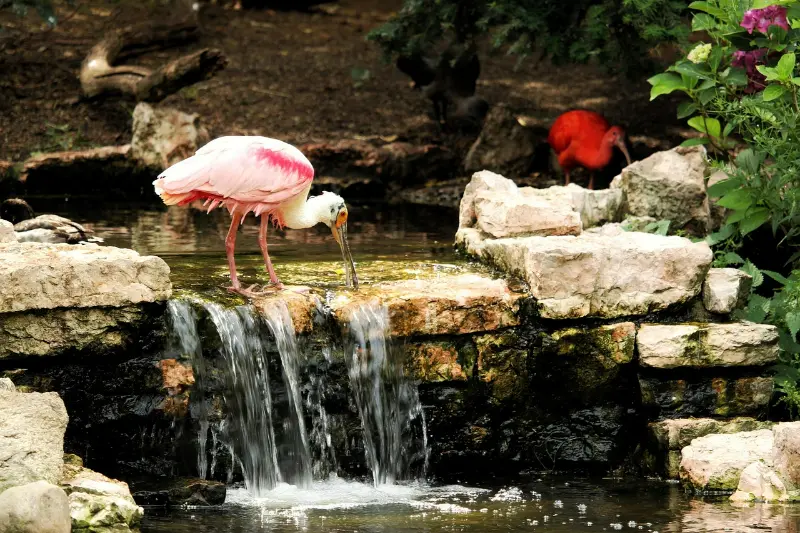
    Pink Flamingos at Florida Wildlife Pond

    The Florida wildlife guide is a useful companion for ethical viewing. Keep distance from animals, never feed wildlife, and follow local closures around nesting or sensitive habitat. Wildlife sightings are never guaranteed; treat them as a reason to choose the right habitat and season rather than as a scheduled attraction.

    Crowds, hotel prices and reservations

    Early December can be surprisingly manageable in many destinations. The period from roughly the week before Christmas through New Year’s is one of the busiest holiday windows of the year for theme parks, major resorts, airports and popular beach areas.

    The most reliable way to control cost is to decide which nights must be in high-demand areas and which can be spent in a nearby secondary base. Flexible travelers can often save more by changing location or weekday than by chasing small coupon discounts. Compare cancellation terms as carefully as nightly rates, especially if your trip includes weather-sensitive activities.

    Events and seasonal atmosphere

    Holiday lights, boat parades, seasonal shows and decorated theme parks are major draws. Because dates, ticketing systems and capacity rules change, check official calendars before you commit to a specific evening.

    For major holiday or festival evenings, confirm parking, road closures and ticket requirements on the organizer’s official site. Avoid building an entire trip around an event that has not yet published its final schedule. A good Florida itinerary should still work if one concert, parade or outdoor festival is moved or cancelled.

    Families, seniors and accessibility

    Families with babies and toddlers should protect nap time and avoid changing hotels every night. School-age children usually respond well to a mix of one headline attraction, one wildlife or beach experience and one low-pressure pool or playground block. Teenagers often enjoy giving them a choice between two activities rather than filling every hour.

    Senior and mobility-conscious travelers can use the Accessible Florida travel guide for broader planning. Ask hotels about room location, elevators, parking distance and bathroom configuration; ask attractions about rest areas, mobility-device rentals and companion policies. Accessibility varies by site, and a short phone call before travel can save substantial frustration.

    What to pack

    Bring layers: shorts and T-shirts may still work by day in many regions, but evenings can require a sweater or jacket. Add sunscreen, walking shoes, a light rain layer and warmer clothing if your itinerary includes North Florida or pre-dawn wildlife outings.
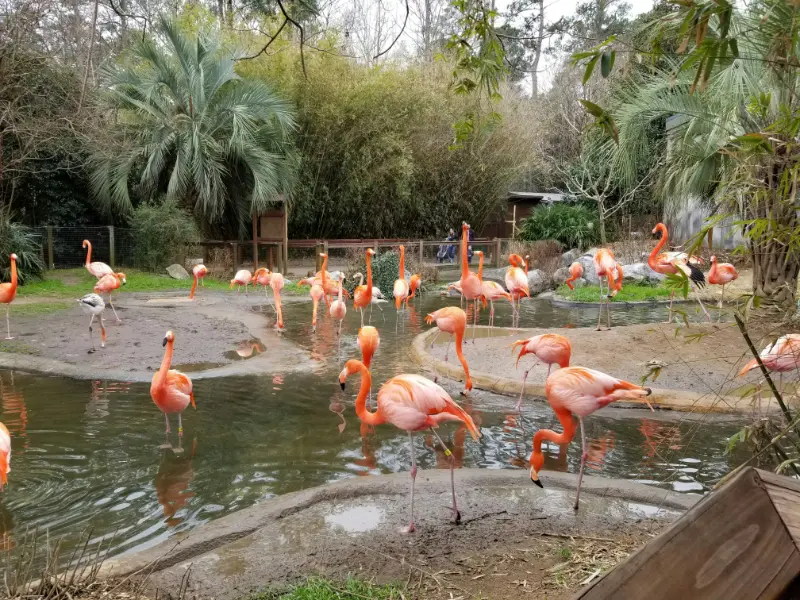
    Pink Flamingos Standing in Florida Wildlife Park

    A small day bag should hold water, medications you normally carry, sun protection, a phone battery pack and a layer that can be added or removed. For beach and boat days, add a dry bag or waterproof pouch. For wildlife mornings or evening events, insect repellent may still be useful even in cooler months.

    A balanced 7-day Florida plan

    1. Day 1: arrive, settle in and keep the evening easy rather than starting with a long drive.
    2. Day 2: choose one major attraction or city highlight and finish early enough for a relaxed dinner.
    3. Day 3: plan a beach, spring, refuge or state-park day with a weather backup.
    4. Day 4: use a lower-intensity day for museums, neighborhoods, gardens or a scenic drive.
    5. Day 5: schedule the second major attraction, boat trip or wildlife experience.
    6. Day 6: take a day trip only if the driving time leaves enough daylight at the destination.
    7. Day 7: keep the final morning flexible and avoid a distant attraction before an afternoon flight.

    If you want to cover several regions in one trip, it is usually better to reduce the number of hotel changes than to add another destination. Florida rewards slower regional travel because driving, parking and check-in time can consume more of the day than expected.

    Seasonal weather note

    December is outside the official Atlantic hurricane season, which ends November 30, but travelers should still check forecasts because unusual weather is always possible. The bigger planning issue is usually holiday demand rather than tropical weather.

    For current tropical climatology and official storm information, use the National Hurricane Center climatology page. Forecasts and warnings should always come from official sources close to your travel dates.

    Common mistakes to avoid

    • Planning the entire state from one weather forecast instead of checking each region.
    • Assuming every warm day is automatically a good swimming day without checking flags, wind and currents.
    • Ignoring school-holiday crowd spikes when comparing hotel prices.
    • Scheduling long driving days immediately after late attraction nights.
    • Packing only summer clothing and having no layer for a cold front or strong air-conditioning.

    Florida in December: FAQ

    Is December warm enough for the beach?

    Often yes in parts of the state, especially South Florida and the Keys, but comfort varies by front, wind, coast and personal tolerance. Check local conditions.

    Is December good for theme parks?

    Usually yes from a weather perspective. Crowd levels depend heavily on holidays, weekends and special events, so date choice still matters.

    Do I need a rental car?

    That depends on the itinerary. A single-city trip may work with trains, local transit and rideshare, while a multi-region itinerary is usually much easier with a car.

    How far in advance should I book?

    Book earlier for holiday weeks, beachfront rooms, popular campgrounds and special-ticket events. On quieter dates, flexible cancellation can be more valuable than booking the lowest non-refundable price.
  • Florida Wildlife After Dark: Ethical Night Viewing Without Spotlighting Animals

    Florida Wildlife After Dark: Ethical Night Viewing Without Spotlighting Animals

    Florida changes character as the sun sets. Frogs begin calling in wetlands, bats hunt insects and nocturnal mammals become active along forest edges. Travelers can enjoy this transformation without chasing animals with bright flashlights or driving into closed preserves after dark. The key is to treat nighttime wildlife watching as an exercise in listening, patience and respect for posted access rules. This guide explains how to choose supervised programs, what equipment is useful, why artificial light can cause harm and how to plan several evenings in central Florida. It does not promise sightings or suggest that a public park open in daylight is automatically accessible at night.

    At-a-glance travel plan

    PlanWhere or whatImportant note
    Evening 1Public sunset viewpointLeave by posted closing time
    Evening 2Booked ranger programCheck age and mobility requirements
    Evening 3Permitted dark-sky eventAvoid bright screens and lights

    Start with what you can hear rather than what you can see

    An evening walk can be rewarding even when no animals appear. Listen for the different rhythms of frogs, the wingbeats or calls of birds settling in and the soft movements of insects in grass. A phone’s audio-recording function can document a sound without forcing the animal into view, but turn off loud playback and do not use recorded calls to lure wildlife. Children may enjoy drawing a simple sound map after returning to the hotel. A nighttime trip is not an invitation to identify every call with certainty; many species sound alike, and a mistaken guess should be treated as a question to explore later. Quiet observation lets habitats keep their natural rhythm.

    Why shining strong lights at wildlife is a bad plan

    People sometimes think a powerful flashlight makes nocturnal viewing more successful. Direct beams, camera flashes and repeated illumination can interrupt an animal’s behavior, impair vision and attract other visitors to a sensitive location. Do not spotlight animals or drive around sweeping fields with lights looking for eyeshine. Use a low, downward-facing light only for safe walking where it is permitted and switch it off when you stop. Some locations may prohibit lights or night entry entirely. The goal is not the sharpest image on a phone but an encounter that does not change what the animal would have done without you there.

    Pink Flamingos Standing in Florida Wildlife Park

    The safest first choice is a ranger-led night program

    Find an officially scheduled night hike, astronomy program or wildlife interpretation walk offered by a state park, wildlife refuge or recognized nature center. A ranger knows current access restrictions, likely hazards and places where a group can observe without harming habitat. Check whether the activity requires advance booking, has a minimum age, allows mobility devices or runs only during certain moon phases. Ask if red-filtered lights are recommended rather than assuming they are always allowed. Avoid unofficial listings that encourage leaving trails after dark, entering closed gates or handling wild animals. A supervised walk is particularly valuable for first-time visitors unfamiliar with alligators and Florida’s wet ground.

    A sensible central Florida base for three evenings

    Choose one hotel near Orlando or the Space Coast instead of driving across the state every night. Central Florida provides wetland parks, nature centers and the chance to reserve an astronomy or ranger program with reasonable driving time. For an Orlando base, research state-park events near your travel dates rather than fixating on one particular park. If you want coastal habitat, spend a separate overnight near Titusville or Cocoa instead of driving back in the small hours. An evening outing should not end with an exhausted driver crossing unfamiliar highways. Confirm the exact end time, parking availability after normal hours and whether the meeting point is reached from a staffed entrance.

    Begin with a permitted public park or waterfront observation area that remains open through sunset. This is a transition evening, not a deep-night expedition. Watch how bird behavior changes as daylight fades and listen for insects becoming active. Check when the parking area closes and leave before posted closing time. Do not stay behind a locked gate because another visitor says it is usually fine. In some wetlands, alligators may be active near the edge of water, so keep children and pets well away from banks. End with dinner close to your accommodation. A peaceful sunset teaches more about seasonal light and wildlife rhythms than an ambitious tour of several dark locations.

    Evening two: a booked interpretive program

    Choose a park or nature center offering a ranger-led night walk on your exact date. Arrive early, bring a small water bottle and wear closed shoes suited to the route. Explain to children in advance that the guide might ask everyone to remain silent for several minutes. Some people find the lack of light calming; others feel uneasy and may prefer an early departure. Discuss the option of leaving quietly without making anyone feel embarrassed. Wildlife is unpredictable, so judge the evening by the quality of interpretation, not whether you see an owl or raccoon. If storms cancel the event, replace it with a planetarium or indoor science activity rather than improvising a dangerous alternative.

    Evening three: stars and habitat sounds instead of a wildlife chase

    A dark-sky program can be a natural continuation of a nocturnal nature trip, provided the viewing site is officially open for the event. Let the family compare the sounds of the surrounding habitat before and after the moon rises. Avoid phone screens that spoil night vision for nearby observers. If traveling with an older family member or someone with limited mobility, request information about distance from parking to the viewing platform, seating and toilet access. Astrophotography requires patience and may not be appropriate for a group with very young children. A simple star chart, a short listening exercise and a return to bed at a reasonable hour can be enough.

    Pink Flamingos at Florida Wildlife Pond

    Alligators, snakes and other risks after dark

    Florida wildlife should be given space in daylight and even more caution at night, when visibility is reduced. Never approach an alligator, enter the water, lean over a bank to photograph one or feed any animal. Keep children close and follow the route designated by the organizer. Closed-toe shoes protect against roots, insects and unexpected uneven surfaces, but they do not make off-trail walking safe. Do not reach under logs or into vegetation to investigate a sound. If you encounter an animal on your path, stop and allow it space instead of trying to move it. Follow ranger instructions and return to a safe area if conditions change.

    Bugs, rain and temperature make or break the experience

    Mosquitoes and other biting insects can be especially troublesome at dusk. Wear light but covering clothing, apply repellents according to their labels and bring a dry layer if the temperature may drop. In summer, lightning can develop with little warning, and standing beneath an isolated tree or beside open water is unsafe. Look at an official weather forecast shortly before departure and follow event cancellation instructions. When a thunderstorm is approaching, abandon the outdoor plan. Wetland paths that are easy in daylight may become slippery after rain. Families with infants or travelers sensitive to insect bites may get more from an early twilight viewing point than a late-night walk.

    Photography that respects the animal

    Flash-free photography at night requires enough available light, a stable camera and realistic expectations. Use an existing illuminated public area if taking pictures, not a bright beam aimed at an animal. Do not bait birds or mammals and do not play recorded wildlife calls to attract them. Keep a respectful distance from nesting and roosting sites, particularly where signs identify sensitive areas. Many of the best nighttime images are landscapes: a wetland silhouette, a boardwalk viewed before closing, or the outline of a tree against the dusk sky. If a photograph could only be made by disturbing the subject, leave the camera in your bag.

    Children, sensory needs and older travelers

    Ask before booking whether the event includes sudden loud sounds, uneven ground or long periods of standing. An eight-year-old may be fascinated by frog calls but frightened by complete darkness; a grandparent might enjoy a seated interpretation program rather than a trail. Offer each person a small role: keeping the family group together, recording species names or noticing the direction of sounds. For someone who uses a hearing aid, consider wind noise, group size and whether the guide can stand close enough for conversation. Do not promise that an unlit trail is wheelchair-accessible; verify the exact route. A shorter comfortable experience is more memorable than pushing the group to stay until everyone is tired.

    Understand park hours and permissions

    Different land managers have different rules. A national wildlife refuge may allow access only during daytime public-use hours, while a state park might host an occasional special night program. A separately ticketed campground does not automatically give permission to roam all trails after sunset. The same applies to city conservation lands and beaches with sea turtle protections. Read the current rules on the specific park’s official website and contact the managing agency if anything is unclear. Do not share secret access points or advise readers to bypass barriers. Responsible travel means accepting that some of the best nocturnal habitats remain off-limits to casual observers.

    Budget, equipment and a compact packing list

    A nighttime trip does not require expensive thermal cameras or a specialized safari vehicle. Closed shoes, insect protection, water, a low-power safety light, a weather-resistant layer and a booking confirmation cover most guided events. Binoculars are often of limited use in deep darkness but helpful at dusk. Check whether a ranger program is free with park admission or has a separate fee. If one member cannot participate, budget for a comfortable nearby alternate activity rather than pressuring them to join. Store the vehicle location and route home before losing mobile reception. Bring a small paper card with emergency contacts as a backup to a phone.

    Leave with a better understanding of Florida's nights

    After each evening, write down what you actually noticed instead of making a list of species you hoped to see. Compare dry upland sounds with wetter habitats, note how weather affected activity and ask children what they want to investigate later. Use official state-park or refuge event calendars for the next visit and follow land-management guidance. The point is to experience Florida’s living landscapes without putting wildlife or people at risk. The best animal sighting is one that ends with the animal carrying on its normal behavior after you have quietly left.

    Frequently asked questions

    Can I use a bright flashlight to search for animals in a state park?

    Not as a default. Direct lights can disturb wildlife, and rules vary by site. Follow park instructions and use light for personal safety rather than spotlighting animals.

    Are Florida nature trails open after sunset?

    Many are not. Night access may be restricted to scheduled programs or campgrounds. Confirm exact hours and permissions with the land manager.

    Do you need special equipment for a first nighttime wildlife walk?

    Usually not. Safe shoes, suitable clothing, water, insect protection and any gear specified by your guide are more important than expensive photography equipment.

  • Florida in May: Weather, Beaches, Sea Turtles, Crowds and Best Places to Visit

    Florida in May: Weather, Beaches, Sea Turtles, Crowds and Best Places to Visit

    May can be an excellent time to visit Florida, but the right itinerary depends on where you are going. Florida stretches far enough north and south that a winter morning in the Panhandle can feel completely different from the same afternoon in Miami, while summer storms may affect Central Florida differently from the Keys. The most useful way to plan May is to match the month’s weather pattern, crowd level and seasonal wildlife to the type of trip you want.

    For most first-time visitors, May is a useful shoulder-season month when beach conditions feel summery but many schools are still in session for much of the month. That does not mean every day behaves the same way. A flexible schedule, realistic driving times and one indoor backup plan can make the difference between a relaxed vacation and a trip that feels like a fight against weather or crowds.

    Travelers include many age groups: babies and toddlers, school-age children, teenagers, couples, adults, senior travelers and multigenerational families. It focuses on practical decisions rather than trying to promise perfect weather. Always confirm current conditions, attraction hours, beach flags and event calendars shortly before each day.

    Florida in May: quick planning summary

    • Overall: a useful shoulder-season month when beach conditions feel summery but many schools are still in session for much of the month.
    • Weather strategy: plan by region, not by one statewide forecast.
    • Beach strategy: check wind, surf, rip currents and water conditions locally.
    • Wildlife: active sea turtle nesting and the transition toward summer is one of the month’s most useful seasonal themes.
    • Best rule: schedule one major outdoor priority early in the day and keep at least one flexible alternative.

    In this guide

    Is May a good time to visit Florida?

    Yes, for the right traveler. The mistake is asking whether May is “good” without defining the trip. A family focused on Walt Disney World, a couple planning Key West, a senior traveler interested in gardens and museums, and a beach-focused group staying in Destin need different weather and crowd conditions.

    Start by choosing the experience that matters most. If beaches are the priority, compare coasts and water conditions. If theme parks matter most, look at school calendars, operating hours and heat. If wildlife is the focus, seasonal behavior can be more important than air temperature. Then use the month as a planning filter rather than as a guarantee.

    I would also avoid changing hotels every night. Florida looks compact on a map but driving, toll roads, bridges, parking and urban traffic can consume more of the day than expected. In May, a two- or three-base itinerary is usually more enjoyable than trying to sample the whole state.

    Florida weather in May: North, Central and South

    North Florida and the Panhandle

    North Florida is warm in May and beach season feels established. Humidity rises, but mornings can still be very pleasant for trails, historic districts and outdoor attractions.

    Central Florida

    Central Florida becomes distinctly hotter. Theme parks are still manageable with early starts, indoor breaks and pool time, while afternoon storms become more relevant as the month progresses.

    South Florida and the Keys

    South Florida enters a warmer, wetter pattern. Beach and boating days are still excellent, but plans should allow for fast-changing afternoon weather.

    Forecasts should be checked locally a few days before travel and again each morning. A statewide weather app view can hide important differences between Orlando, Tampa, Miami, Key West, Jacksonville and Pensacola. Coastal wind, thunderstorms, cold fronts and marine conditions can alter the day even when the general forecast looks simple.

    Florida Keys Key West Coastal Neighborhood and Sea Aerial

    Beaches and swimming in May

    May is a strong beach month statewide. Gulf water is inviting, Atlantic surf can be energetic, and the Panhandle begins to feel fully summer-ready. Memorial Day weekend can be much busier than surrounding weeks.

    Choose the coast for the experience, not just the air temperature. Gulf destinations are often chosen for calmer-looking water and sunset orientation, while the Atlantic can offer more waves and surf culture. The Keys are a separate experience again, with reefs, shallow-water activities and island driving rather than endless broad sand on every shoreline.

    Beach safety stays important all year. Check local warning flags, rip-current information and lightning conditions. Do not assume a sunny sky means the ocean is safe, and do not let children play near the water unsupervised simply because the surf looks gentle.

    Theme parks and major attractions

    Florida’s major theme parks operate year-round, but May changes how you should structure the day. Crowd calendars are useful only as a broad reference because holidays, conventions, special events, new attractions and weather can reshape attendance.

    Family tipFor families, arrive with two priorities rather than a list of fifteen “must-do” attractions. Use indoor shows, meals and hotel breaks strategically. Senior visitors and anyone with limited stamina should build in seated rest before fatigue becomes a problem. Accessibility services differ by park and attraction, so review the official accessibility information before buying tickets.

    If your vacation combines parks with beaches, I generally prefer grouping the intense park days together and then moving to a coastal base. That gives everyone a psychological reset and makes the second half of the trip feel different instead of simply “more Florida.”

    Wildlife and nature in May

    Sea turtle nesting is active on many Florida beaches by May. Visitors should keep beaches dark and clear at night, never disturb marked nests and follow local conservation rules. Birding and paddling remain rewarding, though heat increasingly favors early starts.

    Florida wildlife should be viewed as wildlife, not as entertainment that needs to move closer for a photo. Keep distance from alligators, manatees, nesting birds, dolphins, sea turtles and other animals. Never feed wildlife, and follow posted closure areas on beaches and trails.

    For nature-focused travelers, mornings are usually the best investment. Light is softer for photography, animals may be more active, parking is easier and heat is lower. A two-hour early wildlife outing can be more satisfying than an all-day attempt to force sightings.

    Crowds, prices and booking patterns

    Early and mid-May can offer good value between spring-break season and the main summer school-holiday rush. Memorial Day weekend is the major exception, especially at beaches, campgrounds and theme parks.

    Florida pricing is hyper-local. A week that feels inexpensive in Orlando can be costly in Naples, Key West or a Panhandle beach town. Compare the final nightly rate including resort fees, parking and taxes, and include rental-car or rideshare costs in the same comparison.

    If your dates overlap a holiday, school break, major sporting event or local festival, reserve the hardest-to-replace element first. That is often lodging, but it could be a campground, special tour or attraction ticket. Keep the rest of the itinerary flexible.

    Best places to visit in Florida in May

    Panhandle beaches

    Warm water before peak summer crowds. Use this as a base only if it matches the style of trip you actually want; Florida is too large for a “best place” to be universal.

    Orlando

    Theme parks plus resort-pool time. Use this as a base only if it matches the style of trip you actually want; Florida is too large for a “best place” to be universal.

    Sanibel and Southwest Florida

    Beaches, wildlife and shelling. Use this as a base only if it matches the style of trip you actually want; Florida is too large for a “best place” to be universal.

    Space Coast

    Beaches, launches and wildlife. Use this as a base only if it matches the style of trip you actually want; Florida is too large for a “best place” to be universal.

    Florida Keys

    Water activities before peak summer humidity. Use this as a base only if it matches the style of trip you actually want; Florida is too large for a “best place” to be universal.

    These are not the only good choices. A strong Florida trip is more about matching the destination to your priorities than collecting famous names. A quieter town with easy parking and a good beach may outperform a headline destination for a multigenerational family, while a couple may prefer walkability and restaurants over a large resort.

    Families, teenagers, seniors and accessibility

    Families traveling before school lets out may find a calmer rhythm, while those visiting on Memorial Day should book early. Babies and toddlers need aggressive shade planning as temperatures rise. Seniors may prefer morning sightseeing and late-afternoon waterfront time.

    Babies and toddlers

    Build the day around sleep, shade and short transfers. A hotel near the main activity can be worth more than a cheaper room that forces two extra car journeys. Bring familiar snacks and keep one low-effort afternoon available.

    School-age children and teenagers

    Alternate passive and active experiences. A museum followed by a pool, a nature walk followed by a beach, or a historic district followed by an activity the teenager chooses usually works better than stacking similar attractions.

    Senior travelers

    Prioritize easy parking, elevators, shade, seating and convenient meals. Heat tolerance and walking capacity differ widely, so make it normal for part of the group to take a shorter route without feeling that they are “missing” the trip.

    Accessibility

    Accessibility varies by beach access, hotel, historic property, park and private attraction. Verify ramps, beach mats, wheelchairs, accessible parking, companion restrooms, sensory resources and elevator access directly with the specific venue.

    Storm and hurricane planning in May

    May is before the official Atlantic hurricane season begins on June 1, but tropical development can occasionally occur outside formal season dates. Flexible bookings remain sensible for any coastal trip.

    When tropical weather is relevant, use the National Hurricane Center and local emergency-management sources rather than social-media speculation. If officials issue evacuation guidance, treat it as a safety instruction, not as a travel inconvenience to work around.

    Even outside hurricane season, normal Florida weather can disrupt plans. The best itinerary includes an indoor museum, aquarium, shopping district or flexible meal that can absorb a rainy or windy half-day.

    What to pack for Florida in May

    Pack for summer: lightweight clothing, multiple swimwear options, sun protection, hydration gear and quick-drying footwear. Add a compact rain layer and a dry bag or waterproof pouch for electronics.

    • Comfortable walking shoes that are already broken in.
    • Sun protection: hat, sunglasses and sunscreen.
    • Refillable water bottle.
    • Swimwear and a lightweight cover-up.
    • A compact day bag that can handle changing weather.
    • Any prescription medication in carry-on luggage.
    • A charger or power bank for long park and road-trip days.

    Do not overpack “just in case” clothing. Most Florida destinations have easy access to pharmacies, grocery stores and laundry facilities. Prioritize items that affect comfort immediately: footwear, sun protection, medication and weather layers.

    A realistic 7-day Florida itinerary for May

    Days 1–2: Orlando or another Central Florida base

    Use one full day for a major attraction and one lighter day for a spring, garden, smaller park or resort break. This creates room to adjust if the first day is tiring.

    Day 3: Transfer with one meaningful stop

    Move toward the coast but avoid turning transfer day into a six-attraction checklist. Choose one town, nature area or museum on the route, have lunch, then arrive at the next hotel before evening.

    Days 4–5: Coastal stay

    Use one day for the beach and one for a contrasting activity such as wildlife, a boat tour, historic district or museum. Keep weather-dependent reservations on separate days when possible.

    Day 6: Flexible regional day trip

    Choose a nearby destination only if the group still has energy. Otherwise, stay local and enjoy the hotel, beach or town you already paid to visit.

    Day 7: Easy final morning

    Keep the last morning simple. Airport days become stressful when travelers add a distant attraction, underestimate traffic or need to refuel a rental car at the last minute.

    For a longer trip, use the same rhythm: alternate high-intensity days with lighter ones. That principle matters more than adding another destination name to the itinerary.

    Budget and booking strategy

    Separate the trip into lodging, transport, food and attractions. Then identify which category matters most to your group. A family may save by renting a suite with a kitchen, while a couple may prefer a central hotel that reduces driving and parking.

    Do not judge value only by the hotel’s nightly rate. Resort fees, parking, tolls, breakfast, beach equipment and commute time can change the real cost. For rental cars, compare airport and neighborhood locations and review toll arrangements before pickup.

    Weather-sensitive travelers should pay extra attention to cancellation terms. A slightly higher refundable rate can be a better value than a cheaper nonrefundable booking, particularly during months when tropical weather or holiday demand can create uncertainty.

    Events and seasonal experiences

    May mixes spring festivals, holiday-weekend events, outdoor concerts and the beginning of summer programming. Memorial Day changes both prices and traffic, so treat it as a separate high-demand period.

    Because event dates and operating calendars change, I would never build a future trip around an event mentioned in an old article without checking the organizer’s current site. Use event listings as inspiration, then confirm the exact year, date, ticket rules and parking plan.

    Common mistakes to avoid in May

    • Using one forecast for the whole state: Florida has major regional differences.
    • Planning every hour outdoors: weather, fatigue and heat can change the day.
    • Ignoring school calendars and holidays: they can transform crowds and prices.
    • Assuming warm air means safe swimming: check marine conditions locally.
    • Booking too many hotels: transfers consume more vacation time than expected.
    • Skipping accessibility research: individual beaches and historic sites vary.
    • Relying on old event dates: always confirm the current year.

    Official resources to check before your trip

    Frequently asked questions about Florida in May

    Is May a good month for a Florida vacation?

    Yes, if its weather and crowd pattern matches your priorities. A useful shoulder-season month when beach conditions feel summery but many schools are still in session for much of the month.

    Can you swim in Florida in May?

    Often yes, but comfort and safety vary by coast and region. South Florida is generally warmer in winter, while summer water is warm statewide. Always check local conditions.

    Is Florida crowded in May?

    Early and mid-May can offer good value between spring-break season and the main summer school-holiday rush. Memorial Day weekend is the major exception, especially at beaches, campgrounds and theme parks.

    What is the biggest planning issue in May?

    The biggest issue is matching the trip to the month instead of expecting every Florida destination to behave the same way. In May, pay particular attention to active sea turtle nesting and the transition toward summer.

    How many days should a first Florida trip be?

    Seven to ten days is a useful starting point for two or three bases. A shorter trip should focus on one region, while a two-week trip can connect multiple coasts without rushing.

    Final advice

    Florida in May works best when you choose a region first and activities second. Keep one day flexible, verify time-sensitive information close to travel, and design the itinerary for the slowest member of the group rather than the fastest. The goal is not to “finish” Florida; it is to enjoy the part of the state that fits this trip.

  • Florida Vacation Scams and Tourist Traps: Rental Listings, Tickets and Payment Safety

    Florida Vacation Scams and Tourist Traps: Rental Listings, Tickets and Payment Safety

    Florida Vacation Scams and Tourist Traps deserves a little advance planning, but a successful Florida vacation does not have to be complicated. The key is to make decisions based on your actual route, budget and travel companions instead of accepting a generic checklist. This guide explains the choices that most often affect comfort and cost, with practical alternatives for couples, solo travelers, families with babies, teenagers and older visitors. Rules, fees and access conditions can change, so confirm time-sensitive details with the responsible operator before you travel.

    Explore this guide

    Check the identity of the seller

    A professional-looking site or listing does not prove a seller controls the property. Verify the address, recent independent reviews, official contact channels and the terms on the platform you are using. For this part of the trip, write down what is essential and what is optional. If you are traveling with several people, discuss priorities before committing to a purchase or a long drive. Look for the exact address, current opening or service conditions, and any extra charges rather than assuming an advertisement includes everything. A useful test is to imagine the same situation on a hot afternoon, with a tired child, a traveler who walks slowly, or an unexpected rain shower. Choose the option that still works comfortably in that situation. Keep a small margin in both your timetable and budget. When the plan depends on a specific supplier, confirm details directly and save the answer with your travel documents. This is particularly relevant to Florida vacation scams, because seemingly small differences between locations, service providers or travel dates can change the best decision.

    Be cautious with off-platform payment

    Pressure to send a bank transfer, gift card or cryptocurrency after reserving through a reputable platform is a warning sign. Follow the platform’s secure checkout and dispute procedure instead of moving the conversation to an unknown account. For this part of the trip, write down what is essential and what is optional. If you are traveling with several people, discuss priorities before committing to a purchase or a long drive. Look for the exact address, current opening or service conditions, and any extra charges rather than assuming an advertisement includes everything. A useful test is to imagine the same situation on a hot afternoon, with a tired child, a traveler who walks slowly, or an unexpected rain shower. Choose the option that still works comfortably in that situation. Keep a small margin in both your timetable and budget. When the plan depends on a specific supplier, confirm details directly and save the answer with your travel documents. This is particularly relevant to Florida vacation scams, because seemingly small differences between locations, service providers or travel dates can change the best decision.

    Watch for fake attraction tickets

    Major Orlando attractions use date, park and ticket-type rules that can be complicated. Buy from the operator or a reputable authorized seller and understand what admission, reservations and add-ons actually cover. For this part of the trip, write down what is essential and what is optional. If you are traveling with several people, discuss priorities before committing to a purchase or a long drive. Look for the exact address, current opening or service conditions, and any extra charges rather than assuming an advertisement includes everything. A useful test is to imagine the same situation on a hot afternoon, with a tired child, a traveler who walks slowly, or an unexpected rain shower. Choose the option that still works comfortably in that situation. Keep a small margin in both your timetable and budget. When the plan depends on a specific supplier, confirm details directly and save the answer with your travel documents. This is particularly relevant to Florida vacation scams, because seemingly small differences between locations, service providers or travel dates can change the best decision.

    Orlando Tourist District with Shops and Cars

    Compare timeshare offers carefully

    Free gifts or deeply discounted hotel offers can involve mandatory sales presentations, eligibility conditions and cancellation restrictions. Read everything before providing payment details. For this part of the trip, write down what is essential and what is optional. If you are traveling with several people, discuss priorities before committing to a purchase or a long drive. Look for the exact address, current opening or service conditions, and any extra charges rather than assuming an advertisement includes everything. A useful test is to imagine the same situation on a hot afternoon, with a tired child, a traveler who walks slowly, or an unexpected rain shower. Choose the option that still works comfortably in that situation. Keep a small margin in both your timetable and budget. When the plan depends on a specific supplier, confirm details directly and save the answer with your travel documents. This is particularly relevant to Florida vacation scams, because seemingly small differences between locations, service providers or travel dates can change the best decision.

    Use safer parking and toll payment methods

    A QR code on a damaged meter or a text demanding an immediate toll payment may be fraudulent. Verify the provider independently through the official parking authority or toll-road website. For this part of the trip, write down what is essential and what is optional. If you are traveling with several people, discuss priorities before committing to a purchase or a long drive. Look for the exact address, current opening or service conditions, and any extra charges rather than assuming an advertisement includes everything. A useful test is to imagine the same situation on a hot afternoon, with a tired child, a traveler who walks slowly, or an unexpected rain shower. Choose the option that still works comfortably in that situation. Keep a small margin in both your timetable and budget. When the plan depends on a specific supplier, confirm details directly and save the answer with your travel documents. This is particularly relevant to Florida vacation scams, because seemingly small differences between locations, service providers or travel dates can change the best decision.

    Read vacation-home photos critically

    Look for inconsistent room details, reused images, invented amenities, surprise pool heating charges or unusual check-in arrangements. Ask for an itemized final price and a clear cancellation policy. For this part of the trip, write down what is essential and what is optional. If you are traveling with several people, discuss priorities before committing to a purchase or a long drive. Look for the exact address, current opening or service conditions, and any extra charges rather than assuming an advertisement includes everything. A useful test is to imagine the same situation on a hot afternoon, with a tired child, a traveler who walks slowly, or an unexpected rain shower. Choose the option that still works comfortably in that situation. Keep a small margin in both your timetable and budget. When the plan depends on a specific supplier, confirm details directly and save the answer with your travel documents. This is particularly relevant to Florida vacation scams, because seemingly small differences between locations, service providers or travel dates can change the best decision.

    Avoid urgency tactics

    Claims that a travel bargain expires within minutes or a reservation will be canceled unless you pay elsewhere are designed to override judgment. Pause to call the official provider using a verified number. For this part of the trip, write down what is essential and what is optional. If you are traveling with several people, discuss priorities before committing to a purchase or a long drive. Look for the exact address, current opening or service conditions, and any extra charges rather than assuming an advertisement includes everything. A useful test is to imagine the same situation on a hot afternoon, with a tired child, a traveler who walks slowly, or an unexpected rain shower. Choose the option that still works comfortably in that situation. Keep a small margin in both your timetable and budget. When the plan depends on a specific supplier, confirm details directly and save the answer with your travel documents. This is particularly relevant to Florida vacation scams, because seemingly small differences between locations, service providers or travel dates can change the best decision.

    Keep data secure on the road

    Do not send passport images or card numbers over an unverified messaging link. Use your phone’s hotspot or trusted connection for sensitive purchases and enable alerts for payment cards. For this part of the trip, write down what is essential and what is optional. If you are traveling with several people, discuss priorities before committing to a purchase or a long drive. Look for the exact address, current opening or service conditions, and any extra charges rather than assuming an advertisement includes everything. A useful test is to imagine the same situation on a hot afternoon, with a tired child, a traveler who walks slowly, or an unexpected rain shower. Choose the option that still works comfortably in that situation. Keep a small margin in both your timetable and budget. When the plan depends on a specific supplier, confirm details directly and save the answer with your travel documents. This is particularly relevant to Florida vacation scams, because seemingly small differences between locations, service providers or travel dates can change the best decision.

    If fraud may have occurred

    Contact the payment provider and booking platform immediately, save screenshots and transaction details, change compromised passwords and consider a report to the appropriate consumer-protection or law-enforcement authority. For this part of the trip, write down what is essential and what is optional. If you are traveling with several people, discuss priorities before committing to a purchase or a long drive. Look for the exact address, current opening or service conditions, and any extra charges rather than assuming an advertisement includes everything. A useful test is to imagine the same situation on a hot afternoon, with a tired child, a traveler who walks slowly, or an unexpected rain shower. Choose the option that still works comfortably in that situation. Keep a small margin in both your timetable and budget. When the plan depends on a specific supplier, confirm details directly and save the answer with your travel documents. This is particularly relevant to Florida vacation scams, because seemingly small differences between locations, service providers or travel dates can change the best decision.

    Choose value, not just price

    A legitimate trip can still disappoint when the location is inconvenient, the rental has hidden fees or the tour rushes through attractions. Weigh reviews, transport time, cancellation terms and accessibility against the discounted rate. For this part of the trip, write down what is essential and what is optional. If you are traveling with several people, discuss priorities before committing to a purchase or a long drive. Look for the exact address, current opening or service conditions, and any extra charges rather than assuming an advertisement includes everything. A useful test is to imagine the same situation on a hot afternoon, with a tired child, a traveler who walks slowly, or an unexpected rain shower. Choose the option that still works comfortably in that situation. Keep a small margin in both your timetable and budget. When the plan depends on a specific supplier, confirm details directly and save the answer with your travel documents. This is particularly relevant to Florida vacation scams, because seemingly small differences between locations, service providers or travel dates can change the best decision.

    Choosing the right season

    Florida changes noticeably through the year: winter can be comfortable in South Florida while the Panhandle has cool evenings, and summer brings heat, humidity and frequent afternoon storms. Hurricane season runs from June through November. Consider the exact region, travel dates and the needs of your group rather than relying on a statewide weather average. For a flexible itinerary, reserve at least one indoor alternative, keep essential documents accessible and pay attention to official forecasts. Apply this checklist specifically to Florida vacation scams, not automatically to every Florida itinerary: priorities in Miami, Orlando, the Gulf Coast, the Keys and rural North Florida can differ markedly.

    A practical plan for different ages

    For a baby or toddler, prioritize predictable breaks, shade, familiar food and a simple morning outing. School-age children often enjoy a mix of movement and discovery, while teenagers may appreciate some choice in daily activities. Adults may want a balance of driving and downtime, and older travelers may value elevator access, seating, short walking distances and less hurried transfers. Ask about each traveler’s actual needs rather than making assumptions based on age alone. Apply this checklist specifically to Florida vacation scams, not automatically to every Florida itinerary: priorities in Miami, Orlando, the Gulf Coast, the Keys and rural North Florida can differ markedly.

    Three ways to plan the day

    On a relaxed beach holiday, handle the essential errand or booked activity early and leave the afternoon open. On a theme-park vacation, check operating policies ahead and make time for hydration, sitting down and return travel. On a road trip, choose one major stop and one optional small stop: traffic, rain or unexpected discoveries may use the rest of the day. A manageable schedule makes the trip more enjoyable and less expensive. Apply this checklist specifically to Florida vacation scams, not automatically to every Florida itinerary: priorities in Miami, Orlando, the Gulf Coast, the Keys and rural North Florida can differ markedly.

    Accessibility and comfort checklist

    Accessibility is more than a wheelchair symbol. Check step-free entry, accessible parking, bathroom availability, surface conditions, distance between stops, reliable lifts and whether equipment needs to be booked in advance. Travelers with sensory sensitivities may benefit from quieter start times, clear maps and break locations. If a service is essential, obtain confirmation from the actual operator and keep a backup plan for temporary closures. Apply this checklist specifically to Florida vacation scams, not automatically to every Florida itinerary: priorities in Miami, Orlando, the Gulf Coast, the Keys and rural North Florida can differ markedly.

    Money, documentation and digital backups

    Build a budget that includes accommodation, transport, parking, taxes, food, activity fees and an emergency allowance. Save booking confirmations offline and retain a copy of key travel information in a separate secure place. For overseas visitors, verify entry permission, airline requirements, payment-card acceptance and mobile roaming before flying. Confirm time-sensitive details with official sources close to departure rather than relying on screenshots from older trips. Apply this checklist specifically to Florida vacation scams, not automatically to every Florida itinerary: priorities in Miami, Orlando, the Gulf Coast, the Keys and rural North Florida can differ markedly.

    Questions to ask before booking

    Is the quoted total final for my dates, party and equipment? What are the cancellation and change rules? Can the operator accommodate the specific needs of children, seniors or disabled guests? What happens if weather disrupts the plan? Are parking and transport included, and where exactly do we need to go? Clear written answers to these questions are often worth more than a small promotional discount. Apply this checklist specifically to Florida vacation scams, not automatically to every Florida itinerary: priorities in Miami, Orlando, the Gulf Coast, the Keys and rural North Florida can differ markedly.

    A simple planning checklist for your trip

    Before paying: check the full price, location, eligibility, accessibility, and cancellation terms. A week before departure: recheck official conditions, transport details, and weather. On arrival: verify the booking, understand emergency contacts and make the first day easy. During the trip: keep receipts, stay flexible and follow local instructions. Before leaving: check that all charges are settled and preserve records in case you need to query them later.

    Final advice

    The best approach to Florida vacation scams is informed flexibility. Choose reliable information, leave time for unexpected discoveries and remember that Florida can offer rewarding experiences well beyond the busiest attractions. A useful holiday is not the one that packs in the most stops; it is the one that feels manageable for every person traveling.

  • Florida Wildlife by Month: A Seasonal Calendar for Visitors

    Florida Wildlife by Month: A Seasonal Calendar for Visitors

    Florida’s wildlife does not follow a tourist calendar. Manatees may gather near warm-water springs on cold mornings, shorebirds can be especially interesting during migration, and sea turtles use nesting beaches during part of the warmer year. None of these animals is guaranteed to appear on a day you have chosen. The best wildlife trip begins by matching the season, habitat and time of day, then choosing a place where you can watch responsibly without disturbing animals or spending hours driving between unrelated stops.

    This calendar is a practical overview for families, photographers, birdwatchers and curious visitors of any age. It covers four broad seasons as well as month-by-month decisions, explains why the weather matters, and suggests alternatives when sightings are scarce. For current protected-species rules, rely on the Florida Fish and Wildlife Conservation Commission and the managing agency of the park or refuge you plan to visit.

    January and February: manatees, winter birds and comfortable walks

    Cooler periods are the classic time to look for manatees in designated warm-water viewing locations. Blue Spring State Park, the Crystal River area and other sites listed in the FWC viewing guide are worth researching. The number of animals present changes with water temperatures, weather and site conditions. A frosty morning can be more productive for viewing than an unusually warm spell, yet cold and crowding can affect visitor comfort too.

    Winter is also a useful season for birdwatching in wetland habitats. Herons, egrets, ibis, ducks and other birds may be observed from boardwalks, refuge drives and managed trails. Merritt Island National Wildlife Refuge, St. Marks National Wildlife Refuge and the Everglades offer different landscapes for birding. Bring binoculars and stop frequently; looking for movement and listening can be more rewarding than charging along a trail. Not every species is present every year at every location.

    January and February can bring dry-season conditions in some parts of South Florida, allowing wildlife to congregate around remaining water sources, but rainfall and management can change the pattern. Avoid claiming that a certain pond is a reliable alligator-viewing station. An alligator is a wild animal, not an exhibit. Stay on marked paths and keep substantial distance from shorelines where one could emerge.

    Pink Flamingos at Florida Wildlife Pond

    March and April: bird movement and the start of turtle nesting

    Spring migration can bring more activity to coastal habitats, hardwood hammocks and wetlands. Birdwatchers often visit places such as the Florida Keys, Sanibel-area refuges or Gulf coast stopover sites, but timing depends on weather and larger migration patterns. A windy front can change what appears overnight. A modest, well-chosen local park with a patient observer can outperform an expensive long drive made only because a spot is famous online.

    Sea turtle nesting begins on some southeast Atlantic beaches around March, with many Gulf and northern Florida beaches beginning later, often April or May. The FWC’s 2026 nesting guidance explains regional differences and the importance of clean, dark beaches. Visitors should not go looking for nesting animals with flashlights or crowds. Instead, choose an authorized educational walk or conservation program where available, follow local rules and enjoy the beach without disturbing marked nest areas.

    March and April weather can be lovely for outdoor walks, but spring-break crowds may make popular boardwalks busy. Going early can improve comfort as well as chances of quieter observation. Carry water and sun protection; a mild breeze does not eliminate sunburn risk.

    May and June: turtles, wading birds and weather awareness

    By late spring, many nesting beaches need careful protection. Marked turtle nests are not sightseeing props: give them distance, keep dogs under permitted local rules and take beach furniture and trash away at night. Artificial light can disorient turtles and hatchlings. On some beaches, local rules restrict nighttime lights, beach equipment or access. Check county and state instructions rather than copying practices from a different town.

    Wetland birds remain fascinating, especially for people who enjoy seeing feeding behavior and nesting colonies from official viewing areas. Nesting birds can abandon an area if approached too closely, so long lenses and binoculars are far better than edging forward for a phone photo. Wildlife refuges may temporarily close sections to protect breeding habitat. Those closures are evidence that conservation is happening, not an inconvenience to work around.

    June also begins the Atlantic hurricane season, and summer thunderstorms can be sudden and intense. Plan the outdoor portion of the day early. If thunder is audible, leave boardwalks, open beaches and observation towers; a shelter in a vehicle or substantial building is safer than waiting under a single tree. Insect activity can be high near wetlands. Repellent, long sleeves where practical and a short route with a good turnaround point make outings easier with children and grandparents.

    July and August: turtle hatchling season and early-morning nature

    Summer beach visits can coincide with sea turtle nests and, later, hatchling activity in some areas. This does not make an unregulated nighttime turtle hunt appropriate. Avoid flashlights, phone lights and crowding animals. Never handle hatchlings or dig into nests. If you see a turtle in distress or someone disturbing a protected nest, follow the local wildlife agency’s reporting guidance rather than intervening in ways that might create more harm.

    Summer is also a time to shift expectations. Midday wildlife outings can be uncomfortable because of heat, humidity and insects. A short sunrise birdwatching session, a responsibly operated wildlife cruise or a morning visit to a shaded nature center may be more rewarding than attempting a long trail at 2 p.m. Water levels and rainfall can change what habitats look like. A lake shore that was dry and walkable in winter may be flooded or muddy in August.

    Dolphins and sea birds may be seen along Florida’s coasts at different times of year, but sightings depend on where and when you travel. Avoid operators promising to chase or surround dolphins. Choose a licensed operator that explains viewing distances and does not feed wildlife. Even a cruise with few animals can offer useful habitat interpretation when managed respectfully.

    September and October: migration, changing storms and coastal patience

    Autumn bird migration gives patient visitors new opportunities, especially after weather systems that influence migratory routes. Shorebirds may use beaches, tidal flats and coastal wetlands to rest and feed. Stay out of clearly marked nesting or resting areas and keep dogs away where restrictions apply. A quiet beach walk with binoculars can be surprisingly interesting even without a rare sighting.

    Hurricane season continues through these months, and storm impacts may affect wildlife habitat and public access long after the immediate weather has cleared. Do not enter damaged boardwalks or closed preserves. If a refuge’s official page lists storm repairs or road closures, adjust your plan rather than seeking another entrance. Coastal flooding can make parking areas unusable even under blue skies.

    October can begin a more comfortable period for inland nature walks in some years, but Florida’s weather varies. Migrating birds respond to large-scale conditions, not calendar labels. A practical method is to choose two nearby habitats—perhaps a tidal shoreline and a wooded park—then visit at different times, instead of attempting a rushed statewide birdwatching trip.

    November and December: a return to winter wildlife rhythms

    As cold fronts become more frequent, manatees can begin moving toward reliable warm-water locations, while the timing of strong aggregations varies. Check FWC advice on passive manatee viewing and local updates before making a special trip. A viewing platform is often more appropriate for young children and travelers who cannot or do not wish to enter water.

    Cooler mornings also make nature walks more comfortable in many areas. Florida’s state parks, national wildlife refuges and urban wetlands offer chances to observe birds without a major hike. Pack a jacket for early starts, especially in north Florida. Some habitats are better at low tide, others at different water levels; ask staff about the local ecology instead of relying on a generic “best time” from social media.

    Pink Flamingos Standing in Florida Wildlife Park

    The late-year holiday period can create crowding at famous parks. A quiet, lesser-known city nature preserve may suit a family better than a heavily visited refuge with long entry lines. Wildlife does not care whether a destination is famous. What matters is appropriate habitat and giving animals enough space.

    An at-a-glance month planner

    Months Promising focus Important reality check
    Jan–Feb Warm-water manatee viewing, wetland birds Cold fronts help some sightings; access may be busy
    Mar–Apr Spring birds, early sea turtle nesting Nesting times differ along the coast
    May–Jun Turtle conservation, wading birds Heat and thunderstorms grow more significant
    Jul–Aug Turtle protection, dawn nature walks Do not seek or handle hatchlings
    Sep–Oct Migrating shorebirds and coastal habitats Storm-related closures may affect plans
    Nov–Dec Returning manatees, cooler park walks Animals and water temperatures do not follow a fixed date

    This is a planning aid, not a wildlife guarantee. Manatees can occur outside winter, birds migrate in complicated waves, and dolphins may appear during many seasons. Your destination, recent weather and habitat conditions are more important than the month alone.

    Where to go if you have only half a day

    Near Orlando, consider a designated wetland boardwalk or Blue Spring State Park when seasonal viewing arrangements make sense. Near Miami, choose one accessible Everglades observation area or an urban nature preserve, not both ends of the national park in one morning. On the Space Coast, Merritt Island National Wildlife Refuge offers opportunities for bird and marsh viewing depending on access. Near Tallahassee, St. Marks National Wildlife Refuge can reward visitors who enjoy a quieter, longer scenic outing.

    In Southwest Florida, sites such as the J.N. “Ding” Darling National Wildlife Refuge can work for a half-day birding-focused visit when routes are open. Always confirm entry fees, drive schedules and any closures directly with the managing agency. In the Crystal River region, use designated viewing areas and understand that swimming with manatees is regulated, with different conditions from watching on land. A good half-day plan includes one main habitat, a short walk or drive, and enough time to listen and look.

    Equipment that genuinely helps every generation

    You do not need specialist camera equipment to enjoy Florida wildlife. Compact binoculars, a phone used from a respectful distance, water, closed-toe shoes and a small notebook are enough for most visitors. A lightweight folding seat can help where park rules allow it. Children might enjoy recording five things they noticed, including plants or tracks rather than only animals. Older visitors may prefer a scenic drive with two safe pull-offs over a long uneven trail.

    For photographers, prioritize ethical distance and natural behavior. Never feed an animal to draw it closer, play bird calls repeatedly near nesting sites or use flash around nesting sea turtles. If you are traveling with someone with mobility limitations, ask specifically about trail gradients, viewing-platform surfaces, nearby restrooms and which paths remain open after rain. “Short” does not always mean accessible.

    Check tide and weather details when relevant, download park information ahead of time and leave room for cancellations. If you see no manatees, your outing might still include excellent birdwatching and a pleasant walk. Learning to appreciate the landscape, rather than collecting sightings, is what makes a wildlife trip rewarding year after year.

    Frequently asked questions

    What is the best month for manatees in Florida?

    Winter cold periods often bring manatees to warm-water viewing areas, particularly from roughly November through March, but concentrations vary with weather. Consult current FWC and local-site updates before traveling.

    Can visitors see sea turtles nesting on Florida beaches?

    Nesting occurs seasonally, but protected turtles should not be approached or illuminated. Use authorized educational programs where available, comply with local beach rules and never disturb nests or hatchlings.

    Is wildlife watching suitable for children and older adults?

    Often yes. Choose viewing platforms, short boardwalks and designated refuge drives with convenient restrooms. Supervise children near water, keep a safe distance from alligators and consider heat and accessibility needs before choosing a route.

  • Florida With a Motion-Sensitive Traveler: Planning Cars, Boats and Theme Park Days

    Florida With a Motion-Sensitive Traveler: Planning Cars, Boats and Theme Park Days

    Motion sickness can quietly shape a Florida vacation long before anyone reaches a roller coaster. A child may feel ill on the road from the airport, an adult might avoid an otherwise appealing boat excursion, or a teenager may love the idea of a virtual-reality ride yet feel miserable afterward. The useful response is not to abandon Florida’s most interesting experiences. It is to plan routes, transport and activities around the person’s known triggers and to make it easy to change plans without embarrassment or extra expense.

    This guide is for travelers who already know that motion can cause nausea, dizziness or discomfort. It is not a diagnosis or a recommendation to take a particular medicine. A healthcare professional is the appropriate source for individualized advice, especially for young children, pregnant travelers, older adults or anyone taking other medications. What a travel itinerary can do is reduce avoidable exposure, create rest time and favor activities that are enjoyable without unnecessary motion.

    Trip at a glance

    Common triggersCars, boats, simulators and rides
    Trip strategyOne base and shorter journeys
    Best backupLand-based museums and nature visits
    Medical adviceAsk a clinician for individual guidance

    Recognize the situations that are most likely to matter

    Florida has different kinds of movement. Highway driving can include long stretches of straight road followed by stop-start traffic. Boat tours may cross sheltered bays, shallow sounds or more exposed ocean water, and calm-looking water at the dock does not guarantee a smooth ride later. Theme parks can combine spinning, acceleration, dark screens and simulated motion. Even a shuttle or scenic train can be uncomfortable for some visitors if they sit in an unfavorable position.

    Ask the motion-sensitive traveler what has actually caused symptoms before. Some people tolerate cars but not boats; others are fine on a ferry and feel ill when reading in a vehicle. Do not make assumptions based on age. A person who gets nauseated on a winding road may be perfectly happy at an aquarium, historic fort or waterfront museum. Building the trip around those strengths allows the visitor to participate fully rather than spending the holiday anticipating the next difficult ride.

    Set the itinerary around one comfortable base

    Frequent hotel changes require extra transport and repeated packing. If someone becomes ill in cars, one well-chosen base can remove hours of avoidable driving. For Orlando attractions, book a property near the activities you will actually use. For a Gulf Coast vacation, choose one coastal district and explore nearby beaches, museums and gardens rather than driving from Tampa to Naples and back. For the Florida Keys, consider the trade-off between a long overseas highway drive and staying in one island group for several days.

    When reviewing accommodation, look at map distances during the time of day you expect to travel. A cheap hotel far from major attractions can create two uncomfortable journeys every day. A quieter room also matters when someone needs to recover after an outing. Request a room away from elevators or noisy common areas if rest is important; confirm that the property can reasonably accommodate the request instead of assuming it is guaranteed.

    Car rides: arrange the easiest possible start

    The CDC notes that strategies such as looking toward the horizon, resting the eyes, taking breaks and staying hydrated can help people prone to motion sickness. For adults, a forward-facing position with a clear view can be preferable to looking down at a phone, but passengers must always obey seat-belt rules. Children belong in an age- and size-appropriate rear seat restraint as required by law; never move a child to an unsafe front seat because of nausea. The proper car seat takes priority over a seemingly better view.

    Try to begin a long drive after a suitable meal and a period of rest rather than following a hectic airport arrival with hours of backtracking. Plan a few stops with restrooms and a safe place to walk. A stop every hour or two may extend the drive but can save the day if someone is feeling unwell. Pack water, tissues, a change of clothes, sealable bags and easy-to-clean supplies. Avoid filling the car with strong scents, and allow fresh airflow when comfortable and safe.

    What to do about phones, books and entertainment in the car

    Reading, watching video on a small screen or playing a handheld game can worsen symptoms for some travelers. If that pattern is familiar, use audio stories, music or conversation instead. Children may be happy with a game of spotting shapes in the landscape, provided they can keep their gaze outside. On Florida highways, scenery may be repetitive, so prepare a playlist or age-appropriate podcast before leaving rather than searching on a phone while driving.

    Plan separate roles for the adults. The driver should concentrate fully on the road, while another adult can help a child adjust the activity or locate supplies. If only one adult is traveling with children, stop safely before managing nausea or searching for something in a bag. Never reach into the rear seat or read phone directions while driving. The extra few minutes at a rest stop are preferable to a dangerous distraction.

    Boat tours: compare the actual water rather than just the brochure

    A wildlife cruise on a sheltered river is different from an ocean-facing boat excursion, but neither is guaranteed smooth. Ask the operator about the typical route, duration, vessel size, seating arrangement and cancellation policy. Request an honest description of what happens on windy days. A trip that is comfortable one morning may be rougher in the afternoon. Some passengers feel best where they can see the horizon; if that matters to your group, confirm whether such seating is possible instead of assuming the boat provides it.

    Small boats, airboats and fast sightseeing craft also differ in noise, vibration and abrupt movements. A passenger who dislikes strong sensations may prefer a slower interpretive cruise or a land-based wildlife center. Don’t let an advertisement for ‘gentle nature’ substitute for questions about the actual vessel. If the operator cannot explain how they manage changing conditions, choose another activity. A good tour company should welcome reasonable questions about passenger comfort and safety.

    Know when to skip the boat altogether

    You do not need to take a boat to see Florida wildlife. Boardwalks, national wildlife refuges, botanical gardens and nature-center exhibits offer meaningful encounters from solid ground. In Central Florida, some spring parks have overlooks or interpretive areas. Along the coasts, managed parks may provide birdwatching from a pier or shoreline path. These alternatives can appeal to grandparents, small children and anyone who wishes to avoid the uncertainty of open water.

    A full refund on a boat ticket is not always available merely because a passenger feels sick, so read the cancellation terms before booking. For a family group, consider whether a boat excursion can be optional for the keen participants while others visit a nearby museum or café. The schedule should allow a safe meeting point and realistic transfer time. No one should feel obligated to board because the tickets were expensive.

    Theme park rides: understand what triggers symptoms

    Florida theme parks mix many kinds of movement. A ride may be physically fast, spin while moving, place passengers in an enclosed simulator or use large screens that create a sensation of movement without corresponding body motion. The latter can be difficult for someone who tolerates ordinary roller coasters. Read the attraction’s health and accessibility information rather than using a generic thrill rating as a guide. The description of ride motion is often more relevant than height restriction alone.

    Green Roller Coaster at Florida Theme Park

    Begin with exhibits, shows or calmer attractions and see how the visitor feels. Do not schedule several intense experiences back to back. A long day in the heat, dehydration and fatigue may make discomfort harder to manage. The family can split into small groups for one ride while the motion-sensitive traveler enjoys an alternative. The aim is not to ‘cure’ sensitivity by pushing through the attraction list; it is for everyone to have a good day.

    Simulators, screens and virtual experiences deserve extra thought

    A simulated ride can be particularly confusing because the eyes and inner ear receive different movement information. The CDC explains this mismatch as part of why motion sickness occurs. If screens and VR experiences are a known trigger, choose a non-simulator attraction or ask staff whether there is a stationary viewing option. Do not assume closing the eyes is an adequate solution for every visitor; the whole experience might still be unpleasant.

    Visitors with vestibular conditions or a complex medical history should ask a clinician about suitable activities before travel rather than relying on online symptom guides. If nausea is severe, persistent or accompanied by new concerning symptoms, seek medical evaluation. On vacation it is tempting to dismiss every dizzy spell as ordinary travel sickness, but not every illness has the same cause. Practical planning is helpful; self-diagnosis is not.

    A six-day Florida plan with less motion

    A sample Gulf Coast itinerary might begin with an easy arrival and local dinner; follow with a botanical garden; reserve Day 3 for a museum or aquarium reached by a short drive; make Day 4 a beach or waterfront outing; keep Day 5 flexible for a low-motion nature experience; and leave Day 6 for departure. If a boat trip is important, add it as an optional replacement for a day, not as the one non-negotiable highlight of the entire vacation.

    An Orlando-area alternative could combine one full attraction day, a recovery morning, a museum or garden day, another attraction day chosen for calmer experiences and a final short excursion near the hotel. Stay realistic about traffic and parking. A shorter, enjoyable day can cost the same admission as a marathon, but it will often be remembered more positively by a visitor who otherwise spends the afternoon feeling unwell.

    Food, hydration and temperature during the day

    People differ in what foods are comfortable before travel, and there is no single meal that works for everyone. The CDC suggests hydration and smaller, more frequent amounts of food as potentially helpful measures. Pack familiar snacks and avoid planning the day’s most turbulent activity immediately after a very heavy meal. Heat and exhaustion can make a difficult day feel worse, so schedule shade and cooling breaks even when motion is the main concern.

    Keep drinking water available at attractions and in the vehicle. Avoid alcohol when you expect to be managing nausea or driving, and be alert to the effects of any medications recommended by a clinician. Some motion-sickness products can cause sedation or interact with other medicines. Parents should not give an adult medicine to a child simply by reducing the dose. Ask a pediatrician or pharmacist for age-appropriate advice before the trip.

    How to handle a bad spell without derailing the vacation

    Agree in advance that anyone can ask for a stop. On the road, find a safe parking area; on a boat, follow crew instructions; at a park, move to a suitable quiet place and seek assistance if needed. Do not argue with a child or adult who says they feel ill. Allow time for symptoms to settle and avoid immediately beginning another demanding activity. Keep the group’s schedule flexible so one person does not feel responsible for spoiling everyone else’s day.

    If the group has several ages, separate plans can work well. One adult may take enthusiastic teenagers to a simulator while another rests with a younger child, then everyone meets for lunch. Decide supervision and communication arrangements beforehand. A child should never be left alone because a parent has stepped away on a ride. The best itinerary is clear about what each person is doing and when they will reunite.

    Booking and packing checklist

    Before purchasing tickets, examine refund policies, boat-route descriptions and attraction ride advisories. Pack the necessary car restraint, hydration, a small change of clothing, disposal bags and any clinician-approved supplies. Save offline maps so the driver does not need to improvise unfamiliar detours. Confirm that the hotel is conveniently placed for short drives. Most importantly, choose at least two no-motion attractions in the area so the entire vacation does not depend on tolerating a ride or cruise.

    A motion-sensitive traveler can still have an excellent Florida holiday. The secret is not to pretend the problem disappears, but to build a day around comfortable transport, appealing land-based experiences and permission to change course. A botanical garden, a well-paced museum or a quiet waterfront morning can be just as memorable as a boat or theme park ride when everyone feels well enough to enjoy it.

    Frequently asked questions

    Should a child sit in the front seat to avoid nausea?

    No if an appropriate rear-seat child restraint is required. Car-seat safety comes first.

    Are all wildlife cruises gentle?

    No. Water conditions, vessel size and route differ; ask operators before booking.

    Should I give children motion-sickness medicine?

    Seek age-specific guidance from a healthcare professional rather than adapting an adult product yourself.

    Official sources and useful information

  • Florida Freshwater Boat Tours for Non-Swimmers: Springs and Wildlife

    Florida Freshwater Boat Tours for Non-Swimmers: Springs and Wildlife

    Some of Florida’s most memorable nature experiences require neither swimming nor paddling. A narrated river cruise or glass-bottom boat can reveal spring water, cypress forests, fish, turtles, wading birds, and the changing landscape from a comfortable seat. These outings are especially valuable when a family includes a confident swimmer, a nervous non-swimmer, children, and older relatives who would rather watch than enter the water.

    This guide compares four distinctive freshwater experiences and shows how to choose among them. It is not one continuous road trip: Silver Springs, Wakulla Springs, Homosassa Springs, and the St. Johns River lie in different parts of the state. Use the comparison to add one worthwhile boat outing to the region you are already visiting rather than driving all day for an attraction with uncertain departures.

    Compare Florida’s freshwater boat experiences

    Place Main draw Booking question Key limitation
    Silver Springs, Ocala Glass-bottom view of spring system Which departure and boat suit your group? Visibility varies
    Wakulla Springs, south of Tallahassee Guided wildlife river cruise Are tickets available for your date? Weather affects departures
    Homosassa Springs Wildlife park with waterways Is the boat shuttle operating? Shuttle suspended under current low-water notice
    St. Johns River operators River scenery, birds and local history What route and boat are offered? Operators and services vary

    The difference between glass-bottom and wildlife cruises

    A glass-bottom boat is designed to reveal what lies below the surface. Sunlight and water clarity matter, and shallow aquatic vegetation can look extraordinary when conditions are favorable. A wildlife river cruise focuses more on the banks, trees, and birds, with animals coming and going freely. Neither boat type can guarantee wildlife or perfect water visibility. Choose based on what you most want to see, not on the promise of a particular photograph.

    Children who are fascinated by fish may enjoy a glass-bottom tour, while adults who like birdlife could prefer a guided nature cruise. A non-swimmer may feel comfortable on either if the vessel and conditions suit them. Someone prone to motion sickness should ask about boat motion, trip length, and cancellation policies. A river cruise usually feels different from an offshore sea excursion, but no vessel is completely motionless.

    Silver Springs: a classic view into clear water

    Silver Springs State Park near Ocala is famous for its historic glass-bottom boats. The park’s official experiences page describes 30-minute and longer tours, paved riverside paths, gardens, and boat reservations. This makes it a practical choice for travelers wanting one organized water-based attraction and a short land-based outing afterward.

    If you use a wheelchair, do not book any departure at random: the park states that a specific boat in the fleet is wheelchair accessible and offered on selected dates. Check available departures and boarding conditions. After the tour, take a short walk along the main-entrance paths if appropriate, or enjoy a seated view. Arrive early enough to use restrooms and collect any required tickets without hurrying a child or older relative.

    What you may see at Silver Springs

    Clear water may reveal fish, underwater vegetation, and the spring environment; birds and turtles can appear around the river. Wild sightings vary by season and day. The landscape is important even when no large animal appears. Explain to children that river ecology is not a theme-park show: the animals do not appear on command and should not be approached or fed.

    The park has separate areas and activities, so visitors should check which entrance matches their boat reservation. Do not assume that a general state-park admission covers all concession experiences. If a boat is sold out or severe weather interrupts service, a short garden or riverside visit may still be worthwhile. It is better to leave satisfied after a smaller visit than to force an expensive alternate tour at the last minute.

    Wakulla Springs: a narrated river wildlife experience

    South of Tallahassee, Edward Ball Wakulla Springs State Park offers a ranger-led river boat tour through a landscape of cypress trees and wetlands. The official historic tour description describes a trip of roughly 45 to 55 minutes and opportunities to observe wading birds, alligators, and sometimes manatees. These are wild animals, so do not base the value of the excursion on seeing any one species.

    Reservations matter. The park explains that tour tickets are offered by reservation and that thunderstorms or unsuitable weather can prevent operation. Wheelchair-accessible boats may be available by request; contact staff well ahead of the date. Allow time to enjoy the lodge and dining options if they match your plans. This is an especially attractive half-day addition to a Tallahassee holiday rather than a hurried diversion during a cross-state drive.

    Homosassa Springs: understand the present boat limitation

    Ellie Schiller Homosassa Springs Wildlife State Park offers a chance to learn about Florida wildlife, including rescued animals that cannot be released and seasonal opportunities to see wild manatees around the spring environment. However, the official park notice states that its shuttle boat service has been unavailable since February 4, 2026, due to low water. Do not plan a visit around a currently operating boat transfer unless the park confirms that service has resumed.

    Family Enjoying Florida Lake on Inflatable Boat

    This distinction is crucial because older tourism descriptions may still portray the boat as part of a standard visit. Ask how visitors are currently transferred between entrance facilities, which walking routes are open, and whether accessibility arrangements meet your needs. The wildlife experience can still be worthwhile even without the shuttle. It simply belongs in the category of wildlife park visits, not guaranteed active boat cruises.

    St. Johns River: choose the operator, not just the river

    The St. Johns is a long river, and boat experiences along it differ dramatically. Some operators focus on ecotours, others on scenic sightseeing or local history. Routes near the upper river wetlands feel different from the developed waterways near larger communities. There is no single departure point or universal ticket valid along the entire river. Search for a reputable operator close to your existing accommodation and investigate the specific itinerary.

    Ask where the boat departs, whether parking is included, how long the cruise lasts, and what happens in bad weather. Some routes require a car to reach remote docks. Families need child life-jacket information, while a wheelchair user should confirm dock slopes, boarding gaps, and restroom access. A calm-looking river can still have commercial traffic and changing weather. Let the captain handle navigation and remain seated where instructed.

    The best outing for babies and preschoolers

    For young children, the shortest practical departure with easy boarding is often ideal. Consider nap schedules and feeding needs before reserving a long excursion. Ask whether strollers may be brought aboard or must remain on land, whether shade is available, and whether a caregiver can move to an exit quickly if the child becomes upset. A tour operator’s age policy is more useful than a broad advertisement stating suitable for all ages.

    Children who are old enough to follow a ranger’s narrative may enjoy a wildlife checklist: cypress tree, heron, turtle, fish, and different leaf shapes. Treat it as a game, not a guarantee. If a baby cannot safely or comfortably be accommodated on a particular vessel, choose a waterfront path or visitor center instead. Families should never assume that a baby may be held on someone’s lap in place of required safety equipment.

    Travelers over 70, mobility needs, and accessible boats

    Age is not a barrier to enjoying river cruises, but specific needs matter. Before booking, ask about the exact number of steps, gangway slope, handrails, seating support, restroom availability, and distance from parking. Some attractions have accessible vessels only at selected times, while historic docks may not suit all wheelchairs. A clear telephone conversation with staff is more reliable than seeing a wheelchair symbol on a generic attraction listing.

    For a visitor with limited stamina, choose one main cruise and a nearby meal rather than building a multi-attraction day. Schedule the boat at a time when everyone is most comfortable and consider heat, humidity, and glare off the water. If a person needs a personal assistant or particular mobility equipment, discuss it before paying nonrefundable fares. A well-planned seated experience can be enjoyable for visitors at many ages and ability levels.

    Wildlife rules and conservation etiquette

    Do not feed birds, turtles, alligators, or manatees from a vessel. Never lean over railings to touch an animal, and keep hands inside if the captain directs you to do so. Wildlife approaches must be left to the animals, not engineered by visitors seeking a close-up photograph. Flash, noise, or sudden movements can disturb animals. If you spot an alligator, observe quietly from the boat rather than encouraging others to crowd one side.

    Explain to children why feeding wildlife creates problems for both animals and humans. Keep reusable bottles and wrappers secure so they do not blow into the river. The safest animal encounter is one where the visitor can appreciate the habitat without changing the animal’s behavior. Guides who talk about habitat, water quality, and conservation can add lasting value even on a day when sightings are modest.

    Timing and the cost of the outing

    Cost area What to check Why it matters
    Park admission Vehicle or individual entrance May be separate from boat fare
    Boat ticket Adult, child, senior categories Each operator sets prices
    Booking Reservation window and fees Popular departures sell out
    Parking Location and mobility drop-off Dock may be distant
    Food Whether onsite meals are available Easier than driving far afterward

    Avoid publishing a fixed statewide boat-tour price: each park and operator has its own fare structure. Look at current official pages immediately before reserving. Some tickets are weather dependent, and operators vary in how they handle changes. Morning may offer pleasant temperatures, but it does not guarantee clear skies or calm conditions. A visit that includes a good lunch and short nature stop may offer better value than buying a second cruise just because it is nearby.

    Combining boat trips with existing Florida itineraries

    Pair Silver Springs with an Ocala-area vacation or a drive through Central Florida. Pair Wakulla with Tallahassee and nearby historic attractions. Use Homosassa Springs as a wildlife park stop on a Nature Coast trip while treating any boat service as uncertain. Choose a St. Johns River operator according to the particular community where you are staying. These regional combinations reduce driving and leave more energy for the experience itself.

    Sunset over Florida Bay with Boat

    If you are planning an ambitious Florida road trip, limit the number of similar boat attractions. One excellent guided river outing can be more satisfying than several rushed and repetitive cruises. The same principle helps multigenerational groups: give each person an experience they can remember, with enough time afterward to talk about what they saw.

    How to plan when weather changes

    Have one indoor or land-based option near your chosen park. A museum, visitor center, garden, or comfortable café can make a canceled cruise day enjoyable. Watch for lightning and obey closures without trying to persuade staff to depart. If the forecast looks poor, ask whether your booking can be moved to another day. On a short vacation, avoid reserving a major prepaid boat excursion immediately before the flight home.

    A river tour is most rewarding when you arrive informed but without rigid expectations. Water levels, wildlife, visibility, boat accessibility, and schedules change. Choosing the right type of cruise—and checking the official details shortly before arrival—lets Florida’s natural landscape be the attraction rather than an avoidable logistical problem.

    Frequently asked questions

    Which Florida boat trip is best for someone who does not swim?

    Glass-bottom boat trips at Silver Springs and ranger-led river cruises at Wakulla can be excellent choices. Check vessel safety, boarding, and weather conditions for your group.

    Is the Homosassa Springs park boat running in October 2026?

    The official park notice says its boat shuttle is currently unavailable due to low water. Check directly for a service update before your visit.

    Do these river tours guarantee alligators or manatees?

    No. They visit natural habitats, and wildlife sightings vary. Choose a trip because the landscape and interpretation interest you, not for a guaranteed animal encounter.

  • Florida Family Reunion for Twelve People: Five Gulf Coast Days That Work Across Generations

    Florida Family Reunion for Twelve People: Five Gulf Coast Days That Work Across Generations

    A successful family reunion in Florida is not a race to fit twelve people into the same car, restaurant or attraction. It is a vacation where a grandparent can sit comfortably, a teenager can have some independence, a preschooler can keep a nap schedule, and the people who organized the trip still get a chance to relax. The practical choices are less glamorous than a beach photograph: how many bathrooms you need, where everyone will sleep, who pays for groceries, and whether the accommodation allows all twelve guests under its occupancy rules.

    This five-day example uses the St. Petersburg–Clearwater area as a base because it offers Gulf beaches, shaded parks, museums and indoor options. The plan is designed for three generations, but the principles apply to extended families, friendship groups and milestone birthday trips. It is not a claim that any particular rental home fits twelve or guarantees step-free access. You must verify individual properties, transportation and attraction reservations for your exact travel dates.

    Choose the neighborhood before choosing the house

    Start with the daily experience your group wants. Staying right beside Clearwater Beach can be convenient for beach enthusiasts but brings parking, noise and higher seasonal demand. Downtown St. Petersburg places museums and restaurants close together, although its urban waterfront is not a substitute for a broad Gulf beach. Dunedin offers a smaller-town atmosphere and proximity to Honeymoon Island, but visitors still need transport to many attractions. Madeira Beach and nearby communities can work for families focused on a coastal stay; check flood-zone rules and any post-storm property repairs independently.

    Clearwater Beach Florida Gulf Coast White Sand Resorts

    For a mixed-age group, driving distance to a pharmacy, grocery store and urgent care may be more important than a spectacular rooftop view. Study the actual neighborhood rather than relying on rental-listing labels such as ‘steps to the beach.’ Count steps, crossings, elevator access and the distance between parking and the entrance. A property a short walk from a landmark might still require climbing stairs or crossing a busy road without a convenient signal.

    Decide between one large house and several nearby rooms

    One vacation house simplifies shared breakfasts, games and evening conversations, but it can also create conflicts over bathrooms, noise and bedtime. A hotel with adjoining or nearby rooms may provide predictable housekeeping, elevators and accessible features while giving each household privacy. Some families prefer two apartments in the same complex: one quieter unit for older relatives and babies, and one social hub for communal meals. There is no universally cheapest choice because service charges, cleaning, parking, resort fees and minimum stays vary.

    Request a written sleeping arrangement showing actual beds, not just a headline capacity. Twelve guests should not be equated with twelve comfortable sleep spaces. Verify whether the sixth bedroom is actually a den, whether sofa beds block walking routes, and whether a pack-and-play or crib can be supplied. Ask about quiet hours, exterior cameras, permitted visitors and any restrictions on parties. A reunion meal is not automatically allowed in a vacation rental marketed for families.

    Make accessibility a room-by-room question

    A listing marked ‘accessible’ might mean a step-free front door but not an accessible shower or bedroom. Ask for photos and measurements of entrance thresholds, bathroom doors, shower type, toilet location, elevator access and parking. If somebody uses a wheelchair or walker, check whether the dining space accommodates them when all the chairs are occupied. Travelers who avoid stairs should be assigned bedrooms before anyone else chooses; they should not arrive to discover that the only downstairs bed is a narrow sofa.

    For babies, check whether pool gates, balcony railings and window locks are appropriate. A private pool can be convenient but introduces supervision responsibilities that never stop. Nominate an adult actively watching the water whenever children are nearby rather than assuming that a large group provides automatic safety. If the property has a dock or canal, inspect access and barriers as carefully as you would a swimming pool.

    Day one: arrive, settle in and keep dinner easy

    Different flights, car journeys and ages produce different arrival times. Do not schedule a paid attraction for the first afternoon. Instead, agree on one central grocery order and a simple shared dinner with options for dietary needs. Put water, fruit, breakfast basics and any essential child supplies somewhere obvious. Anyone arriving late can make a sandwich without waking the entire house. It is worth setting aside shelf or refrigerator space for medication and allergy-sensitive foods that should not be mixed with other items.

    Hold a ten-minute group meeting only after everyone has rested. Confirm who holds the accommodation contact information, where the nearest safe gathering point is, and what to do if a child gets separated from the group. Share tomorrow’s start time without turning the vacation into a military schedule. A reunion works best when attendance at every excursion is optional.

    Day two: pick a beach with practical facilities

    Choose a beach after considering parking, restrooms, shade, walking distance and the forecast. Clearwater Beach, Indian Rocks Beach and Madeira Beach all offer different experiences, but individual access points differ. Confirm current flag conditions, lifeguard coverage where available and any water-quality advisories before heading out. A broad shoreline is not a guarantee of shallow water or harmless currents. Ask about beach wheelchairs, accessible mats or suitable drop-off points directly from local authorities if somebody in your party needs them.

    Arrange two beach sessions rather than one exhausting marathon. Early morning is usually easier for children and heat-sensitive visitors. Let a second group return to the rental for lunch and naps while teenagers and adults remain only if everyone has clear transport plans. Keep children within arm’s reach near water when appropriate; do not rely on flotation toys as safety equipment. Pack a simple beach picnic with food kept at safe temperatures, plenty of drinking water and a way to remove all trash.

    Day three: separate interests, reunite for dinner

    One of the biggest mistakes in large-group travel is demanding that all twelve people visit the same museum. This day works better as two or three parallel choices. An art-loving group may visit downtown St. Petersburg museums; families with younger children might prefer a hands-on activity or a shaded playground; others may stay at the rental and enjoy a genuinely slow morning. The value comes from everyone returning with a story, not from matching photographs.

    Choose a public meeting place for a late-afternoon reunion, and set a clear backup plan if severe weather arrives. Reserve a group dinner if the restaurant accepts advance bookings for your party size; many places cannot seat twelve walk-ins together. Ask whether tables will be split, whether gratuity is automatic and how bills can be divided. If the restaurant cannot handle allergies confidently, prepare an alternative rather than pressuring a relative to take a risk.

    Day four: a gentle nature outing with an indoor backup

    Honeymoon Island State Park is one possible nature-focused outing, but check current park notices and parking availability, especially after coastal flooding or storms. Another option is a waterfront park with shorter paved routes and benches. Decide whether your family really wants a ferry; a boat trip can be memorable, but fixed departures, sun exposure and boarding limitations may make it unsuitable for the oldest or youngest members. Plan one primary activity rather than combining three distant destinations.

    Prepare an indoor alternative such as a museum, aquarium-style attraction or local history center with a current program schedule. Florida lightning is not merely a reason to put on a raincoat and continue on a pier. Move to a proper building or enclosed vehicle when thunder is heard. A small group can explore a different attraction while anyone who needs to rest returns early. Keeping the rental as a comfortable base is part of the design, not a waste of money.

    Day five: breakfast photographs and departures

    Reserve the final morning for breakfast, a family photograph, packing and checkout. If the property has strict checkout requirements, divide the tasks among adults ahead of time. Assign one person to inspect bathrooms and drawers, another to check the refrigerator and one to gather charging cables and borrowed equipment. Count car seats before the cars leave; a forgotten booster can create a major problem at the airport or rental-car return.

    People with late flights can plan a short independent waterfront stroll, but avoid scheduling a shared paid activity that forces early departures to rush. Agree on a straightforward way to exchange photographs afterward without posting images of children publicly without parents’ permission. A short reunion often feels longer when people leave with good memories rather than everyone racing from one stop to the next.

    Sample five-day schedule

    Day Shared anchor Flexible option Main logistics
    1 Arrival and easy dinner Optional neighborhood walk Food delivery, beds, safety briefing
    2 Morning beach visit Early return for naps Parking, shade, water conditions
    3 Group dinner Split museum/playground/rest day Restaurant reservations, transport
    4 Park or nature outing Indoor museum if stormy Accessibility, weather, ferry rules
    5 Breakfast and family photo Independent short walk Checkout, airport timing

    The schedule is deliberately light. A group with teenagers who want sports can add one independent afternoon, while a family with a very young baby may need more flexible feeding and sleep breaks. Write the plan in a shared note or on paper inside the accommodation so people do not have to chase messages in multiple chat groups.

    Divide costs fairly without awkward arguments

    Set up three categories before booking: shared housing, shared groceries and optional experiences. Housing is often easiest to split by household or room type, depending on what the group agrees. A family with four children may reasonably expect a different arrangement from a couple using one bedroom. Be explicit before anyone pays a deposit. Ask who can cancel, whether a person dropping out owes their share and when remaining balances are due. Those conversations are much harder after airline tickets are purchased.

    For groceries, use a common breakfast and snack budget, with separate arrangements for special dietary requirements or premium foods. Keep receipts and settle costs once rather than running a daily calculation contest. No family member should become an unpaid full-time cook. Either rotate simple meal duties or budget for prepared meals. Remember parking, rental-car taxes, pool heating, cleaning, service charges and restaurant gratuity when comparing properties. A low nightly price can conceal significant mandatory extras.

    Use two or three vehicles, not one giant assumption

    Transport is usually the hardest part of twelve-person travel. Rental vans can have limited cargo space once every seat is occupied. If several travelers need infant or booster seats, verify that the particular vehicle can accommodate them with proper restraints. Luggage space should be measured realistically; twelve suitcases and beach gear may not fit just because twelve seats exist. With two vehicles, assign independent drivers and keep the vehicles together only when the route requires it.

    A single outing can be spoiled by someone waiting an hour for the driver who wants to stay longer. Give each household an option to return early, provided the transportation and supervision arrangements are clear. Consider rideshare availability for short adult excursions, but do not assume a vehicle with an appropriate child restraint or wheelchair lift will appear on demand. Book specialized transport in advance when needed.

    Help teenagers and small children enjoy the same trip

    Give teenagers genuine input: a food stop, museum choice or one activity they organize. A teen may prefer a morning paddleboard lesson with a qualified operator, while younger siblings choose a shaded playground with another adult. Encourage shared experiences during meals, games or sunset walks rather than requiring every hour to be spent together. For a preschooler, bring familiar bedtime items and keep at least one predictable daily routine.

    Grandparents are not automatically babysitters. Ask what they want from the trip and whether they wish to supervise children for any period. Older family members may enjoy a longer museum visit or a quiet conversation just as much as a beach day. If someone has a hearing, visual or mobility need, let that person help choose the pace rather than making assumptions based on age.

    Reserve only what must be reserved

    Book accommodation and essential vehicle requirements first, then any activity with strict capacity or advance booking. Leave space for weather changes and spontaneous decisions. Large groups should check attraction policies for group tickets, stroller parking, outside food, accessible restrooms and refunds. Some locations offer reduced rates for organized groups; others require formal reservations that are not worthwhile for a private family party. Do not promise a discount until the venue confirms eligibility.

    For public parks, rely on the official local authority for current beach access, restroom closures and parking rules. Print a short sheet listing the accommodation address, emergency contacts, agreed meeting point and two nearby indoor alternatives. If one phone dies or cell service fails, the reunion can continue calmly.

    Frequently asked questions

    Is a large vacation rental always cheaper than hotel rooms?

    No. Compare final checkout totals including cleaning, parking, taxes, deposits and the real number of beds. Privacy and accessibility can make adjacent hotel rooms better value.

    Should everyone share every activity?

    Usually not. One daily shared meal or anchor activity creates togetherness while leaving people the flexibility needed across ages and interests.

    How far in advance should we organize a reunion?

    Book high-demand accommodations and flights early for holidays, but reserve weather-dependent outdoor activities closer to travel when the provider permits flexible cancellation.

    Official planning resources

    For beach conditions and facilities consult the Visit St. Pete-Clearwater destination information, the Florida State Parks website and the National Weather Service for forecasts and warnings. Confirm lodging rules directly with the property rather than relying on listing headlines.

  • Florida With Twins or Triplets Under Five: A Vacation Plan That Actually Works

    Florida With Twins or Triplets Under Five: A Vacation Plan That Actually Works

    Taking twins or triplets to Florida requires different logistics from taking one preschooler. A double stroller may not fit in a small rental-car trunk, two children may nap at different times, and booking a hotel described as “family friendly” does not mean there is safe sleeping space for everyone. The most useful approach is to reduce the number of transfers and choose one region where the adults can get food, shade, bathrooms and entertainment without turning every outing into a major operation. This guide focuses on planning for multiples under age five, including babies, toddlers and preschoolers, with practical destination choices and a five-day example.

    The aim is not to suggest that parents of twins or triplets should avoid theme parks or travel only to quiet places. Families differ. Some have children who are comfortable with busy environments and two adults who can handle stroller changes easily. Others need a more protected daily rhythm or an additional adult helper. The best Florida vacation is the one that fits the number of caregivers, the children’s ages and any individual medical or developmental needs, not the vacation that looks most impressive on social media.

    Choose a base before choosing attractions

    Base Strongest advantage for multiples Important trade-off
    St. Petersburg area Museums, waterfront and manageable Gulf beach outings Some beach access still involves driving
    Sarasota Gardens, Lido Key, indoor activities and easy meals Attractions are spread across several districts
    Orlando resort area Established family facilities and theme park transport Crowds, long walking distances and higher ticket costs
    Cocoa Beach area Coastal walks and Space Coast visitor attractions Outdoor plans depend heavily on weather

    For a first trip with twins or triplets, staying in one hotel or rental for at least four nights usually saves more energy than choosing a slightly cheaper room in two different cities. Check the distance from the room to parking, the number of elevators, the width of doors and the availability of a usable refrigerator. If the adults need to return for naps, a convenient room is part of the itinerary, not a minor comfort.

    Florida Shaded Street under Spanish Moss Trees

    First question: how many child seats fit in the vehicle?

    The car is the place where the planning should start. Florida’s child restraint requirements apply to each child; multiple children do not create an exception. Children age five and younger require appropriate restraints under state law, with rules that depend on age, and the safe choice also depends on the seat manufacturer’s height and weight guidance. Three child seats may not fit side by side in a vehicle advertised as having five seats. Even when they physically fit, installation can conflict with the vehicle manual or block access to buckles.

    Reserve a vehicle after confirming the actual car-seat arrangement. If you will bring your own restraints, check airline policies, transportation cases and whether they can be safely installed in the expected vehicle class. If renting seats, ask the supplier how substitutions, seat condition and correct sizes are handled. Do a real luggage calculation: a double stroller, travel cribs, bags and diaper supplies can fill a trunk before the adults’ suitcases go in. A vehicle upgrade may be necessary for safe transport rather than luxury.

    Sleeping arrangements for two or three little children

    A listing that says “sleeps six” may still offer only one crib, or may count sofa beds that are not suitable for infants. Confirm how many safe, age-appropriate sleep spaces are provided, their size and whether the property permits you to bring additional travel cribs. Ask about a quiet location away from a loud elevator or pool. If one child wakes early, a small separate sitting area can protect the sleep of siblings and caregivers.

    Avoid assuming that every supplied crib, playpen or mattress meets your family’s needs. Inspect equipment on arrival, follow current safe sleep guidance and do not improvise sleeping areas from cushions or loose bedding. For multiple toddlers, check that balconies, exterior doors, staircases and the pool area cannot be reached unsupervised. A beach rental with a lovely view may be inconvenient if the only entrance has a long staircase and adults must repeatedly carry both children and gear.

    A five-day sample plan around St. Petersburg

    Day one is only for traveling and settling in. Buy breakfast supplies, confirm the children’s sleeping arrangements and locate the nearest pharmacy and appropriate medical facility. Day two is a short waterfront or museum outing, followed by lunch and a protected afternoon rest. Day three is a Gulf beach morning, with each child assigned to a specific responsible adult in the sand and near water. Day four offers an aquarium or another indoor venue chosen for the children’s interests and sensory comfort. Day five is packing and departure, without scheduling one more distant attraction.

    This can sound modest compared with a seven-attraction package, but it creates a much more realistic vacation with three preschoolers. You can add a playground, a short evening walk or an early restaurant meal when things are going well. If two children wake after a poor night, cancel the optional activities without losing expensive admission tickets. The flexible plan also allows grandparents to join one outing and rest during another rather than being drafted into continuous childcare.

    One adult per child: what that really means

    There is no universal rule that each young child must always have a separate adult, but an intentional supervision plan matters enormously around pools, open water, traffic and crowds. For trips with triplets, two adults may find a third competent adult helper useful, especially during transport and swimming outings. Assign responsibilities clearly. “Everyone is watching” often results in nobody being certain who is supervising a specific child.

    Agree on what happens when one child needs a diaper change while another is hungry and a third wants to run toward a fountain. In an aquarium or museum, one adult can manage the stroller and bags while another handles tickets and the children. On the beach, keep the entire group away from deeper water until an adult is free to supervise each child who is approaching the shoreline. Older siblings should never be made the only responsible supervisors of toddlers in the water.

    Double strollers, stroller wagons and door widths

    A side-by-side stroller may feel convenient for two babies but be difficult through narrow hotel corridors or certain attraction queues. A tandem stroller can be narrower but longer, awkward in elevators and harder to maneuver on tight turns. Stroller wagons have separate policies at many attractions and may be prohibited even when ordinary strollers are allowed. Research the exact rules of theme parks, museums, buses and boats before choosing which equipment to bring.

    If you rent a stroller locally, verify delivery, pickup, cleanliness, weight limits, age suitability and what happens if equipment arrives damaged. A rental company calling a stroller “Disney approved” does not mean every park or transportation system will accept it unchanged. For beach outings, an ordinary stroller is often difficult on soft sand; plan around accessible paths and a short carry from a legal access point rather than expecting wheels to roll easily to the shoreline.

    Beach days with multiples: lower the ambition

    Choose a supervised beach area with restrooms, a shaded place for a break and parking as close as practical. Before leaving, read surf and rip-current conditions and check whether lifeguards are present. Wind and waves may make the water inappropriate for toddlers even when other people are swimming. Build sandcastles, collect observations of shells without disturbing living animals and enjoy a picnic rather than viewing ocean swimming as the definition of success.

    Pack several small water bottles, sun protection, hats, a simple first-aid kit, diaper supplies and extra clothes in clearly labeled bags. If you have twins or triplets who tend to scatter in different directions, agree on a boundary such as the shade tent area and rotate active supervision. Never place an infant under a loosely secured shade device in high wind. Leave the beach when the children are still content; waiting until all three are exhausted can turn the transfer back to the hotel into the worst part of the day.

    Feeding schedules and food logistics

    With multiple young children, a kitchenette or dependable refrigerator can save a surprising amount of stress. Prepare breakfast and snacks before leaving, identify a realistic lunch stop and have a simple backup meal available for the evening. Do not assume a museum restaurant sells every type of infant food or accommodates every allergy. If formula or expressed milk requires particular storage conditions, review the relevant pediatric and transportation guidance before departure and confirm what refrigeration is available.

    Restaurant seating is another consideration. Two or three high chairs may not be available together in a small waterfront restaurant, especially at peak hours. Call ahead when dining out is a significant part of the plan, or choose an early mealtime when tables are easier to obtain. Parents may find a takeout dinner after a short afternoon outing far more pleasant than trying to keep three tired toddlers seated through a lengthy meal.

    Theme parks can work, but choose carefully

    If a theme park is the main reason for visiting Florida, build the holiday around one park and at least one rest day rather than buying a ticket for every day. Check whether the children can use the attractions you expect them to enjoy, how rider-switch programs work and where baby care centers are located. A family with multiple infants might benefit more from shaded playgrounds, gentle experiences and shows than from a long list of rides with height requirements.

    Strollers can be useful in large parks but introduce parking and transport challenges. If you are using resort buses or other shared transport, find out whether strollers must be folded. Consider whether carrying three children and a stroller onto a crowded vehicle is manageable for the adults traveling. A hotel near the chosen park may justify a higher nightly rate if it allows a midday return and predictable bedtime.

    Health, sensory differences and individual needs

    Twins and triplets are not interchangeable travelers. One child may tolerate noise well while another has significant sensory sensitivity; one may love pools while another finds sand uncomfortable. Do not expect them to enjoy precisely the same schedule merely because they are the same age. Carry familiar comfort items and give each child a small individual choice. A quiet aquarium exhibit may feel enjoyable to one child and overwhelming to another, making brief visits and easy exits especially useful.

    For children with complex health needs, seek personalized advice from the child’s clinician before travel. Know where needed medications are stored and who is responsible for them. Florida heat and humidity can intensify fatigue, particularly on exposed sidewalks and beach walks. Keep the vehicle cool, take frequent indoor breaks and never leave children unattended in a parked car. If a child is unwell, avoid forcing the day’s plan to go ahead simply because admission tickets have already been purchased.

    Budgeting for more children under five

    Multiples increase some costs but not all. One hotel room may still be enough for two adults and two young children if occupancy rules and sleeping equipment permit it, while triplets may require a larger suite or rental. A bigger vehicle may be the most significant added cost. Theme park age-based ticket rules differ by attraction and may save money for some very young visitors, but they should be checked at the official seller before booking.

    Make a budget with separate lines for child restraints, stroller rental or airline carriage, cribs, larger vehicle, hotel, snacks, admissions, parking and a contingency. Do not assume that buying a package with “kids free” automatically makes it cheaper; it may restrict dates or room types. A more spacious apartment can be a good value if its actual safety features and location are better than a smaller hotel, but cleaning fees and mobility access still matter.

    Grandparents and other helpers on the trip

    Grandparents can make a trip easier when they enjoy a defined role and have space for their own rest. Ask whether they want to help during the morning beach visit, stay with a sleeping child or join a museum outing. Do not assume that every older relative wants to be responsible for childcare from breakfast through bedtime. Book accommodation with enough privacy and accessible facilities for all adults, and include activities that they genuinely enjoy.

    A practical arrangement is to spend the morning together, divide for afternoon rest and reunite for an early meal. If there are several adults, assign one as the transport lead and another as the essentials-bag lead. This avoids the frustrating moment when everyone thought someone else packed the medication, swim diaper or hotel key. The purpose of the vacation is family time, not perfect execution of a busy schedule.

    Last checks before departure

    Review the Florida child restraint statute, Florida DOT guidance and National Weather Service advisories relevant to your destination. Verify stroller policies directly with each attraction and confirm room sleeping arrangements in writing. Make a packing list around individual children instead of a vague group list: each child may have different clothing, medicine, food and comfort needs.

    For a first holiday with multiples, keep the route short and stay flexible. The most satisfying memories may come from a calm breakfast, a first view of pelicans or an hour of play on the sand. Those moments need time and space, not an itinerary designed for people traveling with far less equipment and responsibility.

    Frequently asked questions

    Is Orlando or the Gulf Coast better with twins or triplets?

    Orlando suits a park-focused trip when you plan transport and rest carefully. The Gulf Coast may be simpler for families who want beaches, shorter outings and fewer ticketed activities. The best choice depends on children’s ages and caregiver capacity.

    Will a standard rental car fit three child seats?

    Not necessarily. Even five-seat vehicles can have seat-width or installation limitations. Confirm the specific vehicle layout and car-seat fit with the supplier and manufacturers before reserving.

    How many activities should we plan each day?

    One main outing plus optional extras is a realistic starting point. With multiples under five, time for food, naps and transfers is part of the vacation schedule.

  • Florida State Forests for First-Time Visitors: Passes, Roads, Trails, and Safer Nature Days

    Florida State Forests for First-Time Visitors: Passes, Roads, Trails, and Safer Nature Days

    Florida has state parks, state forests, national forests, national parks, and wildlife management areas. The names sound similar, but they are managed by different agencies and do not all use the same admission passes, camping systems, vehicle rules, or visitor facilities. State forests in particular can be wonderful for travelers who enjoy quiet pinewoods and long rural landscapes, but they may require more self-sufficiency than a state park with a staffed entrance and visitor center. This guide explains how first-time tourists can plan a safe day outing or overnight stay in a Florida state forest without assuming that every forest offers paved paths, cell service, or a convenient restroom.

    Quick planning table

    Before you leaveConfirm
    Managing agencyFlorida Forest Service, not State Parks
    PaymentDay-use pass or relevant reservation
    RoadsVehicle suitability and designated routes
    SafetyWater, weather alerts and offline directions

    State forest versus state park: the essential distinction

    Florida's state forests are managed by the Florida Forest Service, part of the Department of Agriculture and Consumer Services, rather than by the state park system. The primary management purposes and recreation arrangements differ across individual properties. A state park may have a staffed gate, defined day-use facilities, and a concentrated group of trails. A state forest can contain large networks of designated roads, trails, working land management zones, primitive sites, and dispersed recreation. The fact that both are on public land does not mean a Florida State Parks pass grants every kind of forest entry.

    Florida State Parks Entrance Sign

    Start with the official State Forest Recreation page. Select a named forest and then read the regulations for the exact activity you intend to undertake. A short nature walk, a formal group outing, a primitive overnight camp, and an off-highway vehicle trip may require different permits. Avoid copying a campsite recommendation from a national forest article into a state forest itinerary. The correct managing agency should appear on every booking confirmation and map you use.

    Day passes, annual passes, and how the fees work

    The state forest passes and reservations information describes day-use passes, annual passes, camping reservations, and other special permits. The published guidance specifies a low individual day-use charge, exemptions for younger children, and a separate annual pass. It also explains that the fee arrangement is different from what visitors may know from state parks. Check current pricing rather than assuming that a pass bought elsewhere applies automatically. If your plan includes multiple forests in one day, inspect the agency's specific day-pass rules instead of paying repeatedly without cause.

    An annual pass may be economical for residents or long-stay visitors, but a tourist entering one forest for two hours probably does not need one. Ask whether your proposed trail, campsite, or activity has another reservation fee or a local restriction. For larger groups, formal activities can require a permit even when everyone owns a normal day pass. The agency's online payment system matters: carry a confirmed digital or offline copy of payment rather than assuming there will be a ranger collecting cash in the woods. A ticket receipt is not permission to use an area that has been closed.

    Select a forest by experience, not by size alone

    A large acreage figure tells you very little about whether a forest is suitable for a person with a stroller, a short-walk preference, or no outdoor experience. Instead, begin with the type of landscape and practical activity: a short signed nature route, a designated picnic area, a scenic legal forest drive, or an organized overnight campsite. Choose a property with clear trail information and a manageable journey from your accommodation. The most isolated forest is not necessarily the most rewarding first forest. A safe two-hour introduction can make a better trip than a six-hour expedition that leaves everyone overheated.

    Florida's forests vary widely from dry sandhill and longleaf pine areas to wet flatwoods, swamps, and coastal vegetation. Some are managed with prescribed fire, so closed sections or signs of recent burning are not necessarily evidence of neglect. Those interventions may help maintain habitats that depend on periodic fire. Ask the specific forest office about current closures, land management, and route conditions. Never cross a prescribed-burn closure sign or enter an area where smoke makes safe driving or breathing difficult.

    Forest roads are not ordinary city streets

    A GPS app may show a road through a forest without indicating that it is sandy, flooded, gated, or intended for authorized operations. The Florida Forest Service says visitors must drive on designated roads and follow posted speed limits. Do not take a rental car onto an unfamiliar sand road simply because a navigation app marks a shortcut. Rental insurance and vehicle terms may exclude certain surfaces, and getting stuck can create a costly or dangerous situation. Ask the forest office which roads are suitable for ordinary passenger vehicles before the trip.

    Keep enough fuel for a round trip to a known service station. Do not depend on being able to purchase fuel or food inside a large forest. Download maps and save the entrance coordinates but remember that phone navigation may become inaccurate or unavailable. If a gate is closed, turn around rather than driving beside it. A designated trailhead is different from a random clearing along a maintenance route. Park only where permitted, leaving road access clear for forestry crews and emergency vehicles.

    A simple first state-forest day plan

    Choose one named recreation area, confirm its use rules, and arrive in the cooler part of the morning. Start with a short route marked on the forest's official recreation map. Bring a small daypack with water, sun protection, insect repellent, an offline map, and a basic first-aid kit. Let someone outside your group know where you expect to go and when you will return if the route is remote. Do not rely on a trail being shaded simply because it passes through trees; pinewoods can be surprisingly sunny.

    Spend the first part of the visit learning about the habitat. Notice whether the understory is low and grassy or dense and wet, and watch for animal signs without leaving the trail to investigate. At a suitable public picnic area, take a relaxed break before returning. Leave enough time to reach the vehicle before darkness. If the route becomes flooded or confusing, retrace your path. The goal of the first visit is to understand what a state forest experience offers and how it differs from a managed urban park, not to walk the maximum distance on the map.

    Trail markings and the importance of a turnaround point

    Trail routes can share sections with forest roads or other recreation uses, and intersections are not always as obvious as those in urban parks. Carry an official map, recognize the trail's blaze or marker system, and record the trailhead name. If the trip is planned for a family, decide a turnaround time before starting. The group should head back at that time even if the end of the trail appears close. A long outward walk can become difficult when temperature, fatigue, or daylight changes on the return.

    Children can learn simple navigation by checking landmarks with an adult, but they should not be left to lead independently through an unfamiliar area. Older travelers may prefer a short marked loop or a viewpoint with parking nearby; steep sand, roots, and patches of standing water can be challenging regardless of the route's official difficulty label. Do not start a trail if you cannot identify its expected length or access conditions. It is acceptable to enjoy a picnic and one short path rather than a full hiking excursion.

    Camping is a separate decision from day-use entry

    A state forest campsite might be a developed site with selected facilities or a primitive location requiring greater preparation. Read the specific listing before reserving. Ask about water, toilets, showers, electricity, road approach, tent pads, fire rules, and distance from the entrance. Do not assume a site labeled 'campground' has the same services as a private RV resort. The Florida Forest Service reservation guidance provides the route for current camping bookings and explains that some activities require additional permits.

    First-time campers should avoid improvising an overnight trip in a remote area without a suitable equipment plan. Choose a developed or clearly managed campsite and check weather, fire restrictions, and refund rules. Families with an infant may want to try one night close to essential services before committing to a multi-day remote stay. Senior travelers should confirm restroom distances and the type of ground underfoot. Never assume that campfires are allowed merely because a site has a fire ring; local fire restrictions can change rapidly in dry conditions.

    Wildlife encounters and keeping distance

    Forests can be home to snakes, tortoises, deer, alligators in suitable waterways, and many other animals. Watching from a distance is the right approach. Do not feed wildlife or approach a nest, den, or burrow for a photograph. Keep pets under control as required by the particular forest, and never leave them unattended in a hot vehicle. In summer, ticks, biting insects, and high temperatures can be as important to plan for as the more dramatic animals people discuss online. Cover exposed skin appropriately and perform a tick check after time in vegetation.

    If you encounter a snake, give it space to move away. Do not try to identify it by approaching for a close-up photograph or attempt to handle it. Around waterways, avoid entering flooded routes or letting children play at unmarked banks. A scenic stream can have strong currents, deep spots, and submerged branches. Wildlife and water hazards are not reasons to avoid nature entirely; they are reasons to follow defined public routes and give animals their normal space.

    Accessibility and the difference between permission and suitability

    Some state forests provide accessible recreation facilities, but large areas are primitive and cannot be assumed to meet the needs of every mobility aid. Ask for the specific surface, parking access, slope, and restroom details at a named site. The existence of a wheelchair mobility-device policy does not turn every sandy route into a usable wheelchair path. Groups with mixed abilities may plan a shared picnic and one accessible observation point, with an optional longer trail for other members. Everyone can participate in identifying habitats and enjoying the atmosphere without completing the same walk.

    Visitors with visual or hearing disabilities should plan navigation support that works away from a cellular network. Clear meeting arrangements and printed route information can be more reliable than constantly checking an app. A person who needs medication or electrical medical equipment should verify backup power and nearby emergency services before camping remotely. Travel organizers should resist describing state forests as easy for 'all ages' without specifying which facilities are actually suitable. Inclusive planning means offering realistic alternatives, not promising accessibility that has not been checked.

    Severe weather, fire, and emergencies

    Florida's afternoon thunderstorms can arrive rapidly, and lightning poses a risk on open forest roads and exposed trail segments. Check the National Weather Service before departing and turn back promptly when conditions deteriorate. A forest is not a place to shelter under the tallest tree. Return to a substantial building or enclosed hard-topped vehicle when safe to do so. During drought, wildfire risk and prescribed-burn operations may close recreation areas or create smoke hazards. Obey any forestry or emergency instructions without seeking a workaround.

    Share your planned area with someone before a remote outing and keep a realistic return time. If you become disoriented, stop moving farther into unfamiliar terrain, consult the map, and use emergency services when appropriate. Do not rely on a phone signal everywhere. Driving around locked gates or turning onto a supposedly shorter sand road can worsen a simple navigation mistake. A safe forest day usually depends on ordinary decisions made before entering the woods rather than heroic action afterward.

    Planning resources and a practical first-visit checklist

    The authoritative starting point is Florida State Forest Recreation and its passes and reservations page. Identify the forest, the permitted activity, the specific entrance, and current closures before driving. Keep a confirmed pass or booking, offline directions, water, appropriate shoes, sun protection, and an emergency contact. These checks take little time but can prevent the most common first-visit disappointments.

    A Florida state forest is an opportunity to see a landscape managed for conservation, forestry, and recreation on a larger scale than many city parks. You do not need expensive equipment or an ambitious distance to appreciate that difference. Choose a manageable route, observe quietly, and return safely. With a little preparation, a forest outing can be one of the most affordable and rewarding nature experiences in the state.

    Frequently asked questions

    Is a Florida State Parks annual pass valid in every state forest?

    Do not assume so. State forests have a separate managing agency and pass system. Check the Florida Forest Service's current entry and recreation rules for the exact property.

    Can I drive anywhere that appears on a forest road map?

    No. Drive only on designated roads open to your vehicle type, obey gates and closures, and check whether surfaces are suitable for an ordinary rental car.

    Is a state forest safe for a family with young children?

    It can be when you select a managed, suitable recreation site, keep the outing short, supervise children closely, and plan for heat, weather, and limited facilities. Avoid unprepared remote trips.