
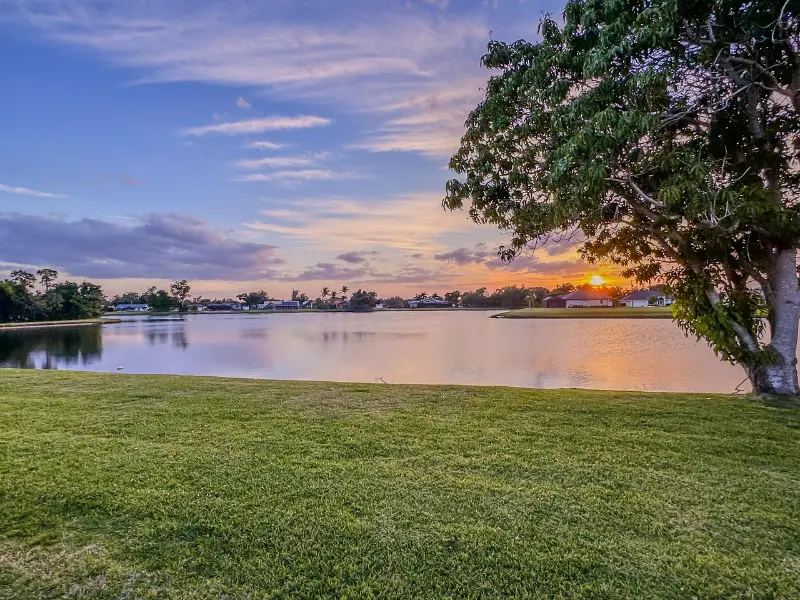
Ocala National Forest is one of Central Florida’s most interesting places to spend time away from developed resorts. Northeast of Ocala, the landscape holds longleaf and sand-pine habitats, natural springs, quiet lakes and sandy forest roads. It is also an environment where casual travel assumptions can cause problems. Not every road is paved, there are protected wildlife areas, and recreation sites may have separate concession fees or required vehicle reservations. This four-day itinerary keeps the main activities within manageable driving distances and deliberately leaves room for a long lunch or a short scenic walk. It works best with a car, a well-chosen overnight base and realistic plans for heat, insects and occasional limited mobile coverage.
What is actually inside the national forest?
Visitors often confuse Ocala National Forest with the city of Ocala and with Silver Springs State Park. The forest extends over a broad region east of the city, and its famous recreation areas include Juniper Springs, Alexander Springs, Silver Glen Springs and lakeside facilities. Silver Springs State Park near the city is a separate state-managed destination. This matters for admission fees, camping systems, park rules and navigation. The forest is not a single gated park where one ticket opens every spring and boat launch. Before leaving, download maps from the U.S. Forest Service and identify the exact road and entrance for your planned activity. Driving an unsuitable rental car down a remote sandy track to save a few minutes is rarely worth the risk.
Day 1: Juniper Springs and its distinctive setting
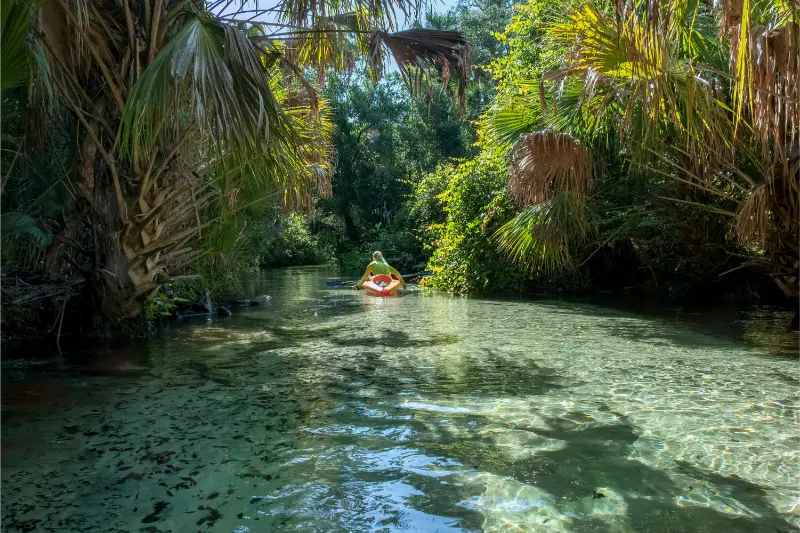
Juniper Springs Recreation Area offers a classic first introduction, with forested scenery, historic recreational infrastructure and spring water. Choose either a short swimming visit when open and safe, or a calm interpretive outing emphasizing the surroundings. The Juniper Creek canoe run is not an automatic beginner paddle: it has route-specific requirements, possible obstacles and shuttle logistics that must be confirmed with the operator. A visitor whose confidence is limited should not book it simply because spring-run photographs look tranquil. Arrive with water, shade protection and dry clothes, and read the facility rules about food, pets and equipment. If you have children, make a pre-agreed departure time so cold-water swimming doesn’t extend into the thunderstorm-prone afternoon. A forest picnic can finish the day without another hour of driving.
Day 2: Alexander Springs, where reservations can matter
Alexander Springs Recreation Area has a large clear spring pool and a different feel from Juniper, often appealing to families and visitors interested in swimming or kayaking. The official Recreation.gov listing states that on Saturdays, Sundays and holidays from Memorial Day through Labor Day, visitors using personal vehicles need an advance vehicle access reservation. The reservation is separate from the per-person entry fee, and the system includes its own booking window. Large vehicles and trailers are subject to additional restrictions. Don’t set out with a rented RV expecting that a standard car reservation will cover it. If the appropriate pass is unavailable, choose a forest trail or authorized lakeside facility rather than attempt to park on the roadside or enter illegally. Follow posted water rules and never dive into an unfamiliar part of the pool.
Day 3: Silver Glen Springs and the Lake George edge
Silver Glen Springs lies farther east toward Lake George and introduces the relationship between a spring run and one of Florida’s large lakes. The day works well as a short scenic drive with a single recreation stop, rather than another packed day of swimming. Check whether the recreation area is open, the current fee, and which activities are permitted; rules may differ from Juniper or Alexander. The lake itself is an expansive natural environment with changing wind, boat traffic and wildlife. Do not launch a small craft without knowing the return route, conditions and where open water begins. Travelers interested in birding can stay on official paths or overlooks and enjoy the forest canopy. If someone has mobility limitations, ask concession staff about the path from parking to the viewing location before purchasing an admission or equipment ticket.
Day 4: a quiet lake, a short trail or the neighboring city
Use the last full day to avoid repeating the same experience. Clearwater Lake Recreation Area offers a forest lake setting distinct from the large spring pools, while other signed trails may suit walkers who enjoy pinewoods and scrub habitat. Decide by weather and energy rather than by the number of attractions remaining on a list. If you have tired children or need more indoor comfort, head back toward Ocala or Silver Springs for a museum or a permitted guided boat option outside the national forest. An especially effective fourth day is a short morning nature walk followed by lunch and an early return to the hotel pool. Forest roads can become slower than expected, and it is better to leave before dark than find a remote trailhead with little cell service.
Choosing accommodations: Ocala, forest cabin or campground?
Ocala provides the broadest range of standard hotels, groceries and medical services, but may mean more driving to the eastern recreation areas. A campground in the forest offers shorter access to nature and quieter evenings, but also requires attention to site dimensions, hookups, gate hours, wildlife-safe food storage and campfire restrictions. Alexander Springs and Juniper Springs have established campground options subject to reservation rules; do not presume that a site will be available on arrival. If traveling with an infant or an older relative, assess nighttime bathroom distance, air-conditioning, sleeping arrangements and the ability to leave if weather becomes severe. A cabin listed outside the forest may be a long drive from the spring despite a similar place name. Confirm the exact address and access road before paying.
Water safety in an apparently crystal-clear environment
Clear water can create a false sense of security. Spring pools may contain deeper areas, submerged objects and cold water that affects breathing and endurance. A non-swimmer should remain out of deep areas and use appropriate approved flotation where allowed. Never leave children unattended by water, even for a quick photograph. Swimming rules differ across recreation areas, and diving or snorkeling activities may require separate permits or certifications. In Florida, alligators are part of natural freshwater ecosystems; keep a respectful distance and never feed animals. If a sign says no swimming or an area is closed for habitat protection, the prohibition is not optional. Lightning is another serious hazard—leave water and exposed shoreline for a substantial shelter at the first sound of thunder.
Paddling and boating: hire judgment, not just equipment
A kayak rental is not proof that a route is suitable for beginners. Ask specifically about paddling distance, downstream obstacles, wind exposure, return transfers, cancellation policies and age limits. A clear spring-fed run can become a more demanding adventure when it joins a broader waterway. Wear the correct personal flotation device, carry drinking water and know how to contact help. New paddlers should favor a guided short outing on an approved route. Senior travelers who want to paddle should be judged by their experience and ability, not an arbitrary age threshold. Families with small children may be happier observing the water from a designated bank rather than committing to several hours with no easy exit.
Forest driving, parking and wildlife precautions
Use signed main roads and designated parking facilities; an apparent shortcut on a navigation app can lead to unmaintained sand tracks. Tell someone where you are going if traveling to a quiet trailhead. Fill the fuel tank in town, especially if your phone navigation relies on continuous data service. Watch for wildlife and do not stop in a traffic lane to photograph a bear or deer. Never approach or feed a bear. Keep food secured in a vehicle or approved container, and pack out all trash. Sunscreen alone is insufficient: add protective clothing and insect repellent appropriate for the conditions. Some recreation sites restrict pets, alcohol, glass or grills; verify the chosen facility’s rules before loading the cooler.
Who will enjoy this forest trip?
For adults who want quiet, spring viewing and birdwatching may be the central reward. Children aged six to twelve can learn to distinguish a spring, lake and forest habitat and may find a short nature scavenger hunt more fun than a formal lecture. Teenagers could enjoy an appropriately supervised paddle or wildlife photography, but should understand that remote areas are not a place to wander off alone. A visitor with limited mobility can still participate in scenic drives and certain developed recreation areas, though exact path accessibility must be confirmed. People with sensory sensitivities may appreciate a calm weekday visit, while loud weekend crowds around spring pools may be uncomfortable. The trip should be tailored to the least suitable environment for someone in the group, not just the most adventurous person’s preferences.
Best season, costs and reservation priorities
Spring and fall are often pleasant for walking, while summer days bring heat and high demand at the swimming areas. Winter air may be cool even when spring water stays comparatively stable in temperature. Book campsites or limited vehicle access ahead, especially for Alexander Springs on designated summer weekends. Keep a budget for separate recreation fees, groceries, equipment and lodging. If staying in Ocala, fuel and driving time may exceed the apparent savings from an inexpensive hotel. Avoid purchasing multiple advance water-activity tickets when the weather forecast is unsettled. Check U.S. Forest Service alerts, county weather and Recreation.gov reservation rules shortly before leaving. An itinerary that keeps an alternate dry-land day is easier on everyone.
Four-day itinerary table
| Day | Site | Experience | Main caution |
|---|---|---|---|
| 1 | Juniper Springs | Historic spring setting and optional swim | Canoe run requires separate planning |
| 2 | Alexander Springs | Clear pool and picnic day | Summer weekend vehicle reservation |
| 3 | Silver Glen / Lake George | Spring-to-lake landscape | Open-water conditions and site rules |
| 4 | Clearwater Lake or Ocala | Forest lake or gentler indoor outing | Trail and road accessibility |
Frequently asked questions
Are Ocala and Ocala National Forest the same destination?
No. Ocala is a city, while the national forest spans a broad region farther east. Confirm the exact recreation-area entrance before driving.
Does one pass cover every spring?
Not necessarily. Recreation areas may have different concession fees, reservation requirements and pass eligibility. Read each facility’s current policy.
Is Alexander Springs suitable for a last-minute summer weekend?
It may not be. Advance vehicle reservations are required on designated weekends and holidays between Memorial Day and Labor Day, and the admission fee is separate.
Can people who do not swim still enjoy the forest?
Yes. Developed overlooks, short walks, lake views, picnics and wildlife interpretation provide alternatives to entering spring water.
Is it wise to drive a normal rental car on remote forest tracks?
Stay on maintained public roads and permitted routes suitable for the vehicle. Remote sand roads can strand a car and may breach rental restrictions.
Official references for this trip
- Juniper Springs Recreation Area on Recreation.gov
- Alexander Springs Recreation Area and summer access rules
- National Forests in Florida: recreation information
Ocala National Forest deserves more than one hurried dip in a spring. Four days let you notice how water, pinewoods, wildlife and the small towns around the forest shape a very different side of Florida.