Category: Florida Springs

  • Manatee Springs State Park Guide: Swimming, Boardwalk, Fees, Camping and Cedar Key Day-Trip Tips

    Manatee Springs State Park Guide: Swimming, Boardwalk, Fees, Camping and Cedar Key Day-Trip Tips

    Manatee Springs State Park is one of the easiest ways to add clear spring water and the Suwannee River to a Cedar Key or Chiefland trip. The first-magnitude spring flows toward the river through a cypress-lined run, and an approximately 800-foot boardwalk gives land visitors a strong view without requiring a swim or paddle. Swimming, paddling, diving, camping and wildlife viewing make the park useful for many different traveler types.

    Explore this guide

    Allow 3 to 5 hours for a day visit, or stay overnight if you want camping and an early-morning spring experience. The park currently opens 8 a.m. to sunset and charges $6 per vehicle for two to eight people. Construction and facility closures are active in the October 2026 update, so check the park page before a 2028 visit.

    Quick planning summary

    • Hours: 8 a.m.–sunset, 365 days a year
    • Current admission: $6 per vehicle for 2–8 people; $4 single occupant; $2 pedestrians/bicyclists
    • Main experiences: spring swimming, boardwalk, paddling, diving, camping and Suwannee River scenery
    • Current construction: ranger station, Hickory Camp Loop and waterfront picnic area listed under construction in October 2026
    • Current facility closure: waterfront restroom and dump station listed closed
    • How much time: 3–5 hours for a day trip

    Important current-status note

    October 2026 information snapshot: this article is scheduled for 2028, so hours, fees, storm recovery, trail conditions, ferry or boat access, museum schedules and wildlife closures should be checked again shortly before travel. Cedar Key and the lower Suwannee coast are low-lying, tide-driven places where weather and restoration work can change practical access faster than in a large city destination.

    The spring and boardwalk

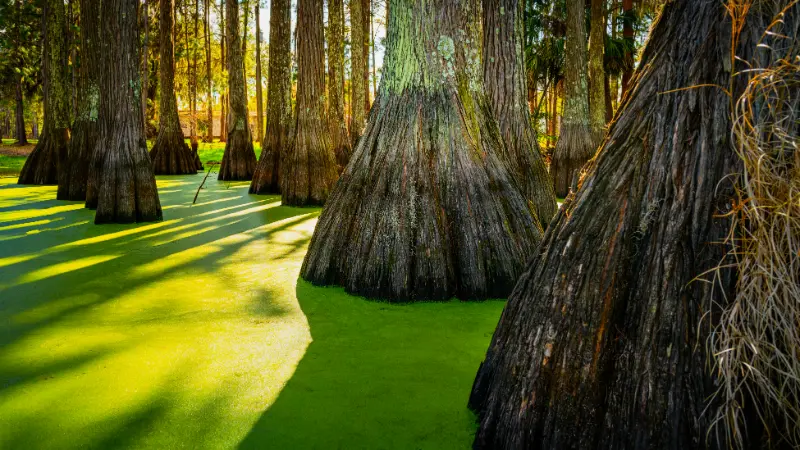
    The boardwalk is the reason even non-swimmers should consider the park. It follows the spring run through cypress habitat toward the Suwannee River and gives you a different perspective from simply standing at the swimming area. It is also a useful backup when water conditions, temperature or mobility make swimming less appealing.

    Swimming and water conditions

    Spring water is cool year-round. In summer that can feel refreshing; in winter the air after you exit can be colder than expected. Bring a towel and warm layer. Water access can close temporarily because of high river levels, storms or other conditions, so verify the same day if swimming is the main reason for the drive.
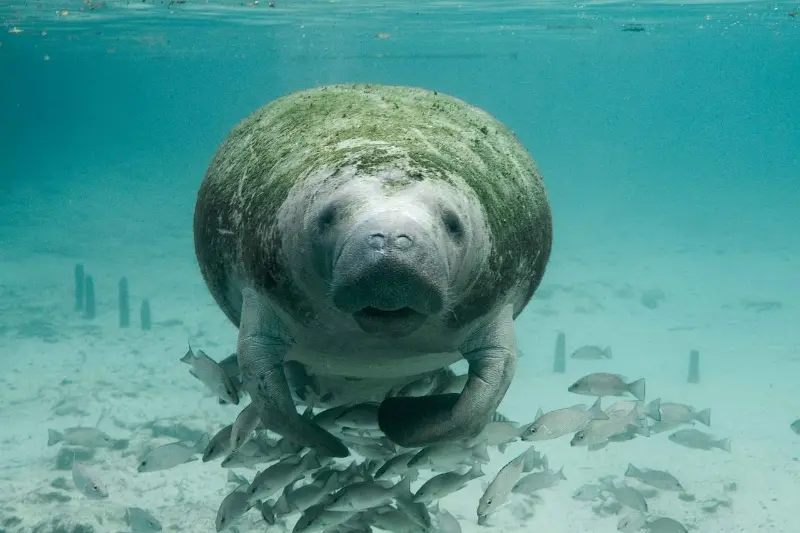
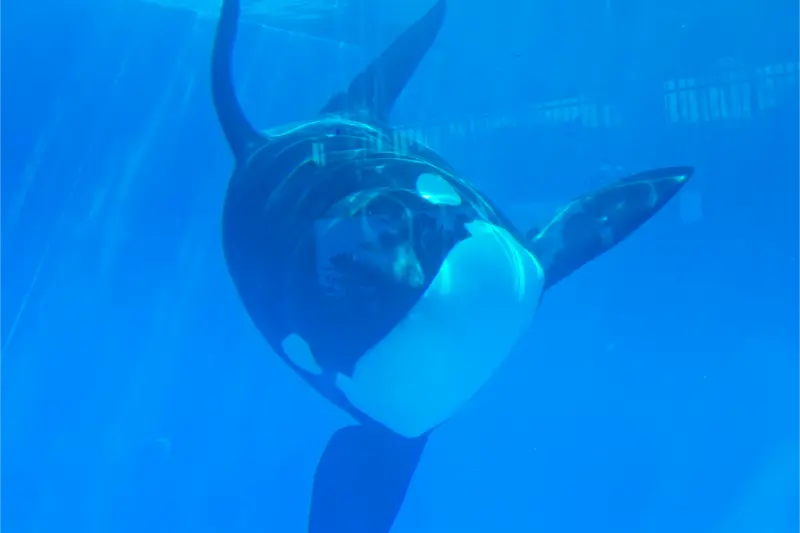
    Manatee Swimming toward Camera Underwater

    Diving

    The park permits spring, open-water and cave diving under specific rules. Florida State Parks currently requires divers to register with the office, be registered by 3 p.m. and exit the water at least one hour before sunset. This is a specialized activity, not something to improvise on a family day trip.

    Camping

    The park offers tent and RV camping, making it useful for travelers linking Cedar Key, the Suwannee River and other springs. If camping, check construction impacts carefully because loop or facility work can affect the experience even when reservations remain available.

    Official information

    Check Florida State Parks for current construction alerts, water access, fees and camping availability.

    Planning the visit for different ages

    This part of Florida can work very well for mixed-age groups, but the best activity is not always the most adventurous one. Babies and toddlers usually need shade, predictable restrooms and short outdoor blocks; school-age children often enjoy wildlife spotting and simple museum stories; teenagers tend to appreciate paddling, photography and less structured time; older travelers often prefer scenic drives, boardwalks, museums and short trails. Build the day around the least flexible traveler and let everyone else add optional activities around that core plan.

    Weather, tides and the best season

    Late fall through spring usually brings the most comfortable temperatures for walking, birding and exploring historic sites. Summer is hot, humid and storm-prone, with mosquitoes and no-see-ums often more noticeable near marshes. Tropical weather can affect Cedar Key and the Nature Coast from summer into fall. On any coastal day, check radar, tide, wind and local alerts before committing to a long paddle or remote trail, and carry more drinking water than you think you will need.

    Tides matter here in a way they do not on many inland Florida trips. A shoreline, creek or launch that looks easy at high water can become muddy, shallow or difficult at low tide. If your day includes paddling, fishing or island access, look at a local tide table and ask the outfitter or refuge staff how the tide changes the route. For land-only sightseeing, tides are less critical but still shape wildlife viewing and the look of the marsh.

    Accessibility and low-effort alternatives

    Accessibility varies sharply from paved museum grounds to natural-surface refuge roads and sandy trails. Before traveling with a wheelchair, walker or stroller, check the official accessibility notes for the specific site rather than assuming a short trail will be smooth. A useful low-effort backup in this region is to combine a museum, a scenic waterfront drive and a meal instead of forcing a trail when heat, mobility or weather makes it a poor choice.

    What to bring

    • Refillable water bottles and a small cooler for remote sites
    • Sun protection, hat and sunglasses even in winter
    • Insect repellent for marsh and forest stops
    • Closed shoes for shell, sand and uneven trail surfaces
    • A lightweight rain layer in warm months
    • Binoculars for birds and dolphins
    • A paper or downloaded map when cell coverage may be weak
    • Dry bag or waterproof pouch if the day includes boats or kayaks

    How to combine it with nearby places

    Manatee Springs is a good inland add-on after Cedar Key. If you are traveling north or east afterward, compare it with Fanning Springs State Park rather than visiting both quickly just to say you saw two springs.
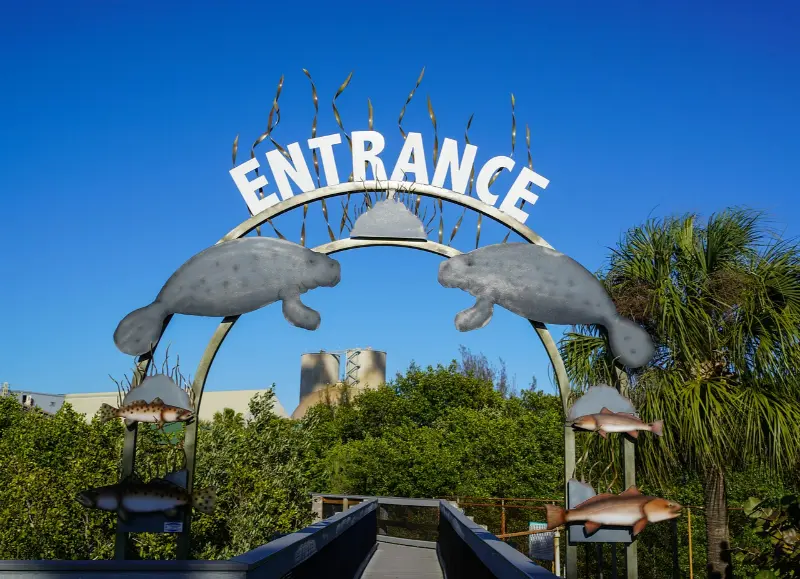
    Florida Manatee Rescue Entrance

    Common planning mistakes

    • trying to schedule too many remote sites in one day
    • assuming every natural area has food, shade and full-service restrooms
    • ignoring tide, heat or storm conditions because the route looks short
    • arriving late at a site with limited museum days or early closing
    • treating wildlife sightings as guaranteed
    • forgetting that storm recovery can change access for months or years

    Final planning advice

    The best trips on this stretch of the Nature Coast are intentionally unhurried. Choose one anchor activity, add one nearby secondary stop, and leave room for weather, wildlife, a longer lunch or an unexpectedly good sunset. That rhythm is more realistic than building the day like an Orlando attraction schedule, and it fits the character of Cedar Key and the lower Suwannee coast much better.

    Decision guide: is this stop right for your trip?

    Choose this stop when it matches the purpose of the day rather than because it appears on a “must-see” list. Cedar Key and Levy County reward selective planning. History-focused travelers should prioritize museums and archaeological sites; wildlife travelers should spend more time in refuges; families often do best with one educational stop plus outdoor time; active travelers can build the day around paddling or longer trails. If the attraction duplicates something your group has already done elsewhere in Florida, use the time for a slower meal, sunset or a different habitat instead.

    Budget also includes time, fuel and comfort. A free refuge can cost more in planning effort than a small paid museum because you need water, navigation and a longer drive. Conversely, a low admission fee does not make a museum worthwhile if you arrive fifteen minutes before closing. Compare the total experience—not just ticket price—when deciding what deserves a place in a short itinerary.

    A practical pre-trip checklist

    • Confirm the official opening status on the morning of the visit.
    • Check radar, heat index, wind and tide when the day includes exposed coast or water.
    • Download directions before leaving the town center.
    • Carry water and snacks when heading into refuge or state-reserve areas.
    • Tell someone your route if paddling or hiking away from developed areas.
    • Keep one flexible alternative that does not depend on the same weather condition.

    This simple checklist is especially useful for multigenerational trips. It turns the day from a sequence of optimistic assumptions into a plan that can absorb closures, heat, fatigue or weather without feeling ruined.

    Practical comfort and pacing

    A useful way to judge the pace is to count transitions rather than attractions. Every time the group moves from car to trail, trail to museum, museum to lunch or dry clothes to swim gear, the day loses time and energy. Families with small children and older travelers feel those transitions most. Two well-chosen stops with a real lunch break usually produce a better day than four stops connected by hurried parking and short walks.

    Plan shade and restroom breaks before they become urgent. In small Nature Coast communities, a remote trailhead may have basic facilities while the next reliable restroom is several miles away. Keep drinking water in the vehicle, do not leave electronics or food exposed to heat, and change into dry clothing before a long drive after swimming. These details sound minor, but they are what separate a relaxed day from one that feels harder than the destination deserves.

    How this stop fits a longer Florida road trip

    On a longer itinerary, Cedar Key and Levy County work best as a deliberate change of pace between larger Florida destinations. Do not treat the area as a quick detour squeezed between two long drives. If you are coming from Gainesville or Ocala, arrive early enough to enjoy the coast before sunset. If you are continuing toward Crystal River, leave the following morning rather than driving south after a full outdoor day. That gives the Nature Coast enough time to feel distinct instead of becoming scenery through the windshield.

    For travelers covering Florida over one or two weeks, alternate active and easy days. A paddling or hiking day here can follow a museum-heavy city day, while a quiet Cedar Key museum-and-waterfront day can serve as recovery after springs, long drives or theme parks. The destination is most valuable when you use its slower rhythm intentionally.

  • Wakulla Springs State Park Guide: Boat Tours, Wildlife, Fees, Swimming and Tallahassee Tips

    Wakulla Springs State Park Guide: Boat Tours, Wildlife, Fees, Swimming and Tallahassee Tips

    Edward Ball Wakulla Springs State Park is one of the best half-day trips from Tallahassee because it combines a historic lodge, one of the world’s largest and deepest freshwater springs, wildlife viewing and a ranger-led river boat experience. For travelers who want to see alligators, birds, cypress swamp and possibly manatees without paddling themselves, it is one of the strongest options in North Florida.

    Explore this guide

    The park currently opens 8:00 a.m. to sunset and charges $6 per vehicle for two to eight occupants. River boat tours currently cost $8 ages 13+, $5 ages 3–12 and are free under age 3. Tickets are reservation-only or by phone, and tours operate weather permitting.

    Quick planning summary

    • Park hours: 8:00 a.m.–sunset
    • Current admission: $6 per vehicle for 2–8 people
    • Boat tour: $8 age 13+, $5 ages 3–12, under 3 free
    • Reservations: boat tickets currently require reservation or phone booking
    • Time needed: 3–5 hours for park, boat and lodge
    • Main experiences: river boat, wildlife, swimming, historic lodge and spring scenery

    Important current-status note

    October 2026 information snapshot: this article is scheduled for 2028. Hours, fees, construction zones, exhibit access, boat-tour schedules, trail conditions and wildlife closures can change before publication. Use the practical details below as a verified planning baseline, then check the linked official source shortly before the trip.

    Why the boat tour is the highlight

    The river boat removes many of the practical barriers that come with wildlife viewing. You do not need paddling experience, the boat has a roof, and the guide interprets both natural and cultural history. Wildlife is never guaranteed, but the spring and river corridor support alligators, turtles, wading birds and seasonal manatee sightings.

    Tour timing and weather

    Tours run year-round when conditions allow, but they are not conducted during thunderstorms and may be affected by cold weather or water conditions. Current schedules vary with demand, and the last tour is later during daylight saving time than standard time. Reserve before driving from Tallahassee if the boat is the main purpose of the visit.

    Florida Cypress Swamp near Tallahassee

    Swimming and the diving platform

    The spring stays around 70°F, which feels refreshing in summer and cool in shoulder seasons. Swimming availability can change with conditions. Children who chill easily should bring warm dry clothes even on hot days.

    The historic lodge

    Do not skip the Lodge at Wakulla Springs even if you are not staying overnight. The 1930s architecture, lobby, painted ceiling and old-Florida atmosphere add a cultural layer that makes the park more than a nature stop.

    Accessibility

    The park notes wheelchair-accessible boats available on request and a manual wheelchair at the waterfront visitor center. Travelers who need a specific accommodation should call before arrival rather than assume a particular boat will be operating.

    Official information

    Check Florida State Parks and the boat tour page before travel.

    Planning the visit for different ages

    For mixed-age groups, the best strategy is to combine one high-interest stop with one low-effort stop. Babies and toddlers usually need shade, reliable restrooms and room to reset. School-age children often respond well to animals, reconstructed history and interactive outdoor spaces. Teenagers may prefer zip lines, scenic drives, photography and less structured time. Older travelers often appreciate museums, gardens and boat tours where the experience does not depend on long walks. Accessibility varies widely, especially at archaeological and refuge sites, so check the official accessibility information when mobility is a major factor.

    Best season, heat and rain

    Late October through April is usually the easiest season for long walks, gardens and wildlife drives. Spring can be especially pleasant, although pollen is noticeable and popular gardens attract more visitors. Summer is hot, humid and storm-prone. Outdoor plans are usually better in the morning, with museums or lunch reserved for the hottest part of the day. The Big Bend coast can also be affected by tropical systems, prescribed burns, flooding and temporary wildlife closures. Check radar and official alerts before driving to a remote site.

    Accessibility and low-effort alternatives

    Tallahassee has several good choices for travelers who want meaningful sightseeing without long walks. The Historic Capitol, Goodwood grounds, short museum visits and a river boat at Wakulla Springs can all work well when heat, mobility or stamina limits a longer outdoor day. At nature preserves and archaeological parks, surface conditions may include roots, grass, sand or uneven ground. Never assume that a short trail is automatically stroller- or wheelchair-friendly.

    What to bring

    • Refillable water bottle
    • Sun protection and sunglasses
    • Light rain layer from late spring through early fall
    • Insect repellent for refuges, wetlands and evening walks
    • Comfortable shoes for brick, grass, roots and museum floors
    • Binoculars for wildlife sites
    • Downloaded map for remote Big Bend locations
    • A light layer for heavily air-conditioned museums and boat rides

    How to combine it with nearby places

    Wakulla Springs works well as the main experience of a day from Tallahassee. If you also want St. Marks NWR, save it for another half-day unless your group is comfortable with a long nature-focused schedule.

    Common planning mistakes

    • trying to combine downtown Tallahassee and the Gulf coast in a tightly timed half-day
    • assuming every museum is open seven days a week
    • arriving at a state park or refuge without checking current alerts
    • scheduling only outdoor stops during a summer afternoon
    • treating wildlife sightings as guaranteed
    • forgetting that government-area construction can change entrances and parking

    How this stop fits a longer Florida road trip

    Tallahassee works well as a two-night break between North Central Florida and the western Panhandle. Travelers coming from Cedar Key or Ocala should avoid treating the drive as dead time: the landscape changes noticeably as you move into pine forest, rolling terrain and the Big Bend. If you are continuing west, use Tallahassee for history and food, then dedicate a separate half-day to Wakulla Springs or St. Marks rather than squeezing them into departure morning.

    Final planning advice

    Build the day around one anchor experience and leave at least one hour unassigned. Tallahassee rewards curiosity more than speed: an unexpected legislative exhibit, wildlife sighting, garden in bloom or slower lunch often becomes more memorable than the attraction you originally thought would be the highlight.

    A more realistic way to plan the day

    Tallahassee and the surrounding Big Bend are easier to enjoy when you plan by geography rather than by attraction count. Downtown history, north-side gardens, west-side museums and the coastal wildlife corridor south of the city are not all next door to one another. Traffic is usually manageable compared with South Florida, but parking, state-government schedules, heat and afternoon storms can still turn an overpacked day into a rushed one.

    Florida State Capitol Tallahassee Government Building

    Count transitions as part of the itinerary. Parking, security checks, walking back to the car, changing clothes after water activities and waiting for a tour all consume time. A day with two strong stops and an unhurried meal is usually more satisfying than four attractions connected by constant driving. This is especially true in summer, when heat and thunderstorms make the middle of the day less predictable.

    Budget and value

    Tallahassee can be a relatively affordable Florida destination because several major sites are free or low-cost. Spend where it improves the experience: a guided boat at Wakulla Springs, a timed historic-house tour or a family attraction may be worth more than adding several minor paid stops. Free parks and museums are most valuable when they match your interests, not simply because they cost nothing.

    Photography and wildlife etiquette

    Use a longer lens or binoculars instead of approaching wildlife. At historic and archaeological sites, stay on public routes and do not move objects for photographs. Tripods, commercial shoots and drones may be restricted, especially on government property, in museums and on federal wildlife refuges. When in doubt, ask before setting up equipment.

    Food, water and restroom planning

    Downtown Tallahassee has many food options, but remote parks and refuges do not. Carry water in the car and never assume that a visitor center, cafe or vending area will be open simply because the outdoor site is accessible. Families with young children should identify the last reliable restroom before driving toward a refuge or spring.

    If the weather changes

    Keep one indoor backup in mind. The Historic Capitol, a house museum or another city attraction can replace a stormy outdoor block. After lightning passes, do not immediately resume swimming or exposed-trail activities unless staff or official alerts indicate conditions are safe. A flexible itinerary is a strength, not a failure to plan.

    Parking, arrival time and daily rhythm

    For city attractions, arriving close to opening usually solves more problems than hunting for a perfect parking space later. Government offices, university schedules and weekday commuters can make downtown feel busier between late morning and mid-afternoon. At parks and refuges, early arrival improves wildlife activity and lowers heat exposure. If your group includes a stroller, wheelchair, large cooler or several children, choose parking convenience over saving a few dollars or walking several extra blocks.

    Leave 15 to 30 minutes between major stops even when mapping apps show a short drive. That margin covers walking back to the car, finding the next entrance, restroom breaks and unexpected construction. It also keeps one delayed stop from pushing every meal and reservation later.

    Planning for multigenerational groups

    A multigenerational Tallahassee day works best when everyone shares the first anchor activity and the group has permission to split briefly afterward. Grandparents may prefer a shaded museum or garden bench while teenagers walk a longer trail or explore photography. Parents with toddlers may need an earlier lunch. Rejoining for one meal or one easy final stop keeps the trip social without requiring every traveler to move at the same speed.

    What is worth booking in advance

    Book anything that has a fixed departure, limited tour size or special access. River boats, historic-house tours, adventure courses and special programs are more vulnerable to selling out than open-air parks. Free museums and city parks usually need less advance planning, but event weekends can still change parking and opening patterns. Recheck reservations a day or two before travel if storms or construction are possible.

    When to skip this stop

    Skipping an attraction can be the right decision when the weather, construction status or interests of your group make the experience poor value. A garden outside bloom season, a wildlife refuge during intense midday heat or a history site with a tired toddler may be better saved for another trip. Wonderful Florida itineraries should help travelers choose, not create pressure to complete a checklist.

  • Florida Freshwater Boat Tours for Non-Swimmers: Springs and Wildlife

    Florida Freshwater Boat Tours for Non-Swimmers: Springs and Wildlife

    Some of Florida’s most memorable nature experiences require neither swimming nor paddling. A narrated river cruise or glass-bottom boat can reveal spring water, cypress forests, fish, turtles, wading birds, and the changing landscape from a comfortable seat. These outings are especially valuable when a family includes a confident swimmer, a nervous non-swimmer, children, and older relatives who would rather watch than enter the water.

    This guide compares four distinctive freshwater experiences and shows how to choose among them. It is not one continuous road trip: Silver Springs, Wakulla Springs, Homosassa Springs, and the St. Johns River lie in different parts of the state. Use the comparison to add one worthwhile boat outing to the region you are already visiting rather than driving all day for an attraction with uncertain departures.

    Compare Florida’s freshwater boat experiences

    Place Main draw Booking question Key limitation
    Silver Springs, Ocala Glass-bottom view of spring system Which departure and boat suit your group? Visibility varies
    Wakulla Springs, south of Tallahassee Guided wildlife river cruise Are tickets available for your date? Weather affects departures
    Homosassa Springs Wildlife park with waterways Is the boat shuttle operating? Shuttle suspended under current low-water notice
    St. Johns River operators River scenery, birds and local history What route and boat are offered? Operators and services vary

    The difference between glass-bottom and wildlife cruises

    A glass-bottom boat is designed to reveal what lies below the surface. Sunlight and water clarity matter, and shallow aquatic vegetation can look extraordinary when conditions are favorable. A wildlife river cruise focuses more on the banks, trees, and birds, with animals coming and going freely. Neither boat type can guarantee wildlife or perfect water visibility. Choose based on what you most want to see, not on the promise of a particular photograph.

    Children who are fascinated by fish may enjoy a glass-bottom tour, while adults who like birdlife could prefer a guided nature cruise. A non-swimmer may feel comfortable on either if the vessel and conditions suit them. Someone prone to motion sickness should ask about boat motion, trip length, and cancellation policies. A river cruise usually feels different from an offshore sea excursion, but no vessel is completely motionless.

    Silver Springs: a classic view into clear water

    Silver Springs State Park near Ocala is famous for its historic glass-bottom boats. The park’s official experiences page describes 30-minute and longer tours, paved riverside paths, gardens, and boat reservations. This makes it a practical choice for travelers wanting one organized water-based attraction and a short land-based outing afterward.

    If you use a wheelchair, do not book any departure at random: the park states that a specific boat in the fleet is wheelchair accessible and offered on selected dates. Check available departures and boarding conditions. After the tour, take a short walk along the main-entrance paths if appropriate, or enjoy a seated view. Arrive early enough to use restrooms and collect any required tickets without hurrying a child or older relative.

    What you may see at Silver Springs

    Clear water may reveal fish, underwater vegetation, and the spring environment; birds and turtles can appear around the river. Wild sightings vary by season and day. The landscape is important even when no large animal appears. Explain to children that river ecology is not a theme-park show: the animals do not appear on command and should not be approached or fed.

    The park has separate areas and activities, so visitors should check which entrance matches their boat reservation. Do not assume that a general state-park admission covers all concession experiences. If a boat is sold out or severe weather interrupts service, a short garden or riverside visit may still be worthwhile. It is better to leave satisfied after a smaller visit than to force an expensive alternate tour at the last minute.

    Wakulla Springs: a narrated river wildlife experience

    South of Tallahassee, Edward Ball Wakulla Springs State Park offers a ranger-led river boat tour through a landscape of cypress trees and wetlands. The official historic tour description describes a trip of roughly 45 to 55 minutes and opportunities to observe wading birds, alligators, and sometimes manatees. These are wild animals, so do not base the value of the excursion on seeing any one species.

    Reservations matter. The park explains that tour tickets are offered by reservation and that thunderstorms or unsuitable weather can prevent operation. Wheelchair-accessible boats may be available by request; contact staff well ahead of the date. Allow time to enjoy the lodge and dining options if they match your plans. This is an especially attractive half-day addition to a Tallahassee holiday rather than a hurried diversion during a cross-state drive.

    Homosassa Springs: understand the present boat limitation

    Ellie Schiller Homosassa Springs Wildlife State Park offers a chance to learn about Florida wildlife, including rescued animals that cannot be released and seasonal opportunities to see wild manatees around the spring environment. However, the official park notice states that its shuttle boat service has been unavailable since February 4, 2026, due to low water. Do not plan a visit around a currently operating boat transfer unless the park confirms that service has resumed.

    Family Enjoying Florida Lake on Inflatable Boat

    This distinction is crucial because older tourism descriptions may still portray the boat as part of a standard visit. Ask how visitors are currently transferred between entrance facilities, which walking routes are open, and whether accessibility arrangements meet your needs. The wildlife experience can still be worthwhile even without the shuttle. It simply belongs in the category of wildlife park visits, not guaranteed active boat cruises.

    St. Johns River: choose the operator, not just the river

    The St. Johns is a long river, and boat experiences along it differ dramatically. Some operators focus on ecotours, others on scenic sightseeing or local history. Routes near the upper river wetlands feel different from the developed waterways near larger communities. There is no single departure point or universal ticket valid along the entire river. Search for a reputable operator close to your existing accommodation and investigate the specific itinerary.

    Ask where the boat departs, whether parking is included, how long the cruise lasts, and what happens in bad weather. Some routes require a car to reach remote docks. Families need child life-jacket information, while a wheelchair user should confirm dock slopes, boarding gaps, and restroom access. A calm-looking river can still have commercial traffic and changing weather. Let the captain handle navigation and remain seated where instructed.

    The best outing for babies and preschoolers

    For young children, the shortest practical departure with easy boarding is often ideal. Consider nap schedules and feeding needs before reserving a long excursion. Ask whether strollers may be brought aboard or must remain on land, whether shade is available, and whether a caregiver can move to an exit quickly if the child becomes upset. A tour operator’s age policy is more useful than a broad advertisement stating suitable for all ages.

    Children who are old enough to follow a ranger’s narrative may enjoy a wildlife checklist: cypress tree, heron, turtle, fish, and different leaf shapes. Treat it as a game, not a guarantee. If a baby cannot safely or comfortably be accommodated on a particular vessel, choose a waterfront path or visitor center instead. Families should never assume that a baby may be held on someone’s lap in place of required safety equipment.

    Travelers over 70, mobility needs, and accessible boats

    Age is not a barrier to enjoying river cruises, but specific needs matter. Before booking, ask about the exact number of steps, gangway slope, handrails, seating support, restroom availability, and distance from parking. Some attractions have accessible vessels only at selected times, while historic docks may not suit all wheelchairs. A clear telephone conversation with staff is more reliable than seeing a wheelchair symbol on a generic attraction listing.

    For a visitor with limited stamina, choose one main cruise and a nearby meal rather than building a multi-attraction day. Schedule the boat at a time when everyone is most comfortable and consider heat, humidity, and glare off the water. If a person needs a personal assistant or particular mobility equipment, discuss it before paying nonrefundable fares. A well-planned seated experience can be enjoyable for visitors at many ages and ability levels.

    Wildlife rules and conservation etiquette

    Do not feed birds, turtles, alligators, or manatees from a vessel. Never lean over railings to touch an animal, and keep hands inside if the captain directs you to do so. Wildlife approaches must be left to the animals, not engineered by visitors seeking a close-up photograph. Flash, noise, or sudden movements can disturb animals. If you spot an alligator, observe quietly from the boat rather than encouraging others to crowd one side.

    Explain to children why feeding wildlife creates problems for both animals and humans. Keep reusable bottles and wrappers secure so they do not blow into the river. The safest animal encounter is one where the visitor can appreciate the habitat without changing the animal’s behavior. Guides who talk about habitat, water quality, and conservation can add lasting value even on a day when sightings are modest.

    Timing and the cost of the outing

    Cost area What to check Why it matters
    Park admission Vehicle or individual entrance May be separate from boat fare
    Boat ticket Adult, child, senior categories Each operator sets prices
    Booking Reservation window and fees Popular departures sell out
    Parking Location and mobility drop-off Dock may be distant
    Food Whether onsite meals are available Easier than driving far afterward

    Avoid publishing a fixed statewide boat-tour price: each park and operator has its own fare structure. Look at current official pages immediately before reserving. Some tickets are weather dependent, and operators vary in how they handle changes. Morning may offer pleasant temperatures, but it does not guarantee clear skies or calm conditions. A visit that includes a good lunch and short nature stop may offer better value than buying a second cruise just because it is nearby.

    Combining boat trips with existing Florida itineraries

    Pair Silver Springs with an Ocala-area vacation or a drive through Central Florida. Pair Wakulla with Tallahassee and nearby historic attractions. Use Homosassa Springs as a wildlife park stop on a Nature Coast trip while treating any boat service as uncertain. Choose a St. Johns River operator according to the particular community where you are staying. These regional combinations reduce driving and leave more energy for the experience itself.

    Sunset over Florida Bay with Boat

    If you are planning an ambitious Florida road trip, limit the number of similar boat attractions. One excellent guided river outing can be more satisfying than several rushed and repetitive cruises. The same principle helps multigenerational groups: give each person an experience they can remember, with enough time afterward to talk about what they saw.

    How to plan when weather changes

    Have one indoor or land-based option near your chosen park. A museum, visitor center, garden, or comfortable café can make a canceled cruise day enjoyable. Watch for lightning and obey closures without trying to persuade staff to depart. If the forecast looks poor, ask whether your booking can be moved to another day. On a short vacation, avoid reserving a major prepaid boat excursion immediately before the flight home.

    A river tour is most rewarding when you arrive informed but without rigid expectations. Water levels, wildlife, visibility, boat accessibility, and schedules change. Choosing the right type of cruise—and checking the official details shortly before arrival—lets Florida’s natural landscape be the attraction rather than an avoidable logistical problem.

    Frequently asked questions

    Which Florida boat trip is best for someone who does not swim?

    Glass-bottom boat trips at Silver Springs and ranger-led river cruises at Wakulla can be excellent choices. Check vessel safety, boarding, and weather conditions for your group.

    Is the Homosassa Springs park boat running in October 2026?

    The official park notice says its boat shuttle is currently unavailable due to low water. Check directly for a service update before your visit.

    Do these river tours guarantee alligators or manatees?

    No. They visit natural habitats, and wildlife sightings vary. Choose a trip because the landscape and interpretation interest you, not for a guaranteed animal encounter.

  • Salt Springs Recreation Area Guide: Swimming, Snorkeling, Camping, Fees and Ocala National Forest Tips

    Salt Springs Recreation Area Guide: Swimming, Snorkeling, Camping, Fees and Ocala National Forest Tips

    Salt Springs is one of the best choices in the Ocala National Forest for travelers who want a classic spring swim without making the entire day about a long paddle. The spring pool is large enough for snorkeling and floating, the water carries a slight mineral taste and salinity that gives the site its name, and the campground makes it practical for RV travelers who want to stay inside the forest rather than commute from Ocala.

    Allow 3–6 hours for swimming, snorkeling, a picnic and a short walk. Campers can easily turn Salt Springs into a two-night base for the northern part of the forest, Lake George and nearby springs.

    Quick planning summary

    • Location: 13851 N Highway 19, Salt Springs, FL 32134
    • Current day-use admission: about $14.50 per person plus tax; children 5 and under free according to the current concession information
    • Water temperature: roughly 72°F year-round
    • How much time: 3–6 hours for day use; longer if boating or camping
    • Best for: swimmers, snorkelers, RV travelers, families and visitors exploring the northern Ocala National Forest

    Important current-status note

    October 2026 snapshot: The practical details in this guide reflect information published in October 2026. Because this article is scheduled for 2028, recheck admission, operating hours, closures, reservation rules, water conditions and event calendars shortly before traveling. In North Central Florida, spring access can also change after storms, high water, construction or capacity-control measures.

    The recreation area changed concession operations in 2026, so it is especially important to verify admission and campground procedures. The current campground information also notes that pets are allowed in the campground but not in the day-use area, and that cell coverage can be poor or nonexistent.

    Why Salt Springs is worth a separate visit

    Salt Springs has a different feel from Juniper Springs. Juniper is shaded and intimate; Salt Springs is more open and recreation-oriented. The large spring pool is easier for a family to understand immediately: find a shaded base, swim, snorkel, take a break and repeat. It is less about completing a signature activity and more about spending a comfortable half-day outside.

    Kayaking on Juniper Springs Creek Florida

    The mineral content also makes it physically distinct. Potassium, magnesium and sodium salts create a slight salinity, and the spring empties into Salt Springs Run toward Lake George. That connection to a much larger water system is one reason the area attracts both swimmers and boaters.

    Best things to do at Salt Springs

    • Swim in the designated spring area: The clear water is the main reason most day visitors come.
    • Snorkel: Bring your own mask if underwater visibility is important to you; conditions can vary after weather events.
    • Walk the Bear Swamp Trail: The easy loop adds a dry-land activity when part of the group wants a break from the water.
    • Paddle or boat the run: The waterway connects toward Lake George, but boating logistics are separate from the swimming area.
    • Camp: Salt Springs has one of the most developed campgrounds in the national forest, including full-hookup RV sites.

    Swimming area versus marina: do not confuse them

    The recreation area’s spring pool is the place for swimming and snorkeling. The separate Salt Springs Marina is a boat-launch facility, and current rules specifically prohibit swimming and wading there. If you are towing a boat, confirm the correct entrance and the current launch fee rather than assuming your day-use spring admission covers every facility.

    Families, teenagers and older travelers

    Salt Springs is a strong multi-generation choice because everyone can use the same base. Young children can stay near shallower portions under close supervision, school-age kids can snorkel, teenagers can spend longer in the water and older adults can alternate between shade and short swims. The biggest limitation is not age but comfort with cool water, sun exposure and walking on wet surfaces.

    For mixed-age groups, the most reliable rhythm is one demanding activity and one easy activity per day. Babies and toddlers need predictable shade and breaks; school-age children usually respond well to a clear mission such as spotting fish or horses; teenagers appreciate independence, photography and an activity with some movement; older adults benefit when heat, walking distance, seating and restroom access are considered before arrival.

    Accessibility and mobility

    Current site information lists accessible parking and restrooms, but spring entry itself can still be slippery and physically demanding. Travelers who need handrails, specific transfer points or very short routes should confirm the current condition of the swimming access before arrival. A picnic-focused visit can still work even if not everyone enters the water.

    Best time to go

    Weekday mornings are the easiest choice in late spring and summer. The spring stays cool even when the air is hot, and midday crowds can make the pool feel much busier. Fall is underrated: warm afternoons, fewer school-break crowds and a forest that is still green. Winter visitors should pack dry layers because the 72°F water feels very different when the air is cool.

    Camping at Salt Springs

    Campers should reserve early for popular weekends. The campground is unusually useful for RV travelers because it includes full-hookup sites, but tent camping is also available. Current rules limit stays and require food storage because bears and raccoons are active. Treat those rules as part of the destination, not administrative fine print.

    Food, water and connectivity

    Bring enough food and drinking water for the day. The forest is not a place where I would rely on quick delivery apps or last-minute errands. Cell service can be limited, so save directions, reservation confirmations and emergency contacts offline before leaving Ocala.

    Common mistakes to avoid

    • driving to the marina when your plan is to swim
    • assuming pets can enter the day-use spring area
    • relying on mobile service for every payment or reservation
    • forgetting that cool spring water can chill young children quickly
    • trying to combine Salt Springs with too many distant Ocala attractions on the same day

    How to combine Salt Springs with nearby springs

    A full Salt Springs day does not need another swimming stop. If you are staying in the forest for several nights, compare it with Silver Glen Springs on another day, or use Alexander Springs for a separate day. Travelers based in Ocala should allow a meaningful drive each way and avoid treating the national forest as a quick downtown detour.

    Official information to check before you go

    Check Recreation.gov for Salt Springs and the official local visitor listing for the latest day-use, campground and access information.

    Final thoughts

    Salt Springs is at its best when you give it enough time to slow down. It is not a checklist attraction. Set up in the shade, swim more than once, take a walk and let the day feel like a spring day rather than a race between stops. For families and RV travelers in particular, that simplicity is the appeal.

    Who should choose Salt Springs over other springs?

    Choose Salt Springs if you want a broad swimming day, a developed campground or an RV-friendly base. It is also a good option when some people want to snorkel while others simply want shade and a picnic. Skip it if your only goal is a guided boat tour, an easy urban-style visitor center or a short stop on a tightly timed road trip.

    Compared with the eastern spring sites, Salt Springs feels more like a place to settle in for several hours. That is a strength when you are camping, but a weakness if you are trying to fit it between Downtown Ocala and a horse event on the same afternoon.

    A practical day-use timetable

    Aim to arrive in the first hour after opening, choose your picnic base and swim before the strongest sun. Take a long midday break for lunch and the Bear Swamp Trail, then return to the water for a shorter second session. Leave before everyone is exhausted; the drive back toward Ocala or your campground will feel longer after a full day in cold water and sun.

    A better plan for a full day at Salt Springs

    Arrive early, choose a shaded picnic base, swim before the brightest midday sun, then take a long lunch break. Walk Bear Swamp Trail after the first swim while everyone is still comfortable, and return to the water only if the group wants a second session. This rhythm works better than staying in the spring continuously for four hours.

    Campers can move boating, fishing or a longer trail to a separate day. The value of staying overnight is that you do not need to compress every forest activity into one visit.

    Practical planning checklist

    • save the official address and current operating information before leaving your hotel
    • check weather, heat index and lightning risk on the morning of the visit
    • keep water, dry clothing and basic first-aid supplies in the vehicle
    • confirm any reservation or timed-entry requirement separately from admission
    • leave enough time between activities for food, restrooms and traffic

    Ocala and Marion County are easiest to enjoy when the schedule has room to absorb a change. A delayed tour, full parking lot or sudden storm should alter the order of the day, not destroy the entire itinerary.

    Extra planning advice for a smoother Ocala trip

    Ocala looks compact when viewed on a statewide map, but the county spreads across horse country, the I-75 corridor, Silver Springs, Dunnellon and the Ocala National Forest. Before committing to a schedule, plot the exact entrances of the places you intend to visit. A route that appears to involve three nearby attractions can become several hours of driving when one stop is west of the city and another is deep in the forest. Grouping activities by area usually improves the trip more than adding one extra attraction.

    Weather deserves the same attention. From late spring through early fall, start strenuous outdoor activities early, protect the hottest part of the afternoon for lunch or an indoor stop, and keep a rain alternative available. Thunderstorms can arrive quickly and may close swimming areas, outdoor arenas or trails even when the morning was clear. In winter, the opposite problem appears: spring water remains relatively constant while cool air makes getting out of the water uncomfortable, especially for children and older travelers.

    Carry drinking water in the car even when the attraction sells beverages. Rural recreation areas may have limited service, and a short delay can become uncomfortable in heat. Download maps, reservation confirmations and important phone numbers before leaving strong cell coverage. If you have medication, mobility equipment or food that must stay cool, plan for those needs before entering the forest rather than assuming facilities will be equivalent to a city attraction.

    Finally, leave at least one flexible block in every day. Ocala is most enjoyable when a spring, horse event, museum or scenic drive has enough time to breathe. The region is not improved by rushing from one parking lot to another. A slower schedule also makes it easier to respond to capacity limits, delayed shows, a child who needs a rest, or a storm that changes the order of the day.

  • Where to Stay Near Weeki Wachee: Spring Hill, Hernando Beach or Brooksville?

    Where to Stay Near Weeki Wachee: Spring Hill, Hernando Beach or Brooksville?

    A visit to Weeki Wachee can be a short stop on a Florida road trip or the centerpiece of several quiet days exploring the Adventure Coast. Choosing an overnight base is less obvious than it first appears. Spring Hill provides familiar hotel and shopping options, Hernando Beach offers canals and a fishing-oriented coastal setting, and Brooksville has a historic center farther inland. Weeki Wachee Springs State Park itself is an attraction with special admission and capacity arrangements, not a promise that any nearby accommodation will let you walk into the spring. The best place to sleep depends on how many times you will visit the water, what else you want to do and how comfortable you are with driving.

    Which area should you choose?

    AreaBest forConsider before booking
    Spring Hill hotelsPark access and everyday servicesCar-based setting
    Hernando Beach canalsBoating and quieter rentalsNot a broad Gulf swimming beach
    Brooksville town areaHistory, dining and inland sceneryLonger drive to Weeki Wachee
    Rural cabin rentalsSelf-contained nature breakFewer shops and detailed access rules

    Spring Hill for straightforward hotels and everyday services

    Spring Hill is a practical base for families who want access to supermarkets, chain restaurants and conventional hotels. It has a spread-out suburban layout rather than a compact resort neighborhood, so a property a few miles from the spring may still require driving along busy roads. Search using the state park's actual address rather than assuming that any Spring Hill hotel is equally convenient. For a one-night stop, ease of parking and a reliable breakfast may be more valuable than an elaborate pool area.

    Families staying several nights can use Spring Hill's grocery options to plan simple meals and pack an early picnic before heading toward the spring. Check whether the room has a refrigerator, microwave and enough space to dry towels. A good hotel for this trip should also support a late-afternoon rest after outdoor activities, when heat and humidity can make everyone tired.

    Kayaking on a Shaded Florida Spring

    The surroundings vary between properties. Some are located along busy commercial corridors with limited walking appeal. Travelers hoping to stroll to dinner should look at actual pedestrian access, road crossings and evening conditions rather than accept an advertisement that says “convenient location.”

    Hernando Beach for canals, fishing and a slower coastal atmosphere

    Despite its name, Hernando Beach is not a conventional broad-sand Gulf resort. Much of the community is arranged around canals, boat access and waterfront homes. That can be attractive for people who want a calm view, a fishing trip or a rental with outdoor seating by the water. It can be disappointing for someone expecting to walk straight onto a swimming beach. Ask exactly what “waterfront” means and never assume a dock is suitable for casual swimming.

    Boat-oriented rentals come with particular questions. Is the dock available to guests? Are there restrictions on children near the water? Is a boat lift included, and if so under what conditions? Families with young children should look for secure doors, barriers and clear supervision arrangements. Anyone who expects to launch a kayak should check local access and water conditions rather than treat every canal as a public launch point.

    Hernando Beach works best for visitors comfortable with self-catering and short drives for groceries and attractions. The coastal setting is part of the appeal, but it is not a substitute for staying close to the Weeki Wachee park entrance.

    Brooksville for historic streets and an inland base

    Brooksville offers a different character, with an older downtown, local museums and the rolling landscape of Hernando County. It can be rewarding for travelers who enjoy smaller towns and want more than a single day at the springs. Accommodation here may suit a road trip with stops elsewhere in the Nature Coast, but the travel time to Weeki Wachee matters if everyone intends to arrive before peak crowds.

    For a couple or older visitors, a quiet Brooksville hotel or inn may be pleasant after a day outdoors. Check whether the property is in or near the historic district or on a major highway; those are different experiences. Not every historic lodging building has an elevator, and older architecture can mean narrow stairs or bathrooms that do not work for all mobility needs. Ask detailed questions rather than making accessibility assumptions from photographs.

    Brooksville is not the right base if the only vacation goal is stepping directly into water from the accommodation. Its value comes from combining spring outings with local history, restaurants and a more inland view of Florida.

    Planning the state park visit before booking a room

    Weeki Wachee Springs State Park is famous for its underwater mermaid shows and spring setting. Official park information also describes paddling opportunities and Buccaneer Bay, with operating arrangements that may differ by season. The park can reach capacity, and specific attractions may be suspended because of weather or environmental conditions. Lodging nearby does not reserve your admission or guarantee a seat at a performance.

    Check the park's current admission procedure, opening hours and attraction notices shortly before the trip. A river cruise may be paused even while other areas remain open; treating all advertised experiences as guaranteed could create an unhappy morning. For families with young children, have a plan for lunch, shade and bathroom breaks, and avoid promising a particular showtime before consulting the official schedule.

    If an activity is essential, build the accommodation plan around the admission or reservation requirement first. Then choose a room that makes the early start manageable. This order is more reliable than reserving a distant bargain room and discovering the next day that the schedule is difficult.

    Staying for paddling rather than the mermaid show

    Travelers drawn mainly to the Weeki Wachee River need a different planning approach from visitors attending the theater. Paddling tours and rentals operate with rules about launch times, return arrangements, water conditions and wildlife protection. Confirm the exact operator, approved route, where the trip ends and how everyone returns to the vehicle. Never launch from an unapproved private dock or assume you can paddle a full river segment without a shuttle.

    For first-time kayakers or families, guided options can simplify logistics, but ask about age limits, swimming ability, life jackets and the length of the outing. An eight-year-old who enjoys a short sheltered paddle may struggle with several hours on the water in strong sun. A waterproof phone bag and drinking water are more useful than an ambitious list of wildlife sightings you hope to achieve.

    Staying near a convenient road route to the launch can help, but no lodging address is universally “best for kayaking.” Choose based on the operator actually booked and check whether the trip runs after heavy rain or changing conditions.

    Comparing the full price of hotels and waterfront rentals

    A Spring Hill hotel usually offers a clearer short-stay package, while a Hernando Beach house may provide more space for a longer trip. The right comparison is the total price for the exact dates and number of guests. Include taxes, cleaning, refundable deposits, parking, pet fees, pool heating if relevant and any charges for boat facilities. For a two-night visit, a house with high cleaning fees may not be economical even if the advertised nightly rate looks attractive.

    For a group sharing a rental, inspect the number of real bedrooms and bathrooms. A property that sleeps eight may rely on sofa beds and bunk areas, which could be uncomfortable for adults or grandparents. If there is a canal or swimming pool, ask about locks, alarms and fences. Verify whether outdoor furniture, laundry equipment and air-conditioning are functioning and included.

    For a hotel, look at cancellation conditions, late check-in, breakfast hours and whether a ground-floor room is available. Weekend and seasonal demand can change the cost and availability of suitable rooms.

    Families, older travelers and comfortable accessibility choices

    The best family lodging has a usable resting space, easy parking and minimal uncertainty on the day of a park visit. A refrigerator for snacks, space for a stroller and a reliable bath or shower can be more valuable than decorative resort features. If young children will swim, supervise them closely and follow posted water-safety rules. Spring water can feel colder than expected even on a hot day, and the surrounding air may still be humid.

    Visitors with limited walking ability should contact accommodation providers about the entrance, parking-to-room route, shower design, grab bars and any stairs. The state park has accessibility information, but individual activities and boarding conditions vary. Ask the park directly about accessible routes, seating and assistance before booking a time-sensitive experience. It is also wise to schedule a shorter park day and leave recovery time afterward.

    A multigenerational trip is often more enjoyable when some travelers can return to the hotel for a break while others remain out. That favors a well-placed conventional room over a remote house reached by several narrow roads.

    Weather, wildlife and respectful river visits

    Florida springs look beautiful year-round, but thunderstorms, heavy rain and changing water conditions affect outdoor activity. Do not plan a water trip without checking local forecasts and the operator's day-of policy. Lightning is a serious reason to leave open water. Clothing, sun protection and dry footwear matter even when the activity itself occurs in cool spring-fed water. Summer afternoons may call for a quiet indoor break instead of another exposed outing.

    Wildlife should be observed at a distance. Do not feed animals, block a manatee's route or crowd a resting animal for a photograph. Laws and local guidance regulate interactions with protected species, and tour operators should explain the rules. For children, watching quietly from a designated area can be as educational as a boat ride, especially when wildlife is not where a brochure suggests.

    If a particular swimming area or river trip closes, use the change to explore Brooksville or another suitable attraction rather than ignoring safety notices.

    A two-night itinerary with time to enjoy the springs

    Arrive in the afternoon, check in and organize the next morning's admission or paddling plan. A simple dinner and an early bedtime are more useful than a long drive for entertainment when the park is the main attraction. On day two, enjoy Weeki Wachee during the most practical hours for the activities you have confirmed, with a leisurely lunch and no obligation to fill every afternoon minute.

    If energy and weather allow, spend the later part of the day exploring a quieter nearby area or having dinner in Brooksville. On day three, choose a short nature or local-history stop on the drive out. Travelers who mainly want kayaking may swap the park theater for a guided river outing, but should not attempt both extensive activities if time is tight or the group is likely to tire.

    This schedule works for children, couples and older travelers because it leaves a margin for weather, full parking lots and unexpected delays. The key is to protect one enjoyable water experience rather than promise every possible one.

    Five things to verify before paying for accommodation

    Confirm the actual driving route to your planned park or launch location. Ask about final fees and cancellation conditions, including storm or weather disruptions. If renting beside a canal, establish the nature of the waterfront, child-safety features and whether the dock can be used. Check parking, accessibility and practical meal options. Finally, ask how late check-in works and whether the room will remain available after a delayed flight.

    Spring Hill is the straightforward choice for services and family logistics. Hernando Beach suits travelers specifically wanting canals, boating and a slower coastal rental. Brooksville is a better fit when history and a small-town atmosphere are part of the trip. None guarantees state-park entry or river conditions. Build the stay around what you genuinely want to do, confirm official operating notices, and leave enough free time to appreciate the place.

    Frequently asked questions

    Does a nearby hotel guarantee Weeki Wachee entry?

    No. State-park capacity, admissions and individual experience schedules are separate from accommodation.

    Is Hernando Beach a traditional sand beach resort?

    No. Much of its waterfront is canal- and boat-oriented. Verify the exact shoreline and swimming permissions.

    Should we stay in Spring Hill for a short visit?

    It is often practical for a one- or two-night trip focused on the state park and nearby services.

    Official visitor resources

  • Four Days in Ocala National Forest: Springs, Pinewoods and Quiet Lakes

    Four Days in Ocala National Forest: Springs, Pinewoods and Quiet Lakes

    Ocala National Forest is one of Central Florida’s most interesting places to spend time away from developed resorts. Northeast of Ocala, the landscape holds longleaf and sand-pine habitats, natural springs, quiet lakes and sandy forest roads. It is also an environment where casual travel assumptions can cause problems. Not every road is paved, there are protected wildlife areas, and recreation sites may have separate concession fees or required vehicle reservations. This four-day itinerary keeps the main activities within manageable driving distances and deliberately leaves room for a long lunch or a short scenic walk. It works best with a car, a well-chosen overnight base and realistic plans for heat, insects and occasional limited mobile coverage.

    What is actually inside the national forest?

    Visitors often confuse Ocala National Forest with the city of Ocala and with Silver Springs State Park. The forest extends over a broad region east of the city, and its famous recreation areas include Juniper Springs, Alexander Springs, Silver Glen Springs and lakeside facilities. Silver Springs State Park near the city is a separate state-managed destination. This matters for admission fees, camping systems, park rules and navigation. The forest is not a single gated park where one ticket opens every spring and boat launch. Before leaving, download maps from the U.S. Forest Service and identify the exact road and entrance for your planned activity. Driving an unsuitable rental car down a remote sandy track to save a few minutes is rarely worth the risk.

    Day 1: Juniper Springs and its distinctive setting

    Juniper Springs Recreation Area offers a classic first introduction, with forested scenery, historic recreational infrastructure and spring water. Choose either a short swimming visit when open and safe, or a calm interpretive outing emphasizing the surroundings. The Juniper Creek canoe run is not an automatic beginner paddle: it has route-specific requirements, possible obstacles and shuttle logistics that must be confirmed with the operator. A visitor whose confidence is limited should not book it simply because spring-run photographs look tranquil. Arrive with water, shade protection and dry clothes, and read the facility rules about food, pets and equipment. If you have children, make a pre-agreed departure time so cold-water swimming doesn’t extend into the thunderstorm-prone afternoon. A forest picnic can finish the day without another hour of driving.

    Kayaking on Juniper Springs Creek Florida

    Day 2: Alexander Springs, where reservations can matter

    Alexander Springs Recreation Area has a large clear spring pool and a different feel from Juniper, often appealing to families and visitors interested in swimming or kayaking. The official Recreation.gov listing states that on Saturdays, Sundays and holidays from Memorial Day through Labor Day, visitors using personal vehicles need an advance vehicle access reservation. The reservation is separate from the per-person entry fee, and the system includes its own booking window. Large vehicles and trailers are subject to additional restrictions. Don’t set out with a rented RV expecting that a standard car reservation will cover it. If the appropriate pass is unavailable, choose a forest trail or authorized lakeside facility rather than attempt to park on the roadside or enter illegally. Follow posted water rules and never dive into an unfamiliar part of the pool.

    Day 3: Silver Glen Springs and the Lake George edge

    Silver Glen Springs lies farther east toward Lake George and introduces the relationship between a spring run and one of Florida’s large lakes. The day works well as a short scenic drive with a single recreation stop, rather than another packed day of swimming. Check whether the recreation area is open, the current fee, and which activities are permitted; rules may differ from Juniper or Alexander. The lake itself is an expansive natural environment with changing wind, boat traffic and wildlife. Do not launch a small craft without knowing the return route, conditions and where open water begins. Travelers interested in birding can stay on official paths or overlooks and enjoy the forest canopy. If someone has mobility limitations, ask concession staff about the path from parking to the viewing location before purchasing an admission or equipment ticket.

    Day 4: a quiet lake, a short trail or the neighboring city

    Use the last full day to avoid repeating the same experience. Clearwater Lake Recreation Area offers a forest lake setting distinct from the large spring pools, while other signed trails may suit walkers who enjoy pinewoods and scrub habitat. Decide by weather and energy rather than by the number of attractions remaining on a list. If you have tired children or need more indoor comfort, head back toward Ocala or Silver Springs for a museum or a permitted guided boat option outside the national forest. An especially effective fourth day is a short morning nature walk followed by lunch and an early return to the hotel pool. Forest roads can become slower than expected, and it is better to leave before dark than find a remote trailhead with little cell service.

    Choosing accommodations: Ocala, forest cabin or campground?

    Ocala provides the broadest range of standard hotels, groceries and medical services, but may mean more driving to the eastern recreation areas. A campground in the forest offers shorter access to nature and quieter evenings, but also requires attention to site dimensions, hookups, gate hours, wildlife-safe food storage and campfire restrictions. Alexander Springs and Juniper Springs have established campground options subject to reservation rules; do not presume that a site will be available on arrival. If traveling with an infant or an older relative, assess nighttime bathroom distance, air-conditioning, sleeping arrangements and the ability to leave if weather becomes severe. A cabin listed outside the forest may be a long drive from the spring despite a similar place name. Confirm the exact address and access road before paying.

    Water safety in an apparently crystal-clear environment

    Clear water can create a false sense of security. Spring pools may contain deeper areas, submerged objects and cold water that affects breathing and endurance. A non-swimmer should remain out of deep areas and use appropriate approved flotation where allowed. Never leave children unattended by water, even for a quick photograph. Swimming rules differ across recreation areas, and diving or snorkeling activities may require separate permits or certifications. In Florida, alligators are part of natural freshwater ecosystems; keep a respectful distance and never feed animals. If a sign says no swimming or an area is closed for habitat protection, the prohibition is not optional. Lightning is another serious hazard—leave water and exposed shoreline for a substantial shelter at the first sound of thunder.

    Paddling and boating: hire judgment, not just equipment

    A kayak rental is not proof that a route is suitable for beginners. Ask specifically about paddling distance, downstream obstacles, wind exposure, return transfers, cancellation policies and age limits. A clear spring-fed run can become a more demanding adventure when it joins a broader waterway. Wear the correct personal flotation device, carry drinking water and know how to contact help. New paddlers should favor a guided short outing on an approved route. Senior travelers who want to paddle should be judged by their experience and ability, not an arbitrary age threshold. Families with small children may be happier observing the water from a designated bank rather than committing to several hours with no easy exit.

    Forest driving, parking and wildlife precautions

    Use signed main roads and designated parking facilities; an apparent shortcut on a navigation app can lead to unmaintained sand tracks. Tell someone where you are going if traveling to a quiet trailhead. Fill the fuel tank in town, especially if your phone navigation relies on continuous data service. Watch for wildlife and do not stop in a traffic lane to photograph a bear or deer. Never approach or feed a bear. Keep food secured in a vehicle or approved container, and pack out all trash. Sunscreen alone is insufficient: add protective clothing and insect repellent appropriate for the conditions. Some recreation sites restrict pets, alcohol, glass or grills; verify the chosen facility’s rules before loading the cooler.

    Who will enjoy this forest trip?

    For adults who want quiet, spring viewing and birdwatching may be the central reward. Children aged six to twelve can learn to distinguish a spring, lake and forest habitat and may find a short nature scavenger hunt more fun than a formal lecture. Teenagers could enjoy an appropriately supervised paddle or wildlife photography, but should understand that remote areas are not a place to wander off alone. A visitor with limited mobility can still participate in scenic drives and certain developed recreation areas, though exact path accessibility must be confirmed. People with sensory sensitivities may appreciate a calm weekday visit, while loud weekend crowds around spring pools may be uncomfortable. The trip should be tailored to the least suitable environment for someone in the group, not just the most adventurous person’s preferences.

    Best season, costs and reservation priorities

    Spring and fall are often pleasant for walking, while summer days bring heat and high demand at the swimming areas. Winter air may be cool even when spring water stays comparatively stable in temperature. Book campsites or limited vehicle access ahead, especially for Alexander Springs on designated summer weekends. Keep a budget for separate recreation fees, groceries, equipment and lodging. If staying in Ocala, fuel and driving time may exceed the apparent savings from an inexpensive hotel. Avoid purchasing multiple advance water-activity tickets when the weather forecast is unsettled. Check U.S. Forest Service alerts, county weather and Recreation.gov reservation rules shortly before leaving. An itinerary that keeps an alternate dry-land day is easier on everyone.

    Four-day itinerary table

    DaySiteExperienceMain caution
    1Juniper SpringsHistoric spring setting and optional swimCanoe run requires separate planning
    2Alexander SpringsClear pool and picnic daySummer weekend vehicle reservation
    3Silver Glen / Lake GeorgeSpring-to-lake landscapeOpen-water conditions and site rules
    4Clearwater Lake or OcalaForest lake or gentler indoor outingTrail and road accessibility

    Frequently asked questions

    Are Ocala and Ocala National Forest the same destination?

    No. Ocala is a city, while the national forest spans a broad region farther east. Confirm the exact recreation-area entrance before driving.

    Does one pass cover every spring?

    Not necessarily. Recreation areas may have different concession fees, reservation requirements and pass eligibility. Read each facility’s current policy.

    Is Alexander Springs suitable for a last-minute summer weekend?

    It may not be. Advance vehicle reservations are required on designated weekends and holidays between Memorial Day and Labor Day, and the admission fee is separate.

    Can people who do not swim still enjoy the forest?

    Yes. Developed overlooks, short walks, lake views, picnics and wildlife interpretation provide alternatives to entering spring water.

    Is it wise to drive a normal rental car on remote forest tracks?

    Stay on maintained public roads and permitted routes suitable for the vehicle. Remote sand roads can strand a car and may breach rental restrictions.

    Official references for this trip

    Ocala National Forest deserves more than one hurried dip in a spring. Four days let you notice how water, pinewoods, wildlife and the small towns around the forest shape a very different side of Florida.

  • Silver Springs State Park Guide: Glass Bottom Boats, Kayaking, Fees and Ocala Tips

    Silver Springs State Park Guide: Glass Bottom Boats, Kayaking, Fees and Ocala Tips

    Silver Springs is one of the easiest places in inland Florida to understand why the state’s spring country deserves space in a vacation itinerary. Instead of needing a long hike or technical paddling skills to reach clear water, visitors can see the spring basin from historic glass-bottom boats, walk shaded paths, rent a kayak or launch their own vessel into the Silver River. The park works for travelers who want nature without a highly demanding day, yet it also rewards people who are comfortable spending several hours on the water.

    Explore this guide

    For a first visit, allow 3–6 hours; allow most of a day for a longer paddle. The practical details below reflect conditions published for October 2026. As operating details can change before 2028, confirm prices, hours, closures, reservations and event schedules shortly before travel.

    Quick planning summary

    • Location: 5656 E. Silver Springs Blvd, Silver Springs, FL 34488
    • Current hours: 8 a.m. to sundown, 365 days a year
    • Current admission: $8 per vehicle for 2–8 people; boat tours, rentals and museum access cost extra
    • How much time: 3–6 hours; allow most of a day for a longer paddle
    • Best for: first-time Florida visitors, families, paddlers, wildlife lovers and travelers who want an easy spring experience

    Important current-status note

    October 2026 snapshot: As of October 2026, the park lists 8 a.m. to sundown hours and $8 vehicle admission. Thirty-minute glass-bottom boat tours are currently $17 for adults and $15 for seniors 55+ and children ages 3–12; 90-minute tours cost more. The Sea Hunt Deck is currently closed, while the trail system is open. These details can change before a 2028 visit, especially concession prices and special-event access.

    For a future trip, use that snapshot only as a planning reference. Florida parks, museums and event venues can change schedules after storms, construction, seasonal demand or operational updates, so the official information closest to your travel date should take priority.

    Why this place is worth your time

    The strongest reason to prioritize Silver Springs is variety. A grandparent who does not want to paddle can take a boat tour, a family can spend a few hours on short walks and wildlife viewing, and more active travelers can paddle several miles downriver. The water is visually impressive, but the river corridor is equally important: turtles, birds, alligators and, occasionally, rhesus macaques can be seen from a safe distance. The park feels like a real ecosystem rather than an attraction built around a single photo stop.

    The best way to judge this stop is not by how many boxes it checks, but by whether it adds a different experience to the rest of your itinerary. Ocala and North Central Florida are most rewarding when springs, horse country, local history, museums and quieter outdoor spaces are mixed rather than repeated back to back.

    What to see and do

    • Glass-bottom boat tour: The classic first-visit activity. The 30-minute tour is enough for many families, while the longer version suits visitors who want more interpretation and river scenery.
    • Paddling the Silver River: Kayaks, canoes and paddleboards offer a quieter view of wildlife. Strong paddlers can consider the longer one-way route with shuttle logistics.
    • Spring basin and gardens: The historic day-use area is easy to explore on foot and gives non-paddlers several viewpoints.
    • Silver River Museum: The museum has a separate schedule and small additional fee, so treat it as a bonus rather than assuming it will be open during every park visit.
    • Wildlife watching: Early mornings are usually calmer. Keep distance from alligators, monkeys and other wildlife and never feed animals.

    You do not need to complete every option. Choose the two or three elements that best match your group, weather and energy level. A focused visit usually feels more satisfying than rushing through every possible activity.

    How to plan the visit

    Planning tipFor a first visit, book or confirm the boat experience first, then build the rest of the day around it. If paddling is your priority, arrive near opening, because wind, heat and afternoon thunderstorms can make the return harder. Travelers doing only the glass-bottom boat and a short walk can comfortably combine Silver Springs with lunch or another Ocala stop. Those attempting a five-mile paddle should avoid stacking several timed attractions afterward.

    Build a buffer for parking, restrooms, ticketing or check-in, and the short delays that come with traveling as a family. In this part of Florida, an extra 20–30 minutes can also protect the day from roadwork, event traffic or a summer shower.

    Families, teenagers and older travelers

    Babies and toddlers can enjoy the boat with minimal walking, making this one of the easier spring-country choices for very young families. School-age children usually respond well to seeing fish through the glass and looking for turtles from the shoreline. Teenagers often prefer kayaking or photography. Older adults benefit from the relatively compact day-use area, but heat, boat boarding and uneven outdoor surfaces still deserve consideration.

    Kayaking on a Shaded Florida Spring

    For mixed-age groups, one demanding activity and one easy activity per day is a useful rule. Babies and toddlers need shade and predictable breaks; school-age children respond well to a clear purpose; teenagers usually appreciate independence and photography; older adults benefit when seating, heat and walking distance are considered before arrival.

    Accessibility and mobility

    The main visitor area has accessible features, and the boat concession provides information about boarding needs. Paddling is much more physically demanding and should not be treated as the accessible equivalent of the boat tour. If step-free access, mobility-device space or assisted boarding is essential, confirm the exact boat and route before arrival.

    Temporary maintenance can change an otherwise accessible route. If a wheelchair path, accessible restroom, assisted boarding option or short-distance parking space is essential, verify that specific feature instead of relying on a general accessibility label.

    Best season and weather strategy

    Winter and spring are excellent for comfortable walking and wildlife viewing. Summer gives lush scenery but brings humidity and frequent afternoon lightning. Spring water remains cool even when air temperatures are high. If the main goal is paddling, a calm morning with low wind is more valuable than simply choosing the hottest day.

    North Central Florida can move quickly from comfortable morning temperatures to hot, humid afternoons. In summer, lightning risk matters as much as the temperature. During cooler months, cold fronts can make mornings surprisingly chilly even when the afternoon forecast looks mild.

    Parking, driving and arrival logistics

    Use the main entrance for classic visitor activities and confirm the correct launch access if bringing a personal vessel. The equestrian and canoe/kayak launch closes earlier than the park itself. Parking is generally straightforward compared with beach destinations, but event days can change normal circulation.

    Save the exact entrance or parking location before leaving Wi-Fi. Parks and equestrian properties may have multiple gates, and arriving at the wrong one can cost far more time than the driving distance suggests.

    Food, water and breaks

    A simple half-day plan is boat tour, short walk and lunch in the Ocala/Silver Springs area. For a full paddling day, bring more water and snacks than you think you need. Keep food secured and never use it to attract wildlife for photos.

    Carry more water than a short drive might suggest. Heat, cold spring water, cycling and long periods of standing at an event can all disguise fatigue until the group is already tired. A planned snack and a seated break often extend the day more effectively than adding another attraction.

    Safety and practical cautions

    Alligators are part of the river environment and should be given wide space. Monkeys are also wild animals; do not approach, touch or feed them. Lightning is the most common weather reason to shorten a summer water day. Follow ranger and concession instructions even if a closure disrupts your original plan.

    Wildlife, water, horses and Florida weather all deserve more respect than a normal urban sightseeing day. Follow closures and staff instructions rather than looking for a workaround when conditions change.

    Common mistakes to avoid

    • arriving without checking boat availability on a busy weekend
    • assuming the museum follows the same hours as the park
    • planning a long paddle late in the afternoon
    • approaching monkeys or other wildlife for photos
    • underestimating summer heat and lightning

    How to combine it with other North Central Florida experiences

    Use Silver Springs as a contrast to the Gainesville-area nature already covered on Wonderful Florida. A longer road trip can pair spring country with Florida Museum of Natural History on a weather-sensitive day, or compare the easier developed spring experience here with the more river-focused day at Ichetucknee Springs State Park. Avoid trying to rush both major spring outings into the same day.

    On a two- or three-day regional stay, alternate indoor and outdoor experiences. That keeps the itinerary flexible when heat, storms, event schedules or water conditions force a change.

    Budget planning

    The base park fee is modest, but boat tickets and rentals can change the real cost quickly. A family that only wants the short boat tour will spend much less than a group renting multiple kayaks. Decide which experience is the priority before reaching the concession desk.

    Always compare the ticket price with the true cost of the day: parking, rentals, fuel, meals, reservations and equipment can matter more than admission. Free attractions still deserve careful scheduling if they require a long drive or a specific event window.

    Who should prioritize this stop?

    Silver Springs should be high on the list for first-time visitors who want clear spring water without committing to a full tubing or wilderness day. It is especially good for mixed-age families because the boat tour gives almost everyone a realistic way to enjoy the spring.

    If your group has very different interests, let this attraction serve the travelers who will enjoy it most, then balance the day with a second activity chosen for everyone else. A complete Florida vacation does not require every person to love every stop equally.

    Official information to check before you go

    Before traveling, check the official visitor information for the latest hours, fees, closures, reservations, event calendars and weather-related changes. For a 2028 visit, current official information should override older screenshots, blogs and social posts.

    Final thoughts

    Silver Springs works best when you resist the urge to treat it as a quick roadside stop. Give the boat, river and wildlife enough time to feel distinct from the rest of your Florida trip. For many travelers, this is the Ocala-area attraction that most clearly explains why inland Florida can be as memorable as the coast.

    Ocala and North Central Florida reward travelers who arrive informed but keep the day flexible. The region is strongest when clear springs, local culture, horse country and outdoor time complement one another instead of competing for every hour.

  • Silver Glen Springs Guide: Swimming, Vehicle Reservations, Kayaking, Wildlife and Ocala Tips

    Silver Glen Springs Guide: Swimming, Vehicle Reservations, Kayaking, Wildlife and Ocala Tips

    Silver Glen Springs is one of the clearest, most photogenic spring basins in the Ocala National Forest, but its popularity creates a planning problem: on peak summer weekends, simply driving there without a reservation can be the fastest way to lose half a vacation day. The solution is to treat access as part of the itinerary, not something to decide after breakfast.

    Allow 3–5 hours for swimming, snorkeling, a picnic and the short trails. It is a day-use site, not a campground, and summer vehicle controls can apply in addition to the per-person admission fee.

    Quick planning summary

    • Location: 5271 N Highway 19, Fort McCoy / Salt Springs area, FL 32134
    • Current admission: $14.50 per person plus tax; children 5 and under free
    • Peak-season vehicle reservation: currently required on summer weekends and holidays, with a separate $20 vehicle reservation fee
    • Current opening: 8 a.m.; closing time varies with daylight
    • How much time: 3–5 hours
    • Best for: swimming, snorkeling, photography, families and travelers who want a beautiful day-use spring

    Important current-status note

    October 2026 snapshot: The practical details in this guide reflect information published in October 2026. Because this article is scheduled for 2028, recheck admission, operating hours, closures, reservation rules, water conditions and event calendars shortly before traveling. In North Central Florida, spring access can also change after storms, high water, construction or capacity-control measures.

    For the 2026 season, vehicle reservations apply on specified weekends and holidays from Memorial Day through Labor Day. The current program is separate from admission: reserving the vehicle space does not replace the per-person entry fee. Reservation dates and prices can change before 2028, so always use the current Recreation.gov or concession information.

    Why Silver Glen Springs stands out

    The water is the obvious answer, but the setting matters just as much. The spring basin opens toward Lake George, one of the major lakes on the St. Johns River system. That creates a different visual experience from the narrower forest pools around Juniper and Alexander Springs. On a bright day, the combination of turquoise water, pale sand and surrounding forest is exceptional.

    Silver Glen also has archaeological sensitivity and protected spring-boil areas. Visitors should understand that the most interesting ecological features are not an invitation to climb, dig or enter restricted zones. The best experience comes from enjoying the designated swimming and paddling areas without treating the spring as a theme-park pool.

    What to do

    • Swim and snorkel: The main basin is the core experience; secure snorkel gear and water shoes are useful.
    • Walk the Lake George Trail: This adds forest and lake views to a visit that might otherwise be entirely water-based.
    • See the spring-boil area from the trail: Stay on designated routes and respect closures around sensitive features.
    • Launch a kayak or canoe: A designated launch area connects paddlers with the spring run and lake environment.
    • Picnic: Tables and grills make a half-day visit easy, but pack out what you bring and protect food from wildlife.

    Understanding the vehicle reservation system

    The most important distinction is between vehicle reservation and admission. During the current peak-season program, a vehicle reservation guarantees parking for the day, while each visitor still pays the normal admission at the gate. On non-reservation days, entry remains first-come, first-served until capacity is reached.

    If you are traveling in a group, one vehicle can make the day significantly easier. Do not buy multiple reservations unnecessarily, but also do not expect to arrive in several cars and merge the group inside once parking is full.

    Families, teenagers and older travelers

    Silver Glen works well for families because the day does not require a long hike or technical paddle. Children who are comfortable in water usually enjoy snorkeling, while teenagers often like underwater photography and the more open feel of the basin. Older travelers can use the picnic area and short trails even if they do not swim for long.

    For mixed-age groups, the most reliable rhythm is one demanding activity and one easy activity per day. Babies and toddlers need predictable shade and breaks; school-age children usually respond well to a clear mission such as spotting fish or horses; teenagers appreciate independence, photography and an activity with some movement; older adults benefit when heat, walking distance, seating and restroom access are considered before arrival.

    Accessibility and facilities

    The recreation area lists accessible features, but facilities are more basic than at a large state park: portable toilets and a changing area are currently part of the setup. If accessible water entry, a specific restroom configuration or medical refrigeration is essential, verify current conditions before driving into the forest.

    Best season and best time of day

    Early summer mornings show the spring at its most appealing before the heat and crowd build. Weekdays are much easier than weekends. Spring and fall offer fewer capacity problems and still-warm air. Winter can be beautiful for walking and photography, but not every traveler enjoys swimming when the air is cool even though the spring itself remains relatively constant.

    Wildlife and safety

    Treat the spring as part of a wild system connected to Lake George. Alligators and other wildlife occur in the region, and staff instructions or temporary closures should always override the assumption that a familiar swimming area is safe under every condition. Keep food secured and never feed wildlife.

    Flock of Flamingos at Florida Wildlife Park

    Common mistakes to avoid

    • forgetting the separate summer vehicle reservation
    • assuming a parking reservation includes admission
    • arriving at midday on a peak weekend
    • entering protected spring-boil areas
    • bringing pets when current rules prohibit them throughout the recreation area
    • expecting campground-style facilities at a day-use-only site

    How Silver Glen compares with other Ocala springs

    Choose Silver Glen for a beautiful swim-and-snorkel day. Choose Juniper Springs for a wilder forest atmosphere and advanced paddle. Choose Salt Springs if camping and RV facilities matter. Choose Alexander Springs for another broad, family-friendly swimming basin. The best regional itinerary uses those differences instead of treating every spring as interchangeable.

    Official information to check before you go

    Check the official Recreation.gov vehicle-reservation page and the Ocala/Marion County visitor listing for current fees, capacity rules, reservation dates and operational notices.

    Final thoughts

    Silver Glen Springs deserves its popularity, but it rewards travelers who plan around that popularity. Reserve when required, arrive early, stay several hours and let the water be the main event. When approached that way, it feels less like a crowded stop and more like one of the natural highlights of an Ocala National Forest trip.

    A realistic half-day plan at Silver Glen

    Arrive as early as your reservation or access rules allow, settle at a picnic table, and spend the first hour in the water while visibility is usually at its best. After drying off, walk one of the short trails toward Lake George or the spring-boil overlook. Use lunch as a long shaded break, then decide whether a second swim or short paddle is worth staying for.

    Families do not need to stay until closing to get value from the admission. Three focused hours in good conditions can be better than six hours after the basin becomes crowded. If you have a long drive afterward, leaving before late-afternoon storms and fatigue build is often the smarter choice.

    Who may prefer another spring?

    Travelers who want overnight camping should choose Salt Springs, Alexander Springs or another campground-based site. Visitors who dislike reservation systems may prefer a weekday or a different spring outside peak summer weekends. Non-swimmers may get more value from Silver Springs State Park, where the glass-bottom boat provides a strong experience without entering the water.

    Photography and underwater visibility

    The clearest-looking water in marketing photos depends on sun angle, recent rainfall and how many swimmers are stirring the bottom. For photographs, arrive early when the surface is calmer and the basin is less crowded. Polarized sunglasses help above water; a simple waterproof camera can be more useful than an expensive phone case for underwater shots.

    Do not chase wildlife for a photograph or cross protected boundaries for a cleaner composition. The spring’s conservation value is the reason the scenery exists in the first place.

    Pink Flamingos at Florida Wildlife Pond

    Practical planning checklist

    • save the official address and current operating information before leaving your hotel
    • check weather, heat index and lightning risk on the morning of the visit
    • keep water, dry clothing and basic first-aid supplies in the vehicle
    • confirm any reservation or timed-entry requirement separately from admission
    • leave enough time between activities for food, restrooms and traffic

    Ocala and Marion County are easiest to enjoy when the schedule has room to absorb a change. A delayed tour, full parking lot or sudden storm should alter the order of the day, not destroy the entire itinerary.

    Extra planning advice for a smoother Ocala trip

    Ocala looks compact when viewed on a statewide map, but the county spreads across horse country, the I-75 corridor, Silver Springs, Dunnellon and the Ocala National Forest. Before committing to a schedule, plot the exact entrances of the places you intend to visit. A route that appears to involve three nearby attractions can become several hours of driving when one stop is west of the city and another is deep in the forest. Grouping activities by area usually improves the trip more than adding one extra attraction.

    Weather deserves the same attention. From late spring through early fall, start strenuous outdoor activities early, protect the hottest part of the afternoon for lunch or an indoor stop, and keep a rain alternative available. Thunderstorms can arrive quickly and may close swimming areas, outdoor arenas or trails even when the morning was clear. In winter, the opposite problem appears: spring water remains relatively constant while cool air makes getting out of the water uncomfortable, especially for children and older travelers.

    Carry drinking water in the car even when the attraction sells beverages. Rural recreation areas may have limited service, and a short delay can become uncomfortable in heat. Download maps, reservation confirmations and important phone numbers before leaving strong cell coverage. If you have medication, mobility equipment or food that must stay cool, plan for those needs before entering the forest rather than assuming facilities will be equivalent to a city attraction.

    Finally, leave at least one flexible block in every day. Ocala is most enjoyable when a spring, horse event, museum or scenic drive has enough time to breathe. The region is not improved by rushing from one parking lot to another. A slower schedule also makes it easier to respond to capacity limits, delayed shows, a child who needs a rest, or a storm that changes the order of the day.

  • Where to Stay Near Wekiwa Springs and Apopka: Nature Trips Without Sleeping at a Theme Park Resort

    Where to Stay Near Wekiwa Springs and Apopka: Nature Trips Without Sleeping at a Theme Park Resort

    Apopka and the Wekiva area offer a completely different base from Orlando's busiest vacation corridors. Here the attraction is cool spring water, forest trails, paddling and the possibility of quieter evenings while still remaining within the greater Orlando region. Accommodation is not concentrated beside one large theme park entrance, and that makes exact location especially important. A hotel in Apopka, a rental near the Wekiva area and an apartment toward Altamonte Springs can each serve a different itinerary. This guide focuses on choosing a practical base for the places you will actually visit, including Wekiwa Springs State Park, Kelly Park and nearby communities.

    Which area should you choose?

    AreaBest forConsider before booking
    Apopka hotelsPractical park drives and groceriesCar dependence and broad city area
    Wekiva-area rentalsNature focus and larger groupsExact entrance distances vary
    Altamonte Springs hotelsRegional dining and mixed itineraryLonger drive for early park visits
    Camping or cabinsOutdoor-focused staySeparate reservations and facilities

    Apopka hotels for simple spring-day logistics

    Apopka offers everyday services and practical driving routes north and northwest of central Orlando. Conventional hotels may be useful for short trips, road travelers and families who need dependable parking and breakfast. But a property described as being in Apopka is not necessarily close to a specific park entrance. Use the addresses of Wekiwa Springs State Park and Kelly Park in a route planner, and look at the real drive from the hotel rather than trusting a listing's vague “near the springs” label.

    On days when an early start matters, a hotel offering breakfast before your departure can be more valuable than a pool you will barely use. Check whether the room has a refrigerator for snacks, whether wet towels can dry properly and whether the parking lot feels straightforward after dark. Visitors arriving after a flight should confirm late check-in and where to obtain food if nearby restaurants have already closed.

    Apopka is generally better thought of as a car-based base than a pedestrian resort. For a traveler who wants to walk to restaurants each evening, inspecting the specific block is essential.

    Wekiwa Springs State Park: reserve the visit before planning the day

    Wekiwa Springs State Park protects spring water, forest and access to the Wekiva River system. Official state-park information states that day-use reservations have been required since September 2025. This is important for visitors who might otherwise book an accommodation simply to be close to the gate and assume they can arrive whenever they like. Confirm the current reservation process, available entry windows, fees and park notices before planning the trip.

    Florida Theme Park Entrance Boulevard

    The park also offers trails and paddling opportunities, but not every experience follows the same operating arrangements. Weather, staffing, maintenance and capacity may change what is available. Do not count on renting a canoe or completing a particular trail without checking current conditions. For families, a morning visit with a lunch break can be more comfortable than stretching the outing across the hottest part of the day.

    A nearby hotel reduces the drive but cannot guarantee park admission. That is the central planning distinction. Arrange the high-priority activity first, then select accommodation that supports it without requiring an exhausting pre-dawn commute.

    Kelly Park and Rock Springs: a different outdoor day

    Kelly Park and its Rock Springs area are popular for clear water and a scenic spring-run setting. The visit involves county-park rules that differ from those at Wekiwa Springs State Park. Capacity and entry procedures can be especially important on busy days. Check Orange County's official park information for current ticketing, opening times, permitted equipment and closures. Do not assume that a reservation at one park can be used at the other.

    A family hoping to tube should plan how equipment will be obtained, where it may be used and how to return it. A child who swims confidently in a pool may still find moving spring water unfamiliar. Follow all posted age, supervision and flotation-device rules, and avoid long exposure in strong sun while waiting for entry. Carry drinking water, footwear suitable for wet surfaces and a dry change of clothes.

    If the park is full or weather deteriorates, a visit to a nearby community or an indoor activity is preferable to improvising access along an unknown bank. The springs are protected environments, not unrestricted swimming facilities.

    Altamonte Springs and nearby areas for more hotel choice

    Some visitors prefer to sleep closer to Altamonte Springs or other established suburban commercial districts, where a wider mix of lodging and restaurants may fit their budget. That can work for an itinerary combining northern Orlando attractions with one or two spring days. The trade-off is extra driving when you want to be at a park at a particular time. Compare those trips with the convenience of a simpler Apopka hotel.

    A property near a major road may be comfortable for a traveler with a rental car, but awkward for walking with children or reaching a restaurant without crossing large intersections. Examine the surroundings on the map. A listing's proximity to a shopping complex does not guarantee an inviting pedestrian route, especially during heavy rain or midday heat.

    For visitors planning several evenings in downtown Orlando, Winter Park or Maitland, a somewhat more central suburban base may make sense. Select the hotel according to the overall trip, not just one morning at a spring.

    What about vacation homes, cabins and campsite stays?

    A rental home can appeal to larger families who want a kitchen, laundry and separate rooms. Near natural areas, however, “secluded” sometimes means longer drives for groceries and fewer easy alternatives when the weather changes. Look at the exact road access and check whether the property is properly equipped for children. Swimming pools need suitable barriers, while canal or lake access requires special attention to supervision and local rules.

    Camping can offer a deeper outdoor experience where officially permitted, but facilities, reservations and camping restrictions are park-specific. Do not assume that a state-park day-use reservation includes a campsite or overnight permission. Research the actual campground, available hookups, restroom facilities and weather policies before promising a comfortable night outdoors.

    Theme Park at Night with Illuminated Buildings

    When choosing a cabin, ask about air-conditioning, mosquito screens, bedding and the location of the nearest medical or grocery services. The most photogenic rural rental can be inconvenient if it lacks ordinary necessities for a multigenerational group.

    Planning for kids, teens and older travelers

    For toddlers, a short outing beside the springs may be sufficient. Choose accommodation with space for naps and an easy place to prepare snacks. School-age children often enjoy a combination of water time and a simple nature walk; teenagers may be more interested in guided paddling or photography. Do not try to force all age groups into the same strenuous activity. Building a choice into the day gives everyone a better experience.

    For older guests and people with mobility limitations, contact the park about the precise accessible route from parking to the activity they want. Spring banks, trails and rental launch points can present very different challenges. An accessible hotel room does not solve every outdoor barrier. Check whether restrooms are reachable, whether shaded seating is available and what the transfer into a boat involves.

    Schedule time away from the sun. Even with cool spring water, walking through parking areas during a humid afternoon can be tiring, especially for visitors unused to the climate.

    The Wekiva River and paddling without logistical surprises

    The Wekiva River system offers opportunities to experience a side of Central Florida that looks nothing like the attractions around International Drive. A trip on the water requires attention to approved launches, permitted routes, equipment and pickup arrangements. Commercial tours may include return transport, while independent rentals can have different end points and deadlines. Ask what happens if the weather changes or a participant becomes tired.

    Wildlife encounters are possible but never guaranteed. Keep a respectful distance from animals, leave habitats undisturbed and never feed alligators or other wildlife. Children should remain close to adults at docks and banks. Before departing, review the operator's age, swimming ability and life-jacket requirements; a comfortable family outing may be shorter than the full route advertised to experienced paddlers.

    If your group is inexperienced, choose a guided option with transparent safety arrangements rather than assuming an attractive photograph represents calm conditions every day.

    Is Apopka a good base for Disney or Universal?

    Apopka can work for an Orlando-area vacation in which theme parks are a small component. It is not usually the most convenient choice for daily early entry at Walt Disney World or Universal Orlando, because those attractions are in different parts of the metropolitan area. Traffic and parking make the drive much more important than the straight-line distance. If you plan four theme-park days and one spring outing, choose a base near the parks instead and visit Apopka as a day trip.

    If the balance is reversed—three days of nature, a day in Winter Park and one occasional theme-park outing—Apopka or a nearby suburban hotel can be appealing. The goal is to minimize repeated cross-city transfers. Build an actual route table for your dates and account for morning congestion, tolls and the fatigue of driving after a long park day.

    Families with young children should be especially cautious about combining a full theme-park day with a long return trip to a rural rental.

    A comfortable three-day nature-focused stay

    Arrive and settle into an Apopka or nearby hotel, with a relaxed evening meal rather than another long activity. Dedicate the first full morning to Wekiwa Springs if its reservation is secured. After lunch, rest or explore a short accessible trail according to energy levels. Use the next morning for Kelly Park only after confirming its entry arrangements, or book a suitable guided paddle with a reputable operator instead.

    Leave an afternoon open for rain, changing water conditions or a simple change of pace. A stop in Winter Park or at a local café may be more enjoyable than forcing three water activities into one day. The third morning can be devoted to a short walk or leisurely breakfast before departure. The schedule is deliberately flexible so a child, a senior traveler or someone unused to heat does not have to complete every activity to enjoy the trip.

    For a week, add rest days rather than increasing the daily number of destinations. A slower nature holiday is often the best use of this region.

    Budget, booking details and the final choice

    Add up all hotel taxes, mandatory fees, parking and spring-park admission costs. For rentals, include cleaning charges and any additional guest fees. Compare room quality against the commute to your highest-priority park. A lower rate far from the entry gate may be a false saving if it adds stressful driving each morning. Read cancellation policies carefully and consider the impact of storms on outdoor bookings.

    Apopka is the sensible choice when spring visits and simple car-based services dominate the trip. A property closer to Altamonte Springs may be useful for a mixed itinerary with evening restaurants and other Orlando-area outings. A secluded rental can suit a self-sufficient group, provided the access, safety and facilities are carefully verified. No booking should be made on the assumption that nearby parks guarantee same-day entry. Check official rules first, then reserve a base that leaves time for the nature you came to see.

    Frequently asked questions

    Is day-use entry to Wekiwa Springs reservation-based?

    The Florida State Parks site currently requires day-use reservations. Check the official process for your travel dates.

    Are Kelly Park and Wekiwa Springs the same park?

    No. They are separate parks managed under different systems, with different entry rules.

    Is Apopka a convenient Disney-area resort base?

    It can work for occasional visits but is usually less convenient for repeated early Disney or Universal park days.

    Official visitor resources

  • Florida Springs Without Swimming: Clear Water, Wildlife, Gardens and Easy Visits

    Florida Springs Without Swimming: Clear Water, Wildlife, Gardens and Easy Visits

    Florida’s freshwater springs are often shown with people floating in clear water, but swimming is only one way to enjoy these landscapes. Some travelers are non-swimmers, some prefer to stay dry, and others cannot tolerate cold water or difficult entry points. Springs can still offer boardwalks, guided boats, gardens, wildlife observation and a chance to understand how Florida’s groundwater supports rivers and habitats. Planning matters because each park has different rules, some sites reach capacity, and several popular state parks introduced new day-use reservation requirements in 2026. This guide concentrates on comfortable land-based experiences and visitor etiquette rather than promoting every spring as a swimming hole.

    On this page

    Why Florida springs deserve a slower visit

    A spring is a place where groundwater reaches the surface. Clear water can reveal aquatic plants, fish and the movement of the river, but clarity varies with conditions and human impacts. The landscape around a spring includes much more than the head pool: hardwood forests, floodplains, wetland birds, turtles and sometimes manatees. You can experience these habitats from a viewing platform or boat without entering the water. Observing from land also reduces pressure on sensitive plants and wildlife when busy swimming areas are crowded.

    Do not assume that all spring water looks turquoise every day. Rainfall, sediment, light, seasonal conditions and management work can change what visitors see. Choose destinations for their interpretive value as well as photographs. If you are especially interested in manatees, remember that seasonal presence is influenced by water temperatures and park rules. Wildlife is unpredictable and never guaranteed. Even on a short visit, stay behind barriers and follow posted instructions.

    Flock of Flamingos at Florida Wildlife Park

    Silver Springs: the clearest choice for a stay-dry outing

    Silver Springs State Park near Ocala is famous for glass-bottom boat tours. These allow visitors to look beneath the water’s surface while remaining in the boat. The experience suits many travelers who are not interested in kayaking or swimming, and it pairs naturally with the park’s gardens and paths. Check the park’s current ticketing arrangements, duration options and operating conditions before setting out. Booking ahead can be useful on busy dates when boat departures fill.

    The state park says an accessible glass-bottom boat is offered on specified dates. Guests who need to remain in a wheelchair should select the appropriate departure and confirm the procedure rather than showing up expecting every vessel to work. Boats are still moving platforms, and some travelers may experience motion discomfort. Weather can also affect operations. Give yourself time to enjoy the riverside atmosphere after the tour instead of building a rushed day with several faraway stops.

    Blue Spring: manatee watching and a changing reservation system

    Blue Spring State Park near Orange City is associated with winter manatee observation. During the colder months, manatees may seek the more stable temperature of spring water, and the park has viewing areas that visitors can use without swimming. Check current wildlife-viewing information and avoid guaranteeing sightings to children. Respect protective closures designed to limit disturbance when animals are present. Getting close for a photograph, approaching animals in the water or trying to feed them is not acceptable.

    There is an important logistical change for travelers: Blue Spring began requiring day-use entry reservations on July 15, 2026, including for passholders and visitors on foot or bicycle. The official park page also describes seasonal swimming arrangements, but these are not necessary for a stay-dry trip. Reserve through the state park’s authorized system, then check for any further changes before travel. A reservation is not proof that wildlife will be present on a given day, and extreme weather or operational events can still affect access.

    Rainbow Springs: gardens and waterfalls without getting wet

    Rainbow Springs State Park near Dunnellon offers a headsprings area with landscaped features and walking opportunities. It is a useful option for travelers more interested in scenery and photographs than tubing. However, the park has capacity limits and introduced a day-use reservation system in April 2026. The official page also reports parking lot renovation work from September 2026 into early 2027, so travelers planning around that period should account for limited parking and check for updates.

    Choose this park only after confirming the correct entrance and what you expect to do. Tubing uses separate access arrangements and operates seasonally; it should not be confused with the headsprings visit. Some garden pathways include slopes or uneven terrain, so visitors with limited mobility should ask about the route before arriving. A pleasant garden outing is not dependent on reaching every viewpoint. A short walk, a bench and time to observe the water may be the ideal visit.

    Wakulla Springs: riverboat and old Florida landscape

    Edward Ball Wakulla Springs State Park south of Tallahassee has a historic lodge setting and guided riverboat tours through a landscape rich in wildlife. It can be particularly attractive to visitors who do not want to swim or paddle. The park lists wheelchair-friendly river boats and accessible amenities; contact staff about the specific boarding needs of the traveler. A narrated tour can give context to birds, vegetation and the spring environment, but animal sightings vary with the season and conditions.

    This is a good outing for a slow North Florida holiday. A lodge meal or a peaceful stop can complement the boat trip, subject to current service hours. Do not turn it into a frantic same-day round trip from Central or South Florida. Tallahassee is the more logical base, and a spring visit can be combined on a different day with the area’s museums or historic neighborhoods. Check the park’s individual page for trail conditions and closures if you plan to explore beyond the main visitor facilities.

    Wekiwa Springs near Orlando: nature beyond the swimming area

    Wekiwa Springs State Park provides a relatively accessible natural escape for people staying around Orlando, but it is also popular and has its own entry requirements. The park includes trails, picnic facilities and spring scenery. A traveler who does not swim can choose a short interpretive outing or a shaded rest rather than entering the main swimming basin. However, not all trails are short, smooth or appropriate for a person who tires easily. Ask which land-based facilities best match the group.

    Wekiwa is one of the parks identified in the Florida State Parks’ reservation guidance. Confirm current day-use procedures and never rely on arriving early as a substitute for a booking that is required. A busy weekend can be less relaxing than a midweek visit. Families should keep children close to water even if swimming is not planned, and everyone should remain alert to wildlife, heat and storm warnings. An hour enjoying a quiet area is a legitimate reason to visit.

    Be realistic about accessibility

    ‘Accessible’ is not a single feature. A park may have an accessible restroom but an uneven path to a distant spring overlook, or a boat may accommodate mobility devices only on selected departures. Ask specific questions: Is the route from parking to the viewpoint step-free? Is there a seating area? Is the surface firm? Can a person remain in a wheelchair on the tour? Are restrooms near the activity rather than a long distance away? Some park websites publish separate amenities lists that are worth reviewing before departure.

    For visitors with low stamina, choose one centerpiece and leave time to sit. A short shaded path is often better than attempting a full nature trail. Visitors with visual or hearing needs may benefit from ranger interpretation or advance information about tour narration. A guide is not a substitute for personal accessibility arrangements; contact the operator to clarify how the experience can work safely.

    Manatees, birds and other wildlife from a respectful distance

    Many spring environments host birds, fish, turtles and other animals, and some are known for manatees during parts of the year. Wildlife observation should always occur from authorized areas. Feeding animals changes their behavior and can harm them. Give nesting birds space, keep food secured and never touch a manatee even if it approaches. The presence of an alligator near freshwater is possible in Florida; observe from a safe distance and do not allow children or pets to approach the shoreline unsupervised.

    Pink Flamingos Standing in Florida Wildlife Park

    For photography, a zoom lens is better than taking steps into a restricted or fragile habitat. Respect signs marking restoration areas and avoid walking through vegetation to reach a view that appears more picturesque. The appeal of clear springs depends on healthy ecosystems, and visitor behavior affects those conditions. If a particular viewing platform is closed, accept the closure rather than finding an unofficial way around it.

    Timing and seasonal decisions

    Summer brings hotter weather, stronger demand for swimming areas and a higher chance of afternoon thunderstorms. For non-swimmers, an early morning visit can be more comfortable and may avoid some crowds. Winter offers a different experience, particularly for manatee observation at appropriate sites. North Florida mornings can be cool, and a light jacket may be welcome even when the destination is known for spring water. Holidays and weekends can be busy regardless of the season.

    Always check the weather for the actual park area. Hearing thunder means it is time to seek substantial indoor shelter; a picnic shelter or open canopy is not sufficient. Boat trips can be canceled or delayed by weather and operational reasons. Keep a second nearby attraction on your list, but do not drive into hazardous conditions to reach it. If a high-demand park requires advance reservations, arrange them through the official source and verify whether cancellations or changes are permitted.

    Suggested trips from different bases

    From Orlando, a day at Blue Spring or Wekiwa can provide a nature contrast to a theme-park holiday, assuming reservations are secured when required. From Ocala, Silver Springs is a logical centerpiece and can be paired with an unhurried town meal. From Dunnellon, Rainbow Springs makes a good land-based destination after checking renovations and entry arrangements. From Tallahassee, Wakulla Springs offers an easy way to experience a North Florida water landscape without planning an extensive drive.

    Avoid visiting all these parks in two days. They sit in different parts of the state, and repeated travel would defeat the purpose of a slower nature holiday. A seven-night Central Florida stay might include only one or two springs, leaving other days for museums, local neighborhoods and rest. A longer road trip could link Ocala with Tallahassee, but give each area proper time instead of turning every stop into a quick photo break.

    What to pack for a visit without swimming

    Bring drinking water, a sun hat, comfortable closed-toe walking shoes, insect protection appropriate for you and a light layer for a breezy boat tour. A small pair of binoculars is useful for bird watching, and a phone with offline directions helps in areas with patchy coverage. You do not need bulky swimming gear when your plan is entirely land-based. If traveling with young children, carry snacks and be prepared to supervise closely near boardwalk rails and water edges.

    Check rules before bringing pets, scooters, drones or fishing equipment; allowances vary by park and area. Consider the cost of admission plus tour tickets separately. Some visitors may need to book transport back to their base, particularly when using specialized accessible services. A calm, well-organized visit is more rewarding than arriving at a spring and discovering that the entrance, tour or viewpoint you expected cannot be used.

    Quick comparison

    OptionGood forCheck before you go
    Silver SpringsGlass-bottom boats and gardensAccessible boat on selected departures
    Blue SpringWinter manatee observationDay-use reservation required
    Rainbow SpringsHeadspring gardensReservation and parking works
    Wakulla SpringsNarrated wildlife boatConfirm accessibility and conditions
    Wekiwa SpringsNear-Orlando natureCheck current day-use booking

    Frequently asked questions

    Can I see Florida springs without swimming?

    Yes. Several sites offer viewpoints, gardens and guided boats, although the available activities differ by park.

    Does Blue Spring require a reservation?

    As of October 2026, the park’s day-use reservation program requires bookings for entry. Verify the latest official instructions before visiting.

    Which spring is best for a glass-bottom boat?

    Silver Springs State Park is particularly known for this experience. Check tour times and accessibility arrangements in advance.

    Will I definitely see manatees?

    No. Manatees are wild animals, and presence varies with season and conditions. Follow the park’s current wildlife-protection rules.

    Official sources

    Official sources and planning details reviewed in October 2026. Confirm current admission rules, accessibility, opening hours and conditions before visiting.