
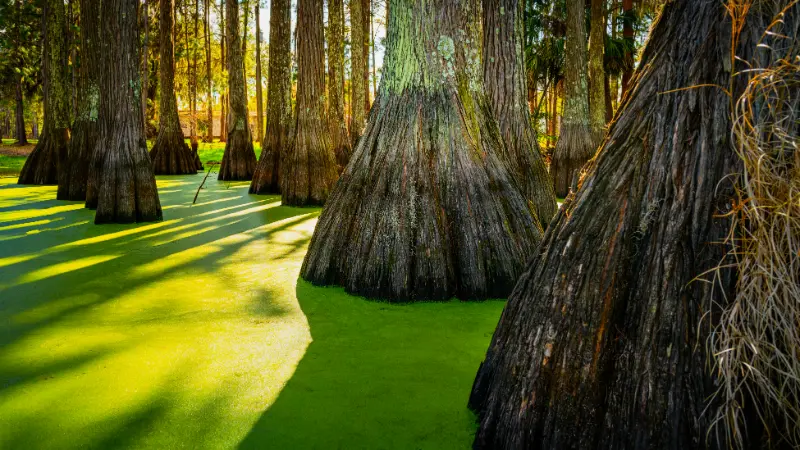
Tallahassee is one of Florida’s most underrated city breaks. The state capital feels very different from Miami, Orlando or Tampa: the landscape is hillier, live oaks frame older neighborhoods, universities shape the local rhythm, and major attractions range from state politics and Spanish-colonial archaeology to wildlife, gardens and clear-water springs. It is a particularly useful destination for travelers who want Florida history and nature in the same trip.
For a first visit, two full days and two nights is the best starting point. One day can cover the Capitol district and one major museum or historic site. A second day lets you choose between north-side gardens, Tallahassee Museum, Wakulla Springs or the St. Marks coast. Families, seniors and road-trippers benefit from the city’s relatively compact scale, but the best nature sites are far enough away that a car is strongly recommended.
Quick planning summary
- Best stay: 2 nights for first-time visitors; 3 nights if adding the coast or a university event
- Main experiences: Florida government, living history, museums, gardens, wildlife, springs and Big Bend scenery
- Car: highly recommended for most travelers
- Best season: late October through April for walking and outdoor sightseeing
- Best for: families, history travelers, multigenerational groups, nature lovers and road-trippers
- Good day trips: Wakulla Springs, St. Marks National Wildlife Refuge and coastal Big Bend communities
Important current-status note
October 2026 information snapshot: this article is scheduled for 2028. Hours, fees, construction zones, exhibit access, boat-tour schedules, trail conditions and wildlife closures can change before publication. Use the practical details below as a verified planning baseline, then check the linked official source shortly before the trip.
Why Tallahassee deserves more than a quick Capitol stop
Many travelers see Tallahassee only as a highway overnight. That misses the city’s strongest advantage: it combines several layers of Florida history in a manageable area. You can learn how state government works, then step into a reconstructed 17th-century Apalachee-Spanish mission, visit a working archaeological landscape, walk formal gardens and end the trip in a cypress-lined spring or Gulf Coast wildlife refuge.
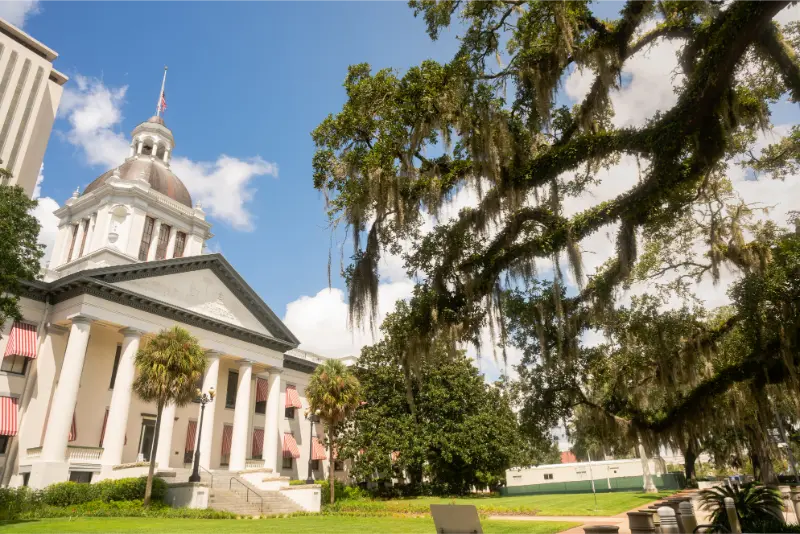
Best things to do in Tallahassee
- Florida Historic Capitol Museum: free and central, ideal for understanding how Florida government evolved.
- Mission San Luis: one of the strongest living-history experiences in North Florida.
- Tallahassee Museum: a large outdoor museum combining regional history, native wildlife and adventure activities.
- Maclay Gardens: especially rewarding during the January–April bloom season.
- Cascades Park: easy downtown green space for a walk, children or an evening reset.
- Goodwood Museum & Gardens: a slower historic-house experience with free grounds.
- Lake Jackson Mounds: a small but culturally important archaeological state park.
- Wakulla Springs: one of the best wildlife-and-water half-days near the city.
- St. Marks NWR: the strongest choice for birding, coastal scenery and a scenic wildlife drive.
How many days do you need?
One day is enough for a focused downtown visit, but it is not enough for both city history and the Big Bend coast. Two days lets you pair government/history with one nature half-day. Three days makes the trip more relaxed and gives you room for a garden, university area or additional museum without rushing.
One-day plan
Start at the Historic Capitol, walk part of downtown, eat lunch nearby, then choose Mission San Luis or Cascades Park depending on your interests. If children are the priority, Tallahassee Museum can replace the afternoon history stop.
Two-day plan
Use Day 1 for downtown and history. Use Day 2 for Wakulla Springs or St. Marks NWR, not both unless you are comfortable with a long outdoor day and additional driving.
Where to stay
Downtown is the easiest base for first-time visitors who want museums, restaurants and government sites within a short drive. The I-10/Thomasville Road side of town works better for travelers prioritizing Maclay Gardens, road access and newer hotels. University-adjacent areas can be lively and convenient, but football weekends and major events can sharply change prices and traffic.
Food and local rhythm
The city mixes Southern cooking, college-town casual restaurants, newer coffee shops and state-government lunch spots. Avoid building a minute-by-minute restaurant plan around government or university districts; event days can change traffic and waiting times quickly.
Official planning resources
For current destination information, use Visit Tallahassee and verify each attraction on its own official site before travel.
Planning the visit for different ages
For mixed-age groups, the best strategy is to combine one high-interest stop with one low-effort stop. Babies and toddlers usually need shade, reliable restrooms and room to reset. School-age children often respond well to animals, reconstructed history and interactive outdoor spaces. Teenagers may prefer zip lines, scenic drives, photography and less structured time. Older travelers often appreciate museums, gardens and boat tours where the experience does not depend on long walks. Accessibility varies widely, especially at archaeological and refuge sites, so check the official accessibility information when mobility is a major factor.
Best season, heat and rain
Late October through April is usually the easiest season for long walks, gardens and wildlife drives. Spring can be especially pleasant, although pollen is noticeable and popular gardens attract more visitors. Summer is hot, humid and storm-prone. Outdoor plans are usually better in the morning, with museums or lunch reserved for the hottest part of the day. The Big Bend coast can also be affected by tropical systems, prescribed burns, flooding and temporary wildlife closures. Check radar and official alerts before driving to a remote site.
Accessibility and low-effort alternatives
Tallahassee has several good choices for travelers who want meaningful sightseeing without long walks. The Historic Capitol, Goodwood grounds, short museum visits and a river boat at Wakulla Springs can all work well when heat, mobility or stamina limits a longer outdoor day. At nature preserves and archaeological parks, surface conditions may include roots, grass, sand or uneven ground. Never assume that a short trail is automatically stroller- or wheelchair-friendly.
What to bring
- Refillable water bottle
- Sun protection and sunglasses
- Light rain layer from late spring through early fall
- Insect repellent for refuges, wetlands and evening walks
- Comfortable shoes for brick, grass, roots and museum floors
- Binoculars for wildlife sites
- Downloaded map for remote Big Bend locations
- A light layer for heavily air-conditioned museums and boat rides
How to combine it with nearby places
For a city-focused day, combine the Capitol area with another North Florida city stop only on a longer road trip rather than the same day. For a slower Nature Coast sequence, Tallahassee connects naturally after Cedar Key.
Common planning mistakes
- trying to combine downtown Tallahassee and the Gulf coast in a tightly timed half-day
- assuming every museum is open seven days a week
- arriving at a state park or refuge without checking current alerts
- scheduling only outdoor stops during a summer afternoon
- treating wildlife sightings as guaranteed
- forgetting that government-area construction can change entrances and parking
How this stop fits a longer Florida road trip
Tallahassee works well as a two-night break between North Central Florida and the western Panhandle. Travelers coming from Cedar Key or Ocala should avoid treating the drive as dead time: the landscape changes noticeably as you move into pine forest, rolling terrain and the Big Bend. If you are continuing west, use Tallahassee for history and food, then dedicate a separate half-day to Wakulla Springs or St. Marks rather than squeezing them into departure morning.
Final planning advice
Build the day around one anchor experience and leave at least one hour unassigned. Tallahassee rewards curiosity more than speed: an unexpected legislative exhibit, wildlife sighting, garden in bloom or slower lunch often becomes more memorable than the attraction you originally thought would be the highlight.
A more realistic way to plan the day
Tallahassee and the surrounding Big Bend are easier to enjoy when you plan by geography rather than by attraction count. Downtown history, north-side gardens, west-side museums and the coastal wildlife corridor south of the city are not all next door to one another. Traffic is usually manageable compared with South Florida, but parking, state-government schedules, heat and afternoon storms can still turn an overpacked day into a rushed one.
Count transitions as part of the itinerary. Parking, security checks, walking back to the car, changing clothes after water activities and waiting for a tour all consume time. A day with two strong stops and an unhurried meal is usually more satisfying than four attractions connected by constant driving. This is especially true in summer, when heat and thunderstorms make the middle of the day less predictable.
Budget and value
Tallahassee can be a relatively affordable Florida destination because several major sites are free or low-cost. Spend where it improves the experience: a guided boat at Wakulla Springs, a timed historic-house tour or a family attraction may be worth more than adding several minor paid stops. Free parks and museums are most valuable when they match your interests, not simply because they cost nothing.
Photography and wildlife etiquette
Use a longer lens or binoculars instead of approaching wildlife. At historic and archaeological sites, stay on public routes and do not move objects for photographs. Tripods, commercial shoots and drones may be restricted, especially on government property, in museums and on federal wildlife refuges. When in doubt, ask before setting up equipment.
Food, water and restroom planning
Downtown Tallahassee has many food options, but remote parks and refuges do not. Carry water in the car and never assume that a visitor center, cafe or vending area will be open simply because the outdoor site is accessible. Families with young children should identify the last reliable restroom before driving toward a refuge or spring.
If the weather changes
Keep one indoor backup in mind. The Historic Capitol, a house museum or another city attraction can replace a stormy outdoor block. After lightning passes, do not immediately resume swimming or exposed-trail activities unless staff or official alerts indicate conditions are safe. A flexible itinerary is a strength, not a failure to plan.