Category: Florida Travel Guides

  • Three Days in St. Pete Beach and Pass-a-Grille: Gulf Sunsets, Fort De Soto and an Unhurried Getaway

    Three Days in St. Pete Beach and Pass-a-Grille: Gulf Sunsets, Fort De Soto and an Unhurried Getaway

    St. Pete Beach offers a friendly Gulf resort atmosphere, while Pass-a-Grille at its southern end has the character of a small historic beach neighborhood. Nearby Fort De Soto Park adds protected coastal scenery and a chance to see a different side of Pinellas County. These places can fill three days without traveling repeatedly across Tampa Bay. The trick is to choose where to stay, understand beach parking, and resist the temptation to add downtown St. Petersburg, Clearwater, and every barrier-island town to the same weekend.

    Three-day itinerary at a glance

    DayRecommended focusEasy alternative
    Day 1Main St. Pete Beach and Gulf sunsetWalk from a practical base
    Day 2Historic Pass-a-GrilleChoose lunch or a boat excursion
    Day 3Fort De Soto or easy departurePark morning or favorite beach

    Choose a base that fits how you spend an evening

    Central St. Pete Beach has a mix of resorts, restaurants, and beach access points. It is a practical choice if you want an easy return to your room for naps, showers, or a break from the sun. Pass-a-Grille has smaller-scale accommodations and a more relaxed neighborhood atmosphere, but the choice of rooms can be limited and some older buildings may not offer the accessibility features of a modern resort. Look at actual room categories, beach paths, parking, and elevator details instead of relying only on photographs of the building exterior.

    Many visitors will be happiest staying in the same accommodation for all three nights. A kitchen and laundry can be useful for a family, but check cleaning and resort fees. Ask about included parking, whether the room is truly Gulf-facing, and how far the nearest legal public beach entrance is from the lobby. Travelers using mobility aids should confirm bathroom features and firm pedestrian routes. If you prefer quiet evenings, avoid a room directly beside a busy entertainment area. A higher nightly rate may be justified if it reduces transfers and provides a comfortable place to rest.

    Day one morning: discover the main St. Pete Beach shore

    Begin with a morning on St. Pete Beach. Choose a public access such as an officially listed beach park or stay close to your hotel's approved entrance. Arriving early helps with parking and temperature. Bring sun protection, water, and shade; even a gentle-looking Gulf beach can be hot and exposed. Watch local safety information about swimming, currents, storms, and lifeguard coverage. Children need careful supervision near the water, and nobody should assume that a resort beach automatically has lifeguards.
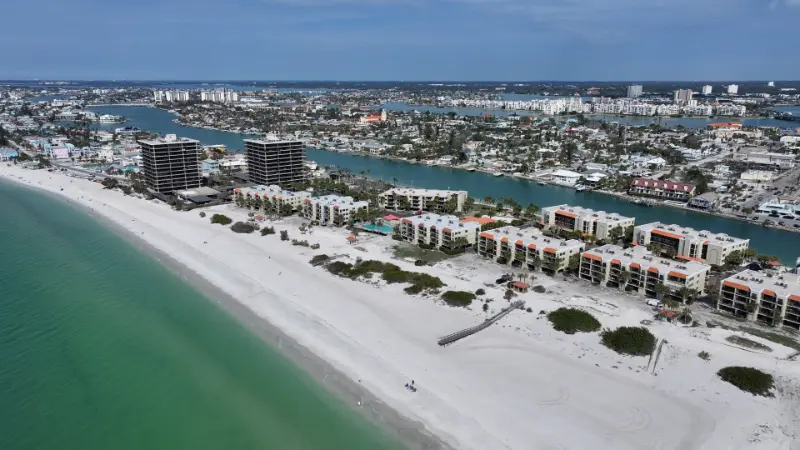
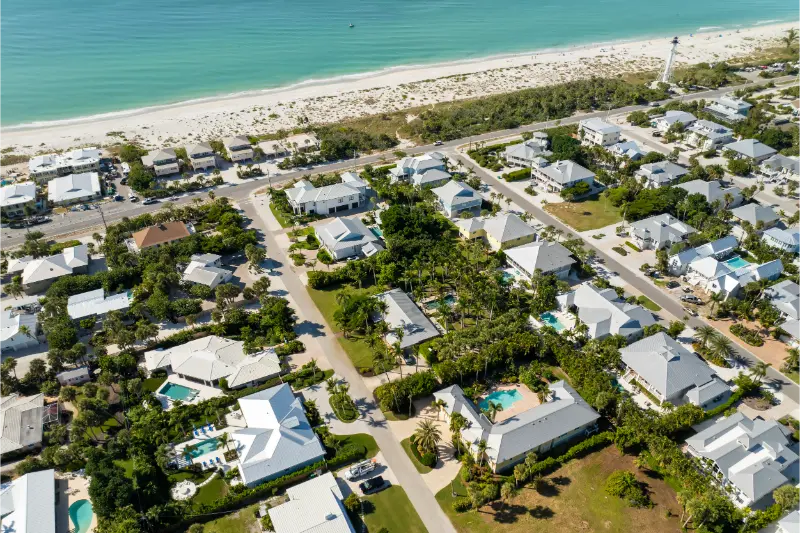
    Saint Pete Beach Florida Gulf Coast Aerial View

    Spend time getting to know one stretch of coast instead of moving your belongings several times to compare beaches. A short walk and a swim, when conditions are safe, can be enough. Visitors who do not swim may appreciate a chair with a good view or a paved promenade. For anyone who has difficulty crossing sand, ask local authorities or the accommodation about beach-wheelchair services and accessible mats. The distance between a parked car and the waterline can be substantial even when a parking place is close to the coast.

    Day one afternoon: rest, then enjoy the sunset

    After lunch, take a proper break at the hotel. This is especially important in summer, when humidity and afternoon thunderstorms can make a long beach day uncomfortable. Later, return to the Gulf for the changing evening light. A beach sunset is one of the most enjoyable low-cost experiences in this area, but there is no need to book an expensive cruise to appreciate it. Choose a familiar, safe access point and check when it will be comfortable to return to the accommodation.

    If you are interested in a sunset sailing trip, consider it as a substitute for the shore walk, not necessarily an additional activity. Ask the operator about the departure marina, boarding steps, restroom, length of trip, and weather policy. Families with very young children or older adults may prefer a quiet table with a Gulf view. Restaurants can be popular after sunset, so dining early may reduce waits. The goal is an evening that feels relaxed, not a sequence of hurried reservations.

    Day two morning: explore historic Pass-a-Grille

    Spend your second morning in Pass-a-Grille, where the scale feels different from central St. Pete Beach. The historic district near 8th Avenue has small businesses and an appealing coastal neighborhood atmosphere. It is a place for a walk, a coffee, and a few hours enjoying both the Gulf and the nearby bay-side setting. Parking is limited in some areas, so check the current metered spaces and legal restrictions before arrival. Do not assume a residential-looking street is open for unlimited beach parking.

    A short self-guided walk is often the most satisfying way to visit. Children can compare this quieter neighborhood with the larger resort beach, and adults interested in local history may enjoy observing its smaller buildings and streets. People with limited mobility should choose a compact route with a café or seated stop rather than setting out to walk the whole district. Avoid private docks and marked access restrictions. Pass-a-Grille's attraction is its human scale; racing through it to make a distant afternoon booking rather misses the point.

    Day two afternoon: choose one boat activity or simply linger

    From the Pass-a-Grille area, some visitors may want a boat excursion, while others would rather enjoy an unhurried lunch and another beach session. Boat tours can be memorable for observing the coast, but the actual launch location, duration, and amenities matter. Ask about seasickness, shade, restrooms, flotation equipment, and whether boarding is possible for a passenger with reduced mobility. Don't assume a vessel described as family-friendly is suitable for babies or every wheelchair user.

    If no one is enthusiastic about going on the water, spend the afternoon in the neighborhood. The nearby bay and Gulf provide varied coastal views without another major attraction. A family with a toddler may benefit from returning to the hotel for a nap; teenagers may enjoy choosing a supervised activity on the beach when conditions permit. Storms or high winds can disrupt water trips, and an easy land-based alternative prevents disappointment. Your second day is successful if everyone has time to appreciate Pass-a-Grille, even without buying a tour.

    Day three: Fort De Soto Park as a nature highlight

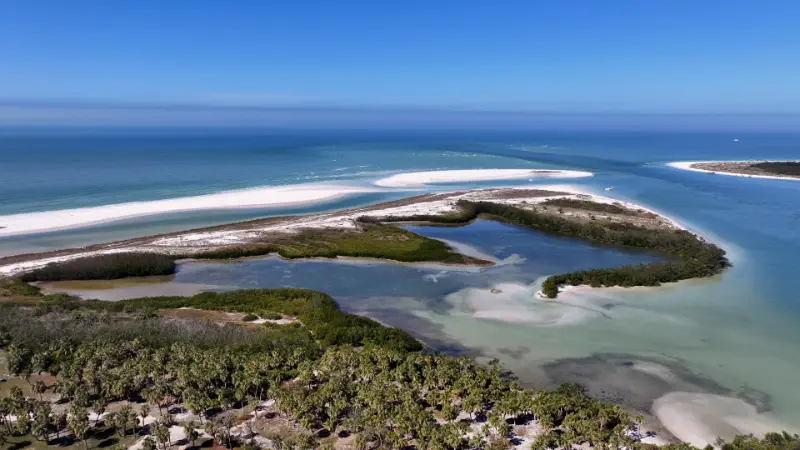
    Fort De Soto Park lies to the south and offers a different kind of Gulf Coast visit, with natural shoreline, birdlife, and a park setting rather than rows of resort hotels. It is a strong final-day choice for visitors who enjoy a scenic beach, a short trail, or coastal ecology. Check the county's current information for park access, parking fees, any roadway tolls, facilities, and storm-related restrictions. The drive requires leaving St. Pete Beach proper, so allow time and avoid underestimating the distance between parking areas within a large park.

    Choose one area of Fort De Soto that best suits your group rather than trying to explore the whole park on foot. Birdwatchers may want a short habitat walk; families might prefer a designated beach. Swimmers must follow the specific conditions of the day, and visitors should stay away from nesting birds or marked dunes. People with limited mobility should verify which areas have firm paths and accessible restrooms. If heat, insects, or weather make a long outing difficult, an hour at a suitable viewpoint can still make the visit worthwhile.

    An easier day-three alternative for a short departure

    If you must leave on the third afternoon, Fort De Soto may be too much. Instead, revisit the beach nearest your hotel for breakfast and a short walk. You will already know which entrance, café, and parking arrangements work. This is often a better conclusion for a family with young children or a group carrying luggage. If you need to check out before heading to the airport, ask about luggage storage and whether you can use a changing room after the beach.

    Do not schedule another paid water activity on a tight departure morning. Boat returns may be delayed by conditions, and causeway traffic can add uncertainty. Confirm the route to your departure airport and the rental car return procedures in advance. A final quiet hour overlooking the Gulf can be more meaningful than one more attraction ticket. The central attraction of the weekend is the coast itself, and you do not need to leave it constantly to have a full experience.

    Families, couples, and people who prefer a slower pace

    For babies and preschool children, one morning beach outing followed by a rest is a sound daily rhythm. Bring water, snacks, and enough shade, and choose rooms where feeding and changing are easy. With older children and teenagers, a supervised paddle or other appropriate water activity may be appealing, but understand safety restrictions and operator requirements first. Everyone should leave the shore when lightning threatens; the sea and open sand are not places to wait out storms.

    Couples might prefer a small inn in Pass-a-Grille, an early dinner, and two sunset walks. Senior visitors may value an ocean-facing room where they can enjoy the view without traversing soft sand repeatedly. For people with reduced mobility, ask about elevator access and the complete route to outdoor areas rather than relying on a general accessibility claim. Multigenerational groups can split for a few hours: some enjoy the beach while others rest or browse nearby. A shared dinner is enough to bring everyone back together.

    Local travel, trolley options, and parking costs

    The coast has public transport options such as the Suncoast Beach Trolley and the SunRunner connection between St. Pete Beach and downtown St. Petersburg, but operating hours and stops need checking for your exact dates. Transport is most convenient when your accommodation is close to a suitable stop. If the plan is mainly beach and Pass-a-Grille, you may not need to drive every day; for Fort De Soto a car or carefully arranged transfer is often more practical. Never rely on a service's existence without verifying that it serves the places and hours you need.

    Parking can become a meaningful expense, particularly when moving between public beach areas. Check current payment systems and time restrictions before leaving the car. Hotel parking may also cost extra, so compare total accommodation rates rather than room-only prices. To keep costs under control, make sunset walks and park time the core of the holiday, then select a single paid excursion if desired. A beautiful trip here does not need a long list of commercial attractions.

    Choosing the right season and respecting the shore

    Warm months offer long beach days but also strong sun, humidity, and the possibility of sudden thunderstorms. Winter can be excellent for walks, quiet dining, and scenery, even when the Gulf feels too cool to swim. Holiday periods and popular travel weeks affect the availability of rooms and parking. Monitor the local forecast and the condition of public beach approaches, especially after storms. Water safety rules and current coastal notices always matter more than assumptions about a normally calm Gulf.

    These barrier islands are also habitat. Respect bird nesting zones, dune vegetation, and sea turtle protections, and do not leave food or plastic waste on the sand. At Fort De Soto, keep your distance from wildlife and remain on approved paths. A trip built around seeing birds, beaches, and sunsets works best when visitors give natural areas room to function. The coast's quiet moments are often the ones people remember most vividly.

    Check these details before confirming your trip

    Confirm your accommodation's beach access, elevator and bathroom features, total resort and parking charges, and cancellation rules. Look up the current Pass-a-Grille parking guidance and Fort De Soto Park access information. If booking a boat, ask about the precise dock, check-in deadline, weather refunds, and passenger needs. Travelers without cars should study actual transit routes rather than relying on broad claims that the whole coast is walkable.

    A three-day visit can be as simple as central St. Pete Beach on the first day, Pass-a-Grille on the second, and Fort De Soto or a favorite beach on the third. That is enough variety for most visitors. Leave space for a late breakfast, a long conversation, and an unplanned stop when the light on the Gulf looks beautiful. St. Pete Beach and Pass-a-Grille are best enjoyed when you let them feel like a beach vacation, not a transportation project.

    Frequently asked questions

    Are St. Pete Beach and Pass-a-Grille different towns?

    Pass-a-Grille is a historic beach neighborhood at the southern end of St. Pete Beach.

    Can the SunRunner reach downtown St. Petersburg?

    Its service connects St. Pete Beach and downtown St. Petersburg; verify current route and hours.

    Must we visit Fort De Soto?

    No. It is a rewarding nature option, but another familiar beach morning can be better for a short departure day.
    Official visitor information

  • Five Relaxed Days in Punta Gorda and Boca Grande: Harbor, Beaches and History

    Five Relaxed Days in Punta Gorda and Boca Grande: Harbor, Beaches and History

    Southwest Florida can be appealing even when you have no interest in a big theme park or a packed beach-resort schedule. Punta Gorda sits beside Charlotte Harbor, with waterfront parks, casual restaurants and a compact center. To the northwest, Boca Grande on Gasparilla Island has a different atmosphere: a historic island town, beaches and a lighthouse near the entrance to Charlotte Harbor. Together they offer a five-day vacation built around short outings, gentle scenery and local history.

    This itinerary suits couples, multigenerational families and travelers who want a slower rhythm. It is not a promise of empty beaches or guaranteed wildlife sightings. Water quality, weather, opening hours and the condition of coastal paths can change. Choose Punta Gorda as the main base and make Boca Grande one well-planned day trip, rather than relocating hotels for a relatively short vacation.

    Why Punta Gorda makes a comfortable five-day base

    Punta Gorda offers a useful balance between waterfront areas and everyday services. You can enjoy a short promenade, have dinner near the harbor, buy groceries and return to the same accommodation each night. Visitors who prefer a kitchen, laundry or a quieter residential environment may consider a vacation rental, while a central hotel could reduce driving for evening meals. Compare the final cost and convenience of each option rather than selecting solely by a waterfront photograph.

    This is not an island beach stay. Charlotte Harbor is a large estuary, and a harborfront path is different from an open Gulf swimming beach. If swimming and long sand days are the main goal, another base may suit you better. Boca Grande provides an appealing beach day within this plan, but crossing to Gasparilla Island requires a toll bridge and may involve busy parking periods.

    Check hotel accessibility, parking and storm-related cancellation conditions carefully. Southwest Florida’s coast can be affected by hurricanes and other storms, and some facilities may be undergoing repairs. Official park or business status should take priority over old travel photographs. Choosing a convenient base gives you the flexibility to adjust your schedule without moving all your belongings.

    Day one: settle in and enjoy Laishley Park

    After arrival, spend your first outing close to the center of Punta Gorda. Laishley Park offers harbor views and space to stretch your legs without committing to a long walk. The city’s official park listing describes seating, pathways and other amenities. Choose a small section that feels comfortable, especially if traveling with a stroller or someone who tires easily.

    Have a casual meal nearby and enjoy watching boats from a permitted viewing area. The harbor is a working waterfront, so respect marina boundaries and never let children approach the edge unattended. If the weather is humid, take a short walk and return to your room. No one needs to complete an entire waterfront route on the day they arrive.

    Use the evening to identify a grocery store and check tomorrow’s plans. A family might enjoy buying picnic supplies, while a couple may prefer a restaurant reservation. If you are arriving after dark, simply rest and move the park visit to the following morning. A relaxed plan should not penalize you for a delayed flight.

    Day two: Harborwalk and Fishermen’s Village

    Punta Gorda’s Harborwalk connects several waterfront areas, but that does not mean every traveler must walk its entire length. The city describes Harborwalk as a route along Charlotte Harbor with connections to parks, restaurants and other points of interest. Construction and repair work may affect segments, so choose an open section and confirm conditions before leaving.

    A good day could involve a short morning walk near Gilchrist Park, a stop to look at the harbor, and lunch around Fishermen’s Village. The waterfront shopping and dining complex is useful for a relaxed afternoon because visitors can choose different shops or simply enjoy the setting. Check Fishermen’s Village’s official site for current individual business hours. An advertised complex opening time does not mean every restaurant or service follows exactly the same schedule.

    For a family, break the day into two separate outings with a midday rest. For older travelers, plan seating and accessible parking at each end rather than assuming a long continuous walk is comfortable. You may find that a favorite moment is simply watching the light change over the harbor while enjoying a drink in the shade.

    Day three: meet the region’s wildlife and its conservation challenges

    The Peace River Wildlife Center is an educational stop for visitors interested in local birds and rehabilitation. Its public programs help explain why injured wildlife needs specialized care and why visitors should not try to keep or feed wild animals. The center’s official contact and visitor page lists public visits at its education center on Ponce de Leon Parkway, with daily visiting hours, and notes restrictions on pets.

    Treat this as a conservation visit, not a show. Animals are present because of rehabilitation or educational circumstances, and the center should be respected as a working wildlife organization. Families can discuss common threats to birds: fishing line, vehicle collisions, habitat loss and inappropriate feeding. Children should follow instructions, remain calm around enclosures and avoid demanding that animals approach them.

    Pair the center with a nearby park or easy meal if conditions allow, then return to the hotel. If a member of the group prefers natural landscapes, consider another local public preserve with an appropriate short trail, but verify parking, water access and mosquito conditions. The point is to learn about the area without turning the day into a long driving circuit.

    Day four: Boca Grande and Gasparilla Island State Park

    This is the most distinctive day trip of the week. Leave Punta Gorda after breakfast and travel to Gasparilla Island, which is linked to the mainland by a toll bridge. Drive carefully through the historic town of Boca Grande, observing speed limits and parking restrictions, then select one beach or heritage stop. The island feels different from Punta Gorda: the harborfront gives way to Gulf views and a compact village atmosphere.

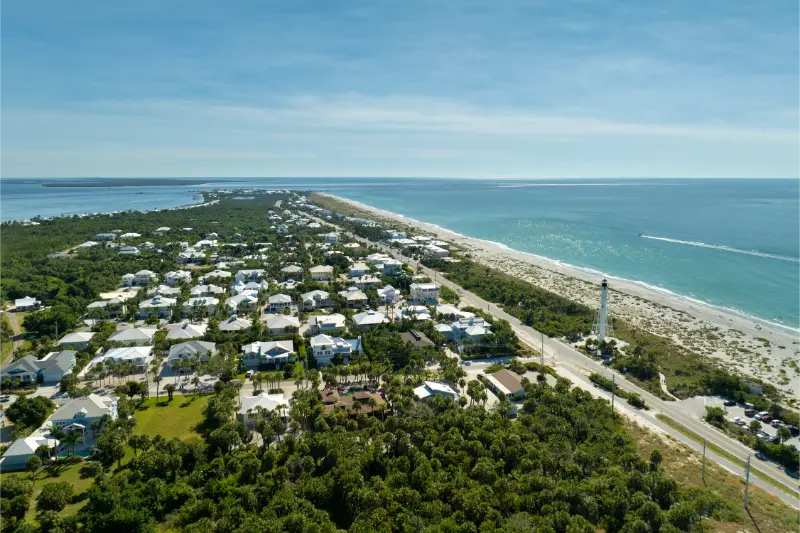
    Boca Grande Florida Luxury Beachfront Mansions Aerial

    Gasparilla Island State Park protects a coastal area near Boca Grande Pass. The park’s official information explains admission and opening arrangements. As of October 2026, it also describes updated electronic fee-payment procedures at certain parking areas, so visitors should follow the current signs rather than relying on old cash-only instructions.

    The Port Boca Grande Lighthouse and its museum are an interesting way to connect the scenery to the island’s maritime and economic history. Museum hours differ by season and can change on holidays; consult the official hours page before visiting. Do not confuse a museum visit with climbing a tall lighthouse tower: the historic structure and visitor experience are different from the famous high-climb Atlantic lighthouses.

    Make the Boca Grande beach stop safe and manageable

    Boca Grande Pass and nearby Gulf waters may look inviting, but currents, boat traffic and changing conditions mean that a beach visit requires local judgment. Choose a designated public beach area and consult any current warnings. Do not swim near fishing activity or in areas with hazardous currents, and never assume that the absence of waves means the water is safe.

    If your group includes a young child, choose a short sand visit with shade, water and easy access to restrooms. If someone has mobility limitations, investigate the specific route from parking to the beach rather than relying on a general statement that the park has accessible amenities. A view from a permitted paved area may be more comfortable than crossing soft sand. Avoid entering protected dunes or approaching shorebirds.

    After lunch, consider a brief walk or drive through Boca Grande’s village area before returning to Punta Gorda. Island parking and restaurant hours can vary with the season, so allow flexibility. Do not combine this day with a distant second island; Boca Grande deserves time at its own pace.

    Day five: Gilchrist Park, a café or simply the way home

    Use the last morning to enjoy the part of Punta Gorda that appealed to your group most. Gilchrist Park, on the harborfront, has public green space, seating and recreational amenities according to the city’s current listing. Choose a short section of the path or stop for photographs of the water. If you already visited it on day two, consider returning at a different hour rather than adding another distant attraction.

    For children, a playground visit or relaxed family breakfast can be enough. For couples, an early waterfront coffee may feel like a memorable end to the trip. For older travelers, prioritize an easy checkout and an unrushed transfer. The point is to finish feeling rested, not to force a final ticketed experience into the schedule.

    If the flight or drive home starts early, skip the park completely. Double-check luggage, medication and the route to the airport. Leave a sensible buffer for traffic and rental-car return if relevant.

    How to plan with children, grandparents and mobility needs

    Punta Gorda works best when every traveler can opt into the day’s main activity. A toddler may prefer a short park stop and a nap. School-age children may enjoy the wildlife center and lighthouse history. Teenagers could take responsibility for navigation or choosing a restaurant. Grandparents may appreciate seating and predictably short walks rather than long days on sand. Each person has a different limit; no one should be required to complete an outing simply because it appears in a travel plan.

    Accessible lodging is particularly important if walking or transfers are difficult. Ask about elevator access, parking proximity, bathroom layout and step-free routes before booking. A waterfront property can have an excellent view and still present stairs or uneven surfaces. For a beach day, confirm current accessible access options with the actual state park or local authority.

    For wildlife, maintain distance from birds, dolphins and other animals. Do not feed them or approach protected habitats. Beaches and harbors are working ecosystems, not petting zoos. If someone wants a guided boat trip, check operator credentials, sea conditions, boarding steps, life-jacket provisions and refund rules before reserving.

    When to go and what a five-day stay might cost

    The cooler months may be pleasant for waterfront walking, although winter sea temperatures can be lower than visitors expect. Summer often brings heat, humidity and afternoon thunderstorms. During hurricane season, monitor official advisories and keep accommodation and excursion cancellation rules in mind. The National Hurricane Center and National Weather Service are more reliable than broad social media predictions.

    Your main expenses will be accommodation, transportation, meals and any optional tours or museum admissions. Punta Gorda provides opportunities for low-cost waterfront time, while the island bridge toll, state-park admission and parking need to be included in the Boca Grande day. A self-catering room can reduce food spending but may not be cheaper after cleaning and resort-style fees are added.

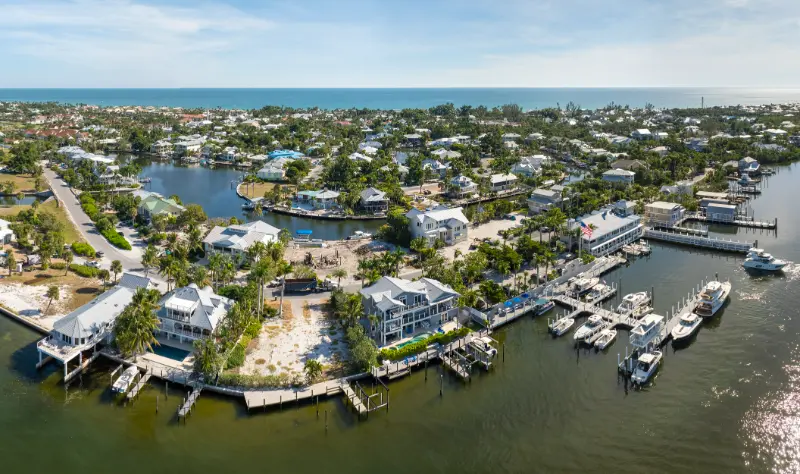
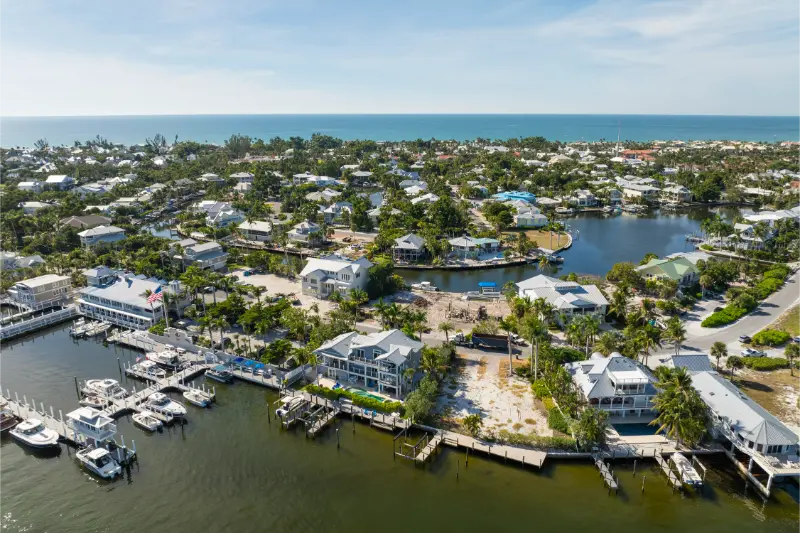
    Boca Grande Florida Tropical Waterfront Houses Aerial
    Day Main outing Planning reminder
    1 Laishley Park Start gently after arrival
    2 Gilchrist Park, Harborwalk, Fishermen’s Village Check open walkway sections
    3 Peace River Wildlife Center Observe animals respectfully
    4 Boca Grande and Gasparilla Island State Park Allow for bridge toll and parking
    5 Favorite waterfront café or park Keep departure simple

    For visitors who need a pure swimming vacation, the area may not be the strongest match. For those seeking a mix of harbor scenery, island history, accessible-minded planning and restful evenings, it offers a distinct alternative to Florida’s busiest destinations.

    Frequently asked questions

    Is Punta Gorda a good base for Boca Grande?

    Yes. It allows visitors to enjoy Charlotte Harbor’s city waterfront and make a separate day trip to Gasparilla Island without changing hotels.

    Do you need to pay to drive onto Gasparilla Island?

    Yes, the bridge has a toll, and state-park admission may be a separate cost. Check the operator’s and park’s current payment rules before visiting.

    Is this itinerary suitable for someone who cannot walk on sand?

    It can be adapted around harborfront viewpoints, parks and cultural stops, with a shorter Boca Grande visit. Confirm exact accessible routes and facilities with individual venues.

  • Florida State Park Pass vs National Park Pass in 2026: What International Visitors Should Buy

    Florida State Park Pass vs National Park Pass in 2026: What International Visitors Should Buy

    Florida has both state-managed parks and federally managed national park sites, but one entrance pass does not unlock them all. This distinction has become particularly important in 2026, when federal America the Beautiful passes have different resident and nonresident prices and Everglades National Park is among the national parks charging an additional nonresident fee to eligible visitors without qualifying coverage. A family arriving from another country should not buy an expensive pass merely because it looks official. First list which places you will actually enter, identify which agency manages each place, check the current entrance rules and work out the cost for your group. The right decision may be a Florida State Parks pass, a federal pass, individual tickets or no pass at all.

    Two park systems, two separate rules

    Florida State Parks are managed by the state and include destinations such as Honeymoon Island, Bahia Honda, Blue Spring and many historic and natural areas. Their day-use entrance fees and state annual passes are administered through Florida’s park system. Everglades National Park, Biscayne National Park and Dry Tortugas National Park belong to the National Park Service, a federal agency. Big Cypress National Preserve is another federally managed destination. The federal America the Beautiful pass applies at participating federal recreation sites; it does not cover entrance to Florida State Parks or local county beaches. Conversely, a Florida State Parks pass does not waive the federal Everglades entrance fee or its nonresident charge. Write the park operator next to each proposed stop before calculating pass savings.

    Florida State Parks individual annual pass

    The Florida State Parks individual annual entrance pass is listed at $60 in the current official program. It covers the named passholder’s day-use entrance in lieu of the standard fee at participating state parks. Additional people accompanying the passholder usually pay $2 each, with important exceptions. The passholder must be present, and the pass is not transferable. The state notes special rules for Ellie Schiller Homosassa Springs Wildlife State Park and Weeki Wachee Springs State Park; these attractions should not be budgeted as ordinary free admission for everyone. An individual pass may work well for a solo traveler who intends to visit many state parks over several months. A couple should compare actual admissions rather than automatically purchasing two individual passes.

    Florida State Parks family annual pass

    The Florida State Parks family annual pass is officially listed at $120. At many participating parks it provides day-use entrance for a group of up to eight people, with conditions for vehicles and people entering on foot or by bicycle. The named passholder must be present. Importantly, special limits apply at Homosassa Springs and Weeki Wachee Springs, where the family pass admits up to two people including the holder. Additional local charges and activity fees may still apply. A family of four visiting six separate participating parks might find the pass useful, but a group making just two inexpensive state-park stops may be better off buying daily admissions. Verify each park’s current day-use charge and remember that camping and many guided activities are not included.

    The federal 2026 resident and nonresident prices

    Starting January 1, 2026, the federal annual pass has separate pricing tiers. The resident America the Beautiful annual pass costs $80 and requires qualifying U.S. citizenship or residency, supported by appropriate identification. The nonresident annual pass costs $250 and is intended for visitors who do not qualify for the resident version. It is not enough to be over 62, to own a vacation home or to have visited the United States frequently. The federal agency establishes eligibility, and international travelers should assume they need the nonresident product unless they genuinely have qualifying status. The pass covers applicable entrance or standard amenity fees at participating federal sites according to the posted terms. It does not pay for every tour, campground or concession.

    Why Everglades matters for international visitors

    Everglades National Park is one of eleven national parks listed by the National Park Service for an additional $100 nonresident fee per visitor aged sixteen or older, on top of normal entrance charges, where the visitor lacks applicable pass coverage. This is highly relevant to a European family planning a day near Miami or Homestead. A valid 2026 nonresident annual pass covers the entrance fee and the additional nonresident charge for its applicable group according to park rules. For a private vehicle site, the federal program generally covers the passholder and vehicle occupants under the pass terms. Children under sixteen do not pay the additional nonresident fee. Check the National Park Service’s current policy immediately before purchase, especially if group composition or transport arrangements differ.

    Florida International University Miami Aerial View

    What about Biscayne and Dry Tortugas?

    Biscayne National Park’s experiences are heavily water-based, and many of its paid activities involve third-party boat operators or guided excursions rather than a simple gate payment. A federal annual pass does not automatically cover the price of a boat tour, snorkel outing or special program. Dry Tortugas National Park requires a boat or seaplane journey from Key West, and transportation costs can dominate the entire day’s budget. Whether a federal pass reduces a specific park admission is not the same question as whether it covers travel to the island. Ask the authorized operator about fare components, park fees and any pass discount before paying. A $250 pass is poor value if the supposed savings relate to transport that the pass does not cover.

    A worked example for one adult

    Imagine a non-U.S. resident traveling alone and considering one day at Everglades, two state-park visits and one county beach. The state parks charge their own daily entrance fees. The county beach may involve parking rather than a state-park entrance fee. Everglades may involve a standard entrance charge plus the additional 2026 nonresident fee. Buying the $250 federal pass purely for one Everglades day may not make financial sense, depending on actual entrance charges and future park plans. A $60 state individual pass may also be unnecessary for just two state-park stops. Use the official fee pages to build the calculation with the dates and mode of entry. The example shows why mixing different types of parks into one ‘park budget’ is misleading.

    At a glance: practical comparison

    DecisionOption or featureWhat to check
    State individual annualFlorida State Parks / $60Named passholder, subject to exceptions
    State family annualFlorida State Parks / $120Usually up to eight, exceptions apply
    Federal resident annualParticipating federal lands / $80Qualifying U.S. residents only
    Federal nonresident annualParticipating federal lands / $250Non-U.S. residents; 2026 rules

    A worked example for a family of four

    For a family of two adults and two children younger than sixteen traveling from abroad, the Everglades nonresident surcharge is not the same as for four adults, since the extra charge applies to those aged sixteen and older. A federal nonresident pass at $250 may still be worth considering if the itinerary includes additional eligible federal sites or more park visits; compare with the pay-as-you-go total. On state park days, calculate the daily fee for the family vehicle at each destination and compare that total with the $120 family pass. If the family intends to visit Homosassa Springs or Weeki Wachee, apply those parks’ special admission rules instead of assuming all four people are covered. A careful spreadsheet or handwritten list is more reliable than multiplying one advertised daily ticket by every person.

    State parks that require separate reservations

    An annual pass does not guarantee that a visitor can arrive at any state park whenever they wish. Some Florida State Parks introduced reservation-based day-use entry during 2026. Blue Spring, for example, uses a reservation system for designated entry arrangements, and other high-demand parks may have similar requirements. Always visit the individual park’s official page before setting out; rules can differ by season, activity and whether the visitor has a separate admission or pass. The state annual pass replaces eligible entrance charges, not capacity restrictions, time slots, campsite reservations or special-use fees. This matters most for families who would otherwise drive a long distance and discover that they cannot enter. Book any required day-use reservation separately and keep a copy accessible when mobile signal is weak.

    Camping, equipment and tours are separate costs

    Neither the state annual entrance pass nor the federal annual entrance pass should be treated as an all-inclusive outdoor vacation membership. Camping fees, RV connections, cave tours, boat excursions, kayak rental, special events and concession services often remain payable. Federal senior passes can confer selected benefits, but eligibility is restricted and should not be confused with a universal age-based discount for international tourists. Florida State Parks offers certain reduced-fee programs with their own residency requirements. Before booking a multi-park trip, separate costs into entrance, reservations, lodging, guided activities and transport. A pass may save money on one category while leaving the larger expenses unchanged. Comparing the full total prevents disappointment at the ticket desk.

    Where to purchase and how to use the pass

    Florida State Parks annual passes can be purchased through official channels or at participating park stations, subject to availability. The park system has instructions on temporary passes and physical validation; a screenshot of a sales confirmation is not automatically accepted as entry. For federal passes, the USGS store and Recreation.gov provide official options, including digital passes under the program’s rules. A mailed physical pass needs enough shipping time, and a receipt alone may not substitute for the pass. Carry identification because a named holder must be able to demonstrate eligibility and presence. Avoid third-party sites promising an unofficial ‘Florida all-parks pass.’ Always compare the official domain, pass name, terms and current price before entering payment information.

    How to combine state and federal parks in one itinerary

    A South Florida itinerary might pair Everglades National Park with a day at a coastal state park and a separate county beach. Another week could include state parks near Orlando and one trip to a federal site. Write down the actual places and classify them: federal, state, county, city or private attraction. Check entrances, parking, reservations and whether any fee is per vehicle or per person. If the federal visit is a commercial guided tour, ask how the operator handles pass eligibility and nonresident charges. Keep enough margin for weather; a boat-dependent excursion might be canceled while a state-park historical stop remains accessible. A pass only saves money when you really visit the locations it covers.

    Accessibility, children and senior travelers

    The best park-pass plan for a family is not necessarily the one that creates the most visits. A group with a wheelchair user may prefer two parks with confirmed accessible routes over six quick stops. Ask about accessible parking, restrooms, beach mats and tour options before calculating savings. For young children, consider drive time, shade and the distance between entrances and attractions. Adults over 62 should not assume U.S. federal Senior Pass eligibility when they are visiting from another country. Likewise, a family pass does not guarantee reduced tour fees for every child. Prioritize meaningful, comfortable visits rather than buying a pass and feeling pressure to rush between sites to justify the purchase.

    The decision checklist for 2026

    Start by listing destinations and management agencies. Next, write down the standard admission for your specific group and vehicle, any nonresident surcharge and every required reservation. Mark which visits are likely to happen and which are optional. Add the cost of the applicable pass, including shipping or processing charges when relevant. Count savings only where official terms confirm coverage. Make a different decision for federal and state passes; buying both can be useful for a long trip, but it is rarely automatic for a short vacation. Finally, recheck the official details shortly before travel because prices and systems can change. A pass is a tool for a planned itinerary, not a substitute for choosing what you actually want to see.

    Frequently asked questions

    Does a Florida State Parks pass cover Everglades National Park?

    No. Everglades is federally managed. Florida State Parks annual passes and America the Beautiful federal passes are separate products.

    Can a tourist from Europe buy the $80 federal resident pass?

    Not without qualifying U.S. citizenship or residency documentation. The federal nonresident annual product is priced separately at $250 in 2026.

    Will the pass cover my boat trip to Dry Tortugas?

    Do not assume so. Ask the authorized boat or seaplane provider which components of the fare, if any, qualify for a pass benefit.

  • Florida Stargazing and Dark Sky Guide: Best Places, Camping, Meteor Showers and Night-Sky Planning

    Florida Stargazing and Dark Sky Guide: Best Places, Camping, Meteor Showers and Night-Sky Planning

    Florida’s night sky can be surprisingly impressive once you move away from the major metro areas, and the best stargazing trips combine low light pollution with legal after-dark access and simple weather planning.

    Florida Stargazing and Dark Sky Guide is best approached as a trip-planning framework rather than a checklist. Florida is large, conditions vary by region, and many of the most memorable experiences depend on timing, weather, reservations, mobility needs and the pace of the people traveling with you.

    This guide is written for travelers of many ages and abilities. It includes practical choices for families with young children, teenagers, couples, solo travelers, senior visitors and multigenerational groups, while avoiding the assumption that every traveler wants the same level of activity.

    Quick planning summary

    • Best approach: Choose the legal access first, then the darkest sky. Camping is often the simplest option because many parks close at sunset. Check moon phase, cloud cover, wind and dew, and arrive before dark so you can learn the site layout safely.
    • Who it suits: Families can make stargazing work by choosing an early evening session rather than waiting until midnight. Senior travelers may prefer a campsite or paved viewing area close to restrooms. Bring a chair, warm layer, red-light flashlight and insect protection.
    • Important rule: Do not enter closed parks after hours, park on unsafe road shoulders or use bright white lights around other stargazers. Keep noise low, protect wildlife and use red-spectrum light where requested by the site.
    • Planning principle: verify hours, access rules, reservations and temporary closures on official websites shortly before travel.
    • Pacing: choose fewer high-quality stops and allow time for parking, heat, weather and rest.

    In this guide

    Why this belongs in a Florida itinerary

    Florida’s night sky can be surprisingly impressive once you move away from the major metro areas, and the best stargazing trips combine low light pollution with legal after-dark access and simple weather planning. The value of this type of trip is that it reveals a layer of Florida beyond the standard theme-park-and-beach combination. It can also be mixed into a conventional vacation: one historic stop on a road trip, one accessible beach day between attraction days, or one evening under dark skies can add variety without forcing the entire vacation into a niche theme.

    The key is to choose experiences that fit the group. A site that is perfect for a history enthusiast may involve steep stairs, uneven surfaces or long outdoor exposure. A location that is excellent for children may feel busy or sensory-intense. Reading the access notes and deciding what your group actually wants to do is more important than collecting famous names.

    Best places and experiences to consider

    Kissimmee Prairie Preserve State Park

    This is Florida’s signature dark-sky destination and was recognized as the state’s first Dark Sky Park. Overnight campers and eligible after-hours visitors can experience a prairie horizon with far less light pollution than most of peninsular Florida.

    St. George Island and the Forgotten Coast

    Remote stretches of the Forgotten Coast can offer darker skies than major resort beaches. St. George Island State Park is especially appealing when you combine camping, beach time and night-sky photography, but after-hours access depends on park rules and camping status.

    Big Cypress and South Florida wilderness

    Remote South Florida can provide broad horizons and darker skies, especially away from coastal cities. Plan carefully around mosquitoes, seasonal water, road conditions and protected-area access.

    Dry Tortugas and the Keys

    The isolation of Dry Tortugas creates outstanding darkness, but reaching the park requires ferry or seaplane logistics and overnight access is limited. In the Keys, choose legal public viewpoints or lodging rather than stopping on narrow roadside shoulders.

    Panhandle parks and beaches

    Away from the brightest resort centers, Panhandle state parks and beaches can work well for casual stargazing. Camping is often the easiest way to gain legitimate after-dark access.

    Meteor showers and moon phase

    A dark location is only part of the plan. A bright moon can wash out faint stars, while a new-moon period can transform the same site. Meteor-shower peaks attract more visitors, so camping or parking may require earlier reservations.

    Rocket launches as a night-sky bonus

    From parts of Central Florida, night launches may be visible far beyond the immediate Space Coast. Treat a launch as a bonus rather than the sole reason for a dark-sky trip because schedules can change.

    Florida Palm Trees against Blue Sky

    How to build a realistic route

    Choose the legal access first, then the darkest sky. Camping is often the simplest option because many parks close at sunset. Check moon phase, cloud cover, wind and dew, and arrive before dark so you can learn the site layout safely. Avoid linking distant stops simply because they appear on the same statewide list. Florida driving times can be substantial, and bridges, beach traffic, weather, event congestion and urban rush hours can add time. Build clusters: Northeast Florida, Central Florida, the Gulf Coast, South Florida or the Panhandle, then choose the strongest stops inside one cluster.

    For a road trip, alternate one demanding day with one lighter day. A demanding day might include a long museum visit, a climb, several miles of walking or a remote nature excursion. A lighter day can be a waterfront district, short boardwalk, scenic drive or hotel-pool afternoon. This rhythm works especially well for families and multigenerational groups.

    Families, seniors and accessibility

    Families can make stargazing work by choosing an early evening session rather than waiting until midnight. Senior travelers may prefer a campsite or paved viewing area close to restrooms. Bring a chair, warm layer, red-light flashlight and insect protection. Before arrival, check the exact route from parking to the main experience, restroom locations, shade, seating and whether wheelchairs or other adaptive equipment must be reserved. Historic structures and natural landscapes can have unavoidable barriers even when the visitor center itself is accessible.

    Families with younger children should use shorter interpretive stops and allow time for snacks and movement. Teenagers often engage more when they can photograph, navigate, choose the next stop or connect the visit to a larger story. Senior travelers may prefer morning visits, shorter distances and a nearby lunch stop rather than stacking multiple demanding sites in one day.

    Rules, etiquette and safety

    Do not enter closed parks after hours, park on unsafe road shoulders or use bright white lights around other stargazers. Keep noise low, protect wildlife and use red-spectrum light where requested by the site. Rules may differ on federal, state, county, tribal and private land. Never assume that collecting, climbing, entering after dark, using a drone, touching artifacts, leaving a boardwalk or bringing a pet is allowed just because it was permitted somewhere else.

    For current statewide or official guidance, consult Florida State Parks stargazing information for Kissimmee Prairie Preserve before travel. If a site has its own official page, that page should take priority for hours, closures, reservations and accessibility details.

    Budget, reservations and timing

    Many experiences in this guide can be inexpensive, but costs add up through parking, tolls, tours, museum admission, boat trips and lodging. Decide which experience benefits from a paid tour and which is better self-guided. A guided visit can be worthwhile when access is restricted, interpretation is important or logistics are complicated; otherwise, a free trail, museum day or scenic stop may offer better value.

    Reserve early when the experience has limited capacity, timed entry, small-group tours or scarce campsites. For everything else, flexibility can be more valuable. A refundable room or movable day plan gives you room to react to heat, storms, wind, closures and the energy level of the group.

    A sample multi-day approach

    1. Day 1: Arrive before sunset and orient yourself while there is daylight.
    2. Day 2: Use twilight for dinner, a short walk and equipment setup.
    3. Day 3: Spend the darkest two or three hours on sky viewing rather than trying to stay out all night.
    4. Day 4: Sleep nearby and use the next morning for a trail, wildlife drive or scenic stop.

    Treat this as a planning pattern rather than a fixed schedule. If one stop becomes the highlight of the trip, stay longer. The purpose of a good itinerary is not to complete a list; it is to create enough structure that the group can enjoy the day without constantly negotiating what comes next.

    Common mistakes to avoid

    • Trying to cover too many regions in one short trip.
    • Relying on third-party opening hours without checking the official site.
    • Ignoring accessibility details until arrival.
    • Treating wildlife, historic resources or archaeological material as props rather than protected resources.
    • Building a schedule with no weather backup or rest time.

    Frequently asked questions

    How many days do I need?

    A focused regional trip can work in two or three days, while a statewide route needs substantially more time. Choose depth over mileage.

    Is this suitable for children?

    Usually, if you select age-appropriate stops and keep individual visits shorter. Interactive museums, boardwalks, short trails and scenic stops often work better than long lecture-style visits.

    Can senior travelers enjoy this type of trip?

    Yes. Prioritize parking proximity, shade, seating, restrooms, step-free routes and a slower daily schedule. Call ahead when the experience depends on adaptive equipment or staff assistance.

    Should I book tours in advance?

    Book early for limited-capacity tours, special access, holiday periods and small-group experiences. For open-access parks and districts, keep more flexibility.

  • Florida Rental Car Pickup With Children: Seats, Tolls, Luggage and First Drive

    Florida Rental Car Pickup With Children: Seats, Tolls, Luggage and First Drive

    Picking up a rental car in Florida is usually straightforward for experienced drivers, but the process becomes more demanding when you’re collecting child seats, managing luggage and finding your way onto unfamiliar American roads. Parents may be exhausted after an international flight while young children are hungry and impatient. The most useful preparation happens before you land: reserving the correct equipment, understanding the contract and identifying the first safe place to stop after leaving the airport. This guide focuses on the pickup and first drive, rather than trying to explain every possible Florida driving rule.

    The priority is simple: no one starts driving until the vehicle is suitable, each passenger is correctly restrained and the driver understands how to reach the hotel. A low rental price is poor value if the car cannot accommodate the family safely. Because vehicle classes and airport procedures vary, treat this as a method for making good decisions, not a promise that a particular rental counter will have a particular model waiting.

    Before flying: book a car that fits the people and bags

    A car advertised as seating five may still have inadequate trunk space for five travelers’ luggage. Count passengers, child seats, strollers and large suitcases before selecting a category. If the vehicle class is ‘or similar,’ the exact make and model may not be known until collection. Ask what substitutions are permitted and whether the rental desk can supply a different vehicle if the installed seats or bags do not fit safely.

    A larger car isn’t automatically easier to use. Consider parking-garage height, turning radius, fuel cost and driving comfort. A family staying in historic St. Augustine might find an oversized vehicle frustrating in tighter streets. A compact model can be adequate for one parent and one child, while several children and a large stroller may justify a bigger class. Compare the total rental cost, not just the booking page’s headline price.

    Understand child seat requirements before reserving

    Florida law requires specific child restraints for young children, but legal minimums alone should not decide when a child stops using a suitable seat or booster. Appropriate restraint depends on the child’s height, weight and the seat manufacturer’s instructions. Read the current state rules and reliable child-passenger safety guidance, and do not assume that a car’s ordinary belt is appropriate for every school-age passenger.

    The Florida Senate’s child restraint statute sets out the basic legal requirements. For a rental booking, ask the provider whether the requested seat type is guaranteed, how collection works and who is responsible for installation. Some families choose to bring an approved seat they know well, subject to airline and travel regulations. Inspect rented equipment and follow its instructions; never improvise with a visibly damaged or unsuitable seat.

    Arrival: divide tasks in the terminal

    Before leaving baggage claim, make sure every suitcase, stroller and essential bag is accounted for. If luggage is missing, report it to the airline according to its procedure before going to collect the car. A single adult supervising children should keep them together while working through the process; if another responsible adult is present, divide tasks explicitly rather than assuming someone is watching the children.

    Have booking details, driving license, passport where required and payment card accessible. Rental companies may impose age rules, credit-card holds and verification requirements that differ from the travel website’s brief summary. An international driver should check whether an international driving permit is necessary or advisable for their license and the provider. Avoid sorting through paperwork while standing in a roadway or crowded pickup bay.

    At the counter: ask these questions before accepting keys

    Confirm the final rental rate, deposit, fuel or charging return condition, mileage terms and any additional-driver rules. Ask specifically about toll billing, since optional packages or post-rental charges can change your total. Do not accept a product you don’t understand simply because the line behind you is long. If offered insurance or a collision waiver, read exclusions and compare it with coverage already held; coverage is a contractual and financial question, not something to guess about.

    Ask where the car is located and whether an attendant can help if the child seat or luggage does not fit. Note the roadside-assistance number and the procedure if the vehicle has a mechanical problem. For an electric vehicle, also ask about connector compatibility, charging and the required state of charge at return. Keep the rental contract accessible for the entire trip.

    At the vehicle: inspect before loading everything

    Walk around the vehicle in the designated pickup area and record existing scratches, dents, glass damage and tire condition. Take timestamped photos where permitted and notify staff of discrepancies before leaving. Check that lights, air-conditioning, locks and seat belts function. If any safety-critical feature seems faulty, request assistance or another vehicle rather than accepting it as normal.

    Test the trunk with your actual luggage. Don’t obstruct the driver’s view with stacked bags or place loose heavy luggage where it could strike a passenger during sudden braking. Make sure rear seats can accommodate the child restraints without unsafe crowding. If the correct seat is unavailable, do not start a journey with a child unrestrained while hoping to buy a seat later.

    Installing child seats is not a race

    Park safely in the allocated space before attempting installation. Read the specific seat manual and the vehicle’s restraint instructions. A seat that looks secured may still be installed incorrectly. The rental clerk may not be trained or responsible for fitting it, and the family should not assume otherwise. Seek qualified help when needed before driving. Children should remain supervised throughout, especially in busy garage lanes with moving vehicles.

    Florida Theater Auditorium with Red Seats

    Check the fit of harnesses and belts to the child, not merely that the seat’s base has clicked. The best restraint may differ for a toddler and an older child who still requires a booster. Do not use a combination of attachment methods unless the manufacturer permits it. Avoid placing bulky clothing underneath a snug harness. A few extra minutes spent here can remove considerable anxiety from the remainder of the journey.

    Tolls and navigation: know the cost before joining traffic

    Florida has numerous toll roads and express lanes, and a visitor may encounter them soon after leaving an airport. Some rental providers bill tolls through their own programs, with possible administrative fees. Others allow different options. Read the actual rental agreement, ask how charges appear and understand whether declining an optional product affects your ability to use toll facilities. Don’t assume a personal toll device can be transferred between vehicles without checking compatibility and registration.

    Set the route to the hotel before moving. Navigation apps sometimes offer toll avoidance, but that may create longer or more confusing routes. Choose a route the driver can manage safely, and let a passenger operate the phone where possible. Never stop abruptly on a highway to avoid an unfamiliar toll gantry. If you miss an exit, continue to a safe place to reroute.

    The first drive: keep it short and predictable

    After landing, plan the first night near your arrival region rather than immediately starting a long road trip. For instance, a family arriving in Orlando in the evening might stay in the Orlando area and begin the drive to the Gulf the next morning. Fatigue affects driving, and Florida traffic can be dense around airports and theme-park corridors. Time zones and meal schedules can make an apparently short drive harder than expected.

    Choose an easy first stop for food or groceries that has a safe parking lot and enough time for restrooms. Never leave children or pets unattended in a parked car, even when the air-conditioning was recently running. If a child is distressed, pull over legally and safely before addressing the problem. The driver should not reach into the back seat while moving.

    Orlando Retro Diner Drive In Neon Sign at Night

    Weather and road rules newcomers sometimes overlook

    Heavy rain can reduce visibility dramatically, especially in summer. Slow appropriately, increase following distance and avoid driving through standing water whose depth is unknown. Never stop on the travel lanes because the rain seems frightening; reach a safe location when possible. Lightning and thunderstorms are common reasons to delay an optional journey. Follow road closure signs and official alerts instead of relying solely on a navigation app’s arrival estimate.

    American intersections, turning rules and lane markings may differ from what an international visitor expects. Learn the essentials before travel and observe signs locally. Speed limits, school zones and seat-belt requirements matter on short trips as much as on highways. If your route includes an unfamiliar complex interchange, review it while parked and choose a calmer alternative if necessary.

    Returning the car without surprise charges

    On the day before return, check the required fuel level or EV charge and confirm the exact return facility. Airports often have separate signs for car rental returns that differ from passenger departures. Allow time to unload children and their belongings, recover car seats and take a final photograph of the vehicle. Record the displayed fuel or battery status and any mileage requested by the provider.

    Remove toll devices or personal accessories according to the rental agreement. Search the footwells and seat pockets for toys, charging cables and documents. Keep final receipts and monitor the card for deposits or later toll charges. If a charge appears that you don’t recognize, contact the provider with the contract and evidence rather than relying on a guess about its origin.

    An airport pickup checklist

    Stage Essential check Common mistake to avoid
    Before booking Passengers, luggage, seat type Choosing by passenger count alone
    At the counter Deposit, coverage, toll rules Approving extras without reading
    At the car Damage, seat belts, air conditioning Loading before inspection
    Before moving Child restraints and route Fitting seats in a rush
    First hour Short drive, fuel and restrooms Starting a tiring transfer immediately
    Return Fuel, photos, belongings Missing the return deadline

    Families with different needs

    A parent traveling alone with two children needs a loading plan that keeps both in sight. Two adults can share tasks, but should agree who supervises each child in a busy garage. Families with older relatives should allow extra time to board comfortably and check whether the vehicle has a suitable seat height. Travelers with mobility equipment must confirm its dimensions and the way it will be secured during the drive.

    The cheapest rental isn’t necessarily the most practical. Paying a little more for a car that fits your actual needs, a hotel closer to the airport or a suitable booster can prevent days of discomfort. Reserve time for the first safe drive, not merely the first attraction. Starting Florida calmly is itself a travel advantage.

    Frequently asked questions

    Does the rental company install child seats for us?

    Policies differ. Ask in advance and be prepared to verify the installation against the seat and vehicle instructions before driving.

    Can we avoid all Florida toll roads?

    Some routes allow alternatives, but toll avoidance can lengthen journeys. Check your rental’s toll policy and plan the specific route.

    Should we drive across Florida immediately after an international flight?

    For many families, an overnight stay near the arrival airport is the safer, more comfortable choice than a long drive while tired.

  • Florida in May: Weather, Beaches, Sea Turtles, Crowds and Best Places to Visit

    Florida in May: Weather, Beaches, Sea Turtles, Crowds and Best Places to Visit

    May can be an excellent time to visit Florida, but the right itinerary depends on where you are going. Florida stretches far enough north and south that a winter morning in the Panhandle can feel completely different from the same afternoon in Miami, while summer storms may affect Central Florida differently from the Keys. The most useful way to plan May is to match the month’s weather pattern, crowd level and seasonal wildlife to the type of trip you want.

    For most first-time visitors, May is a useful shoulder-season month when beach conditions feel summery but many schools are still in session for much of the month. That does not mean every day behaves the same way. A flexible schedule, realistic driving times and one indoor backup plan can make the difference between a relaxed vacation and a trip that feels like a fight against weather or crowds.

    Travelers include many age groups: babies and toddlers, school-age children, teenagers, couples, adults, senior travelers and multigenerational families. It focuses on practical decisions rather than trying to promise perfect weather. Always confirm current conditions, attraction hours, beach flags and event calendars shortly before each day.

    Florida in May: quick planning summary

    • Overall: a useful shoulder-season month when beach conditions feel summery but many schools are still in session for much of the month.
    • Weather strategy: plan by region, not by one statewide forecast.
    • Beach strategy: check wind, surf, rip currents and water conditions locally.
    • Wildlife: active sea turtle nesting and the transition toward summer is one of the month’s most useful seasonal themes.
    • Best rule: schedule one major outdoor priority early in the day and keep at least one flexible alternative.

    In this guide

    Is May a good time to visit Florida?

    Yes, for the right traveler. The mistake is asking whether May is “good” without defining the trip. A family focused on Walt Disney World, a couple planning Key West, a senior traveler interested in gardens and museums, and a beach-focused group staying in Destin need different weather and crowd conditions.

    Start by choosing the experience that matters most. If beaches are the priority, compare coasts and water conditions. If theme parks matter most, look at school calendars, operating hours and heat. If wildlife is the focus, seasonal behavior can be more important than air temperature. Then use the month as a planning filter rather than as a guarantee.

    I would also avoid changing hotels every night. Florida looks compact on a map but driving, toll roads, bridges, parking and urban traffic can consume more of the day than expected. In May, a two- or three-base itinerary is usually more enjoyable than trying to sample the whole state.

    Florida weather in May: North, Central and South

    North Florida and the Panhandle

    North Florida is warm in May and beach season feels established. Humidity rises, but mornings can still be very pleasant for trails, historic districts and outdoor attractions.

    Central Florida

    Central Florida becomes distinctly hotter. Theme parks are still manageable with early starts, indoor breaks and pool time, while afternoon storms become more relevant as the month progresses.

    South Florida and the Keys

    South Florida enters a warmer, wetter pattern. Beach and boating days are still excellent, but plans should allow for fast-changing afternoon weather.

    Forecasts should be checked locally a few days before travel and again each morning. A statewide weather app view can hide important differences between Orlando, Tampa, Miami, Key West, Jacksonville and Pensacola. Coastal wind, thunderstorms, cold fronts and marine conditions can alter the day even when the general forecast looks simple.

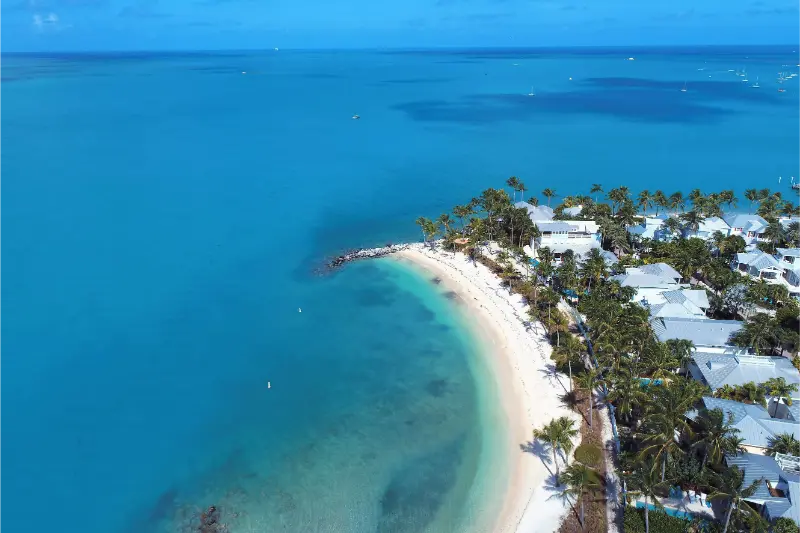
    Florida Keys Key West Coastal Neighborhood and Sea Aerial

    Beaches and swimming in May

    May is a strong beach month statewide. Gulf water is inviting, Atlantic surf can be energetic, and the Panhandle begins to feel fully summer-ready. Memorial Day weekend can be much busier than surrounding weeks.

    Choose the coast for the experience, not just the air temperature. Gulf destinations are often chosen for calmer-looking water and sunset orientation, while the Atlantic can offer more waves and surf culture. The Keys are a separate experience again, with reefs, shallow-water activities and island driving rather than endless broad sand on every shoreline.

    Beach safety stays important all year. Check local warning flags, rip-current information and lightning conditions. Do not assume a sunny sky means the ocean is safe, and do not let children play near the water unsupervised simply because the surf looks gentle.

    Theme parks and major attractions

    Florida’s major theme parks operate year-round, but May changes how you should structure the day. Crowd calendars are useful only as a broad reference because holidays, conventions, special events, new attractions and weather can reshape attendance.

    Family tipFor families, arrive with two priorities rather than a list of fifteen “must-do” attractions. Use indoor shows, meals and hotel breaks strategically. Senior visitors and anyone with limited stamina should build in seated rest before fatigue becomes a problem. Accessibility services differ by park and attraction, so review the official accessibility information before buying tickets.

    If your vacation combines parks with beaches, I generally prefer grouping the intense park days together and then moving to a coastal base. That gives everyone a psychological reset and makes the second half of the trip feel different instead of simply “more Florida.”

    Wildlife and nature in May

    Sea turtle nesting is active on many Florida beaches by May. Visitors should keep beaches dark and clear at night, never disturb marked nests and follow local conservation rules. Birding and paddling remain rewarding, though heat increasingly favors early starts.

    Florida wildlife should be viewed as wildlife, not as entertainment that needs to move closer for a photo. Keep distance from alligators, manatees, nesting birds, dolphins, sea turtles and other animals. Never feed wildlife, and follow posted closure areas on beaches and trails.

    For nature-focused travelers, mornings are usually the best investment. Light is softer for photography, animals may be more active, parking is easier and heat is lower. A two-hour early wildlife outing can be more satisfying than an all-day attempt to force sightings.

    Crowds, prices and booking patterns

    Early and mid-May can offer good value between spring-break season and the main summer school-holiday rush. Memorial Day weekend is the major exception, especially at beaches, campgrounds and theme parks.

    Florida pricing is hyper-local. A week that feels inexpensive in Orlando can be costly in Naples, Key West or a Panhandle beach town. Compare the final nightly rate including resort fees, parking and taxes, and include rental-car or rideshare costs in the same comparison.

    If your dates overlap a holiday, school break, major sporting event or local festival, reserve the hardest-to-replace element first. That is often lodging, but it could be a campground, special tour or attraction ticket. Keep the rest of the itinerary flexible.

    Best places to visit in Florida in May

    Panhandle beaches

    Warm water before peak summer crowds. Use this as a base only if it matches the style of trip you actually want; Florida is too large for a “best place” to be universal.

    Orlando

    Theme parks plus resort-pool time. Use this as a base only if it matches the style of trip you actually want; Florida is too large for a “best place” to be universal.

    Sanibel and Southwest Florida

    Beaches, wildlife and shelling. Use this as a base only if it matches the style of trip you actually want; Florida is too large for a “best place” to be universal.

    Space Coast

    Beaches, launches and wildlife. Use this as a base only if it matches the style of trip you actually want; Florida is too large for a “best place” to be universal.

    Florida Keys

    Water activities before peak summer humidity. Use this as a base only if it matches the style of trip you actually want; Florida is too large for a “best place” to be universal.

    These are not the only good choices. A strong Florida trip is more about matching the destination to your priorities than collecting famous names. A quieter town with easy parking and a good beach may outperform a headline destination for a multigenerational family, while a couple may prefer walkability and restaurants over a large resort.

    Families, teenagers, seniors and accessibility

    Families traveling before school lets out may find a calmer rhythm, while those visiting on Memorial Day should book early. Babies and toddlers need aggressive shade planning as temperatures rise. Seniors may prefer morning sightseeing and late-afternoon waterfront time.

    Babies and toddlers

    Build the day around sleep, shade and short transfers. A hotel near the main activity can be worth more than a cheaper room that forces two extra car journeys. Bring familiar snacks and keep one low-effort afternoon available.

    School-age children and teenagers

    Alternate passive and active experiences. A museum followed by a pool, a nature walk followed by a beach, or a historic district followed by an activity the teenager chooses usually works better than stacking similar attractions.

    Senior travelers

    Prioritize easy parking, elevators, shade, seating and convenient meals. Heat tolerance and walking capacity differ widely, so make it normal for part of the group to take a shorter route without feeling that they are “missing” the trip.

    Accessibility

    Accessibility varies by beach access, hotel, historic property, park and private attraction. Verify ramps, beach mats, wheelchairs, accessible parking, companion restrooms, sensory resources and elevator access directly with the specific venue.

    Storm and hurricane planning in May

    May is before the official Atlantic hurricane season begins on June 1, but tropical development can occasionally occur outside formal season dates. Flexible bookings remain sensible for any coastal trip.

    When tropical weather is relevant, use the National Hurricane Center and local emergency-management sources rather than social-media speculation. If officials issue evacuation guidance, treat it as a safety instruction, not as a travel inconvenience to work around.

    Even outside hurricane season, normal Florida weather can disrupt plans. The best itinerary includes an indoor museum, aquarium, shopping district or flexible meal that can absorb a rainy or windy half-day.

    What to pack for Florida in May

    Pack for summer: lightweight clothing, multiple swimwear options, sun protection, hydration gear and quick-drying footwear. Add a compact rain layer and a dry bag or waterproof pouch for electronics.

    • Comfortable walking shoes that are already broken in.
    • Sun protection: hat, sunglasses and sunscreen.
    • Refillable water bottle.
    • Swimwear and a lightweight cover-up.
    • A compact day bag that can handle changing weather.
    • Any prescription medication in carry-on luggage.
    • A charger or power bank for long park and road-trip days.

    Do not overpack “just in case” clothing. Most Florida destinations have easy access to pharmacies, grocery stores and laundry facilities. Prioritize items that affect comfort immediately: footwear, sun protection, medication and weather layers.

    A realistic 7-day Florida itinerary for May

    Days 1–2: Orlando or another Central Florida base

    Use one full day for a major attraction and one lighter day for a spring, garden, smaller park or resort break. This creates room to adjust if the first day is tiring.

    Day 3: Transfer with one meaningful stop

    Move toward the coast but avoid turning transfer day into a six-attraction checklist. Choose one town, nature area or museum on the route, have lunch, then arrive at the next hotel before evening.

    Days 4–5: Coastal stay

    Use one day for the beach and one for a contrasting activity such as wildlife, a boat tour, historic district or museum. Keep weather-dependent reservations on separate days when possible.

    Day 6: Flexible regional day trip

    Choose a nearby destination only if the group still has energy. Otherwise, stay local and enjoy the hotel, beach or town you already paid to visit.

    Day 7: Easy final morning

    Keep the last morning simple. Airport days become stressful when travelers add a distant attraction, underestimate traffic or need to refuel a rental car at the last minute.

    For a longer trip, use the same rhythm: alternate high-intensity days with lighter ones. That principle matters more than adding another destination name to the itinerary.

    Budget and booking strategy

    Separate the trip into lodging, transport, food and attractions. Then identify which category matters most to your group. A family may save by renting a suite with a kitchen, while a couple may prefer a central hotel that reduces driving and parking.

    Do not judge value only by the hotel’s nightly rate. Resort fees, parking, tolls, breakfast, beach equipment and commute time can change the real cost. For rental cars, compare airport and neighborhood locations and review toll arrangements before pickup.

    Weather-sensitive travelers should pay extra attention to cancellation terms. A slightly higher refundable rate can be a better value than a cheaper nonrefundable booking, particularly during months when tropical weather or holiday demand can create uncertainty.

    Events and seasonal experiences

    May mixes spring festivals, holiday-weekend events, outdoor concerts and the beginning of summer programming. Memorial Day changes both prices and traffic, so treat it as a separate high-demand period.

    Because event dates and operating calendars change, I would never build a future trip around an event mentioned in an old article without checking the organizer’s current site. Use event listings as inspiration, then confirm the exact year, date, ticket rules and parking plan.

    Common mistakes to avoid in May

    • Using one forecast for the whole state: Florida has major regional differences.
    • Planning every hour outdoors: weather, fatigue and heat can change the day.
    • Ignoring school calendars and holidays: they can transform crowds and prices.
    • Assuming warm air means safe swimming: check marine conditions locally.
    • Booking too many hotels: transfers consume more vacation time than expected.
    • Skipping accessibility research: individual beaches and historic sites vary.
    • Relying on old event dates: always confirm the current year.

    Official resources to check before your trip

    Frequently asked questions about Florida in May

    Is May a good month for a Florida vacation?

    Yes, if its weather and crowd pattern matches your priorities. A useful shoulder-season month when beach conditions feel summery but many schools are still in session for much of the month.

    Can you swim in Florida in May?

    Often yes, but comfort and safety vary by coast and region. South Florida is generally warmer in winter, while summer water is warm statewide. Always check local conditions.

    Is Florida crowded in May?

    Early and mid-May can offer good value between spring-break season and the main summer school-holiday rush. Memorial Day weekend is the major exception, especially at beaches, campgrounds and theme parks.

    What is the biggest planning issue in May?

    The biggest issue is matching the trip to the month instead of expecting every Florida destination to behave the same way. In May, pay particular attention to active sea turtle nesting and the transition toward summer.

    How many days should a first Florida trip be?

    Seven to ten days is a useful starting point for two or three bases. A shorter trip should focus on one region, while a two-week trip can connect multiple coasts without rushing.

    Final advice

    Florida in May works best when you choose a region first and activities second. Keep one day flexible, verify time-sensitive information close to travel, and design the itinerary for the slowest member of the group rather than the fastest. The goal is not to “finish” Florida; it is to enjoy the part of the state that fits this trip.

  • Florida Islands by Ferry: What You Can Reach, What Is Closed and How to Plan an Island Day

    Florida Islands by Ferry: What You Can Reach, What Is Closed and How to Plan an Island Day

    A boat crossing is often the beginning of a memorable Florida day. Mangroves shrink behind you, the busy mainland disappears and a beach that seemed impossibly remote becomes real. Yet ‘ferry island’ is not a single Florida category. Some islands have scheduled passenger vessels, others have privately operated excursion boats, some have no public ferry at present and several require private watercraft. A successful island holiday starts by matching an island to an actual, operating route and by understanding whether the landing is suitable for your group.

    At a glance

    Stop or themeWhat to doCheck before traveling
    Caladesi IslandDay ferry, if operatingMarina repairs and restrictions
    Egmont KeyBoat from Fort De Soto areaStructures closed; no pets
    Cayo CostaPrivate vessels only in 2026Ferry and lodging unavailable
    Dry TortugasFerry/seaplane to Garden KeyReserve ahead; remote island

    This guide compares several well-known examples on the Gulf and Atlantic sides, including Caladesi Island, Egmont Key, Cayo Costa and Dry Tortugas. They should not be squeezed into one day or presented as a continuous island-hopping circuit. They are separated by large distances, use different operators and have different facilities. Families with young children, non-swimmers, visitors with limited mobility and travelers who have never boarded a small boat all need information that goes beyond the ticket price.

    The first rule: not every island has a working ferry

    Before booking a hotel around an island excursion, visit the official park page and the operator’s current reservation system. The phrase ‘accessible by boat’ can mean private vessel only, rather than a public passenger service. A park may be open while ferry service is suspended, dock facilities are under repair or overnight lodging is not available. Weather, vessel maintenance and wildlife protection can cancel landings even on an otherwise normal day. A booking confirmation should identify departure dock, boarding time, return time and cancellation policy.

    If you are a nervous boater, ask about crossing duration, vessel type, indoor seating and the chance of a rough ride. No operator can promise smooth water. Someone who uses a wheelchair should inquire about gangway width, boarding angle, vessel access, restrooms and whether the island has a usable mobility route after disembarkation. A successful crossing is not automatically an accessible island visit. Babies need suitable shade, secure seating arrangements and supplies for the full outing. Treat safety and comfort as essential selection criteria, not inconveniences to check afterward.

    Key West Florida Island and Neighborhood Aerial

    Caladesi Island: a Dunedin-area beach day

    Caladesi Island State Park is a popular choice for a barrier-island experience near Dunedin and Honeymoon Island. Travelers often use a commercial ferry from the Honeymoon Island area, though this service and its schedule must be confirmed directly for travel dates. Visitors arriving by private boat have separate marina considerations. The official state park page reported restrictions to some docks and no overnight marina accommodations in late September 2026. That notice makes it particularly unwise to rely on older guides that promise an effortless overnight boating stay.

    Plan for a day-use visit rather than an intensive circuit of every path. Walk the sandy beach, appreciate the dune environment and watch shorebirds from a distance. Some paths and beach entries may involve soft sand, which is tiring for many visitors and difficult for standard wheelchairs. Food service can be limited, so bring water and suitable snacks while respecting park rules. If conditions or mobility make the island unsuitable, spend the day on nearby mainland waterfronts or at an accessible section of Honeymoon Island instead. A flexible plan ensures the trip stays pleasant if an operator’s last return time changes.

    Egmont Key: a boat trip with history and sensitive habitat

    Egmont Key sits near the mouth of Tampa Bay and is accessible only by boat. The state park identifies ferry service from the Fort De Soto area as one option, but tickets and departures are arranged through operators, not guaranteed by merely arriving at the state park. The park announced reopening in August 2026 while keeping structures closed to the public. Therefore, an article that promises entry into historic buildings is misleading even if the beach areas are open.

    The island combines maritime scenery, military history and important bird habitat. Its southern end is a protected shorebird refuge closed to visitors, and pets are not permitted on the island. Bring water, sun protection and footwear appropriate for uneven terrain. Avoid walking through dunes or nesting areas to get a more dramatic photograph. Families may enjoy a short historical explanation before the crossing and a simple beach picnic afterward. For a visitor who cannot comfortably walk in sand, ask the operator how much can be experienced safely from the boat or at an accessible landing; the answer may make a mainland Fort De Soto visit preferable.

    Sunset Key Island near Key West Florida

    Cayo Costa: the crucial 2026 exception

    Cayo Costa State Park is famous for undeveloped Gulf beaches, but its ferry situation requires special attention. The park’s official notice in 2026 states that ferry services and overnight accommodations are unavailable and that day access is for visitors with private vessels. In other words, do not sell Cayo Costa as a routine passenger-ferry day trip merely because that was possible at other times. The same official information reports a boil-water notice, another reason to check current facilities rather than copy an old packing list.

    Private boat access does not eliminate the need for planning. A visitor must understand docking conditions, park entrance payment, water supplies, the weather forecast and the return journey. An inexperienced boater should not rent an unfamiliar vessel solely to ‘replace’ a suspended public ferry. The sensible alternative is to choose another accessible island or mainland preserve until service changes. If a commercial operator advertises an excursion, confirm whether it actually lands at the park and whether that landing is authorized. A sightseeing cruise past an island is not the same as transportation for a beach visit.

    Dry Tortugas: an entirely different scale of day trip

    Dry Tortugas National Park, west of Key West, is a remote island destination reached by ferry, seaplane or private boat. The National Park Service explains that ordinary ferry and seaplane trips arrive at Garden Key, where Fort Jefferson stands; they are not connections to every key in the park. Travel takes much of the day, and schedules and availability deserve advance attention. This is not a trip to improvise on the morning of departure or to combine casually with multiple other Key West attractions.

    The historic fort and marine setting are extraordinary, but remote islands have limitations. Ask the concessioner what is included in the fare, whether meals or water are provided, and how camping or special equipment bookings work. Campers traveling on the passenger ferry have particular transport arrangements and limited space. A family with a child who dislikes long journeys may need to reconsider; an older traveler may enjoy the setting but should understand the boarding and walking demands. Marine conditions affect comfort, and there is no ordinary road or taxi to take you home early if you decide the excursion is too long.

    A simple decision matrix for choosing your island

    Choose Caladesi if you want a relatively local day out in the Dunedin area and the ferry is operating. Choose Egmont Key if your priorities are Tampa Bay maritime history and a beach excursion, while accepting restrictions on buildings, sensitive wildlife areas and pets. Consider Dry Tortugas when you have the time, budget and interest for a remote national-park experience with transportation reserved well in advance. Do not choose Cayo Costa on the assumption of a routine ferry connection while the park notice says that service is unavailable.

    Your group may benefit from a different island or an accessible mainland beach. ‘Best island’ depends on the actual crossing, facilities, expected heat and mobility needs. A visitor with a small child might prefer a shorter, predictable journey even if the island is less famous. Someone keen on history may prefer a short interpretive experience to hours of exposed beach time. Photographers should consider sun position and return schedules, but not disregard protected zones. The most responsible destination is the one you can reach safely and enjoy without damaging what makes it special.

    Booking checklist: the six questions that prevent problems

    Confirm the exact vessel operator and boarding dock, then ask whether the trip includes park admission. Find the latest return boarding time and the operator’s policy if bad weather cancels service. Check whether drinking water, toilets, food and shaded seating exist on board and on shore. Verify rules for swimming, snorkeling, fishing and collecting shells; wildlife protection applies even when a beach looks empty. Ask directly about accessibility if anyone has a mobility, hearing, visual or medical need. Finally, arrange transport back to your hotel after the boat returns.

    Check wind, thunderstorms and any marine advisories on the morning of travel. Florida sunshine at a hotel does not predict conditions on exposed water. Pack medicine, drinking water, a small dry bag and sun protection rather than a suitcase of beach equipment. Avoid relying on a cellular connection once offshore. For older visitors, a seat in shade and a straightforward restroom option may determine whether the trip is enjoyable. For children, an early return and a simpler lunch are often wiser than maximizing island time to the last minute.

    Environmental rules and respectful island visits

    Undeveloped islands are valuable precisely because they are not fully converted into recreational infrastructure. Shorebirds may nest on beaches, sea turtles need undisturbed nesting habitat in the proper season, and protected dunes are fragile. Follow rope lines, signs and ranger instructions. Do not feed birds, collect live shellfish or disturb marine life. Keep well clear of seals of any protected area and leave natural objects when park rules require it. Even ordinary food litter can attract predators that harm nesting birds.

    Boaters should respect no-wake and anchoring regulations, especially in seagrass habitats. Never assume you may bring a dog merely because a park on the mainland allows pets. Egmont Key, for example, does not permit them. For snorkeling, use a buddy system and understand currents, boating traffic and physical ability; a beautiful photograph does not indicate safe swimming. A quiet, ethical island visit is a better story than a day spent chasing wildlife, entering a restricted structure or taking shells from a sensitive shore.

    Frequently asked questions

    Can I still take a passenger ferry to Cayo Costa in 2026?

    The official state park notice says ferry services are unavailable and access is for private vessels. Check for a newer update before making plans.

    Does Egmont Key allow visitors inside its buildings?

    The August 2026 reopening notice says structures remain closed. Enjoy permitted exterior and beach areas only.

    Can I visit Dry Tortugas and another Key West attraction on the same day?

    Usually the island trip takes most of a day. Keep other commitments light and avoid tight evening reservations.

    Are these islands wheelchair accessible?

    Accessibility varies across vessels, docks and sandy terrain. Ask the individual operator about the whole route before purchasing a ticket.

    Can I bring my dog on an island excursion?

    Rules vary; Egmont Key prohibits pets. Confirm both vessel and destination policies before boarding.

    Official planning resources

  • Florida Coastal Photography Weekend: Sunrise, Weather and Wildlife Ethics

    Florida Coastal Photography Weekend: Sunrise, Weather and Wildlife Ethics

    Florida’s coastline gives photographers an appealing mix of dawn light, fishing piers, working waterfronts, wildlife and shifting weather. You don’t need expensive equipment or a dramatic drone shot to come home with memorable images. A thoughtful weekend built around two or three accessible viewpoints can be better than driving hundreds of miles between famous beaches. The important decisions are often simple: whether the coast faces east or west, where you’re legally allowed to park, whether a path is safe at low light and how to watch animals without disrupting them.

    This is a practical weekend guide for beginners, couples, families sharing a camera and older travelers who prefer short walks. The suggestions apply across Florida, with example choices on both the Atlantic and Gulf coasts. It is not a promise of a perfect sunrise or a particular bird species. Conditions, closures and the angle of the sun vary by season, and responsible photographers change their plan when a habitat needs protection.

    Choose one coast for the weekend

    An Atlantic base such as St. Augustine, Cocoa Beach or Vero Beach works well if you hope to watch early light arriving over the ocean. Gulf locations such as Clearwater, Sarasota or Mexico Beach can offer attractive evening light over open water, though shore orientation and development affect the actual view. Don’t assume every waterfront faces directly east or west. A map showing the coastline is a more useful first tool than a list of ‘best sunset spots.’

    Pick a hotel close to two legal public viewpoints rather than trying to cross Florida for each photograph. Check parking hours and whether public beach access remains open at dawn or dusk. A scenic pier might have admission rules or close during construction. For a low-stress trip, identify a free alternative such as a public sidewalk or viewpoint, and don’t reserve a vacation around a single boardwalk that may be closed.

    Friday: arrive and scout without taking the camera seriously

    Use the first evening to understand the area. Walk a short permitted route in daylight, look for safe crossings, and identify where the sun will be. Notice foreground details: dune grasses, historic structures, old boats or the curve of the shoreline. A phone photograph and a saved map pin are enough during scouting. The aim is to learn whether the site is actually usable with your group’s mobility needs and whether there are rules for tripods or access.

    Check the weather, sunrise or sunset time and tide using current reliable sources. Tides matter for beach width and can make certain rock or shoreline areas hazardous. Never plan to reach a location by climbing over coastal protection, closed rocks or private property. If you’ll return before dawn, make sure the permitted parking and trail approach can be navigated safely in low light.

    Saturday dawn: Atlantic light without unsafe shortcuts

    If staying on the Atlantic coast, a sunrise session can begin on an authorized beach or public waterfront. Arrive only as early as the rules permit, bring a small light and wear shoes that can handle damp ground. You don’t have to stand right at the waterline for a strong composition. A broad view of sky, a pier silhouette from an authorized spot or reflected color in wet sand can be effective without putting equipment where a wave can reach it.

    Keep sessions short if traveling with children or older companions. A thermos and a warm layer in cooler months can make a difference. Don’t turn photography into a demand that everyone wake before dawn; one interested person may go while the others sleep, provided the arrangement is safe and practical. Afterwards, share breakfast and review images rather than racing to a second location.

    Saturday afternoon: architecture and human scale

    Harsh midday sun is often difficult for ocean photography, but it can work for architectural details, shaded streets or indoor exhibits where photography is permitted. St. Augustine offers old masonry and street patterns, Cocoa Village presents historic town scenes, and other coastal communities have fishing harbors and shopfronts. Choose one nearby town rather than attempting all of them. Remember that stores, homes and working docks deserve privacy and respectful behavior.

    Ask permission before photographing people close up, particularly children or staff at work. A public area does not eliminate common courtesy. Don’t block a business doorway while waiting for perfect light. Many memorable travel pictures include everyday visual details—door colors, reflections and textures—without turning residents into unconsenting subjects.

    Saturday evening: Gulf views and the art of staying put

    On the Gulf Coast, the most appealing light may come late in the day. Choose one authorized beach or bayside viewpoint and arrive with time to settle. A sunset can be dramatic even with clouds, and a sea of people doesn’t mean the scene is ruined. Try a frame that includes a walkway, grasses or the changing color on shallow water. Look for how the light changes after the sun dips, but stay aware of safe exit routes.

    A sunset viewpoint can attract crowds and traffic. Use paid legal parking if necessary, avoid parking on grass and keep clear of dune barriers. Families should decide in advance where to meet if they spread out. If lightning is possible, leave the beach; holding a metal tripod on open sand is not a good response to a storm warning. The best image is never worth a dangerous delay.

    Sunday morning: a quiet wildlife session

    Choose a public nature preserve or wetland boardwalk with open access, modest walking distances and safe parking. Early morning can be good for bird activity, but no sighting is guaranteed. Binoculars help with observation, while a modest zoom lens is better than walking closer to a nesting bird. Pay attention to boundaries and the signs of stressed wildlife: alarm calls, repeated flushing or animals changing behavior. If that happens, move back and reduce disturbance.

    Pink Flamingos at Florida Wildlife Pond

    The Florida wildlife agency’s manatee viewing guidance emphasizes passive observation. The principle applies more broadly: don’t feed animals, crowd them or encourage children to chase them for an image. Photograph turtles, birds and marine mammals from respectful distances. A quiet observational moment often produces a more interesting memory than a dramatic close-up acquired by harassment.

    Light, clouds and weather as compositional tools

    Blue skies are not necessary for good travel photography. A layer of clouds can soften harsh light or add depth, and a wet street may create reflections after rainfall. But photography in storm conditions requires judgment. Lightning, strong winds and quickly rising water are reasons to stop. The beach or pier will still be there another day; the point of a vacation is not to gamble with safety for a photograph.

    Plan an indoor option such as a permitted museum exhibition or café. If your camera equipment becomes wet, dry it according to manufacturer guidance rather than opening every compartment immediately. Protect memory cards and phones from sand and salt. A reusable microfiber cloth and a dry pouch are often more helpful than carrying multiple heavy lenses.

    Equipment for a first-time coastal photography trip

    A phone or simple camera can handle landscapes, architectural details and family portraits well. The advantages are light weight and ease of use. Bring a charged battery or power bank, a protective pouch and enough storage. If using a dedicated camera, pack only the lens or two that fit the plan; extra gear can make beach access awkward, especially if you are also carrying items for children.

    A tripod may help with low light but check local restrictions and keep it away from busy paths. If a location requires a photography permit for commercial shoots, ask the manager before undertaking professional work. Do not assume recreational photos and commercial sessions operate under the same rules. Flying a drone introduces additional aviation, privacy and park regulations; it is not a casual replacement for finding a safe ground-level viewpoint.

    Photographing beaches without damaging them

    Stay off protected dunes and out of marked nesting areas. Never move a sea turtle, bird nest, shell containing a living animal or other wildlife to improve a composition. Beach vegetation helps hold fragile sand in place, so resist stepping into it for an unobstructed horizon. Use marked access paths and leave no props or litter behind. If the beach is under a closure after a storm, choose another public site rather than climbing over a barrier.

    Pink Flamingos Standing in Florida Wildlife Park

    Respect private homes and boats as well. Long lenses can intrude on people’s privacy, and a photographer’s enthusiasm is not permission to enter a yard or a pier beyond its public section. Children should understand that a wildlife photograph is earned by patience, not by approaching or touching an animal.

    Photography with different ages and mobility needs

    A parent with a stroller can enjoy wide coastal views from a paved promenade rather than soft sand. An older visitor may prefer a car-accessible overlook with benches, while a teenager might enjoy exploring architectural detail in a town center. Choose the site by the full route from parking to viewpoint, including curbs and restrooms, rather than a promotional image of the view itself.

    Avoid scheduling both sunrise and sunset sessions if everyone is already tired. Let one be the highlight and use the rest of the day for sightseeing and rest. If the group has varied interests, agree on a short session together and leave optional longer photography to those who want it. The photographs become better when the people making them are comfortable.

    Simple three-day plan

    Time Main subject Practical decision Backup
    Friday evening Scouting and streets Confirm legal public access Short hotel-area walk
    Saturday dawn Atlantic light or waterfront Check parking, tide and safety Breakfast and later photos
    Saturday afternoon Architecture and shade Obtain permission where needed Indoor museum
    Saturday sunset Gulf view or chosen coast Leave if lightning approaches Dinner and dry-weather reset
    Sunday morning Birds and wetlands Maintain wildlife distance Historic-town details

    Keep the weekend affordable

    The biggest cost is often lodging near a popular shoreline, not photography itself. Compare room rates with parking and taxes included. Many public locations allow ordinary photography without special admission, but designated park fees may apply. If you already own a phone with a reasonable camera, resist buying specialty equipment for a short trip. It can be more rewarding to invest in a comfortable base and allow an extra morning in case the weather changes.

    A packed breakfast, refillable water and a moderate driving radius also help. Avoid paying for a distant boat tour solely to photograph dolphins: sightings are not guaranteed and ethical operators will not chase animals. Walking slowly and observing from safe public space can provide plenty of meaningful pictures at very little cost.

    Frequently asked questions

    Is Florida’s Atlantic coast always better for sunrise pictures?

    It often offers an ocean-facing sunrise, but the exact viewpoint and conditions matter. Check the location’s orientation and lawful hours of access.

    Can I photograph wildlife with a phone?

    Yes, especially when observing larger scenes. Use patience and cropping rather than moving closer or disturbing an animal.

    Do I need permission for a tripod or drone?

    Rules depend on the location and type of activity. Check site management and aviation rules before using specialist equipment.

  • Florida Seafood Markets and Working Waterfronts: A Five-Day Coastal Food Road Trip

    Florida Seafood Markets and Working Waterfronts: A Five-Day Coastal Food Road Trip

    Florida’s seafood heritage is far richer than a plate of shrimp in a restaurant overlooking a marina. Fishing families, oyster communities, small markets and independent processors have shaped towns along both coasts. For travelers, the most rewarding food-focused journey begins by asking where a product actually came from, which species are in season and how the working waterfront is connected to the local landscape. This five-day road trip uses three very different Gulf Coast destinations—Cortez, Cedar Key and Apalachicola—to explore seafood culture without assuming every market is open daily or that every catch is harvested locally. It suits curious adults, families with older children and slow travelers who appreciate communities beyond the beach resorts.

    What makes a working waterfront different

    A working waterfront is not simply an attractive place to photograph boats. It may contain docks, fish houses, processing facilities, commercial vessels, bait suppliers and businesses that depend on the daily catch. At a public viewing area you can learn about this economy, but commercial wharves are workplaces with moving equipment and sometimes restricted access. Visitors should not wander onto private docks or photograph workers from a few feet away without permission. Some waterfront towns have more visible tourism businesses, while others retain facilities that focus almost entirely on fishing. Respect these distinctions. Buying responsibly sourced local seafood or dining with businesses that explain their supply chain supports a more meaningful connection than assuming every restaurant serving fish is part of the local fleet.

    Ask what 'fresh Florida seafood' means

    A fish restaurant may be located beside the Gulf while serving seafood brought from elsewhere. That is not automatically a problem, but it is different from buying locally harvested fish. The Florida Department of Agriculture and Consumer Services maintains a retail seafood market locator and encourages customers to ask for Fresh From Florida products. Its directory is not an endorsement of every seller and availability varies. Questions worth asking include the species, harvest origin, whether it is wild-caught or farmed, and whether it has been previously frozen. Previously frozen seafood can still be excellent, safe and practical. Avoid judging quality by a handwritten sign alone. Choose reputable retailers, keep food chilled and follow safe storage practices after purchase.

    Florida Festival Food Trucks and Visitors

    Day one: Cortez on Sarasota Bay

    Begin in the historic fishing village of Cortez, west of Bradenton, where the waterfront’s relationship to commercial fishing remains central to local identity. A walk through permitted public areas can reveal a different atmosphere from the more resort-oriented barrier islands nearby. Allow time for a seafood meal and consider learning about local history through cultural resources that are genuinely open on your dates. The Florida Maritime Museum has reported a temporary closure for facility work, so do not build a trip around an assumed museum visit. Instead, verify current public programs or alternative nearby attractions before driving there. The village deserves respectful exploration, with an understanding that many residents and businesses are working rather than performing for visitors.

    What to eat around Cortez

    A local seafood meal is an opportunity to ask about Gulf species and preparation styles rather than choosing whichever menu item has the most elaborate description. Mullet has a particular historical association with parts of coastal Florida, while shrimp and seasonal catches may also appear. Menus and prices change according to supply, weather and the operator. If you want to buy fish to cook in a rental, check market opening hours directly; do not arrive late in the evening expecting fresh stock. Plan a simple chilled storage solution before buying. Families may enjoy discussing which species are local and how fish reach the table, but avoid presenting fishing as only a quaint historical activity: it remains a livelihood affected by fuel, regulations, weather and ecosystem health.

    Day two: Bradenton area and a flexible nature stop

    Spend the second day near the Bradenton and Sarasota Bay area rather than immediately driving north. This gives you time to visit another waterfront viewpoint, a market with confirmed opening hours or an educational attraction that explains local coastal ecology. A short nature walk can help connect the seafood economy to seagrass, mangroves and estuaries where young marine life finds habitat. For children, one outdoor stop and one food-related visit is enough. If the weather is stormy, make it a cafe or market day and avoid exposed docks. This day also functions as a useful buffer if a seller’s inventory was limited the previous evening. Resist the urge to turn every meal into a complicated drive; enjoy the community’s everyday pace.

    Day three: Cedar Key's small-island character

    Drive north toward Cedar Key, allowing time for traffic and any road updates along the Nature Coast. Cedar Key feels different from a large beachfront resort: it is a small community of waterfront streets, boats, shops and striking Gulf views. Its seafood identity has changed over time, with clam aquaculture playing an important economic role alongside other maritime traditions. Take time to understand that shellfish farming is a managed business shaped by water quality and environmental conditions. Ask restaurants or retailers where their clams come from rather than assuming every menu item originated nearby. After storms, coastal businesses and roads can face repairs; confirm operations before traveling. Enjoy the landscape without intruding on aquaculture lease areas or working docks.

    Cedar Key with children and older travelers

    Cedar Key rewards a slower approach. A family might choose a short waterfront walk, a local lunch and an educational stop instead of a full day on the sand. Some streets and waterfront paths may have uneven surfaces, and the exposed Gulf heat can be tiring. Grandparents who prefer to remain seated can enjoy a view from a restaurant or public area while others explore nearby shops. Verify accessible entrances and restrooms individually, particularly in older buildings. Children should never wander unaccompanied onto docks or near boat ramps. A picnic is possible if you have a legal place to sit and adequate cool storage, but buying takeout from a reputable local business can make the day simpler. Allow time for sunset without promising a specific clear-sky view.

    Fish and Chips Restaurant Sign Florida

    At a glance: practical comparison

    DecisionOption or featureWhat to check
    CortezWorking fishing-village heritageCheck whether museums are open
    Cedar KeyClam aquaculture and island historyVerify seller operating times
    ApalachicolaOyster heritage and river economyConfirm harvest origin
    All destinationsBuy from reputable sellersCold storage and food safety matter

    Day four: Apalachicola's oyster story

    Apalachicola is closely associated with oysters, river culture and the meeting of the Apalachicola River and the Gulf. The area’s oyster history is an essential subject, but travelers should avoid assuming that the historic wild oyster fishery is operating as it once did. Management closures, restoration and changing harvest rules have affected the bay. Restaurants may serve oysters from other regions or approved aquaculture sources, and that should be explained openly rather than obscured by nostalgia. Learn about the town’s built heritage, walk through the public commercial district and ask informed questions about modern seafood sourcing. A meal is more meaningful when you understand both the proud tradition and the environmental challenges behind it.

    Day five: Eastpoint and a gentle coastal extension

    Use a final day to learn more about the communities across the bay, such as Eastpoint, or make a careful excursion toward St. George Island if weather and access are suitable. The objective is not to turn the working waterfront into an amusement park. Visit publicly accessible viewpoints, choose a retailer or restaurant with verified operating hours and observe how roads, bridges and waterways influence the town. A family with younger children may prefer one short shoreline stop and an early lunch. A traveler interested in photography should avoid blocking commercial activity. If a strong storm or fishing closure changes the area’s rhythm, treat that as a reminder to support local businesses respectfully rather than demanding a predetermined tourism experience.

    Seafood seasons, closures and sustainable choices

    Florida seafood species are subject to different harvest seasons, size limits and conservation rules. Stone crab claws, spiny lobster, certain reef fish and shellfish all involve specific regulations; retail availability may also be affected by weather and local closures. Do not rely on a social-media list of ‘what is in season’ from several years ago. The Florida Fish and Wildlife Conservation Commission and Florida agriculture authorities publish current information; consult those resources when a particular species is central to your trip. Restaurants may lawfully serve imports or aquaculture products, so ask what the menu means by ‘local.’ Respect protected species and never buy seafood offered informally without a credible source or required licensing. Buying thoughtfully matters more than collecting the rarest item.

    Practical shopping and food safety

    Fresh seafood is perishable and requires careful temperature control. If you are driving several hours after visiting a market, bring a cooler and adequate ice or frozen packs, and keep the product below food-safety temperature thresholds. Purchase near the end of the day’s outing when possible. Ask the seller about handling, storage and whether fish has previously been frozen. Raw seafood carries specific foodborne-illness risks, particularly for children, pregnant travelers, older people and those with certain medical vulnerabilities; fully cooked options are generally the more conservative choice. Never assume an oyster’s flavor proves it is safe to eat raw. A rental kitchen should have a reliable refrigerator, clean utensils and a way to prepare seafood thoroughly. Use official food-safety guidance when uncertain.

    A realistic budget for a five-day food trip

    Budget separately for accommodation, fuel, parking, meals and optional museum admission. The road trip covers a considerable distance, so one hotel for all five nights would create repeated long drives. Consider two or three bases instead, with the Cortez area for the first two days, the Cedar Key region for one night and the Apalachicola area for the final two. This is more manageable than crossing the Gulf Coast in a single day while expecting leisurely market visits. Restaurants serving specialty seafood can be expensive, but a few shared dishes or carefully chosen lunch specials can keep the experience accessible. Do not purchase large amounts of seafood simply because it appears cheaper at a dockside shop; storage and waste erase the saving.

    How to include non-seafood eaters

    A mixed-age group may contain a vegetarian, a child who dislikes fish or an adult with a shellfish allergy. The road trip can still work because the heritage, architecture and landscape are interesting beyond the plate. Choose restaurants that offer clear alternatives and ask staff about cross-contact when allergies are severe. Do not assume that a fried side dish is safe for a seafood-allergic visitor simply because it does not visibly contain fish. Seafood markets are often busy workplaces with wet floors and strong smells, so check whether a hesitant child will enjoy the experience before arranging a long visit. Split the group for an hour if necessary: some can explore a permitted waterfront viewpoint while others browse food shops. The vacation should not require everyone to eat the same meal.

    Airports, driving and seasonal conditions

    A one-way itinerary may involve arriving through the Tampa Bay region and leaving from an airport serving the Panhandle, depending on flight schedules and rental-car terms. One-way vehicle fees can be significant, so compare a round trip and a two-base alternative if the flight cost is high. Give time to slower coastal routes and avoid making assumptions about road access after tropical weather. Hurricane season runs from June through November. Summer can be humid with frequent thunderstorms, while winter and spring may offer comfortable walking but varying seafood availability and higher lodging demand. Verify commercial tours, museums and seafood sellers directly shortly before visiting. A working waterfront does not operate solely on the tourist calendar.

    Bringing the waterfront experience home

    The strongest memory of this journey may be understanding how different towns depend on healthy coastal habitats, resilient local businesses and the people who work on the water. Ask questions politely, purchase from legitimate vendors when possible and avoid romanticizing difficult livelihoods. Photograph public views without entering private operations. At the end of the trip, you should be able to explain why clam aquaculture matters to Cedar Key, why Cortez retains an active fishing identity and why Apalachicola’s oyster story involves conservation as well as tradition. That understanding makes a seafood meal feel connected to a place rather than interchangeable with a restaurant in any coastal city.

    Frequently asked questions

    Does every coastal Florida restaurant serve local fish?

    No. Ask the restaurant about harvest origin and whether seafood is local, domestic, imported, wild or farmed.

    Can I count on the same seafood every month?

    No. Seasons, weather, harvest rules and supply change availability. Confirm with the seller and official agencies.

    Is Apalachicola still the same wild-oyster destination it once was?

    Its historic fishery has faced major management and restoration changes. Check current sources and ask restaurants where their oysters originate.

  • Florida Minor League Baseball: A Family Road Trip Through Small Ballparks

    Florida Minor League Baseball: A Family Road Trip Through Small Ballparks

    A minor league baseball game can be one of the most approachable sporting experiences on a Florida vacation. Compared with the bustle of a major theme park or a top-level sports arena, many minor league parks are intimate places where the action is easy to follow, families can enjoy local traditions, and the game itself becomes an introduction to American culture. Florida has clubs at several professional development levels, from Single-A teams in the Florida State League to Double-A and Triple-A organizations in Pensacola and Jacksonville. That gives travelers options across the state without pretending that every baseball facility opens to ticketed spectators on the same schedule.

    This guide is for visitors who want to choose a game wisely, perhaps as part of a beach or city trip, and for people who have never attended baseball before. The Florida State League’s 2026 season has concluded by October, so a fall traveler should not expect ordinary scheduled league games on arrival. Future season schedules, stadium names, team affiliations, and promotional offers can change. Use MLB and individual clubs’ official ticket pages to confirm a real home game before paying for a hotel, and distinguish regular minor league baseball from Major League spring training and the less traditional Florida Complex League.

    Understanding Florida’s baseball map

    Florida’s minor league landscape has different levels and different atmospheres. Jacksonville’s Jumbo Shrimp appear in MLB’s Florida ballpark guide as a Triple-A club, which generally means players are close to the majors. Pensacola’s Blue Wahoos play at the Double-A level. The state also has Single-A teams such as the Daytona Tortugas, Clearwater Threshers, Bradenton Marauders, Lakeland Flying Tigers, Jupiter Hammerheads, Palm Beach Cardinals, St. Lucie Mets, Dunedin Blue Jays, Fort Myers Mighty Mussels, and Tampa Tarpons. These are team identities to check against current official lists, not a promise of identical schedules or the same on-field roster next season.

    For a first baseball outing, proximity is usually the most important deciding factor. A traveler staying in Daytona Beach could make a Tortugas game a natural evening activity; a family vacationing near Clearwater might look at the Threshers. A person based in Jacksonville could choose the Jumbo Shrimp, while a Gulf Coast trip might line up with a Pensacola Blue Wahoos home date. Attempting to visit every club is a demanding statewide road trip and unnecessary for someone simply hoping to experience a game. Choose one or two compatible parks and let the rest of your vacation continue at a normal pace.

    Visitor Watching Fish through Aquarium Glass

    What happens during a minor league game?

    Baseball is divided into innings, with each team alternating between batting and fielding. The home team normally bats second in each inning. Instead of trying to understand every tactical decision immediately, concentrate on a few simple elements: three strikes make a strikeout, the batter tries to reach base safely, and runs score when players complete the circuit of bases. Scoreboards can help visitors follow the count, outs, inning, and score. Young children may be more interested in mascots and crowd activities than the action, while teenagers sometimes enjoy learning pitching speeds or keeping a scorecard.

    A minor league game usually lasts several hours, but actual duration depends on the competition and events on the field. The ballpark may also offer entertainment between innings, special theme nights, and merchandise or food promotions. These features are schedule-specific, not guaranteed at every game. If you are taking a child to baseball for the first time, explain that the event has quieter moments and does not provide nonstop action like a thrill ride. An expectation of a relaxed evening often leads to a better experience.

    A three-stop baseball route without excessive driving

    One manageable concept is a central and western Florida route built around the team schedule. For example, a traveler could first explore Tampa Bay, then attend a confirmed Clearwater or Tampa home game, and finally choose a Lakeland or Bradenton game if the dates line up. This works only when different teams are actually at home on different days. Never assume all neighboring clubs are playing locally on consecutive nights. Open each club’s official calendar and check the venue, opponent, first-pitch time, and any unusual doubleheader or promotional event.

    Another practical version uses the Atlantic coast. Base yourself in Daytona Beach or the Space Coast, see one Daytona Tortugas game when scheduled, and continue toward the Treasure Coast for a St. Lucie or Jupiter-area game only if it serves the rest of your trip. Palm Beach and Jupiter share the same ballpark complex in Jupiter, which is useful for understanding the local arrangement but does not mean both clubs host home games simultaneously. The route should be built around hotel comfort and driving distances as much as sport; people traveling with babies or older relatives will appreciate a night with no long postgame drive.

    A traveler starting in the Panhandle might prefer a single Pensacola Blue Wahoos evening to any statewide baseball circuit. Pensacola’s stadium setting makes it a natural addition to an existing city visit. Likewise, Jacksonville can combine a Jumbo Shrimp game with a downtown or riverfront itinerary. There is no need to rank the teams solely by league level. An enjoyable seat, friendly access, and compatible schedule matter more than whether the players are labeled Single-A, Double-A, or Triple-A.

    How to buy tickets and choose seats

    Buy through the team’s official ticket seller or a clearly authorized sales channel, and verify that the game date and home venue are correct. Secondary-market tickets can be more expensive and may have extra conditions; if you choose them, understand the transfer and cancellation policies. Do not assume the cheapest listed price is the final cost: service fees, parking, and optional food may be extra. Some promotions are restricted to residents, military personnel, students, or particular purchase methods. Read the fine print rather than including discounts in your holiday budget as guaranteed savings.

    Seat selection matters with young children and older adults. A sunny seat may become hot, particularly for day games. Ask about shade, sections near restrooms, accessible seating, companion seats, and any ballpark restrictions. Families with toddlers sometimes find aisle seats convenient, but those seats can also be busy with people moving past. A quieter upper section might feel more comfortable than one directly beside a loud cheering group. Avoid buying seats that require long stair climbs for a person with mobility limitations unless elevators and accessible routes are confirmed.

    What to bring and how to handle weather

    A small bag, comfortable shoes, sun protection for day games, water according to stadium rules, and a light layer for changing evening weather may be useful. Every ballpark has its own security and bag policy. Some venues restrict backpack dimensions, outside food, umbrellas, or reusable bottles. Confirm those details directly before arriving instead of relying on rules from a different club. Summer thunderstorms can delay or interrupt games. Review each team’s weather and rain-check policy; a postponed game does not always produce a straightforward cash refund.

    In Florida, heat can be more exhausting than spectators expect. Arrange a shaded break, eat at normal mealtimes, and watch for signs of discomfort. If traveling with an infant, prioritize a seating area where leaving temporarily is easy. Noise protection may help young children or anyone who is sensitive to amplified music and cheering. Baseballs can enter spectator areas unexpectedly, so remain alert even when the game seems relaxed. A family photo near the field should never involve entering a restricted area or distracting a player during warm-ups.

    A baseball experience for children and teens

    For children aged six to twelve, explain the scoreboard before the game and choose one player to follow through several innings. A simple question—how does the runner reach second base?—can be more engaging than a long technical lecture. Check whether the club offers a current family area or promotional activity, but do not promise that children will run the bases or meet a mascot unless that event is on the actual date. The goal is enjoyment, not forcing a child to watch every pitch when attention is fading.

    Teenagers might appreciate understanding player development and how minor league clubs connect with MLB organizations. They can compare positions, pitching changes, and how teams manage the late innings. If they are interested in photography, check the ballpark’s camera-lens and professional-equipment restrictions before packing gear. Respect players as people doing their jobs rather than treating the stadium as open access to autographs. For a child who dislikes crowds, consider leaving after several innings, especially if the game is running late.

    Older visitors, accessible seating, and calmer evenings

    Minor league baseball can also be an excellent outing for grandparents and visitors over eighty, but only when seating and travel details match their needs. Ask the club about wheelchair spaces, accessible entrances, parking or drop-off areas, distance to restrooms, and whether assistive listening or captions are available. Some spectators prefer a seat with little stair climbing and a nearby concession area. Others may wish to avoid direct sun or the loudest promotional sections. The same club can feel completely different depending on where you sit.

    For a comfortable evening, choose a game close to the hotel and plan how to leave before the postgame rush if necessary. Do not require an older family member to remain for extra innings or postgame entertainment simply because the tickets were expensive. Taking a rideshare can remove driving stress, but pickup locations may be crowded or moved during events. If you need door-to-door assistance, confirm the arrangement beforehand instead of expecting an arbitrary curbside pickup to be available.

    Baseball versus spring training

    Spring training is associated with MLB clubs preparing for the regular season, generally earlier in the year, while minor league teams have their own regular competitions and schedules. A spring-training ticket, a Single-A game, and a Florida Complex League practice or contest are not interchangeable products. The Florida Complex League has a different spectator environment, and games may be held at training complexes with policies that differ from conventional ticketed ballparks. Even if a game appears on a sports website, verify that public spectators are admitted and that the facility provides the experience you want.

    A first-time international visitor may find conventional minor league baseball easier to organize than an unstructured training-complex visit. Ticketing, seating maps, guest services, and published food options are more predictable. That is particularly important when traveling with someone who needs accessible facilities. Spring-training trips have their own charms, but do not build a regular minor league itinerary from a spring-training schedule copied from another month.

    Ballpark choices at a glance

    Region Example club Plan around
    Northeast Florida Jacksonville Jumbo Shrimp A Jacksonville city stay
    Panhandle Pensacola Blue Wahoos A Pensacola waterfront holiday
    Atlantic coast Daytona Tortugas or St. Lucie Mets A confirmed home game near your beach base
    Tampa Bay/central west Clearwater, Tampa, Lakeland or Bradenton One or two games, not every ballpark
    Southeast Florida Jupiter Hammerheads or Palm Beach Cardinals Roger Dean stadium-area schedule

    Common planning errors

    Do not drive to an empty stadium expecting that a team will play because the baseball season is “on.” The club may be away, the season may have ended, or a different event may be occupying the grounds. Avoid driving several hours after a night game with overtired children. Do not assume all promotional fireworks, discounted seats, or character appearances occur at every match. Finally, remember that even a relaxed minor league park is a professional sporting venue with security rules and potentially loud crowds. Verify the details and treat the game as one good evening within a broader Florida vacation.

    Frequently asked questions

    Are minor league games played in Florida in October?

    The ordinary 2026 Florida State League schedule had concluded by early September. Check the current league calendars rather than assuming games operate year-round.

    Is minor league baseball suitable for children?

    Often yes. Choose an appropriate seat, explain the basic rules, watch for foul balls, and be willing to leave early.

    Do you need to follow baseball to enjoy a game?

    No. The atmosphere, stadium food, local traditions, and simple rhythm of the sport can be enjoyable for newcomers.

    Is spring training the same as minor league baseball?

    No. They involve different competitions, times, and spectator arrangements. Check the exact event before buying tickets.

    How do you find accessible seating?

    Contact the individual club or use the official stadium seating information for wheelchair locations, companions, entry routes, and restrooms.

    Official planning sources