
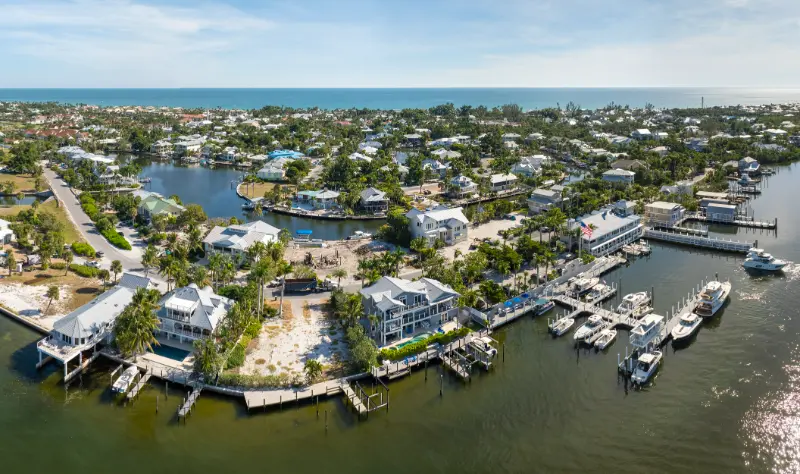
A boat crossing is often the beginning of a memorable Florida day. Mangroves shrink behind you, the busy mainland disappears and a beach that seemed impossibly remote becomes real. Yet ‘ferry island’ is not a single Florida category. Some islands have scheduled passenger vessels, others have privately operated excursion boats, some have no public ferry at present and several require private watercraft. A successful island holiday starts by matching an island to an actual, operating route and by understanding whether the landing is suitable for your group.
At a glance
| Stop or theme | What to do | Check before traveling |
|---|---|---|
| Caladesi Island | Day ferry, if operating | Marina repairs and restrictions |
| Egmont Key | Boat from Fort De Soto area | Structures closed; no pets |
| Cayo Costa | Private vessels only in 2026 | Ferry and lodging unavailable |
| Dry Tortugas | Ferry/seaplane to Garden Key | Reserve ahead; remote island |
This guide compares several well-known examples on the Gulf and Atlantic sides, including Caladesi Island, Egmont Key, Cayo Costa and Dry Tortugas. They should not be squeezed into one day or presented as a continuous island-hopping circuit. They are separated by large distances, use different operators and have different facilities. Families with young children, non-swimmers, visitors with limited mobility and travelers who have never boarded a small boat all need information that goes beyond the ticket price.
The first rule: not every island has a working ferry
Before booking a hotel around an island excursion, visit the official park page and the operator’s current reservation system. The phrase ‘accessible by boat’ can mean private vessel only, rather than a public passenger service. A park may be open while ferry service is suspended, dock facilities are under repair or overnight lodging is not available. Weather, vessel maintenance and wildlife protection can cancel landings even on an otherwise normal day. A booking confirmation should identify departure dock, boarding time, return time and cancellation policy.
If you are a nervous boater, ask about crossing duration, vessel type, indoor seating and the chance of a rough ride. No operator can promise smooth water. Someone who uses a wheelchair should inquire about gangway width, boarding angle, vessel access, restrooms and whether the island has a usable mobility route after disembarkation. A successful crossing is not automatically an accessible island visit. Babies need suitable shade, secure seating arrangements and supplies for the full outing. Treat safety and comfort as essential selection criteria, not inconveniences to check afterward.
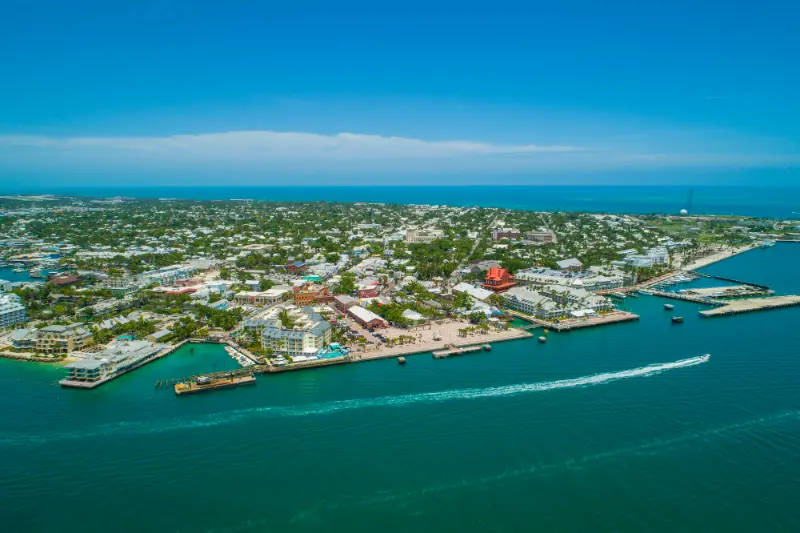
Caladesi Island: a Dunedin-area beach day
Caladesi Island State Park is a popular choice for a barrier-island experience near Dunedin and Honeymoon Island. Travelers often use a commercial ferry from the Honeymoon Island area, though this service and its schedule must be confirmed directly for travel dates. Visitors arriving by private boat have separate marina considerations. The official state park page reported restrictions to some docks and no overnight marina accommodations in late September 2026. That notice makes it particularly unwise to rely on older guides that promise an effortless overnight boating stay.
Plan for a day-use visit rather than an intensive circuit of every path. Walk the sandy beach, appreciate the dune environment and watch shorebirds from a distance. Some paths and beach entries may involve soft sand, which is tiring for many visitors and difficult for standard wheelchairs. Food service can be limited, so bring water and suitable snacks while respecting park rules. If conditions or mobility make the island unsuitable, spend the day on nearby mainland waterfronts or at an accessible section of Honeymoon Island instead. A flexible plan ensures the trip stays pleasant if an operator’s last return time changes.
Egmont Key: a boat trip with history and sensitive habitat
Egmont Key sits near the mouth of Tampa Bay and is accessible only by boat. The state park identifies ferry service from the Fort De Soto area as one option, but tickets and departures are arranged through operators, not guaranteed by merely arriving at the state park. The park announced reopening in August 2026 while keeping structures closed to the public. Therefore, an article that promises entry into historic buildings is misleading even if the beach areas are open.
The island combines maritime scenery, military history and important bird habitat. Its southern end is a protected shorebird refuge closed to visitors, and pets are not permitted on the island. Bring water, sun protection and footwear appropriate for uneven terrain. Avoid walking through dunes or nesting areas to get a more dramatic photograph. Families may enjoy a short historical explanation before the crossing and a simple beach picnic afterward. For a visitor who cannot comfortably walk in sand, ask the operator how much can be experienced safely from the boat or at an accessible landing; the answer may make a mainland Fort De Soto visit preferable.
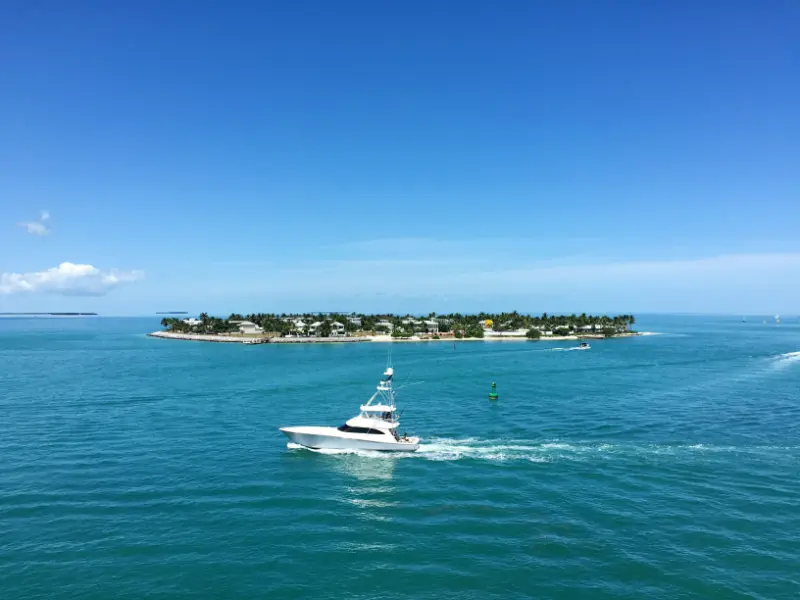
Cayo Costa: the crucial 2026 exception
Cayo Costa State Park is famous for undeveloped Gulf beaches, but its ferry situation requires special attention. The park’s official notice in 2026 states that ferry services and overnight accommodations are unavailable and that day access is for visitors with private vessels. In other words, do not sell Cayo Costa as a routine passenger-ferry day trip merely because that was possible at other times. The same official information reports a boil-water notice, another reason to check current facilities rather than copy an old packing list.
Private boat access does not eliminate the need for planning. A visitor must understand docking conditions, park entrance payment, water supplies, the weather forecast and the return journey. An inexperienced boater should not rent an unfamiliar vessel solely to ‘replace’ a suspended public ferry. The sensible alternative is to choose another accessible island or mainland preserve until service changes. If a commercial operator advertises an excursion, confirm whether it actually lands at the park and whether that landing is authorized. A sightseeing cruise past an island is not the same as transportation for a beach visit.
Dry Tortugas: an entirely different scale of day trip
Dry Tortugas National Park, west of Key West, is a remote island destination reached by ferry, seaplane or private boat. The National Park Service explains that ordinary ferry and seaplane trips arrive at Garden Key, where Fort Jefferson stands; they are not connections to every key in the park. Travel takes much of the day, and schedules and availability deserve advance attention. This is not a trip to improvise on the morning of departure or to combine casually with multiple other Key West attractions.
The historic fort and marine setting are extraordinary, but remote islands have limitations. Ask the concessioner what is included in the fare, whether meals or water are provided, and how camping or special equipment bookings work. Campers traveling on the passenger ferry have particular transport arrangements and limited space. A family with a child who dislikes long journeys may need to reconsider; an older traveler may enjoy the setting but should understand the boarding and walking demands. Marine conditions affect comfort, and there is no ordinary road or taxi to take you home early if you decide the excursion is too long.
A simple decision matrix for choosing your island
Choose Caladesi if you want a relatively local day out in the Dunedin area and the ferry is operating. Choose Egmont Key if your priorities are Tampa Bay maritime history and a beach excursion, while accepting restrictions on buildings, sensitive wildlife areas and pets. Consider Dry Tortugas when you have the time, budget and interest for a remote national-park experience with transportation reserved well in advance. Do not choose Cayo Costa on the assumption of a routine ferry connection while the park notice says that service is unavailable.
Your group may benefit from a different island or an accessible mainland beach. ‘Best island’ depends on the actual crossing, facilities, expected heat and mobility needs. A visitor with a small child might prefer a shorter, predictable journey even if the island is less famous. Someone keen on history may prefer a short interpretive experience to hours of exposed beach time. Photographers should consider sun position and return schedules, but not disregard protected zones. The most responsible destination is the one you can reach safely and enjoy without damaging what makes it special.
Booking checklist: the six questions that prevent problems
Confirm the exact vessel operator and boarding dock, then ask whether the trip includes park admission. Find the latest return boarding time and the operator’s policy if bad weather cancels service. Check whether drinking water, toilets, food and shaded seating exist on board and on shore. Verify rules for swimming, snorkeling, fishing and collecting shells; wildlife protection applies even when a beach looks empty. Ask directly about accessibility if anyone has a mobility, hearing, visual or medical need. Finally, arrange transport back to your hotel after the boat returns.
Check wind, thunderstorms and any marine advisories on the morning of travel. Florida sunshine at a hotel does not predict conditions on exposed water. Pack medicine, drinking water, a small dry bag and sun protection rather than a suitcase of beach equipment. Avoid relying on a cellular connection once offshore. For older visitors, a seat in shade and a straightforward restroom option may determine whether the trip is enjoyable. For children, an early return and a simpler lunch are often wiser than maximizing island time to the last minute.
Environmental rules and respectful island visits
Undeveloped islands are valuable precisely because they are not fully converted into recreational infrastructure. Shorebirds may nest on beaches, sea turtles need undisturbed nesting habitat in the proper season, and protected dunes are fragile. Follow rope lines, signs and ranger instructions. Do not feed birds, collect live shellfish or disturb marine life. Keep well clear of seals of any protected area and leave natural objects when park rules require it. Even ordinary food litter can attract predators that harm nesting birds.
Boaters should respect no-wake and anchoring regulations, especially in seagrass habitats. Never assume you may bring a dog merely because a park on the mainland allows pets. Egmont Key, for example, does not permit them. For snorkeling, use a buddy system and understand currents, boating traffic and physical ability; a beautiful photograph does not indicate safe swimming. A quiet, ethical island visit is a better story than a day spent chasing wildlife, entering a restricted structure or taking shells from a sensitive shore.
Frequently asked questions
Can I still take a passenger ferry to Cayo Costa in 2026?
The official state park notice says ferry services are unavailable and access is for private vessels. Check for a newer update before making plans.
Does Egmont Key allow visitors inside its buildings?
The August 2026 reopening notice says structures remain closed. Enjoy permitted exterior and beach areas only.
Can I visit Dry Tortugas and another Key West attraction on the same day?
Usually the island trip takes most of a day. Keep other commitments light and avoid tight evening reservations.
Are these islands wheelchair accessible?
Accessibility varies across vessels, docks and sandy terrain. Ask the individual operator about the whole route before purchasing a ticket.
Can I bring my dog on an island excursion?
Rules vary; Egmont Key prohibits pets. Confirm both vessel and destination policies before boarding.
Official planning resources
- Florida State Parks: current Caladesi, Cayo Costa and Egmont Key notices and visitor rules.
- Dry Tortugas National Park: NPS transport options, reservations and restrictions.
- National Weather Service: marine forecasts and weather advisories before travel.