
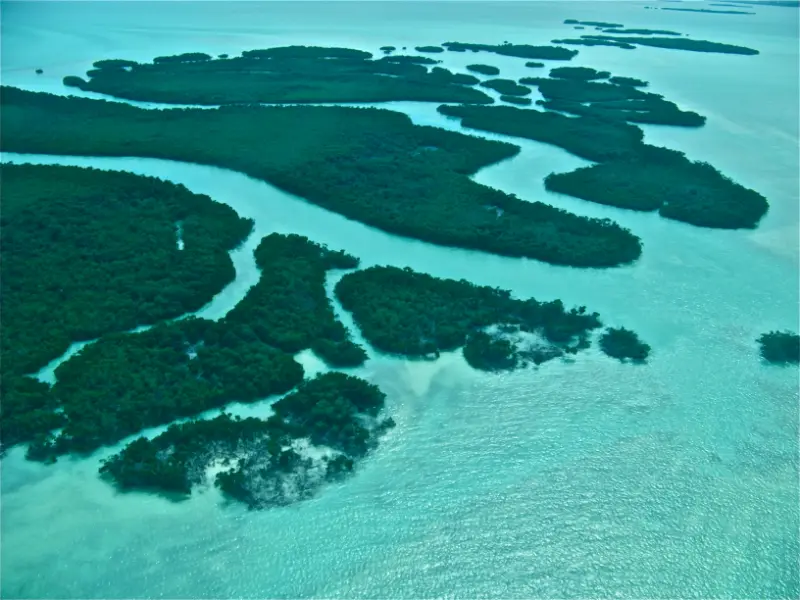
Florida islands are not one category of vacation. Some are connected by bridges and function like full beach towns; others require ferries or boats and feel genuinely removed from the mainland. The Keys are tropical and road-trip oriented, Amelia Island blends history with Atlantic beaches, Sanibel is built around shelling and nature, and Gulf barrier islands can range from resort-heavy to deliberately quiet.
The right island depends on how much infrastructure you want. Families may value a supermarket, shaded playground and easy medical access more than isolation. Couples may prefer a walkable village and sunset restaurants. Nature travelers may happily trade nightlife for wildlife, paddling and dark skies.
Quick planning summary
- Best island road trip: Florida Keys
- Best history plus beach: Amelia Island
- Best shelling and wildlife: Sanibel and Captiva
- Best relaxed family Gulf base: Anna Maria Island
- Best refined small-island feel: Gasparilla Island and Boca Grande
- Best remote experience: boat-access islands and national-park destinations when conditions allow
- Planning rule: check bridge, ferry, parking and evacuation realities before booking an island stay
Florida Keys: many islands, one famous highway
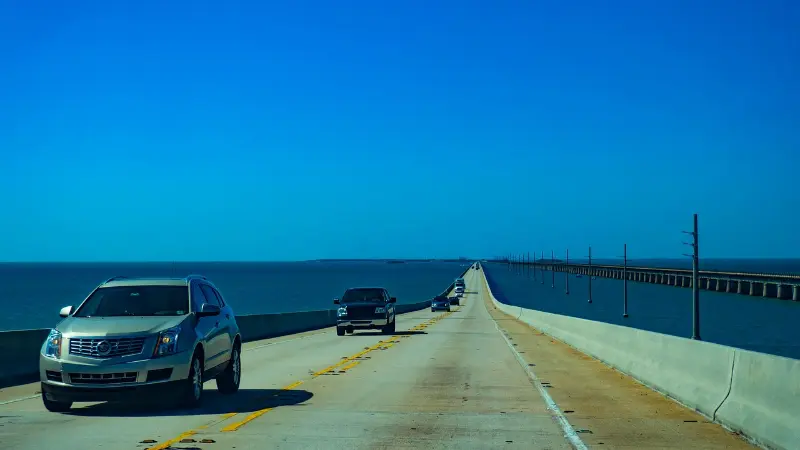
The Keys stretch far enough that choosing a base matters. Key Largo is practical for reef and dive trips, Islamorada is strong for fishing and water days, Marathon balances location with family services, and Key West offers the deepest mix of history, nightlife and walking.
Do not treat the entire chain as one destination. Driving from the Upper Keys to Key West can consume a large part of a vacation day when traffic is slow. A split stay or a deliberately paced road trip works better than commuting long distances every day.
Amelia Island: Atlantic beach and historic Fernandina
Amelia Island is one of Florida’s easiest island choices for travelers who want both a real historic center and beach access. Fernandina Beach gives the trip restaurants, museums and a harbor, while Fort Clinch, dunes and shoreline add nature.
Because the island is in Northeast Florida, seasons feel more pronounced than in the Keys. Winter can be cool, which is excellent for walking but not guaranteed swimming weather.
Sanibel and Captiva: nature first
Sanibel and Captiva are best known for Gulf beaches, shelling, cycling and wildlife rather than urban entertainment. The experience depends heavily on the condition of local beaches, roads and businesses, so check current recovery or construction information before travel.
These islands reward early starts. Wildlife refuges and beaches are more comfortable before midday heat, and parking at popular access points can become competitive.
Anna Maria Island: low-rise Gulf vacation rhythm
Anna Maria Island appeals to families and couples who want beach time, local restaurants and a more relaxed Gulf atmosphere. The free island trolley and compact communities can reduce some driving, but peak-season traffic still affects the bridges and main roads.
Choose accommodation by the part of the island you will use most. A slightly cheaper room that forces repeated cross-island drives may not feel like a bargain.
Gasparilla Island and Boca Grande
Gasparilla Island feels polished and compact, with lighthouse history, beaches and a village that suits bicycles and golf carts. It is a strong option for travelers who want quiet quality rather than a long attraction list.
Accommodation and dining can be expensive, and the island is not the best choice for people who need constant entertainment. Its value is precisely the slower pace.
Marco Island and Ten Thousand Islands access
Marco Island is larger and more resort-oriented than many of the islands on this list. It works as a comfortable base for beaches, boat trips and excursions toward the Ten Thousand Islands and Everglades region.
Families may appreciate the full-service resort environment, while independent travelers should research public beach access and parking rather than assuming the shoreline is equally easy to reach everywhere.
Remote and boat-access islands
Florida also offers islands that are reached primarily by boat or ferry. These can provide extraordinary beaches, birdlife, snorkeling or historic sites, but they require more planning around weather, capacity, food, water and return transportation.
Remote does not always mean easier. A traveler with limited mobility, very young children or medical needs should understand dock transfers, shade availability and restroom facilities before committing to a day trip.
Families, older travelers and accessibility
With babies and toddlers, I favor islands with short transfers, grocery access and easy shade rather than a long boat ride. Teenagers may enjoy snorkeling, fishing, paddling or cycling, but involve them in choosing the activity so the island does not feel like endless passive beach time. Senior travelers should compare bridge or ferry access, walking surfaces and the distance from lodging to restaurants. For wheelchair users, confirm beach mats, beach wheelchairs and dock accessibility at the specific access point.
For mixed-age groups, I would plan the day around the person with the lowest heat tolerance or the strongest mobility, feeding or rest requirement, then let more energetic travelers add optional activities. Florida becomes much easier when the group does not have to move as one unit every minute. Build obvious meeting points, keep phones charged and choose a hotel or base that allows someone to stop early without collapsing the rest of the day.
Budget and booking strategy
Island stays often cost more because land, parking and inventory are limited. Save money by traveling midweek, staying near rather than directly on the sand, and choosing one paid water activity rather than booking something every day. Calculate bridge tolls, ferry fares, parking and resort fees. A mainland hotel can be cheaper, but repeated island commuting can erase both time and savings.
When comparing prices, look at the total daily cost rather than one headline number. Parking, tolls, resort fees, food, equipment rental, transfers and cancellation rules can change which option is actually cheaper. I also prefer reservations that can be modified when weather or family needs are likely to affect the plan, even if the flexible rate costs a little more.
Best timing and seasonal planning
Winter and spring are popular for comfortable temperatures and lower humidity, especially in South and Southwest Florida. Summer brings warm water and family travel but also heat, storms and insects. Hurricane-season planning is especially important on barrier islands because evacuation orders and bridge access can affect the entire stay. Always check current conditions after major storms.
Florida is large enough that conditions vary by region. A cool morning in North Florida can coexist with beach weather in the Keys, and a thunderstorm in one part of a metro area does not mean the entire day is lost. Check local forecasts, water conditions and official attraction notices close to the visit rather than relying on a statewide forecast saved weeks earlier.
A practical way to use this guide
Start by choosing the one outcome that would make the trip feel successful. Then protect the time, location and budget for that priority before adding optional experiences. This prevents a common Florida problem: an itinerary with many individually good ideas that becomes tiring because the driving, heat and check-in times do not fit together.
I would also separate fixed commitments from flexible choices. Flights, cruises, major attraction reservations and special tours belong in the fixed group. Beaches, neighborhood walks, parks, casual restaurants and hotel-pool time can usually remain flexible. When weather or fatigue changes the day, move the flexible pieces instead of trying to force the original schedule.
Island logistics that matter more than they look on a map
Island vacations magnify ordinary logistics. A supermarket that appears ten miles away may require a bridge crossing and traffic; a medical clinic may be much farther than it is on the mainland; and a popular restaurant may not have parking at the time you want to eat. Before arrival, identify groceries, pharmacy access, fuel if you are driving and the practical route off the island.
I also avoid scheduling a flight immediately after a long island transfer. Bridges, ferries and weather can create delays that a normal city hotel does not. If the island is remote or boat-access only, spend the final night closer to the airport or build a generous transfer buffer. The calmer the island feels, the more important it is to respect the logistics that make that calm possible.
Common mistakes to avoid
- Assuming every Florida island is tropical, car-free or quiet.
- Booking far from the beach access you actually plan to use.
- Underestimating bridge traffic and limited parking.
- Planning a remote boat day without checking shade, restrooms and return times.
- Ignoring hurricane evacuation realities on barrier islands.
- Trying to drive the entire Keys chain repeatedly from one base.
Useful Wonderful Florida guides
- Florida Keys and Key West guide
- Anna Maria Island guide
- Fort Myers, Sanibel and Captiva guide
- Amelia Island guide
Official resources to check before you go
Hours, access rules, reservation systems, transportation schedules and weather-related closures can change. Check the official source shortly before travel when a specific attraction, service or route is essential to the trip.
Final thoughts
An island trip works when the access, pace and infrastructure match your expectations. Decide whether you want nightlife, nature, a walkable village, resort services or genuine remoteness, then choose accordingly. Florida has an island for almost every style of traveler, but not every island offers every style of vacation.