
A long winter stay in Florida is a different kind of trip from a seven-day vacation. Snowbirds and other long-stay visitors care less about seeing ten attractions in a week and more about neighborhood comfort, groceries, healthcare access, laundry, parking, walkability, recurring costs and whether the weather suits the lifestyle they want. I would choose the region first, then the property. A beautiful rental is not a bargain if every ordinary errand requires a long drive or the surrounding area does not fit your daily routine.
Quick planning summary
- Choose the region from daily lifestyle—walkability, beaches, golf, culture, family access—not from one vacation photo.
- Winter conditions vary from North Florida to Miami and the Keys; South Florida is warmer but often more expensive.
- Ask for the full monthly rental cost, including parking, utilities, cleaning and resort fees.
- Plan prescriptions, insurance and routine healthcare before arrival.
- Test a destination with a shorter stay before committing to an entire season when possible.
In this guide
- Quick planning summary
- What makes a good long-stay destination
- South Florida: warm winters, urban convenience and higher costs
- Southwest Florida and the Gulf Coast
- Central Florida: Orlando, Lakeland and inland value
- Panhandle and North Florida: lower latitude is not the only goal
- Rentals: read the rules like a resident
- Transport, car decisions and visiting family
- Groceries, routines and community
- Healthcare, prescriptions and practical documents
- Families, seniors and accessibility
- Budget and booking
- How to build a realistic day
- Common mistakes to avoid
- Related Wonderful Florida guides
- Official resources to check
- Final planning advice
What makes a good long-stay destination
A great one-week destination is not automatically a great two-month base. For a long stay, ordinary life matters: groceries, pharmacy access, laundry, sidewalks, traffic, parking, libraries, recreation and whether you actually enjoy the neighborhood after the tourist highlights have been seen. I would rank those daily factors before beachfront distance.
Think about why you are coming. Golf, beach walking, fishing, cultural events, family visits, warmer weather and social communities point toward different regions. A couple who wants urban restaurants may prefer South Florida or St. Petersburg, while someone seeking quiet Gulf days may be happier farther from a major metro area.

South Florida: warm winters, urban convenience and higher costs
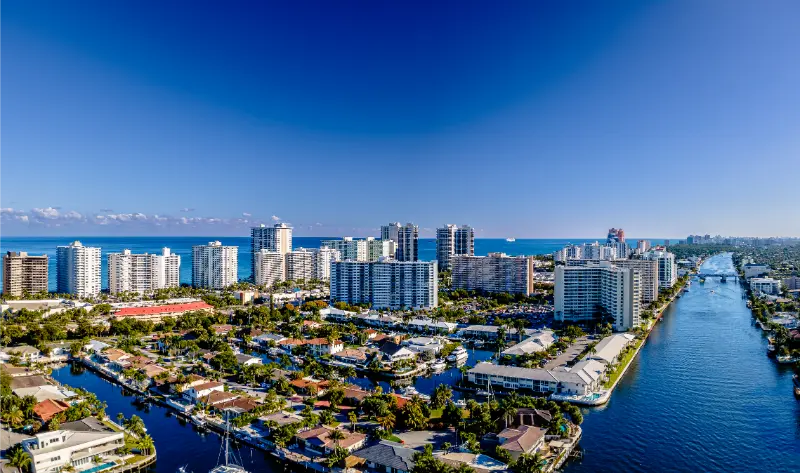
Miami, Fort Lauderdale, Palm Beach County and surrounding communities offer the warmest mainland winter pattern, extensive healthcare, restaurants, cultural options and airport access. The tradeoff is cost, traffic and busy high season. Condos can have strict guest, parking and minimum-rental rules that matter much more on a long stay than on a weekend.
A car-free or car-light lifestyle is possible in selected neighborhoods, especially when rail and walkability align with the rental. Elsewhere, a vehicle remains useful. Choose the exact neighborhood rather than assuming a city name describes daily life across a large metro area.
Southwest Florida and the Gulf Coast
Naples, Fort Myers, Sarasota, Bradenton and nearby Gulf communities are classic winter bases because of beaches, golf, outdoor dining and large seasonal populations. Sarasota and St. Petersburg add strong cultural calendars, while smaller islands create a quieter atmosphere. Winter demand can make rentals expensive and traffic heavier than visitors expect.
Beach access and hurricane recovery can change infrastructure over time, so verify current conditions at the specific community. A property a short distance inland may offer easier groceries, parking and value while still keeping the Gulf within reach.
Central Florida: Orlando, Lakeland and inland value
Central Florida can work well for snowbirds who want theme parks, golf, lakes, medical services and easy visits from family. Orlando has major-airport access and endless entertainment, while Lakeland and smaller inland cities can provide a less tourist-dominated daily rhythm. Winter mornings can be cooler than South Florida, but many days are comfortable for outdoor activity.
Inland locations reduce beach spontaneity but can simplify rent and parking. If grandchildren visit, proximity to Orlando may be more valuable than being directly on the coast. Decide what will happen every week, not only what visitors will do for three days.
Panhandle and North Florida: lower latitude is not the only goal
Pensacola, Panama City Beach, Tallahassee, Gainesville, Jacksonville and North Florida beach towns have real winters compared with Miami. Cold fronts can produce chilly mornings, and swimming is less reliable. For some long-stay visitors, that is acceptable because the region offers lower costs, quiet beaches, history and a slower pace.
Do not choose the Panhandle expecting tropical winter conditions. Choose it because you like the region even when a jacket is needed. Seasonal businesses may also have reduced hours outside spring and summer, so research the specific community’s winter rhythm.
Rentals: read the rules like a resident
Long-term vacation rentals, condos and apartment-style stays can have minimum lengths, application requirements, parking limits, deposits, utility rules and guest restrictions. Ask for the complete cost and cancellation terms in writing. Confirm whether internet, electricity, water, parking and cleaning are included and whether taxes change with the length or type of stay.
Inspect the practical layout: laundry access, elevator reliability, kitchen equipment, mattress comfort, storage and outdoor space. A beautiful balcony does not compensate for an inconvenient daily routine over eight weeks. If possible, read reviews from long-stay guests rather than only weekend visitors.
Transport, car decisions and visiting family
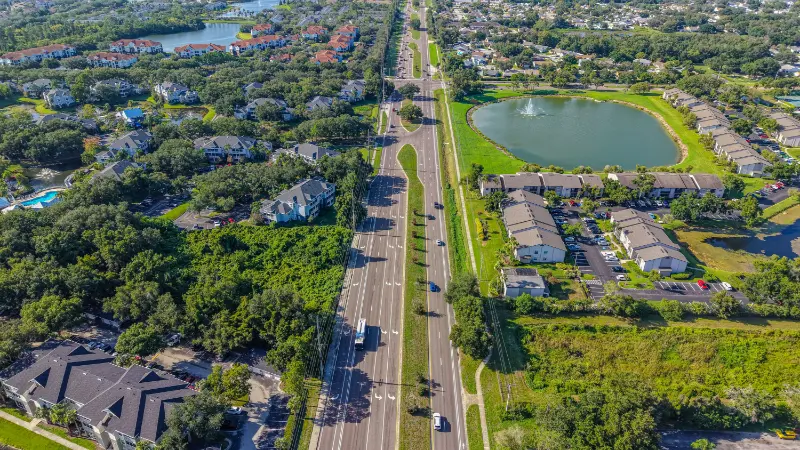
A long rental car can be expensive, but owning or bringing a car may not be practical for every snowbird. Compare the full seasonal cost, including parking and tolls, with a walkable location plus occasional rideshare or rail. South Florida rail can help on selected corridors, while many Gulf and smaller-town bases remain car-oriented.
If family will fly in, airport access becomes part of the decision. A slightly less scenic base near a major airport may produce easier visits over several months. Keep extra guest parking and sleeping arrangements in mind before promising everyone a winter escape.
Groceries, routines and community
Long stays become enjoyable when the destination stops feeling like a hotel corridor. Find the grocery store, library, walking route, farmers market, gym, place of worship or community center that fits your routine. Seasonal clubs and recreation programs can create social structure, but do not overbook the first weeks.
A repeating weekly rhythm—market morning, golf or walking day, cultural outing, beach afternoon—often feels better than continuous tourism. Save major attractions for visiting friends and relatives. You have time; use it.
Healthcare, prescriptions and practical documents
Healthcare planning deserves attention before a long stay, especially for older visitors or international travelers. Know how your insurance works in Florida, which urgent and routine services are in network if applicable, and how prescriptions can be refilled. Carry a medication list and relevant medical information, and speak with your own clinicians about any condition-specific needs.
This is not a substitute for medical or insurance advice. Policies and networks differ. The useful travel principle is simple: solve predictable needs before leaving home rather than relying on an emergency department or unfamiliar pharmacy to recreate your normal system.
Families, seniors and accessibility
Long stays should be designed around daily comfort. Families visiting grandparents may need extra sleeping space and child-safe layouts. Older travelers should think about elevators, step-free parking, pharmacy access and the distance to routine services before signing a long rental. Anyone managing health conditions should plan medication supply and insurance with their own provider. Accessibility claims in rentals can be vague, so request measurements or photographs when a feature such as a roll-in shower is essential.
Budget and booking
Long stays magnify recurring costs. A small difference in nightly rate, parking, resort fees, laundry, utilities or grocery access becomes significant over four or eight weeks. Ask for the full monthly total in writing and understand cancellation terms. Compare a cheaper remote property with the fuel and time needed for everyday errands. If you plan to host family, verify occupancy and parking rules before booking rather than assuming a long rental operates like a private home.
How to build a realistic day
A long-stay day should feel like ordinary life with better weather, not continuous sightseeing. Build routines around walking, groceries, exercise, hobbies and a few planned outings each week. Save the most popular attractions for weekdays when possible and keep weekends flexible. If friends or family visit, add a short tourist burst without reorganizing the whole month. The best long stay has enough structure to feel comfortable and enough open time to feel restorative.
Common mistakes to avoid
- Choosing a rental only from beach distance without checking ordinary errands.
- Ignoring parking, laundry and utility costs over several weeks.
- Assuming a vacation rental allows unlimited guests or vehicles.
- Waiting until arrival to think about prescriptions or insurance.
- Booking a remote area without testing its fit for your daily routine.
- Filling a long stay with the pace of a one-week vacation.
Related Wonderful Florida guides
Florida in winter, Florida for seniors, Where to stay in Florida, Florida weather guide, Florida travel insurance guide.
Official resources to check
- VISIT FLORIDA
- Florida Department of Health
- Florida by Train guide – official rail schedules should be checked directly
Rules, schedules, access arrangements, fees and weather-related operations can change. If a detail is essential to the trip, confirm it with the responsible public agency, attraction, venue or operator shortly before travel rather than relying on an old screenshot or third-party summary.
Final planning advice
The strongest Florida trips balance ambition with flexibility. Choose the experiences that genuinely matter, keep each day geographically sensible and leave room for weather, traffic and energy to change. A little breathing space usually produces a better vacation than a schedule that depends on everything running perfectly.