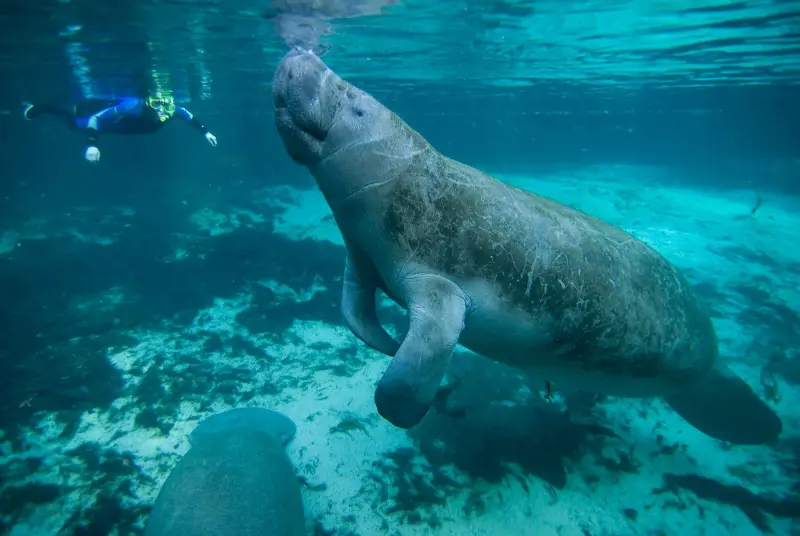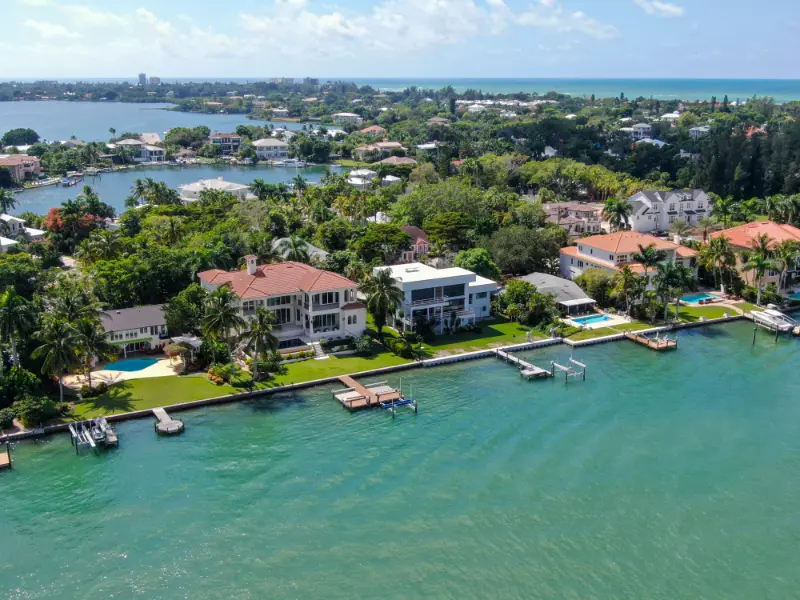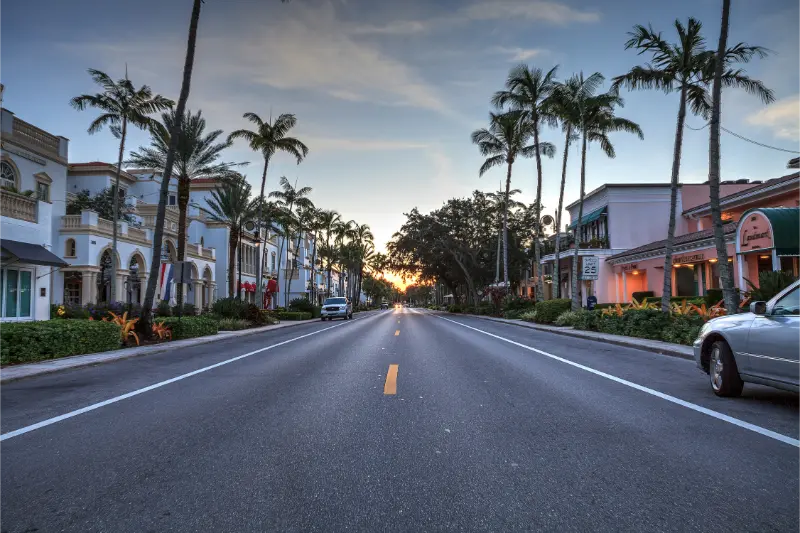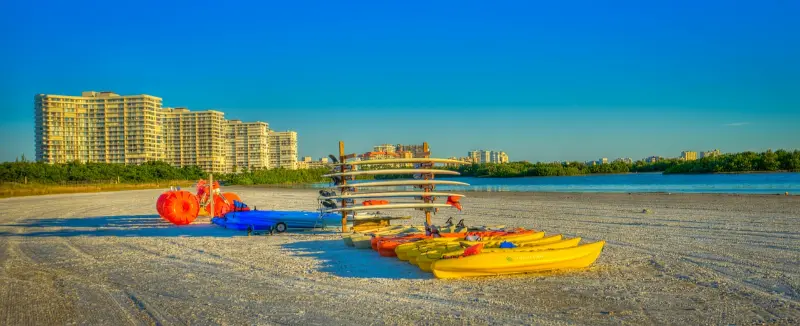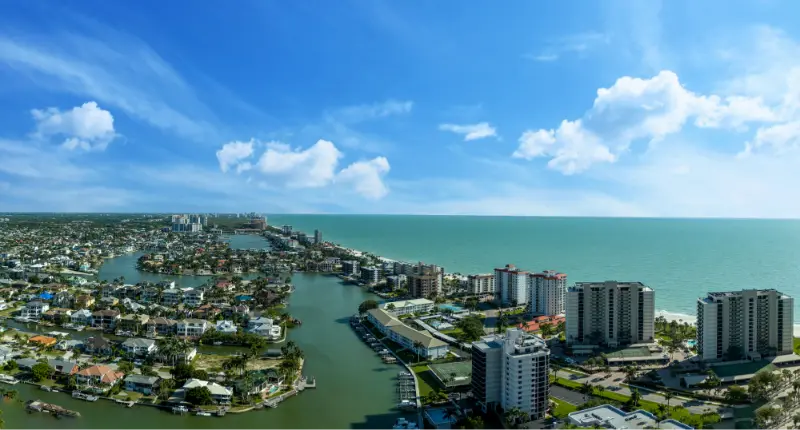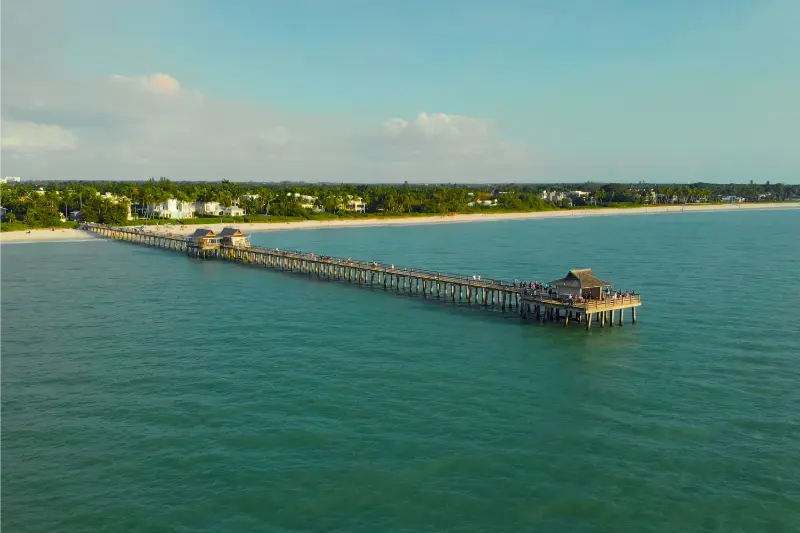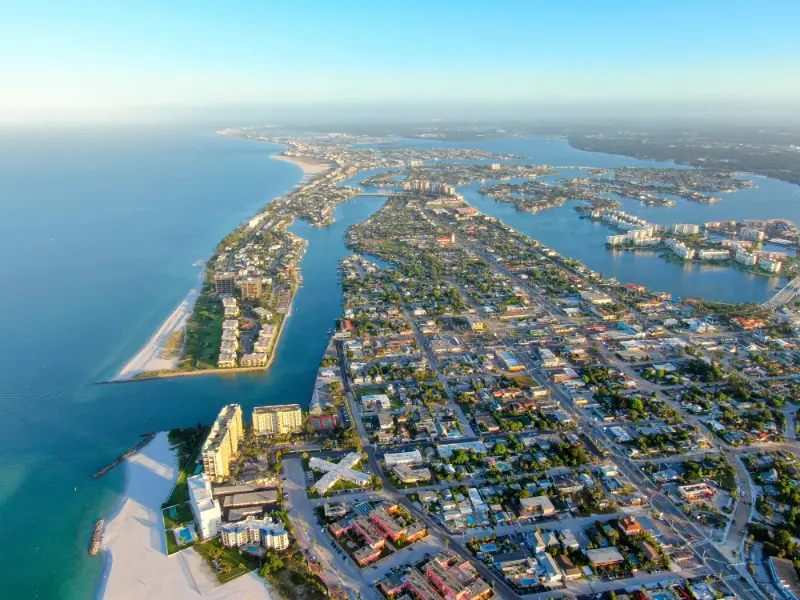
A comfortable, independent Florida trip strategy for older solo visitors who want culture, coastlines and manageable logistics. Consider what is genuinely feasible, which details deserve confirmation, and how to make room for different interests, abilities and energy levels. Florida rewards thoughtful pacing: sunshine, long travel distances, seasonal weather, and the specific character of each neighborhood can all influence the outcome. Instead of treating every suggested stop as an obligation, choose the activities that fit your group and preserve time for unplanned discoveries.
On this page
- Start with a walkable base
- Design mornings around your energy
- Book group experiences strategically
- Keep communication uncomplicated
- Pick experiences with easy exits
- Budget for comfort rather than speed
- Transport, timing and accessibility
- Budget and booking checklist
- How to adapt the plan to your travel style
- Frequently asked questions
Start with a walkable base
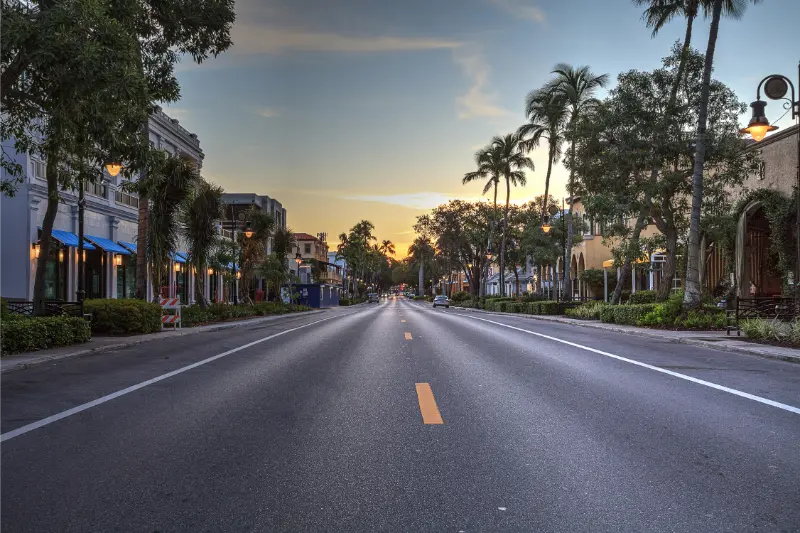
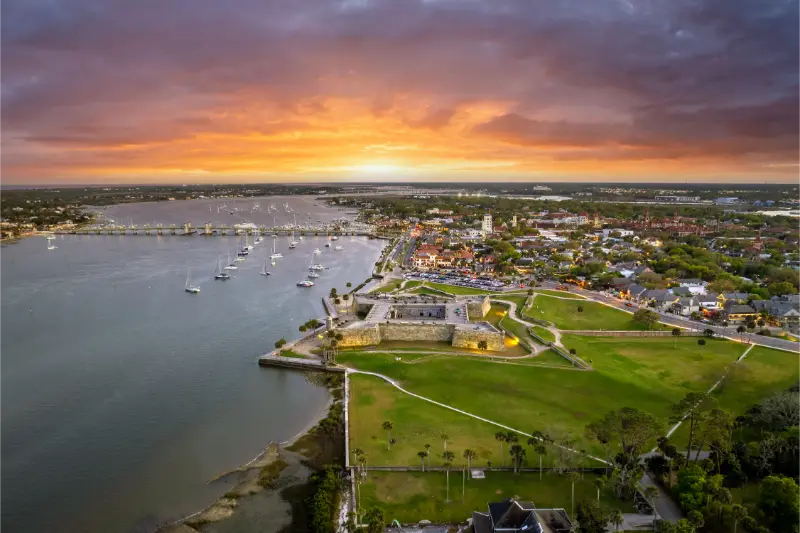
A central hotel in St. Augustine, Sarasota, Naples or a South Florida downtown can reduce the number of transport decisions you make each day. Walkability is not only about distance: road crossings, shade, lighting and seating matter. Check the precise block rather than relying on broad neighborhood descriptions. A single well-located base can be worth more than saving a small amount on a car-dependent property.
Design mornings around your energy
Florida heat and humidity can change the feel of an ordinary walk. Plan your highest-priority attraction first, when concentration and energy are usually better, and keep afternoons open for a museum, café or rest. Traveling alone makes it easier to follow your own rhythm. It also means you should avoid creating an itinerary that requires you to drive tired after a long excursion.
Book group experiences strategically
A daytime guided walking tour, museum docent tour or small nature excursion offers companionship without needing a permanent travel partner. Check accessibility, pace, meeting-point instructions and whether a cancellation occurs when too few people sign up. Choose established operators and read the current terms. Not every tour labeled “easy” is suitable for someone who needs regular seating.
Keep communication uncomplicated
Share your broad itinerary with someone you trust and establish a simple check-in routine. Store accommodation details both on your phone and on paper. If you use a medication or mobility aid, keep essential items within reach rather than checked luggage. You do not need to reveal your location publicly on social media while away from home.

Pick experiences with easy exits
Waterfront promenades, botanical gardens with benches, museums and short boardwalks can be more rewarding than lengthy hikes. Before setting out, confirm parking or drop-off points, restrooms, accessible entrances and how to return if tired. If you choose a wildlife cruise, check the boat boarding arrangement and whether the activity runs in rough weather.
Budget for comfort rather than speed
Budget for an airport transfer, flexible accommodation and occasional direct transport. Solo travelers cannot divide a room or rental car cost, but they can avoid paying for attractions they are not enthusiastic about. Consider a longer stay in one region instead of a statewide race. Review travel insurance, emergency contacts and healthcare arrangements independently of the sightseeing budget.
Transport, timing and accessibility
For Florida solo travel over 60, transport is part of the experience, not a detail to solve at the last minute. Compare driving, walking, public transportation, rail and prebooked transfers using the actual address of each stop. Look at the route between the parking area or drop-off point and the entrance. If a traveler uses a wheelchair, stroller, walker or other mobility aid, ask about surfaces, steps, restrooms and equipment rather than relying on the word “accessible.” Travelers with small children also need to account for car seats, meals and nap times. Avoid placing the longest transfer immediately before an important booked activity. A practical plan is one that still works if somebody needs to leave early.
Budget and booking checklist
Price Florida solo travel over 60 as a complete day or trip, not as one headline ticket. Make separate allowances for lodging taxes, parking, admission, transportation, food and possible equipment rental. Before paying, check the refund policy, exact cancellation deadline, arrival instructions and what happens in bad weather. Save written confirmation. Florida attractions and operators may use seasonal hours, capacity limits or reservation requirements; those facts must be rechecked close to travel. If a website shows a special offer, compare the final total and verify who will process the payment. A cheaper nonrefundable purchase is only useful when your schedule is genuinely secure.
How to adapt the plan to your travel style
For families with babies, keep Florida solo travel over 60 simple: one main outing with access to shade, changing facilities, food and an easy route back to accommodation. School-age children often enjoy a tangible goal such as spotting wildlife or finishing a short walking route. Teenagers may appreciate choosing one stop themselves. Adults who want photography or history can spend longer at a single destination rather than moving on just to complete a list. Older visitors and people with limited stamina may prefer early starts, seated experiences, indoor breaks and accommodation closer to activities. None of these approaches is a lesser version of a Florida vacation; the right itinerary should fit the people taking it.
How to feel connected without overscheduling
A solo trip can offer freedom and also unexpected quiet evenings. A helpful approach is to choose accommodation near places you can comfortably visit after dinner, such as a well-lit main street, restaurant district or waterfront promenade. A group activity every second day creates social opportunities while keeping the rest of the itinerary independent. Choose daylight departures for unfamiliar nature excursions and avoid assuming a remote trail will have a phone signal. If you would rather not dine alone each night, lunch counters, food halls and guided culinary walks can be comfortable alternatives to formal evening restaurants.
An extra planning perspective
There is no single best age for traveling independently. Someone in their sixties may happily walk miles, while another person may need frequent sitting opportunities. Evaluate the actual conditions of an activity and how you feel that week. An early museum admission and a shaded garden walk can make an excellent full day even if the travel industry markets faster adventures as more exciting. Keep one “nothing booked” day after every demanding outing; it protects your enjoyment if weather, energy or a newly discovered favorite neighborhood changes your plans.
A simple decision worksheet
Before committing to Florida solo travel over 60, write down the single experience that matters most to each traveler, the maximum amount of time the group wants to spend in transit, and the approximate budget for the day. Then note which details are still unconfirmed: opening hours, accessible bathrooms, parking arrangements, equipment requirements, whether pets are permitted, and weather-dependent activities. Contact the operator about anything essential. If a promised feature turns out to be unavailable, select an alternative instead of hoping the problem will disappear. Keeping this decision worksheet short helps people make informed choices without turning a vacation into an administrative project.
A useful final check is to read the reservation confirmation as though you had never seen the advertisement. Does it give a precise address and date? Does it explain arrival time, refund conditions and whom to contact? Is there a clear way to get back to the hotel? When children or older relatives are part of the group, is there a realistic place to stop, eat and rest? These small questions prevent more disappointment than adding another attraction. Save the relevant details offline, but check live alerts on the morning of travel. A flexible, well-understood plan is more valuable than a crowded schedule.
Before you leave: a useful reality check
Three checks make Florida solo travel over 60 substantially easier. First, verify the official opening page or operator notice on the evening before your visit, because weather, maintenance and special events can change access. Second, look at a current weather forecast and have an indoor or lower-effort alternative. Third, share the day’s meeting point and return plan with your group. If you are traveling internationally, keep important contacts and booking references available offline. This approach is especially valuable in Florida, where distances, humidity and afternoon storms can turn a tightly packed schedule into an uncomfortable one.
Frequently asked questions
Is this suitable for a first Florida trip?
Yes, provided you use Florida solo travel over 60 as a starting point rather than a fixed checklist. Select a manageable region, confirm transportation and leave time to adjust to weather and travel fatigue.
Can families and older adults enjoy the same plan?
Often, but choose activities by accessibility, shade, seating and duration rather than age alone. Break up long days and offer optional stops so nobody has to match somebody else’s pace.
Do I need to book everything ahead?
Reserve accommodation and capacity-limited experiences in advance. Keep low-cost outdoor visits flexible and confirm any cancellation, parking or timed-entry rules with the operator.
What if it rains?
Keep a nearby indoor alternative, avoid exposed areas during lightning and move the most important outdoor stop to the earliest safe window. Official warnings take priority over an itinerary.
Where should I check current rules?
Use official attraction, park, transport or government websites. Opening times, fees, beach access, service schedules and accessibility arrangements can change without notice.
Official planning resources
Use official tourism and public land resources to confirm the most recent information before traveling.
- VISIT FLORIDA – destination information
- Florida State Parks – park access and rules
- National Weather Service – forecasts and alerts