

A Florida vacation after age 80 can be full of coastal views, good food, museums and nature without requiring a packed itinerary. The difference is often in the details: a hotel close to dinner, an elevator that actually serves the room, safe transfers from the car, and enough time to enjoy each place before fatigue becomes a problem. Travel companions should discuss preferences rather than assuming everyone of a particular age has the same abilities.
This seven-day plan focuses on Sarasota and St. Petersburg, two Gulf Coast areas that offer cultural attractions, promenades, gardens and relatively short regional day trips. It is designed for someone who prefers a comfortable pace, whether traveling alone with appropriate support, as a couple, or with younger family members. It is not a medical fitness assessment. Tailor activities to the traveler and seek individual medical advice where needed.
Choose one or two hotels, not a new bed every night
For seven days, either spend the entire week in one base with local excursions or split it between Sarasota and St. Petersburg. Avoid changing hotels more than once. A room that is inexpensive but far from restaurants can lead to repeated long car journeys, difficult evening walks and added parking stress. Before booking, call the property to confirm a walk-in shower if needed, grab bars where relevant, a working elevator, step-free entry, seating in the room and the exact layout of any accessible bathroom.
If someone uses a walker or wheelchair, ask for dimensions and photographs rather than accepting the word accessible at face value. Check the distance from parking to the entrance and whether valet parking is mandatory. In a vacation rental, stairs and pool fencing deserve equally careful questions. A suitable hotel is one where an exhausted person can comfortably return for an afternoon rest.
Day 1: arrive and make the first evening effortless
Plan no attraction on arrival day. Collect luggage, take a prearranged transfer or rental car, check into the hotel and eat nearby. Even a short flight can become tiring when combined with a long airport walk and busy road traffic. If a traveler benefits from airport assistance, request it through the airline ahead of time rather than hoping a wheelchair or escort will be immediately available at the gate.
Choose a hotel with a restaurant on site or a short, level route to dinner. Unpack essential medicines into a safe, accessible location; keep a written list of medications and contacts. Make sure everyone knows the room number, how to request help from the front desk and the easiest return route from the lobby. If travel goes smoothly, a fifteen-minute sunset stroll is a pleasant extra, not an obligation.
Day 2: Sarasota’s cultural side at The Ringling
The Ringling in Sarasota is a strong choice for travelers who enjoy art, history and gardens, but its grounds are extensive. Select one main component—such as the art museum—and allow time for seated breaks. Do not assume that a ticket to the complex means every gallery, historic building or tour is equally accessible at all times. Review current accessibility information and opening hours using The Ringling’s official site.

Have lunch either on site where available or back near your hotel, then keep the afternoon open. Someone who loves museums may prefer ninety unhurried minutes over three hours of trying to see everything. Travel companions can explore separate areas and meet at a prearranged indoor location. If walking outside is uncomfortable, indoor galleries may be preferable to gardens in the midday heat.
Day 3: gentle nature at Oscar Scherer State Park
Oscar Scherer State Park near Osprey can provide a taste of Florida wildlife without committing to strenuous hiking. The park lists the Lester Finley Barrier Free Trail, Lake Osprey Trail, accessible observation amenities, picnic areas and a nature center. Choose the route after discussing present conditions and surfaces with staff. The state park amenities page provides useful advance detail.
A short trail and a long shaded picnic may be all you need. Bring water and a supportive seat cushion if it helps. Do not schedule boating or swimming merely because those activities are offered; the nature experience is worthwhile from shore. Nature center hours can differ from the park’s general opening hours, so verify them separately. Return to the hotel before afternoon heat, leaving time for a quiet evening meal.
Day 4: transfer north with a relaxed lunch break
If changing hotels, travel from Sarasota toward St. Petersburg as a single, unrushed transfer day. Choose one lunch stop, avoid major detours and arrive with enough daylight to become familiar with the new property. Routes and travel times depend on traffic, particularly around Tampa Bay and bridges; navigation estimates are not promises. If staying in Sarasota all week, this can instead become a rest day or a modest local outing.
The best use of the afternoon is settling in. Confirm whether your parking space is close, locate the elevator, and check that the air conditioning and bathroom meet expectations. A waterfront-view room is pleasant, but it is not automatically worth stairs, a faraway building or an awkward shower. People traveling with family may appreciate a couple of independent hours after three days together.
Day 5: St. Petersburg’s waterfront and The Dalí Museum
St. Petersburg pairs waterfront parks and museums with comfortable restaurants. The Dalí Museum may appeal to art lovers, while someone less interested in galleries could enjoy a short visit to the waterfront and a cafe. Look at current exhibitions and accessibility information at the official museum website before deciding whether advance tickets are necessary.
A museum-first morning leaves room for a light lunch and a short waterside stroll. The St. Pete Pier district has free public access, although particular attractions and food outlets charge separately; its official FAQ gives useful visiting information. Do not feel obliged to walk all the way to the pier’s end. A suitable bench with a breeze and a view may be the better experience.
Day 6: choose between a beach view and a second cultural day
This is the flexible day. For a beach atmosphere, choose a coastal restaurant, accessible promenade or beach access with documented parking and a short route. Some beaches provide mobility mats or beach wheelchairs, but availability varies and should be confirmed with the managing authority. Watching the Gulf from a comfortable seat is a legitimate beach day, especially when sand makes walking unsafe or exhausting.
If someone prefers indoors, use the day for another art museum, a small history exhibit or a leisurely lunch. Families can split up: one group spends an hour in the sand while another enjoys a nearby accessible cafe, then everyone reunites. Check thunderstorms and heat before leaving. An itinerary should respect the least comfortable traveler without preventing others from choosing optional activities.
Day 7: breakfast, checkout and a calm journey home
Keep departure day free of major sightseeing. Allow extra time for medication routines, the hotel’s elevators, airport security and any prearranged mobility assistance. Before leaving, check drawers, chargers, glasses and refrigerated items. A photo of the packed luggage arrangement can be helpful if a cane or mobility aid has been stored separately.
If returning a rental car, know where the rental facility is before driving to the airport; some require a shuttle connection. Refill fuel according to the contract and budget for traffic. Travel is easier when the final day is predictable. If the flight is late, request an extended checkout in advance rather than assuming it will be available for free.
Alternative: stay in one Sarasota-area hotel all week
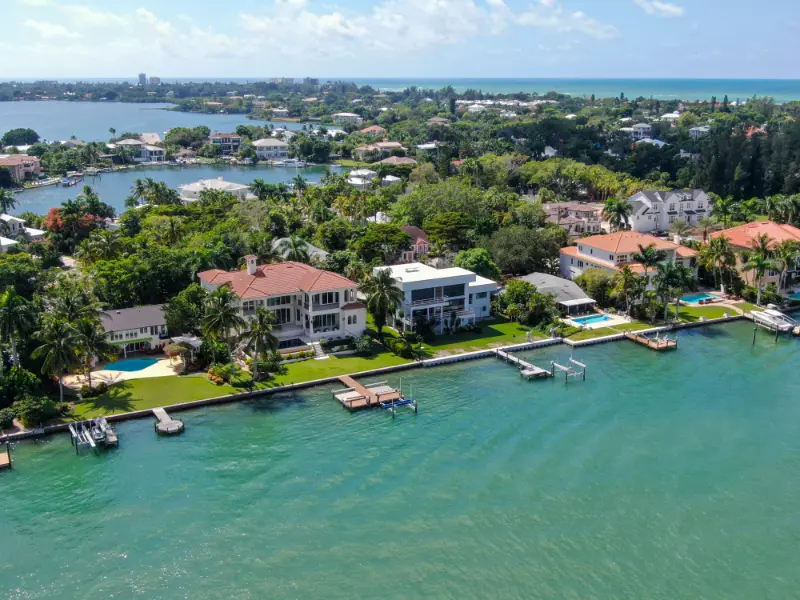
For travelers who find packing and hotel transfers difficult, choose one accommodation for the entire seven days. Sarasota has beaches, The Ringling, parks and restaurants, while Osprey and nearby communities offer easy nature excursions. A day trip to St. Petersburg is possible for many drivers, but it need not be included. A simpler trip can be richer than a more geographically ambitious one.
A one-base holiday also works for families with children of different ages. Younger companions can arrange an optional theme-park or beach day on their own while an older relative enjoys a quiet morning. Agree in advance on shared meals and independent time. The goal is a welcoming trip, not insisting that everyone participate in every activity.
Timing: when is this trip most comfortable?
Many travelers prefer the less humid parts of the year, but winter can bring cooler fronts, high-season demand and busy restaurants. Spring can be pleasant, with spring-break crowding in some areas. Summer often means heat, high humidity and afternoon thunderstorms. Late summer and fall require careful attention to hurricane forecasts and booking flexibility. Check the National Weather Service and current local notices rather than choosing dates based only on a monthly average temperature.
Build days around the forecast. A museum morning and hotel rest make sense on a hot day; a garden walk may be nicer in mild weather. For people who need regular medication or medical equipment, storage temperature and power reliability should form part of the lodging decision. If a storm warning is issued, follow local emergency directions promptly.
Food, medication and health considerations
Staying hydrated, enjoying familiar meals and taking normal medications on schedule help many travelers remain comfortable, but individual needs differ. Discuss long flights, medications, mobility, circulation concerns and medical equipment with a clinician when appropriate. International visitors should examine health insurance coverage carefully; U.S. medical care can be costly. Keep prescriptions and essentials in carry-on baggage, using original packaging when suitable.
For restaurant meals, reserve a table when a venue is busy and request seating that avoids stairs if necessary. Ask about restroom access before ordering. Long lines and loud music may make a highly rated restaurant less appealing. Consider an early dinner, particularly if evening driving is difficult. There is no prize for spending the entire day away from the hotel.
A simple budget and booking checklist
Compare the full accommodation price including parking, taxes, any resort fee and the cost of a suitable room type. Decide whether a rental car is genuinely necessary or whether transfers and local rides are easier. A vehicle with comfortable seating and easy entry can be more useful than the least expensive option. Museums, state parks and organized tours may charge admission, and discounts can depend on residency or specific eligibility.
Before paying for nonrefundable activities, check cancellation terms and physical requirements. Keep a list of essential contacts, preferred hospital or urgent-care options and family phone numbers. If travelers are in different rooms, agree on a simple way to communicate. A comfortable holiday is often the result of a few practical questions asked early.
Frequently asked questions
Is Florida a good vacation destination after age 80?
It can be. Choose suitable lodging, manageable transfers, activities with seating and access, and a schedule matched to the individual’s health and interests rather than their age alone.
Do we need a rental car for Sarasota and St. Petersburg?
A car can make scattered outings easier, but airport transfers and rideshares may work if the hotel is near restaurants and attractions. Check availability of suitable accessible vehicles before booking.
Should we visit the beach if someone cannot walk on sand?
Yes, if they enjoy coastal scenery. Choose a promenade, accessible viewpoint, restaurant or verified beach-mat location. Sand access is not necessary to appreciate the coast.