Category: Florida Itineraries

  • Three Days in Cedar Key and Chiefland: Gulf Islands, Springs and the Nature Coast

    Three Days in Cedar Key and Chiefland: Gulf Islands, Springs and the Nature Coast

    Cedar Key and Chiefland offer an appealing three-day introduction to Florida's Nature Coast, a region where tidal marshes, springs and small communities matter more than enormous beachfront resorts. Cedar Key sits beside the Gulf with a history linked to fishing, trade and island life; Chiefland is inland and provides easier access to supermarkets and nearby spring landscapes. These places complement each other without being interchangeable. The trip works for travelers who enjoy nature, local history and an unrushed meal. It is less suitable for someone expecting a continuous strip of broad swimming beaches or frequent city-style public transport.

    Three-day summary

    DayMain planEasier alternative
    1Cedar Key waterfront and local historyMuseum and relaxed coastal meal
    2Manatee Springs and ChieflandShort boardwalk and park facilities
    3Suwannee River or more Cedar KeyClose-to-town viewpoint

    Choose the coast or the inland base

    Cedar Key has an intimate island-town atmosphere, small inns and holiday rentals, while Chiefland offers practical services along the road network. Staying in Cedar Key is appealing if you want evening walks near the waterfront and do not mind checking restaurant hours carefully. A Chiefland base may be more convenient for day trips to state parks and for anyone who values a familiar hotel layout and accessible parking. Compare exact travel routes and whether the lodging includes steps, an elevator or a ground-floor room. Older island buildings can be charming but not necessarily easy for a stroller or mobility device.

    A car is strongly recommended for this itinerary. The route to Cedar Key passes through low coastal country, and severe weather or flooding can affect roads. Check local advisories rather than assuming access always works as on a normal sunny day. Rental descriptions such as “Gulf view” also deserve scrutiny: a view over tidal flats or a working harbor is not the same as immediate access to a sandy swimming beach. Book for the experience you actually want. A comfortable chair with a marsh view may be ideal for a quiet vacation, but it is not a substitute for a beach resort.

    Day one morning: explore Cedar Key's compact town

    Spend the first morning walking a manageable part of Cedar Key and getting a sense of its relationship with the Gulf. Small shops, galleries and local restaurants may be scattered over short blocks, so choose a pleasant loop rather than a complete circuit. The town has a strong coastal identity shaped by fishing, shipping and changing environmental conditions. A museum or local heritage display, if open, can deepen the visit. Check operating days and special closures before planning around a single attraction, particularly outside busier tourist periods.

    A slower arrival helps you notice the details: boats working near the waterfront, birds over shallow water and the different appearance of the shore as the tide changes. Respect commercial areas and do not enter working docks or private property just to take photographs. Children may enjoy watching vessels from a safe public viewpoint, while a couple might appreciate an unhurried coffee. For visitors who cannot walk far, pick a convenient parking area and remain close to a restaurant with accessible facilities. Day one is about discovering a particular coastal town, not completing a strenuous hike.

    Day one afternoon: bay views instead of assumed swimming

    The shore around Cedar Key is influenced by shallow Gulf waters and extensive tidal habitat. This is not the same swimming environment as the wide, clear Gulf beaches farther west or south. Water may be muddy or shallow, and marine conditions change with wind and tides. Use official public access locations and follow safety signs. Do not wade into unfamiliar marsh or tidal flats simply because a map shows “beach.” If you are interested in kayaking or a guided boat trip, select a reputable operator and check weather, tides, life jackets and cancellation terms.

    A shore-based afternoon can still be enjoyable. Look for public coastal viewpoints, birdwatching opportunities and a meal in town. A tide change may reveal or cover different parts of the landscape, making repeated views interesting. Families who do not want a boat outing can focus on a small museum, an early dinner and rest. Those with limited mobility should ask whether the specific boardwalk or waterfront path is step-free and where parking is available. Avoid promising a sunset boat trip before checking whether it operates on the day you are visiting.

    Day two morning: Manatee Springs State Park

    Travel inland for Manatee Springs State Park near Chiefland. The park protects spring and river habitats and includes a boardwalk through a cypress setting. Check the official park website shortly before the visit: in October 2026, the park reports construction affecting the ranger station, Hickory Camp Loop and waterfront picnic area, and a separate closure of the waterfront restroom and dump station. That makes it important not to build the plan around a particular facility without confirmation. Arrive with water and a clear idea of which amenities are available for your group.

    The boardwalk can be an appealing way to appreciate the natural setting without renting a boat. Manatees sometimes use warm springs in cooler periods, but they are wild and sightings are not guaranteed. Do not enter restricted areas or try to attract animals. Swimming and paddling rules can vary with park conditions and seasonal protection measures; follow staff instructions. Families may enjoy a nature walk and a picnic, while travelers who prefer comfort can concentrate on the most convenient viewpoint. Do not assume every portion of the park is accessible simply because one route is paved.

    Day two afternoon: Chiefland services and a quieter afternoon

    Following the springs, return to Chiefland for lunch and practical errands. This is the right moment to replenish sunscreen, water, medications or groceries for the final day. It may not sound like a major attraction, but a well-timed supply stop makes a rural coastal trip more comfortable, especially with small children. If everyone has energy, explore a nearby public green space or local heritage site after verifying that it is open. Avoid adding a second distant spring merely because it seems close in a straight line on the map.

    Chiefland's role in this holiday is partly logistical, and that can be an advantage. Travelers with a baby might need laundry or a quiet room for naps, while seniors may want a relaxed meal and time indoors in the hottest hours. A couple could use the afternoon to explore a local café or head back toward Cedar Key for evening light. The important distinction is that a day at a spring is an outdoor activity in its own right. Packing the remaining afternoon with more driving often reduces the enjoyment of the natural setting.

    Day three: Suwannee River views or a second Cedar Key morning

    Choose the last day according to interests and the direction of your next journey. A visit toward the Suwannee River region can offer additional nature viewpoints and a sense of the inland waterways that shape North Florida. Select a specific publicly accessible location with confirmed facilities; do not treat a random riverbank on a map as a safe or legal stopping place. Water levels, currents and wildlife can make swimming hazardous outside managed areas. A guided nature outing may be worthwhile, but it should be booked only after confirming weather and accessibility.
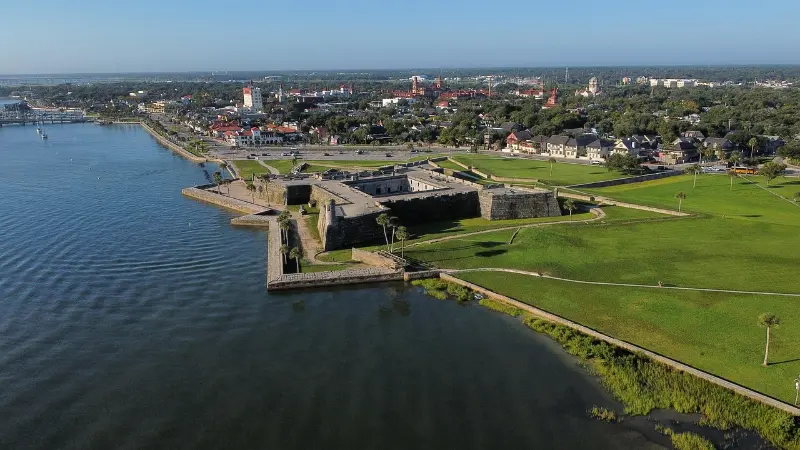
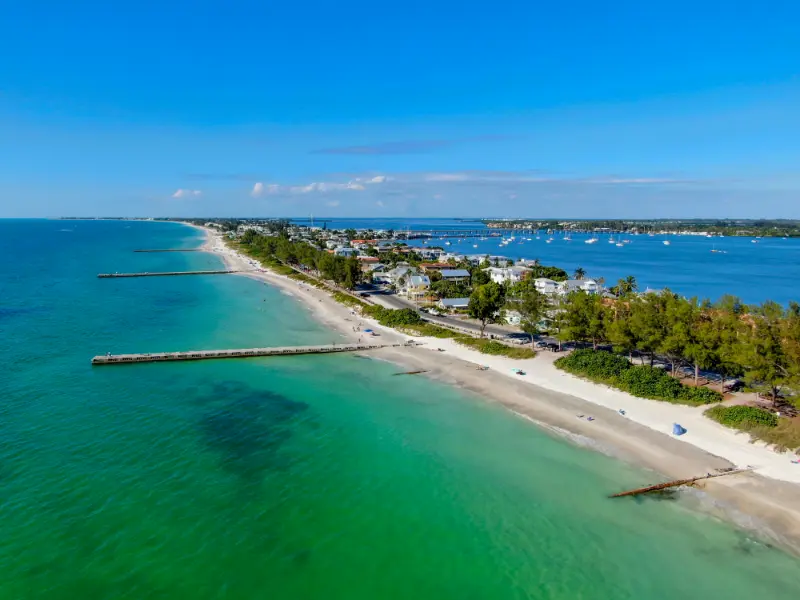
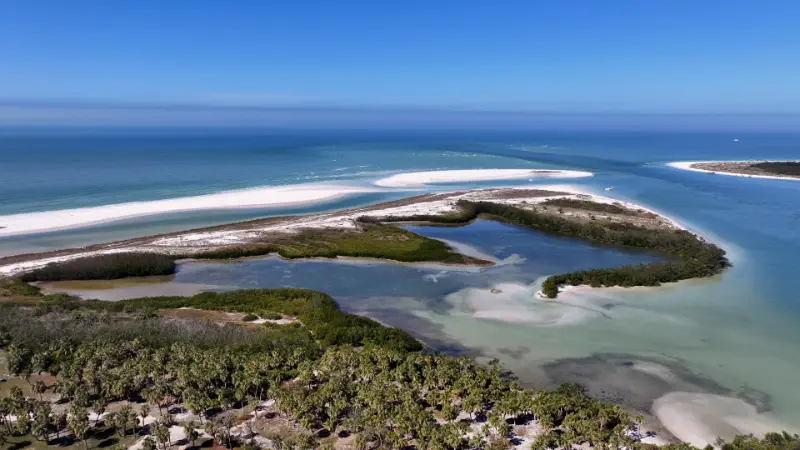
    Florida River Estuary Nature Reserve Aerial

    The alternative is an extra morning in Cedar Key, perhaps for art shops, a museum you missed or simply another Gulf view at a different tide. This makes particular sense if you are leaving in the afternoon or if someone finds longer drives tiring. A family with children may prefer a predictable lunch and an easy departure. For travelers who enjoy photography or birding, a carefully chosen waterfront stop may provide a new experience without traveling farther. Three days offer enough variety without turning the Nature Coast into a competition to visit the most springs.

    Understand wildlife, insects and coastal weather

    This region contains wetlands and important wildlife habitats, including areas where alligators may live. Follow park guidance around freshwater, keep pets and children away from shorelines where swimming is not designated, and never feed wild animals. Insect activity can be intense, particularly near marshes and during warmer months. Pack suitable repellent, long sleeves where comfortable and shoes that can handle damp ground. Birdwatching is often rewarding from boardwalks or overlooks; leaving the trail to pursue a photograph risks damaging sensitive habitats.

    Heat and lightning can disrupt summer afternoons, while tropical weather may affect both coast and inland roads during hurricane season. Check forecasts and local emergency notices rather than relying only on national weather icons. Flooding on a low coastal route can change your travel plan substantially. If a park or bridge is closed, do not drive around barricades or assume a side road is safe. Visitors without swimming plans can still enjoy the region's environmental story, and choosing land-based activities may make the trip more comfortable for a mixed-age group.

    Budget and what to bring

    The main costs are accommodation, vehicle travel, food, park admissions and any guided water outing. A shore walk can be inexpensive, but rural distances may mean more fuel and longer driving than a visitor expects. Compare the complete accommodation cost, including cleaning fees, and decide whether a kitchen is useful. Small-town restaurants can have limited opening hours, so a few basic groceries are valuable. Carry water, sun protection, a portable charger and any medications you cannot easily replace. Download maps for areas where phone service may be less reliable.

    For very young children, plan short outdoor blocks and verify restroom locations before leaving the hotel. School-age visitors may enjoy learning about springs, tides and wildlife; teenagers might prefer kayaking if they meet safety requirements. Older travelers can enjoy boardwalks and waterfront restaurants with minimal strenuous activity, provided the actual access is checked. Those with mobility needs should inquire about the full route from parking to viewpoint. A good Nature Coast holiday is not judged by how many miles you paddle or how far you walk, but by the quality of time spent in the landscape.

    Final planning checks and a realistic route

    Before travel, confirm current status at Manatee Springs State Park, including construction and restroom access, and check official Cedar Key travel advisories. Verify any boat excursion with the operator and note that wildlife is never guaranteed. Decide which day will involve the longest drive and arrange a simple meal nearby. If severe weather threatens, keep the itinerary flexible and follow local safety instructions. Visiting state parks does not require adopting an adventurous approach when members of the group would rather remain on boardwalks.

    In three days, Cedar Key and Chiefland can reveal an often-overlooked part of Florida: a working Gulf town, a natural spring and the inland waterways that connect the state's coastal ecology. The best approach is modest in scale and attentive to conditions. Spend time learning how the tide changes the shore, how springs feed rivers and how local communities live with a natural environment that is both generous and vulnerable. Those observations can make this quiet trip memorable long after the drive home.

    Frequently asked questions

    Does Cedar Key have resort-style swimming beaches?

    Its shoreline is largely tidal and marshy; it is not the same beach environment as larger Gulf resorts.

    Are all facilities open at Manatee Springs?

    No. As of October 2026 construction and restroom closures are posted. Check the latest park alerts.

    Do I need a car for this itinerary?

    A car is recommended for the journey between the island town, inland services and nature stops.
    Official information and useful resources

    Explore the area on an interactive map

  • Bradenton, Palmetto and Cortez: Four Days of Gulf Coast Heritage

    Bradenton, Palmetto and Cortez: Four Days of Gulf Coast Heritage

    You can explore the Bradenton area without spending the whole vacation on a beach. On the mainland side of Sarasota Bay, Palmetto, Bradenton and Cortez offer a rewarding mix of riverfront paths, local history, fishing traditions and neighborhoods that remain active communities rather than open-air attractions. This four-day itinerary works well for adults who prefer culture, families seeking breaks from swimming, or grandparents traveling with children. It also helps if a beach closure, red tide advisory or poor weather changes an otherwise coastal holiday.

    There is an important planning detail as of October 2026: the Florida Maritime Museum in Cortez says its main museum building is temporarily closed for rehabilitation. Do not plan an ordinary indoor museum visit there without checking for reopening. The historical village and approved public walking routes may still make the area interesting, but visitors should not assume the closure grants access to museum buildings or private working docks. A thoughtful itinerary respects that distinction.

    One accommodation base is enough

    Bradenton generally offers a wider choice of hotels and services than the smaller historic village of Cortez. Staying near downtown can simplify riverfront exploration, but check the actual distance to the activities you choose. A low hotel rate on the far side of a highway might require a vehicle for every meal. Visitors who value a quieter environment may prefer Palmetto or a residential rental, provided they verify parking, stairs and neighborhood rules.

    This is a car-friendly itinerary, though some downtown sections can be explored on foot once you park. Do not assume ferries or water shuttles run directly between every waterfront destination. Maps may show a short distance across the water while the road route involves a bridge and traffic. If you are traveling without a car, consider selecting a more compact Bradenton base and reducing the trip to confirmed transit and taxi connections rather than trying to replicate the full plan.

    Day 1: start on Bradenton’s Riverwalk

    Spend the first morning along the Manatee River on Bradenton’s public Riverwalk. Rather than attempting the entire waterfront at once, choose a section that matches the group’s energy and preferred activities. Families may appreciate play areas and broad views; couples might prefer a quiet bench and time to watch activity on the river. The path can be exposed to the sun, so even a simple stroll is more comfortable early in the day. Check for event setups that might change parking or access.

    Bradenton Beach Anna Maria Island Florida Coast Aerial

    The riverfront is also a good introduction to the area’s geography. Looking west, you are reminded that this is a network of rivers, bays and working waterfronts—not simply a line of beaches. Fishing vessels, pleasure craft and changing weather are part of the scene. Explain to children why they should remain behind railings and away from boat-docking areas. A riverwalk is not an invitation to enter the water.

    For lunch, choose a downtown café or casual restaurant that fits your budget and dietary needs. If a museum or art venue is important, verify its current hours and whether any exhibition requires a separate ticket. Avoid trying to combine a hot outdoor walk with several indoor visits before lunch; short, varied activities usually make a more pleasant day for people of different ages.

    Day 2: Palmetto and the north bank of the Manatee River

    Cross to Palmetto for a look at the area’s agricultural and settlement history. The historic district and public parks make a different kind of visit from a major theme attraction. Begin with a public historic site or park whose hours are confirmed, then continue along streets where pedestrian access is permitted. Do not enter fenced historic structures or private gardens just because an old sign or map makes them appear interesting.

    The Palmetto Historical Park and related local collections can provide context for the changing economy of Manatee County. Confirm which buildings and exhibits can be visited on the exact day; volunteer-dependent opening hours often differ from commercial museum schedules. If an interior exhibit is not available, use the afternoon for a public waterfront viewpoint and a relaxed meal. For children, invite them to compare how goods and passengers moved through river towns before modern bridges and highways.

    Pay attention to walking surfaces and shade. An older traveler who enjoys local history may not want a long midday circuit. Make two short stops, with a break between them. Families bringing a stroller should look for accessible entrances and restrooms rather than assuming historic properties will have smooth paths throughout. The aim is to understand the town, not complete every building on a walking-tour brochure.

    Day 3: Cortez and the living fishing waterfront

    Cortez is a historic fishing village with a distinct working identity. Some visitors arrive expecting a themed tourist village; in reality, you are moving through a neighborhood where businesses, boats and residents continue their daily routines. The Florida Maritime Museum offers a self-guided historic walking-tour resource that can help explain the streets and landmarks. Check public access carefully, use sidewalks and permitted paths, and do not trespass on private docks or boatyards for photographs.

    Because the Florida Maritime Museum is temporarily closed for rehabilitation, build the day around the open village, local context and an appropriate meal, not a promised museum exhibition. If the museum has announced an outdoor event or a separate program on your dates, verify that independently. A closure notice can change after reopening; the official museum page is the correct source to check before you go.

    A seafood lunch can be part of the experience, but do not assume that every restaurant sells the same species or sources everything locally. Ask sensible questions about dishes and prices. If someone has a seafood allergy, tell staff about it explicitly and check cross-contact procedures; a waterfront restaurant is not inherently safe for every diet. Families on a budget may find that one shared special meal is more memorable than buying snacks throughout the day.

    Day 4: choose art, local markets or another riverside morning

    Use the final day to follow the group’s interest rather than adding another long drive. Art enthusiasts can return toward Bradenton’s cultural areas, checking gallery openings ahead of time. Visitors who loved the river can choose a different public waterfront viewpoint. If a local market is scheduled, browse respectfully and remember that seasonal produce and vendor attendance vary. An online listing does not guarantee that a specific stall will be present.

    For children, a low-pressure challenge makes a good finale: identify three examples of coastal life, such as a fishing net, bridge, mangrove or boat design. The point is to connect the previous days, not manufacture a strenuous scavenger hunt. If storms or heat are building, replace the outdoor activity with a suitable indoor attraction or return to the hotel earlier.

    Departure-day planning matters here because traffic can accumulate on approaches to the beaches and bridges. Give yourself a reliable buffer to reach an airport or start a longer drive. A small final stop is never worth missing a check-in window or arriving home exhausted.

    Understand the area’s history responsibly

    A good heritage trip does more than photograph attractive old buildings. Bradenton and Palmetto developed through transportation, agriculture, trade and changes in land ownership. Cortez has a living maritime tradition that includes generations of fishing families. When reading exhibits or local plaques, remember that accounts of settlement must also acknowledge Indigenous history and the labor of people often omitted from celebratory narratives. Choose interpretive materials that explain these layers instead of reducing the region to nostalgic scenery.

    Ask museum staff or local heritage organizations where you can learn more, especially when a building is closed. Their recommended archives or walking maps may provide better context than a random social-media itinerary. Support legitimate local businesses by purchasing something you want rather than expecting free access to areas that exist primarily for working residents.

    How to handle waterfront weather and water quality

    A route beside a river and bay is not automatically a swimming vacation. Fishing areas, marina docks and riverfront walks have different safety conditions than supervised beaches. Never treat an unmarked waterside stairway as a safe way to enter the water. Check local weather alerts, and move into substantial shelter if thunder approaches. The National Weather Service cautions that being outside near thunderstorms is unsafe even when rain has not reached your location.

    If you add a beach day, check relevant water-quality and red-tide information close to your visit. Conditions can vary between sites. Visitors with respiratory sensitivity may prefer inland and indoor activities when coastal irritation is reported. A mainland cultural trip is valuable partly because it offers alternatives without requiring you to cancel the whole vacation.

    Travel with children or someone who walks slowly

    Plan each day around one core destination, an easy meal and a shorter optional stop. Children under five might enjoy the river views but tire quickly of historical interpretation. Bring coloring supplies or simple questions that make stories concrete. Teenagers may prefer to photograph architectural details or investigate how the village’s fishing industry works today. Offer choices, rather than assuming every generation finds the same activity exciting.

    For someone with limited mobility, ask about parking proximity, curb ramps, museum entrances, restrooms and seating. Historic districts may have narrow or uneven sidewalks. When a particular heritage site is not accessible, a public riverfront viewpoint and interpretive information can still create a meaningful visit. Independence matters: let the traveler decide whether the shorter option feels right.

    Parking, meals and the real cost of a four-day stay

    Accommodation is likely to be the largest cost, followed by car use and meals. Compare final hotel rates after taxes and fees, plus the cost of parking at the property. Look up event schedules near downtown Bradenton, since a waterfront festival can affect parking and restaurant demand. A walking itinerary feels economical until visitors discover that parking for several short stops costs more than expected; group nearby attractions together.

    Restaurant spending is easy to control if you plan one featured meal and simpler food at other times. Breakfast in a room with a refrigerator can save money, but use correct food-storage temperatures. Do not leave sandwiches, seafood or dairy products in a hot car between stops. If you are renting a vehicle, calculate tolls and insurance arrangements separately rather than considering only the daily rental price.

    Four-day schedule at a glance

    Day Main focus If weather or energy changes
    1 Bradenton Riverwalk Shorter riverfront section and museum if open
    2 Palmetto history and public parks One confirmed-open heritage site
    3 Cortez village and fishing traditions Guided historical reading and lunch, no museum assumption
    4 Art, market or second river viewpoint Relaxed departure

    Useful questions before booking

    Is the museum actually open, or only hosting limited events during renovations? Can the group reach a public riverfront section without walking far? Does the lodging have a lift or accessible bathroom if required? Are restaurant hours compatible with early dinners? A few direct checks prevent most disappointments and make this cultural coast trip comfortable for nearly any age group.

    Frequently asked questions

    Can you visit Cortez while the Maritime Museum is closed?

    Yes, subject to public-access rules and the status of individual businesses. Use official historic-walk resources and respect private fishing facilities; do not expect the museum’s indoor exhibits to be open.

    Is a car essential for all four days?

    A car offers the greatest flexibility between Palmetto, Bradenton and Cortez. A shorter downtown-focused visit may be possible without one, but check specific transit options in advance.

    Is the itinerary useful in bad beach weather?

    Yes. It was designed around heritage and waterfront views, with indoor substitutions, although lightning and severe-weather warnings still require appropriate shelter.

  • Three Days in Boca Raton and Delray Beach: Atlantic Beaches, Gardens and Walkable Downtowns

    Three Days in Boca Raton and Delray Beach: Atlantic Beaches, Gardens and Walkable Downtowns

    Boca Raton and Delray Beach offer a useful South Florida pairing: beaches on the Atlantic, carefully maintained parks, museums and galleries, and downtown districts where a leisurely meal can be the main attraction. They sit close enough for a three-day trip, but their atmospheres differ. Boca often feels quieter and more spread out; Delray's Atlantic Avenue attracts people looking for lively evening dining and shopping. This plan gives each city a proper day, then leaves the third for an activity that suits your age, energy, and interest in nature.

    Three-day itinerary at a glance

    DayRecommended focusEasy alternative
    Day 1Boca Raton ocean and ecologyCheck beach parking and conditions
    Day 2Delray downtown and beachAtlantic Avenue at a relaxed pace
    Day 3Morikami gardens or wetlandsChoose culture or birdwatching

    Where to stay to avoid spending the trip in traffic

    Delray Beach is convenient if you enjoy restaurants and a walkable stretch of Atlantic Avenue, though downtown parking and street activity can be busy. Boca Raton has a range of hotels near commercial areas as well as coastal properties, but do not assume a hotel named for the city is within walking distance of the ocean. The exact hotel location matters more than the city boundary. Compare a beachside rate with an inland property plus repeated parking and transport costs.

    If you travel with children, ask about adjoining rooms, a refrigerator, safe pool access, and whether the nearest beach entrance has restrooms. Couples may favor a hotel allowing an easy evening stroll, while travelers needing reduced walking distances should check the actual entrance, elevators, and route from parking to dining. A building described as accessible may still be too far from your preferred activities in the heat. For a three-night trip, a conventional hotel sometimes offers better value than a short rental with a large cleaning fee.

    Day one morning: an Atlantic beach introduction in Boca Raton

    Begin with Boca Raton's coast, choosing an officially open beach park based on its facilities and parking rules. Red Reef Park and Spanish River Park are among the local coastal options, but they serve different needs and may have different admission or parking arrangements. Read the city park information before leaving your hotel. Arrive while temperatures are lower and avoid assuming that an empty stretch of sand is an invitation to ignore lifeguard warnings.

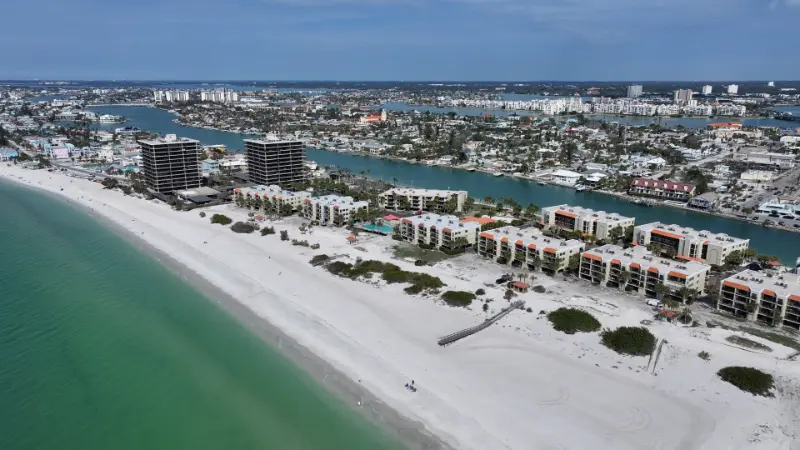
    Florida Atlantic Beach with White Sand and Palms

    The Atlantic may have surf, currents, and sea conditions quite unlike a protected pool. Young children need close supervision, and adults should follow posted warning flags. Snorkeling is not automatically suitable on a day with poor visibility or rough water. Some travelers may prefer the view from a shaded bench and a short walk. Beach accessibility depends on the individual park's facilities and any equipment available at that time, so check specifics if you are traveling with a wheelchair or walker.

    Day one afternoon: the quieter side of Boca

    After lunch and a cooling break, choose one gentle outing in Boca rather than driving through the whole city. A garden or nature-learning attraction can introduce coastal ecology and make the afternoon more engaging for children who have already had enough sand. Gumbo Limbo Nature Center has long been associated with marine and coastal environmental education, but operations and access may vary; consult the city's current information before promising a particular exhibit or animal experience.

    If museums and galleries are your preference, find a manageable cultural stop in the city instead. Boca Raton has established arts institutions, but exhibition schedules, admission prices, and special events change. Book only what genuinely interests the group. Parents with a toddler may want an indoor rest and a casual dinner, while couples could reserve a quieter restaurant. The useful rule is to choose one focus: beach plus learning, not beach plus six separate attractions scattered across town.

    Day two morning: discover Delray Beach and Atlantic Avenue

    Spend day two primarily in Delray. Start with a breakfast or coffee near Atlantic Avenue, then walk a comfortable portion of the downtown corridor. The area has restaurants, small shops, and galleries, and it is enjoyable even for visitors who do not intend to buy anything. Be realistic about its length: a pedestrian-friendly central district is not an endless shaded walkway, and the street becomes more demanding in the summer heat. If someone in the group needs frequent breaks, select a short loop and identify a nearby café.

    A late-morning walk toward the ocean gives a sense of how downtown Delray and the beach relate. However, do not assume that parking near the restaurants also permits an unrestricted full beach day. If you plan to move between different parking zones, check rules and payment requirements. Families with strollers should watch crossings and traffic near the busier parts of Atlantic Avenue. For visitors who prefer a calm environment, an early morning is generally a better match than a crowded late-evening outing.

    Day two afternoon: Delray's beach or a cultural alternative

    Delray's public beachfront gives you another chance to experience the Atlantic, perhaps with a different atmosphere from Boca's park beaches. Choose a legal access, carry water and shade, and leave enough time to rest before dinner. The pleasure here is combining town and coast without having to spend the entire afternoon driving to remote attractions. If the surf is uncomfortable or storms threaten, replace the beach with an indoor museum, gallery, or a long lunch.

    A traveler with a teenager might enjoy a supervised water-based activity, but only with appropriate conditions and a reputable instructor. A younger child may be content with sandcastles before an early return to the hotel. People with limited mobility should ask which beach approach has the most practical accessible facilities, rather than assuming that an address on the same street is equally suitable. In the evening, enjoy Delray's restaurant scene if you are comfortable with the activity level, or dine earlier to avoid the busiest period.

    Day three option one: visit Morikami's gardens and museum

    Morikami Museum and Japanese Gardens, west of downtown Delray, provides an appealing change from the Atlantic coast. Its landscaped gardens and cultural exhibitions make it particularly good for travelers who appreciate art, design, and quieter outdoor settings. Confirm the institution's open days, tickets, exhibits, and accessibility before traveling; do not assume the gardens and museum are open every day. Allow time to experience the landscape without turning every path into a photo stop.

    Garden visitors should prepare for warmth and uneven lengths of walking, even where major routes are accessible. A multigenerational family may enjoy a shorter loop plus a museum visit; other members can explore further at their own pace. Young children benefit from a simple activity such as noticing bridges, plants, and design elements rather than being expected to appreciate every cultural exhibit. If rain changes the plan, check which indoor areas are open and consider a different activity if the garden's outdoor paths would not be comfortable.

    Day three option two: wetlands and local nature

    If you'd rather focus on wildlife, choose an approved nature boardwalk or wetland destination in the wider Delray and Boynton area, checking operating rules and current conditions. Wakodahatchee Wetlands is a well-known option for observing birds and other animals from boardwalk routes; wildlife may be close but should never be approached or fed. Stay within railings, supervise children, and remember that even apparently still water can contain alligators. Visitors who are sensitive to heat should arrive early and carry water, because exposed boardwalk sections can be strenuous.

    This is a choice, not an obligation to visit both Morikami and the wetlands. Trying to add them together with a lengthy lunch and beach time may be tiring, especially for older travelers. Select the environment that offers something your first two days did not. If a flight home leaves on day three, make a short local stop instead of traveling to an attraction with uncertain parking or a lengthy walking route. Three good experiences are better than many hurried ones.

    Tailor the itinerary for children and grandparents

    For children under five, prioritize beach mornings, a short nature-learning visit, and a reliable nap or indoor break. A stroller-friendly downtown route may be more useful than an ambitious museum itinerary. With school-age children, combine an ecological attraction with time to play on the sand. Teens may enjoy a gallery, casual shopping, and a supervised activity, but they still need clear safety guidance near streets and water.

    For grandparents, set the accommodation close to the daily focus and arrange comfortable transport between the two cities. Ask about seating and restroom distances at gardens or wetland boardwalks. If someone cannot walk comfortably on beach sand, an oceanfront meal or a short paved overlook can still make the day memorable. Families containing several generations should allow a natural split after lunch, with an agreed meeting point. No one needs to do every activity to have shared stories at dinner.

    Getting around and deciding whether you need a car

    A car makes it easy to combine Boca parks, central Delray, and western cultural attractions. The short distance between the two cities, however, can still involve busy local roads and parking searches. Group Boca activities on one day and Delray activities on another. If you want a largely car-free break, choose a walkable base and reduce the number of outlying stops; check actual rail connections, station transfers, and local transport schedules rather than assuming a train station is at the beach.

    Airport choice also matters. The region is served by several South Florida gateways, but the cheapest flight may require a longer ground transfer. Compare the total journey, not only ticket prices. Hotel parking, beach admission or parking, admission-based attractions, and restaurant meals form the main extra costs. You can keep the trip affordable with free downtown walks, one beach park morning, and a single museum or garden admission. A calm dinner with friends may offer more value than another attraction ticket.

    Weather, accessibility, and wildlife etiquette

    South Florida can feel hot and humid even outside peak summer, and afternoon thunderstorms can disrupt beaches and open gardens. Choose morning outdoor stops where possible. During stormy weather, move into safe indoor space rather than sheltering under open beach structures. In the Atlantic, follow lifeguard instructions and warnings regarding surf and rip currents. If the weather is unfavorable, an indoor arts day is not a poor substitute; it can be one of the most memorable parts of the trip.

    At wetlands, watch animals from a safe distance and never feed them. On nesting beaches, avoid marked areas and follow local nighttime lighting restrictions. Verify accessibility at the specific venue rather than relying on general city descriptions. Restrooms, surface condition, and accessible parking are practical details that can determine whether someone fully enjoys an outing. A thoughtful itinerary treats comfortable participation as part of the plan from the beginning.

    Final checks and a simpler version of the weekend

    Before booking, confirm the beach parking rules, individual attractions' operating dates, hotel fees, and any rental car costs. Choose in advance whether day three will feature Morikami's gardens or a nature boardwalk. If a flight or cruise connection creates a time limit, spend that morning near your lodging rather than trying to squeeze in an entire additional excursion. Check current city or county notices following storms, because beach conditions and facility access may change.

    A shorter but still rewarding plan would be Boca beach and an ecological stop on day one, Delray's downtown and oceanfront on day two, and a garden or wetland walk on day three. It offers variety without demanding long cross-state drives. Boca Raton and Delray Beach are especially appealing when you have enough time to notice their differences: tranquil shore and nature, active streets, and the unexpectedly rich garden and cultural landscape just inland.

    Frequently asked questions

    Is Boca Raton or Delray Beach better for evenings?

    Delray has a particularly active Atlantic Avenue dining area; your preferred atmosphere and hotel location matter.

    Should we visit both Morikami and Wakodahatchee in one day?

    You can, but selecting one often makes a three-day visit more comfortable.

    Are all Boca Raton beaches free to park at?

    No. Park admission and parking conditions vary; consult current city information.

    Official visitor information

  • Three Days on Boca Grande and Gasparilla Island: Beaches, Lighthouse History and Island Time

    Three Days on Boca Grande and Gasparilla Island: Beaches, Lighthouse History and Island Time

    Boca Grande feels a little apart from Florida's larger resort coast. Visitors cross a causeway to reach Gasparilla Island, where an established village, historic buildings, Gulf beaches and a lighthouse landscape make a rewarding short stay. Three days is enough to appreciate the island without rushing between every beach entrance. This itinerary starts with the village, dedicates a full day to Gasparilla Island State Park and leaves time for wildlife observation and the quieter northern end. It is not a promise of inexpensive accommodation or completely deserted sand. The island's attractions are appealing partly because they operate on a smaller scale, which makes planning parking, meals and transportation particularly important.

    Three-day summary

    DayMain planEasier alternative
    1Boca Grande village and shorelineShort historic village walk and lunch
    2Gasparilla Island State Park lighthouseMuseum grounds and a suitable public beach
    3Birding, cycling or a slow island morningCafé and a scenic authorized viewpoint

    Understand the island before booking a place to stay

    Boca Grande is the main village on Gasparilla Island, connected to the mainland by a toll causeway. Lodging on the island can be costly or limited during popular periods, and a mainland base in Placida or nearby areas may make sense if price is the priority. The trade-off is crossing the causeway for most activities, paying applicable tolls and managing parking. For a three-day trip, compare a smaller room near the village with a more spacious inland property. If you plan to visit the same beach every morning, time and driving costs deserve as much consideration as the nightly rate.

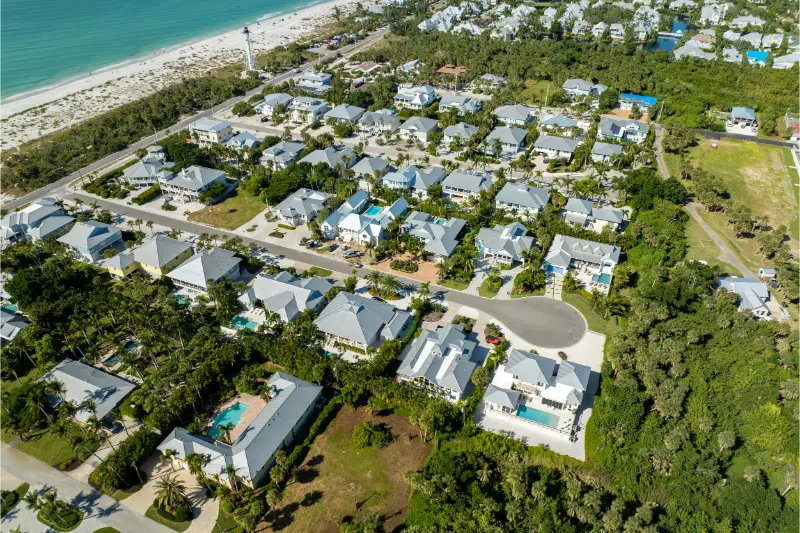
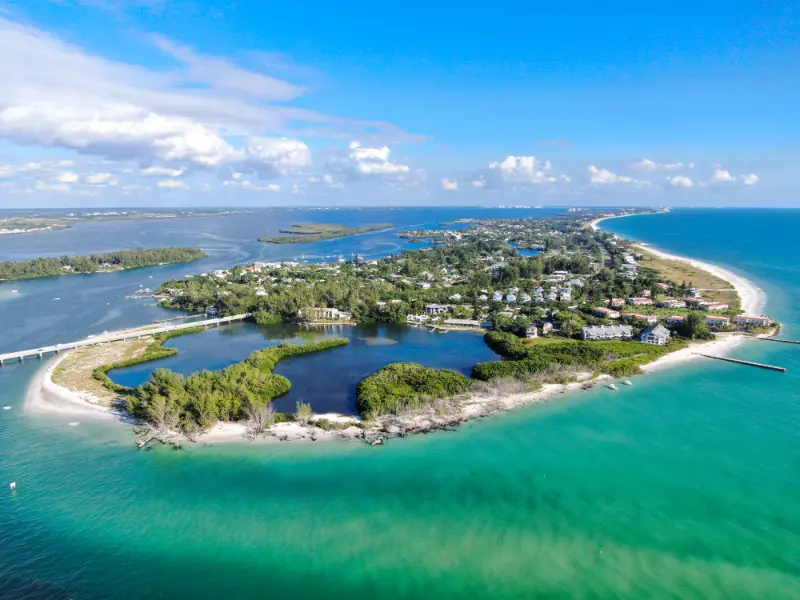
    Gasparilla Island Florida Residential Coastal Neighborhood Aerial

    Check the actual location of every advertised 'waterfront' home. Boca Grande Pass has powerful currents and heavy boating activity, and a property on a bay or canal is not the same as one on a suitable Gulf beach. A rental may have steps, narrow paths or a dock that is unsuitable for small children. For visitors with mobility limitations, ask about doorway widths, parking surfaces, elevators if present and the route from accommodation to nearby amenities. Golf-cart rentals are common around the village, but they are not a universal substitute for accessible transportation or an exemption from local traffic rules.

    Day one morning: explore the historic Boca Grande village

    Begin with the village rather than driving immediately to the island's southern tip. A relaxed breakfast and walk around its central streets help you get oriented among older buildings, small shops, churches and local services. Boca Grande has a distinctive history involving fishing, transport and seasonal visitors; the village is more than an attractive backdrop for a bicycle photograph. Look for interpretive displays or local history resources, and allow yourself time to notice architectural details. Side streets may have fewer shops but can be more pleasant when the main corridor is busy.

    This is a residential place, so respect private properties and avoid blocking narrow lanes while searching for photographs. Pedestrians, cyclists and golf carts share parts of the street network with cars. Families should keep children close at crossings and resist the temptation to treat a quiet-looking road as traffic-free. For older travelers, a shaded bench and one compact village loop may be more enjoyable than walking the whole island. If the weather is already humid, bring your main walk forward in the morning and reserve a long lunch break. Independent shops may have shorter or seasonal hours, especially outside peak travel periods.

    Day one afternoon: an easy Gulf viewpoint

    After lunch, select one legally accessible Gulf shoreline rather than parking at a string of entrances. Several beach approaches are associated with Gasparilla Island State Park and other public areas, but each has its own conditions and available facilities. Check the published park map and current guidance for parking, picnic areas and accessibility. The island's beaches are attractive for a quiet walk and viewing boats offshore, but current patterns can be hazardous. Do not assume that clear water or a calm-looking edge of the beach makes swimming safe near the pass.

    If your group includes babies or people who prefer not to swim, bring a light picnic and focus on the horizon, seabirds and gentle shoreline exploration. Stay back from eroding dune edges and marked nesting zones. An afternoon beach stop can be shorter than you expect if wind, sun or storm clouds arrive. The sensible backup is a café or return to your accommodation, not another exposed stretch of sand. At dinner, try a village restaurant if one suits your budget, but check reservations and closing days instead of relying on the assumption that every venue serves late meals.

    Day two: Port Boca Grande Lighthouse and state-park beaches

    Make Gasparilla Island State Park the centerpiece of day two. At the southern end, the historic Port Boca Grande Lighthouse stands in a striking setting of sand, Gulf water and views toward the pass. The building houses a museum with seasonal opening patterns, so check the official hours before planning the day's sequence. The state park also has separate parking areas, and visitors should not assume one lot is best for every activity. The entrance fee and island causeway toll are separate expenses. As of October 2026, the park notes an updated electronic payment arrangement at its Dunes parking lot; check current methods before arriving.

    The lighthouse area is particularly suitable for visitors who want history alongside a beach outing. Read the museum exhibits rather than visiting only for an exterior photograph: the site illustrates changes in marine navigation and life on a working coastline. The surrounding waters are dynamic, with strong currents and boating near Boca Grande Pass. Observe from a safe location, follow posted restrictions and keep children far from steep or unstable edges. If you want to swim, choose an officially suitable beach area with safe conditions rather than the channel. Wildlife is best observed quietly at a distance, not approached for a selfie.

    Spend the rest of day two slowly, not driving constantly

    After the lighthouse, either stay at your chosen state-park beach or return to the village. Switching between many similar access points wastes time and makes parking more stressful. A packed lunch can be convenient because food options at natural sites may be limited; keep perishable items cool and dispose of trash carefully. Beachcombing is enjoyable, but do not collect live shells or disturb nesting wildlife. The Gulf environment here is sensitive, and visitors should leave it in the condition they found it. Midday shade may be limited, so bring sun protection rather than assuming trees will shelter a beach picnic.

    Family tipFor families, an afternoon rest can be the most useful part of the itinerary. Children who spent the morning in sun and sand may enjoy a pool or a quiet game at the rental more than another scheduled attraction. Adults interested in photography could return to an approved viewpoint when the light softens, but avoid arriving at isolated places without checking legal access and safe parking. Local sunset is a lovely time for a coastal view, though it should not become an excuse to cross dunes or enter closed areas. If lightning appears, go indoors immediately rather than waiting for rain.

    Day three: nature, bicycling and the quieter island landscape

    Spend the final morning considering the island's quieter side. A short bicycle outing, when road conditions and your group's abilities make it appropriate, can reveal streets and coastal vegetation missed from a car. Check where cycling is permitted, wear helmets and avoid carrying young children in unsuitable equipment. Golf carts have their own safety and age rules; a rental company should explain where its vehicles may travel. Drivers and cyclists should be especially alert around intersections, pedestrians and visitors unfamiliar with local directions. If movement on two wheels is not comfortable, choose a short village walk instead.

    Birding and wildlife observation are excellent alternatives to a full beach day. Look for shorebirds, seabirds and other species from marked public areas without entering sensitive habitats. Keep a respectful distance from gopher tortoises and never feed wild animals. If you prefer history, revisit a museum or seek out local interpretive information, subject to opening hours. The island is small enough that the final day need not feel like a complicated expedition. Choose one memorable experience, then spend the afternoon preparing for your onward journey or enjoying the accommodation you paid for.

    Visiting with children, seniors and mixed-age groups

    A trip with a baby or toddler works best when the day's principal outing is short and followed by an indoor rest. Choose a parking area with restrooms and a manageable route to the sand. For school-age children, museum interpretation and spotting birds can be as satisfying as looking for shells. Teenagers may enjoy cycling or guided nature activities, provided equipment and supervision fit their experience. Older visitors should treat strong sun, uneven sand and the distance between parking and shoreline as real considerations. Ask park staff about available beach wheelchairs and whether advance arrangements are necessary.

    A mixed-age group may not want the same pace. One person can enjoy a museum while another spends longer at a beach, then everyone reunites for lunch near the village. If someone uses a wheelchair, plan around actual paths and accessible restrooms; a listing that says 'beach access' rarely tells the whole story. The historic lighthouse environment includes different surfaces and facilities, so consult the park's accessibility information. Travelers who do not wish to swim still have ample reasons to visit: maritime history, scenic views, birds and a quieter rhythm than large resort communities.

    Food, transport and the cost of an island holiday

    Cost planning here starts with the causeway toll, lodging and parking arrangements, followed by meals and park admission. The state park currently lists a small per-vehicle fee, but rates and payment methods may change, so verify them before your trip. If staying inland, include each return journey to the island rather than assuming a single daily crossing. Carry a reusable water bottle and some snacks; small-town restaurant choices can be limited at particular hours. Compare menus and required service charges before booking a celebratory dinner, especially in peak season.

    A car is the most practical way to reach the island from an airport or mainland hotel, although some visitors then prefer walking or cycling locally. Ride-share availability may be unpredictable, particularly at night. If you are staying without a car, confirm your full transfer and grocery plan rather than relying on a last-minute taxi. Accommodation advertisements can include high cleaning fees or strict minimum stays; examine the full checkout total and cancellation rules. The cheapest apparent room is not necessarily the lowest-cost experience if it creates repeated causeway travel.

    Weather, safety and a final plan you can trust

    Warm months bring strong sun and frequent thunderstorms; hurricane season can disrupt roads, beach access and accommodation plans. Cooler months are often pleasant for walking and birding but not every traveler will enjoy swimming. Always check official beach and state-park notices, current surf conditions, traffic advisories and museum hours. If a storm has recently affected the area, don't assume facilities have returned to normal because an older travel article says the beach is open. The lighthouse museum uses seasonal hours, and an arrival at the wrong time can cost an entire visit.

    Choose a base, reserve just one major activity each day and leave space for the details you discover on the island. Save the park's official page and a map of authorized parking locations. Bring reef-conscious sun protection, drinking water, comfortable shoes, a waterproof bag and a flexible attitude to the weather. Three days on Gasparilla Island are best used to enjoy the relationship between its village, historic lighthouse and working coastal environment, rather than racing from one photo stop to the next.

    Frequently asked questions

    Is there a toll to reach Boca Grande?

    Yes. The Gasparilla Island causeway has a separate toll from any state park fee; check the current bridge authority charges.

    Can everyone climb the Boca Grande lighthouse?

    The Port Boca Grande Lighthouse houses a museum; verify its current access arrangements and seasonal opening days on the state park site.

    Is Boca Grande Pass a good place for casual swimming?

    Strong currents and boating near the pass make it unsuitable to assume safe swimming; follow park guidance and choose appropriate designated areas.

    Official information and useful resources

    Explore the area on an interactive map

  • Deerfield Beach and Hillsboro Lighthouse: A Relaxed Three-Day Maritime Weekend

    Deerfield Beach and Hillsboro Lighthouse: A Relaxed Three-Day Maritime Weekend

    Deerfield Beach and Hillsboro Inlet sit on a stretch of South Florida’s Atlantic coast where a visitor can combine ocean views with maritime history, waterfront restaurants, and short outings that do not demand a full schedule of beach swimming. A three-day stay offers time to see Deerfield Beach’s fishing pier, explore nearby public shoreline areas, and learn about the Hillsboro Inlet Lighthouse. The lighthouse is particularly memorable, but it is not a drop-in attraction that everyone can climb whenever they choose. Tour arrangements and physical requirements matter, and the best holiday plan is enjoyable even if the lighthouse visit does not work out.

    This itinerary is suitable for couples, families with school-age children, and older travelers who like a relaxed coastal setting. It is not a promise of universal accessibility or a guarantee of any particular wildlife sighting. The beach, pier, lighthouse tours, and shoreline walks all have different conditions. Check them separately, then choose the combination that matches your party’s stamina, interests, and transport options.

    Start with the difference between beach town and inlet

    Deerfield Beach is a coastal community with a public beach and fishing pier, while Hillsboro Inlet lies farther south near Pompano Beach. They make a sensible regional combination but are not the same walkable destination. Booking a hotel near the Deerfield Beach pier does not mean you can walk casually to the lighthouse. Road routes, water crossings, private property, and marine facilities shape how you reach the different sites.

    Choose accommodation based on which activity will dominate your trip. If you want two mornings near the Deerfield Beach shoreline, stay close enough to reach public access without a long drive. If the lighthouse is the main event, check tour meeting instructions first; the departure point may be different from the landmark’s location. Travelers should not attempt to reach the lighthouse on private roads or through restricted marine facilities.

    Day 1: Deerfield Beach International Fishing Pier

    Begin at the city’s International Fishing Pier. The official city page provides current visitor information, fees, and operating arrangements. The structure is more than a fishing facility: it can offer broad views of the Atlantic, the coastline, and changing surf conditions. You do not have to fish to enjoy the perspective, though sightseers should observe pier rules and remain considerate of people using fishing lines and equipment.

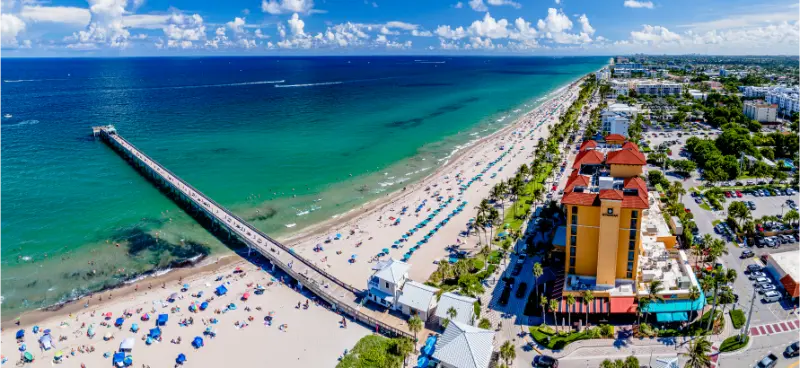
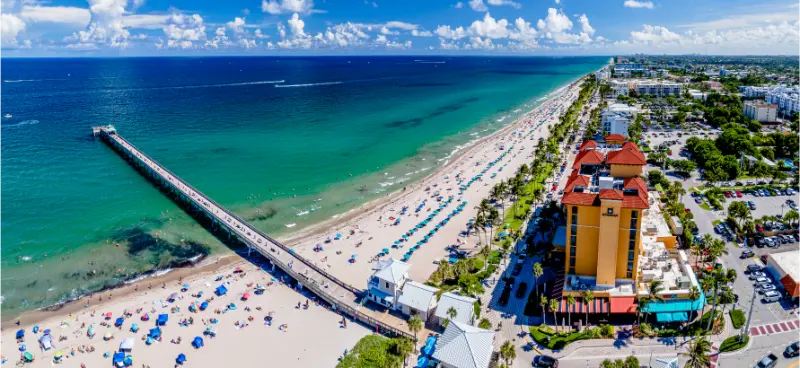
    Deerfield Beach Florida Seafront Promenade

    Walk slowly, check where fishing activity is concentrated, and avoid stepping over rods or tangled line. Keep children clear of hooks and railings. For older adults, a pier may be easier than loose sand, but that depends on the current surface, distance, weather, and available seating. Confirm any step-free access or mobility arrangements directly with the city when those details are important. Wind and sun can be strong over open water, even when the beach itself seems sheltered.

    What to look for from the pier

    The changing sea is the main attraction. Watch wave patterns, the direction of wind, seabirds moving above the water, and the daily work of anglers. Fish can be visible under favorable conditions, but there is no guarantee. Avoid leaning far across railings in search of wildlife. Binoculars can make a brief visit more engaging and are less intrusive than trying to photograph every animal at close range.

    For children, turn the outing into a simple observation game: identify three different colors in the water, notice how birds land, and compare calm and rougher wave lines. A teenager may appreciate the opportunity to learn about local fishing or coastal ecology. Keep questions respectful, since people fishing are not automatically volunteer guides. A snack and short break afterward often work better than immediately starting another major activity.

    A nearby beach afternoon that doesn't require swimming

    Choose a legal public beach access with restrooms and suitable parking. Even visitors who do not swim can enjoy the view, read near the shore, observe beach life, or take a short walk along established paths. Soft sand can be exhausting for people using a cane or walker, so a paved approach or a seated waterfront area may be the better choice. If swimming is part of the plan, consult lifeguard flags and local advisories, and never assume a calm-looking sea has no rip currents.

    South Florida afternoon showers may move through quickly or develop into thunderstorms. Do not remain on an exposed pier or beach when lightning threatens. Build indoor time into the itinerary rather than feeling obliged to complete every hour outdoors. If the surf is rough, there is still value in seeing the ocean from a safe promenade or dining spot. The point is comfort and curiosity, not proving that the trip includes an obligatory swim.

    Day 2: understanding the Hillsboro Inlet Lighthouse

    The Hillsboro Inlet Lighthouse is a striking coastal landmark, but its access is controlled. The Hillsboro Lighthouse Preservation Society publishes scheduled tour information, meeting and transport details, visitor requirements, and rules for climbing. Tour dates are limited, and visitors should not assume that a daily sightseeing boat will deposit them at the site. Membership or other published conditions can apply. Read the current arrangements before booking accommodation around a lighthouse visit.

    The lighthouse’s tall form is visible from various coastal perspectives, but climbing the tower is a separate, physically demanding activity. The preservation society describes rules including closed-toe footwear, a minimum child height for climbing, and caution for visitors with physical or health limitations because of steep, winding stairs. Verify all rules for your particular date. Someone may enjoy maritime history and views of the structure without being a suitable candidate for the climb.

    Plan the tour departure and return first

    If attending an organized lighthouse tour, identify the exact departure point given by the preservation society, not just the lighthouse address shown in a map search. Leave extra time for parking, check-in, and the boat transfer. Conditions on the water can affect operations, and weather cancellations are possible. Confirm which items may be brought aboard, including bags, water, and child equipment; rules at the tower can differ from those on the transfer vessel.

    A family with children should know the height and age requirements before arriving. Do not promise a child the climb and then discover they do not meet the standard. Older travelers should consider the stairs and physical effort without embarrassment. One person may climb while another enjoys a suitable permitted viewing option, if the operator allows it. If your group needs a fully accessible trip, obtain written information about vessel boarding and site access first rather than relying on assumptions.

    If the lighthouse tour is unavailable

    An excellent visit does not depend on climbing. You can explore permitted public coastal viewpoints around the wider Hillsboro Inlet area, watch boat activity from safe locations, and learn about the lighthouse’s role in navigation through preservation resources. Do not park illegally, enter private condominium grounds, or cross operational marine property to improve a photograph. A distant view through a zoom lens can be more appropriate than attempting to approach the structure.

    Keep the day flexible. Combine a short permitted inlet view with a restaurant lunch or another public beachfront walk. If rain intervenes, select a confirmed open museum or cultural attraction in nearby Broward County. Avoid adding several long cross-town trips simply because the headline attraction has changed. A slower coastal afternoon is often the most suitable backup for mixed-age groups.

    Day 3: compare public coastal spaces

    Use the final day to revisit Deerfield Beach or choose another nearby public shoreline stop in the direction of your departure. Observe how the inlet environment differs from the open beachfront and fishing pier. Working waterways are shaped by boat channels, tides, currents, and restricted access. A beach or marina that looks inviting from the car may be privately managed, so follow signs and check public access before leaving the vehicle.

    Travelers with children may enjoy a short morning of shell observation and drawing, provided collecting is permitted at the chosen location. Do not take living organisms or disturb posted nesting areas. Couples might choose a relaxed breakfast overlooking the water. Older adults may prefer a quiet morning with seating and a short drive afterward. The final day should remain light enough for packing, checkout, and airport connections.

    Seafood, cafés, and choosing a good meal stop

    Waterfront restaurants are part of the appeal, but not every establishment offers a water view, convenient parking, or a quiet table. Compare recent menus, opening hours, accessibility details, and reservation requirements. Families may prefer early meals rather than waits during peak evening periods. A visitor with food allergies should contact the restaurant about ingredients and cross-contact instead of assuming that grilled seafood is automatically suitable.

    Restaurants with outdoor seating may be pleasant in cool weather but uncomfortable in afternoon heat. Request indoor seating when needed and carry water between stops. Dining can become the most relaxing activity of the day, especially after the wind and sun on the pier. It is also a good opportunity to ask staff about the neighborhood, while understanding that workers may be busy and are not responsible for giving a free guided tour.

    How to build the trip around your physical comfort

    The pier, beach, boat transfer, and lighthouse stairs involve very different movement demands. Make a personalized plan rather than declaring the destination uniformly easy or difficult. Ask whether an individual site offers ramps, accessible restrooms, shade, and places to sit. Travelers using mobility aids may want a pier visit and restaurant lunch with no tower climb. That remains a worthwhile maritime-history weekend.

    People who do climb should use suitable closed-toe footwear as required and follow staff instructions. A high viewpoint can be exciting, but it should never justify ignoring fatigue, dizziness, or personal limits. Visitors who are sensitive to heights should not feel pressured to climb because tickets were purchased. The shoreline offers plenty of quieter experiences at ground level.

    Three-day maritime weekend table

    DayPrimary outingBackup if conditions change
    1Deerfield Beach Pier and public beachShortened pier visit and indoor meal
    2Booked Hillsboro Lighthouse tour, if availablePermitted inlet viewpoint and heritage research
    3Relaxed coast and departureCafé and short promenade

    Weather, best season, and budgeting

    Cooler months often make outdoor sightseeing more comfortable, though strong wind can affect pier and boat visits. Summer brings hot humidity and frequent thunderstorms. The Atlantic can be rough at any time of year. Plan lighthouse transport around the operator’s schedule first; dates may matter more than season. Beach access and pier operating rules can also change after storms or maintenance. Check official alerts shortly before traveling.

    Your main expenses are accommodation, food, local transport, pier admission if applicable, and the optional organized lighthouse tour. Do not quote a fixed weekend budget without checking the actual dates. A hotel near the beach may cost more but save a great deal of parking and travel time. Couples or families coming from another South Florida city could make a one-day visit, but three days provide more freedom if a tour date changes or the weather becomes unsettled.

    Respecting coastal wildlife and working waterways

    Coastal birds and marine life deserve distance. Do not feed birds from the pier, interfere with fishing lines, or enter nesting areas. Boats navigating the inlet may travel in strong currents, so a scenic viewpoint should never encourage someone to swim near navigation channels. Even experienced swimmers should follow designated access and local conditions. For children, make clear which areas are for watching and which, if any, are for permitted recreation.

    The most memorable moments may be simple: fishing boats passing the inlet, the lighthouse visible in the distance, or light changing across the Atlantic near the pier. Seeing them comfortably is more important than fitting every stop into the same afternoon. A well-planned Deerfield Beach weekend can blend maritime heritage with the pleasures of a working, lived-in coastal community.

    Frequently asked questions

    Can I climb Hillsboro Lighthouse whenever I visit?

    No. Organized tour dates, registration conditions, transfer arrangements, and climbing rules apply. Consult the preservation society’s official schedule before planning a visit.

    Is Deerfield Beach Pier just for people who fish?

    No. The pier also offers sightseeing access under published city rules and fees. Check current hours and keep clear of fishing equipment while exploring.

    Is this trip appropriate for a person who cannot climb stairs?

    Yes, if you focus on suitable public shore views, the pier where accessible, restaurants, and maritime history without the lighthouse climb. Confirm individual site and vessel accessibility rather than assuming every attraction is step-free.

  • Three Days in Pompano Beach and Deerfield Beach: Piers, Coastal Parks and Easy Ocean Days

    Three Days in Pompano Beach and Deerfield Beach: Piers, Coastal Parks and Easy Ocean Days

    Pompano Beach and Deerfield Beach make a useful three-day pairing along the northern Broward County coast. Both have public oceanfront areas and places to sit, walk and eat, yet the atmosphere changes as you move between their piers, inland waterways and natural spaces. This itinerary is for visitors who would rather spend time in one manageable stretch of South Florida than drive between major cities. The schedule includes an ocean-focused first day, a second day built around a different beach town and a final day for quieter scenery or a flexible family activity. Check current pier and park operations before choosing your dates.

    Three-day summary

    DayMain planComfortable alternative
    1Pompano Beach and Fisher Family PierPromenade views and a short beach session
    2Deerfield Beach oceanfrontPier and relaxed seaside dining
    3Deerfield Island or a local parkConfirm ferry or select accessible land-based stop

    Choose between a Pompano base and a Deerfield base

    Pompano Beach makes sense if you want quick access to its central beach area and the promenade near the Fisher Family Pier. The most useful hotel is not necessarily the one that advertises a Pompano postal address; look at the map and confirm whether the room is east or west of the Intracoastal Waterway and how you reach the sand. Deerfield Beach offers a compact oceanfront dining district near its pier, attractive for visitors who expect to walk to dinner after an afternoon at the beach. Hotels farther inland may cost less but require a car or rideshare for every ocean visit.

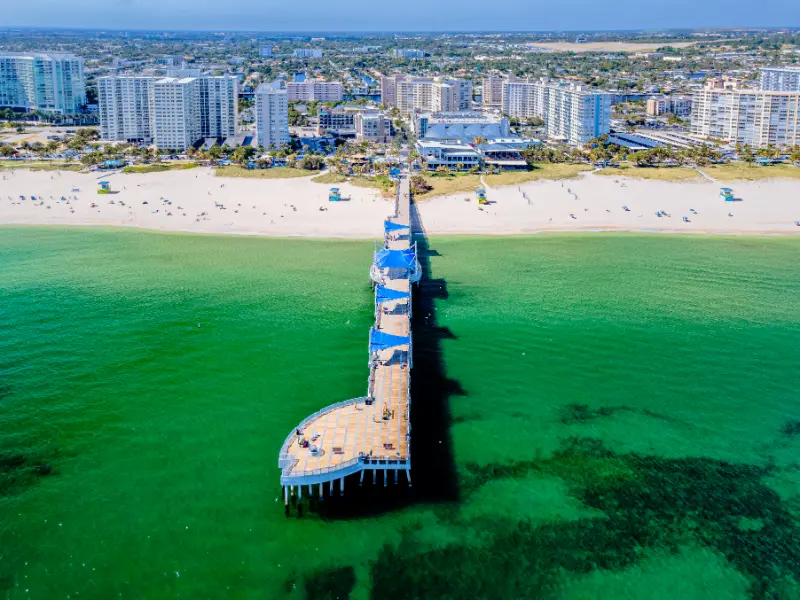
    Deerfield Beach Florida Oceanfront Fishing Pier

    Pick your base using the interests of the slowest-moving traveler in the group. A family with a stroller benefits from a level, direct path to the beachfront. A couple who likes restaurants may prefer the central cluster even if the hotel room costs more. If you use mobility equipment, request room accessibility details directly and examine crossing points between hotel and beach. Parking fees can substantially affect the comparison. Staying in one town for all three nights and visiting the other once is normally simpler than moving accommodations mid-trip; packing, checkout and check-in often consume more vacation time than the distance justifies.

    Day one: discover the Pompano beachfront and Fisher Family Pier

    Begin at Pompano's beachfront in the morning, taking time to orient yourself before the day becomes hot. The public beach, nearby plaza and pier area provide a coherent opening walk. The Fisher Family Pier is associated with fishing and views of the coastline, but access arrangements, fishing costs and special events should be checked on the city's official page. Avoid promising a particular pier amenity without confirmation. Even when a visitor is not interested in fishing, watching the waves and boats from a safe public viewpoint can be a satisfying introduction to this stretch of Atlantic coast.

    Plan one main beach session and then have lunch nearby. If children want to play in the water, swim only when conditions and posted flags permit, follow lifeguard instructions and keep close supervision. Pompano's open-ocean conditions can change during the day and are not necessarily equivalent to a hotel pool. Non-swimmers can enjoy the promenade, shaded seating and a short walk without entering the sea. If your party includes someone who cannot stand for long, identify accessible parking, restrooms and seating before arrival. Finish with an early dinner rather than using the afternoon to add a second distant attraction simply to fill the schedule.

    Day two: enjoy Deerfield Beach without rushing across town

    Move north for a distinct beach day in Deerfield. The public beachfront around the International Fishing Pier forms an easily understood destination with ocean views and restaurant options close together. Start with a walk on firm pavement, then choose between a beach session, a pier visit if open or breakfast beside the water. The city may limit pier access or fishing services during maintenance, storms and special operations, so always consult official updates. Don't treat an old social media photograph as proof that a certain section remains available. Parking can be competitive during holidays and fine weekends.

    Deerfield suits groups who appreciate the option to regroup quickly. Parents can alternate between supervising children and sitting nearby; couples can linger over lunch; travelers who prefer shorter walking distances can remain in the central area. The beach is the main attraction, so there is no need to invent an elaborate list of hidden sights. If the forecast is poor, switch to a cultural or shopping stop that genuinely interests you, with a relaxed return to the coast only when conditions are safe. Book restaurant reservations when visiting on a busy weekend, but keep daytime activities adjustable. The pleasure is in comparing two coastal communities at a human scale.

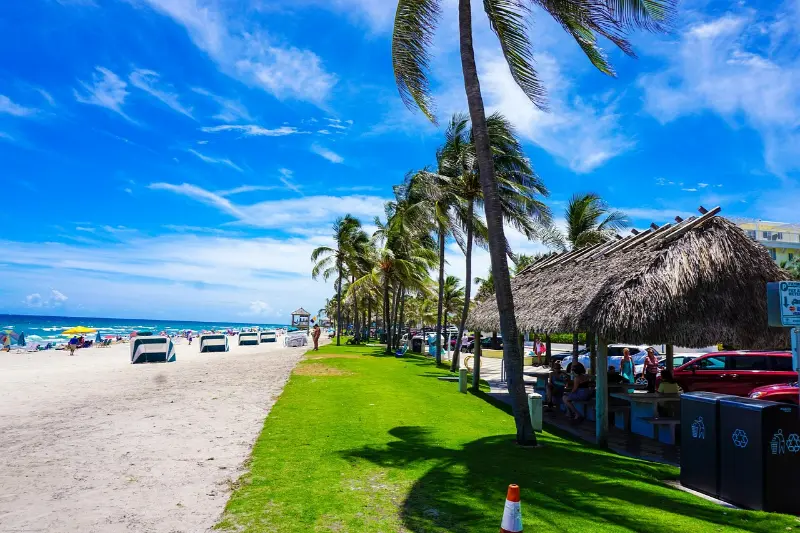
    Deerfield Beach Florida Seafront Promenade

    Day three: look beyond the sand at Deerfield Island or inland parks

    Use the final day to experience a different side of the area. Deerfield Island Park is a small natural island in the Intracoastal Waterway, reached by a county-operated boat service when available. It is not a park you can drive into, and boat schedules and access may change. Check Broward County Parks for current transport, admission, hours and trail conditions before including it in a firm plan. A short nature walk and quiet observation can be a rewarding contrast to busy oceanfront promenades. If the boat is not operating, don't build your entire final day around it.

    There are easier alternatives inland, including suitable municipal parks and cultural stops in Pompano or Deerfield, depending on current opening times. For someone who needs step-free access, confirm the boat boarding procedure and path surfaces rather than assuming a named public park is universally accessible. Birdwatching needs little equipment beyond binoculars and patience. Avoid feeding animals or walking into habitat beyond signed public routes. An enjoyable last day may be as simple as a short morning outing, a shaded lunch and time to pack before departure. This is more useful than spending the final afternoon stuck in highway traffic on an unnecessary detour.

    Understand transport, parking and the Intracoastal divide

    The Atlantic beach communities are close in regional terms but not all their streets connect in a straightforward beachfront route. Bridges over the Intracoastal Waterway and traffic on A1A or federal and local roads can affect travel times. Check the actual distance from your accommodation to your chosen parking lot, not just the distance between municipal names. If you stay close to one beach, a car-free morning may be practical; reaching the second town and inland parks usually takes more planning. Public transport exists in Broward County, but verify routes, evening frequency and walking distance at both ends before relying on it.

    When using a rental car, compare the cost of overnight hotel parking, parking at both beaches and any tolls on your broader journey. Beach parking commonly has time limits or paid systems that differ between lots. Downloading the required parking application beforehand can help, although you should still read posted signs for the actual space. If you use a rideshare, designate a legal pickup point away from the busiest crossing and allow time for the vehicle to reach you. A compact three-day holiday is more enjoyable when the transfer between the two beaches is the longest routine trip you need to make.

    Use family-friendly planning without treating every age the same

    Younger children often prefer one reliable beach and an afternoon rest rather than three attractions per day. Pack snacks, shade, water and a change of clothing, and choose sand toys over a complicated outing schedule. Teenagers may enjoy photography, a suitable surf lesson or simply having some independence along a clearly agreed section of the promenade. For adults traveling with older relatives, plan a central meeting location near a restroom and seating. It helps to agree that a shorter outing is not disappointing; some travelers find a good ocean view more memorable than the number of stops checked off.

    Accessibility details deserve confirmation rather than optimism. Ask about accessible rooms, showers, ramp locations, beach mobility equipment and whether the pier or boat transport works for your particular device. Sand remains an obstacle even when a boardwalk is paved. Anyone with heat sensitivity should aim for morning and late-afternoon outdoor periods, particularly in summer. Drink regularly and watch for thunderclouds; an approaching lightning storm is a reason to leave the beachfront, not to shelter under an umbrella. This approach makes the itinerary suitable for a much wider range of travelers without pretending every activity is appropriate for everyone.

    Keep the budget realistic and compare paid experiences carefully

    The ocean view may be free, but a beach vacation can acquire many extra costs. Compare hotel taxes, resort and cleaning charges where relevant, parking, breakfast and the price of beach furniture before booking. A hotel near the pier might cost more per night yet save a daily drive. Conversely, a well-priced inland hotel with complimentary parking may be sensible for a family that intends to use a car for several different outings. Look at the trip total, not the first nightly number displayed in a search result. Check cancellation rules carefully during storm season or when the purpose of the visit depends on outdoor conditions.

    Consider one paid activity rather than buying several out of habit. A fishing experience, lesson or organized eco-tour can add value if it matches the group's interests and physical abilities. Ask operators about weather cancellations, safety equipment, age or weight restrictions and refunds. Leave room in the budget for an indoor alternative and for a meal when the heat makes a picnic unattractive. Travelers visiting from outside the United States should account for gratuities, payment-card holds and mobile connectivity. Price lists for piers and park services change; the authoritative figure is the one supplied by the operator when you are booking.

    Choose the season by comfort, not only by hotel prices

    Winter and spring can be attractive for walking and outdoor dining, but holiday weeks often bring busier beaches and higher accommodation costs. Summer days are long and warm, yet humidity, thunderstorms and strong sun can make a midday promenade less pleasant than expected. Fall can be quieter in some periods but overlaps with the Atlantic hurricane season, requiring flexible arrangements. There is no single universally best month: swimmers, birdwatchers, young children and older adults may judge comfort differently. Look at the normal climate alongside the actual forecast for your dates.

    Keep one bad-weather option ready for each day. Heavy rain may clear, but lightning and rough surf must be treated seriously. Consult the National Weather Service, beach flag information and local government alerts. A beach may appear empty because swimming is unsafe, not because you discovered a secret quiet place. If a storm affects parking, pier operations or a boat connection, select a sheltered cultural outing or simply shorten the excursion. Visitors on a brief holiday gain more from protecting their safety and energy than from forcing every preplanned activity to happen on a specific afternoon.

    Fit the three days around arrival and departure logistics

    A common mistake is to treat three hotel nights as three complete sightseeing days. If you arrive in the late afternoon, make day one a short Pompano walk or dinner near your hotel and shift the main beach morning to the following day. The same applies to a morning flight home: allow time for checkout, bridge traffic, refueling a rental car and airport security. Fort Lauderdale airport may be convenient for this area, but actual transfer times depend on the specific lodging and traffic conditions. Do not promise a fixed airport journey from a map estimate.

    For a flexible full three-day schedule, use Pompano on day one, Deerfield on day two and a nature or local culture option on day three. If someone falls in love with the first beach, return there instead of insisting on variety. Keep a list of two suitable restaurants near each day's destination, with attention to dietary needs and opening times. Check whether your accommodation can securely store bags after checkout, rather than leaving luggage visible inside a parked car. The aim is to reduce avoidable friction so that most of the short break is genuinely spent outdoors or resting.

    Leave with a plan that still works if conditions change

    Before you goBefore your trip, save links to both city beach and pier pages, Broward County Parks information for Deerfield Island, a weather forecast and your hotel confirmation. Review pier status, ferry operation, accessible entry points and parking rules again shortly before each activity. Bring water, sun protection, shoes suitable for pavement, and a bag that separates wet towels from dry belongings. If you plan to fish or paddle, check local permits or operator requirements rather than assuming leisure equipment can be used anywhere. Avoid disturbing shorebirds and respect dunes and other protected areas.

    Pompano and Deerfield are best experienced as neighboring towns with distinct small decisions, not as another major-city sightseeing race. Choose the beachfront where you want to wake up, give the other town its own day, and reserve the final stretch for nature or a repeat of what your group enjoyed most. With reliable safety checks and a modest travel radius, the trip can feel relaxed even when different ages have different energy levels. That balance is the strongest reason to spend three days here rather than treating both places as roadside stops on the way to somewhere else.

    Frequently asked questions

    Do I need a car to see both towns?

    Not necessarily, but most travelers will find a car or a planned rideshare useful to travel between towns and inland nature parks.

    Can you visit both fishing piers as a sightseer?

    Pier rules and fees differ. Consult the official city websites before visiting, as maintenance and weather may affect access.

    Is Deerfield Island Park accessible by road?

    No. It is an island park requiring a boat connection when offered; check Broward County Parks for current operations and mobility arrangements.

    Official information and useful resources

    Explore the area on an interactive map

  • Tallahassee, Wakulla Springs and Monticello: Five Days of North Florida History

    Tallahassee, Wakulla Springs and Monticello: Five Days of North Florida History

    Tallahassee and its surroundings reveal a Florida that beach-focused itineraries often miss. The state capital has museums, government buildings, historic neighborhoods, and a landscape of rolling roads and oak trees. Just south, Wakulla Springs opens a window onto the region’s freshwater wildlife; east, Monticello offers a quieter small-town perspective. With four nights in one base, it is possible to explore all three without racing across the Panhandle.

    This five-day plan suits history-minded adults, families with school-age children, and older visitors who like seated tours and short walks. It deliberately avoids a common error: treating the Museum of Florida History as currently open. The main museum remains closed for construction, according to Florida’s Department of State, so the itinerary relies on cultural sites that can be checked and visited independently.

    The route in five days

    Day Main focus Indoor fallback
    Arrival Downtown orientation Quiet dinner and hotel check-in
    1 Historic Capitol and government district Historic Capitol exhibits
    2 Wakulla Springs and boat tour Lodge dining and a shorter park visit
    3 The Grove and local history A museum or library program
    4 Monticello small-town excursion Relaxed local café and shorter visit
    Departure Breakfast and travel No extra reservation

    Choose a Tallahassee base that matches your plans

    Downtown is practical for the Capitol district and evening meals, while some accommodation farther from the core can offer straightforward parking and easier car access. Compare the true cost of a room, daily parking, breakfasts, and short journeys. If you plan to explore Wakulla Springs and Monticello, a car is generally useful. If you are not driving, look at local guided tour availability and realistic transfers rather than assuming public transportation reaches rural attractions conveniently.

    Consider the group’s walking needs. Some historic districts have sloping streets, old steps, and uneven sidewalks. A hotel described as central may still be more demanding for someone with a walker than a property with a direct entrance and available drop-off. Ask about elevators, room layouts, and a place to rest near the dining area. A comfortable base can make five days of modest sightseeing feel surprisingly varied.

    Day one: the Florida Historic Capitol Museum

    Start at the Florida Historic Capitol Museum, whose restored building introduces the state’s political history and the evolution of the Capitol complex. Review its official visitor information for opening hours and current access routes. In autumn 2026, the museum notes construction affecting its Monroe Street entrance and directs visitors to Capitol Courtyard entrances. This is exactly the kind of detail that matters when navigating with luggage, a stroller, or a mobility aid.

    Take the museum at a comfortable pace, focusing on a few exhibitions that interest you rather than every panel. School-age children can compare photographs of the building with the modern Capitol nearby and ask why a state preserves its old government rooms. Adults may be interested in the workings of legislation and the symbols used in the architecture. Leave time for a simple lunch and avoid scheduling another long museum on the same afternoon.

    Florida State Capitol Tallahassee Government Building

    Understand the Museum of Florida History closure

    Florida’s official Museum of Florida History, located at the R. A. Gray Building, is temporarily closed during construction. Some webpages still show older descriptions, opening hours, or collections as though routine entry were available. Do not book an entire afternoon around a visit without confirming reopening directly. Its collections and educational mission remain important, but they are not the same thing as an open exhibition hall.

    The Knott House Museum is also described by the state as closed for renovations. Travelers interested in the area’s history can instead consider the Historic Capitol, The Grove Museum, or other currently operating sites. If a museum changes its status near your travel date, update the itinerary rather than treating an outdated recommendation as a promise. Museum closures can become an opportunity to spend more time understanding a site that is actually open.

    Day two: Wakulla Springs and a wildlife cruise

    Edward Ball Wakulla Springs State Park makes an excellent day trip from Tallahassee. The main attraction for many visitors is the ranger-led river boat tour, which travels among cypress trees and provides chances to see birds, turtles, alligators, and sometimes manatees. The park’s official tour information explains that wildlife is unpredictable and that tours are subject to weather. Do not promise children a specific animal sighting.

    Boat tour tickets are offered by reservation, and conditions can alter departures. Confirm times and boarding arrangements before leaving town. If a traveler uses a wheelchair, ask about the accessible boat and its availability on the intended departure rather than assuming every boat can accommodate a device. Leave additional time to enjoy the historic lodge setting or a meal. A river cruise can be a comfortable way to see natural Florida without taking on a long trail.

    How to make the springs enjoyable for all ages

    Children often focus on spotting birds and alligators, while adults may appreciate the cypress landscape and the guide’s interpretation. Bring binoculars only if you already have them; the trip does not require specialized equipment. Keep hands inside the vessel as directed, follow all safety guidance, and do not feed wildlife. A light jacket can be useful on cool or windy days even if Tallahassee feels warm when you leave.

    The park’s springs and trails may invite further exploration, but the boat excursion can be enough for one outing. Visitors with limited stamina should prioritize a seated cruise and accessible facilities. Families with toddlers should ask how long the tour lasts, where restrooms are located, and whether children can remain comfortable for the full trip. If storms cancel boats, the historic lodge and a shorter park visit may still provide a pleasant day, depending on conditions.

    Day three: The Grove and the city’s layered history

    The Grove Museum tells stories connected to the Call-Collins House, local families, and the wider history of Florida, including enslavement and civil rights. Florida’s Department of State lists The Grove Museum among its heritage sites and currently indicates free admission on operating days. Check the museum’s own schedule for tours, events, and any temporary limitations. A guided visit can be more revealing than a quick stroll through attractive grounds.

    Florida State Capitol Tallahassee Aerial View

    Approach historic-house museums with curiosity about whose lives are represented. Questions about labor, land ownership, domestic work, and political change are as important as architectural details. Older children can connect historical stories to what they know from school, while adults may enjoy the wider context. Afterward, choose a light afternoon in town rather than driving immediately to another heritage location. A slow lunch leaves time for conversation.

    Optional nearby culture: mission history and public art

    Mission San Luis offers another perspective on early Florida through its interpretation of a seventeenth-century Apalachee-Spanish settlement. Verify current admission, programming, and operating days with the official site before visiting. A mission interpretation involves complex colonial history, so discuss Indigenous lives and agency as well as Spanish institutions. Avoid presenting early Florida as a single uncomplicated cultural story.

    If weather or limited mobility makes an outdoor interpretation challenging, choose an accessible indoor exhibit or shorten the visit. Tallahassee also offers galleries, university-related cultural programming, and public art, but exhibition availability changes. Pick one additional experience only when it fits your interests and the group’s energy. The itinerary works without trying to include every regional museum in a single afternoon.

    Day four: a quiet excursion to Monticello

    Monticello is a small North Florida town east of Tallahassee, with a historic downtown and a different pace from the capital. The day works well for travelers who enjoy storefront architecture, cafés, antique shops, and the pleasure of walking just a few blocks. Check business days before heading out. Small independent shops may close early or on particular weekdays, and an event can change parking or traffic arrangements.

    Plan a short central loop and a relaxed meal. If you are interested in nearby rural roads and landscapes, make that a deliberate scenic drive rather than improvising down poorly maintained routes. Respect private property and active farmland. A child can compare the buildings with those in St. Augustine or Fernandina Beach, while an older traveler may appreciate a quiet atmosphere and places to sit. Rain or heat can make the excursion shorter without diminishing its value.

    What to know about North Florida weather

    Tallahassee does not have exactly the same climate as Miami or the Keys. Winter mornings can be distinctly cool, and occasional cold spells make a lightweight coat useful. Summers bring humidity, high temperatures, and thunderstorms. Natural areas may have mosquitoes or other insects, particularly near water. Bring water, hats, suitable footwear, and insect protection according to conditions.

    For a family, avoid leaving an attraction just as a storm starts and rushing into a long drive. Build a forecast check into breakfast. If lightning is approaching, postpone outdoor and water-based activities. Heavy rain can affect rural driving visibility. The spring boat tour is weather dependent, so reserve Wakulla for an early point in the trip if you want another chance to try after a cancellation.

    Money and timing: what changes the budget

    Expense Expectation Useful precaution
    Historic Capitol Verify current admission and event access Check entrance construction notices
    Wakulla boat tour Separate ticket from state-park entry Reserve before driving
    The Grove Free entry listed by the state Confirm operating date and tour rules
    Mission San Luis Separate attraction schedule Check seasonal hours
    Lodging and parking Vary by event and neighborhood Compare full totals

    A five-day stay need not be expensive, especially with several cultural stops that do not require high admission fees. The greater cost may be accommodation during legislative sessions, university events, or popular weekends. Keep meals flexible and avoid prepaying every attraction. Use one base, pack for mixed indoor and outdoor activities, and include a small contingency fund for schedule changes.

    A flexible version for children, seniors, and solo visitors

    Families with primary-school children may want Wakulla Springs first, then a museum day, so the most exciting wildlife outing does not wait too long. Children interested in history can enjoy the Capitol and Mission San Luis with short, focused explanations. For grandparents or visitors with limited mobility, prioritize the accessible boat at Wakulla, a museum with convenient drop-off, and a car-based scenic excursion to Monticello with only a small amount of walking.

    Solo travelers can spend more time in exhibitions and perhaps join guided interpretation where available, but should keep a realistic return plan for rural trips. Visitors who prefer art over politics may substitute a gallery or university cultural venue for part of day one. The best feature of this region is variety within a fairly compact area, not a requirement to see every attraction.

    Common planning mistakes

    The most consequential mistake is following an old article that says the Museum of Florida History is open for ordinary visits. Another is arriving at Wakulla Springs expecting an immediate boat seat without checking reservations. Also avoid scheduling Monticello for a day when many businesses are closed, booking a hotel far from the sights without considering parking, or treating rural drives like short cross-town errands.

    Five well-paced days can offer a meaningful introduction to North Florida history and landscape. When you return home, the strongest memories may be a conversation with a museum guide, an alligator seen safely from a boat, or the contrast between a modern state capital and the quiet streets of Monticello. None requires a crowded schedule.

    Frequently asked questions

    Is the Museum of Florida History open in 2026?

    The Florida Department of State lists its main museum as temporarily closed for construction. Check the official site before planning a visit and use other active museums in the meantime.

    Do Wakulla Springs boat tours need reservations?

    Yes, the park directs visitors to arrange tour tickets in advance. Weather and available departures can affect service, so confirm the details for your intended day.

    Can I explore Tallahassee, Wakulla Springs, and Monticello without switching hotels?

    Yes. Tallahassee is a practical single base for this itinerary, particularly when you have a car or arrange separate transfers for the surrounding areas.

  • Three Days in St. Pete Beach and Pass-a-Grille: Gulf Sunsets, Fort De Soto and an Unhurried Getaway

    Three Days in St. Pete Beach and Pass-a-Grille: Gulf Sunsets, Fort De Soto and an Unhurried Getaway

    St. Pete Beach offers a friendly Gulf resort atmosphere, while Pass-a-Grille at its southern end has the character of a small historic beach neighborhood. Nearby Fort De Soto Park adds protected coastal scenery and a chance to see a different side of Pinellas County. These places can fill three days without traveling repeatedly across Tampa Bay. The trick is to choose where to stay, understand beach parking, and resist the temptation to add downtown St. Petersburg, Clearwater, and every barrier-island town to the same weekend.

    Three-day itinerary at a glance

    DayRecommended focusEasy alternative
    Day 1Main St. Pete Beach and Gulf sunsetWalk from a practical base
    Day 2Historic Pass-a-GrilleChoose lunch or a boat excursion
    Day 3Fort De Soto or easy departurePark morning or favorite beach

    Choose a base that fits how you spend an evening

    Central St. Pete Beach has a mix of resorts, restaurants, and beach access points. It is a practical choice if you want an easy return to your room for naps, showers, or a break from the sun. Pass-a-Grille has smaller-scale accommodations and a more relaxed neighborhood atmosphere, but the choice of rooms can be limited and some older buildings may not offer the accessibility features of a modern resort. Look at actual room categories, beach paths, parking, and elevator details instead of relying only on photographs of the building exterior.

    Many visitors will be happiest staying in the same accommodation for all three nights. A kitchen and laundry can be useful for a family, but check cleaning and resort fees. Ask about included parking, whether the room is truly Gulf-facing, and how far the nearest legal public beach entrance is from the lobby. Travelers using mobility aids should confirm bathroom features and firm pedestrian routes. If you prefer quiet evenings, avoid a room directly beside a busy entertainment area. A higher nightly rate may be justified if it reduces transfers and provides a comfortable place to rest.

    Day one morning: discover the main St. Pete Beach shore

    Begin with a morning on St. Pete Beach. Choose a public access such as an officially listed beach park or stay close to your hotel's approved entrance. Arriving early helps with parking and temperature. Bring sun protection, water, and shade; even a gentle-looking Gulf beach can be hot and exposed. Watch local safety information about swimming, currents, storms, and lifeguard coverage. Children need careful supervision near the water, and nobody should assume that a resort beach automatically has lifeguards.

    Saint Pete Beach Florida Gulf Coast Aerial View

    Spend time getting to know one stretch of coast instead of moving your belongings several times to compare beaches. A short walk and a swim, when conditions are safe, can be enough. Visitors who do not swim may appreciate a chair with a good view or a paved promenade. For anyone who has difficulty crossing sand, ask local authorities or the accommodation about beach-wheelchair services and accessible mats. The distance between a parked car and the waterline can be substantial even when a parking place is close to the coast.

    Day one afternoon: rest, then enjoy the sunset

    After lunch, take a proper break at the hotel. This is especially important in summer, when humidity and afternoon thunderstorms can make a long beach day uncomfortable. Later, return to the Gulf for the changing evening light. A beach sunset is one of the most enjoyable low-cost experiences in this area, but there is no need to book an expensive cruise to appreciate it. Choose a familiar, safe access point and check when it will be comfortable to return to the accommodation.

    If you are interested in a sunset sailing trip, consider it as a substitute for the shore walk, not necessarily an additional activity. Ask the operator about the departure marina, boarding steps, restroom, length of trip, and weather policy. Families with very young children or older adults may prefer a quiet table with a Gulf view. Restaurants can be popular after sunset, so dining early may reduce waits. The goal is an evening that feels relaxed, not a sequence of hurried reservations.

    Day two morning: explore historic Pass-a-Grille

    Spend your second morning in Pass-a-Grille, where the scale feels different from central St. Pete Beach. The historic district near 8th Avenue has small businesses and an appealing coastal neighborhood atmosphere. It is a place for a walk, a coffee, and a few hours enjoying both the Gulf and the nearby bay-side setting. Parking is limited in some areas, so check the current metered spaces and legal restrictions before arrival. Do not assume a residential-looking street is open for unlimited beach parking.

    A short self-guided walk is often the most satisfying way to visit. Children can compare this quieter neighborhood with the larger resort beach, and adults interested in local history may enjoy observing its smaller buildings and streets. People with limited mobility should choose a compact route with a café or seated stop rather than setting out to walk the whole district. Avoid private docks and marked access restrictions. Pass-a-Grille's attraction is its human scale; racing through it to make a distant afternoon booking rather misses the point.

    Day two afternoon: choose one boat activity or simply linger

    From the Pass-a-Grille area, some visitors may want a boat excursion, while others would rather enjoy an unhurried lunch and another beach session. Boat tours can be memorable for observing the coast, but the actual launch location, duration, and amenities matter. Ask about seasickness, shade, restrooms, flotation equipment, and whether boarding is possible for a passenger with reduced mobility. Don't assume a vessel described as family-friendly is suitable for babies or every wheelchair user.

    If no one is enthusiastic about going on the water, spend the afternoon in the neighborhood. The nearby bay and Gulf provide varied coastal views without another major attraction. A family with a toddler may benefit from returning to the hotel for a nap; teenagers may enjoy choosing a supervised activity on the beach when conditions permit. Storms or high winds can disrupt water trips, and an easy land-based alternative prevents disappointment. Your second day is successful if everyone has time to appreciate Pass-a-Grille, even without buying a tour.

    Day three: Fort De Soto Park as a nature highlight

    Fort De Soto Park lies to the south and offers a different kind of Gulf Coast visit, with natural shoreline, birdlife, and a park setting rather than rows of resort hotels. It is a strong final-day choice for visitors who enjoy a scenic beach, a short trail, or coastal ecology. Check the county's current information for park access, parking fees, any roadway tolls, facilities, and storm-related restrictions. The drive requires leaving St. Pete Beach proper, so allow time and avoid underestimating the distance between parking areas within a large park.

    Choose one area of Fort De Soto that best suits your group rather than trying to explore the whole park on foot. Birdwatchers may want a short habitat walk; families might prefer a designated beach. Swimmers must follow the specific conditions of the day, and visitors should stay away from nesting birds or marked dunes. People with limited mobility should verify which areas have firm paths and accessible restrooms. If heat, insects, or weather make a long outing difficult, an hour at a suitable viewpoint can still make the visit worthwhile.

    An easier day-three alternative for a short departure

    If you must leave on the third afternoon, Fort De Soto may be too much. Instead, revisit the beach nearest your hotel for breakfast and a short walk. You will already know which entrance, café, and parking arrangements work. This is often a better conclusion for a family with young children or a group carrying luggage. If you need to check out before heading to the airport, ask about luggage storage and whether you can use a changing room after the beach.

    Do not schedule another paid water activity on a tight departure morning. Boat returns may be delayed by conditions, and causeway traffic can add uncertainty. Confirm the route to your departure airport and the rental car return procedures in advance. A final quiet hour overlooking the Gulf can be more meaningful than one more attraction ticket. The central attraction of the weekend is the coast itself, and you do not need to leave it constantly to have a full experience.

    Families, couples, and people who prefer a slower pace

    For babies and preschool children, one morning beach outing followed by a rest is a sound daily rhythm. Bring water, snacks, and enough shade, and choose rooms where feeding and changing are easy. With older children and teenagers, a supervised paddle or other appropriate water activity may be appealing, but understand safety restrictions and operator requirements first. Everyone should leave the shore when lightning threatens; the sea and open sand are not places to wait out storms.

    Couples might prefer a small inn in Pass-a-Grille, an early dinner, and two sunset walks. Senior visitors may value an ocean-facing room where they can enjoy the view without traversing soft sand repeatedly. For people with reduced mobility, ask about elevator access and the complete route to outdoor areas rather than relying on a general accessibility claim. Multigenerational groups can split for a few hours: some enjoy the beach while others rest or browse nearby. A shared dinner is enough to bring everyone back together.

    Local travel, trolley options, and parking costs

    The coast has public transport options such as the Suncoast Beach Trolley and the SunRunner connection between St. Pete Beach and downtown St. Petersburg, but operating hours and stops need checking for your exact dates. Transport is most convenient when your accommodation is close to a suitable stop. If the plan is mainly beach and Pass-a-Grille, you may not need to drive every day; for Fort De Soto a car or carefully arranged transfer is often more practical. Never rely on a service's existence without verifying that it serves the places and hours you need.

    Parking can become a meaningful expense, particularly when moving between public beach areas. Check current payment systems and time restrictions before leaving the car. Hotel parking may also cost extra, so compare total accommodation rates rather than room-only prices. To keep costs under control, make sunset walks and park time the core of the holiday, then select a single paid excursion if desired. A beautiful trip here does not need a long list of commercial attractions.

    Choosing the right season and respecting the shore

    Warm months offer long beach days but also strong sun, humidity, and the possibility of sudden thunderstorms. Winter can be excellent for walks, quiet dining, and scenery, even when the Gulf feels too cool to swim. Holiday periods and popular travel weeks affect the availability of rooms and parking. Monitor the local forecast and the condition of public beach approaches, especially after storms. Water safety rules and current coastal notices always matter more than assumptions about a normally calm Gulf.

    These barrier islands are also habitat. Respect bird nesting zones, dune vegetation, and sea turtle protections, and do not leave food or plastic waste on the sand. At Fort De Soto, keep your distance from wildlife and remain on approved paths. A trip built around seeing birds, beaches, and sunsets works best when visitors give natural areas room to function. The coast's quiet moments are often the ones people remember most vividly.

    Check these details before confirming your trip

    Confirm your accommodation's beach access, elevator and bathroom features, total resort and parking charges, and cancellation rules. Look up the current Pass-a-Grille parking guidance and Fort De Soto Park access information. If booking a boat, ask about the precise dock, check-in deadline, weather refunds, and passenger needs. Travelers without cars should study actual transit routes rather than relying on broad claims that the whole coast is walkable.

    A three-day visit can be as simple as central St. Pete Beach on the first day, Pass-a-Grille on the second, and Fort De Soto or a favorite beach on the third. That is enough variety for most visitors. Leave space for a late breakfast, a long conversation, and an unplanned stop when the light on the Gulf looks beautiful. St. Pete Beach and Pass-a-Grille are best enjoyed when you let them feel like a beach vacation, not a transportation project.

    Frequently asked questions

    Are St. Pete Beach and Pass-a-Grille different towns?

    Pass-a-Grille is a historic beach neighborhood at the southern end of St. Pete Beach.

    Can the SunRunner reach downtown St. Petersburg?

    Its service connects St. Pete Beach and downtown St. Petersburg; verify current route and hours.

    Must we visit Fort De Soto?

    No. It is a rewarding nature option, but another familiar beach morning can be better for a short departure day.

    Official visitor information

  • Three Days on Anna Maria Island and in Bradenton: Beaches, Fishing Villages and Riverfront Art

    Three Days on Anna Maria Island and in Bradenton: Beaches, Fishing Villages and Riverfront Art

    A short vacation around Anna Maria Island can feel as though it contains two different Florida stories. The barrier island brings broad Gulf views, small beach communities and sunset-oriented evenings. On the mainland, Bradenton and the nearby fishing village of Cortez reveal working-waterfront history, riverfront public spaces and a less resort-focused rhythm. A three-day itinerary can give you both without driving back and forth continuously. The secret is to understand that the island's northern village, Holmes Beach and Bradenton Beach are distinct places, then reserve the mainland for a separate day. This plan accommodates beach lovers, children, couples and visitors who prefer cultural stops and comfortable rest breaks.

    Three-day itinerary at a glance

    DayRecommended focusEasy alternative
    Day 1Anna Maria village and a Gulf sunsetShort beach visit with rest breaks
    Day 2Bradenton Beach and CortezBridge Street or fishing heritage
    Day 3Bradenton Riverwalk and a museumShort park walk and early departure

    Decide where to sleep before choosing your activities

    Anna Maria Island comprises communities with different atmospheres. The city of Anna Maria in the north tends to feel village-like around its shops, restaurants and bayfront areas. Holmes Beach occupies a central part of the island and offers a range of lodging and practical services. Bradenton Beach in the south has a livelier historic-commercial zone around Bridge Street. A mainland Bradenton hotel may cost less or provide more amenities, but it means crossing a causeway to reach Gulf sand. Those causeways can become slow at peak arrival and departure times, particularly on busy weekends.

    Book according to your dominant activity. If your family expects early beach time, a property with an easy lawful shore access and room for midday rest may justify its price. If your interests are museums, restaurants and exploring several communities, a mainland base may be convenient. Read rental rules closely, including minimum stays, cleaning fees, parking and any municipal requirements. A property described as “waterfront” might overlook a canal or bay, not the Gulf beach. Ask for the exact walking route to the beach and whether stairs or sand crossings create problems for anyone in your party.

    Day one morning: Anna Maria's northern atmosphere

    Begin at the north end of the island and allow the morning to unfold slowly. Explore the Anna Maria village area, look at historic streets and enjoy a breakfast or coffee stop. Bayfront spaces and Gulf beaches are not interchangeable: one faces calmer bay scenery and boating activity, while the other meets the open Gulf. Check which public beach access you plan to use and the facilities available there. Some routes are easier for strollers or mobility aids than others; the presence of a road nearby does not mean there is a fully accessible path to the water.

    Anna Maria Island Florida Barrier Island Beach Aerial

    If the beach is your priority, go early when parking may be easier and the temperature is kinder. Set up only in permitted areas and keep access pathways clear. Visitors interested in architecture and independent businesses can spend more time away from the sand; families with toddlers may prefer a short shoreline visit followed by a nearby snack. Do not plan a long circuit of the entire island on foot. Distances, exposed sidewalks and sand make that tiring even when streets appear close together on a map.

    Day one afternoon: a quiet Gulf beach and sunset

    Choose one northern or central Gulf access for the afternoon. Anna Maria Island's pale sand is appealing, but beach conditions vary with wind, storms and currents. Review local warnings and use designated crossings instead of walking through dunes. Manatee and sea turtle protection rules are important here: never disturb wildlife or marked nesting areas, and respect lighting guidance during turtle-nesting season. Beachcombing and watching seabirds can be rewarding even when nobody enters the water. Carry water and seek shade, because a cooling sea breeze does not eliminate sun exposure.

    A sunset meal can be memorable without becoming an expensive production. Reserve a table if you have a particular waterfront restaurant in mind, or enjoy a simple dinner after returning to your accommodation. Families with young children may need dinner before the actual sunset; there is no reason to keep everyone awake to satisfy an itinerary. Travelers who have difficulty walking on sand can seek an accessible public viewpoint rather than forcing a beach crossing. Verify access and seating first, especially if mobility or balance is a concern.

    Day two morning: Bradenton Beach and Bridge Street

    Spend the second morning around Bradenton Beach, at the island's southern end. The Bridge Street area has a different feel from northern Anna Maria: shops, casual food and connections to a history of fishing and visitors arriving across the water. Use a designated parking space and explore a manageable stretch on foot. Small historic areas are often more enjoyable if you slow down to notice buildings, signage and ordinary waterfront activity rather than treating every shop as a mandatory stop. If you plan to see a pier or pier-like structure, check current openings and repairs before making it the center of your morning.

    A family might combine a short neighborhood walk with a beach hour, while a couple could settle into a longer lunch. The roads through the island serve residents as well as visitors and can become congested, so avoid frequent car transfers between nearby beaches. Bring sun protection and know where public restrooms are located. If someone uses a wheelchair, request specific information on sidewalks and entry steps; a neighborhood may have accessible venues but still include difficult stretches between them. That knowledge is more useful than a general claim that the island is “walkable.”

    Day two afternoon: Coquina Beach or the Cortez waterfront

    For the second afternoon, select Coquina Beach if the group wants another designated public beach area, or cross toward Cortez to discover a working-waterfront setting. Coquina's facilities, parking arrangements and any closures should be checked before travel, especially after severe weather. Enjoying a different beach does not require a long swim; it may be enough to sit under shade and watch the water. If you choose Cortez instead, understand that it is a real fishing village. Respect private docks, business operations and working equipment rather than wandering through them for photographs.

    Coquina Beach Bradenton Florida Aerial

    Cortez's maritime heritage makes a good counterpoint to the resort experience. Look for a public educational or historical venue that is open, then have a relaxed seafood meal or another lunch suited to your group's needs. Fishing traditions and coastal ecology offer something for children to learn beyond building sandcastles. When possible, plan this as one concentrated visit rather than multiple crossings of the Intracoastal Waterway. Travelers with limited stamina may prefer the village and a seated meal over another beach crossing; both choices are fully worthwhile.

    Day three: Bradenton's Riverwalk and cultural stops

    Head to mainland Bradenton for a day that looks beyond the Gulf. The Bradenton Riverwalk follows the Manatee River through public downtown space, but you need not walk its entire length. Choose an accessible entrance near a cultural stop, then explore only a section that appeals to your group. Depending on your interests, the Bishop Museum of Science and Nature or a local gallery can provide indoor learning and a welcome break from the sun. Check museum exhibits, schedules and ticket requirements because offerings can change over time.

    If children have spent two days at the beach, a science museum or riverfront playground may be a welcome change. Adults interested in local history can explore selected downtown streets, while seniors may appreciate a seated river view and lunch within a short distance. The Manatee River is an active waterway, not a casual swimming location. Cross streets at designated places and observe the river from public areas. A third day on the mainland makes the whole trip more varied, and it reduces pressure to find yet another beach just because Florida is famous for its coast.

    Beach safety and protected wildlife

    The Gulf often looks gentle from shore, but currents, wind and changing weather can create hazards. Check beach warnings each day and supervise children closely in the water. Lightning storms require visitors to leave exposed shorelines. Avoid entering areas with posted water-quality warnings, and do not assume all beaches have lifeguards at every time. A family member who cannot swim can still have a lovely day through a nearby picnic, sea-breeze walk and shaded viewpoint. Swimming should remain one choice among several, not a requirement for everyone.

    This coast supports nesting sea turtles and many bird species. Follow all posted setbacks and lighting requirements, and never handle animals or disturb a nest. Keep beach furniture and toys out of protected areas and clear the sand of belongings when you leave. If you see an animal that may be injured, contact an appropriate local wildlife authority rather than attempting a rescue yourself. The island's natural environment is part of its appeal; caring for it is not an inconvenience but part of visiting respectfully.

    Traveling with children and people who need more comfort

    The itinerary works best with predictable breaks. After the first morning at the beach, return to the room for lunch or quiet time before the afternoon. On the second day, let the group's energy determine whether you visit another beach or a fishing village. On day three, choose one museum or riverfront area and keep the rest optional. This rhythm is suitable for very young children, grandparents and anyone who tires in humid weather. Teenagers who want more action might add one approved rental or guided water activity, but its safety requirements must be checked independently.

    For mobility needs, research more than the room. Ask about shower facilities, elevators, beach mats, parking, accessible restrooms and the actual surface between the parking area and any attraction. Some pathways may end at sand rather than continuing toward the water. Accessible picnic spots or public overlooks can offer beautiful experiences without the frustration of deep beach walking. Mixed-age groups benefit from agreeing on a shared meal and one key morning stop, then allowing people to rest or explore according to their preferences.

    Budget, parking and a realistic travel pace

    Expect accommodation prices and minimum-stay conditions to vary sharply by season. A rental with a kitchen can help a family manage meals, but cleaning and service fees may change the apparent savings. Parking may be limited near popular Gulf accesses, and mainland hotels can add drive time and fuel costs. Rather than comparing nightly rates in isolation, estimate the full stay: room, taxes, parking, groceries or restaurant meals, and any paid attraction. Many memorable moments on the island are free once you have reached an approved beach access, so there is no need to add a ticketed excursion to every day.

    Timing matters almost as much as budget. A short island crossing can turn into an extended drive during a crowded weekend or holiday. Depart for the beach early and limit the number of stops requiring a new parking space. Check whether free or paid trolley and local transit options are running and how they fit the hotel location; routes and services can change. If you are departing from an airport on day three, leave a generous road buffer and do not schedule a nonrefundable afternoon tour. Protect your travel day rather than trying to extract every last possible beach hour.

    Weather changes and final preparation

    Summer is hot and humid, and thunderstorms can make the coast unsafe for several hours. During hurricane season, use official forecasts, evacuation instructions and flexible booking conditions. In winter, Gulf beaches can be breezy or cool, even if the sun is bright. Keep an indoor Bradenton cultural stop available when the beach is less appealing. On an especially hot day, reverse your order: enjoy the coast early, rest midday and explore a short public area later. Weather flexibility matters far more than following the schedule down to the minute.

    Before traveling, check Anna Maria Island's local beach access information, Bradenton's visitor resources and current openings for museums or piers. Save the address of your intended access and its parking arrangement. Confirm the exact sleeping location, not merely a listing that claims to be near the beach. Three days here can balance gentle Gulf scenery with history and science on the mainland. The trip is not about counting beaches; it is about experiencing island life, appreciating the working coast and allowing different generations to enjoy the same destination at their own pace.

    Frequently asked questions

    Is Bradenton the same as Bradenton Beach?

    No. Bradenton is on the mainland; Bradenton Beach is on Anna Maria Island.

    Is a bayfront rental always on a Gulf swimming beach?

    No. Verify whether the property faces the bay, a canal or the Gulf and how guests reach a legal beach access.

    Can we enjoy the trip without a car?

    A beach-based stay may work with limited local transport, but visiting mainland Bradenton is easier with a planned transfer or car.

    Official visitor information

  • Five Quiet Days Around Wakulla Springs and St. Marks: Wildlife, Rivers and Small-Town Florida

    Five Quiet Days Around Wakulla Springs and St. Marks: Wildlife, Rivers and Small-Town Florida

    A few miles south of Tallahassee, North Florida changes character. Traffic thins, pine woods give way to marshes and rivers, and the Gulf Coast appears not as a line of large beaches but as creeks, tidal flats and working-waterfront communities. A five-day visit around Wakulla Springs, St. Marks and nearby towns is an appealing alternative for people who want wildlife and local history without a tightly scheduled resort vacation. It can work for couples, curious school-age children and older travelers who prefer scenic stops to long hikes.

    This itinerary is built around Tallahassee or the Crawfordville area as a convenient lodging base. Having a car is important: public transportation does not connect the refuge, parks and small settlements in a way that supports this schedule. Days are deliberately shorter than they look on a map because wildlife viewing is best when there is time to stop quietly. Swimming, boat trips and longer nature walks are optional. The biggest planning rule is to respect protected habitats and confirm access after storms, prescribed burns or seasonal changes.

    How to choose a base in this part of Florida

    Tallahassee offers the widest choice of hotels, restaurants and medical services and can make airport arrival easier. Crawfordville is closer to some southern stops but has fewer lodging and evening dining choices. A family with a baby or a traveler who needs an elevator may find a familiar hotel format in Tallahassee simpler than a picturesque remote cottage. Compare the actual daily drives, not the impression that all destinations south of the capital must be close together.

    If the goal is a peaceful weekend, spend at least three nights rather than commuting from a distant Gulf beach. A single base reduces packing and gives everyone a predictable rest routine. Ask about parking, accessible rooms, quietness and check-in times. For early wildlife outings, verify whether breakfast will be available or pack food the previous evening. Local cafés can open later than dawn, when birding is often at its best.

    Day one: arrive and discover Tallahassee at a gentle pace

    Treat the first day as an introduction rather than heading directly to a remote refuge after a flight. Walk a comfortable portion of a Tallahassee park or choose a local museum, depending on weather. The city has layers of state government, university and regional history that make it more than a place to sleep before an outdoor trip. One museum and an unhurried meal are sufficient for an arrival afternoon. If you intend to spend most of the week outdoors, this is also the time to buy water, snacks and insect repellent.

    Use the evening to check National Weather Service information and the park and refuge websites. Rural facilities can have shorter hours or temporary access changes; saving the official contact details is practical when cellular data is unreliable. A simple plan for each day—one principal site, one meal stop and one optional extra—works particularly well for multiple generations. Wildlife does not operate on a timetable, and your plan should not pretend otherwise.

    Day two: Wakulla Springs State Park

    Edward Ball Wakulla Springs State Park is famous for its spring basin, river scenery and historic lodge. Many visitors choose a guided riverboat excursion when operating conditions allow, but availability and the route can change with weather or park management decisions. Do not promise a boat ride to children until the operator has confirmed it. Ask about boarding, steps, seating, shade and restrooms if anyone has limited mobility. The river trip is a chance to observe natural habitats, not a guarantee of manatees, alligators or any specific animal.

    Stay for lunch or a leisurely visit to developed areas rather than immediately driving to another park. Swimming, when allowed, needs separate consideration: posted conditions and the group’s swimming ability are decisive. Travelers who avoid the water can still enjoy the springs setting. The historic lodge provides a sense of old Florida, but services and dining arrangements should be checked ahead, particularly for larger groups. An afternoon rest back at the hotel is a sensible part of this day.

    Day three: St. Marks National Wildlife Refuge

    St. Marks National Wildlife Refuge protects a remarkable coastal landscape where freshwater marsh, saltwater and upland habitats meet. The refuge’s official visitor information provides access details and cautions that certain roads or levees may close during prescribed burns or for wildlife protection. Check the current notice before driving toward the lighthouse road. The lighthouse itself should be treated first as a historic visual landmark: interior access depends on particular openings and is not available at all times.

    Flock of Flamingos at Florida Wildlife Park

    Drive slowly where allowed, stop in designated areas and watch birds from a respectful distance. Binoculars are more useful here than a plan to walk long distances. Early mornings and cooler months often make viewing more comfortable, but wildlife encounters are never guaranteed. Bring drinking water and insect protection. The refuge prohibits swimming and has rules governing pets, collecting natural material and access to certain pools. Follow them closely; an empty-looking marsh is still habitat.

    Day four: the town of St. Marks and a coastal perspective

    Spend part of this day in St. Marks itself, a small community near the confluence of rivers and Gulf-influenced waters. It is a good place to observe a working waterfront and learn how tides, fishing and storms shape settlement along the northern Gulf. Rather than expecting a continuous sandy tourist beach, enjoy water views, a modest meal and perhaps a short historic or nature stop if operating hours align. Public access can change after coastal storms, so follow local information and avoid closed structures.

    This is a day for conversation and short outings. Children can compare a tidal waterfront with the inland spring from day two. Older visitors may enjoy a seated view and lunch more than a trail. A wildlife photograph should never require stepping into marsh vegetation, approaching animals or crossing a barrier. If the sun is intense, choose a shaded lunchtime break rather than pushing through to one more stop. The quiet atmosphere is the attraction.

    Day five: choose history or a final nature stop

    On your departure day, choose either a short Tallahassee cultural visit or a nearby green space that fits the return route. Do not plan an early refuge drive if you have a flight in the afternoon and a car to return. Travelers heading east or west by road can stop at a public park along the route, but check whether that adds a significant detour. A flexible last day also gives you the chance to revisit Wakulla Springs if your original boat or park plan was affected by weather.

    Take time to sort photographs and notes. Birdwatchers may wish to record species only when the identification is reliable, using a trusted guide rather than guessing. Families can ask children to describe the difference between a spring, a river and a tidal marsh. The best memory of this region is often the landscape as a whole, not the name of a single attraction. Leave with a realistic sense of how much of northern Florida remains to explore.

    Wildlife that is rewarding without guarantees

    Wading birds, raptors, turtles and other animals use different habitats and are influenced by seasons, tides, temperature and water levels. A birding guide helps identify broad groups, but do not claim a rare sighting based on color alone. Alligators can inhabit freshwater areas; maintain distance, supervise children and never feed wildlife. No animal should be approached for a selfie, and drones are prohibited in the refuge. Photographs made with a zoom lens are both safer and kinder to the animals.

    Pink Flamingos Standing in Florida Wildlife Park

    Wildlife viewing from a vehicle can be an excellent choice for visitors who have difficulty walking. Yet not every pull-off has a flat surface or restroom. Plan bathroom stops in developed areas before starting long drives and avoid getting out in unsafe traffic positions. The quietest moments often occur when the group sits still for ten minutes rather than moving constantly. This is a good lesson for younger visitors: watching carefully matters more than checking off a species list.

    Families, seniors and travelers with accessibility needs

    Families with toddlers should plan around short outdoor windows and nap times. A riverboat can be enjoyable for some children but difficult for those who cannot sit comfortably or handle engine noise; assess the actual activity and age rules before purchasing. Teenagers who enjoy ecology may appreciate the changes from spring to estuary. For senior travelers, combine sightseeing drives, bench stops and one major activity per day. A good itinerary has permission to finish early.

    At refuges and parks, ask about the exact accessible route and facilities, not only a general statement that a site welcomes visitors. The historic character of lodges or vessels may create steps or narrow passages. A wheelchair user may need a specific boat configuration or might choose an alternate overlook. Confirm whether the visitor center, restroom and parking space will actually be open on your visit date. One phone call can prevent an unnecessarily frustrating day.

    Food, supplies and lodging costs

    Main expenses include a rental car, lodging, meals, park and refuge entrance fees and optional boat tickets. There is no reason to quote a fixed total without dates and a party size. This region can be economical when you limit paid attractions and enjoy public scenery, but remote accommodations or last-minute weekend rooms may cost more than expected. Keep extra fuel and meal stops in the plan: restaurants are less densely distributed than around the major resort cities.

    Pack practical items—binoculars, refillable water, sun protection, insect repellent, light rainwear and comfortable shoes. Carry a basic paper map or downloaded offline directions. Mosquitoes and biting insects can be significant in warm weather; check current local guidance and use repellent according to the label. Protect food from heat, and keep medications in a temperature-appropriate container if required. Some remote spots may have few services, so do not count on buying everything at the last minute.

    Best time and weather contingencies

    Fall through early spring can offer cooler outdoor conditions, while summer is often hot, humid and storm-prone. However, no season guarantees a comfortable day or active wildlife. Tropical weather can affect the northern Gulf, and local river levels can influence access to parks. Always check severe-weather notices and any evacuation instruction before traveling. If thunderstorms approach, return to a substantial building or enclosed vehicle; an exposed boardwalk or isolated tree is not safe lightning shelter.

    Keep a rainy-day alternative in Tallahassee, where museums and indoor spaces provide choices, and treat coastal outdoor plans as flexible. A refuge road closure should be respected without searching for an unofficial route around it. A slow vacation is easiest to enjoy when changing the plan feels normal. If storms spoil the main attraction, a local lunch and museum can still make the day worthwhile.

    Five-day itinerary at a glance

    Day Location Main idea Easier backup
    1 Tallahassee Arrival and cultural orientation Hotel rest and meal
    2 Wakulla Springs Park and optional guided riverboat Historic lodge or developed areas
    3 St. Marks refuge Marsh birding and lighthouse views Visitor center if open
    4 St. Marks town Working waterfront and slow lunch Indoor café and short drive
    5 Tallahassee / return Flexible history or nature stop Direct departure

    Frequently asked questions

    Can I visit St. Marks National Wildlife Refuge without long walks?

    Yes. Some visitors focus on designated scenic drives and overlooks. Verify current road and facility access, and do not assume every stop has an accessible restroom.

    Will I definitely see manatees or alligators at Wakulla Springs?

    No wildlife sighting can be guaranteed. Guides and rangers can explain habitat and recent conditions, but animals appear on their own terms.

    Is this a beach vacation?

    Not in the usual resort sense. Expect springs, rivers, marshes, historical places and a scenic northern Gulf waterfront rather than a week of ocean swimming.

    Official references