
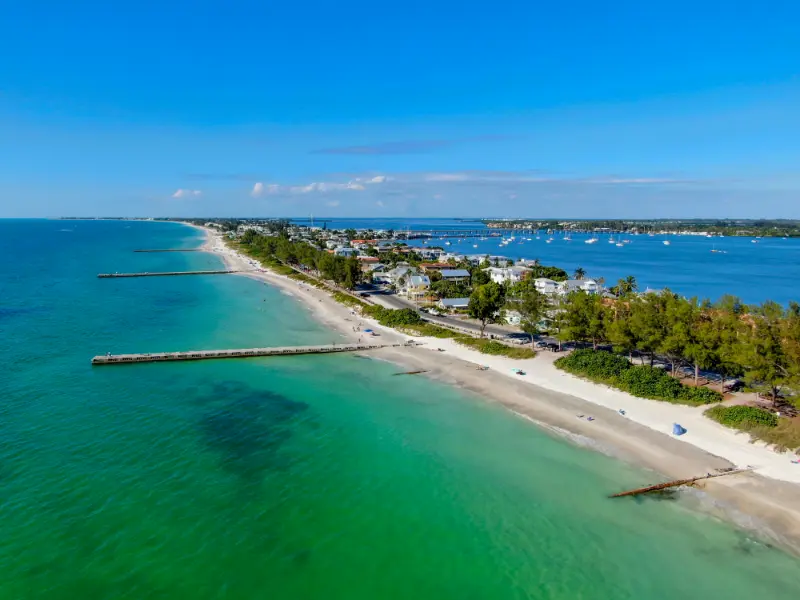
A short vacation around Anna Maria Island can feel as though it contains two different Florida stories. The barrier island brings broad Gulf views, small beach communities and sunset-oriented evenings. On the mainland, Bradenton and the nearby fishing village of Cortez reveal working-waterfront history, riverfront public spaces and a less resort-focused rhythm. A three-day itinerary can give you both without driving back and forth continuously. The secret is to understand that the island's northern village, Holmes Beach and Bradenton Beach are distinct places, then reserve the mainland for a separate day. This plan accommodates beach lovers, children, couples and visitors who prefer cultural stops and comfortable rest breaks.
Three-day itinerary at a glance
| Day | Recommended focus | Easy alternative |
|---|---|---|
| Day 1 | Anna Maria village and a Gulf sunset | Short beach visit with rest breaks |
| Day 2 | Bradenton Beach and Cortez | Bridge Street or fishing heritage |
| Day 3 | Bradenton Riverwalk and a museum | Short park walk and early departure |
Decide where to sleep before choosing your activities
Anna Maria Island comprises communities with different atmospheres. The city of Anna Maria in the north tends to feel village-like around its shops, restaurants and bayfront areas. Holmes Beach occupies a central part of the island and offers a range of lodging and practical services. Bradenton Beach in the south has a livelier historic-commercial zone around Bridge Street. A mainland Bradenton hotel may cost less or provide more amenities, but it means crossing a causeway to reach Gulf sand. Those causeways can become slow at peak arrival and departure times, particularly on busy weekends.
Book according to your dominant activity. If your family expects early beach time, a property with an easy lawful shore access and room for midday rest may justify its price. If your interests are museums, restaurants and exploring several communities, a mainland base may be convenient. Read rental rules closely, including minimum stays, cleaning fees, parking and any municipal requirements. A property described as “waterfront” might overlook a canal or bay, not the Gulf beach. Ask for the exact walking route to the beach and whether stairs or sand crossings create problems for anyone in your party.
Day one morning: Anna Maria's northern atmosphere
Begin at the north end of the island and allow the morning to unfold slowly. Explore the Anna Maria village area, look at historic streets and enjoy a breakfast or coffee stop. Bayfront spaces and Gulf beaches are not interchangeable: one faces calmer bay scenery and boating activity, while the other meets the open Gulf. Check which public beach access you plan to use and the facilities available there. Some routes are easier for strollers or mobility aids than others; the presence of a road nearby does not mean there is a fully accessible path to the water.
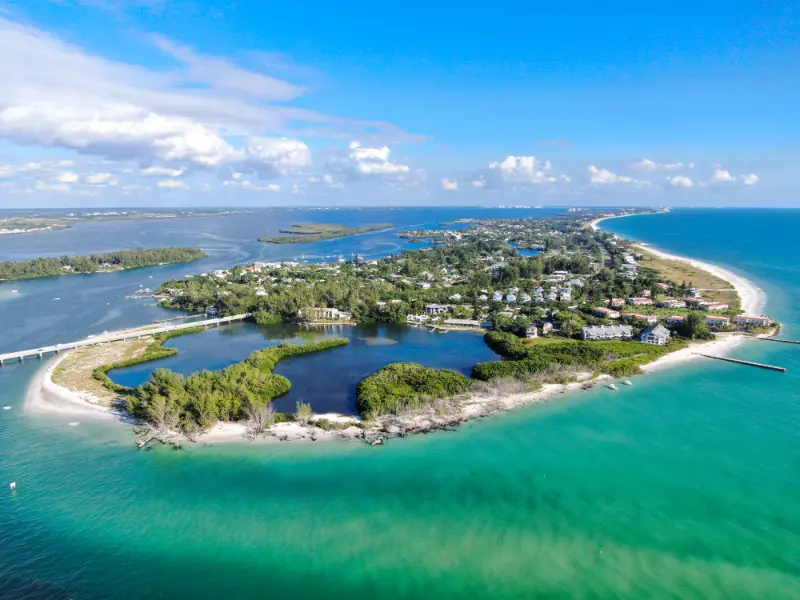
If the beach is your priority, go early when parking may be easier and the temperature is kinder. Set up only in permitted areas and keep access pathways clear. Visitors interested in architecture and independent businesses can spend more time away from the sand; families with toddlers may prefer a short shoreline visit followed by a nearby snack. Do not plan a long circuit of the entire island on foot. Distances, exposed sidewalks and sand make that tiring even when streets appear close together on a map.
Day one afternoon: a quiet Gulf beach and sunset
Choose one northern or central Gulf access for the afternoon. Anna Maria Island's pale sand is appealing, but beach conditions vary with wind, storms and currents. Review local warnings and use designated crossings instead of walking through dunes. Manatee and sea turtle protection rules are important here: never disturb wildlife or marked nesting areas, and respect lighting guidance during turtle-nesting season. Beachcombing and watching seabirds can be rewarding even when nobody enters the water. Carry water and seek shade, because a cooling sea breeze does not eliminate sun exposure.
A sunset meal can be memorable without becoming an expensive production. Reserve a table if you have a particular waterfront restaurant in mind, or enjoy a simple dinner after returning to your accommodation. Families with young children may need dinner before the actual sunset; there is no reason to keep everyone awake to satisfy an itinerary. Travelers who have difficulty walking on sand can seek an accessible public viewpoint rather than forcing a beach crossing. Verify access and seating first, especially if mobility or balance is a concern.
Day two morning: Bradenton Beach and Bridge Street
Spend the second morning around Bradenton Beach, at the island's southern end. The Bridge Street area has a different feel from northern Anna Maria: shops, casual food and connections to a history of fishing and visitors arriving across the water. Use a designated parking space and explore a manageable stretch on foot. Small historic areas are often more enjoyable if you slow down to notice buildings, signage and ordinary waterfront activity rather than treating every shop as a mandatory stop. If you plan to see a pier or pier-like structure, check current openings and repairs before making it the center of your morning.
A family might combine a short neighborhood walk with a beach hour, while a couple could settle into a longer lunch. The roads through the island serve residents as well as visitors and can become congested, so avoid frequent car transfers between nearby beaches. Bring sun protection and know where public restrooms are located. If someone uses a wheelchair, request specific information on sidewalks and entry steps; a neighborhood may have accessible venues but still include difficult stretches between them. That knowledge is more useful than a general claim that the island is “walkable.”
Day two afternoon: Coquina Beach or the Cortez waterfront
For the second afternoon, select Coquina Beach if the group wants another designated public beach area, or cross toward Cortez to discover a working-waterfront setting. Coquina's facilities, parking arrangements and any closures should be checked before travel, especially after severe weather. Enjoying a different beach does not require a long swim; it may be enough to sit under shade and watch the water. If you choose Cortez instead, understand that it is a real fishing village. Respect private docks, business operations and working equipment rather than wandering through them for photographs.
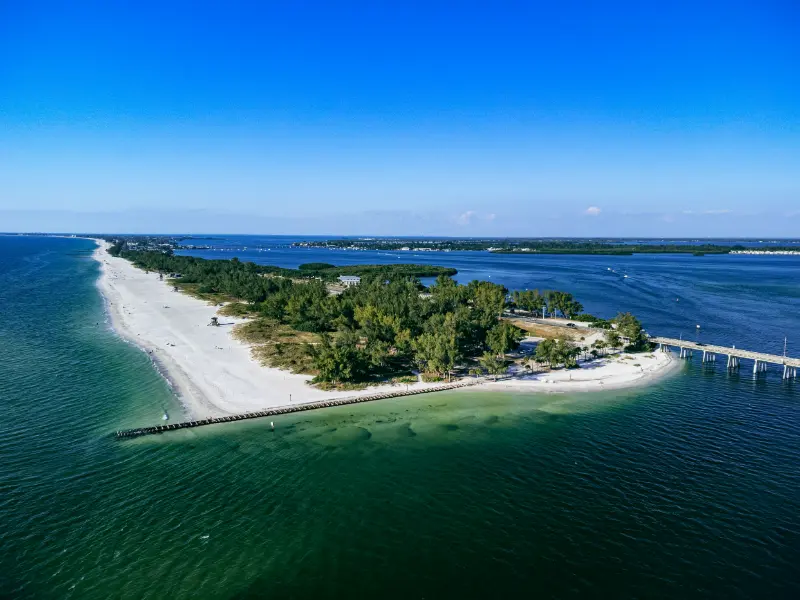
Cortez's maritime heritage makes a good counterpoint to the resort experience. Look for a public educational or historical venue that is open, then have a relaxed seafood meal or another lunch suited to your group's needs. Fishing traditions and coastal ecology offer something for children to learn beyond building sandcastles. When possible, plan this as one concentrated visit rather than multiple crossings of the Intracoastal Waterway. Travelers with limited stamina may prefer the village and a seated meal over another beach crossing; both choices are fully worthwhile.
Day three: Bradenton's Riverwalk and cultural stops
Head to mainland Bradenton for a day that looks beyond the Gulf. The Bradenton Riverwalk follows the Manatee River through public downtown space, but you need not walk its entire length. Choose an accessible entrance near a cultural stop, then explore only a section that appeals to your group. Depending on your interests, the Bishop Museum of Science and Nature or a local gallery can provide indoor learning and a welcome break from the sun. Check museum exhibits, schedules and ticket requirements because offerings can change over time.
If children have spent two days at the beach, a science museum or riverfront playground may be a welcome change. Adults interested in local history can explore selected downtown streets, while seniors may appreciate a seated river view and lunch within a short distance. The Manatee River is an active waterway, not a casual swimming location. Cross streets at designated places and observe the river from public areas. A third day on the mainland makes the whole trip more varied, and it reduces pressure to find yet another beach just because Florida is famous for its coast.
Beach safety and protected wildlife
The Gulf often looks gentle from shore, but currents, wind and changing weather can create hazards. Check beach warnings each day and supervise children closely in the water. Lightning storms require visitors to leave exposed shorelines. Avoid entering areas with posted water-quality warnings, and do not assume all beaches have lifeguards at every time. A family member who cannot swim can still have a lovely day through a nearby picnic, sea-breeze walk and shaded viewpoint. Swimming should remain one choice among several, not a requirement for everyone.
This coast supports nesting sea turtles and many bird species. Follow all posted setbacks and lighting requirements, and never handle animals or disturb a nest. Keep beach furniture and toys out of protected areas and clear the sand of belongings when you leave. If you see an animal that may be injured, contact an appropriate local wildlife authority rather than attempting a rescue yourself. The island's natural environment is part of its appeal; caring for it is not an inconvenience but part of visiting respectfully.
Traveling with children and people who need more comfort
The itinerary works best with predictable breaks. After the first morning at the beach, return to the room for lunch or quiet time before the afternoon. On the second day, let the group's energy determine whether you visit another beach or a fishing village. On day three, choose one museum or riverfront area and keep the rest optional. This rhythm is suitable for very young children, grandparents and anyone who tires in humid weather. Teenagers who want more action might add one approved rental or guided water activity, but its safety requirements must be checked independently.
For mobility needs, research more than the room. Ask about shower facilities, elevators, beach mats, parking, accessible restrooms and the actual surface between the parking area and any attraction. Some pathways may end at sand rather than continuing toward the water. Accessible picnic spots or public overlooks can offer beautiful experiences without the frustration of deep beach walking. Mixed-age groups benefit from agreeing on a shared meal and one key morning stop, then allowing people to rest or explore according to their preferences.
Budget, parking and a realistic travel pace
Expect accommodation prices and minimum-stay conditions to vary sharply by season. A rental with a kitchen can help a family manage meals, but cleaning and service fees may change the apparent savings. Parking may be limited near popular Gulf accesses, and mainland hotels can add drive time and fuel costs. Rather than comparing nightly rates in isolation, estimate the full stay: room, taxes, parking, groceries or restaurant meals, and any paid attraction. Many memorable moments on the island are free once you have reached an approved beach access, so there is no need to add a ticketed excursion to every day.
Timing matters almost as much as budget. A short island crossing can turn into an extended drive during a crowded weekend or holiday. Depart for the beach early and limit the number of stops requiring a new parking space. Check whether free or paid trolley and local transit options are running and how they fit the hotel location; routes and services can change. If you are departing from an airport on day three, leave a generous road buffer and do not schedule a nonrefundable afternoon tour. Protect your travel day rather than trying to extract every last possible beach hour.
Weather changes and final preparation
Summer is hot and humid, and thunderstorms can make the coast unsafe for several hours. During hurricane season, use official forecasts, evacuation instructions and flexible booking conditions. In winter, Gulf beaches can be breezy or cool, even if the sun is bright. Keep an indoor Bradenton cultural stop available when the beach is less appealing. On an especially hot day, reverse your order: enjoy the coast early, rest midday and explore a short public area later. Weather flexibility matters far more than following the schedule down to the minute.
Before traveling, check Anna Maria Island's local beach access information, Bradenton's visitor resources and current openings for museums or piers. Save the address of your intended access and its parking arrangement. Confirm the exact sleeping location, not merely a listing that claims to be near the beach. Three days here can balance gentle Gulf scenery with history and science on the mainland. The trip is not about counting beaches; it is about experiencing island life, appreciating the working coast and allowing different generations to enjoy the same destination at their own pace.
Frequently asked questions
Is Bradenton the same as Bradenton Beach?
No. Bradenton is on the mainland; Bradenton Beach is on Anna Maria Island.
Is a bayfront rental always on a Gulf swimming beach?
No. Verify whether the property faces the bay, a canal or the Gulf and how guests reach a legal beach access.
Can we enjoy the trip without a car?
A beach-based stay may work with limited local transport, but visiting mainland Bradenton is easier with a planned transfer or car.