Category: Bradenton Florida

  • Bradenton, Palmetto and Cortez: Four Days of Gulf Coast Heritage

    Bradenton, Palmetto and Cortez: Four Days of Gulf Coast Heritage

    You can explore the Bradenton area without spending the whole vacation on a beach. On the mainland side of Sarasota Bay, Palmetto, Bradenton and Cortez offer a rewarding mix of riverfront paths, local history, fishing traditions and neighborhoods that remain active communities rather than open-air attractions. This four-day itinerary works well for adults who prefer culture, families seeking breaks from swimming, or grandparents traveling with children. It also helps if a beach closure, red tide advisory or poor weather changes an otherwise coastal holiday.

    There is an important planning detail as of October 2026: the Florida Maritime Museum in Cortez says its main museum building is temporarily closed for rehabilitation. Do not plan an ordinary indoor museum visit there without checking for reopening. The historical village and approved public walking routes may still make the area interesting, but visitors should not assume the closure grants access to museum buildings or private working docks. A thoughtful itinerary respects that distinction.

    One accommodation base is enough

    Bradenton generally offers a wider choice of hotels and services than the smaller historic village of Cortez. Staying near downtown can simplify riverfront exploration, but check the actual distance to the activities you choose. A low hotel rate on the far side of a highway might require a vehicle for every meal. Visitors who value a quieter environment may prefer Palmetto or a residential rental, provided they verify parking, stairs and neighborhood rules.

    This is a car-friendly itinerary, though some downtown sections can be explored on foot once you park. Do not assume ferries or water shuttles run directly between every waterfront destination. Maps may show a short distance across the water while the road route involves a bridge and traffic. If you are traveling without a car, consider selecting a more compact Bradenton base and reducing the trip to confirmed transit and taxi connections rather than trying to replicate the full plan.

    Day 1: start on Bradenton’s Riverwalk

    Spend the first morning along the Manatee River on Bradenton’s public Riverwalk. Rather than attempting the entire waterfront at once, choose a section that matches the group’s energy and preferred activities. Families may appreciate play areas and broad views; couples might prefer a quiet bench and time to watch activity on the river. The path can be exposed to the sun, so even a simple stroll is more comfortable early in the day. Check for event setups that might change parking or access.
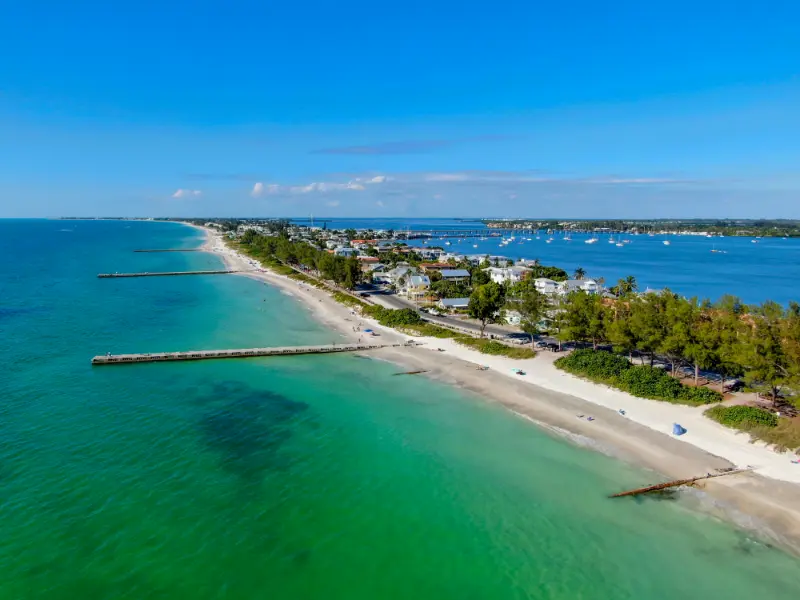
    Bradenton Beach Anna Maria Island Florida Coast Aerial

    The riverfront is also a good introduction to the area’s geography. Looking west, you are reminded that this is a network of rivers, bays and working waterfronts—not simply a line of beaches. Fishing vessels, pleasure craft and changing weather are part of the scene. Explain to children why they should remain behind railings and away from boat-docking areas. A riverwalk is not an invitation to enter the water.

    For lunch, choose a downtown café or casual restaurant that fits your budget and dietary needs. If a museum or art venue is important, verify its current hours and whether any exhibition requires a separate ticket. Avoid trying to combine a hot outdoor walk with several indoor visits before lunch; short, varied activities usually make a more pleasant day for people of different ages.

    Day 2: Palmetto and the north bank of the Manatee River

    Cross to Palmetto for a look at the area’s agricultural and settlement history. The historic district and public parks make a different kind of visit from a major theme attraction. Begin with a public historic site or park whose hours are confirmed, then continue along streets where pedestrian access is permitted. Do not enter fenced historic structures or private gardens just because an old sign or map makes them appear interesting.

    The Palmetto Historical Park and related local collections can provide context for the changing economy of Manatee County. Confirm which buildings and exhibits can be visited on the exact day; volunteer-dependent opening hours often differ from commercial museum schedules. If an interior exhibit is not available, use the afternoon for a public waterfront viewpoint and a relaxed meal. For children, invite them to compare how goods and passengers moved through river towns before modern bridges and highways.

    Pay attention to walking surfaces and shade. An older traveler who enjoys local history may not want a long midday circuit. Make two short stops, with a break between them. Families bringing a stroller should look for accessible entrances and restrooms rather than assuming historic properties will have smooth paths throughout. The aim is to understand the town, not complete every building on a walking-tour brochure.

    Day 3: Cortez and the living fishing waterfront

    Cortez is a historic fishing village with a distinct working identity. Some visitors arrive expecting a themed tourist village; in reality, you are moving through a neighborhood where businesses, boats and residents continue their daily routines. The Florida Maritime Museum offers a self-guided historic walking-tour resource that can help explain the streets and landmarks. Check public access carefully, use sidewalks and permitted paths, and do not trespass on private docks or boatyards for photographs.

    Because the Florida Maritime Museum is temporarily closed for rehabilitation, build the day around the open village, local context and an appropriate meal, not a promised museum exhibition. If the museum has announced an outdoor event or a separate program on your dates, verify that independently. A closure notice can change after reopening; the official museum page is the correct source to check before you go.

    A seafood lunch can be part of the experience, but do not assume that every restaurant sells the same species or sources everything locally. Ask sensible questions about dishes and prices. If someone has a seafood allergy, tell staff about it explicitly and check cross-contact procedures; a waterfront restaurant is not inherently safe for every diet. Families on a budget may find that one shared special meal is more memorable than buying snacks throughout the day.

    Day 4: choose art, local markets or another riverside morning

    Use the final day to follow the group’s interest rather than adding another long drive. Art enthusiasts can return toward Bradenton’s cultural areas, checking gallery openings ahead of time. Visitors who loved the river can choose a different public waterfront viewpoint. If a local market is scheduled, browse respectfully and remember that seasonal produce and vendor attendance vary. An online listing does not guarantee that a specific stall will be present.

    For children, a low-pressure challenge makes a good finale: identify three examples of coastal life, such as a fishing net, bridge, mangrove or boat design. The point is to connect the previous days, not manufacture a strenuous scavenger hunt. If storms or heat are building, replace the outdoor activity with a suitable indoor attraction or return to the hotel earlier.

    Departure-day planning matters here because traffic can accumulate on approaches to the beaches and bridges. Give yourself a reliable buffer to reach an airport or start a longer drive. A small final stop is never worth missing a check-in window or arriving home exhausted.

    Understand the area’s history responsibly

    A good heritage trip does more than photograph attractive old buildings. Bradenton and Palmetto developed through transportation, agriculture, trade and changes in land ownership. Cortez has a living maritime tradition that includes generations of fishing families. When reading exhibits or local plaques, remember that accounts of settlement must also acknowledge Indigenous history and the labor of people often omitted from celebratory narratives. Choose interpretive materials that explain these layers instead of reducing the region to nostalgic scenery.

    Ask museum staff or local heritage organizations where you can learn more, especially when a building is closed. Their recommended archives or walking maps may provide better context than a random social-media itinerary. Support legitimate local businesses by purchasing something you want rather than expecting free access to areas that exist primarily for working residents.

    How to handle waterfront weather and water quality

    A route beside a river and bay is not automatically a swimming vacation. Fishing areas, marina docks and riverfront walks have different safety conditions than supervised beaches. Never treat an unmarked waterside stairway as a safe way to enter the water. Check local weather alerts, and move into substantial shelter if thunder approaches. The National Weather Service cautions that being outside near thunderstorms is unsafe even when rain has not reached your location.

    If you add a beach day, check relevant water-quality and red-tide information close to your visit. Conditions can vary between sites. Visitors with respiratory sensitivity may prefer inland and indoor activities when coastal irritation is reported. A mainland cultural trip is valuable partly because it offers alternatives without requiring you to cancel the whole vacation.

    Travel with children or someone who walks slowly

    Plan each day around one core destination, an easy meal and a shorter optional stop. Children under five might enjoy the river views but tire quickly of historical interpretation. Bring coloring supplies or simple questions that make stories concrete. Teenagers may prefer to photograph architectural details or investigate how the village’s fishing industry works today. Offer choices, rather than assuming every generation finds the same activity exciting.

    For someone with limited mobility, ask about parking proximity, curb ramps, museum entrances, restrooms and seating. Historic districts may have narrow or uneven sidewalks. When a particular heritage site is not accessible, a public riverfront viewpoint and interpretive information can still create a meaningful visit. Independence matters: let the traveler decide whether the shorter option feels right.

    Parking, meals and the real cost of a four-day stay

    Accommodation is likely to be the largest cost, followed by car use and meals. Compare final hotel rates after taxes and fees, plus the cost of parking at the property. Look up event schedules near downtown Bradenton, since a waterfront festival can affect parking and restaurant demand. A walking itinerary feels economical until visitors discover that parking for several short stops costs more than expected; group nearby attractions together.

    Restaurant spending is easy to control if you plan one featured meal and simpler food at other times. Breakfast in a room with a refrigerator can save money, but use correct food-storage temperatures. Do not leave sandwiches, seafood or dairy products in a hot car between stops. If you are renting a vehicle, calculate tolls and insurance arrangements separately rather than considering only the daily rental price.

    Four-day schedule at a glance

    Day Main focus If weather or energy changes
    1 Bradenton Riverwalk Shorter riverfront section and museum if open
    2 Palmetto history and public parks One confirmed-open heritage site
    3 Cortez village and fishing traditions Guided historical reading and lunch, no museum assumption
    4 Art, market or second river viewpoint Relaxed departure

    Useful questions before booking

    Is the museum actually open, or only hosting limited events during renovations? Can the group reach a public riverfront section without walking far? Does the lodging have a lift or accessible bathroom if required? Are restaurant hours compatible with early dinners? A few direct checks prevent most disappointments and make this cultural coast trip comfortable for nearly any age group.

    Frequently asked questions

    Can you visit Cortez while the Maritime Museum is closed?

    Yes, subject to public-access rules and the status of individual businesses. Use official historic-walk resources and respect private fishing facilities; do not expect the museum’s indoor exhibits to be open.

    Is a car essential for all four days?

    A car offers the greatest flexibility between Palmetto, Bradenton and Cortez. A shorter downtown-focused visit may be possible without one, but check specific transit options in advance.

    Is the itinerary useful in bad beach weather?

    Yes. It was designed around heritage and waterfront views, with indoor substitutions, although lightning and severe-weather warnings still require appropriate shelter.
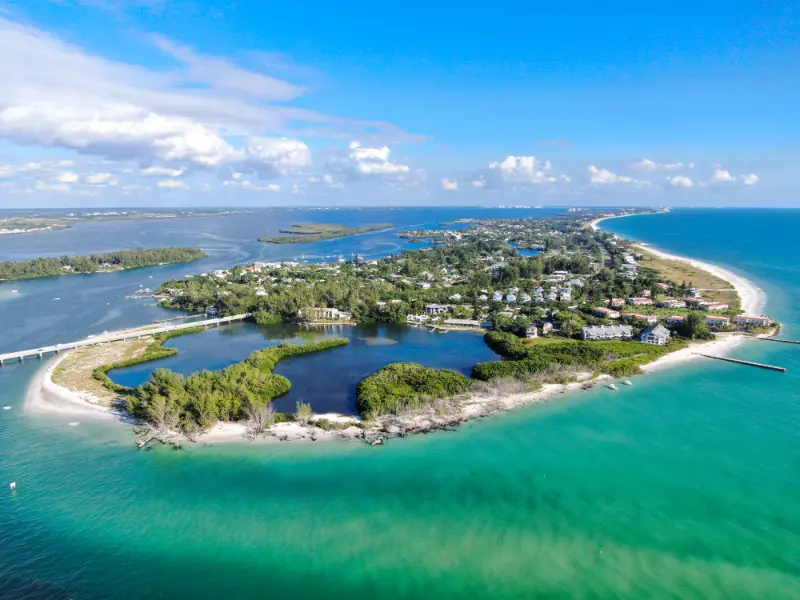

  • Three Days on Anna Maria Island and in Bradenton: Beaches, Fishing Villages and Riverfront Art

    Three Days on Anna Maria Island and in Bradenton: Beaches, Fishing Villages and Riverfront Art

    A short vacation around Anna Maria Island can feel as though it contains two different Florida stories. The barrier island brings broad Gulf views, small beach communities and sunset-oriented evenings. On the mainland, Bradenton and the nearby fishing village of Cortez reveal working-waterfront history, riverfront public spaces and a less resort-focused rhythm. A three-day itinerary can give you both without driving back and forth continuously. The secret is to understand that the island's northern village, Holmes Beach and Bradenton Beach are distinct places, then reserve the mainland for a separate day. This plan accommodates beach lovers, children, couples and visitors who prefer cultural stops and comfortable rest breaks.

    Three-day itinerary at a glance

    DayRecommended focusEasy alternative
    Day 1Anna Maria village and a Gulf sunsetShort beach visit with rest breaks
    Day 2Bradenton Beach and CortezBridge Street or fishing heritage
    Day 3Bradenton Riverwalk and a museumShort park walk and early departure

    Decide where to sleep before choosing your activities

    Anna Maria Island comprises communities with different atmospheres. The city of Anna Maria in the north tends to feel village-like around its shops, restaurants and bayfront areas. Holmes Beach occupies a central part of the island and offers a range of lodging and practical services. Bradenton Beach in the south has a livelier historic-commercial zone around Bridge Street. A mainland Bradenton hotel may cost less or provide more amenities, but it means crossing a causeway to reach Gulf sand. Those causeways can become slow at peak arrival and departure times, particularly on busy weekends.

    Book according to your dominant activity. If your family expects early beach time, a property with an easy lawful shore access and room for midday rest may justify its price. If your interests are museums, restaurants and exploring several communities, a mainland base may be convenient. Read rental rules closely, including minimum stays, cleaning fees, parking and any municipal requirements. A property described as “waterfront” might overlook a canal or bay, not the Gulf beach. Ask for the exact walking route to the beach and whether stairs or sand crossings create problems for anyone in your party.

    Day one morning: Anna Maria's northern atmosphere

    Begin at the north end of the island and allow the morning to unfold slowly. Explore the Anna Maria village area, look at historic streets and enjoy a breakfast or coffee stop. Bayfront spaces and Gulf beaches are not interchangeable: one faces calmer bay scenery and boating activity, while the other meets the open Gulf. Check which public beach access you plan to use and the facilities available there. Some routes are easier for strollers or mobility aids than others; the presence of a road nearby does not mean there is a fully accessible path to the water.

    Anna Maria Island Florida Barrier Island Beach Aerial

    If the beach is your priority, go early when parking may be easier and the temperature is kinder. Set up only in permitted areas and keep access pathways clear. Visitors interested in architecture and independent businesses can spend more time away from the sand; families with toddlers may prefer a short shoreline visit followed by a nearby snack. Do not plan a long circuit of the entire island on foot. Distances, exposed sidewalks and sand make that tiring even when streets appear close together on a map.

    Day one afternoon: a quiet Gulf beach and sunset

    Choose one northern or central Gulf access for the afternoon. Anna Maria Island's pale sand is appealing, but beach conditions vary with wind, storms and currents. Review local warnings and use designated crossings instead of walking through dunes. Manatee and sea turtle protection rules are important here: never disturb wildlife or marked nesting areas, and respect lighting guidance during turtle-nesting season. Beachcombing and watching seabirds can be rewarding even when nobody enters the water. Carry water and seek shade, because a cooling sea breeze does not eliminate sun exposure.

    A sunset meal can be memorable without becoming an expensive production. Reserve a table if you have a particular waterfront restaurant in mind, or enjoy a simple dinner after returning to your accommodation. Families with young children may need dinner before the actual sunset; there is no reason to keep everyone awake to satisfy an itinerary. Travelers who have difficulty walking on sand can seek an accessible public viewpoint rather than forcing a beach crossing. Verify access and seating first, especially if mobility or balance is a concern.

    Day two morning: Bradenton Beach and Bridge Street

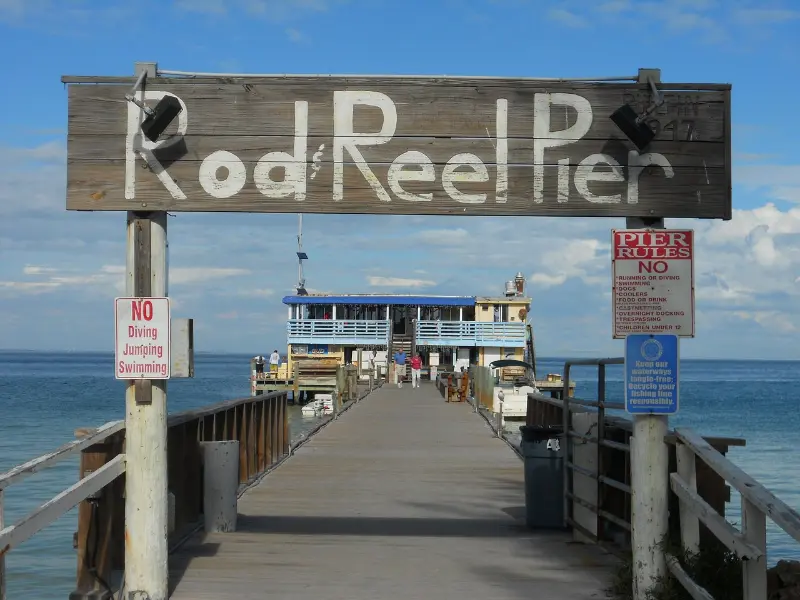
    Spend the second morning around Bradenton Beach, at the island's southern end. The Bridge Street area has a different feel from northern Anna Maria: shops, casual food and connections to a history of fishing and visitors arriving across the water. Use a designated parking space and explore a manageable stretch on foot. Small historic areas are often more enjoyable if you slow down to notice buildings, signage and ordinary waterfront activity rather than treating every shop as a mandatory stop. If you plan to see a pier or pier-like structure, check current openings and repairs before making it the center of your morning.

    A family might combine a short neighborhood walk with a beach hour, while a couple could settle into a longer lunch. The roads through the island serve residents as well as visitors and can become congested, so avoid frequent car transfers between nearby beaches. Bring sun protection and know where public restrooms are located. If someone uses a wheelchair, request specific information on sidewalks and entry steps; a neighborhood may have accessible venues but still include difficult stretches between them. That knowledge is more useful than a general claim that the island is “walkable.”

    Day two afternoon: Coquina Beach or the Cortez waterfront

    For the second afternoon, select Coquina Beach if the group wants another designated public beach area, or cross toward Cortez to discover a working-waterfront setting. Coquina's facilities, parking arrangements and any closures should be checked before travel, especially after severe weather. Enjoying a different beach does not require a long swim; it may be enough to sit under shade and watch the water. If you choose Cortez instead, understand that it is a real fishing village. Respect private docks, business operations and working equipment rather than wandering through them for photographs.

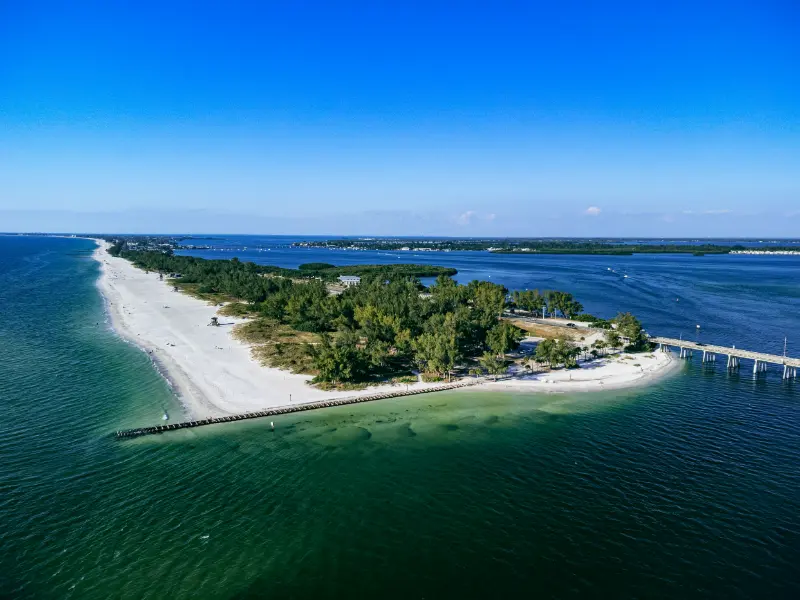
    Coquina Beach Bradenton Florida Aerial

    Cortez's maritime heritage makes a good counterpoint to the resort experience. Look for a public educational or historical venue that is open, then have a relaxed seafood meal or another lunch suited to your group's needs. Fishing traditions and coastal ecology offer something for children to learn beyond building sandcastles. When possible, plan this as one concentrated visit rather than multiple crossings of the Intracoastal Waterway. Travelers with limited stamina may prefer the village and a seated meal over another beach crossing; both choices are fully worthwhile.

    Day three: Bradenton's Riverwalk and cultural stops

    Head to mainland Bradenton for a day that looks beyond the Gulf. The Bradenton Riverwalk follows the Manatee River through public downtown space, but you need not walk its entire length. Choose an accessible entrance near a cultural stop, then explore only a section that appeals to your group. Depending on your interests, the Bishop Museum of Science and Nature or a local gallery can provide indoor learning and a welcome break from the sun. Check museum exhibits, schedules and ticket requirements because offerings can change over time.

    If children have spent two days at the beach, a science museum or riverfront playground may be a welcome change. Adults interested in local history can explore selected downtown streets, while seniors may appreciate a seated river view and lunch within a short distance. The Manatee River is an active waterway, not a casual swimming location. Cross streets at designated places and observe the river from public areas. A third day on the mainland makes the whole trip more varied, and it reduces pressure to find yet another beach just because Florida is famous for its coast.

    Beach safety and protected wildlife

    The Gulf often looks gentle from shore, but currents, wind and changing weather can create hazards. Check beach warnings each day and supervise children closely in the water. Lightning storms require visitors to leave exposed shorelines. Avoid entering areas with posted water-quality warnings, and do not assume all beaches have lifeguards at every time. A family member who cannot swim can still have a lovely day through a nearby picnic, sea-breeze walk and shaded viewpoint. Swimming should remain one choice among several, not a requirement for everyone.

    This coast supports nesting sea turtles and many bird species. Follow all posted setbacks and lighting requirements, and never handle animals or disturb a nest. Keep beach furniture and toys out of protected areas and clear the sand of belongings when you leave. If you see an animal that may be injured, contact an appropriate local wildlife authority rather than attempting a rescue yourself. The island's natural environment is part of its appeal; caring for it is not an inconvenience but part of visiting respectfully.

    Traveling with children and people who need more comfort

    The itinerary works best with predictable breaks. After the first morning at the beach, return to the room for lunch or quiet time before the afternoon. On the second day, let the group's energy determine whether you visit another beach or a fishing village. On day three, choose one museum or riverfront area and keep the rest optional. This rhythm is suitable for very young children, grandparents and anyone who tires in humid weather. Teenagers who want more action might add one approved rental or guided water activity, but its safety requirements must be checked independently.

    For mobility needs, research more than the room. Ask about shower facilities, elevators, beach mats, parking, accessible restrooms and the actual surface between the parking area and any attraction. Some pathways may end at sand rather than continuing toward the water. Accessible picnic spots or public overlooks can offer beautiful experiences without the frustration of deep beach walking. Mixed-age groups benefit from agreeing on a shared meal and one key morning stop, then allowing people to rest or explore according to their preferences.

    Budget, parking and a realistic travel pace

    Expect accommodation prices and minimum-stay conditions to vary sharply by season. A rental with a kitchen can help a family manage meals, but cleaning and service fees may change the apparent savings. Parking may be limited near popular Gulf accesses, and mainland hotels can add drive time and fuel costs. Rather than comparing nightly rates in isolation, estimate the full stay: room, taxes, parking, groceries or restaurant meals, and any paid attraction. Many memorable moments on the island are free once you have reached an approved beach access, so there is no need to add a ticketed excursion to every day.

    Timing matters almost as much as budget. A short island crossing can turn into an extended drive during a crowded weekend or holiday. Depart for the beach early and limit the number of stops requiring a new parking space. Check whether free or paid trolley and local transit options are running and how they fit the hotel location; routes and services can change. If you are departing from an airport on day three, leave a generous road buffer and do not schedule a nonrefundable afternoon tour. Protect your travel day rather than trying to extract every last possible beach hour.

    Weather changes and final preparation

    Summer is hot and humid, and thunderstorms can make the coast unsafe for several hours. During hurricane season, use official forecasts, evacuation instructions and flexible booking conditions. In winter, Gulf beaches can be breezy or cool, even if the sun is bright. Keep an indoor Bradenton cultural stop available when the beach is less appealing. On an especially hot day, reverse your order: enjoy the coast early, rest midday and explore a short public area later. Weather flexibility matters far more than following the schedule down to the minute.

    Before traveling, check Anna Maria Island's local beach access information, Bradenton's visitor resources and current openings for museums or piers. Save the address of your intended access and its parking arrangement. Confirm the exact sleeping location, not merely a listing that claims to be near the beach. Three days here can balance gentle Gulf scenery with history and science on the mainland. The trip is not about counting beaches; it is about experiencing island life, appreciating the working coast and allowing different generations to enjoy the same destination at their own pace.

    Frequently asked questions

    Is Bradenton the same as Bradenton Beach?

    No. Bradenton is on the mainland; Bradenton Beach is on Anna Maria Island.

    Is a bayfront rental always on a Gulf swimming beach?

    No. Verify whether the property faces the bay, a canal or the Gulf and how guests reach a legal beach access.

    Can we enjoy the trip without a car?

    A beach-based stay may work with limited local transport, but visiting mainland Bradenton is easier with a planned transfer or car.

    Official visitor information

  • Visiting Florida with a Walker: Five Relaxed Days in Sarasota and Bradenton

    Visiting Florida with a Walker: Five Relaxed Days in Sarasota and Bradenton

    Traveling with a walker or rollator should not mean choosing between an exhausting itinerary and staying in the hotel. Sarasota and Bradenton offer a mixture of museums, gardens, waterfront areas and short drives where a traveler can decide how much to do each day. The trick is to plan the entire journey, including hotel doors, parking, curb cuts, toilets and seating, rather than checking only whether an attraction advertises ‘accessibility.’ This five-day example is intended for a family or couple in which one person uses a walking aid and others may have different interests.

    A walker does not make all surfaces equally usable. Loose sand, gravel, uneven historic pavement and sloping paths can be difficult, while an indoor museum with elevators may be comfortable. Rollators with seats may help some people but are not always appropriate for every setting. Ask your own healthcare professional about equipment and stamina where necessary; this is a travel-planning guide, not medical advice. Many of the choices here also suit grandparents, pregnant visitors or families pushing strollers.

    Book a hotel for the bathroom, not just the beach view

    The most useful hotel is often one with a reliable lift or ground-floor room, a short path from accessible parking and a bathroom matching the traveler’s needs. Ask whether the shower is walk-in or has a high threshold, whether grab bars are installed and how far the room is from the elevator. A rollator does not automatically require an ADA-designated room, but some travelers benefit greatly from the features. Confirm exact arrangements in writing rather than relying on the phrase ‘accessible on request.’

    For the route below, staying near Sarasota or Bradenton lets you avoid changing hotels. Make sure your parking arrangement allows easy unloading, and ask about luggage carts or assistance. If the group does not drive, investigate accessible rideshare or transportation options before arrival; a regular car may not suit a person who cannot step up comfortably. An expensive beachfront resort can be less convenient than an inland hotel with an elevator and nearby restaurants.

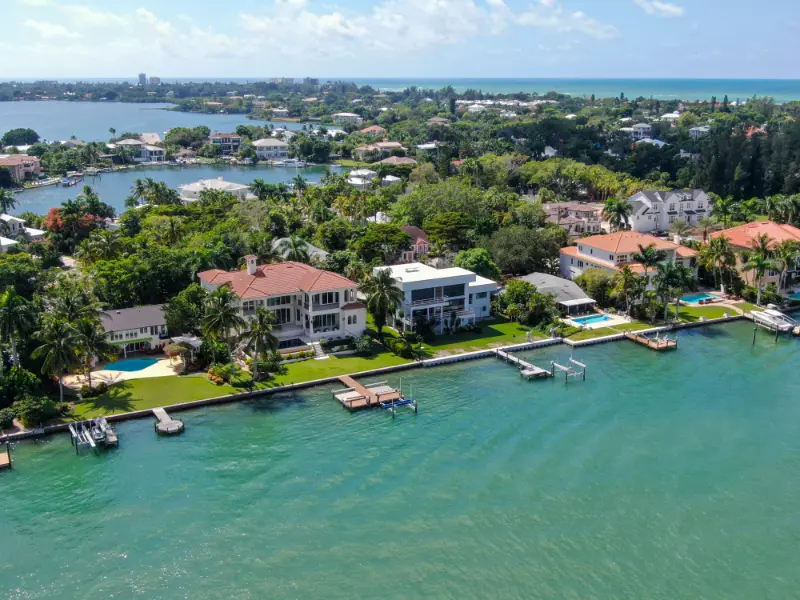
    Sarasota Florida Canalfront Houses Aerial

    Day one: Settle in and enjoy an easy waterfront stop

    After arrival, do not schedule a lengthy garden or museum visit. Take time to check the hotel route, test the bathroom, unpack medication and find a convenient meal. A short visit to a public waterfront park in Sarasota or Bradenton is enough for the afternoon. Choose an area with nearby legal parking, paved access and toilets, and check whether events or construction affect the route. Sit for a while to enjoy the scenery rather than counting steps.

    If traveling with children, let them explore a playground under supervision while the adults remain close by. A quiet dinner is more useful than an elaborate sunset excursion after a long flight. If the walker has removable parts, keep the assembly instructions available. Travelers who use a rollator should check that its brakes operate correctly before heading onto a slope. The first day sets expectations: the group will make choices based on comfort, not on a strict sightseeing scorecard.

    Day two: A museum morning at The Ringling

    The Ringling in Sarasota combines art, architecture and landscaped grounds. It is a strong option for a museum-oriented morning, but the complex is large and some areas may involve extended walking or historic-building limitations. Review the museum’s accessibility information and select one or two components rather than assuming you will cover the full campus. Ask whether mobility aids or wheelchairs are available to borrow and where to park for your chosen entrance.

    A traveler who loves paintings might prefer the art museum, while another visitor is more interested in the mansion or circus history. Split up briefly if all parties agree, then meet for lunch. Historic interiors can have special access rules, so confirm the exact ticketed experience. On a humid day, the museum can be a more comfortable primary outing than an exposed trail. Return to the hotel in the afternoon, allowing time for rest and a quiet evening nearby.

    Day three: Gardens with route choices, not obligations

    Marie Selby Botanical Gardens or another carefully selected garden can be enjoyable for visitors who like plants and outdoor landscapes. However, garden grounds differ in path surface and distance. Contact the attraction about accessible paths, available benches and the location of toilets before purchasing tickets. An accessible parking space at the entrance does not tell you whether a particular greenhouse or waterside trail suits a rollator.

    Begin early in warm weather and choose a compact route with a planned turnaround point. If the main garden loop is too long, visit an exhibition or seated area instead. For school-age children, a short plant-identification activity can make the stop engaging without extra walking. Bring drinking water and insect protection. A rollator seat is not a substitute for guaranteed shaded rest in extreme heat; locate actual benches or indoor spaces. If thunderstorms are expected, save the garden for a clearer day.

    Day four: Bradenton heritage and a gentle afternoon

    Bradenton’s riverfront and cultural attractions provide a different pace. Select one museum or indoor history stop after checking current hours and accessibility. The South Florida Museum name may appear in outdated guides; use current institutional information when planning a visit to the Bishop Museum of Science and Nature. Short outdoor views of the Manatee River can complement an indoor visit, but make the distance from parking to waterfront seating part of the plan.

    Do not stack three attractions simply because they appear close on a map. A walker user may need time to navigate crossings or wait for elevators. A comfortable lunch, a seated museum visit and a short drive can fill a day. If children want more activity, one accompanying adult can take them to a nearby park while the person using the walker rests, provided everybody agrees on a clear meeting point. The goal is an enjoyable shared holiday, not uniform participation in every minute.

    Day five: Choose a beach view without committing to sand

    A Gulf Coast trip can include the ocean without requiring the traveler to cross deep sand. Choose a public beach access or developed waterfront location based on parking, paved or mat access, available beach wheelchairs and actual restroom distance. The availability of beach mobility equipment varies and may be first-come, first-served. A beach wheelchair is not necessarily self-propelled, so clarify who will assist and whether the user can transfer safely.

    A scenic overlook, café or bayfront park can be a good alternative. Travelers should not be pushed to walk on sand merely because others want a beach photograph. If the group does swim, follow posted flags, water-quality warnings and lifeguard guidance. Keep an adult supervising children at the water while the rest of the party enjoys a shaded spot. End the day early if a drive or flight remains; beach access and airport transfers can both involve more walking than expected.

    Five-day plan with rest built in

    Day Main activity Why it works Alternative
    1 Arrival and waterfront stop Minimal effort after travel Hotel rest
    2 The Ringling Art and indoor options One gallery only
    3 Botanical garden Plants and scenic paths Indoor exhibition
    4 Bradenton museum and river views Flexible seated activity Lunch and short drive
    5 Developed beach access Gulf experience without long walk Bayfront café

    What to ask before buying tickets

    Contact each attraction with details about the device: walker or rollator, whether the person needs a seat, and whether steps are manageable. Ask for the shortest route from parking to the main exhibition, the surface type, slopes, elevator availability, restroom location and loan-equipment policy. If the site offers a tram or shuttle, ask whether it accepts mobility aids and whether boarding involves steps. ‘Wheelchair accessible’ can be a useful starting point but does not address every rollator concern.

    Request information about reentry if you expect a midday hotel break. At outdoor venues, ask whether the principal route is exposed to sun and whether rain can close paths. The staff may recommend an accessible entrance that is not the one shown in the main ticket photograph. Check any companion discounts or disability programs through official channels, and do not assume eligibility simply because someone uses a walker.

    Managing the airport and luggage

    Travel fatigue often begins before sightseeing. If someone needs assistance through the airport, arrange the applicable service with the airline in advance and confirm the walker can travel appropriately. Airlines have different procedures for checking, tagging or using mobility aids to the aircraft door. Photograph the device before departure and keep its identifying details and any folding instructions accessible. Do not place medication or essential small items in a checked mobility-device bag.

    At the destination, avoid putting heavy bags on a rollator unless the manufacturer permits the load. If luggage retrieval and car-rental paperwork will take time, plan seating breaks. A traveler who is comfortable for a museum hour may still become tired after a long day involving security lines, boarding and standing. The first afternoon should reflect what happened during the journey rather than the ideal schedule written months earlier.

    Budgeting comfort rather than spending on every attraction

    A slightly more expensive central hotel with reliable parking and an appropriate bathroom may save more stress than a cheap room on the outskirts. Consider the cost of taxis, parking, assistive-equipment rental and refundable admissions. Pay attention to resort fees and taxes. Compare the actual benefits of a sea-view upgrade against improvements that matter more, such as elevator access and breakfast nearby.

    Group tickets and premium tours can be poor value if a traveler may need to stop early. Purchase the one experience everyone particularly wants and leave remaining days flexible. A museum membership reciprocal program may help frequent visitors, but check eligibility and blackout rules. A short waterfront outing has value even without an admission ticket. Budget for comfort and recovery time, not just attractions.

    Weather and keeping the day comfortable

    Florida heat and humidity can make a short walk harder than expected. Schedule outdoor excursions early, carry water and plan indoor rest in the warmest part of the day. Thunderstorms require moving to a substantial building or enclosed vehicle rather than sheltering under a tree. After heavy rain, curb ramps and garden paths may hold water. A rollator’s brakes and wheels should be checked on a wet surface before setting out.

    Winter is often pleasant but can bring cool mornings, and coastal breezes may make a light layer useful. Do not assume every public bench is shaded or located close to an accessible restroom. If a person’s energy changes unpredictably, treat the day’s second attraction as optional. The whole party benefits when the slowest comfortable pace sets the rhythm.

    Frequently asked questions

    Can a person with a walker enjoy a Florida beach?

    Often, but loose sand can be difficult. Choose access points with suitable paved approaches, mats, seating or appropriate loan equipment and verify them directly.

    Are historic mansions and museums completely step-free?

    Not necessarily. Historic buildings may have special limitations even when the broader museum campus offers accessible routes.

    Is it better to rent a mobility scooter instead?

    That depends on the traveler’s needs, equipment skills and professional advice. Confirm venue policies and transport arrangements before changing devices for the trip.

    Official planning resources

  • Cortez Fishing Village and Sarasota Bay: Four Days of Maritime Florida Without a Boat

    Cortez Fishing Village and Sarasota Bay: Four Days of Maritime Florida Without a Boat

    Cortez is a small working fishing community near Bradenton that offers a different experience from the resort coastline immediately beyond the nearby bridges. Its historic houses, maritime traditions, and bay setting are worth exploring, but visitors should not treat its commercial docks as a waterfront theme park. This four-day guide uses the Bradenton area as a base, includes time for the Cortez village landscape, and adds public natural and cultural stops around Sarasota Bay. A boat trip is optional, not required. One important 2026 limitation shapes the itinerary: the Florida Maritime Museum's main building remains closed for rehabilitation, even though the organization continues educational work.

    Quick planning table

    DayFocus
    1Respectful walking tour of historic Cortez
    2Seafood culture and working waterfront heritage
    3Sarasota Bay habitats and public viewpoints
    4Flexible cultural or beach-area stop

    Understand Cortez before choosing accommodation

    Historic Cortez lies on the mainland side of the bridges to Anna Maria Island. It is not the same as staying directly on a Gulf beach, and its streets include residences, working businesses, and narrow rights-of-way. A mainland hotel around Bradenton can be useful for access to groceries and restaurants, while an island property may suit travelers whose main priority is sand and sunsets. If the purpose of this trip is maritime culture, choose lodging that does not demand a daily fight for beach parking. Examine the actual journey to Cortez on a map rather than assuming a hotel described as 'Anna Maria area' is a short walk away.

    This region is best explored with a car, though a small town-focused visit may be possible with private transport. Four days need not include a different bed each night. Families with children may prefer a quiet hotel with breakfast and a pool; older adults might appreciate accessible parking, a lift, and straightforward access to meals. For a conservation-minded trip, look for easy public shoreline areas and educational sites instead of arranging private boat excursions that add cost and may not suit everyone in the group.

    Day one: the historic streets of Cortez

    Begin at the historic village, using the Florida Maritime Museum's Cortez walking-tour information as background. The settlement dates to the late nineteenth century and retains a distinct relationship with commercial fishing. It is easy to mistake any dock or boatyard for a public tourist viewpoint, but many are private workplaces. Keep to lawful public sidewalks and marked visitor areas, never block a truck entrance, and ask before photographing people at work. The cultural value of Cortez comes from its ongoing community, not simply picturesque old buildings.

    A self-guided walk may take far less than a full day; this is a good reason to spend time reading about the village rather than stretching the distance. Observe how housing, storage, seafood commerce, and bay access fit together in a small place. Children can compare a working waterfront with a marina full of recreational boats. Adults interested in heritage can reflect on how changes in fishing regulations, waterfront development, and storms affect local families. Keep the first day flexible and finish with a meal at a genuinely open business, checking availability in advance.

    The Florida Maritime Museum closure and what remains accessible

    The Florida Maritime Museum occupies a former schoolhouse and preserves stories and material connected with traditional Florida fishing. Its official website currently states that the building is temporarily closed for necessary rehabilitation. Do not promise indoor exhibitions or tell visitors to buy tickets for a normal museum visit until that changes. The organization also indicates that certain outdoor grounds and educational activities may remain available; confirm the precise conditions before going. A closure can be disappointing, but it also makes a useful point about the preservation work required to maintain historic buildings in a coastal climate.

    Ringling Circus Museum Sarasota Florida Historic Building

    Use the museum website for its walking-tour material and background stories. It is better to enjoy the permitted exterior and then visit another open site than to improvise a way into closed facilities. The nearby Cortez Cultural Center operates by appointment, according to the museum's neighborhood information, so it is not an appropriate walk-in backup unless a visit has been confirmed. When bringing children, explain why preserving old buildings takes time and money. The work that safeguards cultural heritage is often invisible when everything is open and running smoothly.

    Day two: seafood, fishing culture, and respectful spending

    A trip to a fishing village can include a seafood meal, but not everyone will eat seafood and not every restaurant sources all ingredients locally. Ask rather than assuming that a dish is 'caught today' merely because the menu uses coastal language. Learn the difference between fish landed commercially in the area and products shipped from elsewhere. Seasonal availability and regulations influence what can be sold. Travelers with allergies need to discuss ingredients and preparation directly; kitchens handling fish and shellfish may have significant cross-contact risks.

    Buying food or craft products from appropriate local businesses can support the community more directly than using its lanes as a photography set. Avoid buying protected shells or wildlife products of uncertain origin. If you are curious about the work itself, look for a properly scheduled educational event or an authorized interpretation offered by community organizations. The Florida Institute for Saltwater Heritage explains its role in preserving Cortez's commercial fishing history and environment. Follow community event announcements rather than assuming a festival takes place every weekend.

    Day three: Sarasota Bay as an estuary, not only a view

    Sarasota Bay is an estuarine environment where fresh and salt water influences support fish, birds, seagrass, and many other forms of life. Choose a public nature or cultural stop where you can safely observe its edges. This might involve a shoreline park, an interpretive center, or a permitted bay viewpoint, depending on the day and your group's mobility. The goal is to connect the maritime heritage of Cortez with the habitats on which fishing depends. Boat access is not required to understand how mangroves, shallow water, and seagrass support juvenile fish.

    Resist the temptation to walk into shallow water to photograph animals or plants. Seagrass beds can be damaged by trampling, while mud and submerged debris make poorly marked areas unsafe. If you visit a nature preserve, stay on established routes and pay attention to sensitive nesting and habitat notices. Explain to younger travelers how coastal development, runoff, and boating behavior affect the water quality on which fishing and wildlife rely. Short, responsible observations from land can be more educational than a rushed boat ride arranged only because the coast appears in the travel brochure.

    Day four: choose art, history, or an easy beach viewpoint

    For the final day, decide whether your party would prefer another small heritage stop or a carefully chosen public beach area. This decision should follow the weather and the group's energy, rather than a fixed promise made before arrival. A family with preschoolers might enjoy a short beach visit in the morning followed by an indoor lunch. A traveler who cannot walk on sand may prefer a waterfront park with paved paths, a view of the bridge, and a bench. If parking is crowded, choose another open public space rather than stopping illegally on a residential street.

    Bradenton and nearby communities contain cultural institutions whose exhibitions and hours vary, so check details before setting off. Another option is to revisit an accessible interpretive display from day one and spend more time with it. The four-day format is deliberately generous; you can enjoy a place without filling every afternoon with a major attraction. This is especially appealing for visitors who appreciate conversations over local food and time to photograph the changing light around the bay without a packed sightseeing checklist.

    Living culture versus nostalgia about 'Old Florida'

    It can be tempting to describe Cortez as a place where time stopped. That would overlook the pressures facing working fishers and coastal residents today. Storm damage, property prices, fuel costs, regulations, environmental changes, and competing uses of waterfront land shape the community's present. Use historical information to understand continuity and adaptation, not to pretend that local people exist as characters in an old postcard. When asking questions at a public business, remember that staff are working; a polite brief conversation is very different from demanding an informal tour of private operations.

    Learning about this history also makes the trip suitable for older children. They can compare a restored school building with newer tourist development and discuss why access to the bay matters to occupations based on water. Adults may find the community's preservation efforts illuminating because the practical questions apply to many coastal towns worldwide. Not everything needs an exhibit label to be meaningful, but reliable background helps prevent romantic or inaccurate storytelling. The fishing village is not a substitute for the people who actually live and work there.

    Parking, bridges, and the real pace of island-area travel

    Traffic near the bridges to the barrier islands can be slow during popular beach periods, especially on weekends or holidays. Estimate travel times using the specific day and hour, rather than comparing straight-line distances. On narrow village streets, obey signs, avoid driveways, and use lawful public parking. If the preferred stop has no suitable parking, move to a different activity. Visitors with mobility equipment should check curb ramps and pedestrian crossing conditions because older village environments may be less forgiving than new resort developments.

    Do not schedule a ferry or boat trip automatically. It adds another reservation, weather dependency, and possibly accessibility constraint. If you do choose a licensed excursion, ask where boarding happens, how long the trip lasts, what happens in storms, and whether the boat can accommodate your group's needs. An on-land itinerary is more reliable for an entire family, particularly when infants or older relatives prefer not to travel on open water. The bay is interesting even when observed from a legal public overlook.

    Meals and accessibility across four days

    A useful food plan is to choose one significant local meal per day, then keep other meals simple. Confirm restaurant hours because small businesses sometimes close on particular weekdays or adjust seasonally. If someone has dietary needs, communicate them before arrival and do not rely on a generic 'fresh seafood' menu as a promise of allergy-safe preparation. A hotel with a fridge makes snacks and drinks easier and may reduce costs for a family of four or more. Carry water for outdoor walks, even when you are staying near a restaurant district.

    For limited mobility, organize each day around one reachable stop with nearby accessible parking and a restroom. Historic buildings may have entrances and floors that differ from modern structures; confirm actual access before making plans. The museum's construction closure means you should be especially cautious about assuming that a prior accessible route is available. Choose public waterfront places with reliable paved access if sand or uneven terrain is difficult. A four-day trip can still be inclusive when every participant has a comfortable way to enjoy the view and take breaks.

    When to go, what to budget, and what to check

    Cooler seasons are often more comfortable for walking historic streets, while summer heat can make midday exploration tiring. Coastal storms and hurricane-related recovery work can affect buildings, roads, and businesses at any time. Before arriving, consult the official Florida Maritime Museum visit page, the Cortez village guide, and any specific park or attraction you intend to visit. Do not use a general tourism article as proof that a closed building has reopened.

    The cost of the trip depends more on lodging, eating out, and optional excursions than on the village walk itself. Keep a small allowance for parking and unexpected transport changes, and be skeptical of packages promising access to private working docks. A good Cortez stay needs curiosity, considerate behavior, and a flexible plan. By the time you leave, you should understand that the coast is not only somewhere to relax; it is also a place where people work, preserve knowledge, and depend on healthy water.

    Frequently asked questions

    Is the Florida Maritime Museum open in October 2026?

    Its official visitor page says the main museum is temporarily closed for building rehabilitation. Check for reopening notices before making plans. Other educational activities may have different schedules.

    Can I visit Cortez without joining a fishing or boat trip?

    Yes. A respectful self-guided historic walk, local meal, and nearby public bay viewpoints can provide a worthwhile visit without boarding a boat.

    Can I walk onto commercial fishing docks for photographs?

    Do not assume they are public. Follow property signs, remain on permitted routes, and ask for permission before entering any working facility.

  • One Week in Sarasota and Bradenton: Beaches, Gardens, Art and Island Days

    One Week in Sarasota and Bradenton: Beaches, Gardens, Art and Island Days

    Sarasota and Bradenton make a useful base for a Florida Gulf Coast week because visitors can alternate soft-sand beaches with gardens, museums, smaller waterfront towns and leisurely meals. They are not a single compact destination, however. Siesta Key, Lido Key, downtown Sarasota, Bradenton and Anna Maria Island require different trips, particularly when traffic gathers near bridges and popular beach parking. This one-week itinerary keeps the days geographically sensible and offers alternatives for families, couples and travelers who want frequent breaks. It favors exploring a different aspect of the region each day rather than moving from one beach to another just to collect photographs of sand.

    Seven-day overview

    DayWhere to focus
    1Downtown Sarasota arrival
    2Siesta Key beach morning
    3Ringling museum or Selby gardens
    4Lido Key and St Armands Circle
    5Bradenton and Manatee River
    6Anna Maria Island
    7Flexible final day and airport

    Day one: settle into Sarasota and find your local rhythm

    Begin by learning the area around your lodging. Downtown Sarasota offers restaurants, cultural venues and a bayfront setting, whereas the barrier islands put sand closer but may involve more traffic and limited parking. If you arrive after a flight, take a short walk along a public waterfront area and have an early dinner. Do not schedule a full beach excursion before you have checked into the accommodation and arranged parking. Your first evening is the moment to confirm which activities require reservations and whether any venue has an unusual closing day.

    Families should identify a nearby grocery store, pharmacy and easy meal option; a long first-night search for necessities can drain energy that is better saved for the morning. A traveler using a walker or wheelchair should ask about the exact hotel entrance, parking-to-room distance and accessible bathroom configuration. Even a property in a flat coastal town can have difficult transitions between parking and sand. If staying in downtown Sarasota without a car, keep the first day local and plan later beach transfers carefully. Choosing convenience over an impressive but remote listing often makes the entire week feel easier.

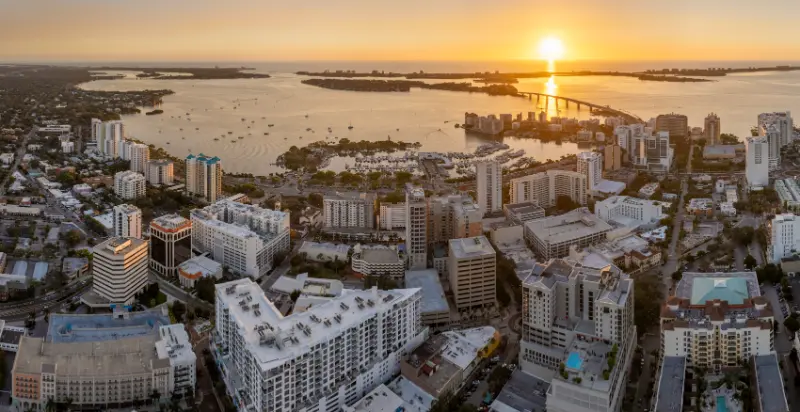
    Sarasota Bay Marina and High Rises at Sunset

    Day two: a well-planned Siesta Key beach morning

    Siesta Key is famous for its pale sandy beaches, but planning a comfortable day involves more than arriving and looking for the brightest patch of white. Public beach parking fills at busy times, and access routes can be demanding when carrying chairs, umbrellas and children's equipment. Choose one entrance, check the services available there and arrive early enough to avoid the hottest hours. Lifeguard coverage and beach conditions should be verified, particularly when waves or red tide advisories affect the region.

    The sand itself can be pleasant for walking, but a visitor with limited stamina may not want to cross a broad beach repeatedly. Agree on a base near an accessible entry point where possible, then keep the outing to a manageable duration. Children can play in the shallows only when local conditions permit and under close supervision. After lunch, return to the accommodation or spend time browsing Siesta Key Village rather than searching for another beach parking place. A satisfying Siesta Key day is often two or three hours of relaxed sea time, followed by a long rest and a memorable Gulf sunset from an approved public area.

    Day three: Sarasota's museum and garden side

    Choose one major cultural attraction on day three. The Ringling offers art, history and an extensive property that can absorb a large part of the day; Marie Selby Botanical Gardens emphasizes plants, waterfront scenery and changing exhibitions. Doing both thoroughly in one day can be exhausting, especially with younger children. Check official admission, opening days, temporary exhibitions and accessible pathways. Select whichever best matches the group, then leave the other as an optional return visit if the week's weather changes.

    Allow time for a meal and shade. Garden visits can be hot and humid even when the coastal breeze feels comfortable at a beach hotel, while museums may have air conditioning that makes an extended stop appealing during a summer storm. If different generations want different things, agree on a shared point of interest and then let people experience the remainder at their own pace. A stroller-friendly attraction can still involve more walking than expected; ask whether wheelchairs or other visitor services are available. Finish the day near your lodging, not with an unnecessary drive to Anna Maria Island simply because it appears on the same regional map.

    Day four: Lido Key and St. Armands Circle

    Spend day four around Lido Key and St. Armands Circle, which are close enough to combine sensibly when traffic and parking cooperate. A morning on an authorized Lido beach access can be followed by lunch or an afternoon browse in the shopping district. Decide which activity is most important; moving the vehicle multiple times to avoid a short walk may be more frustrating than choosing one convenient parking point. Check for temporary beach restrictions, storms and parking enforcement before your visit.

    This is a good day for couples or older travelers who enjoy a slower pace. Families may prefer a shorter beach session and an early return rather than prolonged shopping in the afternoon heat. If the beach is windy or swimming is unsafe, the shops and cafés provide a different use of the outing without forcing the water activity. Do not leave valuables visible in a parked car, and plan a sheltered alternative when lightning threatens. The goal is to appreciate one barrier island's mixture of coast and town life, not to compare Lido, Siesta and every nearby beach in a single afternoon.

    Day five: Bradenton and the Manatee River waterfront

    Travel north to Bradenton to explore a city that has its own identity beyond being a gateway to island beaches. The Riverwalk and nearby cultural or historic areas offer a change from surf and resort streets. Choose a walk that fits the day's weather and the abilities of everyone in the group; sections of waterfront can be sunny and exposed. Check for public events, temporary construction and current museum hours. An indoor museum can be a useful substitute if heavy rain arrives while you are planning the day.

    Coquina Beach Bradenton Florida Aerial

    For children, a playground or a short interactive stop may be preferable to a long downtown walk. Older travelers may enjoy sitting beside the river and watching ordinary local activity. The Manatee River is a different environment from the Gulf beaches, and it should not be treated as a substitute swimming location. If using public transportation or rideshare, check the return route before relying on a late meal. A family staying on Siesta Key should remember that this day involves a meaningful drive rather than a walk across a bridge. Leave time for an easy dinner near your accommodation.

    Day six: Anna Maria Island without rushing between its towns

    Set aside the sixth day for Anna Maria Island, where beach towns, local shops and Gulf views can fill a day without a long list of paid attractions. Anna Maria, Holmes Beach and Bradenton Beach are separate communities with different public accesses and parking arrangements. Pick one beach to enjoy and perhaps one town-center area for a meal. Driving between several crowded beach access points in search of the 'best' sand usually produces less pleasure than simply settling in early.

    A free island trolley can be useful where operating, but check the current route, service frequency and accessibility rather than planning around an old timetable. Beachgoers need to pay attention to local red tide information and safe swimming conditions. Respect marked nesting areas and leave no food or litter for shorebirds. Families carrying large beach gear might benefit from staying close to a chosen access rather than counting on several trolley changes. Travelers with limited mobility should confirm the exact crossing from transit or parking to a firm beach surface. Enjoy an unhurried sunset only when there is a safe place to remain and a realistic plan to get home afterward.

    Day seven: revisit a favorite or finish near your airport

    A week gives visitors permission to repeat what they enjoyed most. If the weather prevented a garden visit, this is a useful chance to do it. If everyone loved the bayfront, return for a shorter stroll and breakfast. Do not force a final trip to a remote island if departure involves a long drive to Tampa, Orlando or another airport. Sarasota Bradenton International Airport may be close to some lodging, but other airports can add considerable transfer time depending on traffic. Confirm the actual terminal and rental-car return location.

    Check out with enough time to retrieve stored luggage, dry beach gear and reach the airport without a frantic rush. Families with young children may prefer a playground close to the hotel rather than a last swim that leaves wet towels in the car. Seniors or travelers managing mobility equipment should build an extra loading buffer. Seven days on this stretch of Gulf Coast are best remembered for contrast: art and gardens, city and island, river and beach. The final morning should preserve that relaxed feeling.

    Where to stay and how to keep transfers manageable

    Downtown Sarasota works well for restaurants, cultural attractions and trips in several directions. Siesta Key suits visitors who want repeated beach days but can involve higher parking and transport effort when they head inland. Lido Key places St. Armands closer, while Bradenton or the mainland may suit travelers prioritizing Anna Maria Island and riverfront experiences. Compare exact addresses, beach access, bridge routes, parking fees, pool availability and the total accommodation price. A property marketed as 'near Sarasota beaches' may be farther from the sand than its photographs suggest.

    A car is usually the most flexible way to cover the full itinerary. Visitors without one can enjoy a concentrated Sarasota stay by limiting the number of island transfers and checking local buses or rideshares. Budget for accommodation taxes and fees, paid attractions, parking, food and at least one adverse-weather alternative. A rental with a useful kitchen can help a family stay within budget, although it may not be worthwhile if shopping and cooking consume too much of the week. Keep two or three days largely free of admission charges. A weeklong vacation need not become more expensive each morning to remain interesting.

    Seasons, accessible routes and responsible beach visits

    The Gulf Coast has seasonal variations in crowd levels, lodging demand and outdoor comfort. Cooler months can favor long walks, while summer brings heat, thunderstorms, strong sun and the wider hurricane season. Coastal water conditions may also be affected by red tide or other advisories; check appropriate Florida environmental and local health sources close to your visit, not a months-old travel article. Avoid swimming during official warnings and leave the beach when lightning is nearby.

    Accessibility requires asking about the particular entrance or venue, not merely whether Sarasota is generally 'accessible.' Museum galleries, botanical paths, trolleys, beach crossings and old sidewalks create different challenges. Confirm seating, restrooms and wheelchair or stroller arrangements. Keep children hydrated and protect them from prolonged sun exposure. Stay out of protected dunes, leave turtle nests undisturbed and use designated public accesses. A thoughtful week here offers varied experiences while leaving the coast intact for the next visitors. It is the balance between sea, culture and open time that makes Sarasota and Bradenton rewarding for travelers of many ages.

    Frequently asked questions

    Can you stay in Sarasota and visit Anna Maria Island for a day?

    Yes, with a suitable driving or transfer plan and awareness that island traffic and beach parking can slow the trip.

    Which base is better for repeated beach days?

    Siesta Key is convenient for its beaches, while downtown Sarasota favors restaurants and museums; compare exact addresses and total costs.

    Does the region suit people who do not swim?

    Yes. Gardens, art museums, island towns, riverfront parks and dining provide a full itinerary without water activities.

    Official information and useful resources

    Explore the area on an interactive map

  • Where to Stay on Anna Maria Island and in Bradenton: Island Villages or Mainland Convenience?

    Where to Stay on Anna Maria Island and in Bradenton: Island Villages or Mainland Convenience?

    Anna Maria Island has the kind of Gulf Coast scenery that makes travelers imagine leaving their shoes at the door and spending a week between beach walks and casual meals. Yet the island contains three distinct communities, and nearby Bradenton on the mainland offers a different, often more practical style of stay. Anna Maria, Holmes Beach and Bradenton Beach sit along the same barrier island, but the best address depends on whether you want quiet mornings, convenient restaurants, a rental house or a flexible driving base. This guide explains those differences and the real tradeoffs in beach access, parking, island transport and total holiday costs. It is written for visitors planning relaxed trips rather than trying to do every attraction in the region.

    Which area fits your trip?

    BaseBest forWatch for
    Anna MariaQuiet northern village and coastLimited parking at some access points
    Holmes BeachPractical middle-island stayWalkability varies by address
    Bradenton BeachRestaurants and southern island beachActivity and noise near busy blocks
    Mainland BradentonErrands, museums and road accessA bridge drive to Gulf sand

    Anna Maria at the north end: slower days and village streets

    The city of Anna Maria occupies the island's northern end and appeals to visitors who value a quieter setting, residential character and access to beautiful shoreline. Pine Avenue is a useful local reference for shops and casual stops, but not every vacation house is within a comfortable walk of the village core or of a public beach entry. Bean Point, near the northern tip, is popular for scenery and walks, yet it is not a full-service, lifeguarded resort beach. Currents around passes and inlets can be hazardous, so visitors should not assume attractive water is suitable for swimming. Parking is limited in some areas, and beach access must follow marked public paths. Families can enjoy a rental with a kitchen and space to relax, but should check pool barriers, stairs and the distance to groceries. A northern-end stay works best when you are happy to spend plenty of time locally rather than driving off the island every afternoon.

    Holmes Beach: a practical middle-island base

    Holmes Beach lies in the central portion of Anna Maria Island and can be an excellent compromise for travelers looking for both beach access and everyday services. Depending on the address, stores, restaurants and local stops may be easier to reach than from some quieter residential streets farther north. That does not make the entire town walkable in summer heat. A listing described as “Holmes Beach” may be a short stroll from the Gulf or require a road journey to a suitable beach access. Check exactly where the building sits and whether it includes parking, a shaded outdoor area and a place to rinse beach gear. For families with children, a kitchenette and laundry can reduce reliance on restaurants and repeated shopping trips. Couples might prefer a smaller property near evening dining. In either case, confirm island transport arrangements if you hope to leave the car parked. The right Holmes Beach accommodation balances routine convenience with the atmosphere of a coastal holiday.

    Bradenton Beach: lively southern island access

    Bradenton Beach sits at the southern end of the island and offers a blend of Gulf shoreline, local dining and an active waterfront atmosphere around Bridge Street. It suits travelers who like taking an evening stroll after a beach day rather than preparing every meal at home. Some properties provide good access to the Gulf, but others look toward the bay side of the island; both can be attractive, just not equivalent for a beach-first vacation. Verify whether your preferred public beach crossing is close and whether the property includes parking. In a busier section, read recent reviews for street noise and the practical effect of nearby restaurants. For families with young children, consider whether a late-night dining district outside the window fits bedtime. Travelers without a rental car may find an appropriate central address particularly useful, provided the airport transfer and groceries are planned. This part of the island rewards selecting the street, not simply the town name.

    Mainland Bradenton: more flexibility for excursions and errands

    Bradenton on the mainland offers a different holiday proposition: access to the Riverwalk, museums, supermarkets and regional roads without paying for an island location. It can be a sensible choice when your itinerary includes attractions on both sides of Manatee County or when you need a larger, more economical room for an extended stay. The big drawback for beach lovers is the bridge journey. From mainland Bradenton, you normally drive or arrange transport to reach Anna Maria Island's Gulf beaches, and peak beach traffic can significantly change the outing. A riverside or bayfront view in Bradenton is not the same as a Gulf-front swimming beach. Families who want only two beach days and several cultural or nature activities may do well here. A couple dreaming of sunrise sand walks every day probably will not. Compare mainland savings with car hire, fuel, parking and time spent crossing the water.

    Longboat Key versus Anna Maria Island: a different coastal style

    Longboat Key stretches south of Anna Maria Island and offers another barrier-island accommodation style, often more oriented toward condominium or resort stays. It can be attractive for visitors looking for a calmer, more residential coastal setting, but it is a long island and access to restaurants and mainland attractions varies by address. Do not assume staying on Longboat Key gives you the same casual village environment as Pine Avenue or Bridge Street. Nor should you assume every property has a public beach path immediately nearby. Some stretches have limited access points and parking, so verify the legal route to the sand. Longboat may suit couples prioritizing resort facilities or repeat visitors seeking a particular quiet stretch, while Anna Maria Island's three towns often appeal to those who want small local centers. Decide by where you intend to spend your evenings and how often you will need to cross a bridge.

    Anna Maria Island Florida Barrier Island Beach Aerial

    Beaches, public access and the limits of parking

    The island's white sand is a central attraction, but the practical beach experience depends on access. Public beaches such as Manatee Public Beach and Coquina Beach have different facilities and parking arrangements from smaller neighborhood crossings. Parking can fill on busy days, and it is never appropriate to use private property or block residential driveways. Beach access points may require walking across sand for a considerable distance before reaching the water. If you are traveling with a stroller, wheelchair or someone who tires easily, investigate the exact facilities at the chosen entry rather than assuming one beach is like another. Coastal water can have changing currents or advisories, particularly near passes, so check warning information and swim at guarded beaches when possible. Respect dunes and marked paths. For a simple family vacation, a property with a genuinely short walk to suitable access can be worth more than a bigger house farther inland.

    Getting around the island without driving every hour

    Anna Maria Island has local transport options, including the island trolley, which can be useful for visitors whose itinerary stays within the area it serves. Routes and schedules can change, so verify the current service with the responsible authority before relying on a specific stop or departure. Walking and cycling can also work for carefully chosen accommodation, but heat, showers, crossing points and traffic make distances feel longer than map measurements. If you arrive without a car, confirm your transfer from the airport and how you will transport luggage and groceries to the rental. A group with toddlers or an older adult might prefer being close to restaurants and a convenient trolley stop rather than planning daily long walks. Even with a car, consider leaving it parked for local outings where an appropriate transport option exists. The aim is to avoid spending a relaxing island week searching for another parking space each morning.

    Arrival airports and why bridge traffic matters

    Sarasota Bradenton International Airport can be convenient for some island visitors, while Tampa International Airport or other gateways may offer different flight options. The nearest airport on a map is not always the best flight, especially if connections or arrival times are awkward. Calculate the whole journey, including baggage, car rental or transfer, bridge traffic and check-in arrangements. A late arrival calls for a property with clear instructions and a realistic plan for dinner. Mainland Bradenton may be simpler after a long travel day, but island-based visitors often prefer not to move hotels for a short stay. If you have a rental car, check how many spaces are allocated to your unit; vacation houses sometimes offer less parking than their bedroom count suggests. During holiday weeks and weekend beach rushes, patience and an early start are valuable. Choose the route and arrival hour deliberately rather than assuming every Gulf Coast island is a quick highway exit.

    Coquina Beach Bradenton Florida Aerial

    Families, seniors and travelers seeking accessible beach days

    A multigenerational rental can work wonderfully on Anna Maria Island when bedrooms, bathrooms, kitchen and living spaces genuinely suit the group. But old-style coastal homes may have exterior stairs, elevated entrances or limited bathrooms. Ask about step-free access and sleeping arrangements before committing. For seniors, proximity to a dependable café, shaded seating and an easy beach entrance often beats a larger home far from services. Young children benefit from a safe pool arrangement, adequate room for naps and a way to wash sand off without creating chaos in the living room. Travelers who use wheelchairs should investigate the property entrance and beach access separately; a house with a ramp may still be far from suitable beach facilities. If the party has mixed interests, choose an area where someone can stay at the accommodation comfortably while others take the trolley or walk for lunch.

    Weather, beach advisories and the importance of flexibility

    Summer brings humid heat and storms, so plan the day around morning and evening outdoor periods rather than expecting continuous midday beach activity. Winter can feel comfortable for strolling and outdoor meals, even if the Gulf is too cool for some swimmers. Hurricane season runs June through November, and island reservations deserve careful attention to evacuation instructions and cancellation policies. Coastal rebuilding or infrastructure work can affect individual beaches or amenities; check official local notices, particularly if recent storms have impacted the coast. Water-quality advisories can change, so consult current information before swimming. For a week-long stay, it is sensible to have one alternate activity on the mainland and a few indoor comforts at your rental. Avoid locking yourself into nonrefundable excursions on every day. The appeal of Anna Maria Island is being able to adjust your pace when the weather changes.

    A sensible four-day holiday without crossing the bridges repeatedly

    If staying on Anna Maria Island, give the arrival afternoon to unpacking and finding your nearest marked beach access. Spend the next day enjoying that shoreline at an easy pace, with lunch and a break near the accommodation. On day three, explore another island community—perhaps Pine Avenue or Bridge Street—using an appropriate local transport option rather than driving to several distant attractions. Keep day four flexible for a second beach, a nature outing or simply time by the pool. Mainland Bradenton guests can spend one day along the Riverwalk and cultural stops, then plan a dedicated island beach day rather than driving over and back for an hour at a time. Families with very young children might shorten every outing. Couples could add a sunset dinner; seniors may prefer a quieter early meal. A relaxed island itinerary should have plenty of space between the memorable moments.

    A booking checklist tailored to Anna Maria Island

    Verify which community your accommodation is in: Anna Maria, Holmes Beach, Bradenton Beach, Longboat Key or mainland Bradenton. These names are not interchangeable. Check the actual walk to the legal beach crossing and whether the nearest public beach has facilities you need. Confirm taxes, cleaning charges, parking allocation, minimum-stay rules, kitchen equipment, laundry and pool safety. For vacation homes, ask about stairs, exterior lighting and who to contact after hours. Review current local regulations governing rentals and any construction nearby. If a listing says “water view,” establish whether that means the Gulf, a bay, canal or distant glimpse. Arrange arrival transfer and groceries before the trip if traveling without a car. The best island base is one that lets you spend less time managing logistics and more time enjoying the stretch of coast you came to see.

    Frequently asked questions

    Are Anna Maria and Bradenton Beach the same town?

    No. Anna Maria, Holmes Beach and Bradenton Beach are three communities on Anna Maria Island. Mainland Bradenton is separate across the water.

    Can visitors use an island trolley?

    The island has local trolley service, but routes, stops and schedules should be checked with the operator. Choose accommodation around current service, not an old timetable.

    Is Bean Point a full-service swimming beach?

    Bean Point is known for scenery rather than resort facilities. Currents near passes can be dangerous, and parking or public access can be limited. Follow posted advice.

    Official sources and visitor information

  • Bradenton Florida Travel Guide: Riverwalk, Arts, Nature, Anna Maria Island and Where to Stay

    Bradenton Florida Travel Guide: Riverwalk, Arts, Nature, Anna Maria Island and Where to Stay

    Bradenton is one of the most useful Gulf Coast bases for travelers who want both a real city and easy access to island beaches. The Manatee River gives downtown a strong waterfront identity, while the western side of the city opens toward preserves, bays and Anna Maria Island. I would choose Bradenton when you want more than a resort stay: culture, nature, local food and beach days can all fit into the same trip without changing hotels every night.

    For a first visit, I would plan Bradenton Florida around two questions: what do you want to do before lunch, and where do you want to be after dinner? Those choices determine whether a central hotel, a beach-side base or a more practical inland property will save the most time. The destination is easier when you protect mornings for the priority experience, use the hottest part of the day for lunch or an indoor stop, and leave enough flexibility for Florida weather.

    Quick planning summary

    • Bradenton Riverwalk — The riverfront path is the easiest introduction to the city.
    • The Bishop Museum of Science and Nature — A strong indoor anchor for hot or rainy weather, especially for families and multigenerational groups interested in Florida history, science and regional wildlife.
    • Village of the Arts — A colorful live-work arts district where galleries, studios, restaurants and periodic art walks give Bradenton a creative side that feels very different from the beach corridor.
    • Robinson Preserve — One of the best nature stops in the area for walking, biking, paddling and birding through mangrove and salt-marsh habitat.
    • Best pacing: one major activity plus one flexible neighborhood, park or beach stop each day.
    • Who it suits: couples, families, senior travelers and multigenerational groups who prefer a balanced Florida itinerary.
    • Transport: a car is usually helpful even when one district is walkable.

    In this guide

    Why visit Bradenton Florida?

    Bradenton is one of the most useful Gulf Coast bases for travelers who want both a real city and easy access to island beaches. The Manatee River gives downtown a strong waterfront identity, while the western side of the city opens toward preserves, bays and Anna Maria Island. I would choose Bradenton when you want more than a resort stay: culture, nature, local food and beach days can all fit into the same trip without changing hotels every night.

    The strongest reason to stay rather than rush through is the ability to experience different parts of the day. Morning light, lunchtime heat and the evening waterfront or downtown atmosphere can completely change a place. An overnight also lets you choose the best weather window for a beach, boat, trail or wildlife activity instead of forcing it into one fixed hour.

    I would not use Bradenton Florida as a base for a long drive every day. It works better when at least half the trip is genuinely local. Pick two or three regional excursions, keep the rest close to the hotel, and allow enough unstructured time for a park, café, sunset or local event you did not know about before arrival.

    Where to stay

    Downtown Bradenton

    Best for Riverwalk, restaurants, events and a short walk to the river. It is the easiest choice for travelers who like an evening stroll and do not need to wake up on the sand.

    West Bradenton

    A practical base for Robinson Preserve, Palma Sola, De Soto National Memorial and the drive toward Anna Maria Island. It works especially well with a rental car.

    Anna Maria Island

    Choose the island instead if sunrise-to-sunset beach time is the main reason for the trip. Rates can be higher and traffic slower, but you gain the atmosphere of a true beach stay.

    Anna Maria Island Waterfront Restaurant and Pier

    Before booking, compare the total trip cost. A centrally located room can cost more per night but save parking, fuel and rideshare. A larger room farther out can be better for a family if it includes a kitchen, laundry and free parking. Senior travelers should check walking distance, elevator access and bathroom layout; families should look beyond the advertised occupancy and consider whether everyone can actually sleep comfortably for several nights.

    Best things to do

    Bradenton Riverwalk

    The riverfront path is the easiest introduction to the city. It connects green space, public art, play areas and views of the Manatee River, and it works well for a gentle first evening.

    The Bishop Museum of Science and Nature

    A strong indoor anchor for hot or rainy weather, especially for families and multigenerational groups interested in Florida history, science and regional wildlife.

    Village of the Arts

    A colorful live-work arts district where galleries, studios, restaurants and periodic art walks give Bradenton a creative side that feels very different from the beach corridor.

    Robinson Preserve

    One of the best nature stops in the area for walking, biking, paddling and birding through mangrove and salt-marsh habitat. The observation tower is a useful orientation point.

    De Soto National Memorial and Palma Sola

    This western side of Bradenton combines history, shaded trails, bayside scenery and easy access to the coast. It is a good half-day when the beach feels too hot or crowded.

    Manatee Village Historical Park

    A compact historical stop that helps put the region in context before you head to newer waterfront districts and beach communities.

    Nature, beaches and outdoor time

    Bradenton is strongest when you mix water and land. Robinson Preserve, Emerson Point across the river, Palma Sola and the Manatee River all reward slower exploration. For a beach day, continue west to Anna Maria Island rather than expecting downtown Bradenton to function like an oceanfront resort.

    Outdoor planning in Florida works best by temperature rather than by a rigid clock. Put the longest walk, bike ride, paddle or beach session early, then use lunch and an indoor attraction for the hottest hours. Later afternoon can be excellent again, but summer storms may arrive quickly. If swimming is part of the day, check flags, lifeguard coverage and local conditions instead of assuming calm-looking water is safe.

    Wildlife encounters should stay observational. Do not feed birds, dolphins, manatees, alligators or other animals, and never block an animal’s movement for a photograph. When nesting areas, rookeries or protected habitats have seasonal restrictions, treat those rules as part of the experience rather than an inconvenience.

    Getting there and around

    Sarasota-Bradenton International Airport is the most convenient airport for many visitors, while Tampa can offer more flight options. A car is useful if your plans include preserves and beaches. Island traffic can be slow at peak times, so start beach days early and avoid scheduling a fixed dinner reservation immediately after a late-afternoon return.

    For rental cars, add parking and tolls to the budget before pickup. If you plan a partly car-free stay, verify the exact hotel address and not just the neighborhood name. A one-mile walk on a map can feel very different in midday humidity, across a wide arterial road or with a stroller. Airport choice should be based on nonstop flights and total transfer time, not only straight-line distance.

    Best time to visit

    For most travelers, late fall through spring gives the easiest combination of comfortable outdoor weather and lower humidity, although winter can also bring higher accommodation prices and busier weekends. Summer is workable if you start outside early, take a real midday break and expect afternoon thunderstorms. Shoulder-season travel can offer better value, but tropical systems and heat should stay in the planning conversation.

    Event weekends can change both prices and traffic, especially in smaller towns where one festival fills much of the hotel inventory. If a specific event is the reason for the trip, book early. If it is not, checking the calendar before choosing dates can help you avoid paying festival-weekend rates for an ordinary getaway.

    Families, teenagers, seniors and accessibility

    Family tipFor families with babies or toddlers, reduce transitions: one major attraction plus pool, park or beach time is enough for a good day. Teenagers usually respond better when the plan includes something active or independent such as paddling, cycling, shopping or a waterfront district. Senior travelers benefit from the same pacing—shorter outdoor blocks, dependable seating and a hotel close to dinner. If accessibility is essential, confirm ramps, beach mats, accessible restrooms, boat boarding and parking directly with the operator or local authority before arrival.

    Multigenerational trips do not need to keep everyone together every hour. One shared morning anchor, followed by optional afternoon choices, often works better than forcing the youngest child and oldest adult through the same pace. Regrouping for dinner can turn a difficult schedule into an easy one.

    A practical 3-day itinerary

    Day 1: learn the center

    Arrive, check in and explore the main downtown or waterfront district. Choose one short attraction and an easy dinner within a few minutes of the hotel. Avoid expensive prepaid activities on arrival day because flight delays, rental-car lines and traffic can turn them into stress.

    Day 2: signature outdoor experience

    Use the morning for the destination’s strongest beach, preserve, boat, trail or cultural activity. Take a real lunch break, then choose one secondary attraction from the list above. Finish with a sunset or neighborhood dinner rather than adding another long drive.

    Day 3: culture, nature or a selective day trip

    Choose the experience you skipped on day two or make one regional excursion. If the weather is poor, switch to a museum, shopping district or indoor family attraction. Keep the final evening simple so departure does not become a rushed ending to the trip.

    Food and evening planning

    Downtown and Village of the Arts are good for independent restaurants, while the beach route adds seafood and casual waterfront stops. Build one meal around local seafood, but keep the rest flexible so traffic or weather does not dictate the day.

    For families, breakfast in the room and one planned restaurant meal can make the day easier. For couples, a walkable dinner district is often worth paying slightly more for the hotel. In winter and during special events, reserve only the meals that really matter; too many fixed bookings can make outdoor days feel rushed.

    Budget and booking strategy

    The largest costs are usually lodging, transport and paid experiences. Compare the full stay, not only the room rate: parking, resort or destination fees, breakfast, beach equipment and rideshare can change the real price. Free parks and beaches still create parking and food costs, while one well-chosen paid attraction can deliver several hours of useful family time. Keep at least one flexible day so poor weather does not force you to waste a prepaid outdoor booking.

    A useful budget test is to compare three lodging scenarios: the central hotel, the resort or beach property, and a larger room or rental farther out. Add parking, breakfast, local transport and the amount of driving each requires. The cheapest nightly rate is not always the cheapest trip.

    Best day trips and regional combinations

    Anna Maria Island is the obvious beach day. Sarasota adds museums and dining to the south, while St. Petersburg can work as a longer cultural day if you do not mind bridge traffic.

    Anna Maria Island Florida Barrier Island Beach Aerial

    Avoid stacking substantial drives on consecutive days. If you take a long day trip, make the following morning local. Florida roads can be easy when traffic is light and exhausting when crashes, storms, bridge delays or weekend beach traffic intervene.

    Common mistakes to avoid

    • Booking the cheapest hotel without checking the actual daily driving pattern.
    • Trying to combine a full beach day, a major attraction and a long-distance day trip in one schedule.
    • Ignoring afternoon heat or thunderstorms when planning outdoor time.
    • Assuming every beach access or park has the same parking, lifeguards and restroom facilities.
    • Building every evening around a fixed reservation when boat tours, traffic or weather can run late.
    • For multigenerational groups, keeping everyone together all day instead of planning one shared anchor and optional split time.

    Official resources

    Hours, admission prices, beach access, parking systems, ferry schedules, construction and storm-recovery conditions can change. If a specific attraction or service is essential to your trip, confirm it with the official source shortly before travel.

    Frequently asked questions

    How many days do you need in Bradenton Florida?

    Two full days is enough for a focused introduction, while three or four nights gives you room for the signature outdoor experience, the main cultural district and one nearby excursion without rushing. Stay longer if the hotel, beach or boating itself is a major part of the vacation.

    Do you need a car?

    For most visitors, yes. One central district may be walkable, but beaches, preserves, airports and day trips are easier with a car. A partly car-free trip can work when you deliberately choose a central hotel and limit regional excursions.

    Is Bradenton Florida good for families?

    Yes, especially when you keep days simple. One destination-specific attraction plus beach, park or pool time is usually more successful than filling every hour. Check age, height and boarding requirements before paying for water activities.

    Coquina Beach Bradenton Florida Aerial

    Is it suitable for senior travelers?

    Usually yes. Choose lodging close to dinner, schedule outdoor sightseeing in the cooler morning and verify accessibility details when they are essential. Boat steps, soft sand and long boardwalks can matter more than an attraction’s general “accessible” label.

    What is the biggest planning mistake?

    Trying to use the destination as a launch point for a long drive every day. Protect enough local time to enjoy the place you actually booked, and treat day trips as optional additions rather than the whole vacation.

    Final advice

    Bradenton Florida is most rewarding when you let its strongest experiences set the pace. Choose the right base, protect the morning for what matters most, leave room for Florida weather and build the itinerary around the people traveling with you. A thoughtful three-night stay usually feels richer than a longer checklist with too much driving.