

Florida is one of the rare destinations where a single vacation can combine world-famous theme parks, subtropical beaches, freshwater springs, wildlife-rich wetlands, historic cities, rocket launches, island roads and food shaped by Caribbean, Latin American and Southern influences. The challenge is not finding something to do; it is deciding what deserves limited vacation time. A useful statewide guide should therefore organize experiences by travel style instead of pretending that every visitor wants the same top-ten list.
For a first trip, I would choose one headline experience, one water or nature experience and one place that shows a more local side of Florida. Families can combine Orlando with an easy beach, couples may prefer the Keys or Southwest Florida, senior travelers often benefit from longer stays in walkable coastal towns, and repeat visitors can build a road trip around springs, small towns or wildlife. The goal is a trip with contrast, not a race across the state.
Quick Planning Summary
- Theme parks remain a major draw, but Florida is much broader than Orlando.
- Choose Gulf, Atlantic, Panhandle or Keys water experiences according to the trip rather than a generic beach ranking.
- Springs, state parks and the Everglades provide some of the state’s most distinctive natural experiences.
- Cities such as Miami, St. Petersburg, Tampa and St. Augustine add food, art, history and evening activity.
- A road trip works best with two or three regional bases rather than a different hotel every night.
In this guide
- Theme parks and major attractions
- Florida beaches: Gulf, Atlantic, Panhandle and Keys
- Natural springs and state parks
- Everglades, wetlands and wildlife
- Florida Keys and marine adventures
- Cities, culture and food
- Space Coast, rockets and science
- Road trips, scenic drives and small towns
- Families, seniors and accessibility
- Best time and season
- Budget and booking strategy
- How to build a realistic day
- Common mistakes to avoid
- Related Wonderful Florida guides
- Official resources
- Final advice
Theme parks and major attractions
Orlando contains the largest concentration of major theme parks, with Walt Disney World, Universal Orlando, SeaWorld and nearby LEGOLAND creating enough material for an entire vacation. A first-time visitor should decide whether theme parks are the trip or one part of the trip, because the answer changes hotel location, transport, budget and daily energy. Families with small children often benefit from midday breaks, while teenagers may prefer fewer parks with more time for headline rides and evening entertainment.
Tickets and operating systems change regularly, so use official park information close to travel. Do not schedule a long drive or late flight immediately after a full opening-to-closing park day. Keep the day geographically compact. Florida traffic, bridge crossings and parking can turn a simple-looking transfer into lost vacation time, so one major area plus one nearby secondary stop is usually enough.
Florida beaches: Gulf, Atlantic, Panhandle and Keys
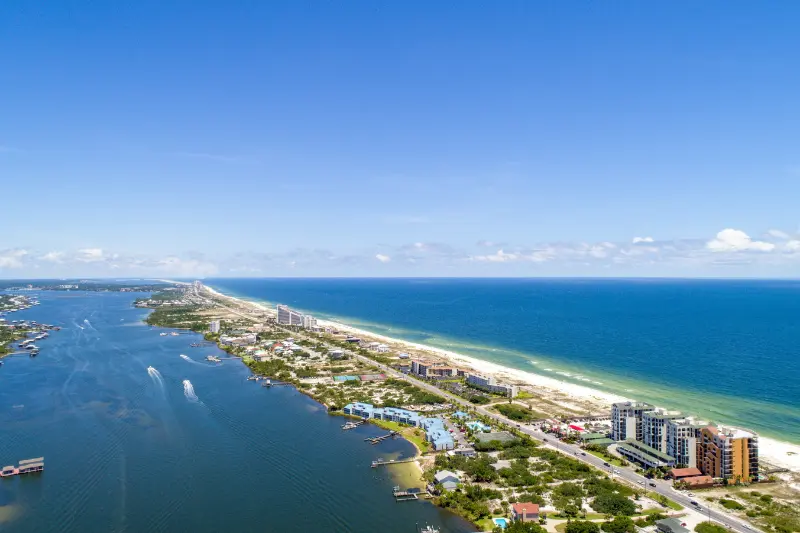
Florida beaches are not interchangeable. Northwest Florida is known for bright sand and Gulf water, Central and Southwest Gulf communities emphasize sunsets and barrier islands, Atlantic beaches offer surf culture and sunrise, and South Florida mixes city life with tropical shoreline. The Keys are water-focused and scenic but do not provide endless broad sandy beaches at every stop.
Choose the coast according to swimming, surfing, shelling, nightlife, family facilities or quiet scenery. Daily flags, rip-current guidance and storms matter more than a destination’s reputation for calm water. Build a weather alternative before the trip rather than after a thunderstorm begins. Museums, long lunches, pools and flexible neighborhood time can protect the day without forcing the group to chase the original schedule.
Natural springs and state parks
Clear freshwater springs are one of Florida’s most distinctive experiences, especially in North and Central Florida. Depending on the park, visitors may swim, tube, paddle, hike or take a boat tour through spring-fed rivers. State parks also protect beaches, dunes, forests, historic sites and caves, giving travelers a strong alternative to commercial attractions.
Popular parks can reach capacity or use reservations, and water access can change with weather or conservation needs. Start early and verify the individual park rather than assuming all springs operate the same way. For multigenerational travel, let the slowest comfortable pace define the shared portion of the day. People can split for optional activities later, but meals and one headline experience are easier when nobody feels rushed.
Everglades, wetlands and wildlife
The Everglades and the wider South Florida ecosystem create a completely different Florida from the resort corridors. Visitors can explore boardwalks, ranger areas, wildlife drives, boat routes and guided experiences while learning how water shapes the landscape. Alligators are only one part of the story; birds, manatees, crocodiles, turtles and seasonal migrations can be equally memorable.
Wildlife is never guaranteed. Keep distance, never feed animals and choose operators that treat observation as the experience rather than promising close contact. Check the official source shortly before travel whenever access depends on capacity, wildlife, weather, water conditions, event schedules or operating rules. Florida conditions can change without making the destination itself less worthwhile.
Florida Keys and marine adventures
The Overseas Highway, Key Largo reefs, Islamorada fishing culture and Key West history make the Keys one of the state’s strongest multi-day experiences. Snorkeling, diving, paddling, boating and sunsets are central, while the drive itself provides a sense of transition from mainland Florida to an island chain.
The Keys are longer than they appear on a map. A Key Largo stay and a Key West stay create different trips, and bridge traffic can make same-day out-and-back plans tiring. Keep the day geographically compact. Florida traffic, bridge crossings and parking can turn a simple-looking transfer into lost vacation time, so one major area plus one nearby secondary stop is usually enough.
Cities, culture and food
Miami offers Latin and Caribbean influence, architecture and nightlife; St. Petersburg has a strong museum and waterfront scene; Tampa mixes historic neighborhoods with attractions; St. Augustine layers colonial history with beaches; and smaller downtowns such as Delray Beach, Naples or Sarasota create easier evening walking. Food can be part of the itinerary through seafood, Cuban cuisine, key lime pie and regional specialties.
Choose one or two neighborhoods rather than crossing a metropolitan area repeatedly. In warm weather, museums and long lunches are useful midday activities between outdoor mornings and evenings. Build a weather alternative before the trip rather than after a thunderstorm begins. Museums, long lunches, pools and flexible neighborhood time can protect the day without forcing the group to chase the original schedule.
Space Coast, rockets and science
The Space Coast gives Florida a travel experience few destinations can match. Kennedy Space Center Visitor Complex can fill a full day, while Cocoa Beach and nearby nature areas make it possible to pair space history with an Atlantic coast stay. Launches can be extraordinary, but schedules can change because of weather or technical issues.
Treat any launch as a bonus unless the trip is built with multiple flexible days. Check official launch information and traffic plans, and never create an airport connection that depends on a launch ending on time. For multigenerational travel, let the slowest comfortable pace define the shared portion of the day. People can split for optional activities later, but meals and one headline experience are easier when nobody feels rushed.
Road trips, scenic drives and small towns
A Florida road trip becomes more interesting when it links different landscapes rather than only major cities. Scenic A1A, the Overseas Highway, Gulf Coast routes, Big Bend, 30A and inland spring country all show different sides of the state. Small towns provide local restaurants, historic centers and lower-intensity days between major attractions.

Limit daily mileage and protect at least one flexible half-day. Florida is large, and bridge traffic, thunderstorms and urban congestion can turn an optimistic driving plan into the main activity of the day. Check the official source shortly before travel whenever access depends on capacity, wildlife, weather, water conditions, event schedules or operating rules. Florida conditions can change without making the destination itself less worthwhile.
Families, seniors and accessibility
For mixed-age groups, the strongest strategy is one shared highlight per day plus an optional second activity. Babies and toddlers need shade, food and nap flexibility; teenagers usually appreciate one active or independent-feeling experience; senior travelers may value shorter walking loops, comfortable transport and a hotel close to evening dining. Accessibility varies widely by beach, trail, boat and historic building, so confirm essential features directly.
When accessibility is essential, verify the exact route from parking or transit to the experience itself. A destination may advertise accessibility while an individual beach access, historic building, dock, trail or hotel facility still has limitations. Ask about step-free entry, elevators, accessible restrooms, seating and mobility equipment rather than relying on a general label.
Best time and season
There is no single best month for every Florida activity. Winter and spring favor comfortable walking and South Florida escapes; summer suits school calendars and warm-water vacations but brings intense heat and frequent thunderstorms; fall can offer value but overlaps with tropical-weather risk. Match the season to the priority—theme parks, wildlife, swimming, fishing or road-tripping—rather than choosing only by average temperature.
Florida is long enough that conditions can differ substantially between the Panhandle, Central Florida, South Florida and the Keys. Recheck local weather and any marine, park or event conditions close to the travel date rather than planning only from statewide averages.
Budget and booking strategy
Mix expensive headline days with beaches, state parks, walks and smaller towns. A well-located hotel can reduce parking, tolls and time enough to justify a higher nightly rate. Compare total resort fees, parking, rental-car days and ticket costs before assuming one itinerary is cheaper than another.
Compare the total trip cost rather than the first advertised price. Parking, resort fees, tolls, equipment rental, transport, meals and cancellation terms can change which option is actually good value. Reserve the experiences you would be genuinely disappointed to miss and keep ordinary sightseeing more flexible.
How to build a realistic day
Start with one anchor experience and one optional second stop. Add a meal area, transport plan and realistic return time before adding anything else. This makes the schedule resilient when weather, traffic, parking, a tired child or an unexpectedly good experience changes the original timing.
Outdoor activities are often easiest earlier in the day during warm months. Use midday for indoor attractions, lunch, a pool or rest, then return outside later. Avoid scheduling the longest drive immediately after the most physically demanding activity.
Common mistakes to avoid
- Trying to combine Orlando, Miami and Key West in a short weekend.
- Choosing a beach only from photographs without checking access and water conditions.
- Treating wildlife sightings or rocket launches as guaranteed.
- Booking every hour and leaving no weather flexibility.
- Changing hotels too often instead of using regional bases.
Related Wonderful Florida guides
Florida travel guide for first-time visitors, Best places to visit in Florida, Best Florida state parks, Florida beach vacation guide, Best scenic drives in Florida.
Official resources
Operating rules, prices, access, weather procedures and schedules can change. When a detail is essential to the trip, confirm it with the responsible park, agency, destination or operator shortly before travel.
Final advice
Florida is at its best when the trip mixes one or two famous experiences with water, nature and a place that feels specific to the region. Choose fewer priorities, stay long enough to enjoy them and leave room for weather and spontaneous discoveries.