
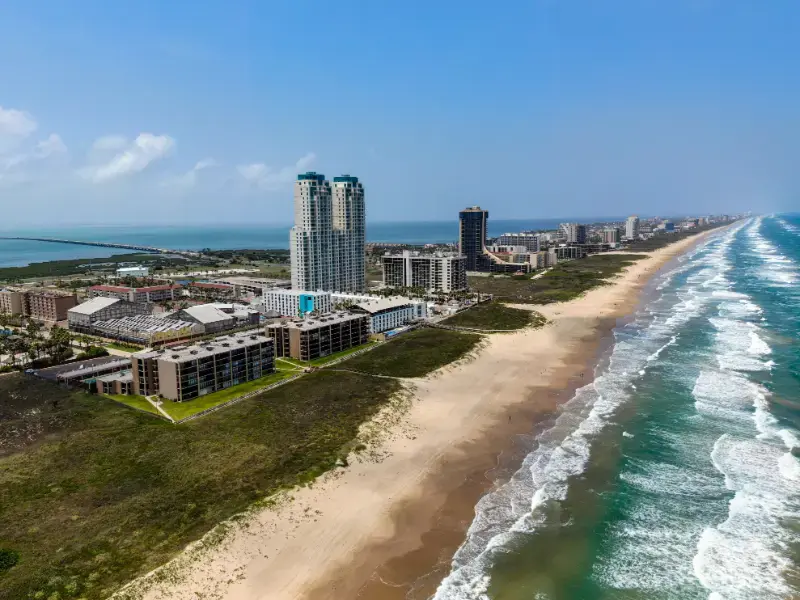
Florida has enough coastline that “beach vacation” is not one product. The Panhandle offers bright sand and seasonal resort energy, the central Gulf Coast mixes barrier islands with cities, Southwest Florida combines beaches with wildlife and polished towns, the Atlantic brings surf and sunrise, and the Keys offer tropical water with fewer classic broad-sand beaches than many first-time visitors expect. Choosing the coast is the most important decision because it shapes water conditions, driving, price and daily activities.
I would start with the group rather than a ranking. Families may value facilities and short sand access, couples may prioritize walkable dinners or sunsets, teenagers may want surf or water sports, and senior travelers may prefer a promenade, beach chairs and easy parking. The perfect coast for one trip can be wrong for another, and daily beach safety conditions still matter more than a destination’s reputation.
Quick planning summary
- Best first decision: choose Gulf, Atlantic, Panhandle or Keys based on trip style.
- Best accommodation decision: pay for location when it removes daily parking and bridge stress.
- Best safety habit: check flags, surf and weather before entering the water.
- Best packing rule: protect from sun and rain without hauling the entire house to the sand.
- Best itinerary: beach in the best part of the day, then one nearby town or nature activity.
In this guide
- Quick planning summary
- Gulf Coast versus Atlantic Coast
- Panhandle beaches
- Central Gulf and Tampa Bay beaches
- Southwest Florida beaches
- Atlantic beaches and the Space Coast
- Florida Keys beach expectations
- Hotel, condo or vacation rental?
- Beach safety, sun and storms
- Families, seniors and accessibility
- Best time to go
- Budget and booking
- How to build a realistic day
- Common mistakes to avoid
- Related Wonderful Florida guides
- Official resources to check
- Final advice
Gulf Coast versus Atlantic Coast
The Gulf and Atlantic offer different tendencies, but neither should be reduced to a simple “calm versus waves” rule. The Gulf often attracts travelers seeking sunsets and gentler-looking water, while Atlantic destinations offer surf culture, sunrise and easier pairings with the Space Coast or Miami. Weather systems can reverse expectations quickly. Choose the coast for the region and activities, then check daily conditions locally.
For a Florida beach vacation, I would make this part of the trip deliberately rather than treating it as a box to tick. Think about parking or station access, shade, restrooms, meal timing and how much walking the group will actually enjoy. Never assume a green-looking forecast means safe swimming without beach-specific guidance. A flexible backup nearby is useful because Florida weather, traffic and local access can change the shape of a day even when the main destination stays open.
Panhandle beaches
Pensacola Beach, Navarre, Destin, Fort Walton Beach and 30A form a distinctive northern Gulf beach region. The sand and water color attract families, but seasons matter: summer is hot and busy, spring break changes demand, and winter can be much cooler than South Florida. Pick the town style first—resort, quiet island or planned beach community—then choose the property.
For a Florida beach vacation, I would make this part of the trip deliberately rather than treating it as a box to tick. Think about parking or station access, shade, restrooms, meal timing and how much walking the group will actually enjoy. Hurricane recovery and seasonal business hours can affect individual areas. A flexible backup nearby is useful because Florida weather, traffic and local access can change the shape of a day even when the main destination stays open.
Central Gulf and Tampa Bay beaches
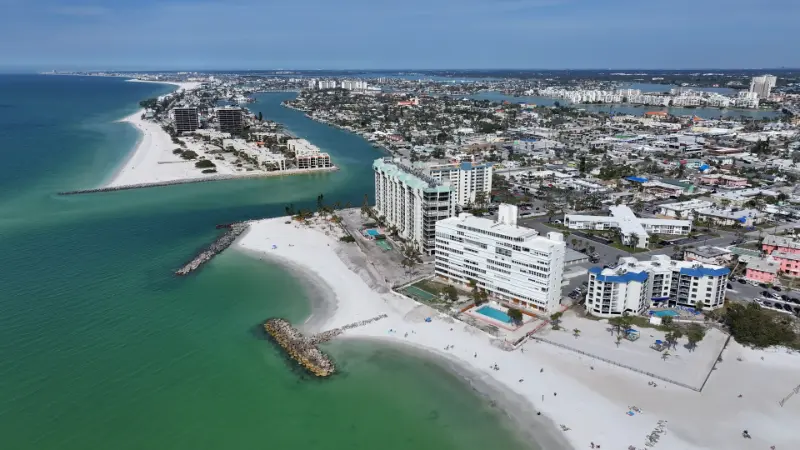
Clearwater, St. Pete Beach, Anna Maria Island and nearby Gulf communities combine beach days with major-city backups. This is excellent for travelers who want museums, sports, restaurants and an airport within reach. The trade-off is bridge and parking congestion. Stay on the barrier island if daily beach access matters more than city flexibility.
For a Florida beach vacation, I would make this part of the trip deliberately rather than treating it as a box to tick. Think about parking or station access, shade, restrooms, meal timing and how much walking the group will actually enjoy. Cross-bay travel can turn a relaxed beach plan into a traffic-heavy one. A flexible backup nearby is useful because Florida weather, traffic and local access can change the shape of a day even when the main destination stays open.
Southwest Florida beaches
Sarasota, Venice, Fort Myers, Sanibel, Naples and Marco Island create a long menu of Gulf experiences. Some areas emphasize shelling and nature, others polished dining and resorts. This variety makes Southwest Florida strong for longer stays because a weather day can become a museum, garden or Everglades outing. Verify current beach access and nearby services, especially where storm recovery has changed infrastructure.
For a Florida beach vacation, I would make this part of the trip deliberately rather than treating it as a box to tick. Think about parking or station access, shade, restrooms, meal timing and how much walking the group will actually enjoy. Respect wildlife closures and never disturb nesting birds or turtles. A flexible backup nearby is useful because Florida weather, traffic and local access can change the shape of a day even when the main destination stays open.
Atlantic beaches and the Space Coast
The Atlantic coast is strong for active beach travelers and road trips. Amelia Island, St. Augustine, Daytona, Cocoa Beach, Vero Beach, the Palm Beaches, Fort Lauderdale and Miami Beach each pair sand with a distinct town or attraction cluster. If swimming with children, prioritize guarded access and understand rip-current guidance.
For a Florida beach vacation, I would make this part of the trip deliberately rather than treating it as a box to tick. Think about parking or station access, shade, restrooms, meal timing and how much walking the group will actually enjoy. Ocean conditions can be hazardous even when the sky is clear. A flexible backup nearby is useful because Florida weather, traffic and local access can change the shape of a day even when the main destination stays open.
Florida Keys beach expectations
The Keys are tropical and water-focused, but they are not a continuous chain of broad sandy beaches. Snorkeling, boating, paddling, sunsets and reef experiences often matter more than traditional surf-and-sand days. Bahia Honda is a notable beach destination, while many resorts use small private shorelines or docks. Choose the Keys because you want island and marine life, not because you expect miles of powdery beach.
For a Florida beach vacation, I would make this part of the trip deliberately rather than treating it as a box to tick. Think about parking or station access, shade, restrooms, meal timing and how much walking the group will actually enjoy. Reef and marine conditions can change with weather and conservation rules. A flexible backup nearby is useful because Florida weather, traffic and local access can change the shape of a day even when the main destination stays open.
Hotel, condo or vacation rental?
The accommodation format changes the beach trip as much as the coastline. Hotels simplify services and short stays; condos add kitchens and laundry; vacation rentals can work for extended families but require closer attention to fees, parking and local rules. Beachfront location can justify a premium if it eliminates daily parking battles. Compare the full stay cost and cancellation terms rather than the first nightly rate.
For a Florida beach vacation, I would make this part of the trip deliberately rather than treating it as a box to tick. Think about parking or station access, shade, restrooms, meal timing and how much walking the group will actually enjoy. Verify beach access rather than assuming “ocean view” means direct sand access. A flexible backup nearby is useful because Florida weather, traffic and local access can change the shape of a day even when the main destination stays open.
Beach safety, sun and storms
Florida beach safety begins before anyone enters the water. Check warning flags, lifeguard coverage, surf and local advisories. Rip currents can pull swimmers away from shore; official Florida guidance recommends not fighting the current and swimming out of it before returning toward shore. Summer lightning and heat also require immediate respect. Use shade, hydration and reapply sunscreen, especially with children and older adults.
For a Florida beach vacation, I would make this part of the trip deliberately rather than treating it as a box to tick. Think about parking or station access, shade, restrooms, meal timing and how much walking the group will actually enjoy. Do not remain on an exposed beach during thunder because the rain has not started yet. A flexible backup nearby is useful because Florida weather, traffic and local access can change the shape of a day even when the main destination stays open.
Families, seniors and accessibility
A successful beach vacation is usually built around the group’s least flexible need. With a baby that may be naps and shade; with a grandparent it may be short walking distance and an elevator; with teenagers it may be water sports or evening activity. The best base gives everyone some independence without requiring a car for every small task. For multigenerational groups, the most effective plan is usually to identify one shared highlight and then allow different energy levels around it. Young children need shade, food and predictable breaks; teenagers often value one activity that feels independent or active; senior travelers may prefer shorter walking loops, seated tours or a hotel closer to the evening activity.
Accessibility varies by beach access, historic district, transit stop, park and accommodation. Verify step-free routes, beach mats, wheelchairs, elevators and accessible restrooms directly when they are essential. Florida State Parks, for example, has an Access for All program, but amenities differ by park. A destination can be broadly accessible while one boardwalk, dune crossing or temporary route is not.
Best time to go
South Florida and the Keys have the warmest winter profile, while North Florida and the Panhandle can be cool. Summer means warm water, intense heat and storms; spring and fall can balance comfort and value but still have weather variability. Florida is large enough that North Florida, Central Florida, South Florida and the Keys can feel like different seasons on the same week. Winter fronts, summer thunderstorms, hurricane-season uncertainty, spring-break demand and holiday weekends can all change a trip.
Instead of choosing a month only from average temperature, match the season to your priority: swimming, wildlife, theme parks, road-tripping, festivals or comfortable walking. Check the forecast, surf or marine conditions and any park or event calendar again shortly before travel.
Budget and booking
Beachfront rooms cost more, but a cheap inland property can add daily parking, fuel and time. Compare the full logistics, especially for families carrying chairs, coolers and strollers. Compare the total cost rather than the headline room or fare. Resort fees, parking, tolls, rental-car charges, beach equipment, attraction tickets and meals can change the real daily budget substantially.
Book the experiences that would genuinely disappoint you to miss, but keep ordinary beach, neighborhood and nature time flexible. A refundable room or cancellable activity can be worth more than a small prepaid discount during storm season or around major holiday periods. Keep confirmation emails and cancellation terms accessible offline.
How to build a realistic day
Use the best beach window—often earlier in hot months—then transition to lunch, pool, museum, nap or town time instead of forcing an all-day sand marathon. I usually plan one anchor experience, one optional secondary stop and a meal area rather than a chain of reservations. That creates room for traffic, parking, weather, a tired child, a longer museum visit or an unexpectedly good beach.
Start outdoor days earlier when heat or crowds matter, and avoid putting the longest drive after the most physically demanding activity. If the group is staying several nights, deliberately schedule one lighter half-day. Florida vacations improve when there is enough space to enjoy a place rather than only reach it.
Common mistakes to avoid
- Choosing a coastline from one viral photo without understanding the region.
- Assuming “ocean view” guarantees direct beach access.
- Ignoring rip currents, flags or lightning.
- Packing too much gear and too little shade or water.
- Building every day around the beach with no weather alternative.
Related Wonderful Florida guides
Florida Gulf Coast vs Atlantic Coast, Best beach towns in Florida, Florida beach safety guide, Florida packing list, Where to stay in Florida.
Official resources to check
Schedules, prices, access rules, road conditions, event dates, transit service and weather-related operations can change. If a detail is essential to the trip, confirm it with the responsible public agency, destination or operator shortly before travel.
Final advice
A Florida beach vacation becomes much easier once you stop searching for one “best beach.” Choose the coast that matches your season and group, pay attention to access and safety, and build a base that makes ordinary meals and rest easy. The right logistics leave more room for the simple parts—water, sand, sunrise or sunset—that you came for.