Category: Florida Beaches

  • Three Days in St. Pete Beach and Pass-a-Grille: Gulf Sunsets, Fort De Soto and an Unhurried Getaway

    Three Days in St. Pete Beach and Pass-a-Grille: Gulf Sunsets, Fort De Soto and an Unhurried Getaway

    St. Pete Beach offers a friendly Gulf resort atmosphere, while Pass-a-Grille at its southern end has the character of a small historic beach neighborhood. Nearby Fort De Soto Park adds protected coastal scenery and a chance to see a different side of Pinellas County. These places can fill three days without traveling repeatedly across Tampa Bay. The trick is to choose where to stay, understand beach parking, and resist the temptation to add downtown St. Petersburg, Clearwater, and every barrier-island town to the same weekend.

    Three-day itinerary at a glance

    DayRecommended focusEasy alternative
    Day 1Main St. Pete Beach and Gulf sunsetWalk from a practical base
    Day 2Historic Pass-a-GrilleChoose lunch or a boat excursion
    Day 3Fort De Soto or easy departurePark morning or favorite beach

    Choose a base that fits how you spend an evening

    Central St. Pete Beach has a mix of resorts, restaurants, and beach access points. It is a practical choice if you want an easy return to your room for naps, showers, or a break from the sun. Pass-a-Grille has smaller-scale accommodations and a more relaxed neighborhood atmosphere, but the choice of rooms can be limited and some older buildings may not offer the accessibility features of a modern resort. Look at actual room categories, beach paths, parking, and elevator details instead of relying only on photographs of the building exterior.

    Many visitors will be happiest staying in the same accommodation for all three nights. A kitchen and laundry can be useful for a family, but check cleaning and resort fees. Ask about included parking, whether the room is truly Gulf-facing, and how far the nearest legal public beach entrance is from the lobby. Travelers using mobility aids should confirm bathroom features and firm pedestrian routes. If you prefer quiet evenings, avoid a room directly beside a busy entertainment area. A higher nightly rate may be justified if it reduces transfers and provides a comfortable place to rest.

    Day one morning: discover the main St. Pete Beach shore

    Begin with a morning on St. Pete Beach. Choose a public access such as an officially listed beach park or stay close to your hotel's approved entrance. Arriving early helps with parking and temperature. Bring sun protection, water, and shade; even a gentle-looking Gulf beach can be hot and exposed. Watch local safety information about swimming, currents, storms, and lifeguard coverage. Children need careful supervision near the water, and nobody should assume that a resort beach automatically has lifeguards.
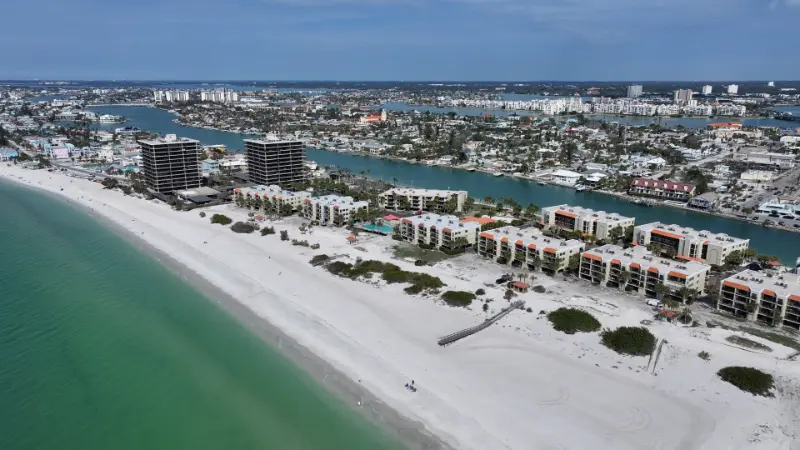
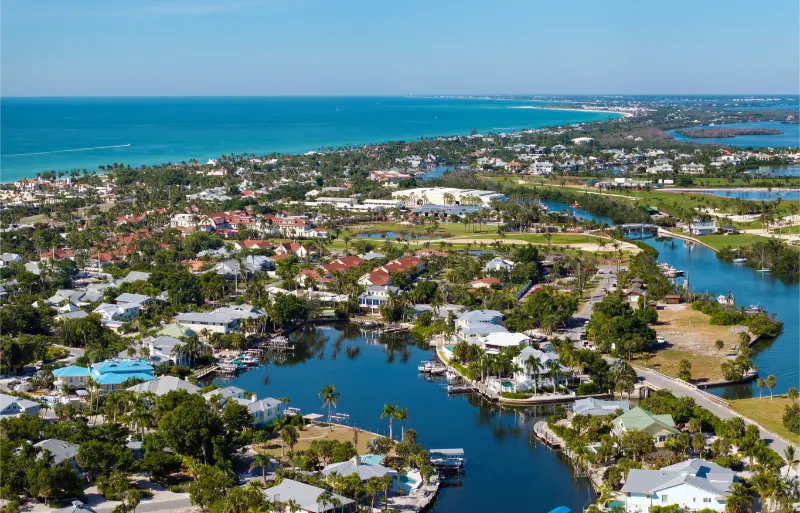
    Saint Pete Beach Florida Gulf Coast Aerial View

    Spend time getting to know one stretch of coast instead of moving your belongings several times to compare beaches. A short walk and a swim, when conditions are safe, can be enough. Visitors who do not swim may appreciate a chair with a good view or a paved promenade. For anyone who has difficulty crossing sand, ask local authorities or the accommodation about beach-wheelchair services and accessible mats. The distance between a parked car and the waterline can be substantial even when a parking place is close to the coast.

    Day one afternoon: rest, then enjoy the sunset

    After lunch, take a proper break at the hotel. This is especially important in summer, when humidity and afternoon thunderstorms can make a long beach day uncomfortable. Later, return to the Gulf for the changing evening light. A beach sunset is one of the most enjoyable low-cost experiences in this area, but there is no need to book an expensive cruise to appreciate it. Choose a familiar, safe access point and check when it will be comfortable to return to the accommodation.

    If you are interested in a sunset sailing trip, consider it as a substitute for the shore walk, not necessarily an additional activity. Ask the operator about the departure marina, boarding steps, restroom, length of trip, and weather policy. Families with very young children or older adults may prefer a quiet table with a Gulf view. Restaurants can be popular after sunset, so dining early may reduce waits. The goal is an evening that feels relaxed, not a sequence of hurried reservations.

    Day two morning: explore historic Pass-a-Grille

    Spend your second morning in Pass-a-Grille, where the scale feels different from central St. Pete Beach. The historic district near 8th Avenue has small businesses and an appealing coastal neighborhood atmosphere. It is a place for a walk, a coffee, and a few hours enjoying both the Gulf and the nearby bay-side setting. Parking is limited in some areas, so check the current metered spaces and legal restrictions before arrival. Do not assume a residential-looking street is open for unlimited beach parking.

    A short self-guided walk is often the most satisfying way to visit. Children can compare this quieter neighborhood with the larger resort beach, and adults interested in local history may enjoy observing its smaller buildings and streets. People with limited mobility should choose a compact route with a café or seated stop rather than setting out to walk the whole district. Avoid private docks and marked access restrictions. Pass-a-Grille's attraction is its human scale; racing through it to make a distant afternoon booking rather misses the point.

    Day two afternoon: choose one boat activity or simply linger

    From the Pass-a-Grille area, some visitors may want a boat excursion, while others would rather enjoy an unhurried lunch and another beach session. Boat tours can be memorable for observing the coast, but the actual launch location, duration, and amenities matter. Ask about seasickness, shade, restrooms, flotation equipment, and whether boarding is possible for a passenger with reduced mobility. Don't assume a vessel described as family-friendly is suitable for babies or every wheelchair user.

    If no one is enthusiastic about going on the water, spend the afternoon in the neighborhood. The nearby bay and Gulf provide varied coastal views without another major attraction. A family with a toddler may benefit from returning to the hotel for a nap; teenagers may enjoy choosing a supervised activity on the beach when conditions permit. Storms or high winds can disrupt water trips, and an easy land-based alternative prevents disappointment. Your second day is successful if everyone has time to appreciate Pass-a-Grille, even without buying a tour.

    Day three: Fort De Soto Park as a nature highlight

    Fort De Soto Park lies to the south and offers a different kind of Gulf Coast visit, with natural shoreline, birdlife, and a park setting rather than rows of resort hotels. It is a strong final-day choice for visitors who enjoy a scenic beach, a short trail, or coastal ecology. Check the county's current information for park access, parking fees, any roadway tolls, facilities, and storm-related restrictions. The drive requires leaving St. Pete Beach proper, so allow time and avoid underestimating the distance between parking areas within a large park.

    Choose one area of Fort De Soto that best suits your group rather than trying to explore the whole park on foot. Birdwatchers may want a short habitat walk; families might prefer a designated beach. Swimmers must follow the specific conditions of the day, and visitors should stay away from nesting birds or marked dunes. People with limited mobility should verify which areas have firm paths and accessible restrooms. If heat, insects, or weather make a long outing difficult, an hour at a suitable viewpoint can still make the visit worthwhile.

    An easier day-three alternative for a short departure

    If you must leave on the third afternoon, Fort De Soto may be too much. Instead, revisit the beach nearest your hotel for breakfast and a short walk. You will already know which entrance, café, and parking arrangements work. This is often a better conclusion for a family with young children or a group carrying luggage. If you need to check out before heading to the airport, ask about luggage storage and whether you can use a changing room after the beach.

    Do not schedule another paid water activity on a tight departure morning. Boat returns may be delayed by conditions, and causeway traffic can add uncertainty. Confirm the route to your departure airport and the rental car return procedures in advance. A final quiet hour overlooking the Gulf can be more meaningful than one more attraction ticket. The central attraction of the weekend is the coast itself, and you do not need to leave it constantly to have a full experience.

    Families, couples, and people who prefer a slower pace

    For babies and preschool children, one morning beach outing followed by a rest is a sound daily rhythm. Bring water, snacks, and enough shade, and choose rooms where feeding and changing are easy. With older children and teenagers, a supervised paddle or other appropriate water activity may be appealing, but understand safety restrictions and operator requirements first. Everyone should leave the shore when lightning threatens; the sea and open sand are not places to wait out storms.

    Couples might prefer a small inn in Pass-a-Grille, an early dinner, and two sunset walks. Senior visitors may value an ocean-facing room where they can enjoy the view without traversing soft sand repeatedly. For people with reduced mobility, ask about elevator access and the complete route to outdoor areas rather than relying on a general accessibility claim. Multigenerational groups can split for a few hours: some enjoy the beach while others rest or browse nearby. A shared dinner is enough to bring everyone back together.

    Local travel, trolley options, and parking costs

    The coast has public transport options such as the Suncoast Beach Trolley and the SunRunner connection between St. Pete Beach and downtown St. Petersburg, but operating hours and stops need checking for your exact dates. Transport is most convenient when your accommodation is close to a suitable stop. If the plan is mainly beach and Pass-a-Grille, you may not need to drive every day; for Fort De Soto a car or carefully arranged transfer is often more practical. Never rely on a service's existence without verifying that it serves the places and hours you need.

    Parking can become a meaningful expense, particularly when moving between public beach areas. Check current payment systems and time restrictions before leaving the car. Hotel parking may also cost extra, so compare total accommodation rates rather than room-only prices. To keep costs under control, make sunset walks and park time the core of the holiday, then select a single paid excursion if desired. A beautiful trip here does not need a long list of commercial attractions.

    Choosing the right season and respecting the shore

    Warm months offer long beach days but also strong sun, humidity, and the possibility of sudden thunderstorms. Winter can be excellent for walks, quiet dining, and scenery, even when the Gulf feels too cool to swim. Holiday periods and popular travel weeks affect the availability of rooms and parking. Monitor the local forecast and the condition of public beach approaches, especially after storms. Water safety rules and current coastal notices always matter more than assumptions about a normally calm Gulf.

    These barrier islands are also habitat. Respect bird nesting zones, dune vegetation, and sea turtle protections, and do not leave food or plastic waste on the sand. At Fort De Soto, keep your distance from wildlife and remain on approved paths. A trip built around seeing birds, beaches, and sunsets works best when visitors give natural areas room to function. The coast's quiet moments are often the ones people remember most vividly.

    Check these details before confirming your trip

    Confirm your accommodation's beach access, elevator and bathroom features, total resort and parking charges, and cancellation rules. Look up the current Pass-a-Grille parking guidance and Fort De Soto Park access information. If booking a boat, ask about the precise dock, check-in deadline, weather refunds, and passenger needs. Travelers without cars should study actual transit routes rather than relying on broad claims that the whole coast is walkable.

    A three-day visit can be as simple as central St. Pete Beach on the first day, Pass-a-Grille on the second, and Fort De Soto or a favorite beach on the third. That is enough variety for most visitors. Leave space for a late breakfast, a long conversation, and an unplanned stop when the light on the Gulf looks beautiful. St. Pete Beach and Pass-a-Grille are best enjoyed when you let them feel like a beach vacation, not a transportation project.

    Frequently asked questions

    Are St. Pete Beach and Pass-a-Grille different towns?

    Pass-a-Grille is a historic beach neighborhood at the southern end of St. Pete Beach.

    Can the SunRunner reach downtown St. Petersburg?

    Its service connects St. Pete Beach and downtown St. Petersburg; verify current route and hours.

    Must we visit Fort De Soto?

    No. It is a rewarding nature option, but another familiar beach morning can be better for a short departure day.
    Official visitor information

  • Charlotte Harbor and Boca Grande: A Four-Day Florida Coastal Trip Without a Boat

    Charlotte Harbor and Boca Grande: A Four-Day Florida Coastal Trip Without a Boat

    Charlotte Harbor is an appealing choice for travelers who like working waterfronts, historic towns, wide estuary views and calmer evenings than the largest beach resorts offer. A four-day trip can combine Punta Gorda, the harbor communities, Placida and Boca Grande without booking a cruise or renting a boat. It suits couples, families with children who enjoy history and shoreline stops, and older travelers who prefer moderate activity. The important distinction is that the region includes both mainland communities and barrier islands: crossing a bridge is not the same as driving a continuous beachfront road.

    Choose one accommodation base near Punta Gorda or Port Charlotte, or split the stay if you particularly want an island atmosphere. Check current hurricane-recovery works before relying on a particular waterfront boardwalk, fishing pier or playground. Facilities have been undergoing repairs following several storms, so an attractive old travel photograph is not evidence that every amenity is open today.

    Four-day coastal itinerary

    Day Base / area Focus Gentle alternative
    1 Punta Gorda Downtown and harbor setting Short waterfront stop
    2 Charlotte Harbor Historical interpretation and parks Scenic drive and café
    3 Placida / Boca Grande Island history and lighthouse Museum-focused visit
    4 Punta Gorda / departure Local shopping and rest Early checkout

    The route is intentionally compact. You do not need to reach every beach or island in Charlotte County. Keep morning activities limited, especially when traveling with young children or companions who need regular seating. A car remains the simplest transport; private shuttles and rideshares should not be assumed available across every rural barrier-island route.

    Day 1: Punta Gorda as a walkable orientation stop

    Punta Gorda has a historic waterfront character that rewards a relaxed arrival day. Begin in the downtown area, where you can appreciate the buildings, find a café and learn the basic geography of the harbor. Rather than rushing to the nearest beach, notice the mixture of public waterfront, working marinas and residential neighborhoods. Public paths can be enjoyable, but specific segments may change because of construction or storm recovery. Check local signs and do not cross barriers to reach a familiar photograph location.

    Families can enjoy a short scavenger hunt for architecture, boats and native birds, while older visitors can choose a café with outdoor views. If it is very hot, limit the exposed walking and save an indoor activity for later. One advantage of this destination is the ability to have a satisfying first day without purchasing a major attraction ticket. The key is to keep the itinerary grounded in actual accessible public space.

    Day 2: Charlotte Harbor and the importance of current park notices

    Drive around selected mainland harbor areas, choosing one public park or interpretive site whose current amenities are confirmed. Bayshore Live Oak Park is described by Charlotte County as a harborfront park with historical information and recreational facilities. However, the county also lists ongoing disaster-recovery projects affecting features such as sidewalks, piers, seawalls and other amenities. Check the county recovery update before treating the entire waterfront as open.

    This is an important lesson for visitors planning a leisurely holiday: a park can be open while individual facilities are unavailable. A traveler using a wheelchair may be especially affected if the intended route includes damaged or closed surfaces. Telephone the park department if that determines whether you can visit comfortably. Have an alternative lunch or short scenic drive ready, and do not send children toward fenced repair areas.

    Enjoying an estuary without taking a boat

    Charlotte Harbor is an estuarine environment, where freshwater and seawater mix, creating habitat for fish, birds and other wildlife. Shore-based observation can be fascinating when you choose an official public access point. Binoculars, a field guide and patience are more useful than trying to approach animals. Watch for pelicans, wading birds and changes in the water’s appearance, while accepting that sightings depend on weather, tide and season.

    Never enter marsh vegetation or private shoreline to take a photograph. Avoid feeding birds and do not leave fishing line, food wrappers or bait packaging behind. Visitors with small children should choose an established area with toilets and seating. A waterfront lunch can feel like a complete holiday experience when the environment is treated as something to observe rather than conquer.

    Day 3: The drive to Boca Grande and Gasparilla Island

    Boca Grande on Gasparilla Island is a distinct destination, reached over a toll causeway. Plan for bridge charges as well as any park admission or parking fees. Start early enough to enjoy the island before midday heat, but do not assume that all the streets are public sightseeing routes. Respect residential areas and use designated parking. Beach access and soft sand may limit what people with mobility aids can do, so build the morning around a museum and a manageable paved walk when appropriate.

    Gasparilla Island State Park protects portions of the southern island. Its Port Boca Grande Lighthouse is especially interesting because it connects maritime navigation with local history. The building houses a museum interpreting the island, including its Indigenous history, phosphate shipping and fishing heritage. It is a more substantial cultural stop than simply taking a photograph of the lighthouse from outside.

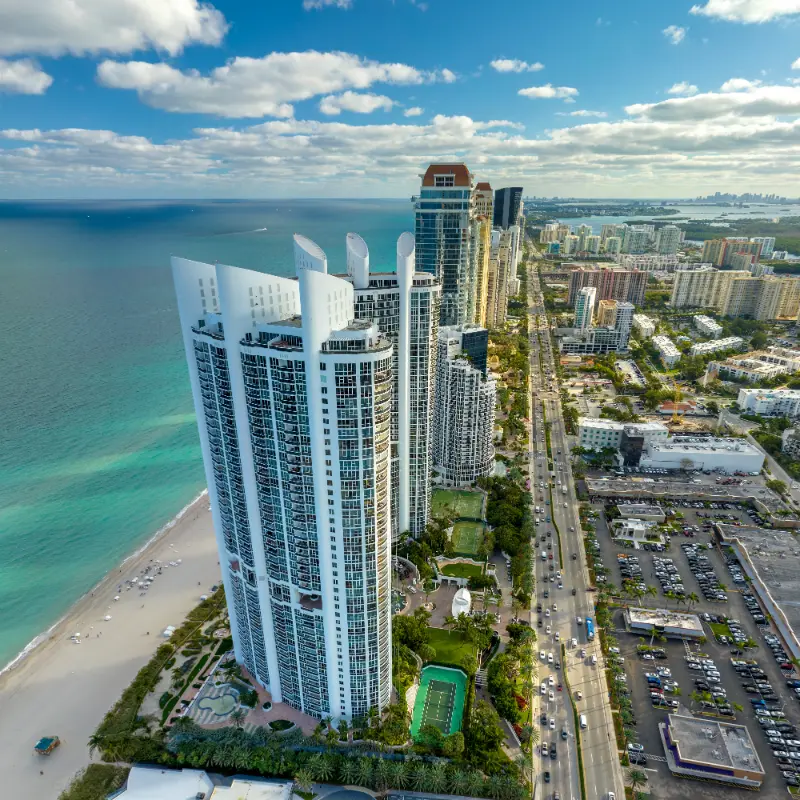
    Boca Grande Florida Tropical Waterfront Houses Aerial

    Port Boca Grande Lighthouse: check seasonal museum hours

    The Gasparilla Island State Park hours page distinguishes the state-park opening day from the lighthouse museum’s seasonal schedule. Museum hours vary between warmer and cooler parts of the year, and holidays may alter access. There is also a separate toll to reach the island. Check the museum’s current visitor information before driving out specifically for the displays.

    Inside, look for exhibits about how the harbor supported commercial shipping and why a lighthouse was needed here. Children may respond to the connection between ships, local fossils and history; adults may enjoy learning how the shoreline and port activities changed. Follow museum rules for photographs and touching exhibits. Do not promise visitors that they can climb the lighthouse: the historic structure is a museum, and access rules should be taken from its operator.

    Boca Grande as more than an expensive beach address

    The village is often associated with a refined island atmosphere, but a worthwhile visit need not revolve around luxury shopping or high-end dining. A comfortable lunch, a short look at historic streets and the lighthouse area can fill the day. Keep parking restrictions in mind and resist the urge to drive a golf cart on a public road without checking legal rules. If you rent a bike, ask about helmets, traffic, the route’s exposure to sun and any local cycling restrictions.

    Travelers hoping for shelling or beach photography should choose a permitted access point and observe wave conditions. The Boca Grande Pass area is known for currents, fishing activity and boat traffic; it is not a place to improvise swimming because the beach looks quiet. Families may prefer observing the water from dry land. Leave plenty of time for the return bridge crossing and avoid driving when exhausted.

    Day 4: A low-pressure last morning

    Use the final morning to return to a favorite café, buy local products from an operating shop or enjoy one brief public view of the harbor. Do not add a distant island excursion before your flight. Storm-related construction can alter travel times, and busy bridge corridors are not always predictable. A short waterfront outing is enough to close a trip focused on the region’s history and landscapes.

    If you have a full extra day, consider exploring another mainland community only after checking current attractions. Placida and the Cape Haze area can provide different views of the harbor and barrier islands, but many island destinations need a boat. Do not promise that a ferry or water taxi serves a particular island without verifying the operator’s current schedule and boarding location.

    Where to stay and what to compare

    Punta Gorda offers a useful town base with restaurants and access to major roads. Port Charlotte has a range of practical accommodation and shopping services. Boca Grande can be attractive for a special island stay but may involve higher prices and fewer everyday conveniences. Compare the total price, including resort charges, parking, cleaning fees and bridge tolls. Travelers needing medical facilities or accessible accommodation should prioritize confirmed services over a remote scenic address.

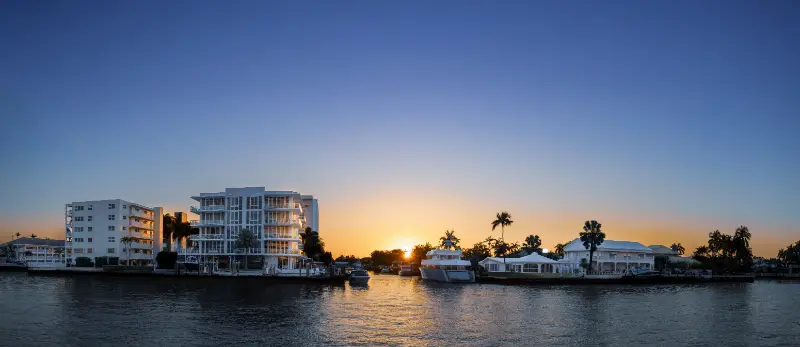
    Boca Grande Florida Luxury Waterfront Villas Aerial

    For multigenerational groups, a hotel with a lift, breakfast and a quiet room can be more valuable than a waterfront view. Young children benefit from a refrigerator and room to sleep early. If a vacation rental includes stairs to a raised entrance, verify whether everyone can manage them. Hurricane recovery can affect both the surrounding neighborhood and a property’s amenities, so ask directly about anything essential before paying.

    Best season and weather expectations

    Winter and spring can be pleasant for walking and outdoor dining but are also popular for visitors escaping colder climates. Summer is hotter and more humid with frequent thunderstorms. Autumn may bring variable weather, and Atlantic hurricane season is a consideration through November. Do not rely on old promotional claims that one month is always calm or dry. Check the forecast and local storm information before each activity.

    In hot weather, place outdoor stops in the morning and schedule an indoor lunch or rest. Bring sunscreen, drinking water and insect repellent. Anyone sensitive to heat should keep activities shorter and avoid exposed midday walks. A coastal wind can make a warm day feel cooler without reducing ultraviolet exposure. Carry a light rain layer but leave an exposed pier or beach if lightning approaches.

    Budget, safety and visitor etiquette

    Plan for hotel costs, car rental, fuel, meals, the Gasparilla causeway toll and park fees. Museum admission can differ from state-park vehicle entry. Check the current charges directly; avoid presenting a single guaranteed total because peak-season hotel rates vary substantially. This route is usually less expensive than a theme-park-centered holiday when visitors choose simple activities, but upscale island restaurants can change that quickly.

    Observe wildlife without feeding it, use marked public access points and never enter restoration sites or private waterfront property. Swimming should be limited to appropriate locations and conditions, with active supervision for children. Keep away from strong currents and fishing areas. A respectful visitor leaves a working coastal community just as pleasant for residents after leaving as it was on arrival.

    Four-day planning checklist

    Reserve a convenient base, identify parking for your key stops and check the county’s storm-recovery notices. Confirm lighthouse museum hours, the bridge toll and any special event affecting Boca Grande. Keep a backup for weather and construction. Pack enough water and plan predictable meal stops for children and older companions. If a facility is closed, do not force the itinerary: a scenic drive and relaxed meal are often a better choice than searching for an unsafe alternate access point.

    Charlotte Harbor is ideal for a vacation built around landscapes, everyday history and slower coastal pleasures. Its most interesting experiences are found through careful planning rather than the assumption that every waterfront attraction is operating exactly as it did before a storm.

    Frequently asked questions

    Can we visit Boca Grande without a boat?

    Yes. Gasparilla Island is reached by road over a toll causeway. Some nearby barrier islands require a boat, but this itinerary does not depend on them.

    Is every harbor boardwalk currently open?

    No. Charlotte County has ongoing recovery projects at some waterfront parks. Check the specific facility and the county’s latest project notices.

    Can we climb the Port Boca Grande Lighthouse?

    Do not assume tower climbing is available. The lighthouse operates as a historical museum, and visitors should follow the current operator’s access rules.

    Is this a good trip for older travelers?

    Yes, especially with a carefully selected hotel and short walks. Confirm park paths, museum access and restroom facilities for each companion’s needs.

  • Sunny Isles Beach, Florida: Ocean Parks, Newport Pier and Family Beach Planning

    Sunny Isles Beach, Florida: Ocean Parks, Newport Pier and Family Beach Planning

    Look beyond the oceanfront skyline

    Sunny Isles Beach is known for tall waterfront buildings between the Atlantic Ocean and the Intracoastal Waterway. The skyline is part of the scenery, but the experience of staying here depends much more on the location of a legitimate beach entrance, the walk to a meal, and the availability of shade. The city lies north of Miami Beach, so it works for travelers who prefer a quieter ocean routine while retaining access to a metropolitan area. It is not an isolated tropical island, and Collins Avenue remains a busy transport corridor. Families can build a holiday around a morning beach visit, a nearby park and a cool lunch. Couples may favor an ocean-view hotel and waterfront dinner. Visitors with limited mobility should choose their beach entrance and lodging carefully before assuming a short distance on a map equals an easy journey.

    Use Samson Oceanfront Park as an orientation point

    Samson Oceanfront Park at 17425 Collins Avenue provides a publicly operated oceanfront green space with a playground, pavilion, beach access, restrooms, showers and a lifeguard station. It is helpful for first-time visitors because its name and facilities can be checked directly on the city website. Before setting out, read the current hours and closure notices. The municipal park-alert page reports playground installation work from October 5 through October 19, 2026, with partial playground closure while work continues; do not promise unrestricted use of the play equipment. Also check the rules for items brought into the park. The city’s list prohibits pets other than qualifying service animals, glass containers, cooking, alcohol, fireworks and several forms of wheeled recreation in park areas. Swimming conditions are separate from the question of whether the park is open. Respect lifeguard flags and do not treat an accessible boardwalk as proof that every part of the sandy shoreline can be crossed independently. For a short family stop, identify the closest restroom and set a time to leave before the hottest part of the day.

    Treat Newport Fishing Pier as a distinct outing

    Newport Fishing Pier stands along the shore near Sunny Isles Beach Boulevard and Collins Avenue. It is a recognizable local landmark where visitors may enjoy ocean views or fishing when public access is available, but its admission, operating schedule, maintenance, and angling policies require confirmation. Do not confuse a restaurant visit near the pier with admission to the structure itself, and check fishing access as a separate activity. Someone who wants to fish needs to check applicable Florida licensing rules and any site-specific pier arrangements. A non-angler can appreciate the structure from permitted areas without booking an excursion. For families, a brief daytime visit usually makes more sense than standing in full sun for an extended session. During severe weather or maintenance, switch to a park or protected indoor activity rather than plan around a potentially closed pier.

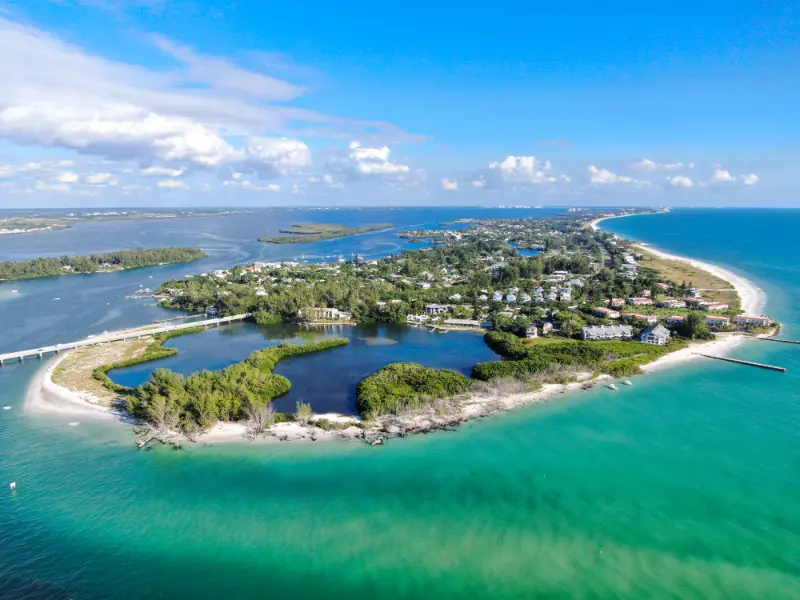
    Florida Coastal Pier and Beach Aerial View

    Find a park for children rather than relying only on sand

    Sunny Isles Beach has several public green spaces, including Heritage Park, Town Center Park and Gateway Park, along with Samson Oceanfront Park. They serve different purposes: one may be better for a playground, another for lawns or a community event. Verify which play equipment is open and whether a splash feature operates before promising it to children. For preschoolers, a short park session often works better than hours under a beach umbrella. School-age visitors can combine a playground with beachcombing, but should not remove protected natural material or disturb wildlife. Older travelers may prefer benches and a short walkway with ocean views. On unusually windy days, a sheltered inland park can be more comfortable than the beach itself. Because these parks are municipal facilities, obey posted opening times and event restrictions rather than assuming the same rules apply across the whole city.

    What different generations can do on the same day

    The most useful group itinerary is not one in which a three-year-old and a ninety-year-old are expected to take the same long walk. In Sunny Isles Beach, babies and small children need frequent breaks and safe supervised play; meanwhile, teenagers can split time between the beach and local recreation areas. A second group might be interested in the opposite pace: non-swimmers can enjoy the pier view and parks while avoiding open water, while older guests may choose a hotel close to the exact entrance they need. Decide at the start who wants to remain at the most comfortable stop and how everyone will regroup. Young children should always be supervised around roads and water even when a park looks quiet. Teenagers benefit from one genuine choice of activity instead of being asked to follow a checklist. Visitors managing fatigue can shorten an out-and-back path at any moment, unlike a complicated loop with no immediate exit. Before traveling, identify an indoor place for medication, diaper changes or cooling down, and carry drinking water for everyone.

    Match the outing to seasonal weather and daylight

    Season changes the value of Sunny Isles Beach’s outdoor spaces. In hot months, the period shortly after opening is often preferable to early afternoon; in cooler months, a leisurely midmorning arrival can be pleasant, but darkness comes sooner. The relevant local checks are ocean currents, pier access changes, park rules and seasonal nesting protections. When a thunderstorm approaches, leave water edges, open lawns and exposed pathways for a substantial building or enclosed vehicle. Do not postpone that decision until the rain actually begins: lightning may precede the heaviest shower. A windy or cloudy day is not automatically unsafe, but conditions can alter walking comfort and facility operations. Bring sun protection, suitable footwear and a spare dry layer for children. On a long trip, schedule this outing on a day that can be swapped with another activity rather than lock it to a tightly timed airport transfer. This preserves room for the unexpected without reducing the trip to waiting indoors.

    Plan a two-day stay without crossing Miami repeatedly

    On the first morning, orient yourself at the nearest lawful beach access and spend a limited period on the shore while conditions are suitable. Return to the hotel for lunch or a rest, then visit Samson Oceanfront Park or stroll to a nearby dining area. The second day can include Newport Pier, a more sheltered municipal park and an optional trip to a neighboring coastal district. Keep that trip genuinely optional: transport through northern Miami-Dade can be slow, and not every family wants another shopping or sightseeing stop. Travelers without a car should use the city’s current shuttle and local transit information, mapping the return route as carefully as the outbound one. Anyone hoping for a beach wheelchair should contact the appropriate service in advance rather than assume availability from an old photograph. The guiding principle is a compact coastal holiday with flexible rest time.

    Florida Sunset from Waterfront Pier

    Handle weather, hotel charges and beach safety

    The Atlantic can change quickly. Rip currents, high surf and lightning may make swimming unsafe even on a day that looks attractive from a hotel balcony. Check lifeguard information and weather alerts, keep children within reach and do not swim near piers or restricted zones. During sea turtle nesting season, observe posted protections and reduce unnecessary beachfront lighting at night. Oceanfront accommodation may come with parking fees, resort charges or separately priced beach services; compare the final total rather than the initial rate. Some properties have private facilities, but the existence of a pool or beachfront chair in an advertisement does not guarantee it is included in every reservation. For accessible lodging, ask about elevator routes, room layout and how to reach the public beach. A comfortable vacation can be based on a few repeated local outings rather than constant transfers.

    How to get there without wasting the day in transfers

    The journey that best fits this destination is morning beach conditions, a midday indoor break, a municipal park and an optional pier outing. Start by entering the precise attraction address, not simply the name Sunny Isles Beach, into the navigation app. Distances within Florida communities can be deceptive when a river, interstate, causeway or large residential tract separates sites. Drivers should read signs at the actual car park and allow time to return to the vehicle before closing. People using ride-hail need a confirmed pickup point and a return plan, particularly after dark or in a rural area. Where public transit exists, check the schedule for the exact travel day as well as the location of the return stop. Do not promise that a bus will reach a remote nature entrance merely because a line crosses the same municipality. Anyone carrying a stroller or mobility aid should compare transfers, walking distance and the cost of a direct booked ride.

    A realistic spending plan, not a misleading headline price

    The trip’s meaningful expenses are hotel and resort fees, parking, equipment rentals, transport and any pier-specific charge. A park or shoreline may be open to pedestrians without charge, while parking, aquatic activities, evening events, special exhibitions, fishing or equipment hire have completely different arrangements. Separate necessary spending from choices that can be removed, and confirm costs from the operator immediately before visiting. A family with several children may spend more on transport and meals than admission. Travelers on a tight budget can bring water, arrange a single restaurant meal and avoid driving between distant attractions simply to fill a printed itinerary. Do not make a nonrefundable booking based only on a third-party calendar that may be stale. For a multiday stay, compare the total accommodation bill including taxes and resort or cleaning fees against the transport savings it creates. This makes an apparently inexpensive outlying property easier to evaluate fairly.

    Choose accommodation to match the whole vacation

    For overnight planning, compare an oceanfront or near-beach hotel after checking total parking and amenity charges. The correct choice depends on where you will wake up for the following three days, not only on the afternoon you intend to spend in Sunny Isles Beach. Open the route to the airport and the principal attractions, then look at traffic patterns around typical departure hours. Families should verify cribs, refrigerator access, laundry and suitable bed layouts before paying. A hotel described as accessible may still require clarification about the specific room’s entrance, bathroom and elevator route. Those traveling with older adults should request a realistic account of how far the restaurant, vehicle pickup and usable beach or park entrance are from the room. Do not assume that the least expensive listing is the least tiring. If Sunny Isles Beach is only a day trip, a hotel change may produce more work than any potential benefit.

    Practical stop-by-stop table

    StageRecommended focusCheck
    Before the visitVerify opening conditionsocean currents, pier access changes, park rules and seasonal nesting protections
    Start of the dayUse Samson Oceanfront Park as an orientation pointFollow the official entrance and signs
    Next optional stopTreat Newport Fishing Pier as a distinct outingShorten the route if conditions change
    MiddayFood and restCarry water; avoid exposed heat
    Overnight decisionCompare actual door-to-door journeysan oceanfront or near-beach hotel after checking total parking and amenity charges

    Frequently asked questions

    Is Sunny Isles Beach worth a day trip?

    Yes, if you are interested in use samson oceanfront park as an orientation point and keep the number of stops realistic. Travelers whose priority is elsewhere should evaluate the return journey before making this a mandatory detour.

    What is the best first stop in Sunny Isles Beach?

    The first site to check is the location described in the official source: Samson Oceanfront Park lists beach access, playgrounds, showers, restrooms and a lifeguard station. Verify its operating status before visiting.

    Can someone with limited mobility enjoy Sunny Isles Beach?

    Often yes, if the outing is built around a suitable entrance and short route. Non-swimmers can enjoy the pier view and parks while avoiding open water. Ask the venue about the exact conditions rather than relying only on a general label.

    Is Sunny Isles Beach suitable for families with young children?

    The plan should emphasize rest, shade and direct supervision. Babies and small children need frequent breaks and safe supervised play, while older children may want different activities.

    What should be checked just before departure?

    Confirm ocean currents, pier access changes, park rules and seasonal nesting protections; then check the route, costs and local weather from current official information.

    Official visitor sources

  • Anna Maria Island and Longboat Key: Four Quiet Gulf Coast Days

    Anna Maria Island and Longboat Key: Four Quiet Gulf Coast Days

    Anna Maria Island and Longboat Key are close enough to combine in one relaxed Gulf Coast trip, yet they offer different rhythms. Anna Maria has walkable pockets, family-oriented beaches and communities with individual personalities. Longboat Key is longer, more residential in many stretches and often appreciated by visitors looking for an unhurried shoreline experience. Neither is a secret empty island, and neither guarantees calm water or an uncrowded holiday. The appeal is choosing a small number of good places and spending enough time to enjoy them.

    This four-day plan favors families, couples and older adults who prefer a gentle schedule. It includes beach access, local history and waterfront dining without assuming everyone wants to swim. Coastal conditions and recovery or maintenance work can change from season to season, especially after severe storms. Check local authority notices before booking accommodation whose main selling point is access to a particular stretch of beach.

    Which island should you use as a base?

    Anna Maria Island includes Anna Maria, Holmes Beach and Bradenton Beach, so the name on a hotel or rental listing does not always tell you how close it is to the attraction you want. Longboat Key lies to the south, stretching toward Sarasota, with public beach accesses interspersed among residential and resort properties. A rental that says ‘near the beach’ might require crossing a busy road or walking a longer distance than expected. Ask for the exact access point, the nature of the crossing and the walking surface if that matters to your group.

    Choose Anna Maria if you value small-town atmosphere and convenient access to local dining in certain districts. Longboat Key may appeal if you prefer a quieter accommodation environment and are willing to plan meals and transport more carefully. Compare the complete stay cost: cleaning charges, service fees, resort fees, parking and minimum-night requirements can change which property is best value. In high season or on weekends, traffic through island bridges can be slow. For a four-day visit, stay in one place and explore the other island on a separate day.

    Day one: arrive and understand the island layout

    Make arrival day simple. After check-in, locate the nearest public access and identify where you can legally park or walk. Do not treat private beachfront walkways as public simply because they look inviting. Towns maintain access maps, and the legal access route is sometimes different from the one shown by general navigation apps. If you are arriving in the afternoon, buy groceries, fill your water bottles and enjoy a short evening stroll in a designated public area.

    For families with young children, choose dinner close to the accommodation rather than planning a long island crossing after travel. For older visitors, verify that the hotel has a lift or ground-level rooms if needed. For couples, a sunset walk can be a pleasant introduction without expensive reservations. Florida’s Gulf Coast is often associated with beautiful sunset views, but weather can obscure the horizon; don’t schedule your entire evening around a photograph. If thunder is approaching, leave the shoreline immediately and seek a proper indoor shelter.

    Day two: an Anna Maria Island beach morning

    Start early while temperatures and traffic may be more manageable. Choose a public beach based on facilities, access and the activities your group actually wants. Manatee Public Beach can suit some families seeking services, while other stretches are quieter but offer fewer amenities. Official beach conditions, lifeguard coverage and local rules may change. Even a typically gentle Gulf beach can have dangerous currents, storm effects or poor water conditions, so check posted warning flags and local advisories before entering the water.

    Bradenton Beach Anna Maria Island Florida Coast Aerial

    A two-hour beach morning can be enough. Bring shade where permitted, drinking water and a small bag for trash. Never leave young children in the water without continuous adult supervision, and do not rely on inflatables as safety equipment. If swimming is not comfortable, enjoy sandcastle building, a short walk or watching shorebirds from a respectful distance. Pack up before the strongest heat, then spend the afternoon in a local cafe or visiting a small shop. Avoid parking illegally on shoulders or blocking residents’ driveways when beach lots are full.

    Day three: Longboat Key’s public accesses and easy pleasures

    Longboat Key is particularly important to research before visiting. The town’s official beach-access page lists a number of public entry locations along Gulf of Mexico Drive, each with different parking arrangements and sometimes only a small number of spaces. Some accesses have accessible parking, while others have none. Do not assume a beach entry marked on a map includes restrooms, lifeguards, showers or concessions. A visitor with a stroller or mobility aid should confirm the exact path conditions rather than relying on the island’s general reputation.

    Visit in the morning, when finding legal parking may be easier, and choose one access suited to your plans. Longboat Key’s public beaches generally do not have lifeguards, according to state tourism guidance, so a non-swimming visit may be safer for a family uncertain about conditions. Bring all necessary water and snacks, but leave no litter. If your group prefers more amenities, consider an alternate staffed beach on a nearby island after verifying the current services. In the afternoon, enjoy a relaxed meal or explore a public park on the bay side without trying to fit in every shoreline access.

    Day four: local history, a final walk and departure

    Use the last day for a low-key activity rather than another long beach session. A local historical display, a public bayfront park or browsing in an island commercial district can give variety. Island communities have working businesses, residents and conservation responsibilities; they are not simply vacation backdrops. If you are staying in a rental, complete checkout instructions and allow time to inspect the property and photograph any preexisting issues. Arrange airport transfers before you are packed and ready to go.

    Depending on your departure point, the drive to Sarasota Bradenton International Airport or Tampa International Airport can be affected by traffic on bridges and major roads. Do not estimate it solely by straight-line distance. Build a generous buffer and account for the rental-car return. If you have a late flight, a short public walk close to your hotel makes more sense than crossing the islands twice in pursuit of one last restaurant.

    How to spend four days without rushing

    Day Main focus Alternate low-energy idea
    1 Check-in and nearest legal beach access Early dinner and rest
    2 Anna Maria Island beach morning Shops, local food and a short sand walk
    3 Longboat Key public access and bay side Seated waterfront views, no swimming
    4 Local history, breakfast and departure Direct airport transfer

    This schedule is intentionally light. You can expand it with a boat tour, art museum in Sarasota or guided nature experience, but check whether the outing’s travel and boarding requirements fit your group. Families with a sleeping baby may prefer not to book a lengthy cruise; older travelers may appreciate a seated wildlife tour when step-free access is confirmed. Choose optional activities because they add enjoyment, not because four quiet days look insufficient on paper.

    Driving, parking, trolleys and local movement

    Getting around a barrier island can be surprisingly awkward at busy times. Bridges create bottlenecks, while public beach parking varies from one access to another. Read current signs, and never park across driveways or in areas reserved for residents. Island transit services and free trolleys may be available on certain routes, but schedules, accessibility and service patterns can change. Use the relevant county or operator’s current timetable before relying on a trolley for a dinner reservation or airport connection.

    Walking and cycling may be pleasant in selected neighborhoods, but that does not mean every section has protected lanes or wide sidewalks. Children riding bicycles need adult supervision and suitable helmets, while people with mobility limitations should check crossing conditions. A hotel close to the places you want to visit can be worth more than a cheaper property that requires several daily drives. If renting a car, calculate parking at accommodation as well as at beaches, and consider whether the vehicle is necessary for the entire stay.

    Beaches, marine wildlife and respectful behavior

    The Gulf shoreline is home to shorebirds, nesting sea turtles at appropriate times of year and sensitive coastal vegetation. Avoid marked nests, leave space around birds, use designated dune walkovers and follow lighting restrictions during nesting seasons. Do not approach wildlife for photographs or let dogs enter restricted beach sections. Remove fishing line, food packaging and beach toys before leaving. Even tiny objects can harm animals or become dangerous litter.

    Water conditions deserve equal attention. Red tide or bacterial advisories may occasionally affect local beaches, and storms can change sand profiles or create hazards. Check the Florida Department of Health and local beach-condition resources near your visit rather than relying on old descriptions of ‘crystal-clear water’. If conditions are poor, shift the day to a museum, restaurant or shaded public park. Visitors who do not swim can still enjoy a beach holiday through views, walks and local culture without needing to prove that the water is safe for entering.

    Comfort for babies, older visitors and people with limited mobility

    Beach vacations often involve more walking than expected: from a parking lot across a road, along a boardwalk and finally over soft sand. For a child in a stroller or a person using a wheelchair, the last section can be the hardest. Ask about beach mats, accessible toilets and specialized chairs at the specific location and date. Do not generalize from a nearby town that offers different facilities. Bring shade, water, medication and a plan to leave quickly if heat becomes excessive.

    Babies need frequent feeding, shade and secure sleep arrangements; ask accommodation providers about cribs but never assume one is available. Elementary-age children usually enjoy simple sand activities more than a full day of restaurant hopping. Teenagers may appreciate a little responsibility for selecting a cafe or photography spot. Older visitors may prefer a quiet morning beach view followed by lunch indoors. An enjoyable island trip offers options rather than forcing everyone to swim, walk or stay out in the sun for hours.

    Where to stay and what the budget should include

    Compare hotels, condos and vacation rentals by sleeping layout, kitchen facilities, cancellation terms and total mandatory fees. A beach rental with a minimum-stay requirement may not fit a four-day trip. A resort may provide convenient facilities but charge parking or amenity fees. Families may save on meals with a kitchen, while couples might prefer breakfast included and restaurants within walking distance. Check whether the building is licensed or operating under the appropriate local rules, and avoid paying a private individual outside a trusted booking process if the listing cannot be verified.

    Daily spending will include food, parking or transport, any attractions and perhaps equipment rental. Island prices can be higher during busy seasons, and limited parking can indirectly increase costs. Avoid fixed budget claims without dates and live quotes. If you care most about peace, spending a little more for a well-located room may reduce time wasted in traffic. If you care more about active sightseeing, a mainland base could be economical, but calculate the repeated bridge crossings first.

    Weather, storms and flexible travel choices

    Florida’s Gulf Coast can be beautiful in winter and spring, but weather is never guaranteed. Summer brings heat, humidity and frequent thunderstorm risk; June through November is Atlantic hurricane season, with possible impacts well beyond the path of any one storm. Check forecasts, travel advisories and cancellation conditions rather than treating travel insurance as a substitute for prudent planning. During evacuation orders or severe weather warnings, follow local emergency officials instead of hoping a beachfront property will be fine.

    Storm-related repairs can affect roads, beaches, restaurants and lodging long after the event itself. Verify operating status directly for any venue that is central to your stay. If a beach entrance is closed, do not cross protective fencing. Choose an alternate public site or change the day’s plan. The islands are places where people live and work year-round, so being considerate during recovery matters as much as finding a good holiday photograph.

    Frequently asked questions

    Is Anna Maria Island or Longboat Key better for families?

    It depends on your lodging, children’s ages and need for services. Anna Maria has several family-oriented beach areas, while Longboat Key offers quieter sections but public access facilities can be limited. Compare exact locations, not simply island names.

    Can visitors use Longboat Key beaches without staying at a resort?

    Yes, public beach accesses exist, but parking and amenities vary significantly. Use the town’s official access list to choose the correct location.

    Is the Gulf always calm enough for small children to swim?

    No. Conditions can change with wind, storms, currents and water-quality advisories. Check local guidance and supervise children constantly; swimming is optional.

    Review the Town of Longboat Key public beach accesses, Visit Florida’s Longboat Key beach guide, Manatee County and the Florida Department of Health for current conditions, parking, public transit and health advisories.

  • Florida Beach Water Quality: Bacteria Advisories, Red Tide, Algae and Safe Swimming

    Florida Beach Water Quality: Bacteria Advisories, Red Tide, Algae and Safe Swimming

    A beach may look pristine in photographs and still have a temporary health advisory, while slightly discolored water may have a harmless explanation. Florida’s coasts, bays and inland waters are affected by different environmental processes, and a single ‘water quality’ label is not enough to understand them. Visitors should distinguish bacterial advisories, red tide, blue-green algae, stormwater runoff, surf conditions and marine wildlife. The practical goal is not to make everyone afraid of the sea; it is to know which official tools to consult before traveling with small children, older adults, people with health vulnerabilities or anyone planning to swim.

    At-a-glance comparison

    IssueWhat it meansPrimary information source
    Bacteria advisoryHealth indicator from water samplesFlorida Department of Health
    Red tideMarine harmful algal bloomFlorida Fish and Wildlife Conservation Commission
    Blue-green algaePotential freshwater/brackish bloomState environmental monitoring
    Beach flagsSurf and marine conditionsLocal lifeguard or beach patrol

    The three alerts visitors often confuse

    A bacterial beach advisory generally concerns elevated indicator bacteria in sampled recreational water, which may suggest contamination and a higher risk of illness. Red tide is a harmful algal bloom that can cause respiratory irritation and harm marine life along affected coastal areas. Blue-green algae, also called cyanobacteria, is a different issue often associated with freshwater or brackish environments. They do not have identical triggers, symptoms, tests or reporting systems. Finding a report about one hazard does not tell you whether the other two are present.

    Florida’s Healthy Beaches Program publishes sampling data and advisories through the Florida Department of Health and county health websites. Red tide status is also reported by Florida’s Fish and Wildlife Conservation Commission, while relevant state environmental agencies publish information about cyanobacterial blooms. A quick social-media post saying ‘the Florida water is bad’ can obscure these important distinctions. First identify the exact beach, county, date and type of reported condition.

    How to read the Healthy Beaches map

    The Florida Department of Health provides an interactive beach sampling map and county-level reports. These report routine bacterial monitoring, rather than a continuous live measurement of every foot of shoreline. Results can be days old, and sampling frequency may vary by county and season. A beach without a current advisory has not necessarily been tested that morning. Likewise, an older warning should be checked against newer results before assuming the same conditions persist.

    Look for the name of the sampling station rather than just the nearest town. One beach may have multiple access points, inlets or drainage patterns; results at one station should not be applied automatically to another distant beach. Read the advisory text itself for guidance about avoiding water contact and when resampling is expected. A temporary water-quality warning is not necessarily a full public beach closure. When health authorities advise against swimming, follow that advice even if other visitors are entering the water.

    Red tide: different from polluted swimming water

    Florida red tide is associated with marine algal blooms that may affect some parts of the Gulf Coast at certain times. Effects can include fish kills, coughing or eye and throat irritation, particularly for sensitive people exposed to airborne toxins near the shore. Conditions can be highly localized and change with tides, wind and bloom movement. Do not assume every Gulf Coast beach is equally affected on a given day. Check current maps, public health messaging and beach-specific observations before deciding whether to visit.

    Florida Sailboat Silhouette at Red Sunset

    A traveler with asthma or another respiratory condition may be more sensitive to airborne irritation. If an area triggers symptoms, move away from the affected beach and consult healthcare guidance appropriate to the individual. Avoid touching sick or dead marine animals, and do not attempt to rescue them without trained assistance. An absence of visible dead fish is not a reliable replacement for official monitoring. Conditions observed during a summer holiday last year say little about the same destination this week.

    Blue-green algae and inland-water activities

    Rivers, lakes and canals can sometimes develop cyanobacterial blooms. Water may look like green paint, scum or other unusual discoloration, although appearance alone cannot confirm the presence or absence of toxins. Avoid entering water where authorities warn of blooms, keep pets from drinking it, and do not let children play with floating material. Kayaking or boating near a reported bloom also calls for caution because splashes and direct contact can matter.

    Florida’s freshwater activities can be wonderful, from spring swimming to paddling quiet rivers, but not every inland waterway is monitored or intended for bathing. A spring run may be subject to special rules to protect wildlife and water quality. The presence of paddleboards or fishing boats does not make a canal suitable for swimming. Use designated swimming areas, respect posted signs, and look for park or managing-agency updates as well as general state environmental maps.

    Why rain can change beach conditions

    Heavy rain may wash urban runoff and contaminants toward coastal waters, especially near storm drains, canals, marinas and inlets. A calm sea and bright sunshine immediately after a thunderstorm do not guarantee ideal swimming conditions. The specific risk depends on local drainage and advisories, not a fixed rule that all Florida beaches are unsafe after rain. When recent rainfall has been intense, review the local health department’s notices and choose an alternative activity if there is uncertainty.

    Swimming near outfalls, exposed pipes, floodwater or visibly contaminated runoff is unwise. Beach flooding and storm debris create additional hazards beyond bacteria, including hidden sharp objects, damaged access points and unstable sand. Families with small children should take extra care because youngsters may swallow water or handle wet sand and then touch their mouths. Wash hands before eating and use clean water to rinse off when appropriate.

    Bacteria advisories versus beach flags

    A water-quality advisory is not the same as a red, yellow or purple flag used by lifeguards to communicate surf and marine conditions. A beach may have excellent bacterial test results but dangerous rip currents, or calm surf while a health advisory is in force. Always check both types of information. Lifeguards and beach patrol can explain local swimming boundaries, hazards near jetties and recent conditions; public health agencies report the information connected to sampled water and other health hazards.

    Red Fire Truck at Florida Fire Station

    If a beach has no lifeguard, do not treat the absence of a flag as a green light. Observe the ocean, locate the nearest staffed access point if possible, and avoid entering rough water just to avoid the disappointment of changing plans. In Florida, thunderstorms and lightning can interrupt a beach visit quickly. Leave the water and exposed sand when thunderstorms threaten; a hotel pool is not automatically a safe refuge during nearby lightning.

    Protecting babies, children and non-swimmers

    Babies and young children have different needs from confident adult swimmers. They may swallow water, place wet hands in their mouths and become tired or overheated before adults notice. Choose a guarded beach with restrooms and shade options; avoid questionable water conditions even if a child only intends to paddle. Pack drinking water, wipes and dry clothes. Swim diapers are not a guarantee against contamination of shared recreational water, and children with diarrhea should not enter pools or swimming areas.

    For older children and teens, explain why beach access can change from one day to the next. Some may dismiss a health sign when they see crowds in the water. Agree as a family that posted official advisories take priority over what other visitors are doing. Non-swimmers can still enjoy photography, a promenade, picnics and supervised beachcombing without entering the sea. The best holiday adjustment is sometimes changing the day’s activity rather than searching for an excuse to ignore the warning.

    Older adults, pregnancy and health vulnerabilities

    A person with an open wound, compromised immunity or a medical condition may need additional precautions around coastal and brackish water. Some harmful bacteria can pose serious risks through wound exposure, even when water looks ordinary. Ask a healthcare professional for individualized advice when health risks are significant, and pay attention to health department warnings. Covering a wound does not necessarily make swimming appropriate in all settings. Pregnant travelers should likewise consult appropriate medical advice rather than relying on broad generalizations about any one beach.

    Accessibility is also a water-quality consideration. If the nearest safe beach is farther away, a visitor using a mobility device needs to verify the alternative access route before departing. A beach wheelchair reservation, an accessible restroom and suitable parking can be more important than saving twenty minutes of driving. Build this information into your backup destination so that the day remains enjoyable if conditions change.

    A simple two-minute morning check

    First, search the Florida Department of Health beach water quality map for your county and intended beach. Second, review beach-specific news or alerts from that county or municipality. Third, check red tide or algal bloom monitoring when relevant to the coastal or inland area. Fourth, look at the local beach flag and weather forecast before entering the water. Finally, make sure the reported sample date is reasonably current and interpret it with the health department’s explanation.

    If a beach has an advisory, choose a specific alternative rather than declaring the whole coast off-limits. A nearby museum, aquarium, shaded historic district or restaurant can turn an interrupted swim day into a pleasant excursion. Changing beaches is an option only after checking that the second location does not share the same problem. Avoid relying solely on a map pin or an unverified travel forum recommendation.

    FAQ: is clear-looking water always safe?

    No. Bacteria and some harmful substances cannot reliably be detected by sight. Use public health advisories and local signs as well as visual observations.

    FAQ: does a bacterial advisory mean the beach is closed?

    Not always. An advisory and an official closure are different actions. Follow the wording of the local notice and do not enter water when the health agency advises against it.

    FAQ: can I swim in the pool when the nearby beach has red tide?

    A properly maintained pool is not the same environment as a coastal red tide bloom, but outdoor air near the affected shoreline may still irritate sensitive visitors. Follow current public health advice and the property operator’s instructions.

    Sources and a final reminder

    Start with Florida’s Department of Health beach water quality portal at https://www.floridahealth.gov/community-environmental-public-health/environmental-public-health/water-quality/beach-water-quality/ . For red tide, consult the Florida Fish and Wildlife Conservation Commission, and for blue-green algae consult state environmental monitoring. Conditions and alerts can change faster than a travel article can be updated.

  • Florida Shorebird Nesting Season: A Beach Visitor’s Guide to Protecting Wildlife

    Florida Shorebird Nesting Season: A Beach Visitor’s Guide to Protecting Wildlife

    A beautiful Florida beach may also be a nursery. Tiny shorebird eggs can blend so perfectly into dry sand that a visitor walking toward the water may never notice them. Chicks often shelter or forage away from a nest, and repeated disturbance can stop adults from feeding or protecting them. For families, photographers and dog owners, understanding shorebird nesting season is one of the most valuable ways to enjoy the coast responsibly. The good news is that protecting birds does not require giving up a beach vacation; it requires reading signs, keeping distance and making a few thoughtful choices.

    Quick planning table

    Beach habitBetter choice
    Roped nesting areasStay outside even if no bird is visible
    PhotographyUse a long lens and respect alarm behavior
    Dogs and kitesFollow the local rules and nesting buffers
    Trash and holesLeave the shore safe for wildlife

    Why nesting birds use busy Florida beaches

    Species such as snowy plovers, American oystercatchers, least terns and black skimmers depend on suitable sandy shoreline habitats for portions of their life cycle. The exact birds and nesting locations vary by region. Unlike songbirds that construct obvious nests in trees, many shorebirds lay eggs in shallow scrapes on beaches or spoil islands. Their camouflage protects them from some predators but makes them vulnerable to unintentional human intrusion. Birds may call, hover or move away from a nest when a person gets too close.

    Florida's beaches are also used by migrating and wintering birds. A place without a visible nest can still be important as a feeding or resting area. The aim is to allow wildlife to use the shore while beachgoers have room to enjoy approved activities. You do not need to identify every species; knowing when to turn around and how to follow temporary barriers is the most useful skill.

    The season is not identical across the state

    Florida Fish and Wildlife Conservation Commission (FWC) publishes regional shorebird breeding windows. Many Gulf Coast counties begin around mid-February, while others list March or April starts; published windows generally extend into late summer. The county and habitat matter. A single claim that all beaches have one fixed nesting season is misleading, and some birds can be present outside the core nesting interval.

    Flock of Flamingos at Florida Wildlife Park

    For a particular trip, check the https://myfwc.com/conservation/you-conserve/wildlife/shorebirds/contacts/ county guidance and local beach notices shortly before arriving. Volunteers or seasonal staff may have erected new signs since the last photograph posted online. If an area is marked off with tape, rope or signs, that boundary is there for the animals, not to block the best sunbathing spot unnecessarily.

    What a protected nesting area looks like

    Protected habitat may be identified by temporary posts, strings, orange fencing or educational signage. Sometimes the area looks empty because birds are sitting still or chicks have moved to nearby sand. Do not cross the boundary to check whether any animals are inside. A few footsteps through a nesting zone can crush camouflaged eggs or force adults to leave a nest exposed to heat and predators.

    Take a moment to read the nearest sign. Staff may have left a corridor to the water or a safe alternative route. If children are curious, make the marker a teaching opportunity: ask them why something so small would need a large quiet buffer. Viewing wildlife with binoculars from outside the boundary gives a far better educational experience than moving closer until birds become alarmed.

    Four common actions that harm shorebirds

    First, approaching nesting birds for photographs can cause repeated flights and waste the energy adults need for breeding. Second, dogs running loose may chase birds or disturb hidden chicks, even when the dog is normally gentle. Third, kites and drones flown over a nesting colony may mimic predators or cause panic. Fourth, leaving food scraps and trash can attract gulls, crows, raccoons or other animals that prey on eggs and chicks.

    None of these behaviors is required for an enjoyable beach day. Take photos from a distance, use only designated dog-friendly areas under their specific rules, keep kites away from protected areas and dispose of food properly. If you see someone walking through a marked colony, avoid a confrontation; alert a beach manager, volunteer or ranger if needed.

    Planning a safe family beach day

    Choose a public access point with restrooms, a manageable walk and space away from marked habitat. Families traveling with infants or toddlers should remember that small children move unpredictably and may run toward ropes, dunes or birds. Explain before entering the beach that some areas are for wildlife and cannot be entered. A simple rule—stay beside an adult near dune and nesting signs—is easier than expecting a preschooler to remember species names.

    Bring a small bag for rubbish, a refillable water bottle and sun protection. If your child wants to collect shells, check local park rules and leave living creatures in place. Build sandcastles only where permitted, away from marked nests or sensitive dune plants. Fill deep holes before leaving, since they can trap wildlife and create hazards for people. A good beach day should leave the landscape in as safe a condition as you found it.

    Dogs, pet rules and beaches

    Dog access is not statewide or uniform. Cities, counties, state parks and federal lands may impose very different restrictions. Even where leashed dogs are allowed in parts of a park, they may be prohibited from the active shoreline or certain nesting zones. Check the exact location's current pet policy before bringing a dog. Do not mistake a beach full of dogs for a legal off-leash area.

    Keep pets away from birds, waterbirds feeding near the tideline and posted habitat. A dog need not touch a nest to cause disturbance; birds may flee at the sight of an approaching animal. If your accommodation advertises itself as pet-friendly, that does not mean adjacent beaches accept pets. Plan a separate permitted walking location and never leave a pet in a parked vehicle during warm weather.

    How photographers can get strong images ethically

    A telephoto lens or binoculars allows observation from the public side of a barrier. Watch the subject's behavior: repeated alarm calls, a bird trying to lure you away or adults taking flight may mean you're too close. Move back and let the animal settle. Don't walk into dunes or nesting areas for a lower angle, and do not deliberately flush birds into flight for dramatic images. Feeding wildlife to stage a photograph causes other problems and is usually prohibited.

    Pink Flamingos at Florida Wildlife Pond

    Morning and late-afternoon light often improve pictures without requiring extra proximity. Photograph habitat and behavior as well as individual birds. A wide image of a nesting sign beside an active public beach can tell an important conservation story. If using a drone, check airspace, park and wildlife restrictions; being allowed to fly in a general area does not mean flying near a sensitive colony is acceptable.

    Turtle protection overlaps with shorebird protection

    Florida beaches can support sea turtle nests during warmer months as well as bird colonies. FWC warns that beach-driving ruts, headlights and artificial lighting can harm nesting or emerging turtles. Local turtle rules may restrict lighting, furniture and nighttime activity. Shorebirds face different immediate threats, but keeping beaches tidy, following barriers and avoiding unauthorized vehicle activity helps both groups.

    It is useful to distinguish the animals in conversations with children. A turtle nest may be marked in one way and a shorebird colony in another; neither marker is an invitation to investigate beyond the barrier. Some chicks can move outside an original nest area, so awareness should continue even on apparently open sand. Staff and wildlife volunteers should be consulted if a bird or turtle appears distressed.

    Vehicles and mechanical beach equipment

    Florida has a few designated beaches where vehicle access is permitted under local rules, but most beaches do not authorize ordinary driving. FWC explains that vehicles can crush eggs or chicks and leave ruts that trap animals. Even in a legal beach-driving area, speed, access periods and wildlife closures must be respected. Do not drive around a temporary barrier or use a restricted section because a navigation app shows a route onto the sand.

    Mechanical beach cleaning and event setup can also affect habitat, which is why managers may change permitted routes. Visitors should keep their own equipment away from marked sites. Heavy carts, large canopies and overnight chairs should be placed only where local rules allow. What seems like a minor shortcut can cross the thin strip of dry sand that nesting birds need.

    How to spot birds without promising sightings

    A quiet observation session can be more interesting than searching anxiously for a nest. Look from a designated path for birds feeding along the tideline, flying between coastal pools or resting on sandbars. Use a simple bird identification app downloaded before arrival or a pocket field guide, and notice the different shapes of bills and legs. A child's checklist could include 'long bill,' 'group in flight,' 'bird feeding' and 'bird resting,' rather than requiring a rare species.

    Species vary by tide, season and weather. Birds may move to another beach even when habitat looks perfect to a visitor. Don't bait birds with bread or snack crumbs to bring them closer; inappropriate food can harm wildlife and attract predators. If a ranger leads a public walk, that can be an excellent way to learn both identification and ethics.

    What to do if you find an injured or vulnerable bird

    Do not pick up eggs, chase a chick back into a marked area or attempt to feed a bird. A young bird alone on the sand may still be attended by parents. Contact a park ranger, local beach staff or an appropriate FWC regional contact for guidance rather than carrying the bird to your hotel. If an animal is in immediate danger from people or vehicles, report the precise location and follow professional instructions.

    Take notes about the beach access point and nearby signs. A clear location helps responders far more than an approximate statement that the bird was 'somewhere along the coast.' Avoid circulating images that encourage curious crowds to seek out sensitive nests. Wildlife photography has educational value when it does not become a map to disturbance.

    Beach conditions and accessibility still matter

    Protecting birds should go hand in hand with safe planning for people. Check lifeguards, weather, rip-current advisories and access conditions. Visitors with mobility devices may need a managed beach mat, accessible parking or beach wheelchair; these facilities vary by beach and are not guaranteed. Ask local managers where you can enjoy the shoreline without crossing protected habitats. A paved observation deck can be a particularly good option for families who prefer not to walk on soft sand.

    If your main goal is ocean swimming, choose a supervised area and be ready to switch activities when surf is unsafe. Watching shorebirds from a safe path is a wonderful alternative, but it should not become an excuse to approach their resting area. Good coexistence means finding a place that is appropriate for both the visitors and the wildlife.

    A simple five-minute conservation checklist

    Before leaving your accommodation, check whether your chosen beach has seasonal nesting notices and any dog restrictions. On arrival, locate the marked habitat and identify a safe route to your desired spot. During your visit, keep people and pets outside barriers, use distant observation, contain food scraps and avoid drones near wildlife. When leaving, pack everything, fill permitted beach holes and check that nothing can blow into nesting areas overnight.

    These small actions are more effective than a complicated rulebook nobody remembers. They also help teach children that conservation is part of tourism, not something done only by scientists. The birds benefit when visitors treat boundaries consistently, even when no animal is visible.

    Frequently asked questions

    Is shorebird nesting season the same in every Florida county?

    No. FWC lists different regional and county breeding periods, with some beginning in February and others in March or April. Check local guidance.

    Can I photograph nesting birds from outside the rope?

    Usually viewing from permitted public space is possible, but stay distant enough to avoid alarm behavior and follow posted rules. A long lens is preferable.

    Are dogs always banned from Florida beaches during nesting season?

    Policies vary by site. Some beaches ban dogs year-round; others restrict certain zones or require leashes. Check the managing agency's current rules.

    Official information

    Use the Florida Fish and Wildlife Conservation Commission shorebird nesting calendar, FWC nesting-season guidance and beach-driving safety advice when planning a visit.

  • Florida Gulf Coast Without Swimming: Six Relaxed Days of Beaches, Art and Wildlife

    Florida Gulf Coast Without Swimming: Six Relaxed Days of Beaches, Art and Wildlife

    A Gulf Coast vacation does not have to revolve around entering the ocean. Some travelers cannot swim, dislike strong sun, use mobility aids, travel with infants or simply prefer shorelines as places to walk, photograph, listen and rest. Florida’s western coast offers piers, waterfront parks, art museums, historic neighborhoods, wildlife interpretation and boat excursions that can be enjoyed without treating swimming as the centerpiece. This six-day itinerary focuses on St. Petersburg, Dunedin, Sarasota and the Anna Maria Island area. It makes space for quiet mornings, air-conditioned afternoons and weather changes. Beaches are dynamic natural places rather than guaranteed flat, accessible sidewalks; choose particular entrances based on the needs of the people traveling.

    A beach vacation can be built around views rather than water sports

    Travel photography often suggests that a successful holiday requires snorkeling, paddleboarding or lounging for hours on bare sand. In reality, many visitors find their favorite memories in a shaded picnic area, on a ferry, at a museum or watching shorebirds from a boardwalk. Define success in terms of your group’s comfort. If someone has a fear of water, do not pressure them to board a boat or get their feet wet for a photograph. If a relative uses a wheelchair, verify the approach from parking to any accessible mat or pier; not all beachfronts offer the same infrastructure. If babies are present, think about shade, bottles, naps and safe stroller routes. The Gulf can look calm but still present currents, storms, lightning and hazardous heat. Staying out of the water removes some risks, not all.

    Day 1: St. Petersburg waterfront without the beach rush

    Begin on the downtown St. Petersburg waterfront, where museums, parks and public promenades provide choices beyond the shoreline. Choose one cultural anchor such as an art museum, then spend part of the afternoon at a waterfront green space. The advantage of this first day is flexibility: visitors can enjoy water views without having to negotiate deep sand. Ask the chosen museum about timed tickets, accessible restrooms and any stroller restrictions. A toddler may prefer the park and a brief gallery, while a teenager might enjoy a focused collection or photography assignment. Adults who have difficulty standing can prioritize a museum with seating and an early dinner. Avoid scheduling a boat tour immediately after landing at Tampa International Airport; delays and traffic can disrupt the entire plan. A first afternoon spent settling in is rarely wasted.

    Manatee Swimming in Clearwater Florida Springs

    Day 2: Dunedin and the causeway landscape

    Head toward Dunedin for waterfront streets, local cafés and opportunities to observe a coastline shaped by bays, islands and tidal flats. Honeymoon Island State Park and nearby Caladesi Island are popular choices, but access and services need careful checking. Caladesi is an offshore destination with particular boat and ferry arrangements; it is not a simple drive-up beach. Its marina had partial dock access and service limitations reported in late September 2026, so anyone proposing a boat visit should consult the park’s current notice and the ferry operator. For a non-swimmer’s day, remaining on the mainland may be more comfortable: enjoy a shaded walk, harbor views and a relaxed meal. A boat ride is optional, not necessary. Visitors prone to motion sickness should also consider wind, waves and the feasibility of returning before a storm.

    Day 3: accessible coastal viewpoints and protected habitat

    Dedicate the third day to observing coastal nature rather than chasing a remote beach. Gulf-side parks may offer boardwalks, interpretive signs and overlooks where mangroves, wading birds or tidal channels can be seen from established paths. Select one place with verified parking and facilities rather than creating a marathon of distant state-park entrances. Binoculars can make a quiet hour rewarding even without a rare sighting. Keep children away from boat ramps and unguarded water edges, where the absence of waves can create a false sense of safety. Do not feed birds, touch sea turtle nests or cross closed dune fences for a better photo. Afternoon thunderstorms are common in warm months: have a library, museum or hotel rest period ready. If a trail is flooded or closed, treat the closure as the end of that option.

    Day 4: Sarasota art, gardens and bayfront evenings

    Sarasota provides a natural second base for the itinerary, pairing cultural institutions with a beautiful bayfront setting. Choose a museum or historic property that suits your group and devote enough time to it; large art complexes can require more walking than visitors expect. A shaded garden visit may be enjoyable in a mild season, but the heat and humidity can still affect older travelers and small children. Plan one major indoor stop, lunch with seating, and an unhurried look at Sarasota Bay. Watch the light change in late afternoon rather than trying to reach a crowded beach at the same time as everyone else. Confirm whether a waterfront route is continuous and step-free before relying on it with a stroller or wheelchair. A waterfront bench can be as worthwhile as a full admission ticket when the setting is comfortable.

    Day 5: Anna Maria Island at an easy pace

    Anna Maria Island offers low-rise coastal neighborhoods and Gulf views, yet parking and road congestion can be difficult at peak times. Go early or choose a non-peak period. Rather than planning to sunbathe for six hours, identify one shoreline access, a meal location and one short walk along public streets. Check parking restrictions carefully; residential driveways and local business lots are not overflow beach parking. Some access points involve deep sand, and an apparently close beach may not suit a visitor who cannot walk far. Look for current information about beach wheelchairs or mats if needed, but confirm availability instead of assuming every access has them. A non-swimming day can revolve around a walk, reading with a view and observing changes in the tide. Leave enough time to drive off the island before a late-day traffic bottleneck.

    Stingray Swimming Underwater

    Day 6: slow morning and an optional heritage stop

    Reserve the final day for a short historical or nature stop near your departure route. The Cortez fishing village area, for example, offers a way to think about working waterfronts rather than treating every coastal building as a resort. Museum schedules and access vary, so plan one specific open institution or simply enjoy an appropriate public viewpoint. Do not trespass on docks or photograph workers at close range without permission. If you have an early flight, skip the detour and have breakfast near your hotel. Several consecutive coastal days can be stimulating for young children and tiring for older adults; the final morning should feel intentionally light. Pack enough time for fuel, returning a rental car and airport security. A successful vacation is not measured by how many last-minute stops fit before check-out.

    Choose the right beach access for your group

    Not all Florida beaches have the same parking, restroom, ramp or wheelchair facilities. Even a location described as accessible may have an abrupt transition from a paved path to soft sand. Call the responsible city or park and ask about the specific entrance you intend to use. A beach wheelchair may require advance booking, an attendant, or pickup from a particular station. Visitors with low vision may prefer a maintained promenade with railings and clear wayfinding. Parents with strollers should identify shaded areas and changing facilities. Anyone who cannot handle sun exposure should plan an indoor escape within a short distance. The best choice might be a waterfront park overlooking the Gulf rather than a traditional beach. That still counts as enjoying the coast.

    A six-day no-swimming itinerary

    DayAreaMain experience
    1Downtown St. PetersburgWaterfront parks and art
    2DunedinHarbor and optional offshore excursion
    3Gulf coastal nature stopBoardwalk or protected viewpoint
    4SarasotaMuseum and bayfront evening
    5Anna Maria IslandShort beach visit and neighborhood lunch
    6Sarasota / Cortez / departureWorking waterfront or relaxed breakfast

    Wildlife and shore ecology without entering the water

    Birds, dune plants, tidal flats and mangroves make the shoreline interesting even to visitors who never step into the surf. Use binoculars or a phone’s zoom rather than approaching resting birds or turtles. Never pick up a hatchling or touch an animal for an attractive picture. Shorebirds may nest in areas that look like empty sand; posted rope lines protect nests that are easy to overlook. Tides and storm surge alter waterfront access, including docks, ramps and paths. A quiet observation platform in the morning may offer more wildlife than a busy popular beach in midday. Explain to children that conservation sometimes means staying back and accepting that an animal remains distant. The experience becomes richer when they can identify habitats and behaviors instead of collecting souvenirs from protected areas.

    Heat, lightning and the best season for shore walks

    Florida’s coast has mild periods that favor walking and intense humid periods that make even short routes demanding. No month guarantees sunshine every day, and hurricane-season travel needs a flexible cancellation plan. Lightning is dangerous on open sand, piers and boats even when the center of a storm appears far away. If thunder is audible, follow local guidance and seek substantial indoor shelter. Sunscreen, a hat and water are essential for non-swimmers too, because reflected light and wind can hide the effects of sun exposure. A stroller shade alone is not a climate-control solution for a baby in extreme heat. Older visitors and travelers taking medications that affect heat tolerance should schedule breaks. The itinerary’s short coastal sessions are a feature, not a compromise.

    Budget lodging and transport realistically

    Splitting the stay between St. Petersburg or Clearwater and Sarasota or Bradenton reduces repeated long drives. Compare the complete cost of each property, including parking and resort fees, rather than advertised room rates alone. A car is the simplest option for connecting these towns; public transportation can work for selected local trips but not every nature stop. Parking charges at beaches and state parks can add up quickly. A waterfront restaurant may offer the same relaxing view as a paid sightseeing cruise at a lower cost. Set an attraction allowance and prioritize only those cultural venues that matter to your group. If nobody wants to board a boat, do not include the price of one in your budget. The most valuable feature of this itinerary is freedom to enjoy the coast without expensive water activities.

    Accessible alternatives and group decisions

    A multigenerational party can divide briefly when interests differ: one person visits a museum, another rests in a café, and everyone meets for a waterfront meal. Establish a clear meeting place and realistic pickup times rather than improvising in crowded parking lots. When someone has mobility limitations, ask what routes they prefer, not only whether they can complete the hardest stop. People who use wheelchairs or walkers may prefer a paved promenade over a very scenic but sandy access point. For travelers with sensory sensitivities, avoid the noisiest piers and festivals at peak hours. Families with infants should keep one reliable nap period each day. The approach respects everyone from toddlers to older grandparents without pretending that all ages enjoy identical activities.

    Official websites and current coastal notices

    Check Florida State Parks, the Caladesi Island State Park notice, and Visit St. Pete-Clearwater for public attractions, access and destination updates. For specific public-beach facilities, the responsible city or county page is more authoritative than an old travel article. Confirm museum hours, ferry operations and weather each morning. This route is proof that water views, culture, coastal history and wildlife can make a full vacation without a single swim—and that making space for comfort creates better memories than forcing everyone into the same beach routine.

    Frequently asked questions

    Is a Gulf Coast trip worthwhile if I never go swimming?

    Absolutely. Cultural venues, waterfront walks, protected habitat and relaxing coastal scenery can fill the vacation without water sports.

    Is Caladesi Island easy to reach by car?

    No. It is an offshore destination, with boat-related access and changing facilities. A mainland Dunedin day is a practical alternative.

    Are Florida's beaches all wheelchair-accessible?

    Accessibility varies by beach and specific access point. Confirm parking, mats, ramps and any beach-chair program directly with the operator.

    What if a thunderstorm arrives during a beach walk?

    Leave exposed shorelines, piers and open water and seek substantial indoor shelter. Do not wait outside for a photo of the storm.

    Do I need to stay at an oceanfront hotel?

    No. A hotel in a convenient town center may offer better access to restaurants, museums and transport, often with more predictable costs.

  • Florida Coastal Photography Weekend: Sunrise, Weather and Wildlife Ethics

    Florida Coastal Photography Weekend: Sunrise, Weather and Wildlife Ethics

    Florida’s coastline gives photographers an appealing mix of dawn light, fishing piers, working waterfronts, wildlife and shifting weather. You don’t need expensive equipment or a dramatic drone shot to come home with memorable images. A thoughtful weekend built around two or three accessible viewpoints can be better than driving hundreds of miles between famous beaches. The important decisions are often simple: whether the coast faces east or west, where you’re legally allowed to park, whether a path is safe at low light and how to watch animals without disrupting them.

    This is a practical weekend guide for beginners, couples, families sharing a camera and older travelers who prefer short walks. The suggestions apply across Florida, with example choices on both the Atlantic and Gulf coasts. It is not a promise of a perfect sunrise or a particular bird species. Conditions, closures and the angle of the sun vary by season, and responsible photographers change their plan when a habitat needs protection.

    Choose one coast for the weekend

    An Atlantic base such as St. Augustine, Cocoa Beach or Vero Beach works well if you hope to watch early light arriving over the ocean. Gulf locations such as Clearwater, Sarasota or Mexico Beach can offer attractive evening light over open water, though shore orientation and development affect the actual view. Don’t assume every waterfront faces directly east or west. A map showing the coastline is a more useful first tool than a list of ‘best sunset spots.’

    Pick a hotel close to two legal public viewpoints rather than trying to cross Florida for each photograph. Check parking hours and whether public beach access remains open at dawn or dusk. A scenic pier might have admission rules or close during construction. For a low-stress trip, identify a free alternative such as a public sidewalk or viewpoint, and don’t reserve a vacation around a single boardwalk that may be closed.

    Friday: arrive and scout without taking the camera seriously

    Use the first evening to understand the area. Walk a short permitted route in daylight, look for safe crossings, and identify where the sun will be. Notice foreground details: dune grasses, historic structures, old boats or the curve of the shoreline. A phone photograph and a saved map pin are enough during scouting. The aim is to learn whether the site is actually usable with your group’s mobility needs and whether there are rules for tripods or access.

    Check the weather, sunrise or sunset time and tide using current reliable sources. Tides matter for beach width and can make certain rock or shoreline areas hazardous. Never plan to reach a location by climbing over coastal protection, closed rocks or private property. If you’ll return before dawn, make sure the permitted parking and trail approach can be navigated safely in low light.

    Saturday dawn: Atlantic light without unsafe shortcuts

    If staying on the Atlantic coast, a sunrise session can begin on an authorized beach or public waterfront. Arrive only as early as the rules permit, bring a small light and wear shoes that can handle damp ground. You don’t have to stand right at the waterline for a strong composition. A broad view of sky, a pier silhouette from an authorized spot or reflected color in wet sand can be effective without putting equipment where a wave can reach it.

    Keep sessions short if traveling with children or older companions. A thermos and a warm layer in cooler months can make a difference. Don’t turn photography into a demand that everyone wake before dawn; one interested person may go while the others sleep, provided the arrangement is safe and practical. Afterwards, share breakfast and review images rather than racing to a second location.

    Saturday afternoon: architecture and human scale

    Harsh midday sun is often difficult for ocean photography, but it can work for architectural details, shaded streets or indoor exhibits where photography is permitted. St. Augustine offers old masonry and street patterns, Cocoa Village presents historic town scenes, and other coastal communities have fishing harbors and shopfronts. Choose one nearby town rather than attempting all of them. Remember that stores, homes and working docks deserve privacy and respectful behavior.

    Ask permission before photographing people close up, particularly children or staff at work. A public area does not eliminate common courtesy. Don’t block a business doorway while waiting for perfect light. Many memorable travel pictures include everyday visual details—door colors, reflections and textures—without turning residents into unconsenting subjects.

    Saturday evening: Gulf views and the art of staying put

    On the Gulf Coast, the most appealing light may come late in the day. Choose one authorized beach or bayside viewpoint and arrive with time to settle. A sunset can be dramatic even with clouds, and a sea of people doesn’t mean the scene is ruined. Try a frame that includes a walkway, grasses or the changing color on shallow water. Look for how the light changes after the sun dips, but stay aware of safe exit routes.

    A sunset viewpoint can attract crowds and traffic. Use paid legal parking if necessary, avoid parking on grass and keep clear of dune barriers. Families should decide in advance where to meet if they spread out. If lightning is possible, leave the beach; holding a metal tripod on open sand is not a good response to a storm warning. The best image is never worth a dangerous delay.

    Sunday morning: a quiet wildlife session

    Choose a public nature preserve or wetland boardwalk with open access, modest walking distances and safe parking. Early morning can be good for bird activity, but no sighting is guaranteed. Binoculars help with observation, while a modest zoom lens is better than walking closer to a nesting bird. Pay attention to boundaries and the signs of stressed wildlife: alarm calls, repeated flushing or animals changing behavior. If that happens, move back and reduce disturbance.

    Pink Flamingos at Florida Wildlife Pond

    The Florida wildlife agency’s manatee viewing guidance emphasizes passive observation. The principle applies more broadly: don’t feed animals, crowd them or encourage children to chase them for an image. Photograph turtles, birds and marine mammals from respectful distances. A quiet observational moment often produces a more interesting memory than a dramatic close-up acquired by harassment.

    Light, clouds and weather as compositional tools

    Blue skies are not necessary for good travel photography. A layer of clouds can soften harsh light or add depth, and a wet street may create reflections after rainfall. But photography in storm conditions requires judgment. Lightning, strong winds and quickly rising water are reasons to stop. The beach or pier will still be there another day; the point of a vacation is not to gamble with safety for a photograph.

    Plan an indoor option such as a permitted museum exhibition or café. If your camera equipment becomes wet, dry it according to manufacturer guidance rather than opening every compartment immediately. Protect memory cards and phones from sand and salt. A reusable microfiber cloth and a dry pouch are often more helpful than carrying multiple heavy lenses.

    Equipment for a first-time coastal photography trip

    A phone or simple camera can handle landscapes, architectural details and family portraits well. The advantages are light weight and ease of use. Bring a charged battery or power bank, a protective pouch and enough storage. If using a dedicated camera, pack only the lens or two that fit the plan; extra gear can make beach access awkward, especially if you are also carrying items for children.

    A tripod may help with low light but check local restrictions and keep it away from busy paths. If a location requires a photography permit for commercial shoots, ask the manager before undertaking professional work. Do not assume recreational photos and commercial sessions operate under the same rules. Flying a drone introduces additional aviation, privacy and park regulations; it is not a casual replacement for finding a safe ground-level viewpoint.

    Photographing beaches without damaging them

    Stay off protected dunes and out of marked nesting areas. Never move a sea turtle, bird nest, shell containing a living animal or other wildlife to improve a composition. Beach vegetation helps hold fragile sand in place, so resist stepping into it for an unobstructed horizon. Use marked access paths and leave no props or litter behind. If the beach is under a closure after a storm, choose another public site rather than climbing over a barrier.

    Pink Flamingos Standing in Florida Wildlife Park

    Respect private homes and boats as well. Long lenses can intrude on people’s privacy, and a photographer’s enthusiasm is not permission to enter a yard or a pier beyond its public section. Children should understand that a wildlife photograph is earned by patience, not by approaching or touching an animal.

    Photography with different ages and mobility needs

    A parent with a stroller can enjoy wide coastal views from a paved promenade rather than soft sand. An older visitor may prefer a car-accessible overlook with benches, while a teenager might enjoy exploring architectural detail in a town center. Choose the site by the full route from parking to viewpoint, including curbs and restrooms, rather than a promotional image of the view itself.

    Avoid scheduling both sunrise and sunset sessions if everyone is already tired. Let one be the highlight and use the rest of the day for sightseeing and rest. If the group has varied interests, agree on a short session together and leave optional longer photography to those who want it. The photographs become better when the people making them are comfortable.

    Simple three-day plan

    Time Main subject Practical decision Backup
    Friday evening Scouting and streets Confirm legal public access Short hotel-area walk
    Saturday dawn Atlantic light or waterfront Check parking, tide and safety Breakfast and later photos
    Saturday afternoon Architecture and shade Obtain permission where needed Indoor museum
    Saturday sunset Gulf view or chosen coast Leave if lightning approaches Dinner and dry-weather reset
    Sunday morning Birds and wetlands Maintain wildlife distance Historic-town details

    Keep the weekend affordable

    The biggest cost is often lodging near a popular shoreline, not photography itself. Compare room rates with parking and taxes included. Many public locations allow ordinary photography without special admission, but designated park fees may apply. If you already own a phone with a reasonable camera, resist buying specialty equipment for a short trip. It can be more rewarding to invest in a comfortable base and allow an extra morning in case the weather changes.

    A packed breakfast, refillable water and a moderate driving radius also help. Avoid paying for a distant boat tour solely to photograph dolphins: sightings are not guaranteed and ethical operators will not chase animals. Walking slowly and observing from safe public space can provide plenty of meaningful pictures at very little cost.

    Frequently asked questions

    Is Florida’s Atlantic coast always better for sunrise pictures?

    It often offers an ocean-facing sunrise, but the exact viewpoint and conditions matter. Check the location’s orientation and lawful hours of access.

    Can I photograph wildlife with a phone?

    Yes, especially when observing larger scenes. Use patience and cropping rather than moving closer or disturbing an animal.

    Do I need permission for a tripod or drone?

    Rules depend on the location and type of activity. Check site management and aviation rules before using specialist equipment.

  • Accessible Panama City Beach: Wheelchair-Friendly Beaches, Attractions, Hotels and Planning Tips

    Accessible Panama City Beach: Wheelchair-Friendly Beaches, Attractions, Hotels and Planning Tips

    Accessible travel in Panama City Beach is improving, but a good trip still depends on checking the exact feature you need. The destination promotes its ‘Fun. For. All.’ initiative and has worked with accessibility-focused partners, while selected beach accesses and attractions provide mobility-friendly features. That does not mean every hotel room, beach crossover, boat or restaurant will work for every traveler. Accessibility is personal: a ramp may solve one problem but not a transfer, restroom or sand issue. The most reliable strategy is to build the trip around verified routes from parking to entrance to activity—not around a generic accessibility label.

    Explore this guide

    Quick planning summary

    • Best for: Wheelchair users, travelers with limited mobility, families using walkers or strollers, and anyone who benefits from reduced walking, accessible entrances and detailed pre-trip planning.
    • Ideal trip length: 3–7 nights, depending on how much time you want for beach access, parks, attractions and slower transitions.
    • Getting around: A car gives the most flexibility across Panama City Beach, state parks and Panama City, but a resort-focused stay near one activity cluster can reduce driving.
    • Safety priority: Check current beach warning flags before entering the Gulf and move indoors early when thunderstorms approach.

    How to use this guide

    Wheelchair users, travelers with limited mobility, families using walkers or strollers, and anyone who benefits from reduced walking, accessible entrances and detailed pre-trip planning. The goal is not to create a schedule that looks impressive on paper. Panama City Beach is easiest when the most weather-dependent activity happens early, the middle of the day includes shade or indoor time, and the evening stays flexible. Travel time along Front Beach Road can be longer than the mileage suggests during busy periods, so group activities by area.

    Panama City Beach Skyline and Shoreline Aerial

    Start with Beach Access 22 and verify current conditions

    Edward F. Hickey Jr. Park at Beach Access 22 on Surf Drive has been highlighted by the destination as an accessible beach-access project, with mobility-oriented features designed to reduce barriers between parking and the shoreline. It can be a useful starting point for planning, but check the current destination listing before travel because mats, ramps and storm-related conditions can change. Wheelchairs that perform well on pavement may not work on loose sand, so ask whether a beach wheelchair or other mobility equipment is available where you plan to go.

    Treat attraction accessibility as a route, not a checkbox

    Pier Park, WonderWorks, selected piers, Conservation Park, state parks and other attractions are promoted within the destination’s accessibility resources, but travelers should still verify the parts that matter personally. Ask about parking, curb cuts, entrance thresholds, elevator access, restroom configuration, seating, queue surfaces and whether staff can accommodate a transfer need. For attractions with rides or water activities, accessible building entry does not necessarily mean every experience is usable without transfer. Call or email when a specific feature will determine whether the visit is worthwhile.

    Book accommodation only after asking specific questions

    Do not rely on a room category name alone. Ask for the bed height if transfers matter, the shower or tub configuration, grab-bar placement, door clearance, balcony threshold, pool lift availability, elevator route and distance from accessible parking. If beach access is a priority, ask how the accessible route works from the room or lobby all the way to the sand. Request written confirmation for essential features when possible. Photos can help, but a wide-angle image may hide thresholds or turning-space limitations.

    Plan transportation around the whole party

    A rental car can provide the most flexibility, but confirm hand controls, vehicle height, ramp or lift compatibility and pickup procedures well before arrival if those features are required. Rideshare availability does not guarantee an accessible vehicle at the time you need one. If the group travels with a folding wheelchair or walker, test luggage capacity in your planning rather than assuming a standard vehicle will fit everyone comfortably. Build extra time around arrival and departure because mobility equipment may require additional handling.

    Use heat management as an accessibility tool

    Heat, humidity and direct sun can amplify fatigue, pain and mobility challenges. Put the longest outdoor route in the morning, identify shaded rest points and carry more water than you expect to need. An attraction that is technically accessible may still be difficult if the route is exposed and crowded at midday. Indoor lunch, an afternoon rest and a later sunset outing can transform the day. People traveling with temperature-sensitive medication or medical equipment should confirm safe storage at the accommodation.

    Create a backup for equipment or access changes

    Storms, construction, maintenance or crowded parking can change an accessible plan quickly. Save at least one alternative beach access and one indoor attraction before the trip. Bring essential repair items for mobility equipment and know who can service specialized equipment locally if necessary. Keep chargers, batteries and medications where they cannot be separated from you during travel. A backup plan is particularly important when only one feature—such as a lift, mat or roll-in shower—makes an activity workable.

    Families, age groups and different travel styles

    Accessible planning benefits travelers of every age. A child using a mobility device may need family-friendly restrooms and play opportunities, while an older adult may care more about seating and short walking distances. Strollers can benefit from many of the same ramp and surface improvements, although stroller-friendly should never be assumed to mean wheelchair-accessible. Build the plan around the individual traveler rather than a broad age category.

    For a mixed-age group, decide which activity everyone truly wants to share and let the rest of the day be modular. A vacation becomes easier when a toddler can nap, a teenager can choose an activity and an older traveler can skip a long exposed walk without the group treating those choices as problems.

    Where to stay

    Accessible lodging exists in different parts of Panama City Beach, including around Pier Park and along the beachfront. The best area is the one that reduces your most difficult daily transfer. If rolling long distances is tiring, being close to restaurants may matter more than a broad ocean view. If the beach is the priority, verify the complete beach route. The destination’s accessibility resources can help identify candidates, but the accommodation itself should confirm the room and property details you require.

    Panama City Beach Aerial View with Turquoise Sea

    Compare the total accommodation cost rather than only the first nightly rate shown. Parking, resort fees, cleaning charges, taxes and cancellation rules can materially change the value. For families and longer stays, laundry and a kitchen may save time as well as money. For travelers with mobility needs, confirm the route from parking to room to beach or pool directly with the property.

    Beach safety: the rule that should shape every itinerary

    Panama City Beach uses a beach warning flag system. A green flag still means use caution; yellow indicates a medium hazard; red signals high hazard; purple warns of dangerous marine life; and double red means the water is closed to the public. Conditions can look calm from a balcony while currents remain dangerous. Check the current flag status before entering the Gulf and follow lifeguard and local-authority instructions.

    Rip currents are a major Gulf hazard. Swim near lifeguarded areas when possible, keep children within direct reach appropriate to their ability and do not use inflatable toys as safety devices. If lightning develops, leave the water and beach early and move to a safe indoor location. A trip can be rearranged; water and thunderstorm warnings should not be negotiated with an itinerary.

    Weather, heat and the best daily rhythm

    In warm months, an early outdoor block followed by lunch, indoor time or a hotel break usually works better than staying exposed through the hottest hours. Afternoon thunderstorms can be localized and fast-moving, so keep one indoor alternative available. In cooler months, mornings may require a light layer even when the afternoon is pleasant. Check the actual forecast shortly before travel instead of relying on long-term climate averages.

    Sun, humidity and saltwater add fatigue gradually. Drink water throughout the day, reapply sun protection and schedule recovery time after long beach or boat sessions. This matters for children, senior travelers and visitors arriving from cooler climates, but it also affects healthy adults who underestimate how much energy a full day outside requires.

    Driving, parking and getting around

    Panama City Beach is long rather than compact. Before leaving, enter the exact parking area or attraction—not only the destination name—into navigation. Group stops on the same side of town, and avoid driving from east to west and back again for minor errands. During busy seasons, add buffer time for Front Beach Road and popular access points. Never park on dunes, landscaped areas or private property because a map pin appears close to the beach.

    If you are flying into ECP and plan to explore state parks, Panama City, the West End or other Panhandle destinations, a rental car is usually the most flexible choice. Resort-focused travelers may be able to combine transfers or rideshare with walking, but compare the real cost against parking and rental fees before deciding.

    Food and budget planning

    Use geography to control both cost and stress. Eat near the activity you are already doing instead of driving across the city for every meal. A condo kitchen can make breakfast, snacks and one simple dinner inexpensive, leaving more budget for a boat trip or attraction that matters. Families should keep water and familiar snacks available, while travelers with dietary restrictions should identify a few reliable options before arriving.

    Ticket prices and operating schedules can change, so compare current official prices shortly before travel. Do not assume a multi-attraction day is automatically better value. One well-chosen paid experience plus free beach time, a park walk and sunset can create a stronger day than several rushed admissions.

    Common mistakes to avoid

    • Assuming an accessible entrance means the entire experience is accessible
    • Booking an accessible room without confirming the bathroom setup
    • Expecting a standard wheelchair to work well on loose sand
    • Relying on one beach access without a backup
    • Scheduling long exposed routes at midday without shade or rest
    • Leaving no flexibility for Gulf weather, traffic or a tired traveler.

    Useful Wonderful Florida guides to combine with this article

    Depending on your itinerary, continue with Panama City Beach for seniors guide, Conservation Park guide, WonderWorks guide, M.B. Miller County Pier guide and Pier Park guide.

    Official information to check before travel

    Opening hours, access conditions, beach flags, parking arrangements, attraction restrictions and transportation services can change. Use official or primary sources shortly before travel when a specific feature is essential to your day.

    Final planning advice

    Panama City Beach is easiest to enjoy when the beach is treated as part of the schedule rather than the entire schedule. Choose one anchor experience, leave room for weather and rest, and keep the final hours of the day simple. That approach works for families, couples, teenagers, senior travelers and visitors with accessibility needs because it gives the trip enough structure to be useful without turning a Florida vacation into a sequence of deadlines.

  • Russell-Fields City Pier Guide: Fishing Fees, 24/7 Access, Beach, Sunset and Panama City Beach Tips

    Russell-Fields City Pier Guide: Fishing Fees, 24/7 Access, Beach, Sunset and Panama City Beach Tips

    Russell-Fields City Pier is one of the easiest places in Panama City Beach to combine a Gulf view, fishing, a beach stop and an evening at Pier Park without moving the car repeatedly. The pier extends more than 1,500 feet into the Gulf and sits directly across Front Beach Road from Pier Park, making it useful even for travelers who do not fish.

    Explore this guide

    The key is to decide what kind of visit you want before arriving. A short spectator walk at sunset, a serious fishing session and a family beach day use the same location very differently. Planning around that purpose keeps the visit simple and helps you budget for the correct pier fee, parking needs and amount of time.

    Quick planning summary

    • Best for: Gulf views, fishing, sunsets, beach access and Pier Park combinations
    • Current pier access: 24 hours a day, 365 days a year
    • Length: more than 1,500 feet
    • Current daily spectator fee: $4; fishing fee: $7
    • Seasonal lifeguards: currently April 1 through September 30, 10 a.m.–6 p.m.
    • Dog-friendly beach: west side only
    • Address: 16201 Front Beach Road
    • Time needed: 30–60 minutes for a walk; several hours for fishing or a beach visit

    Important 2026 information note

    This article is scheduled for 2028, so fees, staffing, beach-wheelchair procedures and operating details may change. The practical numbers below are the official 2026 baseline. Recheck the City of Panama City Beach page shortly before travel.

    Panama City Beach Skyline and Shoreline Aerial

    What the pier is like

    The long wooden structure gives you a much wider Gulf perspective than a normal beach walk. Benches and the slower pace make it useful for travelers who want scenery without spending hours on the sand. Marine-life sightings are never guaranteed, but the city notes that visitors may see fish, sea turtles, rays, dolphins, manatees and pelicans from the pier.

    Because the pier is exposed, comfort changes quickly with wind and sun. A breezy summer evening can feel pleasant, while midday glare can be intense. In winter, the same wind can make a short walk feel much cooler than the temperature suggests.

    Current fees

    The city currently lists a $4 daily spectator fee and $7 daily fishing fee. Children six and under are free. Reduced daily rates of $3 are listed for seniors 65+, active or retired military visitors and disabled visitors with appropriate documentation. Multi-visit, three-month and annual passes are also offered, and city-pier passes are currently honored at the M.B. Miller County Pier.

    Treat these as a 2026 baseline rather than a 2028 promise. If price matters to your budget, check the official fee table before leaving your accommodation.

    Fishing from Russell-Fields

    Fishing is one of the pier’s core uses. Species vary with season and conditions; the city lists catches including cobia, king and Spanish mackerel, redfish, pompano, flounder, sheepshead and others. Experienced anglers will already know that a Gulf pier changes through the year. First-time visitors should ask locally what is actually running rather than buying tackle for a species that was active two months earlier.

    The official city page currently says the bait shop is closed, while destination information may still reference rentals or tackle services. That is exactly the kind of detail to verify before relying on on-site supplies. Bringing your own essential equipment is safer if fishing is the main purpose of the day.

    Beach access and the dog-friendly area

    The pier is also a major beach access point. The city identifies the west side as dog-friendly, so pet owners should stay within the designated area and verify current leash and beach rules. The surrounding beach can be much busier than quieter neighborhood accesses because the pier and Pier Park naturally concentrate visitors.

    Family tipFor families, the advantage is convenience. You can build a beach morning, rinse off, walk the pier and move to an early dinner without a long cross-town transfer. The disadvantage is popularity: if your only goal is quiet sand, another access may fit better.

    Lifeguards and swimming

    The city currently lists lifeguards from April 1 through September 30, 10 a.m.–6 p.m., although staffing can change with weather. Guarded water is not risk-free water. Check the beach flags before swimming, supervise children closely and follow official instructions during rough surf.

    Accessibility

    Russell-Fields is listed as accessible. The city currently offers three beach-accessible wheelchairs for public use at no charge after completing a form and presenting valid identification. Beach Access 56 on the west side of the ticket office has an accessible ramp designed to help users reach the beach.

    If this service is important to your visit, call or check the official page before arrival. Equipment availability can change, and an accessible route on a calm morning may feel different during crowded or stormy conditions.

    Best time for a spectator walk

    Sunset is the classic choice because the pier gives an unobstructed Gulf horizon and can be paired with dinner at Pier Park. Sunrise is quieter and cooler, while midday offers the brightest water color but the least shade. If photography matters, arrive early enough to walk to your preferred position before the sun reaches the horizon.

    Pairing the pier with Pier Park

    Pier Park sits directly across the road. That makes the combination unusually efficient: beach or pier first, then food, shopping or indoor entertainment. If you have young children, senior travelers or someone who tires easily, avoid turning the combination into an endless walk. Decide which part is the anchor and treat the other as optional.

    Is Russell-Fields worth it if you do not fish?

    Yes for most first-time visitors who like views, sunsets or easy wildlife watching. The spectator fee is modest compared with a boat excursion and the time commitment can be short. It is less compelling if your group dislikes exposed walking, if conditions are stormy or if you already have multiple pier experiences planned elsewhere along the Panhandle.

    Official information

    Check the City of Panama City Beach Russell-Fields Pier page for current fees, access, lifeguard dates, accessibility information and operational notices.

    Families, teenagers and senior travelers

    Panama City Beach works well for multigenerational groups when the schedule is built around energy level rather than age labels. Families with younger children generally need shade, restroom access and shorter activity blocks. Teenagers often enjoy activities that give them some independence, whether that means fishing, interactive exhibits, water rides or a walk around Pier Park. Senior travelers may prefer the same attractions but benefit from a slower pace, more seated breaks and less time on exposed pavement or soft sand during the hottest hours.

    A practical family rule is to choose one anchor activity and one optional add-on. If everyone is still enjoying the day, add the second stop. If heat, crowds or weather have already used up the group’s energy, stop without treating the change as a failed itinerary.

    Accessibility and comfort

    Accessibility in a Gulf Coast destination is not only about ramps. Heat, glare, long walks from parking, wet surfaces, sand and sudden storms can affect how comfortable a visit feels. Travelers using wheelchairs, walkers or strollers should verify the exact route from parking to the attraction, not just whether the destination describes itself as accessible. When beach access is part of the plan, mobility mats and beach-wheelchair programs can make a major difference, but availability can change.

    Weather and seasonal planning

    Summer brings warm Gulf water, long daylight and the fullest attraction schedule, but also intense sun, high humidity and frequent afternoon thunderstorms. Spring and fall can be easier for walking and outdoor attractions. Winter is quieter and often pleasant for museums, piers and sightseeing, although water temperatures and wind may make a beach day feel very different from summer.

    Lightning is the condition that should change plans immediately. Do not wait on an exposed pier, beach or waterpark deck because a storm still appears distant. Use radar and official attraction updates, and keep one indoor backup available for days when the Gulf weather refuses to cooperate.

    Beach safety still matters

    Even when the attraction itself is the reason for the visit, many travelers combine it with the beach. Check the current Panama City Beach flag system before entering the Gulf. Rip currents are not always obvious from shore, and a calm-looking surface is not proof that conditions are safe. Lifeguard coverage is seasonal and limited to specific areas, so never assume every public access is guarded.

    Budget and value

    Compare the complete day rather than only the headline ticket price. Parking, food, drinks, equipment, souvenir photos, lockers and optional upgrades can change the total quickly. A lower-cost day can pair a paid attraction with a beach walk, sunset or public park. Families often get better value by choosing one substantial paid activity instead of stacking several expensive stops simply because they are close together.

    What to bring

    • refillable water bottles
    • sunscreen, sunglasses and a hat
    • comfortable walking shoes
    • a light rain layer during the warm season
    • a portable phone charger
    • any required identification for discounts
    • a small dry bag or waterproof phone pouch when water is involved

    Common planning mistakes

    • using an old social-media post as the source for current prices or hours
    • forgetting that Panama City Beach uses Central Time locally
    • planning a long exposed activity at the hottest point of the afternoon
    • assuming parking is free because beach access itself is public
    • waiting until arrival to check height, health or participation restrictions
    • filling every hour of the day and leaving no room for weather delays

    A better daily rhythm

    For most visitors, the easiest rhythm is an early outdoor activity, a shaded or indoor break around midday, and a flexible late-afternoon or evening plan. This reduces heat stress and gives the schedule room to absorb traffic or a thunderstorm. If sunset matters, choose the final stop geographically before lunch so you are not crossing the entire resort strip at the busiest time of day.

    Driving and parking strategy

    Front Beach Road can move slowly in peak periods. Enter the exact attraction or parking area in navigation before leaving, and allow more time than the mileage suggests. If your group includes someone with limited mobility, use a legal passenger drop-off when possible before the driver searches for a more distant space. Never improvise parking on dunes, grass or private property.

    Continue your Bay County trip

    Use the Panama City Beach travel guide as the broader planning hub. Travelers arriving from the east can also compare the resort atmosphere with Mexico Beach.

    Final planning advice

    The best version of a Panama City Beach day is usually simpler than the longest possible checklist. Decide what experience matters most, verify the current official information shortly before travel and leave enough flexibility for weather, traffic and the possibility that your group simply wants to stay longer at one place.