Category: Florida Beaches

  • Best Beach Towns in Florida: Gulf, Atlantic, Keys, Families and Old Florida Charm

    Best Beach Towns in Florida: Gulf, Atlantic, Keys, Families and Old Florida Charm

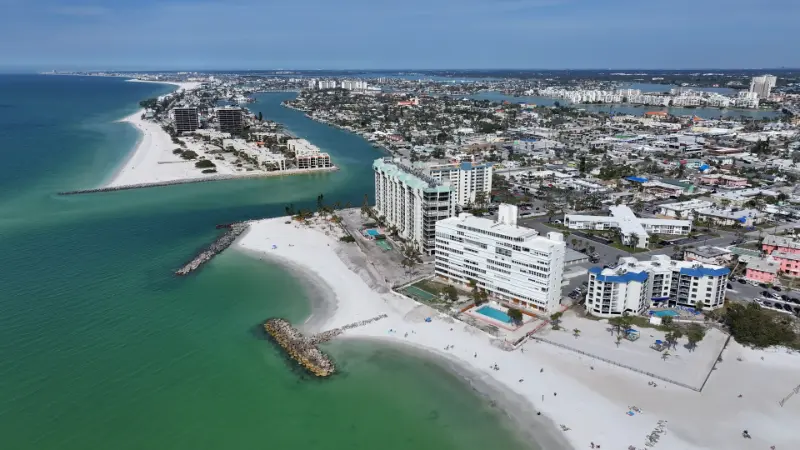
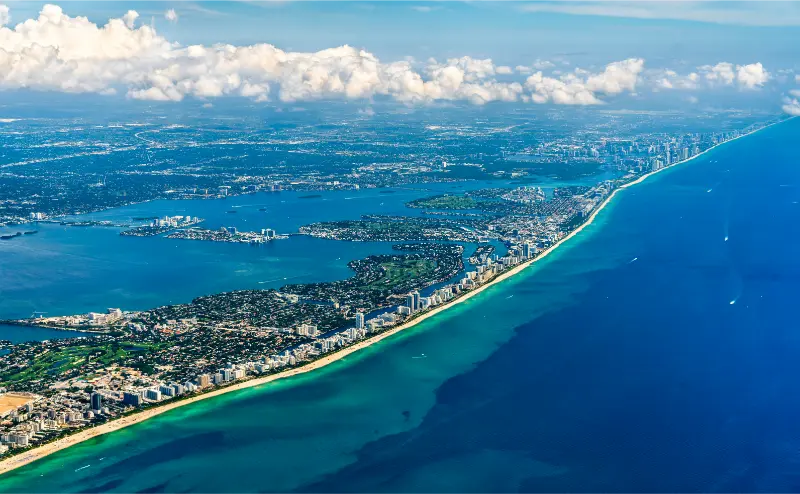
    Florida has hundreds of coastal communities, and choosing a beach town is often more important than choosing the beach itself. The sand may be beautiful in many places, but the surrounding town determines whether you can walk to dinner, find a quiet rental, entertain teenagers, avoid high-rise development or fill a rainy afternoon. A good beach vacation starts with matching the community to the way you actually travel.

    I would not rank Florida beach towns with a single winner. Fernandina Beach is strong for history, New Smyrna Beach for surf and a real downtown, St. George Island for quiet nature, Clearwater for family infrastructure, Naples for polished comfort, Sanibel for shelling, and Islamorada for Keys water culture. The useful question is not ‘Which is best?’ but ‘Which town gives my group the right balance of beach, services and atmosphere?’

    Quick planning summary

    • Best for history and walkability: Fernandina Beach and St. Augustine-area communities.
    • Best for surf culture: New Smyrna Beach and Cocoa Beach.
    • Best for quiet Gulf nature: St. George Island, Sanibel and selected Forgotten Coast communities.
    • Best for family infrastructure: Clearwater Beach, Destin-area communities and Panama City Beach.
    • Best for Keys atmosphere: Islamorada or Key West, depending on whether you want water activities or nightlife and history.

    In this guide

    Fernandina Beach and Amelia Island

    Fernandina Beach combines a historic downtown with easy access to Amelia Island beaches, which makes it one of Florida’s most rounded coastal bases. Centre Street provides restaurants, shops and architecture that remain interesting when the weather is not perfect. Fort Clinch State Park adds history, trails and beach access.

    This is an excellent choice for couples, multigenerational families and road-trippers exploring Northeast Florida. The Atlantic water is cooler in winter than South Florida, so choose the season based on whether swimming or simply being by the coast is the priority.

    New Smyrna Beach and Cocoa Beach

    New Smyrna Beach has a strong surf identity, a walkable dining district and access to the Indian River Lagoon. It feels more like a functioning coastal town than a purpose-built resort. Cocoa Beach is especially useful for families combining the beach with Kennedy Space Center and the wider Space Coast.

    Both are Atlantic towns, so waves and rip currents are part of beach planning. Surfers may prefer conditions that a toddler family finds less comfortable. Check lifeguard coverage and local beach-driving rules where relevant, and choose the access point for your needs rather than simply following the busiest pin.

    St. George Island and the Forgotten Coast

    St. George Island is the choice for travelers who want wide natural beaches, fishing, shelling, stargazing and a lower-density atmosphere. The state park protects a large stretch of the island and helps preserve the sense that nature is the main attraction. Nearby Apalachicola adds history and seafood.

    The tradeoff is limited urban entertainment. This is not the right town for a group that wants malls, nightlife and a large indoor-attraction menu. It is ideal when the goal is to slow down, cook in a rental, cycle, fish and watch the weather move across the Gulf.

    Clearwater, St. Pete Beach and Gulf convenience

    The Tampa Bay beaches offer far more services than remote islands: hotels, restaurants, attractions and easy access to St. Petersburg museums or Tampa. Clearwater Beach is lively and family-oriented, while neighboring beach communities vary in scale and character.

    This region works well for first-time Gulf visitors who want a beach vacation without giving up city options. The downside is traffic and parking during busy periods. Staying close enough to walk to the sand can be worth paying more if the beach is the main reason for the trip.

    Sanibel, Naples and Southwest Florida

    Sanibel is famous for shelling, wildlife and cycling, while Naples combines beaches with refined dining, shopping and access to the Everglades region. Captiva feels smaller and more resort-like. These destinations suit travelers who value warm winter weather and sunset-oriented Gulf days.

    Storm recovery can change beach access, businesses and infrastructure over time, so check current local information rather than relying on old photos or reviews. Southwest Florida rewards travelers who leave room for nature and do not expect every island to operate exactly as it did years ago.

    Islamorada, Key West and the Keys

    Florida Keys communities are beach towns only in a loose sense because the islands are as much about reefs, boating, fishing and waterfront culture as broad sandy beaches. Islamorada is a strong base for water activities and a relaxed Keys atmosphere. Key West offers history, nightlife, museums and sunset culture.

    Key West Old Town Colorful Wooden Houses Aerial

    If your dream is endless wide sand, another region may be a better match. If your dream is snorkeling, fishing, tropical drives and eating beside the water, the Keys can be extraordinary. Understand the destination you are choosing instead of assuming every Florida coast offers the same beach experience.

    How to choose between a small town and a resort beach

    Small beach towns are strongest when local identity, quieter streets and independent businesses matter. Resort beaches are stronger when you want abundant restaurants, watersports, hotel services and entertainment. Neither is inherently more authentic. The right choice depends on whether the group feels energized or burdened by options.

    For a first Florida beach trip with children, convenience often wins. For a repeat trip or a couple seeking quiet, a smaller town can feel more rewarding. Multi-generational groups may split the difference by staying near a walkable center but visiting a more natural state-park beach during the day.

    Getting around once you arrive

    Some beach towns are genuinely walkable; others require a car for groceries, dinner and public beach access. Islands can have trolleys, bikes or golf-cart cultures, but rules vary and summer heat changes how practical a one-mile walk feels. Check the exact location of your accommodation before assuming you can park the car for the week.

    If you fly into Florida, compare airport distance with the number of days you will actually spend driving. A remote town may justify a rental car, while a compact resort district can make rideshare and walking practical. The transport decision should follow the town, not precede it.

    Families, seniors and accessibility

    Families should prioritize the practical beach day: lifeguards where available, restrooms, shade, food and the distance from accommodation to sand. Teenagers may care about surf lessons, watersports or a walkable evening district. Toddlers do better when returning to the room for naps is easy.

    Senior travelers and visitors with mobility needs should research beach mats, accessible parking, boardwalks and the surface between the hotel and water. A flat waterfront town can be easier than a remote natural beach even if the latter looks more beautiful in photographs.

    Key West Old Town and Waterfront Aerial

    Best time to go

    South Florida and the Keys are strongest for warm winter weather, while North Florida and the Panhandle have more seasonal temperature variation. Summer brings warm water almost everywhere but also heat, storms and tropical-weather risk. Spring and fall can offer an excellent compromise.

    Beach quality on a particular day depends on wind, waves, water conditions and local advisories. Never choose the entire trip from average monthly temperature alone.

    Budget and booking

    High-demand islands and beachfront towns can be expensive, especially when accommodation supply is limited. A property one or two blocks inland can save money without changing the beach experience much. Parking fees and resort charges should be included in comparisons.

    Remote towns sometimes have fewer restaurants and higher grocery logistics but encourage cooking in a rental. Busy resort towns offer more competition but also more temptation to spend on attractions. Match the town to both your desired atmosphere and spending style.

    How to build a realistic day

    For a beach-town stay, schedule less. Use the morning for the sand or a water activity, eat lunch, rest during the hottest period and take a walk or short attraction later. The town should make the day easier, not become another checklist.

    Keep at least one weather-flexible day for museums, shopping, a historic district or a nature center. Every coastal vacation eventually meets wind, rain or rough surf.

    Common mistakes to avoid

    • Choosing a town only from a single beach photograph.
    • Assuming Gulf and Atlantic water conditions feel the same.
    • Booking remote islands for a group that wants nightlife and shopping.
    • Underestimating parking and bridge traffic in popular resort towns.
    • Expecting the Florida Keys to have the same broad sandy beaches as the Panhandle.
    • Ignoring accessibility, lifeguard coverage and restroom location.

    Best beaches in Florida, Florida Gulf Coast vs Atlantic Coast, Amelia Island travel guide, St. Petersburg and Clearwater guide, Florida Keys and Key West guide.

    Official resources to check

    Hours, fees, access rules, wildlife conditions, weather impacts and reservation requirements can change. If a particular experience is essential to your trip, check the responsible agency, destination or operator again shortly before you travel.

    Final advice

    The best Florida beach town is the one that works after you leave the sand. Choose the right level of walkability, services, nightlife, nature and family infrastructure, then let the beach be the anchor rather than the entire plan. Florida’s coast becomes much easier to understand once you compare towns by lifestyle instead of by sand color alone.
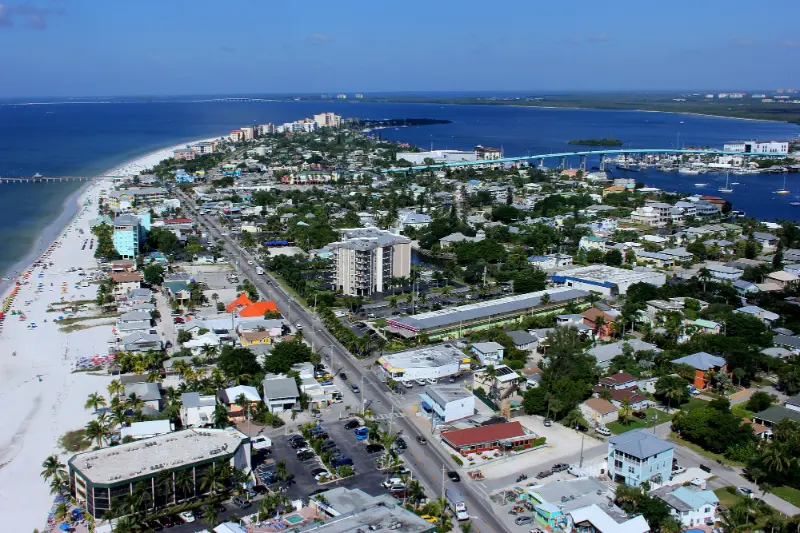
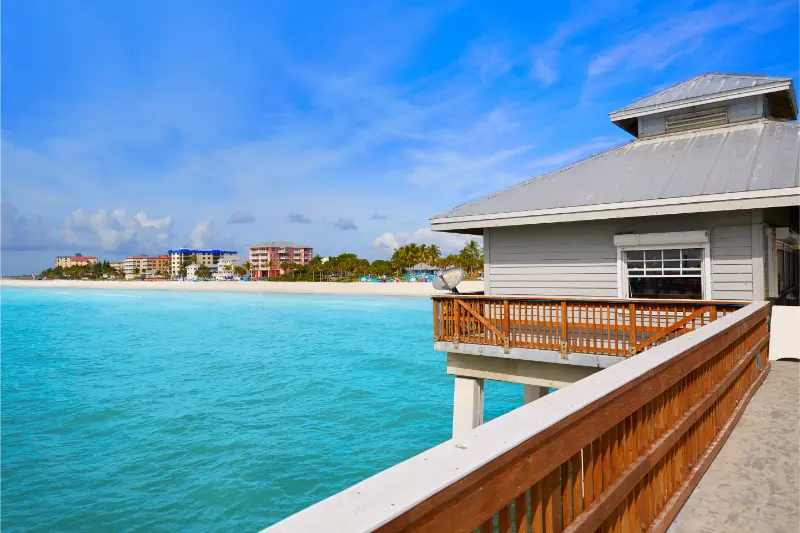
  • Fort Myers Beach Florida Travel Guide: Estero Island, Mound House, Beaches, Families and Where to Stay

    Fort Myers Beach Florida Travel Guide: Estero Island, Mound House, Beaches, Families and Where to Stay

    Fort Myers Beach has long been one of Southwest Florida’s classic Gulf beach towns, with Estero Island combining sand, boating, casual dining and access to the protected waters of Estero Bay. The area has also been rebuilding and evolving, so practical planning matters more here than in destinations where every block looks the same year after year.

    A good trip focuses on what is open and enjoyable now rather than comparing the destination with old photographs. Beaches, water activities, Mound House, nearby nature and the broader Fort Myers-Sanibel region give you more than enough for several days.

    The easiest approach is to choose your section of the island carefully, confirm current access and parking, then keep the itinerary flexible. This is especially important for families, senior travelers and anyone who wants a relaxing stay rather than a daily logistics project.

    Quick planning summary

    • Recommended stay: 3–5 nights, depending on how much of Southwest Florida you want to explore.
    • Best first stop: the beach near your lodging and the central island area for orientation.
    • Best for: Gulf beach travelers, boaters, couples, families and visitors combining the island with Sanibel or Fort Myers.
    • Transport: a car is useful for regional trips, but parking and bridge traffic make a well-chosen base important.
    • Planning rule: confirm current conditions shortly before travel and keep at least one day flexible.

    In this guide

    Why visit Fort Myers Beach?

    Fort Myers Beach offers a livelier beach-town experience than some of Southwest Florida’s quieter islands. You can combine classic sand-and-sunset time with boating, local history and day trips to nature-rich islands and preserves.

    Fort Myers Beach Florida Pier and White Sand

    Mound House adds cultural depth by interpreting the island’s long human history, while Lovers Key State Park to the south provides a more natural counterpoint to the built-up beach corridor.

    The destination also works well for travelers who like to alternate between active and easy days. A boat outing can be followed by a slow beach morning, and a day on Sanibel can be balanced by a short local evening.

    Because the area has experienced major storm impacts and ongoing redevelopment, the best plan is current rather than nostalgic: verify the specific beach access, parking area, business or attraction that matters to your trip.

    Where to stay

    North end near Times Square and the bridge

    Convenient for visitors who want activity, restaurants and easier access back toward the mainland. Check the current level of construction and operating businesses.

    Central Estero Island

    A practical middle-ground with beach access and a more residential feel in places. It can reduce the sense of being in the busiest part of town.

    South end toward Lovers Key

    A quieter base that works well for travelers focused on nature and a slower atmosphere, though some meals and services may require more driving.

    Verify the exact property status, parking arrangement and nearby services before paying a nonrefundable rate. In a rebuilding destination, old review photos can be less useful than recent operational information.

    If anyone in the group has limited mobility, ask specific questions about elevators, ramps, temporary walkways, beach access and the distance from parking to the room.

    Best things to do

    Fort Myers Beach shoreline

    Protect at least one unstructured morning for the beach. The point of staying on Estero Island is to have time when you are not racing to the next attraction.

    Mound House

    A valuable cultural stop that helps explain Calusa history and the island’s long relationship with Estero Bay.

    Bowditch Point and north-end nature

    When access is available, the north end offers a different perspective from the central resort corridor and can be useful for walking and wildlife watching.

    Lovers Key State Park

    A strong nature day with beaches and coastal habitat south of the island. Check current access and facilities before departure.

    Boating and dolphin-watching

    Water is central to the region. Choose a reputable operator and match the length of the trip to children, motion sensitivity and weather conditions.

    Current conditions can change faster than old guidebooks. Confirm parking, park access and business operations shortly before the trip.

    If you are also visiting Sanibel, do not treat both islands as a single rushed day. Each deserves enough time to slow down and enjoy the environment.

    Nature and outdoor time

    Estero Bay, mangroves, Gulf beaches and nearby islands create excellent opportunities for paddling, birding and wildlife observation.

    Shelling can be enjoyable, but follow local rules and never collect live animals. The ecological value of the shoreline matters more than the souvenir bag.

    Strong sun and summer storms affect even short beach outings. Carry water, shade and a simple exit plan rather than waiting until everyone is overheated.

    Getting there and around

    Southwest Florida International Airport is the main air gateway. The final drive depends on bridge traffic and where you are staying on Estero Island.

    A car is helpful for Sanibel, downtown Fort Myers, shopping and nature areas, but the island becomes easier when you can walk to at least some meals and beach access.

    Bridge approaches can become slow during busy periods. Avoid creating reservations on opposite sides of the island with unrealistic transfer times.

    For boat trips, verify departure marina and parking before the day of the excursion. “Fort Myers Beach” can refer to different areas around the island and back bay.

    Best time to visit

    Winter and early spring are popular for comfortable weather, seasonal visitors and beach conditions. Expect higher demand.

    Late spring can be warm and pleasant, with fewer winter crowds, but heat builds quickly.

    Summer is hot, humid and storm-prone. Morning activities and long midday breaks are the most practical strategy.

    During hurricane season, flexible bookings and current local information are particularly important because storm recovery can affect access even after the weather has cleared.

    Families, teens, seniors and accessibility

    Families should choose lodging that reduces repeated bridge crossings and makes it easy to return for naps, snacks or clothing changes.

    Teenagers may prefer paddling, boating or fishing to passive sightseeing. Give them a role in choosing the water activity.

    Senior travelers can enjoy the destination with a slower schedule, but should prioritize shade, elevators, short transfer routes and clear information about current walking surfaces.

    Accessibility can vary by beach access and property, especially where repairs or temporary routes exist. Confirm conditions directly rather than assuming older accessibility descriptions remain accurate.

    A practical 3-day itinerary

    Day 1: Beach and island orientation

    Settle in, walk the beach, learn your local access points and keep the first sunset close to the hotel.

    Day 2: Mound House and the bay

    Use the cooler morning for history or a guided water experience, rest midday and return to the beach later.

    Day 3: Lovers Key or Sanibel extension

    Choose a nature-focused day south toward Lovers Key or a separate island day on Sanibel, depending on your interests and current conditions.

    A fourth day is ideal for doing almost nothing beyond beach, pool, lunch and sunset. That slow day often becomes the one people remember most.

    Food and evenings

    Seafood, casual waterfront meals and beach-town restaurants define much of the local dining experience. Recent openings and operating hours can change, so check close to travel.

    Lunch can be a better time than dinner for popular waterfront spots if you want a view with less waiting.

    Keep one or two meals simple in the room or rental, especially if children or older travelers need an early night.

    Budget and booking

    Lodging is often the largest expense. Compare cancellation terms carefully because current conditions and weather can affect plans.

    Boat tours and premium waterfront dining can raise costs quickly. Pick the paid experiences that are truly distinctive to the region.

    Beach mornings, nature walks and sunsets help balance the budget without making the trip feel limited.

    Easy day trips and extensions

    Sanibel and Captiva

    Best for shelling culture, wildlife and island scenery; allow a full day rather than rushing.

    Downtown Fort Myers

    Add history, riverfront atmosphere and a more urban restaurant scene.

    Naples

    A polished Gulf Coast contrast with shopping, dining and beaches.

    Pine Island and Matlacha area

    A slower, artistic and water-oriented side of Southwest Florida that feels very different from the resort corridor.

    Mistakes to avoid

    • Planning every hour: Leave room for weather, traffic, meals and an activity that takes longer than expected.
    • Choosing lodging only by nightly price: A cheaper room can cost more overall when parking, resort fees and long daily drives are added.
    • Underestimating Florida weather: Heat, humidity, thunderstorms and strong sun can change the best order for the day.
    • Ignoring beach and water conditions: Flags, currents, wind and storms deserve the same attention as attraction opening times.
    • Skipping a backup plan: An indoor museum, shaded district or flexible restaurant plan can rescue a day when outdoor conditions change.

    The destination changes. The biggest mistake is relying on an old itinerary without confirming current beach access, parking and business operations.

    • Fort Myers, Sanibel and Captiva travel guide
    • Southwest Florida travel guide
    • Florida Gulf Coast road trip
    • Florida beach vacation guide
    • Florida wildlife guide

    Use these related guides to decide whether Fort Myers Beach should be your main base or one stop in a broader Southwest Florida itinerary.

    Official resources

    For opening hours, closures, launch schedules, beach conditions, event calendars and other details that can change, use Visit Fort Myers’ Fort Myers Beach information. Check again shortly before travel, especially for weather-dependent activities, park access, parking and major events.

    Frequently asked questions

    How long should I stay in Fort Myers Beach?

    Three nights work for a focused beach visit; four or five are better if you also want Sanibel, Lovers Key or a boat day.

    Fort Myers Beach Florida Long Wooden Fishing Pier

    Is Fort Myers Beach open for visitors?

    Visitor experiences continue, but specific parking areas, businesses and facilities can change. Verify current information shortly before travel.

    Is a car necessary?

    A car is useful for regional exploration, though a central hotel can reduce how often you need it on the island.

    Is Fort Myers Beach good for families?

    Yes, especially for beach time and water activities, but choose lodging carefully so daily logistics remain simple.

    Should I stay here or on Sanibel?

    Choose Fort Myers Beach for a livelier beach-town feel and Sanibel for a quieter, nature-focused island atmosphere.

    Fort Myers Beach is best approached with flexibility and current information. Build the trip around the Gulf, Estero Bay and nearby nature, then let the destination’s present-day rhythm guide the details.

  • Sanibel Island Florida Travel Guide: Shelling, Wildlife, Beaches, Cycling and Where to Stay

    Sanibel Island Florida Travel Guide: Shelling, Wildlife, Beaches, Cycling and Where to Stay

    Sanibel Island is a strong choice when you want a low-rise Gulf island where shelling, wildlife, cycling and quiet beaches matter more than nightlife or large-scale attractions. It is not a destination that requires a packed checklist to feel worthwhile. The better approach is to identify the one or two experiences that matter most to your group, choose a convenient base, and leave enough open time to enjoy the local pace.

    For a first visit, I would plan around 3–5 nights. That gives you enough time to understand the area without turning the trip into a sequence of parking lots and short photo stops. Sanibel Island is especially well suited to nature lovers, shell collectors, couples, families, birders, cyclists and travelers who prefer a quieter island routine.

    This guide focuses on practical trip design: where to stay, what deserves priority, how much driving to expect, how to adapt the trip for children or older travelers, and how to connect Sanibel Island with the rest of Southwest Florida. Hours, admission policies, road conditions and event schedules can change, so always confirm time-sensitive details on official sites before the day of your visit.

    Quick planning summary

    • Recommended stay: 3–5 nights for a balanced first visit.
    • Best for: nature lovers, shell collectors, couples, families, birders, cyclists and travelers who prefer a quieter island routine.
    • Main strength: a low-rise Gulf island where shelling, wildlife, cycling and quiet beaches matter more than nightlife or large-scale attractions.
    • Transport: a car is usually the easiest way to combine the destination with surrounding attractions, even when the central district itself is walkable.
    • Best planning rule: organize each day by area instead of zig-zagging across the region.

    In this guide

    Why visit Sanibel Island?

    Sanibel Island works because it gives a Florida trip a different rhythm from the state’s biggest resort corridors. You can still build full sightseeing days, but you do not need to. The destination rewards slower mornings, one substantial activity, a relaxed lunch and enough time for the setting itself.

    That makes it particularly useful in a longer Florida itinerary. After several intense theme-park, city or driving days, a stop in Sanibel Island can reset the pace without feeling like a “nothing day.” The experience is still specific to Southwest Florida, but the pressure to maximize every hour is lower.

    Fort Myers Beach Florida Residential Island Aerial

    It is also a good place for travelers with different energy levels. A teenager can choose a more active experience, younger children can focus on parks or simple outdoor time, and grandparents can stay involved through scenic stops, short walks, museums, waterfront areas or meals that do not require a major physical commitment.

    My preferred way to approach the destination is to identify one anchor experience for each day, then add secondary stops only if the group still has time and energy. That simple rule prevents the most common Florida planning problem: trying to force too much into a hot, spread-out destination.

    Where to stay in Sanibel Island

    The best area is not automatically the most luxurious one. For most visitors, convenience matters more than a small difference in room quality. Look at parking fees, breakfast, pool hours, room size, elevator access, cancellation policy and the real door-to-door drive to your priority attractions.

    East End / Lighthouse side

    Best for: best for quick causeway access, lighthouse-area beaches and shorter drives to the mainland. Before booking, compare the exact route to the places you expect to visit most often. A hotel that looks close on a regional map can still create repeated driving, parking or bridge time.

    Mid-island

    Best for: practical for grocery runs, bike routes and a central position between east-end and west-end attractions. Before booking, compare the exact route to the places you expect to visit most often. A hotel that looks close on a regional map can still create repeated driving, parking or bridge time.

    West End / refuge side

    Best for: best for a quieter nature-focused stay and easier access to J.N. Ding Darling National Wildlife Refuge. Before booking, compare the exact route to the places you expect to visit most often. A hotel that looks close on a regional map can still create repeated driving, parking or bridge time.

    Family tipFor families, a refrigerator, laundry access and a pool can be more valuable than an elaborate lobby. Couples may prefer walkability and evening atmosphere. Senior travelers should check elevator availability, shower design, the distance from parking to the room and whether restaurants are reachable without crossing wide roads.

    If you are using a vacation rental, compare the full price after cleaning and service fees, read parking and occupancy rules carefully, and confirm whether beach equipment, bicycles or other advertised extras are actually included.

    Best things to do in Sanibel Island

    1. Sanibel beaches and shelling

    The island’s east-west orientation and Gulf setting make shelling part of the daily rhythm. Go with realistic expectations: conditions change with tides, weather and season. Give this stop enough time to enjoy it without immediately rushing to the next item. For mixed-age groups, it is usually better to shorten the list and leave room for breaks than to plan a full day of tightly timed stops.

    2. J.N. Ding Darling National Wildlife Refuge

    The refuge protects mangrove habitat and is central to Sanibel’s wildlife identity, with birding and scenic exploration that can be enjoyed without a strenuous hike. Give this stop enough time to enjoy it without immediately rushing to the next item. For mixed-age groups, it is usually better to shorten the list and leave room for breaks than to plan a full day of tightly timed stops.

    Flock of Flamingos at Florida Wildlife Park

    3. Bailey-Matthews National Shell Museum & Aquarium

    A useful indoor stop that gives scientific and cultural context to the shells visitors see on the beaches. Give this stop enough time to enjoy it without immediately rushing to the next item. For mixed-age groups, it is usually better to shorten the list and leave room for breaks than to plan a full day of tightly timed stops.

    4. Sanibel Island Lighthouse area

    The east-end lighthouse and beach create an easy first or last stop, especially for visitors crossing the causeway. Give this stop enough time to enjoy it without immediately rushing to the next item. For mixed-age groups, it is usually better to shorten the list and leave room for breaks than to plan a full day of tightly timed stops.

    5. Cycling on Sanibel

    A network of shared-use paths makes cycling one of the island’s signature ways to explore, though heat and road crossings still require attention. Give this stop enough time to enjoy it without immediately rushing to the next item. For mixed-age groups, it is usually better to shorten the list and leave room for breaks than to plan a full day of tightly timed stops.

    Nature and outdoor time

    Sanibel rewards slow observation. Rather than scheduling many attractions, leave time for tide changes, wildlife, beach walks and unplanned stops along the bike paths.

    Florida weather changes how an outdoor day feels. In warm months, the same trail or beach that is comfortable at 8:00 a.m. can feel completely different at 1:00 p.m. Use shade, water, sun protection and realistic walking distances, and check radar rather than assuming a forecast icon means an entire day will be lost.

    If wildlife is part of the experience, treat observation distance as part of the attraction rather than an inconvenience. Do not feed animals, block nesting areas or approach wildlife for a photograph. For beaches and waterways, follow posted flags, closures and local safety advice.

    Getting there and around

    A car remains useful, but once on the island, bikes can replace short trips for many visitors. Traffic can be slow at popular times, so grouping activities by area is more efficient than crossing the island repeatedly.

    When planning a Florida road trip, think in terms of actual travel time rather than map distance. Bridges, beach traffic, event crowds and parking searches can add significant time. Build at least one buffer period into each day, especially if you have a timed tour or reservation.

    For air travel, compare the total trip from the airport to your hotel rather than the flight price alone. A cheaper airport can lose its advantage once rental-car rates, tolls and a longer drive are included. If anyone in the group uses a mobility aid, confirm vehicle size before pickup.

    Best time to visit

    Winter and early spring bring comfortable weather and high demand. Summer and early fall are quieter and hotter, with greater storm awareness required.

    Florida’s peak travel periods can also include school holidays, major events and winter escapes from colder states. If your dates are fixed, book the hardest-to-replace item first: a special hotel, event ticket, campground or vacation rental. Flexible travelers can often find better value by avoiding Friday and Saturday arrivals.

    During hurricane season, keep reservations and insurance terms clear. A tropical system does not mean every Florida trip will be disrupted, but refundable or changeable bookings are valuable when uncertainty increases.

    Families, teenagers, seniors and accessibility

    With babies and toddlers

    Keep the first day simple. Choose one outdoor stop, return to the room for a nap or pool break, and avoid scheduling a long dinner after a full afternoon in the sun. Shade and access to restrooms matter more than adding another attraction.

    With school-age children

    Alternate “look and learn” attractions with something active. A museum followed by a park, a historic district followed by swimming, or a nature center followed by ice cream usually works better than three educational stops in a row.

    With teenagers

    Give teenagers a role in choosing one activity, restaurant or photo stop. Destinations feel more engaging when they have some control over the day rather than simply following an adult itinerary.

    For seniors and multigenerational groups

    Plan shorter walking loops, more seated breaks and easy meal access. Avoid treating every group member as if they have the same heat tolerance. One traveler can do a longer walk while another enjoys a shaded viewpoint, museum or cafe.

    Accessibility

    Accessible facilities can vary between beaches, historic buildings, parks and private attractions. Check current accessibility pages directly, especially for beach mats, wheelchairs, ramps, elevators, companion restrooms, sensory resources and accessible parking. Historic properties may have unavoidable stairs even when part of the visit is accessible.

    A practical 3-day Sanibel Island itinerary

    Day 1: orientation and local character

    Start with the most walkable central area and give yourself time to understand the street layout, parking and restaurant options. Choose one signature attraction for late morning or early afternoon, then keep the evening close to the hotel. The first day should establish the rhythm of the trip rather than exhaust the group.

    Day 2: the major experience

    Use the second day for the attraction or outdoor area you would be most disappointed to miss. Start early if parking or heat could become an issue. After lunch, choose a flexible secondary activity that can be shortened if weather or energy levels change.

    Day 3: nature, beach or regional extension

    Finish with a contrasting experience: if the first two days were history and dining, choose nature; if they were beach-focused, add culture or a nearby town. Keep the final afternoon light if you are driving onward, because Florida traffic often makes late-day transfers more tiring than expected.

    If you have a fourth day, use it for a larger regional day trip rather than adding more small local stops. That gives the trip a clearer structure and reduces repeated packing and hotel changes.

    Pink Flamingos at Florida Wildlife Pond

    Food and evenings

    Restaurants are spread rather than concentrated into one nightlife district. For a relaxed trip, plan groceries and a few reservation-worthy meals instead of expecting late-night options.

    For families, an early dinner often solves several problems at once: shorter waits, easier parking and a calmer bedtime. For couples, sunset or a post-dinner walk can be more memorable than adding another paid attraction.

    Do not build the entire trip around famous restaurants seen on social media. Keep one or two priority meals, then leave space for a cafe, bakery, seafood counter or casual local place you discover while walking.

    Budget and booking strategy

    Separate your budget into lodging, transport, food and paid attractions. Beach and park time may be inexpensive, but parking, rental-car costs and resort fees can change the total quickly. Always compare the final hotel price, not only the advertised nightly rate.

    For a value-focused trip, spend on location rather than on constant upgrades. A slightly more expensive room in the right area can save fuel, parking and time. Use free outdoor attractions to balance one or two paid experiences that genuinely matter to the group.

    Book time-sensitive attractions through official sellers whenever possible. If the schedule is uncertain, prioritize flexible tickets or refundable reservations. For outdoor plans, avoid paying for multiple weather-dependent activities on consecutive afternoons.

    Best day trips from Sanibel Island

    Captiva, Fort Myers Beach, downtown Fort Myers, Naples and other Southwest Florida nature areas can extend the trip.

    Keep a day trip to one main destination. A two-hour drive followed by four separate attractions and another long return is rarely a good use of vacation time. Choose one anchor experience and one meal stop, then treat anything else as optional.

    If you are moving hotels after the day trip, pack the car once in the morning and avoid returning to the old base. That turns a transfer day into a useful sightseeing day without adding another long drive.

    Mistakes to avoid

    • Booking by map distance only: bridges, parking and traffic matter as much as mileage.
    • Overloading the hottest hours: schedule outdoor priorities early and keep midday flexible.
    • Ignoring event calendars: festivals, races, holidays and school breaks can change prices and parking.
    • Assuming every beach, park or historic site has the same accessibility: verify individual facilities.
    • Planning every meal in advance: reserve only the truly important ones and leave room for discovery.
    • Forgetting weather flexibility: one indoor backup activity can rescue a stormy afternoon.

    Official resources

    Use official sources for current hours, closures, event schedules, access rules and safety information before you travel:

    Frequently asked questions

    How many days do you need in Sanibel Island?

    3–5 nights is a good first-trip target. A shorter stay works if you focus on one neighborhood or attraction, while a longer stay makes sense if you want several regional day trips.

    Do you need a car in Sanibel Island?

    For most visitors, yes. Some central areas can be explored on foot, but a car makes it much easier to connect parks, beaches, nature areas and neighboring towns.

    Is Sanibel Island good for families?

    Yes, especially when the itinerary is paced around the age of the youngest traveler. The strongest family days usually combine one structured attraction with simple outdoor time and a pool or rest break.

    Is Sanibel Island suitable for senior travelers?

    Yes. Choose lodging with easy parking and elevators, prioritize shaded or seated attractions, and keep midday heat exposure under control. Confirm accessibility directly for historic buildings and outdoor sites.

    What should first-time visitors avoid?

    Avoid trying to turn the destination into a checklist. The trip is better when you choose a convenient base, group activities geographically and leave enough time to enjoy the setting instead of driving constantly.

    Travel information can change. Always verify current hours, admission, road conditions, weather alerts, beach flags and accessibility details on official websites before departure.

  • Clearwater Beach Florida Travel Guide: Pier 60, Sand Key, Families, Sunsets and Where to Stay

    Clearwater Beach Florida Travel Guide: Pier 60, Sand Key, Families, Sunsets and Where to Stay

    Clearwater Beach is one of Florida’s easiest Gulf Coast destinations to understand: soft sand, calm-looking water, a compact resort strip and a strong sunset culture all sit within a relatively small area. The simplicity is part of the appeal, but the trip is better when you choose the right end of the beach for your travel style.

    Families often appreciate the walkability and shallow-looking shoreline, couples like the sunsets and waterfront restaurants, while older travelers can build a low-driving vacation if they select a hotel close to the places they will actually use.

    The key is to avoid confusing “easy” with “effortless.” Parking, bridge traffic, busy weekends and summer storms still shape the day. A good Clearwater Beach plan uses early mornings, one main activity at a time and a hotel location that reduces unnecessary car trips.

    Quick planning summary

    • Recommended stay: 3–4 nights for a beach-centered stay, longer if you want St. Petersburg and island day trips.
    • Best first stop: Pier 60 and the central beachfront for orientation.
    • Best for: families, couples, first-time Gulf Coast visitors and travelers who want a walkable beach base.
    • Transport: walk locally when possible; use a car, trolley or rideshare for the wider St. Pete-Clearwater area.
    • Planning rule: stay near your priority beach zone and avoid moving the car for every meal.

    In this guide

    Why visit Clearwater Beach?

    Clearwater Beach combines a classic resort-beach atmosphere with enough restaurants, rentals and entertainment to support a trip without constant driving. That is one reason it works well for short vacations.

    The area around Pier 60 is lively and convenient, while the beach becomes calmer as you move away from the busiest center. South toward Sand Key, the atmosphere changes again, giving you a useful range of choices within a short distance.

    Clearwater Beach Pier and White Sand

    The destination also makes a strong base for a broader Pinellas County trip. St. Petersburg, Dunedin, Honeymoon Island and other Gulf communities are close enough to add variety without changing hotels every night.

    A Clearwater Beach vacation does not need an aggressive sightseeing list. Its strength is the combination of beach time, sunset, one or two water activities and easy access to nearby coastal towns.

    Where to stay

    Near Pier 60

    Best for first-time visitors who want restaurants, activity and a central position. Expect the liveliest atmosphere and potentially more noise.

    North Clearwater Beach

    A good compromise for travelers who want a quieter feel while staying within walking distance of much of the central strip.

    South end and Sand Key area

    Useful for a calmer base, resort-style stays and travelers who are comfortable using a car or trolley for some meals and activities.

    Look beyond “beachfront.” Compare room-to-sand distance, elevator access, parking, breakfast, pool shade and whether you can walk safely to dinner after dark.

    For multigenerational trips, a central hotel can reduce daily logistics dramatically. The savings in time and energy may be worth more than a cheaper property farther inland.

    Best things to do

    Pier 60

    Use the pier area for views, fishing atmosphere and the well-known sunset scene. It is an easy first stop but not the only part of the beach worth seeing.

    A full beach morning

    Give the beach a real block of time instead of squeezing it between attractions. Early hours are usually easier for families, photography and long walks.

    Sand Key Park

    A useful change of pace just south of Clearwater Beach, with a more spacious park setting and a different feel from the main resort strip.

    Clearwater Marine Aquarium

    A strong indoor or mixed-weather option, especially for families interested in marine-life rescue and rehabilitation.

    Dolphin, sailing or sunset cruises

    Choose one water-based experience rather than stacking several. Conditions and departure points vary, so confirm the specific operator and weather policy.

    If you are staying only three nights, one cruise, one beach day and one broader-area day are usually enough. Too many reservations can make a simple beach trip feel like a checklist.

    Sunset is a daily anchor here. Plan dinner around it rather than discovering at the last minute that your reservation conflicts with the best light of the day.

    Nature and outdoor time

    The Gulf is the center of the outdoor experience, but conditions still require respect. Calm-looking water can change, and thunderstorms can develop quickly in warm months.

    Northward, Dunedin and the barrier islands add trails, parks and quieter beach settings. Southward, Sand Key and the St. Pete Beach corridor offer more options for coastal exploration.

    Birding, dolphin watching and paddling can all fit a slower itinerary. Choose experiences that match the least mobile or least confident traveler in the group rather than the most adventurous person.

    Getting there and around

    Tampa International Airport is the main gateway for many travelers, with St. Pete-Clearwater International Airport useful for some routes. Ground time varies with bridge traffic and arrival hour.

    Once settled near the central beach, walking can handle many meals and short outings. For St. Petersburg, Dunedin and other regional stops, a car or rideshare is more practical.

    Parking can be one of the most frustrating parts of a busy beach day. If your hotel includes parking, think carefully before moving the car just to save a short walk.

    Local trolley and transit options can help on selected routes. Check current service rather than assuming a seasonal schedule will match your travel dates.

    Best time to visit

    Winter and spring are popular because temperatures are comfortable and many visitors are escaping colder climates. That popularity can push up rates.

    Late spring can offer warm beach weather before the deepest summer humidity, though no period is guaranteed.

    Summer brings heat, humidity and frequent afternoon storms. Start beach time early, hydrate and use the hotel or an indoor attraction during the hottest hours.

    Fall can be quieter, but tropical-weather risk remains part of planning. Flexible reservations are valuable during hurricane season.

    Families, teens, seniors and accessibility

    Families benefit from the compact layout, especially when lodging is close to the sand. Build in pool or room breaks rather than trying to keep small children outdoors through midday heat.

    Teenagers may prefer paddle sports, cruises and a more independent walkable environment, while younger children often need simpler beach-and-pool days.

    Senior travelers should prioritize elevators, shade, short walking routes and a hotel with food nearby. A beautiful beachfront property can still be inconvenient if the route from room to sand is long or complicated.

    For accessibility, confirm beach access mats, wheelchairs, parking and restroom conditions at the specific access point you plan to use. Do not rely only on broad destination claims.

    A practical 3-day itinerary

    Day 1: Pier 60 and sunset

    Check in, walk the central beach, learn the layout and keep the evening for sunset and a nearby dinner.

    Day 2: Beach and water experience

    Use the morning for the beach, rest midday and choose a dolphin, sailing or sunset cruise later in the day.

    Day 3: Sand Key and a nearby town

    Spend time at Sand Key, then add Dunedin, St. Petersburg or another nearby stop depending on your interests and energy.

    Clearwater Beach Florida Gulf Coast White Sand Resorts

    With an extra day, protect it as an unstructured beach or pool day. That is often more valuable than adding a fourth distant attraction.

    Food and evenings

    Seafood and casual Gulf Coast dining dominate the vacation mood, but the broader St. Pete-Clearwater area adds a much wider restaurant scene if you want variety.

    Families can reduce waits by eating earlier than the main dinner rush. Couples may prefer one sunset-view meal and more casual choices on other nights.

    If you have a kitchenette, use it for breakfast and simple snacks rather than trying to cook every meal. The point is to remove friction, not recreate home routines.

    Budget and booking

    The beach itself can keep daily entertainment costs low. Cruises, aquarium tickets and resort parking are the main extras to decide on in advance.

    Compare resort fees, parking and umbrella or cabana costs when evaluating hotels. The nightly rate rarely tells the full story.

    If the trip is built around one premium hotel, balance it with free beach mornings and low-cost local exploration instead of buying an attraction every day.

    Easy day trips and extensions

    Dunedin and Honeymoon Island

    A good combination of small-town atmosphere and nature.

    St. Petersburg

    Add museums, waterfront parks, murals and a more urban evening.

    Tarpon Springs

    Useful for Greek heritage, the Sponge Docks and a different Gulf Coast experience.

    Fort De Soto area

    A nature-focused option for beaches, trails and historic interest, subject to current access conditions.

    Mistakes to avoid

    • Planning every hour: Leave room for weather, traffic, meals and an activity that takes longer than expected.
    • Choosing lodging only by nightly price: A cheaper room can cost more overall when parking, resort fees and long daily drives are added.
    • Underestimating Florida weather: Heat, humidity, thunderstorms and strong sun can change the best order for the day.
    • Ignoring beach and water conditions: Flags, currents, wind and storms deserve the same attention as attraction opening times.
    • Skipping a backup plan: An indoor museum, shaded district or flexible restaurant plan can rescue a day when outdoor conditions change.

    At Clearwater Beach, moving the car too often is a surprisingly common way to waste vacation time. Once you have a good parking position, use your feet or local transport when practical.

    • St. Petersburg and Clearwater travel guide
    • Best Florida beaches for families
    • Florida Gulf Coast road trip
    • Florida beach vacation guide
    • Florida with kids

    These guides help you compare Clearwater Beach with other Gulf Coast bases and decide how much of the wider Tampa Bay region to include.

    Official resources

    For opening hours, closures, launch schedules, beach conditions, event calendars and other details that can change, use Visit St. Pete-Clearwater’s Clearwater Beach information. Check again shortly before travel, especially for weather-dependent activities, park access, parking and major events.

    Frequently asked questions

    How many days are enough for Clearwater Beach?

    Three nights work for a focused beach break; four or five are better if you also want St. Petersburg, Dunedin or island parks.

    Is Clearwater Beach walkable?

    The central beach area is walkable for many visitors, especially if your hotel is near Pier 60. Regional exploration still benefits from a car or rideshare.

    Is Clearwater Beach good for families?

    Yes. The combination of sand, relatively compact services and family-oriented activities makes it one of the easier Gulf Coast bases.

    Should I stay in Clearwater Beach or St. Petersburg?

    Choose Clearwater Beach for a sand-first vacation and St. Petersburg for museums, neighborhoods and a more urban waterfront. Many travelers combine both.

    Do I need to reserve beach activities in advance?

    Reserve only the experiences that matter most, especially during busy periods. Keep ordinary beach time flexible so weather can guide the day.

    Clearwater Beach is most rewarding when you use its compact layout to simplify the vacation. Stay in the right zone, protect morning beach time, enjoy sunset and use only a few regional outings to add variety.

  • Florida Gulf Coast Road Trip: Pensacola to Naples with Beaches, Springs and Coastal Towns

    Florida Gulf Coast Road Trip: Pensacola to Naples with Beaches, Springs and Coastal Towns

    A Florida Gulf Coast road trip is much longer and more varied than the phrase “white-sand beaches” suggests. From Pensacola and the Panhandle through the Big Bend, Tampa Bay, Sarasota, Fort Myers and Naples, the coastline shifts from resort beaches to marshes, fishing towns, springs, barrier islands and urban waterfronts. Driving the entire route deserves at least 10 to 14 days if you want the places between the endpoints to matter.

    I would not follow the water literally every mile. The Big Bend and Nature Coast require inland connections, and some barrier islands add slow bridge traffic. The most satisfying route uses regional bases and day trips. Families may emphasize the Panhandle and Sarasota beaches; wildlife travelers can slow down around the Big Bend and Crystal River; senior travelers may prefer longer stays in St. Petersburg, Sarasota or Naples.

    Quick planning summary

    • Best Panhandle start: Pensacola, Navarre, Destin or 30A depending on trip style.
    • Best wild middle: Big Bend and Nature Coast.
    • Best urban-waterfront stop: St. Petersburg/Tampa Bay.
    • Best culture plus beach: Sarasota.
    • Best southern finish: Naples and Marco Island.

    In this guide

    Pensacola and the western Panhandle

    Pensacola adds history and naval culture to the beach-road-trip formula. Pensacola Beach, Gulf Islands scenery and the National Naval Aviation Museum can fill two days, while Navarre offers a quieter coastal alternative farther east. Start the route with two nights if arriving by air rather than landing and immediately driving several hours.

    For a Gulf Coast road trip, I would make this part of the trip deliberately rather than treating it as a box to tick. Think about parking or station access, shade, restrooms, meal timing and how much walking the group will actually enjoy. Storm recovery and seasonal beach conditions should be checked before travel. A flexible backup nearby is useful because Florida weather, traffic and local access can change the shape of a day even when the main destination stays open.

    Destin, Fort Walton Beach and 30A

    The Emerald Coast section is where many travelers imagine the classic Panhandle vacation. Destin and Fort Walton Beach offer family attractions and boating, while Scenic Highway 30A links smaller planned beach communities and coastal dune lakes. Choose either a resort base or a 30A-style slow day; repeated parking searches across multiple beach towns can become the whole itinerary.

    For a Gulf Coast road trip, I would make this part of the trip deliberately rather than treating it as a box to tick. Think about parking or station access, shade, restrooms, meal timing and how much walking the group will actually enjoy. Peak-season traffic can make short distances surprisingly slow. A flexible backup nearby is useful because Florida weather, traffic and local access can change the shape of a day even when the main destination stays open.

    Apalachicola and the Big Bend transition

    East of the busiest Panhandle beaches, the coast becomes wilder and more historic. Apalachicola, St. George Island, Carrabelle and the Big Bend Scenic Byway introduce forests, marshes, seafood history and wildlife. This is not the place to expect continuous resort beaches. Fuel up, download maps and plan daylight driving on remote stretches.

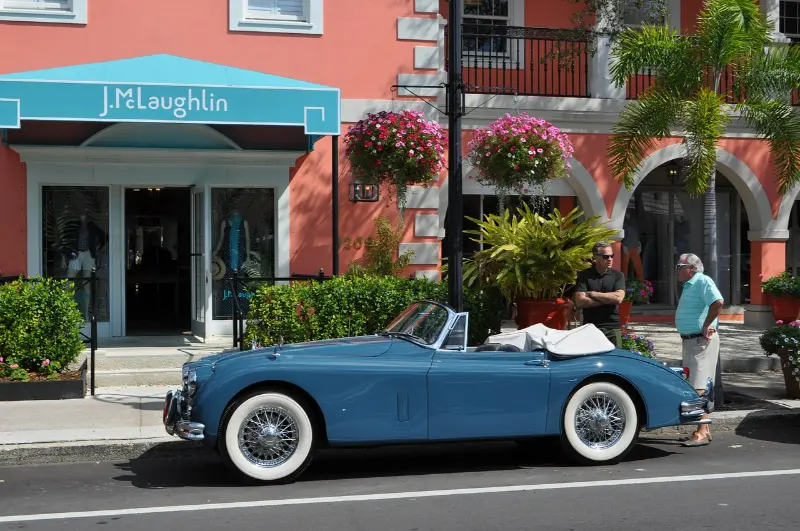
    Naples Florida Historic Shopping Street with Blue Car

    For a Gulf Coast road trip, I would make this part of the trip deliberately rather than treating it as a box to tick. Think about parking or station access, shade, restrooms, meal timing and how much walking the group will actually enjoy. Some coastal areas remain vulnerable to storm impacts and limited services. A flexible backup nearby is useful because Florida weather, traffic and local access can change the shape of a day even when the main destination stays open.

    Nature Coast springs and manatee country

    Crystal River, Homosassa and nearby spring regions create a freshwater chapter within a Gulf road trip. Winter can bring manatee viewing opportunities, while warmer seasons may suit paddling and spring visits. Coastal marshes and small towns make the region feel different from both the Panhandle and Tampa Bay. Book wildlife experiences responsibly and follow sanctuary rules.

    For a Gulf Coast road trip, I would make this part of the trip deliberately rather than treating it as a box to tick. Think about parking or station access, shade, restrooms, meal timing and how much walking the group will actually enjoy. Wildlife should never be touched, chased or blocked for photographs. A flexible backup nearby is useful because Florida weather, traffic and local access can change the shape of a day even when the main destination stays open.

    Tampa Bay and St. Petersburg

    Tampa Bay is the route’s major urban reset with museums, sports, neighborhoods, attractions and waterfronts. St. Petersburg works particularly well for art and a walkable downtown, while Clearwater and other Gulf beaches remain within reach. Tampa adds Ybor City and major attractions. Stay on the side of the bay that matches most of your plans.

    For a Gulf Coast road trip, I would make this part of the trip deliberately rather than treating it as a box to tick. Think about parking or station access, shade, restrooms, meal timing and how much walking the group will actually enjoy. Cross-bay traffic can complicate a schedule that looks simple on a map. A flexible backup nearby is useful because Florida weather, traffic and local access can change the shape of a day even when the main destination stays open.

    Sarasota, barrier islands and Charlotte Harbor

    Sarasota combines culture and beaches, making it one of the easiest multi-interest stops on the Gulf Coast. The Ringling, downtown, Siesta Key and nearby islands can fill several days. Farther south, Venice, Englewood and Charlotte Harbor add quieter alternatives. Use one base for two or three nights and choose beach access strategically.

    For a Gulf Coast road trip, I would make this part of the trip deliberately rather than treating it as a box to tick. Think about parking or station access, shade, restrooms, meal timing and how much walking the group will actually enjoy. Barrier-island parking and bridge traffic are the practical constraints. A flexible backup nearby is useful because Florida weather, traffic and local access can change the shape of a day even when the main destination stays open.

    Fort Myers, Sanibel, Naples and Marco Island

    Southwest Florida provides a relaxed finish with beaches, shelling, wildlife and polished town centers. Fort Myers and Sanibel offer different experiences from Naples and Marco Island, so choose the base that matches your budget and preferred pace. Everglades and Ten Thousand Islands excursions can extend the trip south and east. Verify current island access and facilities because coastal recovery can evolve over time.

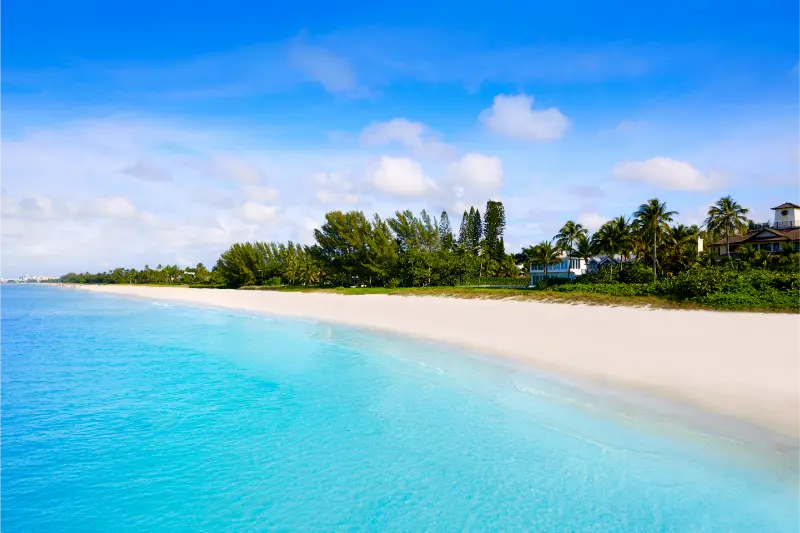
    Naples Beach Florida Sand and Turquoise Water

    For a Gulf Coast road trip, I would make this part of the trip deliberately rather than treating it as a box to tick. Think about parking or station access, shade, restrooms, meal timing and how much walking the group will actually enjoy. Do not schedule a long wildlife boat excursion immediately before a same-day flight. A flexible backup nearby is useful because Florida weather, traffic and local access can change the shape of a day even when the main destination stays open.

    Families, seniors and accessibility

    Families should avoid changing hotels every night and choose at least one three-night Gulf base with a pool or easy beach access. Senior travelers may prefer St. Petersburg, Sarasota or Naples for restaurants and cultural backups, while active teenagers can enjoy paddling, snorkeling or fishing in selected regions. For multigenerational groups, the most effective plan is usually to identify one shared highlight and then allow different energy levels around it. Young children need shade, food and predictable breaks; teenagers often value one activity that feels independent or active; senior travelers may prefer shorter walking loops, seated tours or a hotel closer to the evening activity.

    Accessibility varies by beach access, historic district, transit stop, park and accommodation. Verify step-free routes, beach mats, wheelchairs, elevators and accessible restrooms directly when they are essential. Florida State Parks, for example, has an Access for All program, but amenities differ by park. A destination can be broadly accessible while one boardwalk, dune crossing or temporary route is not.

    Best time to go

    Spring and fall can balance warmth and crowds, winter is comfortable but expensive in many southern Gulf areas, and summer brings intense heat, storms and hurricane-season flexibility needs. Florida is large enough that North Florida, Central Florida, South Florida and the Keys can feel like different seasons on the same week. Winter fronts, summer thunderstorms, hurricane-season uncertainty, spring-break demand and holiday weekends can all change a trip.

    Instead of choosing a month only from average temperature, match the season to your priority: swimming, wildlife, theme parks, road-tripping, festivals or comfortable walking. Check the forecast, surf or marine conditions and any park or event calendar again shortly before travel.

    Budget and booking

    Beachfront rates vary dramatically along the Gulf, so mixing one premium barrier-island stay with inland or downtown bases can control costs. Compare the total cost rather than the headline room or fare. Resort fees, parking, tolls, rental-car charges, beach equipment, attraction tickets and meals can change the real daily budget substantially.

    Book the experiences that would genuinely disappoint you to miss, but keep ordinary beach, neighborhood and nature time flexible. A refundable room or cancellable activity can be worth more than a small prepaid discount during storm season or around major holiday periods. Keep confirmation emails and cancellation terms accessible offline.

    How to build a realistic day

    The Gulf Coast is too long for a chain of one-night stops; use regional bases and make the coast the experience rather than the distance target. I usually plan one anchor experience, one optional secondary stop and a meal area rather than a chain of reservations. That creates room for traffic, parking, weather, a tired child, a longer museum visit or an unexpectedly good beach.

    Start outdoor days earlier when heat or crowds matter, and avoid putting the longest drive after the most physically demanding activity. If the group is staying several nights, deliberately schedule one lighter half-day. Florida vacations improve when there is enough space to enjoy a place rather than only reach it.

    Common mistakes to avoid

    • Assuming the entire Gulf Coast is one continuous white-sand resort strip.
    • Underestimating the distance between the Panhandle and Southwest Florida.
    • Changing hotels on every barrier island.
    • Ignoring bridge traffic and limited parking.
    • Treating wildlife encounters as guaranteed attractions.

    Florida Gulf Coast vs Atlantic Coast, Best beach towns in Florida, Best natural wonders in Florida, Florida beach safety guide, Best time to visit Florida.

    Official resources to check

    Schedules, prices, access rules, road conditions, event dates, transit service and weather-related operations can change. If a detail is essential to the trip, confirm it with the responsible public agency, destination or operator shortly before travel.

    Final advice

    The Gulf Coast deserves time because its character changes more than a simple beach map suggests. Build the trip around regional bases, let the Big Bend and Nature Coast slow you down, and save enough unstructured time for the water, sunsets and small towns that make the route memorable.

  • Cocoa Beach Florida Travel Guide: Surfing, Rocket Launches, Beaches, Families and Where to Stay

    Cocoa Beach Florida Travel Guide: Surfing, Rocket Launches, Beaches, Families and Where to Stay

    Cocoa Beach works especially well when you want a real Atlantic beach stay without giving up easy access to the Space Coast. Surf culture, broad sand, casual restaurants and the possibility of watching a rocket climb into the sky give the city a personality that is different from both Orlando and South Florida.

    For families, couples and multigenerational groups, the biggest advantage is flexibility. A morning can start with the beach, continue with lunch and a shaded break, then shift to a launch-viewing area, a surf lesson or a short nature stop. You do not need to fill every hour for the trip to feel complete.

    The best way to plan Cocoa Beach is to treat the ocean and space program as complementary themes. Keep one day mainly local, reserve a separate day for Kennedy Space Center if it matters to you, and avoid building a schedule that depends on a rocket launch occurring at an exact time because launch windows can move.

    Quick planning summary

    • Recommended stay: 3–4 nights for a balanced beach-and-Space-Coast trip.
    • Best first stop: the beach near your hotel or Cocoa Beach Pier for orientation.
    • Best for: families, surfers, space fans, couples and travelers combining Orlando with the Atlantic coast.
    • Transport: a car is the easiest option for the wider Space Coast, while selected beach areas are walkable.
    • Planning rule: build around one major activity per half-day and keep launch plans flexible.

    In this guide

    Why visit Cocoa Beach?

    Cocoa Beach is one of the most recognizable bases on Florida’s Space Coast and is often described as one of the closest ocean-beach options to Orlando. That makes it useful both as a destination and as a two- or three-night extension after theme-park days.

    The beach itself is only part of the appeal. Surfing history, the pier, local parks, kayak opportunities and rocket-launch culture give you several ways to shape a trip without repeating the same type of activity every day.

    It is also a good destination for mixed-age groups. Children can enjoy sand and gentle beach time, teenagers may prefer surfing or water activities, and older travelers can choose shorter walks, shaded breaks and scenic stops without feeling that they are missing the entire destination.

    What makes the area memorable is the contrast between relaxed beach-town routines and the scale of the space program nearby. A quiet sunrise can be followed by a day learning about spacecraft, astronauts and launches, then dinner back near the ocean.

    Where to stay

    Near Cocoa Beach Pier

    A lively choice for first-time visitors who want a recognizable landmark, beach access, restaurants and an easy introduction to the town.

    Central Cocoa Beach

    Useful for balancing beach time with local dining, surf shops and short drives north or south. This can be the most practical all-round base.

    South Cocoa Beach

    A quieter option for travelers who prefer a more residential feel and are happy to drive for some restaurants and attractions.

    Compare the exact route from your room to the beach. Oceanfront, ocean-view and “near the beach” can mean very different daily experiences, especially for families carrying chairs, shade, toys or mobility equipment.

    If Kennedy Space Center is a priority, do not assume every oceanfront hotel is equally convenient. Map the morning drive before booking and check parking, breakfast times and whether you need to cross busy roads with children or luggage.

    Best things to do

    Cocoa Beach Pier

    Use the pier area as an orientation point for the beach, food and ocean views. It can be busy, so early morning or late afternoon often feels easier than the middle of the day.

    Surfing and surf lessons

    Cocoa Beach is closely associated with surfing. Beginners can book a lesson rather than renting equipment blindly; experienced surfers should still check local conditions and etiquette.

    Lori Wilson Park

    A useful beach-and-park stop with a more natural feel than the commercial core. It can work well for a slower morning or a family reset.

    Rocket-launch viewing

    Launches are visible from many places along the Space Coast when conditions cooperate. Treat a launch as a bonus unless you are willing to adjust your schedule around official updates.

    Kennedy Space Center Visitor Complex

    This deserves a separate full day for most first-time visitors. The drive is manageable from Cocoa Beach, but the experience is too substantial to squeeze into a beach morning.

    Do not try to combine Kennedy Space Center, a long beach session, a surf lesson and a launch watch in one day. The destination is easier when you separate “space day” from “beach day.”

    Space Shuttle Rocket Launch Kennedy Space Center

    If your group includes very young children or anyone sensitive to heat, schedule the beach early and use museums, lunch or hotel time for the hottest part of the afternoon.

    Nature and outdoor time

    The Atlantic is the main outdoor attraction, but the wider Space Coast also includes lagoons, mangrove areas and wildlife habitat. Guided kayaking can add a very different perspective from the beach.

    Sea-turtle nesting is an important seasonal feature on this coast. Follow local lighting rules and never approach nests or hatchlings. Responsible viewing protects the animals and keeps beaches enjoyable for everyone.

    For sunrise, the beach is the obvious choice. For sunset, look toward river or lagoon viewpoints rather than expecting the sun to set over the Atlantic.

    Getting there and around

    Orlando International Airport is the main gateway for many visitors, while Melbourne Orlando International Airport can be convenient for some routes. Drive times depend heavily on traffic and the exact part of Cocoa Beach.

    A car makes Kennedy Space Center, Merritt Island, Titusville and other Space Coast stops much easier. If you plan to stay almost entirely near the beach, rideshare and walking can reduce driving, but they are less flexible for regional exploration.

    Parking rules vary by beach access and attraction. Check posted signs instead of assuming hotel parking rights extend to public beach areas.

    If a launch is scheduled, expect traffic patterns and popular viewing areas to change. Build extra time into the day rather than planning a tight dinner or airport connection immediately afterward.

    Best time to visit

    Late fall through spring usually brings more comfortable temperatures for long walks and outdoor sightseeing. It is also a popular period, so lodging can rise around holidays and major events.

    Summer is hot, humid and stormier, but families tied to school calendars can still have a good trip by starting early, resting midday and keeping indoor alternatives ready.

    Launches happen throughout the year, but schedules are operational rather than seasonal. Always use current official information.

    Ocean conditions change day by day. A beautiful forecast does not replace checking surf, rip-current guidance and beach flags once you arrive.

    Families, teens, seniors and accessibility

    Families with young children benefit from staying close to the beach so naps and clothing changes do not require a car trip. A refrigerator and simple breakfast setup can also make early mornings easier.

    Teenagers may appreciate surf lessons, paddle sports and the space program more than a long list of passive sightseeing stops. Let them choose one activity that becomes the anchor of the day.

    Senior travelers often do best with a hotel that reduces daily driving and offers elevators, shade and easy food access. Plan Kennedy Space Center as a full outing with rest opportunities rather than as a rushed add-on.

    For accessibility, verify beach-mat or beach-wheelchair availability with the specific access point or provider you intend to use. Conditions and equipment can vary, so confirm rather than relying on a general destination description.

    A practical 3-day itinerary

    Day 1: Beach and town

    Arrive, settle in and keep the first day deliberately simple. Walk the beach, orient yourself around the pier or central area, have an early dinner and watch sunset colors build over the town.

    Day 2: Kennedy Space Center

    Leave enough time for a full visit. Return to Cocoa Beach for an easy dinner rather than planning another major attraction.

    Kennedy Space Center Rocket Garden

    Day 3: Surf, nature and a flexible launch window

    Book a morning surf lesson or beach session, use midday for lunch and shade, then choose a kayak outing, park, local shopping or a launch-viewing plan if one is active.

    With a fourth day, add a slower nature outing or simply protect a full beach day. That extra day is valuable when weather or launch changes disrupt the first plan.

    Food and evenings

    Cocoa Beach dining is casual and well suited to vacation rhythms. Seafood, tacos, breakfast spots and beach-town restaurants make it easy to keep meals informal.

    Family tipFor families, early dinners reduce waits and keep evenings flexible. Couples may prefer to separate one nicer dinner from the busiest beach hours.

    Do not drive across the region just for every meal. Choosing a few restaurants near the hotel can make the trip feel far less rushed.

    Budget and booking

    Beach time can be inexpensive, while Kennedy Space Center, lessons and tours raise the daily cost. Decide which paid experience matters most before adding extras.

    Compare hotels by total cost, including parking, resort charges and breakfast. A slightly higher room rate can be better value if it reduces paid parking and daily driving.

    Reserve high-priority timed experiences early, but leave beach time flexible. This balance protects both your budget and your ability to adapt to weather.

    Easy day trips and extensions

    Titusville and Merritt Island

    A strong extension for wildlife, launch viewpoints and a different perspective on the Space Coast.

    Orlando

    Possible as a day trip, but better treated as a separate base if you plan multiple theme-park days.

    Melbourne and the beaches

    Useful for a quieter coastal day, arts, dining and a change of pace south of Cocoa Beach.

    Canaveral National Seashore

    A nature-focused option where conditions, access and operating details should be checked before departure.

    Mistakes to avoid

    • Planning every hour: Leave room for weather, traffic, meals and an activity that takes longer than expected.
    • Choosing lodging only by nightly price: A cheaper room can cost more overall when parking, resort fees and long daily drives are added.
    • Underestimating Florida weather: Heat, humidity, thunderstorms and strong sun can change the best order for the day.
    • Ignoring beach and water conditions: Flags, currents, wind and storms deserve the same attention as attraction opening times.
    • Skipping a backup plan: An indoor museum, shaded district or flexible restaurant plan can rescue a day when outdoor conditions change.

    The most common Cocoa Beach mistake is trying to make a launch schedule behave like a theme-park reservation. Spaceflight changes; build the rest of the trip so it still works if the launch moves.

    • Florida Space Coast and Cocoa Beach guide
    • Kennedy Space Center Visitor Complex guide
    • Florida surfing guide
    • Florida beach safety guide
    • Florida with kids guide

    These guides help you decide whether Cocoa Beach should be a stand-alone stay, a Space Coast base or a beach extension to an Orlando itinerary.

    Official resources

    For opening hours, closures, launch schedules, beach conditions, event calendars and other details that can change, use Visit Space Coast’s Cocoa Beach visitor information. Check again shortly before travel, especially for weather-dependent activities, park access, parking and major events.

    Frequently asked questions

    How many days do you need in Cocoa Beach?

    Three nights are enough for a beach day, a Kennedy Space Center day and one flexible surf or nature day. Four nights feel better if a rocket launch matters to you.

    Is Cocoa Beach good for families?

    Yes. The combination of beach time, surfing, casual dining and nearby space attractions works especially well for mixed-age family trips.

    Do you need a car in Cocoa Beach?

    Not for every hour of a beach-centered stay, but a car is the easiest way to reach Kennedy Space Center and explore the wider Space Coast.

    Can you see rocket launches from Cocoa Beach?

    Many launches can be seen from the area when weather and trajectory cooperate, but always follow current official launch information and local viewing guidance.

    Is Cocoa Beach worth staying overnight instead of visiting from Orlando?

    Yes if the ocean, sunrise, surfing or a slower coastal pace matters. An overnight stay removes the pressure of driving back after a long beach or space day.

    Cocoa Beach is at its best when you stop treating it as only “Orlando’s beach” and give it enough time to develop its own rhythm. A few nights create space for the ocean, surfing, wildlife and the extraordinary presence of the space program nearby.

  • Siesta Key Florida Travel Guide: Siesta Beach, Crescent Beach, Turtle Beach and Where to Stay

    Siesta Key Florida Travel Guide: Siesta Beach, Crescent Beach, Turtle Beach and Where to Stay

    Siesta Key is a strong choice when you want a barrier-island beach destination known for bright quartz sand, a relaxed village atmosphere and several beaches with distinct personalities. It is not a destination that requires a packed checklist to feel worthwhile. The better approach is to identify the one or two experiences that matter most to your group, choose a convenient base, and leave enough open time to enjoy the local pace.

    For a first visit, I would plan around 3–5 nights. That gives you enough time to understand the area without turning the trip into a sequence of parking lots and short photo stops. Siesta Key is especially well suited to families, couples, beach lovers, multigenerational groups and travelers who want a Gulf beach base close to Sarasota culture.

    This guide focuses on practical trip design: where to stay, what deserves priority, how much driving to expect, how to adapt the trip for children or older travelers, and how to connect Siesta Key with the rest of Sarasota Gulf Coast. Hours, admission policies, road conditions and event schedules can change, so always confirm time-sensitive details on official sites before the day of your visit.

    Quick planning summary

    • Recommended stay: 3–5 nights for a balanced first visit.
    • Best for: families, couples, beach lovers, multigenerational groups and travelers who want a Gulf beach base close to Sarasota culture.
    • Main strength: a barrier-island beach destination known for bright quartz sand, a relaxed village atmosphere and several beaches with distinct personalities.
    • Transport: a car is usually the easiest way to combine the destination with surrounding attractions, even when the central district itself is walkable.
    • Best planning rule: organize each day by area instead of zig-zagging across the region.

    In this guide

    Why visit Siesta Key?

    Siesta Key works because it gives a Florida trip a different rhythm from the state’s biggest resort corridors. You can still build full sightseeing days, but you do not need to. The destination rewards slower mornings, one substantial activity, a relaxed lunch and enough time for the setting itself.

    That makes it particularly useful in a longer Florida itinerary. After several intense theme-park, city or driving days, a stop in Siesta Key can reset the pace without feeling like a “nothing day.” The experience is still specific to Sarasota Gulf Coast, but the pressure to maximize every hour is lower.

    Siesta Key Florida Turquoise Water Aerial

    It is also a good place for travelers with different energy levels. A teenager can choose a more active experience, younger children can focus on parks or simple outdoor time, and grandparents can stay involved through scenic stops, short walks, museums, waterfront areas or meals that do not require a major physical commitment.

    My preferred way to approach the destination is to identify one anchor experience for each day, then add secondary stops only if the group still has time and energy. That simple rule prevents the most common Florida planning problem: trying to force too much into a hot, spread-out destination.

    Where to stay in Siesta Key

    The best area is not automatically the most luxurious one. For most visitors, convenience matters more than a small difference in room quality. Look at parking fees, breakfast, pool hours, room size, elevator access, cancellation policy and the real door-to-door drive to your priority attractions.

    Siesta Key Village / north end

    Best for: best for walkability to restaurants, nightlife and quick access to Siesta Beach. Before booking, compare the exact route to the places you expect to visit most often. A hotel that looks close on a regional map can still create repeated driving, parking or bridge time.

    Mid-key / Crescent Beach

    Best for: good for a quieter condo-style stay and access to Point of Rocks. Before booking, compare the exact route to the places you expect to visit most often. A hotel that looks close on a regional map can still create repeated driving, parking or bridge time.

    South Siesta / Turtle Beach

    Best for: best for travelers who prefer a more relaxed setting, boating access and less emphasis on village nightlife. Before booking, compare the exact route to the places you expect to visit most often. A hotel that looks close on a regional map can still create repeated driving, parking or bridge time.

    Family tipFor families, a refrigerator, laundry access and a pool can be more valuable than an elaborate lobby. Couples may prefer walkability and evening atmosphere. Senior travelers should check elevator availability, shower design, the distance from parking to the room and whether restaurants are reachable without crossing wide roads.

    If you are using a vacation rental, compare the full price after cleaning and service fees, read parking and occupancy rules carefully, and confirm whether beach equipment, bicycles or other advertised extras are actually included.

    Best things to do in Siesta Key

    1. Siesta Beach

    The island’s most famous beach combines broad white quartz sand with extensive public facilities, making it especially practical for first-time visitors and families. Give this stop enough time to enjoy it without immediately rushing to the next item. For mixed-age groups, it is usually better to shorten the list and leave room for breaks than to plan a full day of tightly timed stops.

    Siesta Beach Florida Welcome Sign

    2. Crescent Beach and Point of Rocks

    Crescent Beach is generally quieter than the main public beach, while Point of Rocks adds one of the island’s best-known snorkeling and marine-life areas when conditions are suitable. Give this stop enough time to enjoy it without immediately rushing to the next item. For mixed-age groups, it is usually better to shorten the list and leave room for breaks than to plan a full day of tightly timed stops.

    3. Turtle Beach

    The southern beach has a different feel, darker shellier sand and useful facilities for travelers who want a change from Siesta Beach. Give this stop enough time to enjoy it without immediately rushing to the next item. For mixed-age groups, it is usually better to shorten the list and leave room for breaks than to plan a full day of tightly timed stops.

    4. Siesta Key Village

    Restaurants, shops and casual nightlife make the village the island’s main evening hub. Give this stop enough time to enjoy it without immediately rushing to the next item. For mixed-age groups, it is usually better to shorten the list and leave room for breaks than to plan a full day of tightly timed stops.

    5. Sarasota cultural day

    The Ringling, downtown Sarasota, St. Armands Circle and botanical attractions can turn a beach trip into a more varied vacation. Give this stop enough time to enjoy it without immediately rushing to the next item. For mixed-age groups, it is usually better to shorten the list and leave room for breaks than to plan a full day of tightly timed stops.

    Nature and outdoor time

    The island is built around beach time, but paddling, fishing, cycling and sunset walks add variety. Always treat surf, lightning and heat conditions as day-by-day decisions.

    Florida weather changes how an outdoor day feels. In warm months, the same trail or beach that is comfortable at 8:00 a.m. can feel completely different at 1:00 p.m. Use shade, water, sun protection and realistic walking distances, and check radar rather than assuming a forecast icon means an entire day will be lost.

    If wildlife is part of the experience, treat observation distance as part of the attraction rather than an inconvenience. Do not feed animals, block nesting areas or approach wildlife for a photograph. For beaches and waterways, follow posted flags, closures and local safety advice.

    Getting there and around

    Parking at the most popular beach access points can fill during peak periods. Staying close to the beach, using the island trolley where practical and avoiding repeated car movements can make the trip much easier.

    When planning a Florida road trip, think in terms of actual travel time rather than map distance. Bridges, beach traffic, event crowds and parking searches can add significant time. Build at least one buffer period into each day, especially if you have a timed tour or reservation.

    For air travel, compare the total trip from the airport to your hotel rather than the flight price alone. A cheaper airport can lose its advantage once rental-car rates, tolls and a longer drive are included. If anyone in the group uses a mobility aid, confirm vehicle size before pickup.

    Best time to visit

    Late fall through spring offers the most comfortable walking weather but also stronger demand. Summer is hot and humid, with warmer water and a greater need for shade and storm flexibility.

    Florida’s peak travel periods can also include school holidays, major events and winter escapes from colder states. If your dates are fixed, book the hardest-to-replace item first: a special hotel, event ticket, campground or vacation rental. Flexible travelers can often find better value by avoiding Friday and Saturday arrivals.

    During hurricane season, keep reservations and insurance terms clear. A tropical system does not mean every Florida trip will be disrupted, but refundable or changeable bookings are valuable when uncertainty increases.

    Families, teenagers, seniors and accessibility

    With babies and toddlers

    Keep the first day simple. Choose one outdoor stop, return to the room for a nap or pool break, and avoid scheduling a long dinner after a full afternoon in the sun. Shade and access to restrooms matter more than adding another attraction.

    With school-age children

    Alternate “look and learn” attractions with something active. A museum followed by a park, a historic district followed by swimming, or a nature center followed by ice cream usually works better than three educational stops in a row.

    With teenagers

    Give teenagers a role in choosing one activity, restaurant or photo stop. Destinations feel more engaging when they have some control over the day rather than simply following an adult itinerary.

    For seniors and multigenerational groups

    Plan shorter walking loops, more seated breaks and easy meal access. Avoid treating every group member as if they have the same heat tolerance. One traveler can do a longer walk while another enjoys a shaded viewpoint, museum or cafe.

    Accessibility

    Accessible facilities can vary between beaches, historic buildings, parks and private attractions. Check current accessibility pages directly, especially for beach mats, wheelchairs, ramps, elevators, companion restrooms, sensory resources and accessible parking. Historic properties may have unavoidable stairs even when part of the visit is accessible.

    A practical 3-day Siesta Key itinerary

    Day 1: orientation and local character

    Start with the most walkable central area and give yourself time to understand the street layout, parking and restaurant options. Choose one signature attraction for late morning or early afternoon, then keep the evening close to the hotel. The first day should establish the rhythm of the trip rather than exhaust the group.

    Day 2: the major experience

    Use the second day for the attraction or outdoor area you would be most disappointed to miss. Start early if parking or heat could become an issue. After lunch, choose a flexible secondary activity that can be shortened if weather or energy levels change.

    Day 3: nature, beach or regional extension

    Finish with a contrasting experience: if the first two days were history and dining, choose nature; if they were beach-focused, add culture or a nearby town. Keep the final afternoon light if you are driving onward, because Florida traffic often makes late-day transfers more tiring than expected.

    If you have a fourth day, use it for a larger regional day trip rather than adding more small local stops. That gives the trip a clearer structure and reduces repeated packing and hotel changes.

    Food and evenings

    Siesta Key Village is easiest for a lively evening, while the south end is quieter. Sarasota expands the dining choice considerably when you want a break from the island.

    For families, an early dinner often solves several problems at once: shorter waits, easier parking and a calmer bedtime. For couples, sunset or a post-dinner walk can be more memorable than adding another paid attraction.

    Do not build the entire trip around famous restaurants seen on social media. Keep one or two priority meals, then leave space for a cafe, bakery, seafood counter or casual local place you discover while walking.

    Budget and booking strategy

    Separate your budget into lodging, transport, food and paid attractions. Beach and park time may be inexpensive, but parking, rental-car costs and resort fees can change the total quickly. Always compare the final hotel price, not only the advertised nightly rate.

    For a value-focused trip, spend on location rather than on constant upgrades. A slightly more expensive room in the right area can save fuel, parking and time. Use free outdoor attractions to balance one or two paid experiences that genuinely matter to the group.

    Book time-sensitive attractions through official sellers whenever possible. If the schedule is uncertain, prioritize flexible tickets or refundable reservations. For outdoor plans, avoid paying for multiple weather-dependent activities on consecutive afternoons.

    Best day trips from Siesta Key

    Sarasota, St. Armands Circle, Venice, Myakka River State Park and Anna Maria Island can all be added to a longer stay.

    Keep a day trip to one main destination. A two-hour drive followed by four separate attractions and another long return is rarely a good use of vacation time. Choose one anchor experience and one meal stop, then treat anything else as optional.

    If you are moving hotels after the day trip, pack the car once in the morning and avoid returning to the old base. That turns a transfer day into a useful sightseeing day without adding another long drive.

    Mistakes to avoid

    • Booking by map distance only: bridges, parking and traffic matter as much as mileage.
    • Overloading the hottest hours: schedule outdoor priorities early and keep midday flexible.
    • Ignoring event calendars: festivals, races, holidays and school breaks can change prices and parking.
    • Assuming every beach, park or historic site has the same accessibility: verify individual facilities.
    • Planning every meal in advance: reserve only the truly important ones and leave room for discovery.
    • Forgetting weather flexibility: one indoor backup activity can rescue a stormy afternoon.
    • Sarasota and Siesta Key Travel Guide
    • Central West Florida Travel Guide
    • Florida Gulf Coast Road Trip
    • Best Florida Beaches for Families
    • Florida Beach Vacation Guide

    Official resources

    Use official sources for current hours, closures, event schedules, access rules and safety information before you travel:

    Frequently asked questions

    How many days do you need in Siesta Key?

    3–5 nights is a good first-trip target. A shorter stay works if you focus on one neighborhood or attraction, while a longer stay makes sense if you want several regional day trips.

    Do you need a car in Siesta Key?

    For most visitors, yes. Some central areas can be explored on foot, but a car makes it much easier to connect parks, beaches, nature areas and neighboring towns.

    Is Siesta Key good for families?

    Yes, especially when the itinerary is paced around the age of the youngest traveler. The strongest family days usually combine one structured attraction with simple outdoor time and a pool or rest break.

    Is Siesta Key suitable for senior travelers?

    Yes. Choose lodging with easy parking and elevators, prioritize shaded or seated attractions, and keep midday heat exposure under control. Confirm accessibility directly for historic buildings and outdoor sites.

    What should first-time visitors avoid?

    Avoid trying to turn the destination into a checklist. The trip is better when you choose a convenient base, group activities geographically and leave enough time to enjoy the setting instead of driving constantly.

    Travel information can change. Always verify current hours, admission, road conditions, weather alerts, beach flags and accessibility details on official websites before departure.

  • Florida Beach Vacation Guide: Choosing a Coast, Where to Stay, Safety, Packing and Trip Planning

    Florida Beach Vacation Guide: Choosing a Coast, Where to Stay, Safety, Packing and Trip Planning

    Florida has enough coastline that “beach vacation” is not one product. The Panhandle offers bright sand and seasonal resort energy, the central Gulf Coast mixes barrier islands with cities, Southwest Florida combines beaches with wildlife and polished towns, the Atlantic brings surf and sunrise, and the Keys offer tropical water with fewer classic broad-sand beaches than many first-time visitors expect. Choosing the coast is the most important decision because it shapes water conditions, driving, price and daily activities.

    I would start with the group rather than a ranking. Families may value facilities and short sand access, couples may prioritize walkable dinners or sunsets, teenagers may want surf or water sports, and senior travelers may prefer a promenade, beach chairs and easy parking. The perfect coast for one trip can be wrong for another, and daily beach safety conditions still matter more than a destination’s reputation.

    Quick planning summary

    • Best first decision: choose Gulf, Atlantic, Panhandle or Keys based on trip style.
    • Best accommodation decision: pay for location when it removes daily parking and bridge stress.
    • Best safety habit: check flags, surf and weather before entering the water.
    • Best packing rule: protect from sun and rain without hauling the entire house to the sand.
    • Best itinerary: beach in the best part of the day, then one nearby town or nature activity.

    In this guide

    Gulf Coast versus Atlantic Coast

    The Gulf and Atlantic offer different tendencies, but neither should be reduced to a simple “calm versus waves” rule. The Gulf often attracts travelers seeking sunsets and gentler-looking water, while Atlantic destinations offer surf culture, sunrise and easier pairings with the Space Coast or Miami. Weather systems can reverse expectations quickly. Choose the coast for the region and activities, then check daily conditions locally.

    Saint Pete Beach Florida Gulf Coast Hotels Aerial

    For a Florida beach vacation, I would make this part of the trip deliberately rather than treating it as a box to tick. Think about parking or station access, shade, restrooms, meal timing and how much walking the group will actually enjoy. Never assume a green-looking forecast means safe swimming without beach-specific guidance. A flexible backup nearby is useful because Florida weather, traffic and local access can change the shape of a day even when the main destination stays open.

    Panhandle beaches

    Pensacola Beach, Navarre, Destin, Fort Walton Beach and 30A form a distinctive northern Gulf beach region. The sand and water color attract families, but seasons matter: summer is hot and busy, spring break changes demand, and winter can be much cooler than South Florida. Pick the town style first—resort, quiet island or planned beach community—then choose the property.

    For a Florida beach vacation, I would make this part of the trip deliberately rather than treating it as a box to tick. Think about parking or station access, shade, restrooms, meal timing and how much walking the group will actually enjoy. Hurricane recovery and seasonal business hours can affect individual areas. A flexible backup nearby is useful because Florida weather, traffic and local access can change the shape of a day even when the main destination stays open.

    Central Gulf and Tampa Bay beaches

    Clearwater, St. Pete Beach, Anna Maria Island and nearby Gulf communities combine beach days with major-city backups. This is excellent for travelers who want museums, sports, restaurants and an airport within reach. The trade-off is bridge and parking congestion. Stay on the barrier island if daily beach access matters more than city flexibility.

    For a Florida beach vacation, I would make this part of the trip deliberately rather than treating it as a box to tick. Think about parking or station access, shade, restrooms, meal timing and how much walking the group will actually enjoy. Cross-bay travel can turn a relaxed beach plan into a traffic-heavy one. A flexible backup nearby is useful because Florida weather, traffic and local access can change the shape of a day even when the main destination stays open.

    Southwest Florida beaches

    Sarasota, Venice, Fort Myers, Sanibel, Naples and Marco Island create a long menu of Gulf experiences. Some areas emphasize shelling and nature, others polished dining and resorts. This variety makes Southwest Florida strong for longer stays because a weather day can become a museum, garden or Everglades outing. Verify current beach access and nearby services, especially where storm recovery has changed infrastructure.

    For a Florida beach vacation, I would make this part of the trip deliberately rather than treating it as a box to tick. Think about parking or station access, shade, restrooms, meal timing and how much walking the group will actually enjoy. Respect wildlife closures and never disturb nesting birds or turtles. A flexible backup nearby is useful because Florida weather, traffic and local access can change the shape of a day even when the main destination stays open.

    Atlantic beaches and the Space Coast

    The Atlantic coast is strong for active beach travelers and road trips. Amelia Island, St. Augustine, Daytona, Cocoa Beach, Vero Beach, the Palm Beaches, Fort Lauderdale and Miami Beach each pair sand with a distinct town or attraction cluster. If swimming with children, prioritize guarded access and understand rip-current guidance.

    For a Florida beach vacation, I would make this part of the trip deliberately rather than treating it as a box to tick. Think about parking or station access, shade, restrooms, meal timing and how much walking the group will actually enjoy. Ocean conditions can be hazardous even when the sky is clear. A flexible backup nearby is useful because Florida weather, traffic and local access can change the shape of a day even when the main destination stays open.

    Florida Keys beach expectations

    The Keys are tropical and water-focused, but they are not a continuous chain of broad sandy beaches. Snorkeling, boating, paddling, sunsets and reef experiences often matter more than traditional surf-and-sand days. Bahia Honda is a notable beach destination, while many resorts use small private shorelines or docks. Choose the Keys because you want island and marine life, not because you expect miles of powdery beach.

    For a Florida beach vacation, I would make this part of the trip deliberately rather than treating it as a box to tick. Think about parking or station access, shade, restrooms, meal timing and how much walking the group will actually enjoy. Reef and marine conditions can change with weather and conservation rules. A flexible backup nearby is useful because Florida weather, traffic and local access can change the shape of a day even when the main destination stays open.

    American Flag outside Florida Wooden Beach House

    Hotel, condo or vacation rental?

    The accommodation format changes the beach trip as much as the coastline. Hotels simplify services and short stays; condos add kitchens and laundry; vacation rentals can work for extended families but require closer attention to fees, parking and local rules. Beachfront location can justify a premium if it eliminates daily parking battles. Compare the full stay cost and cancellation terms rather than the first nightly rate.

    For a Florida beach vacation, I would make this part of the trip deliberately rather than treating it as a box to tick. Think about parking or station access, shade, restrooms, meal timing and how much walking the group will actually enjoy. Verify beach access rather than assuming “ocean view” means direct sand access. A flexible backup nearby is useful because Florida weather, traffic and local access can change the shape of a day even when the main destination stays open.

    Beach safety, sun and storms

    Florida beach safety begins before anyone enters the water. Check warning flags, lifeguard coverage, surf and local advisories. Rip currents can pull swimmers away from shore; official Florida guidance recommends not fighting the current and swimming out of it before returning toward shore. Summer lightning and heat also require immediate respect. Use shade, hydration and reapply sunscreen, especially with children and older adults.

    For a Florida beach vacation, I would make this part of the trip deliberately rather than treating it as a box to tick. Think about parking or station access, shade, restrooms, meal timing and how much walking the group will actually enjoy. Do not remain on an exposed beach during thunder because the rain has not started yet. A flexible backup nearby is useful because Florida weather, traffic and local access can change the shape of a day even when the main destination stays open.

    Families, seniors and accessibility

    A successful beach vacation is usually built around the group’s least flexible need. With a baby that may be naps and shade; with a grandparent it may be short walking distance and an elevator; with teenagers it may be water sports or evening activity. The best base gives everyone some independence without requiring a car for every small task. For multigenerational groups, the most effective plan is usually to identify one shared highlight and then allow different energy levels around it. Young children need shade, food and predictable breaks; teenagers often value one activity that feels independent or active; senior travelers may prefer shorter walking loops, seated tours or a hotel closer to the evening activity.

    Accessibility varies by beach access, historic district, transit stop, park and accommodation. Verify step-free routes, beach mats, wheelchairs, elevators and accessible restrooms directly when they are essential. Florida State Parks, for example, has an Access for All program, but amenities differ by park. A destination can be broadly accessible while one boardwalk, dune crossing or temporary route is not.

    Best time to go

    South Florida and the Keys have the warmest winter profile, while North Florida and the Panhandle can be cool. Summer means warm water, intense heat and storms; spring and fall can balance comfort and value but still have weather variability. Florida is large enough that North Florida, Central Florida, South Florida and the Keys can feel like different seasons on the same week. Winter fronts, summer thunderstorms, hurricane-season uncertainty, spring-break demand and holiday weekends can all change a trip.

    Instead of choosing a month only from average temperature, match the season to your priority: swimming, wildlife, theme parks, road-tripping, festivals or comfortable walking. Check the forecast, surf or marine conditions and any park or event calendar again shortly before travel.

    Budget and booking

    Beachfront rooms cost more, but a cheap inland property can add daily parking, fuel and time. Compare the full logistics, especially for families carrying chairs, coolers and strollers. Compare the total cost rather than the headline room or fare. Resort fees, parking, tolls, rental-car charges, beach equipment, attraction tickets and meals can change the real daily budget substantially.

    Book the experiences that would genuinely disappoint you to miss, but keep ordinary beach, neighborhood and nature time flexible. A refundable room or cancellable activity can be worth more than a small prepaid discount during storm season or around major holiday periods. Keep confirmation emails and cancellation terms accessible offline.

    How to build a realistic day

    Use the best beach window—often earlier in hot months—then transition to lunch, pool, museum, nap or town time instead of forcing an all-day sand marathon. I usually plan one anchor experience, one optional secondary stop and a meal area rather than a chain of reservations. That creates room for traffic, parking, weather, a tired child, a longer museum visit or an unexpectedly good beach.

    Start outdoor days earlier when heat or crowds matter, and avoid putting the longest drive after the most physically demanding activity. If the group is staying several nights, deliberately schedule one lighter half-day. Florida vacations improve when there is enough space to enjoy a place rather than only reach it.

    Common mistakes to avoid

    • Choosing a coastline from one viral photo without understanding the region.
    • Assuming “ocean view” guarantees direct beach access.
    • Ignoring rip currents, flags or lightning.
    • Packing too much gear and too little shade or water.
    • Building every day around the beach with no weather alternative.

    Florida Gulf Coast vs Atlantic Coast, Best beach towns in Florida, Florida beach safety guide, Florida packing list, Where to stay in Florida.

    Official resources to check

    Schedules, prices, access rules, road conditions, event dates, transit service and weather-related operations can change. If a detail is essential to the trip, confirm it with the responsible public agency, destination or operator shortly before travel.

    Final advice

    A Florida beach vacation becomes much easier once you stop searching for one “best beach.” Choose the coast that matches your season and group, pay attention to access and safety, and build a base that makes ordinary meals and rest easy. The right logistics leave more room for the simple parts—water, sand, sunrise or sunset—that you came for.

  • Florida Atlantic Coast Road Trip: St. Augustine to Miami with Beaches, Space and Small Towns

    Florida Atlantic Coast Road Trip: St. Augustine to Miami with Beaches, Space and Small Towns

    Florida’s Atlantic coast is ideal for a road trip because the scenery and culture change repeatedly without leaving the eastern side of the state. A north-to-south route can begin around St. Augustine, follow sections of A1A through beach towns, pause for space history on the Space Coast, slow down on the Treasure Coast and Palm Beaches, then finish in Fort Lauderdale and Miami. The mistake is trying to stay directly on A1A every mile; the road trip is better when scenic stretches alternate with efficient highways.

    I would allow at least a week for the full route and longer if beach time matters. The official A1A Scenic & Historic Coastal Byway alone covers a notable northeast section connecting beaches, nature and St. Augustine history. Farther south, separate coastal byways and beach roads create additional scenic segments. Families, couples and senior travelers can all use the route, but the pace should match how often the group wants to unpack.

    Quick planning summary

    • Best northern anchor: St. Augustine.
    • Best science/history stop: Kennedy Space Center and the Space Coast.
    • Best slower middle section: Vero Beach, Fort Pierce and the Treasure Coast.
    • Best urban finish: Fort Lauderdale and Miami.
    • Best driving rule: use scenic A1A selectively and faster roads when you need to cover distance.

    In this guide

    St. Augustine and the historic A1A beginning

    St. Augustine gives the road trip a strong narrative start instead of beginning with a generic highway day. Spend time in the historic district, then use coastal A1A toward Anastasia Island, Matanzas and Flagler Beach. The state’s A1A Scenic & Historic Coastal Byway connects historic and natural sites in this northeast corridor. Give St. Augustine at least one full day before moving south.

    Bridge of Lions Saint Augustine at Sunset

    For an Atlantic Coast road trip, I would make this part of the trip deliberately rather than treating it as a box to tick. Think about parking or station access, shade, restrooms, meal timing and how much walking the group will actually enjoy. Historic-center parking and beach access can be busy on weekends and holidays. A flexible backup nearby is useful because Florida weather, traffic and local access can change the shape of a day even when the main destination stays open.

    Flagler Beach, Ormond and Daytona

    This stretch mixes classic Florida beach towns with motorsports history and scenic coastal roads. Flagler Beach feels lower-rise than many resort areas, Ormond has scenic loop options, and Daytona offers the speedway plus a broad beach. Choose one overnight based on whether you want quiet coastal character or more attractions.

    For an Atlantic Coast road trip, I would make this part of the trip deliberately rather than treating it as a box to tick. Think about parking or station access, shade, restrooms, meal timing and how much walking the group will actually enjoy. Beach driving and vehicle rules vary by location and conditions. A flexible backup nearby is useful because Florida weather, traffic and local access can change the shape of a day even when the main destination stays open.

    Space Coast: rockets, wildlife and Cocoa Beach

    The Space Coast is one of the most distinctive parts of the Atlantic route. Kennedy Space Center, Merritt Island National Wildlife Refuge, Titusville, Cape Canaveral and Cocoa Beach can justify two nights. A launch is exciting but should never be the only reason for the stop. Separate the visitor-complex day from a full wildlife or beach day when possible.

    For an Atlantic Coast road trip, I would make this part of the trip deliberately rather than treating it as a box to tick. Think about parking or station access, shade, restrooms, meal timing and how much walking the group will actually enjoy. Launch schedules, refuge access and NASA operations can change. A flexible backup nearby is useful because Florida weather, traffic and local access can change the shape of a day even when the main destination stays open.

    Treasure Coast for a slower middle chapter

    Vero Beach, Sebastian, Fort Pierce and nearby barrier islands provide a useful pause between the major tourist centers. This area is strong for beaches, marine history, wildlife, smaller museums and a calmer evening atmosphere. It is where the road trip can breathe. Stay close to the water or a walkable downtown depending on the type of evening you prefer.

    For an Atlantic Coast road trip, I would make this part of the trip deliberately rather than treating it as a box to tick. Think about parking or station access, shade, restrooms, meal timing and how much walking the group will actually enjoy. Sea turtle nesting rules and beach-lighting restrictions deserve attention in season. A flexible backup nearby is useful because Florida weather, traffic and local access can change the shape of a day even when the main destination stays open.

    Palm Beaches and Boca Raton

    The Palm Beaches add manicured neighborhoods, museums, gardens and Atlantic shoreline to the route. West Palm Beach and Palm Beach can be combined through a downtown-waterfront day, while Jupiter adds lighthouse and inlet scenery farther north. Boca Raton works as another polished stop before Broward County. Use one base for the area rather than switching hotels between adjacent cities.

    For an Atlantic Coast road trip, I would make this part of the trip deliberately rather than treating it as a box to tick. Think about parking or station access, shade, restrooms, meal timing and how much walking the group will actually enjoy. Bridge openings and coastal traffic can affect travel times. A flexible backup nearby is useful because Florida weather, traffic and local access can change the shape of a day even when the main destination stays open.

    Fort Lauderdale and Miami finish

    Fort Lauderdale’s waterways and Las Olas create a different urban feel from Miami, making both worth including if time permits. A final two or three nights can split between Fort Lauderdale and Miami or use one base with a targeted day trip. South Beach, Little Havana, Coconut Grove and downtown should be grouped rather than crossed repeatedly. Return the rental car early if the final Miami days are mostly urban and parking is expensive.

    For an Atlantic Coast road trip, I would make this part of the trip deliberately rather than treating it as a box to tick. Think about parking or station access, shade, restrooms, meal timing and how much walking the group will actually enjoy. Leave major traffic margin for the departure airport. A flexible backup nearby is useful because Florida weather, traffic and local access can change the shape of a day even when the main destination stays open.

    How much of A1A should you actually drive?

    A1A is part of the experience, but not every segment is equally scenic or efficient. Use designated scenic byways, oceanfront stretches and town approaches when they add value, then switch to faster routes for long transfers. This balance prevents a beautiful route from becoming an exhausting crawl. Download maps and note bridge or causeway constraints before leaving each base.

    For an Atlantic Coast road trip, I would make this part of the trip deliberately rather than treating it as a box to tick. Think about parking or station access, shade, restrooms, meal timing and how much walking the group will actually enjoy. Do not stop on unsafe shoulders just for an ocean photograph. A flexible backup nearby is useful because Florida weather, traffic and local access can change the shape of a day even when the main destination stays open.

    Families, seniors and accessibility

    Families should choose beach access with restrooms and lifeguards when possible and avoid excessive hotel changes. Teenagers often enjoy the Space Coast and Daytona contrast, while grandparents may prefer St. Augustine, Vero Beach and Palm Beach at a slower pace. For multigenerational groups, the most effective plan is usually to identify one shared highlight and then allow different energy levels around it. Young children need shade, food and predictable breaks; teenagers often value one activity that feels independent or active; senior travelers may prefer shorter walking loops, seated tours or a hotel closer to the evening activity.

    Accessibility varies by beach access, historic district, transit stop, park and accommodation. Verify step-free routes, beach mats, wheelchairs, elevators and accessible restrooms directly when they are essential. Florida State Parks, for example, has an Access for All program, but amenities differ by park. A destination can be broadly accessible while one boardwalk, dune crossing or temporary route is not.

    Saint Augustine Historic Bridge of Lions Pier

    Best time to go

    Winter and spring offer comfortable road-trip weather, while summer adds heat, thunderstorms and hurricane-season considerations. Sea turtle nesting season changes nighttime beach behavior on parts of the Atlantic coast. Florida is large enough that North Florida, Central Florida, South Florida and the Keys can feel like different seasons on the same week. Winter fronts, summer thunderstorms, hurricane-season uncertainty, spring-break demand and holiday weekends can all change a trip.

    Instead of choosing a month only from average temperature, match the season to your priority: swimming, wildlife, theme parks, road-tripping, festivals or comfortable walking. Check the forecast, surf or marine conditions and any park or event calendar again shortly before travel.

    Budget and booking

    Coastal hotels can be expensive, especially on weekends, so compare mainland or downtown bases with direct beach properties. Compare the total cost rather than the headline room or fare. Resort fees, parking, tolls, rental-car charges, beach equipment, attraction tickets and meals can change the real daily budget substantially.

    Book the experiences that would genuinely disappoint you to miss, but keep ordinary beach, neighborhood and nature time flexible. A refundable room or cancellable activity can be worth more than a small prepaid discount during storm season or around major holiday periods. Keep confirmation emails and cancellation terms accessible offline.

    How to build a realistic day

    Drive scenic sections in daylight and make the overnight town itself part of the day. I usually plan one anchor experience, one optional secondary stop and a meal area rather than a chain of reservations. That creates room for traffic, parking, weather, a tired child, a longer museum visit or an unexpectedly good beach.

    Start outdoor days earlier when heat or crowds matter, and avoid putting the longest drive after the most physically demanding activity. If the group is staying several nights, deliberately schedule one lighter half-day. Florida vacations improve when there is enough space to enjoy a place rather than only reach it.

    Common mistakes to avoid

    • Trying to drive A1A every mile regardless of traffic or scenery.
    • Scheduling a rocket launch as if the time cannot change.
    • Changing hotels in every adjacent beach town.
    • Ignoring beach safety because the water looks calm.
    • Planning Miami airport travel with no traffic margin.

    Florida Gulf Coast vs Atlantic Coast, Best beach towns in Florida, Florida beach safety guide, Where to stay in Florida, Best time to visit Florida.

    Official resources to check

    Schedules, prices, access rules, road conditions, event dates, transit service and weather-related operations can change. If a detail is essential to the trip, confirm it with the responsible public agency, destination or operator shortly before travel.

    Final advice

    The Atlantic Coast road trip is strongest when it alternates famous places with quieter shoreline. Let St. Augustine, the Space Coast, the Treasure Coast and South Florida each have their own chapter, and use scenic A1A where it genuinely improves the journey.

  • Best Beaches in Florida: Gulf vs Atlantic, Families, Clear Water, Surfing and Accessible Trips

    Best Beaches in Florida: Gulf vs Atlantic, Families, Clear Water, Surfing and Accessible Trips

    Florida has hundreds of miles of beaches, but the phrase “best beach” is almost meaningless until you define the trip. A family with a toddler may want calm water, toilets and a short walk from parking. A couple may care more about sunsets and restaurants. Shell collectors look for very different conditions from surfers, while senior travelers may prioritize boardwalks, benches and accessible beach-entry equipment. The Gulf Coast and Atlantic Coast also behave differently, and water clarity, waves, seaweed and weather can change from one day to the next.

    Explore this guide

    There is no single beach that suits everyone; compare places by your priorities. It compares major Florida beach regions and highlights strong choices for families, clear-water expectations, shelling, surfing, couples, quieter trips and accessibility. It also explains when the Gulf or Atlantic is likely to fit your travel style better.

    Quick planning summary

    • Best for: Anyone choosing a Florida beach vacation, from families and couples to surfers, shell collectors, senior travelers and road-trippers.
    • Ideal trip length: 3–5 nights for one beach base; 7–10 nights if combining two coasts or a beach with Orlando, Miami or the Keys.
    • Getting around: Most beach destinations are easiest with a car, although compact areas such as parts of Miami Beach, Key West and some resort districts can work without one.
    • Best planning principle: Choose the beach according to your group and season, not only by a social-media photo taken on one perfect day.

    Gulf Coast or Atlantic Coast?

    The Gulf Coast is often associated with softer sand, warm water and calmer conditions, although storms and wind can still create rough surf. Destinations such as Clearwater Beach, St. Pete Beach, Siesta Key, Naples and many Panhandle beaches are popular with families and sunset lovers. The Atlantic Coast generally has more wave energy and a stronger surfing culture, with destinations such as Cocoa Beach, New Smyrna Beach and parts of the Space Coast attracting surfers.

    South Florida’s Atlantic beaches—including Miami Beach, Fort Lauderdale and Palm Beach County—combine warm water, urban services and a strong resort atmosphere. Northeast Florida, including St. Augustine and Amelia Island, offers a different experience with historic towns, broader seasonal temperature changes and long beaches. The “better” coast depends on whether your priorities are sunsets, surfing, road-trip geography, water conditions or the attractions beyond the sand.

    Miami Beach Atlantic Coast Turquoise Water Aerial

    Best Florida beaches for families

    Families generally benefit from reliable parking, restrooms, lifeguard information, food nearby and an easy route back to accommodation. Siesta Key, Clearwater Beach, St. Pete Beach, Naples-area beaches and many Panhandle destinations can work well, but the exact choice should depend on lodging and daily logistics. Panama City Beach is especially strong for families wanting a large tourism infrastructure around the beach, while Amelia Island and St. Augustine combine beach time with history and town activities.

    With babies and toddlers, a beachfront or genuinely near-beach property can be worth more than an elaborate resort farther away. Short beach sessions are usually better than trying to remain outside all day. Shade, hydration and nap access matter more than the number of attractions. Teenagers may prefer destinations with watersports, surf culture, piers or walkable entertainment.

    Beaches for clear-water expectations

    Florida water clarity is dynamic. Wind, waves, rain, river outflow, tides, currents and seasonal biological conditions all affect what you see on a given day. Parts of the Emerald Coast and Florida Keys can look remarkably clear under the right conditions, while Gulf beaches farther south can also be beautiful. No destination can guarantee postcard water every day.

    If clear water is a priority, stay several nights rather than judging the trip by one afternoon. Check local beach webcams and current reports shortly before traveling. Snorkeling quality also depends on underwater habitat; a clear sandy beach is not automatically a good reef site. In the Keys, boat-based snorkeling is often more rewarding than simply entering from a hotel beach.

    Shelling and wildlife beaches

    Sanibel and Captiva are famous for shelling, while southwest Florida and some Gulf islands can offer excellent beachcombing after favorable tides and weather. Shell collecting rules vary, especially when shells contain living organisms or when protected areas are involved. The responsible approach is to learn local rules and leave living creatures where they are.

    Wildlife can be a major part of a Florida beach trip. Sea turtles nest on many beaches, shorebirds use protected areas and manatees or dolphins may appear in nearby water. Respect marked nesting zones, keep lights controlled where required and never approach wildlife for photographs. Some destinations have seasonal rules that matter more than visitors realize, particularly at night.

    Beaches for couples and relaxed trips

    Couples who want restaurants and nightlife may prefer Miami Beach, Fort Lauderdale, Clearwater, St. Pete or Key West, while those seeking quieter surroundings can look toward Anna Maria Island, parts of the Nature Coast, Amelia Island or smaller Panhandle communities. The hotel matters as much as the beach: adults-only atmosphere, balcony orientation, walkable dining and parking can shape the experience more than a small difference in sand quality.

    Saint Pete Beach Florida Gulf Coast Aerial View

    For a romantic trip, avoid over-scheduling. A morning walk, long lunch, pool time and sunset can create a better day than driving to several beaches simply to compare them. If you do want variety, choose neighboring beaches within the same region rather than crossing the state mid-trip.

    Beaches for surfing and active travelers

    Cocoa Beach and New Smyrna Beach are among the best-known surf destinations in Florida, while other Atlantic communities also develop good conditions depending on swell and wind. Beginners should use reputable surf schools and understand local currents. Strong swimmers can still be vulnerable to rip currents, and beach warning systems should be taken seriously.

    Active travelers may also enjoy paddleboarding, kayaking, kiteboarding or beach cycling where permitted. Conditions change quickly, so activity selection should follow the weather rather than force the original plan. Life jackets and local regulations matter on paddlecraft, and lightning should end water activities immediately.

    Accessible beach planning

    Florida has many beaches with accessible boardwalks, mats, beach wheelchairs or mobility equipment, but availability varies by city, county, park and season. Never assume a famous beach automatically has the exact equipment you need. Confirm parking, restroom access, boardwalk gradients, wheelchair availability and reservation procedures directly with the local authority or park.

    Senior travelers may also value benches, shade, short routes and a hotel with direct elevator access. A beachfront room is not necessarily easy access if the route includes stairs, deep sand or a long boardwalk. The complete door-to-water route matters. For multigenerational groups, choose a beach where less-mobile travelers can still enjoy views and shade without needing to cross a large stretch of sand.

    When to plan a Florida beach vacation

    South Florida and the Keys remain warm through much of winter, while northern beaches can be cool. Spring can be excellent in many regions, although school-break crowds matter. Summer is hot and humid statewide, with frequent thunderstorms, but it is also popular for family vacations. Fall can be beautiful and less crowded in some areas but overlaps with Atlantic hurricane season, which runs June through November.

    Water temperature, algae or seaweed events, red tide, beach erosion and storm recovery can all affect local conditions. These are reasons to check recent local information, not reasons to avoid Florida entirely. Flexible travelers often have the best experience because they can switch from swimming to town exploration, parks or museums when the beach is temporarily less appealing.

    A practical shortlist by travel style

    Use this shortlist as a starting point, then compare accommodation, season and current conditions.

    • Family resort atmosphere: Panama City Beach, Clearwater Beach, St. Pete Beach.
    • Soft-sand Gulf experience: Siesta Key and southwest Gulf communities.
    • Surf culture: Cocoa Beach and New Smyrna Beach.
    • Urban beach trip: Miami Beach and Fort Lauderdale.
    • History plus beach: St. Augustine and Amelia Island.
    • Shelling: Sanibel and Captiva area.
    • Island road trip: Florida Keys and Key West.
    • Nature-focused Panhandle: Cape San Blas, St. Joseph Peninsula and nearby Gulf communities.

    Common beach-planning mistakes to avoid

    The most expensive mistake is choosing a destination from one photograph without checking the wider trip. Beaches change daily, and logistics matter. The best Florida beach for your family is the one that matches your pace, budget and mobility needs.

    • Assuming calm water is guaranteed on the Gulf.
    • Ignoring rip-current and flag warnings.
    • Booking “ocean view” without checking actual beach access.
    • Expecting every Florida Keys shoreline to be a classic sandy beach.
    • Planning full midday beach days for babies or older adults in summer.
    • Failing to check local storm, seaweed, red-tide or wildlife information.

    Useful Wonderful Florida guides to read next

    Continue planning with Panama City Beach, Amelia Island, Cape San Blas and Florida Keys and Key West.

    Official resources to check before you travel

    Opening hours, road conditions, park rules, transportation services, weather alerts and reservation requirements can change. Check the official source again shortly before the trip whenever a specific attraction, route or service is essential to your plans.

    Final thoughts

    Florida does not have one best beach; it has a best beach for a particular trip. Decide whether you want Gulf calm, Atlantic energy, walkable nightlife, shelling, wildlife, family facilities or quiet nature, then choose accommodation that makes that experience easy. Current conditions matter more than rankings, so build enough flexibility into the trip to enjoy Florida even when the water is not picture-perfect.