
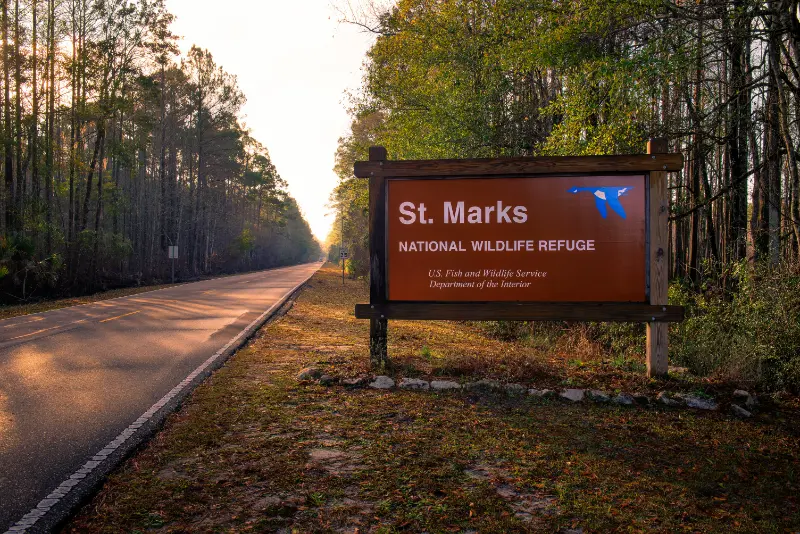
Florida’s national wildlife refuges protect some of the state’s most important habitats, yet many visitors drive past them on the way to better-known attractions. These refuges can deliver extraordinary birding, manatee viewing, sea turtle conservation, quiet beaches, scenic drives and wetland landscapes without the scale or crowds of a major theme park. They are managed first for wildlife, which means the visitor experience can include seasonal closures, limited facilities and changing access.
I would choose a refuge based on the species and landscape you care about rather than trying to rank them only by scenery. Merritt Island is outstanding for Space Coast wildlife and birding, St. Marks combines Gulf wetlands with a historic lighthouse setting, Crystal River is central to winter manatee conservation, Loxahatchee protects northern Everglades habitat, and Archie Carr focuses attention on globally important sea turtle nesting beaches. Each one teaches a different version of Florida.
Quick planning summary
- Best all-around refuge for first-time wildlife watchers: Merritt Island National Wildlife Refuge.
- Best Gulf Coast birding and scenic drive: St. Marks National Wildlife Refuge.
- Best for manatee conservation: Crystal River National Wildlife Refuge.
- Best for sea turtle habitat: Archie Carr National Wildlife Refuge.
- Best planning principle: check the refuge website for current closures, fees, hunting seasons and access before leaving.
In this guide
- Quick planning summary
- Merritt Island National Wildlife Refuge
- St. Marks National Wildlife Refuge
- Crystal River National Wildlife Refuge
- Arthur R. Marshall Loxahatchee National Wildlife Refuge
- Archie Carr and Pelican Island
- Other refuges worth adding to a Florida road trip
- How to read refuge maps and seasonal notices
- Photography and birding etiquette
- Families, seniors and accessibility
- Best time to go
- Budget and booking
- How to build a realistic day
- Common mistakes to avoid
- Related Wonderful Florida guides
- Official resources to check
- Final advice
Merritt Island National Wildlife Refuge
Merritt Island surrounds much of Kennedy Space Center and protects a remarkable mix of lagoon, marsh, scrub and coastal habitats. Black Point Wildlife Drive is one of Florida’s best-known wildlife auto routes, particularly for birds, while trails and boat-launch areas expand the experience. NASA operations can occasionally affect access.

This refuge pairs naturally with Titusville or a Space Coast stay, but I would avoid squeezing it into the same day as a rushed Kennedy Space Center visit unless wildlife is only a short add-on. Birding is strongest when you have time to stop, scan and wait.
St. Marks National Wildlife Refuge
South of Tallahassee, St. Marks offers marshes, coastal views, wildlife and a long scenic route toward the historic lighthouse area. The refuge is especially strong for birding, butterflies and seasonal migrations. Cooler months are comfortable, while summer can be hot, humid and insect-heavy.
Use the visitor center or current online information to learn about road or habitat closures. Prescribed burns, nesting wildlife and management work are normal parts of a functioning refuge, not signs that the destination is failing.
Crystal River National Wildlife Refuge
Crystal River National Wildlife Refuge exists specifically to protect habitat important to the Florida manatee. During colder periods, warm spring water attracts manatees to Kings Bay and sanctuary areas. Visitor access is carefully managed because the animals need undisturbed refuge.
Boardwalk viewing and responsible guided experiences can be excellent, but this is not a petting attraction. Follow sanctuary boundaries and current regulations. If the weather is warm and manatees are dispersed, enjoy the spring landscape without pressuring wildlife to produce a close encounter.
Arthur R. Marshall Loxahatchee National Wildlife Refuge
Loxahatchee protects part of the northern Everglades ecosystem near South Florida’s urban corridor. Boardwalks, marsh views, paddling and birding make it a useful Everglades experience for travelers staying around Palm Beach or Broward County without driving to the southern national park entrances.
Sun and insects can be intense, and wildlife observation is best when you move slowly. A short visit can be rewarding, but paddlers and birders may want several hours. Check water access and trail conditions before arrival.
Archie Carr and Pelican Island
Archie Carr National Wildlife Refuge protects crucial sea turtle nesting habitat along Florida’s Atlantic coast, particularly around the barrier island south of Melbourne Beach. Much of the visitor experience is the beach itself and the conservation rules that protect nesting. Pelican Island, farther south near Vero Beach, is historically significant as the nation’s first national wildlife refuge.
These are quieter destinations than a full-service park. Bring water, sun protection and realistic expectations about facilities. The reward is seeing how conservation fits into a developed coastline and why even small protected areas matter.
Other refuges worth adding to a Florida road trip
Lower Suwannee and Cedar Keys National Wildlife Refuges protect Nature Coast estuaries, forests and islands; Hobe Sound protects coastal habitat; St. Vincent is a remote barrier island refuge requiring boat access; and other refuge lands across the state create excellent regional stops. The right choice depends on your route and season.
Remote refuges demand more self-sufficiency. Cell service can be limited, roads may be unpaved and facilities sparse. Download maps, respect gates and never assume a refuge road is open simply because a mapping app shows it.
How to read refuge maps and seasonal notices
Refuge maps often show a mixture of public roads, wildlife drives, trails, boat ramps, closed habitat and management areas. Do not assume every visible road is open to visitors. Seasonal notices may change access during nesting, hunting, prescribed fire or habitat work.
Download the current map before leaving reliable mobile service. Pay attention to gate times; a wildlife drive that closes at sunset can become stressful if you enter too late. In winter, shorter daylight means the practical visitor window is smaller than the posted all-day concept suggests.
Photography and birding etiquette
Use a long lens or binoculars rather than approaching wildlife. Pull completely off travel lanes only where permitted, and never block a refuge road because a bird is close to the vehicle. Keep voices low at observation platforms and give other visitors room to watch.
Birders benefit from arriving early and learning a few habitat clues rather than chasing every reported rarity. Families can focus on larger, easy-to-recognize species. The aim is to leave with a better understanding of the refuge, not a competitive species count.
Families, seniors and accessibility
Auto wildlife drives, short boardwalks and visitor centers are excellent for children because they allow frequent breaks. Give kids binoculars or a species checklist. Teenagers may enjoy photography, paddling or the connection between Merritt Island wildlife and nearby space history.
Senior travelers and visitors with mobility needs should research accessible overlooks, restrooms and trail surfaces. Scenic drives can provide meaningful wildlife experiences without long walks. Remote boat-access refuges are less suitable unless the group is comfortable with the transfer.
Best time to go
Late fall through early spring is especially strong for birding and comfortable temperatures, while winter cold can concentrate manatees at warm-water refuges. Sea turtle nesting becomes important from spring into fall. Summer offers lush landscapes but more heat, thunderstorms and insects.
Hunting seasons, prescribed burns and wildlife closures can affect access at some refuges. Always check the specific refuge rather than relying on a generic statewide calendar.
Budget and booking
Many refuge visits are low-cost, though selected roads, launches or areas may require passes or fees. Guided birding, paddling or boat access can add expense. If you already have a federal recreation pass, check whether it applies to the specific fee area.
Spend on the equipment that improves observation and safety: binoculars, water, sun protection and a good map. Wildlife watching does not become better because the itinerary is expensive.
How to build a realistic day
Arrive early, drive or walk slowly, and limit the day to one refuge plus a nearby town or museum. Wildlife is most rewarding when you are willing to stop for ten minutes rather than racing to the next pin.
Download the refuge map before arrival and note gate-closing times. In remote areas, start the return before you are tired or low on fuel.
Common mistakes to avoid
- Treating a wildlife refuge like a zoo with guaranteed sightings.
- Entering closed habitat or sanctuary areas for a photograph.
- Driving too fast on wildlife roads.
- Assuming visitor centers and remote roads are open every day.
- Feeding wildlife or approaching animals.
- Planning remote refuge visits without water, fuel and offline directions.
Related Wonderful Florida guides
Merritt Island National Wildlife Refuge guide, St. Marks National Wildlife Refuge guide, Florida wildlife guide, Best places to see manatees in Florida, Florida sea turtle nesting guide.
Official resources to check
- U.S. Fish & Wildlife Service – National Wildlife Refuge System
- Merritt Island National Wildlife Refuge
- St. Marks National Wildlife Refuge
Hours, fees, access rules, wildlife conditions, weather impacts and reservation requirements can change. If a particular experience is essential to your trip, check the responsible agency, destination or operator again shortly before you travel.
Final advice
Florida’s refuges are at their best when you arrive with patience and let the habitat set the pace. Choose the refuge that fits your route and wildlife interests, check current access, and accept that a quiet morning with a few authentic sightings can be more valuable than a crowded attraction with guaranteed entertainment.