Category: Florida Wildlife

  • St. Marks National Wildlife Refuge Guide: Fees, Lighthouse Road, Birding and Tallahassee Tips

    St. Marks National Wildlife Refuge Guide: Fees, Lighthouse Road, Birding and Tallahassee Tips

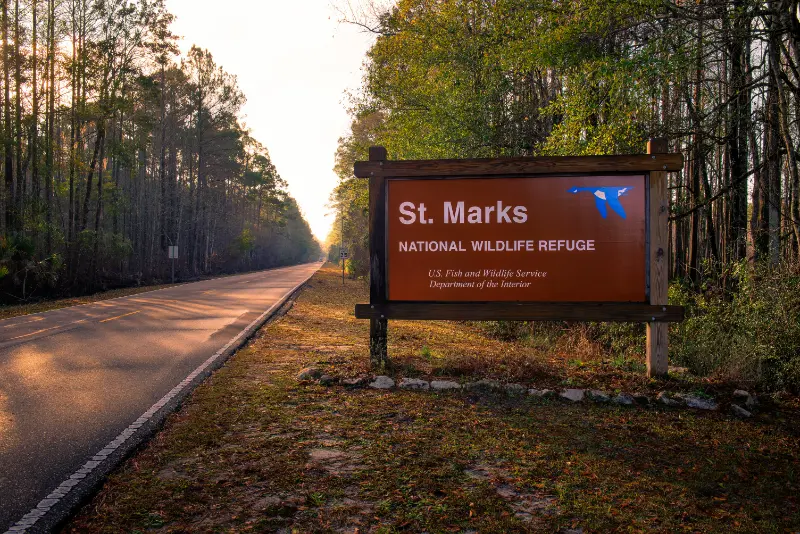
    St. Marks National Wildlife Refuge is the best choice near Tallahassee for travelers who want a full Big Bend landscape: freshwater impoundments, pine forest, salt marsh, coastal wildlife and the historic St. Marks Lighthouse corridor. It is especially strong for birders and photographers, but the refuge also works for families who are comfortable with a scenic drive and short walks rather than a conventional attraction.

    Explore this guide

    The refuge is open year-round during daylight hours, with the Lighthouse Road gate currently opening at 6:00 a.m. The current entrance fee is $5 per vehicle or $1 per pedestrian/bicycle. The visitor center is currently open weekdays 8:00 a.m.–4:00 p.m. and weekends 10:00 a.m.–5:00 p.m., except federal holidays.

    Quick planning summary

    • Outdoor access: daylight hours; Lighthouse Road gate currently opens at 6:00 a.m.
    • Current fee: $5 vehicle, $1 pedestrian/bicycle
    • Visitor center: Mon–Fri 8:00–4:00; weekends 10:00–5:00
    • Time needed: 3–5 hours for scenic drive, ponds, trails and coast
    • Best for: birding, wildlife, photography, scenic drives and quiet nature days
    • Important rule: no swimming; drones prohibited

    Important current-status note

    October 2026 information snapshot: this article is scheduled for 2028. Hours, fees, construction zones, exhibit access, boat-tour schedules, trail conditions and wildlife closures can change before publication. Use the practical details below as a verified planning baseline, then check the linked official source shortly before the trip.

    The Lighthouse Road experience

    For first-time visitors, the simplest plan is to drive Lighthouse Road slowly and stop at ponds, short trails and coastal viewpoints. Wildlife activity changes by season and water level. Late fall through early spring is often the most comfortable time, and migration can make birding especially rewarding.

    Wildlife expectations

    Expect uncertainty. An alligator may be visible near one pond one day and absent the next. Winter waterfowl and migratory birds vary with weather. Bring binoculars and spend longer at fewer stops instead of rushing every pull-off.

    Lighthouse access

    The lighthouse is an iconic destination, but interior access is not guaranteed. Current refuge information says lighthouse openings are subject to schedule changes. Treat the exterior setting and coastal landscape as the core experience, then consider a lighthouse opening a bonus if it aligns with your date.

    Food, restrooms and remoteness

    There is no food service inside the refuge. Bring water, snacks and a packed lunch if staying several hours. Restrooms are available at the visitor center and Tower Pond Trail, but the refuge notes that some restroom facilities do not fully meet current accessibility standards.

    Official information

    Check U.S. Fish & Wildlife Service for current closures, visitor-center hours, fees and refuge rules.

    Planning the visit for different ages

    For mixed-age groups, the best strategy is to combine one high-interest stop with one low-effort stop. Babies and toddlers usually need shade, reliable restrooms and room to reset. School-age children often respond well to animals, reconstructed history and interactive outdoor spaces. Teenagers may prefer zip lines, scenic drives, photography and less structured time. Older travelers often appreciate museums, gardens and boat tours where the experience does not depend on long walks. Accessibility varies widely, especially at archaeological and refuge sites, so check the official accessibility information when mobility is a major factor.

    Best season, heat and rain

    Late October through April is usually the easiest season for long walks, gardens and wildlife drives. Spring can be especially pleasant, although pollen is noticeable and popular gardens attract more visitors. Summer is hot, humid and storm-prone. Outdoor plans are usually better in the morning, with museums or lunch reserved for the hottest part of the day. The Big Bend coast can also be affected by tropical systems, prescribed burns, flooding and temporary wildlife closures. Check radar and official alerts before driving to a remote site.

    Accessibility and low-effort alternatives

    Tallahassee has several good choices for travelers who want meaningful sightseeing without long walks. The Historic Capitol, Goodwood grounds, short museum visits and a river boat at Wakulla Springs can all work well when heat, mobility or stamina limits a longer outdoor day. At nature preserves and archaeological parks, surface conditions may include roots, grass, sand or uneven ground. Never assume that a short trail is automatically stroller- or wheelchair-friendly.

    Tallahassee Florida Historic Brick Government Building

    What to bring

    • Refillable water bottle
    • Sun protection and sunglasses
    • Light rain layer from late spring through early fall
    • Insect repellent for refuges, wetlands and evening walks
    • Comfortable shoes for brick, grass, roots and museum floors
    • Binoculars for wildlife sites
    • Downloaded map for remote Big Bend locations
    • A light layer for heavily air-conditioned museums and boat rides

    How to combine it with nearby places

    St. Marks is best treated as a dedicated nature half-day from Tallahassee. For a gentler wildlife day, choose Wakulla Springs instead of trying to do both quickly.

    Common planning mistakes

    • trying to combine downtown Tallahassee and the Gulf coast in a tightly timed half-day
    • assuming every museum is open seven days a week
    • arriving at a state park or refuge without checking current alerts
    • scheduling only outdoor stops during a summer afternoon
    • treating wildlife sightings as guaranteed
    • forgetting that government-area construction can change entrances and parking

    How this stop fits a longer Florida road trip

    Tallahassee works well as a two-night break between North Central Florida and the western Panhandle. Travelers coming from Cedar Key or Ocala should avoid treating the drive as dead time: the landscape changes noticeably as you move into pine forest, rolling terrain and the Big Bend. If you are continuing west, use Tallahassee for history and food, then dedicate a separate half-day to Wakulla Springs or St. Marks rather than squeezing them into departure morning.

    Final planning advice

    Build the day around one anchor experience and leave at least one hour unassigned. Tallahassee rewards curiosity more than speed: an unexpected legislative exhibit, wildlife sighting, garden in bloom or slower lunch often becomes more memorable than the attraction you originally thought would be the highlight.

    A more realistic way to plan the day

    Tallahassee and the surrounding Big Bend are easier to enjoy when you plan by geography rather than by attraction count. Downtown history, north-side gardens, west-side museums and the coastal wildlife corridor south of the city are not all next door to one another. Traffic is usually manageable compared with South Florida, but parking, state-government schedules, heat and afternoon storms can still turn an overpacked day into a rushed one.

    Tallahassee Florida Capitol Square and Monument

    Count transitions as part of the itinerary. Parking, security checks, walking back to the car, changing clothes after water activities and waiting for a tour all consume time. A day with two strong stops and an unhurried meal is usually more satisfying than four attractions connected by constant driving. This is especially true in summer, when heat and thunderstorms make the middle of the day less predictable.

    Budget and value

    Tallahassee can be a relatively affordable Florida destination because several major sites are free or low-cost. Spend where it improves the experience: a guided boat at Wakulla Springs, a timed historic-house tour or a family attraction may be worth more than adding several minor paid stops. Free parks and museums are most valuable when they match your interests, not simply because they cost nothing.

    Photography and wildlife etiquette

    Use a longer lens or binoculars instead of approaching wildlife. At historic and archaeological sites, stay on public routes and do not move objects for photographs. Tripods, commercial shoots and drones may be restricted, especially on government property, in museums and on federal wildlife refuges. When in doubt, ask before setting up equipment.

    Food, water and restroom planning

    Downtown Tallahassee has many food options, but remote parks and refuges do not. Carry water in the car and never assume that a visitor center, cafe or vending area will be open simply because the outdoor site is accessible. Families with young children should identify the last reliable restroom before driving toward a refuge or spring.

    If the weather changes

    Keep one indoor backup in mind. The Historic Capitol, a house museum or another city attraction can replace a stormy outdoor block. After lightning passes, do not immediately resume swimming or exposed-trail activities unless staff or official alerts indicate conditions are safe. A flexible itinerary is a strength, not a failure to plan.

    Parking, arrival time and daily rhythm

    For city attractions, arriving close to opening usually solves more problems than hunting for a perfect parking space later. Government offices, university schedules and weekday commuters can make downtown feel busier between late morning and mid-afternoon. At parks and refuges, early arrival improves wildlife activity and lowers heat exposure. If your group includes a stroller, wheelchair, large cooler or several children, choose parking convenience over saving a few dollars or walking several extra blocks.

    Leave 15 to 30 minutes between major stops even when mapping apps show a short drive. That margin covers walking back to the car, finding the next entrance, restroom breaks and unexpected construction. It also keeps one delayed stop from pushing every meal and reservation later.

    Planning for multigenerational groups

    A multigenerational Tallahassee day works best when everyone shares the first anchor activity and the group has permission to split briefly afterward. Grandparents may prefer a shaded museum or garden bench while teenagers walk a longer trail or explore photography. Parents with toddlers may need an earlier lunch. Rejoining for one meal or one easy final stop keeps the trip social without requiring every traveler to move at the same speed.

    What is worth booking in advance

    Book anything that has a fixed departure, limited tour size or special access. River boats, historic-house tours, adventure courses and special programs are more vulnerable to selling out than open-air parks. Free museums and city parks usually need less advance planning, but event weekends can still change parking and opening patterns. Recheck reservations a day or two before travel if storms or construction are possible.

    When to skip this stop

    Skipping an attraction can be the right decision when the weather, construction status or interests of your group make the experience poor value. A garden outside bloom season, a wildlife refuge during intense midday heat or a history site with a tired toddler may be better saved for another trip. Wonderful Florida itineraries should help travelers choose, not create pressure to complete a checklist.


  • Lower Suwannee National Wildlife Refuge Guide: Nature Drive, Trails, Wildlife and Cedar Key Tips

    Lower Suwannee National Wildlife Refuge Guide: Nature Drive, Trails, Wildlife and Cedar Key Tips

    Lower Suwannee National Wildlife Refuge is the large, wild landscape behind many of the smaller Nature Coast experiences around Cedar Key. The refuge protects roughly 53,000 acres around the lower Suwannee River and estuary, with wildlife drives, lime-rock roads, trails, fishing access, paddling and birding. It is not a single attraction with a gate and one visitor route; it is a network that rewards advance planning.

    Explore this guide

    For a first visit from Cedar Key, allow half a day and focus on the Levy County side or Shell Mound rather than trying to “do the refuge.” The refuge is open from sunrise to sunset, and no camping or overnight parking is allowed inside refuge boundaries.

    Quick planning summary

    • Hours: outdoor areas open sunrise to sunset
    • Best first-timer route: Levy County Nature Drive plus one formal trail, or Shell Mound as a separate focused visit
    • Roads: many are maintained lime rock; drive slowly and expect dust, potholes or seasonal conditions
    • Activities: wildlife viewing, hiking, biking, fishing, photography, paddling and scenic driving
    • How much time: 3–5 hours for a focused visit; a full day for serious birding or multiple trail areas
    • Facilities: limited compared with state parks; bring water, food and a downloaded map

    Important current-status note

    October 2026 information snapshot: this article is scheduled for 2028, so hours, fees, storm recovery, trail conditions, ferry or boat access, museum schedules and wildlife closures should be checked again shortly before travel. Cedar Key and the lower Suwannee coast are low-lying, tide-driven places where weather and restoration work can change practical access faster than in a large city destination.

    Understanding the refuge layout

    The U.S. Fish & Wildlife Service divides visitor access into three broad areas: Shell Mound about nine miles north of Cedar Key, the Levy County side with a nine-mile Nature Drive and formal trails, and the Dixie County side north of the Suwannee River. For a Cedar Key visitor, the Levy County side and Shell Mound are the most efficient starting points.

    Nature Drive

    The Nature Drive is useful for travelers who want wildlife and habitat without a long hike. It also works for senior travelers, photographers carrying heavy equipment and families in hot weather because you can alternate short walks with time in the vehicle. The trade-off is that wildlife is never guaranteed, and road conditions can change after heavy rain.

    Orlando Drive In Sign at Sunset

    Trails and biking

    The refuge has formal trails plus many grass roads open to walking and biking. FWS notes that there are extensive road and trail networks across the refuge. A bicycle can be a great way to explore in cooler months, but sandy or rough surfaces make this very different from a paved rail trail. Bring repair basics and do not assume drinking water is available.

    Wildlife viewing

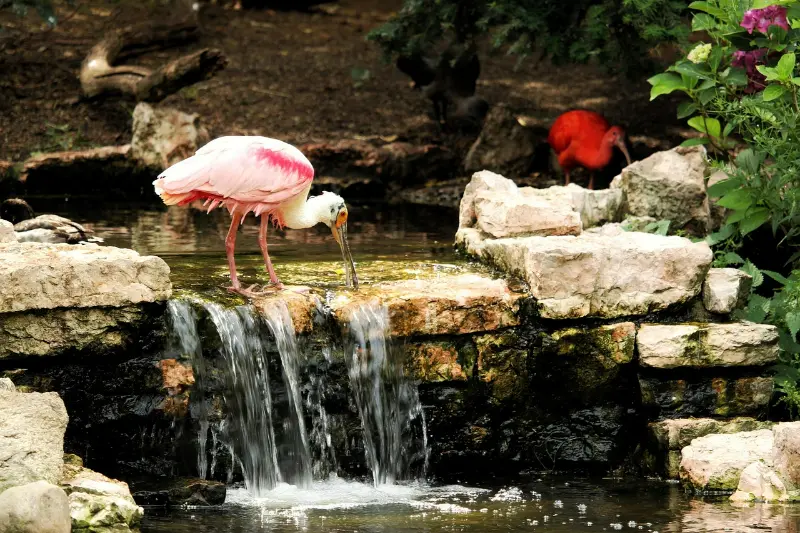
    The refuge protects an estuarine system used by manatees, Gulf sturgeon, shorebirds, wading birds and waterfowl. The best strategy is to watch habitat rather than chase a species checklist. Slow down at ponds, marsh edges and openings, use binoculars, and stay long enough for the landscape to become active.

    Hunting seasons and shared use

    The refuge hosts managed hunts. That does not mean general recreation stops, but it does mean visitors should check current hunt dates and regulations before hiking remote roads. Wearing visible clothing and choosing more popular visitor routes can make a mixed-use day more comfortable.

    Official information

    Use the U.S. Fish & Wildlife Service Lower Suwannee visitor page and current refuge map before entering remote areas.

    Planning the visit for different ages

    This part of Florida can work very well for mixed-age groups, but the best activity is not always the most adventurous one. Babies and toddlers usually need shade, predictable restrooms and short outdoor blocks; school-age children often enjoy wildlife spotting and simple museum stories; teenagers tend to appreciate paddling, photography and less structured time; older travelers often prefer scenic drives, boardwalks, museums and short trails. Build the day around the least flexible traveler and let everyone else add optional activities around that core plan.

    Weather, tides and the best season

    Late fall through spring usually brings the most comfortable temperatures for walking, birding and exploring historic sites. Summer is hot, humid and storm-prone, with mosquitoes and no-see-ums often more noticeable near marshes. Tropical weather can affect Cedar Key and the Nature Coast from summer into fall. On any coastal day, check radar, tide, wind and local alerts before committing to a long paddle or remote trail, and carry more drinking water than you think you will need.

    Tides matter here in a way they do not on many inland Florida trips. A shoreline, creek or launch that looks easy at high water can become muddy, shallow or difficult at low tide. If your day includes paddling, fishing or island access, look at a local tide table and ask the outfitter or refuge staff how the tide changes the route. For land-only sightseeing, tides are less critical but still shape wildlife viewing and the look of the marsh.

    Accessibility and low-effort alternatives

    Accessibility varies sharply from paved museum grounds to natural-surface refuge roads and sandy trails. Before traveling with a wheelchair, walker or stroller, check the official accessibility notes for the specific site rather than assuming a short trail will be smooth. A useful low-effort backup in this region is to combine a museum, a scenic waterfront drive and a meal instead of forcing a trail when heat, mobility or weather makes it a poor choice.

    Orlando Retro Diner Drive In at Night

    What to bring

    • Refillable water bottles and a small cooler for remote sites
    • Sun protection, hat and sunglasses even in winter
    • Insect repellent for marsh and forest stops
    • Closed shoes for shell, sand and uneven trail surfaces
    • A lightweight rain layer in warm months
    • Binoculars for birds and dolphins
    • A paper or downloaded map when cell coverage may be weak
    • Dry bag or waterproof pouch if the day includes boats or kayaks

    How to combine it with nearby places

    Pair a half-day refuge visit with Cedar Key rather than adding another distant spring on the same day. If the goal is archaeology and coastal views, choose Shell Mound as the focused refuge stop.

    Common planning mistakes

    • trying to schedule too many remote sites in one day
    • assuming every natural area has food, shade and full-service restrooms
    • ignoring tide, heat or storm conditions because the route looks short
    • arriving late at a site with limited museum days or early closing
    • treating wildlife sightings as guaranteed
    • forgetting that storm recovery can change access for months or years

    Final planning advice

    The best trips on this stretch of the Nature Coast are intentionally unhurried. Choose one anchor activity, add one nearby secondary stop, and leave room for weather, wildlife, a longer lunch or an unexpectedly good sunset. That rhythm is more realistic than building the day like an Orlando attraction schedule, and it fits the character of Cedar Key and the lower Suwannee coast much better.

    Decision guide: is this stop right for your trip?

    Choose this stop when it matches the purpose of the day rather than because it appears on a “must-see” list. Cedar Key and Levy County reward selective planning. History-focused travelers should prioritize museums and archaeological sites; wildlife travelers should spend more time in refuges; families often do best with one educational stop plus outdoor time; active travelers can build the day around paddling or longer trails. If the attraction duplicates something your group has already done elsewhere in Florida, use the time for a slower meal, sunset or a different habitat instead.

    Budget also includes time, fuel and comfort. A free refuge can cost more in planning effort than a small paid museum because you need water, navigation and a longer drive. Conversely, a low admission fee does not make a museum worthwhile if you arrive fifteen minutes before closing. Compare the total experience—not just ticket price—when deciding what deserves a place in a short itinerary.

    A practical pre-trip checklist

    • Confirm the official opening status on the morning of the visit.
    • Check radar, heat index, wind and tide when the day includes exposed coast or water.
    • Download directions before leaving the town center.
    • Carry water and snacks when heading into refuge or state-reserve areas.
    • Tell someone your route if paddling or hiking away from developed areas.
    • Keep one flexible alternative that does not depend on the same weather condition.

    This simple checklist is especially useful for multigenerational trips. It turns the day from a sequence of optimistic assumptions into a plan that can absorb closures, heat, fatigue or weather without feeling ruined.

    Practical comfort and pacing

    A useful way to judge the pace is to count transitions rather than attractions. Every time the group moves from car to trail, trail to museum, museum to lunch or dry clothes to swim gear, the day loses time and energy. Families with small children and older travelers feel those transitions most. Two well-chosen stops with a real lunch break usually produce a better day than four stops connected by hurried parking and short walks.

    Plan shade and restroom breaks before they become urgent. In small Nature Coast communities, a remote trailhead may have basic facilities while the next reliable restroom is several miles away. Keep drinking water in the vehicle, do not leave electronics or food exposed to heat, and change into dry clothing before a long drive after swimming. These details sound minor, but they are what separate a relaxed day from one that feels harder than the destination deserves.

    How this stop fits a longer Florida road trip

    On a longer itinerary, Cedar Key and Levy County work best as a deliberate change of pace between larger Florida destinations. Do not treat the area as a quick detour squeezed between two long drives. If you are coming from Gainesville or Ocala, arrive early enough to enjoy the coast before sunset. If you are continuing toward Crystal River, leave the following morning rather than driving south after a full outdoor day. That gives the Nature Coast enough time to feel distinct instead of becoming scenery through the windshield.

    For travelers covering Florida over one or two weeks, alternate active and easy days. A paddling or hiking day here can follow a museum-heavy city day, while a quiet Cedar Key museum-and-waterfront day can serve as recovery after springs, long drives or theme parks. The destination is most valuable when you use its slower rhythm intentionally.

  • Five Quiet Days Around Wakulla Springs and St. Marks: Wildlife, Rivers and Small-Town Florida

    Five Quiet Days Around Wakulla Springs and St. Marks: Wildlife, Rivers and Small-Town Florida

    A few miles south of Tallahassee, North Florida changes character. Traffic thins, pine woods give way to marshes and rivers, and the Gulf Coast appears not as a line of large beaches but as creeks, tidal flats and working-waterfront communities. A five-day visit around Wakulla Springs, St. Marks and nearby towns is an appealing alternative for people who want wildlife and local history without a tightly scheduled resort vacation. It can work for couples, curious school-age children and older travelers who prefer scenic stops to long hikes.

    This itinerary is built around Tallahassee or the Crawfordville area as a convenient lodging base. Having a car is important: public transportation does not connect the refuge, parks and small settlements in a way that supports this schedule. Days are deliberately shorter than they look on a map because wildlife viewing is best when there is time to stop quietly. Swimming, boat trips and longer nature walks are optional. The biggest planning rule is to respect protected habitats and confirm access after storms, prescribed burns or seasonal changes.

    How to choose a base in this part of Florida

    Tallahassee offers the widest choice of hotels, restaurants and medical services and can make airport arrival easier. Crawfordville is closer to some southern stops but has fewer lodging and evening dining choices. A family with a baby or a traveler who needs an elevator may find a familiar hotel format in Tallahassee simpler than a picturesque remote cottage. Compare the actual daily drives, not the impression that all destinations south of the capital must be close together.

    If the goal is a peaceful weekend, spend at least three nights rather than commuting from a distant Gulf beach. A single base reduces packing and gives everyone a predictable rest routine. Ask about parking, accessible rooms, quietness and check-in times. For early wildlife outings, verify whether breakfast will be available or pack food the previous evening. Local cafés can open later than dawn, when birding is often at its best.

    Day one: arrive and discover Tallahassee at a gentle pace

    Treat the first day as an introduction rather than heading directly to a remote refuge after a flight. Walk a comfortable portion of a Tallahassee park or choose a local museum, depending on weather. The city has layers of state government, university and regional history that make it more than a place to sleep before an outdoor trip. One museum and an unhurried meal are sufficient for an arrival afternoon. If you intend to spend most of the week outdoors, this is also the time to buy water, snacks and insect repellent.

    Use the evening to check National Weather Service information and the park and refuge websites. Rural facilities can have shorter hours or temporary access changes; saving the official contact details is practical when cellular data is unreliable. A simple plan for each day—one principal site, one meal stop and one optional extra—works particularly well for multiple generations. Wildlife does not operate on a timetable, and your plan should not pretend otherwise.

    Day two: Wakulla Springs State Park

    Edward Ball Wakulla Springs State Park is famous for its spring basin, river scenery and historic lodge. Many visitors choose a guided riverboat excursion when operating conditions allow, but availability and the route can change with weather or park management decisions. Do not promise a boat ride to children until the operator has confirmed it. Ask about boarding, steps, seating, shade and restrooms if anyone has limited mobility. The river trip is a chance to observe natural habitats, not a guarantee of manatees, alligators or any specific animal.

    Stay for lunch or a leisurely visit to developed areas rather than immediately driving to another park. Swimming, when allowed, needs separate consideration: posted conditions and the group’s swimming ability are decisive. Travelers who avoid the water can still enjoy the springs setting. The historic lodge provides a sense of old Florida, but services and dining arrangements should be checked ahead, particularly for larger groups. An afternoon rest back at the hotel is a sensible part of this day.

    Day three: St. Marks National Wildlife Refuge

    St. Marks National Wildlife Refuge protects a remarkable coastal landscape where freshwater marsh, saltwater and upland habitats meet. The refuge’s official visitor information provides access details and cautions that certain roads or levees may close during prescribed burns or for wildlife protection. Check the current notice before driving toward the lighthouse road. The lighthouse itself should be treated first as a historic visual landmark: interior access depends on particular openings and is not available at all times.

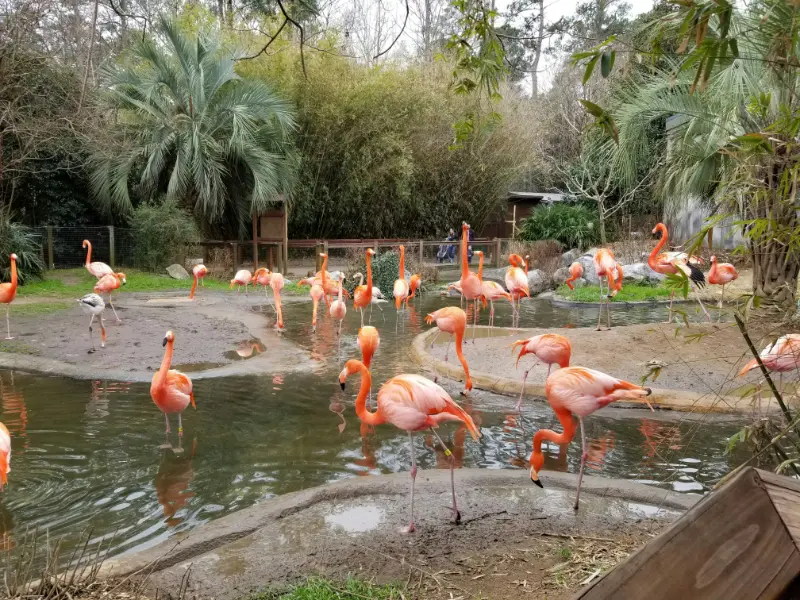
    Flock of Flamingos at Florida Wildlife Park

    Drive slowly where allowed, stop in designated areas and watch birds from a respectful distance. Binoculars are more useful here than a plan to walk long distances. Early mornings and cooler months often make viewing more comfortable, but wildlife encounters are never guaranteed. Bring drinking water and insect protection. The refuge prohibits swimming and has rules governing pets, collecting natural material and access to certain pools. Follow them closely; an empty-looking marsh is still habitat.

    Day four: the town of St. Marks and a coastal perspective

    Spend part of this day in St. Marks itself, a small community near the confluence of rivers and Gulf-influenced waters. It is a good place to observe a working waterfront and learn how tides, fishing and storms shape settlement along the northern Gulf. Rather than expecting a continuous sandy tourist beach, enjoy water views, a modest meal and perhaps a short historic or nature stop if operating hours align. Public access can change after coastal storms, so follow local information and avoid closed structures.

    This is a day for conversation and short outings. Children can compare a tidal waterfront with the inland spring from day two. Older visitors may enjoy a seated view and lunch more than a trail. A wildlife photograph should never require stepping into marsh vegetation, approaching animals or crossing a barrier. If the sun is intense, choose a shaded lunchtime break rather than pushing through to one more stop. The quiet atmosphere is the attraction.

    Day five: choose history or a final nature stop

    On your departure day, choose either a short Tallahassee cultural visit or a nearby green space that fits the return route. Do not plan an early refuge drive if you have a flight in the afternoon and a car to return. Travelers heading east or west by road can stop at a public park along the route, but check whether that adds a significant detour. A flexible last day also gives you the chance to revisit Wakulla Springs if your original boat or park plan was affected by weather.

    Take time to sort photographs and notes. Birdwatchers may wish to record species only when the identification is reliable, using a trusted guide rather than guessing. Families can ask children to describe the difference between a spring, a river and a tidal marsh. The best memory of this region is often the landscape as a whole, not the name of a single attraction. Leave with a realistic sense of how much of northern Florida remains to explore.

    Wildlife that is rewarding without guarantees

    Wading birds, raptors, turtles and other animals use different habitats and are influenced by seasons, tides, temperature and water levels. A birding guide helps identify broad groups, but do not claim a rare sighting based on color alone. Alligators can inhabit freshwater areas; maintain distance, supervise children and never feed wildlife. No animal should be approached for a selfie, and drones are prohibited in the refuge. Photographs made with a zoom lens are both safer and kinder to the animals.

    Pink Flamingos Standing in Florida Wildlife Park

    Wildlife viewing from a vehicle can be an excellent choice for visitors who have difficulty walking. Yet not every pull-off has a flat surface or restroom. Plan bathroom stops in developed areas before starting long drives and avoid getting out in unsafe traffic positions. The quietest moments often occur when the group sits still for ten minutes rather than moving constantly. This is a good lesson for younger visitors: watching carefully matters more than checking off a species list.

    Families, seniors and travelers with accessibility needs

    Families with toddlers should plan around short outdoor windows and nap times. A riverboat can be enjoyable for some children but difficult for those who cannot sit comfortably or handle engine noise; assess the actual activity and age rules before purchasing. Teenagers who enjoy ecology may appreciate the changes from spring to estuary. For senior travelers, combine sightseeing drives, bench stops and one major activity per day. A good itinerary has permission to finish early.

    At refuges and parks, ask about the exact accessible route and facilities, not only a general statement that a site welcomes visitors. The historic character of lodges or vessels may create steps or narrow passages. A wheelchair user may need a specific boat configuration or might choose an alternate overlook. Confirm whether the visitor center, restroom and parking space will actually be open on your visit date. One phone call can prevent an unnecessarily frustrating day.

    Food, supplies and lodging costs

    Main expenses include a rental car, lodging, meals, park and refuge entrance fees and optional boat tickets. There is no reason to quote a fixed total without dates and a party size. This region can be economical when you limit paid attractions and enjoy public scenery, but remote accommodations or last-minute weekend rooms may cost more than expected. Keep extra fuel and meal stops in the plan: restaurants are less densely distributed than around the major resort cities.

    Pack practical items—binoculars, refillable water, sun protection, insect repellent, light rainwear and comfortable shoes. Carry a basic paper map or downloaded offline directions. Mosquitoes and biting insects can be significant in warm weather; check current local guidance and use repellent according to the label. Protect food from heat, and keep medications in a temperature-appropriate container if required. Some remote spots may have few services, so do not count on buying everything at the last minute.

    Best time and weather contingencies

    Fall through early spring can offer cooler outdoor conditions, while summer is often hot, humid and storm-prone. However, no season guarantees a comfortable day or active wildlife. Tropical weather can affect the northern Gulf, and local river levels can influence access to parks. Always check severe-weather notices and any evacuation instruction before traveling. If thunderstorms approach, return to a substantial building or enclosed vehicle; an exposed boardwalk or isolated tree is not safe lightning shelter.

    Keep a rainy-day alternative in Tallahassee, where museums and indoor spaces provide choices, and treat coastal outdoor plans as flexible. A refuge road closure should be respected without searching for an unofficial route around it. A slow vacation is easiest to enjoy when changing the plan feels normal. If storms spoil the main attraction, a local lunch and museum can still make the day worthwhile.

    Five-day itinerary at a glance

    Day Location Main idea Easier backup
    1 Tallahassee Arrival and cultural orientation Hotel rest and meal
    2 Wakulla Springs Park and optional guided riverboat Historic lodge or developed areas
    3 St. Marks refuge Marsh birding and lighthouse views Visitor center if open
    4 St. Marks town Working waterfront and slow lunch Indoor café and short drive
    5 Tallahassee / return Flexible history or nature stop Direct departure

    Frequently asked questions

    Can I visit St. Marks National Wildlife Refuge without long walks?

    Yes. Some visitors focus on designated scenic drives and overlooks. Verify current road and facility access, and do not assume every stop has an accessible restroom.

    Will I definitely see manatees or alligators at Wakulla Springs?

    No wildlife sighting can be guaranteed. Guides and rangers can explain habitat and recent conditions, but animals appear on their own terms.

    Is this a beach vacation?

    Not in the usual resort sense. Expect springs, rivers, marshes, historical places and a scenic northern Gulf waterfront rather than a week of ocean swimming.

    Official references

  • Florida Shorebird Nesting Season: A Beach Visitor’s Guide to Protecting Wildlife

    Florida Shorebird Nesting Season: A Beach Visitor’s Guide to Protecting Wildlife

    A beautiful Florida beach may also be a nursery. Tiny shorebird eggs can blend so perfectly into dry sand that a visitor walking toward the water may never notice them. Chicks often shelter or forage away from a nest, and repeated disturbance can stop adults from feeding or protecting them. For families, photographers and dog owners, understanding shorebird nesting season is one of the most valuable ways to enjoy the coast responsibly. The good news is that protecting birds does not require giving up a beach vacation; it requires reading signs, keeping distance and making a few thoughtful choices.

    Quick planning table

    Beach habitBetter choice
    Roped nesting areasStay outside even if no bird is visible
    PhotographyUse a long lens and respect alarm behavior
    Dogs and kitesFollow the local rules and nesting buffers
    Trash and holesLeave the shore safe for wildlife

    Why nesting birds use busy Florida beaches

    Species such as snowy plovers, American oystercatchers, least terns and black skimmers depend on suitable sandy shoreline habitats for portions of their life cycle. The exact birds and nesting locations vary by region. Unlike songbirds that construct obvious nests in trees, many shorebirds lay eggs in shallow scrapes on beaches or spoil islands. Their camouflage protects them from some predators but makes them vulnerable to unintentional human intrusion. Birds may call, hover or move away from a nest when a person gets too close.

    Florida's beaches are also used by migrating and wintering birds. A place without a visible nest can still be important as a feeding or resting area. The aim is to allow wildlife to use the shore while beachgoers have room to enjoy approved activities. You do not need to identify every species; knowing when to turn around and how to follow temporary barriers is the most useful skill.

    The season is not identical across the state

    Florida Fish and Wildlife Conservation Commission (FWC) publishes regional shorebird breeding windows. Many Gulf Coast counties begin around mid-February, while others list March or April starts; published windows generally extend into late summer. The county and habitat matter. A single claim that all beaches have one fixed nesting season is misleading, and some birds can be present outside the core nesting interval.

    Flock of Flamingos at Florida Wildlife Park

    For a particular trip, check the https://myfwc.com/conservation/you-conserve/wildlife/shorebirds/contacts/ county guidance and local beach notices shortly before arriving. Volunteers or seasonal staff may have erected new signs since the last photograph posted online. If an area is marked off with tape, rope or signs, that boundary is there for the animals, not to block the best sunbathing spot unnecessarily.

    What a protected nesting area looks like

    Protected habitat may be identified by temporary posts, strings, orange fencing or educational signage. Sometimes the area looks empty because birds are sitting still or chicks have moved to nearby sand. Do not cross the boundary to check whether any animals are inside. A few footsteps through a nesting zone can crush camouflaged eggs or force adults to leave a nest exposed to heat and predators.

    Take a moment to read the nearest sign. Staff may have left a corridor to the water or a safe alternative route. If children are curious, make the marker a teaching opportunity: ask them why something so small would need a large quiet buffer. Viewing wildlife with binoculars from outside the boundary gives a far better educational experience than moving closer until birds become alarmed.

    Four common actions that harm shorebirds

    First, approaching nesting birds for photographs can cause repeated flights and waste the energy adults need for breeding. Second, dogs running loose may chase birds or disturb hidden chicks, even when the dog is normally gentle. Third, kites and drones flown over a nesting colony may mimic predators or cause panic. Fourth, leaving food scraps and trash can attract gulls, crows, raccoons or other animals that prey on eggs and chicks.

    None of these behaviors is required for an enjoyable beach day. Take photos from a distance, use only designated dog-friendly areas under their specific rules, keep kites away from protected areas and dispose of food properly. If you see someone walking through a marked colony, avoid a confrontation; alert a beach manager, volunteer or ranger if needed.

    Planning a safe family beach day

    Choose a public access point with restrooms, a manageable walk and space away from marked habitat. Families traveling with infants or toddlers should remember that small children move unpredictably and may run toward ropes, dunes or birds. Explain before entering the beach that some areas are for wildlife and cannot be entered. A simple rule—stay beside an adult near dune and nesting signs—is easier than expecting a preschooler to remember species names.

    Bring a small bag for rubbish, a refillable water bottle and sun protection. If your child wants to collect shells, check local park rules and leave living creatures in place. Build sandcastles only where permitted, away from marked nests or sensitive dune plants. Fill deep holes before leaving, since they can trap wildlife and create hazards for people. A good beach day should leave the landscape in as safe a condition as you found it.

    Dogs, pet rules and beaches

    Dog access is not statewide or uniform. Cities, counties, state parks and federal lands may impose very different restrictions. Even where leashed dogs are allowed in parts of a park, they may be prohibited from the active shoreline or certain nesting zones. Check the exact location's current pet policy before bringing a dog. Do not mistake a beach full of dogs for a legal off-leash area.

    Keep pets away from birds, waterbirds feeding near the tideline and posted habitat. A dog need not touch a nest to cause disturbance; birds may flee at the sight of an approaching animal. If your accommodation advertises itself as pet-friendly, that does not mean adjacent beaches accept pets. Plan a separate permitted walking location and never leave a pet in a parked vehicle during warm weather.

    How photographers can get strong images ethically

    A telephoto lens or binoculars allows observation from the public side of a barrier. Watch the subject's behavior: repeated alarm calls, a bird trying to lure you away or adults taking flight may mean you're too close. Move back and let the animal settle. Don't walk into dunes or nesting areas for a lower angle, and do not deliberately flush birds into flight for dramatic images. Feeding wildlife to stage a photograph causes other problems and is usually prohibited.

    Pink Flamingos at Florida Wildlife Pond

    Morning and late-afternoon light often improve pictures without requiring extra proximity. Photograph habitat and behavior as well as individual birds. A wide image of a nesting sign beside an active public beach can tell an important conservation story. If using a drone, check airspace, park and wildlife restrictions; being allowed to fly in a general area does not mean flying near a sensitive colony is acceptable.

    Turtle protection overlaps with shorebird protection

    Florida beaches can support sea turtle nests during warmer months as well as bird colonies. FWC warns that beach-driving ruts, headlights and artificial lighting can harm nesting or emerging turtles. Local turtle rules may restrict lighting, furniture and nighttime activity. Shorebirds face different immediate threats, but keeping beaches tidy, following barriers and avoiding unauthorized vehicle activity helps both groups.

    It is useful to distinguish the animals in conversations with children. A turtle nest may be marked in one way and a shorebird colony in another; neither marker is an invitation to investigate beyond the barrier. Some chicks can move outside an original nest area, so awareness should continue even on apparently open sand. Staff and wildlife volunteers should be consulted if a bird or turtle appears distressed.

    Vehicles and mechanical beach equipment

    Florida has a few designated beaches where vehicle access is permitted under local rules, but most beaches do not authorize ordinary driving. FWC explains that vehicles can crush eggs or chicks and leave ruts that trap animals. Even in a legal beach-driving area, speed, access periods and wildlife closures must be respected. Do not drive around a temporary barrier or use a restricted section because a navigation app shows a route onto the sand.

    Mechanical beach cleaning and event setup can also affect habitat, which is why managers may change permitted routes. Visitors should keep their own equipment away from marked sites. Heavy carts, large canopies and overnight chairs should be placed only where local rules allow. What seems like a minor shortcut can cross the thin strip of dry sand that nesting birds need.

    How to spot birds without promising sightings

    A quiet observation session can be more interesting than searching anxiously for a nest. Look from a designated path for birds feeding along the tideline, flying between coastal pools or resting on sandbars. Use a simple bird identification app downloaded before arrival or a pocket field guide, and notice the different shapes of bills and legs. A child's checklist could include 'long bill,' 'group in flight,' 'bird feeding' and 'bird resting,' rather than requiring a rare species.

    Species vary by tide, season and weather. Birds may move to another beach even when habitat looks perfect to a visitor. Don't bait birds with bread or snack crumbs to bring them closer; inappropriate food can harm wildlife and attract predators. If a ranger leads a public walk, that can be an excellent way to learn both identification and ethics.

    What to do if you find an injured or vulnerable bird

    Do not pick up eggs, chase a chick back into a marked area or attempt to feed a bird. A young bird alone on the sand may still be attended by parents. Contact a park ranger, local beach staff or an appropriate FWC regional contact for guidance rather than carrying the bird to your hotel. If an animal is in immediate danger from people or vehicles, report the precise location and follow professional instructions.

    Take notes about the beach access point and nearby signs. A clear location helps responders far more than an approximate statement that the bird was 'somewhere along the coast.' Avoid circulating images that encourage curious crowds to seek out sensitive nests. Wildlife photography has educational value when it does not become a map to disturbance.

    Beach conditions and accessibility still matter

    Protecting birds should go hand in hand with safe planning for people. Check lifeguards, weather, rip-current advisories and access conditions. Visitors with mobility devices may need a managed beach mat, accessible parking or beach wheelchair; these facilities vary by beach and are not guaranteed. Ask local managers where you can enjoy the shoreline without crossing protected habitats. A paved observation deck can be a particularly good option for families who prefer not to walk on soft sand.

    If your main goal is ocean swimming, choose a supervised area and be ready to switch activities when surf is unsafe. Watching shorebirds from a safe path is a wonderful alternative, but it should not become an excuse to approach their resting area. Good coexistence means finding a place that is appropriate for both the visitors and the wildlife.

    A simple five-minute conservation checklist

    Before leaving your accommodation, check whether your chosen beach has seasonal nesting notices and any dog restrictions. On arrival, locate the marked habitat and identify a safe route to your desired spot. During your visit, keep people and pets outside barriers, use distant observation, contain food scraps and avoid drones near wildlife. When leaving, pack everything, fill permitted beach holes and check that nothing can blow into nesting areas overnight.

    These small actions are more effective than a complicated rulebook nobody remembers. They also help teach children that conservation is part of tourism, not something done only by scientists. The birds benefit when visitors treat boundaries consistently, even when no animal is visible.

    Frequently asked questions

    Is shorebird nesting season the same in every Florida county?

    No. FWC lists different regional and county breeding periods, with some beginning in February and others in March or April. Check local guidance.

    Can I photograph nesting birds from outside the rope?

    Usually viewing from permitted public space is possible, but stay distant enough to avoid alarm behavior and follow posted rules. A long lens is preferable.

    Are dogs always banned from Florida beaches during nesting season?

    Policies vary by site. Some beaches ban dogs year-round; others restrict certain zones or require leashes. Check the managing agency's current rules.

    Official information

    Use the Florida Fish and Wildlife Conservation Commission shorebird nesting calendar, FWC nesting-season guidance and beach-driving safety advice when planning a visit.

  • Florida Wildlife After Dark: Ethical Night Viewing Without Spotlighting Animals

    Florida Wildlife After Dark: Ethical Night Viewing Without Spotlighting Animals

    Florida changes character as the sun sets. Frogs begin calling in wetlands, bats hunt insects and nocturnal mammals become active along forest edges. Travelers can enjoy this transformation without chasing animals with bright flashlights or driving into closed preserves after dark. The key is to treat nighttime wildlife watching as an exercise in listening, patience and respect for posted access rules. This guide explains how to choose supervised programs, what equipment is useful, why artificial light can cause harm and how to plan several evenings in central Florida. It does not promise sightings or suggest that a public park open in daylight is automatically accessible at night.

    At-a-glance travel plan

    PlanWhere or whatImportant note
    Evening 1Public sunset viewpointLeave by posted closing time
    Evening 2Booked ranger programCheck age and mobility requirements
    Evening 3Permitted dark-sky eventAvoid bright screens and lights

    Start with what you can hear rather than what you can see

    An evening walk can be rewarding even when no animals appear. Listen for the different rhythms of frogs, the wingbeats or calls of birds settling in and the soft movements of insects in grass. A phone’s audio-recording function can document a sound without forcing the animal into view, but turn off loud playback and do not use recorded calls to lure wildlife. Children may enjoy drawing a simple sound map after returning to the hotel. A nighttime trip is not an invitation to identify every call with certainty; many species sound alike, and a mistaken guess should be treated as a question to explore later. Quiet observation lets habitats keep their natural rhythm.

    Why shining strong lights at wildlife is a bad plan

    People sometimes think a powerful flashlight makes nocturnal viewing more successful. Direct beams, camera flashes and repeated illumination can interrupt an animal’s behavior, impair vision and attract other visitors to a sensitive location. Do not spotlight animals or drive around sweeping fields with lights looking for eyeshine. Use a low, downward-facing light only for safe walking where it is permitted and switch it off when you stop. Some locations may prohibit lights or night entry entirely. The goal is not the sharpest image on a phone but an encounter that does not change what the animal would have done without you there.

    Pink Flamingos Standing in Florida Wildlife Park

    The safest first choice is a ranger-led night program

    Find an officially scheduled night hike, astronomy program or wildlife interpretation walk offered by a state park, wildlife refuge or recognized nature center. A ranger knows current access restrictions, likely hazards and places where a group can observe without harming habitat. Check whether the activity requires advance booking, has a minimum age, allows mobility devices or runs only during certain moon phases. Ask if red-filtered lights are recommended rather than assuming they are always allowed. Avoid unofficial listings that encourage leaving trails after dark, entering closed gates or handling wild animals. A supervised walk is particularly valuable for first-time visitors unfamiliar with alligators and Florida’s wet ground.

    A sensible central Florida base for three evenings

    Choose one hotel near Orlando or the Space Coast instead of driving across the state every night. Central Florida provides wetland parks, nature centers and the chance to reserve an astronomy or ranger program with reasonable driving time. For an Orlando base, research state-park events near your travel dates rather than fixating on one particular park. If you want coastal habitat, spend a separate overnight near Titusville or Cocoa instead of driving back in the small hours. An evening outing should not end with an exhausted driver crossing unfamiliar highways. Confirm the exact end time, parking availability after normal hours and whether the meeting point is reached from a staffed entrance.

    Begin with a permitted public park or waterfront observation area that remains open through sunset. This is a transition evening, not a deep-night expedition. Watch how bird behavior changes as daylight fades and listen for insects becoming active. Check when the parking area closes and leave before posted closing time. Do not stay behind a locked gate because another visitor says it is usually fine. In some wetlands, alligators may be active near the edge of water, so keep children and pets well away from banks. End with dinner close to your accommodation. A peaceful sunset teaches more about seasonal light and wildlife rhythms than an ambitious tour of several dark locations.

    Evening two: a booked interpretive program

    Choose a park or nature center offering a ranger-led night walk on your exact date. Arrive early, bring a small water bottle and wear closed shoes suited to the route. Explain to children in advance that the guide might ask everyone to remain silent for several minutes. Some people find the lack of light calming; others feel uneasy and may prefer an early departure. Discuss the option of leaving quietly without making anyone feel embarrassed. Wildlife is unpredictable, so judge the evening by the quality of interpretation, not whether you see an owl or raccoon. If storms cancel the event, replace it with a planetarium or indoor science activity rather than improvising a dangerous alternative.

    Evening three: stars and habitat sounds instead of a wildlife chase

    A dark-sky program can be a natural continuation of a nocturnal nature trip, provided the viewing site is officially open for the event. Let the family compare the sounds of the surrounding habitat before and after the moon rises. Avoid phone screens that spoil night vision for nearby observers. If traveling with an older family member or someone with limited mobility, request information about distance from parking to the viewing platform, seating and toilet access. Astrophotography requires patience and may not be appropriate for a group with very young children. A simple star chart, a short listening exercise and a return to bed at a reasonable hour can be enough.

    Pink Flamingos at Florida Wildlife Pond

    Alligators, snakes and other risks after dark

    Florida wildlife should be given space in daylight and even more caution at night, when visibility is reduced. Never approach an alligator, enter the water, lean over a bank to photograph one or feed any animal. Keep children close and follow the route designated by the organizer. Closed-toe shoes protect against roots, insects and unexpected uneven surfaces, but they do not make off-trail walking safe. Do not reach under logs or into vegetation to investigate a sound. If you encounter an animal on your path, stop and allow it space instead of trying to move it. Follow ranger instructions and return to a safe area if conditions change.

    Bugs, rain and temperature make or break the experience

    Mosquitoes and other biting insects can be especially troublesome at dusk. Wear light but covering clothing, apply repellents according to their labels and bring a dry layer if the temperature may drop. In summer, lightning can develop with little warning, and standing beneath an isolated tree or beside open water is unsafe. Look at an official weather forecast shortly before departure and follow event cancellation instructions. When a thunderstorm is approaching, abandon the outdoor plan. Wetland paths that are easy in daylight may become slippery after rain. Families with infants or travelers sensitive to insect bites may get more from an early twilight viewing point than a late-night walk.

    Photography that respects the animal

    Flash-free photography at night requires enough available light, a stable camera and realistic expectations. Use an existing illuminated public area if taking pictures, not a bright beam aimed at an animal. Do not bait birds or mammals and do not play recorded wildlife calls to attract them. Keep a respectful distance from nesting and roosting sites, particularly where signs identify sensitive areas. Many of the best nighttime images are landscapes: a wetland silhouette, a boardwalk viewed before closing, or the outline of a tree against the dusk sky. If a photograph could only be made by disturbing the subject, leave the camera in your bag.

    Children, sensory needs and older travelers

    Ask before booking whether the event includes sudden loud sounds, uneven ground or long periods of standing. An eight-year-old may be fascinated by frog calls but frightened by complete darkness; a grandparent might enjoy a seated interpretation program rather than a trail. Offer each person a small role: keeping the family group together, recording species names or noticing the direction of sounds. For someone who uses a hearing aid, consider wind noise, group size and whether the guide can stand close enough for conversation. Do not promise that an unlit trail is wheelchair-accessible; verify the exact route. A shorter comfortable experience is more memorable than pushing the group to stay until everyone is tired.

    Understand park hours and permissions

    Different land managers have different rules. A national wildlife refuge may allow access only during daytime public-use hours, while a state park might host an occasional special night program. A separately ticketed campground does not automatically give permission to roam all trails after sunset. The same applies to city conservation lands and beaches with sea turtle protections. Read the current rules on the specific park’s official website and contact the managing agency if anything is unclear. Do not share secret access points or advise readers to bypass barriers. Responsible travel means accepting that some of the best nocturnal habitats remain off-limits to casual observers.

    Budget, equipment and a compact packing list

    A nighttime trip does not require expensive thermal cameras or a specialized safari vehicle. Closed shoes, insect protection, water, a low-power safety light, a weather-resistant layer and a booking confirmation cover most guided events. Binoculars are often of limited use in deep darkness but helpful at dusk. Check whether a ranger program is free with park admission or has a separate fee. If one member cannot participate, budget for a comfortable nearby alternate activity rather than pressuring them to join. Store the vehicle location and route home before losing mobile reception. Bring a small paper card with emergency contacts as a backup to a phone.

    Leave with a better understanding of Florida's nights

    After each evening, write down what you actually noticed instead of making a list of species you hoped to see. Compare dry upland sounds with wetter habitats, note how weather affected activity and ask children what they want to investigate later. Use official state-park or refuge event calendars for the next visit and follow land-management guidance. The point is to experience Florida’s living landscapes without putting wildlife or people at risk. The best animal sighting is one that ends with the animal carrying on its normal behavior after you have quietly left.

    Frequently asked questions

    Can I use a bright flashlight to search for animals in a state park?

    Not as a default. Direct lights can disturb wildlife, and rules vary by site. Follow park instructions and use light for personal safety rather than spotlighting animals.

    Are Florida nature trails open after sunset?

    Many are not. Night access may be restricted to scheduled programs or campgrounds. Confirm exact hours and permissions with the land manager.

    Do you need special equipment for a first nighttime wildlife walk?

    Usually not. Safe shoes, suitable clothing, water, insect protection and any gear specified by your guide are more important than expensive photography equipment.

  • Florida Wildlife by Month: A Seasonal Calendar for Visitors

    Florida Wildlife by Month: A Seasonal Calendar for Visitors

    Florida’s wildlife does not follow a tourist calendar. Manatees may gather near warm-water springs on cold mornings, shorebirds can be especially interesting during migration, and sea turtles use nesting beaches during part of the warmer year. None of these animals is guaranteed to appear on a day you have chosen. The best wildlife trip begins by matching the season, habitat and time of day, then choosing a place where you can watch responsibly without disturbing animals or spending hours driving between unrelated stops.

    This calendar is a practical overview for families, photographers, birdwatchers and curious visitors of any age. It covers four broad seasons as well as month-by-month decisions, explains why the weather matters, and suggests alternatives when sightings are scarce. For current protected-species rules, rely on the Florida Fish and Wildlife Conservation Commission and the managing agency of the park or refuge you plan to visit.

    January and February: manatees, winter birds and comfortable walks

    Cooler periods are the classic time to look for manatees in designated warm-water viewing locations. Blue Spring State Park, the Crystal River area and other sites listed in the FWC viewing guide are worth researching. The number of animals present changes with water temperatures, weather and site conditions. A frosty morning can be more productive for viewing than an unusually warm spell, yet cold and crowding can affect visitor comfort too.

    Winter is also a useful season for birdwatching in wetland habitats. Herons, egrets, ibis, ducks and other birds may be observed from boardwalks, refuge drives and managed trails. Merritt Island National Wildlife Refuge, St. Marks National Wildlife Refuge and the Everglades offer different landscapes for birding. Bring binoculars and stop frequently; looking for movement and listening can be more rewarding than charging along a trail. Not every species is present every year at every location.

    January and February can bring dry-season conditions in some parts of South Florida, allowing wildlife to congregate around remaining water sources, but rainfall and management can change the pattern. Avoid claiming that a certain pond is a reliable alligator-viewing station. An alligator is a wild animal, not an exhibit. Stay on marked paths and keep substantial distance from shorelines where one could emerge.

    Pink Flamingos at Florida Wildlife Pond

    March and April: bird movement and the start of turtle nesting

    Spring migration can bring more activity to coastal habitats, hardwood hammocks and wetlands. Birdwatchers often visit places such as the Florida Keys, Sanibel-area refuges or Gulf coast stopover sites, but timing depends on weather and larger migration patterns. A windy front can change what appears overnight. A modest, well-chosen local park with a patient observer can outperform an expensive long drive made only because a spot is famous online.

    Sea turtle nesting begins on some southeast Atlantic beaches around March, with many Gulf and northern Florida beaches beginning later, often April or May. The FWC’s 2026 nesting guidance explains regional differences and the importance of clean, dark beaches. Visitors should not go looking for nesting animals with flashlights or crowds. Instead, choose an authorized educational walk or conservation program where available, follow local rules and enjoy the beach without disturbing marked nest areas.

    March and April weather can be lovely for outdoor walks, but spring-break crowds may make popular boardwalks busy. Going early can improve comfort as well as chances of quieter observation. Carry water and sun protection; a mild breeze does not eliminate sunburn risk.

    May and June: turtles, wading birds and weather awareness

    By late spring, many nesting beaches need careful protection. Marked turtle nests are not sightseeing props: give them distance, keep dogs under permitted local rules and take beach furniture and trash away at night. Artificial light can disorient turtles and hatchlings. On some beaches, local rules restrict nighttime lights, beach equipment or access. Check county and state instructions rather than copying practices from a different town.

    Wetland birds remain fascinating, especially for people who enjoy seeing feeding behavior and nesting colonies from official viewing areas. Nesting birds can abandon an area if approached too closely, so long lenses and binoculars are far better than edging forward for a phone photo. Wildlife refuges may temporarily close sections to protect breeding habitat. Those closures are evidence that conservation is happening, not an inconvenience to work around.

    June also begins the Atlantic hurricane season, and summer thunderstorms can be sudden and intense. Plan the outdoor portion of the day early. If thunder is audible, leave boardwalks, open beaches and observation towers; a shelter in a vehicle or substantial building is safer than waiting under a single tree. Insect activity can be high near wetlands. Repellent, long sleeves where practical and a short route with a good turnaround point make outings easier with children and grandparents.

    July and August: turtle hatchling season and early-morning nature

    Summer beach visits can coincide with sea turtle nests and, later, hatchling activity in some areas. This does not make an unregulated nighttime turtle hunt appropriate. Avoid flashlights, phone lights and crowding animals. Never handle hatchlings or dig into nests. If you see a turtle in distress or someone disturbing a protected nest, follow the local wildlife agency’s reporting guidance rather than intervening in ways that might create more harm.

    Summer is also a time to shift expectations. Midday wildlife outings can be uncomfortable because of heat, humidity and insects. A short sunrise birdwatching session, a responsibly operated wildlife cruise or a morning visit to a shaded nature center may be more rewarding than attempting a long trail at 2 p.m. Water levels and rainfall can change what habitats look like. A lake shore that was dry and walkable in winter may be flooded or muddy in August.

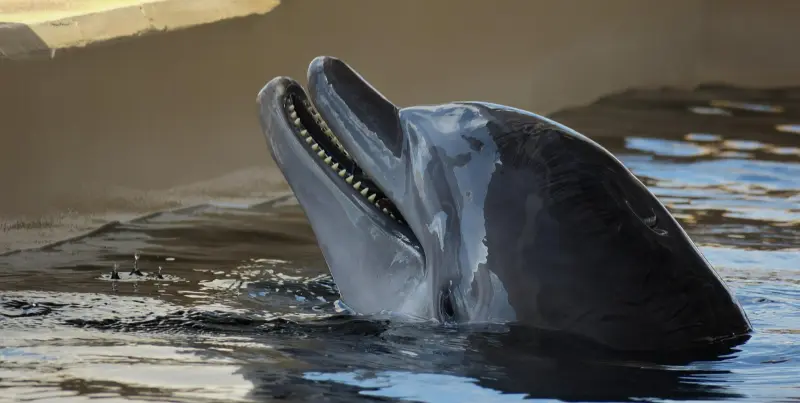
    Dolphins and sea birds may be seen along Florida’s coasts at different times of year, but sightings depend on where and when you travel. Avoid operators promising to chase or surround dolphins. Choose a licensed operator that explains viewing distances and does not feed wildlife. Even a cruise with few animals can offer useful habitat interpretation when managed respectfully.

    September and October: migration, changing storms and coastal patience

    Autumn bird migration gives patient visitors new opportunities, especially after weather systems that influence migratory routes. Shorebirds may use beaches, tidal flats and coastal wetlands to rest and feed. Stay out of clearly marked nesting or resting areas and keep dogs away where restrictions apply. A quiet beach walk with binoculars can be surprisingly interesting even without a rare sighting.

    Hurricane season continues through these months, and storm impacts may affect wildlife habitat and public access long after the immediate weather has cleared. Do not enter damaged boardwalks or closed preserves. If a refuge’s official page lists storm repairs or road closures, adjust your plan rather than seeking another entrance. Coastal flooding can make parking areas unusable even under blue skies.

    October can begin a more comfortable period for inland nature walks in some years, but Florida’s weather varies. Migrating birds respond to large-scale conditions, not calendar labels. A practical method is to choose two nearby habitats—perhaps a tidal shoreline and a wooded park—then visit at different times, instead of attempting a rushed statewide birdwatching trip.

    November and December: a return to winter wildlife rhythms

    As cold fronts become more frequent, manatees can begin moving toward reliable warm-water locations, while the timing of strong aggregations varies. Check FWC advice on passive manatee viewing and local updates before making a special trip. A viewing platform is often more appropriate for young children and travelers who cannot or do not wish to enter water.

    Cooler mornings also make nature walks more comfortable in many areas. Florida’s state parks, national wildlife refuges and urban wetlands offer chances to observe birds without a major hike. Pack a jacket for early starts, especially in north Florida. Some habitats are better at low tide, others at different water levels; ask staff about the local ecology instead of relying on a generic “best time” from social media.

    Pink Flamingos Standing in Florida Wildlife Park

    The late-year holiday period can create crowding at famous parks. A quiet, lesser-known city nature preserve may suit a family better than a heavily visited refuge with long entry lines. Wildlife does not care whether a destination is famous. What matters is appropriate habitat and giving animals enough space.

    An at-a-glance month planner

    Months Promising focus Important reality check
    Jan–Feb Warm-water manatee viewing, wetland birds Cold fronts help some sightings; access may be busy
    Mar–Apr Spring birds, early sea turtle nesting Nesting times differ along the coast
    May–Jun Turtle conservation, wading birds Heat and thunderstorms grow more significant
    Jul–Aug Turtle protection, dawn nature walks Do not seek or handle hatchlings
    Sep–Oct Migrating shorebirds and coastal habitats Storm-related closures may affect plans
    Nov–Dec Returning manatees, cooler park walks Animals and water temperatures do not follow a fixed date

    This is a planning aid, not a wildlife guarantee. Manatees can occur outside winter, birds migrate in complicated waves, and dolphins may appear during many seasons. Your destination, recent weather and habitat conditions are more important than the month alone.

    Where to go if you have only half a day

    Near Orlando, consider a designated wetland boardwalk or Blue Spring State Park when seasonal viewing arrangements make sense. Near Miami, choose one accessible Everglades observation area or an urban nature preserve, not both ends of the national park in one morning. On the Space Coast, Merritt Island National Wildlife Refuge offers opportunities for bird and marsh viewing depending on access. Near Tallahassee, St. Marks National Wildlife Refuge can reward visitors who enjoy a quieter, longer scenic outing.

    In Southwest Florida, sites such as the J.N. “Ding” Darling National Wildlife Refuge can work for a half-day birding-focused visit when routes are open. Always confirm entry fees, drive schedules and any closures directly with the managing agency. In the Crystal River region, use designated viewing areas and understand that swimming with manatees is regulated, with different conditions from watching on land. A good half-day plan includes one main habitat, a short walk or drive, and enough time to listen and look.

    Equipment that genuinely helps every generation

    You do not need specialist camera equipment to enjoy Florida wildlife. Compact binoculars, a phone used from a respectful distance, water, closed-toe shoes and a small notebook are enough for most visitors. A lightweight folding seat can help where park rules allow it. Children might enjoy recording five things they noticed, including plants or tracks rather than only animals. Older visitors may prefer a scenic drive with two safe pull-offs over a long uneven trail.

    For photographers, prioritize ethical distance and natural behavior. Never feed an animal to draw it closer, play bird calls repeatedly near nesting sites or use flash around nesting sea turtles. If you are traveling with someone with mobility limitations, ask specifically about trail gradients, viewing-platform surfaces, nearby restrooms and which paths remain open after rain. “Short” does not always mean accessible.

    Check tide and weather details when relevant, download park information ahead of time and leave room for cancellations. If you see no manatees, your outing might still include excellent birdwatching and a pleasant walk. Learning to appreciate the landscape, rather than collecting sightings, is what makes a wildlife trip rewarding year after year.

    Frequently asked questions

    What is the best month for manatees in Florida?

    Winter cold periods often bring manatees to warm-water viewing areas, particularly from roughly November through March, but concentrations vary with weather. Consult current FWC and local-site updates before traveling.

    Can visitors see sea turtles nesting on Florida beaches?

    Nesting occurs seasonally, but protected turtles should not be approached or illuminated. Use authorized educational programs where available, comply with local beach rules and never disturb nests or hatchlings.

    Is wildlife watching suitable for children and older adults?

    Often yes. Choose viewing platforms, short boardwalks and designated refuge drives with convenient restrooms. Supervise children near water, keep a safe distance from alligators and consider heat and accessibility needs before choosing a route.

  • Florida Coastal Photography Weekend: Sunrise, Weather and Wildlife Ethics

    Florida Coastal Photography Weekend: Sunrise, Weather and Wildlife Ethics

    Florida’s coastline gives photographers an appealing mix of dawn light, fishing piers, working waterfronts, wildlife and shifting weather. You don’t need expensive equipment or a dramatic drone shot to come home with memorable images. A thoughtful weekend built around two or three accessible viewpoints can be better than driving hundreds of miles between famous beaches. The important decisions are often simple: whether the coast faces east or west, where you’re legally allowed to park, whether a path is safe at low light and how to watch animals without disrupting them.

    This is a practical weekend guide for beginners, couples, families sharing a camera and older travelers who prefer short walks. The suggestions apply across Florida, with example choices on both the Atlantic and Gulf coasts. It is not a promise of a perfect sunrise or a particular bird species. Conditions, closures and the angle of the sun vary by season, and responsible photographers change their plan when a habitat needs protection.

    Choose one coast for the weekend

    An Atlantic base such as St. Augustine, Cocoa Beach or Vero Beach works well if you hope to watch early light arriving over the ocean. Gulf locations such as Clearwater, Sarasota or Mexico Beach can offer attractive evening light over open water, though shore orientation and development affect the actual view. Don’t assume every waterfront faces directly east or west. A map showing the coastline is a more useful first tool than a list of ‘best sunset spots.’

    Pick a hotel close to two legal public viewpoints rather than trying to cross Florida for each photograph. Check parking hours and whether public beach access remains open at dawn or dusk. A scenic pier might have admission rules or close during construction. For a low-stress trip, identify a free alternative such as a public sidewalk or viewpoint, and don’t reserve a vacation around a single boardwalk that may be closed.

    Friday: arrive and scout without taking the camera seriously

    Use the first evening to understand the area. Walk a short permitted route in daylight, look for safe crossings, and identify where the sun will be. Notice foreground details: dune grasses, historic structures, old boats or the curve of the shoreline. A phone photograph and a saved map pin are enough during scouting. The aim is to learn whether the site is actually usable with your group’s mobility needs and whether there are rules for tripods or access.

    Check the weather, sunrise or sunset time and tide using current reliable sources. Tides matter for beach width and can make certain rock or shoreline areas hazardous. Never plan to reach a location by climbing over coastal protection, closed rocks or private property. If you’ll return before dawn, make sure the permitted parking and trail approach can be navigated safely in low light.

    Saturday dawn: Atlantic light without unsafe shortcuts

    If staying on the Atlantic coast, a sunrise session can begin on an authorized beach or public waterfront. Arrive only as early as the rules permit, bring a small light and wear shoes that can handle damp ground. You don’t have to stand right at the waterline for a strong composition. A broad view of sky, a pier silhouette from an authorized spot or reflected color in wet sand can be effective without putting equipment where a wave can reach it.

    Keep sessions short if traveling with children or older companions. A thermos and a warm layer in cooler months can make a difference. Don’t turn photography into a demand that everyone wake before dawn; one interested person may go while the others sleep, provided the arrangement is safe and practical. Afterwards, share breakfast and review images rather than racing to a second location.

    Saturday afternoon: architecture and human scale

    Harsh midday sun is often difficult for ocean photography, but it can work for architectural details, shaded streets or indoor exhibits where photography is permitted. St. Augustine offers old masonry and street patterns, Cocoa Village presents historic town scenes, and other coastal communities have fishing harbors and shopfronts. Choose one nearby town rather than attempting all of them. Remember that stores, homes and working docks deserve privacy and respectful behavior.

    Ask permission before photographing people close up, particularly children or staff at work. A public area does not eliminate common courtesy. Don’t block a business doorway while waiting for perfect light. Many memorable travel pictures include everyday visual details—door colors, reflections and textures—without turning residents into unconsenting subjects.

    Saturday evening: Gulf views and the art of staying put

    On the Gulf Coast, the most appealing light may come late in the day. Choose one authorized beach or bayside viewpoint and arrive with time to settle. A sunset can be dramatic even with clouds, and a sea of people doesn’t mean the scene is ruined. Try a frame that includes a walkway, grasses or the changing color on shallow water. Look for how the light changes after the sun dips, but stay aware of safe exit routes.

    A sunset viewpoint can attract crowds and traffic. Use paid legal parking if necessary, avoid parking on grass and keep clear of dune barriers. Families should decide in advance where to meet if they spread out. If lightning is possible, leave the beach; holding a metal tripod on open sand is not a good response to a storm warning. The best image is never worth a dangerous delay.

    Sunday morning: a quiet wildlife session

    Choose a public nature preserve or wetland boardwalk with open access, modest walking distances and safe parking. Early morning can be good for bird activity, but no sighting is guaranteed. Binoculars help with observation, while a modest zoom lens is better than walking closer to a nesting bird. Pay attention to boundaries and the signs of stressed wildlife: alarm calls, repeated flushing or animals changing behavior. If that happens, move back and reduce disturbance.

    Pink Flamingos at Florida Wildlife Pond

    The Florida wildlife agency’s manatee viewing guidance emphasizes passive observation. The principle applies more broadly: don’t feed animals, crowd them or encourage children to chase them for an image. Photograph turtles, birds and marine mammals from respectful distances. A quiet observational moment often produces a more interesting memory than a dramatic close-up acquired by harassment.

    Light, clouds and weather as compositional tools

    Blue skies are not necessary for good travel photography. A layer of clouds can soften harsh light or add depth, and a wet street may create reflections after rainfall. But photography in storm conditions requires judgment. Lightning, strong winds and quickly rising water are reasons to stop. The beach or pier will still be there another day; the point of a vacation is not to gamble with safety for a photograph.

    Plan an indoor option such as a permitted museum exhibition or café. If your camera equipment becomes wet, dry it according to manufacturer guidance rather than opening every compartment immediately. Protect memory cards and phones from sand and salt. A reusable microfiber cloth and a dry pouch are often more helpful than carrying multiple heavy lenses.

    Equipment for a first-time coastal photography trip

    A phone or simple camera can handle landscapes, architectural details and family portraits well. The advantages are light weight and ease of use. Bring a charged battery or power bank, a protective pouch and enough storage. If using a dedicated camera, pack only the lens or two that fit the plan; extra gear can make beach access awkward, especially if you are also carrying items for children.

    A tripod may help with low light but check local restrictions and keep it away from busy paths. If a location requires a photography permit for commercial shoots, ask the manager before undertaking professional work. Do not assume recreational photos and commercial sessions operate under the same rules. Flying a drone introduces additional aviation, privacy and park regulations; it is not a casual replacement for finding a safe ground-level viewpoint.

    Photographing beaches without damaging them

    Stay off protected dunes and out of marked nesting areas. Never move a sea turtle, bird nest, shell containing a living animal or other wildlife to improve a composition. Beach vegetation helps hold fragile sand in place, so resist stepping into it for an unobstructed horizon. Use marked access paths and leave no props or litter behind. If the beach is under a closure after a storm, choose another public site rather than climbing over a barrier.

    Pink Flamingos Standing in Florida Wildlife Park

    Respect private homes and boats as well. Long lenses can intrude on people’s privacy, and a photographer’s enthusiasm is not permission to enter a yard or a pier beyond its public section. Children should understand that a wildlife photograph is earned by patience, not by approaching or touching an animal.

    Photography with different ages and mobility needs

    A parent with a stroller can enjoy wide coastal views from a paved promenade rather than soft sand. An older visitor may prefer a car-accessible overlook with benches, while a teenager might enjoy exploring architectural detail in a town center. Choose the site by the full route from parking to viewpoint, including curbs and restrooms, rather than a promotional image of the view itself.

    Avoid scheduling both sunrise and sunset sessions if everyone is already tired. Let one be the highlight and use the rest of the day for sightseeing and rest. If the group has varied interests, agree on a short session together and leave optional longer photography to those who want it. The photographs become better when the people making them are comfortable.

    Simple three-day plan

    Time Main subject Practical decision Backup
    Friday evening Scouting and streets Confirm legal public access Short hotel-area walk
    Saturday dawn Atlantic light or waterfront Check parking, tide and safety Breakfast and later photos
    Saturday afternoon Architecture and shade Obtain permission where needed Indoor museum
    Saturday sunset Gulf view or chosen coast Leave if lightning approaches Dinner and dry-weather reset
    Sunday morning Birds and wetlands Maintain wildlife distance Historic-town details

    Keep the weekend affordable

    The biggest cost is often lodging near a popular shoreline, not photography itself. Compare room rates with parking and taxes included. Many public locations allow ordinary photography without special admission, but designated park fees may apply. If you already own a phone with a reasonable camera, resist buying specialty equipment for a short trip. It can be more rewarding to invest in a comfortable base and allow an extra morning in case the weather changes.

    A packed breakfast, refillable water and a moderate driving radius also help. Avoid paying for a distant boat tour solely to photograph dolphins: sightings are not guaranteed and ethical operators will not chase animals. Walking slowly and observing from safe public space can provide plenty of meaningful pictures at very little cost.

    Frequently asked questions

    Is Florida’s Atlantic coast always better for sunrise pictures?

    It often offers an ocean-facing sunrise, but the exact viewpoint and conditions matter. Check the location’s orientation and lawful hours of access.

    Can I photograph wildlife with a phone?

    Yes, especially when observing larger scenes. Use patience and cropping rather than moving closer or disturbing an animal.

    Do I need permission for a tripod or drone?

    Rules depend on the location and type of activity. Check site management and aviation rules before using specialist equipment.

  • Crystal River National Wildlife Refuge & Kings Bay Guide: Manatee Season, Kayaking, Visitor Center and Rules

    Crystal River National Wildlife Refuge & Kings Bay Guide: Manatee Season, Kayaking, Visitor Center and Rules

    Crystal River National Wildlife Refuge is not a conventional park with one gate, one parking lot and one loop trail. It protects islands, spring habitat and waters throughout Kings Bay, and much of it is experienced from the water. Understanding that layout is the difference between a calm wildlife day and a confusing one.

    Explore this guide

    Allow 2–4 hours for a visitor-center stop plus a short paddle or viewing activity; allow half a day for a guided snorkel, kayak or boat experience. The refuge itself does not run commercial manatee tours, but it permits qualified operators to provide activities in refuge waters.

    Quick planning summary

    • Visitor center: 1502 SE Kings Bay Drive, Crystal River
    • Current visitor-center hours: 9 a.m.–4 p.m. daily Nov. 15–Mar. 31; 10 a.m.–4 p.m. Monday–Friday Apr. 1–Nov. 14
    • Visitor-center admission: free
    • Main winter season: Nov. 15–Mar. 31
    • Water access: via city/private ramps, rentals or permitted tour operators
    • Best for: manatee education, wildlife watching, paddling, snorkeling and birding

    Important current-status note

    October 2026 information snapshot: practical details reflect information available in October 2026 and should be checked for the date of travel. Recheck admission, hours, shuttle operations, parking, water access, wildlife closures, weather-related restrictions and tour rules shortly before traveling. Crystal River is a living wildlife destination, so seasonal protections and temporary closures are a normal part of visiting responsibly.

    Why the refuge exists

    The refuge was established specifically to protect Florida manatee habitat. FWS notes that King Spring is one of seven federal manatee sanctuaries used during the winter period and that more than 600 animals can migrate into Kings Bay in winter conditions. The refuge also protects island habitat used by bald eagles, osprey, wood storks and other birds.

    That conservation purpose should shape how you visit. A wildlife refuge is not an interactive-animal venue. The goal is to see animals behaving naturally while keeping enough distance that your presence does not change what they are doing.

    Start at the visitor center

    The visitor center is free and provides a useful introduction before any water activity. It is especially valuable for first-time visitors because the map of Kings Bay, sanctuary information and manatee-behavior guidance are easier to understand before you are sitting in a kayak or pulling on a wetsuit.

    Families can use the displays to give children a clear mission: learn what manatees eat, why warm water matters and what “passive observation” means. That small investment often improves behavior once the group is on the water.

    Kings Bay by kayak or paddleboard

    Independent paddling is possible, but not all launch sites are equivalent. Hunter Springs Park and Kings Bay Park are city paddle launches with parking and launch fees. FWS notes that paddle craft can enter Three Sisters Springs between April 1 and November 14, while winter sanctuary rules restrict access. Current closures, wind and boat traffic still need to be checked on the day.

    A first-time paddler should not assume that clear spring water means easy navigation everywhere. Kings Bay is active water with boats, homes, channels and wildlife zones. If your group is uncomfortable with navigation or sharing water with motor vessels, a guided kayak trip can be worth the extra cost.

    Swimming and snorkeling with manatees

    Crystal River is unusual because legal in-water manatee encounters are possible under strict refuge rules. The experience is best when you float quietly, keep your hands to yourself and let the animal control distance. The refuge prohibits chasing, cornering, riding, grabbing, poking, feeding or disturbing resting and feeding manatees.

    Manatee Swimming toward Camera Underwater

    Cold-weather mornings can concentrate animals near springs but also create stricter closures. A tour company should never promise a specific number of manatees or guarantee access to a particular spring basin.

    Boat tours versus paddling

    Boat tours suit mixed-age groups, travelers with limited mobility and visitors who want wildlife context without balancing a kayak. Paddling offers quiet movement and a closer relationship with the water but requires more physical effort. Snorkeling is the most immersive and the coldest. Choose the format around the least confident person in the group, not the most adventurous one.

    Families, teenagers and senior travelers

    Crystal River works especially well for mixed-age trips when you keep the schedule flexible. Babies and toddlers need shade, dry clothes and short transfers; school-age children usually enjoy the wildlife mission of spotting fish, birds or manatees; teenagers tend to prefer kayaking, snorkeling or photography; older travelers often appreciate boardwalk viewing, short nature walks and scenic drives. The best plan is not to force everyone into the water simply because the area is famous for in-water encounters.

    Seasonal strategy

    From late spring through early fall, start outdoor activities early and expect heat, humidity and afternoon thunderstorms. Winter is the signature manatee season, but cold fronts can change water access and push more animals into protected sanctuaries. The water around the springs stays relatively stable, while air temperature can vary dramatically. Pack for the air temperature after you get out of the water, not just for the swim itself.

    Winter weekdays are the best compromise for serious manatee viewing with fewer crowds. Summer still offers springs, paddling and wildlife, but the story shifts from concentrated manatees to the broader Kings Bay ecosystem. That is why Crystal River remains worth visiting beyond winter.

    Common mistakes to avoid

    • booking a non-permitted operator without checking refuge authorization
    • treating sanctuary boundaries as optional suggestions
    • choosing a kayak when someone in the group is not comfortable around boat traffic
    • entering the water without understanding passive-observation rules
    • assuming the visitor center itself provides direct water access or tour departures

    How to combine the refuge with nearby stops

    Visit the refuge center before Three Sisters Springs if you want the conservation context first. Later in the trip, contrast the wild refuge with the managed wildlife experience at Homosassa Springs State Park or the human history at Crystal River Archaeological State Park.

    Flock of Flamingos at Florida Wildlife Park

    Official information

    Use the official refuge visit page for current hours, refuge access and seasonal guidance, and review the current manatee viewing rules before any in-water activity.

    Final thoughts

    Kings Bay becomes much easier to understand once you stop looking for one “main attraction.” It is a network of habitat, public launches, sanctuaries, springs and viewing areas. Start with the refuge, choose one water activity that matches your group, and treat wildlife rules as part of the experience rather than a limitation on it.

    How to choose a permitted tour operator

    Start with the refuge list of permitted operators rather than a general web search. Compare group size, boat type, whether wetsuits and snorkel gear are included, cancellation policy, mobility requirements and how the company explains passive observation. A low price is less important than a clear safety and wildlife policy.

    Ask what happens if cold weather closes a preferred spring. A responsible operator should be able to explain an alternative route or refund/cancellation procedure without implying that staff can override refuge rules.

    Practical planning details that make the day easier

    Citrus County looks compact on a statewide map, but wildlife sites, city parks, Gulf access and Homosassa are spread along different roads. Plot the exact entrance of every stop before setting the schedule. A short distance can take longer than expected when you are changing from wet gear, waiting for a shuttle, finding metered parking or driving a narrow coastal road.

    Keep drinking water, a dry bag, towels, sun protection and a light layer in the car. Waterproof phone cases are useful around springs, but they are not a substitute for securing car keys and medication. Download reservation confirmations and maps before leaving strong cell service. If a wildlife tour is canceled, move to a land-based attraction rather than trying to recreate the same activity independently.

    Leave at least one unbooked block each day. Wildlife, weather and water access are not controlled by a vacation calendar. A flexible afternoon protects the trip when a cold front closes a spring basin, a thunderstorm delays a paddle or a child decides that two hours in cool water was enough.

    Final planning checklist

    • recheck the official page the day before travel
    • confirm parking and arrival instructions
    • save tickets or reservations offline
    • pack sun protection and dry clothing
    • keep one weather backup available
    • do not schedule another fixed activity immediately after a wildlife tour

    A little preparation matters more in Crystal River than in a conventional city attraction because the destination depends on water, wildlife and weather. Build the plan around those realities and the day becomes much easier for every age group.

    How to make the visit work in real life

    The most useful way to plan this part of the Nature Coast is to separate what is fixed from what is flexible. A paid tour, timed shuttle or museum schedule is fixed. Wildlife sightings, weather, water clarity and how long a child wants to stay in cool spring water are not. Put only one or two fixed commitments into the day, then use parks, downtown walking, scenic drives or meals as flexible blocks around them. This prevents a twenty-minute delay from turning into a chain of missed reservations.

    Driving also deserves more attention than it appears to on a map. Crystal River, Homosassa, Fort Island and the inland side of Citrus County are close enough to combine, but not so close that constant backtracking is efficient. Group the day geographically. If the morning is on Kings Bay, stay in Crystal River for lunch and nearby attractions. If the afternoon moves toward Homosassa, finish the day there rather than returning north for a minor stop. If Fort Island is the sunset goal, save it for the final driving block instead of visiting at noon and then repeating the same road later.

    For families and multigenerational groups, define the non-negotiable need of the least flexible traveler before booking. That may be a toddler nap, accessible restroom, medication schedule, fear of deep water or limited walking endurance. Then choose the wildlife format around that constraint. A boardwalk visit that everyone enjoys is better than a snorkel tour that half the group endures. Likewise, a shorter paddle can be a better family memory than a long route that ends with tired children and stressed adults.

    Keep a small dry kit in the vehicle: towels, a warm layer, spare socks, drinking water, sunscreen, insect repellent and a plastic bag for wet clothing. Even on hot days, spring-fed water can leave swimmers chilled after they exit, and winter mornings can feel much colder on a boat than in the parking lot. The extra gear is inexpensive insurance against the most common comfort problems.

    Finally, check the official source twice: once when you build the itinerary and again shortly before departure. The first check tells you whether the activity belongs in the trip; the second tells you what is actually operating. This matters especially for wildlife closures, hurricane recovery, boat service, seasonal parking and construction. Treat the 2026 details in this article as a planning baseline, not a promise about a 2028 operating day.

  • Southwest Florida Wildlife Photography: Five Days from Corkscrew Swamp to Sanibel and Big Cypress

    Southwest Florida Wildlife Photography: Five Days from Corkscrew Swamp to Sanibel and Big Cypress

    Southwest Florida rewards patient wildlife photographers who enjoy changing light, wetland landscapes and quiet observation more than dramatic close-ups at any cost. The region’s protected habitats can reveal wading birds, dolphins, alligators, mangroves, bald cypress, insects and seasonal migrants, but nothing is guaranteed. This five-day circuit uses Naples and the Fort Myers area as practical bases, with Corkscrew Swamp Sanctuary, the Ten Thousand Islands region, Big Cypress National Preserve and Sanibel Island as anchors. The plan works for dedicated cameras or smartphones and can be adapted for a traveler who prefers flat paths and a short walk. Wildlife welfare and refuge regulations must always come before a photograph.

    What makes photography here different

    Southwest Florida combines freshwater swamps, brackish estuaries, mangroves, coastal islands and open wetland edges. Each habitat produces different photographic conditions. Cypress forests can be dim, while exposed boardwalks have intense midday reflections. A lens suited to a distant bird is not automatically suitable for a sweeping mangrove landscape. Think in sequences: one broad view to show habitat, one medium view of an animal in context, and only a closer photograph if the animal’s natural behavior and the site rules allow it.

    The best trip is not measured by how many species you photograph. Watching a heron hunt for several minutes can teach more than chasing a moving bird from one parking lot to the next. Never bait animals, use recorded calls without permission or block their movement for a close image. Wildlife refuges explicitly discourage disturbance, including forcing birds to fly. Keep natural vegetation and the dignity of other visitors in mind. A long lens or a crop from a safe distance is far better than an unsafe approach to a nesting bird, alligator or manatee.

    Pink Flamingos at Florida Wildlife Pond

    When to visit and what equipment to carry

    Cooler months generally make extended observation more pleasant and can bring seasonal bird activity. Summer may offer dramatic skies and lush vegetation but also storms, humidity, insects and heat stress. Sunrise can deliver soft light and active animals, although entrance hours at individual sites may begin later. A plan for “golden hour” is useless if the protected area is closed then. Verify daylight access and any timed ticketing. Bring a reusable water bottle, sun protection, shoes with traction and a lightweight rain cover for the camera.

    A moderate telephoto lens is helpful for birds, but a smartphone with a steady hand and patient framing is enough for habitat photographs. Avoid heavy gear if it forces you to leave the trail or makes long boardwalks exhausting. A small dry bag can protect equipment during tropical rain; a waterproof cover does not make the photographer immune to lightning. Bring binoculars even if you have a long camera lens. Watching first and photographing second often leads to more interesting composition and fewer attempts to push too close.

    Day one: Corkscrew Swamp Sanctuary near Naples

    Begin with Corkscrew Swamp Sanctuary, an Audubon destination northeast of Naples known for its boardwalk through wetland and old-growth bald cypress habitat. Review the official sanctuary planning page for current admission, operating hours and conditions. Its boardwalk is a major part of the experience and is designed to be accessible, but the full circuit can be longer than a visitor with limited stamina wants. Choose a manageable distance and do not rush; morning sounds and the shapes of the trees are as important as a rare animal sighting.

    Pay attention to reflected light under the canopy. The contrast between bright sky and dark trunks may be greater than a camera can capture in one exposure; exposing for highlights and accepting some shadow is often better than producing an unnatural image. Look for repeated cypress shapes, the reflection of leaves and the changing color of water. Ask staff about recent sightings rather than assuming old social media reports are current. Lunch and a rest in Naples make an appropriate end to the first day, especially for families or older travelers.

    Day two: Ten Thousand Islands marshes and careful boat choices

    Spend day two around the Ten Thousand Islands National Wildlife Refuge and its accessible mainland observation options. The US Fish and Wildlife Service describes a Marsh Trail and observation tower, while much of the refuge is most naturally visited by water. It **does not itself operate kayak rentals or guided tours**, so an operator claiming to be the official refuge guide should be checked carefully. The refuge visitor information explains public access and facilities. Use the mainland trail for a low-impact morning if wind or boat logistics are unsuitable.

    A guided boat excursion can offer different perspectives on mangrove shorelines and birds, provided it follows boating regulations and wildlife approach limits. Ask about group size, speed, shade, restroom access and cancellation conditions. Choose an operator who describes ecological interpretation and avoids chasing dolphins or approaching nesting habitat for photographs. From a moving boat, stabilize your camera safely without leaning over railings. Keep camera straps secure and protect gear from spray. An unhurried marsh-tower session can be more productive than a high-speed boat trip if your main interest is bird behavior.

    Day three: Big Cypress boardwalks and swamp landscapes

    Travel the Tamiami Trail through Big Cypress National Preserve, stopping at official visitor areas and boardwalks. The National Park Service accessibility page describes accessible visitor centers and wildlife-viewing options. Before targeting Kirby Storter Boardwalk, note that park notices have reported partial access limitations after a 2025 fire; verify its present status rather than relying on an older description that calls the full route open. H. P. Williams and the visitor-center boardwalks can provide alternatives when one route is restricted.

    Pink Flamingos Standing in Florida Wildlife Park

    The swamp offers quiet photographic opportunities that do not depend on approaching reptiles. Focus on cypress knees, layers of vegetation and reflections. Alligators are wild animals; never stand between an animal and the water or feed one for an image. Carry insect protection and drink water even on cool days. Roadside shoulder stopping is dangerous on US 41, particularly when traffic is fast. Use marked pull-offs. If a thunderstorm develops, return to the vehicle or a safe building rather than continuing along an open boardwalk because the clouds look dramatic.

    Day four: Sanibel and Ding Darling refuge

    Drive to Sanibel Island for J. N. “Ding” Darling National Wildlife Refuge. Its Wildlife Drive is a popular route for birds and coastal wetland photography. The official refuge visitor page states that Wildlife Drive is **closed on Fridays**, a critical detail for a five-day itinerary. Check current reopening or repair notices for facilities, since storm recovery can affect some trails. The drive’s slow speed encourages observation from designated stopping points without stepping into sensitive habitat.

    Try to work with the light rather than choosing a species first. During suitable tidal conditions, mudflats may attract feeding shorebirds, but tidal cycles and seasonal patterns vary. Ask staff about the best legal observation opportunities on your particular day. Use a long focal length for a spoonbill or egret, leaving generous space around the animal. If a bird stops feeding, repeatedly looks at you or moves away, increase distance. Finish with an easy island meal and a sunset landscape from a permitted public access, not a blocked private driveway or dune crossing.

    Day five: optional return to a favorite habitat

    The final day should be flexible rather than another high-mileage transfer. Serious photographers often learn more by returning to the sanctuary that produced the most interesting conditions. If day one was overcast, a second look at Corkscrew can reveal new textures. If Sanibel was windy, spend longer on a calm protected path. Families can choose a short beach visit or an indoor nature exhibit instead. A traveler with limited mobility can revisit a known accessible deck without needing to explore miles of new trail.

    Review photographs in the afternoon. Organize them by habitat, date and location and record what you actually observed. A blurry image of a bird you cannot identify should not be published with a confident species label. Use a field guide, credible birding reference or a qualified local expert when necessary. Do not share sensitive nesting coordinates or real-time locations of protected animals if that could encourage crowding. A responsible photo journal can communicate why wetland conservation matters without advertising secret wildlife sites.

    Birdwatching etiquette, drones and animal safety

    Do not use flash at close range on sensitive nocturnal wildlife, and follow the specific rules of each sanctuary and refuge for tripods, commercial filming and drones. A national wildlife refuge is not an unregulated drone-flying space. Many protected areas restrict unmanned aircraft and filming that affects visitors or wildlife. Pets may also be restricted; Corkscrew, for example, does not allow ordinary pets on its boardwalk. Check service-animal guidance if relevant. Never enter closed sections to obtain a new angle.

    Photographing alligators, dolphins and manatees requires restraint. Do not lure animals with food or sound. Observe from a safe distance and never approach a mother and young. In water, follow local boating and paddling guidance, maintain safe distance and understand that a wildlife sighting may be brief. If using a polarizing filter or looking through a long lens, remain aware of your position and approaching people. Photography is a privilege in a shared conservation setting, not a reason to ignore safety instructions.

    Where to stay and how to pace the driving

    Use Naples for nights one through three, then the Fort Myers or Sanibel area for one or two nights. Naples provides access to Corkscrew and Big Cypress, while Sanibel is more convenient for an early refuge visit. Driving through the region can be slow during winter seasonal tourism, particularly over island causeways. Avoid scheduling a nonrefundable boat excursion immediately after a long drive. A room with easy parking, a secure place for equipment and an early breakfast can be more valuable than a view from the highest floor.

    For wheelchair users, check the actual path between parking, restroom and observation area; a site that advertises an accessible boardwalk may still have unavailable segments or nearby unpaved parking. Family groups should bring child-friendly binoculars and select short assignments instead of expecting hours of silence from toddlers. Those traveling alone should let someone know their plan before entering remote areas. Cell service can be inconsistent, and a scheduled check-in is a sensible safeguard during field photography.

    Budget, fees and equipment decisions

    This route’s largest expenses are lodging, car rental and any paid excursions. Corkscrew requires admission, wildlife drives may have entry fees and professional boat trips can be expensive. A visitor with a phone and binoculars can still enjoy excellent natural history observation with no new camera purchase. Renting a lens for a few days may be more rational than buying costly gear before learning the conditions. Compare cancellation terms for storm-prone months and keep a free inland or museum alternative ready.

    Avoid adding multiple paid boat rides because one sighting was disappointing. Animals cannot be scheduled, and repeated disturbance harms the very habitats you came to enjoy. Small donations to conservation organizations or purchases from visitor-center shops can support interpretation, but they should not buy privileged access to restricted areas. Photography is often better after a second visit to an accessible location because you know where light falls and how long it takes to walk from parking.

    Five-day field schedule

    DaySiteBest focusConfirm first
    1Corkscrew SwampCypress forest and boardwalk wildlifeOperating hours and ticketing
    2Ten Thousand IslandsMarsh birds and mangrove landscapeBoat operator or mainland trail status
    3Big CypressCypress strands, water reflectionsBoardwalk repair and road notices
    4Ding Darling, SanibelWading birds and estuaryWildlife Drive not Friday
    5Favorite siteRepeat in better lightWeather and available access

    Frequently asked questions

    What is the best month for wildlife photography in Southwest Florida?

    Cooler months are generally comfortable and often good for seasonal birds, but sightings depend on weather, tides and habitat. There is no guaranteed wildlife calendar.

    Do I need a long professional lens?

    No. Binoculars, a smartphone and good observation habits can produce engaging habitat images. A longer lens helps with distant birds without approaching them.

    Can I drive through Ding Darling on Friday?

    The refuge’s official visitor information says Wildlife Drive closes on Fridays. Check for updated schedules and other permitted refuge areas before visiting.

    Are all Big Cypress boardwalks fully open?

    Do not assume so. Some have experienced repair or fire-related restrictions. Consult the National Park Service’s current notices and choose an accessible alternative if necessary.

    Will a guided boat trip guarantee dolphins or birds?

    No ethical operator can guarantee wild animal behavior. Choose a safety-conscious interpreter and treat sightings as an opportunity rather than an entitlement.

    Official field references

    Read Audubon's Corkscrew Swamp guidance, Ten Thousand Islands refuge visitor information, Big Cypress accessibility updates and Ding Darling visitor rules. Prepared October 2026; seasonal hours, refuge closures and repair notices change.

  • Zoo Miami Guide: Wildlife Habitats, Transport and Family Planning

    Zoo Miami Guide: Wildlife Habitats, Transport and Family Planning

    If you are planning a Florida vacation and deciding whether Zoo Miami belongs in your itinerary, this guide focuses on the decisions that actually change your visit: what is worth doing, who will feel comfortable, what to book, and when to reconsider. It is written for independent travelers and families of different ages, including guests who need a more relaxed pace. It does not claim a personal visit or invent first-hand experiences.

    Explore this guide

    The practical starting point is simple: Official Zoo Miami materials describe almost 750 acres and approximately four miles of walkways; build your route around that scale. This matters because a frequently photographed attraction can change hours, access or activities between the time you read an article and the date you arrive.

    At a glance

    • Location: 12400 SW 152nd Street, Miami, Florida 33177
    • Best for: wildlife enthusiasts happy to spend most of a day outdoors, families looking for a major attraction beyond beaches, and travelers interested in conservation
    • Key experiences: Florida: Mission Everglades, Amazon & Beyond, Wings of Asia Aviary and the Conservation Action Center
    • Travel style: wildlife

    Main attractions and experiences

    Why the zoo’s enormous size should shape your plan

    Zoo Miami describes almost 750 acres and around four miles of walking paths. These figures explain why it is a very different proposition from a compact aquarium or small wildlife park. The most enjoyable approach is to select a few geographic areas before arrival, decide whether to use a tram or another authorized transport option, and keep walking demands proportionate to the least mobile person in the group.

    Miami City Street Lined with Palm Trees

    Florida: Mission Everglades links the visit to local travel

    This part of the zoo offers a chance to connect animal exhibits with the landscapes tourists may also see on trips to Everglades National Park. It is valuable to discuss why wetland preservation matters and why wild reptiles or birds must never be fed. A managed zoo habitat is not a substitute for observing the Everglades, but it can prepare children to understand the wildlife of South Florida.

    Amazon & Beyond and habitats across continents

    The geographic organization helps visitors compare ecosystems rather than searching only for the largest animals. South American species tell a different story from those associated with Africa or Asia. Read a small number of labels carefully, look for differences in the vegetation and keep an open mind when an animal is resting or hidden. The collection is not a performance with guaranteed appearances.

    Wings of Asia Aviary: slow observation can be rewarding

    Aviary visits change the pace of a zoo day because finding individual birds often requires patience. Listen, observe and allow other guests enough room rather than pursuing birds for photographs. Younger children can turn this into a simple species-counting game. People with sensory sensitivity may appreciate quieter moments, but should assess noise and crowding at entry.

    Conservation Action Center and learning beyond animal viewing

    The zoo promotes an indoor interactive center focused on environmental themes, including invasive species. This is particularly useful when an afternoon becomes too hot or visitors need a change of format. It also prompts good conversations about Florida ecosystems and responsible travel—why releasing exotic animals is harmful, for example, and how individual choices affect native wildlife.

    Planning your visit step by step

    Who will most enjoy this attraction?

    Zoo Miami is A sprawling subtropical zoo south of central Miami, featuring broad outdoor habitats organized geographically and opportunities to learn about species from around the world. It is particularly suited to wildlife enthusiasts happy to spend most of a day outdoors, families looking for a major attraction beyond beaches, and travelers interested in conservation. That description does not mean every member of a party will enjoy every attraction or exhibit. Ask what each traveler wants from the day before booking: energetic rides, calm water, observing animals, a young child's first park or a comfortable indoor break. If your group contains different ages or mobility needs, agreement on two shared highlights usually matters more than an ambitious checklist.

    The experiences worth prioritizing

    The main attractions to research are Florida: Mission Everglades, Amazon & Beyond, Wings of Asia Aviary and the Conservation Action Center. The details below explain what makes them different, including the reasons some visitors might choose to skip them. Attraction names, line-up and operating availability can change; check the operator's current map and notices before promising an exact program. Pick two priorities and one backup. This avoids spending the morning walking between distant highlights whenever queues or weather disrupt the plan.

    A realistic route through the day

    Decide in advance which two or three habitat regions are most interesting. At arrival, locate rentals, tram information, water and restrooms. Use the coolest part of the day for longer outdoor walking, break for lunch and return to the nearest planned habitat rather than crossing the entire property. Finish before the least energetic visitor feels forced to rush.

    Tickets, reservations and the real budget

    Admission is separate from transportation and optional experiences. The official site provides ticket, rental and tram information; check the live cost and schedule of each. A bicycle-style rental or tram ticket may improve the value for a group with small children or mobility limitations, but not every person or device is suitable for every option.

    Accessibility and sensory considerations

    Accessibility should be planned over several miles, not merely at the front entrance. Zoo Miami publishes accommodation information, including tram and services for guests with disabilities. Guests using wheelchairs or scooters should verify availability and reservation policies rather than assuming a specific model will be on hand.

    Getting there and staying in a practical location

    The zoo is at Southwest 152nd Street, well south of downtown Miami and Miami Beach. A hotel advertised as “Miami” may still be a long drive away. Compare a rental car, paid transport and parking with the cost of using a taxi in both directions. Traffic can alter plans significantly, especially if this is scheduled around a flight.

    Visiting with children, teenagers and grandparents

    A stroller can be extremely useful given the walking distances, but children may still need frequent stops. Each family member can choose one animal group or exhibit to prioritize. Older adults may enjoy selected habitats more than the pressure of covering everything, and teenagers can be given responsibility for navigating the map.

    Meals, hydration and optional upgrades

    Food and hydration deserve deliberate planning in Miami’s warmth. Check rules on bringing snacks and the locations of meal services before wandering into distant habitats. People with allergies should obtain current ingredient information from staff; a simple menu description cannot establish food safety.

    Weather, seasonal patterns and timing

    Summer heat, heavy rain and humidity can make a large outdoor zoo more physically demanding than a short beach visit. Plan the farthest walking early, look for shaded stops and avoid open areas during lightning. Wildlife can be less active during the hottest parts of a day, making patience and flexible timing important.

    Should you choose a different Florida attraction?

    Zoo Miami emphasizes scale and a broad geographic collection. ZooTampa is a different city visit with a notable Florida conservation and manatee emphasis. For travelers looking mainly for indoor aquatic exhibits near Tampa’s waterfront, The Florida Aquarium is a distinct alternative.

    What to do afterward?

    If staying in Miami, schedule this as the principal daytime outing rather than combining it with multiple long-distance city attractions.

    Further practical advice for this type of attraction

    How to view animals respectfully

    Animals may rest, hide or stay out of view, and that is normal rather than a defect in the visitor experience. Read conservation information instead of expecting a constant performance. Never tap on viewing surfaces, cross barriers, feed animals unless staff explicitly supervise a permitted program, or use flash where prohibited. Adults can encourage children to notice habitat features, diets and protective adaptations. A slower visit often produces more insight than moving rapidly between famous species.

    Building a good walking route

    Animal parks often involve more walking than maps suggest, especially if a family repeatedly returns to the same area. Mark water, bathrooms, shaded seating and a practical exit before you begin. Use a route that follows connected habitat regions and leave optional additions until after lunch. Guests managing pain, mobility limitations or fatigue should decide a maximum comfortable distance and check any available rentals before arrival. Taking frequent breaks is not a failure to see the whole zoo; it is part of visiting well.

    Photographing wildlife responsibly

    Use a normal lens or approved zoom rather than reaching over barriers or trying to influence an animal. Avoid flash if rules forbid it and do not assume a staff-led encounter permits touching or close photography. A child can record observations in a notebook or draw a favorite animal if photography becomes frustrating. The most interesting images often show habitat and behavior, not just a tightly framed face. Never leave a stroller unattended near enclosures to improve a photograph.

    Teaching conservation without preaching

    A family zoo day becomes more meaningful when it connects one animal to an understandable real-world challenge. Habitat loss, polluted waterways, road hazards and invasive species are tangible Florida examples. Ask one question per habitat: where does the animal live, what does it need, and which threats affect it? Younger children respond better to short discussions than long lectures. The goal is curiosity and respect, not a sense that tourists must become experts during one afternoon.

    Questions to ask before booking

    How long does it take to visit Zoo Miami?

    A substantial part of the day is sensible, particularly if walking, but a selective shorter route is also worthwhile.

    Can I avoid walking the whole zoo?

    Investigate available tram tours and equipment rentals before arrival; schedules and suitability can change.

    Is Zoo Miami close to South Beach?

    No. It is in southwestern Miami-Dade County, so allow significant transport time.

    Final checks: choosing the right day

    Treat the opening calendar, official ride restrictions, animal care requirements and admission terms as live information. Save your ticket and booking confirmation somewhere you can access offline. Check the weather alert forecast, transport time, parking costs and the return journey before committing to a packed afternoon. If the group includes anyone who needs medication, mobility equipment, a quiet rest space or an early meal, decide how that need will be met before leaving the hotel. A successful day is the one people can enjoy safely and remember positively—not the one that covers the greatest number of advertised experiences.

    For accurate dates, current admission and visitor rules, use the official Zoo Miami website. For another operator resource, consult the official planning information. The external links are informational, not affiliate advertisements. Editorial research check: 9 October 2026. Prices, animal experiences, ride line-ups, seasonal openings and access arrangements can change; this article makes no claim of a first-hand visit.