
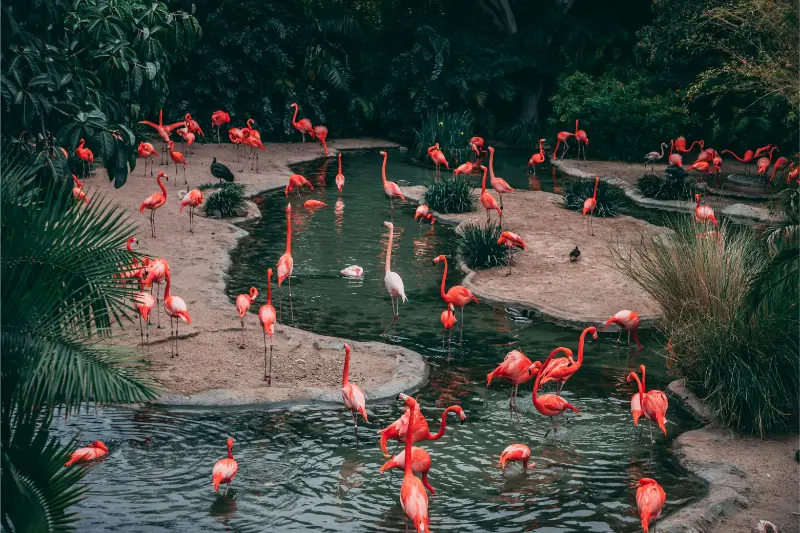
Wildlife is one of the reasons Florida feels different from an ordinary beach destination. Alligators live in freshwater habitats across the state, manatees gather in warm-water areas, sea turtles nest on beaches, and coastal waters support rays, sharks, dolphins and countless fish. The goal is not to be afraid of these animals. It is to understand that a vacation landscape is also habitat.
Most safe encounters follow the same rule: keep distance, never feed wildlife, use designated swimming and walking areas, and follow local closures. The greatest risk often comes from trying to turn a wild animal into a close-up photo opportunity. This guide explains practical habits for common Florida wildlife encounters without sensationalizing them.
Quick Planning Summary
- Never feed or approach alligators or other wild animals.
- Near alligator habitat, swim only in designated areas during permitted times and keep pets away from the water’s edge.
- Use the “stingray shuffle” in shallow coastal water where rays may rest in sand.
- Respect sea-turtle nesting zones, manatee rules and wildlife-viewing distances.
- Heat, insects and water conditions are often more likely to affect a day than a dramatic wildlife encounter.
In this guide
- Alligator safety
- Snakes on trails and around water
- Sharks and ocean swimming
- Stingrays in shallow water
- Mosquitoes and biting insects
- Sea turtles and nesting beaches
- Manatees, dolphins and ethical viewing
- Traveling with pets around Florida wildlife
- Birds, raccoons and smaller wildlife
- Wildlife-viewing etiquette for photos and tours
- Families, seniors and accessibility
- Budget and booking strategy
- What to check before travel
- Common mistakes to avoid
- Related Wonderful Florida guides
- Official resources
- Final advice
Alligator safety
Alligators occur throughout Florida in lakes, ponds, rivers, canals and wetlands. FWC advises keeping a safe distance, never feeding them and swimming only in designated swimming areas during daylight hours. Pets should remain leashed and away from the water’s edge because small animals can resemble natural prey.
Do not approach an alligator for a photograph, and never assume a small pond near a hotel or golf course is wildlife-free. If an alligator appears threatening in a developed area, use the official FWC nuisance-alligator reporting system rather than attempting to move or interact with it yourself.
Snakes on trails and around water
Florida has many snake species, most of which avoid people. The useful behavior is simple: watch where you step, stay on established trails, use a light after dark and never handle a snake you cannot identify. Give any snake space to move away.
Children should be taught to point out wildlife rather than pick it up. In remote hiking areas, closed shoes and long trousers can provide practical protection from vegetation, insects and rough ground as well as reducing accidental contact with wildlife.
Sharks and ocean swimming
Sharks are part of Florida’s marine ecosystem, but beach safety should focus on overall water conditions rather than fear. Swim near lifeguards when available, follow local warnings and avoid entering water when officials close or restrict an area. Do not swim around active fishing or baitfish activity.
If a beach posts a specific wildlife advisory, take it seriously. Conditions differ by place and day, so a statewide generalization is less useful than local lifeguard and beach-patrol information.
Stingrays in shallow water
Stingrays can rest on sandy bottoms in shallow coastal water. Florida wildlife guidance commonly recommends shuffling the feet rather than taking high steps when wading; the vibration can encourage a ray to move before it is accidentally stepped on.
Rays are not waiting to attack swimmers. Their spine is defensive. Avoid handling them, give visible rays room and use extra caution in shallow, calm water where the bottom is difficult to see.
Mosquitoes and biting insects
Mosquito exposure varies greatly by season, location and recent weather. Wetlands, mangroves and still air can be much more challenging than breezy urban beaches. Use an appropriate insect repellent, cover exposed skin when practical and avoid leaving standing water around longer stays.
No-see-ums and other biting insects can be especially noticeable around coastal marshes at dawn and dusk. If someone in the group reacts strongly to bites, carry the products they already know work for them rather than experimenting during the trip.
Sea turtles and nesting beaches
Florida beaches support important sea-turtle nesting habitat. During nesting season, obey local lighting rules, keep distance from turtles and marked nests, and never use flash or block an animal’s path to or from the ocean. Furniture and holes left in the sand can also create obstacles.
A guided turtle walk through an authorized program can be a much better experience than searching independently. It combines education with rules designed to protect the animal.
Manatees, dolphins and ethical viewing
Manatees and dolphins can appear remarkably calm around boats and paddlers, which makes respectful distance especially important. Do not chase, touch, feed or surround wildlife. Follow sanctuary and speed-zone rules, and choose operators that explain viewing etiquette before the trip.
A wildlife encounter is successful when the animal changes its behavior as little as possible. If it moves away, let it go. A longer lens or binoculars create a better memory than forcing a closer interaction.
Traveling with pets around Florida wildlife
Pets should remain leashed where required and should not be allowed to investigate pond edges, mangroves or wildlife on beaches. Alligator habitat is an obvious concern, but snakes, heat and sharp shells can also affect pets.
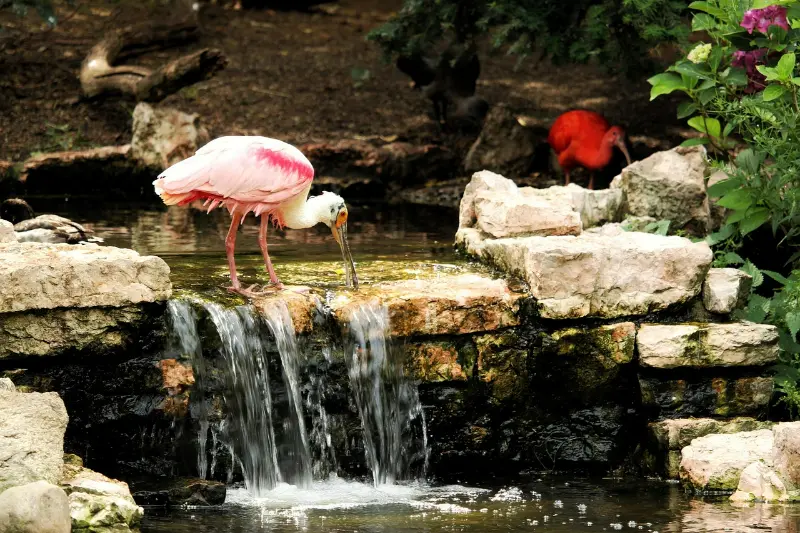
Check pet rules at parks and beaches before arrival. Bring water and avoid leaving animals in vehicles. A pet-friendly destination is not automatically safe for off-leash exploration.
Birds, raccoons and smaller wildlife
Not every wildlife conflict involves a large animal. Gulls, raccoons, squirrels and other animals can quickly learn that visitors carry food. Feeding them encourages aggressive behavior, changes natural habits and can create problems for the next traveler. Keep food secured, use proper trash containers and never invite an animal closer for a photograph.
Bird nesting areas deserve particular space. Shorebirds may nest directly on open sand, and adults can leave nests when people, pets or drones approach too closely. Respect posted buffers and keep dogs out of protected zones. On boardwalks and picnic areas, remember that a cute animal taking food from a hand is not a harmless souvenir; it is a wild animal being trained to seek people.
Wildlife-viewing etiquette for photos and tours
Use zoom rather than your feet when an animal is already aware of you. If wildlife stops feeding, changes direction, raises its head repeatedly or tries to leave, the viewing distance may be too close. Give the animal a clear escape route and never surround it with a group.
On guided tours, choose operators that explain wildlife rules before the encounter and are willing to leave when animals need space. Guarantees of touching or extremely close encounters are not a sign of a better nature experience. Responsible viewing may produce a more distant photograph, but it protects the animal and keeps the experience available for future visitors.
Families, seniors and accessibility
Children usually respond well to one simple wildlife rule: look, point and photograph, but do not touch or feed. Give them binoculars and turn distance into part of the activity. Teenagers who want close photos should understand that wildlife ethics apply even when nobody is visibly enforcing them.
Senior travelers and visitors with limited mobility can choose boardwalks, wildlife drives and boat tours that provide excellent viewing without difficult trails. Ask about shade, seating and accessible restrooms when choosing a viewing site.
Budget and booking strategy
Wildlife viewing does not need an expensive tour. Many state parks, refuges and wetlands provide low-cost or free observation. Spend on a qualified guide when local knowledge, boat access or specialized viewing meaningfully improves the experience.
Avoid operators that advertise touching, feeding or guaranteed close encounters with wild animals. Ethical distance is a quality signal, not a disappointment.
What to check before travel
Before visiting a wildlife area, check FWC, the park or refuge website for closures, seasonal protections and current safety notices. For beaches, use local lifeguard or beach-patrol information. For marine tours, ask the operator how it handles protected species and weather cancellations.
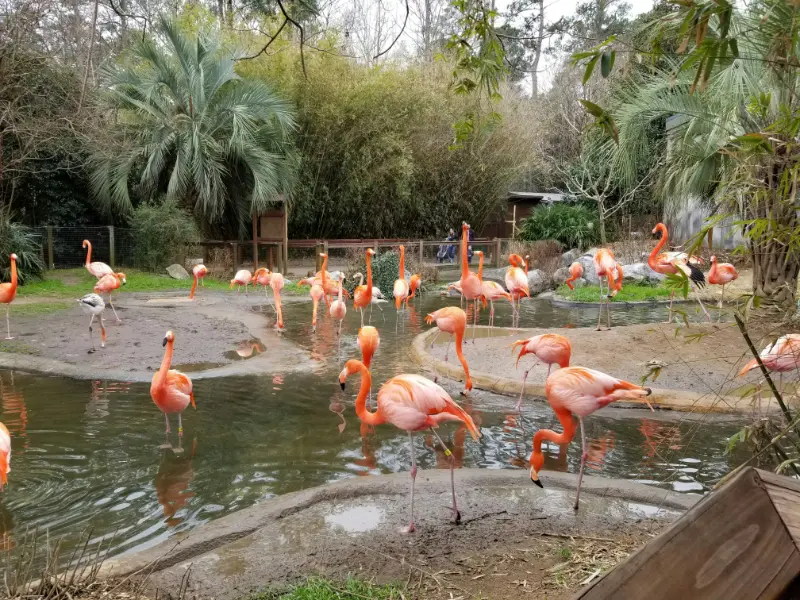
Wildlife rules can be location-specific. A behavior allowed on one type of waterway may be restricted in a sanctuary or nesting zone.
Common mistakes to avoid
- Approaching an alligator or other wildlife for a closer photograph.
- Letting a dog walk at the water’s edge in alligator habitat.
- Assuming every snake or shark encounter is dangerous and reacting unpredictably.
- Touching or feeding manatees, dolphins, birds or other wildlife.
- Ignoring insects, heat and water conditions because the trip is focused on larger animals.
Related Wonderful Florida guides
Florida Beach Safety Guide, Best Florida State Parks, Florida Birdwatching Guide, Florida with Kids, Florida Photography Guide.
Official resources
- Florida Fish and Wildlife Conservation Commission
- FWC – Living with Alligators
- U.S. Fish & Wildlife Service – Florida
Rules, prices, access arrangements, reservation systems and operating procedures can change. When a detail is important to the trip, confirm it with the responsible agency, park, attraction, hotel or local authority shortly before travel.
Final advice
Florida wildlife is safest and most rewarding when it stays wild. Give animals room, follow local water and trail rules, keep pets controlled and let a distant encounter be enough. The goal is to leave with photographs and respect for the habitat, not a story about how close you managed to get.