
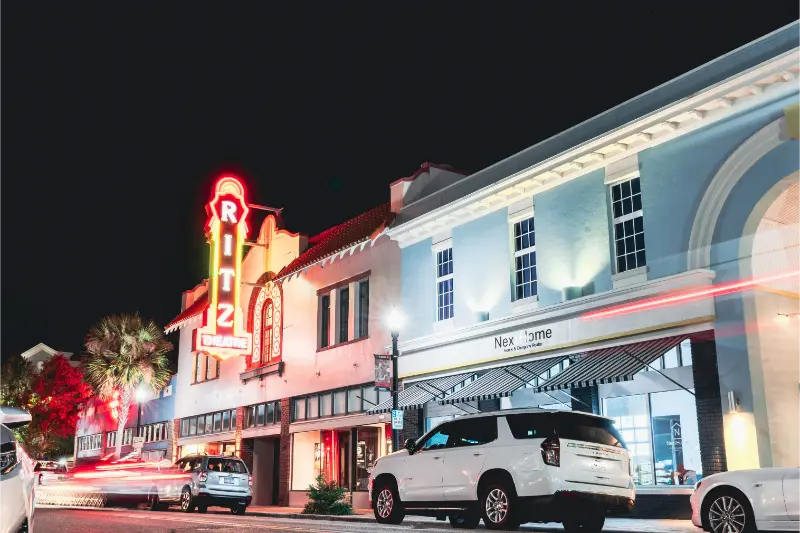
Florida food makes more sense when you stop looking for one statewide cuisine. The state is a meeting point: Gulf and Atlantic seafood, Cuban and Caribbean cooking, Southern traditions, citrus agriculture, immigrant communities and resort culture all overlap. The most interesting meals often come from matching the food to the place—stone crab in season in South Florida, smoked fish near the Gulf, Cuban coffee in Miami, or a simple seafood shack after a day on the water.
I would not build a Florida food trip around famous restaurants alone. Markets, bakeries, fish houses, family-run Latin cafés and small-town seafood spots can be just as revealing. The guide below focuses on flavors and dining patterns so it stays useful even as individual restaurants open, close or change.
Quick planning summary
- Signature dessert: key lime pie, especially in the Keys and South Florida
- South Florida strength: Cuban, Caribbean and Latin American food
- Coastal strength: fresh fish, shrimp, oysters and region-specific seafood
- Gulf traditions: smoked fish, grouper dishes, shrimp and old fish-house culture
- Road-trip rule: try local specialties where they belong instead of chasing one viral restaurant across the state
- Family rule: mix destination meals with easy breakfasts and casual stops so every meal does not become an event
Cuban food and coffee
South Florida’s Cuban food is foundational to the state’s modern culinary identity. A Cuban sandwich, café con leche, croquetas, pastelitos, roast pork, black beans and rice can tell you more about Miami and Tampa history than a generic chain meal.
Miami and Tampa have different claims and traditions around the Cuban sandwich, and travelers do not need to choose a winner. Taste both when the route allows and notice how local history shaped the bread, meat and preparation.
Caribbean and Latin American Florida
Florida’s food map reaches far beyond Cuban cuisine. Puerto Rican, Haitian, Jamaican, Colombian, Peruvian, Venezuelan, Mexican, Brazilian and other Latin American and Caribbean communities contribute deeply to restaurant life, especially in South and Central Florida.
Food halls, bakeries and neighborhood restaurants are often easier entry points than high-end tasting menus. Ask what the house is known for and order one unfamiliar side or drink rather than trying to understand an entire cuisine in a single meal.
Seafood from two coasts
Florida’s long coastline means seafood varies by region and season. Grouper, snapper, shrimp, oysters, crab and locally available fish appear in many forms, from fried baskets to refined restaurants. Freshness and responsible sourcing matter more than a menu simply using the word ‘local.’
Do not assume every waterfront restaurant serves fish caught that morning. Ask questions if local sourcing is important to you, and remember that weather, seasons and regulations affect what is available.
Key lime pie
Key lime pie is the famous dessert, and the Keys are the natural place to explore it. Styles vary in sweetness, crust, topping and texture. Some travelers prefer a classic slice; others like frozen or chocolate-dipped versions.
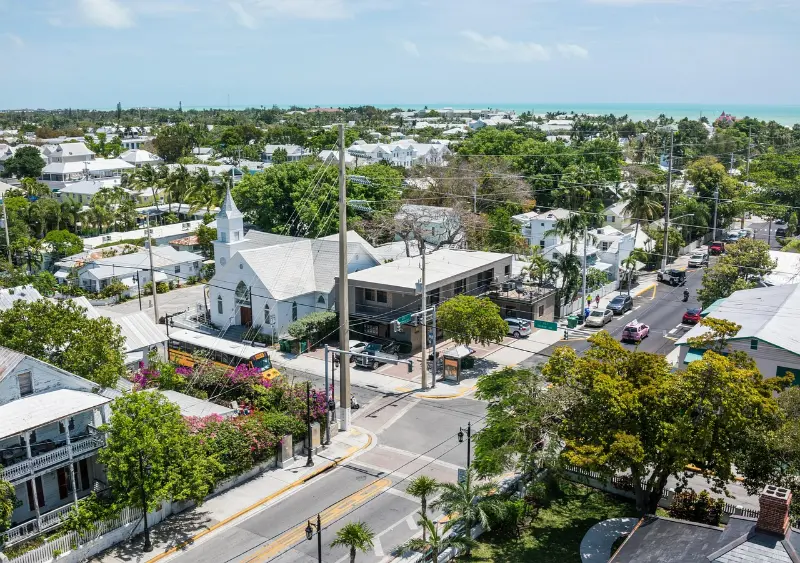
The point is not finding the one official best slice. Try it in a place where the setting adds to the experience, then compare another version later in the trip.
Citrus, tropical fruit and farm products
Florida citrus remains part of the state’s identity even as agriculture has changed. Orange and grapefruit products, local juices, strawberries, tomatoes, tropical fruit and winter produce appear in markets and seasonal events.
Farm stands can be excellent road-trip stops, but opening days and harvest seasons matter. Do not drive far based on an old social-media post without checking current hours.
Gulf Coast fish houses and smoked fish
On the Gulf side, old fish-house traditions, smoked fish, shrimp and casual waterfront meals can feel as important as polished restaurants. Places around Tampa Bay, the Nature Coast, the Panhandle and Southwest Florida each have their own emphasis.
These meals are often best kept simple. A good fish sandwich after a beach or boat day does not need to become a two-hour formal event.
Food festivals, markets and special events
Florida has seafood festivals, key-lime celebrations, farmers markets and food events throughout the year. They can add energy to a small-town stay, but they can also change parking and hotel prices dramatically.
Use events as a bonus rather than the only reason for a long trip unless you have verified dates and ticket requirements. Seasonal schedules can change from year to year.
Families, older travelers and accessibility
Families can turn food into an activity without requiring children to eat unfamiliar dishes at every meal. Share one new item and keep a familiar option available. Teenagers often enjoy food halls, bakeries, dessert stops and markets because they can choose independently. Senior travelers may prefer earlier dining times and quieter restaurants. Travelers with allergies, celiac disease or other dietary restrictions should communicate clearly and verify cross-contact procedures directly with the restaurant; a cuisine that is naturally gluten-free or dairy-light is not automatically safe in every kitchen.
For mixed-age groups, I would plan the day around the person with the lowest heat tolerance or the strongest mobility, feeding or rest requirement, then let more energetic travelers add optional activities. Florida becomes much easier when the group does not have to move as one unit every minute. Build obvious meeting points, keep phones charged and choose a hotel or base that allows someone to stop early without collapsing the rest of the day.
Budget and booking strategy
Florida dining can range from inexpensive bakery breakfasts to luxury resort restaurants. Save by making breakfast simple, choosing one destination meal per day and using lunch for restaurants that are expensive at dinner. Waterfront views can add cost without guaranteeing better food, so decide whether you are paying for the plate, the setting or both. Grocery stores and markets are useful for road-trip lunches and beach days.
When comparing prices, look at the total daily cost rather than one headline number. Parking, tolls, resort fees, food, equipment rental, transfers and cancellation rules can change which option is actually cheaper. I also prefer reservations that can be modified when weather or family needs are likely to affect the plan, even if the flexible rate costs a little more.
Best timing and seasonal planning
Popular beach and resort restaurants can have long waits at sunset and on weekends. Families often do better eating earlier. Seafood and agricultural products can be seasonal, while festivals have fixed dates that change year to year. During hurricane season, restaurant operations in affected coastal areas may change quickly; verify before driving a long distance.
Florida is large enough that conditions vary by region. A cool morning in North Florida can coexist with beach weather in the Keys, and a thunderstorm in one part of a metro area does not mean the entire day is lost. Check local forecasts, water conditions and official attraction notices close to the visit rather than relying on a statewide forecast saved weeks earlier.
A practical way to use this guide
Start by choosing the one outcome that would make the trip feel successful. Then protect the time, location and budget for that priority before adding optional experiences. This prevents a common Florida problem: an itinerary with many individually good ideas that becomes tiring because the driving, heat and check-in times do not fit together.
I would also separate fixed commitments from flexible choices. Flights, cruises, major attraction reservations and special tours belong in the fixed group. Beaches, neighborhood walks, parks, casual restaurants and hotel-pool time can usually remain flexible. When weather or fatigue changes the day, move the flexible pieces instead of trying to force the original schedule.
Reservations, tipping and dietary needs
Popular Florida restaurants can be busiest at sunset, on weekends and during major events. Reserve the meals that truly matter, then leave the rest flexible. Early dinner is often easier for families and can produce the same water view without the longest wait. In casual beach towns, check closing times because kitchens may stop earlier than visitors expect.
U.S. restaurant tipping customs may be unfamiliar to international visitors, so check whether service has already been added, especially for larger groups or resort restaurants. Travelers with allergies or medical diets should contact restaurants directly when the meal is important. Menus and online filters are useful starting points, but kitchens change and cross-contact procedures vary by location.
Common mistakes to avoid
- Trying only national chains and concluding Florida has no distinct food culture.
- Assuming every waterfront restaurant serves local seafood.
- Driving across the state for one viral restaurant without checking hours.
- Scheduling every meal as a major reservation and exhausting the group.
- Ignoring regional Latin, Caribbean and Southern influences beyond the best-known dishes.
- Treating food allergies as solved because a menu label looks reassuring.
Useful Wonderful Florida guides
- Miami and Miami Beach guide
- Florida Keys and Key West guide
- Apalachicola travel guide
- Florida on a budget
Official resources to check before you go
Hours, access rules, reservation systems, transportation schedules and weather-related closures can change. Check the official source shortly before travel when a specific attraction, service or route is essential to the trip.
Final thoughts
Florida food is a map of the state’s history and geography. Follow the coast for seafood, the cities for Latin and Caribbean flavors, the Keys for key lime traditions and the smaller communities for local fish houses, markets and seasonal events. The best food plan leaves room to discover something you did not search for in advance.