
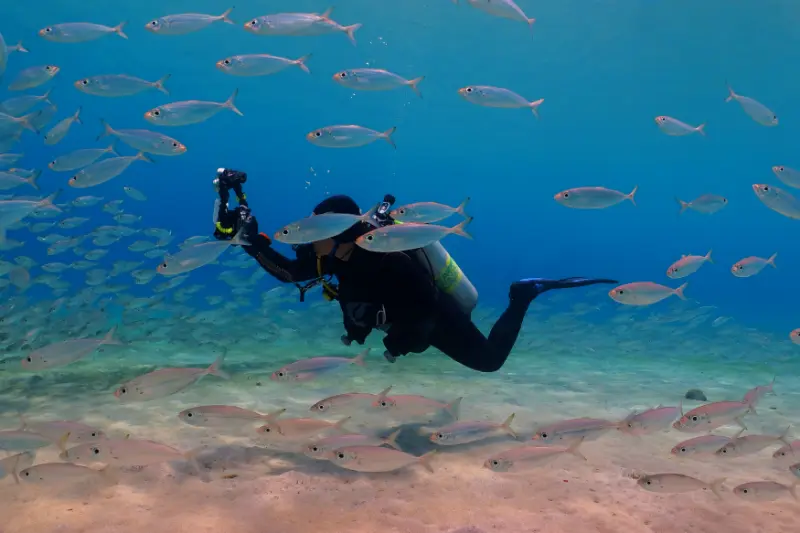
Florida wildlife is one of the state’s strongest reasons to travel beyond theme parks and beaches. Manatees gather around warm-water areas in cooler months, sea turtles nest on ocean beaches, alligators inhabit freshwater wetlands, dolphins appear along both coasts and migratory birds can transform a simple boardwalk into a memorable morning. The best encounters usually come from patience rather than chasing animals.
I would plan wildlife trips around habitat and season, not a promise of a specific animal. Wild animals move, weather changes and responsible operators do not guarantee close contact. A successful wildlife day is one where you see the ecosystem functioning, even if the animal on your wish list stays out of sight.
Quick planning summary
- Best winter wildlife: manatees at appropriate warm-water sites
- Best widespread reptile viewing: freshwater wetlands and Everglades habitats, from a safe distance
- Sea turtle season: nesting and hatching are seasonal and beaches use protective rules
- Dolphins: common in coastal waters but sightings are never guaranteed
- Birding: excellent statewide, especially wetlands, refuges and migration hotspots
- Golden rule: never feed, touch, chase or crowd wildlife for a photograph
Manatees: seasonal planning matters
Manatees can be seen in several parts of Florida, but cooler weather changes where they concentrate. Crystal River and Homosassa are famous, while Blue Spring and other warm-water refuges can offer boardwalk viewing. Regulations and access systems exist to protect animals, and popular sites may use reservations or capacity controls.
If you book an in-water experience where legally permitted, choose an operator that emphasizes passive observation and current wildlife rules. The goal is not to force contact. Families with younger children may prefer a boardwalk or observation area where nobody needs snorkeling confidence.
Alligators and crocodiles
Alligators live in freshwater habitats across much of Florida and are often visible in wetlands, lakes and roadside canals. American crocodiles have a much more limited South Florida range and are associated with brackish and saltwater environments. Do not approach either species for a photograph, and never feed them; feeding changes behavior and creates danger for people and animals.
Boardwalks and established wildlife drives are ideal because they create a clear viewing boundary. Parents should keep small children close and pets away from the water’s edge. A telephoto lens or binoculars creates a better photograph than moving closer.
Sea turtles: nesting beaches and night etiquette
Florida’s Atlantic and Gulf beaches host important sea-turtle nesting. During nesting season, coastal communities may restrict lighting, beach furniture and nighttime behavior because artificial light can disorient turtles and hatchlings. Never use flash photography near a nesting turtle, touch hatchlings or block their route.
Guided turtle walks offered by authorized organizations can be an excellent way to learn without disturbing wildlife. Daytime visitors can also look for marked nests from a respectful distance. If you see an injured or stranded turtle, follow local reporting instructions rather than attempting a rescue yourself.
Dolphins, whales and marine wildlife
Bottlenose dolphins are common in Florida coastal waters, bays and estuaries, and they may appear from beaches, piers or boats. The responsible approach is observation, not feeding or trying to make an animal follow a vessel. Choose tour operators that explain distance rules and do not market guaranteed close-contact behavior.
Other marine wildlife includes rays, sharks, sea birds and seasonal fish migrations. Snorkelers and paddlers should respect weather, currents and protected areas. An exciting sighting is not a reason to separate from the group or enter water conditions beyond your skill.

Birding: the easiest wildlife experience to add to any trip
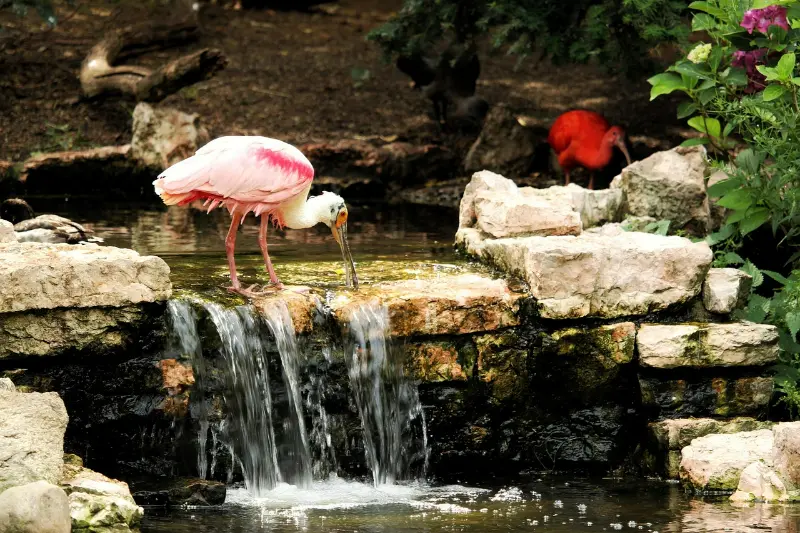
Florida birding can be spectacular and requires less logistics than many mammal encounters. Wetlands, refuges, beaches, mangroves and even urban parks can produce herons, egrets, ibis, spoonbills, raptors and migratory species. Early mornings are often comfortable for both birds and people.
A small pair of binoculars changes the experience more than an expensive tour for many beginners. Learn a few habitat types rather than memorizing a huge species list. Birding is also one of the most accessible wildlife activities because many strong locations have boardwalks and short trails.
Florida panthers, bears and animals you may not see
Florida is home to rare or elusive mammals including the Florida panther and black bear. Most visitors will not see a panther, and that is normal. Do not plan a vacation around finding one. Wildlife conservation is partly about protecting animals that remain difficult to encounter.
In bear country, secure food and trash according to local rules. On roads through wildlife habitat, slow down and watch for animal-crossing signs, especially at dawn and dusk. A safe trip may mean admiring tracks, habitat and conservation work rather than seeing every species directly.
Families, older travelers and accessibility
Wildlife viewing can work beautifully for multigenerational travel because boardwalks and observation areas let people participate at different energy levels. Families should teach children to watch quietly and stay behind barriers. Older travelers can prioritize tram tours, wildlife drives and shaded boardwalks. Travelers with accessibility needs should check surface type and viewing-platform access before arriving.
For multigenerational groups, I would build the day around a comfortable base and one shared priority, then let the group split for optional activities. Florida trips work better when everyone does not have to match the pace of the fastest walker or the most energetic teenager. Shade, seating, restrooms, short transfer times and an easy route back to the hotel often matter more than squeezing in one additional attraction.
Budget and booking strategy
Many excellent wildlife experiences are low-cost: public wetlands, refuges, boardwalks and beaches. Spend on a guided tour when local knowledge, boat access or safety adds real value, not because wildlife is impossible to see independently. Avoid businesses that sell unnecessary close-contact encounters as the only way to have a memorable experience.
Compare the total day rather than a single ticket or hotel price. Parking, tolls, resort fees, food, rentals, transport and cancellation rules can change which choice is actually cheaper. For weather-sensitive plans I prefer reservations that can be modified, even when the flexible option costs a little more.
Best timing and seasonal planning
Manatee viewing is especially seasonal, sea-turtle nesting follows seasonal patterns and migratory birds change through the year. Summer brings heat, insects and storms to wetlands; winter can be much more comfortable. Sunrise and late afternoon are often productive, but wildlife is never a scheduled performance.
Florida is large enough that weather and crowd patterns differ by region. Check the local forecast and official operating calendar close to the visit, especially when the plan depends on water conditions, wildlife seasons, a ferry, a boat trip or an outdoor attraction.
A practical way to use this guide
Start with the part of Florida Wildlife Guide that would make the trip feel worthwhile even if the rest of the day changed. Protect that priority first, then add flexible stops around it. This keeps a weather delay, tired child or longer-than-expected drive from turning the whole itinerary into a failure.
I also separate fixed commitments from flexible choices. Timed tickets, ferries, cruises, special tours and hard-to-get reservations belong in the fixed group. Beaches, neighborhood walks, casual meals, parks and hotel-pool time can usually move. When conditions change, adjust the flexible pieces instead of forcing the original schedule.
Common mistakes to avoid
- Feeding wildlife, even when animals appear accustomed to people.
- Walking closer to an alligator because it has not moved.
- Using flash or bright lights around nesting sea turtles.
- Choosing an animal encounter without researching welfare and conservation practices.
- Promising children a guaranteed wild-animal sighting.
- Ignoring heat, mosquitoes and lightning on wetland trails.
Useful Wonderful Florida guides
- Best natural springs in Florida
- Everglades National Park guide
- Crystal River travel guide
- Best Florida state parks
Official resources to check before you go
Hours, reservation systems, access rules, transportation schedules and weather-related closures can change. When a specific attraction, trail, ferry or service is essential to your trip, verify it on the official source shortly before travel.
Frequently asked questions
Where is the best place to see manatees in Florida?
Crystal River/Homosassa and Blue Spring are famous options, but timing and access rules matter. Cooler weather often produces the strongest warm-water gatherings.
Where can I safely see alligators?
Established wetlands, boardwalks, wildlife drives and the Everglades are good choices. Stay on designated routes and never approach or feed an alligator.
When is sea turtle nesting season?
Florida nesting activity is concentrated in the warmer part of the year, with exact timing varying by species and coast. Follow local beach-lighting and nighttime rules.
Can I swim with wild dolphins in Florida?
Do not chase or feed wild dolphins. Regulations and operator practices matter; choose observation-focused experiences and follow federal and local wildlife rules.
What is the best wildlife activity for seniors?
Boardwalks, tram tours, wildlife drives and boat trips with easy boarding can provide excellent viewing with less walking, depending on the site.
Extra planning notes for a smoother trip
When I plan around Florida wildlife guide, I keep a simple backup structure: one indoor option, one short outdoor option and one meal area that does not require a reservation. That gives the day somewhere to go when weather, traffic or energy changes. I also save the current address, parking instructions and cancellation terms offline before leaving the hotel. Florida travel becomes much easier when small decisions are made before everyone is tired, hot or hungry.
If the day involves driving, I check the return route before the final stop rather than at the moment we are ready to leave. Coastal bridges, causeways, major events and afternoon storms can change traffic quickly. For families, I keep snacks and a dry change of clothes accessible instead of buried under luggage. For older travelers, I identify restrooms and shaded seating early. These details are not glamorous, but they protect the parts of the day that are.
I also avoid paying in advance for every hour. Reserve scarce experiences, then leave beaches, parks, neighborhoods and casual dining flexible. The best Florida days often improve when the group can stay longer at a place that is working well or leave early when heat, crowds or weather make it less enjoyable. A strong itinerary gives you choices instead of obligations.
Final thoughts
Florida wildlife is most rewarding when you stop trying to control the encounter. Learn the habitat, arrive at a sensible time, keep your distance and let the animals decide whether they appear. That approach is safer, more ethical and usually more memorable than chasing a close-up photograph.