
One of Florida’s most memorable bird calls can come from an ordinary grassy field rather than a remote wilderness. Sandhill cranes stand tall, travel in pairs or family groups and make loud, rattling calls that carry across wetlands and suburban landscapes. Seeing them can be a wonderful moment, but it is not an invitation to feed them, walk toward their chicks or stop a car in traffic. A respectful nature trip is about observing how birds use open spaces, water and grasslands while keeping the animals safe.
This five-day plan links the Orlando area’s wetlands with carefully chosen public nature stops toward the Space Coast, including options suitable for families and photographers without long hikes. It combines sandhill cranes with herons, gallinules, egrets, raptors and other wetland birds, not a guarantee of a specific species each day. Before departure, check current access notices, weather and the wildlife-management rules at every location. Wetlands can close after heavy rain or for maintenance, and some areas have rough surfaces that may be unsuitable for mobility aids.
Know the bird and give it room
According to the Florida Fish and Wildlife Conservation Commission, Florida sandhill cranes inhabit wetlands, open prairies and even some developed landscapes. Their calls can be heard well before the birds are visible. The Florida population includes resident cranes, and the state also receives migratory sandhill cranes seasonally. Identifying every distant bird by subspecies is not necessary to enjoy the experience; focus first on appearance, behavior and habitat.
Feeding sandhill cranes is prohibited in Florida and harmful to both birds and people. Human food encourages birds to approach vehicles and settlements, increasing conflict and injury risks. Never offer bread, seeds or leftovers; even accidentally spilled bird seed may attract cranes. If a crane approaches you, remain calm and give it a clear path rather than moving closer for a photograph. Dogs should be controlled and kept away from nesting or feeding birds, subject to park rules.
Best time of day for comfortable birdwatching
Early mornings and late afternoons often give softer light and more comfortable temperatures, but birds remain unpredictable. Choose morning walks in warm months and avoid exposed wetland paths when thunderstorm chances rise. Bring binoculars, a hat, water and insect protection. A camera with a moderate zoom is useful, but you can have a good outing without professional gear. If birds are distant, enjoy watching natural movement instead of leaving designated paths to close the gap.
For toddlers or older adults, a thirty-minute session at one accessible viewpoint may be more satisfying than an extended trail. Keep noise low and explain to children that wildlife observation requires patience. Sit quietly to notice sounds, bird flight paths and changes in vegetation. One crane that remains undisturbed is a better outcome than ten close-up photographs obtained by chasing animals across the grass.
Day one: Orlando Wetlands and its boardwalk
Orlando Wetlands east of the urban center is an excellent place to begin learning about managed wetlands and their wildlife. The city describes a cypress boardwalk and visitor center, alongside a larger landscape of roads and natural areas. Choose an approved public route appropriate to your group, and check current access hours, park rules and any transportation services before arriving. The site can attract a variety of wetland birds, although specific sightings are never certain.

Start with the visitor center to understand how the wetland system functions, then take a short boardwalk outing if conditions allow. The structure provides a different perspective from a dirt path, but do not assume every trail beyond it is similarly accessible. A stroller-friendly section and an unpaved route through wetland vegetation are different experiences. Keep children close to adults, and do not stand on railings or lean over edges to photograph wildlife.
Look for habitat rather than chasing one species
Wetland birdwatching becomes richer when you notice why birds occupy different parts of the landscape. A heron may stand motionless in shallow water, a gallinule may navigate floating vegetation, and an osprey may circle overhead. These behaviors tell a story about food, shelter and habitat. In a notebook, write where each bird was standing and what it appeared to be doing rather than simply checking its name off a list.
This method works well with school-age children because it does not demand expert identification skills. Ask what makes shallow water attractive to long-legged birds or why a bird might perch above the marsh. Avoid playing recorded calls to attract wildlife, particularly near active nests. Bird photography should remain passive, with binoculars or a camera doing the work of bringing the scene closer.
Day two: short nature stops around Central Florida
Use the second day for one local public park or wildlife viewing area rather than a strenuous trip. Open grassy spaces around the Orlando region sometimes attract sandhill cranes, but do not enter private golf courses, residential yards or roadside drainage areas to approach them. A crane appearing beside a car park does not turn the location into a sanctioned viewing platform. Choose designated public space with safe parking and restrooms, and keep the outing brief in heat.
If no cranes are visible, shift the objective to listening for calls and identifying other birds. You might spot ibis, egrets or a hawk from a permitted trail. This flexibility helps families avoid pressuring children or animals for a rare sighting. Wildlife travel works best when an empty field is a chance to understand habitat, not evidence that the day’s plan failed.
Day three: travel toward the Space Coast wetlands
Move your base toward the Viera or Cocoa area if you want shorter drives for the final days. Choose lodging based on a comfortable route and access to food rather than proximity to a specific wildlife sighting. The Space Coast has a mix of coastal habitat, urban development and managed wetland systems. Roads near reserves can be narrow or used by operational vehicles, so follow all public-access signs and never park on a shoulder that blocks maintenance access.
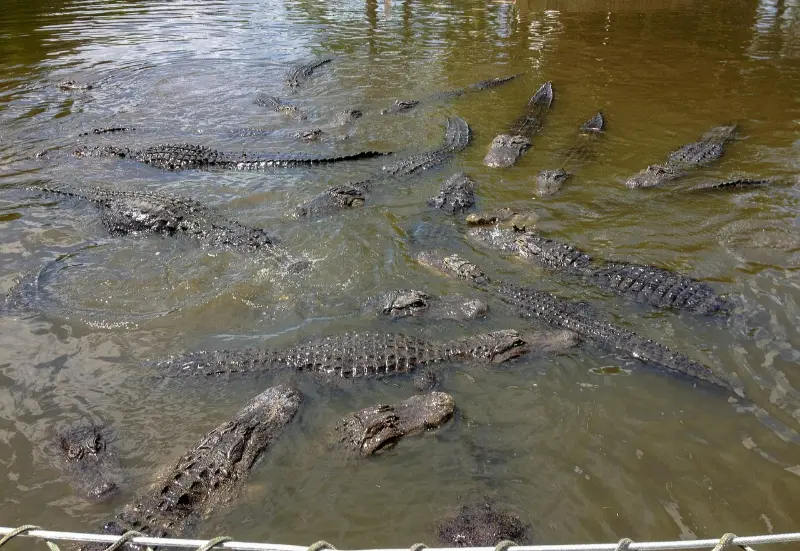
The transfer day can include one short approved observation point, followed by a quiet afternoon. People who enjoy photography might make use of early or late light, but daylight and safety come first. Do not walk through tall grass near water at dusk. Florida wetland wildlife includes alligators; view them from a safe distance and never allow children or pets to approach a bank for a better photograph.
Day four: Ritch Grissom Memorial Wetlands at Viera
The Brevard County utility-operated wetlands, commonly called Viera Wetlands, provide a well-known place for birdwatching. County information describes the constructed treatment wetland system and publishes visitor hours. Confirm the newest access notices before traveling, because a working environmental facility may adjust entry due to operational needs or weather. Respect gates, closed routes and any restrictions on vehicles or walking access.
Use the first suitable observation area instead of trying to cover every section. Watch quietly for wading birds, waterfowl and birds of prey. Cranes may be present in suitable surrounding habitat, but the wetlands should be appreciated for their broader ecosystem rather than treated as a guaranteed crane display. Keep noise low and use binoculars from permitted positions. Take a break whenever heat or glare becomes uncomfortable.
Day five: a coastal habitat comparison
For the last day, visit an approved public shoreline or lagoon education location around the Space Coast. Compare brackish or coastal habitat with the inland freshwater wetlands you saw earlier. Different birds may appear because food sources and vegetation change near saltwater. A short boardwalk or educational exhibit is often enough. You can also use the day as a buffer if Viera or Orlando Wetlands was closed earlier in the week.
Avoid booking a distant paid wildlife cruise simply to increase your species count before departure. A responsible five-day trip allows time for observation, discussion and rest. At the end, ask each person to choose one behavioral detail they noticed: a bird carrying nesting material, a crane calling to its partner or a heron standing still in shallow water. Those memories can be more meaningful than a long species list.
Sample five-day route
| Day | Area | Main idea | Comfortable alternative |
|---|---|---|---|
| 1 | Orlando Wetlands | Boardwalk, visitor center and wetland birds | Exhibits and shorter route |
| 2 | Greater Orlando | Short public grassland or wetland stop | City park with benches |
| 3 | Orlando to Space Coast | Transfer and one safe viewpoint | Travel-only rest afternoon |
| 4 | Viera Wetlands | Birdwatching at a managed wetland | Short observation stop |
| 5 | Space Coast lagoon | Coastal habitat comparison | Education center and departure |
A rental car gives the most flexibility, but you should not assume all reserve roads allow ordinary vehicles or that rideshare drivers will pick up from remote trailheads. Review maps, gates and parking rules on official sites. Keep a paper note of your accommodation address and the phone number of the responsible park authority.
Why not feed cranes for a better photograph?
A fed crane may start associating humans and vehicles with food, increasing its chances of injury and conflict. Food that is suitable for people is not necessarily healthy for birds. The FWC specifically warns against feeding sandhill cranes and notes that intentional feeding is illegal. Even tossing food on the ground for a bird that appears hungry can do harm. Explain this clearly to children before arriving, so an enthusiastic moment does not result in somebody offering part of a sandwich.
Keep picnic items packed and dispose of waste in secure containers. Do not use bird-call recordings to bring cranes close, and do not approach nests. If you see a bird that appears injured, contact the appropriate wildlife authority or qualified rehabilitator; do not attempt to capture it. A visitor’s role is to observe responsibly and report concerns through established channels.
Photography for beginners without a giant lens
Many good wildlife photographs begin with light and patience rather than an expensive camera. Choose a stable position, hold the camera steady and include some habitat in the frame. A bird standing in its natural setting can tell a more accurate story than an extreme close-up that requires disturbing it. Phone cameras can capture behavior and landscape even when they cannot resolve distant feather details. Avoid using a flash near wildlife, especially at dusk or around nesting birds.
Be alert to other visitors sharing narrow boardwalks. Tripods and camera bags should not obstruct wheelchair users, children or staff. If a viewpoint is crowded, wait or move to another approved position rather than stepping into vegetation. Respect other photographers’ space and do not assume they owe you directions to a nest location.
What families, older adults and beginners should know
With children, give each person a small mission, such as identifying three shapes of bird bills or sketching a marsh plant. Bring snacks for people, but never share them with wildlife. Older travelers may prefer a site with nearby seating and predictable restroom access. Ask whether a wheelchair or walker can navigate the exact route rather than relying on a general park accessibility label. Binoculars can help people with limited walking ability enjoy distant sightings from one place.
If anyone struggles with heat, insects or sensory stimulation, keep the outing short and return to a comfortable indoor location. A five-day birding vacation should not require five consecutive dawn starts. Rest days and optional activities are especially useful for mixed-age groups. Being quiet and patient is a skill everyone can practice, regardless of experience level.
Weather, water and wetland hazards
Thunderstorms can form quickly, and open wetland trails offer little safe shelter. Leave exposed areas when lightning threatens and move to a substantial building or enclosed vehicle. Never walk through floodwater or attempt to cross a closed boardwalk. Stay clear of alligators and avoid leaning over water to photograph turtles or birds. Mosquitoes and sun exposure can be significant even on cool mornings, so dress appropriately and follow health advice relevant to your situation.
Nature preserves may be flooded or closed for maintenance after storms. Confirm access on the day of your visit rather than assuming that a search result from several months ago remains accurate. In Florida, a temporary closure may protect sensitive wildlife or critical infrastructure; obeying it is part of responsible tourism.
Frequently asked questions
Can we guarantee sandhill crane sightings?
No. Sandhill cranes live in many parts of peninsular Florida, but individual encounters depend on habitat, season and chance. Observe other wetland birds when cranes are not present.
May children feed cranes in public parks?
No. Feeding sandhill cranes is illegal in Florida and can make the birds less safe around people and vehicles.
Is professional photography equipment essential?
No. Binoculars, a simple camera or a phone can support a rewarding nature visit, provided you observe from an appropriate distance.
Official wildlife resources
Check FWC sandhill crane guidance, the City of Orlando Wetlands and Brevard County’s Viera Wetlands page for current access and wildlife-viewing rules.
Leave a Reply