Category: Birding in Florida

  • Kissimmee Prairie After Dark: A Three-Day Florida Dark-Sky Escape

    Kissimmee Prairie After Dark: A Three-Day Florida Dark-Sky Escape

    Most Florida vacations are planned around water, but the state's vast interior prairie offers another unforgettable sight: an unusually broad horizon under a genuinely dark night sky. Kissimmee Prairie Preserve State Park, northwest of Okeechobee, protects dry prairie and wetlands where crested caracaras, deer and grassland birds matter just as much as the stars. It rewards people who enjoy quiet landscapes, patient photography and a slower schedule. The catch is that a state park ticket does not automatically authorize an overnight visit. Here is how to build three comfortable days without making that mistake.

    Quick planning table

    Planning pointWhat to know
    After sunsetAccess requires an authorized option
    Day oneArrive before dark; learn the prairie
    Day twoWildlife and a flexible night-sky session
    Day threeShort morning and safe departure

    Understand the park before choosing your dates

    Kissimmee Prairie is a remote nature preserve rather than a resort with a restaurant, indoor attractions and rides. Its more than 58,000 acres protect an environment maintained by seasonal water and prescribed fire. Summer brings heat, humidity, thunderstorms and more insects. Cooler months usually make daytime observation and nighttime astronomy more comfortable, although clear skies cannot be guaranteed. Choose dates around both the forecast and the lunar cycle: a bright full moon can wash out faint stars even on a cloudless evening. Conversely, moonlight is excellent for seeing prairie silhouettes and learning about the landscape without flashlights.

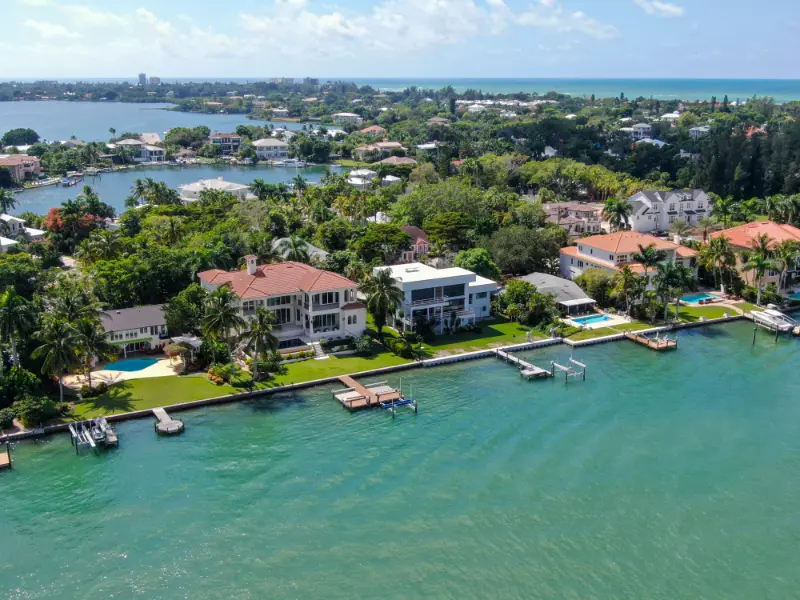
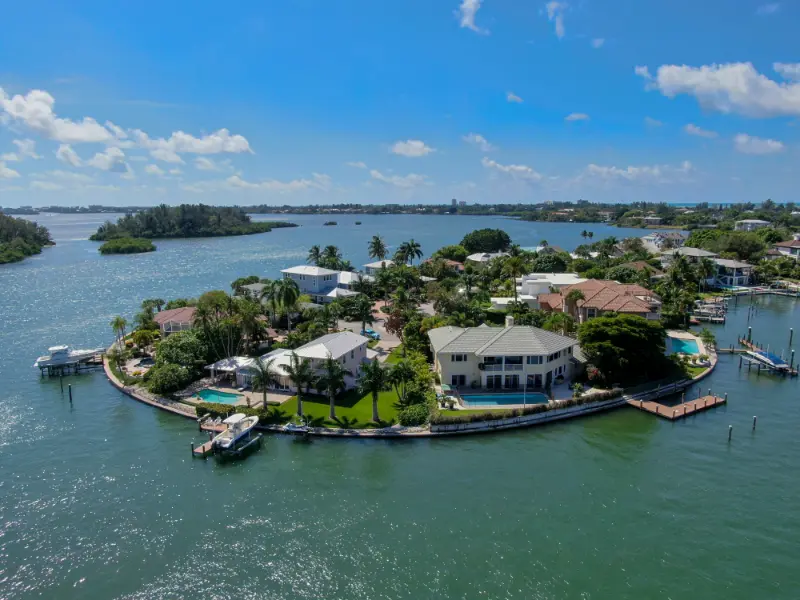
    Kissimmee Florida Tourist Attractions and Neighborhood Aerial

    For a first visit, two nights in the wider Okeechobee area are sensible, with one planned evening at the preserve only after you have confirmed the appropriate access. Families with children should aim for earlier sunset times; a midnight astronomy session that sounds exciting to adults can be difficult for a young child the morning after a travel day. Even enthusiastic astronomers should reserve time for daylight habitat exploration.

    The essential rule about after-hours access

    Florida State Parks generally close at sunset. At Kissimmee Prairie, ordinary day admission does not mean you may remain inside the main preserve after dark. The park lists specific routes to evening access: registered campers, eligible Florida State Parks family annual pass holders with an approved after-hours permit, or stargazing at the designated area near the entrance. Astronomy-pad reservations carry special rules, including red-spectrum lighting and restrictions on campfires. The entrance closes shortly after sunset, and only authorized people can enter after dark.

    The designated entrance-area viewing option has limited services and no restroom, so it may be unsuitable for visitors who require nearby facilities. Check the https://www.floridastateparks.org/parks-and-trails/kissimmee-prairie-preserve-state-park/experiences-amenities official access instructions before booking accommodation. If camping is your plan, verify the current campsite availability, check-in deadline and permitted vehicle type; arriving after the gate has closed may spoil the entire evening. Never assume the park will grant an exception because you have driven a long way.

    Day one: arrive in daylight and learn the prairie

    Travel through Okeechobee or another practical supply town with enough time to buy food, fill the fuel tank and reach the entrance during daylight. The approach is rural, and there are no convenient urban conveniences at every turn. Stop at the park office when staffed, request the most recent map and ask which trails or observation areas are suitable for your group. If you have reserved an astronomy pad, ask where to park and where bright lights are prohibited.

    Spend the afternoon noticing the absence of large trees in the dry prairie. That openness makes this region different from the tropical hardwood hammocks of South Florida and the cypress swamps farther south. Rather than hiking until everyone is tired, spend an hour comparing the habitat near the road with lower, wetter ground. Binoculars are more useful than trying to walk close to a distant bird. For children, identifying five habitats or textures makes a more realistic activity than promising a sighting of an endangered species.

    Your first night under dark skies

    A successful astronomy evening begins before sunset. Dress for falling temperatures, insects and damp ground; bring a compact red light, drinking water and a familiar seat if permitted in your reserved area. Turn car interior lights off where necessary and learn the route back to your tent or vehicle beforehand. Allow your eyes around twenty to thirty minutes to adapt to darkness, and avoid bright phone screens. If conditions are clear, the Milky Way can be a compelling feature during appropriate seasons, but visibility varies with clouds, haze, the moon and time of night.

    Children may prefer counting brighter stars or finding familiar constellations rather than looking for faint galaxies. A simple star map used on the lowest comfortable brightness setting can help. Respect the quiet of neighboring campers; loud conversations and repeatedly opening car doors are particularly intrusive in dark-sky settings. If clouds roll in or lightning threatens, end the session. A remote campsite is never the place to shelter beneath a lone tree in a thunderstorm.

    Day two: wildlife from the main park road

    Return to daylight exploration after a late breakfast. The park's official information notes that wildlife can often be seen from the main drive, which is useful for travelers with limited walking stamina. Drive slowly, obey the posted speed limit and leave adequate distance from animals. Crested caracaras, grasshopper sparrows and burrowing owls are among the notable birds of this landscape, but the chance of an individual sighting is never guaranteed. Look for movement at the edge of the grass, and stop only where parking is permitted.

    Different habitats attract different species. A patch of wetter ground may reveal wading birds, while drier open areas can attract raptors. Bring a field guide or use a downloaded bird-identification resource when a connection is available. Observing behavior is more interesting than collecting a list of names: a bird searching the grass tells a story about food, while a fence or water edge may reveal how land use shapes habitat. Keep every observation ethical—no playback devices near nesting wildlife, drones or off-trail pursuit.

    Short walks, heat and accessibility

    The ground at a prairie preserve may be uneven, sandy, muddy or exposed. Someone who uses a walker, a wheelchair or a stroller should check the precise surface of the intended trail rather than infer accessibility from the existence of parking. Choose the road-based wildlife experience if necessary, and ask staff which facilities have step-free routes and usable restrooms. Some visitors may be more comfortable taking short breaks at the office or day-use area rather than planning an extended trail.

    Wind and sun can be strong on open land even during winter. Use a hat, refillable water bottle and shoes suitable for loose dirt. During hotter months, begin outdoor walking soon after opening and spend midday resting elsewhere. Dogs are restricted from some sensitive trails; the park specifically lists rules for leashes and areas where pets are not permitted. Confirm these before arrival. Avoid making a remote nature visit dependent on completing a set number of miles.

    Day three: a flexible morning and departure

    Keep the final morning light. If your first night was cloudy, you may have enjoyed a second attempt; if both nights were wet, the daylight prairie still provides a worthwhile experience. Take one last short wildlife drive, return borrowed materials, check out of your accommodation and travel toward your next stop while fully rested. Do not schedule a long highway journey immediately after an overnight observation session that kept the driver awake.

    If your group is heading toward the Atlantic coast, plan a separate accommodation or meal stop based on realistic driving distances. The temptation to add an unrelated national park and a beach afternoon on the same departure day can turn a restful journey into a rushed one. A sunrise photo and an unhurried breakfast are enough for the closing morning.

    Where to stay and how much to budget

    Registered campsites are the most direct option for authorized stargazing within the preserve, but not every traveler wants to camp. Okeechobee offers a wider choice of ordinary lodging and restaurants, although staying there means you must follow the park's after-hours rules rather than return casually through a closed entrance. Before paying for accommodation, decide exactly where your evening viewing will take place. A comfortable hotel cannot replace an appropriate permit.

    The official park lists day-use fees and camping charges, which can change. At the time of verification, the standard car admission was listed at $4, while campsites had separate base charges, tax and reservation fees. Treat published prices as a starting point, not the entire weekend budget: fuel, meals, camping equipment, taxes and any extra lodging night can exceed the entry cost. Avoid nonrefundable purchases until you know whether the type of after-hours access you need is possible.

    Packing for families and experienced photographers

    For a family, priority items are dry shoes, easy layers, insect protection, water, snacks and a clear bedtime plan. A child who becomes cold after sunset will remember the discomfort more than the stars. Give everyone a small red flashlight or one shared adult-controlled light. Do not leave toys or food outside your tent, and follow campsite rules for trash and wildlife. If a family member needs medication, refrigeration or power for equipment, confirm the campsite's actual utilities before reserving.

    Photographers should bring a stable tripod, a suitable wide-angle lens, spare charged batteries and a plan for condensation. Use red light only in appropriate low-intensity ways and avoid illuminating the prairie with powerful lamps for an image. A photograph showing a perfect Milky Way is not evidence that the same view will be available on your dates. The real advantage here is uninterrupted quiet and a wide sky, not a guarantee of spectacular photographs.

    Safety during storms, wildfire conditions and remote driving

    This is an open landscape where lightning can be dangerous. Follow official weather alerts, leave exposed trails early when thunder is heard and seek a substantial enclosed building or hard-topped vehicle. Seasonal drought and prescribed-fire operations may affect routes or amenities. Never cross a closed gate or treat smoke on the horizon as a harmless backdrop without checking local guidance. Carry an offline map and ensure your car is in good condition before entering the remote approach roads.

    Mobile service may be intermittent. Tell someone where you expect to be, especially if traveling alone, and keep emergency numbers available without needing internet access. Wildlife should never be fed or approached, and night walking outside designated camping facilities is not a substitute for a permitted trail. The best dark-sky experience is the one you can enjoy without taking unnecessary risks.

    When Kissimmee Prairie is—and is not—the right trip

    Choose this escape if your ideal evening involves sitting quietly, observing the sky and being comfortable with few services. It works beautifully for patient teens, photographers, couples and seniors who enjoy nature, with adjustments for mobility and sleep schedules. Families with infants may prefer a daytime prairie drive plus a nearby hotel rather than a night at a campsite. Visitors needing frequent restrooms may find the entrance viewing option impractical unless they have checked facilities first.

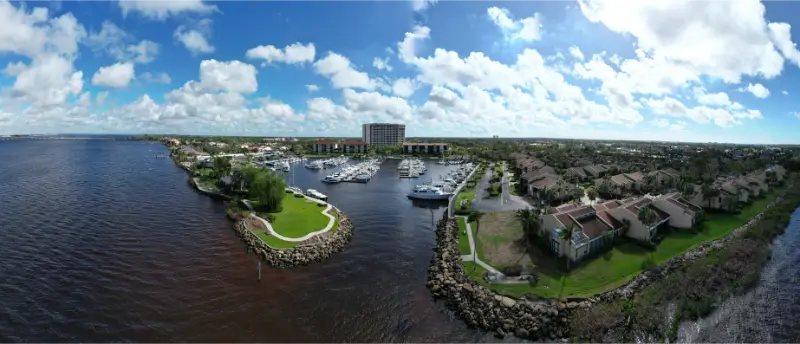
    Kissimmee Florida Residential District and Lakes Aerial

    If your main priority is theme parks, restaurants within walking distance or predictable indoor entertainment, a different Florida base makes more sense. It is also worth postponing during severe weather rather than trying to force the outing. The preserve is compelling precisely because it is not an urban attraction; planning around that character preserves what makes the place special.

    Frequently asked questions

    Can a day visitor stay inside Kissimmee Prairie after sunset?

    Not automatically. Registered campers, certain authorized pass holders and visitors using the designated entrance-area observation option follow different rules. Check the official park instructions before visiting.

    Is a telescope necessary?

    No. Many visitors enjoy the visible night sky, star patterns and the quiet prairie with binoculars or simply their eyes. A telescope adds complexity and is optional.

    Does the park offer restrooms at the entrance astronomy area?

    The official description notes that the designated area near the entrance does not have restroom facilities. Plan around this limitation.

    Official information

    Florida State Parks — Kissimmee Prairie Preserve provides park conditions, fees and directions. The park's stargazing and amenities page explains the separate routes to after-hours access.

  • John Pennekamp Coral Reef State Park: Snorkeling, Glass-Bottom Boats and Key Largo Tips

    John Pennekamp Coral Reef State Park: Snorkeling, Glass-Bottom Boats and Key Largo Tips

    At the northern end of the Florida Keys, John Pennekamp Coral Reef State Park gives visitors three very different ways to experience the water: travel by boat to offshore reefs, paddle quieter mangrove channels, or spend an unhurried few hours around the mainland visitor facilities. These options should not be treated as interchangeable. A family hoping to see living reef formations will need the right offshore excursion and sea conditions; a grandparent who prefers to stay dry can choose a glass-bottom boat, while a young child may be happiest examining the aquarium and the protected beach area. Planning around the activity, rather than just the park entrance, makes a major difference.

    At a glance

    John Pennekamp Coral Reef State Park | 102601 Overseas Highway, Key Largo, FL 33037 | Best planned around reef boat tours versus lagoon beach swimming and mangrove paddling.

    Contents

    What makes this park different from a regular Keys beach

    John Pennekamp protects underwater habitat as well as land. Offshore coral formations are the main attraction, but visitors arrive at a land-based entrance on the Overseas Highway. The popular reef sites are not simply reefs you can walk out to from the sandy shoreline. That distinction matters when comparing a beach-only admission with a dedicated snorkel or scuba excursion. The park is famous as America’s first undersea park, a conservation designation rather than a promise of a natural aquarium at every swimming location. Its marine environment is living and fragile, and the most memorable encounter can be watching fish move naturally without trying to chase them.

    Choosing between snorkel boats and glass-bottom tours

    A snorkeling trip suits confident swimmers who can use a mask, breathe calmly through a snorkel and cope with boarding a boat in changing sea conditions. Glass-bottom viewing allows a non-swimmer to observe the underwater world while remaining aboard, although visibility depends on light, waves and water clarity. Official park information describes both types of excursion, with departures subject to weather and the operator’s schedule. Ask about boarding steps, seasickness, children’s minimum requirements and cancellations before paying. Reef time and travel time are both part of a tour; do not assume that a two-and-a-half-hour outing means the same amount of time in the water.

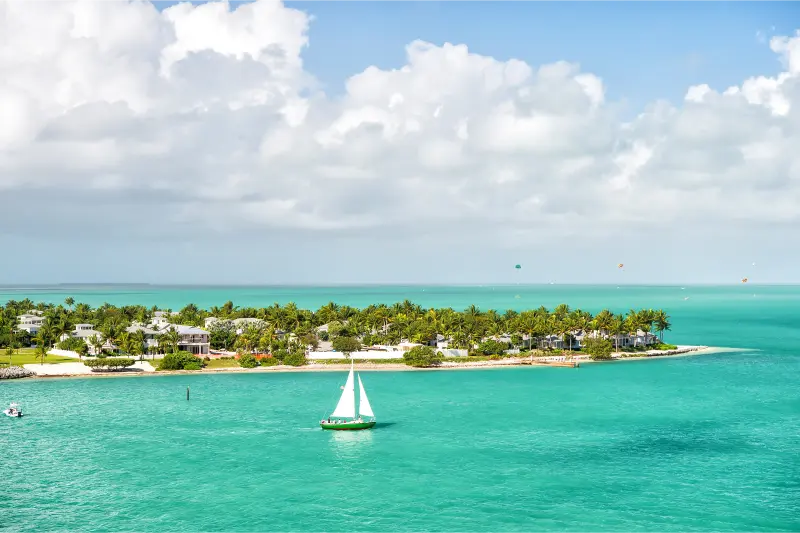
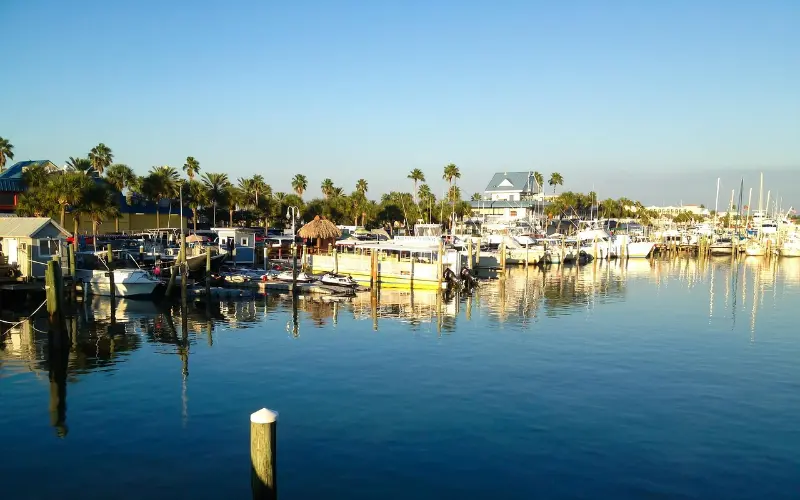
    Miami Waterway with Boats and Towers

    Cannon Beach, Far Beach and what you actually see

    The two developed beaches are useful for a slower day but are not substitutes for the offshore reef. Cannon Beach is known for underwater artifacts placed near shore and occasional fish around seagrass habitat. Far Beach is a place to swim, relax and enjoy the palms. The shallow water can be more approachable than open-ocean snorkeling, yet neither site has lifeguards. Sand and water conditions can change with weather, wind and seasonal seaweed. Families should choose a visible meeting point and agree which adults supervise each child, because it is easy to become distracted by cameras or equipment.

    Paddling quiet mangrove water

    Kayaking and canoeing provide a different perspective on Key Largo. A mangrove route emphasizes roots, birds and sheltered channels rather than reef fish and open ocean. The best choice for beginners is a route that matches tide, wind and experience, with a clear turnaround point. Ask the concession about rental equipment, launch areas and whether a particular channel is suitable for your group that day. Bring water secured inside the craft and waterproof protection for essential medication and your phone. Paddlers must avoid blocking marina movements and should not assume that every sheltered-looking inlet is navigable at any tide.

    Diving, reef conservation and responsible behavior

    Certified divers can explore reefs through licensed services, while beginners should confirm the scope of any introductory program and its training requirements. Never touch, stand on or collect coral; a fin kick can harm an organism that took years to grow. Sunscreen and sun protection matter, but clothing, shade and careful application away from the water are also useful. Do not feed fish, handle turtles or move souvenirs from the seabed. If a reef looks muted because of heat stress or poor visibility, treat that as part of the conservation story rather than a failed attraction. A good guide explains what can be seen without guaranteeing a species.

    When to go and how weather changes the day

    Calm seas and reasonable underwater visibility can matter far more than the calendar month. A beautiful blue sky on land does not guarantee comfortable conditions offshore; wind and waves may affect the boat ride and the clarity of the viewing panels. Summer can be hot and stormy, while winter can bring breezy days and cooler water. Book a reef excursion early in a multi-day Keys stay so that you have an alternative date if weather cancels it. Plan shade and hydration before and after the boat, because exposed docks and parking areas feel much hotter than the forecast number suggests.

    Accessibility and realistic options for non-swimmers

    The park’s official amenities information describes a wheelchair-friendly snorkeling vessel named Encounter with wheelchair tie-downs and a larger marine restroom. This does not remove the need to confirm that the vessel is operating, where boarding takes place and what assistance is available on the requested date. Travelers with low stamina can enjoy the visitor center, aquariums, a short beach stop or a glass-bottom trip without committing to strenuous water activity. Families with a stroller should ask about individual paths and steps rather than expecting every trail and dock to be smooth. People with hearing or sensory needs may prefer an earlier departure with fewer crowds.

    Combining the visit with a Key Largo itinerary

    Keep the rest of the day light if the reef is the centerpiece. Begin at the park, finish the boat trip and take a lunch break in Key Largo before considering a second activity. The Overseas Highway can be congested on holiday changeover days, so a plan with three paid attractions can become stressful. Visitors driving from Miami should allow traffic flexibility at the start, particularly when a prepaid boat departure has a check-in deadline. If you are continuing toward Islamorada or Marathon, pack the car so damp towels and sunscreen are easy to reach without emptying your luggage.

    Costs, reservations and the current construction notice

    State-park entry and concession-operated boat tours are separate purchases. Check the park website for the entry fee and the excursion provider for tickets, cancellation deadlines, included equipment and age rules. The July 2026 works affected part of the boat infrastructure and trailer parking; visitors towing a vessel should ask the ranger station directly about current limitations. If your goal is simply an hour on the beach, do not pay for a snorkel tour by accident. If your goal is the reef, purchasing only an entrance ticket will not arrange a boat seat. Keep confirmation messages available offline.

    A reef tour checklist before buying tickets

    Before selecting an excursion, compare departure time, check-in cutoff, duration afloat and actual snorkel or viewing time. Ask if gear rental is included, whether a wetsuit or flotation device is available and what happens when weather turns unfavorable. An older traveler may value a shaded seat more than the longest excursion, while a child who dislikes masks may enjoy looking through a boat viewing panel. People who experience motion sickness should consult suitable guidance before choosing an offshore trip. Make a written plan for what nonparticipants will do on land, so that nobody is stranded at the marina wondering how to fill several hours.

    A realistic plan for arrival, departure and traffic

    Key Largo is accessible by road from mainland South Florida, but traffic bottlenecks can affect the time needed to reach a check-in desk. A reservation is only useful when the party arrives early enough to park, use the restroom and understand the boarding instructions. Pack towels in a separate bag so the car does not become soaked on the onward journey. If you are continuing south, allow a meal break and avoid assuming every restaurant operates continuously during quieter seasons. Keep a second-day weather option when visiting the Keys for more than one night. It is easier to rearrange lunch than to rearrange an offshore reservation.

    How to make the visitor center educational

    Before setting out to the reef, use the park’s indoor interpretation to explain what coral is and why an underwater ecosystem needs protection. Small children may struggle to distinguish a reef from a collection of rocks; photographs and aquariums can make the idea tangible. Ask what a fish gains from hiding in a coral structure, why seagrass is valuable and how boat anchors can damage habitat. Later, on the water, compare those concepts with what you see rather than treating the tour as an isolated activity. A well-prepared child may notice a modest fish or sponge with more excitement than an adult who expected an unrealistic spectacle.

    Deciding whether this activity belongs in your trip

    John Pennekamp is an excellent match for people curious about marine life, but it is not the only Keys experience. Travelers who are nervous on boats, have little time or need very predictable schedules may enjoy a land-based park visit without purchasing an offshore trip. Conversely, guests who primarily want snorkeling should book a suitable charter rather than counting on an improvised beach swim. Confirm accessibility needs and physical limitations honestly when booking, especially if someone requires help entering or exiting the water. A trip that fits your group’s abilities is not a compromise; it is how everyone gets to enjoy the coast.

    The details people often forget

    A camera battery, secure eyewear strap, refillable bottle and waterproof bag can be more useful than an enormous collection of beach toys. Check whether the tour allows personal equipment and whether loose items must be secured during travel. Tell children that dolphins, turtles and rare fish may be absent; habitat protection does not translate into guaranteed appearances. Stay alert to changing cloud cover and follow staff instructions if a storm moves through. If the excursion is canceled, do not pressure the crew to sail anyway. Their judgment about the sea has greater value than a tightly packed vacation schedule.

    Practical planning table

    QuestionPlanning guidance
    Best forReef ecology, first-time Keys nature trips, families and mixed swimmers
    Main decisionOffshore snorkel boat, glass-bottom boat, shore or mangrove paddle
    BookingReserve tour directly and confirm weather cancellation rules
    Access noteAsk about Encounter wheelchair-friendly vessel and boarding needs
    Current warningJuly 2026 works affect boat ramp and trailer facilities

    Frequently asked questions

    Can you snorkel the main coral reef from the beach?

    No. The offshore reef sites generally require a boat; mainland beaches offer a different, limited snorkeling experience.

    Is a glass-bottom boat good for someone who cannot swim?

    It can be a strong choice because guests remain aboard, but confirm boarding accessibility and the risk of rough seas.

    Are the park beaches supervised by lifeguards?

    No; the official park information describes swimming as at your own risk.

    Can I reserve a boat outing independently of park admission?

    The concession handles tour bookings; check what your specific ticket covers and any separate park entrance charges.

    What should a family do if the reef boat is canceled?

    Ask about rebooking or refunds, then consider the visitor center, short shore activities or an alternative Keys day.

    Official sources and current alerts

    Information checked 10 October 2026. Hours, fees, closures, accessibility arrangements and concession schedules can change. Always confirm the current status directly before traveling.

    Important current note: As of October 2026, construction begun July 22 affects one boat ramp, the pump-out station and trailer parking; verify the current notice before bringing a boat.

  • Ding Darling Wildlife Refuge on Sanibel: Wildlife Drive, Birding and Family Visits

    Ding Darling Wildlife Refuge on Sanibel: Wildlife Drive, Birding and Family Visits

    Sanibel is famous for shells, but a day on the island can be much richer when it includes J.N. “Ding” Darling National Wildlife Refuge. Here the main attraction is not a captive-animal exhibit. Birds feed over tidal flats, mangroves protect shorelines and visitors move slowly through habitat used by migrating and resident wildlife. The refuge suits an unusually broad group of travelers because the four-mile Wildlife Drive can be experienced by car, on a bicycle or as part of an organized outing. The essential detail is its weekly Friday closure, something a casual search for “Sanibel nature activities” can easily miss.

    At a glance

    J.N. Ding Darling National Wildlife Refuge | 1 Wildlife Drive, Sanibel, FL 33957 | Best planned around four-mile wildlife drive, birds, mangroves and vehicle-free alternatives.

    Contents

    What the refuge protects and why tides matter

    Ding Darling covers an important mangrove ecosystem on Sanibel Island. A change in tide can expose feeding flats or cover them, moving birds from one location to another even on the same day. The best wildlife visit is therefore observant rather than target-driven. Look along the water’s edge for herons and egrets, then check the tree canopy and mangrove margins. Birds need space to feed, and a vehicle slowing down is not a license to step into restricted habitat. This is a living refuge, where a quiet morning with only distant birds can still reveal the way water, plants and wildlife depend on one another.

    Wildlife Drive: driving slowly and stopping safely

    The official four-mile one-way Wildlife Drive uses a low posted speed limit, and drivers must follow designated stopping rules. The road is not an ordinary scenic shortcut; its purpose is to move visitors past habitat without encouraging random turns or off-road parking. Keep binoculars accessible before entering, select a safe spot before looking through a long camera lens and never stop where you obstruct traffic or a cyclist. If a child becomes restless, use an appropriate pull-off rather than opening car doors unexpectedly. Since this is one-way, check how long your group can comfortably stay aboard before beginning.

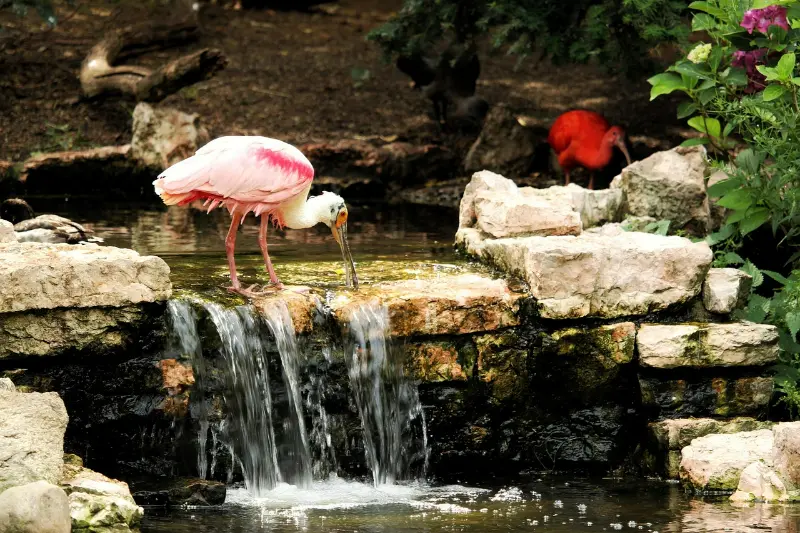
    Pink Flamingos at Florida Wildlife Pond

    The Friday rule and visitor center planning

    Wildlife Drive is closed on Fridays, even during holiday periods when a traveler might expect extra opening hours. The free Visitor and Education Center has also advertised Friday and federal-holiday closures. Because construction and storm recovery can temporarily alter visitor-center operations, verify both the drive and the center separately. The center is a useful first stop for displays, information and toilets when open, but it should not be the only purpose of a long drive unless current opening is confirmed. Families who arrive on a Friday can use the day for other Sanibel activities and return to the refuge on a different date.

    Birdwatching without expensive equipment

    Binoculars add enjoyment, but first-time visitors do not need professional cameras. Try scanning an open area with the naked eye before using magnification. Watch how a wading bird waits, steps and strikes, or how different birds occupy the same stretch of wetland without feeding in identical ways. Children can keep a simple list of color, shape and behavior instead of trying to identify every species. A person with low vision might enjoy ambient bird sounds and plant textures at approved visitor areas, while a camera user should never pursue animals or leave established trails for the perfect photograph.

    Bicycling, walking and tram options

    The drive can also be visited by bicycle and on foot; the experience is slower and more exposed to sun, bugs and shifting weather than driving. An organized tram may be available through the refuge concessionaire, with schedules and tickets that should be checked in advance. Ask the provider which stops it makes, how long boarding takes and what accessibility help can be arranged. Walkers should not underestimate the distance of a four-mile one-way road, particularly when the return strategy is unclear. For a mixed-age group, the car route often offers the simplest balance of wildlife viewing and comfortable breaks.

    Indigo Trail, Bailey Tract and alternative habitats

    Wildlife Drive is not the entire refuge. The Indigo Trail and Bailey Tract offer opportunities to notice different habitats, although fees, Friday rules and opening arrangements differ. Bailey Tract is generally a freshwater-oriented section, so its setting contrasts with the mangrove-dominated main drive. Confirm a trail’s surface and current water conditions before choosing it for a stroller or walker. Recent rain can create muddy sections, and even a short path becomes demanding when mosquitoes are active. If the drive is the day’s main attraction, treat a trail as an optional extension rather than something everyone must complete.

    Where wildlife photography crosses a line

    An ethical photograph starts with distance. Never use recorded bird calls to draw an animal closer, block a flight path or approach a nesting area. For a long lens, stable support from an allowed observation point often works better than creeping toward an animal. Respect refuge restrictions on fishing, crab collection, boating and drones; access rules are habitat protections, not inconveniences to negotiate. If a bird stops feeding or repeatedly shifts away from you, increase your distance. Quiet observation teaches more about the animal than a close-up that required interrupting its normal behavior.

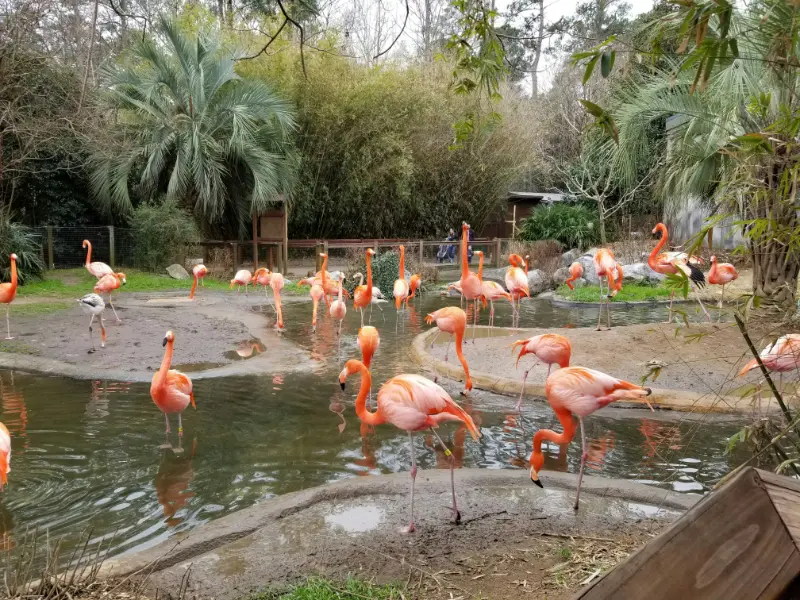
    Pink Flamingos Standing in Florida Wildlife Park

    Building a flexible Sanibel day

    Pair an early refuge outing with a calmer lunch and a separate beach walk rather than scheduling several wildlife tours without breaks. Sanibel roads can slow during peak visitor periods, and the refuge itself encourages a deliberate pace. Bring water, a small snack and sun protection even if most viewing is from the car. Travelers coming from Fort Myers should check causeway conditions and give themselves flexibility for weather. If the visitor center is closed, that does not necessarily mean that every refuge area is unavailable; read the exact facility notice rather than assuming a single status covers everything.

    Fees, passes and who will enjoy it most

    The refuge publishes separate information about Wildlife Drive fees, other trail access and national passes. Confirm the current rates rather than relying on an old blog screenshot. Birdwatchers can return at different tides; families with older children can make wildlife identification part of the day; someone with limited mobility may appreciate a car-based route. People hoping for a guaranteed close-up of alligators or rare species should reset that expectation. This is a protected coastal ecosystem whose value is not measured by the number of dramatic sightings. A patient visit usually beats a hurried one.

    Preparing for a birding morning

    A useful birding kit is small: binoculars, a field guide or downloaded identification tool, sun protection, water and a notebook. Early arrival can reduce heat and give you more time to move slowly before traffic builds. Download the refuge map because mobile coverage may be imperfect in pockets of habitat. Children can score observations by behavior rather than species names: standing, diving, feeding, gliding or calling. This avoids frustration when a bird remains too far away to identify. A quiet group is more likely to witness natural behavior than one calling loudly for wildlife to look toward a camera.

    The role of tides and seasons in sightings

    Tides affect how much feeding area is exposed, and migratory seasons change which birds are present. However, a prediction based on one beautiful photograph is weak travel advice. Rather than guaranteeing that a certain month always delivers spectacular bird activity, ask the refuge desk which habitats have been productive recently. Look for shorebirds on exposed mud and wading birds at shallow edges. During warmer hours, wildlife may be harder to spot or positioned farther from the road. The point is not to collect rare sightings like souvenirs, but to appreciate how the coastal ecosystem behaves at different water levels.

    Keeping the car-based visit comfortable

    If your group includes a person who cannot walk long distances, plan the four-mile route with careful stops and restroom timing. Check the visitor center facilities before starting, and do not drink less water merely to avoid needing a toilet. Keep the vehicle at the posted slow speed and use only permitted observation points. The camera passenger should not ask the driver to stop abruptly when a large bird appears. A slow, deliberate drive can remain enjoyable even with someone who is not passionate about birds. Build the trip around conversation and shared observations rather than forcing everyone to watch through binoculars continuously.

    Sanibel’s coastal recovery and changing services

    Sanibel was affected by major storms in recent years, and construction or habitat-restoration activities may alter public facilities. A refuge area can be open while a visitor building is temporarily closed. Look at the date attached to each official notice rather than relying on a search snippet or an older travel guide. If trail access changes, ask about an alternative that meets your mobility and time requirements. Avoid traveling around barricades even if you can see a familiar observation point beyond them. Maintaining sensitive habitat and repairing infrastructure are part of the long-term protection of the refuge.

    Making nature education interesting for all ages

    Younger children may enjoy comparing long-legged birds with compact shorebirds, while teenagers can consider why protected mangroves buffer storm impacts. Adults may be interested in the history of conservation advocacy associated with Jay Norwood “Ding” Darling. Older travelers can enjoy a quiet car-based visit with comfortable seating and the chance to see wildlife without a difficult hike. Encourage everybody to identify one new thing they learned, rather than requiring a checklist of famous animals. This shifts the outing from a contest to a shared experience and leaves room for surprise in a habitat that never follows a visitor’s script.

    Practical planning table

    QuestionPlanning guidance
    Best forBirders, families, conservation travelers, low-walking-distance trips
    Signature routeFour-mile one-way Wildlife Drive with safe observation stops
    Weekly closureWildlife Drive is closed on Fridays
    AlternativesIndigo Trail and Bailey Tract have distinct rules
    Check before travelVisitor-center construction and holiday schedules

    Frequently asked questions

    Is Wildlife Drive open on Friday?

    No, the official refuge schedule lists Friday as its weekly closure.

    Can you see birds without walking a long trail?

    Yes. Wildlife Drive enables observation from a vehicle at appropriate stops.

    Does the refuge have a free visitor center?

    Yes, when open; check any construction and holiday closures separately.

    Can we cycle Wildlife Drive?

    Cycling is permitted under posted rules; plan for heat, insects and the one-way route.

    Will we definitely see alligators or a particular bird?

    No. Wildlife sightings depend on tides, season, weather and chance.

    Official sources and current alerts

    Information checked 10 October 2026. Hours, fees, closures, accessibility arrangements and concession schedules can change. Always confirm the current status directly before traveling.

    Important current note: Wildlife Drive is closed every Friday, and the visitor center has also listed Friday and federal-holiday closures. Check any separate construction notices before visiting.

  • Circle B Bar Reserve in Lakeland: Trails, Birds and Alligator Safety

    Circle B Bar Reserve in Lakeland: Trails, Birds and Alligator Safety

    Circle B Bar Reserve near Lakeland offers the chance to see a freshwater marsh ecosystem without traveling all the way to the Everglades. Its trails cross a restored former ranch landscape beside Lake Hancock, where birdlife can be extraordinary and alligators are wild residents rather than exhibits. This is an outdoor experience that rewards preparation: the most photogenic route may be closed for water, nesting habitat or maintenance, and an encounter with an alligator is a reason to keep your distance, not to get a dramatic close-up. Here is how to plan a rewarding, safety-conscious visit.

    At a glance

    Lakeland, Polk County, near Lake Hancock — Birdwatching in restored marsh habitat — Nature center and current trail information. Always confirm current access and temporary closures before traveling.

    Contents

    How a former ranch became a wetland reserve

    The name recalls the Circle B cattle ranch that once occupied this landscape. Land managers restored wetland hydrology around Banana Creek, creating habitat for marsh birds, fish, reptiles and other wildlife. The reserve protects a mosaic of freshwater marsh, lakeside habitat, hammocks and wooded paths. Different settings are visible on different trails, so the site is not simply one long boardwalk.

    Consider the conservation story while walking: agricultural drainage and restoration can change which birds use a place, where water accumulates and what happens after heavy rain. Interpretive displays at the Polk Nature Discovery Center help connect what you see to water management and broader environmental history.

    Finding the right entrance and starting place

    The reserve is accessed from Winter Lake Road in Lakeland. Follow current Polk County directions to the nature center and trailhead, because maps can send visitors toward service gates or unrelated nearby roads. Begin with the trail map and current notices. Trails can be temporarily closed, and a photograph taken by another traveler last year does not guarantee that particular viewpoint is reachable now.

    For visitors from Orlando or Tampa, leave room for traffic and aim to start during cooler hours. This is a convenient nature outing, but not a theme park with timed entertainment. The day goes better when you accept that routes and wildlife will vary with rainfall and season.

    Birdwatching around Banana Creek and Lake Hancock

    The restored marsh attracts herons, egrets, waterfowl, raptors and seasonal migrants. A distant osprey or a wading bird hunting in shallow water may be more interesting than an alligator that dominates everyone’s attention. Binoculars let visitors enjoy the detail from far away. For photography, choose a longer lens rather than attempting to shorten the distance physically.

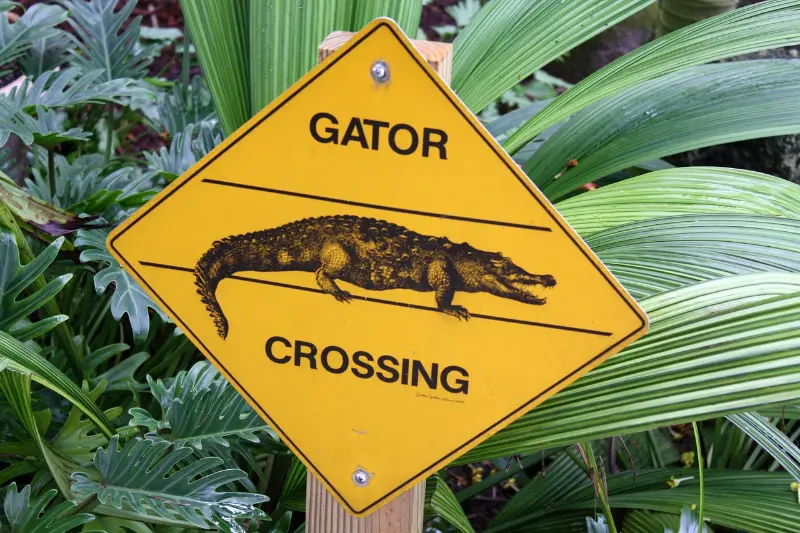
    Florida Alligator Warning Sign near Water

    Different birds appear in different water and weather conditions. Scan edges, reeds and open skies, taking occasional long pauses. Children can use a simple checklist of bird shapes and colors rather than trying to identify everything immediately. The reserve can be excellent in any season, but specific species are never guaranteed.

    Alligators: essential behavior on the trail

    Alligators live freely at Circle B. Never feed, touch, surround or approach one, and do not allow children or pets to move toward the waterline. Give any alligator a wide berth, especially if it is resting partly on a trail. If a safe route is obstructed, turn around rather than edging past for a photograph. Wildlife is not obligated to move for human schedules.

    Stay behind barriers and follow posted closures. The presence of an alligator near a trail entrance does not make the park inherently unsafe when visitors follow instructions, but complacency and selfies at close range are unnecessary hazards. Respect the animal as a wild predator, not as an amenity supplied by the reserve.

    Picking a walk for your fitness and footwear

    Circle B has several trails and combinations, not one guaranteed short loop. Some paths are packed earth or other natural surfaces that may become muddy after rain. The famous Alligator Alley area can attract visitors, yet water and management decisions can affect its accessibility. Ask which specific trail is open today and match distance to the group’s ability.

    For an older visitor or family with a stroller, a modest walk near the nature center may be better than committing to a full lakeshore route. Strong sun and humidity make even flat mileage more demanding than the map suggests. Carry enough water, wear practical shoes and plan a return point rather than relying on completing every trail.

    Polk Nature Discovery Center and children

    The Nature Discovery Center provides a helpful educational starting point when open. Exhibits about habitats, water and wildlife can turn an outdoor outing into a family learning experience. Program hours and special activities may not match trail access hours, so confirm them independently. Picnic or rest areas can be useful when traveling with small children.

    A good child-focused visit might mean one exhibit, a short trail and a discussion of two animals observed from a safe distance. Young visitors should stay beside adults; an open freshwater reserve is not a free-running playground. A shorter, calm outing often teaches more about conservation than an exhausting hike in the sun.

    Accessibility and a sensible pace

    Polk County and the water-management district publish information about accessible amenities, but natural trails differ substantially from visitor-center access. A mobility aid that works on a paved path may not be appropriate for muddy or uneven lakeside sections. Before arrival, contact staff about current surfaces, toilet locations, accessible parking and whether viewing areas are reachable.

    Groups can separate without losing the day: some people may enjoy the exhibits and nearby observation, while stronger walkers explore a longer loop and return to an agreed point. Avoid pressuring visitors to reach a distant alligator viewpoint merely because someone called it the must-see location.

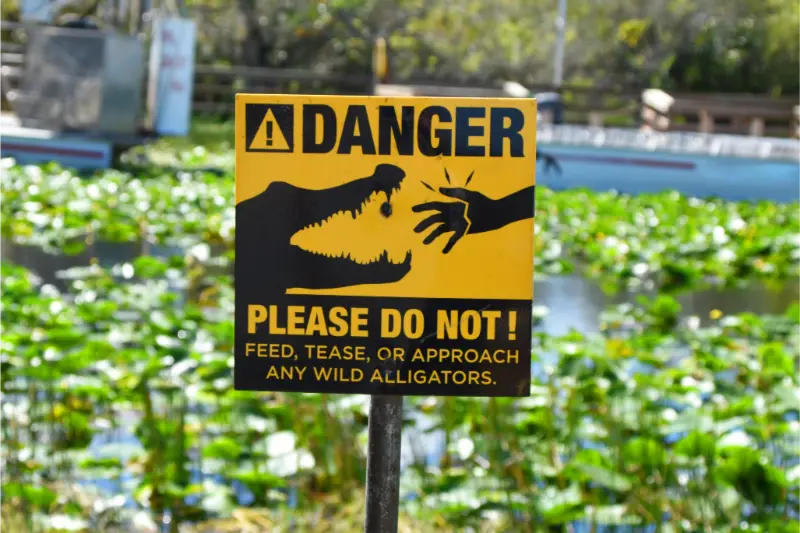
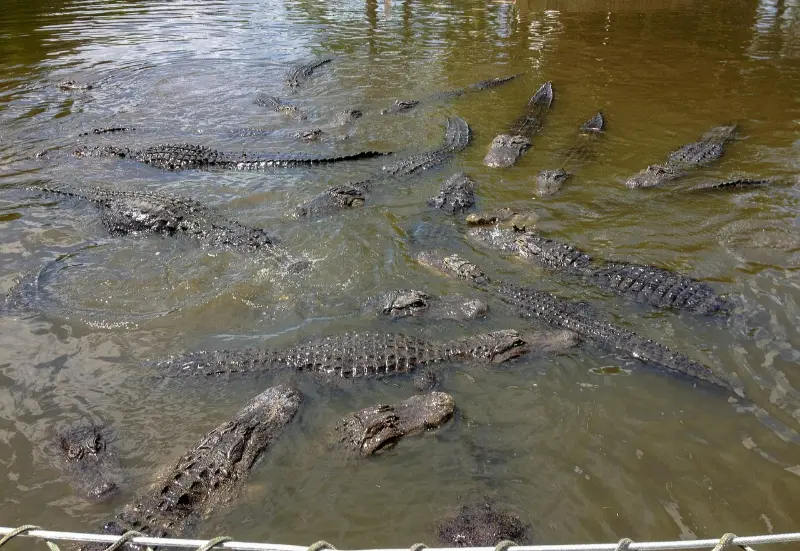
    Alligator in Shallow Water at Gatorland Orlando

    Time of day, heat and storms

    Early morning often offers comfortable temperatures and active bird observation, though wildlife follows its own patterns. Summer afternoons can be hot, humid and storm-prone, while periods of heavy rain may flood low trail sections. Cloudy weather can help with glare but is no guarantee of dry walking.

    If thunder is audible, stop the outdoor portion and seek appropriate shelter. Do not remain on exposed paths beside water during a storm. For an autumn or winter visit, bring water and sun protection anyway; cooler air should not hide the fact that this is a long outdoor stop rather than a climate-controlled attraction.

    Combining the reserve with Lakeland

    An efficient day starts with the reserve when conditions are comfortable and uses Lakeland’s downtown, gardens or indoor attractions as an afternoon alternative. Allow time to change shoes or clean up after a muddy path. Families may appreciate a relaxed lunch rather than adding another demanding outdoor trail.

    For travelers staying in Orlando, calculate your return drive instead of assuming the reserve is ten minutes from the attractions corridor. Combining several distant nature reserves in one day can leave everyone spending more time in traffic than watching wildlife.

    Ethical photography and conservation etiquette

    Do not use food to lure animals, play bird calls repeatedly or step into marsh vegetation for a shot. Stay on designated paths; apparently empty wetland edges may contain nests or fragile habitat. A photographer who waits quietly can often see natural behavior that disappears as soon as an animal is approached.

    Wildlife observation should be a source of curiosity rather than a contest for the closest encounter. Share images responsibly without encouraging visitors to bypass rules. The protection of restored wetlands depends on visitors accepting closures and respecting the distance between people and the birds or reptiles they came to see.

    A responsible photography plan for the reserve

    Before raising a camera, choose where a person can stand without obstructing the trail. A distant telephoto view of a heron in reeds is preferable to walking through fragile marsh-edge vegetation. Photograph habitat as well as animals: the relationship between restored water, grasses and a feeding flock often tells the more interesting story. Stay alert while watching through a long lens because an animal may enter the path unnoticed. If a large alligator is nearby, move away calmly and follow any ranger instruction rather than treating its presence as a unique opportunity. Do not block another visitor from retreating.

    When an alternative Lakeland outing is wiser

    The reserve is not an ideal place to force a long nature walk during heavy rain, rising water or extreme heat. A traveler with a wheelchair may also find that a currently open route does not meet their surface requirements. Instead, choose an indoor museum, cultural stop or shorter paved park facility in Lakeland after checking the hours. Families with children who dislike insects should agree in advance on a comfortable maximum walking time and bring repellent appropriate to the user. The purpose is to experience Florida’s ecology with care, not to prove stamina on a trail that may be uncomfortable or partially closed.

    A quick plan for visiting without overdoing it

    Set a morning meeting time, use the restrooms before the walk, choose one route rather than several, and leave extra time for photography without approaching wildlife. Carry only the equipment you can manage and record the trail junction where the return begins. For a large group, keep the nature center as a common meeting place if the staff permits it. If the alligator viewing area is closed, learn about wetland restoration on another open trail rather than bypassing barriers. This creates a visit that remains useful even when the site’s most photographed location is inaccessible.

    Practical planning table

    Planning pointWhat to know
    AreaLakeland, Polk County, near Lake Hancock
    Best activityBirdwatching in restored marsh habitat
    First stopNature center and current trail information
    Safety priorityMaintain distance from alligators and wetlands
    Weather concernMuddy or closed trails after heavy rainfall

    Frequently asked questions

    Where is Circle B Bar Reserve?

    It is in Lakeland, in Polk County, with access from Winter Lake Road. Use the county’s current directions and trail notices.

    Will I definitely see an alligator?

    No. Alligators live in the area, but wildlife is unpredictable. Keep a safe distance and turn back if an animal blocks your path.

    Are all the trails always open?

    No. Water, maintenance and habitat protection can cause closures. Consult current Polk County notices at the nature center before setting out.

    Is it appropriate for young children?

    Yes with close supervision and a short, age-appropriate route. Children should not wander near marsh edges or approach wildlife.

    Is every trail wheelchair accessible?

    No such blanket claim is appropriate. Contact staff about the surface and accessibility of the particular route you intend to follow.

    Official sources and visitor updates

    Opening hours, tour availability, prices, closures and facilities may change. Check the following primary sources shortly before departure. These links are informational, not endorsements or affiliate promotions.

    Editorial fact-check: October 10, 2026. Conditions mentioned for October 2026 are date-specific and must not be assumed to remain in effect later. This article does not claim first-hand travel experiences.

  • Fort Zachary Taylor in Key West: Historic Fort, Beach and Snorkeling Guide

    Fort Zachary Taylor in Key West: Historic Fort, Beach and Snorkeling Guide

    At the southwest side of Key West, Fort Zachary Taylor Historic State Park brings together a historic coastal fortress, a swimming beach and an unusual opportunity to slow down away from the busiest shopping streets. It is one of the few Key West attractions where a family might learn about nineteenth-century fortifications, picnic under trees and end the afternoon watching changing light over the water without changing destination. The fort and beach do not share identical access hours, however. Visitors who arrive late for a sunset may find that the historic fort has already closed, so building the day in the right order matters.

    At a glance

    Fort Zachary Taylor Historic State Park | 601 Howard England Way, Key West, FL 33040 | Best planned around Civil War-era fort, sandy and pebbly beach and accessible picnic facilities.

    Contents

    The story of Fort Taylor and the harbor

    Construction on the fort began in the nineteenth century as the United States expanded its coastal defenses. Its history connects the development of Key West harbor with the Civil War and later conflicts, and the preserved cannon installations provide a physical sense of how maritime defense once worked. A strong visit asks what a coastal fort was designed to protect and why its position mattered. The brick walls and gun rooms are not just photo backdrops; they illustrate strategy, military technology and the human effort of construction. Interpretive panels can help visitors think about those subjects without glorifying warfare.

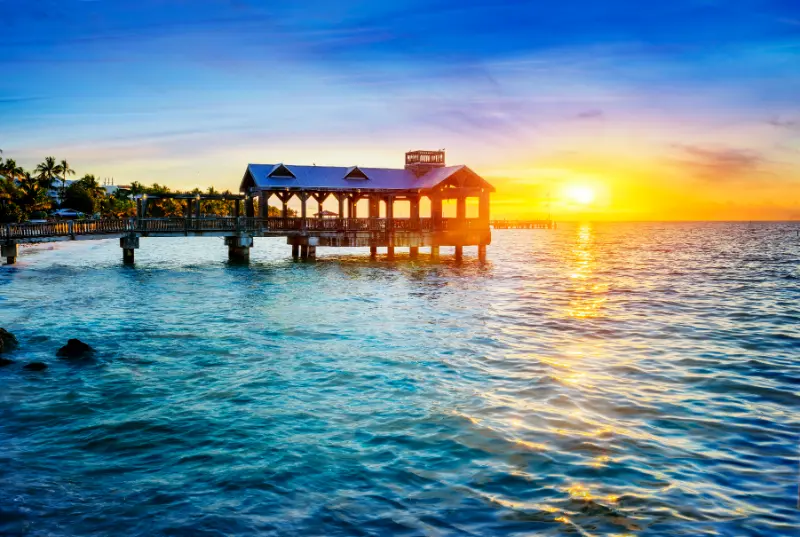
    Key West Florida Harbor and Sailboat

    Seeing the fort before it closes

    The historic fort normally closes at 5 p.m., earlier than the park’s sunset-based closing. That difference is easy to overlook if you arrive thinking only about a famous Key West sunset. Enter earlier, visit the fort while there is plenty of time for the exhibits and then decide whether to stay for beach time. The park offers self-guided interpretation and has advertised a regular fort tour; confirm today’s schedule with staff, since programs can change. Comfortable shoes help on old surfaces. Remind children not to climb on historic structures or enter closed rooms simply because they seem like an adventure.

    The beach: swimming and snorkeling expectations

    The state park has a popular beach made up of sand and pebbles, with adjacent structures and marine habitat that attract snorkelers. It is different from the soft, uniform sand people sometimes imagine when booking a Caribbean-style resort. Water shoes can improve comfort on rocky patches, and visitors should assess currents, visibility and water advisories before entering. A snorkeling outing begins with a properly fitted mask, a buddy and staying in an area suited to your ability. There is no guarantee of seeing a particular tropical fish. Never pursue wildlife or stand on living reef or sensitive seagrass.

    Shaded picnics and a low-pressure family visit

    Picnic areas and grills make it possible to turn a short history visit into a longer beach day without buying food for every family member at restaurant prices. Follow restrictions on fires and food storage, and clean your space completely. Families can bring a simple meal, cool drinking water and a shaded rest plan. Small children may enjoy the fort’s open-air corridors but can tire quickly after walking and swimming, so choose one main educational objective rather than a lengthy lecture. Older adults may appreciate benches and picnic shade while more active family members explore the beach. Everyone should have a clear meeting location.

    Accessible areas, beach wheelchairs and fort surfaces

    The park lists accessible parking, picnic facilities, restrooms, a café, ground-level fort areas and a beach wheelchair that may be borrowed at no charge. This is encouraging, but it does not make every historic stair, gun room or rocky shore accessible. Contact park staff about which interpretive panels can be reached on a level path, where the beach wheelchair is obtained and whether assistance is available on your date. Someone with reduced stamina can enjoy a short fort introduction and picnic without attempting every walkway. For families, it is better to choose an accessible partial experience than to assume the historic building offers the same movement options as a new museum.

    Sunset without forgetting park logistics

    Key West sunsets attract crowds, but a park sunset visit must follow the gate, parking and beach rules. Check the official sunset closing time for your date and understand how much time is needed to walk back to the car. If you are staying downtown, consider the transport arrangement rather than assuming a short-looking map distance will be comfortable after a hot beach day. Bring a flashlight only for legitimate exit needs and avoid shining lights at wildlife. A sunset photograph is not a reason to remain in a closed area. The most relaxed ending comes from leaving enough time to gather belongings calmly.

    How to visit responsibly around historic structures

    Fort Taylor is an irreplaceable historic site. Avoid touching fragile masonry unnecessarily, climbing over barriers or moving objects from their original positions. At the beach, remove all fishing line, packaging and disposable items. A swimming break should not disturb nesting or resting wildlife, and shells containing living animals should stay in the habitat. If a guided interpreter is available, ask about the fort’s changing functions rather than turning the visit into a search for dramatic war stories. A conversation about the history of Key West, including labor and trade, can add valuable context to what visitors see in the fort.

    Planning around families, heat and varied interests

    The best order for a mixed-age group is usually fort first, break second and beach later. This prevents the most tired person from having to climb historic paths after hours in saltwater. Set aside a rest period before the sun reaches its strongest afternoon intensity. If someone in the party is interested only in history, they may enjoy the fort tour and a brief shoreline view; if another visitor wants to snorkel, arrange a shared picnic rather than making everyone remain in the water area. Children need direct supervision along both the fort and the beach, and nobody should enter the water during lightning.

    Fees, services and an honest day-trip budget

    The Florida State Parks website provides the standard entry fee, but cafés, concessions and other services may charge separately. Do not assume a park pass includes meals or equipment. For a couple or family based in Key West, this park can represent strong value because historic interpretation, picnic space and a beach share one entrance. It may be less convenient when a traveler has only a narrow window before departure or cannot tolerate walking outdoors. Verify the current fort tour, café and wheelchair availability before booking transportation. Prioritizing a few meaningful experiences is better than trying to force every Key West attraction into one afternoon.

    Understanding the historic fort in context

    Fort Zachary Taylor’s role changed over time as defense priorities and technology evolved. A cannon line that once formed a serious coastal defense is now part of a preserved historical setting. Visitors can consider how the harbor’s strategic position influenced military planning without treating warfare as entertainment. Ask which elements survive from different periods and how interpretive panels explain change. Children often understand history better through questions about what daily life inside the fort required than through lists of battle dates. Looking at the building as a workplace and a defensive system makes the experience more human and less abstract.

    Water safety beside a historic landmark

    The beach offers opportunities for swimming and snorkeling, yet the fort’s historical significance does not make the adjacent water safer than another shoreline. Check posted conditions, weather and the swimming area before entering. A rocky or pebbly bottom can surprise visitors used to very soft sand. Snorkel with a buddy, use flotation appropriate to your ability and keep inexperienced children close to shore. Do not chase fish or stand on sensitive marine habitat. If water visibility is poor, enjoy the shore and fort instead of taking unnecessary risks. A rewarding park visit does not require everyone to enter the sea.

    A practical visit without a rental car

    Key West is compact in some areas, but walking distances feel much longer in heat and after a day in saltwater. Check the actual distance from your lodging to the park gate, not simply the distance to the nearest map marker. If using a bicycle, confirm safe parking and cycling rules within the park. For rideshare pickup, identify an authorized location so that your group is not stranded at closing. Travelers staying near Duval Street may find a half-day visit manageable without a car, provided they include a rest and a water break. Never assume that a sunset crowd means transport will be immediately available.

    What to do when family interests differ

    A family with history enthusiasts, swimmers and small children can split an outing into manageable parts. Start together at the fort, then agree on a shaded picnic area as the shared base. Some adults can watch the shoreline while others explore additional history panels, provided child supervision remains clear. Check accessible routes rather than asking a mobility-limited family member to attempt rough steps. A shared lunch and short photo stop can reconnect the group before sunset. When everyone has an alternative to their least favorite activity, the day becomes more enjoyable and safer.

    Small planning details with big consequences

    Pack drinking water, protective footwear, a towel and a place to store wet items. Know when the historic fort closes so you do not miss the very part that makes this beach destination distinct. Check park rules before bringing grills, fishing equipment or large group decorations. If a storm develops, leave the water and exposed beach promptly, even when a sightseeing schedule is full. Carry a park map or save one offline and set a realistic departure time before sundown. Leaving the park clean and staying on permitted paths ensures that both the historical setting and coastal environment remain available to future visitors.

    Practical planning table

    QuestionPlanning guidance
    Best forFort history, beach, picnics and family day trips
    Fort timingHistoric fort normally closes at 5 p.m.
    Park timingPark generally stays open until sundown
    WaterBeach has pebbles and sandy areas; check conditions
    AccessibilityAsk about ground-floor fort areas and beach wheelchair

    Frequently asked questions

    Is Fort Zachary Taylor just a beach?

    No. It combines a nineteenth-century historic fort with beach recreation and picnic facilities.

    Can I visit the fort at sunset?

    Not usually. The fort closes at 5 p.m., while the park remains open until sundown.

    Is the beach all soft sand?

    No. Parts are sandy and pebbly; water shoes can be useful.

    Are beach wheelchairs available?

    The park lists a complimentary beach wheelchair service; ask about availability and assistance.

    Do you have to join a guided history tour?

    No. Self-guided interpretation is also offered, subject to open areas and park rules.

    Official sources and current alerts

    Information checked 10 October 2026. Hours, fees, closures, accessibility arrangements and concession schedules can change. Always confirm the current status directly before traveling.

    Important current note: Park hours extend to sundown, but the historic fort closes at 5 p.m.; plan the fort visit before beach sunset time.

  • Lettuce Lake Conservation Park in Tampa: Boardwalk and Current Closures

    Lettuce Lake Conservation Park in Tampa: Boardwalk and Current Closures

    Lettuce Lake Conservation Park provides a refreshing view of Tampa’s river wetlands just beyond the city streets. Visitors come for woodland paths, wildlife, picnic shelters and the famous boardwalk and observation tower along the Hillsborough River. Yet the current county notice is essential: as of August 2026, sections of the boardwalk are closed for repairs, the observation tower is closed for reconstruction, and the kayak launch and rentals are suspended. A good guide must describe both the park’s usual attractions and the experience actually available today.

    At a glance

    6920 East Fletcher Avenue, Tampa — Boardwalk sections and tower affected by repairs — Kayak launch and rentals suspended under posted notice. Always confirm current access and temporary closures before traveling.

    Contents

    What this protected landscape contains

    More than half of Lettuce Lake Conservation Park lies within the Hillsborough River floodplain. Hardwood swamp forest, hammocks and pine flatwoods provide varied habitats for birds and other animals. This is not an artificial botanical exhibit: water conditions, seasonal rain and habitat management shape the experience. Even when a river overlook is inaccessible, the park has natural and educational value.

    Begin at the visitor center, if open, and compare the habitats described in displays with those visible from permitted paths. Families can learn how wetlands store floodwater and provide wildlife habitat beside a busy metropolitan area. Be prepared for muddy or wet sections after rain.

    The 2026 boardwalk and tower restrictions

    Hillsborough County’s notice, updated August 13, 2026, says portions of the boardwalk are closed for repairs, and the observation tower is closed during reconstruction. The same notice affects nearby picnic shelters 5 and 7. Do not plan a trip around a promised tower panorama without confirming that work has finished. Some online photographs show the normal boardwalk experience, not current access.

    The park’s traditional long boardwalk remains an important feature, but visitors must follow barriers and use alternative permitted paths. Trying to bypass fencing harms habitat and can create injury risks. Recheck the county page close to your date, especially if the tower is the primary reason you want to visit.

    Kayaking and canoeing: check before you come

    Older listings advertise canoe and kayak rentals and a river launch. The current county notice states that the launch is closed during reconstruction, rentals are suspended, and private vessel access to that launch is also closed. This distinction matters: bringing your own kayak does not circumvent the restriction.

    If paddling the Hillsborough River is central to your plans, locate a different lawful launch and verify that it is open. Do not try to enter water at an unmarked bank in the park. This conservation area can still offer birdwatching and nature walks while marine access is unavailable.

    The paved trail and alternatives to the closed sections

    The park lists a roughly 1.25-mile paved exercise trail, useful for a walk when natural surfaces are too muddy or a boardwalk section is out of service. Before setting off, ask staff which parts connect to the facilities you want to use. The paved route is a different experience from the elevated marsh boardwalk, and visitors should not assume it reaches the same observation points.

    For seniors or families with young children, a flexible walk with a planned turnaround is more comfortable than a mission to complete every path. Shaded surroundings help, but Tampa humidity and summer storms can still make short distances tiring. Wear comfortable shoes and carry water.

    Playgrounds and activities for younger visitors

    Hillsborough County reports that two new playgrounds were built in 2024, including adaptive and sensory equipment. These can make the park particularly useful for family outings even during boardwalk repairs. The park also offers educational features such as nature-themed discovery activities. Confirm current operating conditions and whether any equipment is affected by nearby construction.

    Parents should supervise children near river habitats and keep play separate from wildlife observation. A simple schedule might be thirty minutes of nature discovery, a short walk, lunch and playground time. This avoids expecting toddlers to enjoy the same long boardwalk loop as keen birdwatchers.

    Birdlife, alligators and river safety

    Wetland birds, turtles and other wildlife can appear along permitted routes. Any alligator sighting should be enjoyed from a safe distance; never feed or approach one, especially near the water. Children should stay with adults, and pets need to follow county restrictions. The park specifically does not allow pets or bicycles on the boardwalk.

    Binoculars often improve viewing more than walking closer. Search for shapes at forest edges, river bends and shallow-water patches, taking care not to step off authorized paths. Wildlife does not follow a performance schedule and should not be disturbed for photos.

    Tampa Florida Downtown Skyline Reflected over River

    Fees, hours and practical entry

    The county lists the park at 6920 East Fletcher Avenue in Tampa and publishes seasonal opening hours. A modest per-vehicle entry fee has been listed, with an important cash-only instruction on the park page. Rather than assuming card acceptance, check current payment rules and bring suitable cash if required. Picnic shelters may have separate reservation charges or temporary construction closures.

    Visitors should also distinguish park admission from optional rentals, which are currently suspended for kayaking under the posted notice. If driving across Tampa, check traffic and avoid reaching the gate just before seasonal closing time. Allow some time to leave paths and return to your car.

    Accessibility and getting around construction

    The paved trail and newer adaptive playground features may offer options to visitors who cannot use rough forest paths. However, construction fencing, closed boardwalk segments and toilet locations can alter the practical route. Ask the county about accessible parking, path continuity and current restrooms rather than assuming every listed amenity is available.

    A wheelchair user or visitor with limited stamina can still enjoy a quiet outing if an appropriate accessible circuit is open. Be explicit about what you need: a step-free route, continuous pavement, accessible toilets or a particular playground feature. This reduces the risk of arriving to find the one suitable pathway affected by works.

    Picnic planning with closures in mind

    Lettuce Lake has wooded picnic areas, shelters and barbecue provisions, but county rules apply and particular shelters may be shut. The August 2026 notice identifies shelters 5 and 7 as closed while the boardwalk work proceeds. Confirm any booking and arrival instructions before carrying a large meal into the park.

    Pack water, food protected from heat and a small bag for rubbish. Keep cooking in permitted locations; the county prohibits certain grill types at Lettuce Lake. For a multigenerational outing, reserve some time simply to sit beneath shade. It is not necessary to complete a long nature trail to make a pleasant afternoon.

    A realistic Tampa itinerary and future updates

    Arrive during a cooler period, read the current closure notice, choose a short accessible or shaded walking route and use the permitted visitor amenities. If open, the discovery center can provide useful context before lunch or playground time. Avoid promising children an observation-tower climb or kayak session while county work remains active.

    The park pairs well with other Tampa cultural attractions if weather turns poor, but do not squeeze the wetlands into a brief stop purely for a closed landmark. When repairs end, the available itinerary may change significantly; editorial information should be reviewed again before being used for future travel seasons.

    Curtis Hixon Waterfront Park Tampa Florida Aerial

    What to tell a visiting friend who saw old pictures

    Explain that the familiar tower view and uninterrupted boardwalk route are not guaranteed during the ongoing work. It is fair to say the park is known for a river boardwalk, but the actual itinerary must be based on which sections the county has reopened. Send the current county notice rather than only a travel photograph or outdated review. This small act prevents visitors from driving across Tampa specifically for a closed structure. If the boardwalk is the primary attraction, postpone until repair status is confirmed and choose another outing in the meantime.

    A family schedule when some amenities are closed

    Use the accessible playground, visitor facilities and open paved routes as the backbone of the visit. Let younger children decide how long they wish to observe nature; longer, quiet intervals may be better saved for older family members. Pack a shaded picnic if the rules and seating permit. Choose an indoor alternative if lightning approaches. A closed water launch should never be bypassed, even if a child has been promised kayaking. The ability to enjoy the park without the headline feature is exactly what makes a flexible plan worthwhile.

    Making the most of a short urban nature break

    Because Lettuce Lake sits within Tampa’s larger urban area, it can be a good morning stop before lunch or an afternoon museum. Keep travel time modest and do not confuse conservation park hours with a full-day national park itinerary. A 60- to 90-minute visit can be satisfying for someone who wants a paved walk and glimpses of river habitat. Wildlife lovers may stay longer at safe viewing points when open. Always let the current construction map, weather and the slowest member of the group set the pace.

    Practical planning table

    Planning pointWhat to know
    Address6920 East Fletcher Avenue, Tampa
    Current alertBoardwalk sections and tower affected by repairs
    Water accessKayak launch and rentals suspended under posted notice
    Family alternativePaved exercise trail and adaptive playgrounds
    Before visitingRecheck Hillsborough County closure and cash payment guidance

    Frequently asked questions

    Is the observation tower open in October 2026?

    The county notice updated in August 2026 says the tower is closed for reconstruction. Check again before visiting; do not assume it has reopened.

    Can I rent a kayak here?

    Not under the posted construction notice: rentals and launch access are suspended, including private boats at that launch.

    Is there a paved trail?

    Yes, the county lists a roughly 1.25-mile paved exercise trail. Ask which sections remain usable during works.

    Is Lettuce Lake good for families?

    Yes, with supervised wildlife watching and adaptive playground features. Plan around current boardwalk and shelter closures.

    Can I bring my dog on the boardwalk?

    No. The county says pets and bicycles are not permitted on the boardwalk; check broader park rules before bringing pets.

    Official sources and visitor updates

    Opening hours, tour availability, prices, closures and facilities may change. Check the following primary sources shortly before departure. These links are informational, not endorsements or affiliate promotions.

    Editorial fact-check: October 10, 2026. Conditions mentioned for October 2026 are date-specific and must not be assumed to remain in effect later. This article does not claim first-hand travel experiences.

  • Wekiwa Springs State Park: Swimming, Reservations and Kayaking Near Orlando

    Wekiwa Springs State Park: Swimming, Reservations and Kayaking Near Orlando

    A natural spring is a refreshing counterpoint to a packed Orlando theme-park schedule, but Wekiwa Springs State Park is not a place to visit on impulse and assume entry will be available. Its swimming area, forest trails and paddling routes are all in one protected landscape northwest of Orlando, and the park uses required day-use reservations. Choosing one main activity and reserving the right day is more important than arriving extremely early without a booking. Families can spread a picnic blanket beside the spring, walkers can explore shaded hammock, and paddlers can head toward the Wekiva River. The landscape is genuinely different from a resort pool: the spring remains cool all year, paths cross wildlife habitat and weather can change the safest plan.

    Contents

    The setting: spring basin versus river

    The park protects the source area of the Wekiva River. The spring basin is the easy focal point: clear water, a grassy lounging slope and nearby visitor amenities make it approachable for an uncomplicated swimming session. The river is a different experience. A canoe or kayak takes you along vegetation-lined water where bends, current, sun exposure and other paddlers demand attention. Do not treat the swim basin and the longer river outing as a single attraction requiring the same equipment. If young children are only comfortable in a pool-like environment, the spring may be the sensible destination; if experienced adults want a slower wilderness experience, reserve enough daylight for the paddle rather than squeezing it between lunch and another ticketed event. In both areas, observe posted boundaries and never approach wildlife for photographs.

    Reservations, entry and finding the gate

    As of October 2026, Florida State Parks requires a day-use reservation for Wekiwa Springs, including for annual-pass holders. The reservation system collects the entry fee; simply reaching the entrance early does not substitute for a reservation. Check your chosen date, party and vehicle details on the state parks reservation page before making the drive. The park’s official location is 1800 Wekiwa Circle in Apopka, not a similarly named rental outfitter on a nearby stretch of river. Driving from central Orlando can be relatively straightforward outside rush hour, but allow a buffer for suburban traffic and the final park approach. Visitors arriving in separate cars should confirm whether each vehicle requires its own booking. Save the confirmation where you can access it without cell service, and check the official notice again immediately before departure.

    Orlando Florida Lake Eola Downtown Skyline

    Swimming in 72-degree spring water

    Florida State Parks describes the spring as approximately 72°F year-round. That feels wonderful to some travelers on a hot afternoon and surprisingly chilly to others, particularly small children or guests who prefer heated pools. Enter slowly, supervise weaker swimmers at arm’s reach and arrange a fixed meeting point before anyone gets into the water. Natural bottoms and uneven steps are not the same as uniform hotel pool edges. Water clarity also changes with conditions; never infer depth from what seems visible. The agency notes that grills, pop-up tents and canopies are not permitted on the spring lawn. Bring sensible sun protection that complies with posted rules rather than planning to erect a large shelter. If your party includes a baby or someone who becomes cold easily, plan a short swim followed by a warm towel and a dry picnic.

    Kayaking, canoeing and river decisions

    Paddling near Wekiwa is appealing because the banks retain a dense green appearance, yet rental availability, launch arrangements and trip boundaries must be confirmed with the authorized provider. Ask where to launch, whether your rental is timed, whether you are expected to paddle back against current and what happens when afternoon lightning approaches. A short out-and-back route is often more enjoyable than a long itinerary for first-time paddlers. Wear properly fitted personal flotation devices, carry drinking water in a dry container and protect a phone in a waterproof case. Give wildlife generous distance: turtles, birds and alligators belong here, and there is no safe or responsible reason to crowd an animal. Do not assume you can swim from a kayak anywhere on the river; the designated spring swimming area and the natural river have different rules and risks.

    Trails, wildlife and the best time for a quiet walk

    Wekiwa is more than its bright-blue spring. Trails pass through hammocks and upland habitats, making a walk a useful option when swimmers want a break. Ask at the ranger station which loop is currently suitable for your time, footwear and mobility. Sandy stretches, exposed portions and seasonal wet areas can be tiring even when map distances look modest. Morning visits may produce more comfortable temperatures and more bird activity, but wildlife encounters cannot be guaranteed. Watch for birds along quieter trail margins without using recorded calls or leaving the path. Families can turn a simple walk into a scavenger hunt for leaves, bird silhouettes and different tree textures—photograph finds rather than collecting plants. Carry insect repellent and check yourself for ticks after spending time in brushy habitat.

    Families, seniors and accessible expectations

    This park can suit a broad range of ages, provided the outing is paced around the least mobile person. A grandparent may enjoy the spring overlook or a picnic without swimming, while teenagers may prefer a river rental. Ask park staff about the current accessible route between parking, restrooms, spring overlooks and any available accessible facilities; a park listing ‘accessible amenities’ does not mean every path or entry into natural water is step-free. A mobility scooter may handle paved sections but struggle on loose sand. Bring a folding seat only where permitted, and do not rely on shade at every point of the lawn. Parents should identify bathrooms before changing into swimwear. The essential decision is which activity everyone can enjoy together and which optional activities can happen in separate short groups.

    A sensible half-day from Orlando

    One efficient plan is to reserve a morning entry, drive directly to the park, spend the first hour exploring the spring area and then decide whether to swim or walk. For paddlers, reverse that order if your provider has an early rental window: get onto the river before hotter afternoon weather, then leave time for a dry meal afterward. Take snacks, refillable water bottles and a clean change of clothes. Avoid scheduling a nonrefundable restaurant reservation immediately after the park: rental queues, changing weather and ordinary post-swim fatigue can make fixed timing stressful. If the park reaches a problem condition or thunderstorms arrive, alternatives include a museum day in Orlando or a leisurely Apopka meal rather than attempting an unsafe last-minute paddle.

    Orlando Commercial District beside Canal

    Camping and overnight considerations

    Wekiwa has camping options, but day-use entry and overnight reservations are not interchangeable. The park posted a campground construction notice effective June 26, 2026, stating that work could occur during business hours while basic facilities were expected to remain usable. If you’re staying overnight, verify the exact site, bathroom access, vehicle length, quiet-hour policies and any construction updates directly with the park. Tent campers need to think about mosquitoes, wet-season downpours and nighttime temperatures rather than treating the camping area as a resort lawn. Do not assume that an overnight booking includes optional rental equipment or access to a preferred campsite before check-in. If your group includes a person who needs power for medical equipment, confirm the individual hookup rather than relying on the word ‘campground.’

    What to pack and what to skip

    Bring swimwear, a towel, securely fitting water shoes if allowed in your chosen activity area, sunscreen, drinking water, insect repellent, a dry change of clothes and a method of saving booking details offline. Binoculars are more useful than a drone, which may be restricted by park rules. Avoid bringing glass containers, speakers or sprawling beach equipment simply because you would take them to a private resort. For children, pack familiar snacks and spare layers: the cold spring water may shorten their swim. Leave extra room in the schedule for changing clothes and walking back to the car. Before setting out, check the latest park alerts for swimming status, weather warnings, campground work and temporary access changes.

    Quick planning comparison

    Activity Best for Essential check
    Spring swimming Families wanting a cool-water break Reservation, designated swimming boundaries and weather
    Short trail walk Birdwatchers and mixed-age groups Surface, shade and present trail condition
    Canoe or kayak Comfortable paddlers seeking river scenery Outfitter hours, return route and flotation gear
    Picnic Groups keeping the day low-key Lawn restrictions and the forecast
    Camping Visitors who want a longer nature stay Separate site booking and construction notice

    Five practical questions

    Can I enter without booking if I arrive at opening time?

    Do not depend on that strategy. The state park now requires day-use reservations, including for annual-pass holders. Reserve first, keep the confirmation accessible and monitor official alerts. Early arrival can make parking and temperatures easier, but it does not replace the booking requirement.

    Is the spring comfortable for toddlers or older swimmers?

    The water is naturally cool at roughly 72°F. Some people love it; others become uncomfortable quickly. Plan brief swims, take warm dry clothing and supervise children continuously. Natural water conditions also differ from a shallow heated resort pool.

    Can I see alligators while kayaking?

    The broader river ecosystem supports native wildlife including alligators, but a sighting is never guaranteed. Keep distance, stay in your boat, do not feed animals and follow the outfitter’s instructions. Wildlife observation should never override the safety of your paddling party.

    Is the park wheelchair accessible?

    Some amenities are accessible, but natural trails, sandy ground and entry into spring water may present barriers. Contact the park with your specific mobility requirements and ask about accessible parking, bathrooms, overlook routes and available assistance before booking.

    How do I combine Wekiwa with other Orlando attractions?

    Use it as the centerpiece of a half-day rather than an extra stop after a long theme-park session. A flexible lunch or quiet afternoon works better than a tight second ticket. Weather and water activities need more space than a fixed checklist suggests.

    Official information and final checks

    Before departure consult Wekiwa Springs State Park and the day-use reservation information for current availability, fees, restrictions and alerts. The park remains a rewarding Orlando-area change of pace, but a successful trip depends on treating it as a protected natural area rather than an open-access swimming pool.

  • Myakka River State Park: Canopy Walkway, Wildlife and Sarasota Day Trips

    Myakka River State Park: Canopy Walkway, Wildlife and Sarasota Day Trips

    Myakka River State Park feels far wilder than its driving distance from Sarasota suggests. The appeal is not a single viewpoint but a sequence of contrasting landscapes: marshes, broad dry prairie, oak-and-palm hammocks, a winding river and seasonal lake margins where birds gather. For first-time visitors, the challenge is making a realistic choice among the canopy walkway, short nature trails, wildlife overlooks, cycling, boat excursions and longer hikes. A family with children can have a memorable two-hour visit without covering the whole park; experienced naturalists can spend an entire day. Current conditions are important here, particularly after heavy rain and during dry spells. As of October 2026 the official park page also warns that drinking water is temporarily unavailable, so bring your own supply.

    Contents

    A park of prairie and wetland, not a standard forest

    Myakka protects more than 37,000 acres and includes a major stretch of the Myakka River, one of Florida’s designated wild and scenic waterways. The ecological contrasts explain its richness. Prairie can look almost treeless and intensely bright, with flowers and grasses changing with moisture. Hammocks offer a shaded tangle of live oaks and palms, while wetlands attract herons, ibises, limpkins and other waterbirds. Look beyond the obvious alligator photograph: tracks in damp earth, bird calls, air plants on branches and shifting water levels all tell the story of this landscape. Because habitats differ sharply, two short stops in different environments can be more interesting than one long walk through the same terrain. Always keep to permitted trails and designated viewing areas; wild animals should never be approached for a closer image.

    Finding Myakka and choosing the entrance

    The primary address is 13207 State Road 72, Sarasota. The park operates from 8 a.m. to sunset, while the north gate has narrower operating days and hours; the official page lists it as open on weekends and state holidays from 8 a.m. to 5 p.m. Do not rely on a navigation app automatically choosing the right gate for a weekday visit. Enter through the principal entrance unless you have confirmed another access arrangement. Park roads thread through different habitats, so budget driving time between stops instead of estimating everything from the entrance sign. A printed or saved map helps if reception weakens. This matters most for visitors with reservations at the campground or for a particular activity: a map pin for the overall park is not necessarily the location of your tour, campsite or trailhead.

    The canopy walkway: what the stairs mean

    One signature experience is the Myakka Canopy Walkway, a 100-foot suspended crossing through the forest canopy, approximately 25 feet above the ground. An observation tower rises higher, with 112 steps to the upper viewpoint according to Florida State Parks. That makes it an exciting perspective for confident walkers but not a wheelchair-accessible attraction simply because the trail begins gently. The associated William Boylston Nature Trail is about 0.8 mile if you follow the full interpretive route, and a shorter approach to the walkway may be possible. Pause on the bridge to see leaves, insects and birds from an unfamiliar angle; do not race to the tower for a single photograph. People with vertigo, balance concerns, mobility limitations or uncomfortable reactions to heights may prefer the woodland path or a ground-level overlook. The canopy experience is optional, not required for enjoying Myakka.

    Birdwalk, lake margins and responsible wildlife viewing

    Myakka is especially rewarding when you slow down around wetland margins. The Birdwalk provides an accessible-style viewing opportunity compared with rough backcountry routes, but confirm actual surface conditions and access details on your day. Early morning often means milder heat and active birds. Bring binoculars so that a roseate spoonbill, limpkin or egret can be admired without walking toward it. Alligators may rest near lakes or move between wetland areas; maintain a wide margin, do not feed any animal and keep children close at all times. Never step off a boardwalk to create an unobstructed camera shot. Changing rainfall and water levels redistribute wildlife, so a quiet day at one viewpoint does not mean there is nothing to see: try a second habitat instead of pressing closer to an animal.

    Water excursions and seasonal limits

    The park supports kayaking, canoeing and other approved boating activities, but visitors need to understand that Myakka is a working natural water system rather than a guaranteed flat-water resort route. During dry periods, low water can close boat ramps or make paddling routes impractical. In wetter months, stronger current and flooded vegetation can make navigation more demanding. State park information indicates that paddling south of State Road 72 requires a permit, so verify the specific route before launching. The on-site concession/outpost may offer rentals and other services, but availability is not guaranteed on every date. Ask about launch points, permitted direction, return timing and lightning policy. Everyone should wear a properly fitted flotation device, even on an apparently calm section of river. If an excursion is suspended, replace it with a wildlife drive and short walk rather than improvising in unfamiliar water.

    Hiking and cycling without overdoing it

    Myakka has a significant trail network, but the open prairie is more physically demanding than a short mileage figure may imply. Exposed sun, wet ground, insects and soft trail surfaces can change a family’s pace dramatically. Start with a short nature loop unless your group has appropriate footwear, navigation and drinking water for a more remote outing. Cyclists can use sections of paved park road and some designated routes, but should keep speed low near wildlife and other visitors. Helmets are important; Florida law requires them for riders under sixteen. On unpaved routes, expect sand or mud rather than smooth recreational paths. Even in winter, carry enough water and know the way back. Do not start a long trail near sunset: daytime wildlife watching is much better than trying to navigate a remote path in the dark.

    Sarasota Bay Marina and High Rises at Sunset

    Historic cabins, campgrounds and the CCC legacy

    Myakka has a human history as well as an ecological one. Civilian Conservation Corps crews built facilities here in the 1930s, including rustic structures that give the park an architectural character different from new RV resorts. The park offers camping and cabin accommodation, with amenities varying by site. Book through the official Florida State Parks system and read site descriptions carefully: electrical hookups, washrooms, pet permissions and the walking distance to facilities are not uniform. If someone in your group needs minimal steps or electricity for medical equipment, contact staff about the individual unit rather than trusting broad accessibility labels. Campers should pay extra attention to water restrictions, nighttime wildlife and the need to store food securely. The park’s current non-potable-water notice makes advance preparation even more important for both overnight and day visitors.

    Families, older visitors and access planning

    Families can build an educational visit around three contrasting stops: a ground-level wetland observation point, a shaded hammock walk and a picnic or visitor-center pause. Children may remember seeing the same bird from two habitats more than the total number of miles. Older visitors may enjoy a scenic drive and binocular-based birding instead of the tower climb. Ask staff which restrooms and routes are easiest for wheelchairs and strollers; accessible amenities on the park directory do not guarantee accessibility at every trail segment. The canopy tower itself requires numerous steps and may be inappropriate for people with balance or heart-related exercise limitations. Build options into your plan so one person can sit comfortably while another explores farther. Weather and physical comfort should determine the route, not a requirement to ‘see everything.’

    A workable Sarasota-area day trip

    A good half-day begins at opening, with an early scenic drive and a wildlife overlook while temperatures remain comfortable. Continue with the canopy walk if everyone wishes to use it, then have lunch or a picnic before selecting one final stop. If you are coming specifically for canoeing or a concession-operated boat activity, call ahead and place that fixed-time activity first. An excellent alternative is a day built entirely around photographs and short walks. Sarasota or Lakewood Ranch makes a sensible lodging base; traffic and the scale of the park mean you should not schedule a tightly timed museum appointment immediately afterward. Carry snacks, drinking water and a hat even if you intend only to drive between viewpoints.

    Sarasota Florida Waterfront Villas and Private Boat Docks Aerial

    What to check just before leaving

    As of October 2026, the official park page warns that drinking water is temporarily unavailable and states that bottled water is available at the ranger station during published hours. Bring your own rather than relying on supplies at a single location. Check which gates are open, whether the water routes are operating, whether any trails are flooded and whether weather forecasts show lightning or extreme heat. If traveling with an infant, plan indoor breaks elsewhere before the afternoon heat becomes oppressive. If rain arrives, roads and viewing areas can change conditions quickly. Never assume a closed gate or blocked path is a suggestion; follow posted boundaries and park staff instructions.

    At-a-glance choices

    Experience Who may enjoy it most Key constraint
    Canopy walkway and tower Active walkers and curious teenagers Stairs, heights and weather
    Birdwalk or lake overlook Mixed ages and wildlife photographers Water levels and wildlife distance
    Short hammock trail Families seeking a shaded walk Roots, insects and trail surfaces
    Kayak or canoe Paddlers with enough time Permits, river level and outpost hours
    Scenic drive Visitors wanting a lower-effort day Large park distances and gate schedules

    Five questions travelers ask

    Can I visit Myakka without hiking for hours?

    Yes. The park road, short nature trails and wetland viewpoints allow a rewarding visit without a backcountry trek. Choose two or three stops and enjoy them slowly. The value of Myakka lies in habitat diversity, not distance covered.

    Is the canopy walkway suitable for everyone?

    No. Reaching and climbing the tower involves many steps and heights. Families with strollers, wheelchair users and visitors uneasy on suspended structures should plan a ground-level alternative and ask staff about accessible routes.

    Will I definitely see alligators?

    Wildlife sightings depend on weather, water and animal behavior. Alligators live in the park, but nobody can guarantee a particular view. Use binoculars and keep a safe distance; never feed wildlife or stand close to the water’s edge for photographs.

    Can I rent a kayak without reserving?

    Do not assume same-day rentals will be available. Contact the park or concessionaire to confirm operations, allowed routes and river conditions. Low water, severe weather and scheduling changes can affect what is offered.

    Where should we get drinking water?

    Bring your own supply. The park’s current official notice says potable water is temporarily unavailable. Even if staff make bottled water available at the ranger station, that is not a substitute for carrying enough water for your group and itinerary.

    Official sources

    Check the Myakka River State Park visitor page and the official canopy walkway explanation before your visit. For a site this varied, a selective plan and a willingness to change activities with water conditions produce a more satisfying experience than any rigid checklist.

  • Six Mile Cypress Slough Preserve: Boardwalk and Wildlife Near Fort Myers

    Six Mile Cypress Slough Preserve: Boardwalk and Wildlife Near Fort Myers

    Six Mile Cypress Slough Preserve offers one of Southwest Florida’s most approachable introductions to a freshwater wetland. Instead of requiring a canoe or a full-day hike, the preserve uses an elevated boardwalk to take visitors into a habitat that might otherwise be muddy, difficult to traverse and vulnerable to foot traffic. Cypress trees, seasonal water, turtles, birds and changing patterns of light make the experience different in the wet and dry seasons. The site is not a wildlife theme park, and sightings are never guaranteed. Its strongest feature is the chance to slow down and learn how a slough filters and transports water across the landscape. A family, a photography enthusiast or a senior traveler can enjoy the visit without committing to a strenuous wilderness route.

    Contents

    What a slough is and why it matters

    A slough is a low-lying landscape through which water moves slowly. At Six Mile Cypress, that hydrology supports wetland plants, animals and a broader connection toward Estero Bay. The preserve extends over thousands of acres; the public boardwalk reveals only a carefully designed portion. In wetter months, water may sit beneath the cypress trunks, changing reflections and wildlife activity. In drier months, exposed ground and different feeding areas may become more noticeable. Both conditions are part of a healthy seasonal system, so do not assume one look is the only ‘correct’ version of the preserve. Interpretive displays help explain how rainfall, water storage and filtration connect to the ecological health of the coast. Visitors can make the experience richer by reading a sign, pausing quietly and then looking for that ecological relationship in the landscape around them.

    The boardwalk route and its viewing points

    The Friends of Six Mile Cypress Slough Preserve describes an approximately 1.2-mile boardwalk with viewing decks, seating enclaves, shelters, educational displays and a photo blind. This is a gentle distance for many people, but ‘boardwalk’ does not automatically mean effortless: humidity, time spent standing at overlooks and the walk from parking still matter. Bring water and allow at least an hour if you want to observe rather than simply complete a loop. Some visitors will enjoy two hours with binoculars and a camera. Move aside to let other guests pass when you stop for a photograph. The walk is most rewarding when you look at different layers—floating leaves, submerged roots, trunks, canopy and open sky—instead of searching only for an alligator. No animal should be baited or disturbed to create an encounter.

    Dry and wet seasons change the experience

    The preserve’s official information broadly describes a wetter season from June through September and a drier period from October through May. These are ecological patterns, not a promise about weather on a specific day. After prolonged rain, reflections and high water can make the trail feel like it floats through the forest; after dry weeks, pools may shrink and concentrate animal activity in particular places. In summer, plan a morning outing to reduce the impact of heat and afternoon thunderstorms. In winter, mild temperatures can make lingering at viewing platforms more pleasant. Mosquitoes are possible in any season, and a breeze on an open boardwalk may not reach sheltered wetland pockets. Carry repellent, avoid scented products if insects bother you and keep an eye on lightning forecasts before leaving your vehicle.

    Birds, turtles and alligators: observation without pressure

    Herons, egrets, anhingas and other wading or water-loving birds are among the species travelers may notice, alongside turtles and occasional larger wildlife. Quiet observation is more effective than walking noisily or calling to animals. If a turtle is resting near the path, watch from the boardwalk rather than trying to move it closer for children. If an alligator appears, the same rule applies: maintain distance and do not offer food. The boardwalk is a boundary protecting both visitors and habitat. Birders can bring compact binoculars; photographers benefit from patience and a moderate telephoto lens rather than needing to occupy an overlook for long periods. Wildlife may be absent from the obvious viewing points on a given visit, but the architecture of the cypress forest and the changing water surface still make the walk worthwhile.

    Flock of Flamingos at Florida Wildlife Park

    Parking, entry and operating details

    Six Mile Cypress Slough Preserve is administered in Lee County and is reached from the Fort Myers area. The preserve’s information describes free entry with a parking charge, published as $1 per hour up to a daily maximum of $5; check for current rates and acceptable payment methods before arriving. The boardwalk is generally described as open dawn to dusk, while the interpretive center follows shorter hours. Do not plan to enter the visitor building simply because the trail remains accessible late in the day. The site has also posted temporary boardwalk maintenance closures during 2026, including a late-August to mid-September notice, making a final official-status check wise at any date. Save a backup stop in case restoration work, storms or an emergency closure make the boardwalk unavailable.

    Interpretive center and guided walks

    An interpretive center introduces the water cycle and the animals and plants that define the slough. Its exhibits can help older children understand why a boardwalk is built above wet ground rather than through it. The Friends organization also publishes naturalist-guided walk times, which vary seasonally and may have small group limits. Ask about registration timing instead of assuming you can reserve from home or walk into a departure at any hour. A guided experience may be especially valuable for visitors who recognize birds only as ‘a white one’ or who want to understand cypress ecology. Independent visitors can use the posted signs and enjoy a more flexible pace. The visitor center is not the preserve itself; even if the building is closed, the outdoor boardwalk may still be open when the site is operating normally.

    Accessibility and pacing for mixed-age groups

    The elevated boardwalk makes the preserve more approachable than an unpaved swamp trail, but travelers who use wheelchairs, walkers or strollers should verify current accessible parking, route conditions, railings and restroom access. An occasional closed segment or maintenance detour can affect an otherwise suitable route. Plan a pace that allows resting at designated benches, especially for someone sensitive to heat or fatigue. Very young children should stay close to adults and should never be allowed to climb the rails or drop objects into water. Older visitors may prefer a quiet morning when temperatures are lower and fewer people crowd viewing decks. Bring any medications and personal needs for the length of the outing; do not assume the walk has a staffed facility at every point.

    A thoughtful wildlife photography approach

    Photography here benefits from light and restraint. Early or late daylight can make cypress trunks and reflections look dramatic, but the preserve is not an invitation to leave the boardwalk for a better angle. Ask about tripod or commercial-shooting policies if you are bringing bulky equipment. Keep walkways clear and be willing to step aside when others want to share a viewing platform. A smartphone can capture patterns of light on the water, leaf structures, tree silhouettes and wider scenes when birds are not nearby. If you observe a shy animal, remain still and use the lens you have instead of reaching for a closer view. Avoid flash near nocturnal or resting wildlife and never use food, calls or playback to draw birds into frame.

    Combining the preserve with other Fort Myers stops

    A short nature morning can pair nicely with an indoor museum or a relaxed meal in Fort Myers. The Edison and Ford Winter Estates make a thematic contrast: one site tells stories of human history and botanical research; the slough reveals a living freshwater system. Avoid scheduling too much into one afternoon if your group includes children who become tired in heat. If coming from Cape Coral, the beaches or Sanibel, check traffic and add time for bridge or causeway routes. The preserve is well suited to a rest day between longer excursions, and a visit can feel complete even if you never see an alligator. Before driving, verify that the boardwalk is open and that thunderstorms are not expected during your planned walking window.

    Fort Myers Florida Colorful Buildings and Palms

    What to bring and avoid

    A refillable water bottle, closed-toe walking shoes, hat, sun protection and insect repellent cover most practical needs. A camera or binoculars are optional. Avoid bringing pets: the preserve states no pets are allowed. Leave drones, loud music and large picnics for other suitable destinations; the point of a wetland boardwalk is quiet observation. Keep snacks secured and dispose of litter properly outside sensitive habitat. If you are traveling with a toddler, a stroller may be preferable to carrying for the entire loop, provided the route is currently fully accessible. If your party needs frequent bathrooms, use the visitor facilities before beginning and confirm their availability on the day. A flexible schedule is much more valuable than arriving with an elaborate list of species that must be seen.

    Planning by interest

    Visitor interest Focus Best preparation
    Casual nature walk Full or partial boardwalk loop Water, walking shoes and an unhurried hour
    Birds and photography Viewing platforms and photo blind Binoculars, patience and quiet behavior
    Family education Interpretive displays and water-cycle themes Short breaks and child-friendly questions
    Limited mobility Boardwalk and accessible facilities Confirm openings, surfaces and toilets
    Seasonal ecology Compare dry/wet habitat conditions Current rainfall information and realistic expectations

    Five useful questions

    Is Six Mile Cypress a difficult hike?

    The main public route is an elevated boardwalk of about 1.2 miles, generally easier than a muddy nature trail. Heat, humidity and time spent standing can still be tiring, so allow breaks and bring drinking water.

    How much does admission cost?

    The preserve publishes free admission with a vehicle parking charge. The exact rate and payment method can change, so confirm the current information before arrival and avoid assuming street parking is an acceptable substitute.

    Will we see alligators or otters?

    Possibly, but sightings are never guaranteed. The ecosystem is worth visiting for birds, wetland plants and the changing water landscape as well. Never approach, feed or attempt to photograph an animal from outside the boardwalk.

    Can I bring my dog?

    The preserve’s published policy says pets are not allowed. Travelers with service animals should contact the site for its applicable access guidance rather than relying on general pet information found online.

    Can I walk the boardwalk when the interpretive center is closed?

    The outdoor trail and indoor center have different published schedules. In ordinary operating periods the boardwalk runs dawn to dusk while the building has more limited hours. Check for maintenance closures before driving.

    Official sources

    Use the Six Mile Cypress Slough Preserve site for boardwalk updates, parking details, volunteer-guided walks and the interpretive center schedule. A carefully planned, quiet walk here provides a memorable introduction to Florida’s freshwater wetlands without requiring an advanced hiking or paddling excursion.

  • Oleta River State Park in Miami: Kayaking, Mountain Biking and Beach Tips

    Oleta River State Park in Miami: Kayaking, Mountain Biking and Beach Tips

    Few places demonstrate the contrast between metropolitan Miami and the natural coast as clearly as Oleta River State Park. A short drive from busy streets leads to mangrove channels, off-road bike trails, shaded picnic spots and a small beach overlooking calm water. It can be a very active outing or a quiet break between city sightseeing days. The mistake is to imagine that every visitor should kayak, mountain bike and swim in the same afternoon. Oleta rewards choosing one main activity, checking conditions and treating the park’s capacity rules seriously—especially on a sunny weekend.

    At a glance

    Oleta River State Park | 3400 NE 163rd Street, North Miami Beach, FL 33160 | Best planned around urban mangrove paddling, mountain bike trails and a protected beach near Miami.

    Contents

    Why Oleta feels different from a Miami beach

    Oleta is an estuarine park rather than an open-ocean resort beach. Its mangrove-lined channels and interior trails create a strong sense of nature despite nearby highways and apartment towers. Visitors choosing it for kayaking will see a very different Miami from someone spending a morning in South Beach. The park’s sandy swimming area also differs from the surf beaches of the Atlantic. It can be a useful option for travelers who want a gentle shoreline break without leaving greater Miami, but water quality and swimming conditions still require attention. Do not assume a protected setting means lifeguard supervision or an absence of natural hazards.

    Miami Downtown Skyline across River at Twilight

    Picking a kayak route that suits your ability

    Paddling is one of the park’s signature activities. Rental and guided outings are arranged through a concessionaire, while visitors bringing a boat use designated launch access. Ask whether your chosen route suits beginners, how tides and wind influence return effort and whether the route passes open water. A short circuit near shelter may be more rewarding for a first-time paddler than committing to a long out-and-back journey. Check where to secure belongings and who carries the phone. Children and non-swimmers should wear properly fitted life jackets and follow the outfitter’s rules even on a seemingly calm day.

    Mountain biking: trails are not all the same

    Oleta is also known for an extensive off-road trail network, but “biking” encompasses everything from casual flat travel to tight, technical sections. Riders should ask for a current trail map and select routes by difficulty rather than appearance on a phone screen. A visitor who normally rides a paved promenade should not enter a challenging single-track course without preparation. Helmets, water and an appropriately sized bicycle matter more than speed. Ride in control around blind corners and give other users space. Rain can affect surfaces and trail access, making advance condition checks more useful than choosing the longest route.

    Beach, picnic areas and a slow afternoon

    Travelers not interested in paddling or challenging cycling can use a quieter combination of shaded picnic areas, a short walk and beach time. Bring your own snacks if dietary requirements are strict, since concession menus and opening hours vary. Families may prefer to place lunch before the hottest part of the afternoon, while older adults can use benches and shorter distances to pace the outing. The water still deserves supervision and respect. Observe posted guidance before swimming, and remember that a picnic area is habitat too: secure food, leave no trash and avoid feeding birds or other animals.

    Staying overnight in the rustic cabins

    Oleta lists rustic cabins as an option for a different kind of city-adjacent nature stay. These are not hotel suites. Official facilities information says they do not include kitchens, bathrooms or linens and that shared restrooms and hot showers are nearby. A two-night minimum and restrictions such as no pets may apply. Before booking, check which cabin is assigned, accessibility, bed arrangements and what you will have to pack yourself. Visitors unfamiliar with camping-style lodging should consider whether their group would prefer a Miami hotel with a separate day trip to the park instead.

    Getting there and managing capacity closures

    The park entrance is in North Miami Beach, not on the oceanfront strip of Miami Beach. Navigation apps can help, but weekend arrivals are influenced by traffic and the park’s popularity. Official guidance warns that Oleta can close at capacity and may not reopen that day. This makes an afternoon “we will see if we get in” plan unreliable during holidays. If visiting is essential, arrive early and check with the ranger station. If you are staying without a car, calculate rideshare pickup arrangements carefully and confirm how far the final walking distance is from the entrance or drop-off point.

    Who can enjoy the park with limited mobility?

    The practical question is not simply whether a park offers accessible amenities; it is whether the precise activity, launch, cabin or beach route can accommodate the traveler. Contact the park or outfitter for information about surfaces, boarding steps, accessible restrooms and the length of pathways. A visitor who cannot paddle independently may still enjoy the beach, views and picnic space. Someone using a wheelchair should not assume that an available canoe launch is an adaptive kayak launch. Families who need a quiet environment may get a better experience on a weekday, away from the busiest rental periods.

    The best seasons and the weather backup

    Warm weather makes Oleta usable year-round, but heat, thunderstorms, insects and water conditions change the experience. Start more active outings in the morning, and keep a dry alternative for stormy afternoons. A forecast of lightning should cancel any plan to remain on exposed shorelines or in a kayak. After heavy rain, ask about trail conditions and whether a bike route is open. If you have only one day in Miami, an outdoor backup such as another park may not solve the problem; a nearby indoor cultural visit might. Flexible scheduling is part of responsible trip planning, not a sign of poor organization.

    Costs and choosing one primary activity

    Florida State Parks lists a vehicle entry fee, while rentals, lessons and guided tours are separate. Look at total group cost rather than the entry price alone: a family booking multiple kayaks, bicycles and meals may spend much more than expected. If one person does not want to join a paid activity, arrange a comfortable alternative before arrival. For a balanced visit, choose one headline experience and leave room for lunch and a short walk. You will likely remember the mangrove light and the relief of shade more clearly than the number of activities you managed to buy.

    A first-paddling safety briefing worth taking seriously

    Ask the outfitter about the difference between steering near shore and committing to a tidal route through mangroves. Visitors unfamiliar with kayaking may underestimate wind resistance on the return journey, especially after spending a long time taking photographs. Practice turning and stopping close to the launch, secure the life jacket and decide who will lead the group. Carry drinking water, a whistle if recommended and a waterproof means of communication. Never venture into open water simply because another tourist appears confident. A short successful outing builds more confidence than becoming exhausted far from the rental dock.

    Choosing the right mountain-bike experience

    The park’s trail network attracts serious riders, but a vacation should not become an unexpected injury risk. Rent or bring a bicycle suited to the course, and tell the shop whether you normally ride on roads, paved paths or off-road terrain. A helmet is essential. Follow marked direction arrows and leave space around other riders. Rain can change handling and traction rapidly. Families with children should not use a technical course as a place to teach the basics of balancing. A paved neighborhood route outside the park might be a better first ride for beginners, while Oleta’s off-road courses can reward visitors who already have the necessary skills.

    An accessible mixed-age group itinerary

    A group containing enthusiastic paddlers and less active visitors can still enjoy Oleta if the day is organized around a shared meeting place. Start with a short orientation and agree on how long the paddling activity will last. Nonparticipants may prefer the beach or picnic area with shade, but confirm comfortable seating and restroom access in advance. Meet for lunch rather than spending the entire day separated. People using wheelchairs or mobility aids should receive concrete details about surfaces and the distance from parking, not a vague assurance that the park is accessible. A simple itinerary is often the most inclusive.

    Protecting mangrove habitat

    Mangrove roots stabilize shorelines and support young fish, crabs and birds. Paddlers should remain in approved channels, avoid snapping branches and never tie equipment to fragile vegetation without permission. Keep voices moderate around roosting birds and do not feed wildlife in picnic areas. Dispose of food wrappers before they reach the water. A park surrounded by a large metropolitan area may seem robust, but its habitat still depends on visitors respecting rules. If a route is marked closed for restoration, choose a permitted alternative rather than inventing your own shortcut. Nature survives here partly because people accept those boundaries.

    Budget and timing for a single memorable activity

    Compare entry fees, concession rentals, guided instruction and transport before deciding on an itinerary. One hour of kayaking may fit a short trip better than renting multiple sports items that everyone is too tired to use. If the park reaches capacity, do not expect an afternoon admission simply because you bought lunch nearby. A weekday morning can sometimes provide more flexibility, though nothing guarantees emptiness. Keep an indoor Miami backup for thunderstorms. Before leaving, look at the rental return time so a leisurely paddle does not become a hurried race back to the dock when the concession closes.

    Practical planning table

    QuestionPlanning guidance
    Best forUrban nature, paddlers, off-road cyclists and picnickers
    Main activitiesMangrove kayaking, technical cycling routes and small beach
    EntryPark may close at capacity for the rest of the day
    Overnight stayRustic cabins; pack linens and verify shower facilities
    AccessibilityAsk about specific launch, pathway, cabin and seating needs

    Frequently asked questions

    Is Oleta River State Park on South Beach?

    No. It is in North Miami Beach, with an entrance at NE 163rd Street.

    Miami River Skyline and Sailboats

    Can beginners kayak there?

    Yes, but ask the outfitter for a sheltered route suited to your ability and conditions.

    Are all bike routes beginner-friendly?

    No. Difficulty varies; choose from a current trail map and wear a helmet.

    Can a family spend the day without renting equipment?

    Yes. The beach, views, picnic and walking areas support a slower visit.

    Does entering late in the day guarantee admission?

    No. The park can close when it reaches capacity and may stay closed to new arrivals that day.

    Official sources and current alerts

    Information checked 10 October 2026. Hours, fees, closures, accessibility arrangements and concession schedules can change. Always confirm the current status directly before traveling.

    Important current note: Oleta River frequently reaches day-use capacity on weekends and may not reopen until the following day; call the ranger station before leaving.