
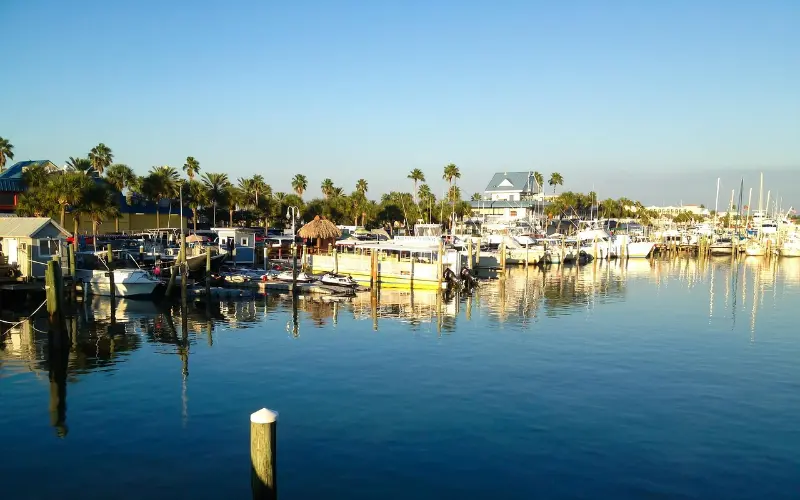
At the northern end of the Florida Keys, John Pennekamp Coral Reef State Park gives visitors three very different ways to experience the water: travel by boat to offshore reefs, paddle quieter mangrove channels, or spend an unhurried few hours around the mainland visitor facilities. These options should not be treated as interchangeable. A family hoping to see living reef formations will need the right offshore excursion and sea conditions; a grandparent who prefers to stay dry can choose a glass-bottom boat, while a young child may be happiest examining the aquarium and the protected beach area. Planning around the activity, rather than just the park entrance, makes a major difference.
At a glance
John Pennekamp Coral Reef State Park | 102601 Overseas Highway, Key Largo, FL 33037 | Best planned around reef boat tours versus lagoon beach swimming and mangrove paddling.
Contents
- What makes this park different from a regular Keys beach
- Choosing between snorkel boats and glass-bottom tours
- Cannon Beach, Far Beach and what you actually see
- Paddling quiet mangrove water
- Diving, reef conservation and responsible behavior
- When to go and how weather changes the day
- Accessibility and realistic options for non-swimmers
- Combining the visit with a Key Largo itinerary
- Costs, reservations and the current construction notice
- A reef tour checklist before buying tickets
- A realistic plan for arrival, departure and traffic
- How to make the visitor center educational
- Deciding whether this activity belongs in your trip
- The details people often forget
- Practical planning table
- Frequently asked questions
- Official sources and current alerts
What makes this park different from a regular Keys beach
John Pennekamp protects underwater habitat as well as land. Offshore coral formations are the main attraction, but visitors arrive at a land-based entrance on the Overseas Highway. The popular reef sites are not simply reefs you can walk out to from the sandy shoreline. That distinction matters when comparing a beach-only admission with a dedicated snorkel or scuba excursion. The park is famous as America’s first undersea park, a conservation designation rather than a promise of a natural aquarium at every swimming location. Its marine environment is living and fragile, and the most memorable encounter can be watching fish move naturally without trying to chase them.
Choosing between snorkel boats and glass-bottom tours
A snorkeling trip suits confident swimmers who can use a mask, breathe calmly through a snorkel and cope with boarding a boat in changing sea conditions. Glass-bottom viewing allows a non-swimmer to observe the underwater world while remaining aboard, although visibility depends on light, waves and water clarity. Official park information describes both types of excursion, with departures subject to weather and the operator’s schedule. Ask about boarding steps, seasickness, children’s minimum requirements and cancellations before paying. Reef time and travel time are both part of a tour; do not assume that a two-and-a-half-hour outing means the same amount of time in the water.

Cannon Beach, Far Beach and what you actually see
The two developed beaches are useful for a slower day but are not substitutes for the offshore reef. Cannon Beach is known for underwater artifacts placed near shore and occasional fish around seagrass habitat. Far Beach is a place to swim, relax and enjoy the palms. The shallow water can be more approachable than open-ocean snorkeling, yet neither site has lifeguards. Sand and water conditions can change with weather, wind and seasonal seaweed. Families should choose a visible meeting point and agree which adults supervise each child, because it is easy to become distracted by cameras or equipment.
Paddling quiet mangrove water
Kayaking and canoeing provide a different perspective on Key Largo. A mangrove route emphasizes roots, birds and sheltered channels rather than reef fish and open ocean. The best choice for beginners is a route that matches tide, wind and experience, with a clear turnaround point. Ask the concession about rental equipment, launch areas and whether a particular channel is suitable for your group that day. Bring water secured inside the craft and waterproof protection for essential medication and your phone. Paddlers must avoid blocking marina movements and should not assume that every sheltered-looking inlet is navigable at any tide.
Diving, reef conservation and responsible behavior
Certified divers can explore reefs through licensed services, while beginners should confirm the scope of any introductory program and its training requirements. Never touch, stand on or collect coral; a fin kick can harm an organism that took years to grow. Sunscreen and sun protection matter, but clothing, shade and careful application away from the water are also useful. Do not feed fish, handle turtles or move souvenirs from the seabed. If a reef looks muted because of heat stress or poor visibility, treat that as part of the conservation story rather than a failed attraction. A good guide explains what can be seen without guaranteeing a species.
When to go and how weather changes the day
Calm seas and reasonable underwater visibility can matter far more than the calendar month. A beautiful blue sky on land does not guarantee comfortable conditions offshore; wind and waves may affect the boat ride and the clarity of the viewing panels. Summer can be hot and stormy, while winter can bring breezy days and cooler water. Book a reef excursion early in a multi-day Keys stay so that you have an alternative date if weather cancels it. Plan shade and hydration before and after the boat, because exposed docks and parking areas feel much hotter than the forecast number suggests.
Accessibility and realistic options for non-swimmers
The park’s official amenities information describes a wheelchair-friendly snorkeling vessel named Encounter with wheelchair tie-downs and a larger marine restroom. This does not remove the need to confirm that the vessel is operating, where boarding takes place and what assistance is available on the requested date. Travelers with low stamina can enjoy the visitor center, aquariums, a short beach stop or a glass-bottom trip without committing to strenuous water activity. Families with a stroller should ask about individual paths and steps rather than expecting every trail and dock to be smooth. People with hearing or sensory needs may prefer an earlier departure with fewer crowds.
Combining the visit with a Key Largo itinerary
Keep the rest of the day light if the reef is the centerpiece. Begin at the park, finish the boat trip and take a lunch break in Key Largo before considering a second activity. The Overseas Highway can be congested on holiday changeover days, so a plan with three paid attractions can become stressful. Visitors driving from Miami should allow traffic flexibility at the start, particularly when a prepaid boat departure has a check-in deadline. If you are continuing toward Islamorada or Marathon, pack the car so damp towels and sunscreen are easy to reach without emptying your luggage.
Costs, reservations and the current construction notice
State-park entry and concession-operated boat tours are separate purchases. Check the park website for the entry fee and the excursion provider for tickets, cancellation deadlines, included equipment and age rules. The July 2026 works affected part of the boat infrastructure and trailer parking; visitors towing a vessel should ask the ranger station directly about current limitations. If your goal is simply an hour on the beach, do not pay for a snorkel tour by accident. If your goal is the reef, purchasing only an entrance ticket will not arrange a boat seat. Keep confirmation messages available offline.
A reef tour checklist before buying tickets
Before selecting an excursion, compare departure time, check-in cutoff, duration afloat and actual snorkel or viewing time. Ask if gear rental is included, whether a wetsuit or flotation device is available and what happens when weather turns unfavorable. An older traveler may value a shaded seat more than the longest excursion, while a child who dislikes masks may enjoy looking through a boat viewing panel. People who experience motion sickness should consult suitable guidance before choosing an offshore trip. Make a written plan for what nonparticipants will do on land, so that nobody is stranded at the marina wondering how to fill several hours.
A realistic plan for arrival, departure and traffic
Key Largo is accessible by road from mainland South Florida, but traffic bottlenecks can affect the time needed to reach a check-in desk. A reservation is only useful when the party arrives early enough to park, use the restroom and understand the boarding instructions. Pack towels in a separate bag so the car does not become soaked on the onward journey. If you are continuing south, allow a meal break and avoid assuming every restaurant operates continuously during quieter seasons. Keep a second-day weather option when visiting the Keys for more than one night. It is easier to rearrange lunch than to rearrange an offshore reservation.
How to make the visitor center educational
Before setting out to the reef, use the park’s indoor interpretation to explain what coral is and why an underwater ecosystem needs protection. Small children may struggle to distinguish a reef from a collection of rocks; photographs and aquariums can make the idea tangible. Ask what a fish gains from hiding in a coral structure, why seagrass is valuable and how boat anchors can damage habitat. Later, on the water, compare those concepts with what you see rather than treating the tour as an isolated activity. A well-prepared child may notice a modest fish or sponge with more excitement than an adult who expected an unrealistic spectacle.
Deciding whether this activity belongs in your trip
John Pennekamp is an excellent match for people curious about marine life, but it is not the only Keys experience. Travelers who are nervous on boats, have little time or need very predictable schedules may enjoy a land-based park visit without purchasing an offshore trip. Conversely, guests who primarily want snorkeling should book a suitable charter rather than counting on an improvised beach swim. Confirm accessibility needs and physical limitations honestly when booking, especially if someone requires help entering or exiting the water. A trip that fits your group’s abilities is not a compromise; it is how everyone gets to enjoy the coast.
The details people often forget
A camera battery, secure eyewear strap, refillable bottle and waterproof bag can be more useful than an enormous collection of beach toys. Check whether the tour allows personal equipment and whether loose items must be secured during travel. Tell children that dolphins, turtles and rare fish may be absent; habitat protection does not translate into guaranteed appearances. Stay alert to changing cloud cover and follow staff instructions if a storm moves through. If the excursion is canceled, do not pressure the crew to sail anyway. Their judgment about the sea has greater value than a tightly packed vacation schedule.
Practical planning table
| Question | Planning guidance |
|---|---|
| Best for | Reef ecology, first-time Keys nature trips, families and mixed swimmers |
| Main decision | Offshore snorkel boat, glass-bottom boat, shore or mangrove paddle |
| Booking | Reserve tour directly and confirm weather cancellation rules |
| Access note | Ask about Encounter wheelchair-friendly vessel and boarding needs |
| Current warning | July 2026 works affect boat ramp and trailer facilities |
Frequently asked questions
Can you snorkel the main coral reef from the beach?
No. The offshore reef sites generally require a boat; mainland beaches offer a different, limited snorkeling experience.
Is a glass-bottom boat good for someone who cannot swim?
It can be a strong choice because guests remain aboard, but confirm boarding accessibility and the risk of rough seas.
Are the park beaches supervised by lifeguards?
No; the official park information describes swimming as at your own risk.
Can I reserve a boat outing independently of park admission?
The concession handles tour bookings; check what your specific ticket covers and any separate park entrance charges.
What should a family do if the reef boat is canceled?
Ask about rebooking or refunds, then consider the visitor center, short shore activities or an alternative Keys day.
Official sources and current alerts
Information checked 10 October 2026. Hours, fees, closures, accessibility arrangements and concession schedules can change. Always confirm the current status directly before traveling.
Important current note: As of October 2026, construction begun July 22 affects one boat ramp, the pump-out station and trailer parking; verify the current notice before bringing a boat.