
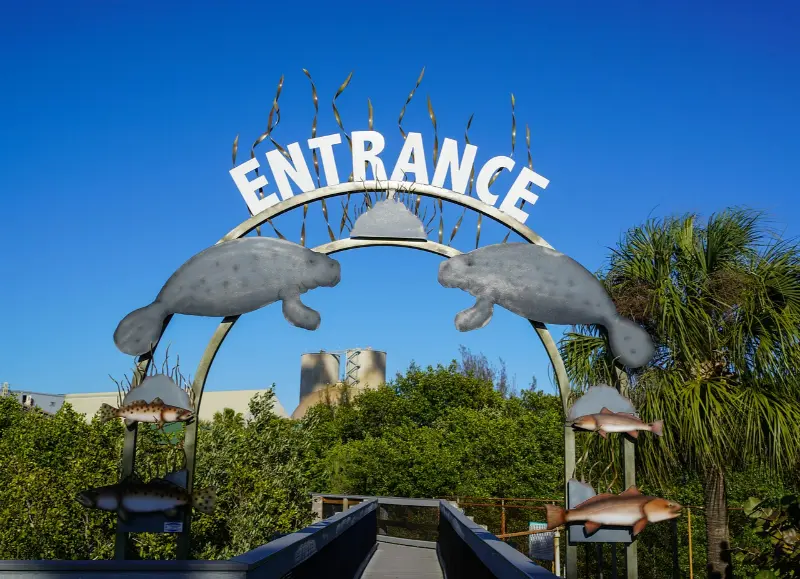
Crystal River National Wildlife Refuge is not a conventional park with one gate, one parking lot and one loop trail. It protects islands, spring habitat and waters throughout Kings Bay, and much of it is experienced from the water. Understanding that layout is the difference between a calm wildlife day and a confusing one.
Allow 2–4 hours for a visitor-center stop plus a short paddle or viewing activity; allow half a day for a guided snorkel, kayak or boat experience. The refuge itself does not run commercial manatee tours, but it permits qualified operators to provide activities in refuge waters.
Quick planning summary
- Visitor center: 1502 SE Kings Bay Drive, Crystal River
- Current visitor-center hours: 9 a.m.–4 p.m. daily Nov. 15–Mar. 31; 10 a.m.–4 p.m. Monday–Friday Apr. 1–Nov. 14
- Visitor-center admission: free
- Main winter season: Nov. 15–Mar. 31
- Water access: via city/private ramps, rentals or permitted tour operators
- Best for: manatee education, wildlife watching, paddling, snorkeling and birding
Important current-status note
October 2026 information snapshot: practical details reflect information available in October 2026 and should be checked for the date of travel. Recheck admission, hours, shuttle operations, parking, water access, wildlife closures, weather-related restrictions and tour rules shortly before traveling. Crystal River is a living wildlife destination, so seasonal protections and temporary closures are a normal part of visiting responsibly.
Why the refuge exists
The refuge was established specifically to protect Florida manatee habitat. FWS notes that King Spring is one of seven federal manatee sanctuaries used during the winter period and that more than 600 animals can migrate into Kings Bay in winter conditions. The refuge also protects island habitat used by bald eagles, osprey, wood storks and other birds.
That conservation purpose should shape how you visit. A wildlife refuge is not an interactive-animal venue. The goal is to see animals behaving naturally while keeping enough distance that your presence does not change what they are doing.
Start at the visitor center
The visitor center is free and provides a useful introduction before any water activity. It is especially valuable for first-time visitors because the map of Kings Bay, sanctuary information and manatee-behavior guidance are easier to understand before you are sitting in a kayak or pulling on a wetsuit.
Families can use the displays to give children a clear mission: learn what manatees eat, why warm water matters and what “passive observation” means. That small investment often improves behavior once the group is on the water.
Kings Bay by kayak or paddleboard
Independent paddling is possible, but not all launch sites are equivalent. Hunter Springs Park and Kings Bay Park are city paddle launches with parking and launch fees. FWS notes that paddle craft can enter Three Sisters Springs between April 1 and November 14, while winter sanctuary rules restrict access. Current closures, wind and boat traffic still need to be checked on the day.
A first-time paddler should not assume that clear spring water means easy navigation everywhere. Kings Bay is active water with boats, homes, channels and wildlife zones. If your group is uncomfortable with navigation or sharing water with motor vessels, a guided kayak trip can be worth the extra cost.
Swimming and snorkeling with manatees
Crystal River is unusual because legal in-water manatee encounters are possible under strict refuge rules. The experience is best when you float quietly, keep your hands to yourself and let the animal control distance. The refuge prohibits chasing, cornering, riding, grabbing, poking, feeding or disturbing resting and feeding manatees.
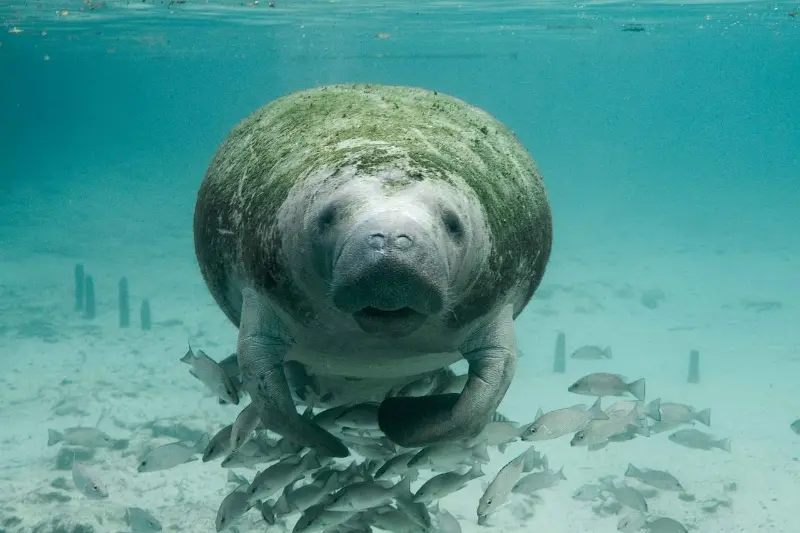
Cold-weather mornings can concentrate animals near springs but also create stricter closures. A tour company should never promise a specific number of manatees or guarantee access to a particular spring basin.
Boat tours versus paddling
Boat tours suit mixed-age groups, travelers with limited mobility and visitors who want wildlife context without balancing a kayak. Paddling offers quiet movement and a closer relationship with the water but requires more physical effort. Snorkeling is the most immersive and the coldest. Choose the format around the least confident person in the group, not the most adventurous one.
Families, teenagers and senior travelers
Crystal River works especially well for mixed-age trips when you keep the schedule flexible. Babies and toddlers need shade, dry clothes and short transfers; school-age children usually enjoy the wildlife mission of spotting fish, birds or manatees; teenagers tend to prefer kayaking, snorkeling or photography; older travelers often appreciate boardwalk viewing, short nature walks and scenic drives. The best plan is not to force everyone into the water simply because the area is famous for in-water encounters.
Seasonal strategy
From late spring through early fall, start outdoor activities early and expect heat, humidity and afternoon thunderstorms. Winter is the signature manatee season, but cold fronts can change water access and push more animals into protected sanctuaries. The water around the springs stays relatively stable, while air temperature can vary dramatically. Pack for the air temperature after you get out of the water, not just for the swim itself.
Winter weekdays are the best compromise for serious manatee viewing with fewer crowds. Summer still offers springs, paddling and wildlife, but the story shifts from concentrated manatees to the broader Kings Bay ecosystem. That is why Crystal River remains worth visiting beyond winter.
Common mistakes to avoid
- booking a non-permitted operator without checking refuge authorization
- treating sanctuary boundaries as optional suggestions
- choosing a kayak when someone in the group is not comfortable around boat traffic
- entering the water without understanding passive-observation rules
- assuming the visitor center itself provides direct water access or tour departures
How to combine the refuge with nearby stops
Visit the refuge center before Three Sisters Springs if you want the conservation context first. Later in the trip, contrast the wild refuge with the managed wildlife experience at Homosassa Springs State Park or the human history at Crystal River Archaeological State Park.
Official information
Use the official refuge visit page for current hours, refuge access and seasonal guidance, and review the current manatee viewing rules before any in-water activity.
Final thoughts
Kings Bay becomes much easier to understand once you stop looking for one “main attraction.” It is a network of habitat, public launches, sanctuaries, springs and viewing areas. Start with the refuge, choose one water activity that matches your group, and treat wildlife rules as part of the experience rather than a limitation on it.
How to choose a permitted tour operator
Start with the refuge list of permitted operators rather than a general web search. Compare group size, boat type, whether wetsuits and snorkel gear are included, cancellation policy, mobility requirements and how the company explains passive observation. A low price is less important than a clear safety and wildlife policy.
Ask what happens if cold weather closes a preferred spring. A responsible operator should be able to explain an alternative route or refund/cancellation procedure without implying that staff can override refuge rules.
Practical planning details that make the day easier
Citrus County looks compact on a statewide map, but wildlife sites, city parks, Gulf access and Homosassa are spread along different roads. Plot the exact entrance of every stop before setting the schedule. A short distance can take longer than expected when you are changing from wet gear, waiting for a shuttle, finding metered parking or driving a narrow coastal road.
Keep drinking water, a dry bag, towels, sun protection and a light layer in the car. Waterproof phone cases are useful around springs, but they are not a substitute for securing car keys and medication. Download reservation confirmations and maps before leaving strong cell service. If a wildlife tour is canceled, move to a land-based attraction rather than trying to recreate the same activity independently.
Leave at least one unbooked block each day. Wildlife, weather and water access are not controlled by a vacation calendar. A flexible afternoon protects the trip when a cold front closes a spring basin, a thunderstorm delays a paddle or a child decides that two hours in cool water was enough.
Final planning checklist
- recheck the official page the day before travel
- confirm parking and arrival instructions
- save tickets or reservations offline
- pack sun protection and dry clothing
- keep one weather backup available
- do not schedule another fixed activity immediately after a wildlife tour
A little preparation matters more in Crystal River than in a conventional city attraction because the destination depends on water, wildlife and weather. Build the plan around those realities and the day becomes much easier for every age group.
How to make the visit work in real life
The most useful way to plan this part of the Nature Coast is to separate what is fixed from what is flexible. A paid tour, timed shuttle or museum schedule is fixed. Wildlife sightings, weather, water clarity and how long a child wants to stay in cool spring water are not. Put only one or two fixed commitments into the day, then use parks, downtown walking, scenic drives or meals as flexible blocks around them. This prevents a twenty-minute delay from turning into a chain of missed reservations.
Driving also deserves more attention than it appears to on a map. Crystal River, Homosassa, Fort Island and the inland side of Citrus County are close enough to combine, but not so close that constant backtracking is efficient. Group the day geographically. If the morning is on Kings Bay, stay in Crystal River for lunch and nearby attractions. If the afternoon moves toward Homosassa, finish the day there rather than returning north for a minor stop. If Fort Island is the sunset goal, save it for the final driving block instead of visiting at noon and then repeating the same road later.
For families and multigenerational groups, define the non-negotiable need of the least flexible traveler before booking. That may be a toddler nap, accessible restroom, medication schedule, fear of deep water or limited walking endurance. Then choose the wildlife format around that constraint. A boardwalk visit that everyone enjoys is better than a snorkel tour that half the group endures. Likewise, a shorter paddle can be a better family memory than a long route that ends with tired children and stressed adults.
Keep a small dry kit in the vehicle: towels, a warm layer, spare socks, drinking water, sunscreen, insect repellent and a plastic bag for wet clothing. Even on hot days, spring-fed water can leave swimmers chilled after they exit, and winter mornings can feel much colder on a boat than in the parking lot. The extra gear is inexpensive insurance against the most common comfort problems.
Finally, check the official source twice: once when you build the itinerary and again shortly before departure. The first check tells you whether the activity belongs in the trip; the second tells you what is actually operating. This matters especially for wildlife closures, hurricane recovery, boat service, seasonal parking and construction. Treat the 2026 details in this article as a planning baseline, not a promise about a 2028 operating day.