Category: Birding in Florida

  • Corkscrew Swamp Sanctuary Near Naples: Boardwalk, Wildlife and Visiting Tips

    Corkscrew Swamp Sanctuary Near Naples: Boardwalk, Wildlife and Visiting Tips

    A few miles beyond Southwest Florida’s beach hotels, a different landscape begins: pine flatwoods, wet prairie and an ancient cypress forest reached on a raised boardwalk. Corkscrew Swamp Sanctuary is not a zoo, a drive-through attraction or a guaranteed alligator encounter. It is a protected Audubon sanctuary where the best moments often arrive quietly: a wading bird hunting in shallow water, tree trunks reflected in the swamp, or the sudden call of a woodpecker. For a first visit, the most useful questions are how long to allow, how much walking is involved, what season changes, and whether the route works for children or visitors who need an easier surface.

    At a glance: Naples. protected wetland. 2.25-mile accessible boardwalk. allow a gentle morning. book online. no ordinary pets. Confirm seasonal services, admission and any temporary closures with the operator before traveling.

    On this page

    Why this western Everglades sanctuary matters

    Corkscrew safeguards a rare old-growth bald cypress ecosystem within the larger Western Everglades landscape. Those monumental trees are the headline, but the setting includes habitats with different levels of water, shade and wildlife. That variety explains why an animal visible in one season may be absent or concealed in another. Visiting is also a lesson in how wetlands hold water and support communities downstream, not merely a chance to photograph a picturesque swamp.

    The Audubon organization manages the sanctuary with conservation, research and education at its core. Treat the boardwalk as a window into a living habitat rather than a trail that needs to deliver a particular sighting. A visitor who slows down to compare the cypress forest with the open prairie usually comes away with a deeper appreciation than someone rushing to see the entire route in record time.

    The 2.25-mile boardwalk: what the route feels like

    The signature walk is a roughly 2.25-mile wooden boardwalk. It travels through several environments, so conditions and views change continuously. Because the surface is elevated, visitors can experience wetland habitat without leaving a designated pathway. The route is listed by Audubon as wheelchair accessible; that does not mean every visitor has the same stamina, and warm, humid weather can make the total distance feel longer than expected.

    Set a relaxed pace, stop at interpretation panels and leave time for binoculars. Bring shoes with secure grip: boards may become slippery after rain. Children should remain with adults and avoid leaning over railings; wildlife and plants are protected. If anyone in your party cannot manage the full loop, ask staff about the current practical options before starting. Do not assume that a shortcut or vehicle pickup exists deep along the boardwalk.

    Wildlife watching without unrealistic promises

    Wading birds, raptors, songbirds, reptiles and smaller wetland creatures may all appear, but sightings depend on water, daylight, seasonal movement and luck. Winter often brings different birds than summer; water levels can make particular observation areas more or less active. Instead of declaring a single “best” month for every species, check Audubon’s recent-sightings information before your visit and choose two or three things to look for.

    Pause at transitions between shade and open water. Scan branches, edges of shallow pools and patches of vegetation rather than walking with your eyes only on the pathway ahead. Children can practice listening for calls and identifying leaf shapes. Never bait birds or approach an animal for a photograph; the calmness that makes this place special depends on visitors respecting its boundaries.

    When to visit: opening hours, light and wet-season weather

    The sanctuary publishes different seasonal operating hours. As checked in October 2026, its visitor page gives 8 a.m.–1 p.m. for May 1 to December 15 and 8 a.m.–3 p.m. for December 16 to April 30. These are published opening windows; the final admission or required exit time may differ, so confirm the day’s ticket conditions when reserving. An early start reduces heat exposure and often gives calmer observation conditions.

    Summer storms can appear quickly, especially later in the day. Humidity remains significant even under canopy, and occasional seasonal insects are part of an authentic wetland visit. The sanctuary has periodically closed for annual maintenance, so never assume a date is available simply because it is a weekday. Book or confirm before driving from Naples, Bonita Springs or farther north.

    Tickets, visitor center and the discovery exhibits

    General admission supports the sanctuary’s conservation mission. Tickets can be purchased through Audubon, and online booking is recommended because capacity or special-program arrangements may affect entry. The visitor center is useful for restrooms, questions and orientation before the walk. In February 2026, Audubon announced the opening of the renovated Spurlino Foundation Discovery Center, adding hands-on exhibits about swamp ecology.

    Allow time for exhibits either before walking or as an air-conditioned educational break afterwards, subject to the facilities open that day. Ask whether any scheduled naturalist-led tour suits your group; guided experiences add context but may require their own reservation. If you are planning a school or multigenerational outing, contact the center instead of assuming that group arrangements can be made on arrival.

    Accessibility, families and different walking speeds

    Audubon identifies both its visitor center and the boardwalk as wheelchair accessible, and notes that wheelchairs can be available for use. The practical question is often distance rather than the presence of stairs. A family with a toddler, a traveler using a cane and a keen birdwatcher may need very different schedules even on the same route. Arrange a common stopping plan and do not pressure slower members to keep up.

    For children, look for educational scavenger-hunt materials at admission and make the walk about three small discoveries rather than a long mileage goal. In warmer weather bring water and plan an exit before anyone becomes overtired. The sanctuary does not admit ordinary pets; it allows qualifying service animals. Review the current access information and contact staff about any equipment or support needed.

    What to carry and what to leave behind

    A useful small daypack contains drinking water, sun protection, insect repellent appropriate for the user, a hat, binoculars if available, and a phone for emergency communication. Long sleeves can be comfortable during periods when biting flies are active. Choose lightweight, quiet clothing and footwear that tolerates damp boards. Pack only what can be carried without tiring the group; this is not a backcountry expedition.

    Food consumption is restricted on the boardwalk, so have a snack beforehand and use designated picnic areas as directed. Do not bring a drone, collect specimens or play loud music. The goal is to reduce disturbance, not to turn a family day into a long list of prohibitions. Review the admission page for any updated policies on bags, equipment and weather-related closures.

    How to build a Naples-area half-day

    Drive to 375 Sanctuary Road West after checking your route and admission time. Start with visitor-center orientation, walk the boardwalk at an unhurried pace, then return for exhibits and a drink. A photography enthusiast may need longer than a family with very small children, while visitors using mobility aids may prefer a shorter observation-focused plan. A full morning is more realistic than squeezing the stop between distant appointments.

    Pair Corkscrew with another gentle Naples-area activity only if everyone has energy left. A beach sunset can work well after a morning walk, but do not set up an exact transit schedule that leaves no allowance for traffic, heat or unexpected wildlife stops. For a rainy-day alternative, check local museums or indoor attractions; thunderstorms are not a reason to remain on an exposed boardwalk.

    Naples Florida Historic Street with Tropical Gardens

    Responsible photography and a better way to remember the visit

    Photograph cypress textures, reflections and habitat transitions, not just animals. A phone is enough for atmospheric pictures, while a modest pair of binoculars may improve your wildlife experience more than a large camera. Do not step off the boardwalk for a clearer angle or manipulate branches for a view. Leave rare plants and any orchid habitat undisturbed.

    After the visit, compare observations with the sanctuary’s educational materials. Children may enjoy drawing a simple food web or recording the difference between wet prairie and swamp forest. Connecting a memorable walk to wetland protection is the most lasting souvenir, and it costs nothing beyond the attention you give the place.

    Before you leave Naples: a realistic decision checklist

    The drive to Corkscrew is worth making only when the sanctuary is open and the people in your party can comfortably manage the experience. Check tickets first, then compare the day’s weather with your group’s tolerance for heat and humidity. If the visit involves a wheelchair, request information about the full loop, not only the accessibility of the visitor center. If you are bringing young children, explain why remaining on the boardwalk protects both them and the habitat. Arrive with water, and do not depend on buying a full meal at the sanctuary; food availability may differ with season and concession operations.

    Another useful decision is whether to carry a camera with a long lens. Heavy photographic equipment may make the walk feel like work. A light pair of binoculars and patience can offer a more rewarding day. Avoid promising children that they will see a specific reptile. Instead, ask everyone to choose one forest sound, one example of bird behavior and one wetland plant they want to remember. Those discoveries are available far more reliably than an alligator on demand.

    If thunderstorms cause a closure, use the sanctuary’s contact channels to learn about ticket options and reschedule rather than trying to wait out severe weather on the boardwalk. Keep a backup Naples-area activity that does not depend on clear skies. This simple contingency makes a paid nature excursion feel less risky and helps visitors of different ages enjoy it without pressure.
    Naples Pier Florida at Sunset

    Practical planning table

    Planning questionWhat to know
    Region and settingNaples
    Main interestprotected wetland
    Good to know2.25-mile accessible boardwalk
    Most suitable visitallow a gentle morning
    Before leaving homebook online
    Flexible alternativeno ordinary pets

    Frequently asked questions

    Is Corkscrew Swamp Sanctuary suitable for wheelchairs?

    Audubon describes the boardwalk and visitor center as wheelchair accessible. The full boardwalk is long, however, so call ahead about individual mobility requirements, equipment availability and the best pacing plan.

    How long should a visit take?

    Allow roughly two to three hours for orientation, the 2.25-mile boardwalk and a look at the exhibits. Families who walk slowly or birders who spend time observing may need longer.

    Are alligators guaranteed?

    No. This is a wild ecosystem and animal visibility changes with water levels, season and behavior. Respect distance, stay on the boardwalk and enjoy the habitat even when a particular species is not visible.

    Can I bring my dog?

    Ordinary pets are not allowed. Audubon permits qualifying ADA service animals and publishes its current visitor policies on its official website.

    Should I reserve tickets?

    Online tickets are recommended. Check seasonal opening times, last entry, maintenance dates and special programs before driving to the sanctuary.

    Official information

    Rules, prices, opening hours, access and guided-program schedules can change. The following are primary sources for checking your exact travel dates:

    Editorial information checked: October 10, 2026. Recheck official visitor notices before departure; this guide does not claim first-hand visits or guaranteed sightings.


  • Bahia Honda State Park: Best Beaches, Old Bridge Views and Florida Keys Camping

    Bahia Honda State Park: Best Beaches, Old Bridge Views and Florida Keys Camping

    Between the bridges of the Middle Keys, Bahia Honda State Park gives visitors more than one version of a beach day. The shallow bay-facing sand, Atlantic-facing shoreline, an elevated viewpoint on the old railroad bridge and several styles of camping all sit in the same park. Yet this variety requires decisions: which beach is best for a child, whether a short climb is realistic for an older traveler, and how to arrive before the park reaches capacity. Bahia Honda is well worth organizing as a destination in its own right, not a ten-minute stop between Key Largo and Key West.

    At a glance

    Bahia Honda State Park | 36850 Overseas Highway, Big Pine Key, FL 33043 | Best planned around three beaches, the old bridge trail and overnight stays in the Middle Keys.

    Contents

    Understanding the geography before choosing a beach

    Bahia Honda sits along the Overseas Highway at Big Pine Key, where Florida Bay and Atlantic-facing waters produce different shoreline experiences. The park’s named beaches include Calusa Beach on the bay side, Loggerhead Beach facing the Atlantic and Sandspur Beach along the ocean side. Conditions change with wind, tides and restoration work. A beach that looked postcard-perfect in another visitor’s photos may have different seaweed, water level or available sand on your day. Walk to the appropriate access point rather than assuming that the first parking lot offers the same experience as all three beaches.

    Calusa Beach, Loggerhead Beach and Sandspur

    Calusa Beach has bay views and covered picnic pavilions. The shallower character of Loggerhead makes it attractive for a relaxed look at the water, while Sandspur has parking along its longer ocean-facing shoreline and centralized restrooms. None should be described as completely wave-free or automatically safe for toddlers. Look at the flags, ask park staff about currents and watch the water in real time. If a particular beach is busy, try a walk or bridge viewpoint while waiting for space; if the entire park is at capacity, do not block the highway entrance or improvise a roadside parking spot.

    Walking to the Old Bahia Honda Bridge viewpoint

    The remains of the old Flagler-era bridge make the scenery recognizable. The trail leads to a vantage point above the water and rewards visitors interested in the history of the Overseas Railroad. It is a viewing walk, not permission to wander onto closed or unstable bridge sections. Wear shoes with traction, carry drinking water and budget extra time if anyone in the party needs frequent breaks. Midday sun can be intense because the viewpoint is exposed. From the elevated position, visitors may see changing shades in the channel, birds and sometimes marine life; sightings are never guaranteed.

    Key West Old Town and Waterfront Aerial

    Snorkeling, boat trips and shallow-water expectations

    Snorkeling close to shore and an offshore guided reef outing are different products. Bahia Honda’s concession can provide rentals and tours when available, while beachgoers can simply bring swim masks for an unhurried look at nearby marine life. Saltwater visibility depends on wind and sediment. Never stand on reef, remove living organisms or use a narrow channel as if it were a supervised swimming pool. For beginners, start with fitting the mask correctly on land, practice breathing in a calm area and leave the water before fatigue or frustration sets in. A beautiful beach is not a substitute for basic water judgment.

    Cabins and campgrounds: important differences

    The park has cabins and several camping areas, but one reservation does not describe them all. Some sites suit tents or smaller rigs, while others have restrictive vehicle access. The official amenities information warns that Sandspur has a maximum rig length and that the Bayside campground access has very low bridge clearance, only 6 feet 8 inches. A booking made without checking actual vehicle height can lead to an expensive mistake. Cabins vary in accessibility and layout; the park identifies a wheelchair lift for Cabin 2. Verify the assigned unit, bathhouse status, pet rules and check-in process before paying.

    An easy family day without overscheduling

    Arrive in the morning with breakfast completed, choose one beach first and use the cooler part of the day for the bridge walk. Picnic during the brightest hours rather than asking small children to remain in direct sun. A second swimming window or a sunset view can follow if energy and park access permit. For a baby or toddler, bring more shade and water than you think you need; a stroller may be awkward on loose sand. For older relatives, make the shaded picnic shelter the meeting point and let energetic family members do the optional walk.

    Access, mobility and sensory comfort

    The park lists accessible parking, restrooms, concessions, a beach wheelchair available first-come, first-served and some accessible overnight features. That list is a starting point, not a guarantee that all beach sand or bridge trails can be negotiated with wheels. Contact staff about the surface and distance between parking and the shoreline. Families supporting someone with a sensory disability may prefer a weekday morning, when the beach is quieter and navigation is less frantic. A beach wheelchair should be requested directly, with a backup plan if it is unavailable.

    Wildlife protection and the fragile Keys shoreline

    Sea turtles, wading birds, shorebirds and sensitive coastal plants share the park with visitors. Stay behind barriers around restoration areas and respect seasonal nesting signs. Do not brighten the beach at night with flash photography or approach an animal for a better photo. Take fishing line and all picnic waste back to the bins, because thin line can injure wildlife. Collecting living shells or moving plants is not an acceptable souvenir. Family conversations about conservation are more meaningful when children can notice evidence of habitat protection rather than simply being told that the coast is pretty.

    Admission, capacity and what to check today

    The park posts its base hours and vehicle fee online, but weekend capacity closures and concession arrangements are operational rather than fixed. Arrive early on popular holidays, especially if driving from Key West or Marathon solely for a beach visit. Confirm restrooms, visitor-center status and beach restoration notices before the journey. Campsite booking rules and cabin rates are separate from day use. Remember that a reserved campsite does not automatically answer which facilities are working, and a beach entrance payment does not include all rentals or offshore trips. Treat the website and ranger station as the final authority.

    Matching a beach to your group instead of photographs

    Before leaving the hotel, decide whether the day is mainly about a quiet picnic, a swim, underwater observation or the old bridge view. A family traveling with a baby might prefer easy access to shaded seating and restrooms. A couple willing to walk may place the bridge trail higher on the list, while someone with limited mobility should discuss accessible features with rangers. These goals influence the best beach and parking choice. If two family members want different experiences, agree on a meeting place and a realistic time, not merely a promise to contact each other if reception is available.

    Avoiding Keys road-trip mistakes

    The Overseas Highway is scenic but it is also the essential road linking islands. Even a short traffic interruption can delay an arrival, and turning around because the park has reached capacity is frustrating. Treat Bahia Honda as the main outing on a Middle Keys day rather than squeezing it between several distant reservations. Pack a proper lunch and drinking water if you are uncertain about concession hours, but keep perishables cool. If you are coming from Key West in the afternoon, verify the expected sunset time and remember that the park’s closing time determines how long you may remain. Do not drive on shoulders or block access gates.

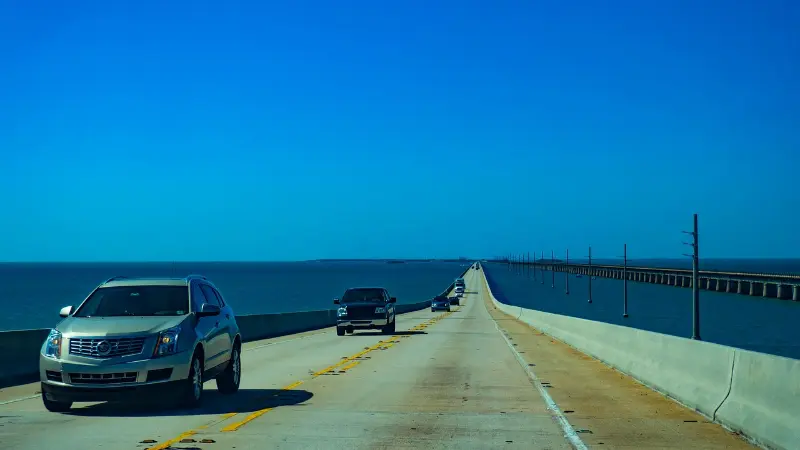
    Florida Keys Ocean Causeway and Cars

    Camping with children: more than a pretty location

    Warm nights and a waterfront campsite may sound simple until insects, heat, salt and midnight bathroom trips become part of the experience. Families should check distance to the bathhouse, lighting restrictions, site exposure and where food can be stored. A novice camper is often happier with a reservation that matches their equipment than with a photogenic plot far from practical facilities. Because the park has separate camping loops, read the individual site description closely. Do not generalize from another guest’s photo of a different site. Make sure a child knows where the tent or cabin is located and never leaves it alone after dark.

    Respecting water conditions even on shallow beaches

    A sheltered-looking shore can still produce currents, sharp debris, marine stingers or sudden changes in depth. Use the posted flag guidance and ask local staff if conditions are unclear. Adults must actively supervise children even when several adults are nearby; assigning one supervising adult at a time prevents the assumption that somebody else is watching. If marine pests or red tide are reported, avoid treating the warning as a minor inconvenience. Families with respiratory sensitivity or small babies may prefer a land-based stop. A beautiful photograph is never evidence that swimming conditions are safe in the moment.

    What to pack for a comfortable Bahia Honda day

    Choose lightweight sun protection, a refillable water bottle, dry clothes, water-friendly shoes and a first-aid kit appropriate to the group. Shade is limited in parts of the park, so an umbrella or approved sunshade can make a long beach visit more manageable. Keep car keys in a secure dry place rather than an unsealed pocket while swimming. If you want to snorkel, test the fit of equipment before entering the water and establish a turnaround time. Finish with a complete litter check, especially around picnic shelters where lightweight packaging can blow into mangroves or water. Leave natural objects and plants undisturbed.

    Practical planning table

    QuestionPlanning guidance
    Best forKeys beach days, bridge photography, campers and nature lovers
    Main decisionCalusa, Loggerhead or Sandspur shoreline; old bridge view
    EntryArrive early on busy days; capacity closures can occur
    AccommodationCheck exact campground, vehicle length and bridge height
    AccessibilityBeach wheelchair subject to availability; confirm with park

    Frequently asked questions

    Which Bahia Honda beach is best with children?

    Calusa and Loggerhead are useful starting points, but choose using the day’s wind, posted flags, crowds and each child’s swimming ability.

    Can visitors walk to the top of the old bridge?

    The designated trail reaches a viewpoint; stay outside restricted areas and confirm current access.

    Is there a wheelchair-accessible beach option?

    The park lists a complimentary beach wheelchair subject to availability; confirm arrangements directly.

    Can large RVs use every campground?

    No. Length and overhead clearance restrictions vary by loop; check the exact campsite access rules.

    Does buying admission guarantee entry at any time?

    No. Day-use capacity can temporarily stop new admissions, especially on weekends and holidays.

    Official sources and current alerts

    Information checked 10 October 2026. Hours, fees, closures, accessibility arrangements and concession schedules can change. Always confirm the current status directly before traveling.

    Important current note: Bahia Honda may close temporarily when day-use capacity is reached. The visitor center is listed as closed, and campground bathhouse work may affect some facilities; check status before departure.

  • Sandhill Cranes and Florida Wetlands: Five Wildlife Days From Orlando to the Space Coast

    Sandhill Cranes and Florida Wetlands: Five Wildlife Days From Orlando to the Space Coast

    One of Florida’s most memorable bird calls can come from an ordinary grassy field rather than a remote wilderness. Sandhill cranes stand tall, travel in pairs or family groups and make loud, rattling calls that carry across wetlands and suburban landscapes. Seeing them can be a wonderful moment, but it is not an invitation to feed them, walk toward their chicks or stop a car in traffic. A respectful nature trip is about observing how birds use open spaces, water and grasslands while keeping the animals safe.

    This five-day plan links the Orlando area’s wetlands with carefully chosen public nature stops toward the Space Coast, including options suitable for families and photographers without long hikes. It combines sandhill cranes with herons, gallinules, egrets, raptors and other wetland birds, not a guarantee of a specific species each day. Before departure, check current access notices, weather and the wildlife-management rules at every location. Wetlands can close after heavy rain or for maintenance, and some areas have rough surfaces that may be unsuitable for mobility aids.

    Know the bird and give it room

    According to the Florida Fish and Wildlife Conservation Commission, Florida sandhill cranes inhabit wetlands, open prairies and even some developed landscapes. Their calls can be heard well before the birds are visible. The Florida population includes resident cranes, and the state also receives migratory sandhill cranes seasonally. Identifying every distant bird by subspecies is not necessary to enjoy the experience; focus first on appearance, behavior and habitat.

    Feeding sandhill cranes is prohibited in Florida and harmful to both birds and people. Human food encourages birds to approach vehicles and settlements, increasing conflict and injury risks. Never offer bread, seeds or leftovers; even accidentally spilled bird seed may attract cranes. If a crane approaches you, remain calm and give it a clear path rather than moving closer for a photograph. Dogs should be controlled and kept away from nesting or feeding birds, subject to park rules.

    Best time of day for comfortable birdwatching

    Early mornings and late afternoons often give softer light and more comfortable temperatures, but birds remain unpredictable. Choose morning walks in warm months and avoid exposed wetland paths when thunderstorm chances rise. Bring binoculars, a hat, water and insect protection. A camera with a moderate zoom is useful, but you can have a good outing without professional gear. If birds are distant, enjoy watching natural movement instead of leaving designated paths to close the gap.

    For toddlers or older adults, a thirty-minute session at one accessible viewpoint may be more satisfying than an extended trail. Keep noise low and explain to children that wildlife observation requires patience. Sit quietly to notice sounds, bird flight paths and changes in vegetation. One crane that remains undisturbed is a better outcome than ten close-up photographs obtained by chasing animals across the grass.

    Day one: Orlando Wetlands and its boardwalk

    Orlando Wetlands east of the urban center is an excellent place to begin learning about managed wetlands and their wildlife. The city describes a cypress boardwalk and visitor center, alongside a larger landscape of roads and natural areas. Choose an approved public route appropriate to your group, and check current access hours, park rules and any transportation services before arriving. The site can attract a variety of wetland birds, although specific sightings are never certain.

    Orlando Florida Palm Trees and Night Ferris Wheel

    Start with the visitor center to understand how the wetland system functions, then take a short boardwalk outing if conditions allow. The structure provides a different perspective from a dirt path, but do not assume every trail beyond it is similarly accessible. A stroller-friendly section and an unpaved route through wetland vegetation are different experiences. Keep children close to adults, and do not stand on railings or lean over edges to photograph wildlife.

    Look for habitat rather than chasing one species

    Wetland birdwatching becomes richer when you notice why birds occupy different parts of the landscape. A heron may stand motionless in shallow water, a gallinule may navigate floating vegetation, and an osprey may circle overhead. These behaviors tell a story about food, shelter and habitat. In a notebook, write where each bird was standing and what it appeared to be doing rather than simply checking its name off a list.

    This method works well with school-age children because it does not demand expert identification skills. Ask what makes shallow water attractive to long-legged birds or why a bird might perch above the marsh. Avoid playing recorded calls to attract wildlife, particularly near active nests. Bird photography should remain passive, with binoculars or a camera doing the work of bringing the scene closer.

    Day two: short nature stops around Central Florida

    Use the second day for one local public park or wildlife viewing area rather than a strenuous trip. Open grassy spaces around the Orlando region sometimes attract sandhill cranes, but do not enter private golf courses, residential yards or roadside drainage areas to approach them. A crane appearing beside a car park does not turn the location into a sanctioned viewing platform. Choose designated public space with safe parking and restrooms, and keep the outing brief in heat.

    If no cranes are visible, shift the objective to listening for calls and identifying other birds. You might spot ibis, egrets or a hawk from a permitted trail. This flexibility helps families avoid pressuring children or animals for a rare sighting. Wildlife travel works best when an empty field is a chance to understand habitat, not evidence that the day’s plan failed.

    Day three: travel toward the Space Coast wetlands

    Move your base toward the Viera or Cocoa area if you want shorter drives for the final days. Choose lodging based on a comfortable route and access to food rather than proximity to a specific wildlife sighting. The Space Coast has a mix of coastal habitat, urban development and managed wetland systems. Roads near reserves can be narrow or used by operational vehicles, so follow all public-access signs and never park on a shoulder that blocks maintenance access.

    The transfer day can include one short approved observation point, followed by a quiet afternoon. People who enjoy photography might make use of early or late light, but daylight and safety come first. Do not walk through tall grass near water at dusk. Florida wetland wildlife includes alligators; view them from a safe distance and never allow children or pets to approach a bank for a better photograph.

    Day four: Ritch Grissom Memorial Wetlands at Viera

    The Brevard County utility-operated wetlands, commonly called Viera Wetlands, provide a well-known place for birdwatching. County information describes the constructed treatment wetland system and publishes visitor hours. Confirm the newest access notices before traveling, because a working environmental facility may adjust entry due to operational needs or weather. Respect gates, closed routes and any restrictions on vehicles or walking access.

    Use the first suitable observation area instead of trying to cover every section. Watch quietly for wading birds, waterfowl and birds of prey. Cranes may be present in suitable surrounding habitat, but the wetlands should be appreciated for their broader ecosystem rather than treated as a guaranteed crane display. Keep noise low and use binoculars from permitted positions. Take a break whenever heat or glare becomes uncomfortable.

    Day five: a coastal habitat comparison

    For the last day, visit an approved public shoreline or lagoon education location around the Space Coast. Compare brackish or coastal habitat with the inland freshwater wetlands you saw earlier. Different birds may appear because food sources and vegetation change near saltwater. A short boardwalk or educational exhibit is often enough. You can also use the day as a buffer if Viera or Orlando Wetlands was closed earlier in the week.

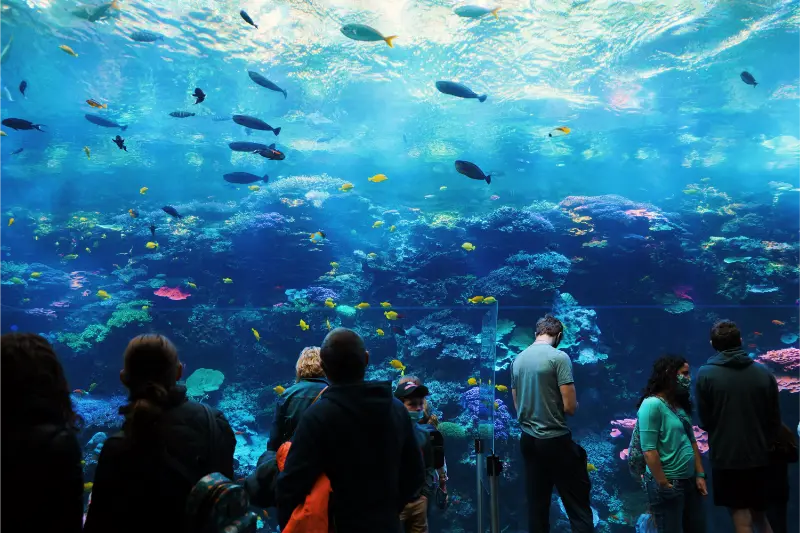
    Orlando Aquarium Underwater Tunnel with Visitors

    Avoid booking a distant paid wildlife cruise simply to increase your species count before departure. A responsible five-day trip allows time for observation, discussion and rest. At the end, ask each person to choose one behavioral detail they noticed: a bird carrying nesting material, a crane calling to its partner or a heron standing still in shallow water. Those memories can be more meaningful than a long species list.

    Sample five-day route

    Day Area Main idea Comfortable alternative
    1 Orlando Wetlands Boardwalk, visitor center and wetland birds Exhibits and shorter route
    2 Greater Orlando Short public grassland or wetland stop City park with benches
    3 Orlando to Space Coast Transfer and one safe viewpoint Travel-only rest afternoon
    4 Viera Wetlands Birdwatching at a managed wetland Short observation stop
    5 Space Coast lagoon Coastal habitat comparison Education center and departure

    A rental car gives the most flexibility, but you should not assume all reserve roads allow ordinary vehicles or that rideshare drivers will pick up from remote trailheads. Review maps, gates and parking rules on official sites. Keep a paper note of your accommodation address and the phone number of the responsible park authority.

    Why not feed cranes for a better photograph?

    A fed crane may start associating humans and vehicles with food, increasing its chances of injury and conflict. Food that is suitable for people is not necessarily healthy for birds. The FWC specifically warns against feeding sandhill cranes and notes that intentional feeding is illegal. Even tossing food on the ground for a bird that appears hungry can do harm. Explain this clearly to children before arriving, so an enthusiastic moment does not result in somebody offering part of a sandwich.

    Keep picnic items packed and dispose of waste in secure containers. Do not use bird-call recordings to bring cranes close, and do not approach nests. If you see a bird that appears injured, contact the appropriate wildlife authority or qualified rehabilitator; do not attempt to capture it. A visitor’s role is to observe responsibly and report concerns through established channels.

    Photography for beginners without a giant lens

    Many good wildlife photographs begin with light and patience rather than an expensive camera. Choose a stable position, hold the camera steady and include some habitat in the frame. A bird standing in its natural setting can tell a more accurate story than an extreme close-up that requires disturbing it. Phone cameras can capture behavior and landscape even when they cannot resolve distant feather details. Avoid using a flash near wildlife, especially at dusk or around nesting birds.

    Be alert to other visitors sharing narrow boardwalks. Tripods and camera bags should not obstruct wheelchair users, children or staff. If a viewpoint is crowded, wait or move to another approved position rather than stepping into vegetation. Respect other photographers’ space and do not assume they owe you directions to a nest location.

    What families, older adults and beginners should know

    With children, give each person a small mission, such as identifying three shapes of bird bills or sketching a marsh plant. Bring snacks for people, but never share them with wildlife. Older travelers may prefer a site with nearby seating and predictable restroom access. Ask whether a wheelchair or walker can navigate the exact route rather than relying on a general park accessibility label. Binoculars can help people with limited walking ability enjoy distant sightings from one place.

    If anyone struggles with heat, insects or sensory stimulation, keep the outing short and return to a comfortable indoor location. A five-day birding vacation should not require five consecutive dawn starts. Rest days and optional activities are especially useful for mixed-age groups. Being quiet and patient is a skill everyone can practice, regardless of experience level.

    Weather, water and wetland hazards

    Thunderstorms can form quickly, and open wetland trails offer little safe shelter. Leave exposed areas when lightning threatens and move to a substantial building or enclosed vehicle. Never walk through floodwater or attempt to cross a closed boardwalk. Stay clear of alligators and avoid leaning over water to photograph turtles or birds. Mosquitoes and sun exposure can be significant even on cool mornings, so dress appropriately and follow health advice relevant to your situation.

    Nature preserves may be flooded or closed for maintenance after storms. Confirm access on the day of your visit rather than assuming that a search result from several months ago remains accurate. In Florida, a temporary closure may protect sensitive wildlife or critical infrastructure; obeying it is part of responsible tourism.

    Frequently asked questions

    Can we guarantee sandhill crane sightings?

    No. Sandhill cranes live in many parts of peninsular Florida, but individual encounters depend on habitat, season and chance. Observe other wetland birds when cranes are not present.

    May children feed cranes in public parks?

    No. Feeding sandhill cranes is illegal in Florida and can make the birds less safe around people and vehicles.

    Is professional photography equipment essential?

    No. Binoculars, a simple camera or a phone can support a rewarding nature visit, provided you observe from an appropriate distance.

    Official wildlife resources

    Check FWC sandhill crane guidance, the City of Orlando Wetlands and Brevard County’s Viera Wetlands page for current access and wildlife-viewing rules.

  • Winter Birding on Florida’s Atlantic Coast: Six Days from St. Augustine to Palm Beach

    Winter Birding on Florida’s Atlantic Coast: Six Days from St. Augustine to Palm Beach

    Florida’s Atlantic coast offers excellent opportunities to look for coastal and wetland birds during the cooler months, but successful birding requires more than a list of famous species. Tides, weather, seasonal migration and protected-habitat rules shape what a visitor may see. This six-day itinerary follows a southbound route from St. Augustine toward Merritt Island, Vero Beach and Palm Beach County, mixing wildlife drives with accessible boardwalks and town breaks. It is designed for beginners carrying binoculars, photographers working with long lenses, families introducing children to nature and older visitors who prefer shorter walks. No particular bird is guaranteed, and the itinerary deliberately avoids advice that would disturb nesting or feeding wildlife.

    Why winter is useful for Atlantic Coast birding

    Cooler weather makes repeated outdoor stops more pleasant and brings migratory waterfowl and other seasonal visitors to parts of Florida. Yet “winter birds” do not all arrive on the same day, and not every marsh becomes more active in December than in March. Rainfall, cold fronts, tide levels and habitat management matter. Winter can also bring busy roads and full parking lots in coastal towns. A birding trip is most flexible when you plan habitat visits rather than guaranteed species: estuaries for shorebirds, managed wetlands for waders and open-water edges for waterfowl.

    Start with binoculars and a field guide or reputable identification app; a camera is optional. Learn to observe posture, bill shape, color pattern and behavior before attempting an identification. Many herons and egrets change plumage with age, and distant birds can look misleadingly similar. A child may find “count three different feeding styles” more engaging than a competition to identify twenty species. An older visitor can enjoy a single productive observation platform without needing to walk a long trail. Patient observation is a legitimate way to experience the Atlantic coastal landscape.

    Day one: St. Augustine and protected coastal habitats

    Begin with an arrival and orientation around St. Augustine, choosing a legal public shoreline observation point or a visit to a coastal research reserve where visitor facilities are open. The Guana Tolomato Matanzas National Estuarine Research Reserve, often shortened to GTM, is an important resource for understanding coastal ecology in this region. Before arriving, confirm its current visitor-center schedule, trail regulations and any storm-related closures. Do not assume every tract can be reached from the same parking lot. Estuaries are made of connected habitats but can have very different roads and access points.

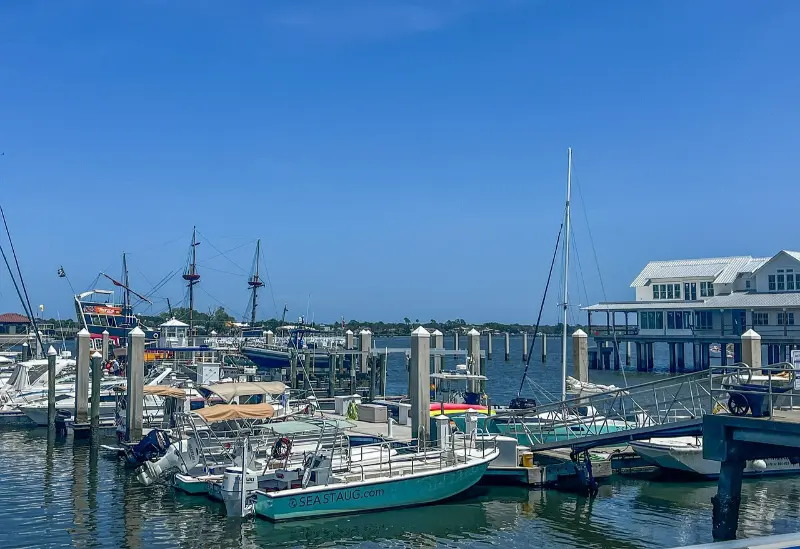
    Sailing Boats in Saint Augustine Florida Marina

    A short late-afternoon observation can reveal how tides influence shorebird feeding and why salt marshes matter to migrating animals. Stay on designated boardwalks or trails and never walk into nesting areas. Bring insect repellent even during cooler months, since mosquitoes are not strictly a summer concern. The first evening is a good time to practice identifying common shapes—egrets, gulls, cormorants or terns—without worrying about a complete checklist. Rest in St. Augustine or farther south only after checking the next day’s driving distance.

    Day two: coastal wetlands and a comfortable transfer

    Use the second morning for another St. Augustine-area habitat or for a nearby nature walk that is officially open. Wildlife tends to be easier to observe when you arrive early and limit noise, but a spectacular sunrise is not required. If you are photographing birds, do not pursue a moving flock from one parking lot to another. Watch what the animals do before you lift the camera. Moving slowly also helps prevent a common error: walking close enough to flush shorebirds from a feeding area simply to obtain a better image.

    In the afternoon, drive south toward Titusville and the Space Coast. This is a transfer, not a second full birding day. Choose accommodation with easy morning access to Merritt Island National Wildlife Refuge, and check NASA-related area notices before setting an exact arrival time. The refuge overlaps Kennedy Space Center land, and operational restrictions can affect roads and visitor facilities. Keep food and water available because birding destinations are not always close to restaurants. Review your observations in the evening and prepare binoculars, hats and sun protection for the next morning.

    Day three: Merritt Island's Black Point Wildlife Drive

    Merritt Island National Wildlife Refuge is a core stop because its Black Point Wildlife Drive provides a slow vehicle-based route through managed marshes. The federal refuge’s visitor information confirms that an entry pass is required for certain areas, and access may change during launch operations. Download or collect current visitor materials and drive patiently, pulling over only at permitted stops. Watch for wading birds along water margins, raptors overlooking marshes and waterfowl in suitable season.

    The route is particularly useful for travelers with limited walking endurance, although some viewing stops require different amounts of mobility. The visitor-center boardwalk is identified by the refuge as the wheelchair-accessible route among its listed trails, while other surfaces may be mowed grass or uneven ground. Ask rangers about conditions instead of assuming every tower is reached by pavement. Do not block the wildlife drive to take photographs from the middle of the road. A slow morning with frequent short pauses can be more productive than a long hike that disturbs birds.

    Day four: Pelican Island near Vero Beach

    Continue south to Pelican Island National Wildlife Refuge, America’s first national wildlife refuge. The official Pelican Island visitor page describes observation opportunities and an accessible Centennial Trail leading toward views of the protected island. This is a place to appreciate conservation history as well as birds. Do not assume the island itself is a visitor destination where you may land. Its value lies partly in protecting habitat from exactly that kind of disturbance.

    Spend time on the boardwalk and watch how birds use the lagoon at different water levels. A spotting scope or telephoto lens makes it easier to view distant individuals without leaving the permitted route. Other refuge trails may be longer or have different surfaces; choose them only if they fit your group’s ability and the weather. Carry water because an open observation platform can feel hot even during winter. If traveling with school-age children, invite them to draw a simple map of the refuge and note why an area can be protected while still allowing visitors at designated observation points.

    Day five: the Indian River Lagoon and a move to Palm Beach

    Use the fifth day as a flexible coastal exploration and transfer toward Palm Beach County. The Indian River Lagoon is a large, diverse estuary, but wildlife habitat and access conditions change along its length. Choose one publicly permitted observation site rather than stopping at every water-facing road. Shorebirds may be far away at high tide or grouped in places that are closed to pedestrians. A quiet hour observing from a legal deck is more valuable than approaching a roost on a sandbar. Respect signs protecting turtles and sensitive coastal vegetation.

    Horse Drawn Carriage in Saint Augustine Florida

    Plan lunch and drive time deliberately. Highway traffic near growing coastal towns can consume much more of a day than a map suggests. If you want to add a beach stop, first check local water and weather advisories; birdwatching does not require entering the ocean. For wheelchair users, review the exact distance from parking to the chosen platform. If a grandparent or younger child is tired, use the afternoon for accommodation check-in and a short local walk. Good birding often depends on returning alert the following morning.

    Day six: constructed wetlands and South Florida birdlife

    Finish in Palm Beach County with a visit to a managed wetland or boardwalk where public access and current conditions are confirmed. Wakodahatchee Wetlands and Green Cay are well-known examples of accessible-style birding experiences, but individual boardwalks, parking and opening conditions can change. Verify county notices before choosing a route, and do not assume that every platform will be usable after maintenance or storm damage. These settings offer a chance to compare human-managed freshwater wetlands with the estuarine habitats farther north.

    Observe from established paths and keep a respectful distance from nests. In a popular wetland, photographers sometimes gather near a single bird; do not form a crowd that blocks wheelchair users or strollers. Put the camera away occasionally and listen to calls or look for smaller birds among vegetation. A final day can be as brief as one careful walk followed by a leisurely meal. If returning to an airport, leave enough time to avoid making the final boardwalk a frantic rush.

    Birding etiquette and conservation rules

    Never use food, sound recordings or flash to manipulate wildlife unless the land manager expressly permits an activity; in many situations the ethical choice is simply not to do it. Do not attempt to relocate or handle chicks, eggs or injured birds. Contact appropriate wildlife authorities if there is a genuine concern. At sensitive nesting sites, follow seasonal closures even if a path appears empty. A protected island may hold important breeding habitat beyond the view of tourists. Viewing from a distance is part of successful wildlife travel, not a failure to get close.

    Use tripods only where allowed and keep them clear of narrow boardwalks. Families should make space for people moving more slowly and teach children not to chase birds. Dogs are restricted in some refuges, while genuine service-animal rules are different; check the site-specific policy. If you record an unusual bird for a public checklist, think carefully before posting a precise location that could attract crowds during sensitive nesting periods. Shared observations can contribute to knowledge without turning conservation land into a competitive spectacle.

    Photographs, notebooks and species identification

    A simple notebook with date, site, weather, tide if relevant and rough behavior observations is more useful than a long unsorted list of guesses. Binoculars allow closer views without disturbing birds, while a field guide can help separate common egrets or shorebirds. Take a few photographs of habitat context as well as close-ups; these help reconstruct where the bird was feeding. If uncertain of a species, record that uncertainty rather than inventing a confident label. Birdwatching is a learning practice, and expert birders make corrections too.

    Beginners can use a short target list based on common forms rather than rare sightings. Look for a tall white wader, a dark diving bird, a soaring raptor and a small shoreline runner. Compare feeding behavior and bill shape. Do not force identification through binoculars when the bird is too distant. A volunteer or ranger may help if available. For children, allow regular breaks and an age-appropriate challenge such as drawing a bird’s posture rather than keeping them quiet for hours.

    Seasons, tides, storms and morning schedules

    Winter has comfortable periods but is not free of storms, wind or cold mornings. Layer clothing and keep a rain plan. Bird concentrations can change with water depth, tidal cycles and maintenance of managed impoundments. A single quiet morning does not mean a refuge has no birds. If a cold front passes, watch for changes in bird activity but do not stand on an exposed platform during lightning. The official operating schedule is more important than an idealized sunrise photograph; gates may open after daylight begins.

    In summer, birding is still possible but heat and mosquitoes can shorten outings, and sea turtle nesting may affect beach access. If visiting during hurricane season, respect emergency closures and avoid remote roads after heavy rain. A six-day itinerary should have at least one flexible afternoon in case weather removes a planned stop. Those wishing to photograph particular species should research migration patterns and permits more deeply, but a general-interest birding vacation can succeed without exact seasonal predictions.

    Accommodation, driving and accessibility

    A practical arrangement is one or two nights near St. Augustine, two around Titusville and the Space Coast, one near Vero Beach and one in Palm Beach County. This requires several hotel changes. If that sounds tiring, shorten the trip and concentrate on Merritt Island and Pelican Island from two bases. A rental car makes the route much easier; public transit rarely takes you directly to scattered refuge trailheads early in the morning. Check parking fees and entry requirements rather than expecting every wildlife stop to be free.

    For wheelchair users, seek named accessible paths and ask about maintenance. A refuge’s “flat trails” may still be grassy or unpaved; the difference can determine whether a visit works. Families with preschoolers may choose one short boardwalk and a nearby lunch rather than a full-day photography session. Older visitors can favor wildlife drives, shaded observation areas and morning breaks. There is no single correct way to be a birder, and physical endurance is not a prerequisite for enjoying protected wetlands.

    Six-day birding table

    DayAreaHabitatPriority check
    1St. AugustineEstuary and coastal reserveSpecific GTM visitor access
    2St. Augustine to TitusvilleOptional shorebirds and transferTravel time
    3Merritt IslandManaged marshes and wildlife driveRefuge pass and launch closures
    4Pelican IslandLagoon and protected rookery viewsBoardwalk and trail conditions
    5Indian River LagoonPublic coastal observation sitesLegal access and tide
    6Palm Beach CountyManaged freshwater wetlandsCurrent boardwalk notices

    Frequently asked questions

    Is December better than February for birdwatching?

    Both can be rewarding, with different weather and bird activity. Exact species depend on migration, tide and habitat rather than a guaranteed calendar date.

    Can we visit Pelican Island itself?

    The refuge protects the island, which is viewed from designated public trails and observation points. Do not assume landing or entering nesting areas is permitted.

    Can a beginner follow this itinerary without a guide?

    Yes, with binoculars, official site maps and modest expectations. A ranger program can enrich the experience when offered, but independent observation at designated sites is worthwhile.

    Is this itinerary suitable for wheelchair users?

    Some highlighted refuges have identified accessible routes or driving opportunities. Check the specific surfaces and closures; do not assume all trails at each refuge are accessible.

    Do I need a big camera to enjoy the birds?

    No. Binoculars and a notebook are enough. Birdwatching values observation and conservation, and an ethical distant view matters more than a close image.

    Official birding references

    Review Merritt Island refuge visitor information, the Pelican Island refuge guide, and the US Fish and Wildlife Service wildlife-watching guidance. Prepared October 2026; public access, tides and weather conditions must be reconfirmed.

  • South Florida Birdwatching Road Trip: Five Days from Miami to the Palm Beaches

    South Florida Birdwatching Road Trip: Five Days from Miami to the Palm Beaches

    A birdwatching vacation in South Florida can include city parks, wetland boardwalks and protected Everglades habitat without requiring long hikes or expert equipment. The region’s appeal comes from variety: herons and egrets in shallow water, ibis moving across lawns, raptors overhead and the possibility of seasonal migrants. This five-day trip begins near Miami, includes a western wetland day and continues to the Palm Beaches. It is designed for beginners, keen photographers, families and older travelers who prefer established viewing facilities over isolated trails.

    Birding is never a guarantee. The number and location of birds change with water levels, season, time of day and disturbance. You may have a lively morning on a boardwalk and a much quieter afternoon at another site. Plan to enjoy the habitats and interpretation as much as the species count. Carry binoculars if you have them, but a comfortable pair of shoes, water and patience matter more than buying expensive equipment before your first outing.

    A five-day route with two hotel bases

    Day Main area Birding focus Easier alternative
    1 Miami area Settle in and visit a local park Short shaded evening walk
    2 Shark Valley / Everglades Wetland birds and ranger interpretation Visitor center and booked tram
    3 Broward / Palm Beach transfer Coastal and neighborhood birdwatching Single short park stop
    4 Delray Beach / Boynton Beach Wakodahatchee and Green Cay wetlands One boardwalk only
    5 Loxahatchee NWR Cypress and marsh habitat Visitor center and short accessible boardwalk

    Choose one base in Miami for the first two nights and another around Delray Beach or Boynton Beach for the last two. This reduces repeated travel and lets you start early at wetland sites when wildlife viewing may be more rewarding. A larger camera kit and a stroller do not always fit comfortably in the same rental vehicle; check your luggage requirements before reserving the smallest car.

    South Beach Miami Oceanfront and Hotel Towers

    Day 1: begin with common birds and learn to look carefully

    Many visitors are surprised by the variety of birds visible near Florida’s ordinary urban parks, ponds and tree-lined streets. You do not need to go immediately into the Everglades. After arriving, take a short walk in a suitable public park or watch from an established waterfront viewpoint. Observe how birds use different parts of the landscape: an ibis probing grass, a heron standing still at a pond, or a smaller songbird moving between branches. This is a practical way to practice observation while recovering from a flight.

    Keep the first outing short and do not photograph private homes or enter restricted landscaping for a better view. Some city water bodies have alligators or other wildlife, so keep children well back from the edge and never feed birds. If traveling with someone who needs accessible paths, check the park’s published amenities rather than improvising along an unpaved bank. A pleasant dinner near your hotel is enough to complete day one.

    Day 2: Shark Valley, where the landscape is the attraction

    Shark Valley is part of Everglades National Park and provides a well-known opportunity to learn about wetland ecology. The visitor center sits beside a long loop route, with a tram concession available as an alternative to cycling or walking the entire distance. Do not assume tram availability: book ahead when appropriate and confirm the route, seating, wheelchair provisions and weather policy. A family with young children may get much more from exhibits and a guided seated tour than from attempting a strenuous long walk in the heat.

    Birds may include wading species using shallow-water edges, with observations changing by season. Alligators and other wildlife can also be present; maintain separation and follow park instructions. Avoid blocking shared pathways to take photographs and never leave the official route to approach an animal. Early hours may offer a calmer experience, but entry procedures and seasonal crowds must be considered. The goal is to understand the habitat, not to record a fixed number of species before lunch.

    Build a useful bird list without turning it into a competition

    A basic notebook can include five columns: place, time, habitat, bird description and behavior. If you do not know a species name, record what you actually observed rather than guessing. A tall white bird with a dark bill is not always the same species as another white wader. Compare size, bill shape, leg color and feeding style only when you can do so safely. Families can make one page per child, encouraging sketches and simple questions.

    Birding apps can help, but avoid relying entirely on automatic identification. Sound-based tools may hear birds you never see; photograph-based tools can misclassify similar species. A local ranger, reputable field guide or official refuge checklist is a better cross-check when an identification matters. Keep your voice down near nests, and do not play repeated recorded calls to lure birds closer. Respecting their normal behavior leads to better wildlife experiences over time.

    Day 3: move north with one gentle stop

    Drive from Miami toward the Palm Beaches and choose a single short stop depending on your energy and traffic. Broward County and southern Palm Beach County have parks, coastal viewpoints and wooded areas, but you do not need to visit three of them in one day. The drive can take longer in busy conditions, especially around metropolitan interchanges. Aim to reach your new hotel with enough daylight to become familiar with the neighborhood and find dinner.

    South Beach Miami Lifeguard Tower against Blue Sky

    A comfortable hotel near Delray Beach or Boynton Beach makes the next day’s wetland visits easier. Ask for parking arrangements and check how early breakfast is served. Birdwatchers who start at sunrise need a realistic food plan; a hotel breakfast that starts late may be of little use. If you are traveling with children, older relatives or a photographer carrying heavy equipment, consider a second afternoon of rest rather than an additional boardwalk when everyone is already tired.

    Day 4 morning: Wakodahatchee Wetlands

    Wakodahatchee Wetlands in Delray Beach is known for an elevated boardwalk through wetland habitat. Palm Beach County explains that there are restrooms by the parking area, but no visitor center inside the site. This matters for people who need climate-controlled space or regular breaks: once on the boardwalk, the route offers open sections exposed to sun. Bring a hat, water, sunglasses and a willingness to turn around before completing every possible section.

    You may see nesting birds in some seasons, along with turtles and alligators. Be especially respectful during breeding periods. Keep children close, stay on the boardwalk and never reach toward nests or vegetation to improve an image. Photographers should avoid occupying the full width of a narrow observation area with tripods. A successful morning can consist of one slow circuit or part of it; more time does not automatically produce more or better sightings.

    Day 4 afternoon: Green Cay Nature Center and Wetlands

    Green Cay in nearby Boynton Beach offers another elevated boardwalk, described by Palm Beach County as approximately 1.5 miles long, and a nature center with educational exhibits. The two sites are close enough to combine, but that does not mean everyone should walk both full routes in the same day. If you visited Wakodahatchee thoroughly, enjoy the Green Cay exhibit area or only a short segment of the boardwalk. Families with small children may appreciate the educational interpretation and the ability to discuss wetland habitats indoors when the center is open.

    Confirm the nature center’s current schedule independently from the outdoor boardwalk hours; the indoor facility does not necessarily open daily. The boardwalk can be exposed, so choose morning or late-afternoon conditions thoughtfully. Green Cay has specific site rules including restrictions on pets, food and recreational activity. Follow posted signs and do not treat the wetland as a picnic area or a place to jog. This is a protected observation environment as well as a pleasant visitor destination.

    Day 5: Arthur R. Marshall Loxahatchee National Wildlife Refuge

    The Loxahatchee refuge near Boynton Beach adds a different habitat experience. Its visitor center provides interpretation, recent-sighting information and access to a short cypress swamp boardwalk. The U.S. Fish and Wildlife Service describes the Cypress Swamp Boardwalk as a mostly flat route suitable for wheelchair users, while cautioning that it can become slippery when wet. Ask whether the visitor center and chosen trail are open, particularly following severe weather.

    The refuge includes longer levee walks and paddling areas, but these are optional. A beginner can have a valuable visit by exploring exhibits and completing the short boardwalk. Look for woodpeckers, wetland birds and changes in vegetation, understanding that actual sightings depend on the day. A traveler who cannot walk the boardwalk may still enjoy the visitor center and garden areas subject to individual access. Leave enough time for the drive to your next destination or airport; do not end a relaxed wildlife holiday with a rushed transfer.

    When to go and how the seasons change sightings

    The drier, milder part of the year often makes long outdoor periods more comfortable and concentrates wildlife near remaining water in some wetland habitats. Seasonal migrants can add interest, but different species appear at different times and a windy cold front may change a day’s activity. During summer, humidity, insects and lightning frequently shorten exposed observation windows. Morning and late afternoon can offer attractive light, yet park hours and safety always come first.

    Check local forecasts and the National Weather Service before leaving. Do not continue along an elevated boardwalk when thunderstorms approach. Rain may make wooden surfaces slick, and heavy rainfall can affect parking or access. On sunny days, reflected light from water can be intense, so protect eyes and skin. Bring binoculars with a comfortable strap, not a heavy case that makes a relaxed walk difficult.

    Equipment for beginner birdwatchers

    A basic pair of binoculars, field guide or identification app, water and a small notebook are enough. Photographers can use a modest zoom without approaching wildlife. Avoid carrying a large tripod unless site rules and crowded conditions permit one. A phone can capture habitat photos and audio notes even when a bird is too distant for a clear image. For older adults or people with limited grip strength, lighter binoculars may be more useful than powerful heavy models.

    Wear shoes suited to potentially wet boardwalks, not slippery beach sandals. Include insect repellent and a long-sleeved shirt if needed, plus a dry bag during rainy periods. Families should bring snacks for breaks outside areas where eating is prohibited. A stroller may fit on some elevated paths, but turning width and crowded conditions matter; check site guidance and prioritize the child’s comfort. In remote sections, keep a fully charged phone and do not leave valuables visible inside the parked car.

    Etiquette that protects wildlife and other visitors

    Stay on marked paths, never feed birds or alligators, and give nesting birds extra distance. A bird that changes behavior when you approach is telling you that you are too close. Move away. Do not use flash at night near wildlife or play recorded calls repeatedly to provoke a response. Be considerate of other people waiting for a viewpoint, especially those who need a railing or accessible space. Wildlife refuges are shared environments, not photography studios.

    Do not publish precise locations of sensitive nests simply to attract attention online. If a refuge restricts a section temporarily, respect the closure. Families can teach children that conservation sometimes means deciding not to take a photograph. Use the Everglades visitor information, Wakodahatchee Wetlands, Green Cay Nature Center and Loxahatchee NWR to check site rules.

    Budget and accessibility questions to ask

    Birdwatching can be less expensive than ticket-heavy attractions, but the budget still includes lodging, car, fuel, parking and any refuge entrance pass. Check current fee rules: a federal refuge pass may apply even when nearby county boardwalks are free to visit. If you plan multiple federal sites, review which pass products your group can actually use instead of assuming one local pass covers every park. Do not spend heavily on gear before deciding whether you enjoy the activity.

    If mobility is a concern, ask each site about parking proximity, restrooms, boardwalk surface, shade and available seating. Some paths are relatively flat but long and exposed. A short visitor center plus partial boardwalk may be more accessible in practice than a destination marketed as a long easy walk. If your group includes people with different stamina levels, agree to separate for a while and meet at an obvious location; nobody should feel pressured to finish every route.

    Frequently asked questions

    Do you need to be an experienced birder for this itinerary?

    No. Visitor centers, short boardwalks and common wetland birds make it suitable for beginners. A notebook and simple binoculars are enough to start.

    Can you see birds throughout the year?

    Yes, but species, numbers and viewing comfort change with season, water levels and weather. There are no guaranteed sightings on a particular day.

    Is it possible to do this itinerary with a wheelchair?

    Many sites offer accessible facilities or sections, but not every path or boarding option meets everyone’s needs. Verify exact surfaces, distances and current conditions directly with each park or refuge.

  • Florida Birdwatching Guide: Everglades, Space Coast, Keys, Panhandle and the Great Florida Birding Trail

    Florida Birdwatching Guide: Everglades, Space Coast, Keys, Panhandle and the Great Florida Birding Trail

    Florida is one of the easiest states for turning a normal vacation into a birdwatching trip because productive habitat appears beside beaches, wetlands, suburban parks, refuges and road-trip routes. The Great Florida Birding and Wildlife Trail links more than 500 wildlife-viewing sites across the state, so visitors do not need to be expert birders or travel to remote wilderness to have a rewarding morning. The best experiences usually happen early, with a simple pair of binoculars and enough time to stop moving.

    A dedicated birding trip can focus on South Florida specialties, coastal migration or Panhandle forests, but casual travelers can add birding to an Everglades day, Space Coast stay or state-park visit. Families may enjoy short boardwalks with obvious wading birds, while experienced birders can target seasonal species and less accessible habitats. The key is to choose habitat and season rather than chasing an unrealistic statewide checklist.

    Quick Planning Summary

    • Use the Great Florida Birding and Wildlife Trail to find sites by region and amenities.
    • South Florida wetlands are strong for wading birds and subtropical species.
    • The Space Coast and Merritt Island area combine lagoons, marshes and coastal habitat.
    • Migration can make the Keys and Panhandle especially rewarding at the right time.
    • Ethical birding means distance, quiet observation and respecting nesting or closed areas.

    In this guide

    Start with the Great Florida Birding and Wildlife Trail

    The statewide trail is a practical planning framework because it organizes hundreds of sites and includes a mix of large refuges, state parks, beaches and small urban locations. The official site lets travelers explore regions and site information rather than relying on a social-media list that may omit access restrictions or seasonal changes.

    Choose two or three nearby sites around an existing hotel base. Birding improves when the morning begins close to habitat instead of after a two-hour drive. Keep the day geographically compact. Florida traffic, bridge crossings and parking can turn a simple-looking transfer into lost vacation time, so one major area plus one nearby secondary stop is usually enough.

    Everglades and South Florida wetlands

    Everglades National Park, Big Cypress and surrounding wetlands create iconic birding landscapes with herons, egrets, ibis, anhingas, raptors and seasonal concentrations of wildlife. Water levels influence where birds gather, so the exact experience can vary dramatically between visits.

    Florida Everglades River and Swamp Landscape

    Boardwalks and roadside pullouts can be productive without a strenuous hike. Stay on established routes and never approach wildlife for a closer photograph. Build a weather alternative before the trip rather than after a thunderstorm begins. Museums, long lunches, pools and flexible neighborhood time can protect the day without forcing the group to chase the original schedule.

    Space Coast, Merritt Island and lagoon habitat

    Brevard County and the Space Coast are strong because Atlantic beaches, the Indian River Lagoon and protected refuge habitat sit close together. A day can combine shorebirds, marsh birds and raptors, with Kennedy Space Center and Cocoa Beach nearby for non-birding family members.

    Launch operations, refuge access and seasonal closures can affect individual roads. Check current conditions before driving long refuge loops. For multigenerational travel, let the slowest comfortable pace define the shared portion of the day. People can split for optional activities later, but meals and one headline experience are easier when nobody feels rushed.

    Florida Keys and migration

    The Keys can concentrate migrating birds because the island chain sits at the edge of major seasonal routes between North America and the Caribbean. Dry Tortugas is famous among birders, but getting there requires a ferry or seaplane and weather can affect access. Key West and other Keys also have gardens, shorelines and preserves worth exploring.

    Do not build a short vacation around one rare species. Migration is dynamic, and a good birding day is about habitat and observation rather than a guaranteed checklist. Check the official source shortly before travel whenever access depends on capacity, wildlife, weather, water conditions, event schedules or operating rules. Florida conditions can change without making the destination itself less worthwhile.

    Panhandle, Big Bend and forest birds

    Northwest and North Central Florida offer a different birding experience with pine forests, coastal marshes, rivers and migration stopovers. St. Marks National Wildlife Refuge and other Gulf habitats can be especially rewarding, while inland forests add species not associated with South Florida wetlands.

    Long rural drives require fuel, water and downloaded maps. Insects and heat can be significant outside winter, so dress for habitat rather than for a city walk. Keep the day geographically compact. Florida traffic, bridge crossings and parking can turn a simple-looking transfer into lost vacation time, so one major area plus one nearby secondary stop is usually enough.

    Central Florida wetlands and prairie

    Central Florida includes large lakes, marshes, ranch country and prairie habitat that can produce excellent birding without leaving the Orlando region very far. Places such as Lake Apopka area drives, Kissimmee Prairie and state parks can add a nature day to a theme-park vacation.

    Florida Everglades Calm Lake at Sunset

    Start early for cooler temperatures and better activity. Some wildlife drives operate on limited days or schedules, so check official access before planning. Build a weather alternative before the trip rather than after a thunderstorm begins. Museums, long lunches, pools and flexible neighborhood time can protect the day without forcing the group to chase the original schedule.

    Beginner gear and identification

    A comfortable pair of binoculars matters more than expensive camera equipment. A field guide or bird-identification app helps, but beginners should focus first on size, shape, behavior and habitat. Photographing an unfamiliar bird can be useful for later identification without spending the entire outing staring at a screen.

    Carry water, sun protection and insect repellent. Download maps where cell coverage is weak, and tell someone where you are going if exploring a remote trail alone. For multigenerational travel, let the slowest comfortable pace define the shared portion of the day. People can split for optional activities later, but meals and one headline experience are easier when nobody feels rushed.

    Ethical birding and nesting seasons

    Birds use Florida beaches, islands, wetlands and trees for nesting, resting and feeding. Getting too close can force adults from nests or repeatedly disturb exhausted migrants. Dogs, drones and playback of bird calls can also create stress or violate site rules.

    Use binoculars and telephoto lenses to create distance. Obey roped-off beach nesting zones and site-specific closures even when another visitor ignores them. Check the official source shortly before travel whenever access depends on capacity, wildlife, weather, water conditions, event schedules or operating rules. Florida conditions can change without making the destination itself less worthwhile.

    Families, seniors and accessibility

    Birdwatching is unusually adaptable across ages because a productive outing can be 30 minutes on a boardwalk or a full day in a refuge. Children often respond better to short identification challenges than long silent hikes. Senior travelers can choose accessible loops and observation decks. When mobility is limited, search the Birding Trail for sites with appropriate amenities and confirm surface conditions.

    When accessibility is essential, verify the exact route from parking or transit to the experience itself. A destination may advertise accessibility while an individual beach access, historic building, dock, trail or hotel facility still has limitations. Ask about step-free entry, elevators, accessible restrooms, seating and mobility equipment rather than relying on a general label.

    Best time and season

    Migration makes spring and fall exciting, winter attracts many visiting species and comfortable weather, and summer brings breeding activity but also heat, storms and insects. The best season varies by target habitat. Water levels can be as important as temperature in wetlands.

    Florida is long enough that conditions can differ substantially between the Panhandle, Central Florida, South Florida and the Keys. Recheck local weather and any marine, park or event conditions close to the travel date rather than planning only from statewide averages.

    Budget and booking strategy

    Birding can be one of Florida’s lower-cost activities. Binoculars, park entry and perhaps one guided outing may be the main expenses. A professional guide can be worthwhile for a short specialist trip, but beginners can have excellent experiences using official trail sites and state parks independently.

    Compare the total trip cost rather than the first advertised price. Parking, resort fees, tolls, equipment rental, transport, meals and cancellation terms can change which option is actually good value. Reserve the experiences you would be genuinely disappointed to miss and keep ordinary sightseeing more flexible.

    How to build a realistic day

    Start with one anchor experience and one optional second stop. Add a meal area, transport plan and realistic return time before adding anything else. This makes the schedule resilient when weather, traffic, parking, a tired child or an unexpectedly good experience changes the original timing.

    Outdoor activities are often easiest earlier in the day during warm months. Use midday for indoor attractions, lunch, a pool or rest, then return outside later. Avoid scheduling the longest drive immediately after the most physically demanding activity.

    Common mistakes to avoid

    • Driving across the state to chase one reported bird on a short vacation.
    • Approaching nests or roosts for a photograph.
    • Starting too late on a hot summer day.
    • Forgetting water and insect protection in remote wetlands.
    • Assuming every refuge road is open every day of the year.

    Florida wildlife guide, Best Florida state parks, Best scenic drives in Florida, Best places to visit in Florida, Best time to visit Florida.

    Official resources

    Operating rules, prices, access, weather procedures and schedules can change. When a detail is essential to the trip, confirm it with the responsible park, agency, destination or operator shortly before travel.

    Final advice

    Florida birding works best when it is built around habitat, season and patience. Start early, use official trail resources, keep respectful distance and let common birds be part of the experience rather than treating the day as a hunt for rare sightings.