
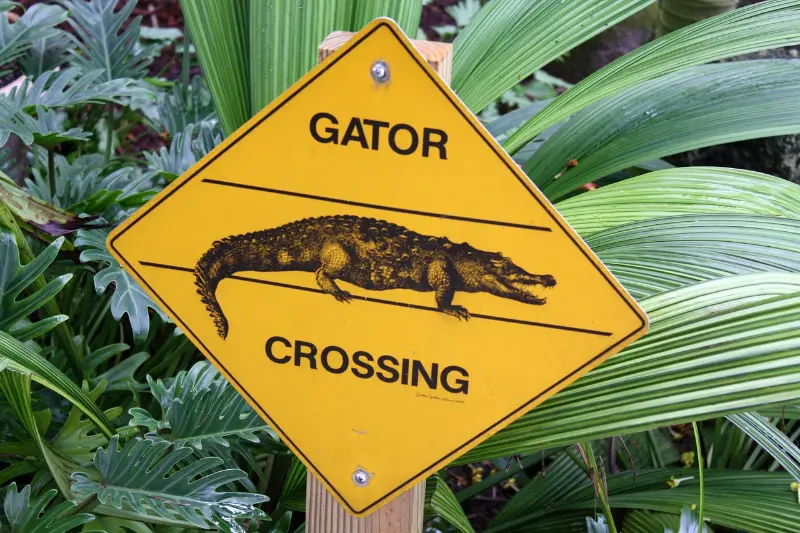
Circle B Bar Reserve near Lakeland offers the chance to see a freshwater marsh ecosystem without traveling all the way to the Everglades. Its trails cross a restored former ranch landscape beside Lake Hancock, where birdlife can be extraordinary and alligators are wild residents rather than exhibits. This is an outdoor experience that rewards preparation: the most photogenic route may be closed for water, nesting habitat or maintenance, and an encounter with an alligator is a reason to keep your distance, not to get a dramatic close-up. Here is how to plan a rewarding, safety-conscious visit.
At a glance
Lakeland, Polk County, near Lake Hancock — Birdwatching in restored marsh habitat — Nature center and current trail information. Always confirm current access and temporary closures before traveling.
Contents
- How a former ranch became a wetland reserve
- Finding the right entrance and starting place
- Birdwatching around Banana Creek and Lake Hancock
- Alligators: essential behavior on the trail
- Picking a walk for your fitness and footwear
- Polk Nature Discovery Center and children
- Accessibility and a sensible pace
- Time of day, heat and storms
- Combining the reserve with Lakeland
- Ethical photography and conservation etiquette
- A responsible photography plan for the reserve
- When an alternative Lakeland outing is wiser
- A quick plan for visiting without overdoing it
- Practical planning table
- Frequently asked questions
- Official sources and visitor updates
How a former ranch became a wetland reserve
The name recalls the Circle B cattle ranch that once occupied this landscape. Land managers restored wetland hydrology around Banana Creek, creating habitat for marsh birds, fish, reptiles and other wildlife. The reserve protects a mosaic of freshwater marsh, lakeside habitat, hammocks and wooded paths. Different settings are visible on different trails, so the site is not simply one long boardwalk.
Consider the conservation story while walking: agricultural drainage and restoration can change which birds use a place, where water accumulates and what happens after heavy rain. Interpretive displays at the Polk Nature Discovery Center help connect what you see to water management and broader environmental history.
Finding the right entrance and starting place
The reserve is accessed from Winter Lake Road in Lakeland. Follow current Polk County directions to the nature center and trailhead, because maps can send visitors toward service gates or unrelated nearby roads. Begin with the trail map and current notices. Trails can be temporarily closed, and a photograph taken by another traveler last year does not guarantee that particular viewpoint is reachable now.
For visitors from Orlando or Tampa, leave room for traffic and aim to start during cooler hours. This is a convenient nature outing, but not a theme park with timed entertainment. The day goes better when you accept that routes and wildlife will vary with rainfall and season.
Birdwatching around Banana Creek and Lake Hancock
The restored marsh attracts herons, egrets, waterfowl, raptors and seasonal migrants. A distant osprey or a wading bird hunting in shallow water may be more interesting than an alligator that dominates everyone’s attention. Binoculars let visitors enjoy the detail from far away. For photography, choose a longer lens rather than attempting to shorten the distance physically.
Different birds appear in different water and weather conditions. Scan edges, reeds and open skies, taking occasional long pauses. Children can use a simple checklist of bird shapes and colors rather than trying to identify everything immediately. The reserve can be excellent in any season, but specific species are never guaranteed.
Alligators: essential behavior on the trail
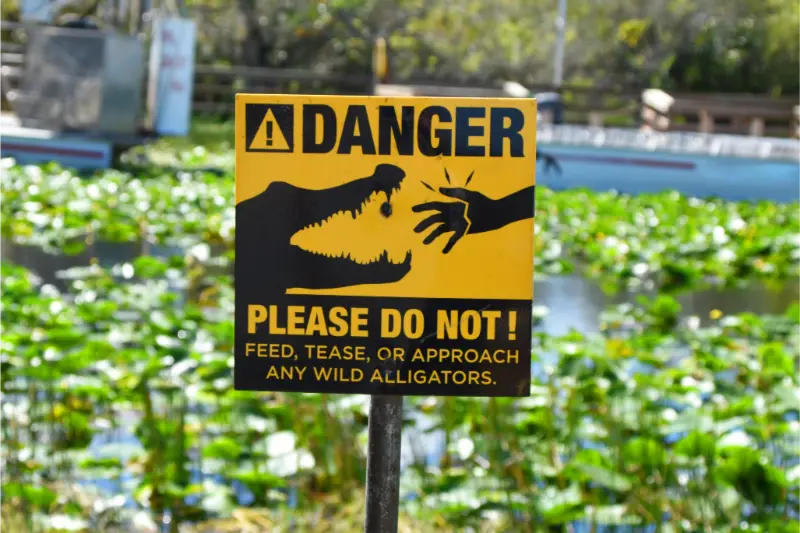
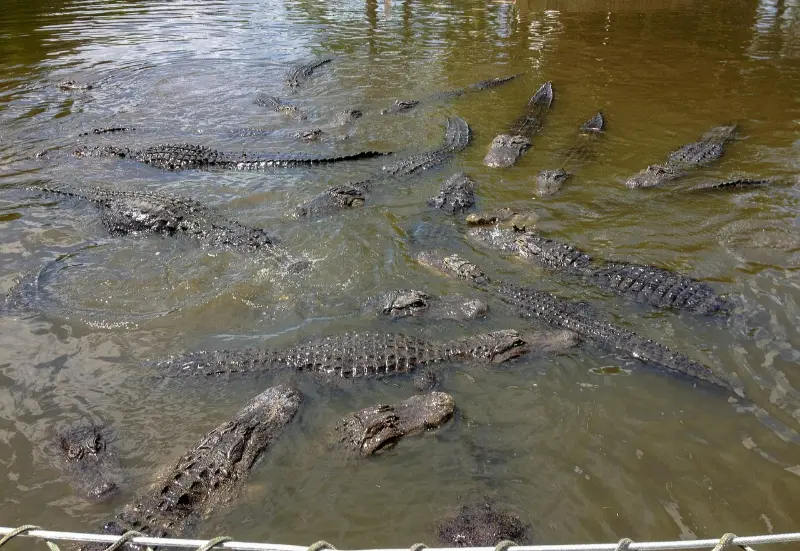
Alligators live freely at Circle B. Never feed, touch, surround or approach one, and do not allow children or pets to move toward the waterline. Give any alligator a wide berth, especially if it is resting partly on a trail. If a safe route is obstructed, turn around rather than edging past for a photograph. Wildlife is not obligated to move for human schedules.
Stay behind barriers and follow posted closures. The presence of an alligator near a trail entrance does not make the park inherently unsafe when visitors follow instructions, but complacency and selfies at close range are unnecessary hazards. Respect the animal as a wild predator, not as an amenity supplied by the reserve.
Picking a walk for your fitness and footwear
Circle B has several trails and combinations, not one guaranteed short loop. Some paths are packed earth or other natural surfaces that may become muddy after rain. The famous Alligator Alley area can attract visitors, yet water and management decisions can affect its accessibility. Ask which specific trail is open today and match distance to the group’s ability.
For an older visitor or family with a stroller, a modest walk near the nature center may be better than committing to a full lakeshore route. Strong sun and humidity make even flat mileage more demanding than the map suggests. Carry enough water, wear practical shoes and plan a return point rather than relying on completing every trail.
Polk Nature Discovery Center and children
The Nature Discovery Center provides a helpful educational starting point when open. Exhibits about habitats, water and wildlife can turn an outdoor outing into a family learning experience. Program hours and special activities may not match trail access hours, so confirm them independently. Picnic or rest areas can be useful when traveling with small children.
A good child-focused visit might mean one exhibit, a short trail and a discussion of two animals observed from a safe distance. Young visitors should stay beside adults; an open freshwater reserve is not a free-running playground. A shorter, calm outing often teaches more about conservation than an exhausting hike in the sun.
Accessibility and a sensible pace
Polk County and the water-management district publish information about accessible amenities, but natural trails differ substantially from visitor-center access. A mobility aid that works on a paved path may not be appropriate for muddy or uneven lakeside sections. Before arrival, contact staff about current surfaces, toilet locations, accessible parking and whether viewing areas are reachable.
Groups can separate without losing the day: some people may enjoy the exhibits and nearby observation, while stronger walkers explore a longer loop and return to an agreed point. Avoid pressuring visitors to reach a distant alligator viewpoint merely because someone called it the must-see location.
Time of day, heat and storms
Early morning often offers comfortable temperatures and active bird observation, though wildlife follows its own patterns. Summer afternoons can be hot, humid and storm-prone, while periods of heavy rain may flood low trail sections. Cloudy weather can help with glare but is no guarantee of dry walking.
If thunder is audible, stop the outdoor portion and seek appropriate shelter. Do not remain on exposed paths beside water during a storm. For an autumn or winter visit, bring water and sun protection anyway; cooler air should not hide the fact that this is a long outdoor stop rather than a climate-controlled attraction.
Combining the reserve with Lakeland
An efficient day starts with the reserve when conditions are comfortable and uses Lakeland’s downtown, gardens or indoor attractions as an afternoon alternative. Allow time to change shoes or clean up after a muddy path. Families may appreciate a relaxed lunch rather than adding another demanding outdoor trail.
For travelers staying in Orlando, calculate your return drive instead of assuming the reserve is ten minutes from the attractions corridor. Combining several distant nature reserves in one day can leave everyone spending more time in traffic than watching wildlife.
Ethical photography and conservation etiquette
Do not use food to lure animals, play bird calls repeatedly or step into marsh vegetation for a shot. Stay on designated paths; apparently empty wetland edges may contain nests or fragile habitat. A photographer who waits quietly can often see natural behavior that disappears as soon as an animal is approached.
Wildlife observation should be a source of curiosity rather than a contest for the closest encounter. Share images responsibly without encouraging visitors to bypass rules. The protection of restored wetlands depends on visitors accepting closures and respecting the distance between people and the birds or reptiles they came to see.
A responsible photography plan for the reserve
Before raising a camera, choose where a person can stand without obstructing the trail. A distant telephoto view of a heron in reeds is preferable to walking through fragile marsh-edge vegetation. Photograph habitat as well as animals: the relationship between restored water, grasses and a feeding flock often tells the more interesting story. Stay alert while watching through a long lens because an animal may enter the path unnoticed. If a large alligator is nearby, move away calmly and follow any ranger instruction rather than treating its presence as a unique opportunity. Do not block another visitor from retreating.
When an alternative Lakeland outing is wiser
The reserve is not an ideal place to force a long nature walk during heavy rain, rising water or extreme heat. A traveler with a wheelchair may also find that a currently open route does not meet their surface requirements. Instead, choose an indoor museum, cultural stop or shorter paved park facility in Lakeland after checking the hours. Families with children who dislike insects should agree in advance on a comfortable maximum walking time and bring repellent appropriate to the user. The purpose is to experience Florida’s ecology with care, not to prove stamina on a trail that may be uncomfortable or partially closed.
A quick plan for visiting without overdoing it
Set a morning meeting time, use the restrooms before the walk, choose one route rather than several, and leave extra time for photography without approaching wildlife. Carry only the equipment you can manage and record the trail junction where the return begins. For a large group, keep the nature center as a common meeting place if the staff permits it. If the alligator viewing area is closed, learn about wetland restoration on another open trail rather than bypassing barriers. This creates a visit that remains useful even when the site’s most photographed location is inaccessible.
Practical planning table
| Planning point | What to know |
|---|---|
| Area | Lakeland, Polk County, near Lake Hancock |
| Best activity | Birdwatching in restored marsh habitat |
| First stop | Nature center and current trail information |
| Safety priority | Maintain distance from alligators and wetlands |
| Weather concern | Muddy or closed trails after heavy rainfall |
Frequently asked questions
Where is Circle B Bar Reserve?
It is in Lakeland, in Polk County, with access from Winter Lake Road. Use the county’s current directions and trail notices.
Will I definitely see an alligator?
No. Alligators live in the area, but wildlife is unpredictable. Keep a safe distance and turn back if an animal blocks your path.
Are all the trails always open?
No. Water, maintenance and habitat protection can cause closures. Consult current Polk County notices at the nature center before setting out.
Is it appropriate for young children?
Yes with close supervision and a short, age-appropriate route. Children should not wander near marsh edges or approach wildlife.
Is every trail wheelchair accessible?
No such blanket claim is appropriate. Contact staff about the surface and accessibility of the particular route you intend to follow.
Official sources and visitor updates
Opening hours, tour availability, prices, closures and facilities may change. Check the following primary sources shortly before departure. These links are informational, not endorsements or affiliate promotions.
- Polk County: Circle B Bar Reserve Nature Center
- Southwest Florida Water Management District: recreation
Editorial fact-check: October 10, 2026. Conditions mentioned for October 2026 are date-specific and must not be assumed to remain in effect later. This article does not claim first-hand travel experiences.