

Few places demonstrate the contrast between metropolitan Miami and the natural coast as clearly as Oleta River State Park. A short drive from busy streets leads to mangrove channels, off-road bike trails, shaded picnic spots and a small beach overlooking calm water. It can be a very active outing or a quiet break between city sightseeing days. The mistake is to imagine that every visitor should kayak, mountain bike and swim in the same afternoon. Oleta rewards choosing one main activity, checking conditions and treating the park’s capacity rules seriously—especially on a sunny weekend.
At a glance
Oleta River State Park | 3400 NE 163rd Street, North Miami Beach, FL 33160 | Best planned around urban mangrove paddling, mountain bike trails and a protected beach near Miami.
Contents
- Why Oleta feels different from a Miami beach
- Picking a kayak route that suits your ability
- Mountain biking: trails are not all the same
- Beach, picnic areas and a slow afternoon
- Staying overnight in the rustic cabins
- Getting there and managing capacity closures
- Who can enjoy the park with limited mobility?
- The best seasons and the weather backup
- Costs and choosing one primary activity
- A first-paddling safety briefing worth taking seriously
- Choosing the right mountain-bike experience
- An accessible mixed-age group itinerary
- Protecting mangrove habitat
- Budget and timing for a single memorable activity
- Practical planning table
- Frequently asked questions
- Official sources and current alerts
Why Oleta feels different from a Miami beach
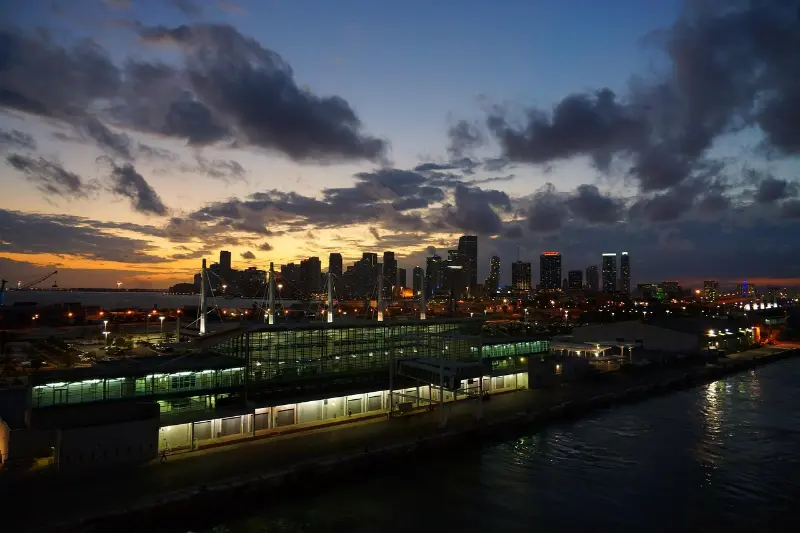
Oleta is an estuarine park rather than an open-ocean resort beach. Its mangrove-lined channels and interior trails create a strong sense of nature despite nearby highways and apartment towers. Visitors choosing it for kayaking will see a very different Miami from someone spending a morning in South Beach. The park’s sandy swimming area also differs from the surf beaches of the Atlantic. It can be a useful option for travelers who want a gentle shoreline break without leaving greater Miami, but water quality and swimming conditions still require attention. Do not assume a protected setting means lifeguard supervision or an absence of natural hazards.
Picking a kayak route that suits your ability
Paddling is one of the park’s signature activities. Rental and guided outings are arranged through a concessionaire, while visitors bringing a boat use designated launch access. Ask whether your chosen route suits beginners, how tides and wind influence return effort and whether the route passes open water. A short circuit near shelter may be more rewarding for a first-time paddler than committing to a long out-and-back journey. Check where to secure belongings and who carries the phone. Children and non-swimmers should wear properly fitted life jackets and follow the outfitter’s rules even on a seemingly calm day.
Mountain biking: trails are not all the same
Oleta is also known for an extensive off-road trail network, but “biking” encompasses everything from casual flat travel to tight, technical sections. Riders should ask for a current trail map and select routes by difficulty rather than appearance on a phone screen. A visitor who normally rides a paved promenade should not enter a challenging single-track course without preparation. Helmets, water and an appropriately sized bicycle matter more than speed. Ride in control around blind corners and give other users space. Rain can affect surfaces and trail access, making advance condition checks more useful than choosing the longest route.
Beach, picnic areas and a slow afternoon
Travelers not interested in paddling or challenging cycling can use a quieter combination of shaded picnic areas, a short walk and beach time. Bring your own snacks if dietary requirements are strict, since concession menus and opening hours vary. Families may prefer to place lunch before the hottest part of the afternoon, while older adults can use benches and shorter distances to pace the outing. The water still deserves supervision and respect. Observe posted guidance before swimming, and remember that a picnic area is habitat too: secure food, leave no trash and avoid feeding birds or other animals.
Staying overnight in the rustic cabins
Oleta lists rustic cabins as an option for a different kind of city-adjacent nature stay. These are not hotel suites. Official facilities information says they do not include kitchens, bathrooms or linens and that shared restrooms and hot showers are nearby. A two-night minimum and restrictions such as no pets may apply. Before booking, check which cabin is assigned, accessibility, bed arrangements and what you will have to pack yourself. Visitors unfamiliar with camping-style lodging should consider whether their group would prefer a Miami hotel with a separate day trip to the park instead.
Getting there and managing capacity closures
The park entrance is in North Miami Beach, not on the oceanfront strip of Miami Beach. Navigation apps can help, but weekend arrivals are influenced by traffic and the park’s popularity. Official guidance warns that Oleta can close at capacity and may not reopen that day. This makes an afternoon “we will see if we get in” plan unreliable during holidays. If visiting is essential, arrive early and check with the ranger station. If you are staying without a car, calculate rideshare pickup arrangements carefully and confirm how far the final walking distance is from the entrance or drop-off point.
Who can enjoy the park with limited mobility?
The practical question is not simply whether a park offers accessible amenities; it is whether the precise activity, launch, cabin or beach route can accommodate the traveler. Contact the park or outfitter for information about surfaces, boarding steps, accessible restrooms and the length of pathways. A visitor who cannot paddle independently may still enjoy the beach, views and picnic space. Someone using a wheelchair should not assume that an available canoe launch is an adaptive kayak launch. Families who need a quiet environment may get a better experience on a weekday, away from the busiest rental periods.
The best seasons and the weather backup
Warm weather makes Oleta usable year-round, but heat, thunderstorms, insects and water conditions change the experience. Start more active outings in the morning, and keep a dry alternative for stormy afternoons. A forecast of lightning should cancel any plan to remain on exposed shorelines or in a kayak. After heavy rain, ask about trail conditions and whether a bike route is open. If you have only one day in Miami, an outdoor backup such as another park may not solve the problem; a nearby indoor cultural visit might. Flexible scheduling is part of responsible trip planning, not a sign of poor organization.
Costs and choosing one primary activity
Florida State Parks lists a vehicle entry fee, while rentals, lessons and guided tours are separate. Look at total group cost rather than the entry price alone: a family booking multiple kayaks, bicycles and meals may spend much more than expected. If one person does not want to join a paid activity, arrange a comfortable alternative before arrival. For a balanced visit, choose one headline experience and leave room for lunch and a short walk. You will likely remember the mangrove light and the relief of shade more clearly than the number of activities you managed to buy.
A first-paddling safety briefing worth taking seriously
Ask the outfitter about the difference between steering near shore and committing to a tidal route through mangroves. Visitors unfamiliar with kayaking may underestimate wind resistance on the return journey, especially after spending a long time taking photographs. Practice turning and stopping close to the launch, secure the life jacket and decide who will lead the group. Carry drinking water, a whistle if recommended and a waterproof means of communication. Never venture into open water simply because another tourist appears confident. A short successful outing builds more confidence than becoming exhausted far from the rental dock.
Choosing the right mountain-bike experience
The park’s trail network attracts serious riders, but a vacation should not become an unexpected injury risk. Rent or bring a bicycle suited to the course, and tell the shop whether you normally ride on roads, paved paths or off-road terrain. A helmet is essential. Follow marked direction arrows and leave space around other riders. Rain can change handling and traction rapidly. Families with children should not use a technical course as a place to teach the basics of balancing. A paved neighborhood route outside the park might be a better first ride for beginners, while Oleta’s off-road courses can reward visitors who already have the necessary skills.
An accessible mixed-age group itinerary
A group containing enthusiastic paddlers and less active visitors can still enjoy Oleta if the day is organized around a shared meeting place. Start with a short orientation and agree on how long the paddling activity will last. Nonparticipants may prefer the beach or picnic area with shade, but confirm comfortable seating and restroom access in advance. Meet for lunch rather than spending the entire day separated. People using wheelchairs or mobility aids should receive concrete details about surfaces and the distance from parking, not a vague assurance that the park is accessible. A simple itinerary is often the most inclusive.
Protecting mangrove habitat
Mangrove roots stabilize shorelines and support young fish, crabs and birds. Paddlers should remain in approved channels, avoid snapping branches and never tie equipment to fragile vegetation without permission. Keep voices moderate around roosting birds and do not feed wildlife in picnic areas. Dispose of food wrappers before they reach the water. A park surrounded by a large metropolitan area may seem robust, but its habitat still depends on visitors respecting rules. If a route is marked closed for restoration, choose a permitted alternative rather than inventing your own shortcut. Nature survives here partly because people accept those boundaries.
Budget and timing for a single memorable activity
Compare entry fees, concession rentals, guided instruction and transport before deciding on an itinerary. One hour of kayaking may fit a short trip better than renting multiple sports items that everyone is too tired to use. If the park reaches capacity, do not expect an afternoon admission simply because you bought lunch nearby. A weekday morning can sometimes provide more flexibility, though nothing guarantees emptiness. Keep an indoor Miami backup for thunderstorms. Before leaving, look at the rental return time so a leisurely paddle does not become a hurried race back to the dock when the concession closes.
Practical planning table
| Question | Planning guidance |
|---|---|
| Best for | Urban nature, paddlers, off-road cyclists and picnickers |
| Main activities | Mangrove kayaking, technical cycling routes and small beach |
| Entry | Park may close at capacity for the rest of the day |
| Overnight stay | Rustic cabins; pack linens and verify shower facilities |
| Accessibility | Ask about specific launch, pathway, cabin and seating needs |
Frequently asked questions
Is Oleta River State Park on South Beach?
No. It is in North Miami Beach, with an entrance at NE 163rd Street.
Can beginners kayak there?
Yes, but ask the outfitter for a sheltered route suited to your ability and conditions.
Are all bike routes beginner-friendly?
No. Difficulty varies; choose from a current trail map and wear a helmet.
Can a family spend the day without renting equipment?
Yes. The beach, views, picnic and walking areas support a slower visit.
Does entering late in the day guarantee admission?
No. The park can close when it reaches capacity and may stay closed to new arrivals that day.
Official sources and current alerts
Information checked 10 October 2026. Hours, fees, closures, accessibility arrangements and concession schedules can change. Always confirm the current status directly before traveling.
Important current note: Oleta River frequently reaches day-use capacity on weekends and may not reopen until the following day; call the ranger station before leaving.