
Florida’s coastline gives photographers an appealing mix of dawn light, fishing piers, working waterfronts, wildlife and shifting weather. You don’t need expensive equipment or a dramatic drone shot to come home with memorable images. A thoughtful weekend built around two or three accessible viewpoints can be better than driving hundreds of miles between famous beaches. The important decisions are often simple: whether the coast faces east or west, where you’re legally allowed to park, whether a path is safe at low light and how to watch animals without disrupting them.
This is a practical weekend guide for beginners, couples, families sharing a camera and older travelers who prefer short walks. The suggestions apply across Florida, with example choices on both the Atlantic and Gulf coasts. It is not a promise of a perfect sunrise or a particular bird species. Conditions, closures and the angle of the sun vary by season, and responsible photographers change their plan when a habitat needs protection.
Choose one coast for the weekend
An Atlantic base such as St. Augustine, Cocoa Beach or Vero Beach works well if you hope to watch early light arriving over the ocean. Gulf locations such as Clearwater, Sarasota or Mexico Beach can offer attractive evening light over open water, though shore orientation and development affect the actual view. Don’t assume every waterfront faces directly east or west. A map showing the coastline is a more useful first tool than a list of ‘best sunset spots.’
Pick a hotel close to two legal public viewpoints rather than trying to cross Florida for each photograph. Check parking hours and whether public beach access remains open at dawn or dusk. A scenic pier might have admission rules or close during construction. For a low-stress trip, identify a free alternative such as a public sidewalk or viewpoint, and don’t reserve a vacation around a single boardwalk that may be closed.
Friday: arrive and scout without taking the camera seriously
Use the first evening to understand the area. Walk a short permitted route in daylight, look for safe crossings, and identify where the sun will be. Notice foreground details: dune grasses, historic structures, old boats or the curve of the shoreline. A phone photograph and a saved map pin are enough during scouting. The aim is to learn whether the site is actually usable with your group’s mobility needs and whether there are rules for tripods or access.
Check the weather, sunrise or sunset time and tide using current reliable sources. Tides matter for beach width and can make certain rock or shoreline areas hazardous. Never plan to reach a location by climbing over coastal protection, closed rocks or private property. If you’ll return before dawn, make sure the permitted parking and trail approach can be navigated safely in low light.
Saturday dawn: Atlantic light without unsafe shortcuts
If staying on the Atlantic coast, a sunrise session can begin on an authorized beach or public waterfront. Arrive only as early as the rules permit, bring a small light and wear shoes that can handle damp ground. You don’t have to stand right at the waterline for a strong composition. A broad view of sky, a pier silhouette from an authorized spot or reflected color in wet sand can be effective without putting equipment where a wave can reach it.
Keep sessions short if traveling with children or older companions. A thermos and a warm layer in cooler months can make a difference. Don’t turn photography into a demand that everyone wake before dawn; one interested person may go while the others sleep, provided the arrangement is safe and practical. Afterwards, share breakfast and review images rather than racing to a second location.
Saturday afternoon: architecture and human scale
Harsh midday sun is often difficult for ocean photography, but it can work for architectural details, shaded streets or indoor exhibits where photography is permitted. St. Augustine offers old masonry and street patterns, Cocoa Village presents historic town scenes, and other coastal communities have fishing harbors and shopfronts. Choose one nearby town rather than attempting all of them. Remember that stores, homes and working docks deserve privacy and respectful behavior.
Ask permission before photographing people close up, particularly children or staff at work. A public area does not eliminate common courtesy. Don’t block a business doorway while waiting for perfect light. Many memorable travel pictures include everyday visual details—door colors, reflections and textures—without turning residents into unconsenting subjects.
Saturday evening: Gulf views and the art of staying put
On the Gulf Coast, the most appealing light may come late in the day. Choose one authorized beach or bayside viewpoint and arrive with time to settle. A sunset can be dramatic even with clouds, and a sea of people doesn’t mean the scene is ruined. Try a frame that includes a walkway, grasses or the changing color on shallow water. Look for how the light changes after the sun dips, but stay aware of safe exit routes.
A sunset viewpoint can attract crowds and traffic. Use paid legal parking if necessary, avoid parking on grass and keep clear of dune barriers. Families should decide in advance where to meet if they spread out. If lightning is possible, leave the beach; holding a metal tripod on open sand is not a good response to a storm warning. The best image is never worth a dangerous delay.
Sunday morning: a quiet wildlife session
Choose a public nature preserve or wetland boardwalk with open access, modest walking distances and safe parking. Early morning can be good for bird activity, but no sighting is guaranteed. Binoculars help with observation, while a modest zoom lens is better than walking closer to a nesting bird. Pay attention to boundaries and the signs of stressed wildlife: alarm calls, repeated flushing or animals changing behavior. If that happens, move back and reduce disturbance.
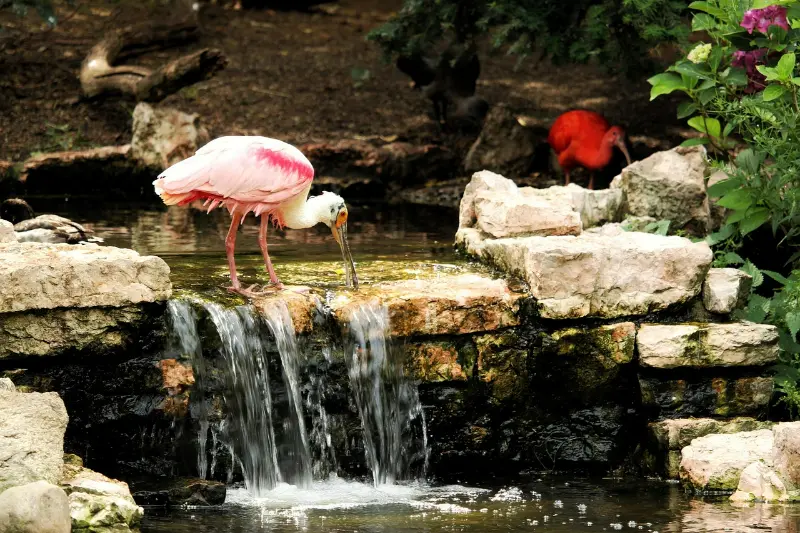
The Florida wildlife agency’s manatee viewing guidance emphasizes passive observation. The principle applies more broadly: don’t feed animals, crowd them or encourage children to chase them for an image. Photograph turtles, birds and marine mammals from respectful distances. A quiet observational moment often produces a more interesting memory than a dramatic close-up acquired by harassment.
Light, clouds and weather as compositional tools
Blue skies are not necessary for good travel photography. A layer of clouds can soften harsh light or add depth, and a wet street may create reflections after rainfall. But photography in storm conditions requires judgment. Lightning, strong winds and quickly rising water are reasons to stop. The beach or pier will still be there another day; the point of a vacation is not to gamble with safety for a photograph.
Plan an indoor option such as a permitted museum exhibition or café. If your camera equipment becomes wet, dry it according to manufacturer guidance rather than opening every compartment immediately. Protect memory cards and phones from sand and salt. A reusable microfiber cloth and a dry pouch are often more helpful than carrying multiple heavy lenses.
Equipment for a first-time coastal photography trip
A phone or simple camera can handle landscapes, architectural details and family portraits well. The advantages are light weight and ease of use. Bring a charged battery or power bank, a protective pouch and enough storage. If using a dedicated camera, pack only the lens or two that fit the plan; extra gear can make beach access awkward, especially if you are also carrying items for children.
A tripod may help with low light but check local restrictions and keep it away from busy paths. If a location requires a photography permit for commercial shoots, ask the manager before undertaking professional work. Do not assume recreational photos and commercial sessions operate under the same rules. Flying a drone introduces additional aviation, privacy and park regulations; it is not a casual replacement for finding a safe ground-level viewpoint.
Photographing beaches without damaging them
Stay off protected dunes and out of marked nesting areas. Never move a sea turtle, bird nest, shell containing a living animal or other wildlife to improve a composition. Beach vegetation helps hold fragile sand in place, so resist stepping into it for an unobstructed horizon. Use marked access paths and leave no props or litter behind. If the beach is under a closure after a storm, choose another public site rather than climbing over a barrier.
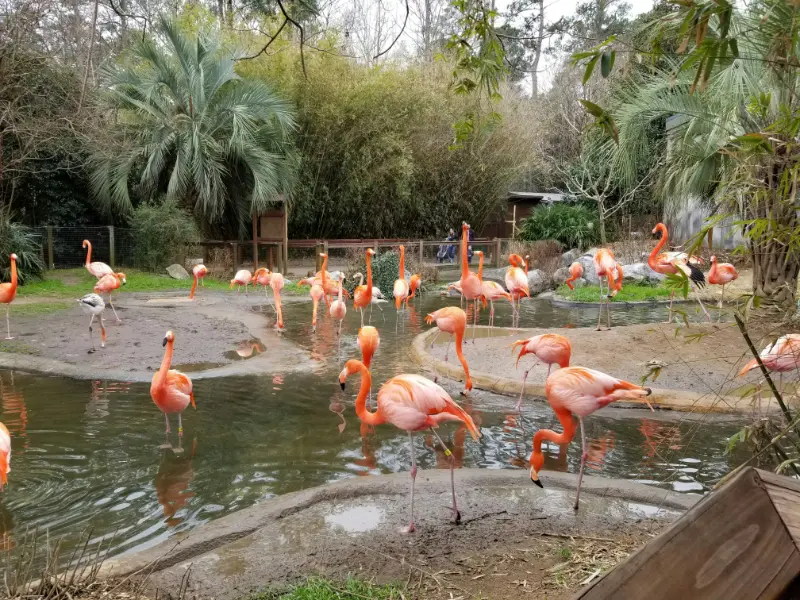
Respect private homes and boats as well. Long lenses can intrude on people’s privacy, and a photographer’s enthusiasm is not permission to enter a yard or a pier beyond its public section. Children should understand that a wildlife photograph is earned by patience, not by approaching or touching an animal.
Photography with different ages and mobility needs
A parent with a stroller can enjoy wide coastal views from a paved promenade rather than soft sand. An older visitor may prefer a car-accessible overlook with benches, while a teenager might enjoy exploring architectural detail in a town center. Choose the site by the full route from parking to viewpoint, including curbs and restrooms, rather than a promotional image of the view itself.
Avoid scheduling both sunrise and sunset sessions if everyone is already tired. Let one be the highlight and use the rest of the day for sightseeing and rest. If the group has varied interests, agree on a short session together and leave optional longer photography to those who want it. The photographs become better when the people making them are comfortable.
Simple three-day plan
| Time | Main subject | Practical decision | Backup |
|---|---|---|---|
| Friday evening | Scouting and streets | Confirm legal public access | Short hotel-area walk |
| Saturday dawn | Atlantic light or waterfront | Check parking, tide and safety | Breakfast and later photos |
| Saturday afternoon | Architecture and shade | Obtain permission where needed | Indoor museum |
| Saturday sunset | Gulf view or chosen coast | Leave if lightning approaches | Dinner and dry-weather reset |
| Sunday morning | Birds and wetlands | Maintain wildlife distance | Historic-town details |
Keep the weekend affordable
The biggest cost is often lodging near a popular shoreline, not photography itself. Compare room rates with parking and taxes included. Many public locations allow ordinary photography without special admission, but designated park fees may apply. If you already own a phone with a reasonable camera, resist buying specialty equipment for a short trip. It can be more rewarding to invest in a comfortable base and allow an extra morning in case the weather changes.
A packed breakfast, refillable water and a moderate driving radius also help. Avoid paying for a distant boat tour solely to photograph dolphins: sightings are not guaranteed and ethical operators will not chase animals. Walking slowly and observing from safe public space can provide plenty of meaningful pictures at very little cost.
Frequently asked questions
Is Florida’s Atlantic coast always better for sunrise pictures?
It often offers an ocean-facing sunrise, but the exact viewpoint and conditions matter. Check the location’s orientation and lawful hours of access.
Can I photograph wildlife with a phone?
Yes, especially when observing larger scenes. Use patience and cropping rather than moving closer or disturbing an animal.
Do I need permission for a tripod or drone?
Rules depend on the location and type of activity. Check site management and aviation rules before using specialist equipment.