
One of the most common Florida planning questions is whether the Gulf Coast or Atlantic Coast is better. The useful answer is that the two coasts create different trips, but neither behaves the same from north to south. Destin is not Naples, and Amelia Island is not Miami Beach. Gulf water can be rough; Atlantic beaches can be calm. Instead of choosing from a stereotype, compare the kind of beach, town, activities and driving pattern you want, then select the destination that fits.
Quick planning summary
- There is no universally better coast; the right choice depends on beach style, activities and region.
- Gulf destinations often emphasize calmer-looking water, west-facing sunsets and white-sand beach towns.
- Atlantic destinations offer ocean swell, surfing culture, sunrise and a long chain of major cities and historic towns.
- Local conditions can override broad coast stereotypes on any given day.
- Choose a specific destination, not just a coast, because access, parking and atmosphere vary enormously.
The Gulf Coast appeal
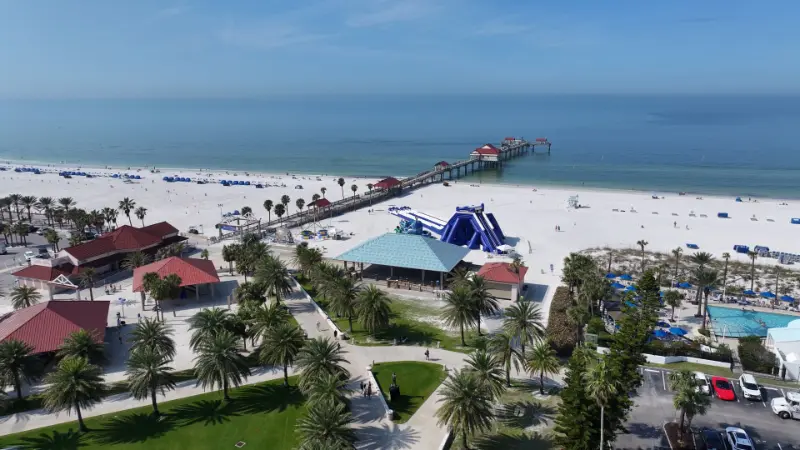
Florida’s Gulf side is famous for broad sunset views, many white-sand beaches and destinations where the water can feel gentler than the open Atlantic. The Panhandle’s emerald-water image is different from the mangrove and shelling landscapes farther south, so the coast still contains major variety. Gulf destinations such as Clearwater, Sarasota, Sanibel-area islands, Naples, Destin and Pensacola can work very well for families, couples and slower beach trips.
The Atlantic Coast appeal
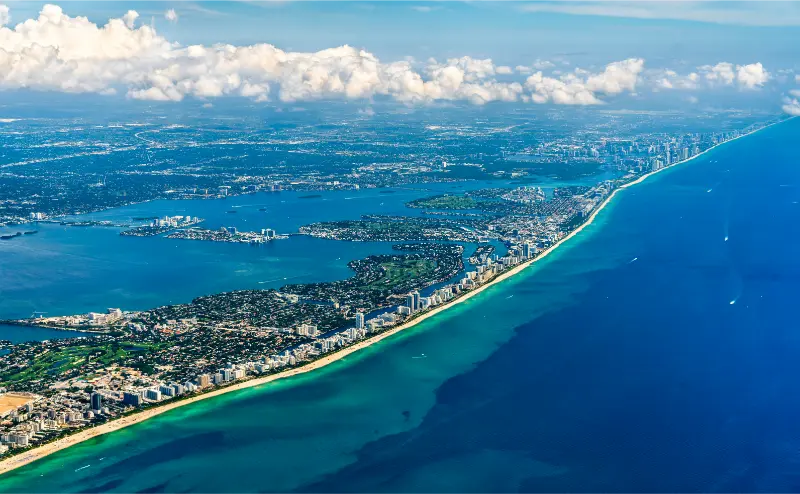
The Atlantic side brings more exposure to ocean swell, a stronger surfing identity and sunrise over the water. It also connects several major urban and historic destinations: Miami, Fort Lauderdale, Palm Beaches, Space Coast, Daytona Beach, St. Augustine and Jacksonville-area beaches. For travelers who want beaches plus nightlife, space attractions, historic towns or surfing, the Atlantic can integrate more naturally into the itinerary. Beach character changes significantly between South Florida and the northeast.
Waves and swimming are not guaranteed by coast
The Atlantic often has more surf, but a flag, current, storm or wind can make either coast unsafe for casual swimming. Gulf beaches can develop strong currents and high surf during weather events. Never choose a coast because someone described it as always calm. Check beach flags, lifeguard information and local advisories on the day. Families with weak swimmers should prioritize lifeguarded beaches and protected conditions over brand-name sand.
Sand and water color vary by region
Northwest Florida is known for pale quartz sand and clear-looking emerald water in favorable conditions, while Southwest Florida has shell-rich beaches and warm Gulf environments. Atlantic beaches range from wide pale strands to darker, coarser sand depending on geology and location. Water clarity changes with wind, tide, runoff and waves. A promotional photograph is a moment, not a guarantee for your dates. Choose the larger destination experience rather than booking purely for expected water color.
Sunrise versus sunset changes the rhythm of the day
Atlantic travelers can walk the beach at sunrise, while many Gulf destinations are naturally built around sunset. That sounds cosmetic, but it affects meal times, photography and how families pace the day. A Gulf sunset may become the evening anchor after an afternoon break. On the Atlantic, an early beach walk can happen before crowds and heat. Travelers should use the coast’s orientation as a planning advantage rather than trying to copy the same daily routine everywhere.
Families often care more about infrastructure than coastline
Parking, restrooms, lifeguards, stroller access, shade, food and the distance from hotel to sand usually matter more than whether the beach faces east or west. Clearwater Beach and Miami Beach are both developed but feel very different; Anna Maria Island and Amelia Island are both islands but have different traffic and neighborhood patterns. Parents should compare a specific beach access point and accommodation route instead of a generic coast comparison.
Surfing favors the Atlantic, but water sports exist everywhere
Atlantic destinations such as Cocoa Beach, New Smyrna Beach and parts of Northeast Florida have strong surfing traditions. The Gulf provides excellent paddleboarding, kayaking, fishing and boating, especially in bays and protected areas. The Keys blur the simple east-versus-west choice because their water experiences depend more on reefs, channels and island geography than a conventional mainland beach. Pick the activity first, then the coast that supports it.
Hurricane and weather planning does not disappear on either side
Both coasts can be affected by tropical systems. A storm does not need to make landfall at your hotel to alter surf, flights, roads or excursions. Seasonal weather differences are also regional: a winter beach day in Miami is not the same as one in Pensacola. Use the best-time-to-visit decision at the destination level. Flexible bookings matter more during higher-risk periods than selecting one coast because it feels safer.
How to choose in five questions
Ask whether surfing matters, whether sunset is a priority, whether the trip needs a major city, whether small beach towns are preferred and how much driving you will tolerate. Then compare three actual destinations on each coast. A family might end up choosing Sarasota over Fort Lauderdale because of pace; a couple might choose Miami Beach over the Gulf for food and nightlife; a surfer will likely favor the Atlantic. The coast is a useful filter, not the final decision.
Planning for families, seniors and accessibility
Families and senior travelers should evaluate the exact beach access, parking surface, boardwalk length and restroom availability. For accessibility, look for beach mats, beach wheelchairs, accessible parking and nearby facilities, then confirm the current setup with the local authority. Some beaches have excellent accessible infrastructure while another beach on the same coast may require crossing deep sand with no assistance.
Build the day around the traveler with the lowest tolerance for heat, long walks, rough water or late nights. That does not mean the entire group must do the same thing. Split time can make a multigenerational Florida vacation much easier: one person can take a longer activity while another returns to the hotel, pool or a shaded attraction. The best itinerary is the one everyone can recover from, not the one that looks fullest on paper.
Budget, booking and timing
Price varies more by destination, season and lodging type than by coast. Gulf resort towns can be expensive in peak beach periods, while Atlantic cities may add high parking and resort fees. Compare the complete stay: room or rental, parking, beach equipment, tolls, airport transfer and dining. A cheaper hotel 20 miles inland can lose its advantage if every beach day begins with traffic and paid parking.
Florida prices can change sharply by school calendar, major event, holiday weekend and weather-sensitive season. Compare the total cost instead of the headline price, and keep the cancellation policy with the booking confirmation. When one experience is the main reason for the trip, reserve that item first and build flexible activities around it. A free afternoon is not wasted time; it is protection against traffic, weather, fatigue and the inevitable delay that appears on a real vacation.
Common mistakes to avoid
- Treating either coast as uniformly calm or rough.
- Choosing from water-color photos alone.
- Ignoring the exact beach-access logistics.
- Assuming the Gulf is always cheaper or the Atlantic always busier.
- Forgetting regional winter temperature differences.
- Picking a coast before deciding what activities matter most.
Useful Wonderful Florida guides to combine with this article
Best beaches in Florida, Best time to visit Florida, Destin and Fort Walton Beach guide, St. Petersburg and Clearwater guide, Space Coast and Cocoa Beach guide.
Official resources to check before travel
Opening hours, reservation systems, prices, road conditions, access rules, wildlife protections and weather-related operations can change. If a specific feature is essential to the trip, confirm it with the operator or public agency shortly before travel rather than relying on an old screenshot or saved social post.
How to build a realistic day
Start with one anchor activity and place the most weather-sensitive part of the day where conditions are usually best. Leave at least one meal unscheduled when driving between regions, because traffic around beaches, bridges, theme parks and major cities can change quickly. Keep water, sun protection and a light layer in the car, and save the next address offline before leaving reliable mobile coverage. For families, a midday reset can preserve the evening; for older travelers, shorter activity blocks often produce a better trip than one long excursion. If something closes or weather changes, switch to the backup rather than spending an hour trying to rescue the original plan.
When comparing two options, choose the one with simpler logistics unless the harder option is genuinely the reason for the trip. Florida vacations often become expensive because visitors pay to solve preventable transportation and timing problems. A well-located hotel, an early reservation or one fewer destination can be more valuable than adding another ticketed attraction. Keep confirmation numbers together, photograph important parking or meeting-point instructions and verify the next morning’s first activity before going to bed. These small habits reduce friction without turning the vacation into a rigid schedule.
Final planning advice
The strongest Florida trips leave room for conditions and energy levels to change. Choose a clear priority for each day, keep one realistic alternative and avoid making every meal, transfer and attraction dependent on perfect timing. That approach works for first-time visitors, families, solo travelers and older travelers alike, and it makes it much easier to enjoy the part of Florida you actually came to see.