
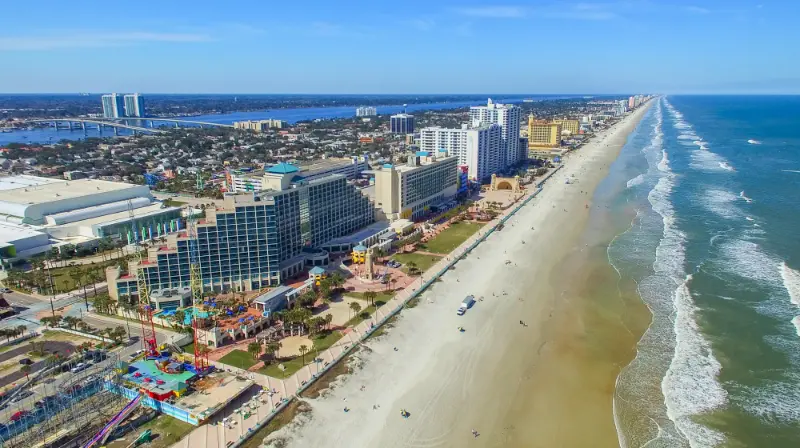
Destin and Fort Walton Beach are among the most recognizable beach destinations on Florida’s Emerald Coast, known for very pale sand and Gulf water that can look strikingly clear in the right conditions. The area is highly family-oriented, but it is not a single compact resort. Destin, Okaloosa Island, Fort Walton Beach, Miramar Beach and neighboring communities each solve a different version of the same vacation, from condo-heavy beach weeks to fishing trips and short resort stays.
The strongest first trip keeps the beach at the center and adds only a few carefully chosen activities. Traffic on U.S. 98 can be slow in peak periods, and a schedule that crosses the area repeatedly quickly becomes frustrating. Choose accommodation close to the beach access you will use most, then group boating, fishing, attractions and dining by location.
Quick planning summary
- Best for: Families, beach travelers, anglers, multigenerational groups, boating and Gulf Coast road trips.
- Ideal stay: Four to seven nights for a beach vacation; two to three nights on a longer Florida road trip.
- Do not miss: At least one full beach day, Henderson Beach or another natural shoreline, a harbor or boating experience and a sunset.
- Getting around: A car is usually necessary, but minimizing daily driving is one of the best planning decisions.
- Key planning rule: Choose lodging by beach access and traffic pattern, not simply by the word ‘Destin’ in the address.
How to plan this trip without overloading the itinerary
The most useful way to plan Destin Fort Walton Beach is to decide what the trip is really about before booking every hour. Choose two or three experiences that would make the visit feel successful even if weather, traffic or fatigue changes the rest of the schedule. Then place those anchors on different days and leave breathing room around them. Florida trips often look easy on a map, but parking, bridge traffic, security lines, heat, thunderstorms and long walks can turn a neat spreadsheet into a tiring holiday.
For mixed-age groups, plan by energy rather than by attraction count. Put the most important outdoor or high-demand experience in the cooler morning, use lunch as a real rest period, and keep at least one afternoon flexible. A toddler, a teenager and a grandparent do not need to enjoy the same activity at the same intensity. The strongest itineraries make it normal to split up for a few hours and meet again for a meal, sunset or evening activity.
The experiences worth building the trip around
The beaches
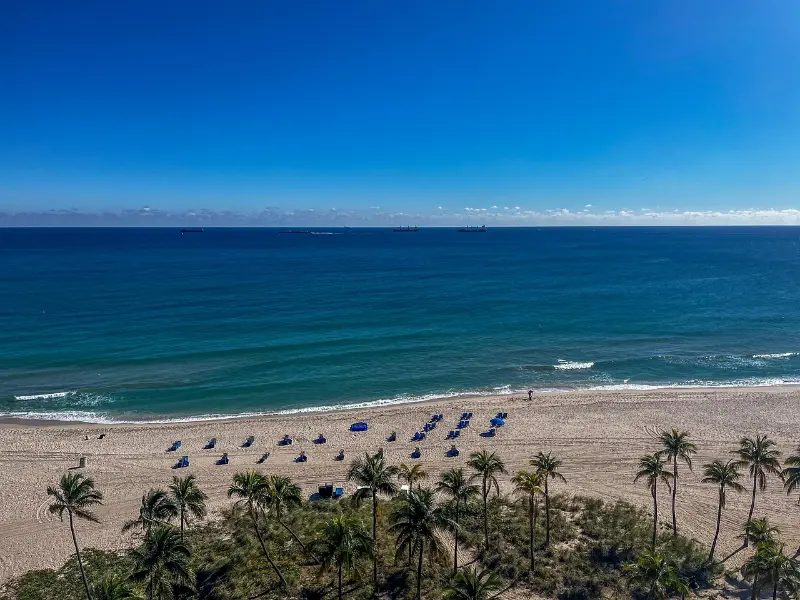
The region has roughly two dozen miles of shoreline and many public access points, but amenities and parking vary. The white sand is the headline, yet water conditions change daily. Families should treat beach flags seriously, supervise children closely and avoid assuming clear-looking water means weak currents. Choose an access with the restrooms, parking and accessibility features your group actually needs.
Henderson Beach State Park
Henderson Beach State Park offers a more natural shoreline than many developed resort sections and is one of the best ways to understand the barrier-island environment. It is useful for visitors who want dunes, a quieter walk and a different visual experience from condo-lined beaches. State-park capacity and conditions can change, so arrive early on busy days.
Destin Harbor and HarborWalk area
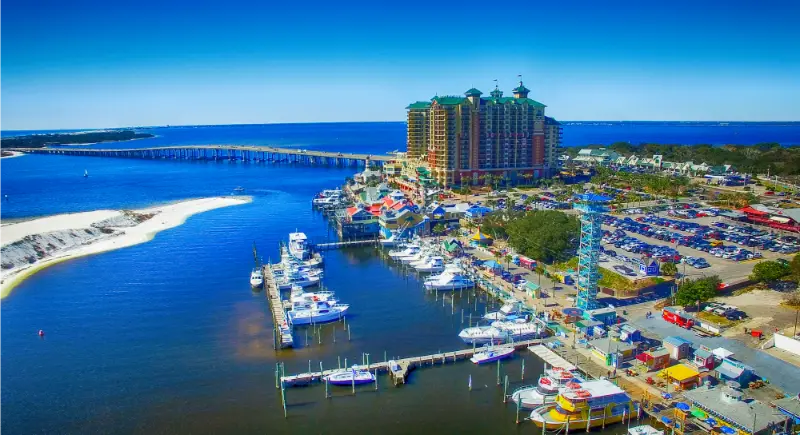
The harbor is the practical center for many fishing charters, dolphin cruises and boating trips. It is lively and commercial, which can be fun in the evening but busy at peak times. If you are booking a charter, confirm the exact marina and parking instructions rather than assuming every boat leaves from the same place.
Fishing
Destin’s fishing identity is more than a slogan. Inshore, nearshore and offshore options suit very different budgets and comfort levels. Families with children or first-time anglers may enjoy a shorter trip more than an all-day offshore charter. Ask about seasickness, shade, restroom facilities and what is included before booking. Weather can cancel trips, so avoid putting the charter on the final morning of the vacation.
Crab Island and boating
Crab Island is a submerged sandbar area reached by boat, not a walkable island. The experience can be social and memorable, but it requires respect for currents, boat traffic and weather. First-time visitors who are not confident operating a boat may prefer a guided or captained option. Life jackets and sober boating decisions matter more than creating the perfect social-media photo.
Okaloosa Island and family attractions
Okaloosa Island gives visitors another strong beach base and access to family attractions, the fishing pier area and Fort Walton Beach. Families who want a slightly different balance from Destin should compare accommodation here. The Gulfarium and other local activities can provide a useful non-beach block when children need variety or weather changes.
Where to stay: choose the base before the hotel
Destin is convenient for the harbor and many restaurants, while Okaloosa Island works well for beach-focused families and Fort Walton Beach access. Miramar Beach and the eastern side of the area can suit resort and condo stays, but traffic toward Destin can be slow. Choose the side of the region that contains most of your planned mornings.
Family tipFor families, a condo with kitchen and laundry may be more valuable than daily hotel service on a week-long beach trip. Couples may prefer a smaller resort with easy dining. Senior travelers should confirm elevator reliability, boardwalk length and accessible beach routes; a Gulf-view room does not always mean the sand is effortless to reach.
Before paying, check the full price rather than the headline room rate. Resort fees, parking, destination fees and breakfast can change the comparison between two hotels. Families should also look for a refrigerator, laundry access and a pool that is genuinely useful rather than decorative. Travelers with mobility limitations should verify elevator access, step-free routes, bathroom layout and the real distance from the room to parking, transit or the beach.
Getting there and getting around
Most visitors use a car, but the goal should be to park it more often. Peak-season traffic along the main east-west corridor can turn short distances into long transfers. Walk to the beach from your lodging whenever possible and choose restaurants near the day’s activity rather than driving across the entire area for every meal.
Destin-Fort Walton Beach Airport is a convenient gateway for many visitors, while Pensacola and Northwest Florida Beaches International can also work depending on route and price. If renting a car at the airport, compare the total rental period with rideshare only if your accommodation genuinely allows a car-light stay.
If you are driving, save the hotel, airport, parking garage and first major attraction in your phone before departure. Florida weather can create sudden detours or poor visibility, and a simple offline plan reduces stress. Do not build a schedule that depends on crossing a large metro area or barrier-island bridge at exactly the time you expect; add a buffer whenever a tour, meal or ticket has a fixed start.
Families, teenagers, seniors and accessibility
This is one of Florida’s easiest beach regions for family trips because condos, pools and kid-oriented attractions are common. The main safety issue is the Gulf itself: follow flags, lifeguards and local warnings. Teenagers often enjoy parasailing, paddleboarding, fishing and boat trips. Seniors can keep the itinerary comfortable by choosing beachfront lodging and avoiding repeated long drives. Travelers who need accessible beach entry should check which access points provide mats, wheelchairs or step-free boardwalks.
For multigenerational travel, one of the best strategies is to separate the group for one high-energy block rather than forcing everyone through the same day. People who want rides, paddling or long beach time can do that while others choose a museum, garden, café or hotel break. Reunite for the activity with the broadest appeal. When accessibility is essential, confirm details directly with the attraction, hotel, park or transport provider shortly before travel because equipment, procedures and construction can change.
Best time to visit
Late spring through summer is the classic beach period, with warm water and strong family demand. Spring break and summer can be busy. Autumn often keeps warm Gulf water but requires hurricane-season flexibility. Winter is quieter and can be beautiful for walks and fishing, though it is not guaranteed swimming weather. Always check current beach conditions close to the trip.
Florida’s Atlantic hurricane season runs from June through November, but that does not mean a trip during those months is automatically a bad idea. The practical response is flexible booking: understand cancellation rules, monitor official forecasts close to departure and avoid making expensive nonrefundable plans that leave no room to adapt. Ordinary afternoon thunderstorms are far more common than a direct tropical-system impact and can often be handled with a long lunch or indoor backup.
A realistic first-time itinerary
Day 1
Check in, grocery stop, easy beach walk and sunset.
Day 2
Full beach day with no major reservation until dinner.
Day 3
Morning fishing or dolphin cruise, harbor lunch and a relaxed pool afternoon.
Day 4
Henderson Beach State Park or another natural beach, then an early evening nearby.
Day 5
Okaloosa Island and a family attraction or pier visit.
Day 6
Flexible weather buffer for Crab Island, another boat trip or simply your favorite beach.
This itinerary is intentionally not packed from breakfast to bedtime. If a beach, museum, park or neighborhood is working for your group, stay longer. A successful Florida trip is not measured by the number of pins cleared from a map. The open space is what allows you to react to weather, tired children, a restaurant recommendation, a wildlife sighting or simply the desire to spend another hour by the water.
Food, breaks and evening strategy
Do not let restaurant logistics control the entire vacation. For breakfast, convenience often matters more than novelty, especially before a park, tour or beach morning. At lunch, prioritize shade, air-conditioning and enough time to recover. Save the meal you are genuinely excited about for an evening when the group is not arriving exhausted from a distant attraction. Reservations are useful for one or two special meals, but keeping other evenings flexible prevents a delayed boat trip, storm or traffic jam from becoming a crisis.
Families can save money and time with simple groceries for breakfast, fruit, water and snacks. Couples may prefer a slower dinner and one less daytime stop. Senior travelers often benefit from eating slightly earlier, before the busiest restaurant period, while teenagers may appreciate one evening with a more casual walkable district rather than another formal plan. Wherever you eat, avoid leaving food or trash around wildlife and follow local beach and park rules.
Budget: where the money actually goes
A condo can look expensive until you divide the cost across a family and factor in kitchen, laundry and parking. Boat rentals, charters and parasailing are the major optional expenses. Build the trip around one or two paid water activities rather than booking something every day. Beach days are the main attraction and should remain unhurried. Grocery breakfasts and lunches can materially reduce the cost of a week-long stay.
When comparing two versions of the trip, calculate the whole day rather than one price. A cheaper hotel far away may add parking, fuel and rideshare costs. A discounted ticket can be poor value if it forces an itinerary that is too intense. Conversely, one strategically located hotel, one well-chosen tour and several free beaches or neighborhoods can produce a better trip than buying a long list of attractions. Keep a small weather buffer in the budget so changing one activity does not feel like losing money twice.
Practical packing and comfort
Bring sun protection every season: broad-spectrum sunscreen, a hat, sunglasses and refillable water bottles. Add a compact rain layer in the warmer months and a light sweater in winter, when air-conditioned interiors or cold fronts can surprise visitors. Comfortable shoes matter even on beach trips because boardwalks, museums, parking lots and downtown walks add up. If you are spending time on the water, keep a dry bag or waterproof phone pouch and a change of clothes in the car.
For young children, pack more snacks and spare clothing than you expect to need. For older adults, keep medication, water and a simple rest plan accessible rather than buried in luggage. If the day depends on a phone for tickets, maps and rideshare, carry a small power bank. Download confirmation emails and key addresses before leaving reliable Wi-Fi.
Common mistakes to avoid
- Booking accommodation far from your preferred beach access to save a small amount.
- Driving across the area several times each day in peak traffic.
- Treating Crab Island as a place you can walk to from shore.
- Ignoring beach flags because the water looks calm.
- Scheduling a weather-sensitive charter on the final available day.
Another common mistake is treating travel time as empty space. The journey between a hotel and an attraction may include parking, security, a shuttle, a long walk and a queue before the experience even begins. Build the day from door to door, not from map pin to map pin. This single change usually creates a calmer itinerary and makes it easier to travel with children, older adults or anyone who needs regular breaks.
Useful Wonderful Florida guides to read next
Continue planning with Best Beaches in Florida, Florida with Kids, Best Time to Visit Florida.
Official resources to check before you go
Opening hours, admission systems, road access, parking, seasonal services and accessibility procedures can change. Use official sources for the final check shortly before travel, especially when a particular attraction, beach access, tour, transport service or event is essential to your itinerary.
Final thoughts
Destin-Fort Walton Beach is easiest to enjoy when the beach remains the schedule’s anchor. Stay close to the sand, choose a small number of water activities and resist the urge to drive across the region for every meal. With realistic traffic expectations and careful attention to Gulf conditions, it becomes a relaxed family destination rather than a week of parking and reservations.