
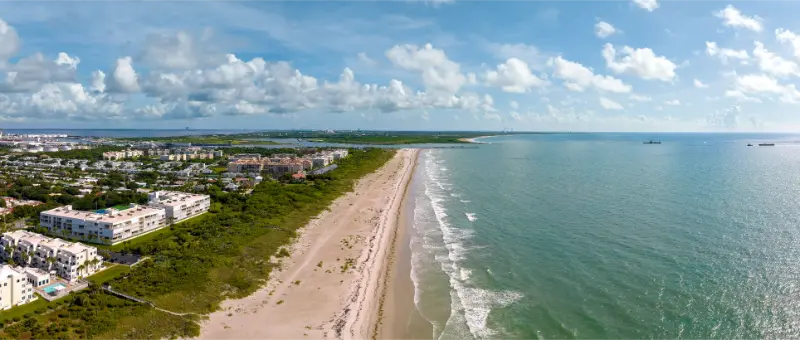
Florida’s Space Coast is one of the easiest places in the state to build a trip around a genuine sense of place. Rockets are part of the horizon, Cocoa Beach brings classic Atlantic surf culture, Port Canaveral adds cruise energy, and Merritt Island and the lagoon system keep nature close to major attractions. It is much more than an Orlando beach day trip, especially if you stay long enough to see both the space and wildlife sides.
The region is also excellent for families because the experiences are naturally varied. A child who reaches museum saturation at Kennedy Space Center can be on the beach later, while grandparents can choose a slower wildlife or waterfront day. The most important planning lesson is to remain flexible around launches. They are unforgettable when they happen, but technical or weather delays are normal enough that no itinerary should depend on a single fixed countdown.
Quick planning summary
- Best for: space exploration, rocket launches, family beaches, surfing, wildlife, cruises and Orlando add-on trips.
- Ideal stay: 3–5 nights, or 2 nights if the main goal is Kennedy Space Center plus one beach day.
- Getting around: A car is the easiest way to connect Cocoa Beach, Kennedy Space Center, Titusville, Port Canaveral and nature areas. Distances are manageable, but the region is not one walkable resort strip.
- Best planning principle: Do not build the entire trip around a launch time. Launch schedules can move. Treat a launch as a spectacular bonus and plan enough independent experiences that a delay does not ruin the vacation.
How to think about Florida’s Space Coast before you book
Official Space Coast tourism information describes a long Atlantic coastline with Cocoa Beach, Cape Canaveral, Titusville, Melbourne-area beaches and launch viewing opportunities. For a first visit, I would organize the region into three themes: Kennedy Space Center and the launch corridor; Cocoa Beach/Port Canaveral for ocean and dining; and Merritt Island/Indian River Lagoon for wildlife. That gives every day a clear identity without excessive driving.
My practical rule is to choose the experiences that define the destination first, then place the hotel around them. A slightly cheaper room can become poor value if it forces long drives, repeated parking fees or early departures every day. The same applies in reverse: paying more for a central property can make sense when it lets you walk to dinner, return easily for a child’s nap or avoid moving the car during the busiest hours.
Best things to do on a first trip
Give Kennedy Space Center a full day
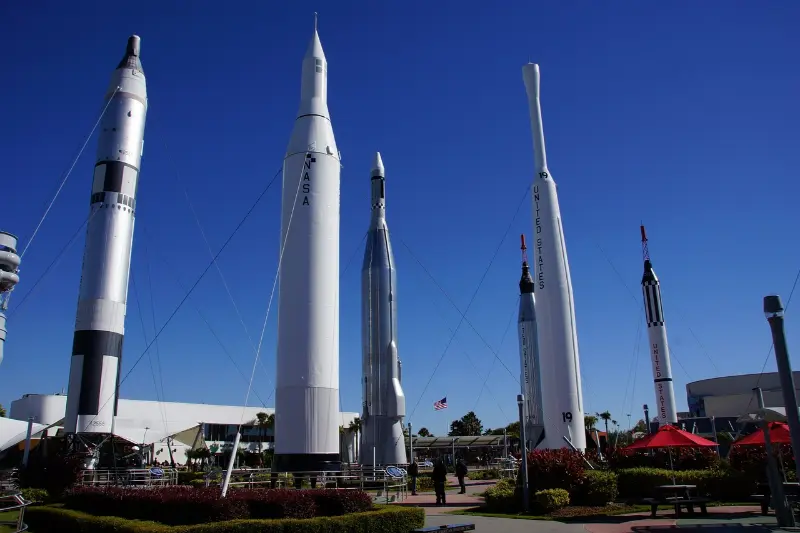
The Visitor Complex is substantial enough that a rushed half-day can feel frustrating. Prioritize the major exhibits you care about, use the bus experience if operating, and leave buffer time for security, meals and long walking distances. Families should identify age-appropriate highlights rather than expecting young children to absorb every exhibit. Senior travelers and mobility-device users can plan a comfortable day by studying accessibility and transport between areas before arrival. For a deeper planning article, use the site’s dedicated Kennedy Space Center guide.
Watch for launches without letting them control the trip
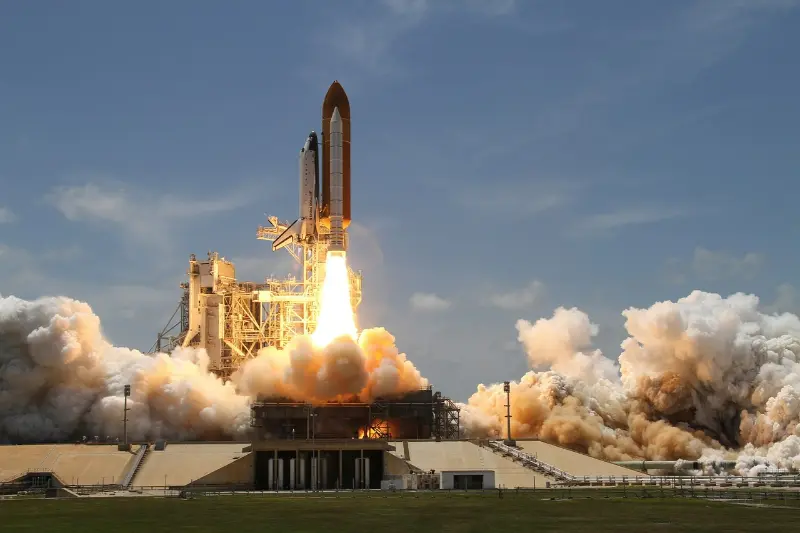
A launch can be visible from many parts of the Space Coast, but the best viewing choice depends on launch pad, trajectory, road closures and local guidance. Some premium experiences cost money, while ordinary public viewpoints may be free. Check official launch information close to the date and expect delays. I prefer a flexible “launch window day” with beach, food and wildlife options nearby rather than sitting in one spot for hours based on an old schedule.
Use Cocoa Beach as the easiest first-time coastal base
Cocoa Beach combines surf culture, a recognizable pier area, family attractions and access to Port Canaveral. It is especially convenient when one part of the group wants beach time and another is focused on space. Early morning is excellent for walking and surfing conditions often vary through the day. Check current lifeguard and surf information before swimming, especially with children or inexperienced ocean swimmers.
Add Merritt Island and wildlife to balance the science
The Space Coast’s natural side is easy to overlook when rockets dominate the marketing. Merritt Island National Wildlife Refuge, lagoon areas and coastal preserves can provide birding, manatee or dolphin sightings and a completely different pace. Wildlife is never guaranteed, which is part of the appeal. Use official refuge information for road status and seasonal closures, particularly when nesting or habitat protection affects access.
Consider Port Canaveral and Melbourne-area alternatives
Cruise passengers may need a night near Port Canaveral, while repeat visitors may prefer quieter beach communities farther south. Melbourne and its nearby coast offer restaurants, arts and beaches that can extend the trip beyond Cocoa Beach. If your vacation begins or ends with a cruise, keep arrival and departure logistics conservative; a beach morning is a better pre-cruise plan than a distant timed attraction.
Where to stay
There is no single best neighborhood for every traveler. I would choose based on what you want to do before 10 a.m. and after 6 p.m., because those are the hours when a convenient base improves the trip most. During the middle of the day you are usually willing to drive for a major attraction; early and late, convenience matters more.
Cocoa Beach
The easiest all-around first-time base for beach access, restaurants and a family vacation feel while remaining reasonably close to Kennedy Space Center.
Cape Canaveral or Port Canaveral area
Best for cruise logistics and quick access to the port, with Cocoa Beach nearby. Choose this when embarkation morning convenience is a major priority.
Titusville or northern Space Coast
Useful for space-focused travelers and some launch-viewing strategies. It is less of a classic beach-resort base but can shorten the trip to Kennedy Space Center.
Getting there and getting around
Orlando International Airport is a common gateway, and the Space Coast is often marketed as roughly an hour or less from parts of the Orlando area depending on destination and traffic. Melbourne Orlando International Airport can be convenient for the southern Space Coast when flights work. A rental car is usually the simplest choice. If you are connecting to a cruise, allow generous time between flight arrival and embarkation rather than treating the coast like an airport suburb.
For road trips, calculate door-to-door time rather than mileage alone. Florida bridges, beach roads, event traffic and afternoon storms can make a short distance feel much longer. I also avoid scheduling a nonrefundable tour immediately after a flight or a long interstate drive. A flexible first evening gives the trip room to absorb delays without sacrificing something expensive.
Families, teenagers, seniors and accessibility
Young children often enjoy the beach, rockets and large visual exhibits even when detailed space history is too much. Teenagers may love simulators, surfing and launch photography. Senior travelers can build the trip around scenic drives, museums and waterfront meals with limited strenuous activity. Accessibility at major attractions is generally well documented, but wildlife refuges and beach accesses vary. Always check the specific site for surfaces, boardwalks and mobility equipment.
For mixed-age groups, it helps to define one shared experience each day and allow the rest of the schedule to split. One person can return to the hotel while others stay for sunset; grandparents can choose a museum while teenagers take a water activity. That is usually more enjoyable than forcing everyone through the same long day. Always verify current accessibility details directly when a specific lift, beach mat, accessible vessel, transfer method or mobility-device policy is essential.
Best time to visit
Winter and spring offer comfortable temperatures for long museum and wildlife days. Summer brings heat, warm ocean water and frequent afternoon thunderstorms. Launch visibility depends on weather and mission factors rather than season alone. Sea turtle nesting and other wildlife cycles add seasonal interest but also require respectful beach behavior. Hurricane season runs June through November, so flexible cruise and hotel plans are valuable during late summer and fall.
Florida weather is local. A statewide forecast rarely tells you enough about ocean surf, lightning, wind or a passing storm cell at the exact beach you plan to use. I keep one indoor or lower-exposure option available and check conditions again on the morning of any boat, beach or wildlife day. That small habit prevents a weather change from turning into a lost vacation day.
A practical first-time itinerary
- Day 1: Kennedy Space Center Visitor Complex as the main event; keep the evening relaxed.
- Day 2: Cocoa Beach morning, surf or pier area, then Port Canaveral or a sunset waterfront meal.
- Day 3: Merritt Island wildlife or a lagoon experience. If a launch occurs, adjust around the official window rather than rebuilding the entire trip.
Do not treat the itinerary as a contract. If the beach is perfect, stay longer. If a storm arrives, move the indoor day forward. If children are exhausted, a hotel-pool afternoon may create better memories than another admission ticket. The most successful Florida itineraries have a strong structure and weak rigidity.
Budget and booking strategy
Accommodation, parking and paid water or attraction experiences usually create the biggest differences in the budget. Compare the total nightly hotel cost, not only the room rate: resort fees, parking and breakfast can change the result. Then decide which one or two paid experiences are genuinely central to the trip. Beaches, neighborhood walks, sunsets and many parks can fill the remaining time without making the vacation feel second-rate.
For popular seasons, reserve the hotel first with a flexible rate if possible, then add limited-capacity tours. I avoid paying early for every small activity because weather and energy change. Travel insurance becomes more valuable when the trip falls in hurricane season, depends on an expensive cruise or includes nonrefundable lodging. Read the policy rather than assuming every weather event is covered.
Common mistakes to avoid
- Planning only one day and trying to combine Kennedy Space Center with a full beach itinerary.
- Treating a published rocket launch time as guaranteed.
- Ignoring wildlife and natural areas because the region is branded around space.
- Choosing a hotel solely by distance to Orlando without considering the exact coast zone you want.
- Scheduling a long excursion on cruise embarkation morning.
Useful Wonderful Florida guides to read next
Continue planning with Kennedy Space Center guide, Orlando travel guide, best beaches in Florida, Florida with kids and Florida travel guide for first-time visitors.
Official resources to check before you travel
Opening hours, parking rules, beach access, launch schedules, park conditions, ferry or trolley service and reservation requirements can change. Check the official source again shortly before travel whenever a specific service is essential to your day.
Final thoughts
Florida’s Space Coast is most rewarding when the schedule reflects the destination instead of fighting it. Choose the right base, group activities geographically, protect the hottest or stormiest part of the day and leave enough open time for the experience that turns out to be better than expected. That approach works for a couple, a family with young children, teenagers traveling with parents or a multigenerational group, and it is the style of planning that makes a Florida trip feel like a vacation rather than a logistics exercise.