Category: Florida Beaches

  • Cocoa Beach vs Daytona Beach: The Better Atlantic Coast Stay for You

    Cocoa Beach vs Daytona Beach: The Better Atlantic Coast Stay for You

    Cocoa Beach and Daytona Beach are often offered as interchangeable Atlantic Florida vacations because both have oceanfront hotels, surf culture, and convenient access to other attractions. They are not interchangeable once you examine the daily experience. Cocoa Beach is strongly connected with the Space Coast and Kennedy Space Center, while Daytona has a larger beach-city setting, a long history of motorsports, and unusual rules that permit vehicles on designated parts of the sand. Choosing wisely depends less on which photograph looks better and more on how you plan to use the beach, whether you need a car, and what activities will fill a rainy day.

    Quick decision table

    CompareOption AOption B / planning note
    Signature outingCocoa Beach: Kennedy Space Center areaDaytona: Speedway and broader beach district
    Beach parkingPublic access lots and routesSome designated sand areas permit vehicles
    Best fitSpace and surf interestsBeach-city stay and motorsports events

    The primary difference in one decision

    If your group wants a beach holiday that also includes space exploration, a rocket launch possibility, or a low-key surf experience, Cocoa Beach is the straightforward starting point. It can support a visit to the Kennedy Space Center Visitor Complex or nearby nature areas without requiring a stay in Orlando. If the trip calls for a bigger beach district, a mix of Daytona attractions, or the opportunity to watch motorsports, Daytona Beach may make more sense. The beaches differ by neighborhood and season, so neither label guarantees a quiet or crowded experience. A hotel north or south of an entertainment district can feel entirely different from one on the busiest stretch. Pick the intended hotel block as carefully as you pick the city.

    Understanding the two coastal regions

    Cocoa Beach occupies part of a barrier island in Brevard County and connects to Merritt Island and the mainland by causeways. Its location makes space-related attractions and wildlife environments an appealing combination. Daytona Beach is farther north in Volusia County, with nearby Daytona Beach Shores, Ormond Beach, and New Smyrna Beach offering alternative coastal bases. This wider region can make the exact map position confusing: the hotel may use ‘Daytona area’ marketing while being well away from the pier or a chosen event venue. Both coasts require careful thinking about where you will drive each morning. If all you want is sand and a pool, a direct-beach hotel is valuable; if you want multiple activities, a property with reliable parking and easy road access may be better.

    The special question of driving on the beach

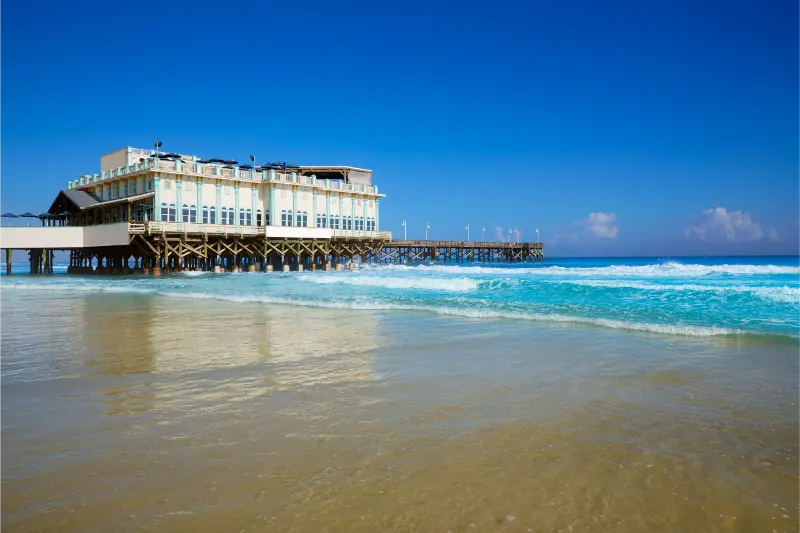
    Daytona Beach is unusual because some designated stretches allow vehicle driving and parking under controlled conditions. This is not permission to drive anywhere on the sand at any time. The city’s official beach information explains that vehicle access depends on tides, weather, season, posted boundaries, and hours, with a low posted speed limit. Visitors unfamiliar with beach driving may prefer conventional public lots and walking access. Parents with small children should choose a swimming and play area that feels comfortable around vehicles and observe designated zones. The rules can change in response to nesting wildlife or storms. Cocoa Beach, by comparison, is normally approached through conventional beach parks and access streets; plan parking before leaving your hotel.

    What to expect from the surf and water

    Both face the Atlantic and can experience breakers, currents, and rough conditions rather than the consistently gentle water sometimes imagined by visitors who know only sheltered Gulf beaches. Cocoa Beach is associated with surfing and surf schools, while Daytona has its own surfing areas and seasonal restrictions. Beginners should use qualified instruction where appropriate and respect lifeguard directions. A sea breeze and bright sunshine do not prove that swimming is safe. Check rip current statements, posted flags, and the location of staffed lifeguard stands. Young children, people who tire quickly, and inexperienced swimmers benefit from a beach day centered on the sand with limited time in the water, rather than a schedule built around prolonged swimming.

    Cocoa Beach wins for space-focused travelers

    Kennedy Space Center Visitor Complex deserves a substantial part of a day rather than a hurried detour after lunch. Families may want to prioritize a few exhibits and allow breaks, because the complex covers a large area and includes attractions with different sensory demands. An announced rocket launch is not a guaranteed event: schedules can shift at short notice and weather or technical factors can delay liftoff. Travelers can enjoy the Space Coast without seeing a launch through museums, maritime scenery, and suitable nature stops. Staying in Cocoa Beach supports this kind of flexible itinerary more easily than driving from Daytona for every space-related activity. Check opening hours, admission conditions, and current traffic arrangements directly before your visit.

    Daytona's wider mix of interests

    Daytona International Speedway attracts motorsports fans, but a holiday in Daytona does not have to center on racing. The city has a beachside promenade area, local cultural stops, dining, and access to other Volusia County environments. A family member who dislikes engines and events can still enjoy beach walks and selected museums or nature outings while another visits a racing attraction. However, special event weeks can influence hotel availability, rates, traffic, and noise. If you are seeking a restful week, consult the local event calendar before booking. A lower hotel price is not useful if a major event makes parking or sleep much more difficult than expected.

    Daytona Beach Florida City and Stadium Aerial

    Where to stay with children

    For a family with babies or preschoolers, prioritize a building with an elevator, a kitchen or refrigerator, a pool with suitable supervision arrangements, and direct access to bathrooms. Cocoa Beach can be convenient for combining short beach sessions with an excursion to a space attraction, though a full day at Kennedy may be tiring for the youngest children. Daytona can work well for families who want a familiar beach-hotel setup and options nearby, but inspect whether vehicles operate on the chosen beach segment. Whichever you choose, measure the actual walk to the beach, not just the distance to the ocean on a map. Some properties have a seawall or access route that requires steps or detours.

    Which is easier for travelers over 70?

    Age alone tells you little about the best destination. A fit older traveler might welcome Kennedy Space Center’s exhibits, a guided motorsports tour, or several miles of coastal walking. Someone who needs a chair after ten minutes will benefit more from a hotel with a shaded balcony and a nearby restaurant. Confirm accessible beach mats, rentals, hotel lifts, transportation arrangements, and seating opportunities directly. Daytona’s vehicle access should not be mistaken for general wheelchair accessibility. Cocoa Beach’s coastal parks also vary in surfaces and facilities. A relaxed trip with one main outing per day and indoor alternatives is usually more satisfying than a crowded itinerary designed around covering every attraction.

    How to compare hotel rates accurately

    Hotels beside the Atlantic can have sharply different prices depending on holidays, race events, launch interest, school breaks, and storm-related demand. Build a comparison of total cost over your dates rather than relying on a vague claim that one city is cheaper. Include parking, breakfast, beach-equipment rentals, taxes, mandatory resort charges, and transport to your top attraction. A cheap Daytona stay becomes less compelling if your family plans two round trips to Kennedy Space Center. A more expensive Cocoa Beach property may be justified when a direct beach entrance reduces packing and driving every day. Review cancellation terms for weather disruption and any major events that affect availability.

    A three-night Cocoa Beach plan

    Arrive early enough to settle into the hotel, buy basic supplies, and enjoy a short first beach visit. Devote the next full day to Kennedy Space Center with breaks and a clear list of priorities; do not promise young children every exhibit. Use the third day for a beach morning followed by an accessible or weather-appropriate nature stop, a surf lesson, or a leisurely lunch. The departure morning should be kept simple, particularly when your flight leaves from Orlando. Some families choose to combine Cocoa Beach with a later Orlando stay; others find it more restful to keep a single base and accept a slightly longer drive on their theme-park day. What matters is reducing unnecessary hotel changes.

    A three-night Daytona plan

    Spend arrival day becoming familiar with the beachfront and checking whether your chosen access area is open and staffed. Use the next morning for sand, swimming only when appropriate, and lunch near the hotel. Reserve the afternoon for one selected attraction or a low-pressure excursion. On the third day, motorsports enthusiasts might visit a Speedway experience if available while other travelers explore a museum or nearby coastal park. If there is a big local event, plan transport and meals around road closures and traffic instead of fighting them. Visitors who wish to avoid crowds can choose accommodations away from the main event areas and favor weekday exploration when possible.

    Daytona Beach Oceanfront Hotels and Umbrellas

    Weather, storms, and beach closures

    Atlantic Florida weather changes throughout the year. Summer can bring heat, humidity, and frequent thunderstorms; cooler months can still have windy days and rough surf. The hurricane season runs from June through November, requiring attention to travel insurance and flexible plans. Beach access may change following erosion, high tides, storm damage, or wildlife nesting measures. Check the official city or county beach updates just before departure, and again before entering the water. If a beach is unsuitable, have one attractive indoor activity in reserve rather than spending the day driving between open parking lots. Rocket launches, beachfront events, and outdoor tours are particularly sensitive to conditions.

    Airports, rental cars, and getting around

    Cocoa Beach is often reached from Orlando International Airport or other regional options. Daytona Beach has its own airport, but route availability depends on the origin and season. A cheaper flight into a more distant airport does not necessarily mean a cheaper holiday once a rental car, fuel, tolls, and arrival time are included. Public transport can serve specific corridors, yet it rarely provides the effortless flexibility tourists imagine for reaching scattered attractions with luggage or young children. Compare the actual final-leg itinerary. If you intend to stay entirely at a beachfront resort, ask about airport transfers before assuming you need a car every day. For excursions, review pickup points and operating times.

    Final verdict: match the city to your main activity

    Choose Cocoa Beach for a Space Coast vacation with a strong combination of Atlantic sand, surfing culture, and space-related attractions. Choose Daytona Beach for a broader beach-city stay with motorsports, events, and surrounding coastal communities, provided you understand the designated beach-driving rules. Either works for families and senior travelers when the specific hotel and access route suit the group. Neither should be chosen on the promise of perfectly calm water or guaranteed launches. Official updates from Daytona Beach and the city of Cocoa Beach should guide the final parking and access choices.

    Frequently asked questions

    Can visitors drive on Daytona Beach?

    Only on designated sections, during permitted hours and when tides and other conditions allow; follow posted instructions.

    Is Cocoa Beach good without a rocket launch?

    Yes. Its oceanfront, surfing culture, and Space Coast attractions offer enough to plan a trip without depending on an uncertain launch date.

    Which has calmer swimming water?

    Neither can guarantee calm Atlantic conditions. Consult lifeguards, forecasts, flags, and current rip-current warnings before swimming.


  • First Surf Lessons in Florida: Cocoa Beach, New Smyrna and St. Augustine Compared

    First Surf Lessons in Florida: Cocoa Beach, New Smyrna and St. Augustine Compared

    Florida’s Atlantic coast is one of the easiest places for a traveler to become interested in surfing: the beaches are accessible from major cities, shops rent equipment, and watching surfers in the morning can make the sport look inviting. But a first surf lesson should not begin with choosing the tallest wave or buying a board. The right starting point is a reputable instructor, suitable conditions and an honest assessment of swimming ability. Cocoa Beach, New Smyrna Beach and the St. Augustine area each provide possibilities, but no beach is safe for every beginner every day.

    This guide is for adults and families thinking about a first supervised lesson. It also explains what non-surfing companions can do, how to plan a comfortable beach trip and when to postpone. Surfers of any age can benefit from good instruction when the activity is appropriate to their fitness and health, but young children need age-appropriate programs and close adult supervision.

    Compare the three regions before booking

    Destination A good reason to consider it Questions to ask
    Cocoa Beach Established surf culture near the Space Coast Where are lessons held, and is that spot lifeguarded?
    New Smyrna Beach Recognizable surfing community and local shops How are conditions, access and wildlife warnings managed?
    St. Augustine area Historic vacation with the option of a beach lesson Which specific beach is used, and how far is it from the city?

    The beach name alone is not enough. A school may choose different sandbars or access points depending on tides, surf and local rules. Ask for the exact meeting location, age minimum, swimming prerequisites, instructor ratio and weather cancellation terms. A lesson in ‘St. Augustine’ may take place a significant drive from your downtown hotel, so do not assume you can walk from a historic inn carrying a board.

    Who should take a beginner lesson?

    A first-time surfer should already be comfortable swimming, able to follow directions in moving water and willing to learn basic ocean safety. Learning to balance on a board does not replace the ability to deal with surf. For children, instructors may have minimum ages, weight limits or swimming assessments. Never pressure a child who is frightened of waves simply because the family bought a lesson package.

    Adults starting later in life may enjoy surfing, but activity selection should reflect balance, mobility, stamina and any advice from their own healthcare professional. Someone who has trouble getting up from the floor might find repeated pop-up movements challenging and may prefer a modified lesson or a different water activity. Reputable schools should explain their teaching approach and honestly discuss whether the current conditions are suitable.

    Non-swimmers should not book an ordinary ocean surfing lesson on the assumption that a board will keep them safe. Instead, consider swimming instruction in a controlled environment or enjoy a dry-land introduction to surfing culture before taking the next step.

    What a responsible surf lesson should include

    A good first lesson begins on land. Instructors explain basic ocean conditions, how the board works, where to stand, what to do when falling and how to avoid collisions. Beginners often practice the pop-up movement on sand before entering shallow, appropriate surf. In the water, the instructor should set clear boundaries and adjust the activity to the participant’s ability.

    Ask about the school’s equipment inspection, instructor qualifications, insurance, group size, child safeguarding practices and emergency plan. A brightly advertised ‘family surf adventure’ does not guarantee individual attention. For someone anxious in open water, a private lesson with a calm instructor may be a better investment than a cheaper large-group session, even if the time on the board is shorter.

    Confirm what the lesson price includes: board, leash, suitable rash guard or wetsuit if needed, instruction time, taxes and parking. Photograph or video services should be optional. Do not buy a board before learning whether you enjoy the activity or what size is appropriate.

    The ocean is not a swimming pool

    Rip currents, changing wave sets, shore breaks and collisions are significant risks. The National Weather Service’s beach safety guidance recommends checking surf-zone forecasts, talking with lifeguards and recognizing that pool swimming differs from ocean swimming. A calm-looking gap between breaking waves can indicate a current. Never judge conditions solely by a photograph taken earlier that morning.

    If caught in a rip current, the NWS advises staying calm, not fighting directly against it, and signaling for help when necessary. See its official survival guidance. This is important knowledge, but it does not make dangerous conditions acceptable for a beginner lesson. If beach flags or the instructor indicate that conditions are unsuitable, postpone. Losing a deposit is unpleasant; taking unnecessary risks in the ocean is far worse.

    Lightning is another reason to stop. Move out of the water and seek substantial shelter if thunder occurs. An umbrella, beach tent or open shelter is not safe lightning protection. Do not leave the decision entirely to an enthusiastic teenager who wants to continue.

    Flagler College Saint Augustine Spanish Architecture

    Cocoa Beach: a surfing trip with other attractions

    Cocoa Beach is well known within Florida surfing culture and makes an accessible option for a short vacation on the Space Coast. It is particularly useful for families who want one surf lesson and other activities for companions who prefer land. The area has beaches, restaurants and opportunities to explore beyond the waves. Choose lodging according to the actual lesson meeting point so you are not driving unnecessarily at dawn with equipment and children.

    Non-surfers can watch from a permitted area of the beach, take a walk or enjoy the local shops. Keep spectators away from other surfers’ launch routes and comply with any lifeguard directions. For a group that includes grandparents, check where there are benches, accessible restrooms or a short hard-surface beach approach. Surf culture can be enjoyed without every family member entering the ocean.

    Consider adding a second day for Space Coast nature or history rather than scheduling two exhausting surf lessons back to back. First-time learners may be surprisingly tired and sore after a short session.

    New Smyrna Beach: take local conditions seriously

    New Smyrna Beach has a longstanding association with surfing. That does not mean every surf zone there is ideal for beginners. Conditions and local patterns vary, including areas near inlets where currents can be complicated. Ask an established instructor which location is being used on the exact day, and do not wander toward an inlet because the waves look more exciting. Follow local beach rules and lifeguard advice.

    Parts of the surrounding coast have vehicle-on-beach traditions and regulated driving areas. If your selected access permits vehicles, read current county rules, signs and designated routes. Children should not play around moving beach vehicles or parked cars. If you prefer a quieter shore environment, choose an access that does not involve vehicle traffic when such a choice is available.

    Build in time for the town itself. A relaxed meal or an afternoon in a nearby historic district creates a balanced visit for companions who are not surfing. Avoid trying to combine a demanding first lesson, a long drive and several extra attractions in one day.

    St. Augustine: history first, surfing as a day activity

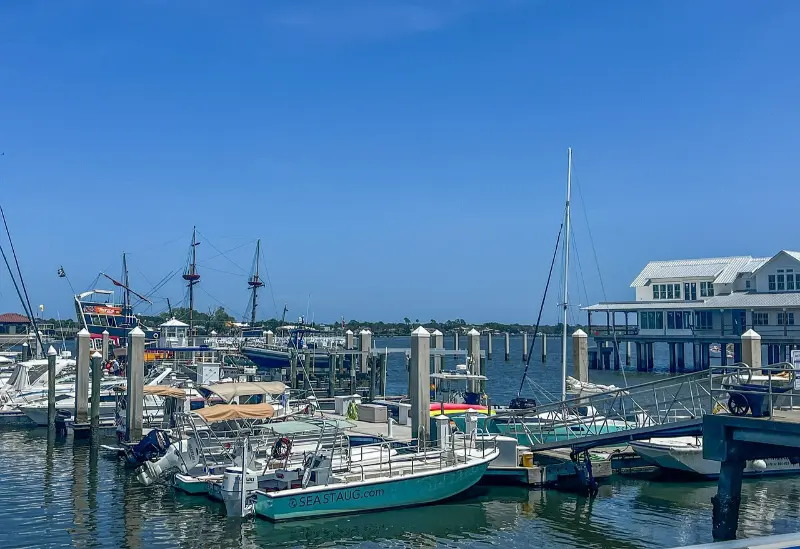
    St. Augustine works especially well for visitors who want a cultural vacation with a surf lesson included. Spend one day exploring the historic center and another morning at an appropriate beach arranged with an instructor. The city and the beach areas are not identical locations; check the meeting point, parking, bridge crossings and expected traffic before choosing accommodation.

    Horse Drawn Carriage in Saint Augustine Florida

    If a family includes grandparents or young children who will not surf, a history-oriented day gives them their own highlight rather than leaving them as spectators for the entire trip. A beach morning followed by a quiet meal may be enough for the lesson day. In hot weather, begin early and avoid an extended afternoon on exposed sand.

    Surf schools may change meeting spots according to conditions. A flexible itinerary with one spare morning provides a useful buffer if the lesson is postponed. Do not book a nonrefundable onward drive immediately after the only available surf session.

    What to wear and carry

    A rash guard, comfortable swim clothing, appropriate sun protection and a secure way to keep valuables out of the water are useful. Some instructors provide boards and wetsuits; ask rather than packing expensive equipment. Remove jewelry that could be lost or cause injury, and avoid using loose items that might fall off in the surf. Apply sunscreen suitable for water activity according to its directions and take breaks in shade.

    Bring drinking water, a towel, dry clothing and a light snack. Sand can be hot, especially on summer afternoons. Ask whether protective footwear is appropriate for the instruction area, since ordinary flip-flops are not worn while standing on a surfboard. A lesson may involve repeated short bursts of activity, and participants can tire more quickly than anticipated.

    One lesson or a three-day learning vacation?

    One introductory lesson is appropriate for discovering whether you enjoy the sport. A three-day plan can help with repetition, but it should not assume the ocean will cooperate for three consecutive mornings. If you are staying several days, schedule flexible sessions with room for weather changes and recovery. Ask the school whether packages permit rescheduling or refunds when waves are unsafe.

    For families, alternate surf mornings with a museum, a nature stop or relaxing time. Children may retain skills better when they are rested and engaged rather than exhausted by repeated drills. Adults can use the non-surf days to enjoy the chosen destination. The holiday should remain satisfying even if only one session goes ahead.

    Budget: the true cost of learning

    Compare the lesson itself, equipment, beach parking, any additional group fee, lodging and transport. A school with a slightly higher rate may provide a smaller class, better-fitting equipment and a meeting location closer to your hotel. Those differences may be more valuable than a cheap deal. Check cancellation terms for thunderstorm or unsafe surf conditions, and understand whether postponement creates a credit or cash refund.

    Do not buy a board until you have completed a lesson or two and received advice about appropriate size. Renting an additional day is an option only when you have the skill, safe conditions and supervision necessary to continue. Beginners should not interpret one successful ride as proof they are ready for an unsupervised session.

    Accessibility and alternatives for nonparticipants

    Surf lessons require physical movements and contact with waves that may not suit every traveler. Some adaptive surfing organizations or specialized instructors provide opportunities for people with disabilities, but availability and support arrangements must be confirmed for the exact date and participant. Ask about transfers, equipment, safety personnel, parking and accessible facilities. Never assume a standard group lesson can be adapted spontaneously.

    A family member who cannot participate can still enjoy a coastal visit. Choose a lifeguarded, accessible public beach area with a suitable viewing point and a short route to refreshments. If the entire group would prefer a water experience without surf, consider a guided boat tour or a land-based nature outing instead. The purpose is a memorable Florida day, not meeting someone else’s sporting expectations.

    Respect for other surfers and the coast

    Follow instructor directions about spacing, waiting turns and keeping boards under control. Avoid crowded surf areas beyond your ability. Leashes help retain boards but do not remove collision risk. Respect marked wildlife areas, sea turtle nesting protections and local beach rules. Carry out trash and do not abandon wax, broken equipment or plastic packaging.

    If a lesson is canceled, use the day for the destination you chose: Cocoa Beach’s coastal culture, New Smyrna Beach’s town atmosphere or St. Augustine’s history. A safe change of plan is a sign of good judgment, not a wasted vacation.

    Frequently asked questions

    Which Florida beach is best for a first surf lesson?

    Cocoa Beach, New Smyrna Beach and the St. Augustine area all have surf culture, but the best specific beach depends on that day’s conditions and the instructor’s assessment. Choose the school before choosing a wave.

    Can someone who cannot swim learn to surf in the ocean?

    Ordinary ocean surf lessons are not a safe substitute for swimming ability. Learn to swim first and discuss prerequisites with a qualified instructor.

    Can children and grandparents take lessons together?

    Possibly, if a reputable school offers age-appropriate instruction and each participant meets its requirements. Others can enjoy watching safely from shore without entering the water.

  • Daytona Beach Shores, Florida: Quieter Beach Stays and Volusia Coast Planning

    Daytona Beach Shores, Florida: Quieter Beach Stays and Volusia Coast Planning

    Choose the Shores for the right reason

    Daytona Beach Shores is a separate coastal municipality south of central Daytona Beach, with hotels, residential buildings and long Atlantic sands. The name often gets mixed into general Daytona listings, so first confirm the hotel’s exact address and the beach approach nearest its entrance. Travelers choose this area for a quieter base and practical beach access, not because major speedway or amusement venues sit on every block. A family can spend several days alternating water views with rest, while making one intentional trip to the Daytona attractions that interest them. A traveler seeking live music and nightlife may prefer a different part of the region. The Shores works particularly well when the accommodation itself provides convenient beach access and the group values an unhurried routine. Not every property offers the same chairs, pools, elevators or sea-facing rooms.

    Plan beach access independently of the hotel brochure

    The beach is a public coastal environment subject to conditions and local rules, even where hotels face the ocean. Locate the nearest lawful pedestrian approach and check whether the route uses stairs, a ramp or soft sand. A hotel may offer a private access route for its guests, but that does not establish the accessibility of every nearby beach entrance. Know where lifeguards are stationed and look at the posted flags before entering the water. Swimming and surfing zones can change under local safety rules. If rough surf, strong currents or lightning make the ocean unsuitable, take a shoreline walk from a safe position or enjoy a covered outdoor view. Children need active supervision, not simply a spot within sight of a lifeguard tower. For a guest with mobility limitations, ask specifically about beach wheelchairs or mats and their current availability.

    Understand vehicle access to the Volusia sand

    The Daytona area is famous for driving on certain parts of the beach, but the permission is limited by specific access points, time windows, tides and weather. The City of Daytona Beach’s official page explains that driving is restricted to designated areas and gives seasonal hour adjustments during sea turtle nesting months. Drivers should verify which specific ramp is operating near Daytona Beach Shores and whether their vehicle is permitted. Follow the posted 10 mph beach limit, keep headlights on if required and obey beach safety staff. Never treat beach driving as an optional scenic shortcut when the tide is high or conditions are unsafe. Families with young children should not allow unsupervised play in vehicle travel lanes. A traveler who does not wish to drive onto sand can usually organize a conventional parking-and-walking visit instead.

    Build a gentle two-day coastal plan

    On day one, settle into the accommodation and find the nearest suitable beach access before planning a full swim. Enjoy the morning shoreline when conditions permit, take a long indoor break during intense heat, and arrange an early dinner near the hotel. On day two, choose between another relaxed beach morning and a short excursion to a nearby Volusia County park or museum. Avoid spending the entire day driving from one ocean access to another without a clear goal. A couple could substitute sunrise photography and a cafe visit for hours of water activities. Grandparents may prefer watching the surf from a sheltered seat while children play under supervision. Even a simple holiday benefits from flexible timing: thunderstorms and surf warnings can force a sudden change. Reserve more distant Daytona experiences for days when energy is high and the travel time is justified.

    What different generations can do on the same day

    The most useful group itinerary is not one in which a three-year-old and a ninety-year-old are expected to take the same long walk. In Daytona Beach Shores, preschoolers need supervised sand play away from beach traffic lanes; meanwhile, non-swimmers can enjoy a shoreline stay without entering the water. A second group might be interested in the opposite pace: older adults may choose morning beach views and shorter accessible walks, while teenagers can include one planned Daytona outing if transport is arranged. Decide at the start who wants to remain at the most comfortable stop and how everyone will regroup. Young children should always be supervised around roads and water even when a park looks quiet. Teenagers benefit from one genuine choice of activity instead of being asked to follow a checklist. Visitors managing fatigue can shorten an out-and-back path at any moment, unlike a complicated loop with no immediate exit. Before traveling, identify an indoor place for medication, diaper changes or cooling down, and carry drinking water for everyone.

    Match the outing to seasonal weather and daylight

    Season changes the value of Daytona Beach Shores’s outdoor spaces. In hot months, the period shortly after opening is often preferable to early afternoon; in cooler months, a leisurely midmorning arrival can be pleasant, but darkness comes sooner. The relevant local checks are designated beach vehicle zones, surf warnings, sea turtle restrictions and hurricane-season forecasts. When a thunderstorm approaches, leave water edges, open lawns and exposed pathways for a substantial building or enclosed vehicle. Do not postpone that decision until the rain actually begins: lightning may precede the heaviest shower. A windy or cloudy day is not automatically unsafe, but conditions can alter walking comfort and facility operations. Bring sun protection, suitable footwear and a spare dry layer for children. On a long trip, schedule this outing on a day that can be swapped with another activity rather than lock it to a tightly timed airport transfer. This preserves room for the unexpected without reducing the trip to waiting indoors.

    Treat the coast and nearby Daytona as separate choices

    Visitors sometimes attach the Daytona International Speedway, Main Street, and every beachside restaurant to a single Daytona Beach Shores itinerary. Those places may be worthwhile, but they are excursions, not sites within a short stroll from every Shores hotel. Choose one inland or downtown activity based on your interests, then return rather than crisscross the region. Families seeking indoor relief can research local museums or family entertainment beforehand; opening hours and ticket rules change. For a traveler with no car, calculate the cost of rides in both directions and consider staying closer to the activities that matter most. A beach-focused stay can be less expensive in transportation but depends more heavily on the hotel’s quality and location. Verify that your property has accessible entrances, necessary elevators and the bed arrangements promised at booking.

    Daytona Beach Pier Illuminated at Dusk

    Keep turtles, pets, and older visitors safe

    Atlantic Florida beaches are nesting habitat for sea turtles for part of the year. Follow posted light restrictions and never approach nests or hatchlings, move markers or leave holes and beach equipment behind. Dogs are subject to specific beach access rules; a pet-friendly hotel does not mean the sand outside is a dog beach. Persons with respiratory or heat sensitivity may enjoy a morning balcony session rather than a long exposed walk. Wheelchair users should evaluate the exact route from room to elevator to entrance rather than rely on a generic accessibility filter. A family with a stroller may find boardwalk approaches manageable but struggle once the wheels enter deep sand. Pack water, sunscreen and footwear for heated pavement. Review hurricane-season and storm alerts before a coastal drive, and move inside immediately when lightning develops.

    How to get there without wasting the day in transfers

    The journey that best fits this destination is one morning on the beach followed by indoor rest, then a second day with an optional single Daytona-area excursion. Start by entering the precise attraction address, not simply the name Daytona Beach Shores, into the navigation app. Distances within Florida communities can be deceptive when a river, interstate, causeway or large residential tract separates sites. Drivers should read signs at the actual car park and allow time to return to the vehicle before closing. People using ride-hail need a confirmed pickup point and a return plan, particularly after dark or in a rural area. Where public transit exists, check the schedule for the exact travel day as well as the location of the return stop. Do not promise that a bus will reach a remote nature entrance merely because a line crosses the same municipality. Anyone carrying a stroller or mobility aid should compare transfers, walking distance and the cost of a direct booked ride.

    A realistic spending plan, not a misleading headline price

    The trip’s meaningful expenses are total hotel charges, parking, any beach rental, meals and transport to attractions outside the Shores. A park or shoreline may be open to pedestrians without charge, while parking, aquatic activities, evening events, special exhibitions, fishing or equipment hire have completely different arrangements. Separate necessary spending from choices that can be removed, and confirm costs from the operator immediately before visiting. A family with several children may spend more on transport and meals than admission. Travelers on a tight budget can bring water, arrange a single restaurant meal and avoid driving between distant attractions simply to fill a printed itinerary. Do not make a nonrefundable booking based only on a third-party calendar that may be stale. For a multiday stay, compare the total accommodation bill including taxes and resort or cleaning fees against the transport savings it creates. This makes an apparently inexpensive outlying property easier to evaluate fairly.

    Choose accommodation to match the whole vacation

    For overnight planning, compare a property with an exact pedestrian beach entrance and clearly documented elevators, parking and resort fees. The correct choice depends on where you will wake up for the following three days, not only on the afternoon you intend to spend in Daytona Beach Shores. Open the route to the airport and the principal attractions, then look at traffic patterns around typical departure hours. Families should verify cribs, refrigerator access, laundry and suitable bed layouts before paying. A hotel described as accessible may still require clarification about the specific room’s entrance, bathroom and elevator route. Those traveling with older adults should request a realistic account of how far the restaurant, vehicle pickup and usable beach or park entrance are from the room. Do not assume that the least expensive listing is the least tiring. If Daytona Beach Shores is only a day trip, a hotel change may produce more work than any potential benefit.

    Practical stop-by-stop table

    StageRecommended focusCheck
    Before the visitVerify opening conditionsdesignated beach vehicle zones, surf warnings, sea turtle restrictions and hurricane-season forecasts
    Start of the dayPlan beach access independently of the hotel brochureFollow the official entrance and signs
    Next optional stopUnderstand vehicle access to the Volusia sandShorten the route if conditions change
    MiddayFood and restCarry water; avoid exposed heat
    Overnight decisionCompare actual door-to-door journeysa property with an exact pedestrian beach entrance and clearly documented elevators, parking and resort fees

    Frequently asked questions

    Is Daytona Beach Shores worth a day trip?

    Yes, if you are interested in plan beach access independently of the hotel brochure and keep the number of stops realistic. Travelers whose priority is elsewhere should evaluate the return journey before making this a mandatory detour.

    Daytona Beach Oceanfront Hotels Aerial

    What is the best first stop in Daytona Beach Shores?

    The first site to check is the location described in the official source: Daytona Beach Shores is a separate municipal area from central Daytona Beach. Verify its operating status before visiting.

    Can someone with limited mobility enjoy Daytona Beach Shores?

    Often yes, if the outing is built around a suitable entrance and short route. Older adults may choose morning beach views and shorter accessible walks. Ask the venue about the exact conditions rather than relying only on a general label.

    Is Daytona Beach Shores suitable for families with young children?

    The plan should emphasize rest, shade and direct supervision. Preschoolers need supervised sand play away from beach traffic lanes, while older children may want different activities.

    What should be checked just before departure?

    Confirm designated beach vehicle zones, surf warnings, sea turtle restrictions and hurricane-season forecasts; then check the route, costs and local weather from current official information.

    Official visitor sources

  • St. Augustine Beach, Florida: Ocean Pier Park, Shore Walks and 2026 Access Updates

    St. Augustine Beach, Florida: Ocean Pier Park, Shore Walks and 2026 Access Updates

    Separate the beach town from historic St. Augustine

    St. Augustine Beach has a different rhythm from the historic district of St. Augustine across the Intracoastal Waterway. Visitors who want sand, sunrise and a simple family base may prefer the beach town, while those spending long hours in museums and colonial-era streets may choose lodging closer to the historic center. The two areas can be paired in a vacation but are not one easily walkable district. A well-organized stay has time reserved for the shore and one optional trip across to the older city, rather than attempting to alternate every hour. Choose the hotel according to the activity that dominates your schedule. St. Augustine Beach is especially appealing for families who need flexibility: a morning outdoors, a nap or indoor lunch, and a short afternoon beach walk can be more satisfying than a dense attraction list.

    Understand the Ocean Pier repair project in 2026

    The St. Johns County Ocean and Fishing Pier at 350 A1A Beach Boulevard is under a major repair closure beginning May 13, 2026. The county expects work to continue through November, and visitors must check the current official update rather than assume the advertised fishing pier is open. At the time of research, the pier itself is closed for fishing and general pier access, while the nearby gift shop remains open and many Ocean Pier Park amenities are available. The county also restricts the northern beach access point during construction and directs beachgoers to the southern approach. Avoid entering the construction zone or swimming close to the structure. This does not mean a beach day is impossible. It means the plan should be based on the park, beach and other approved areas rather than a promised stroll to the pier’s end.

    Enjoy Pier Park amenities without the pier

    Ocean Pier Park offers visitor conveniences around the beachfront including parking, picnic facilities, a splash pad, playground, showers and restrooms. These can transform the experience for a family because a child may enjoy a playground break even when surf is rough. The park is not identical to the closed fishing structure, and facilities can have temporary restrictions or maintenance periods. Confirm the splash pad and restroom status before setting out, especially outside peak season. Use the accessible beach approach suited to your group rather than the entrance nearest your car if it has steps or soft sand. A person who cannot swim can still enjoy views, a picnic and a short walk. Bring your own food or choose a nearby business according to current opening hours. Never leave children unattended around the water or in the parking area.

    Know the rules for driving onto the sand

    St. Johns County allows beach driving on designated sections when conditions permit, but that permission does not cover the whole shoreline or every vehicle. During the 2026 toll period from March 2 through September 30, vehicles using designated beach ramps generally needed a daily or annual pass. The county operates named booths such as A Street and Ocean Trace Road, but their actual opening depends on tides, storms, repairs and local notices. A pedestrian can choose ordinary parking rather than drive onto the sand. Vehicles on the beach make careful supervision essential for families, and drivers must use marked routes rather than improvise around a closed ramp. The beach is habitat for nesting sea turtles, so restrictions may intensify seasonally. Do not confuse a beach driving pass with reserved parking or automatic entry during unsafe surf conditions.

    Historic Saint Augustine Pedestrian Street

    What different generations can do on the same day

    The most useful group itinerary is not one in which a three-year-old and a ninety-year-old are expected to take the same long walk. In St. Augustine Beach, young children may prefer the splash-pad and playground to the surf; meanwhile, non-swimmers can plan a comfortable ocean-view picnic. A second group might be interested in the opposite pace: older relatives can select paved access and seated activities, while drivers need to keep children away from marked beach traffic lanes. Decide at the start who wants to remain at the most comfortable stop and how everyone will regroup. Young children should always be supervised around roads and water even when a park looks quiet. Teenagers benefit from one genuine choice of activity instead of being asked to follow a checklist. Visitors managing fatigue can shorten an out-and-back path at any moment, unlike a complicated loop with no immediate exit. Before traveling, identify an indoor place for medication, diaper changes or cooling down, and carry drinking water for everyone.

    Match the outing to seasonal weather and daylight

    Season changes the value of St. Augustine Beach’s outdoor spaces. In hot months, the period shortly after opening is often preferable to early afternoon; in cooler months, a leisurely midmorning arrival can be pleasant, but darkness comes sooner. The relevant local checks are 2026 pier construction, closed northern access, beach-driving passes and surf conditions. When a thunderstorm approaches, leave water edges, open lawns and exposed pathways for a substantial building or enclosed vehicle. Do not postpone that decision until the rain actually begins: lightning may precede the heaviest shower. A windy or cloudy day is not automatically unsafe, but conditions can alter walking comfort and facility operations. Bring sun protection, suitable footwear and a spare dry layer for children. On a long trip, schedule this outing on a day that can be swapped with another activity rather than lock it to a tightly timed airport transfer. This preserves room for the unexpected without reducing the trip to waiting indoors.

    Design a stay with separate beach and history days

    A simple two-day plan places the ocean first on the day with the best forecast. Arrive early at Pier Park, check access signs, and take a shoreline walk or supervised swim if conditions permit. Use the playground or splash pad for a midday break, then return to the lodging. On the second day, consider a deliberate visit to historic St. Augustine, choosing just a few sites and leaving enough time for the drive, parking and heat. Someone who primarily wants fishing should choose another currently operating location rather than wait outside the closed pier. The beach town has dining and accommodations of its own, so evenings need not involve a traffic-heavy return to the old city. If traveling with older relatives, offer a seated ocean-view option while stronger walkers explore the sand; agree on a pickup point first.

    Historic Saint Augustine Park and Shops

    Plan for children, mobility needs and weather changes

    High surf, rip currents and lightning are the main concerns on an open Atlantic beach. Read flags and lifeguard instructions and do not enter the water merely because others are swimming. Families with babies should plan short exposure times, shade, water and a place to change clothes after play. Older adults may prefer a paved park route and ocean views without navigating deep sand. Ask the county about current accessibility equipment and the status of the specific access point being used; repair works can change a route that was previously suitable. For lodging, verify lift access, parking arrangements, room configuration and whether pets are allowed on the property and on the beach under separate regulations. Watch for approaching storms, especially during summer afternoons. Historical sightseeing can be moved to a safer indoor window when coastal conditions are unsuitable.

    How to get there without wasting the day in transfers

    The journey that best fits this destination is a safe park-and-beach morning, a lunch break, then a separate historic-city outing on the following day. Start by entering the precise attraction address, not simply the name St. Augustine Beach, into the navigation app. Distances within Florida communities can be deceptive when a river, interstate, causeway or large residential tract separates sites. Drivers should read signs at the actual car park and allow time to return to the vehicle before closing. People using ride-hail need a confirmed pickup point and a return plan, particularly after dark or in a rural area. Where public transit exists, check the schedule for the exact travel day as well as the location of the return stop. Do not promise that a bus will reach a remote nature entrance merely because a line crosses the same municipality. Anyone carrying a stroller or mobility aid should compare transfers, walking distance and the cost of a direct booked ride.

    A realistic spending plan, not a misleading headline price

    The trip’s meaningful expenses are parking or seasonal vehicle ramp fees, hotel parking, meals and separately ticketed historic attractions. A park or shoreline may be open to pedestrians without charge, while parking, aquatic activities, evening events, special exhibitions, fishing or equipment hire have completely different arrangements. Separate necessary spending from choices that can be removed, and confirm costs from the operator immediately before visiting. A family with several children may spend more on transport and meals than admission. Travelers on a tight budget can bring water, arrange a single restaurant meal and avoid driving between distant attractions simply to fill a printed itinerary. Do not make a nonrefundable booking based only on a third-party calendar that may be stale. For a multiday stay, compare the total accommodation bill including taxes and resort or cleaning fees against the transport savings it creates. This makes an apparently inexpensive outlying property easier to evaluate fairly.

    Choose accommodation to match the whole vacation

    For overnight planning, compare a beach-side hotel for a primarily ocean vacation, or historic St Augustine for museum-focused sightseeing. The correct choice depends on where you will wake up for the following three days, not only on the afternoon you intend to spend in St. Augustine Beach. Open the route to the airport and the principal attractions, then look at traffic patterns around typical departure hours. Families should verify cribs, refrigerator access, laundry and suitable bed layouts before paying. A hotel described as accessible may still require clarification about the specific room’s entrance, bathroom and elevator route. Those traveling with older adults should request a realistic account of how far the restaurant, vehicle pickup and usable beach or park entrance are from the room. Do not assume that the least expensive listing is the least tiring. If St. Augustine Beach is only a day trip, a hotel change may produce more work than any potential benefit.

    Practical stop-by-stop table

    StageRecommended focusCheck
    Before the visitVerify opening conditions2026 pier construction, closed northern access, beach-driving passes and surf conditions
    Start of the dayUnderstand the Ocean Pier repair project in 2026Follow the official entrance and signs
    Next optional stopEnjoy Pier Park amenities without the pierShorten the route if conditions change
    MiddayFood and restCarry water; avoid exposed heat
    Overnight decisionCompare actual door-to-door journeysa beach-side hotel for a primarily ocean vacation, or historic St Augustine for museum-focused sightseeing

    Frequently asked questions

    Is St. Augustine Beach worth a day trip?

    Yes, if you are interested in understand the ocean pier repair project in 2026 and keep the number of stops realistic. Travelers whose priority is elsewhere should evaluate the return journey before making this a mandatory detour.

    What is the best first stop in St. Augustine Beach?

    The first site to check is the location described in the official source: St. Johns County Ocean and Fishing Pier closed for repair beginning May 13, 2026, with work expected through November. Verify its operating status before visiting.

    Can someone with limited mobility enjoy St. Augustine Beach?

    Often yes, if the outing is built around a suitable entrance and short route. Older relatives can select paved access and seated activities. Ask the venue about the exact conditions rather than relying only on a general label.

    Is St. Augustine Beach suitable for families with young children?

    The plan should emphasize rest, shade and direct supervision. Young children may prefer the splash-pad and playground to the surf, while older children may want different activities.

    What should be checked just before departure?

    Confirm 2026 pier construction, closed northern access, beach-driving passes and surf conditions; then check the route, costs and local weather from current official information.

    Official visitor sources

  • Surfside, Florida: Beach Access, Turtle Walk and a Walkable Miami Coast Escape

    Surfside, Florida: Beach Access, Turtle Walk and a Walkable Miami Coast Escape

    Understand the appeal of a small Miami-area beach town

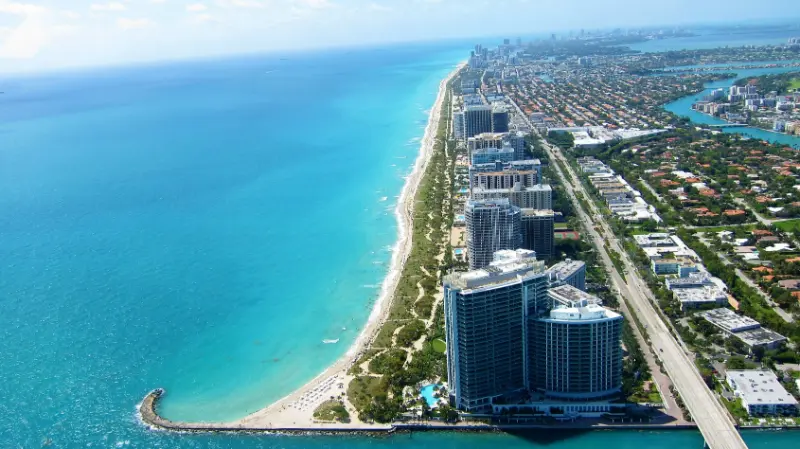
    Surfside occupies a compact stretch between Miami Beach and Bal Harbour, with an Atlantic shoreline and a pedestrian-friendly commercial district. It suits travelers seeking an easy beach-and-meal routine rather than nightlife and extensive sightseeing. The town is small enough to explore at a measured pace, but that should not be mistaken for a guarantee that every hotel, restaurant and beach crossing is accessible to everyone. There are busy vehicle routes and hot exposed sidewalks, and a place that looks close on a map may still involve a tiring walk. Start by identifying the beach entrance nearest your accommodation, the location of the restroom and the best way back. The strong appeal is the ability to combine a supervised beach period, public art, neighborhood dining and rest without crossing the entire Miami metropolitan area. It can work for a family weekend or as an alternative base for someone avoiding South Beach crowds.

    Choose a public beach entrance and check conditions

    The town publishes beach information including rip-current guidance and access arrangements. A beautiful sunny morning does not mean swimming is safe; offshore systems can produce strong currents even when the local sky appears clear. Follow the posted flags and lifeguard directions and never allow children to swim without active adult supervision. Non-swimmers can enjoy the sand from a safe distance and take a shoreline stroll during cooler hours, with no need to enter the water. The town identifies wheelchair-friendly beach entrances at 88th and 96th streets. Visitors should ask where an available beach wheelchair can be collected, who qualifies to borrow it and whether an attendant is required. Municipal policies distinguish residents and approved hotel guests for some facilities, and access to the equipment cannot be assumed without meeting those conditions. After storms, seek the latest notice about sand and entry paths.

    Bal Harbour Beach and Miami Coastline Aerial

    Explore Turtle Walk and the neighborhood on foot

    Surfside promotes a public-art Turtle Walk that helps turn an ordinary stroll into a short cultural experience. It also references a Mother Turtle sculpture at the beach entrance around 95th Street. Consider choosing a few artwork locations rather than trying to find every installation in the heat. This is especially effective with children, who can look for patterns and discuss turtle nesting without disturbing actual nests or wildlife. Public artwork can move or be temporarily unavailable, so the town tourism page is a better source than a dated social-media map. Around the commercial streets, allow time for coffee and a meal, reading current menus instead of relying on once-popular named restaurants that may have closed. When photographing buildings, remember that private residential entrances are not attractions. The town’s intimacy is most enjoyable when visitors give residents space and follow pedestrian crossings rather than stopping suddenly in traffic.

    Know what the parks and community center actually offer

    Surfside’s 96th Street Park is a major recreation space with fields, play features and a kayak launch according to the municipality. The town also lists a tot lot, a dog park, and other amenities with distinct operating conditions. A family traveling with a toddler might combine an early playground session with a shaded meal, reserving the beach for later when the child is rested. An adult seeking activity may prefer a longer walk, but bicycles and scooters have their own restrictions in parks and on paths. The oceanfront Community Center has recreation and pool facilities, yet some privileges are limited to eligible users or depend on fees and registration. Do not treat it as a freely accessible resort pool for all tourists. Check the town page directly before planning an indoor or aquatic activity. A short playground stop offers useful variety on an ocean day, particularly if waves are unsafe for swimming.

    What different generations can do on the same day

    The most useful group itinerary is not one in which a three-year-old and a ninety-year-old are expected to take the same long walk. In Surfside, toddlers may need playground time and shelter rather than a prolonged beach session; meanwhile, teenagers may enjoy public art and a self-paced commercial street walk. A second group might be interested in the opposite pace: non-swimmers can prioritize views and restaurants instead of entering the Atlantic, while older visitors need a suitable beach entrance and dependable shade. Decide at the start who wants to remain at the most comfortable stop and how everyone will regroup. Young children should always be supervised around roads and water even when a park looks quiet. Teenagers benefit from one genuine choice of activity instead of being asked to follow a checklist. Visitors managing fatigue can shorten an out-and-back path at any moment, unlike a complicated loop with no immediate exit. Before traveling, identify an indoor place for medication, diaper changes or cooling down, and carry drinking water for everyone.

    Match the outing to seasonal weather and daylight

    Season changes the value of Surfside’s outdoor spaces. In hot months, the period shortly after opening is often preferable to early afternoon; in cooler months, a leisurely midmorning arrival can be pleasant, but darkness comes sooner. The relevant local checks are rip currents, swimming flags, beach-access restrictions, hotel-guest qualifications and parking controls. When a thunderstorm approaches, leave water edges, open lawns and exposed pathways for a substantial building or enclosed vehicle. Do not postpone that decision until the rain actually begins: lightning may precede the heaviest shower. A windy or cloudy day is not automatically unsafe, but conditions can alter walking comfort and facility operations. Bring sun protection, suitable footwear and a spare dry layer for children. On a long trip, schedule this outing on a day that can be swapped with another activity rather than lock it to a tightly timed airport transfer. This preserves room for the unexpected without reducing the trip to waiting indoors.

    Build a day around the weather rather than a checklist

    A sensible itinerary starts with beach conditions. On a calm morning, enjoy the sand, then move to the commercial area for lunch and a rest. In the afternoon, choose Turtle Walk or a park if heat and energy permit. If rip-current warnings make swimming unsuitable, use the morning for art and dining and return to the shore only to enjoy the view from a safe position. Visitors who do not swim can have a complete Surfside day without any water activity. Families traveling with grandparents should agree on a meeting point and a realistic walking limit; one person can remain seated while others take a short beach stroll. Avoid assuming a north-to-south town walk is effortless under intense summer sunshine. During thunderstorms, leave the beach immediately and use proper indoor shelter rather than hiding under a palm tree or open pavilion.

    Decide where to stay and how to reach Surfside

    An oceanfront hotel can minimize beach carrying distance but may charge substantial resort, parking or service fees. Staying a few blocks inland might cost less, yet guests with young children or restricted mobility should compare the actual walking route and crossing points. If your trip emphasizes downtown Miami, Everglades or theme parks farther north, Surfside is not necessarily the most efficient base. Check transportation to the airport and the final arrival hour, because congestion on Collins Avenue and nearby bridges can extend journeys. A traveler without a car should compare local buses and ride-hail options, allowing for a return trip after dinner. Drivers need to verify lawful parking and payment hours instead of assuming a street space remains free overnight. Ask hotels about step-free entrances, accessible showers and beach equipment separately; marketing adjectives do not replace practical answers.

    Miami Beach Street with Public Bus

    How to get there without wasting the day in transfers

    The journey that best fits this destination is morning beach or shoreline views, a midday food stop, Turtle Walk and a short park visit if weather permits. Start by entering the precise attraction address, not simply the name Surfside, into the navigation app. Distances within Florida communities can be deceptive when a river, interstate, causeway or large residential tract separates sites. Drivers should read signs at the actual car park and allow time to return to the vehicle before closing. People using ride-hail need a confirmed pickup point and a return plan, particularly after dark or in a rural area. Where public transit exists, check the schedule for the exact travel day as well as the location of the return stop. Do not promise that a bus will reach a remote nature entrance merely because a line crosses the same municipality. Anyone carrying a stroller or mobility aid should compare transfers, walking distance and the cost of a direct booked ride.

    A realistic spending plan, not a misleading headline price

    The trip’s meaningful expenses are accommodation fees, parking, food and mobility support rather than assuming all coastal facilities are open to every visitor. A park or shoreline may be open to pedestrians without charge, while parking, aquatic activities, evening events, special exhibitions, fishing or equipment hire have completely different arrangements. Separate necessary spending from choices that can be removed, and confirm costs from the operator immediately before visiting. A family with several children may spend more on transport and meals than admission. Travelers on a tight budget can bring water, arrange a single restaurant meal and avoid driving between distant attractions simply to fill a printed itinerary. Do not make a nonrefundable booking based only on a third-party calendar that may be stale. For a multiday stay, compare the total accommodation bill including taxes and resort or cleaning fees against the transport savings it creates. This makes an apparently inexpensive outlying property easier to evaluate fairly.

    Choose accommodation to match the whole vacation

    For overnight planning, compare a hotel close to a suitable beach entrance after comparing full resort and parking fees, or an inland Miami base for broader sightseeing. The correct choice depends on where you will wake up for the following three days, not only on the afternoon you intend to spend in Surfside. Open the route to the airport and the principal attractions, then look at traffic patterns around typical departure hours. Families should verify cribs, refrigerator access, laundry and suitable bed layouts before paying. A hotel described as accessible may still require clarification about the specific room’s entrance, bathroom and elevator route. Those traveling with older adults should request a realistic account of how far the restaurant, vehicle pickup and usable beach or park entrance are from the room. Do not assume that the least expensive listing is the least tiring. If Surfside is only a day trip, a hotel change may produce more work than any potential benefit.

    Practical stop-by-stop table

    StageRecommended focusCheck
    Before the visitVerify opening conditionsrip currents, swimming flags, beach-access restrictions, hotel-guest qualifications and parking controls
    Start of the dayChoose a public beach entrance and check conditionsFollow the official entrance and signs
    Next optional stopExplore Turtle Walk and the neighborhood on footShorten the route if conditions change
    MiddayFood and restCarry water; avoid exposed heat
    Overnight decisionCompare actual door-to-door journeysa hotel close to a suitable beach entrance after comparing full resort and parking fees, or an inland Miami base for broader sightseeing

    Frequently asked questions

    Is Surfside worth a day trip?

    Yes, if you are interested in choose a public beach entrance and check conditions and keep the number of stops realistic. Travelers whose priority is elsewhere should evaluate the return journey before making this a mandatory detour.

    What is the best first stop in Surfside?

    The first site to check is the location described in the official source: The town states that 88th and 96th Street entrances provide wheelchair beach access. Verify its operating status before visiting.

    Can someone with limited mobility enjoy Surfside?

    Often yes, if the outing is built around a suitable entrance and short route. Non-swimmers can prioritize views and restaurants instead of entering the atlantic. Ask the venue about the exact conditions rather than relying only on a general label.

    Is Surfside suitable for families with young children?

    The plan should emphasize rest, shade and direct supervision. Toddlers may need playground time and shelter rather than a prolonged beach session, while older children may want different activities.

    What should be checked just before departure?

    Confirm rip currents, swimming flags, beach-access restrictions, hotel-guest qualifications and parking controls; then check the route, costs and local weather from current official information.

    Official visitor sources

  • Three Days in Clearwater Beach and Dunedin: Gulf Sunsets, Marine Life and an Easy Coastal Escape

    Three Days in Clearwater Beach and Dunedin: Gulf Sunsets, Marine Life and an Easy Coastal Escape

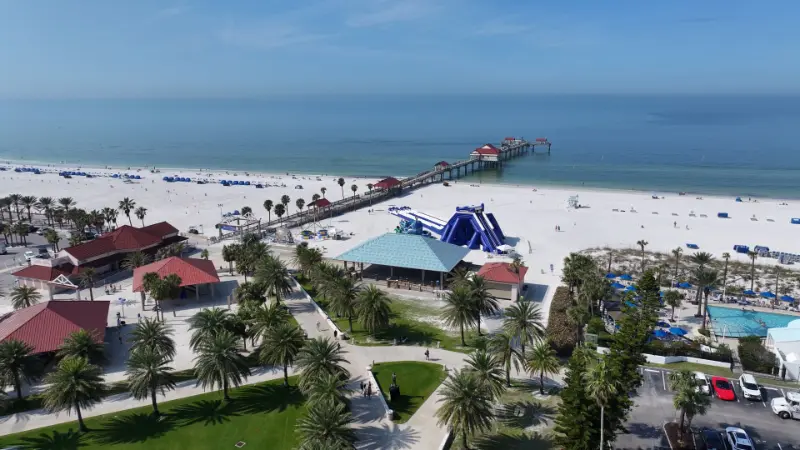
    Clearwater Beach is famous for broad white sand and lively sunset evenings, while nearby Dunedin offers a walkable small downtown, cycling culture, and access toward Honeymoon Island. You can enjoy both in three days without trying to cover all of Tampa Bay. The important choice is where to sleep: a beachfront hotel gives you short trips back to your room, while staying in the mainland or in Dunedin changes how often you need to cross bridges and arrange transport. This route is built for a manageable beach break with room for nature, a marine learning stop, and a quiet afternoon.

    Three-day itinerary at a glance

    DayRecommended focusEasy alternative
    Day 1Clearwater Beach and Pier 60 sunsetBeach morning and a relaxed evening
    Day 2Marine learning and downtown DunedinChoose one aquarium or nature stop
    Day 3Honeymoon Island or favorite beachStay near hotel if departing early

    Pick the right home base before planning attractions

    Staying near Pier 60 on Clearwater Beach puts the main shore, restaurants, and evening activity within reach, but it can mean busier sidewalks, significant room rates, and parking charges. The quieter northern stretch suits people who prefer a morning walk and a calmer night, provided they are comfortable with the distance to meals. On the mainland, hotels can cost differently and put you closer to other attractions, though you may have to make the beach crossing each day. Dunedin is a strong alternative if cafés, shops, and cycling matter more than waking up directly beside the Gulf.

    Check whether your room truly faces the beach or merely overlooks a marina or neighboring building. A coastal apartment might offer a kitchen and laundry, but compare cleaning fees, parking arrangements, and check-in conditions before booking. People with limited mobility should ask about elevators, accessible bathrooms, and the distance from the entrance to a usable beach approach. If you intend to spend most evenings in downtown Dunedin, staying on Clearwater Beach may create avoidable driving. Two appealing destinations can be near each other without being interchangeable as overnight bases.

    Day one morning: Clearwater Beach before the busiest hours

    Arrive early for the main beach experience. The sand near Pier 60 is a convenient introduction, with facilities and businesses nearby, while sections farther north can feel less congested. Find the specific public access and understand any parking payment before unloading bags, coolers, and children. An early walk is often the most comfortable way to appreciate the shape of the shoreline; later, the sun is stronger and busy areas fill up. Bringing water, hats, and shade turns a short beach visit into an easy morning instead of a search for supplies.

    Swimming conditions still depend on flags, weather, and lifeguard arrangements. The Gulf often looks gentle, but small children should always have a nearby adult, and nobody should enter during unsafe surf or lightning. A traveler who does not swim can still have an excellent first day by walking the paved promenade, reading in shade, or sitting at a café with a water view. Confirm beach-wheelchair and mat availability from the relevant local service if accessibility matters; an accessible parking stall does not solve the challenge of soft sand.

    Day one afternoon and the Pier 60 sunset

    After lunch, make time for a genuine indoor break. Families who spend all day outside in summer heat often lose the energy they wanted for the evening. Later, walk around the Pier 60 district, allowing time to browse without committing to an expensive activity. The sunset gathering traditionally includes performers and vendors, but exact arrangements can change, so treat it as an appealing possibility rather than a guaranteed daily show with an identical lineup.

    Pier 60 Clearwater Beach Sunset over Water

    If you prefer a boat ride, consider a short sightseeing or dolphin-viewing excursion instead of adding it automatically on top of the beach. Ask the operator about the actual pier or marina, the boat's shade, restroom, boarding steps, and weather cancellation rules. A family with a stroller may appreciate a large vessel more than a small high-speed craft. Dinner reservations near the beach can simplify the evening during busy periods, although a picnic or casual early supper may be more relaxing for younger children.

    Day two morning: a conservation-centered marine visit

    Clearwater Marine Aquarium is known as a working marine animal rescue and rehabilitation institution. It can be a rewarding stop for children interested in sea turtles and dolphins, and its indoor exhibits provide a change of pace from the beach. Frame the visit around the animals' care and conservation rather than promising close physical encounters. Admission arrangements, exhibit access, and resident animals can change, so read the aquarium's own information shortly before your visit.

    Allow more time than a quick photo stop but avoid packing every hour with scheduled activities. A family may spend longer at a presentation than anticipated; a senior visitor may benefit from a café break or quieter seating. Ask in advance about wheelchair routes and quiet spaces if needed. If the aquarium is not the right fit, substitute a waterfront stroll in mainland Clearwater or a shaded nature stop. One thoughtful activity is more valuable here than driving between several attractions that cover similar themes.

    Day two afternoon: take a slow walk through Dunedin

    Drive or arrange transport to downtown Dunedin for a very different coastal atmosphere. Independent shops, cafés, and the Pinellas Trail give the town a compact, relaxed character. The trail can be attractive for cycling or a short walk, but its crossings and the heat still deserve attention. Don't treat a popular multiuse path as a place for small children to run unsupervised. Choose a section that fits your energy and return for a long drink or an unhurried meal.

    Dunedin is on the mainland; its downtown does not have a Gulf swimming beach. Visitors who see waterfront images online sometimes assume that every part of this area offers sand outside the door. A few blocks of town exploration can be more satisfying than another crowded beach hour, especially for couples, solo travelers, or families with a child tired of swimming. Check the local event calendar before visiting, because a festival can make an ordinary street busier and change the parking situation. For a quiet evening, dine here and return to the hotel without trying to fit in a second sunset event.

    Clearwater Beach Pier and White Sand

    Day three: Honeymoon Island or an even easier beach day

    Honeymoon Island State Park is a natural third-day choice for travelers who want a less commercial shoreline and a chance to observe coastal habitats. It is reached from the Dunedin area, not by strolling from downtown. Verify the park's current facilities, beach sections, parking, entrance conditions, and any closures related to storms or habitat work. The shoreline can vary with weather and erosion, and nature-focused visitors should stay within marked routes and respect nesting areas.

    Do not promise everyone a long hike and a beach picnic simply because a park map shows several activities. Families with preschool children might enjoy a single shoreline stop. Visitors who walk slowly may prefer a short accessible nature viewpoint or a comfortable bench instead of a long sandy route. If the group has already loved Clearwater Beach, returning to the familiar public access is a completely valid alternative. Three days in this region does not require visiting three different beaches.

    How to visit with children, teens, or older relatives

    For very young children, plan beaches before the strongest heat and attractions after a nap. Bring familiar snacks, refillable water bottles, and dry clothes for moving between outdoor and air-conditioned spaces. School-age children may enjoy comparing the open Gulf beach with a rescue aquarium and a natural island. Teenagers could choose between cycling, boat sightseeing, or an additional beach outing, but set safety boundaries around roads, docks, and the water.

    For older relatives, inspect the real walking distance from the hotel lobby to the sand and to dinner. A central beach address may sound convenient while still involving a long walk in direct sun. Agree ahead of time that one person can return to the accommodation without forcing the whole group to change plans. Travelers who need a sensory break may welcome a quieter lunch or a time-limited museum visit rather than constant music and crowds. A successful multigenerational itinerary has room for different speeds.

    Avoiding parking frustration and unnecessary transfers

    Parking on the barrier island is a major planning consideration. Public lots and on-street spaces can fill quickly, and private hotel parking may be expensive. If you stay on Clearwater Beach, consider leaving the car parked for day one and exploring nearby places on foot. The region has local transit and seasonal or route-specific services, but never assume a ferry, trolley, or shuttle will be operating at the exact hour you need; confirm current schedules and stops before relying on one to reach a booked activity.

    Dunedin and the state park may be easiest by car, depending on the group's requirements. If you are traveling without a car, design the entire visit around one lodging base and fewer distant stops. The time spent transferring can consume a substantial part of a short holiday, especially when walking to stops under the midday sun. Rather than zigzagging across the region, group mainland activities together on the same day, then return to the beach for your final evening.

    What the seasons change on this itinerary

    Summer brings warm beach days, high humidity, busy family travel, and the possibility of afternoon thunderstorms. Spring and fall may feel more comfortable for long walks, though they can still bring crowds or unsettled conditions. Winter is appealing for bright coastal scenery and restaurant visits, but water temperatures may not suit everyone. The best time is not one universal month: it depends on whether you prioritize swimming, cycling, fewer visitors, or a flexible hotel budget.

    Check the forecast every morning, especially lightning risk before a beach or boat activity. If a heavy rain period develops, visit the aquarium at a suitable time, enjoy indoor dining, and save the park for improved conditions. For trips during hurricane season, watch official updates and understand accommodation cancellations rather than relying on a generic forecast issued several days earlier. A carefully spaced three-day trip adapts more comfortably than a calendar of fixed tickets.

    Budget and booking decisions that matter most

    The largest cost difference often comes from accommodation location and parking rather than a single attraction ticket. A walkable beach hotel might cost more per night but reduce driving or rideshare expenses; a mainland rental may be economical if you already have a car and expect several local outings. Add resort fees, parking, taxes, cleaning charges, and beach equipment before making comparisons. Ask what is included, particularly when a property advertises a private pool or beach amenities.

    A cost-conscious plan can still feel special: two Gulf mornings, a sunset walk, a few hours in Dunedin, and one paid marine activity if it appeals. Buy advance tickets only when the schedule is stable and the cancellation rules suit your trip. Restaurant spending is easy to manage by mixing a casual lunch or groceries with one memorable dinner. The best vacation value is not measured by how many attractions you cross off a list but by whether everyone enjoys the time between them.

    Make the last day calm rather than ambitious

    If your flight or drive home begins on day three, replace Honeymoon Island with a short familiar beach walk, breakfast, and a reliable checkout plan. Leave room for traffic across the causeways, returning a rental car, or locating a rideshare pickup point. Keep wet swimsuits separate from luggage that must remain dry. If a person in the group becomes tired, there is no need to complete the full sequence: Clearwater Beach and an evening in Dunedin already make a pleasant coastal getaway.

    Before departure, review the accommodation's parking and checkout instructions, the forecast, and opening or access notices for any place you intend to enter. If a booked animal-care visit or boat excursion is central to your trip, confirm the time directly with the organization. That final check preserves the relaxed rhythm this itinerary is designed to create.

    Frequently asked questions

    Can I visit Clearwater Beach and Dunedin without a car?

    Some activities may be possible with local transit or rideshare, but check current routes and plan fewer transfers.

    Is Dunedin directly on a swimming beach?

    Its downtown is on the mainland. Gulf beach outings require travel to a coastal destination.

    Do I need all day at Clearwater Beach?

    No. A morning on the shore and a sunset outing can be a satisfying introduction.

    Official visitor information

  • Gulf Islands National Seashore: Five Days Around Pensacola, Fort Pickens and Perdido Key

    Gulf Islands National Seashore: Five Days Around Pensacola, Fort Pickens and Perdido Key

    The western Florida Panhandle offers something that busy resort streets can hide: miles of protected shoreline where dunes, historic defenses, birdlife and open water dominate the view. Gulf Islands National Seashore is not a single beach with one entrance. Its Florida units lie in different places around Pensacola Bay, Santa Rosa Island and Perdido Key. A five-day itinerary works best when you understand those distances and choose accommodation close to the activities that matter most to your group.

    This trip suits adults who like relaxed coastal history, families seeking scenery without a daily amusement park, and travelers who prefer to watch the water rather than swim. It is not necessary to enter the Gulf to enjoy it. The weather, beach warning flags, road closures and current National Park Service notices should guide each day’s choices, especially when storms or strong winds affect barrier-island roads.

    Five-day itinerary at a glance

    Day Location Main experience Bad-weather option
    1 Pensacola Historic downtown orientation Indoor museum or café
    2 Fort Pickens Fort history and seashore views Short fort-focused visit
    3 Santa Rosa Island Dunes, beach observation and picnic Short scenic drive
    4 Perdido Key Protected Gulf shoreline Pensacola indoor attractions
    5 Gulf Breeze / departure Easy nature stop and return Relaxed breakfast

    Aim for a Pensacola or Pensacola Beach base. Downtown Pensacola offers evening restaurants and some walkable cultural choices; Pensacola Beach puts you closer to Fort Pickens but can involve bridge and seasonal traffic. Perdido Key is more convenient for the western seashore unit yet farther from downtown. Staying somewhere “central” on a map does not remove the need to drive between distinct units.

    Day 1: Pensacola, an orientation day with history

    Explore downtown Pensacola at a comfortable pace after checking in. Its streets and buildings offer a useful background to the region’s Spanish, British and American chapters, but you do not need to absorb centuries of history on arrival day. Select one small museum or historic area whose opening hours are confirmed and spend the rest of the afternoon getting familiar with your hotel and the route to the island. Families can make a game of recognizing historic architecture while younger children enjoy a shorter outing.

    Pensacola Florida Waterfront City Sunset Aerial

    Plan to buy water, snacks and any sun protection before going to the seashore tomorrow. Facilities and concession options are more limited in protected coastal areas than at commercial resort beaches. Have a dinner reservation only if you need one; the first evening should remain flexible for flight delays, tired travelers and weather. Check the National Park Service website for any temporary access closures before making the day’s schedule.

    Day 2: Fort Pickens and the meaning of a coastal fort

    Drive to the Fort Pickens area to learn how coastal defenses responded to changing military threats. A visit is more rewarding when you read interpretive information and consider the fort’s role in the wider coastal system, rather than treating masonry passages as a playground. Different portions of historic structures may have uneven surfaces, steps, low openings and limited shade. Ask a ranger which areas are suitable for your companions before committing to a long walking loop.

    Bring a flashlight only if park rules allow it, and supervise children carefully around drop-offs and narrow spaces. Do not climb on fragile walls or enter fenced areas. Photographers may prefer morning light, but avoiding heat is usually a more important reason to arrive early. Plan a picnic or return to a town restaurant instead of assuming the fort has full meal service. A history-focused visit can stand on its own without adding a swim.

    Day 3: Santa Rosa Island for people who enjoy the beach dry

    Spend the next day observing the Gulf rather than rushing between attractions. Choose an official access area with restrooms and parking, then walk only the distance your group finds comfortable. Barrier-island dunes are protected habitats, not shortcuts to the sea; use marked boardwalks and access routes. Shorebirds may rest on the sand and need space to conserve energy. Keep food securely stored and avoid attracting gulls with scraps.

    If the surf is rough, treat it as scenery rather than a challenge. Swimming conditions can change quickly, even on a sunny day. Children should understand warning flags, currents and the distinction between shallow-looking water and safe water. People who do not swim can still enjoy shell observation where permitted, sketching, birdwatching and simply listening to the waves. Finish before anyone becomes overheated or tired enough to make poor decisions near the shoreline.

    Day 4: Perdido Key and a quieter seashore perspective

    Perdido Key offers a different setting from the busy commercial sections of Pensacola Beach. Consult the park’s current access information for the Johnson Beach area, including fees, parking availability and any closures or protection zones. It is better to spend a few hours exploring a designated area carefully than to assume the island has continuous public beach access. Walk only on established routes, carry out every item of litter and respect signs protecting nesting birds or sea turtles.

    For visitors with mobility restrictions, ask about the parking-to-beach distance and surface conditions. Sand is not wheelchair-friendly even when a parking area and restroom meet accessibility standards. If walking on sand is not possible, look for places with good views from a maintained path or turn the day into a scenic drive and a comfortable lunch. Do not promise a beach wheelchair is available without checking the specific unit and date.

    Pensacola Beach Lifeguard Tower and Sand

    Day 5: Gulf Breeze and a departure day with room to breathe

    Use the final morning for a short stop closer to the mainland or Gulf Breeze, depending on your lodging and the direction of travel. A nature-oriented location such as the Naval Live Oaks area may be suitable when trails are open, but always check current access rules and select a short route. If the previous days were tiring, an unhurried breakfast and direct drive to the airport are equally sensible. A missed flight is not worth one more photograph of the water.

    Pack damp clothing separately, rinse sand from equipment and check that you have removed any belongings from the rental car. Travelers with children should keep a change of clothes and snacks accessible for the trip home. Return times are affected by bridge traffic, construction and weather, so use realistic margins rather than ideal mapping-app estimates.

    Understanding entrance fees without relying on stale figures

    Gulf Islands National Seashore has separate fee areas, and an entrance pass may cover more than one designated unit over a specified period. However, published amounts can change and third-party pages may disagree. The NPS fee pages and notices are the authority; check official Gulf Islands fees and passes just before your visit. Distinguish entry costs from optional ferry tickets, campsites or special activities.

    If you already have a federal recreation pass, verify whether it applies to the areas and the people traveling in your vehicle. International visitors should check the pass terms that apply to their residency status and dates. Keep your proof of purchase accessible, including an offline copy if the pass is digital. Do not assume a parking receipt at a commercial beach resort is the same as entrance permission for a federal park unit.

    Where to stay: downtown versus barrier island

    Downtown Pensacola is convenient for restaurant choice, evening strolling and indoor alternatives if rain cancels a beach day. Pensacola Beach gives quicker access to Fort Pickens and more of a shoreline holiday atmosphere. Perdido Key is better if you want to focus on the western seashore and limit time in downtown traffic. Compare the full stay price, including parking, resort charges, cleaning fees and bridge travel, not merely the advertised nightly rate.

    A family of five might benefit from a suite and refrigerator more than from an expensive oceanfront view. Couples without a vehicle may find parts of downtown easier than separate seashore units, but this itinerary assumes a car. Ask about elevators, step-free entrances and quiet room locations if someone in your group has limited mobility or needs uninterrupted sleep.

    What to bring to a protected seashore

    Bring a broad-brimmed hat, plenty of drinking water, sunscreen, a reusable bag for waste, binoculars and footwear suitable for hot sand and hard walking surfaces. Protect cameras from salt spray and windblown sand. Large wheeled coolers may be awkward on dunes and boardwalks; a manageable backpack can be more practical. Bring a towel even if you do not swim, as it makes a shaded picnic or rest easier.

    Watch the forecast for thunderstorms and strong winds. Never shelter from lightning under a beach umbrella or isolated structure; follow official guidance to reach a substantial building or enclosed vehicle. Gulf Coast weather can improve later in the day, but an alternative is only useful if you have not already committed to a long and exposed walk. Remember that wildlife protections may limit where you can set up chairs or spend time.

    Designing the trip for different ages and abilities

    For toddlers, one beach activity and a short meal out are often enough for a day. School-age children may be interested in fort history if it becomes a story about engineering and geography. Teenagers might enjoy photography or a ranger-led learning opportunity, depending on the schedule. Older adults vary enormously in physical ability, so plan based on their preferences rather than age labels. Everyone needs shade, water and toilets more reliably than they need a fifth attraction.

    Historic forts have uneven floors, and coastal paths can include loose sand. If someone uses a wheelchair or walker, telephone the relevant NPS unit to ask exactly which routes and programs are accessible today. At beaches, never confuse general accessible parking with a firm path to the shoreline. Some visitors will prefer viewing points or guided interpretive experiences to wandering through sand.

    Family-friendly safety and responsible wildlife viewing

    Avoid entering water when warning flags or local authorities advise against it. Rip currents, sudden drop-offs and strong surf are not visible simply by looking at a calm stretch from the road. Supervise children within reach near water and choose lifeguarded locations when swimming is part of your plan. Respect roped-off nesting areas and never approach sea turtles, eggs or resting shorebirds. Dogs and other pets may be restricted from beaches and historic areas, so verify policies for each unit.

    Do not remove cultural objects from fort areas, carve names into structures or use dunes as a picnic site. Leave shells and natural materials where the park requires; collecting rules vary by site. If you see an injured bird, report it to appropriate staff rather than trying to handle it. Protecting the landscape is part of what makes a national seashore different from a commercial waterfront.

    Camping versus hotels

    Fort Pickens has an established national-park campground, but campgrounds have separate reservations, rules and fees. Review Fort Pickens campground information and the official reservation system before bringing an RV or tent. Do not expect to camp on an arbitrary section of beach. Campsites may have limits on vehicle size and amenities, and the beach environment is exposed to wind and changing weather.

    For older travelers who need reliable temperature control, or families unfamiliar with tent camping, a hotel may be worth the additional cost. Compare the number of nights, cancellation terms and proximity to groceries. Camping can be wonderful, but it is not automatically an inexpensive or comfortable choice once all equipment and travel are included.

    Final checks before leaving home

    Use the Gulf Islands National Seashore official website for closures, fees, visitor maps and wildlife advisories. Check local beach flags on the day you plan to swim. Book necessary lodging early for peak dates and special events, but keep beach-day plans flexible enough to swap activities when storms arrive. This route rewards restraint: fewer stops, better timing and more attention to the Gulf environment.

    A five-day visit is not about covering every acre in the national seashore. It is a chance to understand how the Pensacola coastline holds military history, fragile habitat and spectacular scenery together, while leaving enough time for simple coastal pleasures at any age.

    Frequently asked questions

    Can we visit without swimming?

    Absolutely. Fort interpretation, wildlife watching, beach photography and quiet scenic walks provide a complete trip without entering the water.

    Are all the Florida seashore units next to each other?

    No. Fort Pickens, Santa Rosa and Perdido Key require separate drives. Plan by area instead of treating the park as one continuous road.

    Is a federal entrance pass enough for camping?

    No. Entrance and campground reservations are different purchases, and other optional activities can have separate charges.

    Are beaches in the national seashore accessible to wheelchair users?

    Certain facilities may be accessible, but soft sand and some historic structures pose barriers. Confirm the exact route and any equipment availability with the relevant park unit.

  • Three Days in Sarasota and Siesta Key: Culture, Gardens and a Gulf Beach Weekend

    Three Days in Sarasota and Siesta Key: Culture, Gardens and a Gulf Beach Weekend

    Sarasota is one of the easiest places in Florida to combine a Gulf Coast vacation with museums, gardens, and a lively city center. Siesta Key is famous for its pale sand, but it is not simply a neighborhood of downtown Sarasota; crossing between island and mainland takes time, particularly during busy beach periods. This three-day itinerary keeps one full morning for the beach, one for the city's cultural side, and one for nature or a favorite return visit. It works for couples, families, older travelers, and anyone who wants a beach holiday with variety but not endless driving.

    Three-day itinerary at a glance

    DayRecommended focusEasy alternative
    Day 1Siesta Beach and a quiet eveningEnjoy one public beach access
    Day 2The Ringling and bayfront or gardenOne cultural focus
    Day 3Myakka River or favorite beachNature only if conditions suit

    Choose between a beach stay and the Sarasota mainland

    Staying on Siesta Key can be ideal if your priority is reaching the sand early without searching for parking. Its different areas, however, have different walking routes, dining options, and beach access arrangements. A rental described as “on Siesta Key” may be on the bay side, where the view is over sheltered water rather than the Gulf. Sarasota mainland hotels can offer access to restaurants and cultural attractions, but a beach trip then requires a bridge crossing and transport planning.

    Look carefully at what is included in the total accommodation price. Condominiums and short rentals may add cleaning, service, and parking fees; hotels may add resort charges. For a group with grandparents or young children, a kitchen, lift, and predictable pool access can be useful. Ask for the precise distance to a legal beach entrance and whether the path involves steps or a busy road. An expensive room near the shore may be worthwhile when members of the group need frequent rests; the cheaper mainland room is not automatically better value once you account for transport.

    Day one morning: give Siesta Beach time to breathe

    Spend the first morning on Siesta Beach, choosing the public access that best matches your mobility and parking needs. Arrive early and carry sun protection, shade, drinking water, and simple snacks. The sand's appearance and the broad shoreline are a major reason people visit, but even here beach conditions change. Watch warnings about surf, currents, lightning, and marine life. Young children need close adult supervision at the waterline, and a sunny sky is not a reason to ignore flags.

    Siesta Key Florida Turquoise Water Aerial

    A person who does not swim can still enjoy the setting through a short walk, a good view, and time beneath shade. Accessibility services and beach equipment depend on local provision; confirm availability for your dates rather than assume a mat or beach wheelchair will be waiting. Families with babies should plan to leave before the strongest heat and return for naps. A two-hour visit often creates a more pleasant memory than pushing everyone into an entire morning and afternoon on open sand.

    Day one afternoon and evening: a gentle return to the island

    After lunch, allow a long hotel break. Then decide whether to stay on Siesta Key for an early evening stroll or return to Sarasota's mainland dining areas. Siesta Key Village has restaurants and shops, but it can become lively and congested. A calm dinner within walking distance of your accommodation may be more appealing than a search for parking after sunset. If staying on the mainland, avoid crossing the bridge repeatedly simply to take photographs of the same beach.

    Older visitors may prefer a seated sunset viewpoint; parents may want a familiar restaurant with a short wait. If the beach is busy, choose a quieter public area you have confirmed is accessible. Do not treat every piece of shoreline as public just because there is sand beyond a gate. Travelers who appreciate quiet evenings might return directly to their accommodation, saving their energy for the museum or garden visit planned for the next day. A slow first evening is a feature of a well-balanced vacation, not wasted time.

    Day two morning: The Ringling and Sarasota's cultural identity

    The Ringling is a standout cultural attraction that can introduce visitors to art, circus history, gardens, and an important chapter of Sarasota's development. It deserves time rather than a rushed stop between beaches. Check the institution's official website for which museum buildings and grounds are open, exhibition schedules, separate admissions, and accessibility arrangements. Some parts of a complex cultural site may have different tickets or opening times. Agree on the components most interesting to your group before arrival.

    Children may be particularly drawn to circus-related displays, while art enthusiasts might spend longer in the galleries. For older relatives, one building and a short outdoor walk may be preferable to attempting the entire site. Make time for drinking water and a seated break, especially when moving between indoor exhibits and exposed grounds. Some families will find a half-day sufficient; others can spend much longer. The point of day two is to experience Sarasota's cultural character instead of treating it as an afterthought to Siesta Key.

    Nokomis Beach Sarasota County Florida at Sunset Aerial

    Day two afternoon: the bayfront or a botanical garden

    After the museum, choose a single second experience. Downtown Sarasota and its bayfront offer places to stroll and enjoy a meal, while Marie Selby Botanical Gardens provides a beautiful plant-focused alternative. Both can work well, but their appeal differs. The bayfront is about the city's relationship with the water and restaurants; a botanical garden is more deliberate, with admissions, planned paths, and exhibits. Check the garden's current visitor arrangements before deciding, including open hours and wheelchair-friendly routes.

    For travelers with small children, a long museum morning plus a formal garden afternoon may be too much. In that case, choose lunch and a short bayfront stop instead. Couples might prefer an hour among tropical plants, followed by a quiet dinner. If a thunderstorm is approaching, avoid exposed waterfront areas and move indoors. There is no reason to cover every Sarasota attraction just because a weekend itinerary can look impressive on paper. Choose one memorable afternoon and let the group set the pace.

    Day three option one: natural Florida at Myakka River

    Myakka River State Park provides a very different side of the Sarasota area, with wetlands, open landscapes, and wildlife. It is a worthwhile final-day option when nature is a priority and everyone is comfortable with a drive inland. Read the official park updates for access, trail conditions, services, and any activities requiring separate reservations. Wildlife, including alligators, must always be observed from a safe distance; never approach or feed animals. Open landscapes can be hot, and insect conditions vary.

    Do not promise yourself a long hike and a boat tour on the same short morning. Choose one approved route or viewpoint, carry sufficient water, and ask about the current condition of any boardwalk or viewing structure. A family with young children might spend an hour watching birds and learning about marsh habitat before returning for lunch. For a visitor using a mobility aid, a shorter firm-surface option may be more comfortable than a trail that looks easy in a brochure. If the weather is unstable, leave the park for another trip.

    Day three option two: another beach, with no extra driving

    If your group came chiefly for the Gulf, returning to the beach you enjoyed most may be the ideal final day. You could choose a different public access on Siesta Key or remain close to your lodging, depending on parking and conditions. People often feel compelled to visit Lido Key, Longboat Key, and Venice in the same short vacation, but those destinations add drive time and different parking challenges. Three days are not enough to experience the entire region deeply, and there is no need to try.

    A relaxed beach morning can be paired with an early lunch and a carefully timed departure. Travelers who do not wish to swim can enjoy a shaded stroll or waterfront café. Families with older children might favor a water activity, but check operator qualifications, age restrictions, and weather. For grandparents, minimize difficult sand approaches and choose an ocean view they can comfortably reach. The successful version of this day feels restful rather than like a final race around Sarasota County.

    Building the weekend around different ages

    With babies and toddlers, plan a reliable nap each day and choose a hotel or rental where meals and laundry are straightforward. An early beach morning is ideal, and a museum visit should be shortened as needed. With school-age children, The Ringling and a simple nature stop can provide variety beyond sand play. Teenagers may enjoy choosing a water-based activity or an independent browsing stop in a safe, agreed area, but beaches and roads still require close attention.

    For seniors or people who need breaks, prioritize smooth surfaces, seating, and predictable travel times. Large museum grounds and tropical gardens can involve more walking than expected, while beach sand can be particularly difficult. Ask for current accessibility information directly from each venue. A couple might focus on an art museum, an elegant dinner, and one beach morning. A multigenerational group can divide for an afternoon and meet later rather than expecting everyone to cover every attraction at the same speed.

    Driving, parking, and keeping the trip affordable

    Having a car makes it easier to combine Siesta Key with Sarasota's museums and Myakka River, but parking and bridge traffic can be frustrating in popular periods. Group your day geographically: beach on day one, cultural attractions on day two, and one optional nature destination on day three. If you will not have a car, choose a compact lodging area and accept fewer distant excursions. Check public transportation or rideshare coverage before relying on it; proximity on a map does not guarantee a convenient connection.

    For budgeting, consider one significant paid attraction, one optional garden or park admission, and plenty of free or low-cost time near the water. Restaurant meals and lodging often cost more than the basic activities. A rental kitchen helps only if your group actually intends to use it; add all fees when comparing properties. Watch for parking costs at beaches and museums and avoid buying fixed tickets for a day when poor weather would make the visit unsuitable. A modest itinerary can feel luxurious when nobody is rushing.

    Weather, coastal care, and the best rhythm

    Sarasota is warm for much of the year, but summer can be hot, humid, and stormy in the afternoon. A winter trip may offer comfortable outdoor sightseeing even if the water is cooler for swimming. School holidays and popular winter weeks affect room availability and traffic. Check day-by-day conditions rather than relying on broad seasonal claims. Lightning requires leaving beaches and open waterfront spaces promptly, and tropical-weather alerts should always take precedence over holiday plans.

    Respect dune vegetation and sea turtle restrictions along the Gulf shore. At Myakka, keep safe distances from wildlife and stay on open routes. In botanical gardens, do not remove plant material. These are practical ways to preserve the experiences you came to enjoy. The nicest schedule often places the outdoor activity early, the main meal or museum visit around midday, and an easy sunset outing at the end of the day. That pattern gives people of many ages the chance to enjoy Sarasota comfortably.

    What to verify before your three days begin

    Confirm beach access and parking on Siesta Key, The Ringling's current exhibits and tickets, and whichever second attraction you hope to visit. If choosing Myakka River State Park, check official access notices and the weather. Review lodging fees and whether a car is worth having for the whole stay. Travelers with mobility requirements should contact attractions to confirm routes, equipment, and bathrooms rather than making assumptions from promotional photographs.

    A three-day visit centered on one excellent beach morning, one cultural day, and one optional nature experience captures Sarasota's strongest qualities. If the weather changes or a child wants more beach time, swap the order. The city's appeal lies in the combination of coastline, art, and natural landscapes, not in completing every attraction before checkout.

    Frequently asked questions

    Is Siesta Key the same as downtown Sarasota?

    No. Siesta Key is on a barrier island and bridge crossings take time.

    Can we visit The Ringling and Myakka River in one day?

    Both deserve time; putting them on different days usually makes the trip more comfortable.

    Does a Siesta Key rental guarantee public beach access?

    No. Confirm the exact legal approach and whether the property is on the Gulf or the bay side.

    Official visitor information

  • Key Biscayne vs Miami Beach: Which Miami-Area Beach Vacation Fits You?

    Key Biscayne vs Miami Beach: Which Miami-Area Beach Vacation Fits You?

    Key Biscayne and Miami Beach share subtropical scenery and access to the Atlantic, but visiting them feels very different. Key Biscayne is an island community reached by the Rickenbacker Causeway, with major park landscapes at Crandon Park and Bill Baggs Cape Florida State Park. Miami Beach is a city on barrier islands with a broad range of hotels, restaurants, architecture, nightlife and beach access points. Both names sometimes appear in searches for a “Miami beach vacation,” but their transport needs and everyday rhythms are not interchangeable. A family seeking quiet park time may love Key Biscayne; a visitor who wants museums, restaurants and evening walks without driving may be more comfortable in the right Miami Beach neighborhood. The following guide examines the actual tradeoffs before you book.

    Quick comparison

    QuestionOption AOption B
    ExperienceIsland parks and natureUrban beach and nightlife
    TransportCauseway and planned park journeysSeveral walkable neighborhoods and transit
    ParkingSeparate county and state park feesCity meters, garages and hotel valet
    FamiliesShort park outings and shadeLocation-specific beach and dining access

    The geography can determine your entire trip

    Key Biscayne is connected to the mainland by a causeway from the Miami area and is not simply another district of Miami Beach. Its major natural attractions stretch from the island’s northern side to the southern tip at Cape Florida. Miami Beach is connected to Miami by several causeways and contains distinct neighborhoods, including South Beach, Mid-Beach and North Beach. A room in North Beach can provide a markedly different pace from one near the nightlife of South Beach. A hotel advertised as “Miami area” may be on the mainland rather than within either destination. Check the actual address, bridge route and ordinary travel times before finalizing accommodation. Road traffic and event-related delays can be especially significant when crossing water to reach a distant restaurant or airport.

    Key Biscayne is strongest for park-focused days

    At Key Biscayne, outdoor time often centers on landscaped public areas, shoreline paths, parks and views across Biscayne Bay or the Atlantic. Crandon Park and Bill Baggs Cape Florida State Park are important choices, but their entrances, parking fees, hours and facilities differ. The Cape Florida Lighthouse provides a historic focal point, though tower access is limited to tour periods. The park also lists renovation closures affecting particular restrooms and beach facilities, so check current notices rather than assuming every access point operates. Families can plan a measured day with shade, a picnic and one gentle nature activity rather than needing a long succession of attractions. Key Biscayne is less suitable for someone who expects to wander between numerous nightlife venues every evening. The island’s appeal is that a relatively simple outdoors itinerary can fill the day without an ambitious schedule.

    Miami Beach is strongest for walkable urban variety

    Miami Beach has the advantage of many hotels, restaurants and experiences concentrated in its developed districts. In South Beach, visitors can combine a look at Art Deco architecture with beachfront walking, cafes and evening activity, subject to crowding and weather. Mid-Beach and North Beach may appeal to travelers interested in a different accommodation style or more residential atmosphere. The beach stretches across multiple access points, so a property that appears to be in “Miami Beach” might still involve a notable walk to your preferred stretch of sand. Miami Beach also changes character over short distances: a hotel beside a late-night entertainment corridor can be a poor choice for guests who need early sleep. Read recent location-specific reviews for noise and access, not just the overall rating.

    Miami Beach Causeway with Public Bus

    Which has better beaches for your group?

    Neither place can guarantee calm water or completely empty sand. Key Biscayne’s managed parks offer specific shoreline settings and facilities that appeal to visitors who want a day in one defined recreation area. Miami Beach offers a long urban oceanfront environment with numerous access points and nearby services. Water conditions, erosion, seasonal maintenance and weather can change the best place to swim on any given day. Check lifeguard guidance and current flags rather than assuming a broad sandy beach is safe for a nervous swimmer. Families who dislike carrying equipment may prefer a hotel with direct, legal beach access, wherever it is located. Visitors who enjoy a longer walk along an urban promenade may find Miami Beach more appealing than a park-based stay with one primary destination per day.

    Transportation is the clearest dividing line

    A Key Biscayne visitor should plan transport around the causeway and the specific park entrances. Some local bus connections exist in the broader Miami area, but frequency, final walking distance and weekend operation must be checked for the chosen address. Rideshares may be practical for a few trips but become costly if you repeatedly travel to mainland attractions. Miami Beach has more extensive urban transit possibilities and walkable districts, though the efficiency of any route depends on where you stay. A South Beach hotel can support some no-car days; an island property with limited nearby dining may not. If you plan to explore museums in Miami, Little Havana or other neighborhoods frequently, compare the cost of repeated transfers against a centrally placed mainland hotel before deciding either beach destination is ideal.

    Beach parking and public access

    Crandon Park is operated within Miami-Dade County’s parks system, while Bill Baggs Cape Florida is a Florida State Park; do not assume that one entry payment covers the other. Confirm current day-use charges, vehicle access and any temporary restrictions. At Miami Beach, metered parking, municipal garages and private hotel valet services all have different prices and conditions. Some areas become difficult during major events or crowded holiday weekends. A resort that charges a parking fee every night may still provide the simplest choice if you must use a car, but examine the full week cost. Walking from a nearby hotel can save both money and frustration. Public beach access is not the same as passing through a private resort gate, so use signed pathways and follow posted rules.

    Families with babies and younger children

    Key Biscayne can be excellent for a family whose children enjoy short nature walks, sand play and having a predictable lunch break, provided the selected park has appropriate facilities. A hotel or rental near groceries and a comfortable indoor retreat makes a big difference when children tire or rain arrives. Miami Beach can also work, particularly in a well-chosen quieter district with a short walk to the sand and nearby food. Yet busy traffic, nightlife and crowded pavements may make an otherwise appealing address less restful. For both destinations, ask about cribs, laundry, kitchen facilities and stroller routes. Parents should check water conditions independently of marketing descriptions such as “gentle surf.” Sometimes the best family beach day involves playing near the water rather than entering it.

    Teenagers and independent-minded travelers

    Many teenagers appreciate the greater range of walkable food stops, shops and photo-friendly streets in Miami Beach. That does not mean an unsupervised evening in every neighborhood is appropriate; discuss plans, meeting places and safe routes in advance. Key Biscayne may appeal more to young travelers who enjoy cycling, nature photography, paddle sports arranged with suitable guides and a quieter waterfront setting. A family with both a nature-loving child and an older teenager can use a split itinerary: one Key Biscayne park day, one Miami Beach architecture day and a flexible third day selected according to weather. It is rarely necessary to change hotels for these short outings. Choosing one comfortable base and making a deliberate excursion reduces check-in time and helps everyone retain a sense of routine.

    Older visitors and guests with limited mobility

    Accessibility cannot be reduced to a claim that one destination is “quieter.” Key Biscayne’s parks may have designated accessible facilities, but the path to a given beach entrance, lighthouse or shoreline viewpoint can vary greatly. Miami Beach’s urban sidewalks can make meals and services easier to reach from a correctly located hotel, while busy intersections or long blocks may present challenges. Ask specific questions about step-free entrances, elevators, accessible restrooms, available beach wheelchairs and the distance from the drop-off point to the water. A guest who uses a walker may be happiest with a hotel offering restaurants and a shaded pool onsite, allowing shorter outings. Visitors with limited stamina should avoid building every day around the same sun-exposed causeway transfer or an unexpectedly long beachfront walk.

    Where to stay on Key Biscayne

    The island’s accommodation choices are more limited than the broad Miami Beach hotel market, and the exact property type matters. Some travelers may find a full-service resort convenient because meals, a pool and other amenities are concentrated in one place. Others may consider a legal vacation rental that offers a kitchen, extra bedrooms and a neighborhood atmosphere. Check short-term rental rules, parking allocation and the actual walking route to restaurants. If the main plan is to visit Bill Baggs or Crandon repeatedly, compare road and cycling access with the reality of heat, storms and the need to carry equipment. A low-cost property on the Miami mainland should not be described as a Key Biscayne base unless you are comfortable crossing the causeway for every beach visit.

    Where to stay in Miami Beach

    Begin by choosing the neighborhood, not by sorting all hotels by lowest price. South Beach may suit travelers seeking architecture, dining and evening activity, but traffic and nightlife noise can intrude. Mid-Beach can feel more resort-oriented in certain areas, with a wide range of room prices and services. North Beach can offer a different neighborhood character, though the specific property’s access to dining and transit should be checked. Include mandatory fees, parking, breakfast and beach equipment charges in the final comparison. If your group needs a step-free room or an elevator, obtain written confirmation and investigate whether a property is undergoing repairs. Being one block closer to the beach is not necessarily worthwhile if the room is noisy and uncomfortable for sleeping.

    Venetian Islands Miami Beach with City Skyline Aerial

    A balanced three-day itinerary

    For a Key Biscayne-centered stay, spend day one settling in and visiting a short nearby public viewpoint. Use day two for one major park, with a lunch break and rest rather than trying both parks at once. Spend day three on a separate outing to Miami Beach or a Miami museum if you want urban variety. For a Miami Beach-centered stay, reverse the structure: enjoy a first-day waterfront orientation, spend the second day exploring the Art Deco area or another neighborhood, and reserve day three for a deliberate Key Biscayne nature visit. When traveling with grandparents or toddlers, offer an optional shorter excursion so not everyone must complete the full schedule. The best three-day plan respects meal times and keeps indoor alternatives available when storms make beaches unsuitable.

    The budget comparison that matters

    Hotel prices alone do not decide the cheaper location. Key Biscayne may offer a concentrated resort stay where you pay more for amenities but need fewer daily transfers. Miami Beach can provide more lodging choices, yet resort fees, valet parking, nightlife spending and beach rentals quickly change the total. Calculate accommodation taxes, meals, transport, parking, equipment, attraction entry and one unexpected rainy-day activity. A rental kitchen can lower dining costs for a family, but cleaning charges may erase savings on a short stay. If you are renting a car to explore mainland attractions, remember that parking at the hotel and at different beaches can be separate expenses. If you will not have a car, a walkable Miami Beach address may offer better overall value than an isolated cheaper property.

    Weather and seasonal considerations

    Both destinations share South Florida’s hot, humid summers and cooler, usually pleasant winter periods, but day-to-day weather is still variable. Summer thunderstorms can appear during an otherwise sunny afternoon, and ocean conditions may be dangerous even when the air feels calm. Hurricane season runs from June through November; use refundable plans where possible and follow official emergency advice. Major events can change traffic, room prices and accessibility in Miami Beach without noticeably affecting a quieter Key Biscayne day. Never assume that a park, lighthouse or beachfront amenity is open because a website lists standard hours. Recheck operating notices, especially after coastal storms, and keep a museum, café or other indoor option ready. Practical flexibility makes a short trip feel much longer.

    Final recommendation by travel style

    Choose Key Biscayne if a park-focused island break with a quieter atmosphere, nature time and fewer nightly decisions is your priority. Choose Miami Beach if you want many accommodation choices, restaurants, architecture and the possibility of exploring a useful area without a car. For families, compare the distance between the room, legal beach access and meals. For older travelers, assess comfort, shade, steps and transport first. For visitors who want to experience both, a single well-located hotel and one carefully scheduled day trip is usually simpler than moving luggage. The best beach vacation is not the one with the more famous place name; it is the one whose ordinary daily routine fits the people traveling.

    Frequently asked questions

    Is Key Biscayne part of Miami Beach?

    No. It is a different island community reached by the Rickenbacker Causeway.

    Can I visit Bill Baggs lighthouse any time?

    Tower access is tied to guided tour periods and operating conditions; check the official park page.

    Do I need a rental car in Miami Beach?

    Not necessarily for a well-located urban stay. Your chosen hotel and intended excursions determine the transport needs.

  • Where to Stay in Treasure Island and Madeira Beach: Wide Sand, John’s Pass and Gulf Coast Condos

    Where to Stay in Treasure Island and Madeira Beach: Wide Sand, John’s Pass and Gulf Coast Condos

    Treasure Island and Madeira Beach are neighbors on the Gulf-facing barrier islands west of St. Petersburg. Both promise sand and sunsets, but they suit different kinds of vacations. Treasure Island is known for wide stretches of beach and a mix of smaller hotels and rentals. Madeira Beach has a more concentrated activity center around John’s Pass, with shops, restaurants and boat trips. That distinction helps travelers decide where to sleep, particularly if they have young children, want to avoid driving every day or need quiet evenings. The advertised city name matters less than the specific section of shoreline and what is reachable from the hotel door.

    Which area should you choose?

    AreaBest forConsider before booking
    Central Treasure IslandWide-beach vacations and hotelsLong sand crossing in some sections
    Sunset BeachCalmer residential breaksLimited casual dining nearby
    Madeira by John's PassRestaurants, cruises and short staysBusy traffic and potential evening noise
    Northern Madeira BeachQuieter condos and Gulf outingsCheck location and beach access

    Central Treasure Island for a wide-beach vacation

    Treasure Island's broad municipal beach is attractive for families who want room for sandcastles and a relaxed daily routine. Hotels and apartments near the central beachfront make it easy to spend the first part of the morning outdoors, retreat during the midday heat and come back for the changing light in the evening. The sand can be unusually wide in some sections, however, so “right on the beach” does not always mean a short walk from the building to the waterline.

    This matters for visitors with small children, heavy beach equipment or limited walking stamina. Inspect recent photographs showing the complete sand crossing rather than a cropped view from a balcony. If a member of the group uses a wheelchair or walker, ask about boardwalks, beach mats and any available assistance at the particular access rather than assuming that an accessible hotel provides accessible access to the sea.

    Restaurants and lodging are distributed along Gulf Boulevard. A room may be easy for a car-free beach day but a longer walk from dinner than the booking page suggests. For a holiday centered on local restaurants, study actual pedestrian routes with realistic summer temperatures in mind.

    Sunset Beach and the quieter end of Treasure Island

    At Treasure Island's southern end, Sunset Beach has a different atmosphere from the main municipal beach. Visitors drawn to a residential-feeling setting and attractive evening skies may prefer accommodation in this area. Houses and smaller rentals can be appealing, but parking, rental minimum stays and access arrangements differ from large hotels. The quietest listing is not necessarily the most practical one for travelers wanting breakfast out every morning.

    Beach rules and local access can vary between sections of a barrier island. If an advertisement promises a private path, ask whether it is part of the rented property or a shared easement. Look at nighttime lighting and the location of the assigned parking space. A walk that appears short at noon can feel much longer in heavy rain or when carrying groceries after dark.

    For a couple staying several nights, Sunset Beach may offer the kind of uncomplicated evenings that make a coastal vacation memorable. A family that values an on-site swimming pool, front desk and easy dining may find central Treasure Island more convenient. Both choices deserve attention to the actual building rather than a general neighborhood reputation.

    Madeira Beach close to John's Pass Village

    John's Pass Village and Boardwalk gives Madeira Beach an energetic center, with waterfront dining, souvenir shops and excursion operators. Staying within comfortable walking distance works well for travelers who want to book a dolphin cruise or fishing trip without driving to the dock. The area also appeals to teenagers who enjoy having several casual places to explore with adults nearby. Arriving early for a scheduled boat departure is much less stressful when the pier is close to your lodging.

    Florida Canal and Waterfront Condos

    The same convenience can bring noise, traffic and busier parking conditions. A room near entertainment venues may be lively late in the evening. Ask about the unit’s position within the building, soundproofing and whether a balcony overlooks a busy road. Some “John's Pass area” properties are not across from the beach, even if water is visible on the map; check whether they face the harbor, a canal or the Gulf.

    If the boat trip is a single afternoon rather than the focus of the entire stay, there is little reason to pay a premium solely for proximity to the boardwalk. You can visit the area from a quieter base after checking parking or transit details.

    Madeira Beach farther from the boardwalk

    North of the busiest commercial district, Madeira Beach offers a different mix of accommodations. Some apartment buildings and small hotels face the Gulf; others stand across Gulf Boulevard or along the Intracoastal waterways. This can work especially well for families who plan multiple beach days, cook some meals and treat John’s Pass as an occasional outing rather than daily entertainment.

    Archibald Memorial Beach Park is an established public access point with facilities, and it is useful as a reference when evaluating nearby listings. But the park is not a substitute for confirming private-property access or paid parking arrangements. A unit with direct beachfront steps may be wonderful for a frequent swimmer; a well-maintained place across the road may be better for a longer stay if it has an elevator, laundry and a protected parking space.

    Watch for the distinction between “bayfront” and “beachfront.” The Intracoastal side can be attractive for watching boats and evening light, but it is not the open Gulf shore. Ask for the full address and building floor before deciding whether a listing delivers the experience you imagine.

    Hotels or condominiums: which works better?

    A hotel can simplify a two- or three-night break with a staffed check-in, luggage storage, housekeeping and a predictable process for late arrivals. A condominium may offer better value for a week when separate bedrooms, a refrigerator and laundry reduce the work of a family vacation. The difference is not simply price; it is how much responsibility the traveler wants to take for keys, trash, cleaning, parking permits and property rules.

    When a rental advertises a swimming pool, find out whether the guest has access to it and whether the pool is heated during the chosen season. Ask about quiet hours, extra visitors, occupancy limits and any separate amenity fees. A sofa bed should not be counted as a comfortable adult bed without checking its size. For families with toddlers, inspect balcony doors, pool gates and the route from the front door to the street.

    Hotels can also levy compulsory resort or parking charges. Compare the complete bill for identical dates instead of ranking nightly prices on a search results screen. A cheaper condo with a substantial cleaning charge might cost more for a weekend than a hotel with breakfast.

    Choosing a base for families and older travelers

    A family with a preschooler often benefits from being able to return to the room quickly for lunch, naps and shade. Central Treasure Island has the advantage of expansive sand; Madeira Beach near John’s Pass offers more non-beach entertainment on foot. Neither is automatically best. Ask children what activities they genuinely want: a pool and beach toys might be enough, while older children may enjoy an organized boating excursion or watching fishing boats return.

    For grandparents or travelers with limited stamina, the distance between accommodation and waterline deserves particular attention. On a wide beach, crossing sand may be the day's most demanding activity. Look for paved approaches and check current accessibility arrangements with the local tourism authority or municipality. A comfortable balcony overlooking the Gulf can also make a restful vacation when not everyone wishes to spend hours on the beach.

    Choose predictable meal options and easy restroom access. Traveling together does not mean the entire group must follow one timetable; a nearby apartment lets someone rest while others enjoy a short evening walk.

    Getting around: beach trolley, roads and parking

    The barrier-island corridor is served by the Suncoast Beach Trolley, which can be useful for selected outings. However, a published route does not guarantee a convenient stop at the property or a late-night return. Look up the latest timetable, fare information, mobility provisions and stop locations for the intended day. Beach traffic increases around weekends, special events and busy holiday periods, making a short drive less predictable than it appears.

    If arriving with a car, confirm whether the reservation includes assigned parking and how many vehicles are allowed. Public beach parking may be metered or time-limited, and occupancy can be high during peak periods. A rental car is more useful for airport transfers and regional excursions than for driving between two beaches every afternoon. Travelers staying near John's Pass may be able to walk to boat operators and restaurants instead.

    For an airport arrival, plan the last-mile transfer and a reliable check-in method. Beachfront condos do not always have a staffed desk; a late flight can complicate access if the host expects an in-person handoff.

    Swimming, weather and a responsible beach routine

    The Gulf often looks gentle in promotional photographs, but weather and surf conditions change. Watch local warning flags and heed lightning alerts. Avoid swimming near boat channels or jetties and remain alert to fishing activity. Beach nourishment, repairs and storm recovery can also temporarily change a familiar access point or parking lot; current municipal notices are more useful than last year's photos.

    Plan longer outings earlier in hot weather and carry water, sun protection and footwear for the pavement. Young children should be supervised closely near water regardless of how shallow it appears. Turtle-nesting rules may restrict beach lighting and nighttime activities at certain times of year. Turn off unnecessary beachfront lights, avoid disturbing marked nests and leave wildlife undisturbed.

    A rainy afternoon does not have to spoil the vacation. Instead of forcing an exposed beach day, use the time for a local meal, a sheltered waterfront view or rest at the accommodation. Allowing for these breaks is often the difference between a relaxing trip and an exhausting schedule.

    An easy three-day plan that fits either town

    Arrive, settle in and walk only as far as the nearest beach access on the first day. Buy breakfast supplies and have an unhurried dinner. On day two, enjoy the Gulf in the morning, return for a rest, then choose a sunset walk. Families can repeat the same enjoyable beach rather than packing up to see a different one each day; variety is optional, not required.

    Use day three for John's Pass if you are based in Treasure Island, or for a broad Treasure Island beach walk if you are based in Madeira. A cruise or fishing trip requires advance attention to boarding, weather cancellation and accessibility arrangements. Visitors who prefer less activity can spend the same day visiting a nearby café and taking photographs on the shoreline. The program should bend around energy levels, not the other way around.

    For a longer stay, add one day in St. Petersburg or another nearby coastal community, preferably leaving an unscheduled day between more ambitious outings. This makes weather disruptions easier to absorb.

    What a realistic accommodation budget must include

    Work from three actual listings that cover the same dates and number of people. Total their taxes, resort charges, cleaning fees, parking, pet fees if relevant and the cost of reaching the beach. Then consider the time saved by walking. A beach hotel with an apparently higher nightly rate may become competitive when it avoids a daily car trip; an apartment farther from John's Pass may suit a family that values self-catering and does not plan many excursions.

    If you expect to use a boat operator, check whether you need to pay for separate marina parking. If you bring more than one vehicle, make sure the reservation permits both. Nonrefundable rates deserve caution during storm season, particularly if flight interruptions would leave you paying for unused nights. Read cancellation conditions carefully, including separate policies for vacation-rental management companies.

    Avoid payment arrangements that bypass the booking platform without a documented reason. Save the listing description and fee breakdown so you can check them against the final confirmation. An attractive advertised total is not useful unless it includes everything required for the stay.

    Final booking decisions: choose the vacation you will actually take

    Choose central Treasure Island when wide sand and an uncomplicated hotel-style beach day are the priorities. Consider Sunset Beach for a calmer residential setting if your group's dining and parking needs are straightforward. Pick a place near John's Pass in Madeira Beach when walking to boat excursions and restaurants matters most. Look farther north in Madeira for a quieter condo base while keeping the boardwalk within reach for occasional outings.

    Before booking, ask the host or hotel about the real view, legal beach access, floor and elevator, overnight parking, pool access, mandatory charges and late arrival. Check current local information for storm-related changes and accessible beach facilities. A successful Gulf Coast vacation depends less on finding the flashiest room than on choosing a location where the daily routine feels easy.

    Frequently asked questions

    Which beach town is better for boating excursions?

    Madeira Beach near John’s Pass is convenient for several excursion operators. Confirm the dock used by the actual operator before booking.

    Does Treasure Island have a very wide beach?

    Several parts have particularly broad sand, which can mean a longer trip from a beachfront room to the waterline.

    Are the towns easy to explore without a car?

    Selected coastal trips may be possible using local transit, but check current trolley hours and the precise stop near the hotel.

    Official visitor resources