
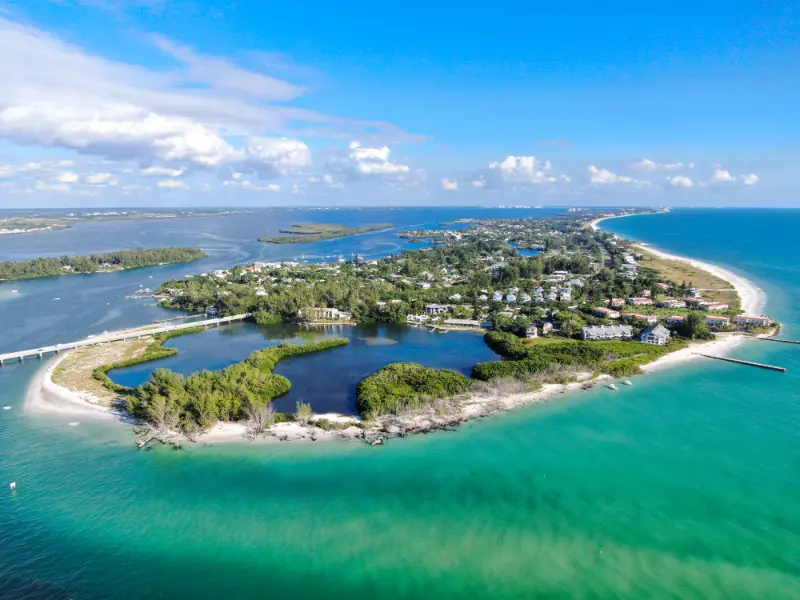
Anna Maria Island and Longboat Key are close enough to combine in one relaxed Gulf Coast trip, yet they offer different rhythms. Anna Maria has walkable pockets, family-oriented beaches and communities with individual personalities. Longboat Key is longer, more residential in many stretches and often appreciated by visitors looking for an unhurried shoreline experience. Neither is a secret empty island, and neither guarantees calm water or an uncrowded holiday. The appeal is choosing a small number of good places and spending enough time to enjoy them.
This four-day plan favors families, couples and older adults who prefer a gentle schedule. It includes beach access, local history and waterfront dining without assuming everyone wants to swim. Coastal conditions and recovery or maintenance work can change from season to season, especially after severe storms. Check local authority notices before booking accommodation whose main selling point is access to a particular stretch of beach.
Which island should you use as a base?
Anna Maria Island includes Anna Maria, Holmes Beach and Bradenton Beach, so the name on a hotel or rental listing does not always tell you how close it is to the attraction you want. Longboat Key lies to the south, stretching toward Sarasota, with public beach accesses interspersed among residential and resort properties. A rental that says ‘near the beach’ might require crossing a busy road or walking a longer distance than expected. Ask for the exact access point, the nature of the crossing and the walking surface if that matters to your group.
Choose Anna Maria if you value small-town atmosphere and convenient access to local dining in certain districts. Longboat Key may appeal if you prefer a quieter accommodation environment and are willing to plan meals and transport more carefully. Compare the complete stay cost: cleaning charges, service fees, resort fees, parking and minimum-night requirements can change which property is best value. In high season or on weekends, traffic through island bridges can be slow. For a four-day visit, stay in one place and explore the other island on a separate day.
Day one: arrive and understand the island layout
Make arrival day simple. After check-in, locate the nearest public access and identify where you can legally park or walk. Do not treat private beachfront walkways as public simply because they look inviting. Towns maintain access maps, and the legal access route is sometimes different from the one shown by general navigation apps. If you are arriving in the afternoon, buy groceries, fill your water bottles and enjoy a short evening stroll in a designated public area.
For families with young children, choose dinner close to the accommodation rather than planning a long island crossing after travel. For older visitors, verify that the hotel has a lift or ground-level rooms if needed. For couples, a sunset walk can be a pleasant introduction without expensive reservations. Florida’s Gulf Coast is often associated with beautiful sunset views, but weather can obscure the horizon; don’t schedule your entire evening around a photograph. If thunder is approaching, leave the shoreline immediately and seek a proper indoor shelter.
Day two: an Anna Maria Island beach morning
Start early while temperatures and traffic may be more manageable. Choose a public beach based on facilities, access and the activities your group actually wants. Manatee Public Beach can suit some families seeking services, while other stretches are quieter but offer fewer amenities. Official beach conditions, lifeguard coverage and local rules may change. Even a typically gentle Gulf beach can have dangerous currents, storm effects or poor water conditions, so check posted warning flags and local advisories before entering the water.

A two-hour beach morning can be enough. Bring shade where permitted, drinking water and a small bag for trash. Never leave young children in the water without continuous adult supervision, and do not rely on inflatables as safety equipment. If swimming is not comfortable, enjoy sandcastle building, a short walk or watching shorebirds from a respectful distance. Pack up before the strongest heat, then spend the afternoon in a local cafe or visiting a small shop. Avoid parking illegally on shoulders or blocking residents’ driveways when beach lots are full.
Day three: Longboat Key’s public accesses and easy pleasures
Longboat Key is particularly important to research before visiting. The town’s official beach-access page lists a number of public entry locations along Gulf of Mexico Drive, each with different parking arrangements and sometimes only a small number of spaces. Some accesses have accessible parking, while others have none. Do not assume a beach entry marked on a map includes restrooms, lifeguards, showers or concessions. A visitor with a stroller or mobility aid should confirm the exact path conditions rather than relying on the island’s general reputation.
Visit in the morning, when finding legal parking may be easier, and choose one access suited to your plans. Longboat Key’s public beaches generally do not have lifeguards, according to state tourism guidance, so a non-swimming visit may be safer for a family uncertain about conditions. Bring all necessary water and snacks, but leave no litter. If your group prefers more amenities, consider an alternate staffed beach on a nearby island after verifying the current services. In the afternoon, enjoy a relaxed meal or explore a public park on the bay side without trying to fit in every shoreline access.
Day four: local history, a final walk and departure
Use the last day for a low-key activity rather than another long beach session. A local historical display, a public bayfront park or browsing in an island commercial district can give variety. Island communities have working businesses, residents and conservation responsibilities; they are not simply vacation backdrops. If you are staying in a rental, complete checkout instructions and allow time to inspect the property and photograph any preexisting issues. Arrange airport transfers before you are packed and ready to go.
Depending on your departure point, the drive to Sarasota Bradenton International Airport or Tampa International Airport can be affected by traffic on bridges and major roads. Do not estimate it solely by straight-line distance. Build a generous buffer and account for the rental-car return. If you have a late flight, a short public walk close to your hotel makes more sense than crossing the islands twice in pursuit of one last restaurant.
How to spend four days without rushing
| Day | Main focus | Alternate low-energy idea |
|---|---|---|
| 1 | Check-in and nearest legal beach access | Early dinner and rest |
| 2 | Anna Maria Island beach morning | Shops, local food and a short sand walk |
| 3 | Longboat Key public access and bay side | Seated waterfront views, no swimming |
| 4 | Local history, breakfast and departure | Direct airport transfer |
This schedule is intentionally light. You can expand it with a boat tour, art museum in Sarasota or guided nature experience, but check whether the outing’s travel and boarding requirements fit your group. Families with a sleeping baby may prefer not to book a lengthy cruise; older travelers may appreciate a seated wildlife tour when step-free access is confirmed. Choose optional activities because they add enjoyment, not because four quiet days look insufficient on paper.
Driving, parking, trolleys and local movement
Getting around a barrier island can be surprisingly awkward at busy times. Bridges create bottlenecks, while public beach parking varies from one access to another. Read current signs, and never park across driveways or in areas reserved for residents. Island transit services and free trolleys may be available on certain routes, but schedules, accessibility and service patterns can change. Use the relevant county or operator’s current timetable before relying on a trolley for a dinner reservation or airport connection.
Walking and cycling may be pleasant in selected neighborhoods, but that does not mean every section has protected lanes or wide sidewalks. Children riding bicycles need adult supervision and suitable helmets, while people with mobility limitations should check crossing conditions. A hotel close to the places you want to visit can be worth more than a cheaper property that requires several daily drives. If renting a car, calculate parking at accommodation as well as at beaches, and consider whether the vehicle is necessary for the entire stay.
Beaches, marine wildlife and respectful behavior
The Gulf shoreline is home to shorebirds, nesting sea turtles at appropriate times of year and sensitive coastal vegetation. Avoid marked nests, leave space around birds, use designated dune walkovers and follow lighting restrictions during nesting seasons. Do not approach wildlife for photographs or let dogs enter restricted beach sections. Remove fishing line, food packaging and beach toys before leaving. Even tiny objects can harm animals or become dangerous litter.
Water conditions deserve equal attention. Red tide or bacterial advisories may occasionally affect local beaches, and storms can change sand profiles or create hazards. Check the Florida Department of Health and local beach-condition resources near your visit rather than relying on old descriptions of ‘crystal-clear water’. If conditions are poor, shift the day to a museum, restaurant or shaded public park. Visitors who do not swim can still enjoy a beach holiday through views, walks and local culture without needing to prove that the water is safe for entering.
Comfort for babies, older visitors and people with limited mobility
Beach vacations often involve more walking than expected: from a parking lot across a road, along a boardwalk and finally over soft sand. For a child in a stroller or a person using a wheelchair, the last section can be the hardest. Ask about beach mats, accessible toilets and specialized chairs at the specific location and date. Do not generalize from a nearby town that offers different facilities. Bring shade, water, medication and a plan to leave quickly if heat becomes excessive.
Babies need frequent feeding, shade and secure sleep arrangements; ask accommodation providers about cribs but never assume one is available. Elementary-age children usually enjoy simple sand activities more than a full day of restaurant hopping. Teenagers may appreciate a little responsibility for selecting a cafe or photography spot. Older visitors may prefer a quiet morning beach view followed by lunch indoors. An enjoyable island trip offers options rather than forcing everyone to swim, walk or stay out in the sun for hours.
Where to stay and what the budget should include
Compare hotels, condos and vacation rentals by sleeping layout, kitchen facilities, cancellation terms and total mandatory fees. A beach rental with a minimum-stay requirement may not fit a four-day trip. A resort may provide convenient facilities but charge parking or amenity fees. Families may save on meals with a kitchen, while couples might prefer breakfast included and restaurants within walking distance. Check whether the building is licensed or operating under the appropriate local rules, and avoid paying a private individual outside a trusted booking process if the listing cannot be verified.
Daily spending will include food, parking or transport, any attractions and perhaps equipment rental. Island prices can be higher during busy seasons, and limited parking can indirectly increase costs. Avoid fixed budget claims without dates and live quotes. If you care most about peace, spending a little more for a well-located room may reduce time wasted in traffic. If you care more about active sightseeing, a mainland base could be economical, but calculate the repeated bridge crossings first.
Weather, storms and flexible travel choices
Florida’s Gulf Coast can be beautiful in winter and spring, but weather is never guaranteed. Summer brings heat, humidity and frequent thunderstorm risk; June through November is Atlantic hurricane season, with possible impacts well beyond the path of any one storm. Check forecasts, travel advisories and cancellation conditions rather than treating travel insurance as a substitute for prudent planning. During evacuation orders or severe weather warnings, follow local emergency officials instead of hoping a beachfront property will be fine.
Storm-related repairs can affect roads, beaches, restaurants and lodging long after the event itself. Verify operating status directly for any venue that is central to your stay. If a beach entrance is closed, do not cross protective fencing. Choose an alternate public site or change the day’s plan. The islands are places where people live and work year-round, so being considerate during recovery matters as much as finding a good holiday photograph.
Frequently asked questions
Is Anna Maria Island or Longboat Key better for families?
It depends on your lodging, children’s ages and need for services. Anna Maria has several family-oriented beach areas, while Longboat Key offers quieter sections but public access facilities can be limited. Compare exact locations, not simply island names.
Can visitors use Longboat Key beaches without staying at a resort?
Yes, public beach accesses exist, but parking and amenities vary significantly. Use the town’s official access list to choose the correct location.
Is the Gulf always calm enough for small children to swim?
No. Conditions can change with wind, storms, currents and water-quality advisories. Check local guidance and supervise children constantly; swimming is optional.
Official planning links
Review the Town of Longboat Key public beach accesses, Visit Florida’s Longboat Key beach guide, Manatee County and the Florida Department of Health for current conditions, parking, public transit and health advisories.
Leave a Reply