
Category: Anna Maria Island Destination Guide

  • Three Days on Anna Maria Island and in Bradenton: Beaches, Fishing Villages and Riverfront Art

    Three Days on Anna Maria Island and in Bradenton: Beaches, Fishing Villages and Riverfront Art

    A short vacation around Anna Maria Island can feel as though it contains two different Florida stories. The barrier island brings broad Gulf views, small beach communities and sunset-oriented evenings. On the mainland, Bradenton and the nearby fishing village of Cortez reveal working-waterfront history, riverfront public spaces and a less resort-focused rhythm. A three-day itinerary can give you both without driving back and forth continuously. The secret is to understand that the island's northern village, Holmes Beach and Bradenton Beach are distinct places, then reserve the mainland for a separate day. This plan accommodates beach lovers, children, couples and visitors who prefer cultural stops and comfortable rest breaks.

    Three-day itinerary at a glance

    DayRecommended focusEasy alternative
    Day 1Anna Maria village and a Gulf sunsetShort beach visit with rest breaks
    Day 2Bradenton Beach and CortezBridge Street or fishing heritage
    Day 3Bradenton Riverwalk and a museumShort park walk and early departure

    Decide where to sleep before choosing your activities

    Anna Maria Island comprises communities with different atmospheres. The city of Anna Maria in the north tends to feel village-like around its shops, restaurants and bayfront areas. Holmes Beach occupies a central part of the island and offers a range of lodging and practical services. Bradenton Beach in the south has a livelier historic-commercial zone around Bridge Street. A mainland Bradenton hotel may cost less or provide more amenities, but it means crossing a causeway to reach Gulf sand. Those causeways can become slow at peak arrival and departure times, particularly on busy weekends.

    Book according to your dominant activity. If your family expects early beach time, a property with an easy lawful shore access and room for midday rest may justify its price. If your interests are museums, restaurants and exploring several communities, a mainland base may be convenient. Read rental rules closely, including minimum stays, cleaning fees, parking and any municipal requirements. A property described as “waterfront” might overlook a canal or bay, not the Gulf beach. Ask for the exact walking route to the beach and whether stairs or sand crossings create problems for anyone in your party.

    Day one morning: Anna Maria's northern atmosphere

    Begin at the north end of the island and allow the morning to unfold slowly. Explore the Anna Maria village area, look at historic streets and enjoy a breakfast or coffee stop. Bayfront spaces and Gulf beaches are not interchangeable: one faces calmer bay scenery and boating activity, while the other meets the open Gulf. Check which public beach access you plan to use and the facilities available there. Some routes are easier for strollers or mobility aids than others; the presence of a road nearby does not mean there is a fully accessible path to the water.
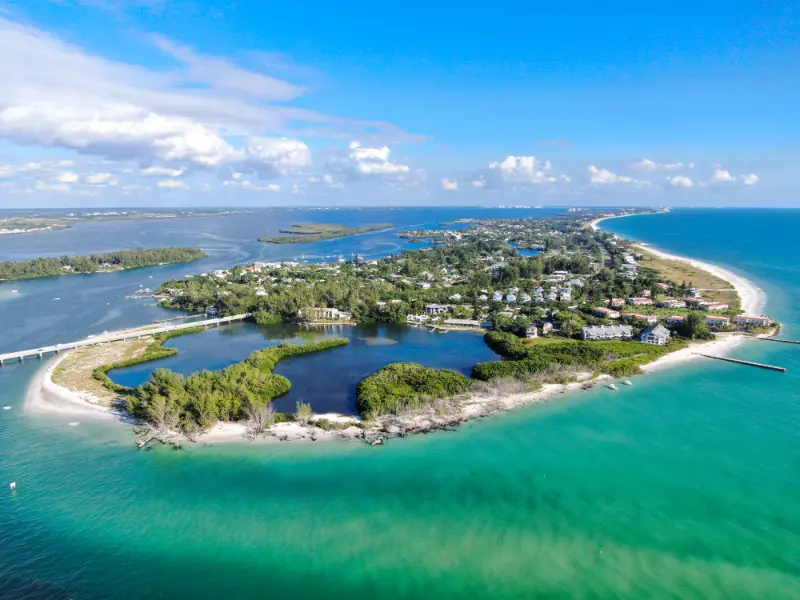
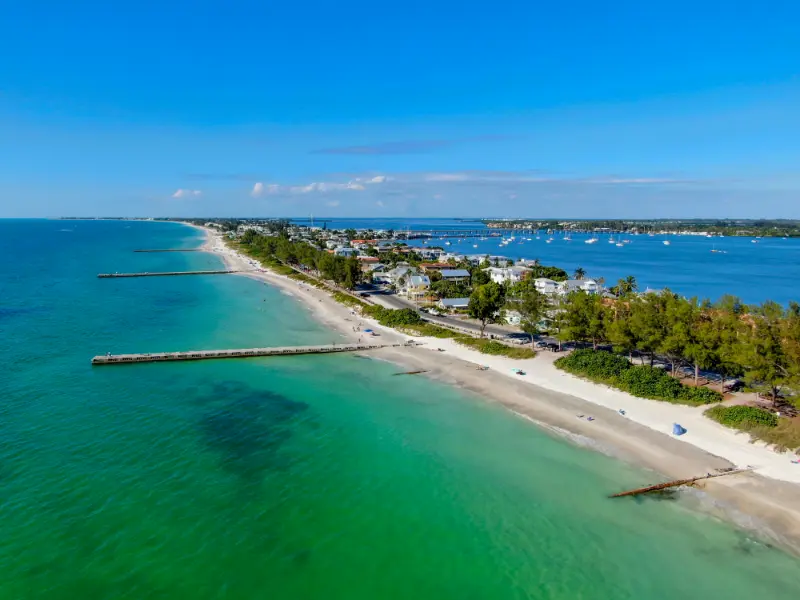
    Anna Maria Island Florida Barrier Island Beach Aerial

    If the beach is your priority, go early when parking may be easier and the temperature is kinder. Set up only in permitted areas and keep access pathways clear. Visitors interested in architecture and independent businesses can spend more time away from the sand; families with toddlers may prefer a short shoreline visit followed by a nearby snack. Do not plan a long circuit of the entire island on foot. Distances, exposed sidewalks and sand make that tiring even when streets appear close together on a map.

    Day one afternoon: a quiet Gulf beach and sunset

    Choose one northern or central Gulf access for the afternoon. Anna Maria Island's pale sand is appealing, but beach conditions vary with wind, storms and currents. Review local warnings and use designated crossings instead of walking through dunes. Manatee and sea turtle protection rules are important here: never disturb wildlife or marked nesting areas, and respect lighting guidance during turtle-nesting season. Beachcombing and watching seabirds can be rewarding even when nobody enters the water. Carry water and seek shade, because a cooling sea breeze does not eliminate sun exposure.

    A sunset meal can be memorable without becoming an expensive production. Reserve a table if you have a particular waterfront restaurant in mind, or enjoy a simple dinner after returning to your accommodation. Families with young children may need dinner before the actual sunset; there is no reason to keep everyone awake to satisfy an itinerary. Travelers who have difficulty walking on sand can seek an accessible public viewpoint rather than forcing a beach crossing. Verify access and seating first, especially if mobility or balance is a concern.

    Day two morning: Bradenton Beach and Bridge Street

    Spend the second morning around Bradenton Beach, at the island's southern end. The Bridge Street area has a different feel from northern Anna Maria: shops, casual food and connections to a history of fishing and visitors arriving across the water. Use a designated parking space and explore a manageable stretch on foot. Small historic areas are often more enjoyable if you slow down to notice buildings, signage and ordinary waterfront activity rather than treating every shop as a mandatory stop. If you plan to see a pier or pier-like structure, check current openings and repairs before making it the center of your morning.

    A family might combine a short neighborhood walk with a beach hour, while a couple could settle into a longer lunch. The roads through the island serve residents as well as visitors and can become congested, so avoid frequent car transfers between nearby beaches. Bring sun protection and know where public restrooms are located. If someone uses a wheelchair, request specific information on sidewalks and entry steps; a neighborhood may have accessible venues but still include difficult stretches between them. That knowledge is more useful than a general claim that the island is “walkable.”

    Day two afternoon: Coquina Beach or the Cortez waterfront

    For the second afternoon, select Coquina Beach if the group wants another designated public beach area, or cross toward Cortez to discover a working-waterfront setting. Coquina's facilities, parking arrangements and any closures should be checked before travel, especially after severe weather. Enjoying a different beach does not require a long swim; it may be enough to sit under shade and watch the water. If you choose Cortez instead, understand that it is a real fishing village. Respect private docks, business operations and working equipment rather than wandering through them for photographs.
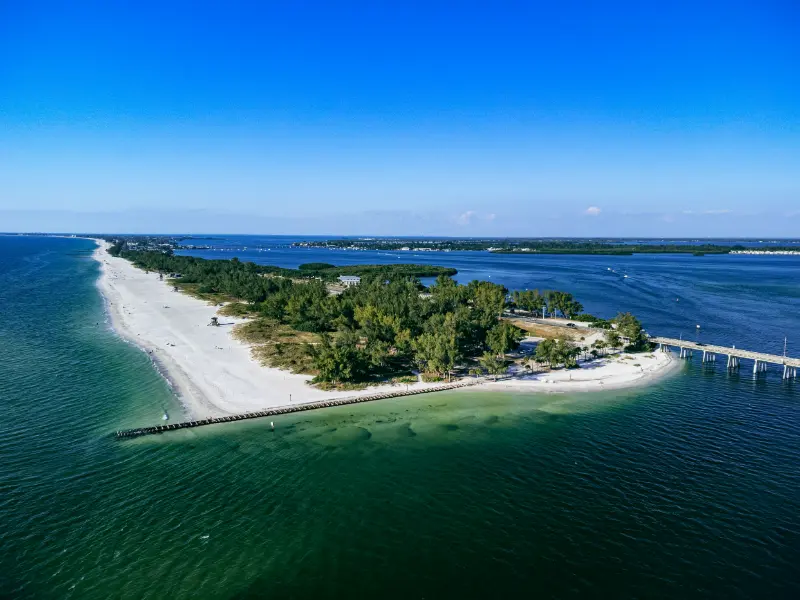
    Coquina Beach Bradenton Florida Aerial

    Cortez's maritime heritage makes a good counterpoint to the resort experience. Look for a public educational or historical venue that is open, then have a relaxed seafood meal or another lunch suited to your group's needs. Fishing traditions and coastal ecology offer something for children to learn beyond building sandcastles. When possible, plan this as one concentrated visit rather than multiple crossings of the Intracoastal Waterway. Travelers with limited stamina may prefer the village and a seated meal over another beach crossing; both choices are fully worthwhile.

    Day three: Bradenton's Riverwalk and cultural stops

    Head to mainland Bradenton for a day that looks beyond the Gulf. The Bradenton Riverwalk follows the Manatee River through public downtown space, but you need not walk its entire length. Choose an accessible entrance near a cultural stop, then explore only a section that appeals to your group. Depending on your interests, the Bishop Museum of Science and Nature or a local gallery can provide indoor learning and a welcome break from the sun. Check museum exhibits, schedules and ticket requirements because offerings can change over time.

    If children have spent two days at the beach, a science museum or riverfront playground may be a welcome change. Adults interested in local history can explore selected downtown streets, while seniors may appreciate a seated river view and lunch within a short distance. The Manatee River is an active waterway, not a casual swimming location. Cross streets at designated places and observe the river from public areas. A third day on the mainland makes the whole trip more varied, and it reduces pressure to find yet another beach just because Florida is famous for its coast.

    Beach safety and protected wildlife

    The Gulf often looks gentle from shore, but currents, wind and changing weather can create hazards. Check beach warnings each day and supervise children closely in the water. Lightning storms require visitors to leave exposed shorelines. Avoid entering areas with posted water-quality warnings, and do not assume all beaches have lifeguards at every time. A family member who cannot swim can still have a lovely day through a nearby picnic, sea-breeze walk and shaded viewpoint. Swimming should remain one choice among several, not a requirement for everyone.

    This coast supports nesting sea turtles and many bird species. Follow all posted setbacks and lighting requirements, and never handle animals or disturb a nest. Keep beach furniture and toys out of protected areas and clear the sand of belongings when you leave. If you see an animal that may be injured, contact an appropriate local wildlife authority rather than attempting a rescue yourself. The island's natural environment is part of its appeal; caring for it is not an inconvenience but part of visiting respectfully.

    Traveling with children and people who need more comfort

    The itinerary works best with predictable breaks. After the first morning at the beach, return to the room for lunch or quiet time before the afternoon. On the second day, let the group's energy determine whether you visit another beach or a fishing village. On day three, choose one museum or riverfront area and keep the rest optional. This rhythm is suitable for very young children, grandparents and anyone who tires in humid weather. Teenagers who want more action might add one approved rental or guided water activity, but its safety requirements must be checked independently.

    For mobility needs, research more than the room. Ask about shower facilities, elevators, beach mats, parking, accessible restrooms and the actual surface between the parking area and any attraction. Some pathways may end at sand rather than continuing toward the water. Accessible picnic spots or public overlooks can offer beautiful experiences without the frustration of deep beach walking. Mixed-age groups benefit from agreeing on a shared meal and one key morning stop, then allowing people to rest or explore according to their preferences.

    Budget, parking and a realistic travel pace

    Expect accommodation prices and minimum-stay conditions to vary sharply by season. A rental with a kitchen can help a family manage meals, but cleaning and service fees may change the apparent savings. Parking may be limited near popular Gulf accesses, and mainland hotels can add drive time and fuel costs. Rather than comparing nightly rates in isolation, estimate the full stay: room, taxes, parking, groceries or restaurant meals, and any paid attraction. Many memorable moments on the island are free once you have reached an approved beach access, so there is no need to add a ticketed excursion to every day.

    Timing matters almost as much as budget. A short island crossing can turn into an extended drive during a crowded weekend or holiday. Depart for the beach early and limit the number of stops requiring a new parking space. Check whether free or paid trolley and local transit options are running and how they fit the hotel location; routes and services can change. If you are departing from an airport on day three, leave a generous road buffer and do not schedule a nonrefundable afternoon tour. Protect your travel day rather than trying to extract every last possible beach hour.

    Weather changes and final preparation

    Summer is hot and humid, and thunderstorms can make the coast unsafe for several hours. During hurricane season, use official forecasts, evacuation instructions and flexible booking conditions. In winter, Gulf beaches can be breezy or cool, even if the sun is bright. Keep an indoor Bradenton cultural stop available when the beach is less appealing. On an especially hot day, reverse your order: enjoy the coast early, rest midday and explore a short public area later. Weather flexibility matters far more than following the schedule down to the minute.

    Before traveling, check Anna Maria Island's local beach access information, Bradenton's visitor resources and current openings for museums or piers. Save the address of your intended access and its parking arrangement. Confirm the exact sleeping location, not merely a listing that claims to be near the beach. Three days here can balance gentle Gulf scenery with history and science on the mainland. The trip is not about counting beaches; it is about experiencing island life, appreciating the working coast and allowing different generations to enjoy the same destination at their own pace.

    Frequently asked questions

    Is Bradenton the same as Bradenton Beach?

    No. Bradenton is on the mainland; Bradenton Beach is on Anna Maria Island.

    Is a bayfront rental always on a Gulf swimming beach?

    No. Verify whether the property faces the bay, a canal or the Gulf and how guests reach a legal beach access.

    Can we enjoy the trip without a car?

    A beach-based stay may work with limited local transport, but visiting mainland Bradenton is easier with a planned transfer or car.
    Official visitor information

  • Anna Maria Island and Longboat Key: Four Quiet Gulf Coast Days

    Anna Maria Island and Longboat Key: Four Quiet Gulf Coast Days

    Anna Maria Island and Longboat Key are close enough to combine in one relaxed Gulf Coast trip, yet they offer different rhythms. Anna Maria has walkable pockets, family-oriented beaches and communities with individual personalities. Longboat Key is longer, more residential in many stretches and often appreciated by visitors looking for an unhurried shoreline experience. Neither is a secret empty island, and neither guarantees calm water or an uncrowded holiday. The appeal is choosing a small number of good places and spending enough time to enjoy them.

    This four-day plan favors families, couples and older adults who prefer a gentle schedule. It includes beach access, local history and waterfront dining without assuming everyone wants to swim. Coastal conditions and recovery or maintenance work can change from season to season, especially after severe storms. Check local authority notices before booking accommodation whose main selling point is access to a particular stretch of beach.

    Which island should you use as a base?

    Anna Maria Island includes Anna Maria, Holmes Beach and Bradenton Beach, so the name on a hotel or rental listing does not always tell you how close it is to the attraction you want. Longboat Key lies to the south, stretching toward Sarasota, with public beach accesses interspersed among residential and resort properties. A rental that says ‘near the beach’ might require crossing a busy road or walking a longer distance than expected. Ask for the exact access point, the nature of the crossing and the walking surface if that matters to your group.

    Choose Anna Maria if you value small-town atmosphere and convenient access to local dining in certain districts. Longboat Key may appeal if you prefer a quieter accommodation environment and are willing to plan meals and transport more carefully. Compare the complete stay cost: cleaning charges, service fees, resort fees, parking and minimum-night requirements can change which property is best value. In high season or on weekends, traffic through island bridges can be slow. For a four-day visit, stay in one place and explore the other island on a separate day.

    Day one: arrive and understand the island layout

    Make arrival day simple. After check-in, locate the nearest public access and identify where you can legally park or walk. Do not treat private beachfront walkways as public simply because they look inviting. Towns maintain access maps, and the legal access route is sometimes different from the one shown by general navigation apps. If you are arriving in the afternoon, buy groceries, fill your water bottles and enjoy a short evening stroll in a designated public area.

    For families with young children, choose dinner close to the accommodation rather than planning a long island crossing after travel. For older visitors, verify that the hotel has a lift or ground-level rooms if needed. For couples, a sunset walk can be a pleasant introduction without expensive reservations. Florida’s Gulf Coast is often associated with beautiful sunset views, but weather can obscure the horizon; don’t schedule your entire evening around a photograph. If thunder is approaching, leave the shoreline immediately and seek a proper indoor shelter.

    Day two: an Anna Maria Island beach morning

    Start early while temperatures and traffic may be more manageable. Choose a public beach based on facilities, access and the activities your group actually wants. Manatee Public Beach can suit some families seeking services, while other stretches are quieter but offer fewer amenities. Official beach conditions, lifeguard coverage and local rules may change. Even a typically gentle Gulf beach can have dangerous currents, storm effects or poor water conditions, so check posted warning flags and local advisories before entering the water.

    Bradenton Beach Anna Maria Island Florida Coast Aerial

    A two-hour beach morning can be enough. Bring shade where permitted, drinking water and a small bag for trash. Never leave young children in the water without continuous adult supervision, and do not rely on inflatables as safety equipment. If swimming is not comfortable, enjoy sandcastle building, a short walk or watching shorebirds from a respectful distance. Pack up before the strongest heat, then spend the afternoon in a local cafe or visiting a small shop. Avoid parking illegally on shoulders or blocking residents’ driveways when beach lots are full.

    Day three: Longboat Key’s public accesses and easy pleasures

    Longboat Key is particularly important to research before visiting. The town’s official beach-access page lists a number of public entry locations along Gulf of Mexico Drive, each with different parking arrangements and sometimes only a small number of spaces. Some accesses have accessible parking, while others have none. Do not assume a beach entry marked on a map includes restrooms, lifeguards, showers or concessions. A visitor with a stroller or mobility aid should confirm the exact path conditions rather than relying on the island’s general reputation.

    Visit in the morning, when finding legal parking may be easier, and choose one access suited to your plans. Longboat Key’s public beaches generally do not have lifeguards, according to state tourism guidance, so a non-swimming visit may be safer for a family uncertain about conditions. Bring all necessary water and snacks, but leave no litter. If your group prefers more amenities, consider an alternate staffed beach on a nearby island after verifying the current services. In the afternoon, enjoy a relaxed meal or explore a public park on the bay side without trying to fit in every shoreline access.

    Day four: local history, a final walk and departure

    Use the last day for a low-key activity rather than another long beach session. A local historical display, a public bayfront park or browsing in an island commercial district can give variety. Island communities have working businesses, residents and conservation responsibilities; they are not simply vacation backdrops. If you are staying in a rental, complete checkout instructions and allow time to inspect the property and photograph any preexisting issues. Arrange airport transfers before you are packed and ready to go.

    Depending on your departure point, the drive to Sarasota Bradenton International Airport or Tampa International Airport can be affected by traffic on bridges and major roads. Do not estimate it solely by straight-line distance. Build a generous buffer and account for the rental-car return. If you have a late flight, a short public walk close to your hotel makes more sense than crossing the islands twice in pursuit of one last restaurant.

    How to spend four days without rushing

    Day Main focus Alternate low-energy idea
    1 Check-in and nearest legal beach access Early dinner and rest
    2 Anna Maria Island beach morning Shops, local food and a short sand walk
    3 Longboat Key public access and bay side Seated waterfront views, no swimming
    4 Local history, breakfast and departure Direct airport transfer

    This schedule is intentionally light. You can expand it with a boat tour, art museum in Sarasota or guided nature experience, but check whether the outing’s travel and boarding requirements fit your group. Families with a sleeping baby may prefer not to book a lengthy cruise; older travelers may appreciate a seated wildlife tour when step-free access is confirmed. Choose optional activities because they add enjoyment, not because four quiet days look insufficient on paper.

    Driving, parking, trolleys and local movement

    Getting around a barrier island can be surprisingly awkward at busy times. Bridges create bottlenecks, while public beach parking varies from one access to another. Read current signs, and never park across driveways or in areas reserved for residents. Island transit services and free trolleys may be available on certain routes, but schedules, accessibility and service patterns can change. Use the relevant county or operator’s current timetable before relying on a trolley for a dinner reservation or airport connection.

    Walking and cycling may be pleasant in selected neighborhoods, but that does not mean every section has protected lanes or wide sidewalks. Children riding bicycles need adult supervision and suitable helmets, while people with mobility limitations should check crossing conditions. A hotel close to the places you want to visit can be worth more than a cheaper property that requires several daily drives. If renting a car, calculate parking at accommodation as well as at beaches, and consider whether the vehicle is necessary for the entire stay.

    Beaches, marine wildlife and respectful behavior

    The Gulf shoreline is home to shorebirds, nesting sea turtles at appropriate times of year and sensitive coastal vegetation. Avoid marked nests, leave space around birds, use designated dune walkovers and follow lighting restrictions during nesting seasons. Do not approach wildlife for photographs or let dogs enter restricted beach sections. Remove fishing line, food packaging and beach toys before leaving. Even tiny objects can harm animals or become dangerous litter.

    Water conditions deserve equal attention. Red tide or bacterial advisories may occasionally affect local beaches, and storms can change sand profiles or create hazards. Check the Florida Department of Health and local beach-condition resources near your visit rather than relying on old descriptions of ‘crystal-clear water’. If conditions are poor, shift the day to a museum, restaurant or shaded public park. Visitors who do not swim can still enjoy a beach holiday through views, walks and local culture without needing to prove that the water is safe for entering.

    Comfort for babies, older visitors and people with limited mobility

    Beach vacations often involve more walking than expected: from a parking lot across a road, along a boardwalk and finally over soft sand. For a child in a stroller or a person using a wheelchair, the last section can be the hardest. Ask about beach mats, accessible toilets and specialized chairs at the specific location and date. Do not generalize from a nearby town that offers different facilities. Bring shade, water, medication and a plan to leave quickly if heat becomes excessive.

    Babies need frequent feeding, shade and secure sleep arrangements; ask accommodation providers about cribs but never assume one is available. Elementary-age children usually enjoy simple sand activities more than a full day of restaurant hopping. Teenagers may appreciate a little responsibility for selecting a cafe or photography spot. Older visitors may prefer a quiet morning beach view followed by lunch indoors. An enjoyable island trip offers options rather than forcing everyone to swim, walk or stay out in the sun for hours.

    Where to stay and what the budget should include

    Compare hotels, condos and vacation rentals by sleeping layout, kitchen facilities, cancellation terms and total mandatory fees. A beach rental with a minimum-stay requirement may not fit a four-day trip. A resort may provide convenient facilities but charge parking or amenity fees. Families may save on meals with a kitchen, while couples might prefer breakfast included and restaurants within walking distance. Check whether the building is licensed or operating under the appropriate local rules, and avoid paying a private individual outside a trusted booking process if the listing cannot be verified.

    Daily spending will include food, parking or transport, any attractions and perhaps equipment rental. Island prices can be higher during busy seasons, and limited parking can indirectly increase costs. Avoid fixed budget claims without dates and live quotes. If you care most about peace, spending a little more for a well-located room may reduce time wasted in traffic. If you care more about active sightseeing, a mainland base could be economical, but calculate the repeated bridge crossings first.

    Weather, storms and flexible travel choices

    Florida’s Gulf Coast can be beautiful in winter and spring, but weather is never guaranteed. Summer brings heat, humidity and frequent thunderstorm risk; June through November is Atlantic hurricane season, with possible impacts well beyond the path of any one storm. Check forecasts, travel advisories and cancellation conditions rather than treating travel insurance as a substitute for prudent planning. During evacuation orders or severe weather warnings, follow local emergency officials instead of hoping a beachfront property will be fine.

    Storm-related repairs can affect roads, beaches, restaurants and lodging long after the event itself. Verify operating status directly for any venue that is central to your stay. If a beach entrance is closed, do not cross protective fencing. Choose an alternate public site or change the day’s plan. The islands are places where people live and work year-round, so being considerate during recovery matters as much as finding a good holiday photograph.

    Frequently asked questions

    Is Anna Maria Island or Longboat Key better for families?

    It depends on your lodging, children’s ages and need for services. Anna Maria has several family-oriented beach areas, while Longboat Key offers quieter sections but public access facilities can be limited. Compare exact locations, not simply island names.

    Can visitors use Longboat Key beaches without staying at a resort?

    Yes, public beach accesses exist, but parking and amenities vary significantly. Use the town’s official access list to choose the correct location.

    Is the Gulf always calm enough for small children to swim?

    No. Conditions can change with wind, storms, currents and water-quality advisories. Check local guidance and supervise children constantly; swimming is optional.

    Review the Town of Longboat Key public beach accesses, Visit Florida’s Longboat Key beach guide, Manatee County and the Florida Department of Health for current conditions, parking, public transit and health advisories.

  • Where to Stay on Anna Maria Island and in Bradenton: Island Villages or Mainland Convenience?

    Where to Stay on Anna Maria Island and in Bradenton: Island Villages or Mainland Convenience?

    Anna Maria Island has the kind of Gulf Coast scenery that makes travelers imagine leaving their shoes at the door and spending a week between beach walks and casual meals. Yet the island contains three distinct communities, and nearby Bradenton on the mainland offers a different, often more practical style of stay. Anna Maria, Holmes Beach and Bradenton Beach sit along the same barrier island, but the best address depends on whether you want quiet mornings, convenient restaurants, a rental house or a flexible driving base. This guide explains those differences and the real tradeoffs in beach access, parking, island transport and total holiday costs. It is written for visitors planning relaxed trips rather than trying to do every attraction in the region.

    Which area fits your trip?

    BaseBest forWatch for
    Anna MariaQuiet northern village and coastLimited parking at some access points
    Holmes BeachPractical middle-island stayWalkability varies by address
    Bradenton BeachRestaurants and southern island beachActivity and noise near busy blocks
    Mainland BradentonErrands, museums and road accessA bridge drive to Gulf sand

    Anna Maria at the north end: slower days and village streets

    The city of Anna Maria occupies the island's northern end and appeals to visitors who value a quieter setting, residential character and access to beautiful shoreline. Pine Avenue is a useful local reference for shops and casual stops, but not every vacation house is within a comfortable walk of the village core or of a public beach entry. Bean Point, near the northern tip, is popular for scenery and walks, yet it is not a full-service, lifeguarded resort beach. Currents around passes and inlets can be hazardous, so visitors should not assume attractive water is suitable for swimming. Parking is limited in some areas, and beach access must follow marked public paths. Families can enjoy a rental with a kitchen and space to relax, but should check pool barriers, stairs and the distance to groceries. A northern-end stay works best when you are happy to spend plenty of time locally rather than driving off the island every afternoon.

    Holmes Beach: a practical middle-island base

    Holmes Beach lies in the central portion of Anna Maria Island and can be an excellent compromise for travelers looking for both beach access and everyday services. Depending on the address, stores, restaurants and local stops may be easier to reach than from some quieter residential streets farther north. That does not make the entire town walkable in summer heat. A listing described as “Holmes Beach” may be a short stroll from the Gulf or require a road journey to a suitable beach access. Check exactly where the building sits and whether it includes parking, a shaded outdoor area and a place to rinse beach gear. For families with children, a kitchenette and laundry can reduce reliance on restaurants and repeated shopping trips. Couples might prefer a smaller property near evening dining. In either case, confirm island transport arrangements if you hope to leave the car parked. The right Holmes Beach accommodation balances routine convenience with the atmosphere of a coastal holiday.

    Bradenton Beach: lively southern island access

    Bradenton Beach sits at the southern end of the island and offers a blend of Gulf shoreline, local dining and an active waterfront atmosphere around Bridge Street. It suits travelers who like taking an evening stroll after a beach day rather than preparing every meal at home. Some properties provide good access to the Gulf, but others look toward the bay side of the island; both can be attractive, just not equivalent for a beach-first vacation. Verify whether your preferred public beach crossing is close and whether the property includes parking. In a busier section, read recent reviews for street noise and the practical effect of nearby restaurants. For families with young children, consider whether a late-night dining district outside the window fits bedtime. Travelers without a rental car may find an appropriate central address particularly useful, provided the airport transfer and groceries are planned. This part of the island rewards selecting the street, not simply the town name.

    Mainland Bradenton: more flexibility for excursions and errands

    Bradenton on the mainland offers a different holiday proposition: access to the Riverwalk, museums, supermarkets and regional roads without paying for an island location. It can be a sensible choice when your itinerary includes attractions on both sides of Manatee County or when you need a larger, more economical room for an extended stay. The big drawback for beach lovers is the bridge journey. From mainland Bradenton, you normally drive or arrange transport to reach Anna Maria Island's Gulf beaches, and peak beach traffic can significantly change the outing. A riverside or bayfront view in Bradenton is not the same as a Gulf-front swimming beach. Families who want only two beach days and several cultural or nature activities may do well here. A couple dreaming of sunrise sand walks every day probably will not. Compare mainland savings with car hire, fuel, parking and time spent crossing the water.

    Longboat Key versus Anna Maria Island: a different coastal style

    Longboat Key stretches south of Anna Maria Island and offers another barrier-island accommodation style, often more oriented toward condominium or resort stays. It can be attractive for visitors looking for a calmer, more residential coastal setting, but it is a long island and access to restaurants and mainland attractions varies by address. Do not assume staying on Longboat Key gives you the same casual village environment as Pine Avenue or Bridge Street. Nor should you assume every property has a public beach path immediately nearby. Some stretches have limited access points and parking, so verify the legal route to the sand. Longboat may suit couples prioritizing resort facilities or repeat visitors seeking a particular quiet stretch, while Anna Maria Island's three towns often appeal to those who want small local centers. Decide by where you intend to spend your evenings and how often you will need to cross a bridge.

    Anna Maria Island Florida Barrier Island Beach Aerial

    Beaches, public access and the limits of parking

    The island's white sand is a central attraction, but the practical beach experience depends on access. Public beaches such as Manatee Public Beach and Coquina Beach have different facilities and parking arrangements from smaller neighborhood crossings. Parking can fill on busy days, and it is never appropriate to use private property or block residential driveways. Beach access points may require walking across sand for a considerable distance before reaching the water. If you are traveling with a stroller, wheelchair or someone who tires easily, investigate the exact facilities at the chosen entry rather than assuming one beach is like another. Coastal water can have changing currents or advisories, particularly near passes, so check warning information and swim at guarded beaches when possible. Respect dunes and marked paths. For a simple family vacation, a property with a genuinely short walk to suitable access can be worth more than a bigger house farther inland.

    Getting around the island without driving every hour

    Anna Maria Island has local transport options, including the island trolley, which can be useful for visitors whose itinerary stays within the area it serves. Routes and schedules can change, so verify the current service with the responsible authority before relying on a specific stop or departure. Walking and cycling can also work for carefully chosen accommodation, but heat, showers, crossing points and traffic make distances feel longer than map measurements. If you arrive without a car, confirm your transfer from the airport and how you will transport luggage and groceries to the rental. A group with toddlers or an older adult might prefer being close to restaurants and a convenient trolley stop rather than planning daily long walks. Even with a car, consider leaving it parked for local outings where an appropriate transport option exists. The aim is to avoid spending a relaxing island week searching for another parking space each morning.

    Arrival airports and why bridge traffic matters

    Sarasota Bradenton International Airport can be convenient for some island visitors, while Tampa International Airport or other gateways may offer different flight options. The nearest airport on a map is not always the best flight, especially if connections or arrival times are awkward. Calculate the whole journey, including baggage, car rental or transfer, bridge traffic and check-in arrangements. A late arrival calls for a property with clear instructions and a realistic plan for dinner. Mainland Bradenton may be simpler after a long travel day, but island-based visitors often prefer not to move hotels for a short stay. If you have a rental car, check how many spaces are allocated to your unit; vacation houses sometimes offer less parking than their bedroom count suggests. During holiday weeks and weekend beach rushes, patience and an early start are valuable. Choose the route and arrival hour deliberately rather than assuming every Gulf Coast island is a quick highway exit.

    Coquina Beach Bradenton Florida Aerial

    Families, seniors and travelers seeking accessible beach days

    A multigenerational rental can work wonderfully on Anna Maria Island when bedrooms, bathrooms, kitchen and living spaces genuinely suit the group. But old-style coastal homes may have exterior stairs, elevated entrances or limited bathrooms. Ask about step-free access and sleeping arrangements before committing. For seniors, proximity to a dependable café, shaded seating and an easy beach entrance often beats a larger home far from services. Young children benefit from a safe pool arrangement, adequate room for naps and a way to wash sand off without creating chaos in the living room. Travelers who use wheelchairs should investigate the property entrance and beach access separately; a house with a ramp may still be far from suitable beach facilities. If the party has mixed interests, choose an area where someone can stay at the accommodation comfortably while others take the trolley or walk for lunch.

    Weather, beach advisories and the importance of flexibility

    Summer brings humid heat and storms, so plan the day around morning and evening outdoor periods rather than expecting continuous midday beach activity. Winter can feel comfortable for strolling and outdoor meals, even if the Gulf is too cool for some swimmers. Hurricane season runs June through November, and island reservations deserve careful attention to evacuation instructions and cancellation policies. Coastal rebuilding or infrastructure work can affect individual beaches or amenities; check official local notices, particularly if recent storms have impacted the coast. Water-quality advisories can change, so consult current information before swimming. For a week-long stay, it is sensible to have one alternate activity on the mainland and a few indoor comforts at your rental. Avoid locking yourself into nonrefundable excursions on every day. The appeal of Anna Maria Island is being able to adjust your pace when the weather changes.

    A sensible four-day holiday without crossing the bridges repeatedly

    If staying on Anna Maria Island, give the arrival afternoon to unpacking and finding your nearest marked beach access. Spend the next day enjoying that shoreline at an easy pace, with lunch and a break near the accommodation. On day three, explore another island community—perhaps Pine Avenue or Bridge Street—using an appropriate local transport option rather than driving to several distant attractions. Keep day four flexible for a second beach, a nature outing or simply time by the pool. Mainland Bradenton guests can spend one day along the Riverwalk and cultural stops, then plan a dedicated island beach day rather than driving over and back for an hour at a time. Families with very young children might shorten every outing. Couples could add a sunset dinner; seniors may prefer a quieter early meal. A relaxed island itinerary should have plenty of space between the memorable moments.

    A booking checklist tailored to Anna Maria Island

    Verify which community your accommodation is in: Anna Maria, Holmes Beach, Bradenton Beach, Longboat Key or mainland Bradenton. These names are not interchangeable. Check the actual walk to the legal beach crossing and whether the nearest public beach has facilities you need. Confirm taxes, cleaning charges, parking allocation, minimum-stay rules, kitchen equipment, laundry and pool safety. For vacation homes, ask about stairs, exterior lighting and who to contact after hours. Review current local regulations governing rentals and any construction nearby. If a listing says “water view,” establish whether that means the Gulf, a bay, canal or distant glimpse. Arrange arrival transfer and groceries before the trip if traveling without a car. The best island base is one that lets you spend less time managing logistics and more time enjoying the stretch of coast you came to see.

    Frequently asked questions

    Are Anna Maria and Bradenton Beach the same town?

    No. Anna Maria, Holmes Beach and Bradenton Beach are three communities on Anna Maria Island. Mainland Bradenton is separate across the water.

    Can visitors use an island trolley?

    The island has local trolley service, but routes, stops and schedules should be checked with the operator. Choose accommodation around current service, not an old timetable.

    Is Bean Point a full-service swimming beach?

    Bean Point is known for scenery rather than resort facilities. Currents near passes can be dangerous, and parking or public access can be limited. Follow posted advice.

    Official sources and visitor information

  • Florida With Friends: A Five-Night Sarasota and Anna Maria Island Escape

    Florida With Friends: A Five-Night Sarasota and Anna Maria Island Escape

    A trip to Florida with three or four friends has its own planning challenges. One person wants the beach at sunrise, another wants a late breakfast, someone is watching the budget, and somebody may not enjoy swimming at all. A five-night vacation around Sarasota and Anna Maria Island can work beautifully when the group chooses a practical base and agrees on expectations before buying flights. The best version mixes shared experiences with enough independent time that nobody feels they have signed up for a school field trip.

    This itinerary suits adult friends who enjoy coastal scenery, food, art and short nature outings. It does not rely on nightlife, drinking or expensive boat tours to feel like a holiday. You can use it for a celebration or an ordinary reunion, and it can accommodate people with different walking abilities if accommodations and access are checked carefully. The key is to make a few decisions together in advance and leave the rest flexible.

    Have the awkward budget conversation before booking

    Agree on an approximate total per person for lodging, transport, activities and meals. Include taxes, cleaning charges, parking, tolls and any refundable security deposit. A rental house can look cheaper than several hotel rooms until service fees and transport are added. Conversely, separate rooms may offer more privacy and predictable bedding even when the price is somewhat higher. Don’t pressure a friend to disclose personal finances; offer a realistic ceiling and let everyone decide whether it works.

    Decide which expenses are shared and which are individual. Accommodation and a rental car are commonly split, while optional tours and cocktails can remain personal. Use a shared record of payments rather than relying on memory. Agree in advance how to handle a friend who cancels after a nonrefundable booking. Resentment is more expensive than one extra planning conversation.

    Choosing between Sarasota, Bradenton and the islands

    Sarasota makes a strong base for art, dining and day trips. Bradenton can be practical for accessing both inland services and the beaches, depending on where your property lies. Anna Maria Island appeals to travelers who want a coastal setting, but parking, traffic and rental rules can complicate a group stay. A house near the water is not automatically the best choice when several adults bring separate cars or prefer different activities.

    For a group of four, check the actual number and sizes of beds. An advertisement for ‘sleeps six’ may count sofa beds that are uncomfortable for a full week. Confirm bathrooms, climate control, noise rules, check-in procedures and permitted parking spaces. When visiting a residential island, respect occupancy limits and quiet hours. Rental homes are not private event venues simply because the group is on vacation.

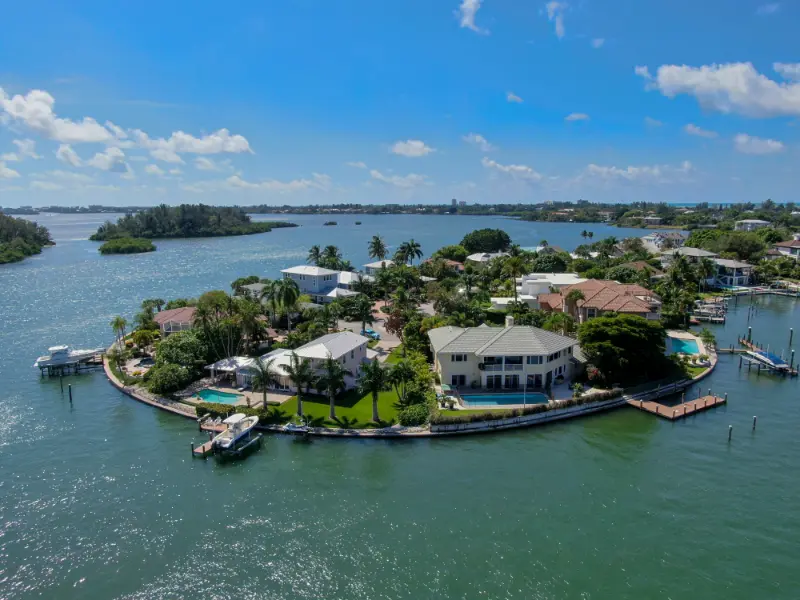
    Sarasota Florida Waterfront Villas and Private Boat Docks Aerial

    Night 1: arrive without forcing everyone into the same flight

    Friends often reach Florida at different times. Rather than making early arrivals sit outside with luggage, select a meeting point and confirm who has access to the room. Ask the lodging provider whether an early bag drop is possible. If someone will collect the car, list all authorized drivers and compare the total rental cost, including age-related fees or additional-driver charges. Don’t assume every person can drive under one reservation.

    Use the first evening for a simple meal and a walk within comfortable distance of the property. It is a good moment to agree on the next day’s start without deciding every minute of the trip. A shared breakfast order and one main outing can be enough. Anyone tired from travel should feel able to skip an evening activity without losing the rest of the group.

    Day 2: Sarasota’s art and waterfront at different speeds

    Plan a morning around one major cultural destination, such as a confirmed-open museum or garden. Sarasota has several options, but opening days, special exhibitions and ticket rules change. Choose according to the group’s interests rather than ticking every famous name. An art museum rewards two thoughtful hours more than a hurried circuit squeezed between traffic and lunch reservations.

    Split into smaller pairs if needed: one pair might prefer a longer exhibition, while another enjoys the surrounding grounds or a café. Agree to meet at a specific place and time. Ask the venue about wheelchairs, benches and accessible parking for anyone who needs them. After lunch, take a short permitted waterfront walk or return to the room for a break. Leaving the afternoon unscheduled makes the trip feel like a holiday.

    Day 3: Anna Maria Island without a parking battle

    Choose one beach access and arrive early enough to understand local parking rules. Island roads, trolley routes and beach parking capacity may differ by location and season. Don’t drive endlessly looking for a free place beside the sand. Consult current official town or county information, use signed public parking and be prepared to choose another access if your first option is full. Never use private driveways or block emergency routes.

    Bradenton Beach Anna Maria Island Florida Coast Aerial

    Not everyone needs to swim. Build a morning with shade, reading, shell watching and a walk as well as optional water time. Observe surf warnings, weather and current beach-water information. The Florida Healthy Beaches program addresses bacterial testing, which complements but does not replace local warning flags and lightning awareness.

    Have lunch at a place you have confirmed is open, or use a properly chilled picnic. A person who dislikes sand can join for an hour and then head to a café. Avoid making beach time a loyalty test. In the evening, choose an easy group meal near the accommodation rather than adding a long drive just for a recommended restaurant.

    Day 4: an inland or nature day for variety

    After the beach, a small nature outing or market visit changes the rhythm. Pick a public park, garden or trail appropriate to the group’s mobility and the weather. Check how long the walk really is from legal parking to the attraction. A forest trail may be uneven, while an urban garden might be easier for someone who needs frequent benches. A group doesn’t have to agree on a strenuous hike for an outing to feel meaningful.

    For a guided wildlife tour, ask about boarding, shade, duration and cancellation conditions. Book only if enough friends genuinely want it and understand the total price. If the tour is canceled, use the afternoon for a shared cooking session, a local exhibition or downtime. Resist the urge to fill every empty hour by scrolling for activities. Some of the best conversations happen over a slow lunch.

    Day 5: let the group divide and rejoin

    Use the last full day for personal interests. One pair might return to the beach, another may visit a museum or browse local shops. Establish a straightforward meeting point for dinner and avoid rigid rules about staying together. Friends with different energy levels often enjoy the trip more when they are given permission to opt out of a stop. Keep keys, transport and room access arranged so independent time does not leave anyone stranded.

    If planning a celebratory dinner, make reservations and discuss dietary needs and price range first. A restaurant can be enjoyable without being extravagant. Remember that service charges and gratuities may affect the final bill. The most thoughtful group decision is one everyone can comfortably afford, not the most photogenic dining room.

    Day 6: departure arrangements that do not annoy everyone

    Separate flights complicate checkout day. Agree who will return the car and when luggage must be out of the room. Ask whether the property can hold bags, and avoid leaving them unattended in a parked vehicle while making one last beach stop. If one friend has an early flight, don’t make the whole group wake at dawn unless transport requires it. A rideshare to the airport may be worth comparing against a shared long detour.

    Check rental-car fuel rules, additional-driver conditions and any toll billing. Photograph the returned vehicle and save receipts until final charges settle. Send everyone a final summary of shared expenses promptly so nobody is left waiting weeks for reimbursement.

    Transport: one car or two?

    One suitably sized vehicle can keep costs down, but luggage space is often the limiting factor. Four adults with large suitcases may not fit comfortably in the vehicle class that looked fine on a seating chart. Check capacity before booking. Two vehicles offer independence but increase costs, parking demands and coordination. If your lodging has only one permitted space, a second car can become a real inconvenience.

    Some areas are pleasant to walk once you arrive; others require a vehicle. Don’t assume a free trolley connects every accommodation to every beach, or that its route is identical all year. Confirm current service maps, operating hours and accessibility features for your actual dates. Book accommodation according to how your group will move, not merely proximity on an online map.

    Food, groceries and shared meals

    Plan one initial grocery purchase for breakfast, drinks and simple meals. Put one person in charge of the shopping list, but let everyone add dietary needs before the shop. Label shared items and decide whether alcohol or premium snacks are individual purchases. A few breakfasts at the rental can create both savings and relaxed conversation; it is not necessary to cook every meal.

    Florida heat requires sensible food storage. Keep seafood, dairy and other perishables chilled and clean shared kitchen surfaces properly. The USDA’s guidance on safely handling chilled picnic food is useful for beach days. If the group has allergies, choose restaurants that can answer questions clearly rather than assuming a menu icon guarantees safety.

    Accessible, comfortable and respectful travel

    Adult friends can have very different abilities or health needs. Avoid demanding explanations from someone who needs more rest. Choose a hotel with an elevator or a verified accessible room where necessary, and keep walking routes flexible. A friend who cannot tolerate strong heat may prefer an early outing and an indoor afternoon. You can still share meals and evening conversations without sharing every activity.

    Respect residents, beaches and animals. Follow posted rental rules, keep music at a considerate volume and use designated parking. Don’t chase dolphins on a private boat or approach nesting birds for group photos. A memorable friends’ vacation should leave both the group and the places visited in good condition.

    A flexible five-night schedule

    Day Shared highlight Optional independent time Planning detail
    1 Arrival meal Early rest Keys and check-in
    2 Sarasota culture Café or extra exhibition Tickets and benches
    3 Anna Maria beach Shopping or reading Parking and water warnings
    4 Garden or guided nature Hotel downtime Weather cancellation
    5 Personal choices and dinner Split-group outings Restaurant budget
    6 Departure Short breakfast Flights and car return

    Frequently asked questions

    Is one rental car enough for four adults?

    Possibly, but check luggage capacity, driving rules and parking at the accommodation before deciding.

    Is Anna Maria Island a good place for a noisy celebration?

    Choose a venue explicitly suitable for your event. Residential rentals have occupancy and quiet-hour rules and should not be treated as party spaces.

    Should every activity be booked in advance?

    Only the important, limited-capacity ones. Keep much of the schedule flexible so different preferences and weather are easier to manage.

  • Anna Maria Island Florida Travel Guide: Beaches, Trolley, Families and Where to Stay

    Anna Maria Island Florida Travel Guide: Beaches, Trolley, Families and Where to Stay

    Anna Maria Island is the kind of Florida destination where doing less usually makes the trip better. The island is small, but bridge traffic, limited parking and popular beaches can make constant driving feel disproportionate to the distance. I would choose the right part of the island, settle in and let the trolley or a short walk handle as much of the vacation as possible.

    Explore this guide

    The appeal is the combination of low-rise neighborhoods, Gulf sunsets, simple beach days and small commercial districts rather than a long list of blockbuster attractions. That makes Anna Maria especially good for families, couples and multigenerational groups who want to spend time together without managing a complex schedule. It is also a place where the quality of the rental or hotel matters because you may genuinely enjoy staying close to home for part of each day.

    Quick planning summary

    • Best for: relaxed Gulf beaches, families, couples, low-rise island atmosphere, sunsets and travelers who prefer a slower beach vacation.
    • Ideal stay: 4–7 nights for a true island holiday; 2–3 nights works as part of a Gulf Coast road trip.
    • Getting around: Once on the island, use the trolley, bicycles and walking where practical. Parking is limited in popular areas, so the best plan is often to leave the car at the accommodation.
    • Best planning principle: Choose your island town before choosing the property: Anna Maria in the north, Holmes Beach in the middle and Bradenton Beach in the south each create a different daily rhythm.

    How to think about Anna Maria Island before you book

    The island has three main communities. Anna Maria at the north end feels residential and relaxed, with Bean Point and Pine Avenue nearby. Holmes Beach is central and practical, with easier access to shops and services. Bradenton Beach in the south has Bridge Street, restaurants and proximity to the mainland bridge. None is universally “best.” The right choice depends on whether you prioritize quiet mornings, central convenience or an evening district you can reach without driving.

    Anna Maria Island Florida Barrier Island Beach Aerial

    My practical rule is to choose the experiences that define the destination first, then place the hotel around them. A slightly cheaper room can become poor value if it forces long drives, repeated parking fees or early departures every day. The same applies in reverse: paying more for a central property can make sense when it lets you walk to dinner, return easily for a child’s nap or avoid moving the car during the busiest hours.

    Best things to do on a first trip

    Start with the beach nearest your accommodation

    On Anna Maria Island, convenience often beats chasing a famous access point. If you can walk to a good Gulf beach, use it. Morning and sunset beach sessions become much easier when you are not searching for parking. Bean Point is beautiful but has limited facilities and requires more self-sufficiency than larger public beach areas. Families with small children may prefer access with restrooms, food and a shorter carry from parking.

    Use the free or local trolley system as part of the vacation

    Island trolley service can reduce parking stress and makes it easier for groups to split up without taking multiple cars. Routes and schedules can change, so check current information before relying on it for a fixed reservation. The best use is often flexible: ride to lunch, Bridge Street or another beach zone and return when you are ready. During peak season, allow extra time rather than treating it like a city metro.

    Walk Pine Avenue and the north end slowly

    The north end rewards wandering more than checklist sightseeing. Small shops, food stops, piers and residential streets create the atmosphere. This is a good morning for couples and senior travelers because it can be adapted to energy level. Combine it with beach time instead of planning another distant attraction. If heat is strong, return to the accommodation for the middle of the day and come back out for sunset.

    Give Bradenton Beach and Bridge Street an evening

    Bridge Street provides a livelier counterpoint to the quieter north end, with restaurants, shops and access to the water. It works well in the late afternoon when a beach day is winding down. Parking can be competitive, which is another reason to use trolley or walk if your accommodation allows it. Families can keep the evening casual, while adults may stay longer for dining and live entertainment.

    Add one mainland nature or culture day only if the island stay is long enough

    Bradenton, Robinson Preserve and other Gulf Coast attractions can broaden a weeklong vacation, but I would not sacrifice multiple island days on a short trip. The mainland makes sense as a weather backup, grocery run or change of pace. A seven-night stay has room for one such day; a three-night stay usually does not.

    Where to stay

    There is no single best neighborhood for every traveler. I would choose based on what you want to do before 10 a.m. and after 6 p.m., because those are the hours when a convenient base improves the trip most. During the middle of the day you are usually willing to drive for a major attraction; early and late, convenience matters more.

    Anna Maria city, north end

    Best for quiet streets, Bean Point access and a village atmosphere. Choose this if calm mornings and sunsets matter more than having the largest concentration of services nearby.

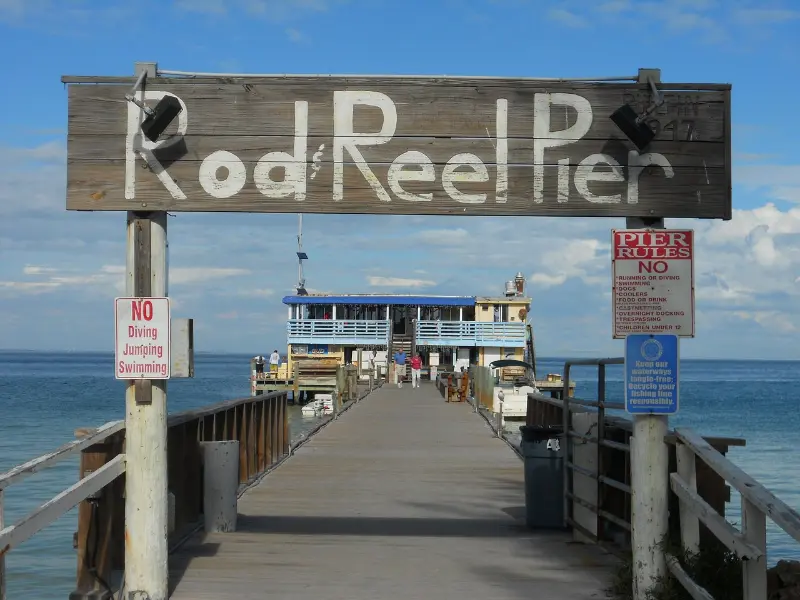
    Anna Maria Island Waterfront Restaurant and Pier

    Holmes Beach

    The most central and practical base, especially for families who want straightforward access to groceries, beaches and transportation in both directions.

    Bradenton Beach

    Good for travelers who want Bridge Street, restaurants and a livelier evening scene, plus quick access to the mainland bridge.

    Getting there and getting around

    Most visitors arrive by car from Tampa, St. Petersburg, Sarasota or Bradenton. Bridge traffic can become part of the travel time, especially on weekends and peak-season changeover days. Once you arrive, avoid moving the vehicle simply because a destination looks two miles away. Parking is one of the island’s limited resources. A walkable property or reliable trolley stop can be worth more than a slightly larger room farther from the beach.

    For road trips, calculate door-to-door time rather than mileage alone. Florida bridges, beach roads, event traffic and afternoon storms can make a short distance feel much longer. I also avoid scheduling a nonrefundable tour immediately after a flight or a long interstate drive. A flexible first evening gives the trip room to absorb delays without sacrificing something expensive.

    Families, teenagers, seniors and accessibility

    Families with babies benefit from a property close enough for naps and quick clothing changes. School-age children often need little more than beach, pool, ice cream and one short outing. Teenagers may enjoy bikes, paddleboards and more independent movement if traffic and local rules allow. Senior travelers should prioritize a short, stable route to the beach and shaded seating. Accessible beach facilities vary by location, so confirm the exact public access rather than assuming every sandy path is suitable for a mobility device.

    For mixed-age groups, it helps to define one shared experience each day and allow the rest of the schedule to split. One person can return to the hotel while others stay for sunset; grandparents can choose a museum while teenagers take a water activity. That is usually more enjoyable than forcing everyone through the same long day. Always verify current accessibility details directly when a specific lift, beach mat, accessible vessel, transfer method or mobility-device policy is essential.

    Best time to visit

    Winter and spring are popular for comfortable weather, while summer is hotter, wetter and often more humid. The Gulf can be wonderfully warm, but thunderstorms and heat require flexible beach timing. Late summer and fall overlap hurricane season, making refundable lodging particularly valuable. Red tide and other water-quality conditions can occasionally affect Gulf Coast experiences, so check current local reports shortly before swimming-focused trips.

    Florida weather is local. A statewide forecast rarely tells you enough about ocean surf, lightning, wind or a passing storm cell at the exact beach you plan to use. I keep one indoor or lower-exposure option available and check conditions again on the morning of any boat, beach or wildlife day. That small habit prevents a weather change from turning into a lost vacation day.

    A practical first-time itinerary

    1. Day 1: Settle into your nearest beach, explore the local town on foot and watch sunset without driving.
    2. Day 2: Trolley to a different island zone, lunch, another beach and Bridge Street in the evening.
    3. Day 3: Slow north-end morning around Pine Avenue and Bean Point area, then pool or beach time. Add a mainland nature day only on longer stays.

    Do not treat the itinerary as a contract. If the beach is perfect, stay longer. If a storm arrives, move the indoor day forward. If children are exhausted, a hotel-pool afternoon may create better memories than another admission ticket. The most successful Florida itineraries have a strong structure and weak rigidity.

    Budget and booking strategy

    Accommodation, parking and paid water or attraction experiences usually create the biggest differences in the budget. Compare the total nightly hotel cost, not only the room rate: resort fees, parking and breakfast can change the result. Then decide which one or two paid experiences are genuinely central to the trip. Beaches, neighborhood walks, sunsets and many parks can fill the remaining time without making the vacation feel second-rate.

    For popular seasons, reserve the hotel first with a flexible rate if possible, then add limited-capacity tours. I avoid paying early for every small activity because weather and energy change. Travel insurance becomes more valuable when the trip falls in hurricane season, depends on an expensive cruise or includes nonrefundable lodging. Read the policy rather than assuming every weather event is covered.

    Common mistakes to avoid

    • Driving to every beach access instead of using the one near your accommodation.
    • Booking a rental without checking the real walking route to the beach.
    • Assuming island distances mean traffic and parking are irrelevant.
    • Overfilling a short stay with mainland day trips.
    • Choosing a quiet north-end rental when the real priority is walking to nightlife, or the reverse.

    Useful Wonderful Florida guides to read next

    Continue planning with best beaches in Florida, Florida with kids, Florida for seniors, best time to visit Florida and 14-day Florida road trip.

    Official resources to check before you travel

    Opening hours, parking rules, beach access, launch schedules, park conditions, ferry or trolley service and reservation requirements can change. Check the official source again shortly before travel whenever a specific service is essential to your day.

    Final thoughts

    Anna Maria Island is most rewarding when the schedule reflects the destination instead of fighting it. Choose the right base, group activities geographically, protect the hottest or stormiest part of the day and leave enough open time for the experience that turns out to be better than expected. That approach works for a couple, a family with young children, teenagers traveling with parents or a multigenerational group, and it is the style of planning that makes a Florida trip feel like a vacation rather than a logistics exercise.