
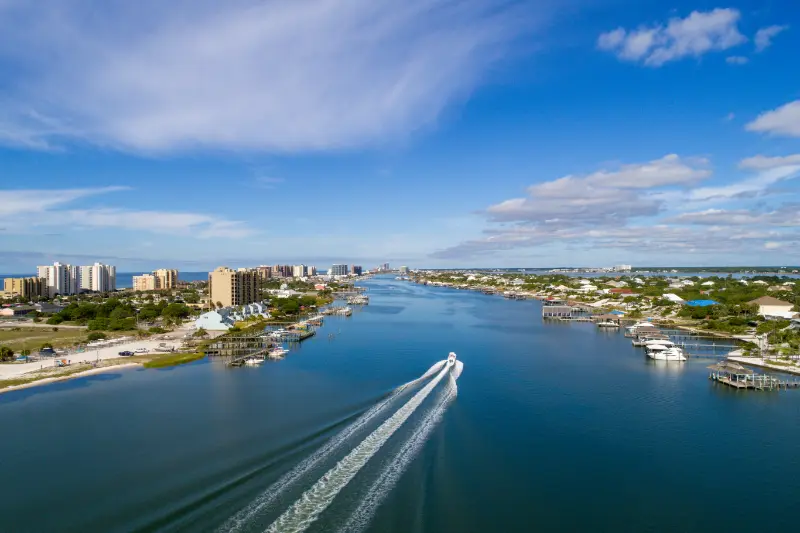
The western Florida Panhandle offers something that busy resort streets can hide: miles of protected shoreline where dunes, historic defenses, birdlife and open water dominate the view. Gulf Islands National Seashore is not a single beach with one entrance. Its Florida units lie in different places around Pensacola Bay, Santa Rosa Island and Perdido Key. A five-day itinerary works best when you understand those distances and choose accommodation close to the activities that matter most to your group.
This trip suits adults who like relaxed coastal history, families seeking scenery without a daily amusement park, and travelers who prefer to watch the water rather than swim. It is not necessary to enter the Gulf to enjoy it. The weather, beach warning flags, road closures and current National Park Service notices should guide each day’s choices, especially when storms or strong winds affect barrier-island roads.
Five-day itinerary at a glance
| Day | Location | Main experience | Bad-weather option |
|---|---|---|---|
| 1 | Pensacola | Historic downtown orientation | Indoor museum or café |
| 2 | Fort Pickens | Fort history and seashore views | Short fort-focused visit |
| 3 | Santa Rosa Island | Dunes, beach observation and picnic | Short scenic drive |
| 4 | Perdido Key | Protected Gulf shoreline | Pensacola indoor attractions |
| 5 | Gulf Breeze / departure | Easy nature stop and return | Relaxed breakfast |
Aim for a Pensacola or Pensacola Beach base. Downtown Pensacola offers evening restaurants and some walkable cultural choices; Pensacola Beach puts you closer to Fort Pickens but can involve bridge and seasonal traffic. Perdido Key is more convenient for the western seashore unit yet farther from downtown. Staying somewhere “central” on a map does not remove the need to drive between distinct units.
Day 1: Pensacola, an orientation day with history
Explore downtown Pensacola at a comfortable pace after checking in. Its streets and buildings offer a useful background to the region’s Spanish, British and American chapters, but you do not need to absorb centuries of history on arrival day. Select one small museum or historic area whose opening hours are confirmed and spend the rest of the afternoon getting familiar with your hotel and the route to the island. Families can make a game of recognizing historic architecture while younger children enjoy a shorter outing.

Plan to buy water, snacks and any sun protection before going to the seashore tomorrow. Facilities and concession options are more limited in protected coastal areas than at commercial resort beaches. Have a dinner reservation only if you need one; the first evening should remain flexible for flight delays, tired travelers and weather. Check the National Park Service website for any temporary access closures before making the day’s schedule.
Day 2: Fort Pickens and the meaning of a coastal fort
Drive to the Fort Pickens area to learn how coastal defenses responded to changing military threats. A visit is more rewarding when you read interpretive information and consider the fort’s role in the wider coastal system, rather than treating masonry passages as a playground. Different portions of historic structures may have uneven surfaces, steps, low openings and limited shade. Ask a ranger which areas are suitable for your companions before committing to a long walking loop.
Bring a flashlight only if park rules allow it, and supervise children carefully around drop-offs and narrow spaces. Do not climb on fragile walls or enter fenced areas. Photographers may prefer morning light, but avoiding heat is usually a more important reason to arrive early. Plan a picnic or return to a town restaurant instead of assuming the fort has full meal service. A history-focused visit can stand on its own without adding a swim.
Day 3: Santa Rosa Island for people who enjoy the beach dry
Spend the next day observing the Gulf rather than rushing between attractions. Choose an official access area with restrooms and parking, then walk only the distance your group finds comfortable. Barrier-island dunes are protected habitats, not shortcuts to the sea; use marked boardwalks and access routes. Shorebirds may rest on the sand and need space to conserve energy. Keep food securely stored and avoid attracting gulls with scraps.
If the surf is rough, treat it as scenery rather than a challenge. Swimming conditions can change quickly, even on a sunny day. Children should understand warning flags, currents and the distinction between shallow-looking water and safe water. People who do not swim can still enjoy shell observation where permitted, sketching, birdwatching and simply listening to the waves. Finish before anyone becomes overheated or tired enough to make poor decisions near the shoreline.
Day 4: Perdido Key and a quieter seashore perspective
Perdido Key offers a different setting from the busy commercial sections of Pensacola Beach. Consult the park’s current access information for the Johnson Beach area, including fees, parking availability and any closures or protection zones. It is better to spend a few hours exploring a designated area carefully than to assume the island has continuous public beach access. Walk only on established routes, carry out every item of litter and respect signs protecting nesting birds or sea turtles.
For visitors with mobility restrictions, ask about the parking-to-beach distance and surface conditions. Sand is not wheelchair-friendly even when a parking area and restroom meet accessibility standards. If walking on sand is not possible, look for places with good views from a maintained path or turn the day into a scenic drive and a comfortable lunch. Do not promise a beach wheelchair is available without checking the specific unit and date.
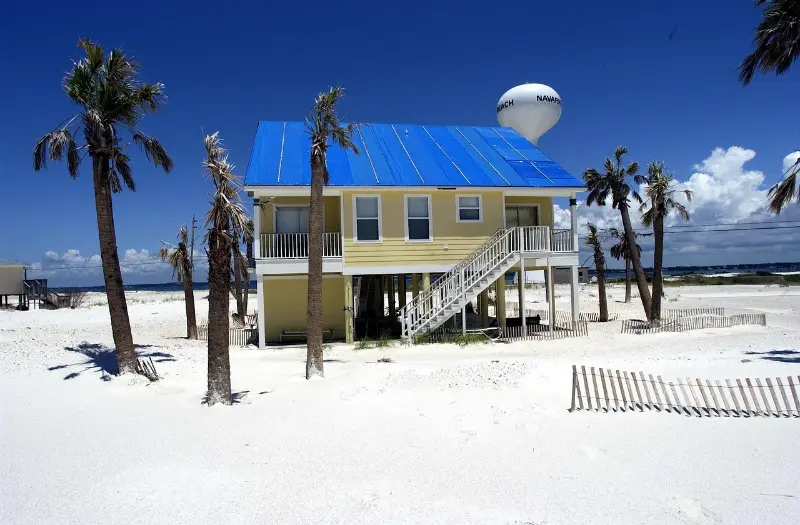
Day 5: Gulf Breeze and a departure day with room to breathe
Use the final morning for a short stop closer to the mainland or Gulf Breeze, depending on your lodging and the direction of travel. A nature-oriented location such as the Naval Live Oaks area may be suitable when trails are open, but always check current access rules and select a short route. If the previous days were tiring, an unhurried breakfast and direct drive to the airport are equally sensible. A missed flight is not worth one more photograph of the water.
Pack damp clothing separately, rinse sand from equipment and check that you have removed any belongings from the rental car. Travelers with children should keep a change of clothes and snacks accessible for the trip home. Return times are affected by bridge traffic, construction and weather, so use realistic margins rather than ideal mapping-app estimates.
Understanding entrance fees without relying on stale figures
Gulf Islands National Seashore has separate fee areas, and an entrance pass may cover more than one designated unit over a specified period. However, published amounts can change and third-party pages may disagree. The NPS fee pages and notices are the authority; check official Gulf Islands fees and passes just before your visit. Distinguish entry costs from optional ferry tickets, campsites or special activities.
If you already have a federal recreation pass, verify whether it applies to the areas and the people traveling in your vehicle. International visitors should check the pass terms that apply to their residency status and dates. Keep your proof of purchase accessible, including an offline copy if the pass is digital. Do not assume a parking receipt at a commercial beach resort is the same as entrance permission for a federal park unit.
Where to stay: downtown versus barrier island
Downtown Pensacola is convenient for restaurant choice, evening strolling and indoor alternatives if rain cancels a beach day. Pensacola Beach gives quicker access to Fort Pickens and more of a shoreline holiday atmosphere. Perdido Key is better if you want to focus on the western seashore and limit time in downtown traffic. Compare the full stay price, including parking, resort charges, cleaning fees and bridge travel, not merely the advertised nightly rate.
A family of five might benefit from a suite and refrigerator more than from an expensive oceanfront view. Couples without a vehicle may find parts of downtown easier than separate seashore units, but this itinerary assumes a car. Ask about elevators, step-free entrances and quiet room locations if someone in your group has limited mobility or needs uninterrupted sleep.
What to bring to a protected seashore
Bring a broad-brimmed hat, plenty of drinking water, sunscreen, a reusable bag for waste, binoculars and footwear suitable for hot sand and hard walking surfaces. Protect cameras from salt spray and windblown sand. Large wheeled coolers may be awkward on dunes and boardwalks; a manageable backpack can be more practical. Bring a towel even if you do not swim, as it makes a shaded picnic or rest easier.
Watch the forecast for thunderstorms and strong winds. Never shelter from lightning under a beach umbrella or isolated structure; follow official guidance to reach a substantial building or enclosed vehicle. Gulf Coast weather can improve later in the day, but an alternative is only useful if you have not already committed to a long and exposed walk. Remember that wildlife protections may limit where you can set up chairs or spend time.
Designing the trip for different ages and abilities
For toddlers, one beach activity and a short meal out are often enough for a day. School-age children may be interested in fort history if it becomes a story about engineering and geography. Teenagers might enjoy photography or a ranger-led learning opportunity, depending on the schedule. Older adults vary enormously in physical ability, so plan based on their preferences rather than age labels. Everyone needs shade, water and toilets more reliably than they need a fifth attraction.
Historic forts have uneven floors, and coastal paths can include loose sand. If someone uses a wheelchair or walker, telephone the relevant NPS unit to ask exactly which routes and programs are accessible today. At beaches, never confuse general accessible parking with a firm path to the shoreline. Some visitors will prefer viewing points or guided interpretive experiences to wandering through sand.
Family-friendly safety and responsible wildlife viewing
Avoid entering water when warning flags or local authorities advise against it. Rip currents, sudden drop-offs and strong surf are not visible simply by looking at a calm stretch from the road. Supervise children within reach near water and choose lifeguarded locations when swimming is part of your plan. Respect roped-off nesting areas and never approach sea turtles, eggs or resting shorebirds. Dogs and other pets may be restricted from beaches and historic areas, so verify policies for each unit.
Do not remove cultural objects from fort areas, carve names into structures or use dunes as a picnic site. Leave shells and natural materials where the park requires; collecting rules vary by site. If you see an injured bird, report it to appropriate staff rather than trying to handle it. Protecting the landscape is part of what makes a national seashore different from a commercial waterfront.
Camping versus hotels
Fort Pickens has an established national-park campground, but campgrounds have separate reservations, rules and fees. Review Fort Pickens campground information and the official reservation system before bringing an RV or tent. Do not expect to camp on an arbitrary section of beach. Campsites may have limits on vehicle size and amenities, and the beach environment is exposed to wind and changing weather.
For older travelers who need reliable temperature control, or families unfamiliar with tent camping, a hotel may be worth the additional cost. Compare the number of nights, cancellation terms and proximity to groceries. Camping can be wonderful, but it is not automatically an inexpensive or comfortable choice once all equipment and travel are included.
Final checks before leaving home
Use the Gulf Islands National Seashore official website for closures, fees, visitor maps and wildlife advisories. Check local beach flags on the day you plan to swim. Book necessary lodging early for peak dates and special events, but keep beach-day plans flexible enough to swap activities when storms arrive. This route rewards restraint: fewer stops, better timing and more attention to the Gulf environment.
A five-day visit is not about covering every acre in the national seashore. It is a chance to understand how the Pensacola coastline holds military history, fragile habitat and spectacular scenery together, while leaving enough time for simple coastal pleasures at any age.
Frequently asked questions
Can we visit without swimming?
Absolutely. Fort interpretation, wildlife watching, beach photography and quiet scenic walks provide a complete trip without entering the water.
Are all the Florida seashore units next to each other?
No. Fort Pickens, Santa Rosa and Perdido Key require separate drives. Plan by area instead of treating the park as one continuous road.
Is a federal entrance pass enough for camping?
No. Entrance and campground reservations are different purchases, and other optional activities can have separate charges.
Are beaches in the national seashore accessible to wheelchair users?
Certain facilities may be accessible, but soft sand and some historic structures pose barriers. Confirm the exact route and any equipment availability with the relevant park unit.