
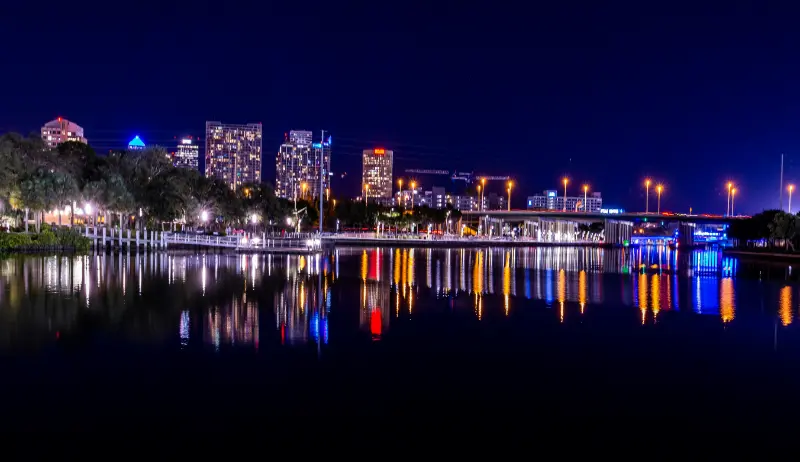
Jacksonville is sprawling, and that is both its challenge and its appeal. The city stretches along the St. Johns River, encompasses distinctive historic neighborhoods and provides access to some of Northeast Florida’s most natural Atlantic coastline. Add nearby Amelia Island and you can combine art, riverfront cafés, barrier-island beaches and the small-city charm of Fernandina Beach without changing hotels every night. Four days are enough when you organize them by geography rather than trying to drive between riverfront and shoreline attractions repeatedly.
This itinerary suits a rental-car vacation. Jacksonville’s distances and connections make public transportation less convenient for linking all four days, although individual districts can be enjoyed on foot. Plan two nights in the Jacksonville area and one or two near the beaches or Amelia Island if budget permits, or choose one base and accept longer day trips. The emphasis is deliberately broader than big attractions: a morning in Riverside, a quiet state-park beach and an evening in Fernandina can each be the day’s highlight.
A practical four-day outline
| Day | Base or region | Main plan | Most useful choice |
|---|---|---|---|
| 1 | Riverside and downtown Jacksonville | Arts, riverfront and local food | Stay in one neighborhood |
| 2 | Jacksonville’s coast | Beaches and Atlantic shoreline | Choose one beach town |
| 3 | Talbot islands | State park dunes, trails and nature | Start early for park access |
| 4 | Amelia Island | Fernandina historic district and shore | Unhurried village and beach day |
The plan can be reversed if your flight or lodging arrangements make Amelia Island the first stop. Avoid using Florida road-trip estimates as promises, especially near bridges and weekend beach approaches.
Day 1: Riverside, Avondale and the riverfront
Begin in Riverside and Avondale, where mature trees, historic homes and walkable pockets make Jacksonville feel more intimate. The Cummer Museum of Art & Gardens is a logical centerpiece for an art lover and a good indoor alternative on a stormy afternoon. If your visit falls on a Saturday, the Riverside Arts Market beneath the Fuller Warren Bridge may be a rewarding stop; check its official event calendar because market schedules and vendors can change. Five Points offers independent shops and cafés, but it is a place to browse, not a reason to keep everyone on their feet for hours.
Give yourself a proper lunch and then visit the St. Johns River waterfront or another nearby neighborhood rather than crossing town for a third ticketed venue. The city’s river is an organizing feature, but not every riverfront block is connected by a continuous pedestrian promenade. Before setting out, choose a specific legal parking place and destination. For visitors using mobility equipment, ask the museum about its entrances and garden surfaces, and select a short comfortable loop. With children, let the garden and art be a scavenger-hunt experience rather than a formal gallery marathon.
In the evening, Riverside is a good choice for local dining. Families may prefer an early meal; adults interested in a livelier atmosphere can stay longer if they have a safe route home. Jacksonville is not a resort complex where a shuttle automatically links all attractions. Staying in the same district after sunset helps avoid unnecessary driving and gives the first day a memorable local character.
Day 2: Jacksonville Beach and the coastal towns
Drive toward the Atlantic and choose Jacksonville Beach, Neptune Beach or Atlantic Beach as the focus, rather than trying to park at all three. Each offers a different mix of public shore access, services and dining, but the practical questions are the same: Where will you park, where are the restrooms, how far is the sand and what do the beach safety advisories say? Ocean conditions on Florida’s northeast coast can be energetic. Follow lifeguard instructions where present, heed rip-current warnings and avoid inlets or jetties for casual swimming.
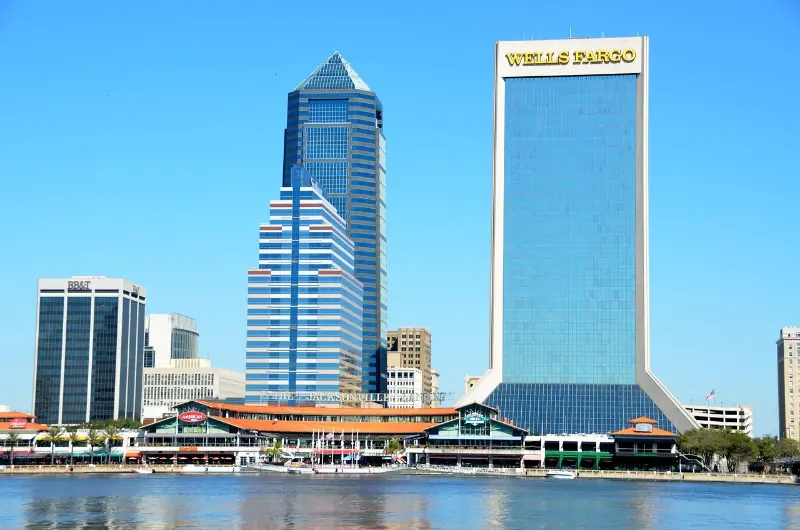
The Beaches Town Center area around Atlantic and Neptune beaches can provide an easy lunch or late-afternoon stroll. A couple may enjoy cafés and the relaxed commercial blocks, while a family with young children might spend only an hour on the sand before heading to shade. In cooler weather, the beach may be more suited to walking and birdwatching than swimming. Consider local parking rules and the distance from hotel to shore before hauling a large load of beach gear; that walk often determines whether a beach day is relaxing.
If you want a non-beach option, keep a local cultural or nature stop in reserve rather than driving to the city center again. Sand and saltwater are only enjoyable when the whole party is comfortable. A teenager who likes surfing may want a supervised lesson, whereas a grandparent might prefer a protected café terrace with an ocean view. Let people choose how to experience the coast without treating one version as more authentic.
Day 3: Little Talbot Island and the undeveloped coast
Drive north for Little Talbot Island State Park, a striking contrast to commercial beachfront. The official state-park information describes a long undeveloped Atlantic shoreline, dune habitat and nature experiences. This is a place for listening to surf, watching birds, photographing the coast and walking only as far as conditions comfortably allow. Check current park operating hours, entrance fee and facility alerts before the drive. Bring water and lunch supplies if you want to avoid leaving early in search of food.
One safety point matters enormously: Florida State Parks has restrictions on entering the water at the southern end near dangerous currents. Beach swimming is not permitted in signed restricted areas, and the park does not provide lifeguards. Use designated crossovers where water entry is allowed only if the surf conditions are appropriate, and always follow signs and staff guidance. This is not a safe place to improvise a swim because a beach looks empty. The protected beach ecosystem also means dunes and driftwood should be left undisturbed.
Families can make the day about shells, shorebirds and habitats rather than a long trek. The park’s official accessibility details include options such as beach wheelchairs and a paved pathway, but availability and conditions need checking beforehand. Travelers unable to navigate sand can still enjoy the landscape from selected accessible areas. Do not rush onward to multiple parks simply because the islands are adjacent on a map; a slower nature morning followed by a seafood lunch is a better use of this day.
Day 4: Fernandina Beach and Amelia Island
Continue toward Amelia Island and explore the historic downtown of Fernandina Beach. This district is compact enough for a café-led morning, galleries, local shops and architectural details. The island has a maritime and railroad history that is worth learning about rather than using the main streets solely for souvenir shopping. Select a museum, a walking route or a guided history experience based on opening hours. Allow time to sit down; a calm final day is especially welcome if you will be driving to the airport later.
For the afternoon, visit a suitable Amelia Island beach or Fort Clinch State Park if your group enjoys coastal fortifications and nature. Check state-park details and the route to specific sites before arrival; the fort, camp areas and beaches do not all operate as one doorstep attraction. The Atlantic surf, sun and beach access conditions require the same care as elsewhere along the coast. Visitors with children may prefer playground or picnic time, while photographers might focus on maritime forest and historic structures rather than swimming.
If departing from Jacksonville International Airport, leave ample time for the drive, refueling and rental-car return. Amelia Island can be a delightful final overnight stop, but it should not become an excuse to book a departure flight with no travel buffer. For a longer vacation, a separate stay here gives the historic district and beach a distinct identity instead of treating them as a Jacksonville suburb.
Best lodging base and how not to waste time driving
Riverside or an appropriately located central Jacksonville hotel suits art and dining, but will mean driving to the beaches. Jacksonville Beach provides shoreline access and restaurants but may be more expensive on weekends and holidays. Amelia Island makes sense for a quiet coastal final leg, especially if the island is a major reason for visiting. Choose by your main interest rather than the geographic label ‘Jacksonville’: many hotels with the city name in their address are far from the riverfront and Atlantic coast.
For families, compare room layout, breakfast arrangements, pool access and parking fees. A condominium can be practical when there are grandparents, several children or special dietary requirements, provided stairs and equipment access are suitable. Independent travelers should verify the walking route from hotel to restaurants rather than relying on a straight-line distance. The city is large enough that a badly positioned hotel can add considerable driving every day.
Car rental, timing and realistic geography
A car is the simplest option for this four-day circuit. Plan major geographic moves before checking in, minimize repeated travel between riverfront and beaches, and save a parking location for each day. If a rental car is impractical, focus instead on one walkable neighborhood and use prearranged excursions, acknowledging that the Talbot islands and Amelia Island are harder to combine without driving. Taxi and rideshare coverage may thin in less densely developed coastal locations, so plan your return ride in advance.
Remember that bridge traffic, weekend beach demand and events can extend journey times. Do not build hotel checkout and an attraction reservation too close together. The state’s toll arrangements vary by route and rental-company policy; confirm those charges along with insurance and permitted drivers. If traveling internationally, verify license and identification requirements before arrival. Long distances do not have to dominate the trip, but they will if every evening ends far from the next day’s first stop.
Costs, weather and flexible alternatives
Use a one-major-attraction-per-day rule to control admission spending. Museums and historic sites may have ticket fees; beaches can have parking charges even when shoreline access itself is public. State-park entrance fees are modest relative to some attractions, but still check the current official schedule. The biggest variable may be accommodation, especially in Amelia Island high season. Calculate lodging, parking, fuel and meals together before concluding that a beachside bargain is cheaper than a city hotel.
The Atlantic can be breezy and cool in winter; hot weather brings humidity, strong UV and afternoon storms. Spring and fall can make walking comfortable, though individual days still vary. Tropical storms and hurricanes can disrupt the coast during hurricane season. Consult National Weather Service updates and park notices, and avoid rigid nonrefundable outdoor plans. On a wet day, swap beach and museum visits; on a very hot one, begin early and plan a long shaded lunch.
Planning for families, seniors and different abilities
Small children often do best with the museum on day one, a short beach outing on day two and one nature walk on day three. School-age children can compare river and ocean habitats; teens may enjoy arts-market shopping or a surfing lesson booked with an appropriate provider. Adults who dislike sand can spend more time in galleries or historic downtown. Older travelers can enjoy a shorter version of every day, with vehicle transfers between selected accessible stops and time for seated meals.
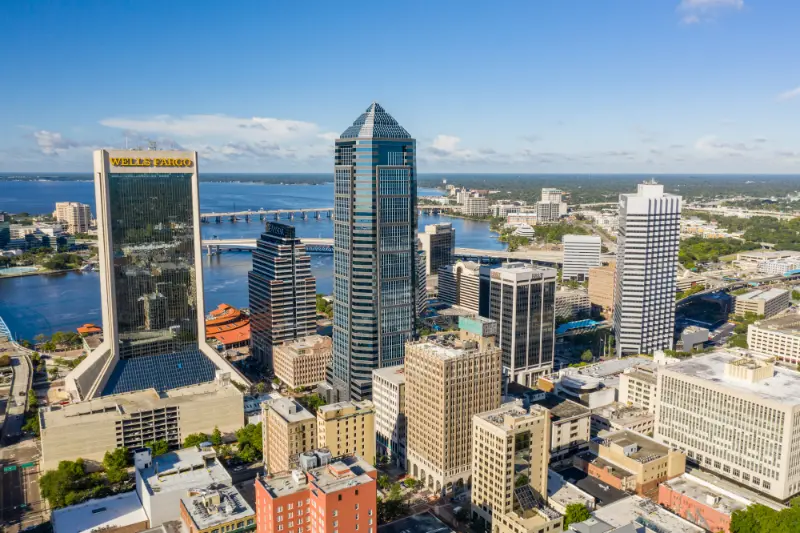
At specific sites, check ramps, restroom access, wheelchair-friendly pathways and whether beach equipment is available; generalized claims about a city being accessible are inadequate. Ask about staff-supported accommodations for visual or hearing access when booking guided tours. Travelers with sensory sensitivity may prefer quieter parks at opening time over busy market or boardwalk periods. The best inclusive itinerary does not expect every person to participate in every activity: it provides appealing options and simple places to reunite.
Frequently asked questions
Is Jacksonville too spread out for a four-day trip?
Not if you organize the route by neighborhood and coast. The problem is repeated cross-town driving, not the number of attractions. A sensible base and geographic sequence solve much of it.
Can I visit Amelia Island as a day trip?
Yes, but staying overnight gives you a calmer evening downtown and more beach time. If you day-trip, select one historical and one coastal experience rather than several scattered sites.
Can we swim at Little Talbot Island?
Only where water entry is permitted and when conditions are safe. Parts of the southern shore are restricted because of dangerous currents, and there are no lifeguards. Read official signs carefully.
What should we do if rain ruins a beach day?
Move the Cummer Museum or a historic site to that day and visit the shore when conditions improve. Many outdoor experiences are better with a flexible schedule.
Is the area suitable for a three-generation vacation?
Yes. Choose a hotel with comfortable access, limit walking distances and let the beach and nature days include seated alternatives. Children and older relatives need not follow identical schedules to enjoy the trip together.