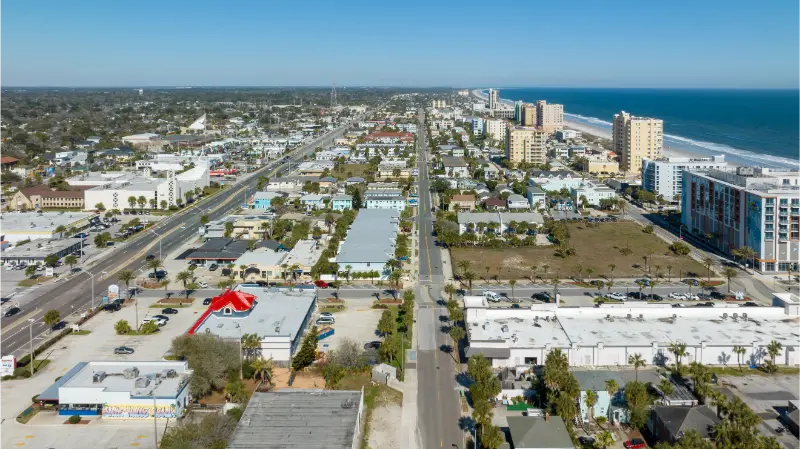
Category: Jacksonville Florida

  • Jacksonville Beach & Fishing Pier Guide: Fees, Parking, Fishing, Families and Visitor Tips

    Jacksonville Beach & Fishing Pier Guide: Fees, Parking, Fishing, Families and Visitor Tips

    Jacksonville Beach is the easiest introduction to the ocean side of Jacksonville because it combines a broad Atlantic beach with restaurants, lodging and a long fishing pier that gives non-anglers a reason to walk out over the water. It feels more like a classic beach town than Downtown Jacksonville, yet it remains close enough to pair with city attractions on a longer stay.

    Explore this guide

    The fishing pier is useful even if you never cast a line. Walking to the end changes the perspective on the coastline, surf and sunrise, while anglers can fish without obtaining a separate saltwater license because the pier admission covers the required licensing framework. Current fees are modest but are no longer “free,” so older travel posts can be misleading.

    Parking is the variable that most affects the experience. Jacksonville Beach introduced a seasonal paid-parking program at selected lots and streets, with different operating days and hours. Check current city rules before relying on an old assumption that every beach space is free.

    Quick planning summary

    • Best for: beach days, pier walks, casual fishing, sunrise views, families, couples and travelers staying near Jacksonville Beaches
    • How much time: about 1–2 hours for the pier and a beach walk; half a day or longer if you swim, fish, eat nearby and relax on the sand
    • Current practical snapshot: the pier currently lists 6 a.m.–10:30 p.m. daily, $2.50 non-local walking admission and $5.50 non-local fishing admission; Jacksonville Beach also operates a seasonal paid-parking program at selected locations
    • Best season: spring and fall for comfortable beach weather; summer for swimming with heat/storm planning; winter for walks and fishing with variable wind
    • Good pairings: Kathryn Abbey Hanna Park, Ponte Vedra Beach, or an evening in Riverside/Avondale

    What the experience is really like

    Jacksonville Beach is busier and more service-oriented than the natural beaches farther north around the Talbot Islands. That makes it better for visitors who want food, restrooms and a straightforward beach-town day, while Little Talbot or Big Talbot are stronger for undeveloped scenery.

    What to prioritize

    Walk the pier even if you do not fish

    A walking pass is inexpensive and gives a better sense of the Atlantic coastline than standing only at the dune line. Sunrise is especially appealing for photographers, while evening can be lively without the midday heat.
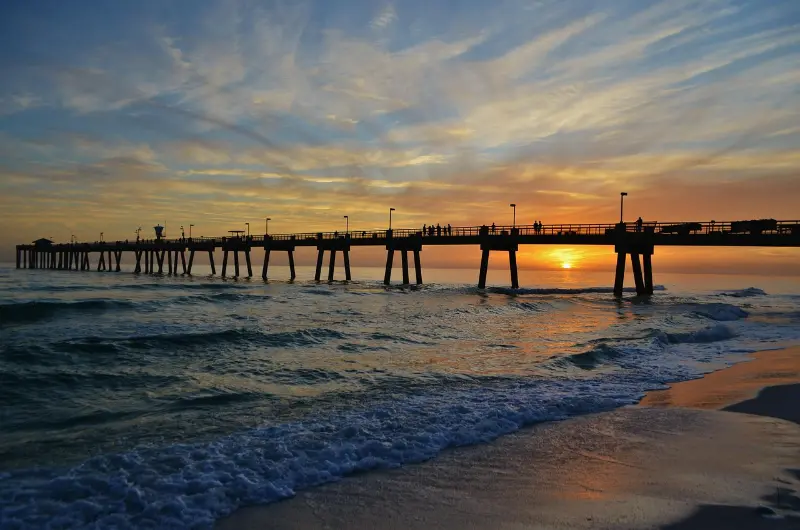
    Florida Ocean Fishing Pier at Sunset

    Fish without turning the day into a major expedition

    The pier offers bait/tackle support and rod rentals, making it approachable for casual anglers. Check current fishing fees, rules and weather closures before arriving with children who are excited about a first fishing attempt.

    Use the beach-town services strategically

    Restaurants and shops are close enough to break up a beach day, which is valuable in summer heat. Rather than carrying an entire day’s supplies, some travelers prefer a morning beach session, lunch off the sand and a shorter return later.

    Know the parking program before peak weekends

    Paid parking applies at selected locations on designated days and seasons. Rates and dates can change annually, so use the city’s current parking page instead of treating 2026 rules as permanent.

    Parking, arrival and logistics

    The city’s 2026 program charged at selected beach lots and streets on weekends, holidays and events during the season, including the pier area. Even when parking is available, peak warm-weather weekends can fill convenient spaces quickly. Arrive early if carrying chairs, umbrellas or children’s gear.

    How to fit it into a Jacksonville trip

    Jacksonville is geographically large, and map distances can hide bridge crossings, beach traffic and long suburban corridors. Group attractions by area instead of bouncing between Downtown, the Beaches and the Timucuan coast several times in one day. A well-planned half day with one nearby meal is usually more enjoyable than three famous stops separated by repeated drives.

    For this stop, the most natural combinations are Kathryn Abbey Hanna Park, Ponte Vedra Beach, or an evening in Riverside/Avondale. If you are also visiting St. Augustine, keep that city on a separate day unless your itinerary is deliberately a point-to-point road trip. The historic core south of Jacksonville rewards slow walking, so it rarely combines well with a rushed Jacksonville attraction afternoon.

    A useful regional link is the Ponte Vedra Beach travel guide, which explains the coastal transition between Jacksonville and St. Augustine. If beaches are a major priority, the St. Augustine and Ponte Vedra beach comparison can help decide whether to spend more coast time north or south.

    Families with babies and young children

    Families should decide whether the pier or beach is the main activity. Young children often enjoy a short pier walk followed by sand play more than a long fishing session. Keep shade, water and flotation/surf safety in mind because Atlantic conditions can change rapidly.

    With babies and preschoolers, plan around shade, bathrooms, food and opportunities to move rather than the number of attractions completed. Northeast Florida heat can change a child’s mood quickly, and a shorter visit followed by a pool, playground or early dinner is often a better result than forcing the final hour of an adult itinerary.

    Teenagers and older children

    Teenagers can split the day between swimming, surfing culture, pier photography and food. Older teens interested in fishing may enjoy renting equipment for a short session instead of committing the whole family to an all-day charter.

    Teenagers usually engage more when they have a role: choose the lunch stop, photograph a viewpoint, compare two habitats or historical stories, track wildlife, or decide which optional activity to add. Giving them ownership of one decision often works better than adding more “educational” stops.

    Senior travelers and multigenerational groups

    The pier provides ocean views without requiring walking on soft sand, which can make it a good beach experience for senior travelers. Wind exposure is stronger offshore, so bring a light layer in cooler months even when the parking area feels warm.

    For multigenerational travel, let the least mobile traveler set the base pace and give more active family members optional extensions. Clear meeting points, shaded rest stops and parking close to the main feature are more valuable than squeezing one extra attraction into the schedule.

    Accessibility and comfort

    The city describes the pier as handicapped-accessible, but beach access itself is a separate mobility question. Visitors who need beach wheelchairs or mat access should confirm current services and locations before arrival.

    Accessibility can change by surface and activity even when a destination has accessible parking and restrooms. Sand, roots, boardwalks, historic thresholds, long distances and heat all matter. If a wheelchair, walker or cane is part of the trip, confirm the exact route needed for the experience you care about most rather than relying only on a general accessibility label.

    Weather and seasonal planning

    Northeast Florida is visitable year-round, but the same itinerary feels very different in January and July. Late spring through early fall brings heat, humidity and frequent afternoon thunderstorms. Winter can be excellent for walking, yet cold fronts make exposed beaches and riverfronts windy and much cooler than inland parking lots.

    Lightning is the most important same-day reason to change an outdoor plan. At beaches, parks, zoos and open historic sites, thunder is a signal to move to a safe indoor location rather than shelter under a tree or open pavilion. During hurricane season, check official operating status before driving because coastal parks and bridges can close even when the storm center is not nearby.

    Food, water and break strategy

    Do not wait until everyone is hungry to decide where to eat. Jacksonville distances make “we will just find something after this” less reliable than in a compact tourist city. Save one nearby meal option before arrival, carry water in the car and keep a small snack available for children or travelers with medication schedules.

    For outdoor stops, a real shaded or air-conditioned break at midday can improve the entire second half of the day. For indoor attractions, reverse the logic and use a park, riverfront or neighborhood walk as the reset after galleries and exhibits.

    Is it worth it?

    Choose Jacksonville Beach for convenience, food and a social beach-town atmosphere. Choose Hanna Park for a park-style day with lake and trails, Little Talbot for an undeveloped barrier-island beach, or Big Talbot for dramatic scenery where swimming is not the main activity.

    The best reason to include this stop is that it adds a different type of experience to the trip. If your itinerary already has several similar museums, beaches or history sites, use this as the point where you introduce variety. Florida trips often improve when each half-day has a distinct purpose rather than a longer list of attractions.

    A realistic visit plan

    Early morning

    Arrive before crowds, walk the pier and enjoy cooler temperatures or sunrise light.

    Late morning

    Move to the beach for swimming or relaxing, using lifeguarded areas when available and conditions allow.

    Lunch and afternoon

    Take a restaurant break, then either return to the sand or drive to Hanna Park/Ponte Vedra for a contrasting second stop.

    Common mistakes to avoid

    • using outdated information that describes the pier as free.
    • assuming every parking space near the beach is free year-round.
    • underestimating wind and sun exposure on the pier.
    • letting children approach rough surf without checking flags and local conditions.
    • planning a full summer beach day with no shade or indoor break.

    Photography and wildlife etiquette

    Photograph from legal public areas and keep paths, railings and protected vegetation clear. Drones, tripods, commercial photography and wildlife approach rules vary by agency, so check the destination’s policy before bringing specialized equipment. A dramatic photograph is not worth stepping into dunes, climbing unstable natural features or blocking other visitors.

    Around wildlife, distance is part of the experience. Do not feed animals, crowd nests or treat a close encounter as something to manufacture for a photo. In Florida, birds, reptiles and marine wildlife can be present even at highly visited parks and beaches.

    Official information to check before you go

    Use Jacksonville Beach Fishing Pier for current hours, prices, closures, access rules and same-day notices. The practical details in this guide reflect information available in October 2026; a trip scheduled for 2028 or later should always be checked again before departure.

    Extra planning notes for a smoother visit

    Keep a 15–30 minute buffer between major stops. Short distances can still involve bridge traffic, event congestion, full parking areas or security/ticket lines. That margin prevents one delay from forcing you to skip the attraction you cared about most.

    Save addresses, parking instructions and any reservation confirmation before leaving your hotel. Mobile coverage is generally good, but a family trying to navigate, find a lot and retrieve tickets at the same time can lose more time than expected.

    Wear shoes for the most demanding surface in the day, not only for the restaurant at the end. A Jacksonville itinerary can move from pavement to sand, roots, boardwalks, wet grass or historic floors in a few hours.

    Build one flexible element into every half day. A beach walk, café, park or scenic drive can expand when everything is running smoothly and shrink when parking, weather or fatigue slows the group down.

    Think about the return trip before beginning the final activity. After a long beach session, museum visit or trail, everyone is less patient with parking searches and restaurant queues. Water in the car and one preselected food option can make the end of the day much easier.

    Final thoughts

    Jacksonville Beach works because it is simple: ocean, pier, food and enough services to make a half-day or full-day visit comfortable. The main planning job is checking parking and surf/weather conditions before you arrive, then choosing whether the day is really about fishing, swimming or simply enjoying the coast.

    Decision guide: when this stop makes the most sense

    Choose Jacksonville Beach & Fishing Pier Guide when it matches the energy and interests of the day rather than simply because it appears on a top-ten list. Beach days, pier walks, casual fishing, sunrise views, families, couples and travelers staying near jacksonville beaches usually get the strongest value, while travelers with a different priority may be happier using the same time for another Jacksonville experience. Think in terms of contrast: after a long indoor morning, add outdoor scenery; after a demanding trail, choose a seated or air-conditioned stop; after several history-heavy visits, give the group a beach or neighborhood break.

    Budget is not only the admission price. Parking, food, rental equipment, special experiences and the time needed to drive across Jacksonville all influence the real cost of the stop. A free attraction on the opposite side of the city can consume more of the day than a paid attraction beside your hotel. Compare total effort as well as dollars.

    If this is your first visit to Northeast Florida, leave some unscheduled time. Weather, beach conditions, animal activity, special events and local traffic can create opportunities that are impossible to predict months ahead. A trip with one open two-hour window is often easier to improve on the ground than an itinerary filled from breakfast to bedtime.
  • Northeast Florida History with Kids and Grandparents: Five Days from Jacksonville to Amelia Island

    Northeast Florida History with Kids and Grandparents: Five Days from Jacksonville to Amelia Island

    Northeast Florida offers something that is easy to miss on a conventional beach trip: layered history alongside waterways, old neighborhoods and Atlantic coastline. From Jacksonville’s riverfront to the Timucuan Preserve, St. Augustine and Amelia Island, a five-day holiday can introduce children to several centuries of stories while giving grandparents time for galleries, shaded lunches and manageable walking. The challenge is to avoid treating complicated history as a set of decorative forts and souvenir shops.

    This itinerary is designed around one substantial outing each morning and a relaxed afternoon. It does not require long hikes, although some historic sites have uneven surfaces, old steps or sandy paths. Families should check official accessibility descriptions for the exact exhibits and fortifications they want to visit. You will need a car for the complete route; public transport across the separate communities is not practical for a tightly timed family vacation.

    Plan your bases and allow history to be complicated

    Two nights in Jacksonville and two near St. Augustine or Fernandina Beach make a sensible route, depending on your arrival airport. Travelers who dislike hotel changes can select one base in northeast Jacksonville or St. Augustine and make longer day trips. For families with infants, check room space for a travel crib; for older adults, prioritize elevator access or a ground-floor room. Historic inns often have charm but may not have the accessibility features of newer hotels.

    Historical interpretation should include the people who lived in the region long before European colonization, the arrival of Europeans and Africans, the role of enslavement and the development of coastal communities. When children ask difficult questions, answer clearly at an age-appropriate level rather than skipping a subject because it is uncomfortable. Museums, national park staff and historic-site interpretation can provide context that a quick photograph of a fort cannot. Choose at least one visit where you can read or hear original perspectives.

    Day one: Jacksonville riverfront and a calm beginning

    Start with Jacksonville’s St. Johns River and the downtown riverfront, selecting a public park or waterfront route suitable for your group’s mobility. Jacksonville is spread out; distances between attractions can be longer than a visitor expects. A riverfront view, a leisurely lunch and one museum or cultural stop is enough after travel. Avoid promising a particular ferry or water-taxi connection unless you have checked that it is operating on your chosen day.

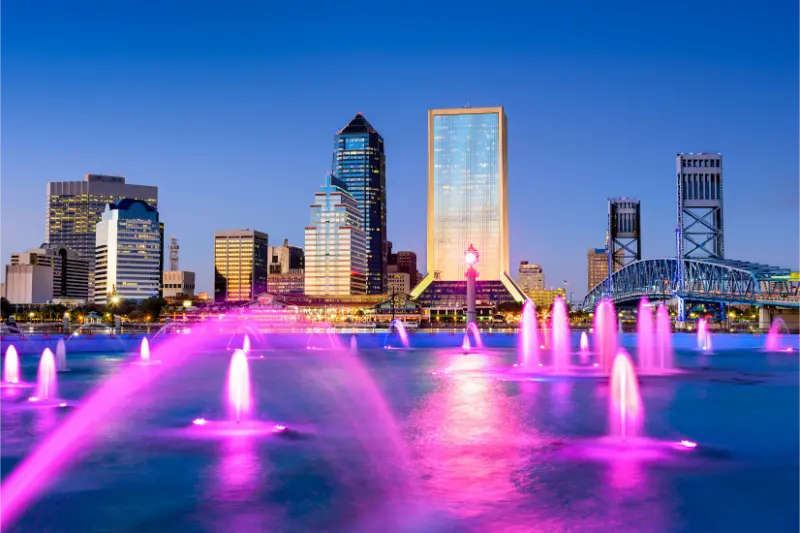
    Jacksonville Florida Riverfront Fountain Illuminated Purple

    Children can compare the river setting with the Atlantic beaches they may visit later. Ask them to notice bridges, working boats and the direction of the current. Older travelers may enjoy a seated waterfront view more than a long urban walk in the heat. If the group reaches the hotel early, use the evening to review the next day’s park alerts. Museums can have short hours on certain weekdays; verifying one dependable indoor option prevents last-minute disappointment.

    Day two: Timucuan Preserve and the stories of the coast

    The National Park Service’s Timucuan Ecological and Historic Preserve protects important wetlands and interprets human history in the Jacksonville area. It includes places associated with French colonial history and plantation life, including Fort Caroline and Kingsley Plantation. Do not assume all areas are open or accessible in the same way. The park encompasses dispersed sites, and driving to the correct trailhead or visitor facility is essential. Consult the NPS page and current alerts before departure.

    At Kingsley Plantation, focus on the evidence of enslaved people’s lives and the complex history represented by preserved structures. Families may find it helpful to begin with a ranger program or interpretive material when available. Explain the difference between a historical building and the people whose labor made a plantation operate. At Fort Caroline, discuss the early French presence and its relationship to Indigenous peoples rather than presenting the site merely as a military attraction. Choose one of the two major places if a long day would be difficult.

    Day three: St. Augustine and Fort Mose

    Drive toward St. Augustine, leaving room for traffic and parking. The historic center is rewarding but can be crowded and uneven in places. Select a central drop-off or parking arrangement, then visit one key site. Castillo de San Marcos is the city’s most recognizable fortification, and its coquina walls offer a tangible discussion of Spanish colonial defense. However, the historic fort is not equivalent to a modern building; consult the National Park Service accessibility information before assuming every level can be reached without stairs.

    Fort Mose Historic State Park gives the family another essential perspective on early Florida, particularly free Black history and the people who sought freedom from British colonies under Spanish rule. Verify which museum, reconstruction, tour or grounds are accessible at the time of the visit. Present Fort Mose as a significant historical community, not a footnote to downtown sightseeing. After lunch, choose a quiet courtyard or museum instead of squeezing in a nighttime ghost tour that younger children may not enjoy.

    Day four: Fernandina Beach and Fort Clinch State Park

    Head north to Amelia Island. Fernandina Beach has a historic downtown that works well for an unhurried morning of architecture, shops and lunch. Fort Clinch State Park provides a different military-era environment from Castillo de San Marcos. Its historic fort, beach and trails have distinct surfaces and access requirements, so decide in advance whether your party wants a fort tour, a short outdoor walk or simply a scenic coastal afternoon.

    Children can compare the forts: why are they in different positions, and how did military technology and political circumstances change? Grandparents may prefer a short self-guided visit and rest in the shade. Weather can make the exposed fort area uncomfortable in summer, so plan an early arrival and carry water. If the historic fort is inaccessible for a traveler, the state park may still have other appropriate developed facilities, but the exact route and restroom location should be confirmed directly.

    Historic Jacksonville Building with Tower

    Day five: American Beach and departure

    On the final morning, consider American Beach and its history as an African American coastal community established during segregation. The A.L. Lewis Museum and related local interpretation can help give the destination the attention it deserves; check opening days and tour availability. The beach itself is a living place, not only an outdoor museum. Families can discuss how access to recreation was shaped by segregation and how residents protected the identity of their community.

    Leave enough time for the drive to the airport or onward destination. A final beach view is an optional pleasure, not something that should jeopardize a flight. If the museum is closed, choose a respectful visit to a publicly accessible area and read available historical information, without photographing private property or disturbing residents. Do not try to replace historical learning with a rushed series of roadside plaques; one thoughtfully understood place is worth more than five hurried stops.

    Five-day outline for mixed ages

    Day Main area Main learning experience Easier alternative
    1 Jacksonville Riverfront and urban history Seated waterfront view
    2 Timucuan Preserve Fort Caroline or Kingsley Plantation One short interpretive stop
    3 St. Augustine Castillo de San Marcos and Fort Mose One site plus lunch
    4 Amelia Island Fernandina and Fort Clinch Downtown cafés and a park view
    5 American Beach Community heritage and departure Short public heritage stop

    Bringing history alive for children without trivializing it

    A simple notebook can help children collect questions and observations. Ask them to draw a fort wall, identify a local plant or write down a surprising fact. Discuss why different communities might remember the same place differently. Do not invent quotations from people who lived centuries ago; use material supplied by the museum or National Park Service when available. Teenagers can compare Indigenous, Spanish, French, British and African American perspectives across the region.

    For younger children, select a small goal such as finding an old building material or listening for a bird call at a coastal site. A long lecture is unlikely to work when the child is hot or hungry. Plan an engaging question for each stop and allow plenty of breaks. Relatives can each choose one historical interest, creating a shared trip rather than making a grandparent responsible for every museum explanation.

    Accessibility and comfortable walking

    Cobblestones, uneven bricks, loose paths and fort staircases can be obstacles to wheelchairs and walkers. If a site cannot accommodate a visitor’s needs, do not assume the rest of the family must either abandon the outing or leave that person waiting in the car. Choose alternate exhibits, accessible viewpoints or nearby indoor venues and divide the party only when everyone agrees. For each day, identify parking, the shortest entrance route, restrooms and seating before leaving the hotel.

    Historic downtown areas may be more tiring than their distances suggest. Heat, crowds and extended standing can affect visitors of any age. Reserve the morning for the site that matters most, lunch for conversation and the afternoon for one optional activity. An electric mobility device may be permitted in some areas but not others; confirm policies rather than relying on an assumption. Carry medication and water according to the traveler’s regular needs.

    How to avoid unnecessary expenses

    The biggest costs are accommodations and transport. Park admissions, tours, museum tickets and parking vary, and some historic sites charge separately for different experiences. Families can save by alternating a major paid attraction with a free waterfront or public historic district visit. A room with breakfast and a refrigerator may help with food costs. Check children’s ticket age bands rather than assuming every child pays the same amount.

    Do not book all historical tours in advance if the group may need rest days, and verify cancellation terms. Jacksonville and St. Augustine have many lodging types, but a centrally located room may reduce parking charges and driving. If you want a hotel in Fernandina Beach, check whether staying there adds value beyond a day trip. Summer heat and holiday weekends can affect room availability; compare totals with taxes and fees included.

    Respectful visits and practical safety

    Keep children away from unprotected drops, old fort edges and tidal shorelines. Wildlife near marshes should be observed from a distance, and no one should walk off a marked path to reach a better photograph. Avoid leaning on historic fabric or climbing features not designated for visitors. Respect cemetery and memorial spaces by keeping noise low and following posted rules.

    Check weather alerts before any coastal drive. In thunderstorms, an enclosed building or vehicle is safer than an open fort or beach shelter. Hurricane-season travel may require route changes or cancellations, so keep flexible accommodation terms where possible. Give children enough rest to absorb the experiences; a history-focused vacation should foster curiosity rather than feel like a compulsory school assignment.

    Frequently asked questions

    Is this itinerary suitable for grandparents who cannot walk far?

    Yes, with adjustments. Select one significant site per day, confirm accessible routes, and use nearby views or indoor alternatives where historic surfaces are difficult.

    Is Fort Mose the same place as Castillo de San Marcos?

    No. Both are important to St. Augustine’s history, but their stories, settings and visitor arrangements differ. Check each official site separately.

    Can we do all five days from one hotel?

    Possible, but driving will be longer. Two bases usually make the Jacksonville–St. Augustine–Amelia Island route more comfortable.

    Official information

  • Jacksonville With Limited Walking: A Relaxed Four-Day City and Coast Trip

    Jacksonville With Limited Walking: A Relaxed Four-Day City and Coast Trip

    A city break can be enjoyable even when you cannot comfortably walk several miles a day. Jacksonville, in Northeast Florida, has museums, river views, beach communities and historic neighborhoods, but it is geographically spread out. The key is not to label the entire city “walkable.” It is to choose one practical hotel, drive or arrange transport between selected stops, and design outings where the most interesting parts are close to the entrance.

    This four-day itinerary is written for people who prefer limited walking, including older travelers, visitors recovering their stamina and families traveling with someone who has mobility limitations. It is not a claim that every attraction is wheelchair accessible. Wheelchairs, walkers and other mobility equipment involve individual requirements that should be confirmed directly with each venue. The itinerary makes those questions part of the plan instead of an afterthought.

    Start with a hotel that removes unnecessary effort

    Jacksonville’s downtown, Riverside area, Southbank and beach communities offer different experiences. A hotel downtown may simplify riverfront meals and some museums, but the beaches require a drive. Staying by Jacksonville Beach may be pleasant for ocean views but can add travel time to cultural stops. Compare the distance from the hotel entrance to the parking or rideshare drop-off, not only the distance from the hotel to an attraction pin.

    Before booking, ask whether the property has a step-free route from parking to room, elevators that reach every guest floor, and a bathroom configuration appropriate for the travelers. For someone with limited stamina, an elevator may be more helpful than a beautifully described rooftop amenity. If using a wheelchair, request specific doorway, roll-in shower, transfer space and bed details in writing. An “accessible room” label without measurements is not enough.

    Look for simple meals nearby and a place to sit outdoors without climbing stairs. Jacksonville can be hot and humid, with thunderstorms disrupting long outdoor visits. Staying somewhere that feels comfortable during a rest period is part of the vacation, not merely an overnight necessity.

    Day one: a single riverfront neighborhood and a calm evening

    After arrival, keep the program light. Jacksonville’s St. Johns River creates attractive viewpoints in the downtown area, but walking routes differ between the Northbank and Southbank and may be affected by construction or special events. Check the city’s current waterfront information and choose one short section that is open and comfortable. You do not need to walk an entire riverwalk to enjoy the view.

    Downtown Jacksonville Waterfront with Tour Boat

    If you arrive by car, choose parking near your intended stop instead of using a distant bargain lot. If a family member uses mobility equipment, confirm whether accessible parking and curb cuts connect to the actual entrance. For some visitors, taking photographs near a waterfront seating area and having an early dinner is the ideal first-day activity. It also leaves time to identify a pharmacy or grocery store if something was forgotten.

    Don’t make your first night an experiment with several rideshare pickups. Keep the evening near the hotel and allow time to rest. The next morning‘s museum visit will be more enjoyable when no one feels they have to recover from arrival day.

    Day two: the Cummer Museum of Art & Gardens

    The Cummer Museum in Riverside is an excellent cultural focus for a day that doesn’t need a long walking itinerary. The collection, riverfront gardens and indoor facilities let travelers decide how much they want to see. The official visitor page lists current admission, operating hours, parking information and accommodations. Important for visitors in late 2026: the museum introduced self-paid parking in its lots from September 1, so do not rely on older articles describing it as universally free.

    Choose your main interest before arrival. Someone who enjoys painting can prioritize a few galleries; another person might prefer part of the garden or a museum café break. Outdoor garden access can change with storms or evening closing times. If you are using a walker or chair, look at the accessibility information and request assistance with the route between the entrance, galleries, restrooms and gardens. The fact that a museum is accessible does not mean everyone will want to cover the entire site.

    After the visit, plan an easy lunch nearby and return to your accommodation. Resist the temptation to add a long walk through another neighborhood simply because it appears close on the map. Jacksonville neighborhoods can have wide roads and variable shade, which changes the experience for people who tire easily.

    Day three: a beach viewpoint without requiring a beach hike

    The beaches east of Jacksonville are worth considering even for visitors who do not want to swim or walk across soft sand. Jacksonville Beach, Neptune Beach and Atlantic Beach are neighboring coastal communities with different streets and public access arrangements. Choose a small section where your hotel or parking location makes an ocean view practical. Public parking can fill during busy periods, and accessible routes vary by specific access point.

    Call the local beach authority or consult its current accessibility information if your group needs a beach mat, beach wheelchair or specific accessible restroom. Do not assume that a beach wheelchair can be reserved without advance notice, or that it is suitable for independent use. Ocean surf and weather still require caution, even when you only plan to sit near the shoreline. If a visitor prefers to remain on a paved public area, arrange the outing around that rather than treating the sand as an obligation.

    A comfortable day may consist of breakfast, a short oceanfront stop, a seafood or café lunch, and rest. If the group wants more, choose a second nearby coastal point that does not require a long transfer. Avoid committing to beach driving or strenuous boardwalks without checking the exact location and conditions.

    Day four: easy nature from the car or a short public park visit

    For the last day, choose between a green area close to the city and a quieter scenic drive northeast toward the Atlantic coast. The Jacksonville Arboretum & Botanical Gardens, for example, provides natural landscapes but may have trails that are uneven or longer than they appear on a visitor map. Check the organization’s current route descriptions before deciding it is appropriate for your group. If a very short paved outing is the priority, another urban park or waterfront viewpoint may work better.

    Alternatively, drive toward the Timucuan area and enjoy the scenery from permitted roads and planned short stops. Historic and natural sites can involve bridges, sand, steps or unpaved surfaces, so an online map is not proof of access. If visiting a National Park Service unit, use its official accessibility information to check services and current facility status. The drive itself can be enjoyable, but it should never substitute for an accessible restroom plan.

    The last day can also be a simple return to a favorite spot. With limited walking, a repeat visit at the right time of day may be more comfortable than a new destination that requires uncertain transfers. Allow enough time for airport travel or the onward journey.

    How to plan for a walker, wheelchair or limited stamina

    The most useful questions are specific. Is the parking area level? How far is it from the drop-off to the first place to sit? Are the restrooms on the same level as the exhibits? Does the outdoor part have a firm surface or loose gravel? Can a museum lend a wheelchair, and can one be reserved? Is an accessible taxi or van available at the time you need it? Different travelers will have different priorities.

    For someone who can walk short distances but cannot stand in queues, a lightweight seat where allowed, planned café breaks and avoiding peak hours may help. For a wheelchair user, door clearance, slope and transportation can be decisive. For people with chronic pain or fatigue, do not fill each day with stops that require repeated transfers in and out of a vehicle. A single excellent attraction is often enough.

    If you rely on rideshare, do not assume a standard vehicle will accommodate a powered wheelchair or other equipment. Confirm actual accessible transport availability ahead of time and have a backup plan. Medical or mobility needs should be discussed with the relevant professional rather than inferred from travel advice.

    Jacksonville’s size: why geography matters

    Jacksonville is spread across a large area, so staying “in Jacksonville” does not mean two attractions are necessarily close. Downtown, the beaches, the airport and parks to the northeast can require separate drives. When planning the day, examine the actual journey during the expected travel period, and account for bridges, traffic and parking. Florida’s official FL511 service can be useful before a highway journey.

    Jacksonville Downtown Riverfront at Night

    Keep each day to one geographic cluster. Combine the Cummer with Riverside lunch, not an afternoon beach trip if the group is tired. Pair a beach view with lunch in the same beach community, not a faraway historic fort. Arrange a northern nature drive with only a few confirmed stops. This simple rule reduces the physical toll of getting in and out of the car several times.

    A map also helps identify a hospital, urgent care or pharmacy if your travel party needs regular medical supplies. There is no need to fill the itinerary with health concerns, but knowing where everyday services are located can make a trip more relaxing.

    When to visit and what to avoid

    Spring and fall can offer comfortable outdoor conditions, although weather always varies. Summer brings higher heat and humidity with the possibility of afternoon storms. Winter may be pleasant for cultural and nature outings but is not guaranteed to deliver warm ocean swimming weather. For any season, check the National Weather Service rather than assuming a monthly average is today’s reality.

    Avoid long outdoor waits during severe heat, and never remain at an exposed waterfront or beach when lightning threatens. Bring water, a hat, sun protection and a light layer for strongly air-conditioned interiors. For visitors who need regular seating or accessible toilets, choose venues where facilities are confirmed instead of hoping to find them on arrival.

    Special events can change parking and museum schedules. Consult the official pages a day or two in advance. Jacksonville rewards careful choices; it is not a city where you need to see everything to understand its combination of river, ocean and neighborhoods.

    Four-day plan at a glance

    Day Main outing Short alternative
    1 One downtown river viewpoint Early dinner near hotel
    2 Cummer Museum of Art & Gardens Galleries only, skip outdoor grounds
    3 Jacksonville Beaches oceanfront Paved view and café instead of sand
    4 Brief urban nature visit or Timucuan-area scenic drive Repeat favorite nearby waterfront

    Allow at least one free afternoon and choose a hotel with easy dining. If your group includes a person who enjoys longer walks, you can divide briefly and meet for lunch rather than making everyone follow the same pace. The best accessible-minded itinerary supports a good shared vacation without treating different physical abilities as a problem to overcome.

    Frequently asked questions

    Is downtown Jacksonville easy to explore entirely on foot?

    Not for every visitor. Attractions and waterfront areas are spread out, and route conditions vary. Choose one short cluster and arrange transport between others.

    Can travelers in wheelchairs follow this itinerary?

    Some locations offer accommodations, but the exact route and equipment requirements must be confirmed with each venue and transport provider. This guide is a framework, not an accessibility certification.

    How many museums should we plan per day?

    For limited walking, one substantial museum is usually enough. Add a nearby meal or short river view only if energy and weather allow.

  • Riverside, Avondale & Five Points Jacksonville Guide: Food, Shops, Parks and Walking Tips

    Riverside, Avondale & Five Points Jacksonville Guide: Food, Shops, Parks and Walking Tips

    Riverside, Avondale and Five Points show a side of Jacksonville that travelers can miss when they move only between the airport, beaches and major attractions. These historic neighborhoods are built around tree-lined streets, older homes, local restaurants, bars, boutiques, parks and a more walkable rhythm than much of the city.

    Explore this guide

    The areas connect culturally but are not one giant pedestrian district. The best visit is built around two or three anchors—perhaps the Cummer Museum, Five Points and Avondale—rather than trying to walk every residential street. On Saturdays, the Riverside Arts Market adds an easy reason to start near the river and continue into the neighborhood.

    This is also one of Jacksonville’s better areas for travelers who value food and atmosphere more than admission-ticket attractions. The trade-off is that the “sights” are subtle: architecture, parks, cafés, independent businesses and the pleasure of spending time rather than checking off famous landmarks.

    Quick planning summary

    • Best for: food lovers, couples, architecture fans, repeat Florida visitors, shoppers and travelers who prefer neighborhoods to big attractions
    • How much time: about 3–5 hours for a relaxed neighborhood sampler; most of a day if you include the Cummer Museum and Saturday market
    • Current practical snapshot: Visit Jacksonville describes Riverside Avondale as a walkable National Register historic district; the Riverside Arts Market currently occurs Saturdays from 10 a.m.–3 p.m.
    • Best season: fall through spring for comfortable walking; summer works best with shorter outdoor segments and air-conditioned food/shopping breaks
    • Good pairings: Cummer Museum, Memorial Park, Downtown Riverwalk or San Marco on a separate segment of the day

    What the experience is really like

    Riverside feels creative and lively around Five Points, Avondale is more polished and residential, and the riverfront parks add breathing room between commercial areas. The neighborhood rewards visitors who slow down, look at historic homes and choose a meal deliberately instead of using it only as a drive-through district.

    What to prioritize

    Start around the Cummer and Riverside Arts Market zone

    This is the easiest place to combine culture, river views and a weekend market. If visiting on Saturday, arrive before the market’s busiest middle hours, then move into Five Points for lunch.

    Walk Five Points for independent character

    Five Points is the most obvious concentration of cafés, shops and nightlife energy. It is compact enough to browse without a strict itinerary, but parking can be more annoying at popular meal times.

    Use Memorial Park as a pause

    The riverfront park provides open views and a natural break between shopping and food. It also helps multigenerational groups reset before deciding whether to continue into Avondale.

    Treat Avondale as a dining and architecture stop

    Avondale works best when paired with a meal and a short walk rather than approached as a conventional attraction. The appeal is the preserved streetscape and local atmosphere.

    Parking, arrival and logistics

    Parking is a neighborhood-by-neighborhood issue. Around Five Points and popular dining areas, spaces can turn over slowly at peak times. If you find a legal spot near your main cluster, walk between nearby stops instead of moving the car after every block. For the Cummer, use the museum’s current paid-parking system rather than assuming neighborhood parking rules apply.

    How to fit it into a Jacksonville trip

    Jacksonville is geographically large, and map distances can hide bridge crossings, beach traffic and long suburban corridors. Group attractions by area instead of bouncing between Downtown, the Beaches and the Timucuan coast several times in one day. A well-planned half day with one nearby meal is usually more enjoyable than three famous stops separated by repeated drives.

    For this stop, the most natural combinations are Cummer Museum, Memorial Park, Downtown Riverwalk or San Marco on a separate segment of the day. If you are also visiting St. Augustine, keep that city on a separate day unless your itinerary is deliberately a point-to-point road trip. The historic core south of Jacksonville rewards slow walking, so it rarely combines well with a rushed Jacksonville attraction afternoon.

    Jacksonville Downtown Skyline Reflected in River

    A useful regional link is the Ponte Vedra Beach travel guide, which explains the coastal transition between Jacksonville and St. Augustine. If beaches are a major priority, the St. Augustine and Ponte Vedra beach comparison can help decide whether to spend more coast time north or south.

    Families with babies and young children

    Families with young children should center the visit on parks, the Saturday market and a meal rather than extended shopping. A stroller works on many neighborhood sidewalks, but older surfaces, driveways and crossings can be uneven compared with a modern attraction.

    With babies and preschoolers, plan around shade, bathrooms, food and opportunities to move rather than the number of attractions completed. Northeast Florida heat can change a child’s mood quickly, and a shorter visit followed by a pool, playground or early dinner is often a better result than forcing the final hour of an adult itinerary.

    Teenagers and older children

    Teenagers who enjoy vintage stores, cafés, street style, photography and local food may prefer this area to a formal museum day. Let them choose a shop or lunch stop and keep the schedule flexible enough to browse.

    Teenagers usually engage more when they have a role: choose the lunch stop, photograph a viewpoint, compare two habitats or historical stories, track wildlife, or decide which optional activity to add. Giving them ownership of one decision often works better than adding more “educational” stops.

    Senior travelers and multigenerational groups

    Senior travelers can enjoy the neighborhood with minimal walking by driving between two main clusters and using Memorial Park or the Cummer as seated anchors. Avoid turning “walkable neighborhood” into a forced multi-mile route.

    For multigenerational travel, let the least mobile traveler set the base pace and give more active family members optional extensions. Clear meeting points, shaded rest stops and parking close to the main feature are more valuable than squeezing one extra attraction into the schedule.

    Accessibility and comfort

    Accessibility varies by individual business and older streetscape. Modern museum facilities are predictable, while small shops and historic commercial buildings may have different entrances or narrow interiors. Call a specific venue if step-free access is essential.

    Accessibility can change by surface and activity even when a destination has accessible parking and restrooms. Sand, roots, boardwalks, historic thresholds, long distances and heat all matter. If a wheelchair, walker or cane is part of the trip, confirm the exact route needed for the experience you care about most rather than relying only on a general accessibility label.

    Weather and seasonal planning

    Northeast Florida is visitable year-round, but the same itinerary feels very different in January and July. Late spring through early fall brings heat, humidity and frequent afternoon thunderstorms. Winter can be excellent for walking, yet cold fronts make exposed beaches and riverfronts windy and much cooler than inland parking lots.

    Lightning is the most important same-day reason to change an outdoor plan. At beaches, parks, zoos and open historic sites, thunder is a signal to move to a safe indoor location rather than shelter under a tree or open pavilion. During hurricane season, check official operating status before driving because coastal parks and bridges can close even when the storm center is not nearby.

    Food, water and break strategy

    Do not wait until everyone is hungry to decide where to eat. Jacksonville distances make “we will just find something after this” less reliable than in a compact tourist city. Save one nearby meal option before arrival, carry water in the car and keep a small snack available for children or travelers with medication schedules.

    For outdoor stops, a real shaded or air-conditioned break at midday can improve the entire second half of the day. For indoor attractions, reverse the logic and use a park, riverfront or neighborhood walk as the reset after galleries and exhibits.

    Is it worth it?

    Choose Riverside/Avondale over Downtown when you want local neighborhood character and food rather than skyline landmarks. Choose Jacksonville Beach when the ocean is the main purpose of the day. For first-time visitors, a Cummer + Riverside/Avondale combination is one of the most coherent half-day urban plans.

    Jacksonville Night Skyline Reflecting on River

    The best reason to include this stop is that it adds a different type of experience to the trip. If your itinerary already has several similar museums, beaches or history sites, use this as the point where you introduce variety. Florida trips often improve when each half-day has a distinct purpose rather than a longer list of attractions.

    A realistic visit plan

    Morning

    Visit the Cummer or, on Saturday, start at Riverside Arts Market.

    Lunch

    Walk or drive into Five Points for food and independent shops.

    Afternoon

    Pause at Memorial Park, then continue to Avondale for architecture, cafés or an early dinner.

    Common mistakes to avoid

    • expecting every part of Riverside and Avondale to be walkable from one parking space.
    • visiting only at midday in summer with no indoor breaks.
    • driving from shop to shop when several stops are within the same cluster.
    • treating residential streets like an amusement district and ignoring local traffic/parking rules.
    • skipping the Saturday market if it fits your dates.

    Photography and wildlife etiquette

    Photograph from legal public areas and keep paths, railings and protected vegetation clear. Drones, tripods, commercial photography and wildlife approach rules vary by agency, so check the destination’s policy before bringing specialized equipment. A dramatic photograph is not worth stepping into dunes, climbing unstable natural features or blocking other visitors.

    Around wildlife, distance is part of the experience. Do not feed animals, crowd nests or treat a close encounter as something to manufacture for a photo. In Florida, birds, reptiles and marine wildlife can be present even at highly visited parks and beaches.

    Official information to check before you go

    Use Visit Jacksonville – Riverside Avondale for current hours, prices, closures, access rules and same-day notices. The practical details in this guide reflect information available in October 2026; a trip scheduled for 2028 or later should always be checked again before departure.

    Extra planning notes for a smoother visit

    Keep a 15–30 minute buffer between major stops. Short distances can still involve bridge traffic, event congestion, full parking areas or security/ticket lines. That margin prevents one delay from forcing you to skip the attraction you cared about most.

    Save addresses, parking instructions and any reservation confirmation before leaving your hotel. Mobile coverage is generally good, but a family trying to navigate, find a lot and retrieve tickets at the same time can lose more time than expected.

    Wear shoes for the most demanding surface in the day, not only for the restaurant at the end. A Jacksonville itinerary can move from pavement to sand, roots, boardwalks, wet grass or historic floors in a few hours.

    Build one flexible element into every half day. A beach walk, café, park or scenic drive can expand when everything is running smoothly and shrink when parking, weather or fatigue slows the group down.

    Think about the return trip before beginning the final activity. After a long beach session, museum visit or trail, everyone is less patient with parking searches and restaurant queues. Water in the car and one preselected food option can make the end of the day much easier.

    Final thoughts

    Riverside, Avondale and Five Points are where Jacksonville begins to feel like a lived-in city rather than a list of attractions. The strongest visit is intentionally unhurried: one museum or market, one good meal, a park, a few shops and enough time to notice the architecture.

    Decision guide: when this stop makes the most sense

    Choose Riverside, Avondale & Five Points Jacksonville Guide when it matches the energy and interests of the day rather than simply because it appears on a top-ten list. Food lovers, couples, architecture fans, repeat florida visitors, shoppers and travelers who prefer neighborhoods to big attractions usually get the strongest value, while travelers with a different priority may be happier using the same time for another Jacksonville experience. Think in terms of contrast: after a long indoor morning, add outdoor scenery; after a demanding trail, choose a seated or air-conditioned stop; after several history-heavy visits, give the group a beach or neighborhood break.

    Budget is not only the admission price. Parking, food, rental equipment, special experiences and the time needed to drive across Jacksonville all influence the real cost of the stop. A free attraction on the opposite side of the city can consume more of the day than a paid attraction beside your hotel. Compare total effort as well as dollars.

    If this is your first visit to Northeast Florida, leave some unscheduled time. Weather, beach conditions, animal activity, special events and local traffic can create opportunities that are impossible to predict months ahead. A trip with one open two-hour window is often easier to improve on the ground than an itinerary filled from breakfast to bedtime.
  • Kathryn Abbey Hanna Park Guide: Beach, Trails, Lake, Fees, Camping and Jacksonville Tips

    Kathryn Abbey Hanna Park Guide: Beach, Trails, Lake, Fees, Camping and Jacksonville Tips

    Kathryn Abbey Hanna Park is the most useful Jacksonville beach park for travelers who want choices beyond sitting on the sand. The city park combines Atlantic beach, a freshwater lake, wooded trails, camping and picnic facilities in one property, making it especially strong for active families and groups whose members do not all want the same activity.

    Explore this guide

    The park rewards an early start. Regular entry begins in the morning, seasonal closing times vary, and the coolest hours are best for trails and biking. Early-bird entry exists but uses a separate advance-ticket system, so spontaneous visitors should plan around normal gate hours unless they have prepared ahead.

    Entry fees are modest compared with commercial attractions, but the value comes from using the park’s variety. A family that only wants a two-hour beach visit may find Jacksonville Beach simpler; a group that wants beach plus bikes, lake, picnic or camping gets much more from Hanna Park.

    Quick planning summary

    • Best for: families, cyclists, campers, beach visitors, paddlers and travelers who want more than a simple sand-and-swim day
    • How much time: half a day for beach plus one activity; a full day if you combine trails, lake, picnic and ocean time
    • Current practical snapshot: the city currently lists seasonal 8 a.m. closing schedules, last entry 30 minutes before closing, $5 per car for regular entry and $3 for pedestrians/bicyclists; early-bird access requires advance tickets
    • Best season: fall through spring for biking and trails; summer for early beach/lake time with midday heat precautions
    • Good pairings: Jacksonville Beach, Mayport or a separate Talbot Islands day

    What the experience is really like

    Hanna Park feels like an outdoor recreation complex rather than a beach town. Once inside, you can spend much of the day without returning to commercial streets, which is a major advantage for picnics and family routines but means you should arrive with water, snacks and the gear needed for your chosen activities.

    What to prioritize

    Use the beach early

    Morning provides cooler sand temperatures, easier setup and often a calmer start. Families can then move inland to shade or the lake when midday sun becomes uncomfortable.

    Choose trails based on ability, not ambition

    Hanna Park is known for cycling and wooded routes, but conditions can vary. Casual riders should not assume every trail suits beginners; review current maps and select a level appropriate for the least experienced rider.

    Use the lake as a second environment

    The freshwater lake creates a useful change from surf and saltwater. Check current rental/launch rules and weather before planning paddling, especially if the day has thunderstorm potential.

    Consider camping only if the park itself is the destination

    Camping can turn the park into a low-key coastal base, but it is not necessary for a normal Jacksonville visit. Compare the experience with beach hotels if your trip also includes nightlife, museums or repeated downtown drives.

    Parking, arrival and logistics

    Parking is inside the park and covered by vehicle entry, which reduces the street-parking uncertainty common at Jacksonville Beach. The important constraint is the gate schedule: last entry is before closing, and seasonal hours change around daylight-saving transitions.

    How to fit it into a Jacksonville trip

    Jacksonville is geographically large, and map distances can hide bridge crossings, beach traffic and long suburban corridors. Group attractions by area instead of bouncing between Downtown, the Beaches and the Timucuan coast several times in one day. A well-planned half day with one nearby meal is usually more enjoyable than three famous stops separated by repeated drives.

    Jacksonville Skyline across River at Sunset

    For this stop, the most natural combinations are Jacksonville Beach, Mayport or a separate Talbot Islands day. If you are also visiting St. Augustine, keep that city on a separate day unless your itinerary is deliberately a point-to-point road trip. The historic core south of Jacksonville rewards slow walking, so it rarely combines well with a rushed Jacksonville attraction afternoon.

    A useful regional link is the Ponte Vedra Beach travel guide, which explains the coastal transition between Jacksonville and St. Augustine. If beaches are a major priority, the St. Augustine and Ponte Vedra beach comparison can help decide whether to spend more coast time north or south.

    Families with babies and young children

    Hanna Park is excellent for children because the family can switch activities without a long drive. Still, do not attempt beach, lake, playground, cycling and trails in one rushed day. Pick one headline activity and one backup.

    With babies and preschoolers, plan around shade, bathrooms, food and opportunities to move rather than the number of attractions completed. Northeast Florida heat can change a child’s mood quickly, and a shorter visit followed by a pool, playground or early dinner is often a better result than forcing the final hour of an adult itinerary.

    Teenagers and older children

    Teenagers who find standard beach days boring may prefer mountain biking, paddling or exploring a longer route. Let them choose the active component and use the beach/picnic as the group reset.

    Teenagers usually engage more when they have a role: choose the lunch stop, photograph a viewpoint, compare two habitats or historical stories, track wildlife, or decide which optional activity to add. Giving them ownership of one decision often works better than adding more “educational” stops.

    Senior travelers and multigenerational groups

    Senior travelers can enjoy the ocean, picnic areas and shorter walks without participating in demanding trails. Park as close as practical to the chosen activity and keep the day centered on shade during warmer months.

    For multigenerational travel, let the least mobile traveler set the base pace and give more active family members optional extensions. Clear meeting points, shaded rest stops and parking close to the main feature are more valuable than squeezing one extra attraction into the schedule.

    Accessibility and comfort

    The city publishes park amenities and accessibility information, but beach sand, trail surfaces and lake access create different mobility demands. Confirm the exact facility you plan to use rather than treating the entire park as one uniform surface.

    Accessibility can change by surface and activity even when a destination has accessible parking and restrooms. Sand, roots, boardwalks, historic thresholds, long distances and heat all matter. If a wheelchair, walker or cane is part of the trip, confirm the exact route needed for the experience you care about most rather than relying only on a general accessibility label.

    Weather and seasonal planning

    Northeast Florida is visitable year-round, but the same itinerary feels very different in January and July. Late spring through early fall brings heat, humidity and frequent afternoon thunderstorms. Winter can be excellent for walking, yet cold fronts make exposed beaches and riverfronts windy and much cooler than inland parking lots.

    Jacksonville Downtown Skyline Reflected in River

    Lightning is the most important same-day reason to change an outdoor plan. At beaches, parks, zoos and open historic sites, thunder is a signal to move to a safe indoor location rather than shelter under a tree or open pavilion. During hurricane season, check official operating status before driving because coastal parks and bridges can close even when the storm center is not nearby.

    Food, water and break strategy

    Do not wait until everyone is hungry to decide where to eat. Jacksonville distances make “we will just find something after this” less reliable than in a compact tourist city. Save one nearby meal option before arrival, carry water in the car and keep a small snack available for children or travelers with medication schedules.

    For outdoor stops, a real shaded or air-conditioned break at midday can improve the entire second half of the day. For indoor attractions, reverse the logic and use a park, riverfront or neighborhood walk as the reset after galleries and exhibits.

    Is it worth it?

    Hanna Park is the best choice when your group wants variety. Jacksonville Beach is easier for restaurants and pier access; Little Talbot feels more natural and undeveloped; Big Talbot is better for dramatic coastal landscapes and photography than swimming.

    The best reason to include this stop is that it adds a different type of experience to the trip. If your itinerary already has several similar museums, beaches or history sites, use this as the point where you introduce variety. Florida trips often improve when each half-day has a distinct purpose rather than a longer list of attractions.

    A realistic visit plan

    Morning

    Enter near opening and use the beach or bike trails before temperatures rise.

    Midday

    Move to a shaded picnic or lake area for lunch and recovery.

    Afternoon

    Choose one final activity—short trail, beach return or lake time—then leave with enough margin before the last-entry/closing window.

    Common mistakes to avoid

    • arriving near closing without checking seasonal hours.
    • trying to fit every park activity into one day.
    • assuming all bike trails are beginner-friendly.
    • forgetting that early-bird access requires advance arrangements.
    • underestimating insects, heat and lightning in wooded/lake areas.

    Photography and wildlife etiquette

    Photograph from legal public areas and keep paths, railings and protected vegetation clear. Drones, tripods, commercial photography and wildlife approach rules vary by agency, so check the destination’s policy before bringing specialized equipment. A dramatic photograph is not worth stepping into dunes, climbing unstable natural features or blocking other visitors.

    Around wildlife, distance is part of the experience. Do not feed animals, crowd nests or treat a close encounter as something to manufacture for a photo. In Florida, birds, reptiles and marine wildlife can be present even at highly visited parks and beaches.

    Official information to check before you go

    Use City of Jacksonville – Kathryn Abbey Hanna Park for current hours, prices, closures, access rules and same-day notices. The practical details in this guide reflect information available in October 2026; a trip scheduled for 2028 or later should always be checked again before departure.

    Extra planning notes for a smoother visit

    Keep a 15–30 minute buffer between major stops. Short distances can still involve bridge traffic, event congestion, full parking areas or security/ticket lines. That margin prevents one delay from forcing you to skip the attraction you cared about most.

    Save addresses, parking instructions and any reservation confirmation before leaving your hotel. Mobile coverage is generally good, but a family trying to navigate, find a lot and retrieve tickets at the same time can lose more time than expected.

    Wear shoes for the most demanding surface in the day, not only for the restaurant at the end. A Jacksonville itinerary can move from pavement to sand, roots, boardwalks, wet grass or historic floors in a few hours.

    Build one flexible element into every half day. A beach walk, café, park or scenic drive can expand when everything is running smoothly and shrink when parking, weather or fatigue slows the group down.

    Think about the return trip before beginning the final activity. After a long beach session, museum visit or trail, everyone is less patient with parking searches and restaurant queues. Water in the car and one preselected food option can make the end of the day much easier.

    Final thoughts

    Hanna Park is one of the most flexible outdoor days in Jacksonville. It is especially valuable for mixed-interest families because the beach, lake, trails and picnic areas let everyone get something different from the same admission and the same drive.

    Decision guide: when this stop makes the most sense

    Choose Kathryn Abbey Hanna Park Guide when it matches the energy and interests of the day rather than simply because it appears on a top-ten list. Families, cyclists, campers, beach visitors, paddlers and travelers who want more than a simple sand-and-swim day usually get the strongest value, while travelers with a different priority may be happier using the same time for another Jacksonville experience. Think in terms of contrast: after a long indoor morning, add outdoor scenery; after a demanding trail, choose a seated or air-conditioned stop; after several history-heavy visits, give the group a beach or neighborhood break.

    Budget is not only the admission price. Parking, food, rental equipment, special experiences and the time needed to drive across Jacksonville all influence the real cost of the stop. A free attraction on the opposite side of the city can consume more of the day than a paid attraction beside your hotel. Compare total effort as well as dollars.

    If this is your first visit to Northeast Florida, leave some unscheduled time. Weather, beach conditions, animal activity, special events and local traffic can create opportunities that are impossible to predict months ahead. A trip with one open two-hour window is often easier to improve on the ground than an itinerary filled from breakfast to bedtime.
  • Downtown Jacksonville Riverwalk & Friendship Fountain Guide: Parking, Shows and Walking Tips

    Downtown Jacksonville Riverwalk & Friendship Fountain Guide: Parking, Shows and Walking Tips

    Jacksonville’s Riverwalk and Friendship Fountain offer one of the simplest ways to understand the city’s geography. The St. Johns River is wider and more dominant than many first-time visitors expect, and walking the Southbank gives you skyline views, bridge perspectives and an easy free activity that can fit around museums, meals or events.

    Explore this guide

    The fountain became much more useful as a visitor stop after its renovation and the return of programmed light-and-music shows. The city currently lists the water running through most of the day and scheduled evening shows, which means timing matters: a daytime walk and an evening fountain visit feel like two different experiences.

    Downtown Jacksonville is spread out, so the best strategy is not “walk everywhere.” Choose one riverbank, identify your parking before arrival and add only the nearby stops that fit naturally. This keeps a free scenic outing from becoming a frustrating search for garages and bridges.

    Quick planning summary

    • Best for: first-time city visitors, couples, families, photographers, evening walks and travelers who want a free Jacksonville experience
    • How much time: about 1–2 hours for the Southbank and fountain; 2–4 hours if you include both riverbanks, a meal or water taxi connection
    • Current practical snapshot: the city currently lists Friendship Fountain flowing from 8 a.m.–10 p.m. daily with nightly shows at 7, 8 and 9 p.m.; St. Johns River Park also has a playground opened in 2025
    • Best season: late afternoon through evening is especially attractive; cooler months make longer riverfront walks more comfortable
    • Good pairings: San Marco, Riverside, the Cummer Museum or a separate Downtown event

    What the experience is really like

    The Riverwalk is less about a single landmark than about orientation. From the Southbank you can see bridges, towers and the broad river at once; from the Northbank you are closer to parts of the downtown core. Friendship Fountain gives families and evening visitors a clear anchor point.

    What to prioritize

    Time Friendship Fountain for an evening show

    If the fountain is the main reason for visiting, arrive with enough time to walk the riverfront before a scheduled show. The current city schedule lists shows at 7, 8 and 9 p.m., but special events, weather and maintenance can affect operations.

    Walk a manageable section of the Southbank

    You do not need to complete every connected riverfront segment. A shorter walk around Friendship Fountain and adjacent viewpoints gives most first-time visitors the skyline experience without exhausting children or senior travelers.

    Use the river as your navigation reference

    Bridges and water crossings shape Jacksonville travel times. Before moving between Southbank, Northbank, Riverside or the beaches, check which side of the river you are on and whether the next stop truly belongs in the same part of the day.

    Treat events as a separate traffic category

    Concerts, sports, festivals and downtown celebrations can completely change parking and pedestrian patterns. If your visit overlaps a major event, use official event guidance instead of a normal-day parking plan.

    Parking, arrival and logistics

    Downtown parking varies by garage, lot, street and event. For a fountain-focused visit, choose parking on the Southbank close enough that you do not need to cross the river after dark. Save the exact garage or lot location because large riverfront structures can make “I parked near the bridge” surprisingly unhelpful later.

    How to fit it into a Jacksonville trip

    Jacksonville is geographically large, and map distances can hide bridge crossings, beach traffic and long suburban corridors. Group attractions by area instead of bouncing between Downtown, the Beaches and the Timucuan coast several times in one day. A well-planned half day with one nearby meal is usually more enjoyable than three famous stops separated by repeated drives.

    For this stop, the most natural combinations are San Marco, Riverside, the Cummer Museum or a separate Downtown event. If you are also visiting St. Augustine, keep that city on a separate day unless your itinerary is deliberately a point-to-point road trip. The historic core south of Jacksonville rewards slow walking, so it rarely combines well with a rushed Jacksonville attraction afternoon.

    Downtown Jacksonville Florida City Skyline Aerial

    A useful regional link is the Ponte Vedra Beach travel guide, which explains the coastal transition between Jacksonville and St. Augustine. If beaches are a major priority, the St. Augustine and Ponte Vedra beach comparison can help decide whether to spend more coast time north or south.

    Families with babies and young children

    Families benefit from the new playground at St. Johns River Park and from having a visible destination—the fountain—rather than an open-ended downtown walk. In hot weather, keep the route short and save the longer stroll for after sunset.

    With babies and preschoolers, plan around shade, bathrooms, food and opportunities to move rather than the number of attractions completed. Northeast Florida heat can change a child’s mood quickly, and a shorter visit followed by a pool, playground or early dinner is often a better result than forcing the final hour of an adult itinerary.

    Teenagers and older children

    Teenagers often enjoy skyline photography, bridge views and the fountain show more than a traditional sightseeing narration. Let them choose the best photo angle or a nearby food stop and the experience becomes more social than instructional.

    Teenagers usually engage more when they have a role: choose the lunch stop, photograph a viewpoint, compare two habitats or historical stories, track wildlife, or decide which optional activity to add. Giving them ownership of one decision often works better than adding more “educational” stops.

    Senior travelers and multigenerational groups

    The riverfront can work well for senior travelers because you can scale the walking distance easily. Use benches, avoid the hottest part of the day and park on the same bank as your main destination to eliminate unnecessary bridge crossings on foot.

    For multigenerational travel, let the least mobile traveler set the base pace and give more active family members optional extensions. Clear meeting points, shaded rest stops and parking close to the main feature are more valuable than squeezing one extra attraction into the schedule.

    Accessibility and comfort

    Friendship Park and riverfront paths include accessible features, but construction and event setups can temporarily alter routes. Confirm current access if a specific continuous wheelchair path is essential.

    Accessibility can change by surface and activity even when a destination has accessible parking and restrooms. Sand, roots, boardwalks, historic thresholds, long distances and heat all matter. If a wheelchair, walker or cane is part of the trip, confirm the exact route needed for the experience you care about most rather than relying only on a general accessibility label.

    Weather and seasonal planning

    Northeast Florida is visitable year-round, but the same itinerary feels very different in January and July. Late spring through early fall brings heat, humidity and frequent afternoon thunderstorms. Winter can be excellent for walking, yet cold fronts make exposed beaches and riverfronts windy and much cooler than inland parking lots.

    Lightning is the most important same-day reason to change an outdoor plan. At beaches, parks, zoos and open historic sites, thunder is a signal to move to a safe indoor location rather than shelter under a tree or open pavilion. During hurricane season, check official operating status before driving because coastal parks and bridges can close even when the storm center is not nearby.

    Food, water and break strategy

    Do not wait until everyone is hungry to decide where to eat. Jacksonville distances make “we will just find something after this” less reliable than in a compact tourist city. Save one nearby meal option before arrival, carry water in the car and keep a small snack available for children or travelers with medication schedules.

    For outdoor stops, a real shaded or air-conditioned break at midday can improve the entire second half of the day. For indoor attractions, reverse the logic and use a park, riverfront or neighborhood walk as the reset after galleries and exhibits.

    Is it worth it?

    Choose the Riverwalk when you want a free, low-commitment city experience. Choose Riverside/Avondale for neighborhood character and dining, or Jacksonville Beach for oceanfront walking. The strongest city day often combines the Riverwalk with one nearby indoor attraction rather than three distant districts.

    The best reason to include this stop is that it adds a different type of experience to the trip. If your itinerary already has several similar museums, beaches or history sites, use this as the point where you introduce variety. Florida trips often improve when each half-day has a distinct purpose rather than a longer list of attractions.

    A realistic visit plan

    Late afternoon

    Park on the Southbank and walk the riverfront before the light softens.

    Dinner break

    Eat nearby or in San Marco, keeping enough buffer to return before the fountain show.

    Evening

    Watch a scheduled Friendship Fountain show, take skyline photos and finish with a short after-dark river walk rather than a long cross-city drive between attractions.

    Common mistakes to avoid

    • assuming Downtown Jacksonville is compact enough to walk between every attraction.
    • parking on the opposite riverbank without checking the return route.
    • arriving only a few minutes before a fountain show and spending that time looking for parking.
    • planning a long midday summer walk without shade and water.
    • ignoring event-day road closures and garage rules.

    Photography and wildlife etiquette

    Photograph from legal public areas and keep paths, railings and protected vegetation clear. Drones, tripods, commercial photography and wildlife approach rules vary by agency, so check the destination’s policy before bringing specialized equipment. A dramatic photograph is not worth stepping into dunes, climbing unstable natural features or blocking other visitors.

    Around wildlife, distance is part of the experience. Do not feed animals, crowd nests or treat a close encounter as something to manufacture for a photo. In Florida, birds, reptiles and marine wildlife can be present even at highly visited parks and beaches.

    Official information to check before you go

    Use City of Jacksonville – St. Johns River Park / Friendship Fountain for current hours, prices, closures, access rules and same-day notices. The practical details in this guide reflect information available in October 2026; a trip scheduled for 2028 or later should always be checked again before departure.

    Extra planning notes for a smoother visit

    Keep a 15–30 minute buffer between major stops. Short distances can still involve bridge traffic, event congestion, full parking areas or security/ticket lines. That margin prevents one delay from forcing you to skip the attraction you cared about most.

    Save addresses, parking instructions and any reservation confirmation before leaving your hotel. Mobile coverage is generally good, but a family trying to navigate, find a lot and retrieve tickets at the same time can lose more time than expected.

    Wear shoes for the most demanding surface in the day, not only for the restaurant at the end. A Jacksonville itinerary can move from pavement to sand, roots, boardwalks, wet grass or historic floors in a few hours.

    Build one flexible element into every half day. A beach walk, café, park or scenic drive can expand when everything is running smoothly and shrink when parking, weather or fatigue slows the group down.

    Think about the return trip before beginning the final activity. After a long beach session, museum visit or trail, everyone is less patient with parking searches and restaurant queues. Water in the car and one preselected food option can make the end of the day much easier.

    Final thoughts

    The Riverwalk and Friendship Fountain are best used as a flexible city connector rather than an all-day attraction. Give them an hour or two, time the fountain well, and let the St. Johns River provide the visual context for everything else you do in Jacksonville.

    Decision guide: when this stop makes the most sense

    Choose Downtown Jacksonville Riverwalk & Friendship Fountain Guide when it matches the energy and interests of the day rather than simply because it appears on a top-ten list. First-time city visitors, couples, families, photographers, evening walks and travelers who want a free jacksonville experience usually get the strongest value, while travelers with a different priority may be happier using the same time for another Jacksonville experience. Think in terms of contrast: after a long indoor morning, add outdoor scenery; after a demanding trail, choose a seated or air-conditioned stop; after several history-heavy visits, give the group a beach or neighborhood break.

    Jacksonville Florida Downtown Buildings and River

    Budget is not only the admission price. Parking, food, rental equipment, special experiences and the time needed to drive across Jacksonville all influence the real cost of the stop. A free attraction on the opposite side of the city can consume more of the day than a paid attraction beside your hotel. Compare total effort as well as dollars.

    If this is your first visit to Northeast Florida, leave some unscheduled time. Weather, beach conditions, animal activity, special events and local traffic can create opportunities that are impossible to predict months ahead. A trip with one open two-hour window is often easier to improve on the ground than an itinerary filled from breakfast to bedtime.
  • Kingsley Plantation Guide: Free Admission, Hours, History, Slave Quarters and Jacksonville Tips

    Kingsley Plantation Guide: Free Admission, Hours, History, Slave Quarters and Jacksonville Tips

    Kingsley Plantation is one of the most important historic places in the Jacksonville area, but it requires a different mindset from a decorative “old plantation” tour. The site is part of Timucuan Ecological & Historic Preserve and interprets plantation agriculture, slavery, freedom, family and the complicated life of Fort George Island across the late 18th and 19th centuries.

    Explore this guide

    The surviving slave quarters are among the elements that make the site especially significant. A respectful visit means giving those spaces and the people connected to them as much attention as the plantation house and river setting. This is history that benefits from time, context and conversation rather than a quick photo stop.

    Admission is currently free, but the site is not open seven days a week. The National Park Service closes the core historic areas Monday and Tuesday, and hours can vary slightly between grounds and contact station, so confirm the official page before making the drive to Fort George Island.

    Quick planning summary

    • Best for: history travelers, educators, older children, cultural heritage visitors and travelers exploring the Timucuan Preserve
    • How much time: about 1.5–2.5 hours for the grounds, interpretation and historic structures; longer if combined with Fort George Island stops
    • Current practical snapshot: the National Park Service currently lists free admission and Wednesday–Sunday visiting hours, with the visitor contact station/historic access generally ending before the grounds close at 5 p.m.; Monday and Tuesday are closed
    • Best season: fall through spring for comfortable outdoor interpretation; summer visits are best early because much of the experience is outside
    • Good pairings: Big Talbot Island, Little Talbot Island or Fort Caroline on a separate history/nature day

    What the experience is really like

    Kingsley Plantation combines beautiful coastal scenery with difficult human history. That contrast is part of the experience. Visitors should resist romanticizing the riverfront setting and instead use the interpretive material to understand how wealth, forced labor, law and family life intersected here.

    What to prioritize

    Begin with orientation before wandering

    Use the visitor contact information and interpretive materials first. Understanding who Zephaniah Kingsley, Anna Madgigine Jai and the enslaved community were makes the buildings and landscape much more meaningful.

    Spend real time at the slave quarters

    Do not treat the quarters as a secondary stop. Their tabby construction, layout and archaeological context are central to understanding the plantation system and the lives of the people forced to work here.

    Read the landscape, not only the buildings

    The river, fields, roads and island location explain why this place functioned as it did. A slow walk between structures gives more insight than simply photographing the plantation house.

    Allow children to ask difficult questions

    With school-age children, give honest age-appropriate explanations of slavery rather than avoiding the subject. The site can be a powerful history lesson when adults are prepared to discuss what the family is seeing.

    Parking, arrival and logistics

    Parking is on site, but the drive through the coastal preserve can be slower than urban navigation. Leave enough daylight and do not schedule arrival close to the posted closing time because historic areas and visitor facilities can close before you finish a meaningful visit.

    How to fit it into a Jacksonville trip

    Jacksonville is geographically large, and map distances can hide bridge crossings, beach traffic and long suburban corridors. Group attractions by area instead of bouncing between Downtown, the Beaches and the Timucuan coast several times in one day. A well-planned half day with one nearby meal is usually more enjoyable than three famous stops separated by repeated drives.

    Jacksonville Downtown Riverfront Buildings

    For this stop, the most natural combinations are Big Talbot Island, Little Talbot Island or Fort Caroline on a separate history/nature day. If you are also visiting St. Augustine, keep that city on a separate day unless your itinerary is deliberately a point-to-point road trip. The historic core south of Jacksonville rewards slow walking, so it rarely combines well with a rushed Jacksonville attraction afternoon.

    A useful regional link is the Ponte Vedra Beach travel guide, which explains the coastal transition between Jacksonville and St. Augustine. If beaches are a major priority, the St. Augustine and Ponte Vedra beach comparison can help decide whether to spend more coast time north or south.

    Families with babies and young children

    Kingsley Plantation is better for school-age children than toddlers because the value comes from listening, reading and connecting the landscape to history. Younger children can still walk the grounds, but adults should shorten the visit rather than forcing a museum-style attention span.

    With babies and preschoolers, plan around shade, bathrooms, food and opportunities to move rather than the number of attractions completed. Northeast Florida heat can change a child’s mood quickly, and a shorter visit followed by a pool, playground or early dinner is often a better result than forcing the final hour of an adult itinerary.

    Teenagers and older children

    Teenagers may engage strongly with the site when the visit focuses on individual lives, laws and contradictions rather than dates alone. Ask them what seems different from the simplified version of plantation history they may have encountered elsewhere.

    Teenagers usually engage more when they have a role: choose the lunch stop, photograph a viewpoint, compare two habitats or historical stories, track wildlife, or decide which optional activity to add. Giving them ownership of one decision often works better than adding more “educational” stops.

    Senior travelers and multigenerational groups

    The site can work well for senior travelers at a slow pace, but heat, uneven outdoor surfaces and distance between features matter. Prioritize the quarters and main interpretive areas if walking endurance is limited.

    For multigenerational travel, let the least mobile traveler set the base pace and give more active family members optional extensions. Clear meeting points, shaded rest stops and parking close to the main feature are more valuable than squeezing one extra attraction into the schedule.

    Accessibility and comfort

    Historic outdoor sites can have uneven terrain and structures that predate modern access standards. Review NPS accessibility information or contact the preserve if a wheelchair-accessible route to a specific feature is essential.

    Accessibility can change by surface and activity even when a destination has accessible parking and restrooms. Sand, roots, boardwalks, historic thresholds, long distances and heat all matter. If a wheelchair, walker or cane is part of the trip, confirm the exact route needed for the experience you care about most rather than relying only on a general accessibility label.

    Weather and seasonal planning

    Northeast Florida is visitable year-round, but the same itinerary feels very different in January and July. Late spring through early fall brings heat, humidity and frequent afternoon thunderstorms. Winter can be excellent for walking, yet cold fronts make exposed beaches and riverfronts windy and much cooler than inland parking lots.

    Lightning is the most important same-day reason to change an outdoor plan. At beaches, parks, zoos and open historic sites, thunder is a signal to move to a safe indoor location rather than shelter under a tree or open pavilion. During hurricane season, check official operating status before driving because coastal parks and bridges can close even when the storm center is not nearby.

    Food, water and break strategy

    Do not wait until everyone is hungry to decide where to eat. Jacksonville distances make “we will just find something after this” less reliable than in a compact tourist city. Save one nearby meal option before arrival, carry water in the car and keep a small snack available for children or travelers with medication schedules.

    For outdoor stops, a real shaded or air-conditioned break at midday can improve the entire second half of the day. For indoor attractions, reverse the logic and use a park, riverfront or neighborhood walk as the reset after galleries and exhibits.

    Jacksonville Riverfront Skyline at Sunset

    Is it worth it?

    Choose Kingsley Plantation for deep historical context and Fort George Island atmosphere. Choose Fort Caroline for colonial-era French/Spanish conflict and Timucua interpretation. Big and Little Talbot are better if the day’s priority is nature rather than history.

    The best reason to include this stop is that it adds a different type of experience to the trip. If your itinerary already has several similar museums, beaches or history sites, use this as the point where you introduce variety. Florida trips often improve when each half-day has a distinct purpose rather than a longer list of attractions.

    A realistic visit plan

    Morning

    Arrive soon after opening, orient at the visitor contact area and begin with the central historical story.

    Mid-visit

    Walk the slave quarters and plantation grounds slowly, reading interpretation rather than rushing to the river view.

    Afternoon

    If the group still has energy, continue to Big Talbot or Little Talbot for a nature contrast; otherwise end the day with the history still fresh.

    Common mistakes to avoid

    • arriving Monday or Tuesday when the core site is closed.
    • treating the plantation house as the only important structure.
    • romanticizing the scenery while skipping the history of slavery.
    • bringing very young children without a shorter age-appropriate plan.
    • combining too many island sites and reducing Kingsley to a 20-minute stop.

    Photography and wildlife etiquette

    Photograph from legal public areas and keep paths, railings and protected vegetation clear. Drones, tripods, commercial photography and wildlife approach rules vary by agency, so check the destination’s policy before bringing specialized equipment. A dramatic photograph is not worth stepping into dunes, climbing unstable natural features or blocking other visitors.

    Around wildlife, distance is part of the experience. Do not feed animals, crowd nests or treat a close encounter as something to manufacture for a photo. In Florida, birds, reptiles and marine wildlife can be present even at highly visited parks and beaches.

    Official information to check before you go

    Use National Park Service – Kingsley Plantation for current hours, prices, closures, access rules and same-day notices. The practical details in this guide reflect information available in October 2026; a trip scheduled for 2028 or later should always be checked again before departure.

    Extra planning notes for a smoother visit

    Keep a 15–30 minute buffer between major stops. Short distances can still involve bridge traffic, event congestion, full parking areas or security/ticket lines. That margin prevents one delay from forcing you to skip the attraction you cared about most.

    Save addresses, parking instructions and any reservation confirmation before leaving your hotel. Mobile coverage is generally good, but a family trying to navigate, find a lot and retrieve tickets at the same time can lose more time than expected.

    Wear shoes for the most demanding surface in the day, not only for the restaurant at the end. A Jacksonville itinerary can move from pavement to sand, roots, boardwalks, wet grass or historic floors in a few hours.

    Build one flexible element into every half day. A beach walk, café, park or scenic drive can expand when everything is running smoothly and shrink when parking, weather or fatigue slows the group down.

    Think about the return trip before beginning the final activity. After a long beach session, museum visit or trail, everyone is less patient with parking searches and restaurant queues. Water in the car and one preselected food option can make the end of the day much easier.

    Final thoughts

    Kingsley Plantation is worth visiting precisely because it is not comfortable history. The site places the lives of enslaved people, plantation owners, free people of color and coastal Florida communities in the same landscape, giving travelers a more complex understanding of Jacksonville than beaches and modern attractions can provide.

    Decision guide: when this stop makes the most sense

    Choose Kingsley Plantation Guide when it matches the energy and interests of the day rather than simply because it appears on a top-ten list. History travelers, educators, older children, cultural heritage visitors and travelers exploring the timucuan preserve usually get the strongest value, while travelers with a different priority may be happier using the same time for another Jacksonville experience. Think in terms of contrast: after a long indoor morning, add outdoor scenery; after a demanding trail, choose a seated or air-conditioned stop; after several history-heavy visits, give the group a beach or neighborhood break.

    Budget is not only the admission price. Parking, food, rental equipment, special experiences and the time needed to drive across Jacksonville all influence the real cost of the stop. A free attraction on the opposite side of the city can consume more of the day than a paid attraction beside your hotel. Compare total effort as well as dollars.

    If this is your first visit to Northeast Florida, leave some unscheduled time. Weather, beach conditions, animal activity, special events and local traffic can create opportunities that are impossible to predict months ahead. A trip with one open two-hour window is often easier to improve on the ground than an itinerary filled from breakfast to bedtime.
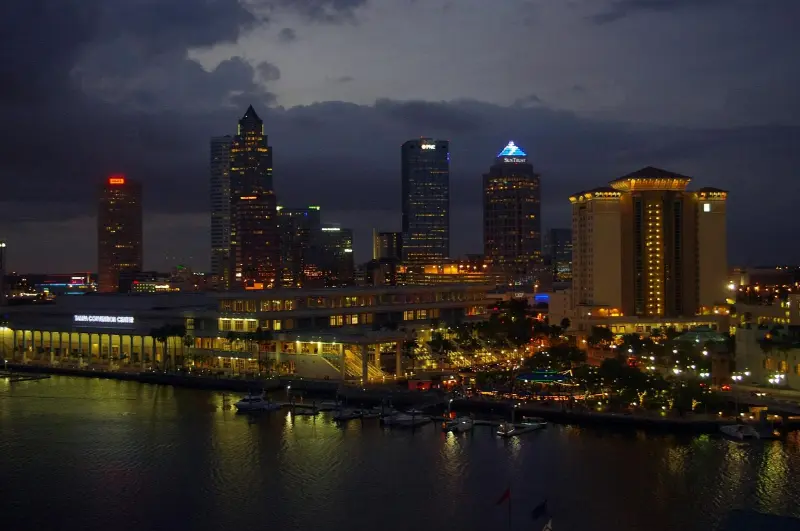
  • Cummer Museum of Art & Gardens Guide: Admission, Hours, Parking and Jacksonville Tips

    Cummer Museum of Art & Gardens Guide: Admission, Hours, Parking and Jacksonville Tips

    The Cummer Museum of Art & Gardens is one of Jacksonville’s strongest “two experiences in one” attractions: an art museum with a serious collection and a riverfront garden setting that can be just as memorable as the galleries. It is particularly useful when a Florida itinerary needs a slower cultural stop between beach days, outdoor parks and long drives.

    Explore this guide

    This is not an enormous all-day museum. Most travelers can see the highlights comfortably in two to three hours, which makes it easy to combine with Riverside, Avondale or Five Points. The gardens also keep the visit from feeling entirely indoors, while the galleries provide a welcome weather backup during heat or rain.

    Parking changed in 2026 to a self-paid system in the museum lots, so repeat visitors should not rely on old “free parking” assumptions. Admission prices, free-access periods and exhibition schedules can also change, making the official visit page worth checking before departure.

    Quick planning summary

    • Best for: art lovers, garden lovers, couples, senior travelers, rainy-day planning and visitors exploring Riverside
    • How much time: about 2–3 hours for galleries and gardens; 3–4 hours if you add a relaxed meal or nearby Riverside walk
    • Current practical snapshot: the museum is currently closed Mondays; published hours vary by day, adult general admission is $20, several discounted/free categories apply, and a self-paid ParkMobile system began in museum lots in September 2026
    • Best season: year-round; the gardens are especially pleasant in cooler months and can close at dusk or during inclement weather
    • Good pairings: Riverside/Avondale, Five Points, Memorial Park and the Riverside Arts Market on Saturdays

    What the experience is really like

    The Cummer works best when you alternate between galleries and gardens instead of saving all outdoor areas for the end. The St. Johns River setting gives the museum a sense of place that is distinctly Jacksonville, and the surrounding Riverside neighborhood makes it easy to extend the visit without driving across the city.

    What to prioritize

    Build the visit around a few galleries, not every label

    First-time visitors do not need to study every room to get value from the museum. Choose the periods or exhibitions that interest you most, then leave time to revisit a favorite work instead of rushing through the final galleries.

    Do not treat the gardens as an optional extra

    The historic gardens and river views are a major reason to choose the Cummer over a generic indoor stop. Visit them while weather is comfortable because they can close at dusk or during poor conditions.

    Use Riverside as the second half of the experience

    After the museum, walk or drive a short distance into Five Points, Memorial Park or Avondale. This gives cultural visitors a neighborhood context and prevents the museum from becoming an isolated stop surrounded by car travel.

    Check free-access opportunities before buying

    The museum currently offers selected free-admission periods and programs. If your schedule is flexible, reviewing the official calendar can reduce cost, but peak free periods can also be busier than a standard paid visit.

    Parking, arrival and logistics

    Museum lots are across Riverside Avenue and near Post Street. Under the current system, parking is self-paid through ParkMobile, with rates varying by day and time; members receive parking benefits. Because rules changed in 2026, check the museum’s parking page rather than relying on older reviews.

    How to fit it into a Jacksonville trip

    Jacksonville is geographically large, and map distances can hide bridge crossings, beach traffic and long suburban corridors. Group attractions by area instead of bouncing between Downtown, the Beaches and the Timucuan coast several times in one day. A well-planned half day with one nearby meal is usually more enjoyable than three famous stops separated by repeated drives.

    For this stop, the most natural combinations are Riverside/Avondale, Five Points, Memorial Park and the Riverside Arts Market on Saturdays. If you are also visiting St. Augustine, keep that city on a separate day unless your itinerary is deliberately a point-to-point road trip. The historic core south of Jacksonville rewards slow walking, so it rarely combines well with a rushed Jacksonville attraction afternoon.

    Jacksonville Florida Riverfront Fountain Illuminated Purple

    A useful regional link is the Ponte Vedra Beach travel guide, which explains the coastal transition between Jacksonville and St. Augustine. If beaches are a major priority, the St. Augustine and Ponte Vedra beach comparison can help decide whether to spend more coast time north or south.

    Families with babies and young children

    The Cummer is best with children when adults choose a short list of galleries and use the gardens as a change of pace. Young children usually do better with observation games, color/shape prompts and a defined end point than with long art-historical explanations.

    With babies and preschoolers, plan around shade, bathrooms, food and opportunities to move rather than the number of attractions completed. Northeast Florida heat can change a child’s mood quickly, and a shorter visit followed by a pool, playground or early dinner is often a better result than forcing the final hour of an adult itinerary.

    Teenagers and older children

    Teenagers interested in photography, design or social media visuals may connect strongly with the riverfront gardens and architecture. Give them time to choose one work or space they would actually recommend instead of asking them to move through every room at adult pace.

    Teenagers usually engage more when they have a role: choose the lunch stop, photograph a viewpoint, compare two habitats or historical stories, track wildlife, or decide which optional activity to add. Giving them ownership of one decision often works better than adding more “educational” stops.

    Senior travelers and multigenerational groups

    This is one of Jacksonville’s easier major attractions for senior travelers because the day can be paced around seating, indoor climate control and garden breaks. The main practical issue is crossing from parking to the museum and managing outdoor heat in the gardens.

    For multigenerational travel, let the least mobile traveler set the base pace and give more active family members optional extensions. Clear meeting points, shaded rest stops and parking close to the main feature are more valuable than squeezing one extra attraction into the schedule.

    Accessibility and comfort

    The museum publishes accessibility accommodations and provides accessible parking. Garden surfaces and outdoor weather still matter, so mobility-limited visitors should ask staff for the easiest route if a specific garden section is a priority.

    Accessibility can change by surface and activity even when a destination has accessible parking and restrooms. Sand, roots, boardwalks, historic thresholds, long distances and heat all matter. If a wheelchair, walker or cane is part of the trip, confirm the exact route needed for the experience you care about most rather than relying only on a general accessibility label.

    Weather and seasonal planning

    Northeast Florida is visitable year-round, but the same itinerary feels very different in January and July. Late spring through early fall brings heat, humidity and frequent afternoon thunderstorms. Winter can be excellent for walking, yet cold fronts make exposed beaches and riverfronts windy and much cooler than inland parking lots.

    Lightning is the most important same-day reason to change an outdoor plan. At beaches, parks, zoos and open historic sites, thunder is a signal to move to a safe indoor location rather than shelter under a tree or open pavilion. During hurricane season, check official operating status before driving because coastal parks and bridges can close even when the storm center is not nearby.

    Food, water and break strategy

    Do not wait until everyone is hungry to decide where to eat. Jacksonville distances make “we will just find something after this” less reliable than in a compact tourist city. Save one nearby meal option before arrival, carry water in the car and keep a small snack available for children or travelers with medication schedules.

    For outdoor stops, a real shaded or air-conditioned break at midday can improve the entire second half of the day. For indoor attractions, reverse the logic and use a park, riverfront or neighborhood walk as the reset after galleries and exhibits.

    Jacksonville Downtown Riverfront at Night

    Is it worth it?

    Choose the Cummer over a beach or park when weather is unstable, the group wants culture, or you need an attraction that can be completed comfortably in half a day. Pair it with Riverside/Avondale rather than driving immediately to a distant Jacksonville attraction.

    The best reason to include this stop is that it adds a different type of experience to the trip. If your itinerary already has several similar museums, beaches or history sites, use this as the point where you introduce variety. Florida trips often improve when each half-day has a distinct purpose rather than a longer list of attractions.

    A realistic visit plan

    Morning

    Visit galleries soon after opening, when attention is fresh and indoor spaces are quieter.

    Late morning

    Move into the gardens before midday heat builds, then return indoors if needed.

    Lunch and afternoon

    Continue into Riverside, Five Points or Avondale for food, shopping and a riverfront walk.

    Common mistakes to avoid

    • skipping the gardens because you assume the museum is only about art.
    • using outdated parking information from before September 2026.
    • trying to combine the museum with too many attractions across Jacksonville.
    • arriving close to closing when gardens may close earlier at dusk.
    • ignoring free-access periods if budget matters.

    Photography and wildlife etiquette

    Photograph from legal public areas and keep paths, railings and protected vegetation clear. Drones, tripods, commercial photography and wildlife approach rules vary by agency, so check the destination’s policy before bringing specialized equipment. A dramatic photograph is not worth stepping into dunes, climbing unstable natural features or blocking other visitors.

    Around wildlife, distance is part of the experience. Do not feed animals, crowd nests or treat a close encounter as something to manufacture for a photo. In Florida, birds, reptiles and marine wildlife can be present even at highly visited parks and beaches.

    Official information to check before you go

    Use Cummer Museum of Art & Gardens for current hours, prices, closures, access rules and same-day notices. The practical details in this guide reflect information available in October 2026; a trip scheduled for 2028 or later should always be checked again before departure.

    Extra planning notes for a smoother visit

    Keep a 15–30 minute buffer between major stops. Short distances can still involve bridge traffic, event congestion, full parking areas or security/ticket lines. That margin prevents one delay from forcing you to skip the attraction you cared about most.

    Save addresses, parking instructions and any reservation confirmation before leaving your hotel. Mobile coverage is generally good, but a family trying to navigate, find a lot and retrieve tickets at the same time can lose more time than expected.

    Wear shoes for the most demanding surface in the day, not only for the restaurant at the end. A Jacksonville itinerary can move from pavement to sand, roots, boardwalks, wet grass or historic floors in a few hours.

    Build one flexible element into every half day. A beach walk, café, park or scenic drive can expand when everything is running smoothly and shrink when parking, weather or fatigue slows the group down.

    Think about the return trip before beginning the final activity. After a long beach session, museum visit or trail, everyone is less patient with parking searches and restaurant queues. Water in the car and one preselected food option can make the end of the day much easier.

    Final thoughts

    The Cummer Museum is one of the best places to understand Jacksonville as more than a beach city. Art, historic gardens, the St. Johns River and the walkable Riverside neighborhood create a compact cultural day that works especially well for couples, seniors and families who want a calmer pace.

    Decision guide: when this stop makes the most sense

    Choose Cummer Museum of Art & Gardens Guide when it matches the energy and interests of the day rather than simply because it appears on a top-ten list. Art lovers, garden lovers, couples, senior travelers, rainy-day planning and visitors exploring riverside usually get the strongest value, while travelers with a different priority may be happier using the same time for another Jacksonville experience. Think in terms of contrast: after a long indoor morning, add outdoor scenery; after a demanding trail, choose a seated or air-conditioned stop; after several history-heavy visits, give the group a beach or neighborhood break.

    Budget is not only the admission price. Parking, food, rental equipment, special experiences and the time needed to drive across Jacksonville all influence the real cost of the stop. A free attraction on the opposite side of the city can consume more of the day than a paid attraction beside your hotel. Compare total effort as well as dollars.

    If this is your first visit to Northeast Florida, leave some unscheduled time. Weather, beach conditions, animal activity, special events and local traffic can create opportunities that are impossible to predict months ahead. A trip with one open two-hour window is often easier to improve on the ground than an itinerary filled from breakfast to bedtime.
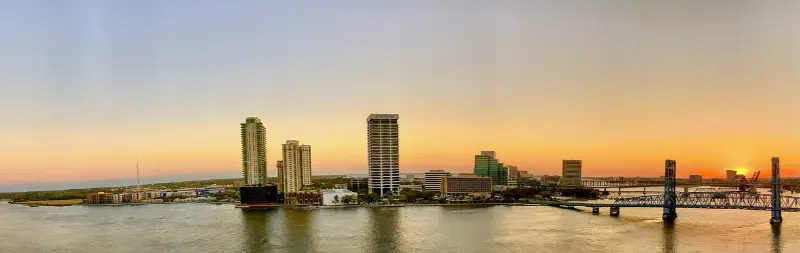
  • Jacksonville Zoo and Gardens Guide: Tickets, Hours, Animals, Families and Visitor Tips

    Jacksonville Zoo and Gardens Guide: Tickets, Hours, Animals, Families and Visitor Tips

    Jacksonville Zoo and Gardens is one of the easiest major attractions in Northeast Florida to recommend across age groups because it combines animals, botanical landscapes and a full half-day of walking without requiring a complicated city-center itinerary. It works for families with young children, couples who enjoy gardens, grandparents traveling with grandchildren and visitors who simply want one dependable attraction between beach and historic-city days.

    Explore this guide

    The main planning mistake is treating the zoo like a two-hour indoor museum. The grounds are extensive, Florida heat changes the pace, and children rarely move through animal areas at an adult sightseeing speed. A realistic plan leaves time for shade, snacks, restrooms and the inevitable return to a favorite habitat.

    The zoo currently requires online tickets, so this is a place to organize before leaving the hotel rather than arriving without checking admission availability. Hours, special experiences and temporary exhibit closures can change, and the official site is the best same-day source.

    Quick planning summary

    • Best for: families, animal lovers, garden lovers, multigenerational groups and first-time Jacksonville visitors
    • How much time: about 3–5 hours for a comfortable first visit; longer if children want repeat animal stops and play breaks
    • Current practical snapshot: the official zoo currently lists 9 a.m.–5 p.m. daily, with day-of ticket sales ending at 4 p.m., last entry at 4:30 p.m. and online tickets required
    • Best season: cooler mornings from fall through spring; in summer, arrive at opening and treat indoor or shaded exhibits as heat breaks
    • Good pairings: Downtown Jacksonville, Riverside/Avondale, or a separate beach afternoon if your group still has energy

    What the experience is really like

    The experience is broader than a traditional city zoo. Animal habitats are mixed with substantial landscaped areas, river views and themed gardens, so adults who are less interested in checking off species can still enjoy the setting. Families benefit from having enough variety to shift the mood when children need a change from watching animals.

    What to prioritize

    Start with the animals your group cares about most

    Do not save the one or two must-see habitats for the final hour. Animals can be resting, areas can close temporarily and young children can run out of energy earlier than expected. Use the map at the start and make a priority loop first, then fill the remaining time with secondary exhibits.

    Treat the gardens as part of the visit

    The landscaping is not just background. Slower garden sections can become valuable recovery zones between busier animal areas, especially for grandparents, toddlers and visitors who want photography without constantly moving through crowds.

    Use the day as a flexible loop, not a race

    The zoo is more enjoyable when you allow pauses instead of aiming to see every enclosure. On hot days, shorten exposed stretches, take indoor breaks and accept that a relaxed four-hour visit can be better than an exhausting full-day checklist.

    Check special experiences separately

    Train rides, animal encounters, seasonal events and other add-ons can have separate schedules or fees. Decide before arrival which extras genuinely improve the day rather than buying every upgrade after children see the signs.

    Parking, arrival and logistics

    Parking is generally simpler than at downtown attractions, but arriving close to opening still improves the day because the temperature is lower and the first hour tends to feel less rushed. Save the zoo address before departure and keep your digital tickets accessible before walking away from the car.

    How to fit it into a Jacksonville trip

    Jacksonville is geographically large, and map distances can hide bridge crossings, beach traffic and long suburban corridors. Group attractions by area instead of bouncing between Downtown, the Beaches and the Timucuan coast several times in one day. A well-planned half day with one nearby meal is usually more enjoyable than three famous stops separated by repeated drives.

    For this stop, the most natural combinations are Downtown Jacksonville, Riverside/Avondale, or a separate beach afternoon if your group still has energy. If you are also visiting St. Augustine, keep that city on a separate day unless your itinerary is deliberately a point-to-point road trip. The historic core south of Jacksonville rewards slow walking, so it rarely combines well with a rushed Jacksonville attraction afternoon.

    Jacksonville Riverfront Skyline at Sunset

    A useful regional link is the Ponte Vedra Beach travel guide, which explains the coastal transition between Jacksonville and St. Augustine. If beaches are a major priority, the St. Augustine and Ponte Vedra beach comparison can help decide whether to spend more coast time north or south.

    Families with babies and young children

    For toddlers and preschoolers, choose two or three headline animals, build in food and bathroom breaks, and expect the visit to be successful even if you leave before every section is covered. A stroller is useful because the total walking distance can surprise families who normally skip one at theme parks.

    With babies and preschoolers, plan around shade, bathrooms, food and opportunities to move rather than the number of attractions completed. Northeast Florida heat can change a child’s mood quickly, and a shorter visit followed by a pool, playground or early dinner is often a better result than forcing the final hour of an adult itinerary.

    Teenagers and older children

    Teenagers often respond better when the visit includes photography, conservation stories, large predators or reptiles rather than a child-focused “see all the animals” agenda. Let them choose one habitat or special experience that becomes their anchor for the day.

    Teenagers usually engage more when they have a role: choose the lunch stop, photograph a viewpoint, compare two habitats or historical stories, track wildlife, or decide which optional activity to add. Giving them ownership of one decision often works better than adding more “educational” stops.

    Senior travelers and multigenerational groups

    Senior travelers should prioritize the cooler first part of the day, shaded routes and regular seated breaks. Multigenerational groups can split briefly: more active family members can add a distant habitat while others rest near a garden or café and regroup at a clear landmark.

    For multigenerational travel, let the least mobile traveler set the base pace and give more active family members optional extensions. Clear meeting points, shaded rest stops and parking close to the main feature are more valuable than squeezing one extra attraction into the schedule.

    Accessibility and comfort

    The zoo publishes accessibility information and is designed for a broad public audience, but distance remains the practical issue. Visitors using wheelchairs, mobility scooters, walkers or canes should review the map in advance and choose a route that reduces unnecessary backtracking.

    Accessibility can change by surface and activity even when a destination has accessible parking and restrooms. Sand, roots, boardwalks, historic thresholds, long distances and heat all matter. If a wheelchair, walker or cane is part of the trip, confirm the exact route needed for the experience you care about most rather than relying only on a general accessibility label.

    Weather and seasonal planning

    Northeast Florida is visitable year-round, but the same itinerary feels very different in January and July. Late spring through early fall brings heat, humidity and frequent afternoon thunderstorms. Winter can be excellent for walking, yet cold fronts make exposed beaches and riverfronts windy and much cooler than inland parking lots.

    Lightning is the most important same-day reason to change an outdoor plan. At beaches, parks, zoos and open historic sites, thunder is a signal to move to a safe indoor location rather than shelter under a tree or open pavilion. During hurricane season, check official operating status before driving because coastal parks and bridges can close even when the storm center is not nearby.

    Food, water and break strategy

    Do not wait until everyone is hungry to decide where to eat. Jacksonville distances make “we will just find something after this” less reliable than in a compact tourist city. Save one nearby meal option before arrival, carry water in the car and keep a small snack available for children or travelers with medication schedules.

    For outdoor stops, a real shaded or air-conditioned break at midday can improve the entire second half of the day. For indoor attractions, reverse the logic and use a park, riverfront or neighborhood walk as the reset after galleries and exhibits.

    Jacksonville Downtown Riverfront Buildings

    Is it worth it?

    Choose the zoo when you want a structured half-day attraction with reliable facilities. Choose Jacksonville’s beaches or the Timucuan parks when the priority is unstructured outdoor scenery. For a mixed weekend, the strongest combination is often one zoo/culture day and one coast/nature day.

    The best reason to include this stop is that it adds a different type of experience to the trip. If your itinerary already has several similar museums, beaches or history sites, use this as the point where you introduce variety. Florida trips often improve when each half-day has a distinct purpose rather than a longer list of attractions.

    A realistic visit plan

    Morning

    Arrive near opening, scan the map and head first to your top animal area before the heat and school-group traffic build.

    Midday

    Take a real meal or shaded break rather than eating while walking. Use this point to decide whether the group still wants a second major loop or only nearby habitats.

    Afternoon

    Finish with gardens, a favorite repeat exhibit or one paid add-on, then leave before fatigue turns the final hour into a struggle.

    Common mistakes to avoid

    • arriving late on a hot summer day and expecting the same pace as winter.
    • assuming online ticket requirements will not matter at the gate.
    • trying to see every habitat with toddlers instead of prioritizing.
    • forgetting that special experiences can have separate schedules and prices.
    • pairing the zoo with an overly ambitious evening itinerary.

    Photography and wildlife etiquette

    Photograph from legal public areas and keep paths, railings and protected vegetation clear. Drones, tripods, commercial photography and wildlife approach rules vary by agency, so check the destination’s policy before bringing specialized equipment. A dramatic photograph is not worth stepping into dunes, climbing unstable natural features or blocking other visitors.

    Around wildlife, distance is part of the experience. Do not feed animals, crowd nests or treat a close encounter as something to manufacture for a photo. In Florida, birds, reptiles and marine wildlife can be present even at highly visited parks and beaches.

    Official information to check before you go

    Use Jacksonville Zoo and Gardens for current hours, prices, closures, access rules and same-day notices. The practical details in this guide reflect information available in October 2026; a trip scheduled for 2028 or later should always be checked again before departure.

    Extra planning notes for a smoother visit

    Keep a 15–30 minute buffer between major stops. Short distances can still involve bridge traffic, event congestion, full parking areas or security/ticket lines. That margin prevents one delay from forcing you to skip the attraction you cared about most.

    Save addresses, parking instructions and any reservation confirmation before leaving your hotel. Mobile coverage is generally good, but a family trying to navigate, find a lot and retrieve tickets at the same time can lose more time than expected.

    Wear shoes for the most demanding surface in the day, not only for the restaurant at the end. A Jacksonville itinerary can move from pavement to sand, roots, boardwalks, wet grass or historic floors in a few hours.

    Build one flexible element into every half day. A beach walk, café, park or scenic drive can expand when everything is running smoothly and shrink when parking, weather or fatigue slows the group down.

    Think about the return trip before beginning the final activity. After a long beach session, museum visit or trail, everyone is less patient with parking searches and restaurant queues. Water in the car and one preselected food option can make the end of the day much easier.

    Final thoughts

    Jacksonville Zoo and Gardens earns its place in a Jacksonville itinerary because it is easy to scale to the group. A family can spend most of a day, a couple can focus on gardens and headline animals for a few hours, and a multigenerational group can build in enough rest to keep the visit enjoyable.

    Decision guide: when this stop makes the most sense

    Choose Jacksonville Zoo and Gardens Guide when it matches the energy and interests of the day rather than simply because it appears on a top-ten list. Families, animal lovers, garden lovers, multigenerational groups and first-time jacksonville visitors usually get the strongest value, while travelers with a different priority may be happier using the same time for another Jacksonville experience. Think in terms of contrast: after a long indoor morning, add outdoor scenery; after a demanding trail, choose a seated or air-conditioned stop; after several history-heavy visits, give the group a beach or neighborhood break.

    Budget is not only the admission price. Parking, food, rental equipment, special experiences and the time needed to drive across Jacksonville all influence the real cost of the stop. A free attraction on the opposite side of the city can consume more of the day than a paid attraction beside your hotel. Compare total effort as well as dollars.

    If this is your first visit to Northeast Florida, leave some unscheduled time. Weather, beach conditions, animal activity, special events and local traffic can create opportunities that are impossible to predict months ahead. A trip with one open two-hour window is often easier to improve on the ground than an itinerary filled from breakfast to bedtime.
  • Four Days in Jacksonville and Amelia Island: River City to Wild Beaches

    Four Days in Jacksonville and Amelia Island: River City to Wild Beaches

    Jacksonville is sprawling, and that is both its challenge and its appeal. The city stretches along the St. Johns River, encompasses distinctive historic neighborhoods and provides access to some of Northeast Florida’s most natural Atlantic coastline. Add nearby Amelia Island and you can combine art, riverfront cafés, barrier-island beaches and the small-city charm of Fernandina Beach without changing hotels every night. Four days are enough when you organize them by geography rather than trying to drive between riverfront and shoreline attractions repeatedly.

    This itinerary suits a rental-car vacation. Jacksonville’s distances and connections make public transportation less convenient for linking all four days, although individual districts can be enjoyed on foot. Plan two nights in the Jacksonville area and one or two near the beaches or Amelia Island if budget permits, or choose one base and accept longer day trips. The emphasis is deliberately broader than big attractions: a morning in Riverside, a quiet state-park beach and an evening in Fernandina can each be the day’s highlight.

    A practical four-day outline

    DayBase or regionMain planMost useful choice
    1Riverside and downtown JacksonvilleArts, riverfront and local foodStay in one neighborhood
    2Jacksonville’s coastBeaches and Atlantic shorelineChoose one beach town
    3Talbot islandsState park dunes, trails and natureStart early for park access
    4Amelia IslandFernandina historic district and shoreUnhurried village and beach day

    The plan can be reversed if your flight or lodging arrangements make Amelia Island the first stop. Avoid using Florida road-trip estimates as promises, especially near bridges and weekend beach approaches.

    Day 1: Riverside, Avondale and the riverfront

    Begin in Riverside and Avondale, where mature trees, historic homes and walkable pockets make Jacksonville feel more intimate. The Cummer Museum of Art & Gardens is a logical centerpiece for an art lover and a good indoor alternative on a stormy afternoon. If your visit falls on a Saturday, the Riverside Arts Market beneath the Fuller Warren Bridge may be a rewarding stop; check its official event calendar because market schedules and vendors can change. Five Points offers independent shops and cafés, but it is a place to browse, not a reason to keep everyone on their feet for hours.

    Give yourself a proper lunch and then visit the St. Johns River waterfront or another nearby neighborhood rather than crossing town for a third ticketed venue. The city’s river is an organizing feature, but not every riverfront block is connected by a continuous pedestrian promenade. Before setting out, choose a specific legal parking place and destination. For visitors using mobility equipment, ask the museum about its entrances and garden surfaces, and select a short comfortable loop. With children, let the garden and art be a scavenger-hunt experience rather than a formal gallery marathon.

    In the evening, Riverside is a good choice for local dining. Families may prefer an early meal; adults interested in a livelier atmosphere can stay longer if they have a safe route home. Jacksonville is not a resort complex where a shuttle automatically links all attractions. Staying in the same district after sunset helps avoid unnecessary driving and gives the first day a memorable local character.

    Day 2: Jacksonville Beach and the coastal towns

    Drive toward the Atlantic and choose Jacksonville Beach, Neptune Beach or Atlantic Beach as the focus, rather than trying to park at all three. Each offers a different mix of public shore access, services and dining, but the practical questions are the same: Where will you park, where are the restrooms, how far is the sand and what do the beach safety advisories say? Ocean conditions on Florida’s northeast coast can be energetic. Follow lifeguard instructions where present, heed rip-current warnings and avoid inlets or jetties for casual swimming.

    Jacksonville Skyline Across Saint Johns River 2

    The Beaches Town Center area around Atlantic and Neptune beaches can provide an easy lunch or late-afternoon stroll. A couple may enjoy cafés and the relaxed commercial blocks, while a family with young children might spend only an hour on the sand before heading to shade. In cooler weather, the beach may be more suited to walking and birdwatching than swimming. Consider local parking rules and the distance from hotel to shore before hauling a large load of beach gear; that walk often determines whether a beach day is relaxing.

    If you want a non-beach option, keep a local cultural or nature stop in reserve rather than driving to the city center again. Sand and saltwater are only enjoyable when the whole party is comfortable. A teenager who likes surfing may want a supervised lesson, whereas a grandparent might prefer a protected café terrace with an ocean view. Let people choose how to experience the coast without treating one version as more authentic.

    Day 3: Little Talbot Island and the undeveloped coast

    Drive north for Little Talbot Island State Park, a striking contrast to commercial beachfront. The official state-park information describes a long undeveloped Atlantic shoreline, dune habitat and nature experiences. This is a place for listening to surf, watching birds, photographing the coast and walking only as far as conditions comfortably allow. Check current park operating hours, entrance fee and facility alerts before the drive. Bring water and lunch supplies if you want to avoid leaving early in search of food.

    One safety point matters enormously: Florida State Parks has restrictions on entering the water at the southern end near dangerous currents. Beach swimming is not permitted in signed restricted areas, and the park does not provide lifeguards. Use designated crossovers where water entry is allowed only if the surf conditions are appropriate, and always follow signs and staff guidance. This is not a safe place to improvise a swim because a beach looks empty. The protected beach ecosystem also means dunes and driftwood should be left undisturbed.

    Families can make the day about shells, shorebirds and habitats rather than a long trek. The park’s official accessibility details include options such as beach wheelchairs and a paved pathway, but availability and conditions need checking beforehand. Travelers unable to navigate sand can still enjoy the landscape from selected accessible areas. Do not rush onward to multiple parks simply because the islands are adjacent on a map; a slower nature morning followed by a seafood lunch is a better use of this day.

    Day 4: Fernandina Beach and Amelia Island

    Continue toward Amelia Island and explore the historic downtown of Fernandina Beach. This district is compact enough for a café-led morning, galleries, local shops and architectural details. The island has a maritime and railroad history that is worth learning about rather than using the main streets solely for souvenir shopping. Select a museum, a walking route or a guided history experience based on opening hours. Allow time to sit down; a calm final day is especially welcome if you will be driving to the airport later.

    For the afternoon, visit a suitable Amelia Island beach or Fort Clinch State Park if your group enjoys coastal fortifications and nature. Check state-park details and the route to specific sites before arrival; the fort, camp areas and beaches do not all operate as one doorstep attraction. The Atlantic surf, sun and beach access conditions require the same care as elsewhere along the coast. Visitors with children may prefer playground or picnic time, while photographers might focus on maritime forest and historic structures rather than swimming.

    If departing from Jacksonville International Airport, leave ample time for the drive, refueling and rental-car return. Amelia Island can be a delightful final overnight stop, but it should not become an excuse to book a departure flight with no travel buffer. For a longer vacation, a separate stay here gives the historic district and beach a distinct identity instead of treating them as a Jacksonville suburb.

    Best lodging base and how not to waste time driving

    Riverside or an appropriately located central Jacksonville hotel suits art and dining, but will mean driving to the beaches. Jacksonville Beach provides shoreline access and restaurants but may be more expensive on weekends and holidays. Amelia Island makes sense for a quiet coastal final leg, especially if the island is a major reason for visiting. Choose by your main interest rather than the geographic label ‘Jacksonville’: many hotels with the city name in their address are far from the riverfront and Atlantic coast.

    For families, compare room layout, breakfast arrangements, pool access and parking fees. A condominium can be practical when there are grandparents, several children or special dietary requirements, provided stairs and equipment access are suitable. Independent travelers should verify the walking route from hotel to restaurants rather than relying on a straight-line distance. The city is large enough that a badly positioned hotel can add considerable driving every day.

    Car rental, timing and realistic geography

    A car is the simplest option for this four-day circuit. Plan major geographic moves before checking in, minimize repeated travel between riverfront and beaches, and save a parking location for each day. If a rental car is impractical, focus instead on one walkable neighborhood and use prearranged excursions, acknowledging that the Talbot islands and Amelia Island are harder to combine without driving. Taxi and rideshare coverage may thin in less densely developed coastal locations, so plan your return ride in advance.

    Remember that bridge traffic, weekend beach demand and events can extend journey times. Do not build hotel checkout and an attraction reservation too close together. The state’s toll arrangements vary by route and rental-company policy; confirm those charges along with insurance and permitted drivers. If traveling internationally, verify license and identification requirements before arrival. Long distances do not have to dominate the trip, but they will if every evening ends far from the next day’s first stop.

    Costs, weather and flexible alternatives

    Use a one-major-attraction-per-day rule to control admission spending. Museums and historic sites may have ticket fees; beaches can have parking charges even when shoreline access itself is public. State-park entrance fees are modest relative to some attractions, but still check the current official schedule. The biggest variable may be accommodation, especially in Amelia Island high season. Calculate lodging, parking, fuel and meals together before concluding that a beachside bargain is cheaper than a city hotel.

    The Atlantic can be breezy and cool in winter; hot weather brings humidity, strong UV and afternoon storms. Spring and fall can make walking comfortable, though individual days still vary. Tropical storms and hurricanes can disrupt the coast during hurricane season. Consult National Weather Service updates and park notices, and avoid rigid nonrefundable outdoor plans. On a wet day, swap beach and museum visits; on a very hot one, begin early and plan a long shaded lunch.

    Planning for families, seniors and different abilities

    Small children often do best with the museum on day one, a short beach outing on day two and one nature walk on day three. School-age children can compare river and ocean habitats; teens may enjoy arts-market shopping or a surfing lesson booked with an appropriate provider. Adults who dislike sand can spend more time in galleries or historic downtown. Older travelers can enjoy a shorter version of every day, with vehicle transfers between selected accessible stops and time for seated meals.

    Jacksonville Florida Downtown Buildings and River

    At specific sites, check ramps, restroom access, wheelchair-friendly pathways and whether beach equipment is available; generalized claims about a city being accessible are inadequate. Ask about staff-supported accommodations for visual or hearing access when booking guided tours. Travelers with sensory sensitivity may prefer quieter parks at opening time over busy market or boardwalk periods. The best inclusive itinerary does not expect every person to participate in every activity: it provides appealing options and simple places to reunite.

    Frequently asked questions

    Is Jacksonville too spread out for a four-day trip?

    Not if you organize the route by neighborhood and coast. The problem is repeated cross-town driving, not the number of attractions. A sensible base and geographic sequence solve much of it.

    Can I visit Amelia Island as a day trip?

    Yes, but staying overnight gives you a calmer evening downtown and more beach time. If you day-trip, select one historical and one coastal experience rather than several scattered sites.

    Can we swim at Little Talbot Island?

    Only where water entry is permitted and when conditions are safe. Parts of the southern shore are restricted because of dangerous currents, and there are no lifeguards. Read official signs carefully.

    What should we do if rain ruins a beach day?

    Move the Cummer Museum or a historic site to that day and visit the shore when conditions improve. Many outdoor experiences are better with a flexible schedule.

    Is the area suitable for a three-generation vacation?

    Yes. Choose a hotel with comfortable access, limit walking distances and let the beach and nature days include seated alternatives. Children and older relatives need not follow identical schedules to enjoy the trip together.

    Official resources