Category: Jacksonville Florida

  • Jacksonville Without a Car: Three Days of Riverwalks, Museums and Transit

    Jacksonville Without a Car: Three Days of Riverwalks, Museums and Transit

    Jacksonville is often treated as a city that requires a car for everything, and a vehicle certainly helps if you want to reach the beaches, distant nature reserves and suburbs. But a short downtown-focused visit can be arranged without renting one, provided you choose your accommodation strategically and understand the transit network’s limitations. This three-day trip combines river views, contemporary art and the Riverside district. It doesn’t pretend that every attraction in Greater Jacksonville is within walking distance or connected by an effortless shuttle.

    The key distinction is between a central cultural weekend and a full regional vacation. For downtown museums and selected waterfront walks, a mix of walking, JTA transit and occasional rideshare can be practical. For remote trailheads, beaches and late-night travel, the same approach may be inconvenient or costly. Travelers with children, mobility needs or limited time should focus on a compact set of stops rather than recreating a driving itinerary with a patchwork of long transfers.

    Choose accommodation close to the activities you value

    For a car-free downtown stay, compare hotels in central Jacksonville with access to the riverfront and the JTA stations you expect to use. Riverside offers a different neighborhood atmosphere and may be appealing for art lovers, but check the precise distance from the museum, eateries and transit. A hotel described as ‘Jacksonville’ may be many miles from the city center. The difference can turn a car-free weekend into repeated expensive rideshare journeys.

    Before booking, check pedestrian access from the hotel entrance to your chosen first stop. A short straight-line distance may involve busy roads, construction or a route with few comfortable crossings. Ask about luggage storage if you arrive before check-in. For older guests, a hotel with an onsite restaurant and elevator can be worth a little extra. Visitors with mobility equipment should confirm doorway clearance and bathroom arrangements rather than relying on an accessibility filter alone.

    Arrival: make the airport transfer a separate decision

    Jacksonville International Airport is not directly within walking distance of downtown hotels. Compare available public transit, taxi, rideshare or other legitimate airport transfers according to your arrival time, luggage and party size. A service that runs during the day may not be suitable for a late-night flight. Confirm current routes and fares, and do not assume an old blog’s airport shuttle information still applies.

    If using rideshare, follow the airport’s marked pickup instructions and check the license plate before entering. If using public transit, understand the expected transfers and whether you need a payment app or fare medium. A family carrying a stroller and multiple suitcases may find a direct ride a sensible initial expense even if most other travel is on foot.

    Day 1: learn downtown from the riverfront

    Start with a manageable walk around the public riverfront on a section that is open. The St. Johns River brings large-scale scenery into the city, but the waterfront is not a single uninterrupted promenade with identical facilities everywhere. Choose a legal route and check for construction closures or special events. A short morning crossing or viewing point can offer a strong sense of place without requiring a guided tour.

    Build the next part of the day around lunch near your chosen downtown area. Jacksonville blocks can feel farther apart in heat than on a map. Bring water and use safe crossings. If a section feels uncomfortable or traffic-heavy, choose a legitimate transit connection rather than pressing on to ‘save’ a small fare. Check whether the next attraction actually opens today before setting out.

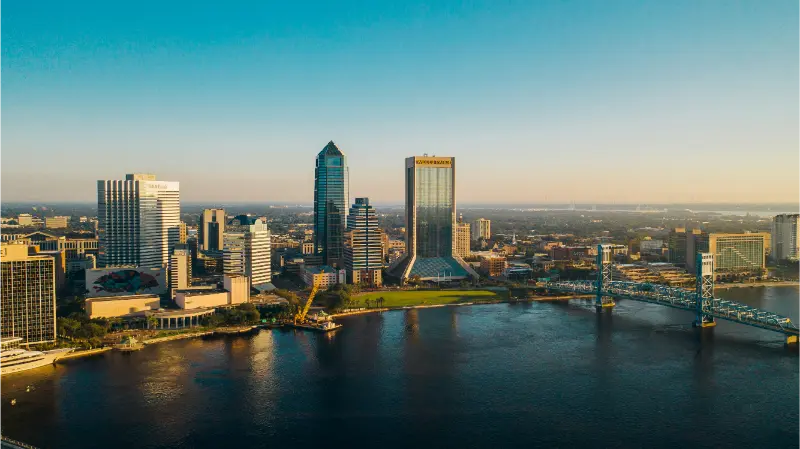
    Jacksonville Downtown Riverfront Buildings

    Use late afternoon for rest and a second brief river view. A car-free trip is most enjoyable when you aren’t transferring across town just to fill time. If the weather turns stormy, move indoors. The skyline will not look better if you’re standing in an exposed riverfront area during lightning.

    Day 2 morning: MOCA and downtown culture

    The Museum of Contemporary Art Jacksonville is centrally located and provides a focused cultural stop. Check the museum’s official visit page for current exhibitions, hours and free-admission opportunities. Spending a proper morning with one exhibition can be more satisfying than racing between museums that are farther apart than they appear. Visitors unfamiliar with contemporary art can choose a few works they genuinely want to discuss instead of trying to see everything.

    A café or restaurant nearby makes sense for lunch, depending on current opening days. If traveling with a child, set an achievable museum visit length and take breaks; a gallery is more enjoyable when a young visitor has time to ask questions. Some children enjoy selecting their favorite colors or materials in an artwork, while adults may want to read labels more carefully. Both experiences can fit into the same visit if the schedule is flexible.

    Day 2 afternoon: understand what the Skyway actually does

    Jacksonville’s Skyway is useful in its downtown service area but is not a metro system that carries visitors to every part of the city. The official JTA Skyway page currently lists weekday service and weekend operation for special events only. It also gives station locations and operating details. That means a typical Saturday itinerary cannot simply assume trains will run at normal weekday frequency.

    Before using it, check the actual day’s service status and whether your destination is close to a station. If the Skyway isn’t running, look for a suitable regular bus or plan a short rideshare trip. Allow extra time when transferring, since schedules and construction may affect connections. For a person who relies on accessible transport, examine the entire station-to-destination journey, including elevators and curb crossings, rather than assuming that a listed station guarantees access everywhere.

    Day 3: Riverside and the Cummer Museum

    Spend the final full morning around the Riverside district, with the Cummer Museum of Art & Gardens as a potential highlight. The museum’s collection and historic gardens offer a different atmosphere from MOCA’s contemporary focus. Check the official Cummer visitor information for today’s opening hours, garden access, admission and any temporary restrictions. Gardens can close in bad weather and may have different conditions from indoor galleries.

    Arranging a car-free transfer to Riverside takes more planning than simply walking between adjacent downtown blocks. Check current JTA routes or the cost of a direct rideshare. If staying downtown, treat this as the one planned cross-neighborhood journey of the day. Once there, have lunch nearby and take a short walk through appropriate public streets rather than bouncing back and forth across the river.
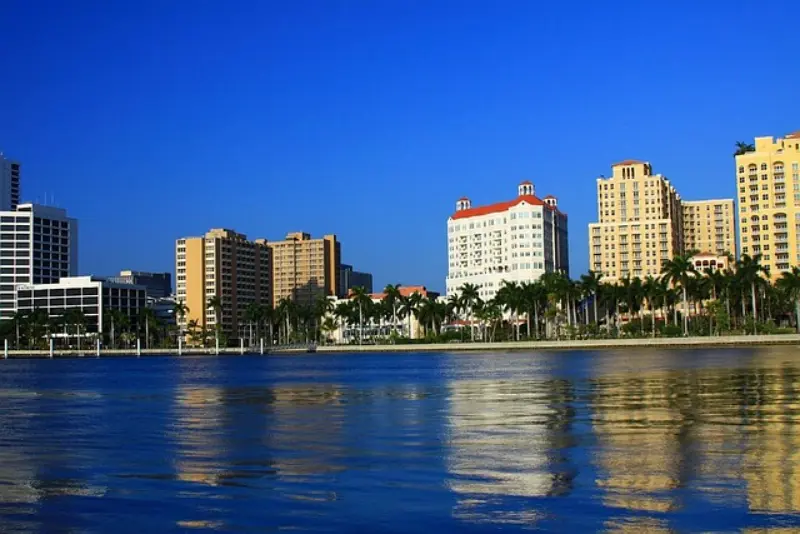
    Jacksonville Downtown Skyline Reflected in River

    The Cummer’s setting beside the St. Johns River rewards unhurried observation. Give the gardens time instead of treating them as an afterthought, subject to weather and access. An older visitor may find the indoor galleries a comfortable focus; someone with small children can adjust the visit to the sections suited to them. Remember the museum has artwork and gardens to protect, so follow its rules about food, touching objects and photography.

    A weather-proof route for summer and rainy days

    Jacksonville can be hot and humid, and thunderstorms may change an outdoor schedule quickly. Put the most exposed riverfront time early in the day, keep indoor museums available for midday and avoid a long walk just before a forecast storm. When lightning is nearby, seek appropriate indoor shelter. An umbrella is useful in ordinary rain but not protection against lightning.

    The museum’s garden may close for weather even when indoor galleries remain open. Plan around that possibility without treating the visit as ruined. You can swap the order of the cultural days or spend more time in a current exhibition. If major weather disrupts transit, follow local alerts and consider staying in the hotel rather than attempting repeated rideshare trips in heavy traffic.

    Can the beaches be added without a car?

    The Atlantic beaches are a major reason to visit Greater Jacksonville, but they are not simply another stop on a short downtown walk. Reaching them by transit can require additional travel time and route planning. If the beaches are your primary interest, consider staying closer to the coast instead of choosing a downtown hotel and commuting repeatedly. If they are an optional extra, add a separate day after checking travel times and the return service.

    Don’t base a schedule on an old claim about a free beach shuttle or bus frequency. Verify current JTA options for the specific beach and day of the week. A direct rideshare may save time, but the return fare and availability can vary. Beach parking costs won’t matter without a car, yet you still need to think about restrooms, carrying shade, weather and a safe route back.

    Nighttime travel deserves its own plan

    A museum visit and waterfront dinner can finish comfortably in the evening, but late-night public transport may operate differently from daytime services. If attending a performance or event, confirm its end time and the route home before buying tickets. Use well-lit public streets and legitimate transport options, and avoid walking long unfamiliar distances because a map labels them as short.

    Travelers who prefer a quiet evening can eat near the hotel and enjoy the view from a safe public space. That is not less authentic than staying out until midnight. Group size, age and personal comfort all affect which late-night journey is reasonable. If using rideshare, verify the driver and pickup location.

    Budget compared with renting a vehicle

    Skipping a rental car removes daily vehicle charges and parking, but not transport costs altogether. Create a line for airport transfers, one or two cross-town journeys and any beach trip. A downtown hotel may cost more per night while reducing rideshare needs. Compare the full weekend totals for your dates, not the vehicle rate alone. Include taxes, hotel fees, meals and museum admission.

    Some museums offer free or discounted admission during selected periods, but verify current eligibility and dates. These offers are not a substitute for checking operating hours, and you shouldn’t design the entire weekend around a promotion that may change. A three-day cultural trip can stay affordable through selective admission spending and walks along open public riverfront areas.

    Mobility, children and practical details

    People with limited walking stamina can enjoy downtown culture by arranging a shorter route with scheduled rest stops and one museum per day. Ask hotels about elevator access and transport pickup points. A museum advertising accessible facilities still requires checking the route from the bus stop or rideshare drop-off. Families with children should pay particular attention to busy intersections and waterfront edges, and keep an agreed meeting point in crowded areas.

    Pack light: comfortable walking shoes, water, sun protection, a small umbrella and a light layer for air-conditioned interiors. Download current JTA route information before departure and save museum addresses offline. Don’t assume public Wi-Fi will work at every stop, and keep a backup payment method. These small preparations make a city weekend without a car feel deliberate rather than improvised.

    Three-day plan at a glance

    Day Core area Main activity Transport caution
    Arrival Downtown Hotel and easy dinner Confirm airport connection
    1 Downtown riverfront Public walk and short cultural stop Check route and weather
    2 Central downtown MOCA and nearby streets Skyway weekend limits
    3 Riverside Cummer Museum and gardens Plan cross-neighborhood trip
    Departure Hotel to airport Direct transfer Allow traffic buffer

    What this itinerary does not promise

    It does not make every part of sprawling Jacksonville car-free. It avoids remote nature reserves, distant shopping centers and beaches as mandatory stops because those destinations would create too much travel for a short urban stay. It also doesn’t promise that a museum, Skyway service or riverside route will be open on a particular day. Check current conditions and replace closed attractions with a nearby legitimate option.

    For a visitor who enjoys art, urban history and waterfront scenery, three focused days can be enough to get a meaningful impression of the city. For a traveler who mainly wants national wildlife refuges or Atlantic surfing, another base or a rental vehicle will likely suit better. Choosing the right kind of Jacksonville vacation is the first step toward enjoying it.

    Frequently asked questions

    Does Jacksonville’s free Skyway run every weekend?

    Not as a normal daily assumption. The published schedule currently lists weekday operation and weekends for special events; verify the actual date.

    Can I reach the Cummer Museum from downtown without renting a car?

    Yes, with a planned transit or rideshare connection. Check the route and walking distance rather than assuming the downtown Skyway reaches the museum entrance.

    Is this suitable for visitors with limited mobility?

    It can be adapted, with careful hotel choice, shorter walks and confirmation of accessible transfers and museum entrances.
  • Three Days in Jacksonville and Atlantic Beach: Riverfront Culture, Neighborhoods and the Coast

    Three Days in Jacksonville and Atlantic Beach: Riverfront Culture, Neighborhoods and the Coast

    Jacksonville surprises visitors who picture only a large city beside a beach. Its riverfront museums, historic neighborhoods and Atlantic communities are spread across distinct areas, and the scale can frustrate anyone who expects to walk between them all. The solution for three days is to choose one river-centered day, one ocean-centered day and a final day based on your interests. This itinerary pairs Riverside and downtown culture with Atlantic Beach, Neptune Beach and Jacksonville Beach without pretending they form a single compact tourist district. It is designed for first-time visitors who want a realistic pace and practical alternatives.

    Three-day itinerary at a glance

    DayRecommended focusEasy alternative
    Day 1Riverside art, riverfront and downtownCummer Museum and a short park visit
    Day 2Atlantic Beach and Jacksonville BeachAccessible public access or Beaches Museum
    Day 3One museum or nature parkChoose by weather and departure time

    Understand the city before choosing a hotel

    Jacksonville occupies a broad area around the St. Johns River, and downtown is not the same as the beachfront towns. Atlantic Beach, Neptune Beach and Jacksonville Beach lie east of the urban core, with causeways, bridges and suburban traffic between them. A city-center hotel suits museums, concerts and business, whereas a beach-area hotel supports sunrise walks and an easy return from the sand. Riverside and San Marco offer neighborhood dining and local character, but neither is an Atlantic beachfront base. Decide whether your evenings will revolve around urban restaurants or the coast before paying for a room.

    Having a car is helpful for a mixed river-and-beach itinerary, although local transport and rideshares can cover individual journeys. Avoid planning multiple cross-city transfers on the same day. Check parking fees at your hotel and any museum, and verify whether an event will affect downtown roads. Families may value a suite and pool; older visitors may prioritize elevators, close parking and short distances to meals. A weekend in Jacksonville feels much easier when you accept that some of the city's most interesting places are deliberately separated by water and distance.

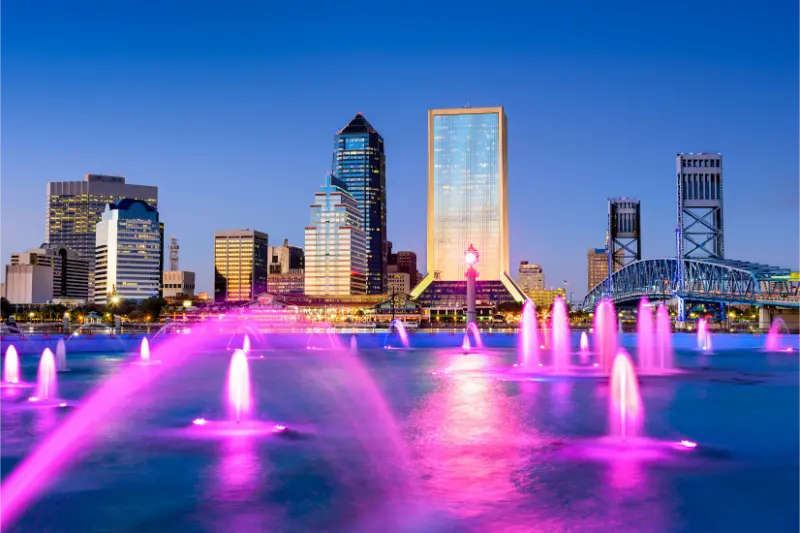
    Jacksonville Riverfront Skyline at Sunset

    Day one morning: Riverside and the Cummer Museum

    Start on the Riverside side of the St. Johns River. The Cummer Museum of Art & Gardens combines indoor galleries with formal gardens beside the river, making it a strong opening attraction for adults and children with different interests. Check the museum's current hours, ticketing arrangements and garden access before arriving. Gardens may be affected by weather, and the museum's historic outdoor surfaces should be assessed for your group's mobility needs. Its artistic collections offer a welcome counterpoint to the common assumption that a Florida vacation must begin at the beach.

    There is no need to absorb every gallery label or rush through every exhibition. Choose a small selection that interests your group and spend time by the windows and gardens. Younger children may respond more easily to a few recognizable shapes, colors and river views than to a long art survey. A traveler who uses a mobility aid can consult the museum's accessibility information and request assistance with the best route. If the weather is poor, prioritize the indoor galleries. Riverside also offers cafes and shaded neighborhood streets for a modest lunch rather than a cross-town journey immediately after the museum.

    Day one afternoon: Five Points, parks and river perspectives

    After lunch, continue into Riverside and Five Points, where shops and small businesses make a manageable change of scene from the museum. Keep the route compact and choose one park or street to explore. The St. Johns River shapes Jacksonville's identity as a port and transportation city; it is worth taking a moment to understand the width of the river rather than thinking of it as a decorative canal. For families, a short outdoor stop followed by a snack may be more enjoyable than a full afternoon of shopping.

    Downtown attractions and riverwalk segments can be interesting, but verify specific crossings, public access and temporary closures. Traffic patterns near sporting events and performances can change the afternoon considerably. If you are staying downtown, this is a natural time to return to the hotel. If you are staying at the beach, consider one riverside dinner before driving east instead of returning downtown on a later night. Visitors who prefer seated activities can choose a river-view meal rather than a long riverside stroll, and still enjoy the essential scenery of day one.

    Day two morning: Atlantic Beach and the Beaches Town Center

    Begin early on the ocean side, ideally around Atlantic Beach or the nearby junction with Neptune Beach. The Beaches Town Center connects restaurants and shops near the ocean, which makes it especially convenient for a breakfast and a short coastal walk. Unlike Jacksonville's downtown, these neighborhoods have a vacation rhythm shaped by surf, bicycles and beach access points. Check where you can legally park, the posted rules for dogs and personal items, and which accesses provide accessible routes. Beaches can be wide, and even a short sand crossing may be difficult for some visitors.

    An early morning shoreline visit avoids a portion of the heat and offers the chance to appreciate an Atlantic sunrise. Swimming is optional; surf conditions can be rough and lifeguard coverage varies by access, date and season. Watch for warning flags and rip-current guidance. If your group includes small children, choose a staffed or clearly managed access when possible and keep close supervision in the water. People who do not want to walk through sand can still enjoy the coastal atmosphere from designated public approaches and nearby restaurants, provided those locations are accessible.

    Day two afternoon: Hanna Park or Jacksonville Beach

    Choose one of two different afternoons. Kathryn Abbey Hanna Park on the Atlantic Beach/Mayport side offers coastal nature, wooded recreational areas and additional activities; official park rules, fees and rental availability should be checked in advance. Jacksonville Beach, farther south, is more built up and offers a pier, restaurants and a lively resort strip. The choice depends on whether your group would rather experience trails and natural surroundings or an easy walk between shops, a pier and food. Trying to do both in detail after a full beach morning is rarely necessary.

    At Hanna Park, do not assume every trail is suitable for wheelchairs or strollers simply because the site has accessible amenities; ask which surfaces and entrances match your needs. Around Jacksonville Beach Pier, obey posted restrictions and confirm whether the pier is open on your date. Some people prefer to watch surfers and shorebirds without swimming, and that is an excellent use of an afternoon. If storms develop, return to a coastal cafe, the Beaches Museum when open, or your lodging. Keeping the day focused on the beach communities prevents an exhausting second drive into the urban center.

    Day three: choose either nature or deeper city history

    Your last day offers a meaningful choice. Nature-oriented visitors can explore a suitable public waterfront park, look for an accessible trail and enjoy another calm beach morning. Those interested in history can return toward downtown and Riverside for a museum, architecture stop or cultural venue not visited on day one. The Museum of Contemporary Art Jacksonville is one possibility for art lovers, subject to current opening hours and exhibitions. Families should select the stop that interests their children rather than treating every listed attraction as compulsory.

    Jacksonville Downtown Riverfront Buildings

    If you have a late flight, keep the final day's activities near the direction of the airport and reserve time for rental-car return. Jacksonville's size means a “nearby” place on a map may be a substantial drive in traffic. A visitor with limited mobility may prefer a short museum visit with seating and a final meal over a trail. A more active traveler might choose one longer park outing. Either approach creates a coherent third day because the city's appeal comes from contrasts between river, neighborhood and ocean, not from completing an enormous list.

    Getting around with children, grandparents or no car

    A rental vehicle offers the greatest flexibility for this cross-city plan, but it does not erase the need to plan parking and bridges. Before leaving for a museum or beach, save the exact address of the entrance rather than the general name of the neighborhood. On a busy weekend, the difference between a public beach lot and a private hotel garage can be frustrating. For visitors without a car, choose either a downtown-centered or a beach-centered version of the itinerary and use rideshares for a limited number of planned trips. Repeated long transfers can consume time and budget.

    Travelers with mobility needs should call museums and parks for details about step-free approaches, seating, wheelchair-accessible restrooms and beach access mats. Children benefit from a simple rhythm: one main stop, lunch and one optional short activity. Teens may enjoy the surf culture at Jacksonville Beach, while grandparents may prefer gardens or a seated meal beside the river. Good planning does not mean every age group must do the same thing all afternoon. It means setting a clear meeting place and ensuring that each person can enjoy their chosen part of the day safely.

    When to visit and how weather changes the route

    Jacksonville has a more pronounced winter cool season than many visitors expect from Florida. A January beach walk can be refreshing but too chilly for swimming, while summer afternoons can be hot, humid and stormy. Pack layers outside summer, especially for windy shoreline mornings. In warmer months, schedule the beach and park activities early, then move to museums or rest during the hottest hours. Lightning is a serious concern near the water; leave exposed beaches and piers when storms threaten, even if the sky over your specific spot still looks clear.

    Hurricane-season travel calls for monitoring official forecasts, understanding accommodation cancellation policies and knowing local evacuation guidance. Rain is not a reason to abandon Jacksonville altogether: there are indoor museums, restaurants and cultural attractions. Just check that a specific venue is open before driving across town. Large sports events, concerts and festivals can also affect rates and road conditions, so consult the local events calendar before booking. A balanced itinerary works in every season when its outdoor pieces can move between mornings and afternoons.

    Estimate expenses before you book

    A three-day budget includes lodging, transport, parking, meals and any ticketed attractions, rather than just hotel rates. The Cummer Museum or a special guided activity may be your main admission expense. Beach time and a self-guided neighborhood walk can be lower-cost highlights, but some parks and parking lots charge fees. Avoid quoting a universal “Jacksonville beach parking” price because fees and access arrangements differ across communities and facilities. A waterfront hotel can cost more than an inland option but may reduce car journeys and simplify rest breaks.

    The best value depends on your group. For a family staying multiple nights, a kitchenette and laundry access may offset some restaurant spending. For a two-person weekend, a walkable restaurant area may be worth a smaller room. If someone needs an accessible shower or step-free entrance, verify those features in writing rather than choosing solely on price. Visitors arriving by air should also check whether their hotel has reliable airport transport; many do not offer a free service, and coastal transfers may be longer than expected.

    Practical safety and respectful sightseeing

    Enjoying Jacksonville's waterways means respecting them. The St. Johns River and Intracoastal Waterway carry boats, currents and commercial traffic; they are not casual swimming locations. On Atlantic beaches, study local surf warnings and stay off jetties or rocks when conditions are unsafe. Keep children within sight, particularly near crowded access points. Nature parks may contain alligators and other wildlife; observe from a distance and never feed animals. Preserve the dune vegetation and use marked access routes rather than creating new paths through fragile coastal habitat.

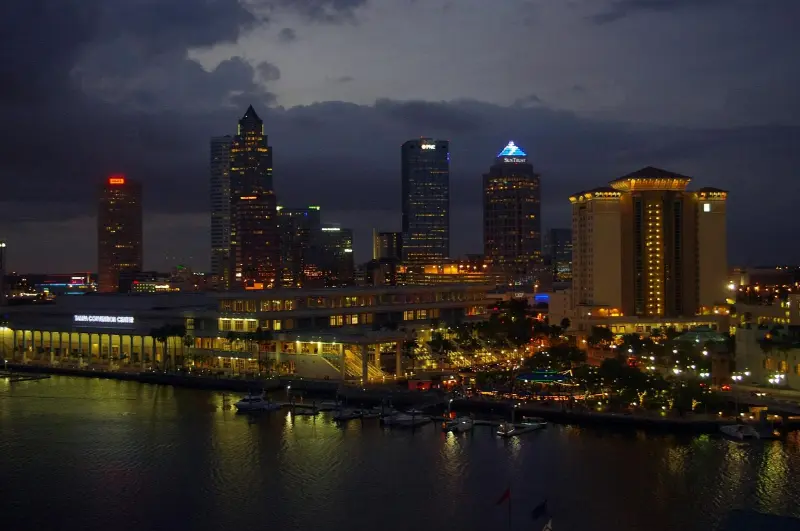
    Jacksonville Downtown Riverfront at Night

    City sightseeing requires ordinary urban awareness too. Use designated crosswalks, secure valuables and consider the environment around parking and transit stops after dark. When a museum or heritage site describes community history, take time to read and listen rather than using the area only as a backdrop for photographs. Jacksonville has a diverse cultural heritage, and respectful attention to its neighborhoods enriches the visit. Check whether photography restrictions apply inside exhibitions or at performances. These simple practices help visitors and local communities share the city comfortably.

    Before leaving: an itinerary that allows changes

    Save the Cummer Museum's hours, current park regulations for Hanna Park, an official Jacksonville beach-access reference and the addresses of your accommodation and parking choices. Decide which activity is essential and which is optional each day. If the forecast improves late, you can swap a museum afternoon for a beach walk; if storms arrive early, reverse that choice without ruining the trip. Avoid booking multiple nonrefundable activities that depend on clear skies. The Jacksonville area is large enough to reward careful grouping, but it does not demand a packed schedule.

    This three-day route shows three recognizable sides of Jacksonville: Riverside's cultural landscape, the Atlantic beach communities and the wider choice between city history and nature. Visitors with very different ages and abilities can enjoy the same destination by making a few thoughtful substitutions. Leave space for an unplanned meal, a second look at a painting or a final moment beside the surf. Those quiet intervals are often what make a short urban-and-beach vacation feel like time away.

    Frequently asked questions

    Is Downtown Jacksonville near the ocean?

    No. The Atlantic beach communities are farther east and require a planned drive or transfer.

    Which beach community is easiest for food and a walk?

    Atlantic Beach and Neptune Beach meet near Beaches Town Center; Jacksonville Beach offers its own commercial area.

    Do I need a car?

    A car helps with the combined city and beach itinerary. Without one, choose one base and plan a limited number of rideshare trips.

    Official visitor information

  • Seven Days in Jacksonville and Amelia Island: A Relaxed Northeast Florida Road Trip

    Seven Days in Jacksonville and Amelia Island: A Relaxed Northeast Florida Road Trip

    Northeast Florida offers an Atlantic vacation with a very different rhythm from Miami or Orlando. You can spend a morning exploring Jacksonville’s vast river-and-marsh landscape, enjoy a historic neighborhood with independent cafés, learn about coastal history in a national preserve and finish with the beaches and old streets of Amelia Island. A seven-day trip using two bases—Jacksonville for three nights and Fernandina Beach for three nights—keeps driving manageable while giving each destination enough time to feel like a place rather than a highway exit.

    This itinerary is a good fit for curious couples, families with school-age children, older travelers who prefer short walks and visitors returning to Florida after the major theme parks. It is not a beach-only holiday. The appeal comes from variety: historic stories, coastal nature, urban food neighborhoods and slow mornings on Amelia Island. Because opening hours, park routes and tides vary, every day includes a flexible alternative rather than a complicated fixed schedule.

    Why Jacksonville and Amelia Island work well together

    Jacksonville covers a very large area. Its riverfront, older neighborhoods, Atlantic beaches and preserved marshland are spread apart, making a rental car useful for this itinerary. Amelia Island lies northeast, close enough to combine with Jacksonville but distinct enough to deserve its own base. By staying three nights in each place, you avoid repeatedly crossing the same distance while still keeping the move manageable.

    Choose a Jacksonville hotel by your daily priorities. Downtown may be convenient for certain cultural venues, Riverside or nearby districts for cafés and neighborhood walks, and a beach-area property for Atlantic mornings. Each carries different parking, dining and driving trade-offs. On Amelia Island, staying near Fernandina Beach’s historic district suits travelers who want evening restaurants on foot. A beach-oriented property elsewhere on the island may be better for daily sand time but less convenient for downtown dinners.

    Nights Base Main benefit
    1–3 Jacksonville City culture, river setting and Timucuan Preserve
    4–6 Amelia Island / Fernandina Beach Historic downtown, Fort Clinch and beach mornings

    If your flight arrives late, spend the first night close to your airport rather than starting a long evening drive. The schedule below assumes a reasonably timed arrival in Jacksonville and a car for most excursions. Those without a car can still enjoy selected districts, but should not treat the two-base itinerary as effortless by public transit.

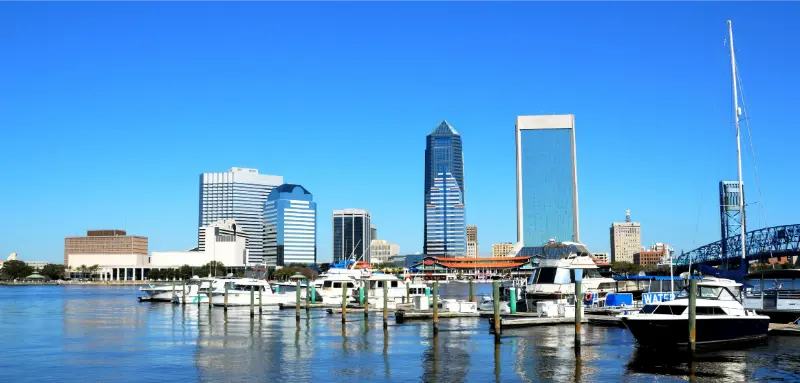
    Jacksonville Marina and Waterfront Towers

    Day 1: arrive and get to know one Jacksonville neighborhood

    After checking in, pick one neighborhood to explore rather than attempting a citywide tour. Riverside and nearby older streets offer a local feel in parts of the city, while downtown has riverfront landmarks and cultural sites. Choose a walk based on your hotel’s location and what is genuinely open on arrival day. Have dinner somewhere within a comfortable distance and let the rest of the evening stay free. Jacksonville’s size means that “ten minutes away” on a map may not describe rush-hour reality.

    Families can turn the evening into a short waterfront observation game: watch passing boats, find a bridge and notice how different a wide river looks from the ocean. Visitors who prefer less walking can select an accessible restaurant near parking instead. The first day is also the time to check tomorrow’s weather, park opening notices and whether any museum or tour needs advance tickets. A simple start creates space for the more distinctive experiences later.

    Day 2: the Timucuan Preserve and the coast’s deeper history

    The Timucuan Ecological and Historic Preserve protects significant coastal wetlands as well as places that tell complex human histories. One of its major historic sites is Kingsley Plantation on Fort George Island, where interpretation addresses the lives of people who were enslaved there, plantation agriculture and the region’s larger history. It is important to visit with attention and respect, rather than treating the structures as a picturesque photo set.

    Check the National Park Service site for current visitor access, programs and conditions. Routes can involve older surfaces and different accessibility characteristics. Consider choosing one major historical destination and a short nearby nature viewpoint rather than racing between every site in the preserve. Salt marshes, oak hammocks and tidal waterways offer plenty to observe even from short established paths. Carry insect repellent where needed and remember that wetlands can be hot and buggy at almost any time of year.

    If your group includes children, explain the history in an age-appropriate but truthful way. Ask what daily life might have been like for different people living at the site, and use official interpretation instead of telling romanticized stories about plantation life. Families with older relatives may find a shorter guided or self-directed visit more manageable than a long nature trail. A leisurely lunch back in Jacksonville can finish the day.

    Day 3: arts, riverfront and a beach option

    Spend this day in the Jacksonville area you found most interesting. Art lovers might explore the Cummer Museum of Art & Gardens, subject to operating hours, admission and garden conditions. Families who want open space can choose a park and a simple riverside picnic. If the weather is sunny and your group wants sand, head toward a public Atlantic beach access with restrooms and check beach safety information. Do not combine several disconnected city districts unless everyone is comfortable with the driving.

    Jacksonville’s beaches are appealing, but they should not be confused with Amelia Island, where you will stay later. If you plan to spend much of days four and five on Amelia Island’s shore, using today for city culture may give the vacation more variety. On a rainy day, an indoor museum makes a sensible alternative. In any season, check local water-quality advisories and lifeguard presence before swimming.

    An early dinner gives your group a chance to pack without staying up late. Tomorrow’s hotel transfer is short enough to leave room for sightseeing, but packing calmly tonight makes the next morning much more pleasant.

    Day 4: transfer to Fernandina Beach and discover its historic center

    Drive toward Amelia Island and begin with Fernandina Beach’s historic downtown. The streets, architecture, shops and cafés invite unhurried exploration. Park once in an appropriate place and take short blocks on foot instead of continually moving the car. Look for the historic district’s mix of maritime history and older commercial buildings, then stop for lunch. Not every historic shop has step-free access, so travelers with mobility needs should confirm specific businesses before entering.

    Spend part of the afternoon checking in and getting oriented to your new accommodation. If you are close to the beach, take a short walk on dry sand or a public access boardwalk. If the day is windy, use the time for a local museum or a sheltered café instead. Sunset is appealing from appropriate west-facing harbor areas, but the beach side of Amelia Island faces the Atlantic and is generally better known for sunrise views.

    This is a good evening for one local seafood meal if that appeals, though visitors with food allergies should confirm ingredients and cross-contact practices. Choose a restaurant by current menu and accessibility, not simply by online photos. Allow time for a quiet stroll back to your hotel or a short drive if your base is away from downtown.

    Day 5: Fort Clinch and an Amelia Island beach afternoon

    Fort Clinch State Park is one of the most rewarding historic experiences in the region. The preserved fort helps visitors understand coastal defenses, while the surrounding park provides beach and forest scenery. Consult the Florida State Parks website for current fees, fort access, tours and any temporary closures. Portions of a historic fort may involve steps or uneven ground, so ask about accessible routes before making plans with someone who needs step-free access.

    A comfortable sequence is to visit the fort in the morning, then have lunch before choosing a beach access on the island. Do not assume the same park entrance ticket covers every desired activity without checking. If the weather is pleasant, spend an hour on the beach taking photos, walking and watching birds. If swimming is planned, use local beach warnings and lifeguarded areas where available. Atlantic currents and waves deserve attention even on sunny days.

    For nature-minded travelers, watching the coastal landscape may be more satisfying than covering a long trail. Fort Clinch’s setting rewards a slow visit, especially for grandparents or school-age children interested in how the fort was constructed. You can still leave plenty of time for a relaxed dinner in Fernandina Beach.

    Day 6: choose history, beach or a simple departure

    Keep this last full day on Amelia Island flexible. A walk through a downtown block you missed, a museum subject to current opening times, or a final beach visit may be enough. If you have time and interest, consider exploring the island’s less busy natural areas or learning about American Beach’s African American history. The American Beach Museum and surrounding history deserve advance research so that your visit is respectful and accurate.

    Do not rush a distant excursion to St. Augustine or Orlando into this island day just because it looks possible on a map. Florida roads can have delays, and the journey to an airport may take longer than expected. A short two-base itinerary is meant to let you enjoy Northeast Florida, not to serve as a contest of how many destinations you can fit into seven days.

    Day 7: unhurried checkout and the airport drive

    Enjoy breakfast, check out with ample time and leave the island without squeezing in a major new attraction. If your flight departs from Jacksonville, factor in the drive, possible traffic near bridges, fuel or rental-car return and airport security. A brief stop for a final coffee or view of the waterfront is enough if your schedule allows it. Avoid booking a paid tour with a fixed finish time on a departure day.

    Families should check for lost beach gear, drying swimsuits and chargers before returning the keys. International visitors may need extra time for flight connections or bag-drop requirements. If your departure is very early, a final night closer to the airport can be a useful modification to the two-base plan, but compare the convenience against one more hotel move.

    A realistic budget for this particular route

    Plan costs in five categories: six nights of accommodation, a rental car and fuel, parking, meals and chosen ticketed attractions. Beach time and some public parks may cost little beyond parking, while museums and guided tours vary. A central Jacksonville hotel could reduce certain urban transfers but cost more for parking. On Amelia Island, a beach-view room can be expensive at peak periods; a place farther inland may offer better value if you are comfortable driving to public beach access.

    A family with children can reduce food costs by shopping for breakfast basics and packing some lunches. Couples may prefer one enjoyable restaurant meal each day and simpler snacks for the rest. Compare total lodging prices after mandatory charges rather than focusing on the first rate displayed. If you are visiting during a festival or holiday weekend, expect greater pressure on hotel availability and downtown parking.

    Rental car arrangements deserve attention for international visitors. Review insurance terms, toll charges and additional-driver rules; request suitable child seats in advance when needed. The route does not require constant high-mileage driving, so paying for convenient lodging can be worthwhile. A hotel five miles from the main attraction is not automatically a bargain if every meal and beach outing demands extra traffic and parking.

    Accessibility, weather and coastal safety

    Historic Jacksonville and Fernandina Beach locations can involve uneven surfaces, steps and variable curb ramps. Someone using a wheelchair or walker should identify the exact streets, parking locations and building entrances beforehand. Beaches may offer access mats or beach wheelchairs under local programs, but availability changes. Call the responsible beach authority or accommodation rather than assuming all beach approaches are accessible.

    Summer heat and thunderstorms can make long midday walks difficult; schedule outdoor segments early and use museums or a rest break later. The Atlantic hurricane season extends from June through November, so flexible lodging terms and attention to official storm guidance are important during those months. Follow the National Hurricane Center and local emergency management if a tropical system threatens the coast. Do not visit closed piers or beaches after storms to get photographs.

    Wildlife habitat deserves the same care: avoid entering dunes, respect nesting birds, and keep all dogs only in areas where they are permitted. Tides can alter narrow beach passages, and salt-marsh trails may be muddy. The region is most rewarding when you accept its natural rhythms rather than trying to force every stop into a rigid order.

    Frequently asked questions

    Can I visit Jacksonville and Amelia Island in one week?

    Yes. Three nights in Jacksonville and three in the Amelia Island area provide a relaxed introduction. A rental car is useful because attractions and neighborhoods are spread out.

    Is this itinerary suitable for travelers over 70?

    It can be, especially with shorter museum visits and a comfortable hotel base. Check the accessibility of historic forts and downtown buildings and plan regular rest breaks.

    Can this be combined with St. Augustine?

    Yes, with extra days. If you have only seven days, adding St. Augustine may mean losing the slower pace that makes Jacksonville and Amelia Island enjoyable. Consider extending the trip to eight or nine nights.

  • Florida With Preschoolers Ages 3–5: Six Days on Amelia Island and in Jacksonville

    Florida With Preschoolers Ages 3–5: Six Days on Amelia Island and in Jacksonville

    For children ages three to five, a Florida vacation succeeds when the day includes something exciting and enough unhurried time to enjoy it. A wide beach, a gentle nature walk or a close-up look at an old fort can leave a stronger impression than an ambitious schedule of tickets and driving. Northeast Florida’s First Coast is particularly good for that kind of holiday: Amelia Island offers a compact beach town, while the Jacksonville area provides a zoo, riverfront parks and indoor choices for poor weather.

    This six-day plan uses two bases or one base with manageable day trips. It is designed for adults who want an enjoyable vacation of their own, while keeping preschoolers’ naps, attention spans and limited tolerance for heat in mind. It doesn’t promise that every attraction is stroller-accessible in every section, and it doesn’t require children to behave like miniature adults.

    Decide whether to stay on Amelia Island or near Jacksonville

    Amelia Island is a good base for a beach-focused family. Fernandina Beach has historic streets, cafés and a setting that invites short walks. A rental with a practical kitchen and a quick route to the sand can save time on breakfast and snacks. If the trip includes a stroller, inspect the route from accommodation to the beach: sandy access points, stairs and long boardwalks are not all equally convenient. Staying close to the beach may cost more, but with a child who needs afternoon rest it can make the entire holiday feel easier.

    Jacksonville offers more varied lodging and usually puts indoor activities and the zoo within easier reach. The city spreads over a large area, so selecting a hotel based on the word “Jacksonville” alone can mean long daily drives. Families who want both beach and museums should compare Jacksonville Beach, Southbank, Riverside and the northern parts of the city according to their intended outings. One base for all six nights works if you do not mind driving, but switching once between Amelia Island and Jacksonville can reduce backtracking.

    Jacksonville Marina and Waterfront Towers

    A rental car generally makes this itinerary simpler. Confirm the child restraint you need and inspect it before leaving the airport. Parents arriving late should consider collecting the car, buying basic food and doing nothing more elaborate that evening. Small children rarely benefit from an impressive first-night plan after a long flight.

    Day one: arrive and learn the neighborhood

    After arrival, give the child a familiar routine. Find a grocery store, a shaded place to eat and the nearest place to buy sunscreen or forgotten supplies. A short walk around Fernandina Beach’s historic district or a peaceful neighborhood near your Jacksonville hotel is enough. The day’s highlight may simply be ice cream and the promise of the beach tomorrow. Reserve any serious sightseeing for a morning when everyone has slept.

    If your family has arrived from another time zone, avoid insisting on a tightly timed restaurant meal. A casual place with outdoor seating can make a stop less stressful, provided temperatures are comfortable. Bring water, a sun hat and a lightweight layer for strong indoor air conditioning. Confirm that the hotel room or rental has genuinely usable curtains and a sleeping setup that keeps a small child away from balcony doors.

    Day two: Amelia Island beach time, with an early finish

    Begin at a public beach access point suited to your equipment and mobility needs. Atlantic beaches can have surf and currents; shallow-looking water is not automatically safe. Check flags and local advisories, stay within reach of children near the water and choose sand play over swimming if conditions are rough. A bucket, a small shovel and time to watch shorebirds can occupy a preschooler happily. Protect dune vegetation by using marked access paths.

    Leave before the hottest part of the day, even if everyone wants “five more minutes.” A lunch and quiet afternoon at the property creates energy for another short outing at sunset. Adults who want a longer walk can take turns while the other adult remains with the resting child. Avoid designing the whole family schedule around one person’s tolerance for heat or distance.

    In the evening, explore a small section of Fernandina Beach on foot and choose an early casual dinner. Rather than promising a particular restaurant before you know the child’s mood, identify two nearby options with accessible restrooms and food everyone can eat. Keeping this day simple sets up the rest of the trip.

    Day three: Fort Clinch, where history becomes visible

    Fort Clinch State Park combines an old coastal fort, maritime forest and beach scenery. Preschoolers often respond to visible objects such as cannons, thick walls and historic rooms more than to a long explanation of military history. Begin at the visitor information area, ask what programs are happening and select the parts of the fort your child can enjoy without climbing every stair. Adults can give the child a small mission: find the old doors, observe the brickwork or imagine how a meal might have been prepared.

    Some fort areas are inherently difficult for people with mobility limitations because of historic construction. Florida State Parks lists accessible boardwalks and viewing platforms and notes that staff may provide assistance for selected lower-level fort areas. Check directly before visiting if step-free access is essential. Fort Clinch accessibility and visitor facilities.

    The park’s natural setting makes it possible to end a museum visit with a picnic or a short boardwalk outing. If the weather is very hot, resist adding the beach afterward. Children may be delighted by the fort but completely finished by lunchtime. Carry snacks and water because reliable food at the exact spot you want should never be assumed.

    Day four: Jacksonville Zoo and Gardens

    A zoo day is not a competition to see every animal. Arrive early, choose four or five exhibits and plan a break while interest is still high. Jacksonville Zoo and Botanical Gardens offers animal habitats and garden landscapes; review the current map and any temporary closures before choosing a route. Online ticket booking can make entry simpler, and the zoo’s official visitor page provides current operating information: Jacksonville Zoo and Gardens.

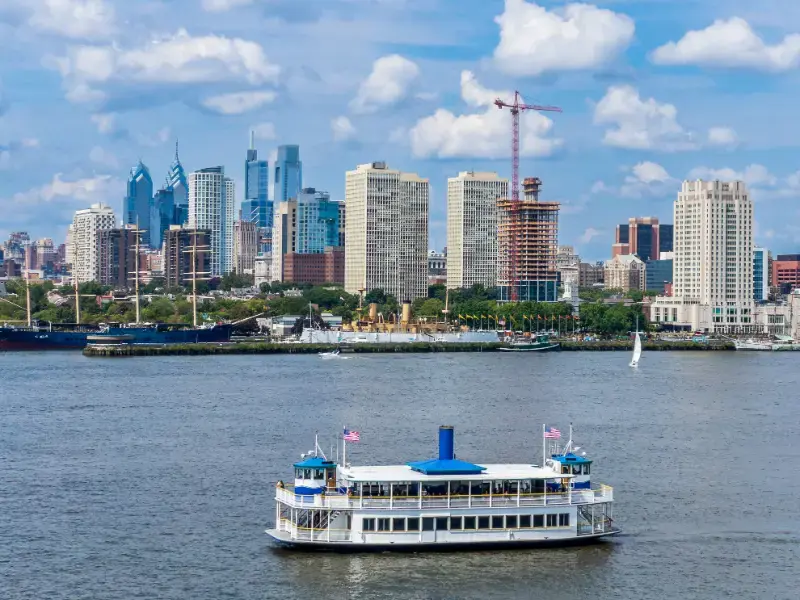
    Downtown Jacksonville Waterfront with Tour Boat

    Ask the child which animals they most want to see, then add one or two quieter stops that interest the adults. A stroller may still be useful for a four-year-old who usually walks at home: the distances can feel longer in humid weather. Use shaded paths and restrooms before anyone is desperate for them. If a particular exhibit is crowded, move on instead of keeping a child standing in a line for a glimpse.

    Plan a low-effort afternoon. A hotel pool, subject to adult supervision and weather, may be more rewarding than an additional attraction. Children often process a busy day through play and repetition, so leave time for them to talk about what they noticed rather than rushing to another ticketed experience.

    Day five: a riverfront or garden morning, not another big event

    Jacksonville’s St. Johns River shapes the city, and a gentle visit to a riverfront park can show children a different landscape from the Atlantic beaches. Choose a well-maintained promenade or park with shade, drinking water and a straightforward parking plan. Watch boats pass, notice the changing color of the water and let the child move at their own pace. If the sun is harsh or rain is forecast, replace the walk with a short indoor museum or children’s activity appropriate to their age.

    The Cummer Museum of Art and Gardens is an option for adults who enjoy art and landscaped gardens, but decide whether your child can manage an art museum respectfully. A short visit focused on two or three paintings and the gardens is preferable to dragging a bored preschooler through every gallery. Ask about family programming and current garden access. If you choose something else, the day is still complete: the family does not need to earn its vacation by visiting every landmark.

    A relaxed dinner near your accommodation is a better finale than a long cross-city drive. If the child is still energetic, a small playground or a supervised game outdoors will likely be more memorable than another attraction.

    Day six: one last favorite place and a gentle departure

    Use the final morning to revisit what your child enjoyed most. That may mean a second short beach stop, a café breakfast or a park. Allow more time than expected to pack snacks, rinse sand from shoes, return rental equipment and organize the car seat. Wet bathing suits and beach toys can become an unpleasant surprise at the airport if packed hurriedly.

    If the flight departs early, skip sightseeing. Children are usually more resilient about an uneventful final morning than about a stressful airport rush. Keep comfort items and spare clothing in the hand luggage, and calculate your departure based on the rental car return and the specific airport’s recommendations, not only the drive shown on a map.

    Choose the season for comfort rather than just price

    Spring and fall can be pleasant for outdoor visits, although weather varies from week to week. Summer brings heat, humidity, thunderstorms and beach conditions that can change quickly. A day planned around morning activities and an indoor afternoon works better than expecting a preschooler to be comfortable outside for six consecutive hours. Winter can be enjoyable for walking and sightseeing even when the Atlantic water feels too cool for a swim.

    School vacations and holiday weekends affect prices and crowds. For a flexible family, choosing a midweek arrival and a less busy period can reduce both hotel cost and pressure at attractions. Compare the forecast for Jacksonville with your expectations: Northeast Florida does not have the same winter temperatures as Miami or the Keys. Pack layers and do not let promotional beach photographs determine the packing list.

    Meals, equipment and realistic expenses

    You don’t need to pack an entire nursery, but you do need a familiar set of essentials. Check whether your accommodation provides a crib or booster seat before relying on it. A small cooler for water and snacks, sunscreen that your child tolerates, and a change of clothes can make the difference between a manageable outing and an abrupt return to the hotel. Keep a weatherproof bag for wet clothes and a basic first-aid kit.

    Budget for lodging, car rental and child seat, parking, admission, food, beach equipment and taxes. Many attractions charge different rates by age and may require advance online purchases. Don’t rely on a random older price quoted on a blog. An excellent family day can be inexpensive, especially when it’s spent at a local park or beach; a zoo day and a fort visit may be the two main admission expenses worth prioritizing.

    Safety and access questions parents should settle

    At any Florida beach, review current surf conditions and lifeguard information where available. Do not leave toddlers or preschoolers unattended near water, even when they wear flotation devices. Natural areas may have insects and uneven trails; use clear paths, keep children close and never invite them to feed wild animals. If a thunderstorm approaches, leave exposed beaches and piers rather than trying to watch it from the shoreline.

    For children with sensory needs, ask the zoo and museums about quiet spaces, special programming and less crowded arrival times. A child who dislikes loud sounds may enjoy the forest or garden more than a busy exhibit. For families using wheelchairs or other mobility aids, contact each attraction for current routes and facilities; historic fort spaces and beach surfaces need special attention.

    What makes this trip work

    The First Coast gives families variety without demanding a theme park vacation. One day focuses on sand, another on historic walls, another on animals, and the remaining days protect the breathing room that preschoolers need. If you reduce the schedule when the weather or mood calls for it, you haven’t wasted the trip. You have built a vacation that lets children enjoy Florida while leaving adults enough energy to enjoy it too.

    Frequently asked questions

    Is the First Coast a good choice for a three-year-old?

    Yes, if the daily plan remains flexible. A morning on a beach with easy restroom access, one short fort visit and a zoo day can be enough variety. Choose accommodation close to your main base so that naps, snacks and unexpected changes do not require long drives.

    Should we include both Amelia Island and Jacksonville every day?

    No. Most families will enjoy the trip more by concentrating on Amelia Island for beach and small-town days, then making one or two purposeful excursions to Jacksonville. The time saved in the car is especially useful for children who still rest after lunch.

    Can preschoolers visit Fort Clinch?

    Families can enjoy park scenery and selected historic features, but some fort areas have stairs, uneven surfaces and limits for strollers. The state park lists accessible boardwalks and offers equipment for some visitors with mobility needs; contact staff before committing to a particular route.