
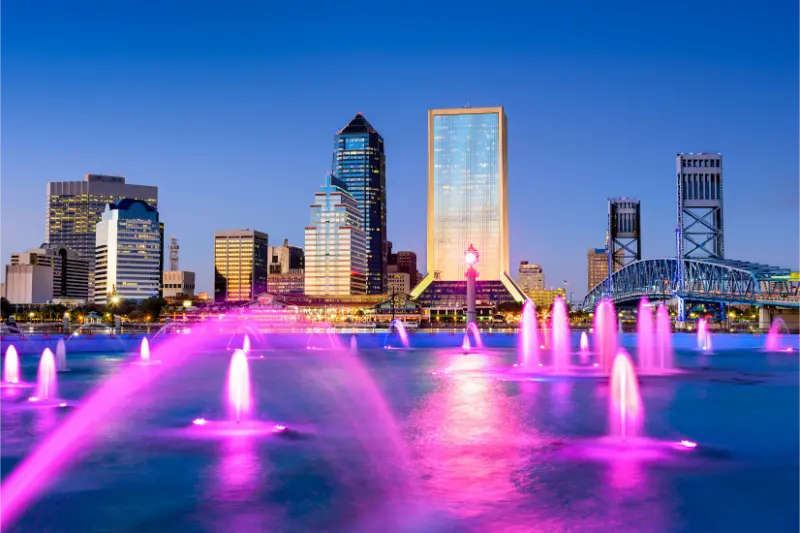
Jacksonville surprises visitors who picture only a large city beside a beach. Its riverfront museums, historic neighborhoods and Atlantic communities are spread across distinct areas, and the scale can frustrate anyone who expects to walk between them all. The solution for three days is to choose one river-centered day, one ocean-centered day and a final day based on your interests. This itinerary pairs Riverside and downtown culture with Atlantic Beach, Neptune Beach and Jacksonville Beach without pretending they form a single compact tourist district. It is designed for first-time visitors who want a realistic pace and practical alternatives.
Three-day itinerary at a glance
| Day | Recommended focus | Easy alternative |
|---|---|---|
| Day 1 | Riverside art, riverfront and downtown | Cummer Museum and a short park visit |
| Day 2 | Atlantic Beach and Jacksonville Beach | Accessible public access or Beaches Museum |
| Day 3 | One museum or nature park | Choose by weather and departure time |
Understand the city before choosing a hotel
Jacksonville occupies a broad area around the St. Johns River, and downtown is not the same as the beachfront towns. Atlantic Beach, Neptune Beach and Jacksonville Beach lie east of the urban core, with causeways, bridges and suburban traffic between them. A city-center hotel suits museums, concerts and business, whereas a beach-area hotel supports sunrise walks and an easy return from the sand. Riverside and San Marco offer neighborhood dining and local character, but neither is an Atlantic beachfront base. Decide whether your evenings will revolve around urban restaurants or the coast before paying for a room.
Having a car is helpful for a mixed river-and-beach itinerary, although local transport and rideshares can cover individual journeys. Avoid planning multiple cross-city transfers on the same day. Check parking fees at your hotel and any museum, and verify whether an event will affect downtown roads. Families may value a suite and pool; older visitors may prioritize elevators, close parking and short distances to meals. A weekend in Jacksonville feels much easier when you accept that some of the city's most interesting places are deliberately separated by water and distance.
Day one morning: Riverside and the Cummer Museum
Start on the Riverside side of the St. Johns River. The Cummer Museum of Art & Gardens combines indoor galleries with formal gardens beside the river, making it a strong opening attraction for adults and children with different interests. Check the museum's current hours, ticketing arrangements and garden access before arriving. Gardens may be affected by weather, and the museum's historic outdoor surfaces should be assessed for your group's mobility needs. Its artistic collections offer a welcome counterpoint to the common assumption that a Florida vacation must begin at the beach.
There is no need to absorb every gallery label or rush through every exhibition. Choose a small selection that interests your group and spend time by the windows and gardens. Younger children may respond more easily to a few recognizable shapes, colors and river views than to a long art survey. A traveler who uses a mobility aid can consult the museum's accessibility information and request assistance with the best route. If the weather is poor, prioritize the indoor galleries. Riverside also offers cafes and shaded neighborhood streets for a modest lunch rather than a cross-town journey immediately after the museum.
Day one afternoon: Five Points, parks and river perspectives
After lunch, continue into Riverside and Five Points, where shops and small businesses make a manageable change of scene from the museum. Keep the route compact and choose one park or street to explore. The St. Johns River shapes Jacksonville's identity as a port and transportation city; it is worth taking a moment to understand the width of the river rather than thinking of it as a decorative canal. For families, a short outdoor stop followed by a snack may be more enjoyable than a full afternoon of shopping.
Downtown attractions and riverwalk segments can be interesting, but verify specific crossings, public access and temporary closures. Traffic patterns near sporting events and performances can change the afternoon considerably. If you are staying downtown, this is a natural time to return to the hotel. If you are staying at the beach, consider one riverside dinner before driving east instead of returning downtown on a later night. Visitors who prefer seated activities can choose a river-view meal rather than a long riverside stroll, and still enjoy the essential scenery of day one.
Day two morning: Atlantic Beach and the Beaches Town Center
Begin early on the ocean side, ideally around Atlantic Beach or the nearby junction with Neptune Beach. The Beaches Town Center connects restaurants and shops near the ocean, which makes it especially convenient for a breakfast and a short coastal walk. Unlike Jacksonville's downtown, these neighborhoods have a vacation rhythm shaped by surf, bicycles and beach access points. Check where you can legally park, the posted rules for dogs and personal items, and which accesses provide accessible routes. Beaches can be wide, and even a short sand crossing may be difficult for some visitors.
An early morning shoreline visit avoids a portion of the heat and offers the chance to appreciate an Atlantic sunrise. Swimming is optional; surf conditions can be rough and lifeguard coverage varies by access, date and season. Watch for warning flags and rip-current guidance. If your group includes small children, choose a staffed or clearly managed access when possible and keep close supervision in the water. People who do not want to walk through sand can still enjoy the coastal atmosphere from designated public approaches and nearby restaurants, provided those locations are accessible.
Day two afternoon: Hanna Park or Jacksonville Beach
Choose one of two different afternoons. Kathryn Abbey Hanna Park on the Atlantic Beach/Mayport side offers coastal nature, wooded recreational areas and additional activities; official park rules, fees and rental availability should be checked in advance. Jacksonville Beach, farther south, is more built up and offers a pier, restaurants and a lively resort strip. The choice depends on whether your group would rather experience trails and natural surroundings or an easy walk between shops, a pier and food. Trying to do both in detail after a full beach morning is rarely necessary.
At Hanna Park, do not assume every trail is suitable for wheelchairs or strollers simply because the site has accessible amenities; ask which surfaces and entrances match your needs. Around Jacksonville Beach Pier, obey posted restrictions and confirm whether the pier is open on your date. Some people prefer to watch surfers and shorebirds without swimming, and that is an excellent use of an afternoon. If storms develop, return to a coastal cafe, the Beaches Museum when open, or your lodging. Keeping the day focused on the beach communities prevents an exhausting second drive into the urban center.
Day three: choose either nature or deeper city history
Your last day offers a meaningful choice. Nature-oriented visitors can explore a suitable public waterfront park, look for an accessible trail and enjoy another calm beach morning. Those interested in history can return toward downtown and Riverside for a museum, architecture stop or cultural venue not visited on day one. The Museum of Contemporary Art Jacksonville is one possibility for art lovers, subject to current opening hours and exhibitions. Families should select the stop that interests their children rather than treating every listed attraction as compulsory.
If you have a late flight, keep the final day's activities near the direction of the airport and reserve time for rental-car return. Jacksonville's size means a “nearby” place on a map may be a substantial drive in traffic. A visitor with limited mobility may prefer a short museum visit with seating and a final meal over a trail. A more active traveler might choose one longer park outing. Either approach creates a coherent third day because the city's appeal comes from contrasts between river, neighborhood and ocean, not from completing an enormous list.
Getting around with children, grandparents or no car
A rental vehicle offers the greatest flexibility for this cross-city plan, but it does not erase the need to plan parking and bridges. Before leaving for a museum or beach, save the exact address of the entrance rather than the general name of the neighborhood. On a busy weekend, the difference between a public beach lot and a private hotel garage can be frustrating. For visitors without a car, choose either a downtown-centered or a beach-centered version of the itinerary and use rideshares for a limited number of planned trips. Repeated long transfers can consume time and budget.
Travelers with mobility needs should call museums and parks for details about step-free approaches, seating, wheelchair-accessible restrooms and beach access mats. Children benefit from a simple rhythm: one main stop, lunch and one optional short activity. Teens may enjoy the surf culture at Jacksonville Beach, while grandparents may prefer gardens or a seated meal beside the river. Good planning does not mean every age group must do the same thing all afternoon. It means setting a clear meeting place and ensuring that each person can enjoy their chosen part of the day safely.
When to visit and how weather changes the route
Jacksonville has a more pronounced winter cool season than many visitors expect from Florida. A January beach walk can be refreshing but too chilly for swimming, while summer afternoons can be hot, humid and stormy. Pack layers outside summer, especially for windy shoreline mornings. In warmer months, schedule the beach and park activities early, then move to museums or rest during the hottest hours. Lightning is a serious concern near the water; leave exposed beaches and piers when storms threaten, even if the sky over your specific spot still looks clear.
Hurricane-season travel calls for monitoring official forecasts, understanding accommodation cancellation policies and knowing local evacuation guidance. Rain is not a reason to abandon Jacksonville altogether: there are indoor museums, restaurants and cultural attractions. Just check that a specific venue is open before driving across town. Large sports events, concerts and festivals can also affect rates and road conditions, so consult the local events calendar before booking. A balanced itinerary works in every season when its outdoor pieces can move between mornings and afternoons.
Estimate expenses before you book
A three-day budget includes lodging, transport, parking, meals and any ticketed attractions, rather than just hotel rates. The Cummer Museum or a special guided activity may be your main admission expense. Beach time and a self-guided neighborhood walk can be lower-cost highlights, but some parks and parking lots charge fees. Avoid quoting a universal “Jacksonville beach parking” price because fees and access arrangements differ across communities and facilities. A waterfront hotel can cost more than an inland option but may reduce car journeys and simplify rest breaks.
The best value depends on your group. For a family staying multiple nights, a kitchenette and laundry access may offset some restaurant spending. For a two-person weekend, a walkable restaurant area may be worth a smaller room. If someone needs an accessible shower or step-free entrance, verify those features in writing rather than choosing solely on price. Visitors arriving by air should also check whether their hotel has reliable airport transport; many do not offer a free service, and coastal transfers may be longer than expected.
Practical safety and respectful sightseeing
Enjoying Jacksonville's waterways means respecting them. The St. Johns River and Intracoastal Waterway carry boats, currents and commercial traffic; they are not casual swimming locations. On Atlantic beaches, study local surf warnings and stay off jetties or rocks when conditions are unsafe. Keep children within sight, particularly near crowded access points. Nature parks may contain alligators and other wildlife; observe from a distance and never feed animals. Preserve the dune vegetation and use marked access routes rather than creating new paths through fragile coastal habitat.
City sightseeing requires ordinary urban awareness too. Use designated crosswalks, secure valuables and consider the environment around parking and transit stops after dark. When a museum or heritage site describes community history, take time to read and listen rather than using the area only as a backdrop for photographs. Jacksonville has a diverse cultural heritage, and respectful attention to its neighborhoods enriches the visit. Check whether photography restrictions apply inside exhibitions or at performances. These simple practices help visitors and local communities share the city comfortably.
Before leaving: an itinerary that allows changes
Save the Cummer Museum's hours, current park regulations for Hanna Park, an official Jacksonville beach-access reference and the addresses of your accommodation and parking choices. Decide which activity is essential and which is optional each day. If the forecast improves late, you can swap a museum afternoon for a beach walk; if storms arrive early, reverse that choice without ruining the trip. Avoid booking multiple nonrefundable activities that depend on clear skies. The Jacksonville area is large enough to reward careful grouping, but it does not demand a packed schedule.
This three-day route shows three recognizable sides of Jacksonville: Riverside's cultural landscape, the Atlantic beach communities and the wider choice between city history and nature. Visitors with very different ages and abilities can enjoy the same destination by making a few thoughtful substitutions. Leave space for an unplanned meal, a second look at a painting or a final moment beside the surf. Those quiet intervals are often what make a short urban-and-beach vacation feel like time away.
Frequently asked questions
Is Downtown Jacksonville near the ocean?
No. The Atlantic beach communities are farther east and require a planned drive or transfer.
Which beach community is easiest for food and a walk?
Atlantic Beach and Neptune Beach meet near Beaches Town Center; Jacksonville Beach offers its own commercial area.
Do I need a car?
A car helps with the combined city and beach itinerary. Without one, choose one base and plan a limited number of rideshare trips.