
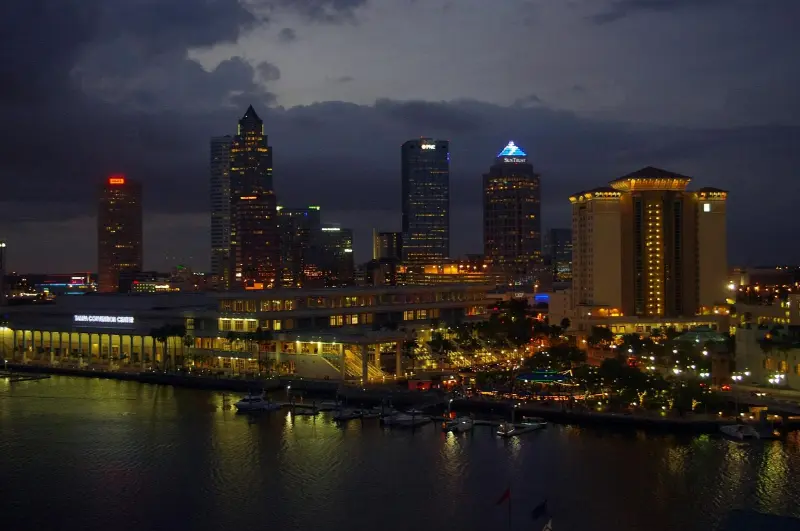
Jacksonville is easy to underestimate. On a map it looks like a conventional big city, but the visitor experience is spread across Atlantic beaches, the broad St. Johns River, historic neighborhoods, wetlands and parkland. That scale is the reason I would never plan Jacksonville as a checklist of attractions. The better approach is to choose one or two areas per day and let the city feel spacious rather than inconvenient.
It also works unusually well for mixed-age trips. A family can spend a morning on the beach, grandparents can enjoy gardens or a museum, teenagers can have surf and neighborhood time, and nature lovers can disappear into coastal preserves without driving to another region of Florida. The key is choosing the right base, because a hotel near the ocean and a hotel in Riverside create very different vacations.
Quick planning summary
- Best for: beaches, neighborhoods, riverfront culture, parks, families and travelers who want a large Florida city without a resort-only feel.
- Ideal stay: 3–5 nights for a first visit, or 2 nights as part of a Northeast Florida road trip.
- Getting around: A car is the easiest option for combining the beaches, Downtown and historic neighborhoods; stay locally and use short rides once you choose a daily zone.
- Best planning principle: Treat Jacksonville as several distinct vacation areas rather than one compact downtown. The beaches, Riverside/Avondale, Downtown, San Marco and the Timucuan coast all create different trips.
How to think about Jacksonville before you book
Official visitor information highlights Jacksonville’s extensive waterways, 22 miles of beaches and a long list of neighborhoods rather than a single tourist center. That matches the way the city feels on the ground: you move between pockets with their own personality. Riverside and Avondale feel leafy and historic; Five Points is livelier; San Marco is polished and walkable around its square; the beach communities are casual and ocean-focused; Downtown is best when riverfront events, museums or sports are central to the trip. For a first visit, I would prioritize the areas that fit your interests instead of trying to prove you saw the entire city.
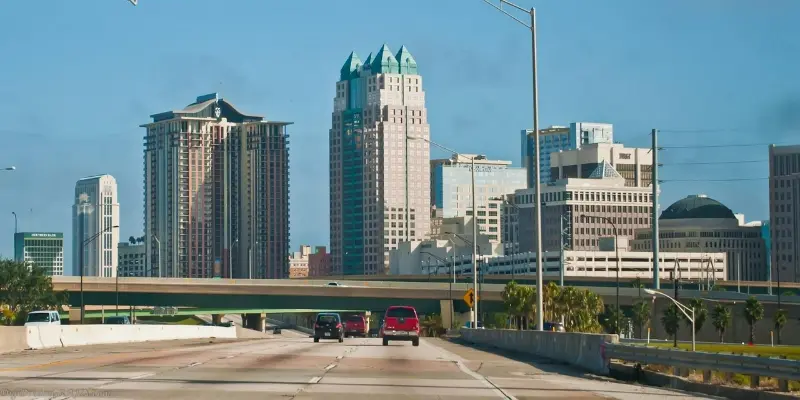
My practical rule is to choose the experiences that define the destination first, then place the hotel around them. A slightly cheaper room can become poor value if it forces long drives, repeated parking fees or early departures every day. The same applies in reverse: paying more for a central property can make sense when it lets you walk to dinner, return easily for a child’s nap or avoid moving the car during the busiest hours.
Best things to do on a first trip
Spend a real day at Jacksonville’s beaches
Jacksonville Beach is the best-known base, but Neptune Beach and Atlantic Beach are close enough to combine and often feel more neighborhood-oriented. The Beaches Town Center area is useful when you want sand, restaurants and an evening stroll without getting back in the car immediately. Early morning is my favorite time for the Atlantic side: the light is softer, temperatures are easier and the beach is calmer before the day fills in. Families should check current lifeguard locations and surf conditions, while anyone with mobility needs should confirm the closest accessible beach access for the exact section they plan to use.
Explore Riverside, Avondale and Five Points
This is the part of Jacksonville I would choose when I want cafés, independent businesses, mature trees and a stronger sense of local life. The Cummer Museum of Art & Gardens makes a natural anchor, and the surrounding streets are more enjoyable when you leave space for walking rather than hopping between fixed appointments. Five Points brings more energy, while Avondale is quieter and works well for dinner. Parking and heat still matter, but the distances here are more human than in many other parts of the city.
Use the St. Johns River as part of the itinerary
Jacksonville’s river is not just scenery behind Downtown. Riverfront walks, bridges, parks and viewpoints help explain the city’s geography, and they create a lower-intensity day between beach or nature outings. If a river cruise or water-based activity fits your dates, it can be a good way to understand how much of Jacksonville faces water. Even without a tour, pairing Downtown riverfront time with San Marco or a museum gives the day a clear shape and reduces unnecessary cross-city driving.
Make time for the Timucuan coast and historic landscapes
Northeast of the urban core, the Timucuan Ecological and Historic Preserve area changes the character of the trip completely. Salt marshes, maritime forests, waterways and historic sites such as Kingsley Plantation reward travelers who want more than beach time. This is not a place I would squeeze between two city attractions. Bring water, sun protection and insect repellent, check site hours, and give the landscape enough time to feel different from central Jacksonville.
Choose one family attraction instead of stacking several
Jacksonville Zoo and Gardens, Hanna Park and other family-friendly stops can fill a substantial part of a day. With younger children, the best plan is usually one main attraction plus pool or beach time. Teenagers may prefer surfing, biking or a sports event, while older adults often enjoy gardens, riverfront scenery and museums. The city is large enough that a “one more stop” mentality can turn into an hour of extra driving, so I plan family days around energy rather than the number of pins on a map.
Where to stay
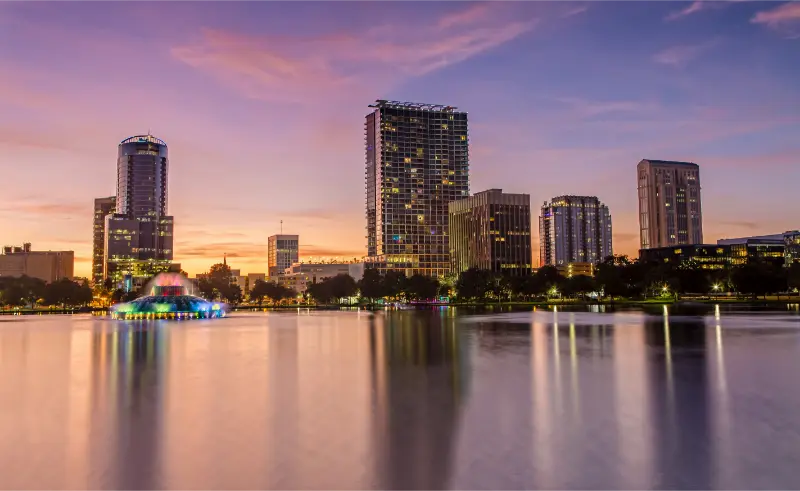
There is no single best neighborhood for every traveler. I would choose based on what you want to do before 10 a.m. and after 6 p.m., because those are the hours when a convenient base improves the trip most. During the middle of the day you are usually willing to drive for a major attraction; early and late, convenience matters more.
Jacksonville Beach or Neptune Beach
Best for travelers who want the ocean to be the default activity. It is especially practical for families, sunrise walkers and anyone who would rather dine near the beach than commute back to the city every evening.
Riverside, Avondale or nearby urban neighborhoods
A strong choice for couples, repeat visitors and travelers who value restaurants, character and shorter access to museums and the river. Check parking arrangements carefully if you are booking a smaller property.
Downtown or San Marco
Useful for riverfront events, business trips, sports, museums and a more central road network. Downtown blocks can feel very different after office hours, so choose the exact micro-location rather than booking from the neighborhood name alone.
Getting there and getting around
Jacksonville International Airport is the main air gateway. The city’s footprint makes a rental car valuable for most first-time leisure trips, especially if the beaches and nature preserves are part of the plan. Rideshare can work well for a focused urban stay, but repeated trips between the beach and central neighborhoods quickly reduce the convenience. If you are driving I-95 through Northeast Florida, Jacksonville also fits naturally before or after Amelia Island and St. Augustine.
For road trips, calculate door-to-door time rather than mileage alone. Florida bridges, beach roads, event traffic and afternoon storms can make a short distance feel much longer. I also avoid scheduling a nonrefundable tour immediately after a flight or a long interstate drive. A flexible first evening gives the trip room to absorb delays without sacrificing something expensive.
Families, teenagers, seniors and accessibility
With babies and toddlers, choose a base that shortens your most important daily trip and keep the middle of hot days flexible. School-age children usually respond well to a beach-plus-attraction rhythm. Teenagers may prefer surf lessons, sports or food neighborhoods. Senior travelers should pay attention to hotel-to-car distance and shaded outdoor time, because the scale of Jacksonville can create more walking than expected at museums, riverfront venues and beach access points. Accessibility varies by park and beach entrance, so check the specific facility rather than assuming every access point offers the same surface or equipment.
For mixed-age groups, it helps to define one shared experience each day and allow the rest of the schedule to split. One person can return to the hotel while others stay for sunset; grandparents can choose a museum while teenagers take a water activity. That is usually more enjoyable than forcing everyone through the same long day. Always verify current accessibility details directly when a specific lift, beach mat, accessible vessel, transfer method or mobility-device policy is essential.
Best time to visit
Spring and fall can offer an excellent balance of warm beach weather and easier outdoor walking. Summer brings heat, humidity and frequent thunderstorms, while winter can be pleasant for neighborhoods, trails and museums even when the ocean feels cool to some swimmers. Northeast Florida is more seasonal than South Florida, so pack layers in winter. Hurricane-season flexibility matters from June through November, and severe weather can affect beaches and coastal parks even when the storm center is far away.
Florida weather is local. A statewide forecast rarely tells you enough about ocean surf, lightning, wind or a passing storm cell at the exact beach you plan to use. I keep one indoor or lower-exposure option available and check conditions again on the morning of any boat, beach or wildlife day. That small habit prevents a weather change from turning into a lost vacation day.
A practical first-time itinerary
- Day 1: Start with Jacksonville Beach at sunrise or early morning, continue through Neptune or Atlantic Beach, then stay on the coast for dinner.
- Day 2: Explore Riverside/Avondale and the Cummer Museum area, add Five Points or San Marco, and finish with riverfront views.
- Day 3: Give the Timucuan coast, Kingsley Plantation area or Hanna Park the main part of the day. Add a fourth day for the zoo, sports or a slower beach day.
Do not treat the itinerary as a contract. If the beach is perfect, stay longer. If a storm arrives, move the indoor day forward. If children are exhausted, a hotel-pool afternoon may create better memories than another admission ticket. The most successful Florida itineraries have a strong structure and weak rigidity.
Budget and booking strategy
Accommodation, parking and paid water or attraction experiences usually create the biggest differences in the budget. Compare the total nightly hotel cost, not only the room rate: resort fees, parking and breakfast can change the result. Then decide which one or two paid experiences are genuinely central to the trip. Beaches, neighborhood walks, sunsets and many parks can fill the remaining time without making the vacation feel second-rate.
For popular seasons, reserve the hotel first with a flexible rate if possible, then add limited-capacity tours. I avoid paying early for every small activity because weather and energy change. Travel insurance becomes more valuable when the trip falls in hurricane season, depends on an expensive cruise or includes nonrefundable lodging. Read the policy rather than assuming every weather event is covered.
Common mistakes to avoid
- Booking by city name without checking the distance to the beach or neighborhood you actually want.
- Crossing the city several times in one day instead of grouping activities geographically.
- Treating Jacksonville only as a highway stop and missing its coastal preserves and historic neighborhoods.
- Planning a full beach day without checking surf, storms and current beach-access information.
- Assuming every member of a multigenerational group needs to follow the same schedule.
Useful Wonderful Florida guides to read next
Continue planning with Florida travel guide for first-time visitors, best beaches in Florida, Florida with kids, Florida for seniors and 14-day Florida road trip.
Official resources to check before you travel
Opening hours, parking rules, beach access, launch schedules, park conditions, ferry or trolley service and reservation requirements can change. Check the official source again shortly before travel whenever a specific service is essential to your day.
Final thoughts
Jacksonville is most rewarding when the schedule reflects the destination instead of fighting it. Choose the right base, group activities geographically, protect the hottest or stormiest part of the day and leave enough open time for the experience that turns out to be better than expected. That approach works for a couple, a family with young children, teenagers traveling with parents or a multigenerational group, and it is the style of planning that makes a Florida trip feel like a vacation rather than a logistics exercise.