

Tampa is best explored as a collection of neighborhoods rather than one long list of attractions. The Riverwalk follows the Hillsborough River through downtown; Ybor City introduces an entirely different history built around immigrant cigar-making communities; and Hyde Park offers leafy streets, cafes and bayside access. In three days, you can enjoy these contrasts without spending every afternoon in traffic. The itinerary also includes a flexible third day for families, sports fans or visitors who prefer parks to museums. Its central idea is simple: stay within one area at a time, then use the evening to slow down.
Three-day itinerary at a glance
| Day | Recommended focus | Easy alternative |
|---|---|---|
| Day 1 | Riverwalk, museums and downtown | Short waterfront stretch and one museum |
| Day 2 | Ybor City history and food traditions | Heritage stop and relaxed lunch |
| Day 3 | Hyde Park, Bayshore or a major attraction | Seated bay view or one family attraction |
Choose your base and learn the geography
Downtown Tampa suits visitors who want to walk sections of the Riverwalk, reach museums and spend evenings near the central waterfront. Hotels around the Channel District can work for cruise-related travel or attractions near the port. Ybor City is more distinctive in atmosphere, with nightlife and historic commercial streets, but its environment may not suit a family looking for very quiet evenings. Hyde Park and nearby South Tampa appeal to people who prefer residential streets and dining, though the sights are not all within walking distance of one accommodation. You do not have to stay in the liveliest neighborhood to enjoy it for a few hours.
Compare exact addresses rather than broad district names. Parking, valet fees and hotel resort charges may be substantial, and downtown garages may serve different users on event nights. If traveling without a car, investigate current streetcar and bus routes, their operating hours and the distances from stops to each attraction; a line on a transit map is not a guarantee of convenient service late at night. For older visitors or anyone using mobility aids, check sidewalks, elevators and the real walking distance from hotel entrance to dinner. A location that reduces two daily transfers can be worth more than a larger room farther away.
Day one morning: follow a manageable stretch of the Tampa Riverwalk
Start with one section of the Riverwalk, not the entire waterfront route. This riverfront corridor connects public spaces, cultural destinations and views of bridges, boats and the city's evolving downtown. Choose your entry point around the attraction you most want to visit, then walk in one direction until the group is ready for a break. The waterfront may be breezy, but exposed stretches can also feel hot when the sun is high. Carry water and locate nearby restrooms before setting out, especially with young children or adults who need frequent breaks.
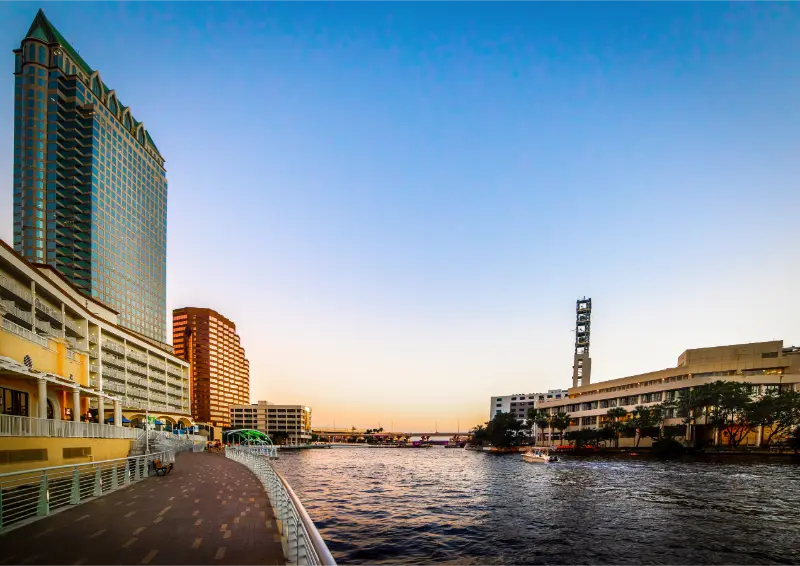
Planning tipFor a first visit, combine a short riverside walk with the Tampa Museum of Art, Glazer Children's Museum or another attraction that is open on your date. Each appeals to different ages, and there is little value in buying several tickets simply to fit them into one morning. A child-friendly interactive stop can occupy enough time for a satisfying day, while art lovers might spend longer indoors. If someone uses a wheelchair, check the attraction's current accessibility details and the pedestrian route from your parking location. A museum-and-river morning provides both context and comfort without demanding nonstop movement.
Day one afternoon: Curtis Hixon, downtown and a relaxed dinner
Around Curtis Hixon Waterfront Park, the city feels open and social, with lawns, views across the Hillsborough River and nearby cultural buildings. Allow time to sit and watch ordinary downtown life rather than moving instantly to another sight. If children have used a lot of energy indoors, a spacious public park can be a useful reset, provided the weather is safe and shade is available. Remember that fountain operation, special events and public access may change. A nearby lunch can be more practical than attempting to cross several busy blocks in midday heat.
Later, choose dinner near your hotel or in another downtown district you actually want to explore. The dining scene is broad, but opening hours, reservations and parking arrangements can shift for big events. Families may prefer an earlier meal and hotel break; couples can stay out later for waterfront views. If you want to see downtown after dark, select well-used routes, keep ordinary city awareness and check how you will get back. Avoid adding a distant beach outing at the end of a full urban day. Tampa's waterfront makes a strong impression without requiring a sunset sprint across the bay.
Day two morning: experience Ybor City's cigar history
Ybor City deserves its own morning. Its brick streets, historic factories and social clubs reflect immigrant histories shaped by Cuban, Spanish, Italian and other communities, rather than a generic “old town” theme. Begin with an interpretive stop or walk centered on Ybor City Museum State Park, subject to its current opening hours. The museum and surrounding historic district can help explain cigar production, workers' lives and the evolution of neighborhood institutions. Look at the architecture, read historical signs and allow space for a conversation about who created the area's identity.
For young travelers, a short heritage walk with one good story is more engaging than a rushed sequence of buildings. Adults may enjoy specialist shops or a coffee stop, but remember that some streets are uneven and heat can build quickly. Ybor is also known for chickens roaming freely; observe wildlife respectfully and keep food out of reach rather than encouraging feeding. A traveler with limited mobility should ask about specific entry ramps and curb conditions before setting a walking route. Choosing a short circuit around a museum and restaurant often creates a richer experience than attempting to cover every famous block.
Day two afternoon: streetcar, food culture and a quieter option
After lunch in Ybor, you can consider a current public streetcar connection toward the Channel District or downtown if it fits the day's itinerary. Verify route, operating schedule and any fares through the transit operator; service information may change. The journey can be an enjoyable practical link between distinct city landscapes, especially for children interested in transport. However, a person who needs step-free access should confirm which stops and vehicles can accommodate them. If the family is tired, return directly to the hotel rather than treating the streetcar as another attraction that must be completed.

Food can be part of the day's historical learning. Cuban sandwiches, baked goods and cafe traditions are intertwined with Tampa's communities, but ingredients and styles vary by restaurant. If you have food allergies or dietary requirements, ask the kitchen directly. For an easier afternoon, enjoy a seated meal and a short browse around the historic streets. For a more active version, visit one additional heritage site or gallery. Either choice respects the main purpose of day two: understanding Ybor's place within Tampa's history instead of compressing it into a thirty-minute photograph stop.
Day three: choose Hyde Park and Bayshore or a family attraction
On the final day, choose between a relaxed South Tampa morning or one large ticketed attraction. Hyde Park Village and its surrounding streets can support brunch, shopping and a walk through a greener residential setting. The nearby Bayshore Boulevard waterfront offers views over Hillsborough Bay, but it is a long linear corridor rather than a sheltered attraction with facilities at every point. Plan a short segment with a sensible starting point, consider road crossings carefully and turn back before anyone becomes tired. It is entirely possible to enjoy the view from one location without covering miles on foot.
Families who prefer a larger attraction might choose a museum, aquarium or another appropriate Tampa experience depending on ages and interests. The Florida Aquarium is in the Channel District, while Busch Gardens is in a different part of the city and needs a full-day commitment for many visitors. These are not interchangeable short stops. If your group wants a theme-park day, dedicate the entire third day to it and do not tack on Hyde Park in the evening by default. Travelers without a car should check transport logistics and return arrangements before purchasing tickets. A clear choice is better than a half-day at several expensive venues.
Practical decisions for cruise passengers and short stays
Tampa can be a useful place to spend time before or after a cruise, but your ship's terminal, embarkation time and luggage arrangements govern the plan. Check the precise terminal details supplied by the cruise company rather than assuming all ships use a single passenger entrance. On embarkation day, avoid long drives or activities with strict entry times, and leave time for traffic, security and luggage drop-off. Before a flight, remember that airport transfers and vehicle return may take longer at busy hours; city attractions are optional, punctual departure is not.
If you stay for only two nights, the first day's activity depends on when you arrive. A late arrival may make it sensible to enjoy dinner and save the Riverwalk for the following morning. Cruise travelers may prefer a hotel near the port or downtown, while someone adding a quiet weekend may like Hyde Park or a different neighborhood. Check whether luggage storage is available before and after check-out and whether a shuttle is truly included. Clear expectations matter more than squeezing one last museum into an already tight travel day.
Tampa with children, seniors or reduced mobility
The itinerary is adaptable across ages. For children, the Riverwalk plus a single engaging museum may be plenty for day one; Ybor provides a different sort of learning through history and transport. Teenagers might favor sports, food stops or a particular exhibit. Seniors may value waterfront benches, art and a calmer dining schedule. Some families include both toddlers and grandparents, in which case shared meals and one central morning attraction can anchor the day while afternoon interests diverge.
Tampa's summer heat makes the difference between a pleasant walk and a tiring one. Build shade and air-conditioned breaks into every day. On streets with older pavement, check if a stroller or mobility aid can pass comfortably. Do not treat a place as accessible merely because its website offers an accessibility icon; ask about restroom access, elevator operations, entrance steps and parking details. If you need frequent rests, plan around an attractive indoor venue and add only nearby outdoor time. Tampa remains enjoyable even when the Riverwalk is a short visit rather than the center of the entire day.
Costs, seasons and booking checks
The accommodation choice is usually the largest expense, followed by meals, transport and ticketed attractions. Many waterfront views and neighborhood walks are possible without admission charges, whereas aquariums, museums and theme parks have separate pricing that can add up quickly for a family. Check parking and ticket costs close to travel rather than relying on a saved screenshot from a previous year. Weekend sports events and conventions can increase hotel rates. A flexible plan might pay for one headline attraction and use public spaces to balance the rest.
Spring and late fall can be comfortable for city walks, although Florida weather remains variable. In summer, thunderstorms may interrupt outdoor plans, and lightning near exposed waterfronts requires an immediate change of activity. During hurricane season, monitor official guidance and understand cancellation policies. Winter is generally milder, but temperatures can fluctuate and cooler evenings call for layers. Verify holiday closures for museums and public transit. The purpose of checking ahead is not to eliminate spontaneity, but to protect the limited hours available during a short trip.
How to adjust the route when plans change
If the forecast promises heavy afternoon rain, shift the longer Riverwalk segment to a clearer morning and use the later hours for an indoor exhibition or meal. If you discover a festival in Ybor, you may enjoy attending it, but expect parking changes and crowds. If a child is tired after the museum, drop the evening excursion. If grandparents would rather rest than visit a second attraction, arrange a convenient meeting point. These changes preserve the character of the itinerary because its real strengths are the river, the historic district and the neighborhood variety.
Before leaving, confirm the museum hours, current Ybor City Museum State Park details, streetcar information if relevant, and directions to your chosen Bayshore or Hyde Park stop. Keep important reservation confirmations offline and save extra time for a flight or cruise. Three days cannot reveal every part of Tampa Bay, and that is not a drawback. This route allows the city to feel layered and lived-in: a modern waterfront, a neighborhood shaped by working people and immigration, and a quieter bayside day to complete the stay.
Frequently asked questions
Can Tampa be visited without a car?
Central districts may work with transit or rideshares, but confirm current routes and schedule before choosing accommodation.
Is Ybor City suitable for a daytime family visit?
Yes, families can focus on daytime history and dining; its evening atmosphere and crowds may differ.
Should we add Busch Gardens on day three?
Only if it is the priority. Treat it as a dedicated day rather than another brief neighborhood stop.