
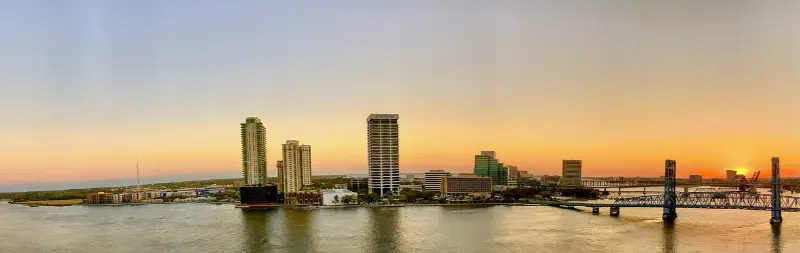
Riverside, Avondale and Five Points show a side of Jacksonville that travelers can miss when they move only between the airport, beaches and major attractions. These historic neighborhoods are built around tree-lined streets, older homes, local restaurants, bars, boutiques, parks and a more walkable rhythm than much of the city.
The areas connect culturally but are not one giant pedestrian district. The best visit is built around two or three anchors—perhaps the Cummer Museum, Five Points and Avondale—rather than trying to walk every residential street. On Saturdays, the Riverside Arts Market adds an easy reason to start near the river and continue into the neighborhood.
This is also one of Jacksonville’s better areas for travelers who value food and atmosphere more than admission-ticket attractions. The trade-off is that the “sights” are subtle: architecture, parks, cafés, independent businesses and the pleasure of spending time rather than checking off famous landmarks.
Quick planning summary
- Best for: food lovers, couples, architecture fans, repeat Florida visitors, shoppers and travelers who prefer neighborhoods to big attractions
- How much time: about 3–5 hours for a relaxed neighborhood sampler; most of a day if you include the Cummer Museum and Saturday market
- Current practical snapshot: Visit Jacksonville describes Riverside Avondale as a walkable National Register historic district; the Riverside Arts Market currently occurs Saturdays from 10 a.m.–3 p.m.
- Best season: fall through spring for comfortable walking; summer works best with shorter outdoor segments and air-conditioned food/shopping breaks
- Good pairings: Cummer Museum, Memorial Park, Downtown Riverwalk or San Marco on a separate segment of the day
What the experience is really like
Riverside feels creative and lively around Five Points, Avondale is more polished and residential, and the riverfront parks add breathing room between commercial areas. The neighborhood rewards visitors who slow down, look at historic homes and choose a meal deliberately instead of using it only as a drive-through district.
What to prioritize
Start around the Cummer and Riverside Arts Market zone
This is the easiest place to combine culture, river views and a weekend market. If visiting on Saturday, arrive before the market’s busiest middle hours, then move into Five Points for lunch.
Walk Five Points for independent character
Five Points is the most obvious concentration of cafés, shops and nightlife energy. It is compact enough to browse without a strict itinerary, but parking can be more annoying at popular meal times.
Use Memorial Park as a pause
The riverfront park provides open views and a natural break between shopping and food. It also helps multigenerational groups reset before deciding whether to continue into Avondale.
Treat Avondale as a dining and architecture stop
Avondale works best when paired with a meal and a short walk rather than approached as a conventional attraction. The appeal is the preserved streetscape and local atmosphere.
Parking, arrival and logistics
Parking is a neighborhood-by-neighborhood issue. Around Five Points and popular dining areas, spaces can turn over slowly at peak times. If you find a legal spot near your main cluster, walk between nearby stops instead of moving the car after every block. For the Cummer, use the museum’s current paid-parking system rather than assuming neighborhood parking rules apply.
How to fit it into a Jacksonville trip
Jacksonville is geographically large, and map distances can hide bridge crossings, beach traffic and long suburban corridors. Group attractions by area instead of bouncing between Downtown, the Beaches and the Timucuan coast several times in one day. A well-planned half day with one nearby meal is usually more enjoyable than three famous stops separated by repeated drives.
For this stop, the most natural combinations are Cummer Museum, Memorial Park, Downtown Riverwalk or San Marco on a separate segment of the day. If you are also visiting St. Augustine, keep that city on a separate day unless your itinerary is deliberately a point-to-point road trip. The historic core south of Jacksonville rewards slow walking, so it rarely combines well with a rushed Jacksonville attraction afternoon.
A useful regional link is the Ponte Vedra Beach travel guide, which explains the coastal transition between Jacksonville and St. Augustine. If beaches are a major priority, the St. Augustine and Ponte Vedra beach comparison can help decide whether to spend more coast time north or south.
Families with babies and young children
Families with young children should center the visit on parks, the Saturday market and a meal rather than extended shopping. A stroller works on many neighborhood sidewalks, but older surfaces, driveways and crossings can be uneven compared with a modern attraction.
With babies and preschoolers, plan around shade, bathrooms, food and opportunities to move rather than the number of attractions completed. Northeast Florida heat can change a child’s mood quickly, and a shorter visit followed by a pool, playground or early dinner is often a better result than forcing the final hour of an adult itinerary.
Teenagers and older children
Teenagers who enjoy vintage stores, cafés, street style, photography and local food may prefer this area to a formal museum day. Let them choose a shop or lunch stop and keep the schedule flexible enough to browse.
Teenagers usually engage more when they have a role: choose the lunch stop, photograph a viewpoint, compare two habitats or historical stories, track wildlife, or decide which optional activity to add. Giving them ownership of one decision often works better than adding more “educational” stops.
Senior travelers and multigenerational groups
Senior travelers can enjoy the neighborhood with minimal walking by driving between two main clusters and using Memorial Park or the Cummer as seated anchors. Avoid turning “walkable neighborhood” into a forced multi-mile route.
For multigenerational travel, let the least mobile traveler set the base pace and give more active family members optional extensions. Clear meeting points, shaded rest stops and parking close to the main feature are more valuable than squeezing one extra attraction into the schedule.
Accessibility and comfort
Accessibility varies by individual business and older streetscape. Modern museum facilities are predictable, while small shops and historic commercial buildings may have different entrances or narrow interiors. Call a specific venue if step-free access is essential.
Accessibility can change by surface and activity even when a destination has accessible parking and restrooms. Sand, roots, boardwalks, historic thresholds, long distances and heat all matter. If a wheelchair, walker or cane is part of the trip, confirm the exact route needed for the experience you care about most rather than relying only on a general accessibility label.
Weather and seasonal planning
Northeast Florida is visitable year-round, but the same itinerary feels very different in January and July. Late spring through early fall brings heat, humidity and frequent afternoon thunderstorms. Winter can be excellent for walking, yet cold fronts make exposed beaches and riverfronts windy and much cooler than inland parking lots.
Lightning is the most important same-day reason to change an outdoor plan. At beaches, parks, zoos and open historic sites, thunder is a signal to move to a safe indoor location rather than shelter under a tree or open pavilion. During hurricane season, check official operating status before driving because coastal parks and bridges can close even when the storm center is not nearby.
Food, water and break strategy
Do not wait until everyone is hungry to decide where to eat. Jacksonville distances make “we will just find something after this” less reliable than in a compact tourist city. Save one nearby meal option before arrival, carry water in the car and keep a small snack available for children or travelers with medication schedules.
For outdoor stops, a real shaded or air-conditioned break at midday can improve the entire second half of the day. For indoor attractions, reverse the logic and use a park, riverfront or neighborhood walk as the reset after galleries and exhibits.
Is it worth it?
Choose Riverside/Avondale over Downtown when you want local neighborhood character and food rather than skyline landmarks. Choose Jacksonville Beach when the ocean is the main purpose of the day. For first-time visitors, a Cummer + Riverside/Avondale combination is one of the most coherent half-day urban plans.
The best reason to include this stop is that it adds a different type of experience to the trip. If your itinerary already has several similar museums, beaches or history sites, use this as the point where you introduce variety. Florida trips often improve when each half-day has a distinct purpose rather than a longer list of attractions.
A realistic visit plan
Morning
Visit the Cummer or, on Saturday, start at Riverside Arts Market.
Lunch
Walk or drive into Five Points for food and independent shops.
Afternoon
Pause at Memorial Park, then continue to Avondale for architecture, cafés or an early dinner.
Common mistakes to avoid
- expecting every part of Riverside and Avondale to be walkable from one parking space.
- visiting only at midday in summer with no indoor breaks.
- driving from shop to shop when several stops are within the same cluster.
- treating residential streets like an amusement district and ignoring local traffic/parking rules.
- skipping the Saturday market if it fits your dates.
Photography and wildlife etiquette
Photograph from legal public areas and keep paths, railings and protected vegetation clear. Drones, tripods, commercial photography and wildlife approach rules vary by agency, so check the destination’s policy before bringing specialized equipment. A dramatic photograph is not worth stepping into dunes, climbing unstable natural features or blocking other visitors.
Around wildlife, distance is part of the experience. Do not feed animals, crowd nests or treat a close encounter as something to manufacture for a photo. In Florida, birds, reptiles and marine wildlife can be present even at highly visited parks and beaches.
Official information to check before you go
Use Visit Jacksonville – Riverside Avondale for current hours, prices, closures, access rules and same-day notices. The practical details in this guide reflect information available in October 2026; a trip scheduled for 2028 or later should always be checked again before departure.
Extra planning notes for a smoother visit
Keep a 15–30 minute buffer between major stops. Short distances can still involve bridge traffic, event congestion, full parking areas or security/ticket lines. That margin prevents one delay from forcing you to skip the attraction you cared about most.
Save addresses, parking instructions and any reservation confirmation before leaving your hotel. Mobile coverage is generally good, but a family trying to navigate, find a lot and retrieve tickets at the same time can lose more time than expected.
Wear shoes for the most demanding surface in the day, not only for the restaurant at the end. A Jacksonville itinerary can move from pavement to sand, roots, boardwalks, wet grass or historic floors in a few hours.
Build one flexible element into every half day. A beach walk, café, park or scenic drive can expand when everything is running smoothly and shrink when parking, weather or fatigue slows the group down.
Think about the return trip before beginning the final activity. After a long beach session, museum visit or trail, everyone is less patient with parking searches and restaurant queues. Water in the car and one preselected food option can make the end of the day much easier.
Final thoughts
Riverside, Avondale and Five Points are where Jacksonville begins to feel like a lived-in city rather than a list of attractions. The strongest visit is intentionally unhurried: one museum or market, one good meal, a park, a few shops and enough time to notice the architecture.
Decision guide: when this stop makes the most sense
Choose Riverside, Avondale & Five Points Jacksonville Guide when it matches the energy and interests of the day rather than simply because it appears on a top-ten list. Food lovers, couples, architecture fans, repeat florida visitors, shoppers and travelers who prefer neighborhoods to big attractions usually get the strongest value, while travelers with a different priority may be happier using the same time for another Jacksonville experience. Think in terms of contrast: after a long indoor morning, add outdoor scenery; after a demanding trail, choose a seated or air-conditioned stop; after several history-heavy visits, give the group a beach or neighborhood break.
Budget is not only the admission price. Parking, food, rental equipment, special experiences and the time needed to drive across Jacksonville all influence the real cost of the stop. A free attraction on the opposite side of the city can consume more of the day than a paid attraction beside your hotel. Compare total effort as well as dollars.
If this is your first visit to Northeast Florida, leave some unscheduled time. Weather, beach conditions, animal activity, special events and local traffic can create opportunities that are impossible to predict months ahead. A trip with one open two-hour window is often easier to improve on the ground than an itinerary filled from breakfast to bedtime.