
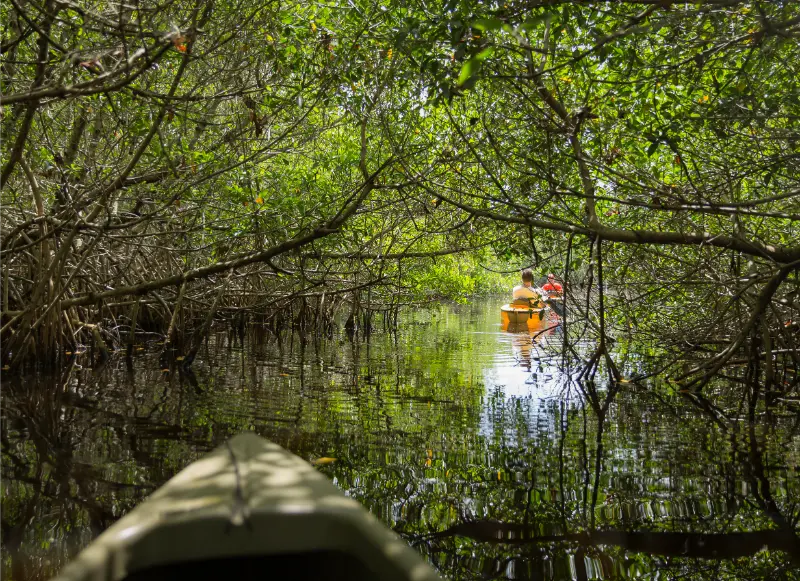
Florida’s three national parks make an unusually rewarding trip because they show three different versions of South Florida. Everglades National Park is a vast wetland and coastal wilderness; Biscayne National Park is mostly water, with islands and coral habitats; Dry Tortugas National Park is a remote cluster of islands surrounding historic Fort Jefferson. You cannot experience them all in the same way, and that is exactly why this nine-day route works. It allows time for boat schedules, weather, wildlife watching and the very real drive along the Florida Keys.
The journey starts around Miami and Homestead, follows the Overseas Highway to Key West, and returns with enough flexibility for a canceled boat trip. It suits couples, older travelers, families with school-age children and independent visitors who enjoy nature but do not necessarily want strenuous hikes or snorkeling. The key is to choose a suitable tour at each park rather than expecting every activity to fit every age.
At a glance: route, bases and essential bookings
Plan on three lodging bases: Homestead or Florida City for four nights, Key Largo or Islamorada for one night, and Key West for three nights. That gives you eight nights for nine days; if you also want a final overnight near Miami, extend the trip to ten days. A rental car is useful for the mainland and Keys sections, but you will not drive into Biscayne’s islands or Dry Tortugas. Book the Dry Tortugas ferry or authorized seaplane before locking in nonrefundable lodging; capacity is limited and trips depend on the weather. Reserve a suitable Biscayne boat trip separately. Everglades is the most flexible of the three, but guided tours can also fill during the cooler months.
A nine-day trip is neither a checklist of every park trail nor a promise of seeing every animal. Think in terms of one worthwhile experience per day, with a second optional stop if weather and energy allow. The driving leg from Homestead to Key West can take much longer than a map suggests because the Overseas Highway is a series of islands, two-lane stretches and potential bottlenecks. Start early and resist the temptation to schedule an expensive tour immediately after arrival.
Days 1 and 2: arrive in Miami and explore the eastern Everglades
Collect your car, buy groceries and settle in around Homestead or Florida City. This base places you close to the Ernest F. Coe Visitor Center and the park road toward Royal Palm and Flamingo. On your first afternoon, choose an easy local dinner and an early night. Long-distance arrivals, jet lag and afternoon thunderstorms are poor companions for an ambitious drive in unfamiliar territory.
On day two, enter Everglades through the Homestead entrance. Ask rangers about current trail, road and mosquito conditions before deciding how far to go. The short Anhinga Trail area at Royal Palm is often an approachable introduction to the ecosystem, with boardwalk sections and opportunities to look for birds, turtles and alligators from a safe distance. Wildlife is not guaranteed; the reward is learning how the wetlands change from minute to minute. Continue toward Flamingo only if everyone is comfortable with the extra round-trip driving. Flamingo offers a different coastal perspective, but it is not a quick extension from Royal Palm.
Bring drinking water, sun protection, insect repellent and a downloaded map. Never feed animals or step toward an alligator for a photograph. A stroller or mobility aid may work on selected developed paths, but check current accessibility details and avoid assuming that all trails have the same surface. Choose the morning for outdoor walks when possible, leaving the afternoon for a visitor center, rest or a casual meal in Homestead.
Day 3: choose Shark Valley or a deeper Homestead day
Shark Valley is a separate Everglades entrance approached from the Tamiami Trail, not an internal road connected to Royal Palm. Travelers eager for a panoramic wetland experience can make a dedicated day of it, usually by using a concession-operated tram tour when offered. Confirm schedules and reserve where necessary. Cycling its loop is an alternative for experienced riders, but the exposed route and heat make it unsuitable for some families and travelers with limited stamina.
A quieter alternative is to remain near Homestead and revisit the eastern entrance at a gentler pace. Take part in a ranger program if one is running, photograph the different plant communities or explore local agricultural stops around the Redland area without turning the day into an endurance test. This choice is particularly helpful for a mixed-age group: grandparents can have an enjoyable trip without being expected to complete the same mileage as energetic teenagers.
Driving to Shark Valley and returning to Homestead consumes significant time. Keep that trade-off visible in your plan rather than listing both entrances as if they were side by side. Before setting out, consult the National Park Service’s current Everglades entrance and visitor center information.
Day 4: Biscayne National Park is a water-based day
Biscayne’s mainland visitor center at Convoy Point is an excellent starting point, but a visitor-center visit alone should not be mistaken for exploring the park’s broad waters and islands. Look for an authorized boat excursion that matches your interests, comfort with motion, swimming ability and budget. Some programs emphasize history and island visits; others involve paddling or snorkeling. A family with a nervous swimmer or an older relative can still appreciate a sightseeing-focused outing. Confirm restroom access, shade, boarding arrangements and whether a tour runs in challenging weather.
Set aside most of the day even if the vessel is scheduled for only several hours. You may need extra time for check-in, parking, briefing and the return to your hotel. Do not promise children a coral reef encounter unless your booked itinerary actually includes one. In marine environments, visibility and wildlife depend on conditions outside anyone’s control. Use reef-conscious sun protection where practical and never touch coral or collect wildlife.
If boat operations are canceled, your whole vacation should not unravel. Keep day five as a potential swap, use the visitor center for orientation, or explore a nearby nature site with less dependence on the sea. Verify current programs on the official Biscayne National Park visitor page. Operators, routes and seasonal departures can change.

Day 5: flexible day and the drive to the Upper Keys
This day has two jobs: protecting your Biscayne booking against a weather cancellation and introducing the Keys without rushing. If the boat went ahead as planned, drive south toward Key Largo and spend a relaxed afternoon viewing the water, eating seafood or looking at a safe public shoreline. If your Biscayne cruise was moved, complete the tour first and shorten the Keys drive. Avoid trying to do both a full-day boat trip and a long, late-night transfer to Key West.
Keys travel is more comfortable when the stops are chosen in advance. Decide whether you prefer a short walk at a waterside park, a leisurely lunch in Islamorada or a simple drive punctuated by rest breaks. Parking can be limited at popular waterfronts, and access varies considerably between public parks and private resorts. Never assume that a roadside opening is a legal beach access or parking space.
A route with multiple stops can be fun for adults but exhausting for children who have already spent a day on the water. Carry extra water, allow time to stretch and keep the evening uncomplicated. If day five becomes a major boating day, staying in Key Largo or Islamorada instead of racing all the way south may be worth the extra hotel change.
Day 6: finish the Overseas Highway and settle into Key West
Plan the journey to Key West as part of the trip, not an inconvenient transfer. Bridges, channels, fishing boats and changing light reveal why the Keys feel different from mainland Florida. The drive is scenic but not reliably fast. It has few alternative routes, and congestion can build around weekends, events and road incidents. Use a current traffic map and budget generously for lunch and restroom breaks.
On arrival, park your car at your hotel or in an authorized garage and consider exploring central Key West on foot or by a suitable local tour. The compact historic core rewards a slow pace. Families can visit an outdoor landmark, browse a museum or simply enjoy a shaded pause in a courtyard. Do not use the afternoon for a tightly timed excursion when the morning has already required several hours behind the wheel.
Check access requirements for your lodging carefully. Some Key West accommodations occupy historic structures with stairways and limited elevators. Travelers who need a step-free room, accessible shower or quiet sleeping environment should request confirmation about the exact room before paying. For everyone else, the most useful luxury is being near enough to the evening activities that the car can remain parked.
Day 7: Dry Tortugas, the trip’s most demanding booking
Dry Tortugas is reached by authorized ferry or seaplane from Key West; it cannot be reached by road. It is memorable partly because of that distance. Fort Jefferson, the surrounding turquoise water and birdlife give the day a character unlike the other national parks. But the remoteness also means that visitors need to think carefully about seasickness, sun, accessibility, food, drinking water and the operator’s specific arrangements.
Choose between ferry and seaplane after comparing total cost, duration, weight and baggage rules, available seats and individual health or mobility needs. Ask whether any equipment or meal is supplied rather than assuming all operators provide the same package. On the island, the fort has uneven historic surfaces and exposed outdoor sections. People who do not wish to snorkel can still have an interesting day looking at architecture, learning the island’s history and enjoying the scenery where permitted.
Treat departure as a full-day commitment, including early check-in and travel time. The sea may be rough even on a sunny day in Key West. If someone in your group is particularly sensitive to motion, ask the operator about realistic conditions and consult a healthcare professional about any medication. The official Dry Tortugas planning pages explain access, safety and the island setting.
Day 8: Key West recovery day and a weather contingency
Leave day eight deliberately open. If the Dry Tortugas excursion operated on day seven, enjoy a slower Key West morning: one museum, an easy meal, waterfront views and an afternoon break are plenty. If the operator cancels day seven and can move you to day eight, you have a valuable second chance. Rebooking is never guaranteed, which is why cancellation conditions must be understood before purchase.
This is also a good opportunity to teach children that protecting a destination matters as much as collecting photographs. Explain why protected marine habitats have wildlife rules, why coral cannot be touched and why litter is especially damaging on remote islands. Younger children may remember a patient observation of pelicans or fish more vividly than a rushed sequence of monuments.
A sunset outing is appealing, but it should be optional after a full day at sea. Look up sunset timing for your travel dates, plan your return after dark carefully and avoid mixing drinking with driving. Nightlife may be a major draw for some visitors, yet a peaceful waterfront stroll is equally appropriate for families and older adults.
Day 9: return north or arrange an open-jaw flight
Returning to Miami from Key West is a substantial driving day. Leave with enough margin for traffic, rental-car return, fuel and airport security. A flight on the same day as the long drive is risky when timed too tightly, especially if someone has mobility needs or extra checked bags. Where flight choices and budget allow, compare departing from Key West directly against returning the car in Miami. An open-jaw or one-way rental arrangement can save effort, but it may introduce fees.
If you want a gentler finale, add another night in the Upper Keys and extend the trip to ten days. This is often the best improvement for a group of different ages: one additional night makes the national parks feel like experiences rather than appointments. Also keep your final receipts for tours and park entrance charges, since cancellation refunds and federal pass rules vary by operator and visitor status.
Budget, seasons and accessibility decisions
Your highest variable costs are likely to be lodging in Key West, Dry Tortugas transport, Biscayne boat tours and the rental car. Compare three categories of accommodation in each base: a simple room with included parking, a suite with breakfast and a vacation rental with kitchen facilities. The cheapest nightly rate is not always the cheapest trip after resort charges, parking, taxes and meal costs. National park entrance policies and passes should be checked close to travel, particularly for international visitors.
Cooler months generally make outdoor exploration more comfortable, but they also bring greater demand and sometimes rougher water. Summer can mean high humidity, thunderstorms, insects and tropical-weather disruptions. Whatever the season, never build a timetable that depends on three boats operating perfectly. Ask operators directly about wheelchair boarding, service animals, infant policies, minimum ages and sea conditions; an accessible visitor center does not imply an accessible vessel or beach landing.
Frequently asked questions
Can I visit all three parks in three days? Technically a visitor might reach parts of them on consecutive days, but the driving, boat connections and weather risks make it a poor plan. A week or more is markedly more comfortable.
Can I explore Biscayne without a boat? You can visit the mainland area and visitor center, but most of the national park is offshore. A boat trip provides the fuller experience.
Is Dry Tortugas appropriate for young children or seniors? Age by itself is not the deciding factor. Consider seasickness, toilet access, heat, boarding arrangements, uneven fort surfaces and how comfortable the individual is with a long excursion.
Will we definitely see alligators, dolphins or sea turtles? No. Wildlife sightings are never guaranteed, and the safest approach is to watch patiently without approaching animals.
Should I book all hotels before the boat tours? Reserve or at least verify critical transport first, particularly Dry Tortugas, and choose lodging with cancellation terms that match the excursion risks.
Official planning resources
Use the Everglades National Park planning guide, Biscayne National Park and Dry Tortugas National Park to confirm current entrance information, tour options, weather alerts and access before setting out.
Leave a Reply