
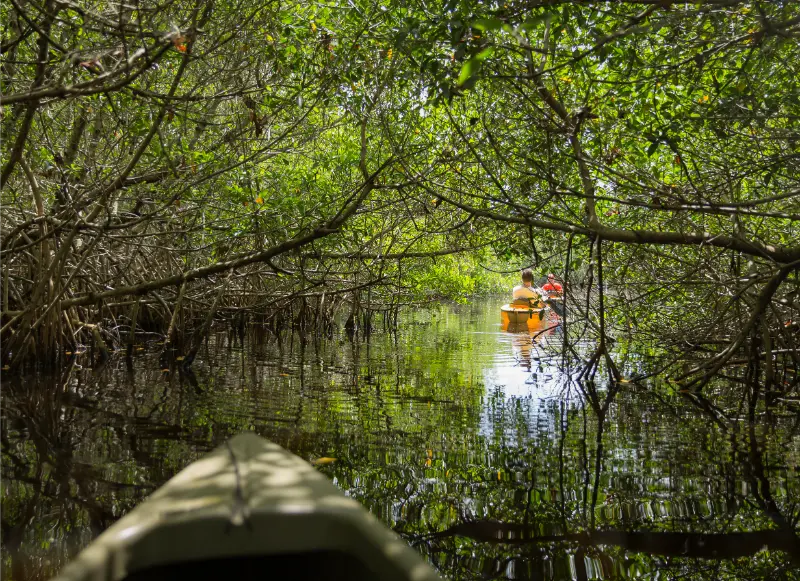
Florida’s national-park story is unusual because the three places officially designated as national parks are dramatically different from one another. Everglades is a vast subtropical wetland reached by road from several gateways. Biscayne is mostly water and makes the most sense from a boat. Dry Tortugas sits far offshore from Key West and requires a ferry, seaplane or private boat. Treating them as interchangeable “parks near Miami” is one of the easiest ways to plan the wrong day.
I would build a Florida national-parks trip around access first and scenery second. Decide whether your group wants wildlife, snorkeling, history, paddling, easy boardwalks or remote-island adventure, then match the park to that priority. Families, older travelers and visitors with limited mobility can enjoy all three, but the logistics and comfort level are very different.
Quick planning summary
- The three national parks: Everglades, Biscayne and Dry Tortugas
- Best for wildlife: Everglades, especially when temperatures and mosquitoes are more comfortable
- Best for reefs and boating: Biscayne
- Best remote experience: Dry Tortugas and Fort Jefferson
- Important extra: Big Cypress is a National Preserve, not a national park, but it belongs in many South Florida itineraries
- Planning rule: reserve boats, ferries and special tours before building the rest of the day around them
How many national parks are in Florida?
Florida has three sites with the formal National Park designation: Everglades National Park, Biscayne National Park and Dry Tortugas National Park. The National Park Service also manages other important Florida units, including Big Cypress National Preserve, Canaveral National Seashore, Gulf Islands National Seashore, Castillo de San Marcos National Monument, Fort Matanzas National Monument, Timucuan Ecological and Historic Preserve and several memorials and historic sites.
That distinction matters when you search maps or passes. A traveler who says “I want to visit Florida’s national parks” may really be looking for the broader National Park Service system. I would not ignore the preserves, seashores and monuments simply because their official label is different; some are easier to reach and may fit families or road trips better than the three national parks.
Everglades National Park: the wildlife and wetland giant
Everglades National Park protects an enormous mosaic of sawgrass marsh, mangroves, pinelands, freshwater sloughs and Florida Bay. It is not one single entrance with one loop road. The Shark Valley area, the Homestead/Flamingo corridor and the Gulf Coast/Everglades City side create very different days, which is why I would choose the entrance before choosing individual trails.
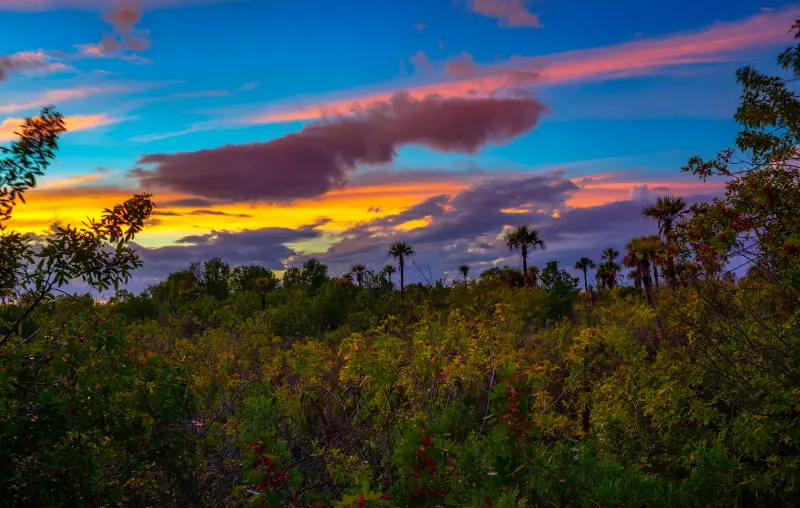
Planning tipFor a first visit, an easy boardwalk, a scenic stop and one wildlife-focused activity is usually enough. Dry-season conditions tend to be more comfortable, while the wetter months bring heat, humidity, mosquitoes and frequent storms. Wildlife is never guaranteed, but alligators, wading birds and other species are part of the park’s appeal. Keep distance, never feed animals and do not treat a roadside wildlife encounter like a zoo exhibit.
Biscayne National Park: a park that makes more sense from the water
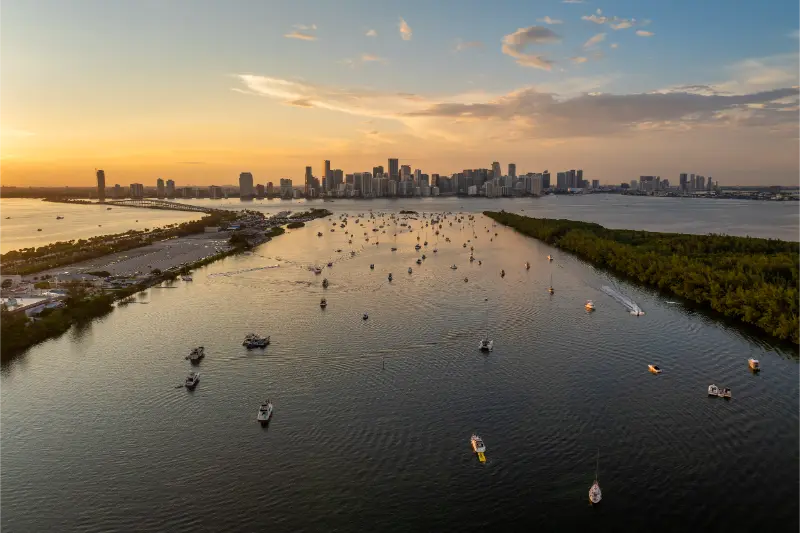
Biscayne protects islands, mangrove shorelines, seagrass and coral-reef environments within sight of the Miami region. Because most of the park is water, a land-only visit gives only a small sample. If Biscayne is a major reason for your trip, look at the official boat and paddling options before you book the rest of the day.
Snorkeling and boating can be wonderful, but conditions matter. Wind, waves, visibility and thunderstorms can change what is practical. Families should check age and swimming requirements for each operator. Non-swimmers can still enjoy shore-based interpretation or certain boat outings, but the best experience depends on choosing an activity that matches the weakest swimmer and the least mobile person in the group.
Dry Tortugas National Park: remote, beautiful and logistically demanding
Dry Tortugas lies roughly 70 miles west of Key West and is accessible only by boat or seaplane. Fort Jefferson dominates Garden Key, while clear water, birdlife, snorkeling and the feeling of isolation make the journey memorable. The remoteness is also the main planning challenge: you cannot simply drive away when someone forgets medication, sun protection or a change of clothes.
I would book transportation first, then organize the Key West stay around the confirmed day. Seas can be uncomfortable for motion-sensitive travelers, and weather can affect operations. Carry the essentials requested by your operator, bring reliable sun protection and understand what food, water and equipment are included. Camping is a separate level of preparation and should not be treated like an improvised extension of a day trip.
Big Cypress and other NPS sites worth adding
Big Cypress National Preserve sits beside the Everglades and is often part of the same South Florida road trip. Scenic drives, boardwalks and wildlife viewing can complement Everglades National Park without duplicating it. On the Atlantic side, Canaveral National Seashore adds long beaches and protected coastal habitat near the Space Coast. In St. Augustine, Castillo de San Marcos and Fort Matanzas connect a beach trip with centuries of history.
North Florida and the Panhandle add still more NPS variety through Timucuan Ecological and Historic Preserve and Gulf Islands National Seashore. The useful approach is not collecting every NPS stamp. Choose sites that fit the route you already want to drive, then give the places with boat access, wildlife or major historical interpretation enough time to feel meaningful.
How to combine the parks without exhausting the trip
A realistic South Florida national-parks sequence might use Miami or Homestead for Biscayne and the eastern Everglades, then continue to the Keys and Key West before a Dry Tortugas day. Trying to do Everglades, Biscayne and Key West in one day creates more windshield time than park time. The distances look manageable on a map, but parking, boat check-in and traffic around Miami or the Keys add friction.
If your vacation is only a week, I would choose two of the three national parks unless the parks are the main purpose of the trip. A longer road trip can include all three plus Big Cypress. Keep at least one flexible half-day around boat-based plans so a weather change does not force you to sacrifice the entire route.
Families, older travelers and accessibility
Families should choose short boardwalks, ranger programs and boat trips that match children’s patience and swimming ability. Older travelers may prefer Shark Valley-style wildlife viewing, visitor-center areas and shorter walks rather than long humid hikes. Accessibility varies by site and activity, so review the NPS accessibility pages and contact boat operators directly when boarding assistance, mobility devices or accessible restrooms are essential.
For multigenerational groups, I would build the day around a comfortable base and one shared priority, then let the group split for optional activities. Florida trips work better when everyone does not have to match the pace of the fastest walker or the most energetic teenager. Shade, seating, restrooms, short transfer times and an easy route back to the hotel often matter more than squeezing in one additional attraction.
Budget and booking strategy
National parks can be good-value days, but the expensive part is often transport rather than admission. Dry Tortugas transportation, guided Biscayne boat trips, airboat-style experiences outside park boundaries, lodging in the Keys and rental cars can dominate the budget. Reserve the scarce item first, then compare the rest of the trip around it instead of chasing a cheap hotel that creates hours of extra driving.
Compare the total day rather than a single ticket or hotel price. Parking, tolls, resort fees, food, rentals, transport and cancellation rules can change which choice is actually cheaper. For weather-sensitive plans I prefer reservations that can be modified, even when the flexible option costs a little more.
Best timing and seasonal planning
For Everglades and much of South Florida, the drier and cooler part of the year is popular for a reason. Summer can still be rewarding, but heat, humidity, mosquitoes and storms change the pace. Biscayne and Dry Tortugas depend strongly on marine conditions. Shoulder periods can work well when you accept that one water-based day may need a backup plan.
Florida is large enough that weather and crowd patterns differ by region. Check the local forecast and official operating calendar close to the visit, especially when the plan depends on water conditions, wildlife seasons, a ferry, a boat trip or an outdoor attraction.
A practical way to use this guide
Start with the part of Florida National Parks Guide that would make the trip feel worthwhile even if the rest of the day changed. Protect that priority first, then add flexible stops around it. This keeps a weather delay, tired child or longer-than-expected drive from turning the whole itinerary into a failure.
I also separate fixed commitments from flexible choices. Timed tickets, ferries, cruises, special tours and hard-to-get reservations belong in the fixed group. Beaches, neighborhood walks, casual meals, parks and hotel-pool time can usually move. When conditions change, adjust the flexible pieces instead of forcing the original schedule.
Common mistakes to avoid
- Assuming all three national parks are easy drive-in parks.
- Trying to visit more than one major park area in the same rushed day.
- Booking a Key West hotel before confirming Dry Tortugas transportation when that is the trip priority.
- Approaching wildlife too closely for a photograph.
- Ignoring marine forecasts and operator rules for boat-based days.
- Forgetting that Big Cypress and other NPS sites can be as rewarding as the three formal national parks.
Useful Wonderful Florida guides
- Everglades National Park guide
- Florida Keys and Key West guide
- 14-day Florida road trip
- Best time to visit Florida
Official resources to check before you go
Hours, reservation systems, access rules, transportation schedules and weather-related closures can change. When a specific attraction, trail, ferry or service is essential to your trip, verify it on the official source shortly before travel.
Frequently asked questions
Can I visit Everglades and Biscayne in one day?
You can technically touch both, but I would only do it when one visit is intentionally short. A full Biscayne boat outing plus a meaningful Everglades experience usually deserves separate days.
Do I need a car for Florida’s national parks?
A car is the easiest way to reach most Everglades and Biscayne access points. Dry Tortugas is different because the final journey is by ferry, seaplane or private boat from the Key West area.
Which Florida national park is best with children?
There is no single winner. Everglades is easiest for short wildlife walks, Biscayne is excellent for children who enjoy boats and water, and Dry Tortugas works well for families comfortable with a long transport day.
Is Big Cypress part of Everglades National Park?
No. Big Cypress National Preserve is a separate National Park Service unit, although the landscapes are connected and the two are often combined on the same South Florida trip.
How many days do I need for all three national parks?
I would allow at least four to five nights in South Florida and the Keys, and preferably more, because Biscayne and Dry Tortugas depend on boat logistics and the Everglades has several distinct access areas.
Final thoughts
Florida’s national parks reward travelers who plan around water, wildlife and distance rather than a checklist. Choose the park experience that matters most, secure the hard-to-get transportation, then leave enough breathing room to enjoy the landscape. The result feels far more like Florida than racing from sign to sign.